ABOS Board Review: SCFE, Köhler's Disease, Dermatomyositis, & Sprengel's Deformity | Part 32
20 Jun 2026
47 min read
46 Views
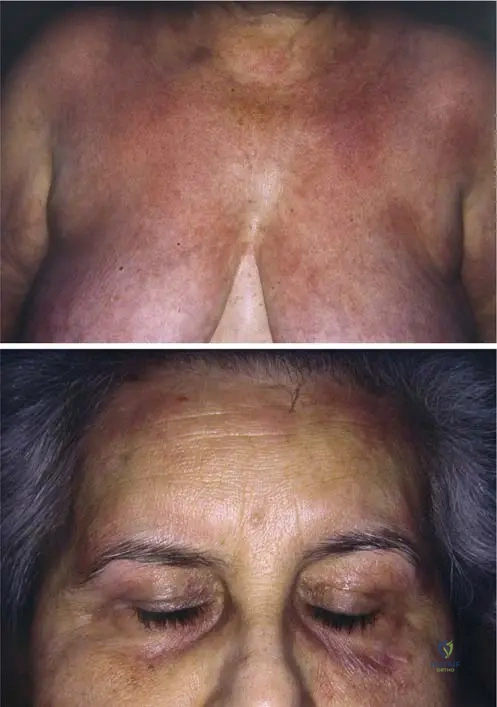
Key Takeaway
ABOS Board Review Part 32 covers key orthopedic and rheumatologic topics essential for board preparation. This module includes detailed questions on Slipped Capital Femoral Epiphysis (SCFE), Köhler's Disease I, Dermatomyositis, and Sprengel's Deformity, focusing on diagnosis, pathophysiology, treatment, and complications. It's designed to enhance your understanding of these critical conditions.
ABOS Board Review: SCFE, Köhler's Disease, Dermatomyositis, & Sprengel's Deformity | Part 32
Comprehensive 100-Question Exam
00:00
Start Quiz
Question 1
A 13-year-old boy with a BMI of 32 presents with 4 months of left groin and thigh pain. On physical examination, as his left hip is passively flexed, it obligatorily externally rotates. Which of the following is the most appropriate initial management?
Explanation
The patient has a stable SCFE, indicated by the Drehmann sign. The gold standard treatment for stable SCFE is in situ pinning with a single cannulated screw.
Question 2
A 10-year-old girl with previously undiagnosed hypothyroidism presents to the emergency department unable to bear weight on her right leg after a minor fall. Radiographs confirm an acute, unstable slipped capital femoral epiphysis (SCFE). What is the most devastating common complication associated with her diagnosis?
Explanation
Avascular necrosis is the most severe and relatively common complication of an unstable SCFE, occurring in up to 47% of cases. Urgent decompression and stabilization are debated, but AVN risk remains high.
Question 3
Routine prophylactic pinning of the contralateral hip in a patient with a unilateral slipped capital femoral epiphysis (SCFE) is most strongly indicated in which of the following scenarios?
Explanation
Prophylactic pinning of the asymptomatic contralateral hip is indicated in patients with endocrine disorders (e.g., renal osteodystrophy, hypothyroidism) due to the high risk of bilateral involvement.
Question 4
A 12-year-old boy undergoes in situ pinning for a stable slipped capital femoral epiphysis. During the procedure, the surgeon decides on screw placement. Which of the following describes the ideal position of the screw within the epiphysis?
Explanation
The ideal position for a single screw in SCFE fixation is in the center-center of the epiphysis. This provides maximal stability and reduces the risk of joint penetration.
Question 5
Which of the following radiographic lines is most useful for diagnosing a subtle slipped capital femoral epiphysis (SCFE) on an AP radiograph of the pelvis?
Explanation
Klein's line is drawn along the superior margin of the femoral neck on an AP view. In a normal hip, it should intersect a portion of the lateral epiphysis; in SCFE, the line passes superior to the epiphysis.
Question 6
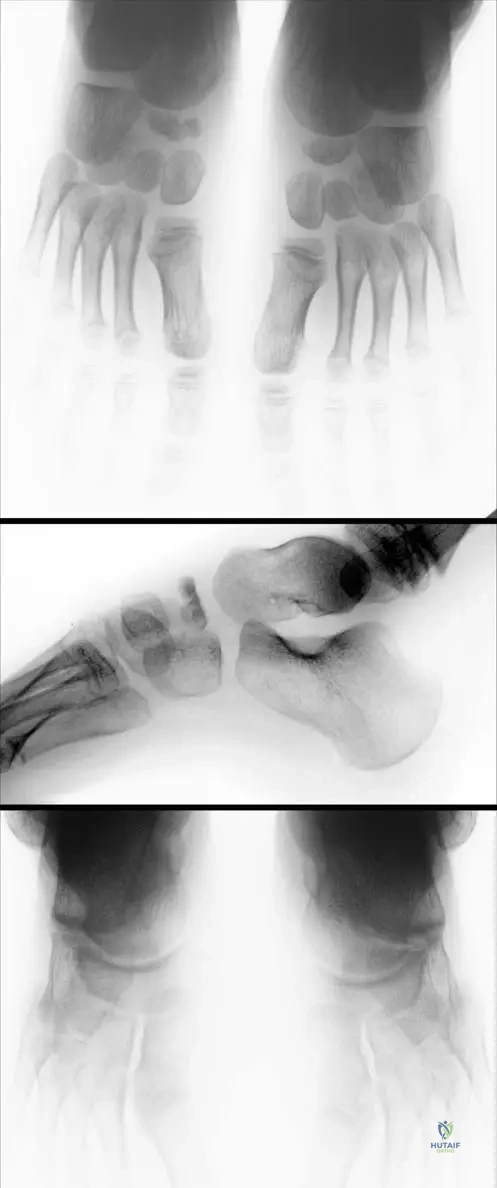
A 5-year-old boy presents with a limp and midfoot pain for the past 3 weeks. There is no history of trauma. Radiographs reveal sclerosis and flattening of the tarsal navicular.
What is the most appropriate management?
What is the most appropriate management?
Explanation
Köhler's disease is a self-limiting avascular necrosis of the tarsal navicular. Management is conservative, with a short leg walking cast for 4-6 weeks providing excellent symptomatic relief.
Question 7
Köhler's disease most commonly affects which demographic group?
Explanation
Köhler's disease predominantly affects boys between the ages of 4 and 8 years. It is an osteochondrosis of the tarsal navicular caused by compressive forces during ossification.
Question 8
A 6-year-old boy is diagnosed with Köhler's disease. His parents are concerned about long-term deformity of the foot. Which of the following represents the most likely long-term outcome?
Explanation
Köhler's disease has an excellent prognosis. The navicular predictably undergoes complete spontaneous reconstitution with no long-term deformity or disability.
Question 9
What is the primary pathophysiological mechanism thought to cause Köhler's disease?
Explanation
The tarsal navicular is the last tarsal bone to ossify. Mechanical compression between the already ossified talus and cuneiforms leads to temporary ischemia and osteonecrosis.
Question 10
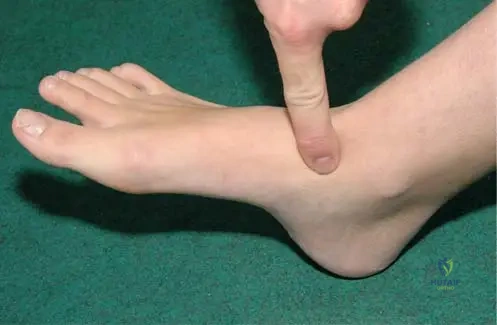
A 7-year-old boy presents with dorsal midfoot pain. Radiographs show fragmentation and sclerosis of the navicular.
Which of the following best distinguishes Köhler's disease from Freiberg's infraction?
Which of the following best distinguishes Köhler's disease from Freiberg's infraction?
Explanation
Köhler's disease is osteochondrosis of the tarsal navicular, typically seen in young boys. Freiberg's infraction is osteochondrosis of a metatarsal head, more common in adolescent females.
Question 11
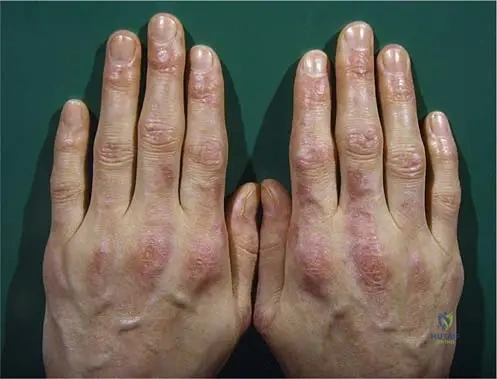
A 9-year-old girl presents with progressive proximal muscle weakness, an erythematous rash on her knuckles, and a purplish discoloration over her eyelids.
Which of the following is the most likely diagnosis?
Which of the following is the most likely diagnosis?
Explanation
The clinical picture of proximal muscle weakness, Gottron papules on the knuckles, and heliotrope rash on the eyelids is pathognomonic for juvenile dermatomyositis.
Question 12
An adult patient with a confirmed diagnosis of dermatomyositis complains of persistent hip pain. Radiographs reveal extensive subcutaneous and intramuscular calcifications.
This finding is known as:
This finding is known as:
Explanation
Calcinosis cutis (or dystrophic calcification) is a severe and debilitating complication of dermatomyositis, characterized by calcium deposits in the skin, subcutaneous tissues, and fascia.
Question 13
Which of the following autoantibodies is most highly specific for dermatomyositis and is strongly associated with interstitial lung disease?
Explanation
Anti-Jo-1 antibodies are highly specific for inflammatory myopathies like dermatomyositis and polymyositis. They are strongly associated with antisynthetase syndrome, which includes interstitial lung disease.
Question 14
A muscle biopsy is performed on a patient suspected of having dermatomyositis. Which of the following histopathological findings is classically associated with this condition?
Explanation
Dermatomyositis is characterized histologically by perifascicular atrophy and perivascular, septal inflammation. In contrast, polymyositis typically shows endomysial inflammation.
Question 15
In adult patients presenting with new-onset dermatomyositis, the treating physician must have a high index of suspicion and screen for which of the following associated conditions?
Explanation
Adult-onset dermatomyositis has a strong association with underlying occult malignancies (e.g., ovarian, lung, gastrointestinal). Age-appropriate cancer screening is mandatory.
Question 16
A 5-year-old girl presents with a visibly elevated and hypoplastic left scapula.
She is diagnosed with Sprengel's deformity. What is the embryological failure that results in this condition?
She is diagnosed with Sprengel's deformity. What is the embryological failure that results in this condition?
Explanation
Sprengel's deformity is caused by an arrest in the embryological descent of the scapula from the cervical region to its normal thoracic position during the 9th to 12th weeks of gestation.
Question 17
A 6-year-old boy with Sprengel's deformity is undergoing radiographic evaluation. In approximately 30% of these patients, what cartilaginous or osseous structure tethers the scapula to the cervical spine?
Explanation
The omovertebral bone is a fibrous, cartilaginous, or osseous connection between the superomedial border of the scapula and the spinous processes or lamina of the lower cervical spine.
Question 18
Which of the following syndromes is most frequently associated with Sprengel's deformity?
Explanation
Klippel-Feil syndrome, characterized by congenital fusion of cervical vertebrae, is seen in up to one-third of patients with Sprengel's deformity.
Question 19
A 4-year-old child with severe Sprengel's deformity is planned for a Woodward procedure. What does this surgical intervention primarily involve?
Explanation
The Woodward procedure involves releasing the origins of the trapezius, rhomboids, and levator scapulae from the spinous processes, excising any omovertebral connection, and advancing the muscle origins inferiorly to lower the scapula.
Question 20
What is the most common functional limitation observed in patients with an untreated, severe Sprengel's deformity?
Explanation
Due to the tethering of the scapula and altered biomechanics of the shoulder girdle, patients with Sprengel's deformity classically have restricted shoulder abduction and forward elevation.
Question 21
A 7-year-old boy, whose weight is in the 25th percentile, presents with right knee pain and a limp. Radiographs demonstrate a mild posterior and inferior displacement of the proximal femoral epiphysis. After surgical stabilization, what is the most appropriate next step in management?
Explanation
SCFE in patients younger than 10 years or older than 16 years, or those with weight below the 50th percentile, warrants an endocrine workup to rule out underlying conditions like hypothyroidism or growth hormone deficiency.
Question 22
Which of the following is an established indication for prophylactic in situ fixation of the contralateral hip in a patient presenting with unilateral Slipped Capital Femoral Epiphysis (SCFE)?
Explanation
Prophylactic pinning of the contralateral hip is indicated in patients with metabolic or endocrine disorders, such as renal osteodystrophy or hypothyroidism, due to the exceptionally high risk of bilateral involvement.
Question 23
A 5-year-old boy presents with a limp and midfoot pain. A radiograph is shown:
What is the most appropriate management?
What is the most appropriate management?
Explanation
The radiograph demonstrates Köhler's disease, an osteochondrosis of the navicular. It is self-limiting, and symptomatic relief with a short-leg walking cast for 4-6 weeks is the treatment of choice for significant pain.
Question 24
A 9-year-old girl with a history of proximal muscle weakness and a distinctive rash presents with hard, painful subcutaneous nodules around her elbows and knees. An X-ray is shown:
What is the pathophysiology underlying these radiographic findings?
What is the pathophysiology underlying these radiographic findings?
Explanation
The image shows calcinosis cutis, a common complication of juvenile dermatomyositis. It is characterized by dystrophic calcification in the skin, subcutaneous tissues, and fascia in areas of active or past inflammation.
Question 25
A 6-year-old girl is evaluated for congenital high scapula (Sprengel's deformity). A fibrous/cartilaginous connection is identified between the superomedial border of the scapula and the cervical spine. Which of the following anomalies is most commonly associated with this deformity?
Explanation
Sprengel's deformity is highly associated with Klippel-Feil syndrome, congenital scoliosis, and fused ribs. The omovertebral connection is present in about 30% of these cases.
Question 26
In a patient with Slipped Capital Femoral Epiphysis (SCFE), the mechanical failure occurs predominantly through which layer of the physis?
Explanation
Slippage in SCFE typically occurs through the hypertrophic zone of the physis. This is often secondary to an imbalance between mechanical shear stresses and the endocrine-mediated structural integrity of the growth plate.
Question 27
A 14-year-old boy underwent in situ pinning for a stable SCFE 6 months ago. He now presents with increasing stiffness, pain, and marked limitation of hip motion. Radiographs show uniform joint space narrowing to <3 mm. What is the most likely diagnosis?
Explanation
Chondrolysis presents with severe stiffness, pain, and uniform joint space narrowing (<3 mm) after SCFE. Avascular necrosis primarily shows subchondral collapse and sclerosis rather than rapid, global joint space narrowing.
Question 28
Köhler's disease primarily affects the tarsal navicular bone. Why is the navicular particularly susceptible to this osteochondrosis?
Explanation
The tarsal navicular is the last bone in the foot to ossify. During its late ossification, it is squeezed between the already ossified talus and cuneiforms, making it vulnerable to compressive forces and transient ischemia.
Question 29
A 10-year-old child presents with an insidious onset of symmetric, proximal muscle weakness, fatigue, and a purplish discoloration over the upper eyelids. What autoantibody is most classically associated with an increased risk of severe interstitial lung disease in this condition?
Explanation
Anti-Jo-1 is a myositis-specific antibody directed against histidyl-tRNA synthetase. It is strongly associated with interstitial lung disease and a more chronic disease course in inflammatory myopathies.
Question 30
The Woodward procedure is a common surgical treatment for Sprengel's deformity. Which of the following best describes the primary objective of this procedure?
Explanation
The Woodward procedure involves detaching the trapezius and rhomboid muscles from their spinous origins, excising the omovertebral bone, and advancing the musculature inferiorly to pull the scapula into a more anatomically appropriate position.
Question 31
According to Loder's classification, which clinical finding differentiates an unstable Slipped Capital Femoral Epiphysis (SCFE) from a stable SCFE?
Explanation
Loder classified SCFE based on stability, defining an unstable slip by the patient's inability to walk, even with assistive devices. Unstable SCFE carries a significantly higher rate of avascular necrosis.
Question 32
A 12-year-old girl with a known autoimmune disorder presents with severe joint contractures and hard palpable masses. Radiographs are shown:
Surgical excision of these lesions is generally indicated for which of the following reasons?
Surgical excision of these lesions is generally indicated for which of the following reasons?
Explanation
Surgical excision of calcinosis cutis in dermatomyositis is challenging and generally reserved for severe complications like mechanical block, painful ulceration, or recurrent infection due to the high risk of recurrence and poor wound healing.
Question 33
Which of the following radiographic findings is the hallmark of Köhler's disease?
Explanation
The classic radiographic appearance of Köhler's disease shows a narrow, dense, sclerotic, and sometimes fragmented tarsal navicular bone, which typically reconstitutes its normal architecture over 1 to 3 years.
Question 34
During surgical correction of a Sprengel's deformity, an omovertebral bone is identified. Where does this structure typically attach?
Explanation
The omovertebral bone is a cartilaginous or osseous connection found in up to 40% of Sprengel's deformity cases. It spans from the superomedial angle of the scapula to the posterior elements of the lower cervical spine.
Question 35
The deformity in Slipped Capital Femoral Epiphysis (SCFE) typically causes the proximal femoral metaphysis to displace in which direction relative to the epiphysis?
Explanation
In SCFE, the epiphysis stays relatively fixed within the acetabulum while the femoral neck (metaphysis) typically displaces anteriorly and superiorly. This creates the classic clinical presentation of external rotation and shortening.
Question 36
A patient with untreated Sprengel's deformity will most likely exhibit limited range of motion in which of the following shoulder movements?
Explanation
The scapula in Sprengel's deformity is elevated, hypoplastic, and medially rotated, leading to a significant restriction in scapulothoracic motion. This most notably limits active shoulder abduction.
Question 37
In the treatment of an unstable Slipped Capital Femoral Epiphysis, which surgical maneuver has been advocated by some to reduce the high risk of avascular necrosis?
Explanation
Unstable SCFE carries a high risk of AVN. Performing an anterior capsulotomy decompresses the joint hematoma, which can lower intracapsular pressure and theoretically preserve epiphyseal blood flow.
Question 38
Köhler's disease most commonly affects which of the following patient populations?
Explanation
Köhler's disease typically occurs in young children, predominantly boys, between the ages of 4 and 6 years. It correlates with the normal delayed ossification timing of the navicular.
Question 39
A 5-year-old boy presents with a high-riding left scapula and restricted left shoulder abduction. A clinical image is evaluated:
At what embryonic stage does the normal descent of the scapula usually occur, failing which results in this deformity?
At what embryonic stage does the normal descent of the scapula usually occur, failing which results in this deformity?
Explanation
The scapula normally develops in the cervical region at about 5 weeks of gestation and descends to its definitive thoracic position by the 9th to 12th week. Failure of this descent results in Sprengel's deformity.
Question 40
In juvenile dermatomyositis, a muscle biopsy classically demonstrates which of the following histological findings?
Explanation
Juvenile dermatomyositis is primarily a microangiopathy affecting capillaries. Muscle biopsy classically reveals perivascular CD4+ T cell and macrophage infiltrates along with perifascicular atrophy.
Question 41
An obese 12-year-old boy presents with left hip pain and an inability to bear weight, even with crutches. Radiographs confirm a slipped capital femoral epiphysis. According to the Loder classification, what is the most significant risk associated with his presentation?
Explanation
Inability to bear weight characterizes an unstable SCFE according to Loder. Unstable SCFE has a high rate of AVN (up to 47%), whereas stable SCFE has an AVN rate near zero.
Question 42
A 13-year-old girl undergoes in situ pinning for a stable SCFE. Postoperatively, she develops progressive hip stiffness and narrowing of the joint space on radiographs. Which technical error during surgery most strongly predisposes to this complication?
Explanation
Chondrolysis is a severe complication of SCFE, highly associated with unrecognized articular penetration by hardware. Utilizing the "approach-withdraw" technique under fluoroscopy helps prevent this complication.
Question 43
Which of the following patients who underwent unilateral pinning for a SCFE has the STRONGEST indication for prophylactic pinning of the contralateral hip?
Explanation
Prophylactic contralateral pinning is highly recommended for patients with endocrine disorders (e.g., panhypopituitarism, hypothyroidism) or renal failure due to the exceptionally high risk of a contralateral slip.
Question 44
A 5-year-old boy presents with a mild limp and midfoot pain. Radiographs demonstrate sclerosis and flattening of the tarsal navicular.
What is the most appropriate initial management?
What is the most appropriate initial management?
Explanation
Köhler's disease is a self-limiting avascular necrosis of the tarsal navicular seen in young children. Treatment is symptomatic, often utilizing a short leg walking cast for 4-6 weeks for severe pain.
Question 45
The pathogenesis of the condition shown in the radiograph is most closely linked to which of the following mechanical factors?
Explanation
Köhler's disease occurs because the tarsal navicular is the last tarsal bone to ossify. Its cartilaginous precursor is susceptible to compressive shear forces between the talus and cuneiforms, leading to transient ischemia.
Question 46
A 7-year-old girl presents with proximal muscle weakness, an erythematous rash on her face, and violaceous papules over her metacarpophalangeal joints.
What is the eponym for the cutaneous sign over the knuckles?
What is the eponym for the cutaneous sign over the knuckles?
Explanation
Gottron papules are characteristic violaceous, scaly eruptions over the extensor surfaces of the MCP and IP joints. They are considered pathognomonic for juvenile or adult dermatomyositis.
Question 47
A 9-year-old boy with a history of juvenile dermatomyositis presents with hard, painful nodules under the skin over his elbows and knees.
What is the primary composition of these deposits?
What is the primary composition of these deposits?
Explanation
The image demonstrates calcinosis cutis, a frequent and debilitating complication of juvenile dermatomyositis. The dystrophic deposits are primarily composed of calcium hydroxyapatite.
Question 48
A 6-year-old girl presents with a high-riding, hypoplastic left scapula and limited shoulder abduction. Radiographs show a bony connection between the superomedial angle of the scapula and the cervical spine.
What is this anatomical structure called?
What is this anatomical structure called?
Explanation
The omovertebral bone is a fibrous, cartilaginous, or osseous connection present in roughly 30% of patients with Sprengel's deformity. It links the cervical spine to the superomedial scapula and restricts motion.
Question 49
When performing a Woodward procedure for a severe Sprengel's deformity, which neurovascular structure is at highest risk during the caudal relocation of the scapula?
Explanation
The brachial plexus is at significant risk of stretch injury during the distal relocation of the scapula. Clavicle osteotomy is often performed concurrently in severe cases to shorten the distance and protect the plexus.
Question 50
A child diagnosed with Sprengel's deformity is being evaluated. The surgeon should be vigilant in screening for which of the following frequently associated conditions?
Explanation
Sprengel's deformity is highly associated with Klippel-Feil syndrome, congenital scoliosis, and fused cervical ribs. Up to one-third of patients with Klippel-Feil syndrome have an associated Sprengel's deformity.
Question 51
In a Slipped Capital Femoral Epiphysis (SCFE), the epiphysis remains in the acetabulum while the femoral neck displaces. In which direction does the femoral neck typically displace relative to the epiphysis?
Explanation
In SCFE, the femoral neck displaces anteriorly and superiorly relative to the epiphysis. This altered anatomy creates the characteristic varus and retroverted morphology of the proximal femur.
Question 52
An adult patient with suspected dermatomyositis presents with profound proximal muscle weakness and interstitial lung disease. Which of the following autoantibodies is most highly associated with this specific clinical phenotype (antisynthetase syndrome)?
Explanation
Anti-Jo-1 antibodies target histidyl-tRNA synthetase and are classic for antisynthetase syndrome. This syndrome is marked by dermatomyositis, interstitial lung disease, Raynaud's, and "mechanic's hands."
Question 53
A 13-year-old boy with a BMI in the 99th percentile undergoes pinning for a left-sided SCFE. The right hip is asymptomatic and has normal radiographs. When discussing prophylactic pinning of the right hip, the parents ask about the risk of a contralateral slip if observed. What is the approximate risk of developing a contralateral SCFE in this patient?
Explanation
The general risk of a contralateral slip is roughly 30-40%, though it may be higher in specific populations like those with severe obesity or younger age at onset. Prophylactic pinning is strongly considered in highly obese or unreliable patients.
Question 54
An orthopedic oncologist is consulted for an aggressive thigh mass in a 60-year-old male. During evaluation, the patient is noted to have a classic heliotrope rash and proximal muscle weakness. What underlying relationship must be considered?
Explanation
Up to 15-30% of adult patients with dermatomyositis have an underlying malignancy, such as ovarian, lung, GI, or lymphoma. This diagnosis necessitates a thorough, age-appropriate oncologic screening.
Question 55
A 5-year-old patient has a Sprengel's deformity where the shoulder joint is level with the opposite side, but the deformity is visible when the patient is dressed due to a prominent superomedial angle. According to the Cavendish classification, what grade is this?
Explanation
Cavendish Grade 2 indicates the deformity is visible when dressed as a lump in the web of the neck, but the shoulder joints are relatively level. Grade 3 implies shoulder elevation 2-5 cm, and Grade 4 is >5 cm.
Question 56
What is the primary histological zone of the physis where the mechanical failure occurs in a slipped capital femoral epiphysis?
Explanation
In SCFE, the mechanical failure through the physis typically occurs in the zone of hypertrophy. This is largely due to weakening from increased shear stress, often exacerbated by endocrine imbalances or obesity.
Question 57
A worried mother brings her 4-year-old son to the clinic after he began walking with a limp. Imaging confirms Köhler's disease. Which of the following statements is most accurate regarding long-term prognosis?
Explanation
Köhler's disease has an excellent prognosis. The condition typically resolves clinically and radiographically within 1-2 years with no residual deformity or long-term risk of osteoarthritis.
Question 58
A 25-year-old male presents with groin pain exacerbated by hip flexion and internal rotation. He has a history of a mild slipped capital femoral epiphysis treated with in situ pinning at age 13. What is the most likely mechanism of his current pain?
Explanation
Healing of a SCFE in situ leaves a residual anterior-superior metaphyseal prominence. This acts as a classic cam lesion, causing anterior femoroacetabular impingement against the acetabulum during hip flexion and internal rotation.
Question 59
A patient undergoing workup for suspected dermatomyositis has a muscle biopsy performed by an orthopedic surgeon. What is the characteristic histopathological finding that differentiates dermatomyositis from polymyositis?
Explanation
Dermatomyositis is characterized by perivascular and perifascicular inflammation (primarily CD4+ T cells and B cells) leading to perifascicular atrophy. Polymyositis, in contrast, involves endomysial inflammation driven by CD8+ T cells.
Question 60
Sprengel's deformity represents a failure of the normal embryologic descent of the scapula. During normal development, the scapula descends from the cervical region to its final thoracic position between which weeks of gestation?
Explanation
The scapula initially forms in the cervical region at roughly week 5 of gestation. It normally descends to its permanent position overlying the upper thorax between weeks 9 to 12; failure of this leads to Sprengel's deformity.
Question 61
A 13-year-old boy presents to the emergency department with severe left groin pain after a minor fall. He is completely unable to bear weight on the left leg, even with the assistance of crutches. Radiographs confirm a severe left slipped capital femoral epiphysis (SCFE). According to the Loder classification, what is the most significant prognostic implication of this patient's presentation?
Explanation
The Loder classification defines an unstable SCFE as the inability to bear weight, with or without crutches. Unstable slips have a significantly higher rate of AVN (up to 50%), whereas stable slips have a nearly 0% AVN rate.
Question 62
A 5-year-old boy presents with a 3-week history of a painful limp and swelling over the dorsal midfoot. He has point tenderness over the medial arch. Radiographs are obtained as shown.
If a trial of rest and supportive shoes fails to alleviate his severe limping, what is the most appropriate next step in management?
If a trial of rest and supportive shoes fails to alleviate his severe limping, what is the most appropriate next step in management?
Explanation
The clinical and radiographic presentation is classic for Köhler's disease (osteochondrosis of the navicular). It is self-limiting; however, if symptoms are severe and fail observation, a short-leg walking cast for 4-6 weeks effectively unloads the bone and resolves symptoms.
Question 63
A 7-year-old girl is evaluated for worsening proximal muscle weakness and a distinctive violaceous rash over her knuckles and eyelids.
If a muscle biopsy were to be performed to confirm the underlying diagnosis, what is the pathognomonic histologic finding?
If a muscle biopsy were to be performed to confirm the underlying diagnosis, what is the pathognomonic histologic finding?
Explanation
The patient has juvenile dermatomyositis, characterized by Gottron papules and proximal muscle weakness. Muscle biopsy characteristically shows perifascicular atrophy, which differentiates it from polymyositis (endomysial inflammation).
Question 64
Sprengel's deformity is an arrest in the normal embryonic descent of the scapula. Which of the following conditions is most commonly associated with this anomaly?
Explanation
Klippel-Feil syndrome (congenital cervical fusion) is heavily associated with Sprengel's deformity, occurring in up to one-third of cases. Other common associations include congenital scoliosis and absent/fused ribs.
Question 65
An 8-year-old boy, whose height and weight are both below the 5th percentile, is diagnosed with bilateral slipped capital femoral epiphysis (SCFE). Given his atypical age and presentation, what is the most likely underlying etiology?
Explanation
SCFE occurring in children less than 10 years old, over 16 years old, or with a low body weight is strongly associated with endocrine disorders. Hypothyroidism is the most common endocrine cause of an atypical SCFE.
Question 66
During surgical correction of a severe Sprengel's deformity, the surgeon isolates an omovertebral connection. When present, this structure typically bridges the superior-medial angle of the scapula to which of the following structures?
Explanation
The omovertebral bone (or cartilaginous/fibrous band) connects the superior medial angle of the scapula to the posterior elements (spinous process, lamina, or transverse process) of the lower cervical vertebrae. It must be resected during corrective surgery.
Question 67
Regarding the pathophysiology of Köhler's disease, which of the following statements most accurately describes the sequence of ossification and mechanical vulnerability of the tarsal navicular?
Explanation
The tarsal navicular is the last of the tarsal bones to ossify (around age 3-5). Its late ossification leaves it as a vulnerable cartilaginous structure squeezed between the already ossified talus and cuneiforms, leading to mechanical compression and osteochondrosis.
Question 68
A 55-year-old woman presents to the clinic with profound proximal muscle weakness, an erythematous rash on her face and knuckles, and difficulty climbing stairs. She is diagnosed with adult-onset dermatomyositis. What mandatory screening must be performed in this patient?
Explanation
Adult-onset dermatomyositis has a strong association with occult malignancies (15-30% of cases), including ovarian, lung, pancreatic, and gastric cancers. Comprehensive, age-appropriate malignancy screening is mandatory.
Question 69
A 12-year-old boy undergoes in-situ pinning for a unilateral left slipped capital femoral epiphysis (SCFE). Which of the following is an established indication for prophylactic pinning of his asymptomatic right hip?
Explanation
Prophylactic prophylactic pinning of the contralateral hip is universally recommended for patients with endocrine or systemic disorders (e.g., renal osteodystrophy, hypothyroidism) or previous pelvic radiation, due to a near 100% risk of contralateral slip.
Question 70
In the Woodward procedure for surgical correction of Sprengel's deformity, the scapula is mobilized and translated inferiorly. Which muscular origins are detached from the spinous processes to facilitate this maneuver?
Explanation
The Woodward procedure involves detaching the origins of the trapezius and rhomboid major and minor muscles from the spinous processes. The scapula is moved inferiorly, and the muscles are reattached at a lower level.
Question 71
Chondrolysis is a devastating complication following the treatment of slipped capital femoral epiphysis (SCFE). What is the most consistently proven modifiable risk factor for the development of chondrolysis in this setting?
Explanation
While severe slips and spica casting historically increased the risk, unrecognized intra-articular hardware penetration remains the strongest direct, modifiable iatrogenic cause of chondrolysis in SCFE treatment.
Question 72
A 6-year-old boy complains of midfoot pain and a limp. A radiograph of the foot is obtained.
Based on the typical presentation of this disease, what is the expected long-term radiographic and clinical outcome if managed conservatively?
Based on the typical presentation of this disease, what is the expected long-term radiographic and clinical outcome if managed conservatively?
Explanation
Köhler's disease invariably carries an excellent prognosis. The tarsal navicular undergoes spontaneous, complete reconstitution with normal morphology, and patients typically have no long-term clinical sequelae.
Question 73
A 10-year-old girl with a history of juvenile dermatomyositis develops widespread, firm subcutaneous nodules around her elbows, knees, and pelvis. Some of these nodules have ulcerated and express a chalky white substance.
What is the primary mineral composition of these deposits?
What is the primary mineral composition of these deposits?
Explanation
The patient has calcinosis universalis, a common late complication of juvenile dermatomyositis (affecting up to 40% of cases). The nodules are composed of calcium hydroxyapatite deposits in the skin and fascial planes.
Question 74
A pediatric patient is planned for a Woodward procedure to correct a severe Sprengel's deformity. During the inferior translation of the scapula, which of the following prophylactic surgical steps is often recommended to prevent a potentially devastating neurologic complication?
Explanation
Inferior displacement of the scapula stretches the brachial plexus against the clavicle, risking a brachial plexus palsy. A concurrent clavicle osteotomy (or morcellization) is often performed in severe cases to prevent this stretch injury.
Question 75
On an anteroposterior (AP) pelvis radiograph of an adolescent, the "blanch sign of Steel" is noted. This finding is highly suggestive of a Slipped Capital Femoral Epiphysis (SCFE) and represents which of the following anatomic overlapping structures?
Explanation
The blanch sign of Steel is seen on the AP radiograph in SCFE. It appears as a crescent-shaped area of increased density (blanching) created by the superimposition of the medially and anteriorly displaced femoral metaphysis over the posterior lip of the acetabulum.
Question 76
Juvenile dermatomyositis is distinct from other inflammatory myopathies like polymyositis. What is the primary underlying immunopathogenic mechanism of muscle damage in juvenile dermatomyositis?
Explanation
Dermatomyositis is primarily a humorally mediated microangiopathy. Complement membrane attack complexes (MAC) deposit in the endothelial walls of capillaries, causing ischemia and subsequent perifascicular atrophy. In contrast, polymyositis is T-cell mediated.
Question 77
A 4-year-old child presents with an elevated left shoulder. On examination, the deformity is visible with clothes on, and the left shoulder is elevated 3 cm compared to the right.
According to the Cavendish classification, what grade does this deformity represent?
According to the Cavendish classification, what grade does this deformity represent?
Explanation
The Cavendish classification grades Sprengel's deformity. Grade I is very mild (invisible with clothes). Grade II is visible but elevation is <2 cm. Grade III is a visible deformity with 2-5 cm of elevation. Grade IV is severe, with >5 cm elevation and the superior angle near the occiput.
Question 78
A 14-year-old girl with an acute-on-chronic slipped capital femoral epiphysis (SCFE) undergoes an urgent modified Dunn procedure (surgical dislocation and anatomic reduction). What is the primary advantage of the modified Dunn procedure over traditional closed reduction and percutaneous pinning?
Explanation
The modified Dunn procedure utilizes a surgical hip dislocation approach to carefully develop a retinacular flap, protecting the blood supply to the epiphysis. It allows for anatomic reduction, mitigating the cam deformity and FAI associated with in-situ pinning of severe slips.
Question 79
Which physical examination finding is considered the most pathognomonic cutaneous manifestation of dermatomyositis, often preceding the onset of significant muscle weakness?
Explanation
Gottron papules are erythematous to violaceous, scaly papules found symmetrically over the extensor surfaces of the MCP and IP joints. They are considered pathognomonic for dermatomyositis. A heliotrope rash (periorbital) is also highly characteristic.
Question 80
A 12-year-old boy presents with an inability to bear weight on his left leg. Radiographs confirm a slipped capital femoral epiphysis (SCFE). According to the Loder classification, what is his primary complication risk compared to a patient who is able to bear weight?
Explanation
The Loder classification differentiates SCFE into stable (able to bear weight) and unstable (unable to bear weight). Unstable SCFE carries a significantly higher risk of AVN, occurring in up to 47% of cases, compared to less than 10% in stable SCFE.
Question 81
A 5-year-old boy presents with a limp and midfoot pain. Radiographs reveal a sclerotic and flattened navicular.
What is the most appropriate management for this condition?
What is the most appropriate management for this condition?
Explanation
The patient has Köhler's disease, an osteochondrosis of the tarsal navicular in children. It is self-limiting, and treatment with a short leg walking cast for 4 to 6 weeks expedites symptom resolution without long-term sequelae.
Question 82
During the Woodward procedure for Sprengel's deformity, the origins of specific muscles are detached from the spinous processes to allow inferior mobilization of the scapula. Which nerve is most directly at risk of injury during the mobilization of the trapezius muscle?
Explanation
The spinal accessory nerve (CN XI) innervates the trapezius and is at risk during its detachment and mobilization in the Woodward procedure. Careful dissection is required to avoid causing a winged scapula.
Question 83
A 9-year-old girl is diagnosed with juvenile dermatomyositis. She presents with characteristic violaceous papules over her metacarpophalangeal joints.
Which of the following histopathological findings on muscle biopsy is most characteristic of this condition?
Which of the following histopathological findings on muscle biopsy is most characteristic of this condition?
Explanation
Dermatomyositis is characterized by perifascicular atrophy and perimysial/perivascular inflammation mediated by CD4+ T cells and B cells. In contrast, polymyositis features endomysial inflammation mediated by CD8+ T cells.
Question 84
In the treatment of a stable Slipped Capital Femoral Epiphysis (SCFE) with in situ percutaneous pinning, which of the following is the most significant risk factor for the development of chondrolysis?
Explanation
Chondrolysis in SCFE is most strongly associated with unrecognized intra-articular pin penetration during fixation. Using fluoroscopy with the 'approach-withdraw' technique helps confirm the hardware is extra-articular.
Question 85
An 8-year-old child presents with a unilateral SCFE. Given his young age, an underlying endocrinopathy is suspected. Which of the following is the most common endocrine abnormality associated with the development of SCFE?
Explanation
Hypothyroidism is the most common endocrinopathy associated with SCFE. Routine screening with TSH and Free T4 is recommended for patients presenting outside the typical age range (girls <11, boys <13) or with bilateral disease.
Question 86
Sprengel's deformity is a congenital failure of descent of the scapula. The presence of an omovertebral bone is noted in approximately 30% of cases.
When present, this structure typically connects the cervical spine to which anatomical region of the scapula?
When present, this structure typically connects the cervical spine to which anatomical region of the scapula?
Explanation
The omovertebral bone or fibrous band typically connects the spinous processes or laminae of the lower cervical vertebrae to the superomedial angle of the scapula, restricting its movement.
Question 87
A 45-year-old woman with a history of progressive proximal muscle weakness and a heliotrope rash is diagnosed with adult-onset dermatomyositis. What is the most critical screening evaluation required for this adult patient that is not routinely indicated for juvenile dermatomyositis?
Explanation
Adult-onset dermatomyositis has a strong association with underlying malignancies, particularly ovarian, lung, gastrointestinal, and breast cancers. Comprehensive malignancy screening is mandatory in adult patients.
Question 88
Which of the following radiographic lines is used to evaluate a suspected Slipped Capital Femoral Epiphysis (SCFE) on an anteroposterior (AP) pelvis radiograph, where an abnormal finding indicates posterior-inferior displacement of the epiphysis?
Explanation
Klein's line is drawn along the superior margin of the femoral neck on an AP radiograph. Normally, it should intersect the lateral portion of the capital femoral epiphysis; failure to do so (Trethowan's sign) indicates a SCFE.
Question 89
A 12-year-old boy presents to the emergency department unable to bear weight on his left leg after a minor twisting injury. Radiographs reveal a slipped capital femoral epiphysis (SCFE). Which of the following factors is the strongest predictor for the development of avascular necrosis (AVN) in this patient?
Explanation
The Loder classification divides SCFE into stable (able to bear weight) and unstable (unable to bear weight) slips. Unstable slips have a significantly higher rate of avascular necrosis (up to 47%) compared to stable slips (nearly 0%). Therefore, weight-bearing status is the strongest predictor of AVN.
Question 90
A 5-year-old boy presents with a limp and midfoot pain. Radiographs reveal a sclerotic, flattened tarsal navicular.
What is the most appropriate initial management for this condition?
What is the most appropriate initial management for this condition?
Explanation
This patient has Köhler's disease, an osteochondrosis of the tarsal navicular. It is a self-limiting condition, and conservative management with a short leg walking cast for 4 to 6 weeks is highly effective for pain relief. Surgical intervention is virtually never indicated.
Question 91
A 4-year-old girl is evaluated for a high-riding left scapula and limited shoulder abduction.
If an omovertebral connection is present in this deformity, between which two structures does it typically articulate or attach?
If an omovertebral connection is present in this deformity, between which two structures does it typically articulate or attach?
Explanation
Sprengel's deformity is a congenital failure of scapular descent. In about 30% of cases, an omovertebral bone or fibrous band connects the superomedial angle of the scapula to the spinous processes, lamina, or transverse processes of the cervical spine (typically C4-C7).
Question 92
A 7-year-old girl presents with proximal muscle weakness, a heliotrope rash over her eyelids, and firm, painful subcutaneous nodules over her extensor surfaces. Radiographs reveal extensive soft tissue calcifications.
Which of the following orthopedic complications is most likely to necessitate surgical intervention in this specific patient?
Which of the following orthopedic complications is most likely to necessitate surgical intervention in this specific patient?
Explanation
The patient has juvenile dermatomyositis with calcinosis cutis, a common and morbid complication. These painful subcutaneous calcifications can ulcerate, become infected, or cause severe joint contractures that may require surgical excision to restore range of motion.
Question 93
In a patient presenting with a slipped capital femoral epiphysis (SCFE), the mechanical failure and displacement of the epiphysis relative to the metaphysis occurs predominantly through which histologic zone of the physis?
Explanation
In SCFE, the slippage occurs through the hypertrophic zone of the physis. This zone is mechanically the weakest part of the growth plate due to an increased ratio of matrix to cells and lack of stabilizing collagen fibrils.
Question 94
A 6-year-old boy is diagnosed with Sprengel's deformity. Before planning a surgical correction such as a Woodward procedure, which of the following is the most critical screening evaluation to perform?
Explanation
Sprengel's deformity is highly associated with Klippel-Feil syndrome, congenital scoliosis, and spinal dysraphisms such as diastematomyelia. An MRI of the cervical and thoracic spine is critical to rule out these anomalies before proceeding with surgical correction.
Question 95
Parents of a 4-year-old boy recently diagnosed with Köhler's disease are concerned about his long-term foot function.
Which of the following is the most accurate prognostic statement to provide the family?
Which of the following is the most accurate prognostic statement to provide the family?
Explanation
Köhler's disease carries an excellent prognosis. The tarsal navicular almost universally reconstitutes to a normal shape and density with conservative care, leaving no residual deformity or long-term disability.
Question 96
A 14-year-old boy undergoes in-situ single-screw fixation for a stable, moderate SCFE. Six months postoperatively, he presents with worsening global hip pain and severely limited range of motion, particularly in rotation and abduction. Radiographs show joint space narrowing and subchondral irregularities without focal collapse or hardware penetration. What is the most likely diagnosis?
Explanation
Chondrolysis is a severe complication of SCFE characterized by acute narrowing of the joint space and global loss of hip motion. It is associated with severe slips, prolonged immobilization, and unrecognized hardware penetration into the joint.
Question 97
A 10-year-old girl with a history of profound fatigue and proximal muscle weakness is referred to orthopedics. Physical exam reveals erythematous, scaly papules over the metacarpophalangeal and interphalangeal joints.
What is the eponymous name of the pathognomonic skin finding described?
What is the eponymous name of the pathognomonic skin finding described?
Explanation
Gottron papules are erythematous, scaly eruptions occurring symmetrically over the extensor surfaces of the metacarpophalangeal and interphalangeal joints. They are a pathognomonic cutaneous finding of dermatomyositis.
Question 98
During a Woodward procedure for a severe Sprengel's deformity in a 5-year-old child, the scapula is mobilized and displaced inferiorly to improve cosmesis and shoulder function. Postoperatively, the child demonstrates weakness in elbow flexion and altered sensation over the lateral forearm. Which structure was most likely stretched during the scapular lowering?
Explanation
The most significant neurologic complication of surgical correction for Sprengel's deformity (e.g., Woodward or Green procedures) is brachial plexus palsy. To prevent this, clavicle osteotomy may be performed concurrently to decompress the plexus as the scapula is pulled inferiorly.
Question 99
A 9-year-old boy with a history of panhypopituitarism currently on exogenous growth hormone therapy presents with bilateral anterior knee pain. Examination shows an obligate external rotation of the hip upon passive flexion. Which of the following is the most appropriate next step in management?
Explanation
This patient's presentation of knee pain and obligate external rotation with hip flexion is highly suspicious for SCFE. Growth hormone therapy is a known risk factor for SCFE; thus, the hormone must be discontinued until the diagnosis is ruled out or treated, and proper pelvic imaging must be obtained.
Question 100
Osteochondroses can affect various ossification centers in the pediatric foot. While Köhler's disease specifically affects the tarsal navicular, a 14-year-old female dancer presenting with localized pain, swelling, and radiographic sclerosis of the second metatarsal head most likely has which of the following conditions?
Explanation
Freiberg's infarction is an avascular necrosis/osteochondrosis of the metatarsal head, most commonly affecting the second metatarsal in adolescent females. Sever's affects the calcaneus, and Iselin's affects the base of the 5th metatarsal.
None
Previous ChapterTriple Innominate Osteotomy
Next Chapter Pediatric Hip Deformity: Comprehensive Diagnosis & Manageme…

Medically Verified Content by
Prof. Dr. Mohammed Hutaif Clinic
Consultant Orthopedic & Spine Surgeon