Orthopedic Oncology Board Review: Soft Tissue Sarcomas, Chondroblastoma & Fibromatosis | Part 17
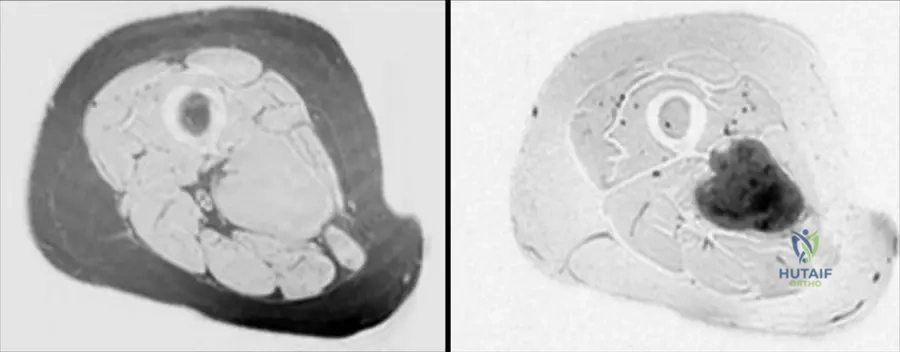
Key Takeaway
This Orthopedic Oncology Board Review covers key topics in musculoskeletal tumors, including soft tissue sarcomas (Atypical Lipomatous Tumors, Well-Differentiated Liposarcomas), chondroblastoma, and aggressive fibromatosis. It details clinical presentation, diagnostic imaging (MRI), pathology, and surgical management strategies for these complex conditions, crucial for exam preparation.
Orthopedic Oncology Board Review: Soft Tissue Sarcomas, Chondroblastoma & Fibromatosis | Part 17
Comprehensive 100-Question Exam
00:00
Start Quiz
Question 1
A 14-year-old male presents with chronic right knee pain. Radiographs reveal a well-circumscribed, lytic lesion in the proximal tibial epiphysis. A core needle biopsy is performed. Histologic examination demonstrates sheets of mononuclear cells with grooved 'coffee bean' nuclei, scattered multinucleated giant cells, and areas of pericellular 'chicken-wire' calcification. Which of the following is the most appropriate definitive management?
Explanation
Question 2
A 32-year-old female presents with a deep, painless, firm mass in her posterior thigh. Biopsy reveals a proliferation of uniform spindle cells in a dense collagenous stroma without cellular atypia or frequent mitoses. Immunohistochemistry is strongly positive for nuclear beta-catenin. In sporadic cases of this specific condition, which of the following genetic alterations is most frequently identified?
Explanation
Question 3
A 55-year-old male is diagnosed with a 10 cm high-grade myxofibrosarcoma of the deep anterior thigh. A multidisciplinary tumor board recommends surgical resection and radiation therapy. Based on randomized clinical trial data comparing preoperative versus postoperative radiation therapy for extremity soft tissue sarcomas, what is the most significant difference between the two approaches?
Explanation
Question 4
A 24-year-old male presents with a slowly enlarging, deep-seated mass near his knee joint. An initial core needle biopsy demonstrates a biphasic tumor with both epithelial and spindle cell components. Which of the following cytogenetic abnormalities is most characteristic of this soft tissue sarcoma?
Explanation
Question 5
A 16-year-old male successfully underwent extended curettage and bone grafting for a proximal humerus chondroblastoma 3 years ago. He now presents for a routine follow-up. While chondroblastoma is classified as a benign primary bone tumor, which of the following rare complications necessitates surveillance imaging in select cases?
Explanation
Question 6
A 28-year-old pregnant female notices a slowly enlarging mass in her right abdominal wall. Core biopsy confirms desmoid fibromatosis. The mass is mildly uncomfortable but causes no functional deficit. What is the currently accepted first-line management strategy for this patient?
Explanation
Question 7
When performing an incisional or core needle biopsy for a suspected extremity soft tissue sarcoma, which of the following technical principles is most critical to avoid compromising the definitive surgical resection?
Explanation
Question 8
A 35-year-old female presents with a 4 cm deep soft tissue mass in her foot. Pathology reveals nests of polygonal cells with clear cytoplasm separated by delicate fibrous septa. Immunohistochemistry is positive for HMB-45 and S-100 protein. Which of the following is the most likely diagnosis?
Explanation
Question 9
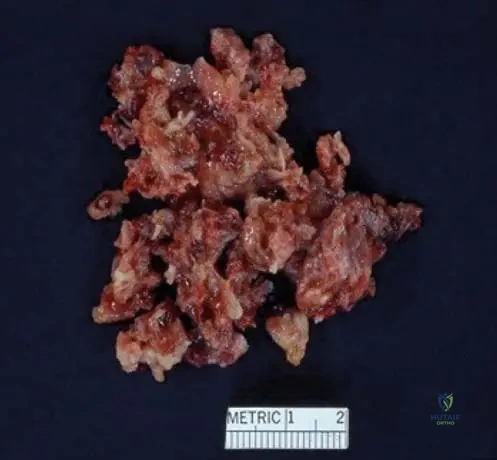
A 17-year-old male presents with shoulder pain. Radiographs reveal an eccentrically located, lytic epiphyseal lesion in the proximal humerus with a thin sclerotic rim. His physes are nearly closed. Based on the typical location and patient age, what is the most likely diagnosis?
Explanation
Question 10
A patient with progressive, unresectable extra-abdominal fibromatosis (desmoid tumor) is enrolled in a clinical trial. They are prescribed Nirogacestat, which recently demonstrated significant efficacy in the DeFi phase 3 trial. What is the mechanism of action of this targeted therapy?
Explanation
Question 11
A 62-year-old male presents with a massive, painless mass deep in his thigh. Core needle biopsy demonstrates a lipomatous tumor with fibrous septa and scattered atypical hyperchromatic stromal cells. Which molecular finding is pathognomonic and routinely used to distinguish this well-differentiated liposarcoma from a benign lipoma?
Explanation
Question 12
A 23-year-old male presents with a firm, deep-seated nodule in his volar forearm, initially misdiagnosed as a ganglion cyst. Histology shows a nodular growth pattern of epithelioid and spindle cells with central necrosis, mimicking a granuloma. Which immunohistochemical marker is classically LOST in this specific soft tissue sarcoma?
Explanation
Question 13
A 68-year-old female undergoes MRI for a slowly growing subcutaneous mass in her distal thigh. The MRI reveals a multinodular superficial mass with a distinct curvilinear 'tail' extending longitudinally along the fascial planes. Biopsy confirms myxofibrosarcoma. Because of this specific imaging and growth characteristic, what clinical challenge is most frequently encountered in the surgical management?
Explanation
Question 14
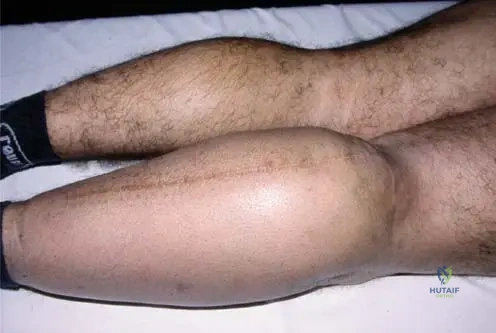
A 27-year-old male with a history of recurrent intra-abdominal and extremity soft tissue masses presents for evaluation. Biopsies have consistently shown desmoid fibromatosis. Due to this multifocal presentation, the patient should be urgently screened for mutations in which gene, associated with a potentially fatal gastrointestinal condition?
Explanation
Question 15
While most soft tissue sarcomas metastasize hematogenously to the lungs, a select subset has a higher propensity for lymphatic spread, necessitating routine clinical evaluation of regional lymph nodes. Which of the following sarcomas is included in this distinct subgroup?
Explanation
Question 16
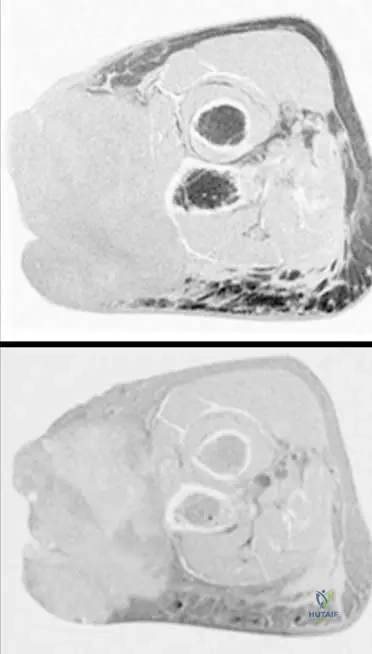
A patient is undergoing staging for a newly diagnosed high-grade soft tissue sarcoma of the proximal thigh. Which of the following is the most appropriate imaging modality for evaluating the primary tumor for local surgical planning?
Explanation
Question 17
In the surgical management of a high-grade soft tissue sarcoma of the extremity without planned adjuvant radiation, what constitutes an 'adequate' oncologic margin to minimize the risk of local recurrence?
Explanation
Question 18
A 5-year-old child presents with a rapidly enlarging, painless mass in the forearm. A biopsy confirms the most common soft tissue sarcoma of childhood. Histologic subtypes of this tumor carry distinct prognostic implications. The alveolar subtype, which generally has a worse prognosis, is characterized by which specific translocation?
Explanation
Question 19
A 19-year-old female presents with a lytic epiphyseal lesion of the proximal tibia. Biopsy confirms chondroblastoma. The surgeon plans intralesional curettage. Which of the following intraoperative techniques is most strongly associated with a reduced risk of local recurrence for this tumor?
Explanation
Question 20
A 22-year-old female presents with a slow-growing mass in her thigh. Imaging reveals a hypervascular soft tissue mass. Biopsy demonstrates large polygonal cells with prominent nucleoli and an alveolar growth pattern. A diagnostic cytogenetic workup reveals a t(X;17) translocation resulting in an ASPSCR1-TFE3 fusion. Despite a slow local growth rate, what highly characteristic pattern of metastasis requires immediate evaluation?
Explanation
Question 21
A 15-year-old male presents with knee pain. Radiographs reveal an eccentric, lytic epiphyseal lesion in the proximal tibia. Biopsy shows mononuclear polygonal cells with nuclear grooves and areas of eosinophilic matrix. Which of the following is the hallmark histological pattern of mineralization in this tumor?
Explanation
Question 22
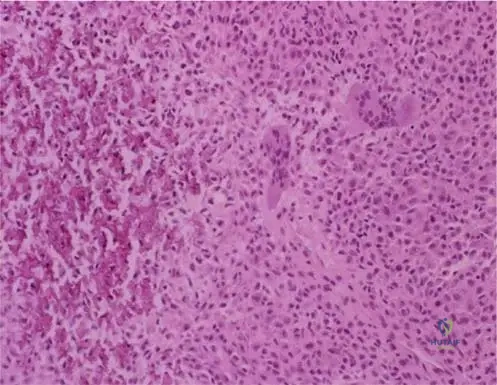
A 15-year-old male presents with chronic knee pain. Radiographs reveal a well-circumscribed, lytic epiphyseal lesion in the distal femur. A biopsy is performed. Histologically, the lesion shows mononuclear cells with longitudinal nuclear grooves and 'chicken-wire' intercellular calcifications. What is the most likely diagnosis?
Explanation
Question 23
When performing an incisional biopsy for a suspected high-grade soft tissue sarcoma of the anterior thigh, which of the following is an absolute surgical principle?
Explanation
Question 24
A 30-year-old female presents with a deep, firm, and fixed mass in her shoulder girdle. Core needle biopsy confirms extra-abdominal aggressive fibromatosis (desmoid tumor). Which genetic alteration is most commonly implicated in the pathogenesis of this tumor?
Explanation
Question 25
A 16-year-old male is diagnosed with an active chondroblastoma of the proximal humerus causing significant joint pain and subchondral erosion. What is the most appropriate initial surgical management?
Explanation
Question 26
A 25-year-old male presents with a slowly growing, painful mass deep within the vastus medialis near the knee joint. Biopsy reveals a biphasic tumor comprised of epithelial and spindle cell components. What is the characteristic cytogenetic abnormality for this diagnosis?
Explanation
Question 27
A 28-year-old female is incidentally diagnosed with an asymptomatic 4 cm extra-abdominal desmoid tumor in the posterior thigh musculature. Based on current consensus guidelines, what is the most appropriate initial management strategy?
Explanation
Question 28
Which of the following descriptions best outlines the classical radiographic presentation of a chondroblastoma?
Explanation
Question 29
In the surgical management of soft tissue sarcomas, how is a 'wide' surgical margin accurately defined?
Explanation
Question 30
When multidisciplinary treatment involves radiation for a high-grade extremity soft tissue sarcoma, what is a primary advantage of preoperative radiotherapy compared to postoperative radiotherapy?
Explanation
Question 31
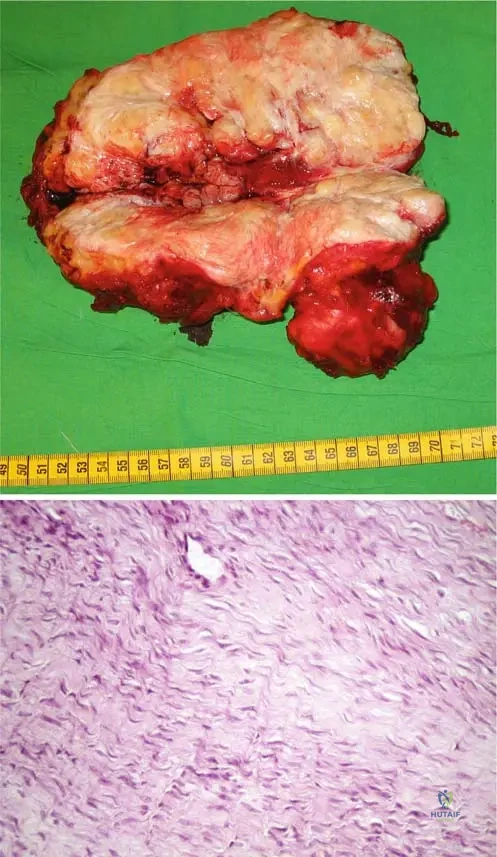
A 35-year-old male with a previously observed desmoid tumor of the shoulder girdle now presents with rapid growth, severe pain, and progressive neurologic deficit. Surgical morbidity would be extreme. Which targeted medical therapy is highly effective and increasingly utilized for progressive fibromatosis?
Explanation
Question 32
A 65-year-old man undergoes resection of a massive, deep intramuscular thigh mass. Pathology demonstrates a dedifferentiated liposarcoma. Which molecular marker is most characteristically amplified in well-differentiated and dedifferentiated liposarcomas?
Explanation
Question 33
Although primarily considered a benign bone tumor, chondroblastoma has a known, rare potential to metastasize (so-called 'benign metastasis'). To which organ does it most commonly metastasize?
Explanation
Question 34
In determining the prognosis and risk of distant metastasis for a patient with a newly diagnosed primary extremity soft tissue sarcoma, what is generally considered the single most important prognostic factor?
Explanation
Question 35
A patient presenting with multiple extra-abdominal and intra-abdominal desmoid tumors should be highly suspected of having, and screened for, which of the following underlying conditions?
Explanation
Question 36
A 22-year-old female is diagnosed with an alveolar soft part sarcoma (ASPS) of the right thigh. Which site of metastasis is uncharacteristically common in this specific sarcoma subtype compared to the general population of soft tissue sarcomas?
Explanation
Question 37
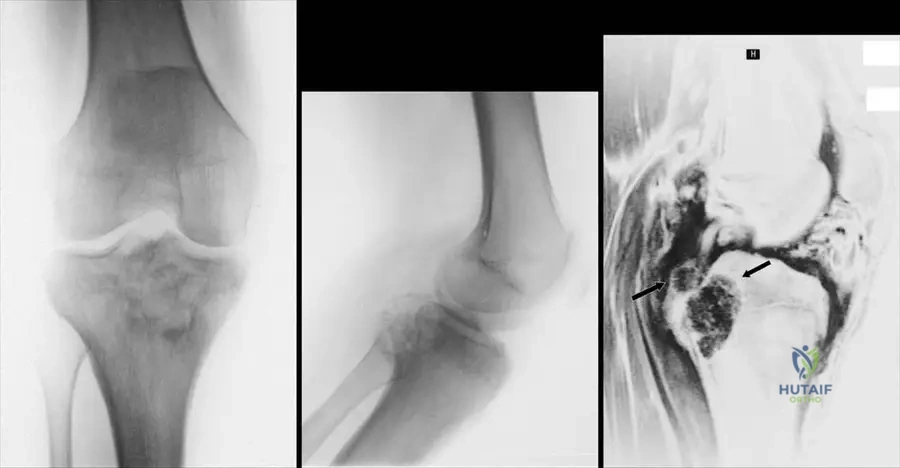
Both chondroblastoma and clear cell chondrosarcoma typically present radiographically as epiphyseal lytic lesions. Which clinical feature best helps differentiate between the two entities prior to definitive biopsy?
Explanation
Question 38
The vast majority of soft tissue sarcomas metastasize hematogenously to the lungs. However, certain subtypes have a significantly higher propensity for lymphatic spread. Which of the following soft tissue sarcomas belongs to this group?
Explanation
Question 39
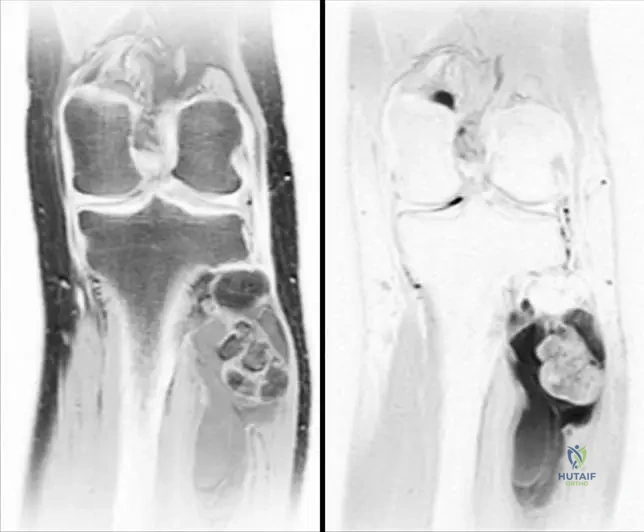
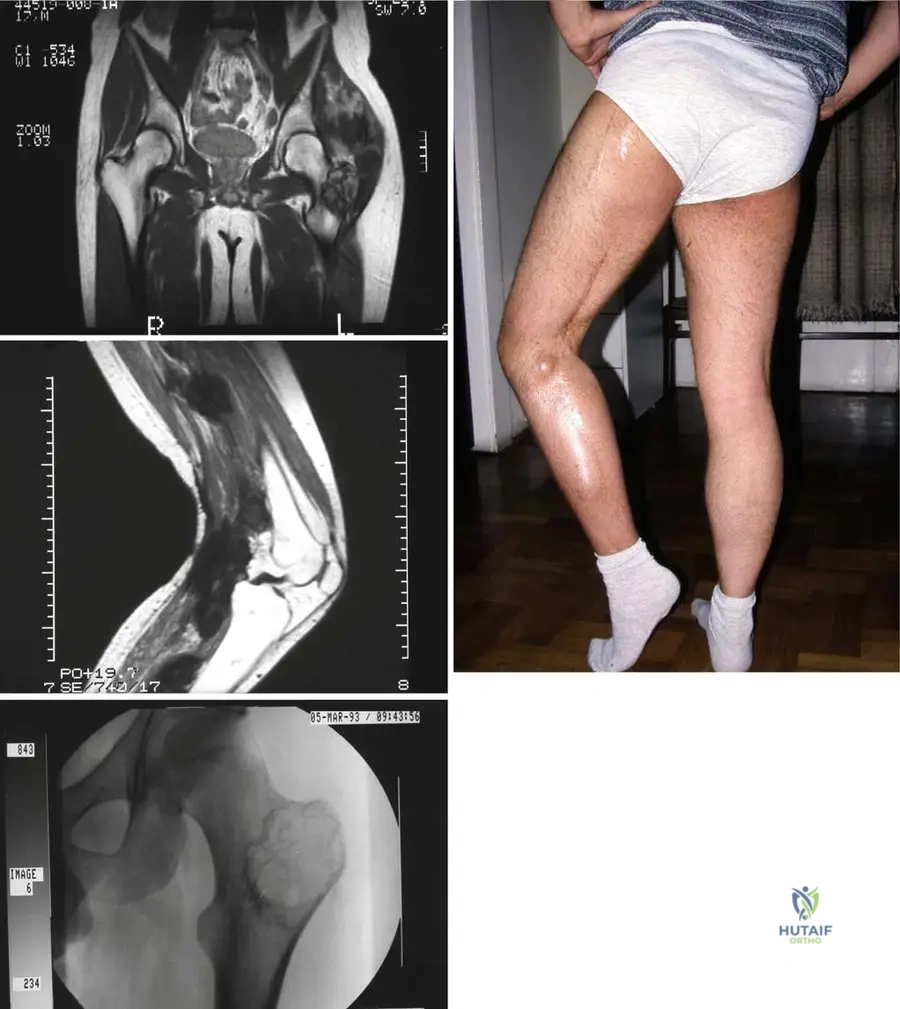
Which magnetic resonance imaging (MRI) feature is highly characteristic of extra-abdominal desmoid tumors, directly reflecting their dense collagenous composition?
Explanation
Question 40
A 45-year-old man presents with a deep, painless, 8 cm mass in his anterior thigh. An MRI suggests a soft tissue sarcoma. When planning an incisional biopsy, which of the following is the most critical technical principle?
Explanation
Question 41
A 14-year-old boy presents with knee pain. Radiographs reveal a lytic lesion in the distal femoral epiphysis.
Biopsy is performed. Which histologic feature is diagnostic for this condition?
Explanation
Question 42
A 32-year-old woman presents with an enlarging, painless mass in her right posteromedial thigh. Core needle biopsy confirms extra-abdominal aggressive fibromatosis (desmoid tumor).
She has no neurovascular deficits. What is the currently recommended initial management?
Explanation
Question 43
A 25-year-old male presents with a slow-growing, deep-seated soft tissue mass near the knee joint. Biopsy reveals a biphasic spindle cell and epithelial tumor. Which of the following genetic translocations is pathognomonic for this lesion?
Explanation
Question 44
A 14-year-old boy presents with right shoulder pain. Radiographs reveal a well-defined lytic lesion in the proximal humeral epiphysis.
Histology shows mononuclear cells with grooved nuclei and areas of fine, pericellular calcification. Which of the following is the most appropriate definitive management?
Explanation
Question 45
Extra-abdominal aggressive fibromatosis (desmoid tumor) occurs most frequently as a sporadic lesion but can be associated with which of the following inherited syndromes?
Explanation
Question 46
In the multidisciplinary management of high-grade extremity soft tissue sarcomas, a primary advantage of preoperative radiation therapy compared to postoperative radiation therapy is:
Explanation
Question 47
A 16-year-old female undergoes curettage of a distal femoral chondroblastoma. Two years later, she is found to have two 1-cm asymptomatic pulmonary nodules. Biopsy of a nodule confirms chondroblastoma. What is the most appropriate management?
Explanation
Question 48
A 35-year-old female presents with a painless, palpable mass in her posterior thigh.
Core needle biopsy reveals bland, uniform spindle cells arranged in sweeping fascicles with abundant collagen and no nuclear atypia. Which of the following represents the most currently accepted initial management strategy for this asymptomatic lesion?
Explanation
Question 49
When performing an incisional biopsy of a suspected soft tissue sarcoma in the extremity, which of the following technical principles MUST be strictly adhered to?
Explanation
Question 50
A 65-year-old man presents with a large, deep intramuscular thigh mass.
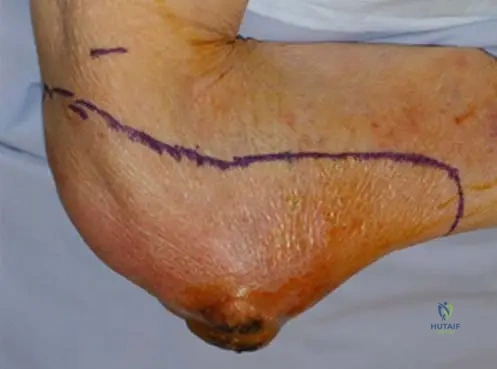
Molecular testing of the biopsy specimen demonstrates amplification of the MDM2 and CDK4 genes. What is the most likely diagnosis?
Explanation
Question 51
Which of the following secondary lesions is most frequently associated with a chondroblastoma?
Explanation
Question 52
According to current orthopedic oncology principles, what defines a "wide" surgical margin for a high-grade soft tissue sarcoma?
Explanation
Question 53
A patient with recurrent, progressive extra-abdominal fibromatosis (desmoid tumor) has failed initial active surveillance. Based on recent clinical trials, which of the following oral targeted therapies is considered a first-line medical treatment?
Explanation
Question 54
While chondroblastoma typically occurs in the epiphyses of long bones, which of the following is the most common location in the foot?
Explanation
Question 55
A 45-year-old male is diagnosed with an extremity soft tissue sarcoma. Staging imaging must routinely include the chest because the lungs are the most common site of metastasis. Which of the following soft tissue sarcomas requires additional whole-spine MRI screening due to its propensity for extrapulmonary bone metastases?
Explanation
Question 56
A biopsy of a soft tissue tumor demonstrates the t(12;16) translocation resulting in a FUS-DDIT3 fusion protein. Which of the following histologic features is classically associated with this tumor?
Explanation
Question 57
During the curettage of a proximal tibial chondroblastoma in a 13-year-old with open physes, the surgeon must balance thorough tumor removal with physeal preservation. Which of the following adjuvants carries the HIGHEST risk of irreversible physeal damage if applied directly to the physeal border?
Explanation
Question 58
Which of the following soft tissue sarcomas is most notorious for spreading via the lymphatic system, thereby necessitating clinical or radiographic evaluation of the regional lymph nodes?
Explanation
Question 59
A patient presents with an aggressive fibromatosis (desmoid tumor) in the shoulder girdle. Immunohistochemistry of the biopsy specimen will most consistently demonstrate strong nuclear staining for which of the following proteins?
Explanation
Question 60
A 16-year-old male presents with chronic right shoulder pain. Radiographs reveal an eccentric, lytic lesion in the proximal humeral epiphysis with a thin sclerotic rim.
Biopsy confirms a benign cartilaginous tumor. What is the most common cytogenetic abnormality associated with this specific lesion?
Explanation
Question 61
A 24-year-old male presents with a slow-growing, painful mass near his knee joint. MRI shows a well-defined mass adjacent to the joint capsule, and biopsy confirms a biphasic tumor with both epithelial and spindle cell components. Which chromosomal translocation is diagnostic for this tumor?
Explanation
Question 62
A 28-year-old postpartum female presents with a slowly enlarging, mildly symptomatic mass in her anterior abdominal wall. Core biopsy confirms extra-abdominal fibromatosis.
According to current treatment guidelines, what is the most appropriate initial management?
Explanation
Question 63
A 45-year-old male presents with a large, deep thigh mass. Biopsy reveals a myxoid background, a plexiform "chicken-wire" capillary network, and lipoblasts. Which genetic translocation is characteristically present in this malignancy?
Explanation
Question 64
A 60-year-old male is scheduled for a wide resection of an undifferentiated pleomorphic sarcoma in his proximal thigh.
In randomized trials comparing preoperative versus postoperative radiation therapy for soft tissue sarcomas, postoperative radiation is associated with a significantly higher risk of which complication?
Explanation
Question 65
A 17-year-old female presents with a biopsy-proven chondroblastoma of the proximal tibial epiphysis. She is treated with intralesional curettage and bone grafting. Which of the following is true regarding the systemic behavior of this tumor?
Explanation
Question 66
A 35-year-old male presents with a large, progressive desmoid tumor of the shoulder girdle.
He reports a strong family history of colon cancer and osteomas. He is most likely to harbor a germline mutation in which gene?
Explanation
Question 67
A 30-year-old female presents with a deep mass intimately associated with the Achilles tendon. Biopsy reveals nests of pale, spindle-shaped cells that stain strongly positive for HMB-45 and S-100. The tumor exhibits a t(12;22) translocation. What is the diagnosis?
Explanation
Question 68
Which histological feature is considered classic for chondroblastoma when examining tissue from an epiphyseal lytic lesion in an adolescent?
Explanation
Question 69
A 25-year-old male presents with a firm, slow-growing, ulcerating nodule on his right index finger, initially misdiagnosed as a wart. Biopsy reveals a nodular proliferation of epithelioid cells with central necrosis. Which statement regarding the metastatic behavior of this specific sarcoma is correct?
Explanation
Question 70
A 33-year-old female presents with an unresectable, highly symptomatic extra-abdominal desmoid tumor involving the neurovascular bundle of her lower extremity.
Which systemic targeted therapy has been recently FDA-approved specifically for progressive, unresectable desmoid tumors?
Explanation
Question 71
According to the AJCC staging system for soft tissue sarcomas of the extremities, which of the following is the most critical prognostic factor for predicting the risk of distant metastasis and determining the overall stage?
Explanation
Question 72
A 5-year-old boy presents with a rapidly enlarging, deep mass in his forearm. Biopsy confirms alveolar rhabdomyosarcoma. What cytogenetic abnormality is most frequently associated with this diagnosis?
Explanation
Question 73
A 65-year-old female presents with a large mass in her posterior thigh. Core needle biopsy demonstrates a well-differentiated liposarcoma (atypical lipomatous tumor).
Which molecular marker amplification is diagnostic for this entity?
Explanation
Question 74
When planning surgical resection of a high-grade, undifferentiated pleomorphic sarcoma of the thigh, which of the following constitutes an adequate "wide" surgical margin?
Explanation
Question 75
A 16-year-old male presents with right knee pain. Radiographs show a lytic, well-circumscribed lesion in the proximal tibial epiphysis. MRI demonstrates fluid-fluid levels within the lesion.
Biopsy confirms sheets of mononuclear cells with grooved nuclei. Which of the following is the most likely diagnosis?
Explanation
Question 76
A 35-year-old female presents with a slowly enlarging, painless mass in the deep tissues of her posterior thigh. Core needle biopsy reveals extra-abdominal fibromatosis. Which of the following is the currently recommended first-line management for an asymptomatic lesion in this location?
Explanation
Question 77
A 24-year-old male presents with a deep, slow-growing mass in his foot. Radiographs show stippled calcifications within the soft tissue mass. Biopsy reveals a biphasic pattern of spindle and epithelial cells. Which of the following chromosomal translocations is diagnostic?
Explanation
Question 78
A 45-year-old male is diagnosed with a 12 cm deep myxoid liposarcoma of the thigh. As part of his systemic staging workup, which of the following imaging modalities is uniquely indicated for this specific histologic subtype?
Explanation
Question 79
A 28-year-old female presents with a firm mass in her abdominal wall. She has a family history of Gardner syndrome. Her biopsy confirms a desmoid tumor. Germline mutation in which of the following genes is most likely responsible for her condition?
Explanation
Question 80
A 21-year-old male develops a multi-lobulated, ulcerating mass on the palmar aspect of his right hand. Examination reveals palpable axillary lymphadenopathy. Histologic analysis shows epithelioid cells with a loss of SMARCB1 (INI1) expression. What is the most likely diagnosis?
Explanation
Question 81
A 19-year-old male underwent extended curettage and bone grafting for a proximal humerus chondroblastoma 2 years ago. He now presents with a routine surveillance chest CT showing multiple small, well-circumscribed, calcified lung nodules. He is asymptomatic. What is the most appropriate management of the pulmonary findings?
Explanation
Question 82
A 68-year-old male presents with a rapidly growing, painless mass in the superficial subcutaneous tissues of his thigh. MRI reveals a lobulated mass with a characteristic "tail-like" extension along the fascial planes. What is the most likely histologic diagnosis?
Explanation
Question 83
A 30-year-old female presents with an enlarging mass deep to the Achilles tendon.
Biopsy demonstrates nests of uniform spindle cells that stain strongly positive for S-100 and HMB-45. Which of the following translocations is associated with this tumor?
Explanation
Question 84
A 40-year-old male undergoes a core needle biopsy for a suspected soft tissue sarcoma in the anterior compartment of the thigh. To minimize the risk of tumor seeding and optimize definitive oncologic resection, which of the following biopsy techniques is strictly required?
Explanation
Question 85
Molecular analysis of a typical epiphyseal chondroblastoma from a 14-year-old patient is most likely to reveal a somatic mutation in which of the following histone genes?
Explanation
Question 86
A 32-year-old female presents with a progressively enlarging, painful desmoid tumor of the shoulder girdle that is not amenable to function-preserving surgery. She has failed initial observation. What novel, FDA-approved gamma-secretase inhibitor represents a targeted systemic treatment option for this patient?
Explanation
Question 87
A 23-year-old female presents with a highly vascular, slow-growing mass in her right gluteal region. Staging imaging unexpectedly reveals multiple pulmonary nodules and a solitary brain metastasis. Biopsy of the primary tumor shows large cells with eosinophilic granular cytoplasm arranged in a pseudoalveolar pattern. What is the most likely diagnosis?
Explanation
Question 88
Which of the following soft tissue sarcomas has the highest propensity for regional lymph node metastasis?
Explanation
Question 89
A 65-year-old female presents with an enlarging, hard mass in her right axilla and chest wall. She underwent a lumpectomy and local radiation therapy for breast cancer 12 years ago. Core biopsy reveals a high-grade spindle cell proliferation with marked pleomorphism. What is the most common histologic subtype of post-radiation sarcoma in this setting?
Explanation
Question 90
A patient with a high-grade soft tissue sarcoma of the extremity is deciding between preoperative and postoperative radiation therapy. According to randomized clinical trials (e.g., O'Sullivan et al.), what complication is significantly more common with postoperative radiation therapy compared to preoperative radiation?
Explanation
Question 91
A 16-year-old male presents with heel pain. Imaging reveals a well-defined lytic lesion in the posterior calcaneus. Histology confirms chondroblastoma. Why does chondroblastoma occur in this specific location despite not being a long bone epiphysis?
Explanation
Question 92
When evaluating the necessity of surgical margins for the treatment of extra-abdominal desmoid fibromatosis, current evidence indicates that:
Explanation
Question 93
A 72-year-old female presents with chronic, severe lymphedema of her left arm secondary to radical mastectomy and axillary node dissection 15 years prior. She recently developed multiple raised, purplish, ulcerating nodules on the affected arm. What is the most likely diagnosis?
Explanation
Question 94
In adult soft tissue sarcomas of the extremities, which of the following is considered the single most important prognostic factor for distant metastasis and overall survival?
Explanation
Question 95
A 34-year-old female presents with progressive pain and a slowly enlarging mass in the deep posterior thigh. MRI reveals an infiltrative, poorly marginated soft tissue mass encasing the sciatic nerve.
A core needle biopsy is performed, and histologic examination demonstrates a uniform proliferation of spindle cells lacking atypia in a dense collagenous stroma. Active observation is initially selected, but 6 months later, serial MRI shows 30% enlargement of the mass and the patient reports worsening neuropathic pain. Given the anticipated high functional morbidity of surgical resection, systemic medical therapy is planned. Based on phase III randomized trial data, which of the following agents is most appropriate to improve progression-free survival in this specific condition?
Explanation
None
