ABOS Part I Orthopedic Review: Olecranon, Ankle Syndesmosis, HIV Arthroplasty | Part 22146
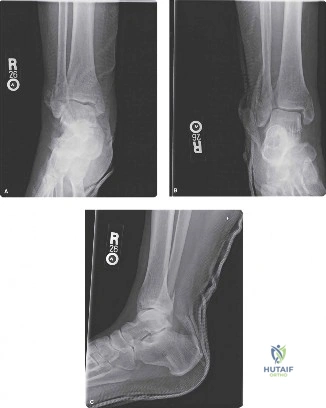
Key Takeaway
This ABOS Part I Orthopedic Review module offers 31 advanced multiple-choice questions mirroring board exams. It covers critical topics including olecranon fracture management with tension band wiring, high-energy ankle syndesmotic injuries and their classification, and comprehensive considerations for total joint arthroplasty in HIV-positive patients. This resource is designed to enhance preparation for orthopedic surgery board certifications.
ABOS Part I Orthopedic Review: Olecranon, Ankle Syndesmosis, HIV Arthroplasty | Part 22146
Comprehensive 100-Question Exam
00:00
Start Quiz
Question 1
A 48-year-old male sustains a transverse olecranon fracture after a fall onto a flexed elbow. The surgeon plans to perform a tension band wiring. Based on the biomechanical principles described in the case, what is the primary mechanism by which the tension band wiring construct stabilizes the fracture during elbow flexion?
Explanation
Correct Answer: B
The case explicitly states, 'The tension band wiring construct converts these tensile forces into beneficial compressive forces across the fracture.' During elbow flexion, the triceps muscle exerts significant tensile (distracting) forces on the posterior aspect of the olecranon. The figure-of-eight wire, placed dorsally (on the tension side), pulls the K-wires together. This action, transmitted across the fracture, generates compression at the anterior articular surface (the compression side), thereby stabilizing the fracture dynamically. This dynamic compression is maximal during elbow flexion when the triceps pull is strongest, actively promoting fracture stability and healing.
Option A is incorrect because while fixation provides stability, the primary mechanism of a tension band is not a buttress effect, which typically resists axial loading or shear. The tension band specifically addresses tensile forces.
Option C is incorrect because the tension band is a load-sharing, dynamic construct, not a rigid plate designed to prevent all movement. Its strength lies in converting forces, allowing for controlled, early motion.
Option D is incorrect because the K-wires provide axial alignment and anti-rotation, but the figure-of-eight wire is crucial for converting the tensile forces into compression, making it a combined load-sharing system.
Option E is incorrect as a vacuum effect is not a biomechanical principle utilized in orthopedic fracture fixation.
Question 2
A 62-year-old patient is undergoing tension band wiring for a displaced olecranon fracture. During the posterior approach to the elbow, the surgical team must be particularly vigilant about identifying and protecting a specific neurovascular structure that is intimately associated with the medial aspect of the olecranon. Which of the following structures is at the highest risk of iatrogenic injury during this procedure?
Explanation
Correct Answer: D
The case clearly identifies the 'Ulnar Nerve' as the most critical neurovascular structure at risk during olecranon surgery. It courses posterior to the medial epicondyle, within the cubital tunnel, and is intimately associated with the medial aspect of the olecranon. Meticulous identification and protection or, if indicated, prophylactic decompression or anterior transposition, are paramount to prevent iatrogenic injury.
Option A (Median nerve) and Option E (Brachial artery) are incorrect because these structures are located anterior to the elbow joint and are generally not at risk with a posterior approach to the olecranon.
Option B (Radial nerve) is incorrect as the radial nerve and its branches (including the PIN) are located more laterally and anteriorly, primarily at risk during lateral or anterior approaches to the elbow, not a direct posterior approach to the olecranon.
Option C (Posterior interosseous nerve - PIN) is incorrect. While a branch of the radial nerve, it is not directly in the surgical field for a posterior olecranon approach and is not the most vulnerable structure in this specific context.
Question 3
A 78-year-old female presents with a displaced olecranon fracture following a low-energy fall. Radiographs and a CT scan reveal severe comminution of the proximal olecranon fragment with significant metaphyseal bone loss and severely osteoporotic bone. The surgeon is considering fixation options. Based on the case's discussion of contraindications for tension band wiring, which of the following is the most compelling reason to reconsider this technique for this patient?
Explanation
Correct Answer: C
The case explicitly lists 'Severe Comminution of the Proximal Fragment' (insufficient bone stock at the olecranon tip to adequately engage the K-wires) and 'Severely Osteoporotic Bone' (poor K-wire purchase can lead to early construct failure) as absolute contraindications for tension band wiring. In this patient, both factors are present, making tension band wiring highly unsuitable due to the high risk of construct failure.
Option A (The patient's advanced age) is incorrect as age alone is not an absolute contraindication for tension band wiring if bone quality and fracture pattern are suitable. However, it often correlates with osteoporosis, which is the underlying issue.
Option B (The risk of post-operative elbow stiffness) is incorrect. While elbow stiffness is a common complication of elbow trauma, tension band wiring is specifically chosen to allow early motion and minimize stiffness, not cause it.
Option D (The potential for ulnar nerve irritation) is incorrect. While a known complication, it is not an absolute contraindication to the technique itself, but rather a risk to be managed during surgery.
Option E (The need for early range of motion post-operatively) is incorrect. Early range of motion is an advantage and a goal of tension band wiring, not a reason to reconsider it.
Question 4
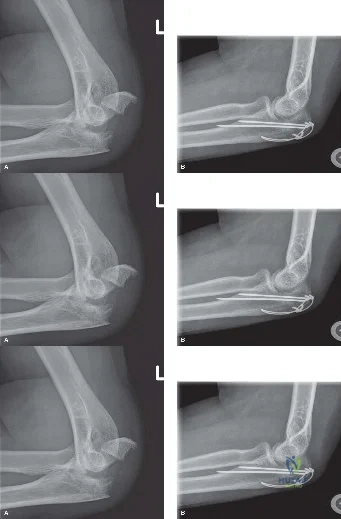
During the definitive fixation phase of tension band wiring for an olecranon fracture, as depicted in the image, the surgeon is placing the two K-wires. According to the detailed surgical technique described, what is a critical requirement for the proper placement of these K-wires to ensure the effectiveness and stability of the tension band construct?
Explanation
Correct Answer: C
The case states, 'Crucially, the K-wires must engage the anterior cortex of the ulna. Advance them until they just penetrate the anterior cortex.' This engagement of the anterior cortex provides a stable purchase point for the K-wires, allowing them to resist the tensile forces converted into compression by the figure-of-eight wire. Without adequate purchase in the anterior cortex, the K-wires can migrate or pull out, leading to construct failure.
Option A is incorrect. The K-wires are inserted from the tip of the olecranon, parallel to each other, and across the fracture site into the distal ulnar shaft, not necessarily perpendicular to the long axis of the ulna. They are generally parallel to the ulnar shaft.
Option B is incorrect. Engaging only the dorsal cortex would provide insufficient stability and would be prone to pullout, especially with the forces applied by the tension band.
Option D is incorrect. The K-wires are bent 180 degrees into a small hook after insertion and cutting, not before, to prevent migration and provide a stable point for the tension band wire.
Option E is incorrect. K-wires must be positioned to avoid the articular surface. Placing them through the articular surface would cause significant damage, leading to post-traumatic arthritis and impaired joint function.
Question 5
A 32-year-old male undergoes tension band wiring for a simple transverse olecranon fracture. Six months post-operatively, he presents with localized pain and tenderness over the posterior aspect of his elbow, particularly when leaning on it or during certain movements. Radiographs confirm fracture union. Based on the case's discussion of complications, what is the most common complication following tension band wiring that aligns with this patient's symptoms?
Explanation
Correct Answer: E
The case explicitly states that 'Hardware Prominence/Irritation' is the 'Most common complication' of tension band wiring, with an incidence of 30-80%. It typically manifests as discomfort from prominent K-wire ends or the overlying wire, especially when leaning on the elbow or during certain movements, and often requires elective hardware removal after fracture healing. The patient's symptoms of localized pain and tenderness over the posterior elbow, with confirmed union, are highly consistent with this complication.
Option A (Nonunion of the fracture) is incorrect because the radiographs confirm fracture union, ruling out nonunion as the cause of symptoms.
Option B (Deep infection requiring implant removal) is incorrect. While infection is a possible complication, it typically presents with signs of inflammation (redness, warmth, swelling, purulent discharge) and systemic symptoms, which are not described here. Its incidence is also much lower (1-5%).
Option C (Ulnar nerve irritation/neuropathy) is incorrect. This would typically present with specific neurological symptoms such as numbness, tingling, or weakness in the small finger and ulnar half of the ring finger, or intrinsic hand muscle weakness, which are not mentioned.
Option D (Post-traumatic arthritis of the elbow) is incorrect. While a long-term complication, it typically presents with diffuse joint pain, stiffness, and crepitus, often related to articular incongruity. The localized nature of the pain and tenderness points more towards hardware irritation.
Question 6
A 55-year-old patient has undergone tension band wiring for a displaced olecranon fracture. In the immediate post-operative phase (first 1-2 weeks), the rehabilitation protocol emphasizes specific goals. Which of the following best describes the primary objective during this initial period?
Explanation
Correct Answer: C
The case outlines the 'Immediate Post-Operative Phase' goals as: 'Protect fixation, control pain and swelling, initiate gentle motion.' It specifies that the splint may be removed for 'supervised, gentle active and passive range of motion (ROM) exercises' as soon as pain allows and wound healing permits (often within 3-7 days). This early, protected motion is crucial for preventing adhesions and maintaining cartilage health while protecting the healing fracture and fixation construct.
Option A is incorrect. Full, unrestricted ROM against resistance is a goal for much later stages of rehabilitation, not the immediate post-operative phase, as it would risk fixation failure.
Option B is incorrect. Heavy weight-bearing and closed-chain exercises are introduced in the progressive strengthening phase, much later in the rehabilitation process, after initial healing has occurred.
Option D is incorrect. While initial immobilization in a splint is common for 1-2 weeks, the emphasis of tension band wiring is on early, protected mobilization to prevent stiffness, not prolonged complete immobilization.
Option E is incorrect. Dynamic or static progressive splinting is typically considered for persistent ROM deficits in later stages, not as an immediate post-operative intervention, which would be too aggressive for early healing.
Question 7
A 40-year-old construction worker sustains a displaced transverse olecranon fracture. He undergoes open reduction and internal fixation with tension band wiring. The image below illustrates the final construct. Based on the biomechanical principles of tension band wiring, what is the primary function of the figure-of-eight wire in this construct during active elbow flexion?
Explanation
Correct Answer: C
The case explicitly details the 'Tension Band Conversion' mechanism: 'As the triceps contracts and attempts to distract the fracture, the wire, being under tension, pulls the K-wires together. This pulling action, transmitted across the fracture, generates compression at the anterior articular surface (the compression side).' The figure-of-eight wire is the key component that converts the distracting tensile forces on the dorsal (tension) side of the olecranon into beneficial compressive forces on the articular (compression) side during elbow flexion, thereby stabilizing the fracture dynamically.
Option A is incorrect. The bent ends of the K-wires, impacted into the bone, primarily prevent K-wire migration, not the figure-of-eight wire itself.
Option B is incorrect. While the overall construct contributes to stability, the K-wires, especially if slightly divergent, primarily provide axial alignment and anti-rotation. The figure-of-eight wire's main role is force conversion.
Option D is incorrect. The tension band is a dynamic system. It doesn't act as a static buttress; rather, it actively generates compression in response to tensile loads.
Option E is incorrect. The figure-of-eight wire is for fixation, not for bone graft placement.
Question 8
Consider the tension band wiring construct shown in the image, used for an olecranon fracture. In the context of this specific fixation method, what is the primary role of the two parallel K-wires within the overall construct?
Explanation
Correct Answer: C
The case states, 'The K-wires provide stable axial alignment and anti-rotation.' While the figure-of-eight wire is responsible for converting tensile forces into compression, the K-wires are essential for maintaining the anatomical reduction, preventing shear, and resisting rotational forces across the fracture site. They act as the 'anchors' through which the tension band wire exerts its compressive effect.
Option A is incorrect. The primary compressive force is generated by the figure-of-eight wire converting tensile forces, not directly by the K-wires themselves.
Option B is incorrect. While the K-wires do provide points for the figure-of-eight wire to loop around, their primary role is not simply to prevent the wire from slipping, but to provide structural stability to the bone fragments.
Option D is incorrect. K-wires are metallic implants for fixation, not scaffolds for bone growth. Bone healing occurs through biological processes at the fracture site.
Option E is incorrect. In tension band wiring, the K-wires are a definitive part of the fixation, not merely temporary. If a plate is needed, it would typically be the primary fixation or an adjunct, not a subsequent replacement for K-wires in a tension band construct.
Question 9
A 68-year-old male presents to the emergency department after a fall, complaining of severe elbow pain and inability to extend his arm. Initial AP and lateral radiographs show a comminuted olecranon fracture with significant articular involvement. To accurately assess the fracture morphology, articular congruity, and bone stock for pre-operative planning, which of the following imaging modalities is most highly recommended?
Explanation
Correct Answer: D
The case states, 'Computed Tomography (CT) Scan: Highly recommended for comminuted fractures, articular involvement, or suspected coronoid fractures. A CT provides detailed information regarding fragment orientation, articular congruity, and bone stock, which is invaluable for pre-operative templating and surgical strategy.' Given the comminuted nature and articular involvement, a CT scan is the superior imaging modality for detailed surgical planning.
Option A (Magnetic Resonance Imaging - MRI) is incorrect. While MRI provides excellent soft tissue detail, it is generally not the primary imaging modality for acute fracture assessment, especially for bony detail and articular congruity, where CT excels. It might be used for ligamentous injuries or cartilage assessment, but not as the first-line for complex bony architecture.
Option B (Ultrasound of the elbow) is incorrect. Ultrasound is useful for soft tissue structures (tendons, ligaments, effusions) but has very limited utility in assessing complex bony fractures and articular surfaces.
Option C (Bone scintigraphy - bone scan) is incorrect. A bone scan is used to detect metabolic activity in bone, such as stress fractures, infections, or tumors, but it does not provide the anatomical detail required for pre-operative planning of a comminuted articular fracture.
Option E (Stress radiographs of the elbow) is incorrect. Stress radiographs are used to assess ligamentous stability, not the detailed morphology of a comminuted articular fracture.
Question 10
An 85-year-old frail patient with severe osteoporosis sustains a displaced olecranon fracture. The surgeon is evaluating the suitability of tension band wiring for this patient. Based on the case's discussion of contraindications, which of the following is a significant concern that might preclude the use of tension band wiring in this specific patient?
Explanation
Correct Answer: C
The case explicitly lists 'Severely Osteoporotic Bone' as an absolute contraindication for tension band wiring, stating that 'Poor K-wire purchase can lead to early construct failure.' In an 85-year-old frail patient with severe osteoporosis, the bone quality would likely be insufficient to provide stable purchase for the K-wires, making the tension band construct prone to failure.
Option A (The patient's low functional demand) is incorrect. Low functional demand might influence the choice between operative and non-operative management or the type of fixation (e.g., fragment excision in very low-demand elderly), but it is not a contraindication to tension band wiring itself if the bone quality is adequate.
Option B (The risk of post-operative elbow stiffness) is incorrect. Tension band wiring is designed to allow early motion and minimize stiffness, so this is not a contraindication to the technique.
Option D (The potential for ulnar nerve irritation) is incorrect. While a known complication, it is a risk to be managed during surgery, not an absolute contraindication to the technique itself.
Option E (The need for early mobilization post-operatively) is incorrect. Early mobilization is an advantage and a goal of tension band wiring, not a reason to avoid it.
Question 11
A 32-year-old semi-professional soccer player presents to the emergency department after a high-energy rotational injury to the left ankle. He reports being tackled from behind while his foot was planted and externally rotated, resulting in immediate severe pain and inability to bear weight. Based on the described mechanism, which of the following Lauge-Hansen classifications is most consistent with this injury?
Explanation
Correct Answer: D
The case explicitly states, 'The mechanism described—a pronation-external rotation force—is highly suggestive of a syndesmotic injury, often accompanied by associated fractures, aligning with the Lauge-Hansen classification system.' The patient's description of the foot being 'planted and externally rotated' directly corresponds to the external rotation component of this mechanism. Pronation is often the initial force that destabilizes the medial structures, allowing for subsequent external rotation of the talus and fibula, leading to syndesmotic disruption.
Incorrect Options:
- A) Supination-Adduction: This mechanism typically results in transverse fibular fractures below the level of the syndesmosis (Weber A) or avulsion fractures of the lateral malleolus, often with medial malleolus fractures, but not primary syndesmotic disruption.
- B) Supination-External Rotation: While involving external rotation, the initial supination phase typically leads to spiral fibular fractures at or above the level of the syndesmosis (Weber B) and medial injury, but the case specifically points to pronation-external rotation as highly suggestive of syndesmotic injury.
- C) Pronation-Abduction: This mechanism typically causes a transverse fibular fracture above the syndesmosis (Weber C) or a comminuted fibular fracture, often with medial injury, but the primary force described is external rotation, not pure abduction.
- E) Dorsiflexion-Compression: This is a less common mechanism for ankle fractures and typically involves axial loading, often leading to pilon fractures or talar dome injuries, not primarily syndesmotic disruption.
Question 12
During surgical exploration of a high-energy syndesmotic injury in the 32-year-old athlete, the surgeon notes significant disruption of the anterior aspect of the distal tibiofibular joint. Which of the following ligaments is typically the weakest and most commonly the first to fail during an external rotation injury, originating from the Chaput tubercle?
Explanation
Correct Answer: D
The case explicitly states under 'Ligamentous Anatomy' that the 'Anterior Inferior Tibiofibular Ligament (AITFL)... originates from the Chaput tubercle of the tibia and inserts onto the Wagstaffe tubercle of the fibula. It courses obliquely in a distal and lateral direction. The AITFL is the weakest of the syndesmotic ligaments and is typically the first to fail during an external rotation injury.'
Incorrect Options:
- A) Posterior Inferior Tibiofibular Ligament (PITFL): The PITFL is described as 'a robust structure' and 'significantly stronger than the AITFL,' providing resistance to posterior translation. It originates from the Volkmann tubercle.
- B) Transverse Tibiofibular Ligament (TTFL): The TTFL is considered the deep, inferior component of the PITFL and acts as a labrum. It is not typically the first to fail.
- C) Interosseous Tibiofibular Ligament (ITFL): The ITFL is the distal continuation of the interosseous membrane, consisting of short, dense fibers, and acts as a primary stabilizer against lateral translation. It is not the weakest or first to fail in external rotation.
- E) Deltoid Ligament: The deltoid ligament is a medial ankle ligament, not part of the syndesmotic complex, though it is often injured concomitantly with syndesmotic injuries.
Question 13
The case emphasizes the critical importance of anatomical reduction of the syndesmosis. Biomechanical studies have demonstrated that even a 1-millimeter lateral shift of the talus secondary to syndesmotic diastasis has a profound effect on tibiotalar contact mechanics. What is the approximate percentage decrease in tibiotalar contact area associated with this 1-millimeter lateral shift?
Explanation
Correct Answer: C
Under 'Biomechanical Principles,' the case explicitly states: 'Biomechanical studies have demonstrated that even a 1-millimeter lateral shift of the talus secondary to syndesmotic diastasis decreases the tibiotalar contact area by 42%, exponentially increasing peak contact stresses and predisposing the joint to rapid cartilaginous degeneration.' This highlights the severe consequences of even subtle malreduction.
Incorrect Options:
- A, B, D, E) 10%, 25%, 58%, 75%: These percentages are incorrect based on the specific biomechanical data provided in the case. The 42% reduction is a critical figure often cited in orthopedic literature regarding syndesmotic injuries.
Question 14
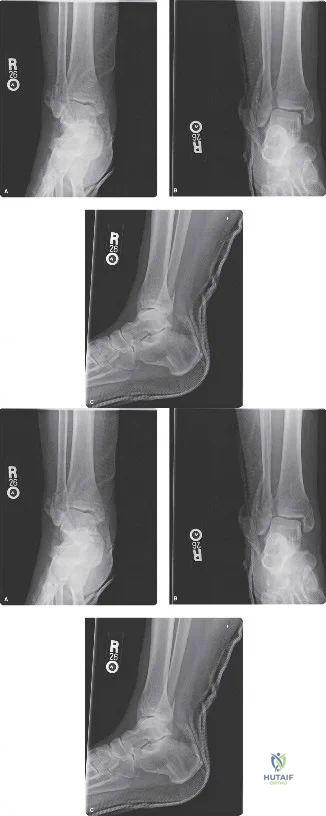
A 32-year-old male presents with a high-energy ankle injury. Standard radiographs are obtained. Based on the provided image (representing a typical ankle radiograph) and the clinical scenario, which of the following radiographic findings, if present, would most strongly indicate the need for operative stabilization of the syndesmosis?
Explanation
Correct Answer: D
Under 'Operative Indications,' the case clearly states: 'Radiographic parameters dictating operative intervention include a medial clear space greater than 4 millimeters, a tibiofibular clear space greater than 5 millimeters, or a tibiofibular overlap of less than 1 millimeter on the mortise view.' A medial clear space of 5 mm on the mortise view unequivocally exceeds the 4 mm threshold, indicating frank instability requiring surgical stabilization.
Incorrect Options:
- A) A medial clear space of 3 mm on the mortise view: This is within the normal range (typically <4 mm) and would not indicate instability.
- B) A tibiofibular clear space of 4 mm on the AP view: This is within the normal range (typically <5 mm) and would not indicate instability.
- C) A tibiofibular overlap of 2 mm on the mortise view: This is within the normal range (typically >1 mm) and would not indicate instability.
- E) An isolated fibular fracture without medial injury: While a fibular fracture can be associated with syndesmotic injury, an 'isolated' fracture without medial injury or other signs of instability (like widening of clear spaces) would not, by itself, be a definitive indication for syndesmotic fixation. Intraoperative assessment would still be crucial.
Question 15
During the initial assessment of the 32-year-old athlete with a suspected high-energy syndesmotic injury, the emergency physician performs several clinical tests. Which of the following tests, performed by compressing the tibia and fibula at the mid-calf, would elicit sharp pain distally at the syndesmosis, indicating interosseous membrane disruption?
Explanation
Correct Answer: C
Under 'Clinical Presentation and Initial Assessment,' the case describes the Squeeze Test: 'The Squeeze Test, involving compression of the tibia and fibula at the mid-calf, elicits sharp pain distally at the syndesmosis, indicating interosseous membrane disruption.' This test is a classic indicator of syndesmotic injury.
Incorrect Options:
- A) Anterior Drawer Test: This test assesses the integrity of the anterior talofibular ligament (ATFL) and is primarily for lateral ankle sprains, not syndesmotic injury.
- B) Talar Tilt Test: This test assesses the integrity of the calcaneofibular ligament (CFL) and deltoid ligament, primarily for lateral or medial ankle instability, not syndesmotic injury.
- D) External Rotation Stress Test: While a key test for syndesmotic instability, it involves externally rotating the foot, not compressing the mid-calf.
- E) Cotton Test: This test assesses lateral translation of the talus/fibula by applying lateral traction to the fibula, often performed intraoperatively or under anesthesia, not by mid-calf compression.
Question 16
Following fibular and medial malleolar fixation in the 32-year-old athlete, the surgeon proceeds to reduce the syndesmosis. A large Weber clamp is used to hold the reduction. According to current guidelines, at what approximate distance proximal to the joint line and at what angle relative to the coronal plane should the reduction clamp be applied to achieve optimal anatomical reduction?
Explanation
Correct Answer: B
Under 'Placement of the Reduction Clamp,' the case specifies: 'The clamp should be applied at the level of the planned fixation, typically 2 to 3 centimeters proximal to the joint line... The vector of compression must be parallel to the joint line and directed slightly anteriorly (approximately 20 to 30 degrees relative to the coronal plane) to match the anatomical axis of the syndesmosis.'
Incorrect Options:
- A) 1 cm proximal, 0 degrees (parallel to coronal): This is too close to the joint line and lacks the correct anterior angulation.
- C) 4-5 cm proximal, 10 degrees posterior: This is too proximal and the posterior angulation is incorrect.
- D) At the joint line, 45 degrees anterior: Applying the clamp directly at the joint line is generally avoided to prevent articular damage, and 45 degrees anterior may be excessive.
- E) 2-3 cm proximal, 0 degrees (parallel to coronal): While the proximal distance is correct, the lack of anterior angulation (0 degrees) would not match the anatomical axis of the syndesmosis, potentially leading to malreduction.
Question 17
The case highlights syndesmotic malreduction as the most critical complication. What is considered the gold standard imaging modality for assessing the accuracy of syndesmotic reduction in the postoperative period, given the limitations of plain radiographs?
Explanation
Correct Answer: D
Under 'Complications and Management' and 'Summary of Key Literature and Guidelines,' the case explicitly states: 'The advent of intraoperative 3D imaging (O-arm) and routine postoperative CT scanning has highlighted this issue... Seminal work by Gardner et al. demonstrated that plain radiographs fail to identify significant syndesmotic malreductions in up to half of cases, establishing postoperative CT as the gold standard for evaluating the incisura fibularis.'
Incorrect Options:
- A) Standard AP and lateral radiographs: The case explicitly states these are 'notoriously insensitive to minor rotational or sagittal plane translational errors' and 'fail to identify significant syndesmotic malreductions in up to half of cases.'
- B) Stress radiographs (gravity or external rotation): While useful for diagnosing latent instability preoperatively or intraoperatively, they are not the gold standard for assessing the anatomical accuracy of reduction in the postoperative period, especially for rotational or sagittal plane errors.
- C) Magnetic Resonance Imaging (MRI): MRI is highly sensitive for purely ligamentous injuries and soft tissue assessment but is not typically used as the primary modality for assessing osseous reduction accuracy postoperatively due to cost, availability, and potential artifact from metallic hardware.
- E) Ultrasound: Ultrasound can assess ligamentous integrity but is highly operator-dependent and not considered the gold standard for precise osseous reduction assessment.
Question 18
In the context of the 32-year-old semi-professional soccer player, the surgeon is considering fixation options for the syndesmosis. Current literature and guidelines, as summarized in the case, suggest which of the following regarding suture button constructs compared to trans-syndesmotic screws?
Explanation
Correct Answer: C
Under 'Syndesmotic Fixation Options' and 'Summary of Key Literature and Guidelines,' the case states: 'Suture Button Constructs: Increasingly preferred for high-energy athletic injuries. These dynamic devices... permit physiological micromotion, potentially accelerating rehabilitation and eliminating the need for routine hardware removal.' It further notes that 'dynamic fixation is associated with a lower incidence of syndesmotic malreduction' and 'yield equivalent or superior functional outcome scores.'
Incorrect Options:
- A) Suture button constructs are associated with a higher incidence of syndesmotic malreduction: This is incorrect. The case states, 'dynamic fixation is associated with a lower incidence of syndesmotic malreduction.'
- B) Suture button constructs require routine removal at 8-12 weeks postoperatively: This is incorrect. The case states they 'eliminat[e] the need for routine hardware removal.'
- D) Trans-syndesmotic screws consistently yield superior functional outcome scores: This is incorrect. The case states, 'Studies consistently demonstrate that suture button constructs yield equivalent or superior functional outcome scores... compared to screw fixation.'
- E) Suture button constructs are contraindicated in high-demand athletic populations due to lower stability: This is incorrect. The case states they are 'increasingly preferred for high-energy athletic injuries' due to their dynamic nature and ability to accommodate physiological loading.
Question 19
A 32-year-old athlete undergoes surgical stabilization of a high-energy syndesmotic injury with trans-syndesmotic screws. During the early mobilization phase (Weeks 2-6), which of the following is the most appropriate weight-bearing recommendation for this patient?
Explanation
Correct Answer: C
Under 'Phase 2 Early Mobilization (Weeks 2-6),' the case specifies: 'For screw fixation, patients generally remain NWB or touch-down weight-bearing (TDWB) to protect the hardware.' This is crucial to prevent screw breakage, which is a common complication with rigid fixation.
Incorrect Options:
- A) Full weight-bearing (FWB) in a CAM boot: This is generally too aggressive for screw fixation during this early phase and is more aligned with suture button constructs.
- B) Progressive weight-bearing as tolerated without a boot: This is too aggressive and lacks the necessary protection for the healing syndesmosis and hardware.
- D) Partial weight-bearing (PWB) with crutches, no boot: While PWB is a step, the absence of a protective boot is inappropriate for this phase of syndesmotic injury recovery.
- E) Full weight-bearing (FWB) in a short leg cast: While a cast provides immobilization, FWB is too early for screw fixation, and a CAM boot allows for controlled range of motion, which is initiated in this phase.
Question 20
A 32-year-old male presents with a high-energy ankle injury, and the provided radiograph shows a distal fibular fracture. Given the high-energy mechanism and the potential for syndesmotic disruption, what additional radiographic view is imperative to obtain if a Maisonneuve fracture is suspected?
Explanation
Correct Answer: C
Under 'Radiographic Evaluation,' the case states: 'Full-length tibia-fibula radiographs are imperative if a Maisonneuve fracture is suspected.' A Maisonneuve fracture involves a proximal fibula fracture with associated syndesmotic disruption and medial injury, and it would not be visible on standard ankle radiographs.
Incorrect Options:
- A) Contralateral ankle AP view: While sometimes useful for comparison, it is not imperative for diagnosing a Maisonneuve fracture on the injured side.
- B) Stress views of the injured ankle: These are used to unmask latent syndesmotic instability but would not visualize a proximal fibular fracture.
- D) Oblique view of the foot: This view focuses on the midfoot and forefoot and would not show a proximal fibular fracture.
- E) Calcaneal axial view: This view is used to assess the calcaneus and subtalar joint, not the proximal fibula.
Question 21
A 58-year-old male, who has been living with HIV for 20 years and is on a stable antiretroviral therapy (ART) regimen, presents with debilitating right hip pain and radiographic evidence of severe osteoarthritis. His last CD4 count was 450 cells/µL, and his viral load has been undetectable for the past 18 months. He is otherwise healthy with well-controlled comorbidities. He is considering total hip arthroplasty (THA). Historically, HIV was considered a significant contraindication to major elective orthopedic procedures. Based on current evidence and the provided case, what is the most accurate statement regarding THA in this patient?

Explanation
Correct Answer: C
The case explicitly states that 'contemporary evidence robustly challenges historical perceptions' and that 'with proper patient selection and meticulous perioperative management, PLWH with well-controlled HIV infection (characterized by a suppressed viral load and an adequate CD4 cell count) achieve comparable clinical outcomes following TJA to their HIV-negative counterparts.' The patient's CD4 count of 450 cells/µL and undetectable viral load meet the criteria for well-controlled HIV (CD4 >200-350 cells/µL and undetectable viral load).
Option A is incorrect because modern ART has transformed HIV into a manageable chronic condition, and it is no longer an absolute contraindication for elective TJA in well-controlled patients.
Option B is incorrect as a two-stage revision protocol is typically reserved for chronic PJI, not for primary arthroplasty in patients with well-controlled HIV.
Option D is incorrect because a CD4 count >200-350 cells/µL is generally considered safe, and 450 cells/µL is well within this range. Waiting for 700 cells/µL is not supported by the evidence.
Option E is incorrect and dangerous. The case emphasizes 'strict adherence to ART throughout the perioperative period' and warns that 'discontinuation of ART perioperatively can lead to viral rebound and immune compromise.'
Question 22
A 42-year-old female with a 15-year history of HIV, well-controlled on ART, presents with severe, bilateral hip pain that has progressively worsened over the past year. She denies any history of trauma. Radiographs reveal bilateral femoral head collapse and subchondral sclerosis. Her infectious disease specialist confirms a CD4 count of 380 cells/µL and an undetectable viral load. Given her presentation, which of the following is the most likely primary indication for total hip arthroplasty (THA) in this patient, and what are common contributing factors in PLWH?
Explanation
Correct Answer: C
The case states, 'Avascular necrosis (AVN), particularly affecting the femoral head, is notably prevalent in PLWH, driven by factors such as ART-induced dyslipidemia, direct viral effects, corticosteroid use, and chronic inflammation.' The patient's presentation of severe, bilateral hip pain with femoral head collapse is highly characteristic of AVN. The absence of trauma rules out post-traumatic arthritis as the primary cause.
Option A is incorrect. While inflammatory arthritis can occur, the specific radiographic findings of femoral head collapse are more indicative of AVN than typical rheumatoid arthritis.
Option B is incorrect as the patient denies trauma, and while osteopenia is common, occult fractures are not the primary cause of this presentation.
Option D is incorrect. While accelerated osteoarthritis is observed, the description of femoral head collapse points more specifically to AVN. Lipodystrophy's impact on mechanical stress leading to OA is not a primary driver of femoral head collapse.
Option E is incorrect. Septic arthritis would typically present with acute pain, fever, and signs of infection, which are not described. Furthermore, the bilateral nature and chronic progression make septic arthritis less likely as the primary indication.
Question 23
During a total hip arthroplasty (THA) on a 65-year-old male with well-controlled HIV, the orthopedic surgeon notes that the femoral bone feels unusually soft and porous during reaming and broaching. The patient's preoperative DEXA scan had indicated osteopenia. This finding raises concerns about primary implant stability. Which of the following is the most appropriate intraoperative adaptation to address this HIV-specific biomechanical consideration?
Explanation
Correct Answer: C
The case highlights that 'PLWH may exhibit reduced bone mineral density (osteopenia/osteoporosis) due to chronic inflammation, ART side effects... and direct viral effects. This can compromise primary implant stability, especially for cementless components, and increase the risk of intraoperative and periprosthetic fractures. Bone fragility should inform implant choice (cemented vs. uncemented) and surgical technique (gentle reaming, prophylactic cerclage wires).' If bone quality is severely compromised, a cemented stem offers immediate stability independent of bone ingrowth, and augmented screw fixation for the acetabular component can provide additional purchase.
Option A is incorrect because bone quality issues are indeed clinically significant and require adaptation, as stated in the case.
Option B is incorrect. Using a smaller stem size would reduce fill and potentially compromise stability further, leading to subsidence or loosening.
Option D is incorrect. While prophylactic cerclage wires are mentioned as a consideration for bone fragility, they are typically used to prevent or manage intraoperative fractures, not as the primary method to enhance implant stability in soft bone for a press-fit component. Cemented stems or augmented fixation are more direct solutions for stability.
Option E is incorrect. The procedure should not be abandoned if the patient is optimized and the indication is clear. Intraoperative adaptations are necessary.
Question 24
A 35-year-old male with HIV presents with end-stage left knee osteoarthritis, refractory to conservative management. He is a candidate for total knee arthroplasty (TKA). His infectious disease specialist reports his current CD4 count is 180 cells/µL, and his viral load is 1500 copies/mL. He has also had a recent episode of oral candidiasis. Based on the provided guidelines, what is the most appropriate recommendation regarding his TKA?
Explanation
Correct Answer: B
The case clearly outlines HIV-specific contraindications: 'Uncontrolled HIV Disease: CD4 count <200 cells/µL, detectable or high viral load. These patients are at higher risk for opportunistic infections and overall perioperative morbidity. Elective surgery should be deferred until optimization of HIV status with ART, in close consultation with an infectious disease specialist.' The patient's CD4 count of 180 cells/µL is below the recommended threshold, and his viral load is detectable. The recent oral candidiasis further suggests poor immune control.
Option A is incorrect because while controlled HIV is not a contraindication, uncontrolled HIV (as in this patient) is a relative contraindication requiring optimization.
Option C is incorrect. While extended antibiotic prophylaxis might be considered in some high-risk scenarios, the primary and most effective strategy is to optimize the patient's immune status before surgery, not to proceed with surgery under suboptimal conditions and rely solely on extended antibiotics.
Option D is incorrect. A one-stage revision protocol is for managing existing PJI, not a preoperative condition for elective surgery.
Option E is incorrect. While the patient's current status is a contraindication, it is a relative contraindication, meaning surgery should be deferred until optimization, not absolutely ruled out forever. The goal is to optimize, then proceed.
Question 25
A 50-year-old male with HIV, who has a history of well-controlled disease (CD4 count 600 cells/µL, undetectable viral load for 2 years), is scheduled for an elective total knee arthroplasty (TKA). As part of his preoperative workup, the orthopedic surgeon is reviewing the necessary consultations and tests. Which of the following is considered a mandatory and critical step in the preoperative planning for this patient, specifically due to his HIV status?
Explanation
Correct Answer: B
The case states under 'HIV-Specific Pre-Operative Planning': 'Infectious Disease Consultation: Mandatory for all PLWH considering elective TJA. This specialist will: Verify HIV status (CD4 count, viral load, ART regimen, resistance profiles). Optimize ART regimen and ensure compliance. Advise on perioperative antibiotic prophylaxis, considering potential drug interactions with ARTs. Manage opportunistic infections or reactivations.'
Option A is incorrect. While cardiovascular assessment is important due to higher rates of cardiovascular disease in PLWH, routine cardiac catheterization is not mandatory for all elective TJA patients and would only be indicated based on specific cardiac symptoms or findings.
Option C is incorrect. A bone biopsy is not a routine preoperative step for elective TKA unless there is a specific suspicion of osteomyelitis, which is not indicated in this patient's vignette.
Option D is incorrect. While patient motivation and compliance are important, a mandatory psychological evaluation is not a specific HIV-related requirement for TJA, though general patient counseling is emphasized.
Option E is incorrect. This is a dangerous practice. The case explicitly warns against discontinuing ART: 'Reinforce strict adherence to ART pre- and post-operatively. Missed doses can lead to viral rebound and immune compromise.'
Question 26
A 55-year-old male with well-controlled HIV (CD4 400 cells/µL, undetectable viral load) is undergoing a total hip arthroplasty for severe avascular necrosis of the femoral head. During acetabular preparation, the surgeon notes that the bone quality is softer than anticipated, consistent with preoperative DEXA findings of osteopenia. To ensure optimal long-term stability of the acetabular component, which intraoperative strategy is most appropriate?
Explanation
Correct Answer: C
The case mentions under 'HIV-Specific Intraoperative Considerations' that 'Be prepared for potentially osteopenic or osteoporotic bone. For cementless components, ensure optimal reaming and broaching to achieve maximal primary press-fit. Consider augmented fixation (e.g., screws, cages) or use of cemented stems if bone quality is severely compromised. Use meticulous technique to prevent intraoperative fractures.' Utilizing adjunctive screw fixation provides additional primary stability for a press-fit cup, which is crucial in osteopenic bone where initial press-fit might be suboptimal for long-term ingrowth.
Option A is incorrect. Using a smaller reamer than templated would result in an undersized component, leading to poor fit and stability. Reaming should expose bleeding subchondral bone for optimal ingrowth, but not necessarily be smaller.
Option B is incorrect. Relying solely on press-fit in osteopenic bone increases the risk of early loosening and failure, as bone ingrowth may be compromised or delayed.
Option D is incorrect. While cemented components can be an option for severely compromised bone, the question implies a press-fit cup is being considered. If a press-fit cup is chosen, adjunctive screws are a common strategy to augment fixation in osteopenic bone, rather than an immediate switch to cement unless the bone is extremely poor.
Option E is incorrect. Increasing reaming depth significantly risks perforating the acetabulum or removing too much bone, further compromising bone stock and potentially leading to pelvic discontinuity or neurovascular injury.
Question 27
A 62-year-old male, 3 months post-total knee arthroplasty (TKA), presents with increasing knee pain, swelling, and warmth. He has a history of HIV, well-controlled preoperatively (CD4 500 cells/µL, undetectable viral load), but admits to missing several doses of his ART regimen in the past month due to financial difficulties. Aspiration of the knee joint confirms periprosthetic joint infection (PJI). What is the most critical HIV-specific consideration in the management of this patient's PJI?
Explanation
Correct Answer: C
The case's 'HIV-Specific Complication Profile & Management' table explicitly states for PJI in PLWH: 'Same as general, but with crucial infectious disease consult for organism identification (considering opportunistic pathogens, though rare) and ART-compatible antibiotic selection. Prolonged IV antibiotics often favored.' The patient's missed ART doses suggest potential immune compromise, making the ID consult even more critical for comprehensive management.
Option A is incorrect. While the surgical approach is important, it is not the sole determinant of success, and the HIV-specific considerations are paramount.
Option B is incorrect. The patient's history of missing ART doses is highly relevant. It indicates potential viral rebound and immune compromise, which increases the risk of infection and may influence the type of pathogen or the patient's ability to fight the infection. The case emphasizes 'Strict adherence to ART throughout the perioperative period' to prevent 'viral rebound and immune compromise.'
Option D is incorrect. Immediate lifelong suppressive antibiotic therapy without surgical intervention is generally not the primary management for acute PJI, especially in a patient who might be a candidate for debridement and implant retention (DAIR) or revision surgery. Surgical intervention is almost always required.
Option E is incorrect. While age is a risk factor for PJI, dismissing the HIV status, especially with a history of non-adherence to ART, is inappropriate. HIV-specific considerations are crucial.
Question 28
A 48-year-old female with HIV, on a complex ART regimen including a protease inhibitor, undergoes an elective total hip arthroplasty. Postoperatively, she experiences significant pain and requires strong analgesia. The orthopedic team plans to prescribe a potent opioid for pain control. Based on the case information, what is the most important consideration when selecting and dosing perioperative medications for this patient?
Explanation
Correct Answer: B
The case explicitly highlights 'Drug Interactions' as an HIV-specific complication: 'Crucial, as ARTs can interact with perioperative medications (analgesics, antibiotics, anticoagulants) via cytochrome P450 pathway. Mandatory infectious disease and pharmacy consultation for medication review, dose adjustments, and alternative drug selection. Close monitoring of drug levels and patient response.' Protease inhibitors are well-known for their significant interactions via the cytochrome P450 system.
Option A is incorrect. There is no evidence presented in the case to suggest that PLWH require higher doses of opioids due to altered pain perception. Pain management should be individualized.
Option C is incorrect. Opioids are not absolutely contraindicated in PLWH, but their use requires careful consideration of drug interactions.
Option D is incorrect. While patient-reported pain is crucial, ignoring potential drug interactions with ARTs is unsafe and can lead to adverse events or subtherapeutic treatment.
Option E is incorrect. This is a dangerous practice. The case strongly emphasizes 'Strict adherence to ART throughout the perioperative period' and warns that 'discontinuation of ART perioperatively can lead to viral rebound and immune compromise.'
Question 29
A 70-year-old male with a long history of well-controlled HIV (CD4 count 550 cells/µL, undetectable viral load) undergoes a successful total hip arthroplasty for severe osteoarthritis. He is progressing well in the immediate postoperative period. During discharge planning, the physical therapist is reviewing the patient's home exercise program and activity restrictions. Which of the following is the most critical HIV-specific instruction to reinforce for this patient during his post-operative rehabilitation?
Explanation
Correct Answer: A
Under 'HIV-Specific Considerations in Rehabilitation,' the case states: 'Strict ART Adherence: Emphasize the critical importance of continuing ART without interruption throughout the perioperative and rehabilitation period. Education should be reinforced at every encounter.' This is paramount to maintaining immune control and preventing complications.
Option B is incorrect. Early mobilization and weight-bearing (as tolerated/directed by surgeon) are general principles of TJA rehabilitation. While specific restrictions may apply based on surgical factors, a blanket 'avoid all weight-bearing' is not a universal or HIV-specific instruction.
Option C is incorrect. While judicious use of pain medication is important, abruptly discontinuing all pain medication can hinder rehabilitation progress. Multimodal analgesia is preferred, and the focus should be on effective pain management to facilitate therapy.
Option D is incorrect. Rehabilitation programs are individualized. Limiting sessions to once a week might be insufficient for optimal recovery, especially if the patient can tolerate more. The case mentions that some PLWH may experience chronic fatigue, but this requires individualized, progressive programs, not a blanket reduction in therapy.
Option E is incorrect. While infection surveillance is important, avoiding all social contact is an extreme and unnecessary measure for a patient with well-controlled HIV and would negatively impact their psychosocial well-being.
Question 30
A 52-year-old male with well-controlled HIV (CD4 count 480 cells/µL, undetectable viral load) is 6 months post-total knee arthroplasty. He reports excellent pain relief and functional improvement. However, his orthopedic surgeon emphasizes the importance of long-term follow-up. Based on the case, what is a key long-term consideration for PLWH following TJA, particularly related to their underlying medical condition?
Explanation
Correct Answer: B
The case mentions under 'HIV-Specific Considerations in Rehabilitation' and 'Summary of Key Literature': 'Long-Term Follow-up: Emphasize the need for lifelong orthopedic follow-up to monitor implant integrity, bone health, and detect late complications.' It also notes 'Potentially higher risk [of aseptic loosening/wear] due to altered bone metabolism, osteopenia/osteoporosis, and chronic inflammation impacting bone-implant interface.' Therefore, monitoring bone health and implant integrity is a crucial long-term consideration.
Option A is incorrect. The literature review states that 'Rates of aseptic loosening, dislocation, periprosthetic fracture, and revision surgery are generally not significantly different between well-controlled PLWH and HIV-negative controls.' Annual revision is not expected.
Option C is incorrect. Routine prophylactic antibiotic courses are not recommended for preventing late PJI in the absence of specific risk factors or procedures. This practice could lead to antibiotic resistance.
Option D is incorrect. ART is a lifelong treatment for HIV. Discontinuation would lead to viral rebound and immune compromise, negating all the benefits achieved. The case emphasizes 'Continuous ART Adherence: Emphasize uninterrupted ART throughout the perioperative period and long-term.'
Option E is incorrect. While there might be a trend towards slightly higher rates of aseptic loosening, the literature review states that rates are 'generally not significantly different' in well-controlled PLWH. It is not an expectation of significantly higher rates.
Question 31
A 68-year-old male with a 25-year history of HIV, well-controlled on ART, is being evaluated for a revision total hip arthroplasty due to aseptic loosening of his femoral component. His current CD4 count is 420 cells/µL, and viral load is undetectable. He has a history of mild chronic kidney disease (CKD) and dyslipidemia, both managed medically. Based on the provided case, which of the following statements best summarizes the current evidence regarding TJA outcomes in well-controlled PLWH?
Explanation
Correct Answer: B
The 'Summary of Key Literature / Guidelines' section unequivocally states: 'Numerous meta-analyses and large cohort studies have demonstrated that PJI rates in PLWH with well-controlled HIV (CD4 count >200-350 cells/µL and undetectable viral load) are comparable to those in the HIV-negative population... Rates of aseptic loosening, dislocation, periprosthetic fracture, and revision surgery are generally not significantly different... Functional Outcomes: Patient-reported outcomes and functional scores... demonstrate significant improvement post-TJA in PLWH, comparable to the general population...' The 'Role of ART' is highlighted as the 'single most important factor in achieving favorable outcomes.'
Option A is incorrect. This contradicts the core message of the case, which debunks the historical perception of universally higher complication rates in well-controlled PLWH.
Option C is incorrect. While peripheral neuropathy can occur in PLWH, the case does not state a universally higher risk of neurovascular injury during TJA due to direct viral effects on peripheral nerves. Neurovascular injury is a rare complication in all TJA patients.
Option D is incorrect. While there might be a trend towards slightly higher rates of periprosthetic fracture or aseptic loosening, the case does not support 'universally higher risk' or 'necessitating earlier revision surgery in all cases' due to accelerated implant wear.
Option E is incorrect. The case states that functional outcomes are 'comparable to the general population,' directly contradicting this statement. While some PLWH may experience chronic fatigue, it does not translate to generally poorer functional outcomes post-TJA in well-controlled patients.
Question 32
What is the most frequently reported complication following tension band wiring of an isolated, closed, transverse olecranon fracture?
Explanation
Question 33
An 82-year-old low-demand female sustains a severely comminuted olecranon fracture. The surgeon elects to perform a fragment excision and triceps advancement. To maintain elbow stability and prevent anterior subluxation of the ulna, what is the maximum percentage of the proximal olecranon articular surface that can be safely excised?
Explanation
Question 34
What is the most common complication following tension band wiring of a transverse olecranon fracture?
Explanation
Question 35
Biomechanical studies of the distal tibiofibular syndesmosis demonstrate that varying ligaments contribute to its stability. Which structure provides the greatest resistance to lateral displacement of the fibula?
Explanation
Question 36
A 45-year-old male with a history of HIV on highly active antiretroviral therapy (HAART) presents with atraumatic, progressive groin pain. Radiographs demonstrate focal subchondral collapse of the femoral head. Which of the following components of his medical management is most strongly associated with the pathogenesis of this condition?
Explanation
Question 37
Which of the following ligamentous structures provides the greatest resistance to posterior translation and lateral displacement of the fibula relative to the tibia at the level of the syndesmosis?
Explanation
Question 38
A 35-year-old male is scheduled for open reduction and internal fixation of a transverse olecranon fracture. The surgeon opts for tension band wiring. For this biomechanical construct to effectively convert tensile forces into compressive forces at the articular surface, which of the following must be intact or adequately reconstructed?
Explanation
Question 39
A 50-year-old HIV-positive patient is evaluated for an elective total knee arthroplasty due to severe osteoarthritis. Preoperative laboratory results show a CD4 count of 140 cells/mm3 and a detectable viral load. What is the most appropriate perioperative recommendation?
Explanation
Question 40
When evaluating an ankle mortise radiograph for suspected syndesmotic injury, which of the following measurements is the most reliable radiographic indicator of syndesmotic widening?
Explanation
Question 41
An 82-year-old female presents with a severely comminuted fracture of the proximal olecranon. The surgeon plans an excision of the fragments and advancement of the triceps tendon. To prevent postoperative elbow instability, what is the maximum percentage of the proximal olecranon that can be safely excised?
Explanation
Question 42
When placing a trans-syndesmotic positioning screw for a syndesmosis rupture, what is the optimal trajectory of the screw to ensure accurate engagement of the tibia?
Explanation
Question 43
An HIV-positive patient with severe hemophilic arthropathy undergoes a total hip arthroplasty. Compared to patients with primary osteoarthritis, this patient is at the highest disproportionate risk for which of the following postoperative complications?
Explanation
Question 44
Which of the following is an absolute indication for dorsal plate fixation rather than tension band wiring in the treatment of an olecranon fracture?
Explanation
Question 45
A surgeon is considering fixation options for a complete syndesmotic disruption. According to recent randomized controlled trials, what is a proven advantage of dynamic flexible fixation (suture button) over static rigid screw fixation?
Explanation
Question 46
A 55-year-old patient with well-controlled HIV (CD4 > 500 cells/mm3, undetectable viral load) undergoes an elective total hip arthroplasty. Which of the following best describes the expected long-term implant survivorship compared to matched non-HIV patients?
Explanation
Question 47
During an olecranon excision and triceps advancement for a severely comminuted fracture, the surgeon must identify and preserve the sublime tubercle. Which critical ligamentous structure inserts at this anatomic landmark?
Explanation
Question 48
Intraoperatively, after open reduction and internal fixation of a lateral malleolus fracture, the surgeon performs an external rotation stress test to assess the syndesmosis. What radiographic finding on the mortise view definitively indicates a concomitant syndesmotic and deltoid ligament injury requiring fixation?
Explanation
Question 49
In an HIV-positive patient presenting for an elective joint replacement, which organism remains the most commonly isolated pathogen in cases that develop early postoperative prosthetic joint infection?
Explanation
Question 50
Which of the following is the most common complication following tension band wiring of a simple, closed, transverse olecranon fracture in an otherwise healthy patient?
Explanation
Question 51
A patient sustains an isolated pronation-external rotation injury to the ankle. Imaging demonstrates widening of the syndesmosis. According to the Lauge-Hansen classification, which structure is typically the first to fail in this specific mechanism?
Explanation
Question 52
A 32-year-old male is diagnosed with a trans-olecranon fracture-dislocation following a high-energy motor vehicle accident. Which of the following features differentiates this injury from a classic posterior Monteggia fracture-dislocation?
Explanation
Question 53
Following the placement of two trans-syndesmotic screws for a severe rotational ankle fracture, the surgeon obtains standard intraoperative fluoroscopy. Which of the following modalities has been shown to be the most sensitive and specific for detecting syndesmotic malreduction postoperatively?
Explanation
Question 54
During posterior plating of an olecranon fracture, a surgeon utilizes an approach that elevates the flexor carpi ulnaris off the medial aspect of the ulna. Which nerve is at greatest direct risk of iatrogenic injury during this specific portion of the exposure?
Explanation
Question 55
An intra-articular olecranon fracture involves the bare area of the sigmoid notch. What is the normal anatomical significance of this bare area?
Explanation
Question 56
A 32-year-old male sustains a proximal ulna fracture with anterior dislocation of the radial head. During open reduction and internal fixation of the ulna, what is the optimal plate position to biomechanically neutralize the deforming forces?
Explanation
Question 57
In an isolated syndesmotic injury without fracture, which of the following ligaments provides the most significant resistance to diastasis of the distal tibiofibular joint?
Explanation
Question 58
A 45-year-old HIV-positive patient is evaluated for an elective total hip arthroplasty. To minimize the risk of periprosthetic joint infection such that it approaches the baseline risk of an HIV-negative patient, what is the optimal minimum CD4 count required preoperatively?
Explanation
Question 59
A 28-year-old female undergoes tension band wiring for a simple transverse olecranon fracture. Six months postoperatively, she returns complaining of posterior elbow pain that is worse when resting her arm on a desk. Her fracture has healed. What is the most common complication associated with her initial procedure?
Explanation
Question 60
A 25-year-old professional soccer player suffers a twisting injury to his ankle. Plain radiographs are obtained to evaluate for a syndesmotic injury. Which of the following radiographic parameters is the most reliable indicator of syndesmotic widening on standard AP or mortise views?
Explanation
Question 61
A 60-year-old male with severe hemophilia A and HIV is planned for a total knee arthroplasty. Compared to HIV-negative osteoarthritic patients, this patient is at the highest increased risk for which of the following complications?
Explanation
Question 62
A 30-year-old male undergoes open reduction and internal fixation of a Weber C ankle fracture with an associated syndesmotic injury. The surgeon utilizes a suture-button construct. What is the primary biomechanical advantage of this construct compared to traditional syndesmotic screws?
Explanation
Question 63
An 80-year-old female presents with an osteoporotic, severely comminuted fracture of the proximal olecranon. The surgeon elects to perform fragment excision and triceps advancement. To maintain elbow stability, what is the maximum percentage of the proximal olecranon that can generally be excised?
Explanation
Question 64
During open reduction and internal fixation of a lateral malleolus fracture, the surgeon suspects a concomitant syndesmotic injury. Which of the following intraoperative maneuvers is most appropriate to evaluate the integrity of the syndesmosis?
Explanation
None
