ABOS Part I Orthopedic Review: Duchenne Muscular Dystrophy & Chronic Exertional Compartment Syndrome | Part 22164
Key Takeaway
This orthopedic review covers Duchenne Muscular Dystrophy (DMD), including early signs, scoliosis management, contracture release, and anesthetic considerations. It also details Chronic Exertional Compartment Syndrome (CECS) pathophysiology, diagnosis via Pedowitz criteria, surgical treatment with fasciotomy/fasciectomy, and postoperative care for competitive athletes.
ABOS Part I Orthopedic Review: Duchenne Muscular Dystrophy & Chronic Exertional Compartment Syndrome | Part 22164
Comprehensive 100-Question Exam
00:00
Start Quiz
Question 1
A 7-year-old boy with a known diagnosis of Duchenne Muscular Dystrophy is brought to the orthopedic clinic. His parents report that he has been falling more frequently, struggles to climb stairs, and often uses his hands to push off his thighs when trying to stand up from the floor. On examination, you note enlarged calves that feel firm to palpation. Which of the following early signs of DMD is *least* likely to be observed in this patient's current presentation?
Explanation
Correct Answer: D
The case describes a 7-year-old boy presenting with several classic early signs of Duchenne Muscular Dystrophy (DMD): frequent falls, difficulty climbing stairs, Gower's sign (using hands to push off thighs to stand), and calf pseudohypertrophy. These are all characteristic features seen in early to intermediate stages of DMD, typically between ages 5 and 10.
Significant thoracolumbar scoliosis (Cobb angle > 40°) is a major orthopedic complication of DMD, but it typically commences or rapidly progresses after the loss of ambulation, which usually occurs around ages 10-12. While the patient is experiencing increased falls and difficulty with higher-level motor skills, he is still ambulatory. Therefore, a severe scoliosis of this magnitude is less likely to be observed at age 7 compared to the other listed early signs.
Option A (Waddling gait): This is a characteristic broad-based, lordotic gait due to proximal muscle weakness, commonly seen in early DMD.
Option B (Gower's sign): This pathognomonic maneuver, where the child uses their hands to 'walk up' their legs to stand, is a direct compensation for weak quadriceps and hip extensors and is a key early indicator mentioned in the vignette.
Option C (Calf pseudohypertrophy): Enlargement of the calf muscles due to fatty and fibrous tissue infiltration is a classic early sign of DMD, also mentioned in the vignette.
Option E (Difficulty running and jumping): Early loss of higher-level gross motor skills like running and jumping is a common manifestation of progressive muscle weakness in DMD.
Question 2
A 12-year-old non-ambulatory boy with Duchenne Muscular Dystrophy is scheduled for a posterior spinal fusion for progressive thoracolumbar scoliosis. Preoperative imaging reveals significant osteopenia. During the surgical planning phase, the orthopedic surgeon reviews the available instrumentation options. Which of the following statements regarding spinal instrumentation in DMD patients is most accurate?
Explanation
Correct Answer: B
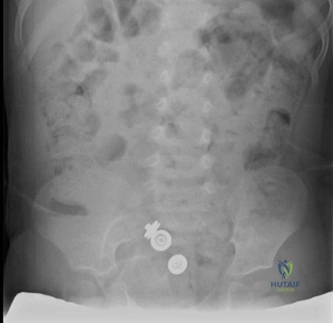
The case explicitly states that pedicle screws are the preferred method of fixation in DMD patients due to their three-column purchase and superior biomechanical strength. This is particularly critical in the context of osteopenic bone, which is common in DMD due to chronic steroid use and reduced weight-bearing. The image provided illustrates a posterior spinal fusion construct utilizing pedicle screws and rods, consistent with this approach.
Option A (Hooks and wires are generally preferred over pedicle screws due to their flexibility in osteopenic bone): This is incorrect. Hooks and wires offer less rigid fixation and inferior pull-out strength compared to pedicle screws, making them less suitable for the osteopenic spines of DMD patients where robust fixation is paramount.
Option C (Cement augmentation of pedicle screws is contraindicated due to increased risk of neurological injury): This is incorrect. The case states that for severe osteopenia, cement augmentation of pedicle screws (e.g., polymethyl methacrylate) can be considered, although it adds complexity and risk. It is not an absolute contraindication but a technique used in challenging bone quality.
Option D (Spinal fusion in DMD typically involves short-segment constructs to preserve motion segments): This is incorrect. DMD scoliosis is typically a long C-shaped thoracolumbar curve, often requiring long fusions extending from the upper thoracic to the sacral or iliac region to achieve balance and stability, especially in non-ambulatory patients.
Option E (Iliac screws are rarely necessary, as pelvic obliquity can be adequately corrected with lumbar instrumentation alone): This is incorrect. The case states that iliac screws may be necessary to achieve stable pelvic fixation and correct pelvic obliquity, which is a common and significant component of spinal deformity in DMD.
Question 3
A 10-year-old boy with Duchenne Muscular Dystrophy is undergoing preoperative evaluation for a planned Achilles tendon lengthening procedure to address a severe equinus contracture. His medical history includes chronic corticosteroid use. Which of the following is an absolute contraindication to proceeding with this elective orthopedic surgery?
Explanation
Correct Answer: C
The case explicitly lists severe cardiorespiratory compromise as the most significant absolute contraindication to orthopedic surgery in DMD patients. Specifically, a severely impaired pulmonary function (e.g., FVC < 20% predicted, or significant CO2 retention) often precludes major surgery unless life-sustaining benefits clearly outweigh risks. A baseline FVC of 25% predicted with significant CO2 retention falls into this category, indicating severe respiratory compromise that would make elective surgery prohibitively risky.
Option A (Preoperative ejection fraction (EF) of 40%): While cardiac function is critical, an EF of 40% is generally considered moderate impairment. The case specifies an EF < 30-35% as a more definitive contraindication. An EF of 40% would require careful cardiac optimization but might not be an absolute contraindication on its own for an elective procedure like Achilles lengthening, which is less invasive than spinal fusion.
Option B (History of multiple low-energy long bone fractures): This indicates significant osteopenia, a common complication of DMD and corticosteroid use. While it increases surgical risk (e.g., for spinal instrumentation or fracture fixation), it is not an absolute contraindication for a soft tissue procedure like Achilles lengthening. Bone fragility is a relative contraindication, and management strategies exist.
Option D (Ongoing physical therapy and bracing for the contracture): Non-operative management is the cornerstone of DMD care. Ongoing PT and bracing indicate that conservative measures are being pursued, but if the contracture is severe and interfering with function (as implied by the need for surgery), this is not a contraindication but rather a preceding step to surgery.
Option E (Mild hip flexion contractures): Mild contractures are common in DMD and are often managed non-operatively or addressed in conjunction with other procedures. They do not represent an absolute contraindication to an Achilles lengthening.
Question 4
A 9-year-old boy with Duchenne Muscular Dystrophy is scheduled for a posterior spinal fusion. During the multidisciplinary preoperative assessment, the anesthesiologist raises concerns about anesthetic management. Which of the following anesthetic agents or techniques is absolutely contraindicated in this patient due to the risk of a rhabdomyolysis-like syndrome?
Explanation
Correct Answer: E
The case explicitly states that patients with DMD (and other myopathies) can experience a rhabdomyolysis-like syndrome in response to volatile anesthetics and depolarizing muscle relaxants. Therefore, succinylcholine, a depolarizing muscle relaxant, is absolutely contraindicated in DMD patients.
Option A (Total intravenous anesthesia (TIVA) with propofol): TIVA with propofol is often preferred in DMD patients as it avoids volatile agents and succinylcholine, mitigating the risk of rhabdomyolysis-like syndrome.
Option B (Non-depolarizing muscle relaxants (e.g., rocuronium)): Non-depolarizing muscle relaxants can be used, but their response may be altered in DMD patients, requiring careful monitoring and titration. They are not absolutely contraindicated like succinylcholine.
Option C (Volatile anesthetic agents (e.g., isoflurane)): Volatile agents are used with extreme caution or avoided in favor of TIVA due to the risk of rhabdomyolysis-like syndrome. While their use is discouraged or limited, succinylcholine is the absolute contraindication among the choices.
Option D (Regional anesthesia (e.g., epidural block)): Regional anesthesia techniques can be valuable for pain management in DMD patients and are not contraindicated, provided there are no other contraindications (e.g., coagulopathy).
Question 5
A 14-year-old non-ambulatory boy with Duchenne Muscular Dystrophy presents with a progressive, long C-shaped thoracolumbar scoliosis measuring 55° Cobb angle, accompanied by significant pelvic obliquity. He experiences discomfort while sitting and his pulmonary function is declining. The orthopedic surgeon plans a posterior spinal fusion with instrumentation. Which of the following anatomical considerations is most critical to anticipate during the surgical exposure and instrumentation phase?
Explanation
Correct Answer: D
The case explicitly states that in DMD, the paraspinal musculature is profoundly atrophic and replaced by fatty and fibrous tissue. This significantly alters surgical planes, making subperiosteal dissection less distinct and potentially increasing intraoperative blood loss due to the highly vascularized fibrotic tissue. Anticipating this altered tissue characteristic is crucial for surgical planning and execution.
Option A (Hypertrophied paraspinal muscles requiring extensive dissection): This is incorrect. The paraspinal muscles are atrophic, not hypertrophied, in DMD.
Option B (Normal bone mineral density allowing standard pedicle screw placement): This is incorrect. The case highlights that chronic steroid use and reduced weight-bearing lead to significant osteopenia, which impacts pedicle screw fixation strength and increases the risk of vertebral body fracture. Standard pedicle screw placement may require augmentation or specialized techniques.
Option C (Highly distinct surgical planes facilitating subperiosteal dissection): This is incorrect. The replacement of muscle with fatty and fibrous tissue makes dissection planes less distinct, not highly distinct.
Option E (Minimal risk of intraoperative blood loss due to muscle atrophy): This is incorrect. The case specifically mentions that the fibrotic tissue replacing muscle can be highly vascularized, potentially increasing intraoperative blood loss, not minimizing it.
Question 6
A 6-year-old boy with Duchenne Muscular Dystrophy presents with a progressive equinus contracture of the ankle, making it difficult to wear his Ankle-Foot Orthoses (AFOs) and affecting his balance during ambulation. Non-operative management with stretching and bracing has failed to improve the contracture. The orthopedic surgeon plans a surgical release. Which of the following is a key principle to adhere to during the surgical technique for Achilles tendon lengthening in this patient?
Explanation
Correct Answer: C
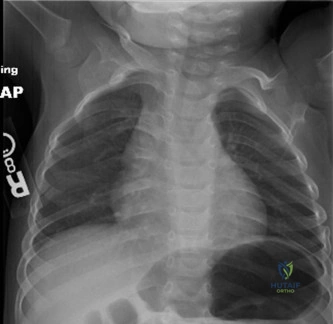
The case emphasizes that for Achilles tendon lengthening, meticulous technique is required to avoid overcorrection or damage to neurovascular structures. Overcorrection leading to a calcaneus deformity must be avoided, as this can create new functional deficits. The image provided shows a lower limb, consistent with a procedure like Achilles tendon lengthening, where careful technique is paramount.
Option A (Aggressive overcorrection to prevent recurrence of the contracture): This is incorrect. The case specifically warns against overcorrection, stating it must be avoided as it can lead to new functional deficits (e.g., calcaneus deformity).
Option B (Complete tenotomy of the Achilles tendon without repair to maximize lengthening): This is incorrect. Achilles tendon lengthening is typically performed via sequential tenotomies (e.g., three-portal percutaneous technique for a Z-lengthening effect) or a formal open Z-plasty, which involves controlled lengthening, not a complete, unrepaired tenotomy.
Option D (Exclusive use of open Z-lengthening for all equinus contractures): This is incorrect. The case mentions both percutaneous Achilles tenotomy/lengthening (for its minimally invasive approach) and open Z-lengthening (for more severe or resistant contractures), indicating that the choice depends on the severity and specific situation.
Option E (Ignoring the sural nerve as it is not typically in close proximity to the Achilles tendon): This is incorrect. The case specifically mentions that during open Z-lengthening of the Achilles tendon, the sural nerve must be carefully mobilized and protected, indicating its proximity and vulnerability.
Question 7
A 13-year-old boy with Duchenne Muscular Dystrophy, who lost ambulation two years prior, presents with a rapidly progressing thoracolumbar scoliosis (Cobb angle 48°) and increasing difficulty with sitting balance. His FVC is 45% predicted. His cardiologist has optimized his cardiac medications, and his EF is 38%. Which of the following is the most appropriate primary indication for considering posterior spinal fusion in this patient?
Explanation
Correct Answer: C
The case clearly outlines the primary indications for spinal fusion in DMD. For a non-ambulatory patient with progressive scoliosis and declining pulmonary function, the main goals are to improve sitting balance, reduce pain, and preserve pulmonary function. The patient's FVC of 45% predicted, while reduced, is above the critical threshold (FVC < 20%) that would contraindicate surgery, making intervention timely to prevent further decline.
Option A (To restore ambulation and prevent further muscle weakness): This is incorrect. Spinal fusion does not restore ambulation in non-ambulatory DMD patients, nor does it prevent the underlying progressive muscle weakness. The goal is to manage the consequences of the weakness.
Option B (To prevent the development of hip and knee flexion contractures): This is incorrect. Spinal fusion addresses spinal deformity. Hip and knee contractures are managed with lower limb releases, stretching, and bracing, not spinal surgery.
Option D (To correct calf pseudohypertrophy and improve cosmetic appearance): This is incorrect. Calf pseudohypertrophy is a pathological sign of DMD and is not an indication for surgical correction. Cosmetic appearance is not a primary indication for major spinal surgery in DMD.
Option E (To address speech delay and cognitive dysfunction): This is incorrect. Speech delay and cognitive dysfunction are associated findings in DMD but are not musculoskeletal complications addressed by orthopedic surgery.
Question 8
A 10-year-old boy with Duchenne Muscular Dystrophy is undergoing preoperative planning for a posterior spinal fusion. Given his chronic corticosteroid use, the orthopedic team is particularly concerned about bone health. Which of the following assessments is most crucial to guide implant selection and surgical technique for spinal instrumentation?
Explanation
Correct Answer: C
The case highlights that chronic steroid use and reduced weight-bearing in DMD patients lead to significant osteopenia, which impacts pedicle screw fixation strength and increases the risk of vertebral body fracture during instrumentation. Therefore, a DEXA scan to assess bone mineral density is most crucial to guide implant selection (e.g., considering cement augmentation) and surgical technique for spinal instrumentation, ensuring adequate fixation in potentially fragile bone.
Option A (Electromyography (EMG) to assess muscle strength): EMG is used for diagnostic purposes and to assess muscle function, but it does not directly guide implant selection or surgical technique for spinal instrumentation in the context of bone quality.
Option B (Pulmonary function tests (PFTs) to determine respiratory reserve): PFTs are critical for assessing overall surgical risk and anesthetic planning, but they do not directly inform implant selection or technique related to bone quality.
Option D (Echocardiogram to evaluate cardiac ejection fraction): An echocardiogram is essential for assessing cardiac function and overall surgical risk, but it does not directly guide implant selection or technique related to bone quality.
Option E (Genetic testing to confirm dystrophin mutation): Genetic testing confirms the diagnosis of DMD but is not a preoperative assessment that guides implant selection or surgical technique for spinal instrumentation in the context of bone health.
Question 9
A 15-year-old non-ambulatory patient with Duchenne Muscular Dystrophy is recovering from a posterior spinal fusion. On postoperative day 2, the patient develops increasing shortness of breath, decreased oxygen saturation, and a weak cough. Which of the following is the most likely early postoperative complication in this patient, and what is the immediate management strategy?
Explanation
Correct Answer: C
The case identifies respiratory insufficiency/failure as a moderate-to-high incidence early postoperative complication in DMD patients, especially after major surgery like spinal fusion. Symptoms like increasing shortness of breath, decreased oxygen saturation, and a weak cough are classic signs. The recommended management strategy includes prolonged mechanical ventilation (invasive/non-invasive), aggressive pulmonary hygiene, early mobilization, and respiratory consult.
Option A (Deep Vein Thrombosis (DVT); Initiate immediate systemic anticoagulation): DVT is a possible complication, but the symptoms described (shortness of breath, decreased O2 sat, weak cough) are more indicative of primary respiratory compromise rather than a DVT/PE as the initial event. While DVT prophylaxis is important, this is not the most likely immediate cause of these specific symptoms.
Option B (Wound infection; Administer broad-spectrum antibiotics and consider wound debridement): Wound infection is a possibility, but it typically presents with local signs (redness, warmth, drainage, fever) and usually manifests a few days later. The described symptoms are not typical for an early wound infection.
Option D (Cardiac decompensation; Optimize cardiac medications and transfer to ICU): Cardiac decompensation is a risk, but the symptoms (shortness of breath, decreased O2 sat, weak cough) are more directly related to pulmonary mechanics and respiratory muscle weakness, which are profoundly affected in DMD, especially post-spinal surgery. While cardiac monitoring is crucial, respiratory issues are often the more immediate and direct concern in this scenario.
Option E (Pseudarthrosis; Plan for revision surgery with additional bone graft): Pseudarthrosis (non-union) is a late postoperative complication, occurring months to years after surgery, not on postoperative day 2.
Question 10
A 5-year-old boy with Duchenne Muscular Dystrophy is noted to have a waddling gait and uses his hands to push off his knees to stand up from the floor. His parents report he frequently falls. These findings are primarily indicative of weakness in which of the following muscle groups?
Explanation
Correct Answer: C
The waddling gait (due to gluteus medius/minimus weakness) and Gower's sign (using hands to 'walk up' legs to stand) are classic early signs of Duchenne Muscular Dystrophy. Gower's sign specifically compensates for weakness in the quadriceps and hip extensors, which are crucial for standing up from a seated or prone position. The waddling gait is a result of proximal hip abductor weakness. Therefore, weakness in the proximal hip extensors and quadriceps is the primary underlying cause of these observed signs.
Option A (Distal forearm and hand intrinsic muscles): Weakness in these muscles is not characteristic of the early signs of DMD, which primarily affects proximal muscles.
Option B (Gastrocnemius-soleus complex): Weakness or contracture of the gastrocnemius-soleus complex leads to equinus deformity and toe-walking, but not directly to a waddling gait or Gower's sign.
Option D (Anterior tibialis and peroneal muscles): Weakness in these muscles would lead to foot drop or other ankle deformities, not the described gait or Gower's sign.
Option E (Shoulder abductors and external rotators): While shoulder girdle weakness can occur later in DMD, it is not the primary cause of a waddling gait or Gower's sign, which are lower limb and trunk-related compensatory mechanisms.
Question 11
A 16-year-old non-ambulatory boy with Duchenne Muscular Dystrophy, who underwent posterior spinal fusion two years ago, presents with increasing back pain and a new, palpable prominence in his mid-thoracic spine. Radiographs reveal a fracture of one of the pedicle screws and a loss of correction. Which of the following is the most likely late postoperative complication in this patient, and what is its primary underlying cause in DMD?
Explanation
Correct Answer: C
The scenario describes a late postoperative complication (two years post-fusion) characterized by instrumentation failure (pedicle screw fracture, loss of correction) and increasing back pain. The case explicitly states that instrumentation failure (screw pullout, rod fracture) is a known late complication in DMD, with an incidence of 5-10%. The primary underlying cause for this in DMD patients is the significant osteopenia and poor bone quality, often exacerbated by chronic steroid use, which compromises implant purchase and strength.
Option A (Acute wound infection; Inadequate antibiotic prophylaxis): Acute wound infection is an early complication, typically presenting within weeks of surgery, not two years later. While late infections can occur, instrumentation failure is a more direct explanation for the described findings.
Option B (Deep Vein Thrombosis (DVT); Prolonged immobility): DVT is an early postoperative complication, usually occurring within weeks, not years, and presents with limb swelling or pulmonary symptoms, not instrumentation failure.
Option D (Adjacent segment disease; Excessive correction of the fused segment): Adjacent segment disease is a possibility, but the description of a fractured pedicle screw and loss of correction points more directly to instrumentation failure within the fused segment rather than pathology at an adjacent, unfused level.
Option E (Recurrence of lower limb contractures; Insufficient postoperative stretching): Recurrence of lower limb contractures is a complication of contracture release surgeries, not spinal fusion, and would present as limited range of motion in the limbs, not back pain and instrumentation failure.
Question 12
A 25-year-old competitive long-distance runner presents with bilateral lower leg pain, tightness, and paresthesias during running, resolving with rest. Intracompartmental pressure monitoring confirms Chronic Exertional Compartment Syndrome. Which of the following best describes the primary pathophysiological mechanism leading to his symptoms?
Explanation
Correct Answer: C
The correct answer is C. Chronic Exertional Compartment Syndrome (CECS) is characterized by pathologically non-compliant fascial envelopes that fail to accommodate the transient increase in muscle volume (up to 20%) during vigorous exercise. This leads to a precipitous rise in intracompartmental pressure, compromising microvascular perfusion and causing ischemic pain and nerve compression.
Option A describes acute compartment syndrome, which is typically traumatic and irreversible without immediate intervention. Option B describes Popliteal Artery Entrapment Syndrome, a vascular pathology involving dynamic arterial occlusion. Option D describes a tibial stress fracture, an osseous injury. Option E describes Medial Tibial Stress Syndrome, which involves diffuse inflammation along the posteromedial tibia, not primarily a fascial compliance issue.
Question 13
Following a provocative exercise test, the patient's right anterior compartment pressures were recorded as: Resting 18 mm Hg, 1-minute post 45 mm Hg, 5-minute post 32 mm Hg. Based on the Pedowitz criteria, which of these readings alone would be sufficient to confirm the diagnosis of Chronic Exertional Compartment Syndrome in this compartment?
Explanation
Correct Answer: D
The correct answer is D. The Pedowitz criteria for diagnosing Chronic Exertional Compartment Syndrome state that one or more of the following pressure thresholds must be met: 1) A pre-exercise resting pressure greater than or equal to 15 mm Hg; 2) A one-minute post-exercise pressure greater than or equal to 30 mm Hg; 3) A five-minute post-exercise pressure greater than or equal to 20 mm Hg.
In this patient's right anterior compartment, all three readings individually meet these criteria: Resting (18 mm Hg ≥ 15 mm Hg), 1-minute post (45 mm Hg ≥ 30 mm Hg), and 5-minute post (32 mm Hg ≥ 20 mm Hg). Therefore, any one of these readings would be sufficient for diagnosis.
Question 14
A 25-year-old competitive long-distance runner presents with exertional lower leg pain. During the diagnostic workup, the orthopedic surgeon performs a focused vascular examination post-exercise. The preservation of strong dorsalis pedis and posterior tibial pulses post-exertion is a critical finding that helps differentiate Chronic Exertional Compartment Syndrome from which of the following conditions?
Explanation
Correct Answer: C
The correct answer is C. Popliteal Artery Entrapment Syndrome (PAES) is a critical vascular differential diagnosis for exertional leg pain. In PAES, the popliteal artery is dynamically compressed, typically by the medial head of the gastrocnemius, during active plantarflexion or exercise. This leads to claudication-like symptoms and, importantly, diminished or absent pedal pulses (dorsalis pedis and posterior tibial) during or immediately after exercise. Chronic Exertional Compartment Syndrome primarily affects the microcirculation and capillary beds, and major arterial inflow is rarely compromised, thus distal pulses typically remain palpable post-exertion.
Options A, B, and D are musculoskeletal or neurological conditions that do not typically present with diminished distal pulses. Option E, Deep Vein Thrombosis, is a venous pathology and while it can cause leg pain and swelling, it is not typically exertional and does not cause diminished arterial pulses.
Question 15
The patient reported transient numbness and tingling along the dorsum of both feet and a foot drop sensation, particularly on the right side, which resolved completely within 15 to 20 minutes of resting. Post-exertion examination confirmed 4-/5 weakness in right ankle dorsiflexion and great toe extension, and diminished sensation over the dorsum of the right foot. These specific neurological deficits are most consistent with transient ischemic neuropraxia of which nerves?
Explanation
Correct Answer: C
The correct answer is C. The deep peroneal nerve innervates the muscles of the anterior compartment, including the tibialis anterior and extensor hallucis longus, which are responsible for ankle dorsiflexion and great toe extension, respectively. Ischemic neuropraxia of the deep peroneal nerve would therefore cause transient weakness (foot drop sensation) in these movements. The deep peroneal nerve also provides sensation to the first dorsal web space.
The superficial peroneal nerve provides sensation to the dorsum of the foot (excluding the first web space). Compression or ischemia of the superficial peroneal nerve would lead to the reported numbness and tingling along the dorsum of the foot. Both of these nerves are particularly vulnerable to compression in the anterior and lateral compartments, respectively, during episodes of elevated intracompartmental pressure.
The other options involve nerves with different motor and sensory distributions (e.g., sural nerve for lateral foot sensation, tibial nerve for plantarflexion and plantar foot sensation, femoral nerve for hip flexion and knee extension).
Question 16
During the planned bilateral anterolateral fasciotomy for the patient, a single longitudinal incision was made approximately two centimeters lateral to the tibial crest. As the surgeon performed subcutaneous dissection and undermined tissues, meticulous care was taken to identify and protect a specific nerve that typically pierces the deep fascia of the lateral compartment to become subcutaneous. Which nerve is the surgeon most critically trying to identify and protect in this approach?
Explanation
Correct Answer: C
The correct answer is C. The superficial peroneal nerve is the most critical nerve to identify and protect during an anterolateral fasciotomy. It typically pierces the deep fascia of the lateral compartment to become subcutaneous approximately 10-12 cm proximal to the lateral malleolus, often within the surgical field for a single-incision anterolateral approach. Injury to this nerve can result in permanent numbness over the dorsum of the foot and potentially neuropathic pain.
The deep peroneal nerve is located deeper within the anterior compartment and is generally protected by the muscle bellies during this approach, though care must be taken during the fascial release. The sural nerve is located more posteriorly and laterally, typically not in the primary field of an anterolateral approach. The saphenous nerve is a sensory branch of the femoral nerve, located medially. The tibial nerve is in the posterior compartment.
Question 17
Prior to intracompartmental pressure monitoring, the patient underwent standard weight-bearing radiographs and a resting MRI of the lower extremities, both of which were unremarkable. While resting MRI is often normal in Chronic Exertional Compartment Syndrome, which of the following advanced imaging findings, if obtained post-exercise, would be most suggestive of the condition?
Explanation
Correct Answer: D
The correct answer is D. While resting MRI is often normal in Chronic Exertional Compartment Syndrome (CECS), advanced imaging protocols utilizing post-exercise T2-weighted mapping can be highly suggestive of the condition. T2 hyperintensity within the affected compartments post-exercise reflects increased extracellular fluid and edema resulting from the compromised microcirculation and fluid extravasation, which is characteristic of CECS.
Option A suggests a stress fracture or periostitis. Option B suggests a stress fracture or Medial Tibial Stress Syndrome. Option C suggests Popliteal Artery Entrapment Syndrome. Option E suggests Deep Vein Thrombosis. None of these are primary findings for CECS, and the case explicitly states resting MRI was unremarkable, ruling out early stress fractures or MTSS.
Question 18
Given the patient's status as a high-demand competitive runner and the failure of conservative treatment, a bilateral anterolateral fasciectomy was performed. The decision to perform a partial fasciectomy (excision of a 1-2 cm strip of fascia) rather than a simple fasciotomy was primarily based on which of the following considerations?
Explanation
Correct Answer: C
The correct answer is C. For high-demand competitive athletes, a partial fasciectomy (excision of a 1-2 cm strip of fascia) is often preferred over a simple fasciotomy. The primary rationale is to significantly reduce the risk of fascial re-approximation and subsequent recurrent compartmental hypertension. Simple fasciotomies, especially in the robust anterior compartment fascia, carry a higher risk of incomplete release or fascial scarring and re-tethering, leading to recurrence rates that can approach 15-20% in elite athletes. Excising a strip of fascia creates a larger, more permanent defect, minimizing this risk.
Option A is incorrect; a fasciectomy typically requires a slightly larger incision than a minimally invasive fasciotomy. Option B is incorrect; nerve injury risk is related to meticulous dissection, not the extent of fascial excision. Option D is incorrect; nerve identification is a separate step. Option E is incorrect; hematoma prevention is achieved through meticulous hemostasis, not the type of fascial release.
Question 19
In the immediate post-operative period (Weeks 0-2) following bilateral anterolateral fasciectomy, the patient was allowed to weight-bear as tolerated and encouraged to perform active and passive range of motion exercises for the ankle and toes. What is the primary goal of initiating early active dorsiflexion and plantarflexion exercises in this phase?
Explanation
Correct Answer: B
The correct answer is B. In the immediate post-operative period (Phase 1), early active and passive range of motion exercises for the ankle and toes, particularly active dorsiflexion and plantarflexion, are critical to prevent the muscles from scarring down to the overlying subcutaneous tissues and skin. This helps maintain the mobility of the muscle bellies within the newly released compartment, preventing restrictive scar tissue formation that could lead to recurrent symptoms.
Option A is incorrect; rapid restoration of full muscle strength is a later goal. Option C is incorrect; the deep fascia is explicitly left open, so there is no fascial repair to assess for dehiscence. Option D is incorrect; the goal is to prevent scarring, not to stretch the fascia, which has been excised. Option E is a secondary benefit of early weight-bearing and movement, but the primary goal for specific muscle exercises is to prevent adhesions.
Question 20
The patient's symptoms of bursting pain, tightness, and paresthesias in specific muscle compartments, with insidious onset during exercise at a predictable time/distance and complete resolution within 30 minutes of rest, are highly characteristic of Chronic Exertional Compartment Syndrome. Which of the following clinical presentations would be most indicative of Medial Tibial Stress Syndrome (MTSS) rather than CECS?
Explanation
Correct Answer: C
The correct answer is C. Medial Tibial Stress Syndrome (MTSS) typically presents as a diffuse, dull ache along the posteromedial border of the distal third of the tibia. A key differentiating feature from CECS is its onset and offset characteristics: pain often occurs early in exercise, may warm up and improve during the activity, and then returns or worsens post-exercise, often with a prolonged ache at rest. Palpation reveals diffuse tenderness along the tibial crest, rather than tense muscle compartments.
Option A describes Popliteal Artery Entrapment Syndrome. Option B describes a Tibial Stress Fracture. Option D describes Superficial Peroneal Nerve Entrapment. Option E describes a more severe or persistent neurological deficit not typical of CECS's transient nature, or potentially a different neurological pathology. The case specifically highlights the differences in the comparative analysis table.
Question 21
A 25-year-old competitive long-distance runner presents with bilateral lower leg pain consistent with Chronic Exertional Compartment Syndrome. He has failed six months of conservative management including activity modification, NSAIDs, and physiotherapy. Intracompartmental pressure monitoring confirms pathologically elevated pressures in the anterior and lateral compartments bilaterally. Given this clinical scenario, what is the most appropriate next step in management?
Explanation
Correct Answer: C
The correct answer is C. The management algorithm for Chronic Exertional Compartment Syndrome (CECS) typically begins with conservative measures. However, in competitive athletes seeking to return to their prior level of performance, conservative measures have a notoriously high failure rate, often exceeding 80%. In this case, the patient has diligently trialed over six months of non-operative modalities without success, and the diagnosis has been definitively confirmed by intracompartmental pressure monitoring.
Given the failure of conservative treatment and the clear diagnosis, operative intervention (bilateral anterolateral fasciectomy, as indicated by the pressure readings) is strongly indicated and is the most appropriate next step to allow the patient to return to elite-level running.
Options A and B represent continued conservative management, which has already failed. Option D is unnecessary; intracompartmental pressure monitoring is the gold standard for diagnosis, and a post-exercise MRI is an adjunct, not a prerequisite for intervention after definitive pressure measurements. Option E is incorrect as Popliteal Artery Entrapment Syndrome has been clinically differentiated by the preservation of distal pulses and the specific pressure findings.
Question 22
A 5-year-old boy presents with calf pseudohypertrophy and proximal muscle weakness. Genetic testing confirms a mutation in the dystrophin gene. Which of the following best describes the inheritance pattern and the normal cellular function of the affected protein?
Explanation
Question 23
A 22-year-old collegiate distance runner complains of bilateral lower leg pain that begins reliably after 3 miles of running and resolves after 20 minutes of rest. Suspecting chronic exertional compartment syndrome, compartment pressures are measured. Which of the following measurements meets the diagnostic criteria for this condition?
Explanation
Question 24
A 14-year-old boy with Duchenne Muscular Dystrophy is scheduled for posterior spinal fusion. Which of the following anesthetic agents is strictly contraindicated due to the risk of severe hyperkalemia and a malignant hyperthermia-like reaction?
Explanation
Question 25
A 19-year-old female soccer player is diagnosed with chronic exertional compartment syndrome. She notes transient numbness on the dorsum of her foot, particularly in the first web space, after matches. Which compartment is most likely affected?
Explanation
Question 26
A 13-year-old boy with Duchenne Muscular Dystrophy who uses a wheelchair full-time presents with a progressive spinal deformity. Radiographs show a 35-degree thoracolumbar curve. His forced vital capacity (FVC) is currently 45%. What is the most appropriate management?
Explanation
Question 27
A 9-year-old boy with Duchenne Muscular Dystrophy has been treated with oral deflazacort for several years. What is the primary orthopaedic benefit of continuous corticosteroid therapy in this patient population?
Explanation
Question 28
A 28-year-old military recruit presents with chronic exertional compartment syndrome isolated to the deep posterior compartment of the leg. During fasciotomy, which of the following structures must be carefully protected to avoid causing plantar foot paresthesias?
Explanation
Question 29
A 15-year-old male with Duchenne Muscular Dystrophy is being evaluated for posterior spinal fusion. Which preoperative pulmonary function parameter most accurately predicts an unacceptably high risk of postoperative pulmonary failure, often contraindicating surgery?
Explanation
Question 30
A 25-year-old runner undergoes a fasciotomy for chronic exertional compartment syndrome of the lateral compartment. Postoperatively, she complains of numbness over the dorsum of her foot, excluding the first web space, but has full motor function. Which nerve was most likely injured during the surgical approach?
Explanation
Question 31
A 7-year-old boy with Duchenne Muscular Dystrophy presents with a toe-walking gait. Clinical examination reveals 15 degrees of ankle equinus and intact passive knee extension. What is the primary biomechanical reason for equinus posturing during ambulation in early DMD?
Explanation
Question 32
A 22-year-old collegiate runner presents with bilateral anterior leg pain that occurs 15 minutes into a run and resolves after 30 minutes of rest. Intracompartmental pressure testing is performed. According to the modified Pedowitz criteria, which of the following measurements confirms the diagnosis of Chronic Exertional Compartment Syndrome (CECS)?
Explanation
Question 33
Duchenne Muscular Dystrophy (DMD) is caused by an X-linked recessive mutation that leads to the absence of dystrophin. At the cellular level, what is the primary structural role of the dystrophin protein in healthy skeletal muscle?
Explanation
Question 34
A 25-year-old female undergoes a two-incision fasciotomy for anterior and lateral Chronic Exertional Compartment Syndrome. Postoperatively, she reports numbness over the dorsum of her foot, though sensation in the first web space remains intact. Which nerve was most likely iatrogenically injured during the procedure?
Explanation
Question 35
A 13-year-old non-ambulatory boy with Duchenne Muscular Dystrophy presents with a progressive 35-degree thoracolumbar scoliosis. He is having increasing difficulty maintaining seating balance. What is the most appropriate surgical recommendation?
Explanation
Question 36
A 20-year-old cross-country runner is diagnosed with anterior Chronic Exertional Compartment Syndrome. She strongly wishes to avoid surgical fasciotomy. Which of the following gait modifications is most likely to reduce her symptoms?
Explanation
Question 37
A 9-year-old boy with Duchenne Muscular Dystrophy requires surgical release of severe lower extremity contractures. The anesthesia team avoids the use of succinylcholine during induction. This precaution prevents which of the following life-threatening complications?
Explanation
Question 38
A 24-year-old soldier presents with exertional calf pain that forces him to stop running. Pre- and post-exercise intracompartmental pressures are within normal limits. Physical examination reveals diminished pedal pulses specifically during active ankle plantarflexion against resistance. What is the most likely diagnosis?
Explanation
Question 39
In a 10-year-old ambulatory boy with Duchenne Muscular Dystrophy, which of the following functional milestones is the strongest predictor that he will lose independent ambulation within the next 12 to 24 months?
Explanation
Question 40
A 27-year-old triathlete undergoes an isolated deep posterior compartment release for CECS using a single medial longitudinal incision. Postoperatively, he notes a burning numbness along the medial aspect of his distal lower leg and medial foot. Which nerve was most likely injured during the surgical approach?
Explanation
Question 41
A 4-year-old boy is brought to the clinic for frequent falls, delayed motor milestones, and pseudohypertrophy of the calves. If laboratory screening is performed, which of the following serum markers is expected to be profoundly elevated as an early hallmark of his likely underlying disease?
Explanation
Question 42
During a fasciotomy for deep posterior Chronic Exertional Compartment Syndrome, the surgeon must ensure complete release of the fascia overlying the specific muscles of this compartment. Which of the following muscle groups comprises the deep posterior compartment of the leg?
Explanation
Question 43
While orthopedic interventions in Duchenne Muscular Dystrophy aim to prolong ambulation and manage spinal deformity, ultimate life expectancy is usually dictated by cardiopulmonary failure. Which of the following cardiac conditions is classically and predominantly associated with DMD?
Explanation
Question 44
A 21-year-old runner is diagnosed with right-sided anterior Chronic Exertional Compartment Syndrome. During counseling, the surgeon informs him that CECS often affects both extremities. Approximately what percentage of CECS cases present bilaterally?
Explanation
Question 45
As Duchenne Muscular Dystrophy progresses into the second decade of life, patients develop significant upper extremity contractures that impair function. What is the classic resting position of the upper extremity due to these contractures?
Explanation
Question 46
A 26-year-old military recruit undergoes dynamic compartment pressure testing for suspected anterior CECS. Before initiating the treadmill protocol, resting pressures are measured. According to the Pedowitz criteria, a resting intracompartmental pressure greater than or equal to which of the following values is independently diagnostic of CECS?
Explanation
Question 47
A 9-year-old boy with Duchenne Muscular Dystrophy presents with progressive tiptoe walking and frequent tripping. On examination, what is the most typical lower extremity contracture pattern driving this gait abnormality in ambulatory DMD patients?
Explanation
Question 48
A 30-year-old male presents with persistent exertional calf pain six months after undergoing a medial approach fasciotomy for deep posterior CECS. What is the most frequently identified anatomical cause for failure or recurrence following deep posterior compartment release?
Explanation
Question 49
Daily systemic corticosteroid therapy is the gold standard medical management for Duchenne Muscular Dystrophy. What is the primary established orthopedic benefit of long-term glucocorticoid use in this patient population?
Explanation
Question 50
A 22-year-old collegiate distance runner presents with bilateral anterior lower leg pain that occurs consistently after running 2 miles and resolves after 30 minutes of rest. Intracompartmental pressure testing is planned. According to the Pedowitz criteria, which of the following measurements confirms the diagnosis of Chronic Exertional Compartment Syndrome (CECS)?
Explanation
Question 51
An 11-year-old boy with Duchenne Muscular Dystrophy (DMD) is undergoing a fractional lengthening of his Achilles tendons. During induction of anesthesia, the anesthesiologist avoids the use of succinylcholine. Which of the following is the primary physiological reason for this contraindication?
Explanation
Question 52
Duchenne Muscular Dystrophy is caused by an X-linked recessive mutation resulting in the absence of dystrophin. In a normal muscle cell, the dystrophin protein primarily serves to link the extracellular matrix to which of the following intracellular structures?
Explanation
Question 53
A 20-year-old soccer player undergoes a single-incision, two-compartment fasciotomy for lateral and anterior Chronic Exertional Compartment Syndrome. Postoperatively, she reports numbness over the dorsum of her foot, excluding the first web space. Which nerve was most likely injured during the surgical approach?
Explanation
Question 54
A 13-year-old boy with Duchenne Muscular Dystrophy has recently lost the ability to ambulate.
Routine radiographic screening reveals a progressive thoracolumbar scoliosis measuring 35 degrees. His Forced Vital Capacity (FVC) is 45% of predicted. What is the most appropriate management for his spinal deformity?
Explanation
Question 55
A 25-year-old recreational runner with anterior Chronic Exertional Compartment Syndrome (CECS) wishes to avoid surgery. Which of the following gait modifications has been shown to decrease forces in the anterior compartment and potentially relieve symptoms?
Explanation
Question 56
Which of the following leg compartments is associated with the highest rate of surgical failure and symptom recurrence following fasciotomy for Chronic Exertional Compartment Syndrome?
Explanation
Question 57
An 8-year-old ambulatory boy with Duchenne Muscular Dystrophy is evaluated in the clinic. His parents note he walks with an increasingly pronounced lumbar lordosis. This altered posture is primarily a compensatory mechanism for bilateral weakness in which of the following muscle groups?
Explanation
Question 58
Which of the following is the leading cause of mortality in patients with Duchenne Muscular Dystrophy who survive into early adulthood?
Explanation
Question 59
A 28-year-old male soldier presents with posterior calf pain that occurs only during forced marches. His physical examination at rest is normal. Which of the following findings during provocative testing would best differentiate Popliteal Artery Entrapment Syndrome (PAES) from Chronic Exertional Compartment Syndrome?
Explanation
Question 60
A 14-year-old boy with Duchenne Muscular Dystrophy requires posterior spinal fusion for severe scoliosis. Preoperative pulmonary function testing is performed. A Forced Vital Capacity (FVC) strictly below which of the following thresholds indicates an extreme risk for postoperative ventilator dependence?
Explanation
Question 61
In the pathogenesis of Duchenne Muscular Dystrophy, the lack of dystrophin at the sarcolemma leads to an abnormal influx of a specific ion, ultimately driving protease activation and myofiber necrosis. Which ion is primarily responsible for this intracellular damage?
Explanation
Question 62
A 3-year-old boy is brought to the pediatrician due to delayed motor milestones. Duchenne Muscular Dystrophy is suspected. If this diagnosis is correct, which of the following laboratory profiles is expected prior to the onset of severe clinical weakness?
Explanation
Question 63
A 26-year-old marathon runner is diagnosed with Chronic Exertional Compartment Syndrome strictly localized to the anterior compartment of the leg. During a severe symptomatic episode, which of the following physical examination findings is most likely to be present?
Explanation
Question 64
When performing posterior spinal fusion for scoliosis in a non-ambulatory patient with Duchenne Muscular Dystrophy, extension of the fusion construct to the pelvis is universally recommended. What is the primary functional goal of including the pelvis in the fusion?
Explanation
Question 65
A deep posterior compartment fasciotomy for Chronic Exertional Compartment Syndrome is performed on a 29-year-old athlete. Six months later, the patient presents with persistent exertional pain localized to the posteromedial tibia. Recurrence in this compartment is most often attributed to the failure to completely release the fascia over which muscle?
Explanation
Question 66
Long-term corticosteroid therapy is a standard of care for ambulatory boys with Duchenne Muscular Dystrophy. Which of the following best describes the established orthopedic effect of this systemic treatment?
Explanation
Question 67
Becker Muscular Dystrophy (BMD) and Duchenne Muscular Dystrophy (DMD) share the same genetic locus but differ clinically. Which of the following best explains the pathophysiological difference that results in BMD having a milder clinical course?
Explanation
Question 68
A 5-year-old boy uses his hands to walk up his own legs to transition from sitting on the floor to a standing position (Gowers' sign). This classic sign in Duchenne Muscular Dystrophy directly indicates profound weakness in which specific muscle groups?
Explanation
Question 69
A 27-year-old triathlete undergoes intracompartmental pressure testing for suspected Chronic Exertional Compartment Syndrome (CECS).
According to the Pedowitz criteria, a resting (pre-exercise) pressure greater than or equal to which of the following values is diagnostic for CECS?
Explanation
Question 70
A 4-year-old boy presents with progressive proximal muscle weakness and calf pseudohypertrophy. A diagnosis of Duchenne muscular dystrophy is suspected. Which of the following best describes the underlying genetic defect?
Explanation
Question 71
A 22-year-old collegiate runner presents with bilateral anterolateral leg pain that predictably begins 15 minutes into a run and resolves 30 minutes after resting. Suspecting chronic exertional compartment syndrome (CECS), you order compartment pressure testing. Which of the following measurements meets the diagnostic criteria for CECS?
Explanation
Question 72
A 10-year-old boy with Duchenne muscular dystrophy is scheduled for Achilles tendon lengthening. Which of the following anesthetic agents must be strictly avoided to prevent life-threatening hyperkalemia and rhabdomyolysis?
Explanation
Question 73
A 24-year-old female undergoes an elective dual-incision fasciotomy for chronic exertional compartment syndrome of the anterior and lateral compartments. Postoperatively, she reports numbness over the dorsum of her foot, excluding the first web space. Which structure was most likely injured during the procedure?
Explanation
Question 74
In a non-ambulatory 13-year-old boy with Duchenne muscular dystrophy who is not on corticosteroids, at what Cobb angle is posterior spinal fusion generally indicated to prevent progressive deformity and preserve sitting balance?
Explanation
Question 75
A 26-year-old military recruit presents with exercise-induced leg pain that forces him to stop running. Which compartment of the leg is most commonly affected in chronic exertional compartment syndrome?
Explanation
Question 76
A 14-year-old boy with Duchenne muscular dystrophy is being evaluated for posterior spinal fusion. Preoperative pulmonary function testing is obtained. What forced vital capacity (FVC) threshold represents a significantly increased risk for perioperative pulmonary complications?
Explanation
Question 77
What is the most effective non-operative management strategy for a recreational athlete diagnosed with chronic exertional compartment syndrome of the anterior leg?
Explanation
Question 78
Which of the following cardiac manifestations is the most common cause of mortality in patients with Duchenne muscular dystrophy in their late teens to twenties?
Explanation
Question 79
A 20-year-old male runner presents with exertional calf pain and paresthesias in the plantar aspect of the foot. Compartment pressures are normal. Ankle-brachial index (ABI) drops significantly with active plantar flexion. What is the most likely diagnosis?
Explanation
Question 80
Routine use of daily corticosteroids in patients with Duchenne muscular dystrophy has been shown to alter the natural history of the disease. Which of the following is a recognized orthopedic effect of this medical therapy?
Explanation
Question 81
A 21-year-old cross-country runner reports deep aching pain in her anterior shins that begins 2 miles into her run and resolves completely within an hour of resting. There is no pain at rest and no neurologic deficits. What is the key pathophysiological difference between this patient's condition and acute compartment syndrome?
Explanation
Question 82
In an ambulatory 8-year-old boy with Duchenne muscular dystrophy, which of the following lower extremity contracture patterns most commonly develops first?
Explanation
Question 83
A patient undergoing fasciotomy for chronic exertional compartment syndrome of the deep posterior compartment must have the fascia released to address which of the following specific muscle bellies?
Explanation
Question 84
In the later stages of Duchenne muscular dystrophy, which upper extremity joint typically develops a flexion contracture that most severely interferes with joystick control of a motorized wheelchair?
Explanation
Question 85
A runner with anterior chronic exertional compartment syndrome wishes to attempt conservative management by altering their running mechanics. Which of the following gait modifications is most likely to reduce anterior compartment pressures?
Explanation
Question 86
When performing posterior spinal fusion for scoliosis in a non-ambulatory patient with Duchenne muscular dystrophy, what is the primary rationale for extending the fusion to the pelvis?
Explanation
Question 87
During a single-incision lateral approach to release the anterior and lateral compartments for CECS, the intermuscular septum is identified. What is the most critical technical step regarding the septum to prevent iatrogenic injury?
Explanation
Question 88
The absence of functional dystrophin in Duchenne muscular dystrophy leads to muscle degeneration primarily due to the loss of connection between which two cellular components?
Explanation
None
