العربية
Part of the Master Guide

AAOS Orthopedic MCQs (Set 1): Spine Disorders, Sports Medicine & Arthroplasty | 2026 Board Review

Orthopedic Spine 2026 MCQs: Board Review Questions & Answers (Part 3)

23 Apr 2026 61 min read 83 Views
Figure for Spine 2000 MCQs - Part 3 - Question 53

Key Takeaway

Your ultimate guide to Orthopedic Spine 2026 MCQs: Board Review Questions & Answers (Part 3) starts here. Top-rated Orthopedic Spine 2026 MCQs bank. Practice with clinical case questions, orthopedic surgery board review, and evidence-based answers updated for 2026.

Orthopedic Spine 2026 MCQs: Board Review Questions & Answers (Part 3)

Comprehensive 100-Question Exam


00:00

Start Quiz

Question 1

What is the most common complication of halo vest immobilization in adults?


Explanation

Although pin loosening generally has not been considered a major problem, it has been cited as the most common complication in two published series of halo vest complications. The other possible complications are all significantly less common. Baum JA, Hanley EN Jr, Pullekines J: Comparison of halo complications in adults and children. Spine 1989;14:251-252. Garfin SR, Botte MJ, Waters RL, Nickel VL: Complications in the use of the halo fixation device. J Bone Joint Surg Am 1986;68:320-325.

Question 2

What is the most common neurologic complication following an anterior cervical diskectomy and fusion?


Explanation

The recurrent laryngeal nerve provides innervation to the vocal cords and was the most common neurologic injury reported in a series of 36,000 patients. The nerve is felt to be more vulnerable during a right-sided approach because of its anatomic course. A recent study has also suggested a role for increased endotracheal cuff pressures in this nerve injury. Flynn TB: Neurologic complications of anterior cervical interbody fusion. Spine 1982;7:536-539.

Question 3

An otherwise healthy 45-year-old woman reports the onset of severe right leg pain. Figure 20a shows an axial MRI scan of the L4-5 level, and Figure 20b shows a sagittal view with the arrow at the L4-5 level. What nerve root is the most likely source of her pain?


Explanation

20b The scans show a disk herniation in the far lateral region of the disk. In particular, the sagittal view shows the herniation adjacent to the exiting L4 nerve root. Disk herniations in this area that cause symptoms are more likely to compress the nerve exiting at the same level rather than the next most caudal level. McCulloch JA: Microdiscectomy, in Frymoyer JW (ed): The Adult Spine: Principles and Practice. New York, NY, Raven Press, 1991, vol 2, pp 1765-1783.

Question 4

Which of the following forms of nonsurgical management is considered best for acute low back pain without radiculopathy?


Explanation

Temporary bed rest (less than 4 days) with gradual resumption of activities can be efficacious. Epidural steroid injections may be indicated for acute low back pain with radiculopathy. Acupuncture, facet joint injections, or ligamentous (sclerosant) injections are not indicated. Garfin SR, Vaccaro AR (eds): Orthopaedic Knowledge Update: Spine. Rosemont, IL, American Academy of Orthopaedic Surgeons, 1997, Appendix A15.

Question 5

A type 2A hangman's fracture, which has the potential to overdistract with traction, has which of the following hallmark findings?


Explanation

Type 2A hangman's fractures are thought to have a flexion mechanism rather than extension and axial loading. This allows them to rotate around the anterior longitudinal ligament into flexion. Anterior translation of greater than 3 mm and angulation distinguish type 2 fractures from type 1 fractures. Although there is an association between C1 ring fractures and C2 fractures, this does not factor into the classification. If a C2-3 facet dislocation exists in combination with a C2 pars fracture, it is considered a type 3 fracture. Garfin SR, Vaccaro AR (eds): Orthopaedic Knowledge Update: Spine. Rosemont, IL, American Academy of Orthopaedic Surgeons, 1997, pp 197-217.

Question 6

Figures 21a and 21b show the radiographs of a 22-year-old man who was shot through the abdomen the previous evening. An exploratory laparotomy performed at the time of admission revealed a colon injury. Current examination reveals no neurologic deficits. Management for the spinal injury should include


Explanation

21b IV broad-spectrum antibiotics should be administered for 7 days. This regimen, when compared to fragment removal or other antibiotic regimens, has been shown to reduce the incidence of spinal infections and reduce the need for metallic fragment removal with perforation of a viscus. Roffi RP, Waters RL, Adkins RH: Gunshot wounds to the spine associated with a perforated viscus. Spine 1989;14:808-811.

Question 7

Stability at the atlanto-occipital joint is provided mainly by


Explanation

The atlanto-occipital joint is inherently unstable and would easily dislocate without the supporting ligaments. The apical ligament attaches to the basion and tip of the dens but does not provide adequate stability to the joint. Werne demonstrated that dividing the tectorial membrane and the alar ligaments resulted in gross joint instability. The anterior longitudinal ligament turns into the anterior atlanto-occipital membrane. This is called a membrane rather than a ligament because it is not strong enough to support these two structures. Werne S: Studies in spontaneous atlas dislocation. Acta Orthopaedica Scandinavica 1977;23(supplement).

Question 8

Which of the following are considered characteristic features of degeneration of a disk?


Explanation

Gradual dessication of the disk begins in the third decade as glycosaminoglycan levels within the nucleus begin to decline. The original water content of 88% decreases to 70% in the sixth decade and beyond. As glycosaminoglycan content decreases, there is a corresponding increase in noncollagen glycoprotein. Happey F, Weissman A, Naylor A: Polysaccharide content of the prolapsed nucleus pulposus of the human intervertebral disc. Nature 1961;192:868. Naylor A, Shentall R: Biomechanical aspects of intervertebral discs in aging and disease, in Jayson M (ed): The Lumbar Spine and Back Pain. New York, NY, Grune and Stratton Inc, 1976, pp 317-326.

Question 9

What spinal nerves in the cauda equina are primarily responsible for innervation of the bladder?


Explanation

The spinal nerves primarily responsible for bladder function are the S2, S3, and S4 nerve roots. With significant compression of the cauda equina by either disk herniation, tumor, or degenerative stenosis, bladder dysfunction may result. Hoppenfeld S: Physical Examination of the Spine and Extremities. Norwalk, CT, Appleton-Century-Crofts, 1976, p 254.

Question 10

Figures 22a and 22b show the radiograph and sagittal MRI scan of the upper cervical spine of a 62-year-old woman who has had a long history of rheumatoid arthritis. Following hospitalization and skeletal traction, her symptoms improve significantly, her neurologic examination returns to normal, and repeat radiographs show a normal occiput and C1-C2 relationship. Treatment should now include


Explanation

22b Although opinions differ on whether a decompression is indicated in a patient with symptomatic basilar invagination, it is generally agreed that occipitocervical stabilization is indicated. This has been done with and without concomitant arthrodesis. Crockard HA, Grob D: Rheumatoid arthritis upper cervical involvement, in Clark CR (ed): The Cervical Spine, ed 3. Philadelphia, PA, Lippincott Raven, 1998, p 701.

Question 11

What is the prognosis for ambulation, from best to worst, for patients with an incomplete spinal cord injury?


Explanation

Of the incomplete spinal cord injuries, Brown-Sequard syndrome has the best prognosis for ambulation. Central cord syndrome has a variable recovery. Anterior cord syndrome has the worst prognosis, with motor recovery rare below the level of the injury. Apple DF: Spinal cord injury rehabilitation, in Herkowitz HN, Garfin SR, Balderston RA, Eismont FJ, Bell GR, Wiesel SW (eds): Rothman-Simeone The Spine, ed 4. Philadelphia, PA, WB Saunders, 1999, pp 1130-1131.

Question 12

A skeletally mature 15-year-old girl who was thrown from the car in a rollover accident sustained the injuries shown in Figures 23a through 23d. Examination reveals no neurologic deficit, but the patient has moderate posterior spinal tenderness at the level of the injury. What is the most appropriate treatment?


Explanation

23b 23c 23d The majority of patients with thoracolumbar burst fractures without neurologic deficit can be effectively treated with a TLSO or a hyperextension body cast. Indications for surgery are neurologic deficit and/or significant deformity (greater than 50% loss of anterior vertebral body height or marked kyphosis). Garfin SR, Vaccaro AR (eds): Orthopaedic Knowledge Update: Spine. Rosemont, IL, American Academy of Orthopaedic Surgeons, 1997, pp 197-217.

Question 13

The MRI scan shown in Figure 24 reveals a right-sided herniated nucleus pulposus at L4-5 in a patient with pain in the right leg. Administration of a caudal epidural steroid injection provides immediate relief. Over the next week he notes generalized weakness of the lower extremities and has one episode of urinary incontinence. What is the next most appropriate step in management?


Explanation

Whenever a patient's condition changes following a test or a procedure, the physician must determine the cause. A steroid flare reaction will not cause incontinence or weakness of the lower extremities. An L4-5 diskectomy may alleviate the problem if the right-sided L4-5 disk herniation is the etiology of the symptoms. However, it is unlikely that a right-sided disk herniation alone will cause a cauda equina syndrome. Possible etiologies include a further extrusion of a disk fragment at L4-5 that now obliterates the spinal canal, a disk herniation at another level, or an epidural abscess following injection of corticosteroids through a caudal approach. In the presence of a possible infection, myelography should not be performed from a lumbar puncture. The fastest and least invasive way to make an appropriate diagnosis is to obtain an MRI of the lumbar spine. In this patient, the MRI revealed an epidural abscess that was compressing the cauda equina. Because of the large dose of steroids that were injected, the patient did not manifest symptoms such as fevers and chills until late in the course. Knight JW, Cordingley JJ, Palazzo MG: Epidural abscess following epidural steroid and local anaesthetic injection. Anaesthesia 1997;52:576-578.

Question 14

At the L4-5 level, what is the location of the S2-5 nerve roots in relationship to the L5 and S1 nerve roots?


Explanation

The nerve roots of S2-5 are positioned dorsally and in the midline relative to the L5 and S1 nerve roots. The L5 nerve root is located lateral to S1 as it prepares to exit under the L5 pedicle. The S1 nerve root is located lateral and ventral to the S2-5 nerve roots. Garfin SR, Vaccaro AR (eds): Orthopaedic Knowledge Update: Spine. Rosemont, IL, American Academy of Orthopaedic Surgeons, 1997, pp 3-17.

Question 15

A comparison of dural tears repaired with suture alone and those treated by suture with fibrin glue supplementation will reveal which of the following findings?


Explanation

Animal studies assessing the influence of fibrin glue supplementation have detected a markedly greater inflammatory response at the site of application. An increased incidence of infection and delays in healing were not noted. Cain JE Jr, Rosenthal HG, Broom MJ, Jauch EC, Borek DA, Jacobs RR: Quantification of leakage pressures after durotomy repairs in the canine. Spine 1990;15:969-970.

Question 16

A 19-year-old woman reports lower back pain following a motor vehicle accident. Radiographs obtained immediately after the accident and a bone scan obtained 4 weeks later are shown in Figures 25a through 25c. The patient asks questions regarding the cause, genetics, and natural history of her condition. She should be informed that the condition was


Explanation

25b 25c The radiographs show L5 spondylolysis without spondylolisthesis (slip). The bone scan is normal, indicating that the pars interarticularis fractures are not acute. The incidence of spondylolysis is approximately 5% in the general population. The lesion generally develops in children age 5 to 6 years, and there is a second peak in the adolescent population. There is a familial predisposition, with reported rates of 27% to 69% in close relatives. A recent long-term follow-up study found that 90% of the spondylolisthesis had occurred before the patient's first visit to the physician. Spondylolisthesis tends to progress during the initial growth spurt and is similar in some respects to idiopathic scoliosis. Progression of a lytic spondylolysis to spondylolisthesis in adulthood has been reported; however, this is exceedingly rare. Lauerman WC, Cain JE: Isthmic spondylolisthesis in the adult. J Am Acad Orthop Surg 1996;4:201-208. Hensinger RN: Spondylolysis and spondylolisthesis in children and adolescents. J Bone Joint Surg Am 1989;71:1098-1107. Seitsalo S, Osterman K, Hyvarinen H, Tallroth K, Schlenzka D, Poussa M: Progression of spondylolisthesis in children and adolescents: A long-term follow-up of 272 patients. Spine 1991;16:417-421.

Question 17

A patient underwent an anterior cervical diskectomy and interbody fusion for a C5-6 herniated nucleus pulposus and left C6 radiculopathy 8 months ago. He now reports new onset of severe neck pain and left C6 radicular pain, with wrist extension weakness. The radiograph and CT scan shown in Figures 26a and 26b reveal pseudarthrosis at C5-6. The next step in management should consist of


Explanation

26b Brodsky and associates reviewed 34 cases of cervical pseudarthrosis after anterior fusion. Seventeen were treated with revision anterior fusion and 17 with posterior foraminotomy and fusion. Good results were seen in 75% of patients who underwent revision anterior surgery, but better results (94%) were seen with posterior surgery, including foraminotomy and stabilization. Tribus and associates reported treatment of 16 patients with pseudarthrosis using revision anterior debridement of the fibrous tissue and fusion with autograft and plates. There was improvement of the neck in 75% of the patients, nonunion in 19%, continued weakness in 28%, and dysphagia in 5%. Farey and associates reported on 19 patients treated with posterior foraminotomy, stabilization, and fusion with a fusion rate of 100%, resolution of arm pain in 94%, resolution of weakness in 100%, and resolution of neck pain in 75%. It would appear that posterior foraminotomy is more effective for relieving arm pain and neurologic deficits associated with pseudarthrosis. Posterior fusion has the most reliable rate of arthrodesis in this setting. Dysphagia is reported in some patients undergoing more extensive anterior dissections required for applying plates. A neck brace is unlikely to aid in healing of pseudarthrosis in a patient who underwent surgery 8 months ago. A neck brace would be most effective within the first 3 months if a delayed union is identified. Brodsky AE, Khalil MA, Sassard WR, Neuman BP: Repair of symptomatic pseudarthrosis of anterior cervical fusion: Posterior versus anterior repair. Spine 1992;17:1137-1143. Tribus CB, Corteen DP, Zdeblick TA: The efficacy of anterior cervical plating in the management of symptomatic pseudarthrosis of the cervical spine. Spine 1999;24:860-864.

Question 18

A 44-year-old farmer involved in a rollover accident on his tractor sustained an L1 burst fracture with a 20% loss of anterior vertebral body height, 30% canal compromise, and 15 degrees of kyphosis. He remains neurologically intact. The preferred initial course of action should consist of


Explanation

Surgical decompression is unnecessary in a patient with no neurologic deficit and canal compromise of less than 50%. A compression deformity of less than 50% and kyphosis of less than 30 degrees may be successfully treated with a TLSO extension brace. Deformity in this range will reliably heal with minimal risk for late deformity or residual pain. Although some studies suggest 6 weeks of bed rest as treatment, early mobilization and bracing is preferred. Hartman MB, Chrin AM, Rechtine GR: Nonoperative treatment of thoracolumbar fractures. Paraplegia 1995;33:73-76. Chow GH, Nelson BJ, Gebhard JS, Brugman JL, Brown CW, Donaldson DH: Functional outcome of thoracolumbar burst fractures managed with hyperextension casting or bracing and early mobilization. Spine 1996;21:2170-2175.

Question 19

A 40-year-old carpenter has a 3-month history of right arm pain and neck pain that now leaves him unable to work. Examination reveals a positive Spurling test, weakness of the biceps, and a mildly positive Hoffman's sign on the right side. Electromyography and nerve conduction velocity studies show a right C6 deficit. Figures 27a through 27c show MRI scans that reveal two-level spondylotic disease at C5-6 and C6-7, a large herniated nucleus pulposus at C5-6, and a prominent ridge and hard disk at C6-7. Nonsurgical management fails to provide relief, so the patient elects surgical intervention. Which of the following surgical options would give the best long-term results?


Explanation

27b 27c The patient has a single-level deficit by clinical examination but an adjacent level that may be pathologic. Hilibrand and associates, in a review of 374 patients with myeloradiculopathy treated with single-level or multilevel anterior cervical diskectomy and fusion, showed that 25% of patients had an occurrence of new radiculopathy or myelopathy at an adjacent level within 10 years after surgery. Reoperation rates were highest in those patients where the adjacent nonfused segment was C5-6 or C6-7. Those patients who had multilevel fusions had a lower incidence of adjacent segment disease. The authors recommended incorporating an adjacent level in the initial procedure in patients with myelopathy or radiculopathy when significant disease was noted. Posterior keyhole foraminotomy is an excellent procedure for single-level radiculopathy but is not effective in relieving myelopathy. Anterior cervical diskectomy without fusion has an increased incidence of hypermobility and neck pain on long-term follow-up. In a later review, these authors reported improved fusion rates and better clinical outcomes with the use of strut fusions instead of multilevel interbody grafts. Hilibrand AS, Carlson GD, Palumbo MA, Jones PK, Bohlman HH: Radiculopathy and myelopathy at segments adjacent to the site of a previous anterior cervical arthrodesis. J Bone Joint Surg Am 1999;81:519-528. Henderson CM, Hennessy RG, Shuey HM Jr, Shackelford EG: Posterior-lateral foraminotomy as an exclusive operative technique for cervical radiculopathy: A review of 846 consecutively operated cases. Neurosurgery 1983;13:504-512.

Question 20

A patient with rheumatoid arthritis has an unstable pseudarthrosis after undergoing C1-2 posterior fusion. No neurologic deficits are noted, and repair with posterior transarticular fixation screws and a posterior wiring technique at C1-2 is planned. Which of the following preoperative studies offers the best visualization?


Explanation

Dickman and associates reported a greater than 10% incidence of vertebral artery anomalies at the C1-2 junction that would preclude the use of either unilateral or bilateral transarticular screw placement. They noted that 13 of 105 patients had a high-riding transverse foramen that precluded bilateral screw placement. In another series, 17 of 94 patients had unilateral high-riding transverse foramina and three had bilateral anomalies. Thin-cut CT with sagittal reconstructions offers the best visualization of the anomalous position of the vertebral artery. They noted that single screw placement in combination with posterior C1-2 fusion was an effective means to secure C1-2 stability. MRI gives excellent visualization of soft tissues and spinal cord compression but is not as clear as thin-cut CT for visualization of the vertebral artery foramina. Vertebral artery angiography is an invasive study with an inherent potential for complications. Electromyography does not correlate with vertebral artery anatomy. Paramore CG, Dickman CA, Sonntag VK: The anatomic suitability of the C1-2 complex for transarticular screw fixation. J Neurosurg 1996;85:221-224. Dickman CA, Sonntag VK: Posterior C1-C2 transarticular screw fixation for atlantoaxial arthrodesis. Neurosurgery 1998;43:275-280.

Question 21

An elderly patient falls and sustains an extension injury to the neck that results in upper extremity weakness, spared perianal sensation, and lower extremity spasticity. These findings best describe what syndrome?


Explanation

These finding indicate central cord syndrome, and injury that is more common in the older population who have some degree of spondylosis. The physiologic insult can be a central spinal hematoma with resultant hematomyelia. Bowel and bladder functional return has a good prognosis, unlike the upper extremity motor loss. Cauda equina syndrome generally involves injury at the lumbar levels, with some degree of lower extremity motor loss. Posterior cord syndrome is characterized by preservation of motor function below the level of injury and position/vibratory sensory loss. Brown-Sequard syndrome, which is often produced by a penetrating injury, results in contralateral hypalgesia and ipsilateral weakness. Anterior cord syndrome has a poor prognosis for functional return; lower extremity findings include loss of light touch, sharp/dull, and temperature sensations below the level of injury, as well as motor function. Apple DF Jr: Spinal cord injury rehabilitation, in Rothman RH, Simeone FA (eds): The Spine, ed 3. Philadelphia, PA, WB Saunders, 1992, Chapter 31.

Question 22

In the treatment of thoracic disk herniations, what approach is associated with the highest risk of iatrogenic paraplegia?


Explanation

Laminectomy is associated with the highest risk of iatrogenic paraplegia because retraction on the cord is necessary for visualization, but retraction is difficult because of tethering of the intradural dentate ligaments. All of the other approaches allow for access to the disk herniation through an angle that avoids the cord itself, although other limitations may exist. Garfin SR, Vaccaro AR (eds): Orthopaedic Knowledge Update: Spine. Rosemont, IL, American Academy of Orthopaedic Surgeons, 1997, pp 87-96.

Question 23

Which of the following factors is the strongest predictor of vertebral fracture in postmenopausal women?


Explanation

If a woman has two or more osteoporotic compression fractures, her risk of another is increased 12 fold. A decrease of two standard deviations in bone mineral density increases the risk four to six fold, a positive family history 2.7 fold, premature menopause 1.6 fold, and smoking 1.2 fold. It should be noted that these studies were carried out in Caucasian and Asian women. Melton LJ III: Epidemiology of spinal osteoporosis. Spine 1997;22:2S-11S.

Question 24

A 23-year-old man sustains a unilateral jumped facet with an isolated cervical root injury in a motor vehicle accident. Acute reduction results in some initial improvement of his motor weakness. Over the next 48 hours, examination reveals ipsilateral loss of pain and temperature sensation in his face, limbs, and trunk, as well as nystagmus, tinnitus, and diplopia. What is the most likely etiology for these changes?


Explanation

The patient is showing signs of vertebral artery stroke. The signs of Wallenberg syndrome include those listed above, as well as contralateral loss of pain and temperature sensation throughout the body, an ipsilateral Horner's syndrome, dysphagia, and ataxia. Vertebral artery injuries are not unusual in significant cervical facet injuries. A lesion in the cervical spinal cord is not associated with these symptoms, and an intracranial hemorrhage from trauma is unlikely to present in this manner. Young PA, Young PH: Basic Clinical Neuroanatomy. Baltimore, MD, Williams and Wilkins, 1997, pp 242-243. Hauop JS, et al: The cause of neurologic deterioration after acute cervical spinal cord injury. Spine 2001;26:340-346.

Question 25

A 60-year-old woman with a history of breast cancer has progressive paraparesis. The MRI scan is shown in Figure 28. What form of management is most likely to restore or maintain ambulation?


Explanation

Surgical decompression and stabilization have been shown to be the most effective means of improving neurologic function. Decompression is most reliably done from the side of the compression, which is anterior in this patient. Harrington KD: Metastatic tumors of the spine: Diagnosis and treatment. J Am Acad Orthop Surg 1993;1:76-86.

Question 26

A 65-year-old man undergoes a C3-C6 posterior laminectomy and instrumented fusion for severe cervical spondylotic myelopathy. On postoperative day 2, he develops profound weakness in his bilateral deltoid and biceps muscles (0/5 strength). His sensation is intact, and his myelopathic symptoms in the lower extremities have improved. What is the most appropriate initial management?


Explanation

Postoperative C5 palsy is a known complication following cervical decompression, particularly posterior procedures with cord drift. It is largely a self-limiting motor deficit, and the primary management is observation and physical therapy, with most patients recovering within 3 to 6 months.

Question 27

When evaluating a 68-year-old female for adult spinal deformity, which of the following postoperative spinopelvic parameters is most closely correlated with achieving a satisfactory health-related quality of life (HRQOL) score?


Explanation

The SRS-Schwab classification of adult spinal deformity emphasizes three sagittal modifiers that correlate with HRQOL. A successful surgical realignment aims for an SVA < 5 cm, PT < 20 degrees, and a PI-LL mismatch of less than 10 degrees.

Question 28

An 82-year-old man with long-standing, advanced ankylosing spondylitis presents after a ground-level fall. He complains of severe neck pain but is neurologically intact. Computed tomography demonstrates a displaced extension-distraction fracture traversing the C6-C7 disc space and posterior elements. What is the recommended definitive management?


Explanation

Fractures in ankylosing spondylitis are highly unstable due to the altered biomechanics of a fused spine (similar to long bone fractures). They require rigid surgical stabilization, typically with a long-segment posterior instrumented construct to prevent catastrophic neurologic injury.

Question 29

An 80-year-old man sustains a Type II odontoid fracture after a ground-level fall. He has a history of severe COPD and coronary artery disease, but his neurologic examination is completely normal. Which of the following treatment modalities has the highest associated mortality rate in this specific patient population?


Explanation

Halo vest immobilization is contraindicated in the elderly due to a high rate of severe complications, including pin tract infections, respiratory compromise, and an elevated mortality rate. A rigid cervical collar or surgical fixation is preferred depending on patient comorbidities and fracture characteristics.

Question 30

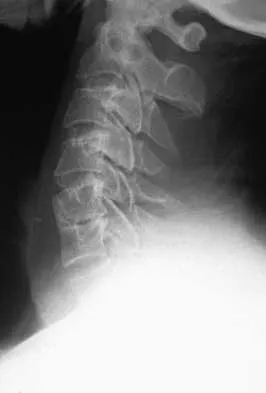
A 24-year-old woman is involved in a high-speed motor vehicle collision while wearing only a lap belt.

Radiographs and CT scans reveal a transverse fracture through the L2 vertebral body, pedicles, and spinous process (Chance fracture). Which of the following associated injuries is most critical to rule out?


Explanation

Chance fractures (flexion-distraction injuries) are frequently associated with lap-belt use and carry a high rate (up to 50%) of concomitant hollow viscus intra-abdominal injuries, particularly bowel perforations.

Question 31

A 70-year-old man with pre-existing cervical spondylosis trips and falls forward, striking his forehead. He presents with profound weakness in his upper extremities, particularly affecting his intrinsic hand muscles, but retains the ability to ambulate with only mild lower extremity weakness. What is the pathophysiological mechanism of his neurologic deficit?


Explanation

This classic presentation describes Central Cord Syndrome, which typically occurs in elderly patients with pre-existing cervical stenosis who sustain a hyperextension injury. The spinal cord is pinched between anterior osteophytes and a buckling posterior ligamentum flavum, damaging the centrally located medial tracts.

Question 32

A 65-year-old woman with a 20-year history of rheumatoid arthritis undergoes routine cervical spine flexion-extension radiographs. She is completely asymptomatic. Which of the following radiographic measurements represents an absolute indication for prophylactic surgical stabilization?


Explanation

In the rheumatoid cervical spine, a Posterior Atlantodens Interval (PADI) of less than 14 mm is an absolute indication for surgery, as it correlates strongly with the onset of myelopathy and irreversible cord damage.

Question 33

Recombinant human bone morphogenetic protein-2 (rhBMP-2) is sometimes utilized off-label in anterior cervical diskectomy and fusion (ACDF). Which of the following is the most significant, life-threatening complication associated with its use in the anterior cervical spine?


Explanation

The off-label use of rhBMP-2 in the anterior cervical spine is associated with a high incidence of profound prevertebral soft-tissue swelling, which can lead to life-threatening airway compromise and dysphagia.

Question 34

A 55-year-old diabetic male presents with severe mid-back pain, fevers, and rapidly progressive lower extremity paraparesis. MRI reveals a T8-T10 ventral epidural abscess causing severe anterior spinal cord compression, accompanied by T9-T10 discitis. What is the most appropriate surgical approach?


Explanation

For a purely ventral thoracic epidural abscess associated with discitis/osteomyelitis and spinal cord compression, an anterior approach (corpectomy and debridement) allows direct access to the pathology without manipulating the vulnerable spinal cord.

Question 35

A 60-year-old man with metastatic renal cell carcinoma presents with mechanical back pain. MRI shows a solitary L2 vertebral metastasis with early epidural extension, but the epidural space is largely patent and there is no spinal cord compression. He is neurologically intact. According to the NOMS framework, how should this lesion best be managed?


Explanation

Renal cell carcinoma is considered radioresistant to conventional external beam radiation (cEBRT). In the NOMS framework, radioresistant tumors without high-grade cord compression are ideally treated with Stereotactic Body Radiation Therapy (SBRT).

Question 36

A 45-year-old male presents with right arm pain radiating down the posterior aspect of his forearm into his middle finger. Examination reveals weakness in triceps extension and an absent triceps reflex. A Spurling maneuver reproduces his symptoms. Compression of which cervical nerve root is most likely responsible?


Explanation

A C7 radiculopathy is characterized by pain radiating to the middle finger, weakness in the triceps and wrist flexors, and a diminished or absent triceps reflex.

Question 37

A 68-year-old man complains of bilateral calf pain and heaviness that worsens with walking. He states the pain is reliably relieved when he leans forward on a shopping cart at the grocery store. Which of the following activities or findings is most specific for differentiating his neurogenic claudication from vascular claudication?


Explanation

Neurogenic claudication is exacerbated by lumbar extension and relieved by lumbar flexion. Walking uphill requires slight forward flexion, which opens the spinal canal and relieves neurogenic claudication, unlike vascular claudication which worsens with the increased metabolic demand of uphill walking.

Question 38

A 14-year-old competitive gymnast presents with persistent lower back pain unresponsive to 6 months of physical therapy and bracing. Radiographs demonstrate a Grade II L5-S1 isthmic spondylolisthesis. She is neurologically intact. Surgical intervention is planned. Which of the following procedures is considered the most appropriate standard of care?


Explanation

For pediatric patients with symptomatic low-grade (Grade I or II) isthmic spondylolisthesis failing conservative care, L5-S1 posterolateral instrumented fusion in situ yields excellent outcomes. Complete reduction is unnecessary and increases the risk of L5 nerve root injury.

Question 39

A 30-year-old man involved in a high-speed collision sustains a traumatic spondylolisthesis of the axis (Hangman's fracture). Imaging demonstrates a fracture through the bilateral pars interarticularis with 15 degrees of angulation and 4 mm of translation (Levine-Edwards Type II). What is the classic mechanism of this specific injury pattern?


Explanation

A Levine-Edwards Type II Hangman's fracture is caused by an initial hyperextension and axial loading force, followed by severe flexion (rebound) that causes disruption of the posterior longitudinal ligament and subsequent anterior translation/angulation.

Question 40

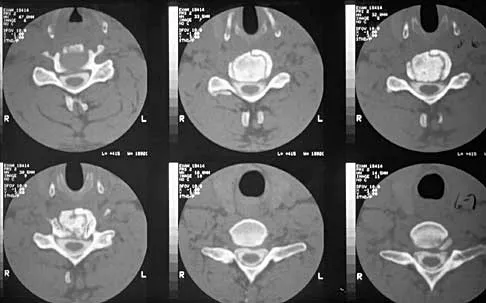
A 25-year-old male falls from a ladder.

CT imaging shows a T12 burst fracture with 30% canal compromise. MRI confirms that the posterior ligamentous complex (PLC) is fully intact. The patient has normal motor and sensory exams in his lower extremities. What is his Thoracolumbar Injury Classification and Severity (TLICS) score, and what is the recommended treatment?


Explanation

The TLICS score assigns points for morphology (burst = 2), PLC integrity (intact = 0), and neurologic status (intact = 0). A total score of 2 indicates that nonoperative management with bracing is the standard of care.

Question 41

A 65-year-old man presents with bilateral leg pain when walking. He notes the pain is relieved when pushing a shopping cart but worsens when walking down a hill. Pulse examination is normal. Which of the following is the most likely diagnosis?


Explanation

Lumbar spinal stenosis classically presents with neurogenic claudication, which is relieved by lumbar flexion (e.g., pushing a shopping cart or riding a bicycle) and exacerbated by extension (e.g., walking downhill).

Question 42

A 60-year-old man presents with hand clumsiness and frequent falls. On physical exam, tapping the distal brachioradialis tendon results in spontaneous finger flexion without elbow flexion. This reflex finding localizes the primary pathology to which spinal cord level?


Explanation

The inverted brachioradialis reflex is characterized by finger flexion without normal elbow flexion. This finding indicates a lower motor neuron lesion at the C5 or C6 level and an upper motor neuron lesion below this level.

Question 43

In a patient with longstanding rheumatoid arthritis, which of the following radiographic findings is the strongest indication for operative intervention to prevent irreversible neurologic damage?


Explanation

A posterior atlantodens interval (PADI), or space available for the cord, of less than 14 mm is a critical threshold and an absolute indication for cervical stabilization in rheumatoid arthritis patients.

Question 44

An 82-year-old frail female sustains a minimally displaced Type II odontoid fracture after a mechanical fall. What is the most appropriate initial management, considering her age and comorbidities?


Explanation

In elderly patients (typically >80 years), halo vest immobilization carries an unacceptably high morbidity and mortality rate. A rigid cervical collar is the preferred initial management, despite a known higher risk of nonunion.

Question 45

A 45-year-old man presents with severe lower back pain, bilateral sciatica, and perineal numbness. Which of the following objective findings is most sensitive for diagnosing early urinary dysfunction associated with cauda equina syndrome?


Explanation

A post-void residual volume greater than 100-200 mL measured via bladder ultrasound or catheterization is highly sensitive for the urinary retention that classically characterizes early cauda equina syndrome.

Question 46

A 12-year-old girl is diagnosed with adolescent idiopathic scoliosis. She is premenarcheal with a Risser stage of 0. Standing radiographs reveal a right thoracic curve of 35 degrees. What is the most appropriate next step in management?


Explanation

Bracing is indicated for skeletally immature patients (Risser 0-2) with curves between 25 and 45 degrees. A full-time rigid TLSO significantly decreases the risk of curve progression to the surgical threshold.

Question 47

A 50-year-old woman presents with progressive myelopathy due to a large, calcified, central disc herniation at T8-T9. What is the most appropriate surgical approach for decompression?


Explanation

Central, calcified thoracic disc herniations should be approached anteriorly or anterolaterally. A standard posterior laminectomy is contraindicated due to the high risk of catastrophic spinal cord injury from manipulating the cord.

Question 48

A 35-year-old man is involved in a motor vehicle accident and sustains a traumatic spondylolisthesis of C2 (Hangman's fracture). Imaging shows a fracture through the pars interarticularis with 4 mm of translation. This injury is best described by which of the following mechanisms?


Explanation

A Hangman's fracture classically results from a hyperextension and axial loading mechanism. This is commonly seen in motor vehicle collisions when the unrestrained head strikes the dashboard.

Question 49

A 25-year-old man wearing a lap seatbelt without a shoulder harness is involved in a high-speed collision. He sustains a flexion-distraction injury of the L1 vertebra (Chance fracture). What concomitant injury must be aggressively evaluated?


Explanation

Chance fractures (flexion-distraction injuries) resulting from a lap belt mechanism have a high association (up to 50%) with intra-abdominal injuries, particularly to hollow viscous organs and the mesentery.

Question 50

A 65-year-old Asian male presents with progressive hand clumsiness and gait imbalance. Imaging shows multilevel Ossification of the Posterior Longitudinal Ligament (OPLL) with a K-line negative cervical spine. Which of the following procedures is generally considered CONTRAINDICATED as a standalone procedure for this patient?


Explanation

A K-line negative OPLL indicates significant kyphosis or massive anterior ossification preventing the spinal cord from shifting posteriorly post-decompression. Therefore, a standalone cervical laminoplasty will fail to decompress the cord and is contraindicated.

Question 51

A 68-year-old woman undergoes corrective surgery for flatback syndrome. To achieve optimal sagittal balance and minimize compensatory mechanisms, her postoperative lumbar lordosis (LL) should be matched to within 10 degrees of which of the following spinopelvic parameters?


Explanation

To maintain proper sagittal balance, postoperative lumbar lordosis (LL) should match the patient's fixed pelvic incidence (PI) within 10 degrees (PI = LL +/- 10 degrees). This minimizes compensatory mechanisms and improves clinical outcomes.

Question 52

Following a C3-C7 posterior cervical laminectomy and fusion for severe cervical spondylotic myelopathy, a patient develops isolated, unilateral deltoid and biceps weakness on postoperative day 3. Sensation remains intact. What is the most likely etiology of this new deficit?


Explanation

C5 palsy is a known complication of extensive cervical decompression, resulting from the posterior shift of the spinal cord and subsequent tethering of the short C5 nerve root. It typically presents 2-5 days postoperatively with isolated deltoid and biceps weakness.

Question 53

An 82-year-old man sustains a Type II odontoid fracture after a ground-level fall. He has severe medical comorbidities, including heart failure and severe chronic obstructive pulmonary disease. What is the most appropriate initial management strategy?


Explanation

Recent literature demonstrates that rigid cervical collars are an acceptable, non-inferior treatment for Type II odontoid fractures in the elderly, avoiding high surgical morbidity. Halo vest immobilization is contraindicated in this demographic due to unacceptably high mortality rates.

Question 54

A 45-year-old man presents with severe right anterior thigh pain and new-onset weakness in knee extension. MRI reveals a far lateral (extraforaminal) disc herniation at the L3-L4 level. Which nerve root is most likely compressed by this lesion?


Explanation

In the lumbar spine, a far lateral (extraforaminal) disc herniation compresses the exiting nerve root at that respective level. Therefore, an L3-L4 far lateral disc herniation will directly compress the exiting L3 nerve root.

Question 55

A 65-year-old male presents with neurogenic claudication. Radiographs demonstrate a degenerative Grade 1 spondylolisthesis at L4-L5 with 4 mm of dynamic translation on flexion-extension views. He has failed 6 months of non-operative management. What is the most appropriate surgical treatment?


Explanation

For patients with degenerative spondylolisthesis and objective dynamic instability, decompression and instrumented fusion is the gold standard. Laminectomy alone in the presence of dynamic instability risks progressive slip and recurrent symptoms.

Question 56

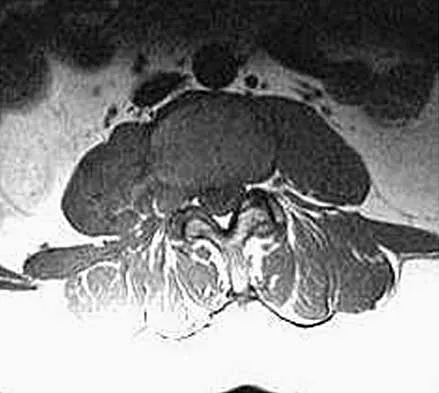
A 24-year-old male is involved in a motor vehicle collision.

CT of the cervical spine shows a Type II odontoid fracture with 7 mm of posterior displacement. The patient is neurologically intact. What is the most appropriate definitive management?


Explanation

Type II odontoid fractures with significant displacement (>5 mm) have a high nonunion rate with conservative management. Posterior C1-C2 fusion is indicated because posterior displacement is a relative contraindication to anterior screw placement.

Question 57

A 45-year-old female presents with progressive clumsiness in her hands and wide-based gait. Exam reveals positive Hoffmann's signs bilaterally. MRI reveals severe cervical cord compression at C4-C6 with T2 signal changes in the spinal cord. Upright radiographs demonstrate a 15-degree fixed cervical kyphosis. What is the most appropriate surgical approach?


Explanation

In the setting of cervical myelopathy with a fixed kyphotic deformity, an anterior approach (ACDF or corpectomy) is required to decompress the cord draped over anterior pathology and restore lordosis. Posterior decompression alone fails to adequately decompress the spinal cord in fixed kyphosis.

Question 58

A 68-year-old man presents with bilateral leg pain and fatigue that worsens with walking. Which of the following historical findings is most specific for differentiating neurogenic claudication from vascular claudication?


Explanation

Neurogenic claudication is relieved by lumbar flexion, such as when riding a stationary bicycle or leaning on a shopping cart. Vascular claudication is worsened by any lower extremity exertion regardless of lumbar posture and is relieved by standing stationary.

Question 59

A 55-year-old woman with a 20-year history of rheumatoid arthritis presents with progressive hand clumsiness and hyperreflexia. Radiographs reveal atlantoaxial instability. Which of the following radiographic measurements is the strongest predictor of postoperative neurologic recovery?


Explanation

The posterior atlantodental interval (PADI) represents the true space available for the spinal cord. A PADI of less than 14 mm is an absolute indication for surgery and strongly correlates with an inability to achieve neurologic recovery.

Question 60

A 74-year-old man falls and sustains a Type II odontoid fracture. Which of the following factors most significantly increases his risk of fracture nonunion with conservative halo vest management?


Explanation

Risk factors for nonunion of Type II odontoid fractures include initial displacement greater than 5 mm, posterior displacement, angulation greater than 10 degrees, and patient age older than 65 years. Surgical stabilization is generally favored in these high-risk patients.

Question 61


A 45-year-old man presents with severe left anterior thigh pain and trace quadriceps weakness. An MRI demonstrates a far lateral (extraforaminal) disc herniation at the L3-L4 level. Which nerve root is most likely compressed?


Explanation

A far lateral (extraforaminal) disc herniation impinges the exiting nerve root at the same level. Therefore, an L3-L4 far lateral disc herniation will compress the exiting L3 nerve root, causing anterior thigh symptoms.

Question 62


A 62-year-old man with ankylosing spondylitis presents to the ER after a ground-level fall. He has severe neck pain but intact neurology. A CT scan reveals a transverse fracture through the C5-C6 disc space. He is admitted and placed in a hard collar. Several hours later, he develops progressive bilateral upper and lower extremity weakness. What is the most likely cause?


Explanation

Patients with ankylosing spondylitis are at extremely high risk for highly unstable, highly displaced fractures and subsequent spinal epidural hematomas. Sudden neurologic deterioration after an AS spine fracture is most commonly due to epidural hematoma, requiring urgent MRI and decompression.

Question 63

A 13-year-old premenarchal girl (Risser 0) is diagnosed with adolescent idiopathic scoliosis. Her right thoracic curve measures 34 degrees. What is the most appropriate next step in management?


Explanation

Bracing is indicated for skeletally immature patients (Risser 0-2) with a curve between 25 and 45 degrees. A dose-response relationship exists, and wearing a TLSO for at least 18 hours daily significantly decreases the risk of curve progression to the surgical threshold.

Question 64

During a posterior spinal fusion for scoliosis, neuromonitoring demonstrates a sudden, sustained loss of motor evoked potentials (MEPs) in both lower extremities, while somatosensory evoked potentials (SSEPs) remain intact. What is the most likely pathophysiologic cause?


Explanation

MEPs monitor the anterior and lateral corticospinal tracts, supplied by the anterior spinal artery. Loss of MEPs with preserved SSEPs indicates an anterior cord syndrome, likely due to anterior spinal artery ischemia or injury.

Question 65

A 28-year-old man sustains a flexion-distraction (Chance) fracture of L2 during a high-speed motor vehicle collision. Which of the following injuries is most highly associated with this specific fracture pattern?


Explanation

Chance fractures result from a lap-belt mechanism causing severe flexion-distraction forces. They have a known 40% to 50% association with intra-abdominal injuries, most commonly hollow viscus (bowel) injuries.

Question 66

A 52-year-old man presents with right arm pain and numbness radiating to his thumb and index finger. Examination reveals weakness in wrist extension and a diminished brachioradialis reflex. Which cervical disc level is most likely affected?


Explanation

The patient exhibits classic signs of a C6 radiculopathy (weak wrist extension, numbness in the thumb/index finger, and diminished brachioradialis reflex). This is most commonly caused by a herniated disc at the C5-C6 level.

Question 67

A 16-year-old boy presents with progressive mid-back pain. Lateral radiographs show anterior wedging of 7 degrees in four consecutive thoracic vertebrae and irregular vertebral endplates with Schmorl's nodes. Which of the following is the most likely diagnosis?


Explanation

Scheuermann's kyphosis is defined radiographically by anterior wedging of greater than 5 degrees in at least three consecutive vertebrae. Associated findings include Schmorl's nodes, endplate irregularities, and a rigid kyphotic deformity.

Question 68

A 68-year-old man with a history of diffuse idiopathic skeletal hyperostosis (DISH) presents with progressive solid food dysphagia. What is the most likely pathophysiologic mechanism for his symptom?


Explanation

DISH often involves prominent ossification of the anterior longitudinal ligament (ALL) in the cervical spine. These large anterior osteophytes can cause direct mechanical compression of the esophagus, leading to dysphagia.

Question 69

A 32-year-old male construction worker has a symptomatic Grade II isthmic spondylolisthesis at L5-S1. He complains of severe bilateral leg pain. Which nerve root is most likely being compressed, and at what anatomical location?


Explanation

In L5-S1 isthmic spondylolisthesis, the L5 exiting nerve root is most commonly compressed in the neural foramen. Compression is typically caused by the hypertrophic fibrocartilage (Gill nodule) at the pars interarticularis defect.

Question 70

A 58-year-old woman with a history of renal cell carcinoma presents with progressive paraparesis. MRI reveals a large metastatic lesion in the T8 vertebral body causing significant epidural spinal cord compression. What is the most appropriate management strategy?


Explanation

Renal cell carcinoma is highly radioresistant to conventional radiation. The current standard of care for epidural spinal cord compression from a radioresistant tumor is separation surgery to decompress the cord, followed by highly targeted SBRT.

Question 71


A 71-year-old man undergoes a multilevel posterior cervical laminectomy and instrumented fusion for severe cervical spondylotic myelopathy. On postoperative day 2, he develops isolated profound weakness in right shoulder abduction and elbow flexion, with no sensory deficits or leg symptoms. What is the most likely diagnosis?


Explanation

C5 palsy is a well-known complication after cervical decompression, particularly posterior laminectomy. It typically presents as a motor-dominant deficit in deltoid and biceps function due to tethering or reperfusion injury of the C5 root.

Question 72

A 45-year-old male intravenous drug user presents with intractable back pain, fevers, and acute urinary retention. MRI reveals an L3-L4 epidural abscess with significant canal compromise. What is the most appropriate next step in management?


Explanation

A spinal epidural abscess presenting with acute neurologic deficits (such as urinary retention or profound weakness) is a surgical emergency. Urgent surgical decompression and debridement are required to prevent permanent neurologic damage.

Question 73

During a routine physical exam of a 60-year-old man with neck pain, tapping the distal brachioradialis tendon results in reflexive flexion of the ipsilateral fingers without elbow flexion. What does this specific finding suggest?


Explanation

This is an inverted brachioradialis reflex, which is highly specific for cervical myelopathy. It indicates a lesion at the C5 or C6 level, resulting in an absent normal reflex (elbow flexion) and a hyperactive lower-level reflex (finger flexion).

Question 74

A 24-year-old unrestrained passenger in an MVC sustains a traumatic spondylolisthesis of C2 (Hangman's fracture). Radiographs show a fracture through the pars interarticularis with severe angulation but minimal translation. Flexion-extension views demonstrate severe instability in flexion. This is classified as a Type IIA fracture. Which of the following treatments is absolutely contraindicated?


Explanation

Type IIA Hangman's fractures involve severe angulation without significant translation and are caused by flexion-distraction forces. Application of cervical traction is strictly contraindicated as it can cause over-distraction and catastrophic spinal cord injury.

Question 75

A 48-year-old woman undergoes a straightforward L4-L5 microdiscectomy. During the procedure, a small incidental durotomy is primarily repaired with a watertight suture. On postoperative day 1, she complains of a severe headache that worsens when she sits up and resolves when she lies flat. What is the best initial management?


Explanation

A positional headache after an incidental durotomy indicates a persistent CSF leak. The initial management for a recognized and primarily repaired tear includes bed rest, hydration, and caffeine before considering invasive measures like a blood patch or surgical revision.

Question 76

A 6-year-old child with progressive bilateral cavovarus foot deformities is noted to have a small sacral dimple and an asymmetric gait. MRI of the lumbar spine reveals the conus medullaris terminating at the L4 level and a thickened filum terminale. What is the most appropriate surgical treatment?


Explanation

The patient has tethered cord syndrome, indicated by a low-lying conus (below L2), a thickened filum terminale, and progressive lower extremity neurologic findings (cavovarus feet). The standard surgical treatment is sectioning of the filum terminale to release the tethered cord.

Question 77

A 65-year-old man undergoes an L2-L5 posterior laminectomy and instrumented fusion. Three weeks postoperatively, he presents with worsening back pain, fever, and a purulent draining sinus tract from his incision. His hardware appears well-fixed on radiographs. What is the most appropriate surgical management?


Explanation

In early postoperative acute deep spinal infections where the hardware remains rigidly fixed and fusion is desired, the standard of care is aggressive surgical irrigation and debridement (I&D) while retaining the spinal instrumentation, followed by culture-directed prolonged antibiotics.

Question 78

A 45-year-old male presents with severe right-sided leg pain and weakness in knee extension. MRI of the lumbar spine reveals a far-lateral (extraforaminal) disc herniation at the L4-L5 level. Which nerve root is most likely compressed in this scenario?


Explanation

In the lumbar spine, far-lateral (extraforaminal) disc herniations compress the exiting nerve root at that given level. Therefore, an L4-L5 far-lateral disc herniation compresses the exiting L4 nerve root.

Question 79

A 60-year-old male undergoes a C3-C6 cervical laminoplasty for multi-level ossification of the posterior longitudinal ligament (OPLL). On postoperative day three, he develops new-onset, profound weakness in shoulder abduction and elbow flexion, with no sensory deficits. What is the most likely diagnosis?


Explanation

C5 nerve root palsy is a known complication following cervical laminectomy or laminoplasty, typically presenting 2-3 days postoperatively with deltoid and biceps weakness. It is thought to be caused by tethering of the nerve root as the spinal cord shifts posteriorly.

Question 80

A 55-year-old female with long-standing rheumatoid arthritis presents with progressive neck pain and myelopathic symptoms. Which of the following radiographic measurements is the strongest indication for surgical stabilization to prevent irreversible neurologic deficit?


Explanation

In rheumatoid arthritis, a Posterior Atlantodental Interval (PADI) of less than 14 mm is a critical threshold that correlates strongly with an increased risk of neurologic injury and necessitates surgical intervention. The PADI provides a more accurate assessment of the true space available for the spinal cord than the ADI.

Question 81

A 62-year-old male presents with rapidly progressive paraparesis. Imaging reveals a solitary, large osteolytic metastatic lesion in the L2 vertebral body with severe epidural spinal cord compression. Biopsy confirms renal cell carcinoma. What is the most appropriate surgical management strategy?


Explanation

Renal cell carcinoma and thyroid carcinoma metastases to the spine are extremely hypervascular. Preoperative angioembolization is critical to minimize life-threatening intraoperative hemorrhage prior to surgical decompression and stabilization.

Question 82

In the preoperative planning for adult spinal deformity correction, achieving a harmonious sagittal profile is a primary goal. Which of the following formulas correctly describes the relationship between the pelvic parameters?


Explanation

Pelvic Incidence (PI) is a fixed anatomical parameter defined as the sum of Pelvic Tilt (PT) and Sacral Slope (SS). Surgical correction aims to restore the Lumbar Lordosis (LL) to within 10 degrees of the patient's fixed Pelvic Incidence (PI-LL mismatch < 10 degrees).

Question 83

A 13-year-old premenarcheal female presents with a right thoracic prominence. Radiographs reveal an adolescent idiopathic scoliosis (AIS) curve of 32 degrees. Her Risser stage is 1. What is the most appropriate management?


Explanation

Bracing is indicated for patients with Adolescent Idiopathic Scoliosis who are skeletally immature (Risser 0-2, premenarcheal) with a curve magnitude between 25 and 45 degrees. It significantly decreases the risk of curve progression to the surgical threshold.

Question 84

A 40-year-old male presents to the emergency department with severe lower back pain, bilateral sciatica, and perineal numbness. Which of the following objective findings is most sensitive for diagnosing early cauda equina syndrome?


Explanation

Urinary retention is the most consistent and sensitive early finding in cauda equina syndrome. A post-void residual (PVR) volume greater than 100-200 mL strongly supports the diagnosis in the context of typical red-flag symptoms.

Question 85

A 55-year-old male with known Ankylosing Spondylitis presents to the emergency room with acute neck pain after a low-speed motor vehicle collision. A review of the initial lateral cervical radiograph is shown.

What is the most appropriate next step in management?


Explanation

Patients with ankylosing spondylitis have highly rigid spines that are prone to unstable, occult fractures even after minor trauma. A CT scan of the cervical spine is mandatory to rule out a fracture when conventional radiographs are negative or difficult to interpret.

Question 86

The use of recombinant human bone morphogenetic protein-2 (rhBMP-2) in anterior cervical diskectomy and fusion (ACDF) has been associated with which of the following significant postoperative complications?


Explanation

The use of rhBMP-2 in the anterior cervical spine is highly associated with exaggerated prevertebral soft tissue swelling, which can lead to life-threatening dysphagia and airway compromise. As a result, its use in routine ACDF is generally contraindicated or requires extreme caution.

Question 87

During a posterior lumbar spinal fusion, the surgeon prepares to insert a pedicle screw at the L4 level. What is the correct anatomical starting point for a traditional straightforward trajectory L4 pedicle screw?


Explanation

The classic anatomical starting point for a lumbar pedicle screw (L1-L4) is at the intersection of a line bisecting the transverse process and a vertical line tangential to the lateral border of the superior articular facet.

Question 88

A 35-year-old male falls from a roof. Review the provided imaging.

When calculating the Thoracolumbar Injury Classification and Severity (TLICS) score to determine the need for operative stabilization, which MRI finding is given the most weight?


Explanation

In the TLICS system, disruption of the posterior ligamentous complex (PLC) is assigned 3 points, which is the highest individual score for morphology/ligament status. A total TLICS score > 4 indicates operative management.

Question 89

A 65-year-old diabetic male develops severe, unremitting low back pain and fever. MRI confirms pyogenic spondylodiscitis at L3-L4. What is the most common route of pathogen transmission leading to this condition in an adult?


Explanation

In adults, pyogenic spondylodiscitis typically occurs via hematogenous spread. The bacteria travel through the nutrient branches of the segmental arteries and lodge in the low-flow end-arterioles adjacent to the vertebral endplates, subsequently infecting the disc space.

Question 90

An 82-year-old female sustains a Type II odontoid fracture after a fall from standing. Which of the following is a recognized risk factor for nonunion if this fracture is treated non-operatively with a rigid cervical collar?


Explanation

Risk factors for nonunion of a Type II odontoid fracture include advanced age (>50 years), initial displacement > 5 mm, posterior displacement, and angulation > 10 degrees. Elderly patients often tolerate halo vests poorly due to pulmonary and skin complications.

Question 91

A 68-year-old female presents with neurogenic claudication. Radiographs reveal an L4-L5 degenerative spondylolisthesis. Anatomically, what is the primary restraint that typically prevents anterior translation of L4 on L5, and becomes compromised in this condition?


Explanation

Degenerative spondylolisthesis (Wiltse Type III) most commonly occurs at L4-L5. It is primarily caused by long-standing segmental instability and facet joint degeneration, particularly when the facet joints are more sagittally oriented, failing to resist anterior shear forces.

Question 92

A 22-year-old male is involved in a high-speed motorcycle accident resulting in a complete spinal cord injury at the T6 level. He initially presents in a state of spinal shock. What clinical finding definitively marks the end of the spinal shock phase?


Explanation

Spinal shock is characterized by flaccid paralysis, areflexia, and anesthesia below the level of injury. The return of the bulbocavernosus reflex marks the resolution of spinal shock, allowing for accurate classification of the spinal cord injury as complete or incomplete.

Question 93

A 48-year-old male presents with shooting pain down his right arm, associated with weakness in wrist extension. The brachioradialis reflex is diminished. Review the MRI shown.

Based on the physical exam, which specific physical examination finding further supports the affected nerve root?


Explanation

The patient's symptoms describe a C6 radiculopathy (wrist extension weakness, diminished brachioradialis reflex). C6 compression also classically causes weakness in elbow flexion (biceps) and sensory deficits over the lateral forearm and thumb.

Question 94

A 35-year-old man presents after a motor vehicle collision with severe neck pain and right-sided C6 radiculopathy. CT imaging demonstrates a right unilateral C5-C6 facet dislocation. MRI reveals a large, extruded disc herniation posterior to the C5-C6 interspace, severely compressing the thecal sac. What is the most appropriate next step in management?


Explanation

In the presence of a cervical facet dislocation with a large, extruded disc herniation on MRI, closed reduction or a primary posterior approach carries a high risk of retropulsing the disc into the spinal cord. An anterior cervical discectomy must be performed first to decompress the cord, followed by open reduction and anterior fusion.

Question 95

A 68-year-old woman undergoes posterior spinal instrumentation and fusion from the lower thoracic spine to the pelvis for adult degenerative scoliosis. Postoperatively, she is at risk for developing proximal junctional kyphosis (PJK). Which of the following factors is most strongly associated with an increased risk of PJK?


Explanation

Termination of a long fusion construct at the thoracolumbar junction (T9-T11) is a major risk factor for proximal junctional kyphosis (PJK) due to the abrupt transition from the rigid thoracic spine to the mobile lumbar spine. Preserving the posterior ligamentous complex and using softer anchors like hooks at the UIV can actually help reduce this risk.

Question 96

A 62-year-old man presents with progressive hand clumsiness and an unsteady gait. Physical examination reveals lower extremity hyperreflexia, a positive Hoffmann sign bilaterally, and a positive inverted brachioradialis reflex. When the brachioradialis tendon is tapped, there is a diminished radial reflex but spontaneous, brisk flexion of the fingers. At which of the following cervical intervertebral levels is the spinal cord compression most likely located?


Explanation

The inverted brachioradialis reflex is a reliable localizing sign for cervical spondylotic myelopathy at the C5-C6 level. It indicates a lower motor neuron lesion at C6 causing an absent brachioradialis reflex, combined with upper motor neuron hyperreflexia below the lesion causing brisk finger flexion (C8).

None

Clinic OS
Medically Verified Content by
Prof. Clinic OS
Consultant Orthopedic & Spine Surgeon
Chapter Index
