Orthopedic Spine 2026 MCQs: Board Review Questions & Answers (Part 4)

Key Takeaway
Discover the latest medical recommendations for Orthopedic Spine 2026 MCQs: Board Review Questions & Answers (Part 4). Top-rated Orthopedic Spine 2026 MCQs bank. Practice with clinical case questions, orthopedic surgery board review, and evidence-based answers updated for 2026.
Orthopedic Spine 2026 MCQs: Board Review Questions & Answers (Part 4)
Comprehensive 100-Question Exam
00:00
Start Quiz
Question 1
Figures 25a and 25b show the radiograph and MRI scan of a 48-year-old man who reports increasing unsteadiness in his gait and hand clumsiness. Examination reveals a positive Hoffmann's reflex bilaterally, positive clonus, and a spastic gait. Management should consist of
Explanation
Question 2
Lumbar disk replacement has been shown to offer which of the following results?
Explanation
Question 3
When performing the exposure for an anterior approach to the cervical spine, the surgical dissection should not enter the plane between the trachea and the esophagus and excessive retraction should be avoided to prevent injury to the
Explanation
Question 4
A 39-year-old man reports low back pain, lower extremity numbness, and urinary retention after being injured in a motor vehicle accident 1 day ago. He is able to walk but is in pain. A straight leg raise results in increased back pain, and examination reveals that perianal sensation is decreased. Placement of a urinary catheter results in 500 mL of urine. What is the next most appropriate step in management?
Explanation
Question 5
Figures 26a and 26b show the radiograph and MRI scan of an 18-year-old man who fell from a trampoline. Examination reveals exquisite local tenderness at the thoracolumbar junction, but he is neurologically intact. Management should consist of
Explanation
Question 6
A 17-year-old high school football player is seen for follow-up after sustaining an injury 3 days ago. He reports that he tackled a player, felt numbness throughout his body, and could not move for approximately 15 seconds. A spinal cord injury protocol was initiated on the field. Evaluation in the emergency department revealed a normal neurologic examination and full painless neck motion. He states that he has no history of a similar injury. An MRI scan of the cervical spine is normal. During counseling, the patient and his family should be informed that he has sustained
Explanation
Question 7
Which of the following is considered a contraindication to cement injection techniques, such as kyphoplasty or vertebroplasty, in the treatment of osteoporotic compression fractures?
Explanation
Question 8
Chronic anterior donor site pain following the harvest of autologous iliac crest bone graft for use during anterior cervical diskectomy and fusion is reported by approximately what percent of patients?
Explanation
Question 9
When treating osteoporosis with alendronate, what is the most common side effect?
Explanation
Question 10
Figures 27a and 27b show the radiographs of a 32-year-old woman who was involved in a high-speed motor vehicle accident. She is neurologically intact. After stabilization and assessment, treatment should consist of
Explanation
Question 11
Figures 28a through 28c show the MRI scans of a 30-year-old woman who weighs 290 lb and has low back and left leg pain. She also reports frequent urinary dribbling, which her gynecologist has advised her may be related to obesity. Examination will most likely reveal
Explanation
Question 12
Which of the following statements regarding conus medullaris syndrome is most accurate?
Explanation
Question 13
Which of the following factors has the greatest effect on the pull-out strength of a lumbar pedicle screw?
Explanation
Question 14
An inverted radial reflex is associated with
Explanation
Question 15
Figures 29a and 29b show the radiograph and CT scan of a 48-year-old man who has diffuse spinal pain. What is the most likely diagnosis?
Explanation
Question 16
The cervical disk herniation shown in the MRI scans in Figures 30a and 30b will most likely create which of the following constellations of symptoms?
Explanation
Question 17
A 21-year-old man has had posterior neck discomfort for the past 6 months. A whole-body bone scan and a cervical single-photon emission CT reveal increased activity at the C7 spinous process. MRI reveals multifocal involvement of the spinous process lamina and facet of C7. A CT-directed needle biopsy reveals osteoblastoma. What is the best course of action?
Explanation
Question 18
What is the most likely consequence of a vertebral compression fracture associated with osteoporosis?
Explanation
Question 19
What is the most appropriate treatment for a chordoma involving the sacrum?
Explanation
Question 20
A 62-year-old woman has back pain and right L2 radicular pain. MRI scans suggest a neoplastic lesion at L2, and a bone scan is negative except at L2. History reveals that she was treated for breast cancer without known metastatic disease 12 years ago and is thought to be free of disease. What is the next most appropriate step in management?
Explanation
Question 21
A 60-year-old woman with rheumatoid arthritis has atlanto-axial instability and basilar invagination. What MRI findings would suggest the need for cervical fusion?
Explanation
Question 22
Which of the following statements is most accurate regarding undetected intraoperative surgical glove perforation?
Explanation
Question 23
Which of the following is NOT considered a risk factor for nonunion of a type II odontoid fracture?
Explanation
Question 24
A 27-year-old woman has a bilateral C5-C6 facet dislocation and quadriparesis after being involved in a motor vehicle accident. Initial management consisted of reduction with traction, but she remains a Frankel A quadriplegic. To facilitate rehabilitation, surgical stabilization and fusion is planned. From a biomechanical point of view, which of the following techniques is the LEAST stable method of fixation?
Explanation
Question 25
Which of the following findings is considered a poor prognostic factor for postoperative neurologic recovery in patients with rheumatoid arthritis?
Explanation
Question 26
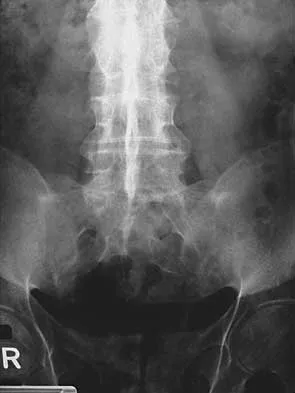
A 65-year-old man presents with progressive gait difficulties and loss of fine motor skills over the past 18 months. Examination reveals positive Hoffmann and Babinski signs. Figure 1 shows a sagittal T2-weighted MRI of his cervical spine.
What is the most critical clinical prognostic factor regarding his expected functional recovery following surgical decompression?
Explanation
Question 27
An 82-year-old woman falls from a standing height and presents with localized neck pain. She is neurologically intact. A CT scan of the cervical spine reveals a Type II odontoid fracture with 2 mm of posterior displacement. She has a history of severe COPD, osteoporosis, and congestive heart failure. What is the most appropriate definitive management?
Explanation
Question 28
When planning corrective surgery for adult spinal deformity, achieving optimal sagittal balance has been shown to strongly correlate with improved health-related quality of life (HRQOL) scores. According to the SRS-Schwab classification, which of the following is a primary radiographic target for sagittal realignment?
Explanation
Question 29
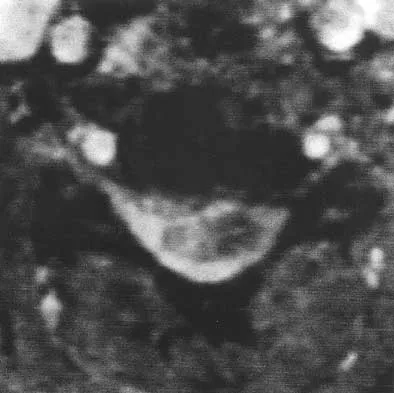
A 72-year-old male complains of bilateral leg and buttock pain that progressively worsens with walking and is promptly relieved by sitting or leaning forward over a shopping cart. Pedal pulses are 2+ bilaterally. An axial MRI of his lumbar spine is shown in Figure 2.
Which of the following anatomic structures is primarily responsible for the neural compression observed in the lateral recess?

Explanation
Question 30
A 14-year-old female gymnast presents with persistent lower back pain for 8 months. She has no radiating leg pain and a normal neurologic examination. Radiographs reveal a Grade I isthmic spondylolisthesis at L5-S1. She has exhausted 6 months of nonoperative management, including bracing and physical therapy. What is the most appropriate surgical intervention?
Explanation
Question 31
A 35-year-old male is evaluated after falling from a ladder. Examination demonstrates completely intact motor and sensory function in his bilateral lower extremities, with normal rectal tone. CT scan reveals a T12 burst fracture with 30% canal compromise and 10 degrees of focal kyphosis. MRI confirms an intact posterior ligamentous complex (PLC). According to the Thoracolumbar Injury Classification and Severity (TLICS) system, what is the patient's score and the recommended treatment?
Explanation
Question 32
A 55-year-old man with a 20-year history of severe ankylosing spondylitis presents to the emergency department after a low-speed motor vehicle collision. He complains of severe lower cervical pain but exhibits no neurologic deficits. Plain radiographs of the cervical spine appear unchanged from previous films, showing diffuse syndesmophytes and a 'bamboo spine' appearance. What is the most appropriate next step in management?
Explanation
Question 33
A 60-year-old diabetic male presents with 5 days of severe midthoracic back pain, low-grade fevers, and new-onset bilateral lower extremity weakness (motor grade 3/5). MRI with gadolinium confirms a posterior epidural abscess from T6 to T9 causing severe spinal cord compression and cord signal change. What is the most appropriate and definitive management?
Explanation
Question 34
A 45-year-old man presents with severe, burning anterior thigh pain, accompanied by weakness in knee extension. Examination reveals a diminished patellar tendon reflex and a positive femoral nerve stretch test. MRI of the lumbar spine demonstrates a far lateral (extraforaminal) disc herniation at the L3-L4 level. Which specific nerve root is most likely compressed by this pathology?
Explanation
Question 35
A 12-year-old girl with adolescent idiopathic scoliosis (AIS) undergoes a posterior spinal fusion from T4 to L1. On postoperative day 4, she develops acute abdominal pain, bilious vomiting, and significant abdominal distension. Upright abdominal radiographs reveal marked dilation of the stomach and proximal duodenum, with an abrupt cutoff in the third portion of the duodenum. What is the primary pathophysiologic mechanism of this complication?
Explanation
Question 36
A 72-year-old male sustains a trauma to the neck after a fall from a standing height. Radiographs and CT imaging demonstrate a Type II odontoid fracture with 6 mm of posterior displacement.
If surgical intervention is considered, which of the following findings is an absolute contraindication to anterior odontoid screw fixation?
Explanation
Question 37
A 65-year-old woman presents with worsening back pain and a progressive forward-stooping posture. Standing full-length spine radiographs reveal a 'flatback' deformity.
Her Pelvic Incidence (PI) is measured at 62 degrees. To achieve a harmonious sagittal profile and minimize the risk of adjacent segment disease and mechanical failure after a long-segment fusion, her post-operative Lumbar Lordosis (LL) should ideally be targeted within what range?

Explanation
Question 38
A 25-year-old male sustains a cervical spine injury following a diving accident. On examination in the trauma bay, he has 0/5 motor strength in his lower extremities and 2/5 strength in the C5 and C6 muscle groups bilaterally. He has absent pinprick and light touch sensation below the T4 dermatome. A digital rectal examination reveals no voluntary anal contraction, but deep anal pressure (sensory) is intact. According to the American Spinal Injury Association (ASIA) Impairment Scale, what is his correct grade?
Explanation
Question 39
A 48-year-old man presents with sharp, shooting neck pain radiating down his right arm that has persisted for 6 weeks despite conservative management. On physical examination, he demonstrates weakness in elbow extension and wrist flexion. His triceps reflex is 1+ (diminished compared to the contralateral side), and he has decreased sensation to light touch over the middle finger of his right hand. Which of the following cervical nerve roots is most likely compressed?
Explanation
Question 40
A 14-year-old female gymnast presents with progressive low back pain and tight hamstrings. Standing lateral lumbar radiographs reveal an isthmic spondylolisthesis at L5-S1 with a 60% slip (Meyerding Grade III). Which of the following radiographic parameters is the most significant predictor of further slip progression in this patient?
Explanation
Question 41
A 62-year-old male with a long-standing history of ankylosing spondylitis presents to the emergency department complaining of new-onset lower neck pain after a low-speed rear-end motor vehicle collision. He has no neurological deficits. Initial plain radiographs of the cervical spine (AP, lateral, and odontoid views) are interpreted by the radiologist as 'no acute fracture or dislocation.' What is the most appropriate next step in the management of this patient?
Explanation
Question 42
A 35-year-old roofer falls 15 feet, sustaining an L1 burst fracture. On physical examination in the emergency department, his neurological examination is completely intact (ASIA E). A CT scan and MRI demonstrate 30% loss of anterior vertebral body height, 15 degrees of focal kyphosis, retropulsion of bone into the spinal canal narrowing it by 20%, and an intact posterior ligamentous complex (PLC). According to the Thoracolumbar Injury Classification and Severity (TLICS) score, what is his total score and the recommended management?
Explanation
Question 43
Twelve hours following an elective C4-C5 anterior cervical discectomy and fusion (ACDF), a 55-year-old male patient suddenly develops progressive difficulty swallowing, stridor, and significant anterior neck swelling. His oxygen saturation drops to 86% on room air, and he exhibits suprasternal retractions. What is the most critical and appropriate immediate next step in management?
Explanation
Question 44
A 55-year-old male with a history of intravenous drug use presents with 2 weeks of severe mid-thoracic back pain, fevers, and new-onset inability to void. Examination reveals 3/5 motor strength in both lower extremities, diminished sensation below the umbilicus, and hyperreflexia at the knees and ankles. MRI of the spine reveals a large, peripherally enhancing fluid collection in the dorsal epidural space spanning T6 to T9, causing severe spinal cord compression. What is the most appropriate definitive management?
Explanation
Question 45
A 42-year-old woman presents to the emergency department with the sudden onset of bilateral perineal numbness, loss of voluntary bowel control, and symmetric distal lower extremity weakness (bilateral foot drop). On examination, her patellar reflexes are 2+ (normal) bilaterally, but her Achilles reflexes are absent. She also reports acute sexual dysfunction. Given her symmetric presentation and mixed upper/lower motor neuron-like signs, the pathology is most likely compressing which anatomical level of the neural axis?
Explanation
Question 46
A 65-year-old man undergoes a C3-C7 posterior cervical laminectomy and fusion for severe cervical spondylotic myelopathy. On postoperative day 1, he complains of new-onset right shoulder weakness. Examination reveals 2/5 strength in the right deltoid and biceps, while his grip strength and lower extremity motor function remain at baseline. What is the most widely accepted etiology of this specific postoperative complication?
Explanation
Question 47
In planning corrective surgery for an adult patient with significant sagittal spinal deformity, restoring appropriate spinopelvic parameters is critical to surgical success. If a 68-year-old woman presents with severe back pain and a forward-leaning posture and is found to have a pelvic incidence (PI) of 62 degrees, her postoperative lumbar lordosis (LL) should ideally be reconstructed to fall within what range to minimize the risk of mechanical failure?
Explanation
Question 48
A 78-year-old man with a history of severe COPD, ischemic heart disease, and osteoporosis sustains a Type II odontoid fracture after a ground-level fall. Radiographs demonstrate 2 mm of posterior displacement. He is neurologically intact. What is the most appropriate initial management?
Explanation
Question 49
According to the results of the Spine Patient Outcomes Research Trial (SPORT) evaluating the treatment of degenerative spondylolisthesis with symptomatic spinal stenosis, which of the following statements most accurately reflects the study's long-term findings?
Explanation
Question 50
A 60-year-old man with known cervical spondylosis presents after a hyperextension injury in a motor vehicle collision. Examination reveals 3/5 strength in the upper extremities, predominantly affecting hand intrinsics, and 4/5 strength in the lower extremities.
MRI shows multi-level cervical stenosis and cord edema without fracture. What is the most appropriate initial management parameter for his neurological injury?
Explanation
Question 51
A 55-year-old male with poorly controlled diabetes mellitus presents with 2 weeks of worsening mid-back pain. He now reports new-onset inability to walk and urinary retention. Examination demonstrates 2/5 strength in the bilateral iliopsoas and quadriceps. MRI of the thoracic spine reveals a T8-T9 discitis with an anterior epidural abscess causing severe spinal cord compression. What is the most appropriate next step in management?
Explanation
Question 52
A 30-year-old construction worker falls from scaffolding. A CT of the lumbar spine reveals an L1 burst fracture with 40% loss of anterior vertebral body height and 30% canal compromise. The posterior elements are intact. He is neurologically intact (ASIA E), and a subsequent MRI confirms an intact posterior ligamentous complex (PLC). Using the Thoracolumbar Injury Classification and Severity (TLICS) system, what is his total score and the generally recommended treatment?
Explanation
Question 53
A 14-year-old elite female gymnast presents with progressive, activity-limiting lower back pain and tight hamstrings. Radiographs reveal a Grade II isthmic spondylolisthesis at L5-S1. Despite 6 months of comprehensive conservative management including rest, bracing, and targeted physical therapy, her pain remains debilitating. What is the most appropriate surgical intervention?
Explanation
Question 54
A 45-year-old woman presents with severe right-sided neck and arm pain. Physical examination demonstrates a positive Spurling's test reproducing pain radiating down the posterior aspect of her right arm into her middle finger. Motor testing reveals weakness with elbow extension, and her triceps reflex is absent. Which cervical nerve root is most likely compressed, and at which intervertebral disc level does this typically occur?
Explanation
Question 55
A 72-year-old man with a known history of Diffuse Idiopathic Skeletal Hyperostosis (DISH) presents to the emergency department after a minor mechanical fall. He complains of severe neck pain but exhibits no neurological deficits. Initial plain radiographs of the cervical spine show flowing anterior bridging osteophytes but no obvious fracture.
What is the most critical next step in his management?

Explanation
Question 56
A 42-year-old male presents with acute onset of bilateral lower extremity weakness, saddle anesthesia, and urinary retention that began 12 hours ago. MRI confirms a massive L4-L5 central disc herniation. What is the most critical prognostic factor for full recovery of bowel and bladder function following surgical decompression?
Explanation
Question 57
A 55-year-old female undergoes a C4-C7 Anterior Cervical Discectomy and Fusion (ACDF). Postoperatively, she develops severe and progressive dysphagia, requiring reintubation. Which of the following factors is most strongly associated with an increased risk of severe, life-threatening postoperative dysphagia and airway edema in this setting?
Explanation
Question 58
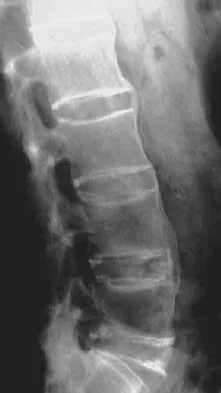
A 16-year-old male presents with worsening mid-back pain and a noticeable hyperkyphosis.
To meet the classic Sorensen radiographic criteria for Scheuermann's kyphosis, his standing lateral spine radiograph must demonstrate which of the following?
Explanation
Question 59
A 35-year-old male is involved in a high-speed motor vehicle collision.
A CT scan of the cervical spine demonstrates a bilateral pars interarticularis fracture of C2 with severe angulation and > 3mm of translation of C2 on C3, accompanied by bilateral C2-C3 facet dislocation. According to the Levine and Edwards classification, what is the most appropriate management?

Explanation
Question 60
In the surgical evaluation of adult spinal deformity, achieving appropriate sagittal balance is strongly correlated with favorable health-related quality of life (HRQOL) outcomes. According to the Schwab classification, what is the target goal for the relationship between Pelvic Incidence (PI) and Lumbar Lordosis (LL)?
Explanation
Question 61
A 14-year-old gymnast presents with chronic lower back pain that worsens significantly with extension. Radiographs show a Meyerding Grade II L5-S1 isthmic spondylolisthesis. If she subsequently develops radicular symptoms, which nerve root is most likely to be compressed, and what is the typical anatomical site of compression?
Explanation
Question 62
A 65-year-old male with a history of widely metastatic renal cell carcinoma presents with progressive bilateral leg weakness and hyperreflexia.
MRI demonstrates an epidural metastatic lesion at T8 causing severe, high-grade spinal cord compression without mechanical instability. The tumor is known to be radioresistant. What is the most appropriate next step in management based on the NOMS framework?

Explanation
Question 63
A 78-year-old female sustains an acute T12 osteoporotic vertebral compression fracture without neurological deficits. She reports debilitating mechanical pain. According to the American Academy of Orthopaedic Surgeons (AAOS) Clinical Practice Guidelines, what is the recommendation regarding the use of vertebroplasty for this condition?
Explanation
Question 64
A 52-year-old active intravenous drug user presents with severe back pain. MRI reveals L3-L4 pyogenic spondylodiscitis with a 1 cm epidural abscess, but there is no evidence of spinal cord or cauda equina compression. The neurological examination is entirely normal. Blood cultures grow methicillin-sensitive Staphylococcus aureus (MSSA), and targeted intravenous antibiotics are initiated. What is the strongest indication to abandon medical management and proceed with surgical debridement and stabilization?
Explanation
Question 65
A 24-year-old male is brought to the trauma bay after a diving accident. He is awake, alert, cooperative, and complains of severe neck pain. His neurological examination is completely normal.
A lateral cervical radiograph demonstrates a unilateral C5-C6 facet dislocation. What is the most appropriate initial step in management?

Explanation
Question 66
A 55-year-old Asian male presents with progressive hand clumsiness and gait disturbance. Examination reveals a positive Hoffmann's sign and bilateral upgoing plantars. Imaging demonstrates continuous ossification along the posterior aspect of the vertebral bodies from C3 to C6.
During preoperative planning for an anterior decompression, which of the following radiographic findings is the most significant predictor of an intraoperative dural tear?
Explanation
Question 67
A 78-year-old man sustains a Type II odontoid fracture after a ground-level fall. He complains of neck pain but is neurologically intact. Computed tomography (CT) shows 2 mm of posterior displacement.
If nonoperative management is selected, what is the most significant disadvantage of utilizing a halo vest orthosis compared to a rigid cervical collar in this specific patient demographic?
Explanation
Question 68
A 52-year-old male with end-stage renal disease on hemodialysis presents with isolated severe midthoracic back pain. He has a low-grade fever. Neurological examination is completely normal with full strength, intact sensation, and normal reflexes. MRI reveals a large ventral epidural abscess spanning T5-T10. His ESR is 110 mm/hr. What is the most appropriate initial management?
Explanation
Question 69
A 25-year-old male presents after falling 15 feet from a roof. He complains of back pain but has no motor or sensory deficits. CT imaging reveals an L1 burst fracture.
According to the Thoracolumbar Injury Classification and Severity (TLICS) score, which of the following isolated findings is sufficient to strongly recommend operative rather than nonoperative management?
Explanation
Question 70
A 65-year-old female presents with severe neurogenic claudication that limits her walking to 1 block. Radiographs show a grade I degenerative spondylolisthesis at L4-L5.
Based on the findings of the Spine Patient Outcomes Research Trial (SPORT) regarding degenerative spondylolisthesis, what outcome should be expected when comparing surgical (decompression and fusion) versus nonoperative treatment at 4-year follow-up?

Explanation
Question 71
A 40-year-old man with a 15-year history of ankylosing spondylitis presents to the emergency department after a low-energy fall from a standing height. He complains of severe neck pain. Neurological examination is normal. Routine plain lateral radiographs of the cervical spine are obscured at the cervicothoracic junction but the visible segments are interpreted as normal.
What is the most appropriate next step in management?
Explanation
Question 72
A 14-year-old female presents with Adolescent Idiopathic Scoliosis. Radiographs demonstrate a main thoracic curve of 55 degrees and a lumbar curve of 35 degrees. On dynamic side-bending films, the lumbar curve corrects to 15 degrees. The proximal thoracic curve measures 20 degrees and corrects to 10 degrees on side bending.
According to the Lenke classification system, what is the curve type?

Explanation
Question 73
A 60-year-old male sustains a hyperextension injury to his neck in a motor vehicle collision. On physical examination, he demonstrates profound weakness in his upper extremities (deltoids, biceps, hand intrinsics) but is able to move his lower extremities against gravity. He has variable sensory loss below the lesion. Which of the following accurately describes the anatomy and expected recovery of this specific spinal cord injury syndrome?
Explanation
Question 74
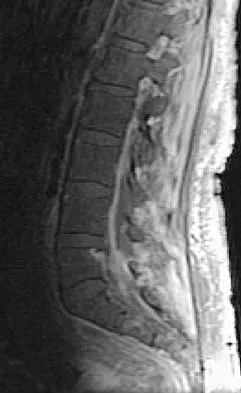
A 68-year-old man presents with severe lower back pain and a forward-stooped posture. Standing full-length spine radiographs are obtained to evaluate his adult spinal deformity. His measured pelvic incidence (PI) is 60 degrees.
To achieve optimal sagittal balance postoperatively and minimize the risk of adjacent segment disease, his lumbar lordosis (LL) should be surgically corrected to approximately which of the following values?
Explanation
Question 75
A 45-year-old woman undergoes a C5-C6 anterior cervical discectomy and fusion (ACDF) via a right-sided approach. Postoperatively, she complains of a newly hoarse voice. Direct laryngoscopy reveals a unilateral right vocal cord paralyzed in the paramedian position. Injury to the recurrent laryngeal nerve (RLN) is suspected. Which of the following statements regarding the relevant surgical anatomy is most accurate?
Explanation
Question 76
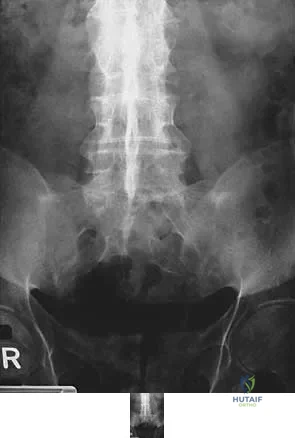
A 65-year-old man presents with progressive hand clumsiness and difficulty buttoning his shirt. He has a wide-based gait and a positive Hoffman's sign. MRI of the cervical spine is obtained as shown in Figures 1 and 2.
Which of the following MRI findings is most strongly associated with failure to improve neurologically following surgical decompression?
Explanation
Question 77
An 82-year-old woman with a history of osteoporosis falls from a standing height and sustains an isolated Type II odontoid fracture with 2 mm of posterior displacement. She is neurologically intact. In this specific patient population (older than 80 years), what is the primary advantage of utilizing a rigid cervical collar rather than halo vest immobilization?
Explanation
Question 78
A 55-year-old man with a history of intravenous drug use presents with severe back pain, fevers, and acute onset of bilateral lower extremity weakness (motor strength 3/5 in L4-S1 distributions) along with urinary retention over the last 12 hours. MRI demonstrates a large dorsal epidural abscess from L2 to L5. Which of the following is the most appropriate next step in management?
Explanation
Question 79
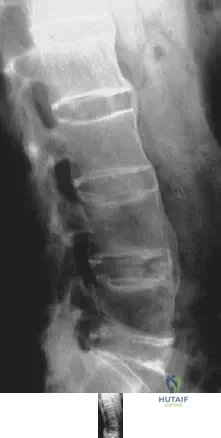
A 45-year-old man with advanced ankylosing spondylitis presents to the emergency department after a low-speed motor vehicle collision. He complains of severe lower neck pain. Neurologic examination is unremarkable. Lateral radiograph and CT scan
show a highly unstable extension-distraction injury at C7-T1. What is the most appropriate definitive management?
Explanation
Question 80
A 15-year-old boy presents with progressive mid-back pain and a noticeable cosmetic deformity. Standing lateral radiographs demonstrate a thoracic kyphosis of 80 degrees. Radiographic criteria (Sorensen's criteria) for typical Scheuermann's kyphosis includes anterior wedging of at least:
Explanation
Question 81
A 62-year-old woman with a history of breast cancer presents with severe axial back pain that worsens with movement. Imaging reveals a lytic metastasis in the L3 vertebral body involving 60% of the vertebral body and the left pedicle.
There is a kyphotic deformity of 15 degrees but no epidural spinal cord compression. According to the Spinal Instability Neoplastic Score (SINS), what does a score of 13-18 indicate?
Explanation
Question 82
A 42-year-old man presents with acute back pain, bilateral sciatica, and saddle anesthesia. He reports urinary incontinence that started 12 hours ago. A post-void residual is 400 mL. MRI demonstrates a massive L4-L5 disc herniation compressing the cauda equina. Which of the following factors is most predictive of the recovery of bladder function following emergent surgical decompression?
Explanation
Question 83
A 55-year-old man undergoes an L4-L5 transforaminal lumbar interbody fusion (TLIF) for degenerative spondylolisthesis.
Five years later, he presents with new-onset neurogenic claudication. Imaging reveals symptomatic spinal stenosis at L3-L4. Which of the following is the most significant surgeon-controlled risk factor for the development of adjacent segment disease (ASD) in this patient?
Explanation
Question 84
A 38-year-old male construction worker presents with persistent lower back pain and right-sided L5 radiculopathy that has failed 6 months of conservative treatment. Radiographs
demonstrate a Grade 2 L5-S1 isthmic spondylolisthesis. What is the most common anatomic source of the L5 nerve root compression in this specific condition?
Explanation
Question 85
During a revision anterior cervical discectomy and fusion (ACDF) at C6-C7 on the right side, the surgeon notes postoperative hoarseness in the patient. Indirect laryngoscopy confirms a vocal cord paralysis. Which of the following best describes the anatomical basis for the variable risk to the recurrent laryngeal nerve (RLN) during a right-sided versus left-sided anterior cervical approach?
Explanation
Question 86
A 48-year-old man presents with acute bilateral radicular leg pain, severe lower back pain, saddle anesthesia, and overflow urinary incontinence following a heavy lifting injury. An MRI confirms a massive central disc herniation at L4-L5 compressing the cauda equina. Emergent surgical decompression is planned. Which of the following is the most consistent and significant predictor of the extent of his postoperative bladder function recovery?
Explanation
Question 87
A 62-year-old Japanese male presents with progressive hand clumsiness and broad-based gait. Imaging confirms cervical myelopathy secondary to multi-level Ossification of the Posterior Longitudinal Ligament (OPLL). The surgeon is considering a posterior cervical laminoplasty. Which of the following preoperative radiographic findings is the strongest predictor of a poor neurologic outcome if a posterior-only motion-preserving operation (laminoplasty) is performed?
Explanation
Question 88
Based on the 4-year and 8-year follow-up data from the Spine Patient Outcomes Research Trial (SPORT) for degenerative spondylolisthesis, which of the following statements most accurately describes the outcomes comparing surgical intervention to non-operative treatment?
Explanation
Question 89
A 42-year-old male is involved in a motor vehicle collision and sustains a fracture of the L1 vertebra. A CT scan demonstrates a burst morphology with retropulsion into the spinal canal. Neurological examination reveals 3/5 strength in the bilateral tibialis anterior and extensor hallucis longus, with intact sensation. An MRI confirms the posterior ligamentous complex (PLC) is entirely intact. According to the Thoracolumbar Injury Classification and Severity (TLICS) score, what is this patient's total score and the recommended management category?
Explanation
Question 90
A 68-year-old woman presents with progressive severe mechanical low back pain, early satiety, and an inability to stand upright for more than 10 minutes without supporting herself on a walker (flatback syndrome). Standing full-length radiographs are obtained. Her pelvic incidence (PI) is 60 degrees, and her pelvic tilt (PT) is 35 degrees. To achieve optimal sagittal spinopelvic balance during a planned multi-level adult spinal deformity reconstruction, the postoperative goal for her lumbar lordosis (LL) should be approximately:
Explanation
Question 91
A 16-year-old elite male gymnast presents with a 9-month history of mechanical low back pain that has not improved despite rigorous non-operative management, including bracing, physical therapy, and rest. Imaging reveals an L4 bilateral isthmic spondylolysis with no measurable spondylolisthesis. An MRI shows healthy, well-hydrated discs at L3-L4, L4-L5, and L5-S1. What is the most appropriate surgical treatment?
Explanation
Question 92
A 28-year-old male is brought to the trauma bay obtunded and intubated after falling from a 20-foot scaffold. Cervical spine radiographs and a non-contrast CT demonstrate a right-sided unilateral C5-C6 facet dislocation. His Glasgow Coma Scale is 3T, and he cannot participate in a neurological examination. What is the most appropriate next step in the management of his cervical spine injury?
Explanation
Question 93
A 60-year-old man with poorly controlled diabetes mellitus and chronic kidney disease presents with a 2-week history of unrelenting mid-back pain, low-grade fevers, and night sweats. Neurologic examination of his bilateral lower extremities is entirely normal. Blood tests reveal an erythrocyte sedimentation rate (ESR) of 90 mm/hr and a C-reactive protein (CRP) of 15 mg/L. MRI of the thoracic spine demonstrates a well-circumscribed posterior epidural abscess from T7 to T9, with no significant spinal cord compression. What is the most appropriate initial management step?
Explanation
Question 94
During an anterior cervical discectomy and fusion (ACDF) at the C6-C7 level, the surgeon must decide whether to approach the spine from the left or the right side. While right-handed surgeons often prefer a right-sided approach for ergonomics, many surgeons specifically advocate for a left-sided approach in the lower cervical spine to minimize the risk of injury to the recurrent laryngeal nerve (RLN). Which anatomical feature best explains this preference?
Explanation
Question 95
A 45-year-old man presents with acute onset of severe left-sided radiating leg pain following a twisting injury. Physical examination demonstrates 4/5 weakness in left knee extension, a diminished left patellar reflex, and decreased pinprick sensation over the medial aspect of the left lower leg. An MRI of the lumbar spine confirms a single-level extraforaminal (far lateral) disc herniation. Given the clinical presentation, what is the most likely location of the herniation?
Explanation
Question 96
In a patient with cervical myelopathy secondary to ossification of the posterior longitudinal ligament (OPLL), the 'K-line' is frequently utilized on sagittal imaging to guide surgical decision-making. Which of the following statements is true regarding a 'K-line negative' cervical spine?
Explanation
Question 97
An 82-year-old man falls from a standing height and sustains a Type II odontoid fracture with 3 mm of posterior displacement. He is neurologically intact. He has a past medical history of severe chronic obstructive pulmonary disease (COPD) and ischemic heart disease. What is the most appropriate initial management?
Explanation
Question 98
A 45-year-old man underwent an L4-L5 microdiscectomy 6 weeks ago with complete resolution of his preoperative radicular symptoms. He now presents with recurrent right leg pain in the L5 distribution following a violent sneezing episode. MRI with contrast demonstrates a recurrent focal disc extrusion at L4-L5 on the right. Physical examination reveals 4/5 weakness in the extensor hallucis longus and severe pain refractory to oral medications. Flexion-extension radiographs show no evidence of spondylolisthesis or instability. What is the most appropriate surgical management?
Explanation
Question 99
A 65-year-old man with pre-existing cervical spondylosis sustains a hyperextension injury to his neck in a low-speed motor vehicle collision. He presents with severe bilateral upper extremity weakness (motor score 1/5 in hands, 3/5 in shoulders) and mild lower extremity weakness (motor score 4/5). He has patchy sensory loss below the shoulders but maintains intact perianal sensation. Which of the following best describes the expected prognosis and rationale for early (<24 hours) versus delayed surgery?
Explanation
Question 100
A 16-year-old elite gymnast presents with a 3-month history of insidious-onset, activity-related lower back pain that worsens with lumbar extension. Neurological examination is unremarkable. Plain standing anterior-posterior, lateral, and oblique radiographs demonstrate no obvious pars interarticularis defect or spondylolisthesis. What is the most appropriate next imaging modality to evaluate for an acute or active spondylolysis?
Explanation
None
