العربية
Part of the Master Guide

AAOS Orthopedic MCQs (Set 1): Spine Disorders, Sports Medicine & Arthroplasty | 2026 Board Review

Orthopedic Spine 2026 MCQs: Board Review Questions & Answers (Part 3)

23 Apr 2026 84 min read 97 Views
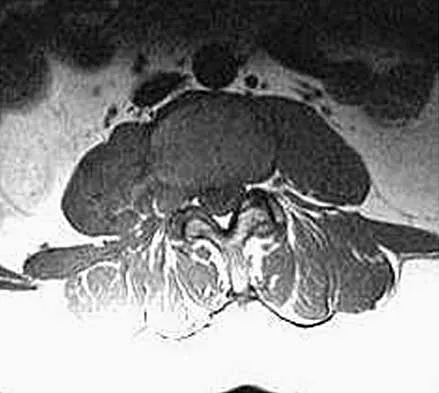
Figure for Spine 2006 MCQs - Part 3 - Question 51

Key Takeaway

We review everything you need to understand about Orthopedic Spine 2026 MCQs: Board Review Questions & Answers (Part 3). Top-rated Orthopedic Spine 2026 MCQs bank. Practice with clinical case questions, orthopedic surgery board review, and evidence-based answers updated for 2026.

Orthopedic Spine 2026 MCQs: Board Review Questions & Answers (Part 3)

Comprehensive 100-Question Exam


00:00

Start Quiz

Question 1

Figure 16 shows the radiograph of a 56-year-old man who has neck pain after a rollover accident on his lawnmower. The injury appears to be isolated, and he is neurologically intact. Management of the fracture should consist of


Explanation

The radiograph shows a type IIa Hangman's fracture, and the classic treatment is halo vest immobilization. Traction should be avoided in type IIa injuries because of the risk of overdistraction. A lesser form of immobilization such as a hard collar or a Minerva jacket can be used for nondisplaced (type I) fractures. Surgery generally is reserved for type III fractures (includes C2-3 facet dislocation), or extenuating circumstances such as multiple trauma or other fractures of the cervical spine that require surgical stabilization. Levine AM, Edwards CC: The management of traumatic spondylolisthesis of the axis. J Bone Joint Surg Am 1985;67:217-226.

Question 2

Degenerative spondylolisthesis of the cervical spine is most commonly seen at which of the following levels?


Explanation

Degenerative spondylolisthesis of the cervical spine is seen almost exclusively at C3-4 and C4-5; this is in contrast to degenerative changes, which are most commonly seen at C5-6 and C6-7. Tani T, Kawasaki M, Taniguchi S, et al: Functional importance of degenerative spondylolisthesis in cervical spondylotic myelopathy in the elderly. Spine 2003;28:1128-1134.

Question 3

Thoracic disk herniations are most frequently found in what area of the spine?


Explanation

Although thoracic disk herniations have been reported at all levels of the thoracic spine, more than two thirds are found at T9-T12, which is the more mobile lower third of the thoracic region. Belanger TA, Emery SE: Thoracic disc disease and myelopathy, in Frymoyer JW, Wiesel SW (eds): The Adult and Pediatric Spine. Philadelphia, PA, Lippincott Williams and Wilkins, 2004, pp 855-864.

Question 4

In a patient who has had low back pain for less than 2 weeks, which of the following findings is an indication for continued observation and symptomatic treatment rather than more aggressive evaluation and/or treatment?


Explanation

An inability to participate in athletics generally is considered an indication for continued symptomatic treatment only. All of the other answers suggest the possibility of more significant pathology that may require more urgent treatment. Frymoyer JW: Back pain and sciatica. N Engl J Med 1988;318:291-300.

Question 5

Radiographs of an 80-year-old woman with back pain reveal a compression fracture. Which of the following imaging studies best evaluates the acuity of the fracture?


Explanation

The best method of evaluating the acuity of osteoporotic compression fractures is to look for edema in the vertebral body. This is best accomplished with a STIR-weighted MRI scan. Bone scans can show increased uptake at the site of fracture for many months after the fracture. T1-weighted MRI scans show loss of normal marrow fat that may not necessarily correspond with acuity of the fracture. CT scans and radiographs show fracture deformity but cannot be used to judge acuity. Phillips FM: Minimally invasive treatments of osteoporotic vertebral compression fractures. Spine 2003;28:S45-S53.

Question 6

A 24-year-old professional football player underwent surgery for a symptomatic cervical disk herniation with radiculopathy 9 months ago. A current radiograph is shown in Figure 17. He has normal neurologic findings, no pain, and full range of motion. A CT scan shows a solid fusion. When can he expect to return to play?


Explanation

The radiograph shows that the two-level anterior cervical diskectomy and fusion has healed. In addition, the patient has good range of motion and the neurologic examination is normal. Based on these findings, the patient can return to play immediately. Patients with one- or two-level anterior cervical diskectomies and fusions that have healed fully can return to play. Any loss of motion, persistent neurologic deficit, or significant adjacent segment degeneration may preclude a player from returning. Thomas B, McCullen GM, Yuan HA: Cervical spine injuries in football players. J Am Acad Orthop Surg 1999;7:338-347.

Question 7

When treating thoracic disk herniations, which of the following surgical approaches has the highest reported rate of neurologic complications?


Explanation

Numerous surgical approaches have been used for thoracic diskectomy, including the most recent VATS. One of the first approaches described, posterior laminectomy, involves manipulation of the spinal cord, which the other approaches avoid. The posterior approach had dismal results, including further neurologic deterioration and even paralysis. Belanger TA, Emery SE: Thoracic disc disease and myelopathy, in Frymoyer JW, Wiesel SW (eds): The Adult and Pediatric Spine. Philadelphia, PA, Lippincott Williams and Wilkins, 2004, pp 855-864. Benjamin V: Diagnosis and management of thoracic disc disease. Clin Neurosurg 1983;30:577-605. Russell T: Thoracic intervertebral disc protrusion: Experience of 67 cases and review of the literature. Br J Neurosurg 1989;3:153-160.

Question 8

When harvesting iliac crest bone graft during a posterior spinal decompression and fusion, injury to what structure can result in painful neuromas or numbness over the skin of the buttocks?


Explanation

The superior cluneal nerves (L1, L2, and L3) are most at risk when harvesting iliac crest bone graft during a posterior decompression and fusion. These nerves pierce the lumbodorsal fascia and cross the posterior iliac crest, beginning 8 cm lateral to the posterior superior iliac spine. The ilioinguinal nerve is more at risk during exposure of the anterior ilium during retraction of the iliacus and abdominal wall muscles. Iliohypogastric nerve injury may arise in a similar fashion to ilioinguinal neuralgia. The lateral femoral cutaneous nerve lies in close proximity to the anterior superior iliac spine and is also at risk with anterior iliac crest bone graft harvesting. The superior gluteal nerve courses through the sciatic notch and supplies motor branches to the gluteus medius, minimus, and tensor fascia lata muscles. Injury results in hip abduction weakness. An HS: Principles and Techniques of Spine Surgery. Baltimore, MD, Williams and Wilkins 1998, pp 770-773. Kurz LT, Garfin SR, Booth RE Jr: Harvesting autogenous iliac bone grafts: A review of complications and techniques. Spine 1989;14:1324-1331.

Question 9

A 42 year-old-woman who underwent surgery for lumbar scoliosis 2 years ago now has fixed sagittal plane imbalance and severe back pain. Which of the following is considered a contraindication to isolated pedicle subtraction osteotomy for the treatment of iatrogenic flatback syndrome in this patient?


Explanation

Pedicle subtraction osteotomy is the preferred osteotomy technique for the treatment of many patients with iatrogenic flatback syndrome. In the presence of an anterior pseudarthrosis, however, it must be done in conjunction with an anterior procedure. Prior laminectomy is not a contraindication. Significant correction, usually averaging about 30 degrees, can be obtained through each osteotomy. Osteotomies should be performed at L2 or below in the presence of kyphosis at the thoracolumbar junction. The pedicle subtraction technique is preferred with vascular calcifications because it does not lengthen the anterior column, which could risk vascular injury. Potter BK, Lenke LG, Kuklo TR: Prevention and management of iatrogenic flatback deformity. J Bone Joint Surg Am 2004;86:1793-1808.

Question 10

A 42-year-old man sustained a burst fracture at L2 in a motor vehicle accident. Examination reveals that he is neurologically intact. Figure 18 shows a cross-sectional CT scan through the fracture. If the fracture is managed nonsurgically for the next 2 years, the retained fragments can be expected to


Explanation

Numerous articles have reported that both surgical and nonsurgical management of burst fractures are associated with resolution of impingement at long-term follow-up. If the patient is neurologically intact and appropriately treated at the time of injury, neurologic deterioration is not expected nor is there a risk of injury to the dural sac. The retained fragments can be expected to gradually resorb and widen the spinal canal. Mumford J, Weinstein JN, Spratt KF, et al: Thoracolumbar burst fractures: The clinical efficacy and outcome of nonoperative management. Spine 1993;18:955-970.

Question 11

A 50-year-old man reports the onset of back pain and incapacitating pain radiating down his left leg posterolaterally and into the first dorsal web space of his foot 1 day after doing some yard work. He denies any history of trauma. Examination reveals ipsilateral extensor hallucis longus weakness. MRI scans are shown in Figures 19a through 19c. What nerve root is affected?


Explanation

19b 19c The MRI scans clearly show an extruded L4-5 disk that is affecting the L5 root on the left side. In addition, the L5 root has a cutaneous distribution in the first dorsal web space. S1 affects the lateral foot, and L4 affects the medial calf. An HS: Principles and Techniques of Spine Surgery. Baltimore, MD, Williams and Wilkins, 1998, pp 98-100.

Question 12

Which of the following pharmacologic agents is most likely to adversely affect the success rate of bony union after lumbar arthrodesis?


Explanation

Glassman and associates reported a significantly higher pseudarthrosis rate when ketorolac was used postoperatively compared to a similar group of patients who were not given ketorolac. Animal studies from the same institution support these clinical findings. To reduce narcotic dosage, nonsteroidal anti-inflammatory drugs (NSAIDs) have been promoted as an adjunct for postoperative analgesia in patients undergoing spinal fusion. However, a high failure rate of arthrodesis has been associated with postoperative use of NSAIDs. The analgesics oxycodone hydrochloride, hydrocodone/acetaminophen, and tramadol, as well as the tricyclic antidepressant imipramine, have not been shown to inhibit fusion. Glassman SD, Rose SM, Dimar JR, et al: The effect of postoperative nonsteroidal anti-inflammatory drug administration on spinal fusion. Spine 1998;23:834-838.

Question 13

A 69-year-old woman is seen in the emergency department with a bilateral C5-6 facet dislocation and complete quadriplegia after falling down a flight of stairs. After initial evaluation and treatment by the trauma service, she is moved to the intensive care unit. Examination reveals a blood pressure of 90/50 mm/Hg, a pulse rate of 50/min, a respiration rate of 12/min, and urine output of 1 mL/kg/h. Her hemodynamic status should be addressed by


Explanation

The patient's heart rate is not responding to hypotension with tachycardia, as would be expected in the event of hypovolemic shock. Additionally, the adequate urine output suggests proper fluid resuscitation. Instead, she is bradycardic, possibly indicating neurogenic shock and loss of sympathetic tone to the heart. A Swan-Ganz catheter should be used to help differentiate these problems and guide appropriate fluid resuscitation and use of vasopressor agents. Hadley MN: Management of acute spinal cord injuries in an intensive care unit or other monitored setting. Neurosurgery 2002;50:S51-S57.

Question 14

What region of the spine is most susceptible to changes in the vascular supply to the spinal cord during an anterior approach?


Explanation

The thoracic spinal cord is characterized by a variable and, at times, complicated blood supply. The artery of Adamkiewicz, also known as the great anterior medullary artery, most typically arises off the left side of the aorta between T8 and T12. It represents the sole medullary blood supply to the thoracic spine. When this artery is divided or injured, the blood supply to the thoracic cord may be interrupted. It is important to avoid electocautery of blood vessels within or near the thoracic foramen because this is a site of important, albeit limited, collateral circulation. Sharma M, Anderson FC: Spinal vascular lesions, in Frymoyer JW, Wiesel SW (eds): The Adult and Pediatric Spine. Philadelphia, PA, Lippincott Williams and Wilkins, 2004, pp 301-306.

Question 15

What is the most common presenting sign or symptom in an adult with lumbar pyogenic infection?


Explanation

Pain is very common but is often nonspecific; therefore, the diagnosis of spinal infection is often delayed. Fever and sepsis can occur but are not common. Neurologic manifestations also can occur but are absent in most patients. In findings reported by Carragee, the urinary tract is a common source for hematogenous spinal infection, but the source was found in only 27% of 111 patients. Direct inoculation during spinal surgery is uncommon. Carragee EJ: Pyogenic vertebral osteomyelitis. J Bone Joint Surg Am 1997;79:874-880. Frazier DD, Campbell DR, Garvey TA, et al: Fungal infections of the spine: Report of eleven patients with long-term follow-up. J Bone Joint Surg Am 2001;83:560-565.

Question 16

The natural history of cervical spondylolytic myelopathy is best described as


Explanation

The natural history of cervical myelopathy has been described by Lees and Turner as exacerbations of symptoms followed by often long periods of static or deteriorating function (or very rarely improvement). This stepwise pattern of decreasing function has been corroborated by Clarke and Robinson. These authors described long periods of stable neurologic function, sometimes lasting for years, in about 75% of their patients. In the majority of the patients, however, the condition deteriorated between quiescent streaks. About 20% of their patients showed a slow, steady progression of symptoms and signs without a stable period, and 5% had rapid deterioration of neurologic function. Emery SF: Cervical spondylotic myelopathy: Diagnosis and treatment. J Am Acad Orthop Surg 2001;9:376-388. Lees F, Turner JA: The natural history and prognosis of cervical spondylosis. Brit Med J 1963;2:1607-1610.

Question 17

Figures 20a and 20b show lateral and AP radiographs of a 49-year-old man who sustained a gunshot wound through the left shoulder. He reports neck pain and examination reveals weakness in all four extremities. What is the priority of evaluation?


Explanation

20b The projectile entered the left shoulder and traveled to the right neck; therefore, a high incidence of suspicion must be directed to the airway, great vessels of the neck, and contents of the mediastinum. Immediate assessment of airway, breathing, and circulation takes priority, followed by examination of the neurologic status and other systems, as determined by the examination findings. Subcommittee on ATLS of the American College of Surgeons Committee on Trauma 1993-1997, Spine and Spinal Cord Trauma; Advanced Trauma Life Support Student Manual, ed 6, 1997. International Standards for Neurological and Functional Classification of Spinal Cord Injury. American Spinal Injury Association and International Medical Society of Paraplegia (ASIA/IMSOP).

Question 18

A 35-year-old woman undergoes an L4-5 anterior fusion via a left retroperitoneal approach. Postoperative examination reveals that her right foot is cool and pale. Her neurologic examination is normal, and her pedal pulses are asymmetric. What is the most likely reason for the right foot finding?


Explanation

The lower extremity symptoms are consistent with a sympathectomy that is the result of an injury to the sympathetic chain, ipsilateral to the approach along the anterior border of the lumbar spine. This results in a warm, red foot, which creates the appearance that the normal cooler foot may have compromised circulation. The latter generally attracts greater attention because of the risks associated with limb ischemia. The condition usually is self-limited and does not require any specific treatment. Rothman RH, Simeone FA (eds): The Spine, ed 4. Philadelphia PA, WB Saunders, 1999, p1550.

Question 19

What type of thoracolumbar spinal injury is associated with an increased risk of neurologic deterioration following admission to the hospital?


Explanation

Gertzbein's Scoliosis Research Society Morbidity and Mortality report noted that neurologic deterioration developed in approximately 16% of patients who were hospitalized with fracture-dislocations of the thoracolumbar spine, a particular concern with rotational burst fractures (AO type C). Patients with standard burst fractures and Chance fractures had a markedly lower incidence of neurologic involvement and tended to remain neurologically stable. Gertzbein SD: Neurologic deterioration in patients with thoracic and lumbar fractures after admission to the hospital. Spine 1994;19:1723-1725.

Question 20

A 30-year-old man has had a 3-day history of severe, incapacitating lower back pain without radiation. He reports improvement with rest. He denies any history of trauma, has no constitutional symptoms, and his neurologic examination is normal. What is the best course of action?


Explanation

There are no red flags in the history or examination to warrant MRI. Limited bed rest (less than 3 days) has been shown to be more beneficial to early recovery compared with prolonged bed rest (more than 7 days). No data support the use of epidural or facet steroid injections for acute low back pain.

Question 21

Which of the following patient factors is associated with recurrent radicular pain following lumbar diskectomy for sciatica?


Explanation

A large annular defect at the site of a lumbar disk herniation is associated with persistent radicular pain postoperatively. Large sequestered herniations and a positive SLR preoperatively correlate with good outcomes after diskectomy. Neither symptoms of more than 3 months' duration nor preoperative epidural steroid injections correlate with postoperative results after diskectomy. Carragee EJ, Han MY, Suen PW, et al: Clinical outcomes after lumbar discectomy for sciatica: The effects of fragment type and anular competence. J Bone Joint Surg Am 2003;85:102-108.

Question 22

Figure 21 shows the tomogram of a 26-year-old woman who sustained an axial load injury to her neck in a fall off a horse. What ligament is injured?


Explanation

Levine and Edwards, in their description of the classic C1 burst (Jefferson) fracture, noted that spread of the lateral masses of more than 7 mm is indicative of a transverse ligament rupture. Long-term C1-C2 instability, however, has not been described with this fracture pattern. Although long-term traction followed by halo vest immobilization has been described as the best technique for achieving an ideal result, treatment of this injury remains somewhat controversial. Levine AM, Edwards CC: Fractures of the atlas. J Bone Joint Surg Am 1991;73:680-691.

Question 23

Based on the findings shown in Figures 22a and 22b, corrective surgery to obtain maximal safe correction and optimal instrumentation fixation should be performed at which of the following locations?


Explanation

22b The clinical photograph and radiograph show an iatrogenic flatback deformity with loss of the normal lumbar lordosis. The safest correction for this malalignment typically is performed away from the spinal cord in the midlumbar spine, most commonly at L2 or L3. The more distal the correction is performed, the more sagittal plane translation of the C7 plumb line with respect to the posterior sacrum. Performing the osteotomy too distally, however, makes it difficult to obtain adequate distal fixation. Shufflebarger HL, Clark CE: Thoracolumbar osteotomy for postsurgical sagittal imbalance. Spine 1992;17:S287-S290.

Question 24

A 65-year-old woman has significant neck pain after falling and striking her head. A radiograph and sagittal CT scan are shown in Figures 23a and 23b. What is the most likely diagnosis?


Explanation

23b The radiograph shows a displacement of C5 on C6 of approximately 25%. The CT scan shows a perched facet at C5-6. There is no evidence of a facet fracture. A bilateral facet dislocation would show a displacement of more than 50%. Rothman RH, Simeone FA (eds): The Spine, ed 4. Philadelphia PA, WB Saunders, 1999, pp 927-937.

Question 25

Immediately after undergoing lumbar instrumentation, a patient reports severe right leg pain and has 4+/5 weakness. Figure 24 shows an axial CT scan of L5. Exploratory surgery will most likely reveal


Explanation

The most common finding at exploration of an inappropriately placed pedicle screw is displacement of the nerve. Pedicle breach is common, ranging from 2% to 20%, but most are asymptomatic. All of the choices are possible, but in a large series conducted by Lonstein and associates, the authors reported that displacement of the root, most often medial, was the most common finding. Laceration, contusion, or transfixion usually was not seen. Spinal fluid leakage occurs less frequently and is not expected in the minimal broach illustrated. Esses SI, Sachs BL, Dreyzin V: Complications associated with the technique of pedicle screw fixation: A selected survey of ABS members. Spine 1993;18:2231-2238. Laine T, Lund T, Ylikoski M, et al: Accuracy of pedicle screw insertion with and without computer assistance: A randomised controlled clinical study in 100 consecutive patients. Eur Spine J 2000;9:235-240.

Question 26

A 65-year-old woman presents with progressive low back pain and an inability to stand up straight. Standing full-length spine radiographs reveal a pelvic incidence (PI) of 60°, lumbar lordosis (LL) of 20°, pelvic tilt (PT) of 35°, and sagittal vertical axis (SVA) of +12 cm. What is the minimum recommended degree of lumbar lordosis restoration required to optimize her post-operative clinical outcome?


Explanation

According to the SRS-Schwab classification of adult spinal deformity, optimal sagittal alignment targets include SVA < 5 cm, PT < 20°, and PI-LL mismatch within ±10°. For a PI of 60°, the target LL should be at least 50° (60° - 10°). Restoring LL to 50° or more will likely reduce SVA and PT, rebalancing the patient's global sagittal alignment and improving clinical outcomes.

Question 27

A 65-year-old man presents with progressive gait imbalance and loss of fine motor skills. Examination reveals hyperreflexia and a positive Babinski sign. MRI of the cervical spine demonstrates multi-level stenosis from C3 to C6 due to ossification of the posterior longitudinal ligament (OPLL). A line drawn from the mid-point of the spinal canal at C2 to the mid-point at C7 (K-line) on a neutral sagittal image shows that the OPLL mass crosses anterior to posterior over this line (K-line negative). Which of the following surgical approaches is most strongly indicated?


Explanation

The K-line is used to predict the outcome of posterior decompression for OPLL. A K-line negative OPLL (where the peak of the OPLL exceeds the K-line) indicates that the spinal cord will not shift posteriorly enough after a posterior decompression (e.g., laminoplasty or laminectomy) to adequately relieve the anterior compression. Therefore, an anterior decompression and fusion (or combined anterior-posterior approach) is indicated to directly remove the compressive pathology.

Question 28

A 35-year-old male falls from a 15-foot ladder and sustains an L1 burst fracture. His neurological examination is completely normal (ASIA E). A CT scan shows 45% canal compromise and 20 degrees of local kyphosis. An MRI confirms an intact posterior ligamentous complex (PLC). According to the Thoracolumbar Injury Classification and Severity Score (TLICS), what is the most appropriate management?


Explanation

The TLICS score is calculated as follows: Morphology of a burst fracture = 2 points; Neurologic status of intact = 0 points; PLC status of intact = 0 points. The total score is 2. A TLICS score of 3 or less suggests non-operative management. Rigid bracing and early mobilization is the standard of care for neurologically intact burst fractures with an intact PLC, regardless of the absolute degree of canal compromise.

Question 29

A 55-year-old diabetic male presents with 2 weeks of worsening mid-back pain, low-grade fevers, and new-onset lower extremity weakness (motor strength 3/5 bilaterally). He also reports urinary retention. An MRI reveals a large ventral epidural abscess at T6-T8 with severe spinal cord compression. Broad-spectrum intravenous antibiotics are initiated. What is the next best step in management?


Explanation

Epidural abscesses causing progressive neurological deficits require urgent surgical decompression. Because the abscess is located ventrally in the thoracic spine, a posterior laminectomy alone is contraindicated as it is associated with poor outcomes, inadequate decompression, and potential iatrogenic destabilization. An anterior approach (e.g., corpectomy, costotransversectomy, or transpedicular approach) for direct ventral debridement and decompression is indicated.

Question 30

A 70-year-old man with a known history of severe ankylosing spondylitis presents to the emergency department after a minor low-speed motor vehicle collision. He reports new-onset severe neck pain but has no neurological deficits. Initial plain radiographs of the cervical spine are obscured by cervicothoracic kyphosis and osteopenia, making them difficult to interpret. What is the most appropriate next step in management?


Explanation

Patients with ankylosing spondylitis are at an extremely high risk for highly unstable extension-distraction fractures of the cervical spine, even after minor trauma. Plain radiographs are notoriously inadequate in these patients due to altered anatomy. A CT scan of the entire cervical spine is the gold standard and most appropriate next step for identifying occult fractures. MRI is supplementary for assessing epidural hematoma or ligamentous injury, but CT is paramount for bony architecture.

Question 31

A 14-year-old female gymnast complains of persistent mechanical low back pain for 6 months. Radiographs demonstrate a Grade II L5-S1 isthmic spondylolisthesis. Non-operative management, including bracing, physical therapy, and activity modification, has failed. She is now scheduled for an in situ posterolateral L5-S1 fusion. Which of the following slip parameters is most associated with a high risk of progression and nonunion?


Explanation

The slip angle (or lumbosacral angle) measures the degree of lumbosacral kyphosis. A high slip angle (typically > 40-50 degrees) is a hallmark of a highly unstable, dysplastic pattern in isthmic spondylolisthesis. It indicates a significant risk for slip progression and nonunion, even after an in situ fusion, frequently necessitating reduction and interbody support.

Question 32

An 80-year-old woman presents with acute, severe localized midthoracic back pain following a minor lifting incident 1 week ago. Neurologic exam is completely normal. Radiographs demonstrate an acute T8 osteoporotic compression fracture with a 20% loss of anterior height. What is the recommended initial management?


Explanation

The initial management for an acute, stable osteoporotic vertebral compression fracture without neurologic deficit is non-operative. This includes aggressive pain management, early mobilization to prevent deconditioning and pulmonary complications, and medical treatment of the underlying osteoporosis. Vertebral augmentation is generally reserved for patients who fail conservative management (typically after 3-6 weeks) or have intractable pain leading to hospitalization.

Question 33

A 60-year-old woman with a 20-year history of severe rheumatoid arthritis presents with neck pain and occipital headaches. Lateral cervical spine radiographs in flexion and extension show an anterior atlantodens interval (ADI) of 8 mm. Which of the following is the most critical radiographic parameter to measure to determine the risk of impending neurologic injury?


Explanation

In atlantoaxial subluxation associated with rheumatoid arthritis, while the anterior ADI is used to diagnose instability (> 3.5 mm in adults), the posterior atlantodens interval (PADI), also known as the space available for the cord (SAC), is the most important predictor of neurologic compromise. A PADI/SAC of < 14 mm is associated with a high risk of neurologic injury and is a strong indication for surgical stabilization.

Question 34

During a routine L4-L5 lumbar microdiscectomy for a herniated disc, an incidental durotomy is encountered. A primary water-tight repair is successfully performed with 4-0 Nurolon. A Valsalva maneuver confirms no further cerebrospinal fluid (CSF) leak. What is the most appropriate post-operative management strategy regarding patient mobilization?


Explanation

Recent literature regarding incidental durotomies that are repaired primarily during lumbar spine surgery supports early mobilization. Prolonged bedrest has not been shown to decrease the risk of post-operative CSF leak or pseudomeningocele formation and is associated with increased medical complications such as deep vein thrombosis, atelectasis, and prolonged hospital stay.

Question 35

Which of the following is considered the strongest risk factor for nonunion of a Type II odontoid fracture treated non-operatively with rigid cervical immobilization?


Explanation

Risk factors for nonunion of Type II odontoid fractures treated conservatively include patient age > 50 years, initial fracture displacement > 5 mm, posterior displacement, and a fracture gap > 1 mm. An initial displacement greater than 5 mm is a very strong independent predictor of conservative management failure, often prompting early surgical intervention such as anterior screw fixation or posterior C1-C2 fusion.

Question 36

Figure 1 shows the lateral radiograph of a 30-year-old man who sustained a whiplash-type injury in a motor vehicle collision. He presents with neck pain and weakness in wrist extension, but normal triceps strength. The imaging demonstrates a unilateral facet dislocation at C6-C7. Which nerve root is most likely affected, and what is the typical biomechanical mechanism of this injury?


Explanation

Unilateral facet dislocations typically occur due to a flexion-distraction mechanism combined with rotation. In the cervical spine, the nerve roots exit above the corresponding pedicle (e.g., the C7 nerve root exits at the C6-C7 foramen). The C7 nerve root innervates the wrist extensors and triceps, though the patient may present predominantly with wrist extension weakness depending on the degree of compression.

Question 37

A 65-year-old woman presents with severe mechanical back pain and an inability to stand upright. Standing full-length spine radiographs reveal a pelvic incidence (PI) of 60 degrees and a sacral slope (SS) of 20 degrees. What is her pelvic tilt (PT), and what is the optimal target for her postoperative lumbar lordosis (LL) to restore sagittal balance?


Explanation

Pelvic Incidence (PI) is a fixed morphological parameter defined as PI = Pelvic Tilt (PT) + Sacral Slope (SS). Therefore, PT = PI - SS (60° - 20° = 40°). According to the Schwab criteria for adult spinal deformity, restoring sagittal balance requires matching the Lumbar Lordosis (LL) to the Pelvic Incidence (PI) within 9 degrees (LL = PI ± 9°). Thus, the optimal target LL is approximately 60°.

Question 38

A 55-year-old diabetic male presents with 2 weeks of worsening back pain, fevers, and recent onset of bilateral lower extremity weakness (3/5) and urinary retention. MRI (Figure 2) shows an extensive ventral epidural abscess from L2 to L4 causing severe canal stenosis. What is the most appropriate next step in management?


Explanation

Spinal epidural abscess presenting with an acute neurological deficit (weakness, bowel/bladder dysfunction) is a surgical emergency. Urgent surgical decompression and debridement are required to relieve pressure on the neural elements and obtain cultures. Medical management alone (antibiotics/aspiration) is generally reserved for neurologically intact patients, those with high surgical risk, or panspinal involvement without focal severe compression.

Question 39

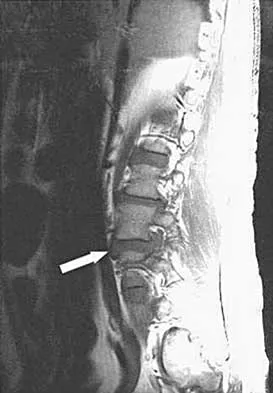
A 62-year-old man of East Asian descent presents with clumsiness in his hands, fine motor difficulty, and a wide-based gait. Lateral radiograph and CT (Figure 3) demonstrate continuous linear ossification along the posterior aspect of the C3-C6 vertebral bodies, with a local kyphotic angle of 18 degrees. Which of the following is the most likely diagnosis, and what surgical approach is generally favored given his alignment?


Explanation

The clinical and radiographic picture represents Ossification of the Posterior Longitudinal Ligament (OPLL), which commonly causes cervical spondylotic myelopathy, particularly in East Asian populations. When cervical kyphosis is present (>13-15 degrees), posterior indirect decompression (like laminoplasty) is contraindicated because the spinal cord will not 'bowstring' backward away from the anterior compressive mass. An anterior approach (e.g., corpectomy and fusion) or a combined anterior-posterior approach is indicated.

Question 40

An 82-year-old woman sustains a ground-level fall and complains of severe neck pain. CT scan (Figure 4) reveals a Type II odontoid fracture with 2 mm of posterior displacement. She is neurologically intact. Which of the following treatments has the highest risk of morbidity and mortality in this specific patient demographic?


Explanation

In elderly patients (generally defined as >65 or >80 years old), Halo vest immobilization is associated with unacceptably high rates of morbidity and mortality. Complications include respiratory distress, pneumonia, dysphagia, pin site infections, and a higher mortality rate compared to treatment with a rigid cervical collar or surgical stabilization (such as posterior C1-C2 fusion).

Question 41

A 58-year-old female presents with severe neurogenic claudication secondary to L4-L5 degenerative spondylolisthesis. Preoperative dynamic radiographs show 4 mm of translation on flexion-extension. Based on the Spine Patient Outcomes Research Trial (SPORT) study on degenerative spondylolisthesis, how do the outcomes of surgical management compare to nonoperative management at the 4-year follow-up?


Explanation

The SPORT trial results for degenerative spondylolisthesis demonstrated that patients treated surgically maintained significantly greater improvement in pain and function through 4 years (and sustained up to 8 years) compared to those treated nonoperatively. The 'as-treated' analysis showed a clear advantage of surgical intervention for this specific condition.

Question 42

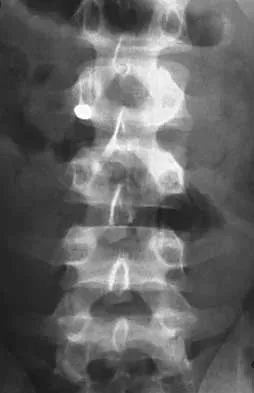
A 40-year-old male falls from a height of 10 feet. Neurological examination is completely normal (Grade E). CT of the spine (Figure 5) shows an L1 burst fracture with 40% loss of anterior body height, 20 degrees of kyphosis, and 30% canal compromise. MRI demonstrates an intact posterior ligamentous complex (PLC). Using the Thoracolumbar Injury Classification and Severity (TLICS) score, what is this patient's score and the recommended management?


Explanation

The TLICS scoring system dictates points based on morphology, neurological status, and PLC integrity. Morphology: Burst fracture = 2 points. Neurology: Intact = 0 points. PLC: Intact = 0 points. Total TLICS score = 2. A score of 3 or less is generally an indication for nonoperative management (e.g., TLSO brace). A score of 4 is a gray area (surgeon's choice), and 5 or more dictates surgery.

Question 43

A 60-year-old woman with a history of renal cell carcinoma presents with progressive back pain. MRI shows a metastatic lesion in the T8 vertebral body with high-grade epidural spinal cord compression. She has 4/5 strength in her lower extremities. Her overall life expectancy is estimated to be greater than 1 year. According to the NOMS (Neurologic, Oncologic, Mechanical, Systemic) framework, what is the most appropriate management for this radioresistant tumor?


Explanation

According to the NOMS framework, symptomatic high-grade epidural spinal cord compression (Neurologic) from a radioresistant tumor like renal cell carcinoma or thyroid cancer (Oncologic) cannot be treated effectively with conventional external beam radiation. The gold standard is 'separation surgery' (posterolateral decompression to create a safe margin around the spinal cord) followed by high-dose stereotactic radiosurgery (SRS) to achieve local tumor control.

Question 44

A 13-year-old premenarchal female presents with a right thoracic curve. She has not had her first menstrual period and is Risser stage 0. Standing PA radiograph shows a Cobb angle of 35 degrees. According to the Bracing in Adolescent Idiopathic Scoliosis Trial (BRAIST), what is the most appropriate management for this patient?


Explanation

The patient is a skeletally immature female (Risser 0, premenarchal) with an Adolescent Idiopathic Scoliosis (AIS) curve in the bracing threshold range (25 to 45 degrees). The BRAIST study conclusively demonstrated that high-hour TLSO bracing (18-23 hours/day) significantly decreases the progression of high-risk curves to the surgical threshold (>50 degrees) compared to observation.

Question 45

A 68-year-old male complains of bilateral calf, thigh, and buttock pain that worsens with ambulation. Which of the following clinical features is most indicative of neurogenic claudication (secondary to lumbar spinal stenosis) rather than vascular claudication?


Explanation

Neurogenic claudication is highly posture-dependent. Flexion of the lumbar spine (e.g., leaning on a shopping cart, walking uphill, sitting) increases the cross-sectional area of the spinal canal and neural foramina, relieving compression on the nerve roots. Vascular claudication is exertion-dependent and is typically relieved rapidly simply by resting (standing still), and is often associated with diminished pulses or skin changes.

Question 46

A 60-year-old man with a long-standing history of ankylosing spondylitis sustains a cervical spine fracture after a ground-level fall. Upon presentation, he complains of severe neck pain but remains neurologically intact. Radiographs and a CT scan reveal a displaced fracture extending through the C5-C6 disc space and the posterior elements. What is the most appropriate definitive management for this patient?


Explanation

Patients with ankylosing spondylitis have a highly rigid spine, making any fracture mechanically equivalent to a long-bone fracture. These injuries are notoriously unstable and carry a high risk of neurologic deterioration. Conservative management with a rigid collar or halo vest often fails and is associated with high morbidity. Anterior-only fixation is prone to failure due to the long lever arms of the ankylosed segments. The gold standard treatment is multi-level posterior cervical instrumentation and fusion to ensure adequate stability.

Question 47

A 65-year-old man presents with chronic back pain and bilateral leg heaviness that worsens with walking and is relieved by leaning forward. MRI demonstrates severe L4-L5 spinal stenosis without spondylolisthesis. He is scheduled for an L4-L5 decompressive laminectomy. Which of the following intraoperative factors is the most significant risk factor for the development of postoperative iatrogenic spondylolisthesis requiring secondary fusion?


Explanation

The facet joints play a critical role in resisting shear forces in the lumbar spine. Resection of more than 50% of bilateral facet joints (or a complete unilateral facetectomy) significantly compromises the stability of the motion segment, predisposing the patient to postoperative iatrogenic spondylolisthesis. While sagittal facet orientation and other factors play a role, aggressive facet resection is the most direct surgical cause of instability.

Question 48


A 35-year-old man falls from a height of 15 feet and sustains a T12 thoracolumbar burst fracture. Imaging reveals a 40% loss of anterior vertebral body height, 20% retropulsion of bone into the spinal canal, and an intact posterior ligamentous complex (PLC). Physical examination confirms he is completely neurologically intact. What is the most appropriate management?


Explanation

Thoracolumbar burst fractures in patients who are neurologically intact with an intact posterior ligamentous complex (PLC) are generally considered mechanically stable. Multiple prospective randomized trials have demonstrated that functional outcomes of conservative management with a TLSO brace (or hyperextension orthosis) are equivalent to surgical stabilization, avoiding the risks of surgery.

Question 49

A 24-year-old man is involved in a high-speed motor vehicle collision. A CT scan of the cervical spine reveals a traumatic spondylolisthesis of the axis (Hangman's fracture). According to the Levine and Edwards classification, which of the following radiographic findings distinguishes a Type II Hangman's fracture from a Type I fracture?


Explanation

The Levine and Edwards classification for Hangman's fractures divides them based on mechanism and displacement. Type I injuries have <3 mm of displacement and no angulation. Type II injuries involve >3 mm of translation and significant angulation, reflecting a disruption of the C2-C3 disc and posterior longitudinal ligament. Type IIA has severe angulation with minimal translation and is worsened by traction. Type III involves bilateral C2-C3 facet dislocations.

Question 50


During an anterior cervical discectomy and fusion (ACDF), meticulous dissection is required to avoid injury to the recurrent laryngeal nerve (RLN). Which of the following statements most accurately describes the anatomical characteristics and surgical implications of the RLN?


Explanation

The left recurrent laryngeal nerve (RLN) has a consistent course, looping under the aortic arch and ascending safely within the tracheoesophageal groove. The right RLN loops under the right subclavian artery and has a more variable, oblique course in the neck. In a small percentage of patients, a non-recurrent right laryngeal nerve may be present, further increasing the risk of iatrogenic injury during a right-sided anterior cervical approach.

Question 51

A 68-year-old woman presents with severe low back pain and a progressive forward-leaning posture. Standing full-length spinal radiographs reveal a pelvic incidence (PI) of 60 degrees, a pelvic tilt (PT) of 35 degrees, and a lumbar lordosis (LL) of 25 degrees. To optimally correct her sagittal imbalance during surgical reconstruction, what is the primary realignment goal regarding these spinopelvic parameters?


Explanation

The primary goal of correcting sagittal imbalance is to achieve a harmonious relationship between pelvic incidence (PI) and lumbar lordosis (LL), ideally with a PI-LL mismatch of less than 10 degrees. Pelvic incidence is a fixed morphological parameter and cannot be changed. For this patient with a PI of 60 degrees, the target LL should be restored to between 50 and 60 degrees to allow the pelvis to derotate (decreasing PT) and restore an upright posture.

Question 52


Which of the following radiographic parameters is considered the gold standard for quantifying global sagittal alignment on a standing 36-inch lateral radiograph?


Explanation

Global sagittal alignment is most accurately assessed using the Sagittal Vertical Axis (SVA), which is measured as the horizontal distance from a plumb line dropped from the center of the C7 vertebral body to the posterosuperior corner of the S1 endplate. A normal SVA is less than 5 cm. CSVL is used for coronal alignment, while PI and SS are regional spinopelvic parameters.

Question 53

A 54-year-old man with a history of intravenous drug use presents with severe midthoracic back pain, subjective fevers, and progressive lower extremity weakness over 48 hours. Physical examination reveals 3/5 motor strength in both legs, diminished sensation below T10, and a palpable distended bladder. MRI demonstrates a large dorsal epidural abscess spanning T8-T11 with severe cord compression. What is the most appropriate next step in management?


Explanation

Spinal epidural abscess presenting with an acute, progressive neurologic deficit (such as myelopathy, severe weakness, or bowel/bladder dysfunction) is a surgical emergency. Immediate surgical decompression (laminectomy) and abscess evacuation is required to maximize the potential for neurologic recovery. Medical management alone or delayed surgery in the face of progressing deficits is highly associated with permanent paralysis.

Question 54


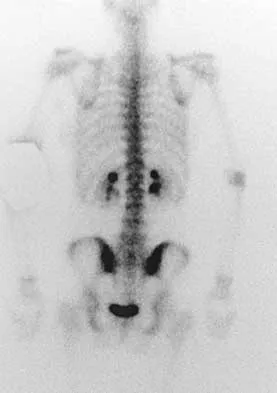
A 14-year-old female gymnast presents with a 1-year history of unrelenting low back pain exacerbated by extension maneuvers. Radiographs demonstrate a Grade II isthmic spondylolisthesis at L5-S1. She has failed 6 months of comprehensive conservative management, including Boston bracing, physical therapy, and strict activity modification. Which of the following is the most appropriate surgical intervention?


Explanation

For pediatric and adolescent patients with symptomatic low-grade (Grade I or II) isthmic spondylolisthesis who fail conservative treatment, a posterolateral fusion in situ (with or without instrumentation) remains the gold standard. Direct pars repair is indicated only for symptomatic spondylolysis (pars defect) without significant slippage, typically at L4 or above. Laminectomy alone is contraindicated in pediatric patients as it increases instability and slip progression.

Question 55

A 65-year-old man with known preexisting cervical spondylosis presents to the emergency department after sustaining a hyperextension injury to his neck in a rear-end motor vehicle collision. He exhibits significant weakness and a burning sensation in his upper extremities, but retains 4/5 strength in his lower extremities. His bowel and bladder functions are intact. Which of the following best explains the anatomical basis for this specific neurologic deficit?


Explanation

The patient's presentation is classic for Central Cord Syndrome, the most common incomplete spinal cord injury syndrome. It typically occurs following a hyperextension injury in an older patient with preexisting cervical canal stenosis. The pathophysiological mechanism involves injury to the central gray matter and the medial portions of the lateral corticospinal tracts. Because the motor fibers supplying the upper extremities are situated medially, while those supplying the lower extremities are lateral, upper extremity function is disproportionately impaired.

Question 56

An 82-year-old man presents with neck pain after a low-energy fall from a standing height. Neurologic examination is normal. Radiographs and CT scan demonstrate a Type II odontoid fracture with 2 mm of posterior displacement. In considering non-operative management options, which of the following immobilization methods is associated with the highest rate of morbidity and mortality in this age group?


Explanation

Halo vest immobilization in the elderly (especially patients > 65-70 years) is associated with a significantly increased risk of major complications, including pneumonia, cardiac events, pin-site infections, and a higher mortality rate compared to rigid cervical collar immobilization. Current guidelines often recommend initial treatment with a rigid cervical collar for elderly patients with Type II odontoid fractures if they are deemed poor surgical candidates, accepting the higher risk of nonunion because a stable fibrous nonunion is frequently well-tolerated.

Question 57

A 45-year-old man presents with an acute onset of severe right leg pain. Physical examination reveals weakness in the right extensor hallucis longus (EHL) muscle (3/5 strength) and decreased pinprick sensation over the dorsal aspect of the first web space of the right foot. His patellar and Achilles reflexes are symmetric and intact. Which of the following disc herniations is the most likely cause of this patient's clinical presentation?


Explanation

The clinical presentation is consistent with an L5 radiculopathy (EHL weakness, decreased sensation in the dorsal first web space, intact reflexes). In the lower lumbar spine, a paracentral disc herniation impinges the traversing nerve root, whereas a far lateral (foraminal/extraforaminal) herniation impinges the exiting nerve root. An L4-L5 paracentral herniation will impinge the traversing L5 nerve root. An L4-L5 far lateral herniation would impinge the exiting L4 nerve root.

Question 58

In the preoperative planning for a 62-year-old woman undergoing corrective surgery for adult degenerative scoliosis and sagittal imbalance, analyzing spino-pelvic parameters is critical. To minimize the risk of mechanical failure, proximal junctional kyphosis, and adjacent segment disease, the postoperative lumbar lordosis (LL) should ideally be matched to the patient's pelvic incidence (PI) within what range?


Explanation

According to the SRS-Schwab adult spinal deformity classification and established spino-pelvic alignment goals, an optimal sagittal alignment is achieved when the mismatch between Pelvic Incidence (PI) and Lumbar Lordosis (LL) is less than 10 degrees (PI - LL < 10°). Failing to restore this relationship correlates with poor health-related quality of life (HRQOL) outcomes and a higher incidence of adjacent segment disease and hardware failure.

Question 59

A 66-year-old man presents with progressive clumsiness in his hands, difficulty buttoning his shirt, and a wide-based gait. Physical examination demonstrates a positive Hoffmann sign bilaterally. An MRI of the cervical spine is performed to evaluate for cervical spondylotic myelopathy. Which of the following specific MRI findings is associated with the poorest prognosis for neurologic recovery following surgical decompression?


Explanation

In the context of cervical spondylotic myelopathy, signal changes within the spinal cord provide important prognostic information. While a focal T2-weighted hyperintensity indicates edema or gliosis and can be a sign of myelopathy, a T1-weighted hypointensity indicates permanent cystic necrosis and myelomalacia. The presence of a T1 hypointensity is an independent predictor of poorer functional recovery and less predictable outcomes after surgical decompression.

Question 60

A 22-year-old restrained passenger is involved in a high-speed motor vehicle collision. He reports severe back pain.

Figure 6 shows a lateral radiograph of the thoracolumbar spine revealing a flexion-distraction injury (Chance fracture) at L2. What is the most commonly associated concomitant injury with this specific fracture pattern?


Explanation

A Chance fracture is a flexion-distraction injury of the spine, historically associated with the use of lap-only seatbelts. The axis of rotation is anterior to the vertebral body, resulting in tension failure of the middle and posterior columns. Due to the mechanism of injury (sudden deceleration with acute hyperflexion over a fulcrum), up to 50% of patients with a Chance fracture sustain concomitant intra-abdominal injuries, most commonly involving hollow viscous organs (e.g., bowel perforation/mesenteric avulsion).

Question 61

A 60-year-old man with a long-standing history of Ankylosing Spondylitis is brought to the emergency department after a minor fall at home. He complains of new-onset lower cervical neck pain. Neurologic examination is unremarkable. Standard orthogonal plain radiographs of the cervical spine are interpreted by the on-call radiologist as showing 'no acute fracture, typical bamboo spine changes'. What is the most appropriate next step in management?


Explanation

Patients with ankylosing spondylitis have rigidly fused, osteopenic spines that act like long bones. They are at extremely high risk for highly unstable, transcortical fractures even from low-energy trauma. Plain radiographs are notoriously inadequate for identifying fractures in these patients due to altered anatomy, osteopenia, and superimposition of structures (often a >50% missed fracture rate). Therefore, a CT scan of the spine is the gold standard and mandatory in any patient with AS who presents with new back/neck pain following trauma, regardless of normal radiographs.

Question 62

A 12-year-old premenarchal girl presents with an asymmetric Adam's forward bending test. Standing scoliosis radiographs reveal a right thoracic curve measuring 32 degrees with an apex at T8. Her Risser stage is 0, and the tri-radiate cartilages are open. What is the most appropriate management for this patient?


Explanation

The patient has Adolescent Idiopathic Scoliosis (AIS). Indications for bracing in AIS include an actively growing child (Risser 0-2, premenarchal or <1 year postmenarchal) with a curve between 25 and 40 degrees. Bracing (such as a TLSO for > 18 hours per day) has been shown in the BRAIST trial to significantly decrease the rate of curve progression to the surgical threshold (≥ 50 degrees). Observation alone is appropriate for curves < 25 degrees, while surgery is generally reserved for curves > 45-50 degrees.

Question 63

A 35-year-old woman presents to the emergency department with acute onset severe lower back pain, bilateral lower extremity sciatica, perineal numbness, and urinary retention. Bladder ultrasound reveals a post-void residual of 500 mL. MRI confirms a massive L4-L5 central disc herniation causing severe cauda equina compression. According to current literature, surgical decompression should ideally be performed within what time frame from the onset of autonomic symptoms to maximize the probability of bladder function recovery?


Explanation

Cauda equina syndrome is a surgical emergency. The classic meta-analysis by Ahn et al., and supported by multiple subsequent studies, demonstrated that patients who undergo decompression within 48 hours of the onset of symptoms have a statistically significant improvement in the recovery of sensory, motor, and urinary/rectal function compared to those decompressed after 48 hours. While 'as soon as possible' is the clinical mantra, 48 hours is the evidence-based threshold critical for exam purposes.

Question 64

A 68-year-old woman with advanced rheumatoid arthritis is being evaluated preoperatively before a total knee arthroplasty. She denies any radicular pain, weakness, or changes in bowel/bladder function. Flexion-extension radiographs of the cervical spine reveal atlantoaxial instability. Which of the following radiographic findings represents an absolute indication for prophylactic posterior C1-C2 fusion prior to her elective knee surgery?


Explanation

In the rheumatoid cervical spine, the posterior atlantodental interval (PADI) is the most reliable indicator of actual space available for the spinal cord. A PADI of < 14 mm is a critical threshold and indicates impending neurologic compromise. Surgical stabilization (C1-C2 fusion) is strongly recommended for any patient with a PADI < 14 mm, an ADI > 9-10 mm, or any neurologic deficit, even if asymptomatic, because minor trauma or intubation for other surgeries can cause catastrophic spinal cord injury.

Question 65

A 60-year-old man presents with progressive cervical myelopathy secondary to multi-level Ossification of the Posterior Longitudinal Ligament (OPLL). When determining the surgical approach (anterior vs. posterior), the 'K-line' is evaluated on the lateral cervical radiograph. Which of the following scenarios is considered a definitive contraindication to performing a stand-alone posterior cervical laminoplasty for this patient?


Explanation

The K-line is a straight line connecting the midpoints of the spinal canal at C2 and C7 on a lateral radiograph. If the OPLL mass does not cross this line, the alignment is 'K-line positive,' and a posterior laminoplasty is effective because the spinal cord can drift backward away from the OPLL. If the OPLL crosses the K-line (due to kyphosis or a massive OPLL), the alignment is 'K-line negative.' In a K-line negative spine, laminoplasty alone is contraindicated because the cord will remain draped over the anterior OPLL mass despite posterior decompression, requiring an anterior or combined approach instead.

Question 66

Figure 22 shows the imaging of an 82-year-old man who fell from a standing height and presents with severe neck pain. He is neurologically intact. If this injury is treated nonoperatively, which of the following factors is most strongly associated with the development of a nonunion?


Explanation

The clinical scenario and (implied) imaging describe a Type II odontoid fracture in a geriatric patient. Type II odontoid fractures have a high nonunion rate when treated nonoperatively. Established risk factors for nonunion include patient age greater than 65 years, initial fracture displacement greater than 5 mm, posterior displacement, and significant comminution. While surgery (e.g., posterior C1-C2 fusion) offers a higher union rate, nonoperative management with a rigid cervical collar is often chosen in elderly patients due to the high morbidity and mortality associated with surgery and halo vest immobilization, provided the patient can tolerate a potential fibrous nonunion.

Question 67

A 65-year-old man presents with progressive hand clumsiness, difficulty buttoning his shirts, and frequent tripping. On examination, flicking the volar aspect of the distal phalanx of his middle finger results in reflexive flexion of his ipsilateral thumb and index finger. This physical examination finding indicates compression of which of the following structures?


Explanation

The test described is the Hoffmann sign, which is indicative of an upper motor neuron lesion, commonly seen in cervical spondylotic myelopathy (CSM). A positive Hoffmann sign results from compression or dysfunction of the descending upper motor neurons in the lateral corticospinal tract. The spinothalamic tract is responsible for pain and temperature sensation, while the dorsal columns transmit proprioception and vibratory sense.

Question 68

A 35-year-old woman is involved in a motor vehicle collision and sustains a burst fracture of L1. Her neurological examination demonstrates full strength and normal sensation in her bilateral lower extremities (ASIA E). An MRI is obtained which definitively demonstrates disruption of the posterior ligamentous complex (PLC). Based on the Thoracolumbar Injury Classification and Severity (TLICS) score, what is the most appropriate management?


Explanation

The Thoracolumbar Injury Classification and Severity (TLICS) score determines treatment based on three categories: injury morphology, neurological status, and integrity of the posterior ligamentous complex (PLC). In this patient, a burst fracture scores 2 points. Her neurologically intact status (ASIA E) scores 0 points. Disruption of the PLC scores 3 points. The total TLICS score is 5. A score of 4 or greater is generally an indication for surgical stabilization, whereas a score of 3 or less is typically treated nonoperatively. A score of 4 can be treated operatively or nonoperatively based on surgeon preference and patient factors.

Question 69

Figure 4 demonstrates the standing full-length spine radiograph of a 68-year-old woman presenting with severe lower back pain, forward stooping, and early satiety. When planning corrective surgery for adult spinal deformity, which of the following represents the optimal goal for the relationship between Pelvic Incidence (PI) and Lumbar Lordosis (LL)?


Explanation

In the surgical treatment of adult spinal deformity, achieving appropriate sagittal balance is critical for optimizing health-related quality of life (HRQOL) outcomes. The classic spinopelvic parameters dictate that the lumbar lordosis (LL) should be matched to the patient's intrinsic pelvic incidence (PI). The widely accepted goal is to correct the spine so that the PI-LL mismatch is less than or equal to 10 degrees. Other important parameters include achieving a sagittal vertical axis (SVA) < 5 cm and a pelvic tilt (PT) < 20 degrees.

Question 70

Figure 11 shows a lateral radiograph of a 14-year-old female gymnast with chronic, mechanical low back pain. Radiographs reveal a Grade II isthmic spondylolisthesis at L5-S1. She has failed 6 months of physical therapy, activity modification, and bracing. Which of the following is the most appropriate surgical treatment?
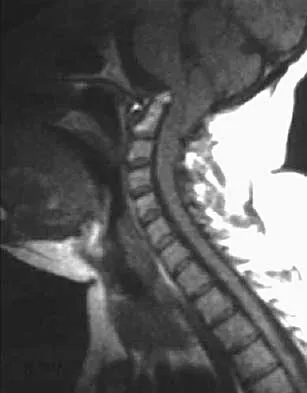


Explanation

For an adolescent with a symptomatic Grade II isthmic spondylolisthesis that has failed comprehensive nonoperative management, an L5-S1 posterior instrumented fusion is the gold standard treatment. Pars repair (such as a Buck, Scott, or Morscher repair) is generally reserved for patients with a symptomatic spondylolysis (pars defect) without significant slippage (Grade I or no slip). Decompression alone in an adolescent with isthmic spondylolisthesis is contraindicated due to the high risk of further destabilization and progression of the slip.

Question 71

Figure 15 shows the cervical spine radiograph of a 52-year-old man with a long history of ankylosing spondylitis who presents with neck pain after a minor fall. He is neurologically intact on presentation. Which of the following statements is true regarding this patient's condition?
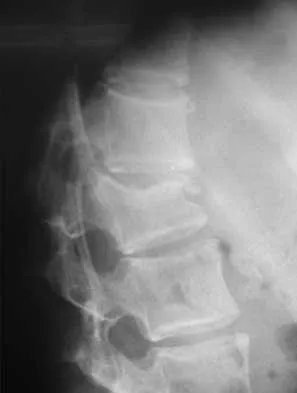


Explanation

Fractures of the ankylosed spine (Ankylosing Spondylitis or DISH) are highly unstable because the spine functions as a long bone, and fractures often represent a 3-column injury. They typically require long-segment posterior instrumented fusion. These patients have a notoriously high risk for epidural hematoma formation, which can cause devastating delayed neurologic deficits, even if the patient is intact on initial presentation. The fractures more commonly occur through the disc space (transdiscal) rather than the vertebral body. Halo immobilization is associated with high complication rates (pin site infection, loss of reduction, respiratory decline) in this population.

Question 72

In evaluating a patient with metastatic disease to the thoracic spine, the Spinal Instability Neoplastic Score (SINS) is utilized to guide referral for surgical stabilization. Which of the following radiographic or clinical findings contributes the highest number of points to the SINS score?


Explanation

The SINS score evaluates spinal instability in neoplastic disease. It consists of 6 components: Location, Pain, Bone lesion, Radiographic alignment, Vertebral body collapse, and Posterolateral involvement. Subluxation/translation is the highest single scoring criterion, awarding 4 points in the 'Radiographic spinal alignment' category. A junctional location yields 3 points. Bilateral posterolateral involvement yields 3 points. >50% collapse yields 2 points. Lytic lesion yields 2 points. Mechanical pain yields 3 points. A total score of 13-18 implies instability warranting surgical consultation.

Question 73

Figure 8 demonstrates the sagittal CT scan of a 55-year-old man of Japanese descent who presents with progressive gait instability, hyperreflexia, and a positive Hoffman sign. He is diagnosed with Ossification of the Posterior Longitudinal Ligament (OPLL). If a posterior approach (e.g., laminoplasty) is chosen for definitive management, which of the following factors provides the primary anatomic rationale for this surgical selection?


Explanation

OPLL commonly affects the cervical spine and is more prevalent in patients of Asian descent. Anterior approaches (e.g., corpectomy) directly remove the pathology but carry a high risk of dural tears and complications. A posterior approach (laminoplasty or laminectomy and fusion) relies on the spinal cord drifting backward away from the anterior compression. For this indirect decompression to be successful, the patient must have preserved cervical lordosis (K-line positive). Multilevel involvement (>3 levels) with preserved lordosis is the classic indication for a posterior approach. If the spine is kyphotic (K-line negative) or compression is massive (>50-60% of canal), posterior drift will not occur adequately, necessitating an anterior or combined approach.

Question 74

A 70-year-old man with known severe cervical spondylosis presents after a hyperextension injury to his neck resulting from a fall down stairs. On examination, he has profound weakness in his upper extremities, particularly the intrinsic muscles of the hands, but is able to ambulate with minimal assistance. He reports patchy sensory loss in his arms and has urinary retention. Which of the following best describes the pathophysiologic mechanism of this specific neurologic deficit?


Explanation

The clinical presentation is classic for Central Cord Syndrome (CCS), which is the most common incomplete spinal cord injury. It typically occurs in older patients with pre-existing cervical spondylosis who sustain a hyperextension injury. The mechanism involves a 'pincher' effect on the spinal cord between the anterior osteophytes and the buckled posterior ligamentum flavum. This causes central grey matter hemorrhage and edema. In the lateral corticospinal tracts, the cervical motor fibers are located more medially, while the sacral/lumbar fibers are more lateral. Therefore, central edema disproportionately affects the upper extremities (especially the hands) more than the lower extremities.

Question 75

Figure 13 shows the axial MRI of a 42-year-old man presenting with severe bilateral leg pain, saddle anesthesia, and acute urinary retention. He is taken for emergent surgical decompression. Which of the following factors is most strongly associated with a poor prognosis for the return of normal bladder function?
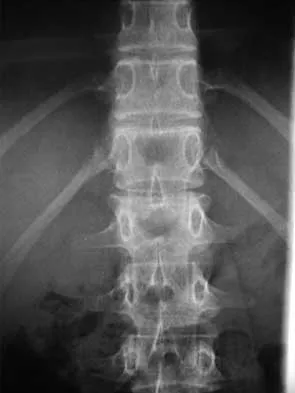


Explanation

Cauda Equina Syndrome (CES) is an orthopedic emergency typically caused by a massive central disc herniation. The most critical prognostic factor for the recovery of autonomic (bowel, bladder, and sexual) function is the timing of surgical decompression. Decompression within 24-48 hours of symptom onset provides the best chance of recovery. Delays beyond 48 hours are strongly associated with permanent functional deficits, including persistent urinary retention and incontinence.

Question 76

A 60-year-old Asian man presents with progressive clumsiness in his hands, broad-based gait, and bilateral hyperreflexia. A lateral radiograph and sagittal CT of the cervical spine demonstrate continuous ossification of the posterior longitudinal ligament (OPLL) from C3 to C6. The cervical spine has maintained a lordotic alignment, and the K-line is positive. What is the most appropriate surgical intervention?


Explanation

Posterior cervical laminoplasty is the most appropriate intervention for a patient with multilevel continuous OPLL and preserved cervical lordosis (positive K-line). Anterior approaches (ACDF or ACCF) for extensive OPLL carry a significantly higher risk of dural tears, cerebrospinal fluid (CSF) leaks, and neurological injury due to the adhesion of the ossified mass to the dura. Laminectomy alone in adults can lead to post-laminectomy kyphosis and is generally combined with posterior spinal fusion. Laminoplasty effectively decompresses the cord by drifting it posteriorly while preserving motion and stability, provided the spine is lordotic.

Question 77

Figure 10 shows the imaging of a 35-year-old woman who fell from a height of 10 feet. She has severe midline back pain but is neurologically entirely intact. CT and MRI of the thoracolumbar spine show an L1 burst fracture with 15 degrees of local kyphosis and 30% canal compromise. The posterior ligamentous complex (PLC) is intact on MRI STIR sequences. Based on the Thoracolumbar Injury Classification and Severity (TLICS) score, what is the most appropriate management?


Explanation

The patient's TLICS score is 2. The points are calculated as follows: Morphology is a burst fracture (2 points), Neurological status is intact (0 points), and the Posterior Ligamentous Complex (PLC) is intact (0 points). According to the TLICS system, a score of 3 or less is an indication for non-operative management, which typically consists of a rigid brace such as a TLSO. A score of 4 can be treated either operatively or non-operatively, while a score of 5 or more dictates operative stabilization.

Question 78

A 65-year-old woman with a history of hypertension and diabetes presents with 1 year of neurogenic claudication and lower back pain. Imaging confirms an L4-L5 grade I degenerative spondylolisthesis with severe central canal stenosis. She has failed 6 months of structured physical therapy, NSAIDs, and epidural steroid injections. According to the Spine Patient Outcomes Research Trial (SPORT) for degenerative spondylolisthesis, what outcome is expected if she chooses surgical intervention compared to continued non-operative management?


Explanation

The SPORT trial for degenerative spondylolisthesis demonstrated that patients treated surgically (typically with decompression and fusion) had significantly greater improvement in pain and function compared to those treated non-operatively, and this treatment effect was maintained at the 4-year and 8-year follow-ups. Notably, the trial showed a high crossover rate, but as-treated analysis confirmed the sustained superiority of surgical intervention for symptomatic degenerative spondylolisthesis that has failed conservative care.

Question 79

A 25-year-old man presents to the trauma bay after a shallow water diving accident. An open-mouth odontoid radiograph demonstrates a lateral mass displacement of C1 on C2 totaling 8 mm. Subsequent MRI confirms a mid-substance rupture of the transverse atlantal ligament (TAL). He is neurologically intact. What is the most appropriate definitive management?


Explanation

The patient has a Jefferson (C1 ring) fracture with a ruptured transverse atlantal ligament (TAL), as indicated by the Rule of Spence (combined lateral mass displacement > 6.9 mm on an open-mouth view implies TAL incompetence). A mid-substance tear of the TAL (Dickman Type I) has a very low healing rate with external immobilization (like a halo vest) and is highly unstable, thus requiring a C1-C2 posterior spinal fusion. A Dickman Type II injury (bony avulsion of the TAL) can often be treated successfully with a halo vest.

Question 80

Figure 6 relates to a 62-year-old man with a known history of advanced ankylosing spondylitis who presents with new-onset, severe neck pain following a minor ground-level fall. He is neurologically intact. Initial lateral cervical spine radiographs in the emergency department are read as "normal with extensive bridging syndesmophytes." What is the most appropriate next step in his management?


Explanation

Patients with ankylosing spondylitis (AS) have a rigid, brittle spine that is highly susceptible to fracture even from minor trauma. Such fractures are often highly unstable (frequently involving all three columns) and can easily be missed on plain radiographs due to the altered osseous anatomy and osteopenia. A CT scan of the entire cervical and upper thoracic spine is mandatory to rule out an occult fracture. Furthermore, these fractures carry a high risk of epidural hematoma and delayed neurological deterioration. Flexion-extension views are strictly contraindicated due to the risk of iatrogenic spinal cord injury.

Question 81

An 85-year-old woman with severe chronic obstructive pulmonary disease, congestive heart failure, and osteoporosis sustains a Type II odontoid fracture with 3 mm of posterior displacement after a mechanical fall. She complains of neck pain but has no neurological deficits. What is the most appropriate initial management for this patient?


Explanation

In octogenarians with multiple medical comorbidities, the treatment of Type II odontoid fractures often favors conservative management with a rigid cervical orthosis (collar). Halo vest immobilization is generally contraindicated in the elderly due to a high risk of respiratory complications, pin tract infections, dysphagia, and mortality. While surgical stabilization (C1-C2 posterior fusion) offers the highest union rate, the perioperative morbidity and mortality in frail, elderly patients with significant medical conditions (COPD, CHF) are very high. Although a collar may lead to a fibrous nonunion, this nonunion is typically stable and clinically well-tolerated.

Question 82

A 30-year-old man sustains a traumatic spondylolisthesis of the axis (Hangman's fracture) following a high-speed motor vehicle collision. Lateral radiographs demonstrate significant angulation at the C2-C3 interspace with minimal translation. When longitudinal cervical traction is applied in the emergency department, the C2-C3 angulation paradoxically increases. Based on the Levine and Edwards classification, what is the most appropriate definitive management for this specific injury pattern?


Explanation

This patient has a Type IIA Hangman's fracture, characterized by severe angulation and minimal translation, typically resulting from a flexion-distraction injury. The posterior longitudinal ligament and C2-C3 disc are disrupted. A defining feature of a Type IIA fracture is that longitudinal traction exacerbates the deformity (increases angulation) because the injury is already distracted. The correct management is closed reduction under fluoroscopy with slight compression and extension, followed by application of a halo vest.

Question 83

A 52-year-old man with a history of intravenous drug use presents with 2 weeks of worsening lower back pain and low-grade fever. Neurological examination reveals full 5/5 strength in all lower extremity muscle groups, normal reflexes, intact sensation, and normal rectal tone. Laboratory studies show a WBC of 14,000/µL, ESR of 85 mm/hr, and CRP of 120 mg/L. MRI with contrast reveals an epidural abscess from L3 to L5 causing moderate thecal sac compression. Blood cultures return positive for methicillin-sensitive Staphylococcus aureus (MSSA). What is the most appropriate initial management?


Explanation

The patient has a spontaneous spinal epidural abscess (SEA). Although SEA is often a surgical emergency, non-operative management with targeted intravenous antibiotics and extremely close neurological monitoring is indicated if the patient is entirely neurologically intact, the causative organism is known (positive blood cultures for MSSA), and there is no significant spinal instability or deformity. Surgery is indicated if there is neurological deficit, failure of medical therapy, spinal instability, or if the organism is unknown and a tissue diagnosis is required.

Question 84

A 68-year-old man underwent an L3-L5 posterior spinal decompression and instrumented fusion 3 years ago. He now presents with severe low back pain and radiculopathy corresponding to the L2-L3 level. Radiographs reveal progressive stenosis and listhesis at L2-L3. Which of the following factors has been most significantly correlated with an increased risk of developing adjacent segment disease (ASD) following a lumbar fusion?


Explanation

Adjacent segment disease (ASD) is a well-recognized complication after lumbar fusion. Postoperative sagittal imbalance, specifically a mismatch between pelvic incidence and lumbar lordosis (PI-LL mismatch typically > 10 degrees), is one of the most critical biomechanical risk factors for developing ASD. Loss of lumbar lordosis shifts the weight-bearing axis anteriorly, increasing mechanical stress on the adjacent unfused segments. Other risk factors include advanced age, damage to the adjacent facet capsule during the index surgery, and fusion length.

Question 85

A 45-year-old woman is evaluated in the emergency department for severe low back pain, bilateral lower extremity radicular pain, saddle anesthesia, and new-onset acute urinary retention. She notes the urinary retention began approximately 12 hours ago. MRI reveals a massive extruded disc herniation at L4-L5 severely compressing the cauda equina. Regarding surgical intervention for Cauda Equina Syndrome with urinary retention (CES-R), which of the following statements most accurately reflects current evidence on timing and outcomes?


Explanation

Cauda Equina Syndrome (CES) is a surgical emergency. The literature, including landmark meta-analyses by Ahn et al. and Todd, demonstrates that decompression performed within 24 to 48 hours of symptom onset is associated with a significantly better chance of neurological and functional recovery, including bladder, bowel, and motor function. While outcomes are generally poorer for patients presenting with established urinary retention (CES-R) compared to incomplete CES (CES-I), prompt surgical decompression within the 24-48 hour window is still strictly indicated to maximize the chance of functional return.

Question 86

A 78-year-old male with severe osteoporosis presents to the emergency department after a ground-level fall, reporting severe upper neck pain. He is neurologically intact. Imaging confirms a Type II odontoid fracture. If nonoperative management with a rigid cervical collar is chosen, which of the following radiographic findings is the most significant predictor of subsequent nonunion?


Explanation

Risk factors for nonunion of Type II odontoid fractures treated nonoperatively include age > 50 years, initial fracture displacement > 5 mm, fracture angulation > 10 degrees, and delayed presentation (> 4 days). The high nonunion rate in displaced fractures often prompts consideration of surgical stabilization (e.g., posterior C1-C2 fusion), even in elderly populations, though patient comorbidities must be carefully weighed.

Question 87

A 60-year-old male with a history of intravenous drug use presents with 48 hours of progressive bilateral lower extremity weakness, sensory loss below the umbilicus, and severe midthoracic back pain. His temperature is 38.8°C (101.8°F). MRI with contrast reveals a large, peripherally enhancing posterior epidural collection extending from T4 to T8 with severe spinal cord compression. Which of the following is the most appropriate management?


Explanation

This patient presents with a spinal epidural abscess causing an acute neurologic deficit (myelopathy/paraparesis). The presence of a neurologic deficit is an absolute indication for emergent surgical decompression. Because the abscess is located posteriorly, a multi-level laminectomy and evacuation is the most appropriate surgical approach, followed by prolonged culture-specific intravenous antibiotics.

Question 88

A 35-year-old male falls 10 feet from a ladder and sustains an L1 burst fracture. He is neurologically intact. MRI demonstrates an intact posterior ligamentous complex (PLC). Based on the Thoracolumbar Injury Classification and Severity (TLICS) score, what is his total score and the generally recommended treatment?


Explanation

The TLICS system scores injuries based on morphology, neurologic status, and the integrity of the posterior ligamentous complex (PLC). A burst fracture morphology scores 2 points. Intact neurologic status scores 0 points. An intact PLC scores 0 points. The total score is 2. A TLICS score < 4 is an indication for nonoperative management (e.g., bracing or early mobilization depending on pain and stability).

Question 89

A 58-year-old male presents with progressively worsening manual dexterity, broad-based gait, and hyperreflexia in the lower extremities. MRI of the cervical spine demonstrates severe central canal stenosis at C4-C5 and C5-C6 with spinal cord signal changes. Which of the following MRI signal characteristics is associated with the poorest prognosis for neurologic recovery following surgical decompression?


Explanation

In patients with cervical spondylotic myelopathy (CSM), intrinsic spinal cord signal changes on MRI are prognostic. T2-weighted hyperintensity is common and represents edema, inflammation, or gliosis, and is associated with a variable prognosis. However, T1-weighted hypointensity indicates irreversible cystic necrosis and myelomalacia, which is strongly associated with a poor prognosis for neurologic recovery after decompressive surgery.

Question 90

A 16-year-old female gymnast complains of 6 months of persistent lower back pain that is worsened with spinal extension. She has failed physical therapy and bracing. Upright lateral radiographs demonstrate a Grade I isthmic spondylolisthesis at L5-S1. What is the most appropriate surgical intervention?


Explanation

In symptomatic pediatric or adolescent patients with a Grade I isthmic spondylolisthesis at L5-S1 that has failed extensive nonoperative treatment, in situ instrumented posterolateral fusion of L5-S1 is the standard surgical treatment. Direct pars repair (e.g., Buck, Scott, or Morscher techniques) is reserved for patients with symptomatic spondylolysis (pars defect) without significant slippage (spondylolisthesis), and is most commonly performed at L4 or above. Direct repair at L5-S1 in the presence of a slip has a high failure rate.

Question 91

A 68-year-old male with a 30-year history of ankylosing spondylitis sustains a low-energy fall and presents with severe lower cervical pain. He is initially neurologically intact. CT imaging confirms a displaced, transdiscal extension-type fracture at C6-C7. Within hours of admission, he develops progressive quadriplegia. What is the most likely cause of his delayed neurologic deterioration?


Explanation

Patients with ankylosing spondylitis have rigidly fused, brittle spines that are highly susceptible to fracture even from minor trauma. These fractures are notoriously unstable and shear forces can tear the epidural venous plexus. An acute spinal epidural hematoma is a well-documented and devastating complication in this population, which can rapidly lead to delayed, progressive neurologic deficits (quadriplegia or paraplegia) requiring emergent decompression.

Question 92

A 65-year-old female presents with severe mechanical lower back pain, early satiety, and a flexed posture. Radiographs reveal a severe degenerative flatback deformity. Her measured pelvic incidence (PI) is 58 degrees. To achieve optimal spinopelvic alignment and clinical outcomes postoperatively, what should her target lumbar lordosis (LL) ideally be?


Explanation

In the surgical correction of adult spinal deformity, achieving appropriate spinopelvic alignment is critical for good functional outcomes. A key principle (Schwab criteria) is that the postoperative lumbar lordosis (LL) should match the patient's fixed pelvic incidence (PI) within 9 degrees (LL = PI ± 9°). Therefore, for a PI of 58 degrees, a target LL of approximately 58 degrees is ideal to minimize the pelvic tilt and restore upright sagittal balance.

Question 93

A 45-year-old male presents with acute onset of severe right anterior thigh pain and weakness in knee extension. Examination reveals an absent right patellar reflex and sensory diminished over the medial aspect of the right lower leg. MRI of the lumbar spine reveals a far lateral (extraforaminal) disc herniation at the L4-L5 level on the right. Which nerve root is most likely compressed?


Explanation

In the lumbar spine, a paracentral disc herniation typically compresses the traversing nerve root (e.g., L5 at the L4-L5 level). However, a far lateral (extraforaminal) disc herniation compresses the exiting nerve root at that level. Therefore, a far lateral herniation at L4-L5 compresses the L4 nerve root, which manifests as weakness in knee extension (quadriceps), an absent patellar reflex, and sensory loss over the medial aspect of the lower leg.

Question 94

A 55-year-old female with long-standing, poorly controlled rheumatoid arthritis complains of occipital headache and "electric shock" sensations radiating down her arms when she flexes her neck. Flexion-extension radiographs demonstrate atlantoaxial subluxation. Which of the following radiographic measurements indicates the highest risk for impending neurologic deficit and serves as a strong indication for surgical stabilization?


Explanation

In rheumatoid arthritis, atlantoaxial subluxation is common. While the anterior atlantodental interval (ADI) measures the amount of subluxation, the posterior atlantodental interval (PADI), also known as the space available for the cord (SAC), is the most reliable predictor of neurologic deficit. A PADI of less than 14 mm indicates critical stenosis and a high risk of permanent neurologic injury, warranting surgical intervention (typically C1-C2 fusion).

Question 95

A 42-year-old male presents to the emergency department with severe lower back pain and bilateral radicular leg pain. He reports the onset of urinary incontinence starting 8 hours ago. Examination reveals complete perineal anesthesia (saddle anesthesia) and absent anal sphincter tone. MRI confirms a massive L4-L5 central disc extrusion. Following emergent decompression, which of the following is the most reliable predictor of poor postoperative bladder function recovery?


Explanation

The most significant prognostic factor for functional recovery in Cauda Equina Syndrome (CES) is the severity of neurologic impairment at presentation. Patients with incomplete CES (retention with intact or partial perineal sensation) have a significantly better prognosis for bladder recovery postoperatively. Patients presenting with complete CES, characterized by painless urinary retention/overflow incontinence and complete perineal anesthesia, have a much poorer prognosis for full recovery of urologic and sexual function.

Question 96

Figure 24 shows the lateral radiograph of an 84-year-old man who sustained a ground-level fall. He complains of high neck pain but is neurologically intact. CT scan confirms a Type II odontoid fracture with 1 mm of posterior displacement. If non-operative management is selected for this patient, which of the following orthoses is associated with the highest mortality rate in this specific demographic?


Explanation

Halo vest immobilization in the elderly (especially >80 years of age) is associated with significant morbidity and a high mortality rate (reported up to 40% in some studies). Complications include respiratory compromise, pneumonia, pin tract infections, and falls due to altered center of gravity. For elderly patients with Type II odontoid fractures where surgery is contraindicated or not preferred, current guidelines heavily favor the use of a rigid cervical collar, accepting a higher rate of fibrous nonunion, as it provides adequate pain control with significantly lower mortality.

Question 97

A 65-year-old woman presents with progressive low back pain and difficulty standing upright. Standing full-length lateral spine radiographs reveal a Pelvic Incidence (PI) of 60 degrees and a Pelvic Tilt (PT) of 35 degrees. What is her Sacral Slope (SS), and what does this PT value indicate about her compensatory mechanism?


Explanation

The morphological parameter Pelvic Incidence (PI) is a fixed anatomical parameter and is the sum of Pelvic Tilt (PT) and Sacral Slope (SS) (PI = PT + SS). Therefore, SS = PI - PT = 60 - 35 = 25 degrees. A high Pelvic Tilt (normal is usually < 20 degrees) indicates pelvic retroversion. Pelvic retroversion is a primary compensatory mechanism for positive sagittal imbalance (often due to loss of lumbar lordosis) in an attempt to keep the center of gravity over the feet and maintain an upright posture.

Question 98

Figure 17 shows imaging of a 55-year-old man of East Asian descent presenting with progressive clumsiness in his hands and a wide-based gait. Imaging demonstrates Ossification of the Posterior Longitudinal Ligament (OPLL) from C3 to C6 with a K-line that is negative. Which of the following is the most appropriate surgical strategy?
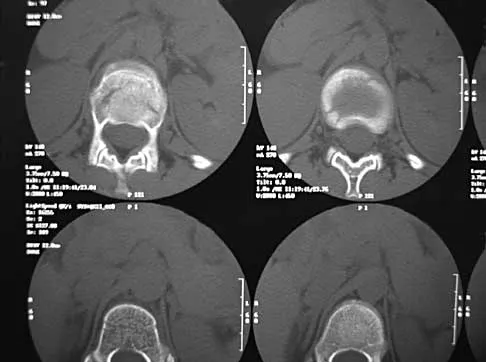


Explanation

A "K-line negative" cervical spine indicates that the OPLL mass crosses the K-line (a line connecting the midpoints of the spinal canal at C2 and C7 on a neutral lateral radiograph or mid-sagittal MRI). In K-line negative patients, posterior decompression alone (such as laminoplasty or laminectomy) is contraindicated because the spinal cord will not adequately drift posteriorly away from the anterior compressive mass, leading to poor neurologic recovery or deterioration. These patients require either an anterior approach (e.g., ACCF) to directly remove the mass or a posterior decompression coupled with instrumented fusion to correct the kyphosis.

Question 99

A 35-year-old construction worker falls from a height of 15 feet. Neurological examination reveals 3/5 strength in ankle dorsiflexion and EHL bilaterally, with intact bowel and bladder function. CT scan of the thoracolumbar spine demonstrates an L1 burst fracture. MRI reveals complete disruption of the posterior interspinous ligaments and ligamentum flavum. According to the Thoracolumbar Injury Classification and Severity (TLICS) score, what is his total score and the recommended treatment?


Explanation

The TLICS score is based on three categories: injury morphology, neurological status, and posterior ligamentous complex (PLC) integrity. In this scenario: Morphology is a Burst fracture = 2 points. Neurological status is incomplete (cauda equina or incomplete cord) = 3 points. PLC integrity shows complete disruption = 3 points. Total score = 2 + 3 + 3 = 8 points. A TLICS score of 4 can be treated non-operatively or operatively, while a score of 5 or greater is an absolute indication for surgical stabilization.

Question 100

Figure 6 shows the sagittal T2-weighted MRI of a 60-year-old diabetic patient presenting with severe back pain, fever, and progressive bilateral leg weakness over the past 24 hours. Laboratory studies show an ESR of 85 mm/hr and CRP of 120 mg/L. MRI confirms a ventral epidural abscess at L2-L4. Blood cultures are drawn in the emergency department. What is the most appropriate next step in management?


Explanation

A spinal epidural abscess presenting with progressive or profound neurological deficits is a surgical emergency. While medical management alone (intravenous antibiotics after cultures) may be appropriate for selected patients who are neurologically intact, poor surgical candidates, or have extensive pan-spinal abscesses without focal cord/cauda equina compression, the presence of progressive neurological deficits (bilateral leg weakness) dictates the need for urgent surgical decompression (e.g., laminectomy) and debridement to prevent irreversible paralysis.

None

Clinic OS
Medically Verified Content by
Prof. Clinic OS
Consultant Orthopedic & Spine Surgeon
Chapter Index
