العربية
Part of the Master Guide

AAOS Orthopedic MCQs (Set 1): Spine Disorders, Sports Medicine & Arthroplasty | 2026 Board Review

AAOS & ABOS Orthopedic Spine MCQs (Part 3): Cervical Myelopathy, Lumbar Stenosis | 2026 Board Prep
27 Apr 2026 57 min read 107 Views
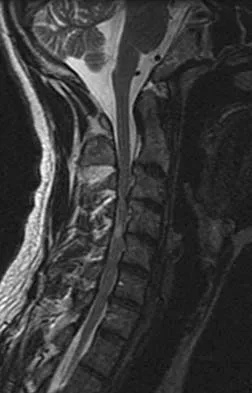
Figure for Spine 2009 MCQs - Part 3 - Question 52

Key Takeaway

This high-yield question set for AAOS/ABOS/OITE exams, Part 3, focuses on critical Orthopedic Spine topics. Questions cover cervical myelopathy diagnosis and surgical indications, lumbar spinal stenosis pathophysiology and treatment options, and complex adult spinal deformity classification and management strategies. Master these key areas for 2026 board success.

AAOS & ABOS Orthopedic Spine MCQs (Part 3): Cervical Myelopathy, Lumbar Stenosis | 2026 Board Prep

Comprehensive 100-Question Exam


00:00

Start Quiz

Question 1

A 58-year-old woman with rheumatoid arthritis has progressive neck pain, upper extremity and lower extremity weakness, and difficulty with fine motor movements. Examination reveals hyperreflexia with mild to moderate objective weakness but the patient has no difficulty with ambulation for short distances. What is the most important preoperative imaging finding that predicts full neurologic recovery with surgical stabilization?


Explanation

Boden and associates' article presents compelling evidence that patients with rheumatoid arthritis and neurologic deterioration in C1-2 instability are more likely to achieve some improvement if the posterior atlanto-dens interval is greater than 10 mm on preoperative studies. All the patients in their series who had neurologic deterioration and a preoperative posterior atlanto-dens interval of greater than 14 mm achieved complete motor recovery. Boden SD, Dodge LD, Bohlman HH, et al: Rheumatoid arthritis of the cervical spine: A long-term analysis with predictors of paralysis and recovery. J Bone Joint Surg Am 1993;75:1282-1297. Boden SD, Clark CR: Rheumatoid arthritis of the cervical spine, in Clark CR (ed): The Cervical Spine, ed 3. Philadelphia, PA, Lippincott Raven, 1998, pp 755-764.

Question 2

Figures 20a through 20d show the radiographs and MRI scans of a 59-year-old woman who has had symptoms consistent with progressive neurogenic claudication and back pain for the past 9 months. In the last 6 months, nonsurgical management consisting of nonsteroidal anti-inflammatory drugs, physical therapy, and a series of epidural steroid injections have been used; however the injections, while beneficial, have provided only temporary relief of her symptoms. What is the most appropriate management at this time?


Explanation

20b 20c 20d Patients with a degenerative spondylolisthesis and severe stenosis who have failed appropriate nonsurgical management are candidates for surgical intervention. Most studies show good to excellent results in more than 85% of patients after lumbar decompression for stenosis. Atlas and associates found that at 8- to 10-year follow-up, leg pain relief and back-related functional status were greater in those patients opting for surgical treatment of the stenosis. Similarly, the decision to fuse a spondylolisthetic segment has been supported in the literature. Herkowitz and Kurz compared decompressive laminectomy alone and decompressive laminectomy with intertransverse arthrodesis in 50 patients with single-level spinal stenosis and degenerative spondylolisthesis. They demonstrated good to excellent results in 90% of the fused group compared to 44% in the nonfusion group. The decision to include instrumentation during the fusion is more controversial. Whereas the use of instrumentation has shown to improve fusion rates, it has not been conclusively shown to improve the overall clinical outcomes of patients. Atlas SJ, Keller RB, Wu YA, et al: Long-term outcomes of surgical and nonsurgical management of lumbar spinal stenosis: 8 to 10 year results from the Maine lumbar spine study. Spine 2005;30:936-943. Herkowitz HN, Kurz LT: Degenerative lumbar spondylolisthesis with spinal stenosis: A prospective study comparing decompression with decompression and intratransverse process arthrodesis. J Bone Joint Surg Am 1991;73:802-808.

Question 3

A 29-year-old man reports a 2-week history of severe neck pain after being struck sharply on the back of the head and neck while moving a refrigerator down a flight of stairs. Initial evaluation in the emergency department revealed no obvious fracture and he was discharged in a soft collar. Neurologic examination is within normal limits, and radiographs taken in the office are shown in Figures 21a through 21c. Subsequent MRI scans show intra-substance rupture of the transverse atlantal ligament. What is the most appropriate treatment option at this time?


Explanation

21b 21c Dickman and associates classified injuries of the transverse atlantal ligament into two categories. Type I injuries are disruptions through the substance of the ligament itself. Type II injuries render the transverse ligament physiologically incompetent through fractures and avulsions involving the tubercle of insertion of the transverse ligament on the C1 lateral mass. Type I injuries are incapable of healing without supplemental internal fixation. Type II injuries can be treated with a rigid cervical orthosis with a success rate of 74%. Surgery may be required for type II injures that fail to heal with 3 to 4 months of nonsurgical management. Findlay JM: Injuries involving the transverse atlantal ligament: Classification and treatment guidelines based upon experience with 39 injuries. Neurosurgery 1996;39:210.

Question 4

Figure 22 reveals what anatomic variant of the lumbar spine?


Explanation

Unilateral sacralization of the fifth lumbar vertebra was first described by Bertolotti in 1917. Bertolotti's syndrome is present in 12% to 21% of the population. The altered biomechanics have been postulated to cause low back pain by placing increased stress on the adjacent cephalad disk, thus contributing to accelerated degenerative disk disease at this level. It has also been found that the neoarticulation between the enlarged transverse process and the sacrum and/or ilium may be a source of neural impingement on the exited L5 nerve root and results in radicular pain syndrome. Brault and associates reported on a case treated surgically at the Mayo Clinic, in which the pain generator was found to be the contralateral facet joint. Brault JS, Smith J, Currier BL: Partial lumbosacral transitional vertebra resection for contralateral facetogenic pain. Spine 2001;26:226-229. Quinlan JF, Duke D, Eustace S: Bertolotti's syndrome: A cause of back pain in young people. J Bone Joint Surg Br 2006;88:1183-1186.

Question 5

Posterior lumbar spine arthrodesis may be associated with adjacent segment degeneration cephalad or caudad to the fusion segment. Which of the following is the predicted rate of symptomatic degeneration at an adjacent segment warranting either decompression and/or arthrodesis at mid-range follow-up (5-10 years) after lumbar fusion?


Explanation

The rate of symptomatic degeneration at an adjacent segment warranting either decompression or arthrodesis was predicted to be 16.5% at 5 years and 36.1% at 10 years based on a Kaplan-Meier analysis.

Question 6

A 24-year-old man who was involved in a high speed motor vehicle accident is transferred for definitive care after having been diagnosed with an acute spinal cord injury from a fracture-dislocation at C6-7. He has a complete C6 neurologic level and it is now approximately 10 hours from his injury. What is the most appropriate pharmacologic treatment at this time?


Explanation

The standard practice in the pharmacologic treatment of a spinal cord injury in the United States has been the administration of methylprednisolone with an initial bolus of 30 mg/kg followed by 5.4 mg/kg for 24 hours, in accordance with the findings of the second and third National Acute Spinal Cord Injury Studies (NASCIS). Although the studies have subsequently drawn criticism for their methodology and outcomes, it has been generally accepted that beneficial neurologic outcomes were anticipated in patients who were able to start the protocol within 8 hours of their initial injury. Further improvement was noted in patients receiving the methylprednisolone within 3 hours of their injury and continuing an infusion for 48 hours. In this patient, who is outside the 8-hour treatment window, no studies have supported starting the methylprednisolone protocol at this time. Braken MB, Shepard MJ, Holford TR, et al: Administration of methylprednisolone for 24 or 48 hours or tirilazad mesylate for 48 hours in the treatment of acute spinal cord injury: Results of the third National Acute Spinal Cord Injury Randomized Controlled Trial. National Acute Spinal Cord Injury Study. JAMA 1997;277:1597-1604.

Question 7

Figures 23a and 23b show the MRI scans of a 50-year-old woman who has increasing gait disturbance. She reports three falls in the past week. Examination reveals hyperreflexia, motor weakness in the biceps and triceps, and a positive Hoffman's sign. What is the most appropriate treatment plan?


Explanation

23b The patient has obvious signs of progressive myelopathy. Based on her significant physical examination findings, nonsurgical management will not significantly impact her outcome. Cervical decompression alone is contraindicated in patients with cervical kyphosis such as seen here. Anterior cervical fusion is the best option. Emery SE, Bohlman HH, Bolesta MJ, et al: Anterior cervical decompression and arthrodesis for the treatment of cervical spondylotic myelopathy: Two to seventeen-year follow-up. J Bone Joint Surg Am 1998;80:941-951. Ferguson RJ, Caplan LR: Cervical spondylotic myelopathy. Neurol Clin 1985;3:373-382.

Question 8

What structure (arrow) is shown in Figure 24?


Explanation

The structure illustrated is the sympathetic chain viewed from an anterolateral view of the lower lumbar spine. It descends along the anterolateral aspect of the spine into the pelvis closely adherent to the vertebral column. The spinal nerves, including L5, can be seen exiting from the foramen. The ureters descend from the kidneys and cross anterior to the iliac vessels to the bladder. Onibokun A, Khoo LT, Holly L: Anterior retroperitoneal approach to the lumbar spine, in Kim DH, Henn JS, Vaccaro AR, et al (eds): Surgical Anatomy and Techniques to the Spine. Philadelphia, PA, Saunders Elsevier, 2006, pp 101-105.

Question 9

The best patient-related outcomes, following the surgical treatment of cauda equina syndrome secondary to a large L5-S1 disk herniation, are most closely related to which of the following?


Explanation

The most predictable positive outcome from spinal surgery due to a cauda equina syndrome is early surgical intervention before any significant neurologic deficit develops. Meta-analysis studies demonstrate that surgical intervention more than 48 hours after the onset of cauda equina syndrome show an increased risk for poor outcomes. Ahn UM, Ahn NU, Buchowski JM, et al: Cauda equina syndrome secondary to lumbar disc herniation: A meta-analysis of surgical outcomes. Spine 2000;25:1515-1522.

Question 10

A 45-year-old man undergoes an anterior cervical diskectomy and fusion at C5-6 and C6-7 with instrumentation. During the first postoperative visit at 1 week, the patient reports difficulty swallowing and mild anterior cervical tightness. The anterior wound is benign and the patient denies any dyspnea or shortness of breath. A postoperative radiograph is seen in Figure 25. What is the most appropriate management at this time?


Explanation

The radiograph shows significant prevertebral soft-tissue swelling following a two-level anterior cervical diskectomy and fusion. The incidence of dysphagia 2 years after anterior cervical spine surgery is 13.6%. Risk factors for long-term dysphagia after anterior cervical spine surgery include gender, revision surgeries, and multilevel surgeries. The use of instrumentation, higher levels, or corpectomy versus diskectomy did not significantly increase the prevalence of dysphagia. Lee and associates demonstrated that while dysphagia after anterior cervical spine surgery is a common early finding, it generally decreases significantly by 6 months with nonsurgical management. A minority of patients experience moderate or severe symptoms by 6 months after the procedure. Female gender and multiple surgical levels have been identified as risk factors for the development of postoperative dysphagia. Lee MJ, Bazaz R, Furey CG, et al: Risk factors for dysphagia after anterior cervical spine surgery: A two-year prospective cohort study. Spine J 2007;7:141-147.

Question 11

Steroids are thought to prevent neurologic deterioration after traumatic spinal cord injury by which of the following mechanisms?


Explanation

The proposed mechanisms by which steroids such as methylprednisolone are thought to prevent neurologic deterioration by limiting secondary insult, include: decreasing the area of ischemia in the cord, reducing TNF-alpha expression and NF-kB binding activity, decreasing free radical oxidation and thus stabilizing cell and lysosomal membranes, and checking the influx of calcium into the injured cells, thus reducing cord edema. Slucky AV: Pathomechanics of spinal cord injury. Spine: State Art Rev 1999;13:409-417.

Question 12

Which of the following mechanisms of inhibition has been linked to cigarette smoking and lumbar spinal fusion?


Explanation

Cigarette smoking has been directly linked to pseudarthrosis in spinal fusions. The direct mechanism of action is diminished revascularization of cancellous bone graft. Additionally, a smaller area of revascularization is seen in these grafts, as well as an increased area of necrosis. Increased activity of osteoblasts would result in more bone production. Increased activity of osteocytes would not affect the fusion because osteocytes are mature bone cells.

Question 13

Which of the following is considered the most effective means of identifying an evolving motor tract injury during cervical spine surgery?


Explanation

In a study of 427 patients undergoing cervical spine surgery, 12 patients demonstrated substantial or complete loss of amplitude of the tceMEPs. Ten of those patients had complete reversal of the loss following prompt intraoperative intervention. SSEP monitoring failed to identify any changes in one of the two patients that awoke with a new motor deficit. SSEP changes lagged behind the tceMEP changes in patients in which major changes were detected by both modalities. TceMEP monitoring was 100% sensitive and 100% specific. SSEP monitoring was only 25% sensitive and 100% specific.

Question 14

A previously healthy 29-year-old man reports a 2-day history of severe atraumatic lower back pain. He denies any bowel or bladder difficulties and no constitutional signs. Examination is consistent with mechanical back pain. No focal neurologic deficits or pathologic reflexes are noted. What is the most appropriate management?


Explanation

In general, a previously healthy patient with an acute onset of nontraumatic lower back pain does not need diagnostic imaging before proceeding with therapeutic treatment. In the absence of any "red flags" during the history and physical examination, such as trauma or constitutional symptoms (ie, fevers, chills, weight loss), the appropriate treatment for acute onset lower back pain is purely symptomatic treatment including limited analgesics and early range of motion. Diagnostic imaging is not necessary unless the initial treatment is unsuccessful and symptoms are prolonged. Miller and associates suggested that the use of radiographs can lead to better patient satisfaction but not necessarily better outcomes. Miller P, Kendrick D, Bentley E, et al: Cost effectiveness of lumbar spine radiographs in primary care patients with low back pain. Spine 2002;27:2291-2297.

Question 15

Sacral fractures are most likely to be associated with neurologic deficits when they involve what portion of the sacrum?


Explanation

Denis divided the sacrum into three zones: zone 1 represents the lateral ala, zone 2 represents the foramina, and zone 3 represents the central canal. A fracture is classified according to its most medial extension. Those in zone 3 are typically bursting-type fractures or fracture-dislocations and are most prone to neurologic sequelae. Denis F, Davis S, Comfort T: Sacral fractures: An important problem. A retrospective analysis of 236 cases. Clin Orthop Relat Res 1988;227:67-81.

Question 16

Which of the following is associated with the use of bisphosphonates in the setting of metastatic breast cancer to the spine?


Explanation

The indications of bisphosphonate therapy in breast cancer patients range from the correction of hypercalcemia to the prevention of cancer treatment-induced bone loss. Bisphosphonates reduce metastatic bone pain in at least 50% of patients and can reduce the frequency of skeletal-related events by 30% to 40%. Osteonecrosis of the jaw could occur in up to 2.5% of breast cancer patients during long-term bisphosphonate therapy.

Question 17

A 67-year-old retired steelworker was involved in a motor vehicle accident and sustained a midcervical spinal cord injury. Radiographs and MRI scans reveal severe cervical stenosis and spondylosis without fractures or dislocations. Neurologic examination reveals an ASIA C spinal cord impairment with greater motor involvement of the upper extremities than the lower extremities. What is the probability that the patient eventually will become ambulatory?


Explanation

The patient sustained an incomplete spinal cord injury known as central cord syndrome. Central cord syndrome characteristically has disproportionate involvement of the upper extremities with the lower extremities being relatively spared. It is most commonly seen after cervical injuries in elderly patients with spondylosis and spinal stenosis, often without fracture. Penrod and associates noted that 23 of 59 patients with central cord syndrome (ASIA C and D) ultimately walked. The poorest prognosis, however, was in ASIA C patients older than age 50, in which only 40% walked. Penrod LE, Hegde SK, Ditunno JF Jr: Age effect on prognosis for functional recovery in acute, traumatic central cord syndrome. Arch Phys Med Rehab 1990;71:963-968.

Question 18

A 20-year-old man involved in a motor vehicle accident is brought to the emergency department with a C6-7 unilateral facet dislocation. His neurologic examination reveals a focal left-sided C7 nerve root palsy. He is awake and cooperative with questioning and has no other obvious traumatic injuries. What is the most appropriate treatment at this time?


Explanation

In the patient who is neurologically intact or has an incomplete injury from a cervical facet dislocation, a closed reduction with weighted tong traction is appropriate when the patient is awake, alert, and cooperative. Although there is a risk that a cervical facet dislocation could occur with an underlying cervical disk herniation, Vaccaro and associates have shown that closed reduction can be safely carried out in the awake, responsive patient. Closed reduction can be performed in the emergency department with traction with skull tongs or a halo ring. A slow stepwise application of weight is added until a reduction is achieved. Any worsening of the neurologic status of the patient requires immediate termination of the closed reduction and further diagnostic imaging before proceeding with further treatment. Vaccaro AR, Falatyn SP, Flanders AE, et al: Magnetic resonance evaluation of the intervertebral disc, spinal ligaments, and spinal cord before and after closed traction reduction of cervical spine dislocations. Spine 1999;24:1210-1217. Hart RA: Cervical facet dislocation: When is magnetic resonance imaging indicated? Spine 2002;27:116-117.

Question 19

A 66-year-old man reports a 2-week history of worsening low back and leg pain. He reports that his pain is aggravated by lying down and relieved by standing and walking. He notes that he has been losing weight recently and that his pain has been awakening him during the night. His medical history is significant for hypertension, coronary artery disease, and prostate cancer. His physical examination is essentially unremarkable. Lumbar radiographs are within normal limits. What is the most appropriate management for this patient?


Explanation

In the initial assessment of acute low back pain in adults, no diagnostic testing is indicated during the first 4 weeks in the absence of "red flags" for a serious underlying condition. The purpose of the initial assessment of acute low back pain in adults is to rule out serious underlying conditions presenting as low back pain. The Agency for Healthcare Policy and Research, in its 1994 clinical practice guideline, identified four serious conditions that may present with low back pain, including fracture, tumor, infection, and cauda equina syndrome. This patient has five "red flags" for a spinal tumor as a possible etiology of his low back pain, including age of older than 50 years, constitutional symptoms (recent weight loss), pain worse when supine, severe nighttime pain, and a history of cancer. Of these, his history of cancer is most significant, as greater than 90% of spinal tumors are metastatic. In order of frequency, breast, prostate, lung, and kidney make up approximately 80% of all secondary spread to the spine. In the presence of "red flags" for tumor or infection, it is recommended that the clinician obtain a CBC count, ESR, and a urinalysis. If these are within normal limits and suspicions still remain, consider consultation or seek further evidence with a bone scan, radiographs, or additional laboratory studies. Negative radiographs alone are insufficient to rule out disease. If radiographs are positive, the anatomy can be better defined with MRI. Agency for Health Care Policy and Research, Bigos SJ (ed): Acute Low Back Problems in Adults. Rockville, MD, US Department of Health and Human Services, AHCPR Publication 95-0642, Clinical Practice Guideline #14, 1994.

Question 20

Which of the following increases radiation exposure to patients and personnel during surgery?


Explanation

Continuous fluoroscopy and cine radiography expose the patient and personnel to markedly increased levels of direct and scatter radiation exposure. Continuous fluoroscopy should be limited to only what is absolutely needed for safe completion of the procedure. By orienting the cathode ray tube beneath the patient and placing the image intensifier as close as clinically possible to the patient, scatter radiation exposure to the personnel is minimized.

Question 21

A 78-year-old woman undergoes her third lumbar decompression and fusion from L3 to L5 without complication. On the morning of postoperative day 3, examination reveals painless, flaccid weakness of both lower extremities. She also has an absent bulbocavernous reflex and a mild saddle paresthesia. MRI scans of the lumbar spine are shown in Figures 26a and 26b. What is the most appropriate management at this time?


Explanation

26b The MRI scans reveal a large postoperative hematoma causing significant thecal compression. An epidural hematoma with neurologic deficit is a surgical emergency requiring immediate evacuation of the hematoma. Although the incidence of postoperative epidural hematomas is rare, the consequences of a missed diagnosis can be catastrophic. Early recognition and evacuation are essential in preserving or restoring neurologic function. Uribe and associates attributed delayed postoperative hematomas to previous multiple lumbar surgeries as a possible contributing factor. Yi S, Yoon do H, Kim KN, et al: Postoperative spinal epidural hematoma: Risk factor and clinical outcome. Yonsei Med J 2006;47:326-332.

Question 22

Figures 27a through 27c show the radiographs and CT scan of a 27-year-old man who sustained a low-velocity gunshot wound to the neck. He is quadriplegic (ASIA A), hemodynamically stable, and does not have drainage from his wound. After initial resuscitation and stabilization, the cervical spine and spinal cord injuries are best managed by


Explanation

27b 27c Although the spinal canal has been penetrated, the lateral masses are intact bilaterally with only partial destruction of the vertebral body and penetration of the lamina on one side, thus the cervical spine is not unstable and surgical stabilization is not indicated. Dural repair is not indicated since there is no external cerebrospinal fluid leakage. Surgical treatment should be based on the need to treat extraspinal pathology only. Bono CM, Heary RF: Gunshot wounds to the spine. Spine J 2004;4:230-240.

Question 23

Which of the following is a true statement regarding thoracic disk herniations?


Explanation

Symptomatic herniations of the thoracic spine are much less common than those of the cervical or lumbar region. They tend to occur most commonly during the third to fifth decades of life and although they can be found at all levels, they are most common in the lower third near the thoracolumbar region. Posterior laminectomy and disk excision has the highest rate of neurologic deterioration and is not recommended. Multiple studies have shown that herniated thoracic disks can be found at one or more levels in 40% of asymptomatic individuals. Shah RP, Grauer JN: Thoracoscopic excision of thoracic herniated disc, in Vaccaro AR, Bono CM (eds): Minimally Invasive Spine Surgery. New York, NY, Informa Healthcare, 2007, pp 73-80.

Question 24

A sentinel event is defined as an unexpected occurrence involving death or serious physical or psychological injury, or the risk thereof. What is the most common sentinel event related to spine surgery?


Explanation

Patient safety and prevention of medical errors is a major focus of recent national advocacy groups. Analysis has shown that the most common sentinel event in spine surgery is surgery on the wrong level. Therefore, it is recommended that every patient have the surgical site signed, the level of surgery marked intraoperatively, and a radiograph taken. Surgery on the wrong level is most likely to occur in single-level decompressive procedures. Wong DA, Watters WC III: To err is human: Quality and safety issues in spine care. Spine 2007;32:S2-S8.

Question 25

What structure is most at risk with anterior penetration of C1 lateral mass screws?


Explanation

Posterior screw fixation of the upper cervical spine has gained a great deal of popularity due to its stable fixation, obviating the use of halo vest immobilization, and its high fusion rates. The use of screws in this location, however, has introduced a whole new set of potential complications. Vertebral artery injury is one of the most feared complications associated with screws in the C1/C2 region. This structure, however, is lateral and posterior at the C2 level and then penetrates the foramen transversarium of C1 to lie cephalad to the arch of C1 before entering the foramen magnum. It is the internal carotid artery that lies immediately anterior to the arch of C1 that is particularly at risk by anterior penetration of C1 lateral mass or C1-C2 transarticular screws as demonstrated by Currier and associates. The internal carotid artery lies posterior to the pharynx. The external carotid artery and the glossopharyngeal nerve are not at risk with this method of fixation. Currier BL, Todd LT, Maus TP, et al: Anatomic relationship of the internal carotid artery to the C1 vertebra: A case report of cervical reconstruction for chordoma and pilot study to assess the risk of screw fixation of the atlas. Spine 2003;28:E461-E467. Grant JC: Grant's Atlas of Anatomy, ed 6. Baltimore, MD, Williams & Wilkins, 1972.

Question 26

A 65-year-old man presents with progressive hand clumsiness and gait instability over 1 year. Exam shows a positive Hoffmann sign and hyperreflexia. Preoperative MRI shows T2 hyperintensity and T1 hypointensity in the spinal cord at C4-C5. What is the prognostic significance of these MRI findings?


Explanation

The combination of T2 hyperintensity and T1 hypointensity on MRI indicates irreversible myelomalacia or gliosis in the spinal cord. This specific combination is strongly associated with a poor prognosis for neurologic recovery following surgical decompression.

Question 27

A 70-year-old woman undergoes C3-C6 laminectomy and instrumented fusion for cervical spondylotic myelopathy. On postoperative day 2, she develops profound right deltoid and biceps weakness (1/5) with no new sensory deficits. Her lower extremity myelopathic symptoms have improved. What is the most widely accepted pathomechanism for this specific postoperative complication?


Explanation

C5 palsy is a well-known complication after posterior cervical decompression. It is most commonly attributed to the posterior drift of the spinal cord after decompression, which causes tethering and traction on the short C5 nerve roots.

Question 28

A 62-year-old female presents with severe neurogenic claudication. Standing lateral radiographs demonstrate a grade 1 degenerative spondylolisthesis at L4-L5 with 4 mm of dynamic translation on flexion-extension views. MRI confirms severe central canal stenosis. According to standard board guidelines, what surgical intervention provides the most durable long-term outcome for this patient?


Explanation

For lumbar spinal stenosis associated with unstable degenerative spondylolisthesis, decompression combined with instrumented fusion provides superior and more durable clinical outcomes compared to laminectomy alone.

Question 29

During the neurologic examination of a patient with suspected cervical myelopathy, tapping the distal brachioradialis tendon results in reflexive finger flexion but an absent normal elbow flexion response. This clinical sign indicates primary pathology at which spinal level?


Explanation

The inverted radial reflex occurs when tapping the brachioradialis tendon produces finger flexion without normal elbow flexion. This indicates a lower motor neuron lesion at C5 and an upper motor neuron lesion below C5, localizing the compression to the C5-C6 level.

Question 30

A 68-year-old man reports bilateral leg cramping that worsens after walking 2 blocks. The pain is rapidly relieved when he leans forward over a shopping cart but is not relieved simply by standing still upright. He has 2+ palpable pedal pulses. Hypertrophy of which of the following anatomic structures is most likely the primary contributor to his pathology?


Explanation

The patient's symptoms are classic for neurogenic claudication caused by lumbar spinal stenosis. Hypertrophy and infolding of the ligamentum flavum, along with facet arthropathy and disc bulging, are the primary drivers of central canal stenosis.

Question 31

A 55-year-old woman presents with progressive cervical myelopathy.

Radiographs reveal severe multi-level cervical spondylosis from C3 to C6 with a rigid, focal kyphotic deformity of 15 degrees. What is the most appropriate surgical approach?


Explanation

In patients with cervical myelopathy and a rigid kyphotic deformity, an anterior approach is required to decompress the spinal cord and correct sagittal alignment. Posterior-only procedures in a kyphotic spine fail to allow the cord to drift backward from anterior pathology.

Question 32

A 72-year-old male presents with worsening gait instability, hand clumsiness, and frequent falls. He reports an "electric shock-like" sensation radiating down his spine when he bends his neck forward. What is the name of this clinical sign?


Explanation

Lhermitte's sign is an electric shock-like sensation radiating down the spine or into the limbs upon neck flexion. It is a classic indicator of cervical myelopathy involving irritation or compression of the posterior columns.

Question 33

In a patient with lumbar spinal stenosis, hypertrophy of the superior articular process most commonly compresses which neurologic structure within the lateral recess?


Explanation

In the lateral recess of the lumbar spine, hypertrophy of the superior articular facet typically compresses the traversing nerve root (e.g., the L5 root at the L4-L5 level) before it reaches the neural foramen below.

Question 34

A 60-year-old Asian male presents with progressive cervical myelopathy. Imaging demonstrates continuous multi-level ossification of the posterior longitudinal ligament (OPLL) from C3-C6. Cervical lordosis is preserved, and the K-line is positive. Which procedure provides adequate decompression while minimizing the risk of a dural tear?


Explanation

Laminoplasty is an excellent option for multi-level OPLL with preserved lordosis and a positive K-line. It expands the canal posteriorly, avoiding the high risk of dural tears associated with anterior resection of ossified dura.

Question 35

A 64-year-old woman is undergoing an L3-L5 laminectomy for severe lumbar stenosis. During decompression, an incidental 1.5 cm dural tear occurs with visible CSF egress. What is the most appropriate management?


Explanation

The standard of care for an incidental durotomy during lumbar spine surgery is primary direct suture repair. Watertight closure minimizes the risk of post-operative CSF fistula, pseudomeningocele, and secondary infection.

Question 36

A 67-year-old man with known cervical spondylosis presents to the ER after a minor hyperextension injury. He is unable to move his arms but retains functional, albeit weak, motor function in his legs. Perianal sensation is intact. What is the most likely diagnosis?


Explanation

Central cord syndrome typically occurs after a hyperextension injury in older patients with pre-existing cervical spondylosis. It classically presents with motor impairment that is disproportionately greater in the upper extremities than the lower extremities.

Question 37

Which of the following best describes the natural history of untreated cervical spondylotic myelopathy?


Explanation

The natural history of cervical spondylotic myelopathy is most commonly characterized by a stepwise deterioration. Patients typically experience long periods of stable symptoms interrupted by sudden, distinct declines in neurologic function.

Question 38

A 58-year-old man presents with bilateral hand numbness, difficulty buttoning his shirt, and severe neurogenic claudication. Examination shows brisk knee reflexes, absent ankle reflexes, and a positive Hoffmann sign. What is the most appropriate treatment strategy for this presentation of "tandem stenosis"?


Explanation

In patients with tandem spinal stenosis (concurrent cervical myelopathy and lumbar stenosis), surgical decompression of the cervical spine is typically prioritized to prevent permanent spinal cord damage and quadriparesis.

Question 39

A 68-year-old man presents with progressive gait instability and hand clumsiness over the past 6 months. Physical examination reveals an absent brachioradialis reflex with a hyperactive reflex response causing spontaneous flexion of the fingers. This specific examination finding is due to a compressive lesion at which of the following spinal levels?


Explanation

The inverted brachioradialis reflex is characterized by an absent brachioradialis reflex and spontaneous flexion of the digits. It indicates an upper motor neuron lesion below C5 and a lower motor neuron lesion at C5-C6, localizing the pathology to the C5-C6 disc space.

Question 40

A 72-year-old woman complains of bilateral posterior leg pain that worsens with walking and improves when she rests or leans forward on a shopping cart. Which of the following diagnostic tests best differentiates neurogenic claudication from vascular claudication?


Explanation

The bicycle test of van Gelderen helps differentiate neurogenic from vascular claudication. Patients with neurogenic claudication can cycle longer while leaning forward (flexion opens the spinal canal), whereas vascular claudication is unaffected by postural changes.

Question 41

When counseling a 65-year-old man newly diagnosed with mild cervical spondylotic myelopathy (mJOA score of 16), what is the most accurate description of the natural history of this condition if left untreated?


Explanation

The natural history of cervical spondylotic myelopathy is classically described as stepwise deterioration. Patients experience acute functional declines followed by variable periods of clinical stability, rather than a steady, linear progression.

Question 42

A 64-year-old woman with persistent neurogenic claudication has failed 6 months of nonoperative management. Dynamic radiographs and MRI demonstrate a mobile grade I degenerative spondylolisthesis at L4-L5 with severe central canal stenosis. What is the most appropriate surgical treatment?


Explanation

For degenerative spondylolisthesis with symptomatic stenosis, decompression with instrumented fusion provides better long-term outcomes than decompression alone. Laminectomy alone risks iatrogenic instability and further slip progression.

Question 43

A 55-year-old man of East Asian descent presents with progressive cervical myelopathy. Imaging reveals multilevel Ossification of the Posterior Longitudinal Ligament (OPLL). The OPLL mass extends anteriorly, crossing a line connecting the midpoints of the spinal canal at C2 and C7 (K-line negative). What is the most appropriate surgical approach?


Explanation

A K-line negative cervical spine means the OPLL mass exceeds the posterior limit of the spinal canal alignment. Posterior decompression alone is inadequate because the spinal cord remains draped over the anterior pathology; an anterior or combined approach is required.

Question 44

A 64-year-old male presents with progressive clumsiness in his hands and a broad-based gait. Examination shows a positive Hoffmann's sign and bilateral hyperreflexia. MRI of the cervical spine demonstrates multi-level spondylosis with ventral cord compression. Which of the following MRI findings is the strongest predictor of poor neurologic recovery following surgical decompression?


Explanation

T1 hypointensity on MRI represents cystic necrosis and myelomalacia of the spinal cord, which is a strong predictor of poor neurologic recovery after surgery. T2 hyperintensity alone indicates edema and is less prognostically definitive than combined T1 hypointensity.

Question 45

A 68-year-old female presents with severe neurogenic claudication and an L4-L5 grade I degenerative spondylolisthesis. She has failed 6 months of conservative management. According to the Spine Patient Outcomes Research Trial (SPORT), what is the expected long-term outcome if she chooses surgical decompression and fusion compared to continued nonoperative treatment?


Explanation

The SPORT trial for degenerative spondylolisthesis demonstrated that patients treated surgically had significantly greater improvements in pain and function at 4 years compared to those treated nonoperatively. The surgical group maintained this advantage long-term.

Question 46

A 55-year-old male of East Asian descent presents with progressive myelopathy. Imaging reveals continuous Ossification of the Posterior Longitudinal Ligament (OPLL) from C3 to C6. The OPLL mass is noted to cross the K-line on a neutral sagittal radiograph. What is the most appropriate surgical strategy?


Explanation

A negative K-line (where the OPLL mass exceeds the line connecting the midpoints of the spinal canal at C2 and C7) predicts poor outcomes with posterior motion-preserving procedures like laminoplasty. An anterior approach or a posterior decompression with fusion to alter alignment is required for adequate decompression.

Question 47

A 72-year-old man complains of bilateral leg pain and fatigue that begins after walking two blocks. The pain is relieved by sitting or leaning over a shopping cart. During a stationary bicycle test, he is able to pedal for 30 minutes without leg pain while leaning forward. Which of the following is the most likely diagnosis?


Explanation

The stationary bicycle test (van Gelderen test) differentiates neurogenic from vascular claudication. Patients with lumbar spinal stenosis (neurogenic claudication) can cycle comfortably when leaning forward, whereas those with vascular claudication will experience ischemic leg pain regardless of posture.

Question 48

During the physical examination of a 60-year-old patient with suspected cervical myelopathy, you tap the brachioradialis tendon near the styloid process of the radius. This elicits spontaneous flexion of the digits without flexion of the elbow. This reflex is most indicative of pathology at which spinal level?


Explanation

The inverted radial reflex is characterized by an absent brachioradialis reflex (elbow flexion) and hyperactive finger flexion. It indicates a lower motor neuron lesion at C5 or C6 and an upper motor neuron lesion below that level, classic for C5-C6 cervical myelopathy.

Question 49

A 70-year-old woman with multilevel lumbar spinal stenosis presents with an increasingly forward-leaning posture. Radiographs show a marked loss of lumbar lordosis. Which of the following spinopelvic compensatory mechanisms is she most likely utilizing to maintain global sagittal balance?


Explanation

Patients with loss of lumbar lordosis secondary to degenerative stenosis often compensate to maintain global sagittal balance. The classic compensatory mechanisms include pelvic retroversion (increased pelvic tilt), hip flexion, and knee flexion.

Question 50

A 65-year-old male undergoes a C3-C6 posterior laminectomy and fusion for cervical spondylotic myelopathy. On postoperative day 2, he develops profound weakness in bilateral deltoid and biceps muscles (1/5 strength) but maintains full strength in his hands. What is the most likely etiology of this complication?


Explanation

Postoperative C5 palsy occurs in approximately 5-10% of cervical decompressions, especially posterior approaches. It is thought to be caused by the posterior shift of the spinal cord resulting in tethering or traction of the short C5 nerve roots.

Question 51

A 65-year-old man presents with mild, non-progressive numbness in his hands and hyperreflexia but normal gait. His mJOA score is 16. What is the most likely natural history of his condition if managed nonoperatively?


Explanation

The natural history of cervical spondylotic myelopathy (CSM) typically involves a stepwise decline in neurologic function characterized by periods of deterioration followed by stable plateaus. Spontaneous resolution is rare, and while some may remain stable, progressive worsening over time is expected.

Question 52

A 55-year-old woman is planning to undergo a posterior cervical laminectomy and fusion for multilevel cervical spondylotic myelopathy. Which of the following preoperative factors is the strongest predictor of a poor functional recovery following surgery?


Explanation

A severe preoperative neurologic deficit (e.g., mJOA score of 10 or less) and prolonged symptom duration (typically > 12-18 months) are significant predictors of poor postoperative functional recovery in patients with CSM.

Question 53

A 72-year-old man reports a 1-year history of bilateral buttock and calf pain that occurs after walking two blocks. He notes the pain is relieved when he leans forward on a shopping cart or sits down. His pedal pulses are palpable. Which of the following physical examination findings is most characteristic of his underlying pathology?


Explanation

This patient has classic symptoms of neurogenic claudication due to lumbar spinal stenosis. Patients typically have a normal neurologic examination at rest, and their symptoms are exacerbated by lumbar extension (standing) and relieved by flexion (sitting).

Question 54

A 68-year-old woman has severe neurogenic claudication and L4-L5 degenerative spondylolisthesis. Flexion-extension radiographs show 4 mm of dynamic translation. She has failed 6 months of nonoperative management. What is the most appropriate surgical treatment?


Explanation

In patients with lumbar spinal stenosis and mobile degenerative spondylolisthesis, decompression (laminectomy) combined with instrumented fusion provides superior clinical outcomes compared to decompression alone. Laminectomy alone in a mobile segment can lead to progressive instability.

Question 55

Three days after undergoing a C3-C6 posterior laminectomy and fusion for cervical myelopathy, a 62-year-old man develops profound weakness in his bilateral deltoid and biceps muscles. He has no sensory changes, and his lower extremity strength is normal. What is the most likely etiology of this complication?


Explanation

C5 palsy is a known complication of cervical decompression, primarily caused by the posterior shift of the spinal cord resulting in tethering or traction on the short C5 nerve roots. It is typically motor-predominant and managed conservatively.

Question 56

A 70-year-old man presents with neurogenic claudication. Sagittal and axial MRI scans demonstrate severe central canal stenosis at L3-L4 and L4-L5.

Which of the following anatomical structures is the primary contributor to dorsal compression of the thecal sac in this condition?


Explanation

In degenerative lumbar spinal stenosis, dorsal compression of the thecal sac is primarily caused by hypertrophy and infolding of the ligamentum flavum, often combined with facet arthropathy and disc bulging ventrally.

Question 57

A 59-year-old man presents with deteriorating handwriting and difficulty buttoning his shirts. On examination, brisk tapping of the distal phalanx of the long finger elicits flexion of the thumb interphalangeal joint. What is this clinical sign, and what does it indicate?


Explanation

The Hoffmann sign is elicited by flicking the distal phalanx of the middle finger, causing reflex flexion of the thumb and index finger. It indicates an upper motor neuron lesion above the level of C5-C6, highly suggestive of cervical myelopathy.

Question 58

During an L3-L5 laminectomy for severe spinal stenosis in a 74-year-old woman, an incidental 4-mm dural tear occurs ventrally during removal of hypertrophic ligamentum flavum. Cerebrospinal fluid is noted to be leaking. The tear is inaccessible for direct primary suture repair. What is the most appropriate next step in management?


Explanation

For a ventral or inaccessible dural tear during lumbar decompression, primary suture repair may not be feasible. Management with a dural substitute or patch, tissue sealant, and meticulous watertight fascial closure is the standard of care.

Question 59

A 64-year-old man has severe cervical spondylotic myelopathy due to continuous ossification of the posterior longitudinal ligament (OPLL) from C3 to C6. He has a neutral cervical alignment. Which of the following is the most appropriate surgical approach to decompress the spinal cord?


Explanation

In patients with continuous OPLL spanning more than three levels and neutral or lordotic alignment, a posterior decompression (laminectomy and fusion or laminoplasty) is typically preferred. Extensive anterior surgery for OPLL carries a high risk of dural tears and morbidity.

Question 60

A 72-year-old woman with lumbar spinal stenosis reports mild, intermittent neurogenic claudication that does not limit her daily activities. Which of the following is the most appropriate initial management strategy?


Explanation

Initial management for mild to moderate lumbar spinal stenosis includes activity modification and physical therapy focusing on lumbar flexion and core strengthening. Flexion increases the cross-sectional area of the spinal canal, temporarily reducing symptoms.

Question 61

Which of the following characteristics best differentiates degenerative spondylolisthesis from isthmic spondylolisthesis in the lumbar spine?


Explanation

Degenerative spondylolisthesis occurs with an intact pars (commonly at L4-L5) and leads to central stenosis and neurogenic claudication. Isthmic spondylolisthesis involves a pars defect (commonly L5-S1) and frequently presents with L5 radiculopathy due to foraminal stenosis.

Question 62

In a patient with progressive cervical spondylotic myelopathy, an MRI of the cervical spine reveals focal hyperintensity on T2-weighted images and hypointensity on T1-weighted images within the spinal cord at C4-C5. What does this specific pattern of MRI signal change indicate?


Explanation

The combination of T2 hyperintensity and T1 hypointensity in the spinal cord indicates myelomalacia, cystic changes, or permanent cord damage. This pattern portends a poorer prognosis for neurologic recovery after decompression.

Question 63

A 65-year-old woman underwent an L4-S1 posterior decompression and instrumented fusion 5 years ago. She now presents with new-onset L3 radiculopathy and neurogenic claudication. Radiographs reveal a new spondylolisthesis at L3-L4. What is the most significant biomechanical risk factor for this condition?


Explanation

Adjacent segment disease occurs due to increased mechanical stress, altered kinematics, and hypermobility at the spinal segments immediately adjacent to a rigid fusion construct. This accelerates degenerative changes, leading to stenosis or instability.

Question 64

A 65-year-old man presents with progressive gait instability, hand clumsiness, and hyperreflexia. Imaging demonstrates multilevel cervical spondylosis from C3-C6 with focal kyphosis of 15 degrees and cord compression. Which of the following surgical approaches is most appropriate?


Explanation

In patients with cervical spondylotic myelopathy and a fixed focal kyphotic deformity, an anterior approach is preferred to directly decompress the cord and correct sagittal alignment. Posterior-only procedures in kyphosis are contraindicated due to the inability of the cord to drift backward.

Question 65

A 55-year-old woman with cervical spondylotic myelopathy undergoes a posterior cervical laminectomy and fusion from C3-C6. On postoperative day 2, she develops profound weakness in right shoulder abduction and elbow flexion, with a normal sensory exam and unchanged lower extremity function. What is the most likely etiology of this complication?


Explanation

C5 nerve root palsy is a known complication of cervical decompression, particularly posterior procedures like laminectomy. It is largely attributed to the posterior drift of the spinal cord creating a traction injury or tethering effect on the short C5 nerve roots.

Question 66

Which of the following MRI findings in a patient with severe cervical spondylotic myelopathy portends the poorest prognosis for neurologic recovery following surgical decompression?


Explanation

Focal low signal intensity on T1-weighted MRI combined with high T2 signal indicates cystic necrosis or myelomalacia of the spinal cord. This is the strongest MRI predictor of poor neurologic recovery after surgical decompression.

Question 67

A 62-year-old man complains of bilaterally radiating leg pain, heaviness, and numbness that worsens after walking two blocks. He notes immediate relief when he leans over his shopping cart at the grocery store. On physical examination, which of the following findings is most reliable for differentiating his condition from peripheral vascular claudication?


Explanation

Neurogenic claudication is typically relieved by lumbar flexion, which increases the cross-sectional area of the spinal canal. Vascular claudication is exertion-dependent and is relieved by rest regardless of spine posture, causing pain even during stationary cycling.

Question 68

A 72-year-old woman presents with severe neurogenic claudication. Radiographs demonstrate an L4-L5 degenerative spondylolisthesis (Grade 1). MRI confirms severe central canal stenosis. Dynamic flexion-extension radiographs show 4 mm of translation. According to the Spine Patient Outcomes Research Trial (SPORT), what is the expected outcome if she chooses surgical intervention compared to nonoperative management?


Explanation

The SPORT trial for degenerative spondylolisthesis demonstrated that surgically treated patients maintained significantly greater improvement in pain and function out to 4 years compared to those treated nonoperatively.

Question 69

You are evaluating a 68-year-old man with progressive bilateral hand numbness and clumsiness. He demonstrates a positive finger escape sign. During the exam, you briskly flick the distal phalanx of his middle finger downward, resulting in reflexive flexion of his thumb and index finger. What is the name of this clinical sign?


Explanation

Hoffmann's sign is elicited by flicking the distal phalanx of the middle finger, with a positive response being reflexive flexion of the thumb and index finger. It indicates upper motor neuron dysfunction, commonly seen in cervical myelopathy.

Question 70

A 65-year-old man presents with progressive gait instability and loss of fine motor skills. Examination demonstrates a positive Hoffman sign, hyperreflexia, and intrinsic hand muscle atrophy. Lateral radiographs reveal a flexible kyphotic deformity of the cervical spine. MRI demonstrates multi-level cervical stenosis (C3-C6) with spinal cord compression anteriorly. What is the most appropriate surgical intervention?


Explanation

In patients with cervical myelopathy and a flexible kyphotic deformity, an anterior approach is preferred to restore lordosis and directly decompress the anterior pathology. Posterior decompression alone in a kyphotic spine is contraindicated as it can lead to progressive deformity and fails to allow the spinal cord to drift posteriorly away from the compression.

Question 71

A 68-year-old woman presents with severe neurogenic claudication and low back pain. Radiographs reveal a grade 1 degenerative spondylolisthesis at L4-L5 that increases to grade 2 on dynamic flexion views. MRI confirms severe central canal stenosis at L4-L5. She has failed 6 months of comprehensive nonoperative management. What is the most appropriate surgical treatment?


Explanation

Decompression with instrumented fusion is indicated for lumbar spinal stenosis associated with dynamic instability or mobile degenerative spondylolisthesis. Performing a decompression alone in the setting of instability carries a high risk of iatrogenic progressive deformity and recurrent symptoms.

Question 72

A 55-year-old man is newly diagnosed with cervical spondylotic myelopathy. Which of the following MRI findings is the most reliable independent predictor of poor neurologic recovery following surgical decompression?


Explanation

Spinal cord hypointensity on T1-weighted MRI indicates permanent cord damage, such as myelomalacia, necrosis, or cyst formation, and is a strong predictor of poor postoperative neurologic recovery. Hyperintensity on T2 alone is less specific and may represent reversible edema.

Question 73

A 72-year-old man complains of bilateral leg pain that worsens significantly with walking. Which of the following historical factors or examination findings is most specific for neurogenic claudication secondary to lumbar spinal stenosis, as opposed to vascular claudication?


Explanation

Neurogenic claudication is classically relieved by leaning forward or sitting, which flexes the lumbar spine and transiently increases the cross-sectional area of the spinal canal and foramina. Vascular claudication is typically relieved by simply resting or standing still, without a specific postural requirement.

Question 74

Three days following a C3-C6 posterior cervical laminectomy and fusion for cervical myelopathy, a 60-year-old patient develops isolated, profound weakness in unilateral shoulder abduction and elbow flexion. Sensation is completely intact, and his preoperative myelopathic symptoms have improved. What is the most likely etiology?


Explanation

C5 palsy is a known complication following cervical decompression (especially posterior laminectomy or laminoplasty), resulting in isolated deltoid and biceps weakness. It is often attributed to posterior drift of the spinal cord resulting in tethering or traction on the short, horizontally oriented C5 nerve roots.

Question 75

A 50-year-old man of East Asian descent presents with progressive hand clumsiness and broad-based gait. CT demonstrates a continuous, dense bony mass along the posterior aspect of the C3 to C6 vertebral bodies. MRI shows significant anterior spinal cord compression, but sagittal alignment is lordotic. What is the most appropriate surgical option?


Explanation

The presentation is classic for multi-level Ossification of the Posterior Longitudinal Ligament (OPLL). For multi-level OPLL with maintained cervical lordosis, a posterior approach (laminoplasty or laminectomy with fusion) is preferred to avoid the high risk of dural tears and massive bleeding associated with anterior resection of the ossified mass.

Question 76

Look at the provided image:

A 67-year-old male presents with progressive lower extremity weakness and neurogenic claudication exacerbated by prolonged standing. Based on standard surgical principles for degenerative lumbar spinal stenosis, if this patient fails non-operative management, what is the primary surgical objective?


Explanation

The cornerstone of surgical treatment for lumbar spinal stenosis is adequate decompression of the neural elements by enlarging the central canal and lateral recesses. Fusion may be added if dynamic instability or significant deformity is present, but definitive decompression remains the primary objective.

Question 77

In the pathophysiology of central degenerative lumbar spinal stenosis, which anatomical structure primarily contributes to the narrowing of the central spinal canal from a posterior direction?


Explanation

Central canal stenosis in the degenerative lumbar spine is a multifactorial process. It is most commonly caused by disc bulging anteriorly, facet arthropathy laterally, and hypertrophy or inward buckling of the ligamentum flavum posteriorly.

Question 78

A 70-year-old woman with suspected cervical spondylotic myelopathy is asked to open and close her hands rapidly. She demonstrates spontaneous abduction of her small finger during the exam. What does the abduction of the small finger represent?


Explanation

The Wartenberg sign is the spontaneous abduction of the small finger due to weakness of the intrinsic hand muscles (ulnar nerve-innervated interossei) unopposed by the extensor digiti minimi. It is a classic exam finding in cervical myelopathy, representing upper motor neuron dysfunction.

Question 79

During an L4-L5 laminectomy for severe lumbar spinal stenosis, a 4-mm incidental dural tear occurs dorsally. Cerebrospinal fluid leakage is noted, and the tear is primarily repaired watertight with 4-0 Nurolon sutures. What is the most appropriate next step in management?


Explanation

For small incidental dural tears that are primarily repaired watertight, reinforcing the repair with fibrin glue, Gelfoam, or fascial patches, followed by tight closure of the overlying fascia, is the standard of care. Routine use of subarachnoid drains is not indicated for uncomplicated, primarily repaired tears.

Question 80

When comparing minimally invasive (MIS) tubular decompression (e.g., unilateral laminotomy for bilateral decompression) to traditional open laminectomy for lumbar spinal stenosis, the MIS approach has been most consistently shown in the literature to result in which of the following?


Explanation

Studies comparing MIS decompression to open laminectomy for lumbar stenosis consistently demonstrate decreased intraoperative blood loss, less tissue disruption, and shorter hospital stays for the MIS group. Long-term clinical outcomes and re-operation rates, however, remain statistically equivalent between the two techniques.

None

Clinic OS
Medically Verified Content by
Prof. Clinic OS
Consultant Orthopedic & Spine Surgeon
Chapter Index
