العربية
Part of the Master Guide

AAOS Orthopedic MCQs (Set 1): Spine Disorders, Sports Medicine & Arthroplasty | 2026 Board Review

AAOS Orthopedic Spine MCQs (Part 1): Spinal Trauma & Degenerative Conditions | 2026 Board Review
23 Apr 2026 62 min read 92 Views
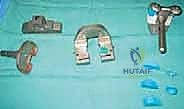
Figure for Spine 2009 MCQs - Part 1 - Question 1

Key Takeaway

This high-yield question set for the AAOS/ABOS exams focuses on core orthopedic spine topics, including diagnosis and management of spinal trauma, degenerative disc disease, and various spinal deformities. It prepares candidates for board examinations.

AAOS Orthopedic Spine MCQs (Part 1): Spinal Trauma & Degenerative Conditions | 2026 Board Review

Comprehensive 100-Question Exam


00:00

Start Quiz

Question 1

Which is the best initial study for the diagnostic evaluation of diskogenic low back pain?


Explanation

Radiography is the best initial study for the evaluation of diskogenic low back pain. The normal degenerative process can be evaluated. Vacuum phenomenon may be found within the disk space. Other possible sources for back pain should also be evaluated. The other tests may be beneficial but represent later imaging options.

Question 2

A patient who is an observant Jehovah's Witness requires major surgery for scoliosis that will likely result in significant blood loss. Which of the following might the patient consider allowing the surgical team to use?


Explanation

Jehovah's Witnesses will not accept the transfusion of blood or blood products such as packed red or white cells, platelets, or plasma. However, many Jehovah's Witnesses will accept the use of a cell saver in a "closed circuit." Jimenez R, Lewis VO (eds): Culturally Competent Care Guidebook. Rosemont, IL, American Academy of Orthopaedic Surgeons, 2007.

Question 3

Which of the following is a contraindication to laminoplasty in a patient with cervical spondylotic myelopathy?


Explanation

Laminoplasty or any posterior decompressive procedure is contraindicated in patients with cervical spondylotic myelopathy and cervical kyphosis. The residual kyphotic posture of the cervical spine results in persistent spinal cord compression. The other choices are not contraindications for laminoplasty. Concomitant cervical radiculopathy can be addressed at the time of laminoplasty with a keyhole foraminotomy. Emery SE: Cervical spondylotic myelopathy: Diagnosis and treatment. J Am Acad Orthop Surg 2001;9:376-388.

Question 4

A 44-year-old man reports persistent left leg pain following a L5-S1 hemilaminotomy and partial diskectomy. Examination shows a grade 4 weakness of the left extensor hallucis longus and a positive left straight leg raise. A radiograph is shown in Figure 1a, and sagittal and axial MRI scans are shown in Figures 1b and 1c. Nonsurgical management consisting of medication, physical therapy, and injections has failed to provide relief. Surgical management should consist of


Explanation

1b 1c The patient has a grade I isthmic spondylolisthesis at L5-S1. He has an L5 radiculopathy with foraminal stenosis. Any further treatment needs to include an arthrodesis and foraminal decompression. Isolated interbody fusion is contraindicated in patients with spondylolisthesis, as is total disk arthroplasty. Therefore, the best procedure is a posterior fusion with instrumentation and bone graft along with a foraminal decompression. Spivak JM, Connolly PJ (eds): Orthopaedic Knowledge Update: Spine 3. Rosemont, IL, American Academy of Orthopaedic Surgeons, 2006, pp 311-317.

Question 5

Bisphosphonates are indicated in the treatment of osteoporosis in patients who have a DEXA T-score of


Explanation

Bisphosphonates are indicated in the treatment of osteoporosis. They have been shown to reduce the incidence of vertebral and extremity fractures in patients with a T-score of less than -1.

Question 6

A 45-year-old man reports that he awoke 2 weeks ago with severe pain in his right arm. Examination reveals weakness in the biceps, brachialis, and wrist extensors. There is decreased sensation in the thumb and index finger and a diminished brachioradialis reflex. Assuming this patient has a posterolateral herniated nucleus pulposus, what level is involved?


Explanation

This is a classic C6 nerve injury, and it is most likely the result of a herniated nucleus pulposus at C5-6. The C5 nerve root controls the elbow flexors, shoulder abductors, and external rotators. The C7 nerve root controls the elbow extensors, wrist pronators, and the triceps reflex. Standaert CJ: The patient history and physical examination: Cervical, thoracic and lumbar, in Herkowitz HN, Garfin SR, Eismont FJ, et al (eds): Rothman-Simeone The Spine, ed 5. Philadelphia, PA, Saunders Elsevier, 2006, vol 1, pp 171-186.

Question 7

A 42-year-old woman underwent an instrumented posterior spinal fusion at L3-S1 with transforaminal lumbar interbody fusion. She had an excellent clinical result with complete resolution of leg pain. Three months later she now reports increasing back pain and weakness in her legs. Examination reveals weakness in the quadriceps and tibialis anterior. Radiographs show no interval changes in the position of the hardware. MRI scans are shown in Figures 2a through 2c. What is the next most appropriate step in management?


Explanation

2b 2c The MRI scans reveal a postoperative infection. Observation and antibiotics are not appropriate choices. There is a large fluid collection and this requires decompression because the patient has neurologic changes. There is considerable debate regarding the removal of hardware. Many contend that biofilm on the implants can harbor the infection. However, these complications usually can be treated with serial irrigations, debridements, and IV antibiotics. The incidence of infection has been widely studied with varying rates in fusions with instrumentation. Rates appear to be increased with instrumentation, yet these infections usually can be managed without hardware removal. Glassman SD, Dimar JR, Puno RM, et al: Salvage of instrumental lumbar fusions complicated by surgical wound infection. Spine 1996;21:2163-2169.

Question 8

What is the primary reason for including the ilium in the distal fixation of long instrumentation constructs in adult scoliosis?


Explanation

Studies have shown that when compared with fixation to the sacrum alone, the success rate of fusion across the lumbosacral junction increases when both the sacrum and ilium are included in the posterolateral construct. Curve correction, coronal balance, and pelvic balance are all attended to within the thoracolumbar spine and are not directly related to the pelvic fixation. Fretting and corrosion are a byproduct of metal-to-metal connections. Islam NC, Wood KB, Transfeldt EE, et al: Extension of fusions to the pelvis in idiopathic scoliosis. Spine 2001;26:166-173.

Question 9

A 60-year-old man is evaluated in the ICU after a rollover motor vehicle accident 3 days ago. He has multiple upper and lower extremity trauma and was found unresponsive at the accident scene. Surgery is planned for the extremity trauma once the patient is medically stable. He remains intubated and the cervical spine is immobilized in a semi-rigid collar. Examination reveals mild erythema in the posterior occipital cervical region. Initial AP and lateral radiographs of the cervical spine have not revealed any obvious fracture. What is the most appropriate treatment option at this time?


Explanation

Ackland and associates demonstrated that the failure to achieve early spinal clearance in an unconscious blunt trauma patient predisposed the patient to increased morbidity secondary to the prolonged used of cervical immobilization. They demonstrated that the four significant predictors of collar-related ulcers were ICU admission, mechanical ventilation, the necessity for cervical MRI, and the time to cervical spine clearance and collar removal. The risk of pressure-related ulceration increased by 66% for every 1-day increase in Philadelphia collar time and this highlights the need for definitive C-spine clearance. Ackland HM, Cooper DJ, Malham GM, et al: Factors predicting cervical collar-related decubitus ulceration in major trauma patients. Spine 2007;32:423-428.

Question 10

A 46-year-old woman who was involved in a motor vehicle accident reports a 4-month history of right-sided lower back pain and pain radiating into the right thigh. The patient underwent an extensive 3-month course of physical therapy and now is dependent on narcotic medication for pain control. Epidural injection therapy has failed to improve her symptoms. Examination is significant for weakness of hip flexion in the seated position and for decreased sensation to light touch in the medial anterior thigh region. Straight leg raise is negative, but the femoral stretch test reproduces anterior thigh pain. A CT myelogram image, at L3-L4, is shown in Figure 3. What is the most appropriate management at this time?


Explanation

The CT scan reveals a right-sided lateral disk protrusion at L3-4 that has been symptomatic for more than 4 months despite appropriate nonsurgical management. Relative surgical indications include persistent radiculopathy despite an adequate trial of nonsurgical management, recurrent episodes of sciatica, persistent motor deficit with tension signs and pain, and pseudoclaudication caused by underlying stenosis. Whereas studies have shown improvement in patients with sciatica from a lumbar disk herniation treated either nonsurgically or surgically, those undergoing surgical treatment had an overall greater improvement of symptoms. Weinstein JN, Lurie JD, Tosteson TD, et al: Surgical vs nonoperative treatment for lumbar disk herniation: The Spine Patient Outcomes Research Trial (SPORT) observational cohort. JAMA 2006;296:2451-2459.

Question 11

A 73-year-old woman reports a 4-month history of severe left-sided posterior buttock pain and left leg pain. The leg pain radiates into the left lateral thigh and posterior calf with cramping. Examination reveals mild difficulty with a single-leg toe raise on the left side and a diminished ankle reflex. There is also a significant straight leg raise test at 45 degrees which exacerbates symptoms. An MRI scan is shown in Figure 4. What is the most appropriate treatment at this time?


Explanation

Lumbar spinal stenosis with lumbar radiculopathy can be commonly caused by a synovial cyst arising from the facet joints. Lyons and associates reported on the surgical treatment of synovial cysts in 194 patients. Of the 147 with follow-up data, 91% reported good pain relief and 82% had improvement of their motor deficits. Epstein reported a 58% to 63% incidence of good/excellent results and a 38 to 42 point improvement on the SF-36 Physical Function Scale. It was also suggested that since the presence of a synovial cyst indicates facet pathology, possible fusion should be considered in these patients, especially those with underlying spondylolisthesis. Lyons MK, Atkinson JL, Wharen RE, et al: Surgical evaluation and management of lumbar synovial cysts: The Mayo Clinic Experience. J Neurosurg 2000;93:53-57. Khan AM, Synnot K, Cammisa FP, et al: Lumbar synovial cysts of the spine: An evaluation of surgical outcome. J Spinal Disord Tech 2005;18:127-131.

Question 12

Osteoporotic vertebral compression fractures are associated with


Explanation

Osteoporotic vertebral compression fractures are associated with neurologic complications in less than 1% of patients. After the initial fracture however, patients have a 20% risk of further fractures. The mortality rate of patients with vertebral fractures exceeds that of patients with hip fractures when they are followed beyond 6 months. Gass M, Dawson-Hughs B: Preventing osteoporosis-related fractures: An overview. Am J Med 2006;119:S3-S11. Lindsay R, Silverman SL, Cooper C, et al: Risk of new vertebral fracture in the year following a fracture. JAMA 2001;285:320-323.

Question 13

When compared to smokers who do not quit, an improvement in the rate of lumbar fusion is seen in patients who cease smoking for at least how many months postoperatively?


Explanation

The effects of cigarette smoking and smoking cessation on spinal fusion have been studied extensively. Although permanent smoking cessation is ideal, significant improvements in fusion rates are seen in patients who avoid smoking for greater than 6 months postoperatively.

Question 14

A 19-year-old woman reports persistent neck pain for 2 years. Pain is relieved with aspirin. A bone scan shows intense uptake in the superior, posterior portion of the C3 vertebral body. A sagittal CT reconstruction is shown in Figure 5. Treatment should consist of


Explanation

The CT scan shows an osteoblastic nidus pathognomic for an osteoid osteoma. Surgical treatment should include an en bloc excision of the lesion. Surgical treatment is not mandatory because the lesion often becomes asymptomatic over time. This lesion is not amenable to radiofrequency ablation due to its proximity to the spinal cord. A complete corpectomy is not necessary to adequately resect the lesion, as only the nidus needs to be removed. Radiation therapy and antibiotics are not appropriate treatments for an osteoid osteoma. Posterior C2-C3 fusion will not address the pathology. Spivak JM, Connolly PJ (eds): Orthopaedic Knowledge Update: Spine 3. Rosemont, IL, American Academy of Orthopaedic Surgeons, 2006, pp 351-366.

Question 15

A 56-year-old man with a history of chronic lower back pain from lumbar spondylosis reports a 2-day history of acute incapacitating back pain. He denies any history of acute trauma, although he reports the pain starting after a coughing spell. He also reports difficulty urinating and some fecal incontinence. Examination reveals generalized lower extremity weakness, saddle paresthesia, hyporeflexia in the lower extremities, and loss of rectal tone. What is the most appropriate management at this time?


Explanation

Cauda equina syndrome is a medical emergency that must be quickly diagnosed and treated to avoid long-term complications. Cauda equina syndrome typically presents with low back pain, unilateral or usually bilateral sciatica, saddle sensory disturbances, bladder and bowel dysfunction, and variable lower extremity motor and sensory loss. Although a number of pathologies can cause cauda equina syndrome, in a patient with a history of chronic back pain, disk pathology is the most common cause of acute onset cauda equina syndrome. Whereas radiographs may be useful in a traumatic onset of symptoms, MRI is the most appropriate study. Cauda equina syndrome should be evaluated on an emergent basis and admission for work-up is appropriate. Ahn UM, Ahn NU, Buchowski JM, et al: Cauda equina syndrome secondary to lumbar disc herniation: A meta-analysis of surgical outcomes. Spine 2000;25:1515-1522.

Question 16

A 55-year-old woman with a long history of low back and left lower extremity pain has failed to respond to exhaustive nonsurgical management. MRI scans show bulging and degeneration at L3-4 and L4-5 as well as a normal disk at L2-3 and L5-S1. She undergoes provocative lumbar diskography at L3-4, L4-5, and L5-S1. Post-diskography axial CT images of L3-4 and L4-5 are shown in Figures 6a and 6b, respectively. The injections at L3-4 and L4-5 produce no pain. The injection at L5-S1 produces 10/10 concordant back pain with radiation to the lower extremity. What is the most appropriate recommendation at this time?


Explanation

6b The results of this patient's lumbar diskography are equivocal at best. The two disks most likely to be her pain generators, based on their MRI appearance, produced 10/10 pain, however it was nonconcordant and did not reproduce any of her typical left-sided radicular symptoms. The only disk that produced concordant back pain was the normal disk at the L5-S1 level and it reproduced radicular symptoms on the side opposite of her typical pain. Based on these findings, it would be difficult to select a level or levels to include in a lumbar fusion. As such, continued nonsurgical management is the safest treatment option at the current time. Brox and associates reported on a randomized clinical trial comparing lumbar fusion to cognitive intervention and exercise and found similar results in both groups, with significantly less risk in the latter. Brox JI, Sorensen R, Friis A, et al: Randomized clinical trial of lumbar instrumented fusion and cognitive intervention and exercises in patients with chronic low back pain and disc degeneration. Spine 2003;28:1913-1921.

Question 17

A 36-year-old woman is brought to the emergency department intubated and sedated following a motor vehicle accident. She is moving her upper and lower extremities spontaneously. She cannot follow commands. CT scans are shown in Figures 7a through 7c. The initial survey does not reveal any other injuries. Initial management of the cervical injury should consist of immediate


Explanation

7b 7c The patient has a bilateral facet dislocation of C6-C7 with preservation of at least some neurologic function. Urgent reduction is necessary. However, because she is sedated and unable to follow commands, an MRI scan is necessary before any closed or open posterior reduction to look for an associated disk herniation. If a disk herniation is present, it must be removed prior to any reduction maneuver to prevent iatrogenic neurologic injury. It is very unlikely that this injury can be reduced with an open anterior procedure alone. Spivak JM, Connolly PJ (eds): Orthopaedic Knowledge Update: Spine 3. Rosemont, IL, American Academy of Orthopaedic Surgeons, 2006, pp 189-199.

Question 18

A 51-year-old woman with no preoperative neurologic deficit is undergoing elective anterior cervical diskectomy and fusion (ACDF) with plating and fusion for a C5-6 disk herniation with right-sided neck pain. Thirty minutes into the surgery the neurophysiologic monitoring shows a rapid drop and then loss of amplitude in the right cortical somatosensory-evoked potential waveform. All other waveforms remained normal and unchanged, including right-sided cervical (subcortical) and peripheral (Erb's point), and those from the left-sided upper extremity and both lower extremities. What is the most likely cause of the change?


Explanation

The change noted is focal and confined to the cortex, sparing the opposite side, both lower extremities, and the subcortical waveforms, making all the choices unlikely with the exception of carotid compression with focal cortical ischemia. This may be associated with poor collateral flow from the opposite hemisphere due to an incomplete circle of Willis. Drummond JC, Englander RN, Gallo CJ: Cerebral ischemia as an apparent complication of anterior cervical discectomy in a patient with an incomplete circle of Willis. Anesth Analg 2006;102:896-899.

Question 19

A 68-year-old woman undergoes a complicated four-level anterior cervical diskectomy and fusion at C3-7 with iliac crest bone graft and instrumentation for multilevel cervical stenosis. Surgical time was approximately 6 hours and estimated blood loss was 800 mL. Neuromonitoring was stable throughout the procedure. The patient's history is significant for smoking. The most immediate appropriate postoperative management for this patient should include


Explanation

Airway complications after anterior cervical surgery can be a catastrophic event necessitating emergent intubation for airway protection. Multilevel surgeries requiring long intubation and prolonged soft-tissue retraction as well as preexisting comorbidities may predispose a patient to postoperative airway complications. Sagi and associates reported that surgical times greater than 5 hours, blood loss greater than 300 mL, and multilevel surgery at or above C3-4 are risk factors for airway complications. In surgical procedures with the aforementioned factors, serious consideration should be given to elective intubation for 1 to 3 days to avoid urgent reintubation. Sagi HC, Beutler W, Carroll E, et al: Airway complications associated with surgery on the anterior cervical spine. Spine 2002;27:949-953. Epstein NE, Hollingsworth R, Nardi D, et al: Can airway complications following multilevel anterior cervical surgery be avoided? J Neurosurg 2001;94:185-188.

Question 20

A 22-year-old woman reports a 4-year history of worsening low back and left lower extremity pain following a motor vehicle accident. Management consisting of physical therapy, chiropractic manipulation, and interventional pain management, including sacroiliac joint injections and epidural steroid injections, has failed to provide relief. A sagittal T2-weighted MRI scan is shown in Figure 8. No nerve root compression is seen on axial images. She is currently working and lives with her fiancé. She smokes half a pack of cigarettes per day and reports depression on her health history. She is being maintained on narcotic analgesics and is having increasing difficulty performing her activities of daily living secondary to pain. What is the most appropriate management at this time?


Explanation

The MRI scan reveals a rudimentary disk at the L5-S1 level, suggesting transitional anatomy. There is a posterior disk bulge at L3-4. At L4-5, there is disk desiccation and loss of disk height, with a posterior disk bulge and a high intensity zone in the posterior annulus, suggesting an annular tear. While these and similar radiographic findings have been associated with the severity of a patient's pain, they are also commonly found in cross-sectional studies of asymptomatic subjects. Carragee and associates found 59% of symptomatic patients undergoing diskography have high intensity zones as compared to 25% of asymptomatic subjects of a similar patient profile. Diskographic injections provoked pain in disks with high intensity zones approximately 70% of the time whether the individual was previously symptomatic or not. This patient's non-specific pain pattern does not require further work-up as she is not a surgical candidate. Carragee EJ, Paragioudakis SJ, Khurana S: 2000 Volvo Award winner in clinical studies: Lumbar high-intensity zone and discography in subjects without low back problems. Spine 2000;25:2987-2992. Pneumaticos SG, Reitman CA, Lindsey RW: Diskography in the evaluation of low back pain. J Am Acad Orthop Surg 2006;14:46-55. Brox JI, Sorensen R, Friis A, et al: Randomized clinical trial of lumbar instrumented fusion and cognitive intervention and exercises in patients with chronic low back pain and disc degeneration. Spine 2003;28:1913-1921.

Question 21

A 42-year-old man with a history of renal cell carcinoma has progressive weakness in the lower extremities for the past 3 weeks. The patient desires intervention. A sagittal T2-weighted MRI scan is shown in Figure 9a, and a sagittal contrast enhanced T1-weighted MRI scan is shown in Figure 9b. He currently ambulates minimal distances with a walker. His life expectancy is 8 months. Treatment of the spine lesion should consist of


Explanation

9b The MRI scans show a metastatic lesion in two contiguous vertebral bodies in the lower thoracic spine. Posterior laminectomy is not indicated because this does not adequately decompress the neural elements and will lead to progressive kyphosis. A posterior fusion may prevent progressive kyphosis but will not decompress the spinal cord. Renal cell carcinoma is not radiosensitive; therefore, radiation therapy would not be helpful in relieving neurologic compression. The lesion should be treated by an anterior corpectomy and reconstruction. This will allow for complete decompression as well as reconstruction of the anterior column. Kyphoplasty is not indicated in a lesion with disruption of the posterior cortex and neurologic impairment. Spivak JM, Connolly PJ (eds): Orthopaedic Knowledge Update: Spine 3. Rosemont, IL, American Academy of Orthopaedic Surgeons, 2006, pp 351-366.

Question 22

A 40-year-old man has intractable pain following 2 years of nonsurgical management for high-grade spondylolisthesis. What is the best surgical option?


Explanation

Circumferential fusion is the preferred choice for patients undergoing revision surgery following failed posterolateral fusions for isthmic spondylolisthesis as well as for those patients having primary surgery for high-grade isthmic spondylolisthesis.

Question 23

An adult patient with a grade I isthmic spondylolisthesis at L5-S1 is most likely to have weakness of the


Explanation

Adult patients with isthmic spondylolisthesis most commonly have neurologic symptoms due to foraminal stenosis at the level of the spondylolisthesis. In this scenario, the patient is most likely to have weakness of the L5 myotome, which would cause weakness of the extensor hallucis longus. Spivak JM, Connolly PJ (eds): Orthopaedic Knowledge Update: Spine 3. Rosemont, IL, American Academy of Orthopaedic Surgeons, 2006, pp 311-317.

Question 24

When performing a long fusion to the sacrum in an osteopenic patient in whom optimal sagittal balance is restored, which of the following is a benefit of extending the distal fixation to the pelvis, rather than the sacrum alone?


Explanation

In osteopenic individuals, even those with excellent obtained or maintained balance, long instrumented fusions to the sacrum impart a high degree of strain, and the sacrum may fail in a transverse fracture or fracture-dislocation pattern. The risk of proximal functional kyphosis is unrelated to distal fixation as are coronal plane correction and rod contouring. Pubic ramus fractures have been shown to be associated with both fixation to the sacrum alone as well as to the ilium.

Question 25

Which of the following statements describing chordomas is false?


Explanation

Casali and associates provided a recent review of the treatment options for chordomas. These tumors are not radiosensitive; however, modern intensity modulated radiosurgery techniques may be of value. The combination of surgery and radiotherapy compared to surgery alone results in the same disease-free survival time. Complete surgical resection of the chondroma with clean margins offers the best survival; however, its location may make total removal impossible. Thus subtotal resection followed by radiotherapy results in better survival despite the tumor's lack of radiosensitivity.

Question 26

A 35-year-old male suffers a traumatic unilateral C5-C6 facet dislocation following a motor vehicle collision. He is neurologically intact. An urgent MRI reveals a large, extruded disc herniation posterior to the C5 body. What is the most appropriate initial management?


Explanation

In the presence of a significant disc herniation, closed reduction of a cervical facet dislocation is contraindicated due to the risk of displacing the disc into the canal and causing cord injury. An anterior approach (ACDF) is required to remove the disc before reducing the dislocation.

Question 27

An 82-year-old man falls from standing and sustains a Type II odontoid fracture with 3 mm of posterior displacement. His neurologic examination is completely normal. What is the most appropriate management?


Explanation

In elderly patients (typically >80 years) with Type II odontoid fractures, rigid collar immobilization is generally preferred. This avoids the high morbidity and mortality associated with both halo vest application and operative intervention in this age group, despite inherently lower union rates.

Question 28

A 68-year-old man with known cervical spondylosis presents after a hyperextension injury. He exhibits severe weakness in his bilateral upper extremities but only mild weakness in his lower extremities. What is the most likely pathophysiological mechanism of his spinal cord injury?


Explanation

Central cord syndrome typically occurs in older patients with pre-existing cervical spondylosis who sustain a hyperextension injury. The spinal cord is contused between anterior osteophytes and the bulging posterior ligamentum flavum, disproportionately affecting the centrally located cervical motor tracts.

Question 29

A 25-year-old man falls from a roof and sustains an L1 burst fracture. He is neurologically intact. CT scan shows 30% canal compromise and kyphosis of 15 degrees. MRI confirms an intact posterior ligamentous complex (PLC). What is the most appropriate management?


Explanation

Thoracolumbar burst fractures in neurologically intact patients with an intact posterior ligamentous complex (TLICS score < 4) can be treated successfully with a rigid brace (TLSO). Surgery is not indicated for stable burst fractures without neurologic deficit.

Question 30

A 55-year-old man with long-standing ankylosing spondylitis presents to the emergency department after a minor ground-level fall, complaining of severe, new-onset neck pain. Initial plain radiographs of the cervical spine are interpreted as normal. His neurologic exam is intact. What is the most appropriate next step?


Explanation

Patients with ankylosing spondylitis are at high risk for highly unstable, occult spinal fractures even after minor trauma. If plain films are negative or inadequately visualize the cervicothoracic junction, a CT scan is mandatory to rule out a fracture.

Question 31

A 65-year-old woman presents with severe neurogenic claudication and lower back pain. Imaging reveals a Grade I degenerative spondylolisthesis at L4-L5. She has failed 6 months of conservative management including physical therapy and epidural steroid injections. What is the most appropriate surgical treatment?


Explanation

For symptomatic degenerative spondylolisthesis failing conservative treatment, surgical decompression combined with instrumented posterolateral fusion provides better long-term clinical outcomes than decompression alone, as it prevents progressive instability.

Question 32

A 70-year-old man presents with progressive hand clumsiness, frequent falls, and a positive Hoffman's sign. MRI shows severe cervical stenosis at C3-C6 with cord signal changes. Radiographs demonstrate a fixed cervical kyphosis of 15 degrees. Which surgical approach is most appropriate?


Explanation

In a patient with cervical spondylotic myelopathy and a fixed kyphotic deformity, posterior-only decompression (like laminectomy or laminoplasty) is contraindicated as the spinal cord will not drift back. An anterior approach allows for direct decompression and correction of kyphosis.

Question 33

A 14-year-old female gymnast complains of localized low back pain exacerbated by extension activities. Oblique lumbar radiographs demonstrate a "Scotty dog with a collar" sign. What is the precise anatomical location of the defect indicated by the "collar"?


Explanation

The "collar" on the Scotty dog sign seen on oblique lumbar radiographs represents a defect or fracture in the pars interarticularis, which is the pathognomonic hallmark of spondylolysis.

Question 34

A 45-year-old male presents with severe low back pain, bilateral sciatica, saddle anesthesia, and acute urinary retention. A post-void bladder ultrasound reveals a residual volume of 400 mL. What is the most critical next step in management?


Explanation

Cauda equina syndrome is an orthopedic emergency. The patient requires an urgent MRI to confirm the diagnosis (typically a massive central disc herniation) followed by prompt surgical decompression to prevent permanent neurological deficits.

Question 35

A 30-year-old man survives a high-speed motor vehicle accident and is diagnosed with a traumatic spondylolisthesis of the axis (Hangman's fracture). What is the most common classic mechanism of injury for this fracture in modern trauma settings?


Explanation

Traumatic spondylolisthesis of the axis (Hangman's fracture) in modern trauma is most commonly caused by hyperextension combined with axial loading (e.g., forehead striking the dashboard), unlike judicial hangings which involve hyperextension and distraction.

Question 36

A 22-year-old diver hits his head on the bottom of a pool. Radiographs reveal a burst fracture of the C1 ring (Jefferson fracture). An open-mouth odontoid view shows an asymmetric overhang of the C1 lateral masses on C2 totaling 8 mm. This finding indicates disruption of which critical stabilizing structure?


Explanation

The Rule of Spence dictates that a combined overhang of the C1 lateral masses on C2 of greater than 6.9 mm on an AP open-mouth radiograph implies disruption of the transverse ligament, rendering the C1 ring fracture highly unstable.

Question 37

A 40-year-old man presents with right-sided radiating leg pain, weakness in ankle dorsiflexion, and decreased sensation over the medial aspect of the foot. His patellar reflex is noticeably diminished. Which spinal nerve root is most likely compressed?


Explanation

The L4 nerve root provides motor innervation for ankle dorsiflexion (tibialis anterior), sensory innervation to the medial foot, and mediates the patellar tendon reflex. This is commonly compressed by an L3-L4 posterolateral disc herniation or an L4-L5 far lateral herniation.

Question 38

A 72-year-old man with lumbar spinal stenosis experiences significant neurogenic claudication while walking. Which of the following postures typically provides symptomatic relief, and what is the biomechanical reason?


Explanation

Patients with lumbar spinal stenosis often lean forward (shopping cart sign) because spinal flexion increases the anteroposterior diameter of the spinal canal and neural foramina, relieving compression on the cauda equina.

Question 39

A 16-year-old female presents after a high-speed motor vehicle collision where she was wearing only a lap belt. Imaging shows a horizontal fracture through the spinous process, pedicles, and vertebral body of L2 (Chance fracture). Which associated injury must be actively ruled out in this patient?


Explanation

Chance fractures are flexion-distraction injuries highly associated with lap-belt use. Up to 50% of patients with a Chance fracture have an associated intra-abdominal hollow viscus injury (e.g., bowel perforation), which requires immediate general surgery evaluation.

Question 40

A 38-year-old woman presents with chronic axial low back pain. An MRI of her lumbar spine demonstrates Modic Type I changes at the L4-L5 endplates. What specific histological changes do Modic Type I signals represent?


Explanation

Modic Type I changes on MRI (hypointense on T1, hyperintense on T2) represent fibrovascular replacement and edema of the subchondral bone marrow. Modic Type II represents fatty replacement, and Type III represents sclerotic bone.

Question 41

A 50-year-old woman presents with progressive leg weakness and hyperreflexia. MRI reveals a large, calcified central T8-T9 disc herniation causing severe cord compression. Which of the following surgical approaches is generally considered an absolute contraindication?


Explanation

Standard posterior laminectomy is strictly contraindicated for central thoracic disc herniations. Retracting the thoracic spinal cord to access a central disc is highly likely to cause permanent neurological injury due to the cord's limited vascularity and mobility.

Question 42

A 60-year-old Asian male presents with progressive spastic gait and hand clumsiness. Radiographs and CT scans display a dense, flowing calcification along the posterior aspect of the cervical vertebral bodies extending from C3 to C6, severely narrowing the canal. What is the most likely diagnosis?


Explanation

OPLL is characterized by abnormal calcification of the posterior longitudinal ligament, most commonly in the cervical spine. It frequently presents in East Asian populations and causes progressive cervical myelopathy due to canal stenosis.

Question 43

In the evaluation of adult spinal deformity, which of the following spinopelvic parameters is considered a fixed, position-independent anatomical constant for an individual after they reach skeletal maturity?


Explanation

Pelvic incidence (PI) is a morphological parameter that becomes fixed after skeletal maturity. It is critical in pre-operative planning as it dictates the required amount of lumbar lordosis for a balanced spine (LL = PI ± 9 degrees).

Question 44

A 45-year-old man presents after a motor vehicle collision with bilateral jumped facets at C5-C6. He has 0/5 strength in his deltoids and biceps bilaterally, and no sensation below the shoulders. He is fully awake and cooperative. What is the most appropriate next step in management after initial ATLS resuscitation?


Explanation

For a patient with a neurologic deficit and bilateral facet dislocation who is awake and alert, emergent closed reduction is recommended before MRI to rapidly decompress the spinal cord. Awake closed reduction allows continuous neurologic monitoring during the procedure.

Question 45

According to the Rule of Spence, an injury to the transverse atlantal ligament should be highly suspected in a Jefferson (C1) burst fracture if the combined overhang of the C1 lateral masses on C2 exceeds which of the following measurements on an open-mouth odontoid view?


Explanation

A combined lateral mass overhang of C1 on C2 of 6.9 mm or greater on an AP open-mouth radiograph indicates a rupture of the transverse atlantal ligament. This suggests instability requiring halo immobilization or surgical stabilization.

Question 46

A 65-year-old man with a history of severe cervical spondylosis sustains a hyperextension injury. He presents with 2/5 strength in his upper extremities and 4/5 strength in his lower extremities. Which of the following spinal cord syndromes is he most likely experiencing?


Explanation

Central cord syndrome typically occurs after hyperextension injuries in older patients with pre-existing cervical stenosis. It is characterized by disproportionate motor impairment, with greater weakness in the upper extremities compared to the lower extremities.

Question 47

Which of the following surgical factors is considered the strongest independent risk factor for the development of adjacent segment disease requiring surgery after an anterior cervical discectomy and fusion (ACDF)?


Explanation

Placement of an anterior cervical plate less than 5 mm from the adjacent unfused disc space significantly increases the risk of adjacent segment ossification and subsequent adjacent segment disease.

Question 48

A 55-year-old woman presents with persistent, severe right leg pain radiating down the lateral aspect of her leg to the dorsum of her foot. Examination reveals weakness in extensor hallucis longus and decreased sensation over the first dorsal web space. An MRI shows a far-lateral (extraforaminal) disc herniation at the L5-S1 level. Which nerve root is most likely compressed?


Explanation

Far-lateral (extraforaminal) disc herniations compress the exiting nerve root at the same level. Therefore, a far-lateral disc herniation at L5-S1 compresses the L5 nerve root, leading to EHL weakness and dorsal web space numbness.

Question 49

What is the most common neurologic complication following a multilevel posterior cervical laminectomy and fusion for cervical spondylotic myelopathy?


Explanation

C5 palsy is a well-documented complication occurring in 5-10% of patients following posterior cervical decompression. It is believed to be caused by posterior cord shift and tethering of the relatively short C5 nerve roots.

Question 50

A 35-year-old man falls from a height and sustains a thoracolumbar fracture. CT shows a burst fracture of L1 with splaying of the posterior elements indicating a posterior ligamentous complex (PLC) injury. Neurologic examination is normal. Based on the Thoracolumbar Injury Classification and Severity Score (TLICS), what is the most appropriate treatment?


Explanation

This patient has a burst fracture (2 points), a disrupted PLC indicated by splayed posterior elements (3 points), and intact neurology (0 points), totaling a TLICS score of 5. A score greater than 4 is an indication for surgical stabilization.

Question 51

A 75-year-old man with long-standing ankylosing spondylitis presents with severe back pain after a minor fall. Plain radiographs show no obvious fracture. What is the most appropriate next step in management?


Explanation

Patients with ankylosing spondylitis have a highly rigid, osteoporotic spine and are at high risk for unstable, occult fractures even after minor trauma. Advanced imaging (CT or MRI) of the entire spine is mandatory if a fracture is suspected to avoid devastating neurologic injury.

Question 52

Which of the following parameters is the most critical risk factor for predicting nonunion with nonoperative management of a Type II odontoid fracture in an elderly patient?


Explanation

In Type II odontoid fractures, initial displacement greater than 5 mm, angulation greater than 10 degrees, and age greater than 65 years are significant risk factors for nonunion with halo vest or collar immobilization.

Question 53

A 40-year-old man presents with bilateral radicular leg pain, saddle anesthesia, and urinary retention for the past 12 hours. MRI confirms a massive L4-L5 central disc herniation. Within what timeframe from symptom onset should surgical decompression ideally be performed to maximize the recovery of bladder/bowel function?


Explanation

Surgical decompression for cauda equina syndrome should ideally be performed within 48 hours of symptom onset. Decompression within this window maximizes the likelihood of significant neurologic recovery, particularly for sphincter function.

Question 54

A 60-year-old woman with advanced rheumatoid arthritis presents with progressively worsening neck pain and myelopathic symptoms (clumsiness in her hands). Radiographs reveal an anterior atlantodental interval (ADI) of 11 mm. What is the most appropriate definitive management?


Explanation

An ADI greater than 9 mm in a patient with rheumatoid arthritis, or the presence of clinical myelopathy, indicates a high risk for irreversible neurologic compromise. Posterior C1-C2 fusion is the preferred surgical treatment for isolated atlantoaxial instability.

Question 55

What is the primary mechanism of injury causing a Chance fracture of the thoracolumbar spine?


Explanation

A Chance fracture is a flexion-distraction injury, classically associated with lap-belt use in motor vehicle accidents. It typically features a horizontal fracture line through the spinous process, pedicles, and vertebral body.

Question 56

In patients who sustain a flexion-distraction (Chance) fracture of the lumbar spine, which of the following associated injuries must be highly suspected?


Explanation

Flexion-distraction injuries (Chance fractures) have a very high association with intra-abdominal trauma. Hollow viscus injuries, particularly of the small bowel, occur in up to 40% of these cases.

Question 57

A patient undergoes an anterior cervical discectomy and fusion (ACDF) for C6-C7 radiculopathy. Postoperatively, the patient is noted to have a hoarse voice that does not resolve. Which nerve was most likely injured during the surgical approach?


Explanation

The recurrent laryngeal nerve is at risk during the anterior approach to the lower cervical spine. Injury results in vocal cord paralysis and persistent hoarseness, and is historically more common with right-sided approaches.

Question 58

A 68-year-old man is diagnosed with lumbar spinal stenosis. He reports neurogenic claudication that limits his walking distance to one block. Which of the following postural changes typically relieves his leg symptoms?


Explanation

Neurogenic claudication is characteristically relieved by lumbar flexion (e.g., sitting or leaning forward on a shopping cart). Flexion increases the cross-sectional area of the spinal canal and neural foramina, temporarily relieving nerve root compression.

Question 59

During the placement of a halo vest, the anterior pins must be placed in a designated "safe zone" to avoid neurovascular injury. Which two nerves are primarily at risk if the anterior pins are placed too medially?


Explanation

The safe zone for anterior halo pins is located approximately 1 cm above the lateral one-third of the eyebrow. Medial placement endangers the supraorbital and supratrochlear nerves, while lateral placement risks the temporalis muscle.

Question 60

Which of the following MRI sequences is most sensitive and specific for the early detection of spinal epidural abscess and discitis/osteomyelitis?


Explanation

A T1-weighted MRI with Gadolinium enhancement is the gold standard and most sensitive imaging modality for evaluating discitis and epidural abscesses. It demonstrates characteristic enhancement of the infected tissues.

Question 61

A 30-year-old man presents with a gunshot wound to the T12 level resulting in complete paraplegia (ASIA A) below the umbilicus. A CT scan shows a bullet fragment retained entirely within the spinal canal. There is no cerebrospinal fluid leak. What is the recommended surgical management?


Explanation

In complete spinal cord injuries (ASIA A) caused by gunshot wounds without an active CSF leak or severe mechanical instability, surgical extraction of the bullet provides no neurologic benefit. Surgery may only increase the risk of complications such as infection.

Question 62

Ossification of the posterior longitudinal ligament (OPLL) is most commonly found in which region of the spine and in which demographic group?


Explanation

OPLL most commonly affects the cervical spine and has the highest prevalence in East Asian populations, particularly Japanese males. It causes progressive narrowing of the spinal canal, leading to cervical myelopathy.

Question 63

An 82-year-old man presents with a Type II odontoid fracture after a mechanical fall. His neurologic examination is normal. If conservative management is chosen, which of the following orthoses is associated with the highest morbidity and mortality in this specific patient population?


Explanation

Halo vest immobilization in elderly patients (>65 years) is associated with high morbidity and mortality due to respiratory complications and dysphagia. Rigid cervical collars are generally preferred as the initial nonoperative treatment in this cohort, despite a higher nonunion rate.

Question 64

A 68-year-old man with underlying cervical spondylosis sustains a hyperextension injury. He presents with 2/5 motor strength in his upper extremities and 4/5 in his lower extremities. The disproportionate upper extremity weakness is primarily due to damage to which of the following spinal cord tracts?


Explanation

Central cord syndrome preferentially affects the medial aspect of the lateral corticospinal tracts, which contain motor fibers innervating the upper extremities. Lower extremity fibers are located more laterally within the tract and are relatively spared.

Question 65

A 22-year-old female presents after a high-speed motor vehicle collision. Radiographs demonstrate a flexion-distraction injury (Chance fracture) at L1. Which of the following is the most commonly associated concomitant injury?


Explanation

Chance fractures are typically caused by seatbelt injuries and involve failure of the posterior and middle columns under tension. They have a high association (up to 40-50%) with intra-abdominal hollow viscus injuries, such as bowel perforations.

Question 66

A 65-year-old male with long-standing ankylosing spondylitis presents with severe neck pain following a ground-level fall. Initial plain radiographs of the cervical spine are read as 'unremarkable.' His neurologic exam is intact. What is the most appropriate next step in management?


Explanation

Patients with ankylosing spondylitis have highly brittle, osteopenic spines and are at extreme risk for highly unstable fractures even from low-energy trauma. Plain films routinely miss these fractures due to altered anatomy, making a CT scan of the entire spine the gold standard for initial evaluation.

Question 67

A 71-year-old woman complains of bilateral posterior leg pain and cramping that worsens after walking two blocks. Which of the following historical or physical examination findings most reliably differentiates neurogenic claudication from vascular claudication?


Explanation

Leaning forward flexes the lumbar spine, which increases the cross-sectional area of the spinal canal and neural foramina, temporarily relieving symptoms of neurogenic claudication. Vascular claudication is relieved by resting or standing still, regardless of spine posture.

Question 68

In a patient presenting with an L4-L5 degenerative spondylolisthesis, which specific neural structure is most commonly compressed, leading to radicular symptoms?


Explanation

Degenerative spondylolisthesis typically causes lateral recess stenosis rather than severe foraminal stenosis. At the L4-L5 level, this lateral recess narrowing most commonly compresses the traversing L5 nerve root.

Question 69

A 45-year-old male presents with severe acute lower back pain, bilateral sciatica, and perineal numbness. Which of the following is the most sensitive early clinical indicator of cauda equina syndrome?


Explanation

Urinary retention, often evaluated via a post-void residual ultrasound, is the most sensitive early symptom of cauda equina syndrome, with a sensitivity exceeding 90%. Fecal incontinence and profound motor deficits are typically late signs.

Question 70

A patient with cervical spondylotic myelopathy demonstrates a positive Hoffmann sign. This clinical finding indicates compression or dysfunction of which of the following structures?


Explanation

A positive Hoffmann sign represents an upper motor neuron lesion and indicates compression of the corticospinal tract in the cervical spinal cord. It manifests as reflexive flexion of the thumb and index finger when the middle finger distal phalanx is flicked.

Question 71

A 24-year-old male arrives in the trauma bay following a C5 ASIA A spinal cord injury. His blood pressure is 85/50 mmHg and heart rate is 52 bpm. What is the primary pathophysiologic mechanism responsible for his hemodynamic instability?


Explanation

Neurogenic shock occurs due to disruption of descending sympathetic pathways in the cervical or upper thoracic cord, leading to loss of sympathetic vasomotor tone. This results in unopposed parasympathetic vagal tone, causing the classic triad of hypotension, bradycardia, and peripheral vasodilation.

Question 72

A 30-year-old male sustained a traumatic spondylolisthesis of the axis (Hangman's fracture). Imaging demonstrates a fracture line passing obliquely from anterior-inferior to posterior-superior with severe C2-C3 disc disruption and facet subluxation (Type IIa). Which of the following treatments is absolutely contraindicated in this specific subtype?


Explanation

Type IIa Hangman's fractures involve a flexion-distraction injury mechanism, creating an atypical fracture line and severe C2-C3 disc disruption. Cervical traction is absolutely contraindicated because it will further distract the highly unstable C2-C3 disc space and stretch the spinal cord.

Question 73

A 68-year-old male with a known history of ankylosing spondylitis presents to the emergency department after a mechanical fall from standing. He reports severe lower cervical pain. Initial neurologic examination is normal. Two hours later, he develops progressive weakness in both upper and lower extremities. What is the most appropriate next step in management?


Explanation

Patients with ankylosing spondylitis are at high risk for occult, highly unstable fractures and epidural hematomas even following minor trauma. Urgent MRI is the gold standard when neurological deterioration occurs to evaluate for epidural hematoma or spinal cord compression.

Question 74

A 15-year-old female gymnast presents with persistent, activity-limiting low back pain for 8 months. Radiographs demonstrate bilateral L5 pars interarticularis defects with no evidence of spondylolisthesis. She has failed a 6-month trial of bracing, rest, and physical therapy. What is the most appropriate surgical management?


Explanation

In a young athlete with a symptomatic pars defect (spondylolysis) without spondylolisthesis that has failed conservative care, a direct pars repair is indicated. This approach preserves the motion segment and allows a return to high-demand activities.

Question 75

A 35-year-old male is brought to the trauma bay after a high-speed motor vehicle collision. He is awake, alert, and cooperative. Imaging reveals a bilateral cervical facet dislocation at C5-C6. Neurologic exam reveals 3/5 strength in the bilateral upper extremities and intact sensation. According to current guidelines, what is the most appropriate immediate step in management?


Explanation

In an awake, alert, and cooperative patient with a cervical facet dislocation and a neurologic deficit, immediate closed reduction with cranial traction is indicated prior to obtaining an MRI. MRI is indicated if the patient cannot cooperate, fails closed reduction, or deteriorates neurologically.

Question 76

Which of the following physical examination findings is highly specific for cervical spondylotic myelopathy and indicates both a lower motor neuron lesion at the level of compression and an upper motor neuron lesion below?


Explanation

Brachioradialis reflex inversion (eliciting reflex finger flexion or triceps extension instead of elbow flexion) indicates a lower motor neuron lesion at C5/C6 and an upper motor neuron lesion below. It is a highly specific sign for cervical myelopathy.

Question 77

A 72-year-old male falls forward, striking his chin, resulting in a hyperextension injury of the neck. He subsequently develops weakness that is significantly more pronounced in his upper extremities than his lower extremities. This clinical presentation is primarily due to injury to which aspect of the spinal cord?


Explanation

Central cord syndrome typically injures the medial portion of the lateral corticospinal tracts. Due to somatotopic organization, this medial damage predominantly affects the motor function of the upper extremities over the lower extremities.

Question 78

A 54-year-old male presents with severe right leg pain. MRI of the lumbar spine reveals a far lateral (extraforaminal) disc herniation at the L4-L5 level. Which nerve root is most likely compressed by this specific herniation?


Explanation

In the lumbar spine, an extraforaminal (far lateral) disc herniation compresses the exiting nerve root at that specific level. At L4-L5, the L4 root is the exiting root, whereas a paracentral herniation at the same level would affect the traversing L5 root.

Question 79

An 84-year-old female with multiple medical comorbidities sustains a Type II odontoid fracture with 3 mm of posterior displacement following a low-energy fall. She is neurologically intact. What is the most appropriate initial management?


Explanation

In frail, elderly patients with Type II odontoid fractures, there is an unacceptably high morbidity and mortality associated with both halo vest application and surgical intervention. A rigid cervical orthosis is the preferred initial treatment for this demographic.

Question 80

A 28-year-old male is evaluated after a fall from a height of 10 feet. CT scans show an L1 burst fracture with 20 degrees of kyphosis and 30% canal compromise. The posterior ligamentous complex is intact. He is neurologically intact. Using the Thoracolumbar Injury Classification and Severity (TLICS) system, what is the recommended management?


Explanation

The TLICS score for this patient is 2: burst fracture mechanism (2), intact neurology (0), and intact posterior ligamentous complex (0). Scores of 3 or less dictate non-operative management, typically with a TLSO brace.

Question 81

A 62-year-old female who underwent an L4-S1 posterior instrumented fusion 5 years ago now presents with new-onset L3 radiculopathy. Imaging reveals significant stenosis and listhesis at L3-L4. Which of the following is considered the most significant surgical risk factor for developing adjacent segment disease (ASD)?


Explanation

Sagittal malalignment, specifically the failure to restore adequate lumbar lordosis during the index fusion procedure, is the most significant biomechanical risk factor for accelerating adjacent segment disease.

Question 82

A 22-year-old female involved in a head-on motor vehicle collision while wearing a lap-only seatbelt sustains a flexion-distraction injury (Chance fracture) of L2. Based on the mechanism of injury, she should be urgently evaluated for which highly associated concomitant injury?


Explanation

Chance fractures are flexion-distraction injuries commonly caused by a lap seatbelt acting as a fulcrum. They carry a 40-50% association with concurrent intra-abdominal injuries, particularly hollow viscus ruptures.

Question 83

A 45-year-old male presents with right-sided neck pain radiating to the thumb and index finger. On physical examination, he has a diminished brachioradialis reflex and 4/5 strength in wrist extension. Which cervical disc level is most likely herniated?


Explanation

A C5-C6 disc herniation compresses the C6 nerve root. A C6 radiculopathy classically presents with weakness in wrist extension, a diminished brachioradialis reflex, and paresthesias in the thumb and index finger.

Question 84

A 33-year-old male sustains a severe pelvic crush injury resulting in a Denis Zone 3 sacral fracture. Which of the following neurologic complications has the highest incidence in this specific injury zone?


Explanation

Denis Zone 3 sacral fractures involve the central sacral canal. Because of direct trauma to the sacral nerve roots (S2-S4), these injuries carry the highest risk (up to 60%) of bowel, bladder, and sexual dysfunction.

Question 85

A 70-year-old male presents with dysphagia and mild neck stiffness. Lateral cervical spine radiographs demonstrate flowing anterior osteophytes with preservation of the intervertebral disc spaces. To meet the Resnick and Niwayama radiographic criteria for Diffuse Idiopathic Skeletal Hyperostosis (DISH), flowing ossification must involve at least how many contiguous vertebral bodies?


Explanation

The Resnick and Niwayama criteria for DISH require the presence of flowing osteophytes over at least four contiguous vertebral bodies, relative preservation of disc height, and the absence of facet joint ankylosis.

Question 86

A 25-year-old male strikes his chin on the steering wheel during a motor vehicle collision. Radiographs demonstrate a displaced, angulated fracture through the bilateral pars interarticularis of C2 (Type II Hangman's fracture). What is the primary mechanism of injury for this fracture pattern?


Explanation

A Hangman's fracture (traumatic spondylolisthesis of the axis) typically results from sudden hyperextension combined with axial loading, driving the occiput into the posterior elements of C2.

Question 87

A 40-year-old female with chronic axial low back pain undergoes an MRI without contrast. The T1-weighted images show hypointense signal at the L4-L5 vertebral endplates, while the T2-weighted images show hyperintense signal in the same areas. These Modic Type 1 changes histologically represent which of the following?


Explanation

Modic Type 1 changes (T1 hypointense, T2 hyperintense) represent bone marrow edema and fibrovascular tissue replacement. These changes are highly correlated with active discogenic low back pain and segmental instability.

Question 88

An 80-year-old male sustains a Type II dens fracture with 6 mm of posterior displacement and severe comminution at the fracture base. He is medically fit for surgery. What is the most appropriate management?


Explanation

Age >50 and displacement >5 mm are major risk factors for nonunion in Type II dens fractures. Comminution at the base contraindicates anterior screw fixation, making posterior C1-C2 fusion the most appropriate treatment for a medically fit elderly patient.

Question 89

A 25-year-old male is brought to the emergency department after a motor vehicle collision. He is awake, alert, and cooperative. Examination reveals a C6 ASIA B incomplete spinal cord injury. Radiographs show a C5-C6 bilateral facet dislocation. What is the most appropriate next step in management?


Explanation

In an awake and testable patient with an acute spinal cord injury and cervical facet dislocation, immediate closed reduction with awake serial neurologic exams is indicated. An MRI is not required prior to reduction in an alert, cooperative patient.

Question 90

A 40-year-old male falls from a ladder and sustains an L2 burst fracture. He is neurologically intact. An MRI confirms disruption of the posterior ligamentous complex (PLC). What is his Thoracolumbar Injury Classification and Severity (TLICS) score and recommended treatment?


Explanation

The TLICS score is 5: morphology is burst (2 points), neurological status is intact (0 points), and the PLC is disrupted (3 points). A score of 5 or greater is an indication for operative stabilization.

Question 91

A 60-year-old male with cervical spondylotic myelopathy is being evaluated for surgical decompression. Which of the following preoperative radiographic findings is considered a strict biomechanical contraindication to cervical laminoplasty?


Explanation

Cervical laminoplasty relies on the dorsal drift of the spinal cord away from anterior compressive lesions. Fixed cervical kyphosis >13 degrees prevents this dorsal drift, rendering the procedure ineffective and potentially worsening the deformity.

Question 92

An 18-year-old restrained passenger in a high-speed collision presents with severe lower back pain. Radiographs demonstrate a transverse fracture through the L2 pedicles and vertebral body with posterior element distraction. Which of the following associated conditions must be most urgently evaluated?


Explanation

The patient has a Chance fracture (flexion-distraction injury), which is highly associated with seatbelt injuries. There is a high incidence (up to 50%) of concurrent intra-abdominal hollow viscus injuries that require urgent general surgery evaluation.

Question 93

A 45-year-old male presents with acute severe right anterior thigh pain, weakness in knee extension, and a diminished patellar reflex. He reports no central back pain. MRI reveals a right-sided far lateral (extraforaminal) disc herniation at the L3-L4 level. Which nerve root is primarily compressed?


Explanation

In the lumbar spine, a far lateral (extraforaminal) disc herniation compresses the exiting nerve root at that level. Therefore, an L3-L4 far lateral disc herniation compresses the L3 nerve root.

Question 94

When evaluating the sagittal balance of a patient presenting with degenerative lumbar spondylolisthesis, which of the following formulas accurately describes the relationship between key spinopelvic parameters?


Explanation

Pelvic incidence (PI) is a fixed anatomical parameter defined as the sum of pelvic tilt (PT) and sacral slope (SS). This equation (PI = PT + SS) is fundamental in planning deformity correction and sagittal realignment.

Question 95

A 65-year-old male sustains a hyperextension injury to his neck, resulting in upper extremity weakness out of proportion to his lower extremities, alongside patchy sensory loss. Which of the following factors predicts the poorest prognosis for his functional neurological recovery?


Explanation

The patient has acute traumatic central cord syndrome. Advanced age (especially >50 years) is one of the strongest negative prognostic indicators for meaningful functional motor recovery and independent ambulation.

Question 96

A 55-year-old male with a longstanding history of ankylosing spondylitis presents to the emergency department after a ground-level fall. He complains of severe lower neck pain but has a normal neurological examination. Plain AP and lateral radiographs of the cervical spine show a "bamboo spine" but no obvious fracture. What is the most appropriate next step in management?


Explanation

Patients with ankylosing spondylitis have highly altered, osteopenic spinal biomechanics, making fractures notoriously difficult to see on plain films. A CT scan of the entire cervical spine is mandatory to rule out a highly unstable occult fracture.

Question 97

A 70-year-old male complains of bilateral leg pain and cramping that worsens with walking. Which of the following clinical findings is most specific for differentiating neurogenic claudication from vascular claudication?


Explanation

Neurogenic claudication is exacerbated by lumbar extension and relieved by lumbar flexion, which increases the cross-sectional area of the spinal canal. Leaning forward on a shopping cart (the "shopping cart sign") provides distinct relief specific to neurogenic claudication.

Question 98

A 30-year-old male strikes his head on the bottom of a pool while diving. He sustains a C5 flexion teardrop fracture. Examination shows bilateral complete loss of motor function, pain, and temperature sensation below the injury, but proprioception and vibratory sense remain intact. What is his diagnosis and expected prognosis for motor recovery?


Explanation

The patient exhibits Anterior Cord Syndrome, characterized by loss of the anterior spinothalamic and corticospinal tracts with preservation of the dorsal columns. This syndrome carries the worst prognosis among incomplete spinal cord injuries, with very low rates of motor recovery.

Question 99

A 62-year-old female presents with new-onset radiculopathy three years after undergoing an L3-S1 posterolateral fusion. MRI confirms severe stenosis at the L2-L3 level. Which of the following is the most significant biomechanical risk factor for the development of this adjacent segment disease (ASD)?


Explanation

Postoperative sagittal malalignment, particularly fusing the lumbar spine in hypolordosis (flatback), dramatically increases biomechanical stress on adjacent motion segments. This is widely recognized as a primary driver of adjacent segment disease.

Question 100

A 22-year-old male sustains a C4 fracture-dislocation in a motorcycle crash. Upon arrival, he is flaccid and areflexic below the neck. His blood pressure is 80/50 mmHg and heart rate is 50 beats per minute. His extremities are warm and flushed. What is the primary pathophysiology underlying his hemodynamic instability?


Explanation

The patient is experiencing neurogenic shock, characterized by hypotension, bradycardia, and warm extremities. It is caused by the disruption of descending sympathetic pathways in the cervical cord, leading to unopposed vagal tone and loss of peripheral vascular resistance.

None

Clinic OS
Medically Verified Content by
Prof. Clinic OS
Consultant Orthopedic & Spine Surgeon
Chapter Index
