العربية
Part of the Master Guide

AAOS & ABOS Basic Science MCQs (Set 3): Bone Biology, Biomechanics & Anatomy Review

Orthopedic Anatomy 2026 MCQs: Board Review Questions & Answers (Part 4)
23 Apr 2026 79 min read 74 Views
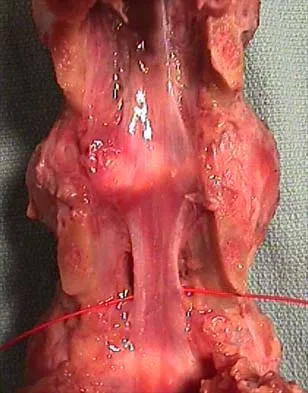
Figure for Anatomy 2008 MCQs - Part 4 - Question 77

Key Takeaway

Learn more about Orthopedic Anatomy 2026 MCQs: Board Review Questions & Answers (Part 4) and how to manage it. Top-rated Orthopedic Anatomy 2026 MCQs bank. Practice with clinical case questions, orthopedic surgery board review, and evidence-based answers updated for 2026.

Orthopedic Anatomy 2026 MCQs: Board Review Questions & Answers (Part 4)

Comprehensive 100-Question Exam


00:00

Start Quiz

Question 1

Bleeding is encountered while developing the internervous plane between the tensor fascia lata and the sartorius during the anterior approach to the hip. The most likely cause is injury to what artery?


Explanation

The ascending branch of the lateral femoral circumflex artery crosses the gap between the tensor fascia lata and the sartorious and must be identified and ligated or coagulated. The other vessels are out of the field of dissection. Barrack RL, Booth RE Jr, Lonner JH, et al (eds): Orthopaedic Knowledge Update: Hip and Knee Reconstruction 3. Rosemont, IL, American Academy of Orthopaedic Surgeons, 2006, p 312.

Question 2

A 36-year-old woman with familial neurofibromatosis has an enlarging mass in the posterior thigh. The lesion has slowly increased in size and is now constantly painful. Pressure on the mass causes dysesthesias in the foot. Figures 44a through 44c show T1-weighted, STIR, and T1-weighted fat-saturated gadolinium scans, respectively. Figure 44d shows a PET scan. What does this lesion most likely represent?


Explanation

44b 44c 44d The images reveal a large mass in the posterior thigh arising from the sciatic nerve. The lesion is edematous, and the gadolinium image reveals rim enhancement, suggesting necrosis, given that the STIR image is not uniformly bright as would be seen in a cystic lesion. The PET scan has increased uptake, in this case a standard unit value (SUV) of greater than 2.0. These findings are all very suggestive of a malignant process. The history of neurofibromatosis makes a malignant peripheral nerve sheath tumor, or neurofibrosarcoma, the most likely diagnosis. The term "peripheral nerve sheath tumor" has replaced neurolemmoma and schwannoma. Menendez LR (ed): Orthopaedic Knowledge Update: Musculoskeletal Tumors. Rosemont, IL, American Academy of Orthopaedic Surgeons, 2002, pp 225-230.

Question 3

In Dupuytren's disease, the retrovascular cord typically displaces the radial proper digital nerve of the ring finger in what direction?


Explanation

Retrovascular cords are common in Dupuytren's disease and commonly require surgical treatment. Nerve injury in Dupuytren's surgery is an infrequent complication that occurs partly because the digital nerves can be displaced from their normal anatomic relationships by retrovascular cords. The nerves are displaced superficially, toward the center of the digit (palmarly and ulnarly). This displacement is typically seen at the level of the metacarpophalangeal joint.

Question 4

Ganglion cysts about the wrist most commonly arise from what structure?


Explanation

Ganglion cysts are the most common mass or mass-like lesions seen in the hand and wrist. They arise in a variety of locations, including synovial joints or tendon sheaths. The most common location is the dorsal/radial wrist arising from the dorsal scapholunate interosseous ligament.

Question 5

A 60-year-old woman has activity-related hip pain after undergoing arthroplasty 5 years ago. She has severe Parkinsonism and denies fevers or chills. Radiographs are shown in Figures 45a and 45b. What is the most likely cause of her pain?


Explanation

45b The radiographs reveal both cement debonding at the lateral shoulder of the prosthesis and a cement mantle fracture. Both of these indicate a loose femoral component. The radiographs show a stress fracture with reactive bone on the lateral femoral cortex in conjunction with the cement mantle fracture. The acetabular component shows no evidence of loosening. Heterotopic bone usually is not a source of pain when it is Brooker grade I, as in this case. Parkinsonism generally is not associated with hip pain. Harris WH, McCarthy JC, O'Neill DA: Femoral component loosening using contemporary techniques of femoral cement fixation. J Bone Joint Surg Am 1982;64:1063-1067. Callaghan JJ, Rosenberg AG, Rubash H (eds): The Adult Hip. Philadelphia, PA, Lippincott-Raven, 1998, pp 960, 1228-1229.

Question 6

A 15-year-old boy reports leg pain after being tackled during football practice. Radiographs and a CT scan are shown in Figures 46a through 46c. The patient has a pathologic fracture through what underlying lesion?


Explanation

46b 46c The images show a lobulated, eccentric, well-marginated lesion that is typical of a nonossifying fibroma. The lesion is slightly expansile, and the CT scan findings show that the lesion is very well marginated and the cortex is disrupted, which is a common finding. None of the characteristics of this lesion is aggressive in nature. Menendez LR (ed): Orthopaedic Knowledge Update: Musculoskeletal Tumors. Rosemont, IL, American Academy of Orthopaedic Surgeons, 2002, pp 69-75.

Question 7

A 28-year-old man has left knee pain after a snow skiing accident. The MRI scan shown in Figure 47 reveals which of the following?


Explanation

Bone bruises are often noted on MRI after anterior cruciate and medial collateral ligament injuries. The significance of these injuries awaits long-term follow-up studies. The areas of increased signal on T2-weighted images represent areas of acute hemorrhage and are secondary to microfractures of the adjacent medullary trabeculae. Wright RW, Phaneuf MA, Limbird TJ, et al: Clinical outcome of isolated subcortical trabecular fractures (bone bruise) detected on magnetic resonance imaging in knees. Am J Sports Med 2000;28:663-667.

Question 8

Following application of a short leg cast, a patient reports a complete foot drop. A compression injury of the peroneal nerve at the fibular neck is confirmed by electrical studies. Which of the following muscles is expected to be the last to recover function during the ensuing months?


Explanation

The recovery process from peroneal nerve palsy may take many months as axonal regrowth occurs. Of the muscles listed, the extensor hallucis is innervated most distally by the peroneal nerve. The flexor digitorum longus is innervated by the tibial nerve.

Question 9

A 28-year-old man reports knee stiffness, swelling, and a constant ache that is worse with activity. Examination reveals an effusion, global tenderness, and warmth to the touch. Flexion is limited to 110 degrees. Figures 48a through 48d show sagittal T1-weighted, sagittal T2-weighted, axial T1-weighted fat-saturated gadolinium, and axial gradient echo MRI scans. Based on these findings, what is the most likely diagnosis?


Explanation

48b 48c 48d The MRI scans show multiple low-signal intensity lesions scattered throughout the knee, extending posteriorly inferior to the tibial plateau. The low-signal intensity on both the T1- and T2-weighted images, the modest vascularity noted on the gadolinium image, and the "blooming" noted on the gradient echo image (ferrous-laden tissue) are all strongly suggestive of diffuse PVNS. Whereas synovial chondromatosis can present as diffuse masses in the knee, they present as nodule masses that have low T1- and high T2-weighted signal characteristics. Resnick D (ed): Diagnosis of Bone and Joint Disorders. Philadelphia, PA, WB Saunders, 2002, pp 4241-4252.

Question 10

Figure 49 shows an acute axial MRI scan of a left knee. What is the most likely diagnosis?


Explanation

The MRI scan shows bone bruises in the medial aspect of the patella and the lateral aspect of the lateral femoral condyle. Both of these signs are typical for a lateral dislocation of the patella with spontaneous reduction. In addition, there may be associated tearing of the medial retinaculum or distal aspect of the vastus medialis. Elias DA, White LM, Fithian DC: Acute lateral patellar dislocation at MR imaging: Injury patterns of medial patellar soft-tissue restraints and osteochondral injuries of the inferomedial patella. Radiology 2002;225:736-743. Sanders TG, Miller MD: A systematic approach to magnetic resonance imaging interpretation of sports medicine injuries of the knee. Am J Sports Med 2005;33:131-148.

Question 11

Spontaneous entrapment of the posterior interosseous nerve most commonly occurs in which of the following locations?


Explanation

The extensor carpi radialis brevis, supinator muscle, arcade of Frohse, and leash of Henry are potential sites of compression for the posterior interosseous nerve. The most common location of spontaneous entrapment is the arcade of Frohse. The lateral intermuscular septum is a site of compression for the radial nerve.

Question 12

A 72-year-old man has had persistent pain after undergoing a hemiarthroplasty 18 months ago. Radiographs are shown in Figures 50a and 50b. What is the most likely cause of his problem?


Explanation

50b The radiographs demonstrate a rapid erosion of the bipolar component into the acetabulum. Although acetabular erosion is more common with unipolar hip arthroplasties, it can occur with bipolar components. Haidukewych and associates noted a very low erosion rate but none in the first 2 years. The second finding on the radiographs is the linear radiolucency progressing from the joint toward the end of the stem at the cement-bone interface suggesting chronic infection or diffuse loosening. The persistent pain since implantation also suggests chronic infection. High activity levels and osteoporosis do not lead to acetabular erosion in the first 2 years after hemiarthroplasty. While the cement technique is suboptimal, loosening and erosion should not be expected from this alone. An oversized bipolar head would extrude and not erode. Haidukewych GJ, Israel TA, Berry DJ: Long-term survivorship of cemented bipolar hemiarthroplasty for fracture of the femoral neck. Clin Orthop Relat Res 2002;403:118-126. Lestrange NR: Bipolar hemiarthroplasty for 496 hip fractures. Clin Orthop Relat Res 1990;251:7-19.

Question 13

What fibers of the anterior cruciate ligament tighten with extension of the knee?


Explanation

The anterior cruciate ligament consists of two functional bundles: anteromedial and posterolateral. During extension of the knee, the posterolateral bundle becomes taut. In flexion, the anteromedial bundle is tight and the posterolateral bundle relaxes. Traditionally, anterior cruciate ligament reconstruction primarily recreates the anteromedial bundle. Recently, techniques for double bundle reconstruction have been described to recreate the normal anatomic relationship of the two bundles. Girgis FG, Marshall JL, Monajem AS: The cruciate ligaments of the knee joint: Anatomical, functional and experimental analysis. Clin Orthop Relat Res 1975;106:216-231. Cha PS, Brucker PU, West RV, et al: Arthroscopic double-bundle anterior cruciate ligament reconstruction: An anatomic approach. Arthroscopy 2005;21:1275.

Question 14

In an effort to reduce costs, a limited MRI sequence is planned to detect a possible occult hip fracture. What is the anticipated fracture signal?


Explanation

At present, radiologists perform multiple MRI images to rule out all possible diagnoses. The ability to specify the anticipated changes on MRI should become more important as a means of reducing costs. MRI is sensitive to changes in free water (or hemorrhage) and thus this will appear dark on T1 and bright on T2. Miller MD: Review of Orthopaedics, ed 3. Philadelphia PA, WB Saunders, 2000, p 116.

Question 15

When using the direct lateral (or Hardinge) approach for hip arthroplasty, three muscles are detached from the femur. In addition to the vastus lateralis, they include the


Explanation

This approach is criticized for the episodic limp associated with the muscle detachment and reattachment. Classically, two thirds of the gluteus medius is detached as a sleeve with the vastus lateralis. This exposes the gluteus minimus and the ligament of Bigelow. These must also be detached to allow dislocation of the hip and osteotomy of the femoral neck. The rectus femoris lies medially and anteriorly and does not need to be addressed. The piriformis and obturator internus are exposed during the posterior approach. Neither the gluteus maximus nor tensor fascia lata attach to the anterior femur. The sartorius and iliopsoas are not exposed during this dissection. Hoppenfeld S, deBoer P (eds): Surgical Exposures in Orthopaedics: The Anatomic Approach. Philadelphia, PA, JB Lippincott, 1984, pp 333-335.

Question 16

Figure 51 shows an arthroscopic view of the patellofemoral joint from an inferolateral portal. The arrow points to which of the following structures?


Explanation

Synovial folds or plicae are the result of incomplete or partial resorption of the synovial membranes during fetal development of the knee. The arthroscopic view shows a medial patellar plica, which has been noted in 5% to 55% of all individuals but becomes symptomatic in only a small number of patients. Symptoms may include crepitus, pain, snapping, and swelling and often respond to nonsurgical management. Clarke HD, Scott WN, Insall JN: Anatomic aberrations, in Insall JN, Scott WN (eds): Surgery of the Knee, ed 4. Philadelphia, PA, Churchill Livingstone, 2006, vol 1, pp 67-85.

Question 17

In a juvenile Tillaux ankle fracture, what ligament causes the displacement of the fracture fragment?


Explanation

The juvenile Tillaux ankle fracture usually occurs because the lateral half of the distal tibial physis remains open. During an external rotational force, the anterior tibiofibular ligament holds the lateral tibial epiphysis, separating it through at the junction of the middle closed physis and lateral open physis.

Question 18

When harvesting an iliac crest bone graft from the posterior approach, what anatomic structure is at greatest risk for injury if a Cobb elevator is directed too caudal?


Explanation

If a Cobb elevator is directed caudally while stripping the periosteum over the iliac wing, it will encounter the sciatic notch. Although this puts the sciatic nerve at risk, the first structure encountered is the superior gluteal artery. Because it is tethered at the superior edge of the notch, it is very vulnerable to injury and can then retract inside the pelvis, making it difficult to obtain hemostasis. The inferior gluteal artery exits the sciatic notch below the piriformis and is more protected. The cluneal nerves are at risk only if the incision extends too anteriorly, and the sacroiliac joint can be entered while harvesting the graft. Banwart JC, Asher MA, Hassanein RS: Iliac crest bone graft harvest donor site morbidity: A statistical evaluation. Spine 1995;20:1055-1060.

Question 19

Figures 52a and 52b show the radiographs of a left proximal femoral lesion noted serendipitously following minor trauma to the left hip. The patient has no thigh pain and is fully active without limitation. What is the most likely diagnosis of this bony lesion?


Explanation

52b The radiographs reveal a geographic lesion of the proximal femur with the classic "ground glass" appearance noted in fibrous dysplasia. This intramedullary lesion is modestly expansile, demonstrates some minimal cortical thinning, and has no aggressive features. Chondroblastoma, giant cell tumor, and osteoblastoma are more lytic in appearance, and the location is not typical for giant cell tumor or chondroblastoma. While enchondroma may be considered, the uniform ground glass appearance, lack of punctuate mineralization, and distinct margination of the lesion make that diagnosis less likely.

Question 20

Figure 53 shows the arteriogram of a 45-year-old man who has severe vasculitis. What do the findings show?


Explanation

The arterial supply to the hand is abundant and normally duplicated. The deep palmar arch as shown in this arteriogram typically receives its primary contribution from the radial artery which travels deep to the first dorsal compartment tendons and then returns to the volar aspect of the palm through the first web space. The superficial palmar arch receives its supply from the ulnar artery and is not visualized in this patient.

Question 21

A patient with a left-sided C6-7 herniated nucleous pulposis would likely have which of the following constellation of findings?


Explanation

A C6-7 herniation affects the C7 root. The C7 root has the middle finger as its predominant sensory distribution. Its motor function is the triceps, wrist extension, and finger metacarpophalangeal extension. The reflex is the triceps. Magee D: Principles and concepts, in Orthopedic Physical Assessment, ed 3. Philadelphia, PA, WB Saunders, 1997, pp 1-18.

Question 22

Which of the following muscle tendons inserts just lateral to the long head of biceps tendon on the proximal humerus?


Explanation

The pectoralis major insertion is just lateral to the long head of the biceps tendon. Medial to the biceps is the insertion for the teres major and latissimus dorsi. The short head of the biceps originates on the coracoid process. The subscapularis inserts on the lesser tuberosity just medial to the biceps.

Question 23

A 4-month-old infant is unable to flex her elbow as a result of an obstetrical brachial plexus palsy. This most likely illustrates a predominate injury to what structure?


Explanation

Erb's palsy is the most common form of obstetrical plexus palsy resulting in C5, C6, or upper trunk deficits. This causes loss of shoulder abduction and elbow flexion. The biceps muscle and the brachialis muscles are predominately responsible for flexion of the elbow. Each of these muscles is innervated by individual branches of the musculocutaneous nerve which are supplied predominately by axons from the C6 nerve root and the upper trunk of the brachial plexus. Netter F: The Ciba Collection of Medical Illustrations: The Musculoskeletal System, Part 1: Anatomy, Physiology and Metabolic Disorders. West Caldwell, NJ, Ciba-Geigy Corporation, 1987, vol 8, pp 28-29. Wolock B, Millesi H: Brachial plexus-applied anatomy and operative exposure, in Gelberman RH (ed): Operative Nerve Repair and Reconstruction. Philadelphia, PA, JB Lippincott, 1991, pp 1255-1272.

Question 24

Following a fall from a height of 5 feet, a patient reports pain along the lateral border of the foot. The CT scan shown in Figure 54 indicates what pathology?


Explanation

The CT scan reveals an avulsion of the dorsal beak of the anterior process of the calcaneus. This common fracture is an avulsion of the origin of the bifurcate ligament, which runs from the anterior calcaneal process to both the cuboid and the lateral aspect of the navicular. An inversion mechanism is common, and the fracture is often missed in evaluation for a suspected ankle sprain. MRI may be useful in the diagnosis of these occult injuries, and suspicion should be present when tenderness exists over the superior portion of the anterior process of the calcaneus.

Question 25

The patient in Figure 55 is actively attempting to make a fist. This clinical scenario suggests which of the following anatomic lesions?


Explanation

The clinical presentation is characteristic of a high median nerve palsy. When trying to make a fist, the patient is unable to flex the thumb and index fingers due to paralysis of flexion of the distal interphalangeal joint of the thumb and the distal and proximal interphalangel joints of the index finger. This hand attitude differs from the anterior interosseous nerve lesion in which loss of distal interphalangeal joint flexion is seen in the thumb, index, and middle fingers. Posterior interosseous nerve syndrome presents with dropped fingers at the metacarpophalangeal joints with wrist extension in radial deviation. Wrist and finger drop is the typical posture of patients with radial nerve lesions.

Question 26

During the anterior (Henry) approach to the proximal radius, the surgeon develops the internervous plane between the brachioradialis and the pronator teres. Which of the following vascular structures must typically be identified and ligated to adequately mobilize the brachioradialis laterally and safely expose the supinator?


Explanation

In the anterior (Henry) approach to the proximal radius, the internervous plane lies between the brachioradialis (innervated by the radial nerve) and the pronator teres (innervated by the median nerve). To safely retract the brachioradialis laterally and expose the underlying supinator, the recurrent radial artery (often referred to as the 'leash of Henry'), which branches from the radial artery and passes laterally, must be identified and ligated.

Question 27

During a lateral transpsoas approach to the L4-L5 disc space, the surgeon must carefully navigate the psoas major muscle to avoid iatrogenic nerve injury. At this specific level, where is the lumbar plexus typically located in relation to the psoas major muscle?


Explanation

The lumbar plexus travels within the substance of the psoas major muscle. It courses from posterior-medial to anterior-lateral as it descends. At the L4-L5 level, the plexus typically resides in the posterior third of the psoas muscle. To avoid injury, particularly to the femoral nerve, surgeons utilizing a lateral transpsoas approach at lower lumbar levels typically dock their retractors in the anterior or middle third of the psoas.

Question 28

A 45-year-old cyclist presents with numbness and tingling in the small finger and the ulnar half of the ring finger, along with weakness in finger abduction. A diagnosis of ulnar nerve compression in Guyon's canal is made. Which of the following structures forms the radial (lateral) border of Guyon's canal?


Explanation

Guyon's canal (the ulnar tunnel) contains the ulnar nerve and artery. Its anatomical boundaries are: the volar carpal ligament (forming the roof), the transverse carpal ligament and hypothenar muscles (forming the floor), the pisiform and flexor carpi ulnaris (forming the ulnar or medial border), and the hook of hamate (forming the radial or lateral border). The ulnar artery sits radial to the ulnar nerve within this space.

Question 29

In the reconstruction of the posterolateral corner (PLC) of the knee, understanding precise anatomical insertions is crucial. The popliteofibular ligament, a primary static stabilizer against external rotation, originates from the popliteus musculotendinous junction and inserts onto which of the following areas?


Explanation

The posterolateral corner (PLC) of the knee primarily consists of the lateral collateral ligament (LCL), popliteus tendon, and the popliteofibular ligament. The popliteofibular ligament is a critical stabilizer against posterior translation, varus angulation, and external rotation of the tibia. It originates from the popliteus complex and inserts anatomically on the posteromedial aspect of the fibular styloid (tip of the fibular head).

Question 30

A 28-year-old overhead athlete presents with insidious onset of posterior shoulder pain and weakness in external rotation. An MRI reveals isolated atrophy of the teres minor muscle, raising suspicion for neurovascular compression within the quadrilateral space. Which of the following correctly describes the anatomical borders of this space?


Explanation

Quadrilateral space syndrome involves compression of the axillary nerve and posterior circumflex humeral artery. The borders of the quadrilateral space are the teres minor (superiorly), teres major (inferiorly), long head of the triceps (medially), and the surgical neck of the humerus (laterally). Compression here often leads to isolated teres minor atrophy, as the branch to the deltoid frequently escapes compression depending on the exact site of the lesion.

Question 31

During an anterior intrapelvic (modified Stoppa) approach for the fixation of an acetabular fracture, the surgeon must identify and protect or ligate the 'corona mortis' to prevent life-threatening hemorrhage. This structure typically represents a vascular anastomosis between which of the following systems?


Explanation

The corona mortis ('crown of death') is a recognized vascular anastomosis between the obturator vessels (internal iliac system) and the inferior epigastric or external iliac vessels. It is located on the posterior aspect of the superior pubic ramus, on average 5-6 cm from the pubic symphysis. Iatrogenic injury during approaches to the acetabulum or anterior pelvic ring can cause rapid, severe hemorrhage that is difficult to control.

Question 32

A surgeon is performing a midfoot reconstruction and exploring the medial plantar aspect of the foot. The 'Master Knot of Henry' is identified just plantar and lateral to the navicular tuberosity. Which of the following accurately describes the relationship of the tendons at this anatomical landmark?


Explanation

The Master Knot of Henry is an important anatomical landmark located in the medial plantar midfoot, just plantarlateral to the navicular tuberosity. At this precise location, the tendon of the flexor digitorum longus (FDL) crosses superficial (plantar) to the tendon of the flexor hallucis longus (FHL). It is a critical site for harvesting the FDL during tendon transfers, such as for posterior tibial tendon dysfunction.

Question 33

When performing an anterior (Smith-Petersen) approach to the hip, two distinct internervous planes are utilized. Which of the following accurately describes the deep internervous plane and the major vascular structure at risk that must often be ligated within this interval?


Explanation

The anterior (Smith-Petersen) approach to the hip utilizes a superficial and a deep internervous plane. The superficial plane is between the sartorius (femoral nerve) and the tensor fasciae latae (superior gluteal nerve). The deep plane lies between the rectus femoris (femoral nerve) and the gluteus medius (superior gluteal nerve). As the surgeon develops this deep plane, the ascending branch of the lateral femoral circumflex artery typically crosses the surgical field transversely and must be identified and ligated.

Question 34

The distal tibiofibular syndesmosis is crucial for maintaining the stability of the ankle mortise. The anterior inferior tibiofibular ligament (AITFL) is a primary component of this complex. Which of the following correctly identifies its anatomical origin and insertion?


Explanation

The ankle syndesmotic ligament complex includes the anterior inferior tibiofibular ligament (AITFL), the posterior inferior tibiofibular ligament (PITFL), the transverse tibiofibular ligament, and the interosseous membrane. The AITFL originates on the anterolateral tubercle of the tibia, eponymously known as Chaput's tubercle, and inserts onto the anterior tubercle of the fibula, known as Wagstaffe's (or Le Fort-Wagstaffe) tubercle. The PITFL attaches to the posterior tibial tubercle (Volkmann's tubercle).

Question 35

Posterolateral rotatory instability (PLRI) of the elbow typically results from an insufficiency of the lateral ulnar collateral ligament (LUCL). To effectively reconstruct this ligament, the surgeon must anatomically recreate its attachments. What are the correct anatomical origin and insertion of the LUCL?


Explanation

The lateral collateral ligament complex of the elbow consists of the radial collateral ligament, the lateral ulnar collateral ligament (LUCL), and the annular ligament. The LUCL is the primary restraint to posterolateral rotatory instability (PLRI). It originates from the lateral epicondyle of the humerus and inserts onto the supinator crest of the proximal ulna. For context, the sublime tubercle is the insertion site for the anterior band of the medial ulnar collateral ligament.

Question 36

During a deltopectoral approach for a proximal humerus fracture, the surgeon must be cautious of the axillary nerve. At what average distance from the lateral edge of the acromion does the axillary nerve typically traverse the deep surface of the deltoid?


Explanation

The axillary nerve courses circumferentially from posterior to anterior on the deep surface of the deltoid muscle, typically 5 to 7 cm distal to the lateral edge of the acromion. A subdeltoid or lateral split approach must respect this safe zone to avoid iatrogenic denervation of the anterior portion of the deltoid.

Question 37

A 28-year-old man sustains a displaced talar neck fracture. To prevent avascular necrosis, the surgeon must preserve the dominant blood supply to the talar body. The artery of the tarsal canal arises predominantly from which of the following vessels?


Explanation

The artery of the tarsal canal is the dominant blood supply to the talar body. It typically arises from the posterior tibial artery about 1 cm proximal to the bifurcation into the medial and lateral plantar arteries. It enters the tarsal canal and forms an anastomotic vascular sling with the artery of the sinus tarsi, which usually arises from the perforating peroneal or dorsalis pedis artery.

Question 38

During a reconstruction of the posterolateral corner (PLC) of the knee, the surgeon must identify the anatomic footprints of the structures involved. Where is the normal femoral attachment of the popliteus tendon located relative to the lateral collateral ligament (LCL) origin?


Explanation

The femoral attachment of the popliteus tendon is located distal and anterior to the femoral attachment of the lateral collateral ligament (LCL) on the lateral femoral condyle. The popliteus attaches in the popliteal sulcus, whereas the LCL attaches slightly proximal and posterior to the lateral epicondyle.

Question 39

A 34-year-old carpenter sustains a penetrating injury to the proximal volar forearm. He subsequently demonstrates an inability to flex the interphalangeal joint of the thumb and the distal interphalangeal joint of the index finger. Which of the following muscles is also typically denervated in this specific nerve injury pattern?


Explanation

The patient has an injury to the anterior interosseous nerve (AIN), evidenced by paralysis of the flexor pollicis longus (FPL) and the flexor digitorum profundus (FDP) to the index finger. The AIN is a motor branch of the median nerve that innervates three muscles: the FPL, the radial half of the FDP (index and long fingers), and the pronator quadratus.

Question 40

During a surgical exploration for a closed supraclavicular brachial plexus injury, the surgeon identifies a functioning long thoracic nerve and dorsal scapular nerve, but the suprascapular nerve is non-functional. From which portion of the brachial plexus does the suprascapular nerve directly originate?


Explanation

The suprascapular nerve arises directly from the superior trunk of the brachial plexus, which is formed by the C5 and C6 roots. The dorsal scapular nerve originates from the C5 root, and the long thoracic nerve arises from the roots of C5, C6, and C7. An intact dorsal scapular and long thoracic nerve with a deficient suprascapular nerve suggests an injury localized to the superior trunk.

Question 41

A 25-year-old distance runner develops chronic exertional compartment syndrome requiring fasciotomy. The surgeon plans to release the deep posterior compartment of the lower leg. Which of the following structures is located within this anatomic compartment?


Explanation

The deep posterior compartment of the leg contains the flexor hallucis longus, flexor digitorum longus, tibialis posterior, as well as the posterior tibial artery, vein, and tibial nerve. The peroneus brevis is in the lateral compartment. The tibialis anterior and EHL are in the anterior compartment, while the sural nerve is superficial.

Question 42

A 19-year-old man presents with a displaced fracture of the scaphoid waist. He is at high risk for avascular necrosis of the proximal pole due to retrograde blood flow. The primary intraosseous blood supply to the proximal scaphoid enters at which of the following anatomic locations?


Explanation

The primary blood supply to the scaphoid is derived from the radial artery. Approximately 70-80% of the scaphoid (including the proximal pole and waist) is supplied by the dorsal carpal branch of the radial artery, which enters the scaphoid along its dorsal ridge. Because these vessels enter distally and flow proximally (retrograde flow), waist fractures frequently interrupt blood flow to the proximal pole.

Question 43

During an ilioinguinal approach for an anterior column acetabular fracture, a vascular anastomosis connecting the obturator and external iliac (or inferior epigastric) vessels is encountered coursing over the superior pubic ramus. Injury to this "corona mortis" causes significant hemorrhage. At what average distance from the pubic symphysis does this structure typically lie?


Explanation

The corona mortis is a vascular connection between the obturator and external iliac or inferior epigastric vessels. It crosses the superior pubic ramus at an average distance of 5 to 7 cm (typically about 6 cm) lateral to the pubic symphysis. It must be carefully identified and ligated during anterior approaches to the pelvis and acetabulum to prevent massive, life-threatening bleeding.

Question 44

A 45-year-old woman undergoes an anterior cervical discectomy and fusion (ACDF) at C5-C6. During the exposure, the surgeon dissects laterally along the uncinate process. Which of the following structures is at greatest risk of iatrogenic injury if lateral dissection extends excessively beyond the uncinate process at this level?


Explanation

In the lower cervical spine, the uncinate process serves as a crucial anatomic landmark, forming the medial border of the transverse foramen. The vertebral artery courses through the transverse foramina typically from C6 to C1. Dissection extending lateral to the uncinate process places the vertebral artery at significant risk of iatrogenic injury.

Question 45

A 30-year-old woman presents with intrinsic tightness in her hand, prompting an evaluation of her lumbrical muscles. Which of the following statements accurately describes the anatomy and function of the normal hand lumbricals?


Explanation

The lumbrical muscles of the hand originate from the tendons of the flexor digitorum profundus (FDP) and insert into the radial lateral band of the extensor expansion. The first two (radial) lumbricals are unipennate and innervated by the median nerve, while the ulnar two are bipennate and innervated by the ulnar nerve. Their primary function is to flex the metacarpophalangeal (MCP) joints and extend the interphalangeal (IP) joints.

Question 46

During an ilioinguinal approach for open reduction and internal fixation of an anterior column acetabular fracture, brisk arterial bleeding is encountered while dissecting over the superior pubic ramus. The vessel injured is the 'corona mortis'. This vascular structure represents an anastomosis between which of the following arterial systems?


Explanation

The corona mortis ('crown of death') is an important anatomical vascular anastomosis located over the superior pubic ramus, typically 4 to 9 cm from the pubic symphysis. It connects the external iliac system (usually via the inferior epigastric artery or vein) with the internal iliac system (via the obturator artery or vein). Injury to this vessel during the ilioinguinal approach, or from displaced superior rami fractures, can cause life-threatening hemorrhage because the vessel can retract into the pelvis, making hemostasis difficult.

Question 47

A 24-year-old football player sustains a multi-ligamentous knee injury including the posterolateral corner (PLC). Surgical reconstruction is planned. During dissection, the surgeon identifies the popliteofibular ligament. Which of the following best describes the anatomical origin and insertion of this critical structure?


Explanation

The popliteofibular ligament (PFL) is a key static stabilizer of the posterolateral corner of the knee, resisting posterior translation, varus angulation, and external rotation. It originates from the popliteus musculotendinous junction and courses distally and laterally to insert on the posteromedial aspect of the fibular head (fibular styloid). The lateral collateral ligament (LCL) originates from the lateral femoral epicondyle and inserts on the fibular head. Gerdy's tubercle is the insertion site for the iliotibial band.

Question 48

A surgeon is performing a volar (Henry) approach to the radius to plate a proximal third radial shaft fracture. To safely expose the proximal radius, an internervous plane must be developed. Which two muscles define this proximal internervous plane, and what are their respective innervations?


Explanation

The volar approach to the radius (Henry approach) utilizes two different internervous planes depending on the level of the forearm. Proximally, the plane is between the brachioradialis (innervated by the radial nerve) and the pronator teres (innervated by the median nerve). Distally, the plane is between the brachioradialis (radial nerve) and the flexor carpi radialis (median nerve). Recognizing these planes is critical to protect the superficial sensory branch of the radial nerve and the radial artery, which lie under the brachioradialis.

Question 49

A 28-year-old elite rock climber presents with a sudden 'pop' and swelling in his ring finger after a dynamic hold. He is diagnosed with a closed flexor tendon pulley rupture. Biomechanical studies indicate that preserving or reconstructing a specific combination of pulleys is the absolute minimum requirement to prevent clinically significant bowstringing of the flexor tendons. Which combination of pulleys is this?


Explanation

The flexor tendon pulley system consists of five annular (A1-A5) and three cruciate (C1-C3) pulleys. The A2 pulley (located over the proximal phalanx) and the A4 pulley (located over the middle phalanx) are the major structural biomechanical pulleys. They are crucial for maintaining the flexor tendons closely apposed to the bone, thereby preserving the mechanical advantage (moment arm) of the flexor system. Loss of both A2 and A4 leads to significant bowstringing, loss of active flexion range of motion, and weakness.

Question 50

A spine surgeon is performing a transforaminal endoscopic lumbar discectomy at the L4-L5 level. The endoscopic working channel is safely placed through Kambin’s triangle. What are the true anatomical borders of this safe zone?


Explanation

Kambin's triangle is a three-dimensional anatomical safe zone for posterolateral percutaneous access to the intervertebral disc. Its borders are: the base is the superior endplate of the inferior vertebral body (L5 in this scenario), the anterior/hypotenuse border is the exiting nerve root (L4), and the posterior border is the superior articular process of the inferior vertebra (L5). The traversing nerve root (L5) lies medial to this triangle and is protected if the instruments remain within the defined triangle.

Question 51

A 45-year-old distance runner is undergoing a tarsal tunnel release for refractory posterior tibial nerve entrapment. From anterior to posterior (or medial to lateral within the tunnel), what is the correct anatomical order of structures passing behind the medial malleolus?


Explanation

The structures passing through the tarsal tunnel behind the medial malleolus are, from anterior to posterior: Tibialis posterior tendon, Flexor digitorum longus tendon, Posterior tibial Artery, Posterior tibial Nerve, and Flexor hallucis longus tendon. This anatomy is commonly remembered by the mnemonic 'Tom, Dick, And Very Nervous Harry'. The flexor retinaculum forms the roof of the tunnel, and release of this retinaculum decompresses the posterior tibial nerve.

Question 52

During a posterior approach to the hip for a total hip arthroplasty, the surgeon meticulously isolates and tags the short external rotators. To avoid avascular necrosis of the femoral head in a joint-preserving procedure, or to minimize bleeding, the deep branch of the medial circumflex femoral artery (MCFA) must be protected. At what specific anatomical location does the deep branch of the MCFA consistently run in relation to the short external rotators?


Explanation

The deep branch of the medial circumflex femoral artery (MCFA) provides the primary blood supply to the adult femoral head. Anatomical studies (e.g., Gautier et al.) demonstrate that the deep branch of the MCFA consistently courses posterior to the obturator externus tendon and anterior to the superior gemellus and obturator internus tendons. When dissecting the posterior hip, the obturator externus tendon protects the MCFA if the dissection remains posterior to it. Thus, releasing the obturator externus or reckless dissection inferior to the quadratus femoris can jeopardize this vessel.

Question 53

A trauma surgeon is using a minimally invasive deltoid-splitting approach to plate a proximal humerus fracture. To avoid iatrogenic denervation of the anterior deltoid, the inferior extent of the deltoid split must be strictly limited. The axillary nerve, running deep to the deltoid muscle, typically crosses the lateral border of the humerus at what average distance distal to the tip of the lateral acromion?


Explanation

The axillary nerve enters the shoulder through the quadrangular space and wraps around the surgical neck of the humerus. As it courses anteriorly on the deep surface of the deltoid, it is located on average 5 to 7 cm distal to the lateral edge of the acromion. Deltoid splits that extend further distally than 5 cm risk severing the terminal branches of the axillary nerve, leading to devastating loss of anterior deltoid function.

Question 54

A 32-year-old female presents with recurrent posterolateral rotatory instability (PLRI) of her right elbow following a traumatic dislocation 6 months ago. Reconstruction of the lateral ulnar collateral ligament (LUCL) is planned. What are the correct anatomical origin and insertion sites for the LUCL?


Explanation

The lateral ulnar collateral ligament (LUCL) is the primary restraint to posterolateral rotatory instability (PLRI) of the elbow. It originates on the lateral epicondyle (blending with the lateral collateral ligament complex) and courses distally and posteriorly to insert on the supinator crest of the proximal ulna. The anterior band of the medial collateral ligament (MCL) originates on the medial epicondyle and inserts on the sublime tubercle of the coronoid.

Question 55

A 21-year-old cross-country runner undergoes a four-compartment fasciotomy for chronic exertional compartment syndrome (CECS) using a double-incision technique. Post-operatively, the patient reports persistent deep leg pain during exercise. Failure to adequately release which muscle's distinct fascial envelope within the deep posterior compartment is the most likely cause of these persistent symptoms?


Explanation

The deep posterior compartment of the leg contains the flexor hallucis longus, flexor digitorum longus, and the tibialis posterior. The tibialis posterior muscle often has its own distinct, rigid fascial envelope deeply situated between the tibia and fibula. During a medial fasciotomy incision, if the surgeon releases the superficial fascia of the deep posterior compartment but fails to dissect deeply enough to incise the specific fascial investment of the tibialis posterior, the patient may continue to suffer from CECS.

Question 56

A spine surgeon is performing a transforaminal endoscopic lumbar discectomy. Instruments are passed through Kambin's triangle to access the disc space while minimizing neural injury. Which of the following structures forms the posterior boundary of this anatomical working zone?


Explanation

Kambin's triangle is a critical anatomical safe zone for transforaminal endoscopic access to the lumbar disc. The boundaries are defined as follows: the hypotenuse (anterior/superior boundary) is the exiting nerve root; the base (inferior boundary) is the superior endplate of the inferior vertebral body; and the height (posterior boundary) is the superior articular process (SAP) of the inferior vertebra. Passing instruments through this triangle avoids injury to the exiting nerve root.

Question 57

During a modified Stoppa approach for anterior pelvic ring fixation, massive hemorrhage is encountered while dissecting over the superior pubic ramus near the symphysis. The surgeon suspects injury to the corona mortis. This anatomical variant most commonly represents an anastomosis between which of the following vascular systems?


Explanation

The corona mortis ('crown of death') is a vascular anastomosis between the external iliac system (usually via the inferior epigastric artery or vein) and the internal iliac system (obturator artery or vein). It is located on the posterior aspect of the superior pubic ramus. Because it can be present in up to 30-40% of hemi-pelves, aggressive dissection over the superior pubic ramus during ilioinguinal or Stoppa approaches can lead to life-threatening hemorrhage.

Question 58

A 22-year-old athlete is undergoing surgical reconstruction of the posterolateral corner (PLC) of the knee. The surgeon is isolating the structures attaching to the fibula. What is the precise anatomical insertion of the popliteofibular ligament?


Explanation

The popliteofibular ligament (PFL) is a crucial static stabilizer of the posterolateral corner of the knee, resisting external rotation and posterior translation. It originates from the musculotendinous junction of the popliteus and inserts onto the posteromedial aspect of the fibular styloid process. The fibular collateral ligament (LCL) inserts slightly more anterior and lateral on the fibular head.

Question 59

A 28-year-old overhead athlete presents with chronic posterior shoulder pain. Physical examination reveals isolated weakness in external rotation with the arm at the side, but normal shoulder abduction strength. MRI demonstrates a paralabral cyst causing nerve compression. At which of the following anatomical locations is the cyst most likely situated?


Explanation

The patient has isolated weakness of the infraspinatus (external rotation) with sparing of the supraspinatus (abduction). The suprascapular nerve innervates both muscles but passes through two distinct notches. Compression at the suprascapular notch affects both the supraspinatus and infraspinatus. Compression at the spinoglenoid notch (distal to the supraspinatus motor branches) results in isolated denervation of the infraspinatus. Paralabral cysts associated with posterior SLAP tears frequently track to the spinoglenoid notch.

Question 60

A 34-year-old mechanic sustains a severe laceration to the medial aspect of the elbow, resulting in complete transection of the ulnar nerve. However, clinical examination reveals preserved motor function of the first dorsal interosseous and adductor pollicis muscles, despite complete loss of sensation in the small finger. Which of the following anatomical anomalies best explains these findings?


Explanation

The Martin-Gruber anastomosis is a common anatomical variant (present in about 15-20% of the population) where motor fibers from the median nerve cross over to join the ulnar nerve in the proximal forearm. Because these fibers bypass the elbow, an ulnar nerve injury at or above the elbow may present with unexpected preservation of intrinsic hand muscle function (such as the first dorsal interosseous and adductor pollicis). Riche-Cannieu is an anastomosis between the deep branch of the ulnar nerve and the recurrent motor branch of the median nerve in the hand.

Question 61

The sciatic nerve normally exits the greater sciatic foramen inferior to the piriformis muscle. However, variants exist that may predispose patients to piriformis syndrome. According to the Beaton and Anson classification, what is the most common anatomical variant of the sciatic nerve in relation to the piriformis muscle?


Explanation

According to the Beaton and Anson classification, a Type 1 sciatic nerve passes entirely inferior to the piriformis (normal anatomy, ~85% of people). The most common variant is Type 2 (~10%), in which the common peroneal division pierces the piriformis muscle belly while the tibial division passes inferior to it. This configuration is frequently implicated in piriformis syndrome.

Question 62

A surgeon is performing a Kaplan (lateral) approach to the elbow for open reduction and internal fixation of a comminuted radial head fracture. Which of the following best describes the internervous plane utilized in this surgical approach?


Explanation

The Kaplan (lateral) approach to the elbow utilizes the internervous plane between the extensor carpi radialis brevis (ECRB, innervated by the radial nerve) and the extensor digitorum communis (EDC, innervated by the posterior interosseous nerve). The Kocher approach, another common lateral elbow approach, utilizes the plane between the anconeus (radial nerve) and the extensor carpi ulnaris (posterior interosseous nerve).

Question 63

During open reduction and internal fixation of a severe midfoot crush injury, the surgeon must anatomically restore the Lisfranc complex. The primary Lisfranc ligament is essential for the stability of this joint. What are the correct anatomical attachments of the Lisfranc ligament?


Explanation

The Lisfranc ligament is the largest and thickest of the ligaments connecting the midfoot to the forefoot. It is an interosseous ligament that runs obliquely from the lateral surface of the medial cuneiform to the medial aspect of the base of the second metatarsal. There is no direct ligamentous connection between the first and second metatarsal bases, making the Lisfranc ligament critical for stability.

Question 64

A lateral deltoid-splitting approach is utilized to access the subacromial space for a rotator cuff repair. To avoid catastrophic denervation of the anterior and middle deltoid, the split must not extend too far distally. The axillary nerve typically courses transversely across the deep surface of the deltoid at approximately what distance distal to the lateral edge of the acromion?


Explanation

The axillary nerve runs transversely from posterior to anterior along the deep surface of the deltoid muscle. It is classically located approximately 5 to 7 cm distal to the lateral border of the acromion. Extending a deltoid split distal to 5 cm significantly increases the risk of transecting the axillary nerve, which would result in denervation of the anterior portion of the deltoid.

Question 65

A 26-year-old professional rock climber presents with acute pain and swelling over the volar aspect of his right ring finger after hearing a 'pop' while executing a crimp grip. Ultrasound confirms a complete rupture of the A2 pulley. Anatomically, from which of the following structures does the A2 pulley originate?


Explanation

The flexor tendon pulley system of the fingers prevents bowstringing of the flexor tendons. The A2 and A4 pulleys are the most critical biomechanically. The A2 pulley arises from the periosteum of the proximal half of the proximal phalanx. The A4 pulley arises from the periosteum of the middle third of the middle phalanx. The A1, A3, and A5 pulleys typically arise from the volar plates of the MCP, PIP, and DIP joints, respectively.

Question 66

A 28-year-old overhead athlete presents with poorly localized posterior shoulder pain and paresthesias over the lateral deltoid. MRI reveals isolated atrophy of the teres minor. Compression of the involved nerve typically occurs within a space bounded by which of the following anatomic structures?


Explanation

The patient is presenting with Quadrilateral Space Syndrome, causing compression of the axillary nerve and posterior humeral circumflex artery. The axillary nerve innervates the teres minor and deltoid, and compression leads to teres minor atrophy (best seen on MRI) and lateral arm paresthesias. The quadrilateral space is bounded superiorly by the teres minor (or subscapularis anteriorly), inferiorly by the teres major, medially by the long head of the triceps, and laterally by the surgical neck of the humerus. The triangular space (Option B) contains the circumflex scapular artery. The triangular interval (Option C) contains the radial nerve and profunda brachii artery.

Question 67

A surgeon is performing a volar (Henry) approach to the proximal radius for open reduction and internal fixation of a radial shaft fracture. To adequately expose the proximal third of the radius, the surgeon must mobilize the supinator muscle. Which of the following describes the correct internervous plane and the structure at greatest risk during this proximal dissection?


Explanation

The volar (Henry) approach to the radius utilizes the internervous plane between the brachioradialis (innervated by the radial nerve) and the pronator teres (innervated by the median nerve) in the proximal forearm. When exposing the proximal radius, the supinator must be elevated off the bone by supinating the forearm and dissecting subperiosteally to protect the posterior interosseous nerve (PIN), which runs within the substance of the two heads of the supinator.

Question 68

During an ilioinguinal approach for an anterior column acetabular fracture, significant hemorrhage is encountered upon dissection posterior to the superior pubic ramus, approximately 5 to 6 cm lateral to the symphysis pubis. This bleeding is most likely originating from an anastomotic vessel connecting which two vascular systems?


Explanation

The 'corona mortis' (crown of death) is an important and potentially dangerous vascular anastomosis located on the posterior aspect of the superior pubic ramus. It connects the external iliac system (usually via the inferior epigastric artery or vein) with the obturator system (from the internal iliac artery/vein). It is located on average 4 to 9 cm lateral to the pubic symphysis and is at high risk of iatrogenic injury during the ilioinguinal approach, Stoppa approach, or the placement of superior pubic ramus screws.

Question 69

A 35-year-old man undergoes open reduction and internal fixation of a middle-third humeral shaft fracture via an anterolateral approach. During the approach, the brachialis muscle is split longitudinally to expose the bone. Which of the following accurately describes the innervation of the medial and lateral halves of the brachialis muscle, respectively?


Explanation

The brachialis muscle has dual innervation. The medial portion is innervated by the musculocutaneous nerve, whereas the lateral portion is innervated by the radial nerve. During an anterolateral approach to the distal two-thirds of the humerus, the brachialis can be split longitudinally, capitalizing on this dual innervation to expose the humeral shaft without completely denervating either half of the muscle.

Question 70

A patient presents with medial midfoot pain and paresthesias radiating to the plantar aspect of the great toe. Surgical exploration of the midfoot is planned to address a suspected entrapment neuropathy near the 'Master Knot of Henry.' Which of the following describes the anatomic relationship of the tendons at this location?


Explanation

The Master Knot of Henry is located in the plantar medial midfoot at the level of the navicular and medial cuneiform bones. At this location, the flexor hallucis longus (FHL) tendon crosses dorsal (deep, closer to the bone) to the flexor digitorum longus (FDL) tendon. The medial plantar nerve runs in close proximity and its branches can become entrapped at this crossing, leading to pain and paresthesias.

Question 71

A 42-year-old roofer falls from a height and sustains a displaced intra-articular calcaneus fracture. The surgeon elects to proceed with an extensile lateral approach. Which of the following structures is most at risk of injury at the proximal extent of the vertical limb of the incision, and what is its anatomic relationship to the Achilles tendon?


Explanation

During an extensile lateral approach to the calcaneus, the vertical limb of the incision is typically placed midway between the posterior aspect of the fibula and the lateral border of the Achilles tendon. The sural nerve is at risk in this region. Anatomical studies demonstrate that the sural nerve runs approximately 1.5 to 2.0 cm lateral to the lateral border of the Achilles tendon at the level of the lateral malleolus.

Question 72

During the harvesting of hamstring tendons for an anterior cruciate ligament (ACL) reconstruction, the surgeon dissects the superficial layer of the pes anserinus to locate the correct tendons. Which of the following tendons forms the most proximal and anterior/superficial layer of the pes anserinus insertion on the anteromedial tibia?


Explanation

The pes anserinus (goose foot) consists of the conjoined insertions of the sartorius, gracilis, and semitendinosus muscles on the proximal anteromedial tibia. The sartorius is the most superficial and proximal tendon, forming a fascial expansion that covers the underlying gracilis (middle) and semitendinosus (inferior and distal) tendons.

Question 73

A 55-year-old woman with a closed distal radius fracture presents with significant numbness in her little and ring fingers. Electrodiagnostic studies demonstrate delayed motor conduction velocities of the ulnar-innervated intrinsic hand muscles when stimulating at the elbow, but normal conduction velocities when stimulating at the wrist. A Martin-Gruber anastomosis is suspected. Where does this anomalous neural connection typically cross?


Explanation

The Martin-Gruber anastomosis is a common anatomic variant (present in approximately 15-30% of the population) consisting of communicating nerve fibers passing from the median nerve (or its anterior interosseous branch) to the ulnar nerve in the proximal forearm. This results in median nerve innervation of some typically ulnar-innervated intrinsic hand muscles. It can lead to confusing electrodiagnostic findings. Option C describes the Riche-Cannieu anastomosis.

Question 74

A surgeon is placing screws into the acetabulum for a highly comminuted fracture utilizing a reconstruction plate. According to Wasielewski's quadrant system, placement of a screw in the anteroinferior quadrant places which of the following structures at highest risk of injury?


Explanation

Wasielewski's quadrant system for the acetabulum defines safe and dangerous zones for screw placement. The anteroinferior quadrant contains the obturator nerve and vessels. The posterosuperior quadrant is generally considered the 'safe zone' for screw placement (longest available bone stock, though the sciatic nerve is posterior to it). The posteroinferior quadrant places the internal pudendal and inferior gluteal vessels at risk. The anterosuperior quadrant places the external iliac vessels at risk.

Question 75

A spine surgeon is performing a lateral transpsoas approach to the L4-L5 disc space. Neuromonitoring is utilized to safely navigate the psoas major muscle and avoid the lumbar plexus. At the L4-L5 level, what is the most common location of the lumbar plexus within the psoas major muscle relative to its anteroposterior dimension?


Explanation

The lumbar plexus forms within the substance of the psoas major muscle. As the plexus descends from L1 to L5, it migrates from a more medial and anterior position proximally to a more posterior and lateral position distally. At the L4-L5 disc space level, the elements of the lumbar plexus (including the femoral nerve) are typically located in the posterior one-third of the psoas major muscle. Therefore, the safe working zone during a lateral transpsoas approach at this level is the anterior to middle third of the psoas.

Question 76

A 28-year-old man requires open reduction and internal fixation for a displaced middle-third radius shaft fracture. The surgeon utilizes a volar (Henry) approach, developing the internervous plane between the brachioradialis and the flexor carpi radialis. During dissection in the middle third of the forearm, which of the following nerves must be carefully protected as it runs along the undersurface of the brachioradialis?


Explanation

The superficial sensory branch of the radial nerve lies on the undersurface of the brachioradialis in the middle third of the forearm. The Henry approach utilizes the internervous plane between the brachioradialis (radial nerve) and the flexor carpi radialis (median nerve). Retracting the brachioradialis laterally exposes the superficial radial nerve, which must be protected to prevent painful neuromas or sensory deficits over the dorsoradial hand.

Question 77

During a Latarjet procedure for recurrent anterior shoulder instability, the conjoined tendon is identified and retracted medially to access the subscapularis. At what average distance distal to the tip of the coracoid process does the musculocutaneous nerve penetrate the coracobrachialis muscle, placing it at risk during vigorous distal or medial retraction?


Explanation

The musculocutaneous nerve typically enters the coracobrachialis muscle at an average distance of 5 to 8 cm (approx. 5.6 cm) distal to the tip of the coracoid process. Knowledge of this distance is critical during anterior shoulder surgery, such as the Latarjet procedure, to avoid neurapraxia or structural injury to the nerve during medial and distal retraction of the conjoined tendon.

Question 78

A pelvic trauma surgeon is performing an ilioinguinal approach for an anterior column acetabular fracture. While dissecting along the posterior aspect of the superior pubic ramus, approximately 4 to 5 cm lateral to the symphysis pubis, sudden massive arterial bleeding is encountered. This bleeding is most likely originating from an unrecognized anastomosis connecting which of the following vascular structures?


Explanation

The bleeding is due to injury of the 'corona mortis' (crown of death), which is a common vascular anastomosis between the external iliac vessels (or inferior epigastric vessels) and the obturator vessels. It crosses the superior pubic ramus at an average distance of 4 to 5 cm from the pubic symphysis. Ligation or clipping of these vessels is a critical step in the ilioinguinal or Stoppa approach to prevent life-threatening hemorrhage.

Question 79

An anterolateral approach to the distal tibia is chosen for the fixation of a complex pilon fracture. The incision is made longitudinally in line with the fourth ray. Which of the following neurological structures is at greatest risk of iatrogenic injury during the superficial soft-tissue dissection of this approach?


Explanation

The superficial peroneal nerve is highly vulnerable during the anterolateral approach to the distal tibia and ankle. It typically pierces the deep fascia of the leg 10-15 cm proximal to the lateral malleolus and branches into the medial and intermediate dorsal cutaneous nerves, crossing the surgical field. Careful superficial dissection is necessary to identify and protect these branches.

Question 80

A 45-year-old woman undergoes an anterior cervical discectomy and fusion (ACDF) at the C6-C7 level via a right-sided transverse incision. Postoperatively, she is noted to have profound hoarseness. The affected nerve is more susceptible to injury on the right side compared to the left due to which of the following anatomical characteristics?


Explanation

The recurrent laryngeal nerve (RLN) is responsible for vocal cord motor function. On the left side, the RLN loops under the aortic arch and ascends vertically in the tracheoesophageal groove, keeping it relatively protected. On the right side, it loops under the right subclavian artery and courses much more obliquely across the lower neck to reach the tracheoesophageal groove. This oblique path makes the right RLN more susceptible to direct injury or traction injury during a right-sided approach to the lower cervical spine (e.g., C6-C7 or C7-T1).

Question 81

During the harvest of semitendinosus and gracilis tendons for an anterior cruciate ligament reconstruction, the surgeon inadvertently transects a nerve branch that crosses superficial to the gracilis tendon at the level of the pes anserinus. Which of the following clinical deficits will the patient most likely experience postoperatively?


Explanation

The infrapatellar branch of the saphenous nerve emerges proximally and crosses superficial to the pes anserinus (often passing between or superficial to the gracilis and semitendinosus tendons). Injury to this branch during hamstring harvest leads to sensory loss, numbness, or a painful neuroma over the anteromedial aspect of the proximal leg.

Question 82

To preserve the blood supply to the femoral head during a surgical dislocation of the hip via a posterior approach, the surgeon must carefully protect the deep branch of the medial circumflex femoral artery (MCFA). Anatomically, the deep branch of the MCFA consistently courses in the interval between which of the following muscles?


Explanation

The deep branch of the medial circumflex femoral artery (MCFA) is the primary blood supply to the femoral head. It runs consistently in the interval posterior to the obturator externus and superior to the quadratus femoris. Protecting the obturator externus tendon during posterior approaches (or completing a precise tenotomy of the short external rotators sparing the OE) is crucial for preventing avascular necrosis of the femoral head.

Question 83

A 62-year-old man undergoes a lateral lumbar interbody fusion (LLIF) at L4-L5 utilizing a transpsoas approach. In the recovery room, he is found to have profound weakness in hip flexion and knee extension, alongside diminished sensation over his anterior thigh. These findings are most likely due to injury of a neural structure located in which specific zone of the psoas major muscle at the L4-L5 level?


Explanation

The patient exhibits classic signs of a femoral nerve injury (weakness in hip flexion and knee extension, anterior thigh numbness). In the lower lumbar spine, particularly at L4-L5, the lumbar plexus migrates anteriorly within the psoas muscle. The femoral nerve sits within the posterior third of the psoas major muscle at this level. Retractor placement or splitting of the posterior third of the psoas at L4-L5 puts the femoral nerve at extremely high risk.

Question 84

A hand surgeon is releasing the transverse carpal ligament (TCL) endoscopically. To avoid catastrophic injury to the recurrent motor branch of the median nerve, knowledge of its most common anatomical variation is imperative. According to the extraligamentous type (Kaplan's classification), how does the motor branch course to innervate the thenar musculature?


Explanation

The extraligamentous recurrent pathway is the most common anatomical variation of the thenar motor branch of the median nerve (type 1). In this configuration, the branch arises from the median nerve distal to the transverse carpal ligament (TCL) and then hooks backward (recurrently) over the distal edge of the TCL to enter the thenar muscles. Subligamentous and transligamentous (piercing the TCL) variations exist but are less common. Because of these variations, releasing the ligament too far radially or without clear visualization can sever the motor branch.

Question 85

An extended lateral approach is performed for open reduction and internal fixation of a highly comminuted, intra-articular calcaneus fracture. To minimize the risk of wound edge necrosis, the surgeon raises a full-thickness subperiosteal flap. Which of the following structures are deliberately elevated within this full-thickness flap?


Explanation

In the extended lateral approach to the calcaneus, creating a full-thickness subperiosteal flap is paramount to preserving the blood supply to the skin (supplied mainly by the lateral calcaneal artery). This 'no-touch' flap technique involves subperiosteal dissection that lifts the peroneal tendons (longus and brevis) and the sural nerve within the flap. Retraction is performed using K-wires placed into the talus and fibula, keeping the soft tissue undisturbed and minimizing wound healing complications.

Question 86

A 35-year-old male undergoes open reduction and internal fixation of a midshaft humerus fracture via a posterior triceps-splitting approach. To safely expose the posterior humerus without injuring the radial nerve, the surgeon must be aware of its predictable anatomical course. Which of the following best describes the relationship of the radial nerve to the posterior humerus?


Explanation

The radial nerve crosses the posterior humerus along the spiral groove from medial to lateral. Landmark anatomical studies demonstrate that it crosses the posterior aspect of the humerus at an average of 14 to 15 cm proximal to the lateral epicondyle and approximately 20 cm distal to the posterior acromion. It pierces the lateral intermuscular septum to transition from the posterior to the anterior compartment approximately 10 cm proximal to the lateral epicondyle.

Question 87

A 24-year-old professional soccer player sustains a posterolateral corner (PLC) injury of the knee. Surgical reconstruction is planned. During anatomical reconstruction of the PLC, precise tunnel placement on the lateral femoral condyle is critical. What is the correct anatomical relationship of the fibular collateral ligament (FCL) and the popliteus tendon (PT) femoral attachments?


Explanation

The femoral attachment of the popliteus tendon is located an average of 18.5 mm anterior and distal (inferior) to the fibular collateral ligament (FCL/LCL) attachment on the lateral femoral condyle. Recognizing this spatial relationship is essential for anatomic PLC reconstruction to restore proper knee kinematics and stability.

Question 88

A spine surgeon is performing a transforaminal endoscopic lumbar discectomy at the L4-L5 level. The instruments are safely advanced through Kambin's triangle to access the disc space. What anatomical structure forms the anterior (ventral) boundary of this working zone?


Explanation

Kambin's triangle is a three-dimensional anatomical corridor utilized for safe endoscopic access to the lumbar disc space. Its boundaries are defined as follows: the exiting nerve root (anterior/ventral and superior), the traversing nerve root and dura (medial), and the superior endplate of the inferior vertebral body (inferior). The superior articular process of the inferior vertebra lies posterior. Therefore, at the L4-L5 level, the exiting L4 nerve root forms the anterior/superior border.

Question 89

A 45-year-old marathon runner presents with medial ankle pain and paresthesias radiating to the plantar aspect of the foot. Nonoperative management has failed, and a tarsal tunnel release is planned. As the surgeon incises the flexor retinaculum, multiple structures are encountered. Moving from anteromedial to posterolateral, which structure is located most posterolaterally within the tarsal tunnel?


Explanation

The structures passing through the tarsal tunnel posterior to the medial malleolus, arranged from anteromedial to posterolateral (or anterior to posterior), are the Tibialis posterior tendon, Flexor digitorum longus tendon, Posterior tibial artery/vein, Tibial nerve, and Flexor hallucis longus (FHL) tendon. The FHL is the most posterior/lateral structure, classically remembered by the mnemonic 'Tom, Dick, AND Very Nervous Harry'.

Question 90

A 28-year-old competitive cyclist presents with isolated weakness in pinching (adductor pollicis) and finger abduction/adduction, but reports normal sensation in the little and ring fingers. A ganglion cyst is suspected to be compressing the deep motor branch of the ulnar nerve. Where does this branch typically course immediately after bifurcating from the main ulnar nerve in Guyon's canal?


Explanation

In Guyon's canal, the ulnar nerve bifurcates into the superficial sensory branch and the deep motor branch. The deep motor branch dives dorsally and radially between the origins of the abductor digiti minimi and the flexor digiti minimi brevis. It then passes deep to the hook of the hamate and the opponens digiti minimi to supply the hypothenar muscles, all interossei, the two ulnar lumbricals, the adductor pollicis, and the deep head of the flexor pollicis brevis. Isolated motor deficits indicate compression of this deep branch.

Question 91

A posterior approach (Kocher-Langenbeck) is utilized for a complex total hip arthroplasty. The surgeon takes extreme care to protect the major blood supply to the femoral head. The deep branch of the medial femoral circumflex artery (MFCA) is the primary blood supply. To avoid iatrogenic injury to this vessel during the approach, which anatomical relationship must be respected?


Explanation

The medial femoral circumflex artery (MFCA) provides the primary blood supply to the adult femoral head. The deep branch of the MFCA courses posteriorly between the pectineus and iliopsoas, then passes posterior to the obturator externus tendon and anterior to the short external rotators (superior gemellus, obturator internus, and inferior gemellus). Preserving the obturator externus tendon and releasing the short external rotators at least 1.5 cm from their insertion protects the MFCA from iatrogenic injury.

Question 92

A 31-year-old elite volleyball player is diagnosed with a paralabral cyst causing a compression neuropathy at the spinoglenoid notch. Which of the following clinical and anatomical findings is most specifically associated with nerve entrapment at this location?


Explanation

The suprascapular nerve innervates the supraspinatus muscle and then continues distally, passing through the spinoglenoid notch (under the spinoglenoid ligament) to innervate the infraspinatus. Entrapment at the spinoglenoid notch (commonly due to a posterior paralabral cyst) results in isolated denervation of the infraspinatus. This presents clinically as weakness in external rotation and isolated infraspinatus atrophy. Entrapment further proximal, at the suprascapular notch, would affect both the supraspinatus and infraspinatus.

Question 93

Following closed reduction and percutaneous pinning of a displaced pediatric supracondylar humerus fracture, the child is unable to actively flex the interphalangeal joint of the thumb or the distal interphalangeal joint of the index finger. Sensation in the hand remains intact. Which of the following best describes the anatomical course of the injured nerve?


Explanation

The patient's presentation indicates an anterior interosseous nerve (AIN) palsy. The AIN is a purely motor branch of the median nerve (except for articular sensory fibers to the volar wrist capsule). It typically branches from the median nerve distal to the two heads of the pronator teres, then descends on the volar aspect of the interosseous membrane between the flexor pollicis longus (FPL) and the flexor digitorum profundus (FDP). It innervates the FPL, the FDP to the index and middle fingers, and the pronator quadratus.

Question 94

A 42-year-old warehouse worker presents with neurogenic thoracic outlet syndrome that is refractory to physical therapy. Surgical decompression via a supraclavicular approach is planned, which includes an anterior scalenectomy. During dissection of the scalene triangle, what is the correct anatomical relationship of the major neurovascular structures?


Explanation

The scalene triangle is bordered by the anterior scalene muscle anteriorly, the middle scalene muscle posteriorly, and the superior border of the first rib inferiorly. The subclavian artery and the roots/trunks of the brachial plexus pass through this triangle (posterior to the anterior scalene). The subclavian vein passes anterior to the anterior scalene muscle, outside the scalene triangle. The phrenic nerve descends along the anterior surface of the anterior scalene muscle.

Question 95

A 55-year-old male is undergoing an anterior intrapelvic (modified Stoppa) approach for open reduction and internal fixation of a transverse acetabular fracture. During deep dissection along the posterior aspect of the superior pubic ramus, significant brisk hemorrhage is encountered. The bleeding is identified as originating from the 'corona mortis'. This structure represents a highly variable vascular anastomosis between which two systems?


Explanation

The 'corona mortis' (crown of death) is an anatomical variant representing an anastomosis between the external iliac system (or inferior epigastric vessels) and the internal iliac system (obturator vessels). It courses over the posterior aspect of the superior pubic ramus, typically located 4 to 9 cm from the pubic symphysis. Iatrogenic injury to this retropubic anastomosis during anterior pelvic approaches (e.g., ilioinguinal, Stoppa) can cause massive hemorrhage that retracts into the pelvis, making hemostasis difficult.

Question 96

A surgeon is performing a posterolateral approach to the proximal tibia for a highly comminuted tibial plateau fracture. During the deep dissection, the popliteus muscle is retracted proximally and the soleus muscle is retracted distally. Which of the following neurovascular structures is at the greatest risk of injury at the inferior border of the popliteus muscle during this specific maneuver?


Explanation

During the posterolateral approach to the proximal tibia, the anterior tibial artery is at high risk. It branches from the popliteal artery and passes anteriorly through the oval aperture at the proximal aspect of the interosseous membrane. This anatomical transition occurs exactly at the distal (inferior) border of the popliteus muscle. Retracting the popliteus proximally and the soleus distally places tension on these vessels, making the anterior tibial artery highly vulnerable to iatrogenic injury if dissection strays too far distally or if retractors are placed carelessly.

Question 97

A 28-year-old male undergoes open reduction and internal fixation of a proximal third radius fracture via an anterior (Henry) approach. The surgeon develops the internervous plane between the brachioradialis and the pronator teres. To fully mobilize the mobile wad laterally and expose the supinator, a cluster of crossing vessels must be identified and ligated. These crossing vessels originate directly from which of the following structures?


Explanation

The vessels described are the recurrent radial artery branches, which collectively form the 'leash of Henry.' They consistently arise directly from the radial artery. During the volar (anterior) approach to the proximal radius, these vessels cross the operative field and must be meticulously ligated and divided. This ligation allows the brachioradialis and the underlying superficial radial nerve to be safely retracted laterally, providing clear access to the supinator muscle, which is then incised to expose the proximal radius.

Question 98

A 31-year-old professional tennis player complains of chronic, aching posterior shoulder pain and significant weakness in external rotation. On physical examination, forward elevation and abduction strength are fully preserved (5/5). There is noticeable atrophy of the infraspinatus fossa, while the supraspinatus fossa appears completely normal. MRI reveals a multiloculated paralabral cyst. In which of the following anatomic locations is the cyst most likely compressing the affected nerve?


Explanation

The suprascapular nerve provides motor innervation to both the supraspinatus and infraspinatus muscles. It first passes through the suprascapular notch (under the superior transverse scapular ligament) to innervate the supraspinatus, and then courses through the spinoglenoid notch to reach and innervate the infraspinatus. Compression at the suprascapular notch causes weakness in both shoulder abduction (supraspinatus) and external rotation (infraspinatus). Compression at the spinoglenoid notch results in isolated infraspinatus weakness and atrophy, with fully preserved abduction, which perfectly matches this patient's clinical presentation.

Question 99

A 45-year-old male is undergoing minimally invasive percutaneous repair of an acute Achilles tendon rupture. The surgeon must exercise extreme caution when passing locking sutures laterally to avoid capturing the sural nerve. At what approximate distance proximal to the calcaneal insertion does the sural nerve typically cross the lateral border of the Achilles tendon, moving from the midline to a more lateral position?


Explanation

The sural nerve is at significant risk during both open and percutaneous Achilles tendon repairs, particularly during lateral suture passage. Cadaveric and anatomical studies consistently demonstrate that the sural nerve typically crosses the lateral border of the Achilles tendon approximately 10 cm (range 9-11 cm) proximal to its insertion on the calcaneal tuberosity. Distal to this level, the nerve lies lateral to the tendon, and proximal to this level, it courses closer to the midline over the lateral aspect of the gastrocnemius complex.

Question 100

During an anterior intrapelvic (modified Stoppa) approach for a complex acetabular fracture involving the anterior column, the surgeon dissects along the posterior aspect of the superior pubic ramus. Brisk, pulsatile bleeding is encountered from an anomalous anastomotic vessel. This structure, classically known as the corona mortis, represents a potentially fatal communication between which two major vascular networks?


Explanation

The corona mortis ('crown of death') is a highly variable but important vascular anastomosis situated on the posterior aspect of the superior pubic ramus. It connects the deep inferior epigastric vessels (which are branches of the external iliac system) with the obturator vessels (which are branches of the internal iliac system). Given its location over the superior pubic ramus at the pelvic brim, it is highly susceptible to iatrogenic injury during intrapelvic approaches to the acetabulum (such as the Stoppa or ilioinguinal approaches) and during pubic rami fracture fixations.

None

Clinic OS
Medically Verified Content by
Prof. Clinic OS
Consultant Orthopedic & Spine Surgeon
Chapter Index
