العربية
Part of the Master Guide

AAOS & ABOS Basic Science MCQs (Set 3): Bone Biology, Biomechanics & Anatomy Review

AAOS Basic Science MCQs (Set 1, 2002): Biomechanics, Bone Healing & Anatomy for ABOS & OITE
23 Apr 2026 50 min read 98 Views
Mtd 2002 MCQs - Part 1

Key Takeaway

This high-yield question set (Set 1) for the AAOS and ABOS exams rigorously assesses foundational orthopedic basic science. It covers key concepts in biomechanics, bone physiology, fracture healing, and detailed musculoskeletal anatomy, crucial for residents and practicing orthopedists to master.

AAOS Basic Science MCQs (Set 1, 2002): Biomechanics, Bone Healing & Anatomy for ABOS & OITE

Comprehensive 100-Question Exam


00:00

Start Quiz

Question 1

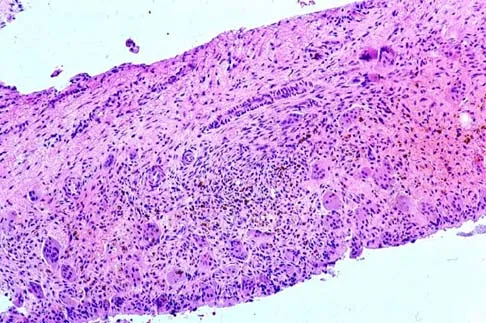
A 16-year-old boy has had thigh pain for the past several months. He denies any history of trauma. Examination reveals a large, deeply fixed, soft-tissue mass in the thigh. Laboratory results show an elevated erythrocyte sedimentation rate (ESR) and leukocytosis. A plain radiograph and MRI scan are shown in Figures 1a and 1b. Biopsy specimens are shown in Figures 1c and 1d. What is the most likely diagnosis?


Explanation

Ewing's sarcoma typically can occur in the diaphysis of the long bones (50% to 55%). It is often accompanied by a large soft-tissue mass. Abnormal findings are common, including a low-grade fever, an elevated ESR, and leukocytosis. The histology is consistent with a small round blue cell tumor. The unique pathology and other findings exclude osteosarcoma. Giant cell tumor and chondrosarcoma have a different histologic appearance and typically are more metaphyseal in location. Chondrosarcoma typically is found in older age groups, has a different histologic pattern, and rarely occurs in the midshaft of the femur.

Question 2

A 14-year-old boy who is right handed reports right shoulder pain. Radiographs show a lucent lesion of the proximal humeral epiphysis with a narrow zone of transition. Results of an open biopsy confirm the presence of a chondroblastoma. Based on these findings, the next most appropriate step in management should consist of


Explanation

The patient has a chondroblastoma of the proximal humerus; therefore, the treatment of choice is curettage and bone grafting. Surgical resection of the proximal humerus is not indicated in the initial treatment of an intraosseous chondroblastoma. Mirra JM: Bone Tumors: Clinical, Radiologic, and Pathologic Correlations. Philadelphia, PA, Lea and Febiger, 1989, pp 589-623.


Question 3

A 25-year-old man has had an insidious onset of left hip pain over the past 11 months. A radiograph, coronal MRI scan, and histopathologic specimens are seen in Figures 2a through 2d. What is the most likely diagnosis?


Explanation

Ewing's sarcoma is the second most common primary sarcoma of bone in children and young adults. It is a malignant round cell tumor with uncertain histogenesis. Sheets of uniform small round blue cells with a high nuclear-to-cytoplasm ratio and the absence of osteoid formation differentiate this histologic diagnosis from the other conditions. Immunohistochemical staining and molecular diagnostic studies are useful to verify the diagnosis.


Question 4

What is the most common anatomic location for chondrosarcoma?


Explanation

The most common anatomic location of chondrosarcoma is the pelvis (30%), followed by the proximal femur (20%). Chondrosarcomas appear in the shoulder girdle in 15% of patients but rarely affect the spine or hands. Marcove RC, Mike V, Hutter RV, et al: Chondrosarcoma of the pelvis and upper end of the femur: An analysis of factors influencing survival time in one hundred and thirteen cases. J Bone Joint Surg Am 1972;54:561-572.


Question 5

In the spine, osteoblastomas usually originate in the


Explanation

Osteoblastomas are benign lesions that represent less than 5% of benign bone tumors. Most lesions are located in the spine, followed by the femur, tibia, and skull. Patients with spinal lesions usually have pain that may be associated with scoliosis. The most common location in the spine is within the posterior elements.


Question 6

A 64-year-old man with a history of metastatic lung cancer reports increasing right hip pain over the period of several months. Radiographs are shown in Figures 3a and 3b. Initial management should consist of


Explanation

The patient has lung cancer metastatic to the right proximal femur. The lesion is large, has destroyed a portion of the cortex, and involves the peritrochanteric region. All of these findings put the patient at high risk for pathologic fracture. The lesion is amenable to intramedullary fixation in the form of some type of reconstruction nail. Chemotherapy alone will not restore the bone stock. Given the extent of the lesion, radiation therapy, chemotherapy, or embolization will not prevent fracture. A proximal femoral replacement would be indicated in patients with bone destruction extending into the femoral head and neck. Bisphosphonates may diminish the risk of subsequent lesions but are not sufficient to treat this high-risk lesion. Radiation therapy should be given postoperatively to prevent further bone destruction.


Question 7

A 58-year-old woman has had a painless periscapular mass for the past year. An MRI scan and biopsy specimen are shown in Figures 4a and 4b. What is the most likely diagnosis?


Explanation

Elastofibroma is a rare tumor that most commonly occurs in adults who are older than age 55 years. The lesions usually grow between the chest wall and the scapula, and 10% are bilateral. Histologic analysis shows that they are composed of equal amounts of elastin and collagen with occasional fibroblasts. Briccoli A, Casadei R, Di Renzo M, Favale L, Bacchini P, Bertoni F: Elastofibroma dorsi. Surg Today 2000;30:147-152.


Question 8

A characteristic genetic translocation has been noted in which of the following tumors?


Explanation

There have been no characteristic gene translocations or rearrangements noted in osteosarcoma, chondrosarcoma, neurofibrosarcoma, or epithelioid sarcoma. In contrast, Ewing's sarcoma has been noted to have a consistent genetic translocation t(11:22). Brockstein BE, Peabody TD, Simon MA: Soft tissue sarcomas, in Vokes EE Golomb HM (eds): Oncologic Therapies. New York, NY, Springer-Verlag, 1999, pp 925-952.


Question 9

A 44-year-old man has right hip pain. Radiographs reveal a radiolucent lesion of the femoral head and neck. An MRI scan shows no extraosseous tumor extension. A histopathologic photomicrograph of the biopsy specimen is shown in Figure 5. The chance of metastatic disease developing from this lesion is approximately what percent?


Explanation

The risk of pulmonary metastasis from a benign giant cell tumor is estimated to be 5%.


Question 10

Figures 6a through 6d show the radiographs and biopsy specimens of an 8-year-old girl with leg pain. Management of the lesion should consist of


Explanation

The biopsy specimens show a chondromyxoid fibroma with varying amounts of cartilage, benign fibrous tissue, giant cells, and loose myxoid areas. Chondromyxoid fibroma is a benign active bone lesion that is best treated with aggressive curettage and bone grafting. Although recurrences are common, more aggressive treatment is not warranted initially. Wilson AJ, Kyriakos M, Ackerman LV: Chondromyxoid fibroma: Radiographic appearance in 38 cases and in a review of the literature. Radiology 1991;179:513-518.


Question 11

Which of the following is considered the treatment of choice for a chondroblastoma of the proximal tibial epiphysis without intra-articular extension?


Explanation

Curettage and bone grafting typically is the preferred method of treatment for chondroblastoma, with local recurrence rates of approximately 10%. Some clinicians advocate the addition of adjuvants such as phenol. Left alone, these lesions can destroy bone and invade the joint. Large intra-articular lesions may require major joint reconstruction. Wide local excision rarely is required to eradicate the tumor. Radiation therapy rarely is indicated and only for unresectable or multiply recurrent lesions. Springfield DS, Capanna R, Gherlinzoni F, Picci P, Campanacci M: Chondroblastoma: A review of seventy cases. J Bone Joint Surg Am 1985;67:748-755.


Question 12

An otherwise healthy 78-year-old woman has low back and buttock pain. Rectal examination reveals a large sacral mass. Figures 7a and 7b show a CT scan and a sagittal MRI scan of the lumbosacral spine. A biopsy specimen is shown in Figure 7c. What is the most likely diagnosis?


Explanation

A chordoma is a malignant neoplasm originating from remnants of the notochord. It is usually localized to the midline with 50% at the sacrococcygeal area, 35% at the skull base, and 15% at the mobile portion of the spine. Large vacuolated cells (physaliferous cells) are a characteristic of the tumor. Mindell ER: Chordoma. J Bone Joint Surg Am 1981;63:501-505.


Question 13

Figures 8a through 8c show the lateral radiograph and T1- and T2-weighted MRI scans of a 14-year-old soccer player who reports aching thigh pain. The next most appropriate step in management should consist of


Explanation

Although the MRI findings could be misinterpreted as an aggressive soft-tissue process, the periosteal-based ossification on the radiograph in an athlete most likely suggests myositis ossificans. The radiograph should be repeated to see further maturation of the ossification with a typical "zoning" pattern. The zoning pattern is one of peripheral ossification. This is often best seen on a CT scan. King JB: Post-traumatic ectopic calcification in the muscles of athletes: A review. Br J Sports Med 1998;32:287-290.


Question 14

A 51-year-old male truck driver has had progressive left hip pain for more than 2 years, and he reports that the pain has become severe in the past 9 months. He is now unable to work because of the pain. Examination reveals that range of motion of the hip is limited to 95 degrees of flexion, 0 degrees of internal rotation, and 20 degrees of external rotation. The plain radiograph, MRI scan, and intraoperative gross photographs are shown in Figures 9a through 9d. Management should consist of


Explanation

The diagnosis is synovial chondromatosis. While the plain radiograph fails to show any calcifications, the MRI scan shows an intra-articular mass that involves the capsule. Grossly multiple granular cartilage nodules are seen. Management should consist of removing all loose bodies along with the synovial membrane.


Question 15

Using methylmethacrylate to fill a biopsy hole in the diaphysis of a femur theoretically achieves what purpose?


Explanation

Placing cement over a bone biopsy site prevents tumor contamination by controlling hematoma. Even though the use of cement may impart some strength, the femur is still at significant risk for fracture. The use of bone cement in this manner has not been cleared by the FDA, but many physicians feel that it is appropriate when the patient's health status has been given careful consideration, and the physician has the necessary knowledge and training. The other options are not important reasons to use methylmethacrylate in biopsies. Simon MA, Springfield DS, et al: Biopsy: Surgery for Bone and Soft Tissue Tumors. Philadelphia, PA, Lippincott Raven, 1998, pp 55-65.


Question 16

Gaucher's disease is manifested by reticuloendothelial system macrophage accumulation of


Explanation

Gaucher's disease is characterized by macrophage accumulation of glucocerebroside that is caused by a deficiency of lysosomal enzyme glucocerebrosidase. It is an autosomal-recessive trait and is most commonly found in Ashkenazi Jews. Orthopaedic surgeons see patients with Gaucher's disease usually because of osteonecrosis of the hip. Calcium pyrophosphate is associated with pseudogout. Hydroxyproline is a breakdown product of collagen and is found in high levels in patients with Paget's disease. Homogentisic acid is associated with ochronosis (alkaptonuria). Beatty JH: Orthopaedic Knowledge Update 6. Rosemont, IL, American Academy of Orthopaedic Surgeons, 1999, pp 247-252. Goldblatt J, Sacks S, Beighton P: The orthopedic aspects of Gaucher disease. Clin Orthop 1978;137:208-214.


Question 17

A 14-year-old boy reports pain in the distal thigh. He denies any history of trauma. Examination reveals tenderness and swelling of the distal thigh without effusion. A radiograph and CT scan are shown in Figures 10a and 10b. A biopsy specimen is shown in Figure 10c. Management should consist of


Explanation

Based on these findings, the patient has an aneurysmal bone cyst. Frequently, fluid-fluid levels can be detected on MRI or CT images. The histologic results show a lesion that consists of cavernous spaces filled with blood. The lining of the cavity contains spindle cells, multinucleated giant cells, and reactive bone. Curettage and bone grafting is the preferred treatment method. Without treatment, these lesions can become quite large and destructive. Radiation therapy is not recommended for resectable lesions. Chemotherapy is not required for these benign lesions. Simon MA, Springfield DS, et al: Common Benign Bone Tumors: Surgery for Bone and Soft Tissue Tumors. Philadelphia, PA, Lippincott Raven, 1998, pp 194-200.


Question 18

The dose of the chemotherapeutic agent doxorubicin (Adriamycin) is limited by which of the following factors?


Explanation

Doxorubicin is a chemotherapeutic agent that is best known for dose-limiting cardiotoxicity. This is related not only to the cumulative dose, but also the rate of infusion.


Question 19

A previously asymptomatic 12-year-old girl sustained a direct blow to the right lateral knee from a baseball bat. Examination reveals an area of ecchymosis and tenderness over the lateral thigh. The patient can walk without pain, but range of motion of the knee causes discomfort. Plain radiographs of the knee are shown in Figures 11a and 11b. To address the bone lesion, management should consist of


Explanation

The plain radiographs reveal a pedunculated osteochondroma with a fracture. There is a bony growth in the metaphysis of a long bone, on a stalk that is directed away from the nearby epiphysis. On the AP view, the host cortical and medullary bone are shown as "blending" with lesional bone. There is also a fracture through the lesion. Based on these radiographic findings, the diagnosis is an osteochondroma; therefore, initial management of an acute fracture of an osteochondroma is symptomatic treatment alone. Additional imaging studies are not indicated in this patient. At times it may be difficult to distinguish a sessile osteochondroma from a parosteal osteosarcoma. In the latter case, the host medullary bone and lesion bone are not confluent. A CT scan may be helpful to distinguish if the host medullary and cortical bone are confluent with the lesion.


Question 20

What is the most common pediatric soft-tissue sarcoma?


Explanation

Soft-tissue sarcomas are the sixth most common cancer in children. Rhabdomyosarcoma is the most common type of pediatric soft-tissue sarcoma. Nearly 50% of rhabdomyosarcomas are diagnosed in children who are age 5 years or younger. Unfortunately, there has not been a significant increase in survival in children with metastatic rhabdomyosarcoma despite aggressive therapy including multiple-drug chemotherapy regimens.


Question 21

A 53-year-old man has a 4- x 5-cm high-grade soft-tissue sarcoma in the midthigh. As part of the staging evaluation, regional nodes should be assessed by


Explanation

In general, soft-tissue metastases to regional nodes are a relatively rare occurrence (less than 5% overall). The incidence of lymphatic metastasis is highest for synovial sarcoma, rhabdomyosarcoma, clear cell sarcoma, and epithelioid sarcoma. Regional nodes should be assessed clinically. CT is not used to routinely assess regional nodes. Evaluation of a sentinal node is not indicated because of the low incidence of regional nodal involvement. Fine needle aspiration may be indicated to assess clinically suspicious nodes. Prophylactic inguinal node dissection is contraindicated because it may lead to unnecessary complications such as lymphedema.


Question 22

The risk of local recurrence after surgical resection of a soft-tissue sarcoma is most closely related to


Explanation

A positive margin is most closely related to subsequent local recurrence. The other factors cited, including the size and site of the tumor, may be related to local recurrence; however, they are more commonly prognostic because of the difficulty in obtaining wide surgical margins about large or proximal tumors. Radiation therapy has been noted to decrease the incidence of recurrence but is not felt to be as important as the surgical margin. The grade of the tumor has more influence on the prevalence of metastatic disease than the incidence of local recurrence. Lewis JJ, Leung D, Heslin M, Woodruff JM, Brennan MF: Association of local recurrence with subsequent survival in extremity soft tissue sarcoma. J Clin Oncol 1997;15:646-652.


Question 23

In a patient with a soft-tissue sarcoma treated by wide excision and radiation therapy, the risk of subsequent fracture is probably most influenced by


Explanation

While most pathologic fractures are in the lower extremity in patients treated for soft-tissue sarcomas by wide excision and adjuvant radiation therapy, risk factors for such fractures are bone resection associated with excision of the tumor and soft-tissue sarcomas of the thigh that require periosteal stripping at the time of resection. Such fractures can occur late, often more than 6 months after surgery, are difficult to treat, and often result in nonunion. Bell RS, O'Sullivan B, Nguyen C, et al: Fractures following limb-salvage surgery and adjuvant irradation for soft-tissue sarcoma. Clin Orthop 1991;271:265-271.


Question 24

Figures 12a and 12b show the radiographs of a 50-year-old patient who reports acute knee pain after sustaining a twisting injury while playing tennis. Examination is unremarkable. The next most appropriate step in management should consist of


Explanation

The radiographs show localized diffuse cortical thickening that is characteristic of melorheostosis. The condition may be monostotic or it may involve many bones in one extremity (monomelic) in the distribution of a sclerotome. Bone scans will show increased uptake at the site or sites of skeletal involvement. Long tubular bones are most commonly involved. Melorheostosis is usually asymptomatic and requires no treatment. On rare occasions, there may be associated soft-tissue contractures. Dorfman H, Czerniak B: Bone Tumors. St Louis, MO, Mosby Inc, 1998, pp 1105-1107. Campbell CJ, Papademetriou T, Bonfiglio M: Melorheostosis: A report of the clinical, roentgenographic, and pathological findings in fourteen cases. J Bone Joint Surg Am 1968;50:1281-1304.


Question 25

An adult patient has an 8- x 4- x 10-cm soft-tissue mass located within the adductor compartment of the thigh. Staging studies should consist of


Explanation

The appropriate staging studies should consist of MRI and a radiograph of the primary lesion and CT of the chest. MRI is superior to CT for soft-tissue imaging. CT may be useful for evaluating the cortex of bone for invasion by tumor. Bone scans are not commonly used because soft-tissue sarcomas rarely metastasize to bone. CT of the abdomen and pelvis is not typically ordered except for possible liposarcoma. With liposarcoma, there may be a synchronous or metastatic retroperitoneal liposarcoma. Demetri GD, Pollock R, Baker L, et al: NCCN sarcoma practice guidelines: National Comprehensive Cancer Network. Oncology (Huntingt) 1998;12:183-218.


Question 26

A patient sustains a ligamentous injury. The viscoelastic property where the ligament lengthens continuously under a constant applied load over time is called:


Explanation

Creep is the time-dependent permanent deformation of a viscoelastic material under a constant load. In contrast, stress relaxation is a decrease in stress over time under a constant deformation.

Question 27

According to Perren's strain theory, what is the maximum strain tolerated by lamellar bone before it fails?


Explanation

Perren's strain theory states that lamellar bone tolerates only up to 2 percent strain before failure. Woven bone tolerates up to 10 percent, and granulation tissue tolerates up to 100 percent strain.

Question 28

When advising a patient with unilateral hip osteoarthritis to use a cane, in which hand should it be held and what is the primary biomechanical advantage?


Explanation

Holding a cane in the contralateral hand provides a counter-moment that reduces the required force of the hip abductors to maintain a level pelvis. Because abductor force is the largest contributor to joint reaction force, this significantly unloads the affected hip.

Question 29

Bone morphogenetic proteins (BMPs) primarily exert their osteoinductive effects by binding to cell surface receptors and directly activating which of the following intracellular signaling pathways?


Explanation

BMPs bind to serine-threonine kinase receptors on the cell surface. This binding phosphorylates and activates intracellular Smad proteins, which translocate to the nucleus to regulate osteogenic gene transcription.

Question 30

The pullout strength of a cortical bone screw is most directly proportional to which of the following parameters?


Explanation

Screw pullout strength is directly proportional to the outer (major) thread diameter, length of thread engagement, and thread depth. The inner root diameter primarily determines the screw's tensile and torsional strength, not pullout strength.

Question 31

During an anterior approach to the cervical spine, the recurrent laryngeal nerve is at greatest risk of injury on the right side due to its varied anatomical path around which structure?


Explanation

The right recurrent laryngeal nerve loops under the right subclavian artery and ascends obliquely, making its path more variable and susceptible to surgical injury. The left recurrent laryngeal nerve loops safely lower down under the aortic arch.

Question 32

The compressive stiffness and elasticity of articular cartilage are primarily provided by which of its molecular components?


Explanation

Proteoglycans, primarily aggrecan, are highly negatively charged and attract water, providing the osmotic swelling pressure that resists compression. Type II collagen forms the structural framework that resists tensile and shear forces.

Question 33

Distraction osteogenesis, when performed under stable mechanical conditions, primarily results in new bone formation through which of the following biological processes?


Explanation

Under stable conditions, distraction osteogenesis stimulates bone formation via intramembranous ossification. The distraction gap fills with a fibrous, collagenous zone that mineralizes directly into bone without a cartilaginous intermediate phase.

Question 34

The predominant blood supply to the proximal pole of the scaphoid is provided by retrograde branches entering the dorsal ridge from which artery?


Explanation

The primary blood supply to the scaphoid comes from the dorsal carpal branch of the radial artery. These vessels enter the distal portion of the scaphoid and supply the proximal pole in a retrograde fashion, explaining the high nonunion rate in proximal pole fractures.

Question 35

The torsional rigidity of a solid cylindrical intramedullary nail is proportional to its radius raised to what power?


Explanation

The torsional rigidity of a solid cylinder is governed by its polar moment of inertia, which is proportional to the radius to the fourth power. Therefore, a small increase in the nail's diameter significantly increases its resistance to torsional deformation.

Question 36

In the process of secondary fracture healing, the soft callus phase is characterized predominantly by the formation of:


Explanation

Secondary fracture healing involves a soft callus phase composed primarily of cartilage formed by chondrocytes. This cartilaginous soft callus is later replaced by woven bone during the hard callus phase via endochondral ossification.

Question 37

Aseptic loosening and osteolysis around a total hip arthroplasty are most commonly initiated by macrophage phagocytosis of which type of wear particles?


Explanation

Osteolysis in total joint arthroplasty is most commonly driven by ultra-high molecular weight polyethylene (UHMWPE) wear particles. Macrophage phagocytosis of these particles triggers the release of inflammatory cytokines like TNF-alpha and IL-1, stimulating osteoclastic bone resorption.

Question 38

A 45-year-old man presents with severe back pain radiating down his leg. MRI reveals a posterolateral disc herniation at the L4-L5 level. Which nerve root is most likely compressed?


Explanation

In the lumbar spine, exiting nerve roots leave the canal above the intervertebral disc. Therefore, a posterolateral disc herniation at the L4-L5 level typically spares the exiting L4 root but compresses the traversing L5 nerve root.

Question 39

Nonsteroidal anti-inflammatory drugs (NSAIDs) have been shown to delay fracture healing. This effect is primarily mediated through the inhibition of which enzyme crucial for early inflammatory signaling?


Explanation

NSAIDs inhibit cyclooxygenase-2 (COX-2), an enzyme essential for synthesizing prostaglandins during the initial inflammatory phase of fracture healing. This inhibition impairs early angiogenesis, mesenchymal stem cell differentiation, and endochondral ossification.

Question 40

On a standard stress-strain curve for cortical bone, the point at which the material begins to exhibit permanent plastic deformation and will not return to its original shape upon unloading is called the:


Explanation

The yield point marks the transition from elastic (reversible) deformation to plastic (irreversible) deformation. Beyond this point, microstructural damage occurs, and the material will not return to its original dimensions when the load is removed.

Question 41

The pes anserinus is composed of the tendons of the sartorius, gracilis, and semitendinosus muscles. Which of the following accurately lists their respective motor nerve supplies in that order?


Explanation

The sartorius is innervated by the femoral nerve, the gracilis by the obturator nerve, and the semitendinosus by the tibial division of the sciatic nerve. These three muscles represent three distinct fascial compartments of the thigh converging on the proximal medial tibia.

Question 42

Which of the following statements best describes the biomechanical and structural difference between woven bone and lamellar bone?


Explanation

Woven bone is immature, formed rapidly, and characterized by randomly oriented collagen fibers, making it mechanically isotropic and weak. Lamellar bone is mature, highly organized into parallel sheets, and anisotropic, providing greater mechanical strength.

Question 43

In the microstructure of articular cartilage, what is the primary biomechanical function of the superficial (tangential) zone?


Explanation

The superficial zone of articular cartilage contains densely packed collagen fibers oriented parallel to the articular surface. This specialized arrangement acts as a protective skin that primarily resists shear forces and provides tensile strength to the joint surface.

Question 44

Following a displaced subcapital femoral neck fracture, the primary blood supply to the adult femoral head is disrupted. This dominant blood supply normally arises directly from the:


Explanation

The medial femoral circumflex artery provides the predominant blood supply to the adult femoral head via its lateral epiphyseal branches. Disruption of these retinacular vessels in displaced neck fractures leads to a high risk of avascular necrosis.

Question 45

Low-intensity pulsed ultrasound (LIPUS) accelerates fracture healing primarily through which of the following hypothesized mechanisms at the cellular level?


Explanation

LIPUS applies micro-mechanical stress to bone cells via acoustic streaming. This mechanical stimulation is transduced by cell surface integrins, upregulating COX-2 expression and prostaglandin E2 production, which accelerates callus formation and maturation.

Question 46

A 35-year-old man undergoes open reduction and internal fixation of a transverse radial shaft fracture. A dynamic compression plate is applied to achieve absolute stability. Which of the following best describes the primary mechanism of bone healing expected in this scenario?


Explanation

Under conditions of absolute stability and anatomic reduction, primary bone healing occurs without callus formation. This is driven by osteoclastic cutting cones crossing the fracture site, followed by osteoblasts laying down new lamellar bone via Haversian remodeling.

Question 47

In the design of orthopedic screws for use in osteoporotic cancellous bone, maximizing pullout strength is critical. Which of the following geometric modifications to a standard screw design will most effectively increase its pullout strength?


Explanation

Screw pullout strength is positively correlated with the outer (major) diameter and length of engagement, and negatively correlated with the inner (minor) diameter. Decreasing the thread pitch (resulting in more threads per inch) increases the sheer area of bone engaged, thereby increasing pullout strength.

Question 48

Articular cartilage is composed of multiple distinct zones that provide specific biomechanical properties. Which of the following zones is primarily responsible for resisting shear stress during joint motion?


Explanation

The superficial zone of articular cartilage features densely packed collagen fibers oriented parallel to the articular surface. This specific orientation allows the superficial zone to effectively resist shear forces and provide a low-friction gliding surface.

Question 49

A surgeon utilizes the standard deltopectoral approach for a total shoulder arthroplasty. To safely access the anterior shoulder joint, the internervous plane developed relies on the innervation of the deltoid and pectoralis major muscles. Which of the following represents the correct internervous plane?


Explanation

The deltopectoral approach exploits the internervous plane between the deltoid (innervated by the axillary nerve) and the pectoralis major (innervated by the medial and lateral pectoral nerves). This allows safe access to the anterior shoulder without denervating either muscle.

Question 50

The stiffness of an orthopedic implant is determined by its material properties, specifically the Young modulus. Among the following common implant materials, which possesses a Young modulus most similar to that of cortical bone?


Explanation

Cortical bone has a Young modulus of approximately 15-20 GPa. Titanium alloy (~110 GPa) is closer to cortical bone than stainless steel (~200 GPa) or cobalt-chromium (~220 GPa), resulting in less stress shielding when implanted.

Question 51

A viscoelastic material, such as a ligament, exhibits time-dependent mechanical behavior. If a constant static tensile load is continuously applied to a ligament over time, the gradual increase in its length is referred to as:


Explanation

Creep is the progressive deformation (increase in length) of a viscoelastic material when subjected to a constant load over time. Conversely, stress relaxation is the decrease in stress over time when the material is held at a constant length.

Question 52

When selecting an orthopedic implant to minimize stress shielding of the underlying bone, which of the following materials is most appropriate due to its modulus of elasticity being closest to that of human cortical bone?


Explanation

Titanium alloy has a modulus of elasticity (approx 100 GPa) that is much closer to cortical bone (15-20 GPa) than stainless steel (200 GPa) or cobalt-chrome (220 GPa). This closer match reduces the phenomenon of stress shielding, potentially minimizing bone resorption around the implant.

Question 53

During distraction osteogenesis using the Ilizarov technique, if mechanical stability is maintained and the distraction rate is optimal (1 mm/day), new bone formation in the distraction gap predominantly occurs via which process?


Explanation

Distraction osteogenesis primarily occurs via intramembranous ossification under mechanically stable conditions with adequate blood supply. Mesenchymal cells differentiate directly into osteoblasts to form bone without an intermediate cartilaginous phase.

Question 54

The anterior (Smith-Petersen) surgical approach to the hip is favored in certain procedures because it utilizes a true internervous plane. This plane is located between muscles innervated by which of the following nerve pairs?


Explanation

The anterior approach utilizes the internervous plane between the tensor fasciae latae (innervated by the superior gluteal nerve) and the sartorius (innervated by the femoral nerve). This preserves the motor supply to both muscles.

Question 55

A surgeon decides to upsize a solid intramedullary tibial nail from 8 mm to 10 mm in diameter. Based on biomechanical principles, changing the radius by a factor of 1.25 will increase the nail's bending stiffness by a factor of approximately:


Explanation

The bending stiffness of a solid cylinder is proportional to the area moment of inertia, which relates to the radius to the 4th power (r^4). Thus, increasing the radius by a factor of 1.25 increases stiffness by 1.25^4, which is approximately 2.44.

Question 56

Bone morphogenetic proteins (BMP-2 and BMP-7) are frequently used in complex fusions and nonunion surgery. They promote bone healing primarily through which of the following mechanisms?


Explanation

BMPs are members of the TGF-beta superfamily and act as potent osteoinductive agents. They bind to cell surface receptors to stimulate the differentiation of multipotent mesenchymal stem cells into bone-forming osteoblasts.

Question 57

Which of the following viscoelastic properties describes the progressive deformation of a ligament or tendon when it is subjected to a constant tensile load over an extended period of time?


Explanation

Creep is the progressive, time-dependent deformation of a viscoelastic material under a constant load. In contrast, stress relaxation is the decrease in stress within a material when held at a constant length.

Question 58

A 24-year-old man sustains a fracture through the proximal pole of the scaphoid. He is at high risk for avascular necrosis due to the primary blood supply of the scaphoid, which enters the bone at which anatomical location?


Explanation

The primary vascular supply to the scaphoid enters distally at the dorsal ridge and courses retrogradely towards the proximal pole. Fractures proximal to this entry point often disrupt this retrograde blood supply, leading to ischemia.

Question 59

When utilizing a massive cortical bone allograft for structural support after tumor resection, which of the following best describes its incorporation characteristics compared to a cancellous bone autograft?


Explanation

Cortical allografts incorporate very slowly via creeping substitution and osteoconduction. Their core often remains necrotic and unremodeled for years, in contrast to the rapid revascularization and complete remodeling seen in cancellous autografts.

Question 60

To maximize the pullout strength of a cortical screw placed into the diaphyseal shaft, which of the following alterations in screw design or application is most effective?


Explanation

Screw pullout strength is directly proportional to the outer thread diameter, the length of thread engagement in the bone, and the bone's shear strength. Increasing the core diameter or the pitch typically decreases the volume of bone caught between threads.

Question 61

During clinical examination of a knee, applying a varus stress at 30 degrees of flexion primarily tests the integrity of which of the following structures?


Explanation

The lateral collateral ligament (LCL) is the primary restraint to varus stress at the knee, and it is best isolated at 30 degrees of flexion. At extension, secondary stabilizers like the posterior capsule contribute to varus stability.

Question 62

Primary (strain-free) bone healing across a fracture requires highly specific mechanical conditions. Which of the following is absolutely required for primary bone healing to occur?


Explanation

Primary bone healing occurs via cutting cones and Haversian remodeling without intermediate callus formation. It strictly requires absolute mechanical stability and near-anatomic reduction (gaps < 0.1 mm).

Question 63

Biomechanical analysis of normal human gait reveals significant joint reaction forces. During the single-limb stance phase, the hip joint reaction force is approximately what multiple of total body weight?


Explanation

During the single-limb stance phase of normal gait, the hip joint reaction force reaches approximately 2.5 to 3 times body weight. This force is a vector sum of the body weight and the large counteracting force generated by the abductor musculature.

Question 64

A 22-year-old football player sustains a blunt injury to the posterolateral neck and subsequently develops classic medial winging of the scapula. The injured nerve originates directly from which of the following neural structures?


Explanation

Medial winging of the scapula results from paralysis of the serratus anterior muscle. This muscle is innervated by the long thoracic nerve, which originates directly from the ventral rami of C5, C6, and C7 before the formation of the trunks.

Question 65

In human diarthrodial joints, articular cartilage utilizes several lubrication mechanisms. Under conditions of high load and very low speed (or at rest), which mechanism predominantly protects the articular surfaces?


Explanation

Boundary lubrication predominates under high-load, low-speed conditions where fluid films break down. It relies on a monomolecular layer of surface-active glycoproteins, primarily lubricin, bound to the articular surface.

Question 66

A 35-year-old man presents with a hypertrophic nonunion of the tibial shaft 9 months after closed intramedullary nailing. The patient is otherwise healthy and non-smoker. What is the most appropriate definitive management?


Explanation

Hypertrophic nonunions have adequate biological healing potential (hence the 'elephant foot' callus) but fail due to excessive mechanical instability. Exchange nailing to a larger diameter provides the necessary stability, leading to predictable union without bone grafting.

Question 67

During a complex reconstruction of the midfoot, a surgeon dissects the plantar aspect of the foot and identifies the Master Knot of Henry. At this anatomical landmark, which tendon crosses dorsal (deep) to the flexor digitorum longus (FDL)?


Explanation

The Master Knot of Henry is located in the medial plantar midfoot at the level of the navicular. Here, the flexor hallucis longus (FHL) tendon reliably crosses dorsal (deep) to the flexor digitorum longus (FDL) tendon.

Question 68

Which of the following best describes the process of creeping substitution in cortical bone grafts?


Explanation

Creeping substitution in cortical bone grafts involves initial osteoclastic resorption of the graft bone, followed by osteoblastic new bone formation along the resorbed surfaces.

Question 69

A tendon undergoes continuous deformation over time when subjected to a constant physiological load. This viscoelastic property is termed:


Explanation

Creep is the time-dependent deformation of a viscoelastic material under a constant load. Stress relaxation, conversely, is a decrease in stress over time under constant deformation.

Question 70

In which zone of articular cartilage are the collagen fibers oriented primarily parallel to the joint surface?


Explanation

The superficial (tangential) zone of articular cartilage contains collagen fibers oriented parallel to the joint surface to resist shear forces.

Question 71

Absolute stability with interfragmentary compression of a fracture leads to primary bone healing. Which of the following is the primary cellular mechanism responsible for this type of healing?


Explanation

Primary bone healing occurs via cutting cones (Haversian remodeling) directly across the fracture site under conditions of absolute stability, bypassing callus formation.

Question 72

Decreasing the working length of a bridging plate construct for a diaphyseal fracture will have which of the following biomechanical effects?


Explanation

Decreasing the working length (the distance between the two innermost screws on either side of the fracture) increases the stiffness of the construct in bending and torsion. This limits tolerated micromotion.

Question 73

The torsional rigidity of a solid intramedullary nail is proportional to its radius raised to which power?


Explanation

Torsional rigidity of a solid cylinder is determined by its polar moment of inertia, which is proportional to the radius to the fourth power (r^4).

Question 74

During peripheral nerve repair, the epineurial suture technique primarily coapts which structure?


Explanation

Epineurial repair approximates the outermost layer of the nerve, the epineurium, which mechanically encloses the entire nerve consisting of multiple fascicles.

Question 75

Squeeze-film lubrication in human synovial joints is most effective during which type of activity?


Explanation

Squeeze-film lubrication occurs when joint surfaces are pressed together under high loads and low velocities, utilizing fluid viscosity to prevent direct cartilage-to-cartilage contact.

Question 76

Which type of muscle contraction generates the highest maximum tension?


Explanation

Eccentric contractions, where the muscle lengthens under tension, can generate greater maximal force than isometric or concentric contractions.

Question 77

Which of the following parameter changes will most significantly increase the pullout strength of a cortical bone screw?


Explanation

Pullout strength is most significantly increased by increasing the outer (major) diameter of the screw. Increasing the length of engagement in bone also substantially improves pullout strength.

Question 78

Galvanic corrosion is most likely to occur under which of the following conditions in orthopedic implants?


Explanation

Galvanic corrosion occurs when two dissimilar metals (e.g., stainless steel and titanium) are in physical contact within a conductive fluid environment like human body fluid.

Question 79

In total joint arthroplasty, the phenomenon of "third-body wear" is best classified as which type of wear mechanism?


Explanation

Third-body wear is a form of abrasive wear caused by hard particles (like bone, cement, or metal debris) caught between the articulating surfaces, which scratch and gouge the softer material.

Question 80

Which cytokine is considered most critical for the initiation of the inflammatory phase of fracture healing?


Explanation

Interleukin-1 (IL-1), IL-6, and TNF-alpha are key proinflammatory cytokines that act early to initiate the fracture healing cascade following injury.

Question 81

The Hueter-Volkmann principle describes which of the following phenomena in bone mechanics?


Explanation

The Hueter-Volkmann principle states that increased compressive forces parallel to the axis of a physis inhibit longitudinal growth, whereas decreased compressive forces or tension stimulate it.

Question 82

The most abundant proteoglycan in articular cartilage, responsible for its compressive stiffness through osmotic swelling pressure, is:


Explanation

Aggrecan is the primary proteoglycan in articular cartilage. Its highly negatively charged glycosaminoglycan chains attract water, creating a swelling pressure that resists mechanical compression.

Question 83

Which of the following biomechanical terms best describes the phenomenon where a ligament subjected to a constant, sustained load exhibits a progressive increase in deformation over time?


Explanation

Creep is the progressive deformation of a viscoelastic material when subjected to a constant load over time. Stress relaxation, conversely, is the decrease in stress within a material when it is held at a constant deformation.

Question 84

In the standard Ilizarov technique of distraction osteogenesis, new bone formation across the distraction gap primarily occurs through which of the following biological processes?


Explanation

Distraction osteogenesis heals primarily via intramembranous ossification under stable fixation. A cartilaginous intermediate (endochondral ossification) is generally absent unless there is excessive micromotion or instability.

Question 85

Which of the following geometric modifications to an orthopedic screw will most effectively increase its pullout strength in cortical bone?


Explanation

Pullout strength is most heavily dependent on the major (outer) diameter of the screw, increasing proportionally to the square of the outer diameter. Decreasing the pitch or increasing the length of engagement also increases pullout strength, but increasing the major diameter has the most profound effect.

Question 86

On a standard stress-strain curve for a given orthopaedic implant, the total area under the curve prior to the point of structural failure represents the material's:


Explanation

Toughness is defined as the ability of a material to absorb energy and deform plastically before fracturing, represented by the total area under the stress-strain curve. Stiffness is represented by the slope of the linear elastic portion (Young's modulus).

Question 87

Compared to a parallel-fibered muscle of the same overall mass and volume, a multipennate muscle architecture is characterized biomechanically by which of the following?


Explanation

Pennate muscles have shorter muscle fibers arranged at an angle to the axis of force generation, increasing the physiological cross-sectional area. This architecture generates greater force but allows for less overall excursion compared to parallel-fibered muscles.

Question 88

Which of the following bone morphogenetic proteins (BMPs) is an osteoinductive agent that signals primarily through the SMAD intracellular pathway and is FDA-approved for use in acute, open tibial shaft fractures?


Explanation

Recombinant human BMP-2 (rhBMP-2) is FDA-approved for the treatment of acute open tibial shaft fractures treated with an intramedullary nail. rhBMP-7 is approved under a Humanitarian Device Exemption for recalcitrant long bone nonunions.

Question 89

According to Archard's law of adhesive wear in total joint arthroplasty, the volume of wear debris generated is inversely proportional to which of the following variables?


Explanation

Archard's law states that volumetric wear is directly proportional to the applied load and sliding distance, and inversely proportional to the hardness of the softer material. Increasing the hardness of the articulating surface reduces wear.

Question 90

A 45-year-old man presents with a hypertrophic nonunion of the tibial shaft 9 months after intramedullary nailing. Radiographs show abundant bridging callus that fails to cross the fracture site (elephant shoe appearance). What is the primary underlying cause of this condition?


Explanation

Hypertrophic nonunions are characterized by excellent biology and vascularity but inadequate mechanical stability. The treatment of choice is typically improving stabilization, such as exchange nailing with a larger diameter nail.

Question 91

In articular cartilage, which structural zone contains the highest concentration of water and has collagen fibers oriented parallel to the joint surface?


Explanation

The superficial tangential zone contains the highest water content and has collagen fibers aligned parallel to the articular surface to resist shear forces. The deep zone contains collagen fibers oriented perpendicularly to resist compressive loads.

Question 92

The use of a stainless steel screw through a titanium plate in an internal fixation construct is generally avoided in orthopedic surgery due to the risk of which type of corrosion?


Explanation

Galvanic corrosion occurs when two dissimilar metals with different electrochemical potentials are placed in contact within a conductive fluid (such as bodily fluids). The less noble metal undergoes accelerated corrosion.

Question 93

Osteoclasts resorb bone by creating an acidic microenvironment at the ruffled border. Which specific enzyme is primarily responsible for the generation of protons (H+) necessary to maintain this acidic environment?


Explanation

Carbonic anhydrase II catalyzes the conversion of carbon dioxide and water into carbonic acid, which dissociates into protons and bicarbonate. The protons are pumped into the resorption pit to dissolve the inorganic bone mineral.

Question 94

When analyzing the biomechanical properties of a hollow intramedullary nail, its torsional rigidity (polar moment of inertia) depends most heavily on which geometric parameter?


Explanation

The polar moment of inertia for a hollow cylinder is proportional to the difference between the outer radius to the fourth power and the inner radius to the fourth power. Thus, small increases in the outer diameter exponentially increase torsional rigidity.

Question 95

During the remodeling phase of secondary fracture healing, woven bone is gradually replaced by lamellar bone oriented along lines of stress. This biological response to mechanical loading is governed by which of the following principles?


Explanation

Wolff's law states that bone remodels in response to the mechanical stresses placed upon it. The Heuter-Volkmann law refers specifically to the modulation of physeal growth by compressive or tensile forces.

Question 96

The scaphoid bone is highly susceptible to avascular necrosis following a waist fracture due to its retrograde blood supply. The primary arterial supply to the proximal pole enters at which of the following anatomic locations?


Explanation

The primary blood supply to the scaphoid is retrograde, entering the dorsal ridge distal to the waist from the dorsal carpal branch of the radial artery. Fractures at the waist or proximal pole disrupt this supply, leading to ischemia of the proximal segment.

Question 97

Under high-load and low-speed conditions, articular cartilage relies primarily on a boundary lubrication mechanism to reduce friction. Which of the following molecules is most critical for providing this boundary lubrication at the outermost joint surface?


Explanation

Lubricin (Proteoglycan 4) is a glycoprotein secreted by superficial zone chondrocytes and synoviocytes that is essential for boundary lubrication. Elastohydrodynamic (fluid-film) lubrication dominates during high-speed, dynamic joint motion.

Question 98

According to the Seddon classification, a peripheral nerve injury characterized by complete disruption of the axon and myelin sheath, but with preservation of the surrounding endoneurial, perineurial, and epineurial connective tissue is termed:


Explanation

Axonotmesis involves the loss of axonal continuity while the structural connective tissue framework remains intact, allowing for spontaneous nerve regeneration at about 1 mm/day. Neuropraxia is a local conduction block without structural disruption.

Question 99

To maximize biomechanical stability and prevent gap formation during the internal plate fixation of a transverse fracture of the radius, the plate should ideally be applied to which aspect of the bone?


Explanation

According to the tension band principle, applying a plate to the tension side of a bone converts tensile forces into compressive forces at the opposite cortex. This prevents fracture gaping and promotes stable primary bone healing.

Question 100

Healing of a ruptured medial collateral ligament (MCL) proceeds through distinct phases. During the early cellular repair phase, which type of collagen is synthesized in the highest proportion by invading fibroblasts before being eventually replaced during remodeling?


Explanation

During the early repair phase of soft tissue healing (tendons and ligaments), fibroblasts predominantly synthesize Type III collagen. Over months during the remodeling phase, this is gradually replaced by stronger Type I collagen.

None

Clinic OS
Medically Verified Content by
Prof. Clinic OS
Consultant Orthopedic & Spine Surgeon
Chapter Index
