AAOS & ABOS Basic Science MCQs (Set 4): Bone Biology, Biomechanics & Physiology | Orthopedic Board Prep
Key Takeaway
This high-yield Basic Science MCQ set for AAOS, ABOS, and OITE exams covers fundamental orthopedic concepts. Questions focus on bone biology, including cellular mechanisms and healing, musculoskeletal biomechanics principles, and connective tissue physiology. Essential for comprehensive board review.
AAOS & ABOS Basic Science MCQs (Set 4): Bone Biology, Biomechanics & Physiology | Orthopedic Board Prep
Comprehensive 100-Question Exam
00:00
Start Quiz
Question 1
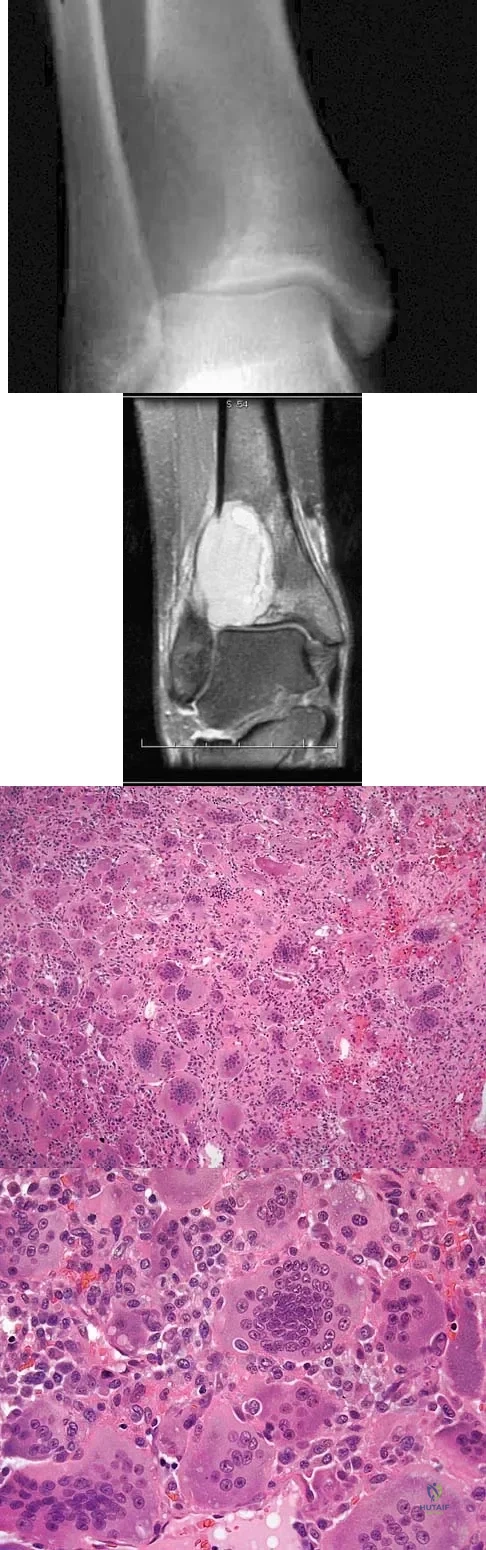
A 19-year-old girl has had pain and swelling in the right ankle for the past 4 months. She denies any history of trauma. Examination reveals a small soft-tissue mass over the anterior aspect of the ankle and slight pain with range of motion of the ankle joint. The examination is otherwise unremarkable. A radiograph and MRI scan are shown in Figures 45a and 45b, and biopsy specimens are shown in Figures 45c and 45d. What is the most likely diagnosis?
Explanation
Question 2
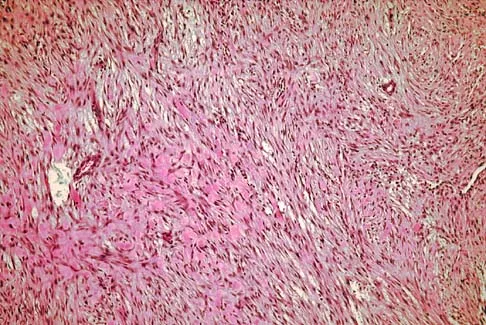
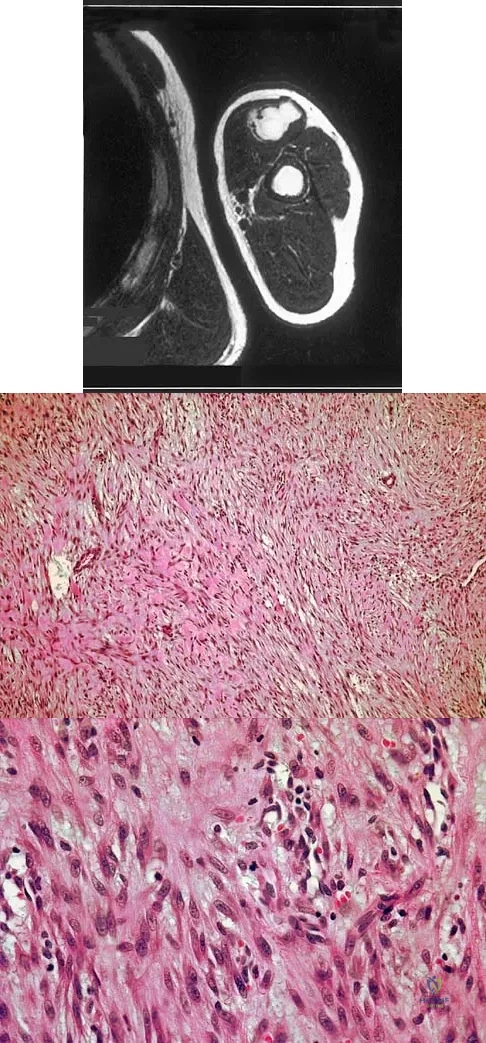
A 13-year-old boy has had a painless mass in the arm for the past 2 months. An MRI scan and biopsy specimens are shown in Figures 46a through 46c. What is the most likely diagnosis?
Explanation
Question 3
A 20-year-old man has a symptomatic lesion of fibrous dysplasia in the femoral neck. Management should consist of
Explanation
Question 4
In addition to radiographs of the primary lesion and chest, MRI of the primary lesion, and CT of the chest, staging studies for Ewing's sarcoma should include which of the following?
Explanation
Question 5
Which of the following conditions is transmitted by an autosomal dominant trait?
Explanation
Question 6
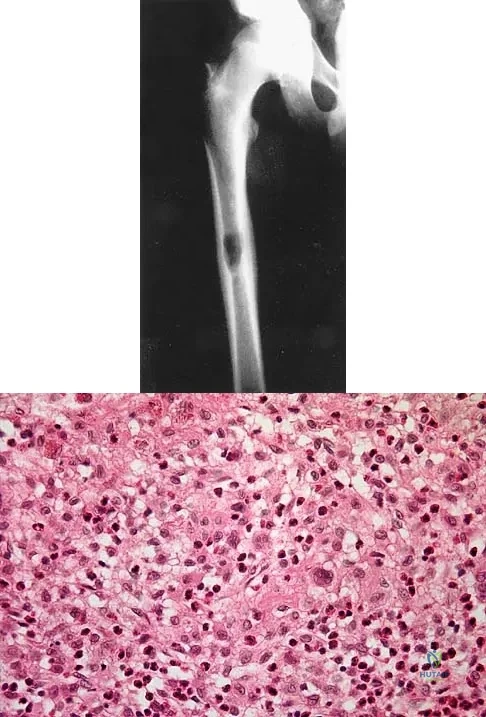
A previously healthy 13-year-old girl has had thigh pain for the past 3 weeks. The radiograph shown in Figure 47a reveals a lesion in the right femur. A bone scan and CT scan of the chest show no evidence of other lesions. A biopsy specimen is shown in Figure 47b. What is the most likely diagnosis?
Explanation
Question 7
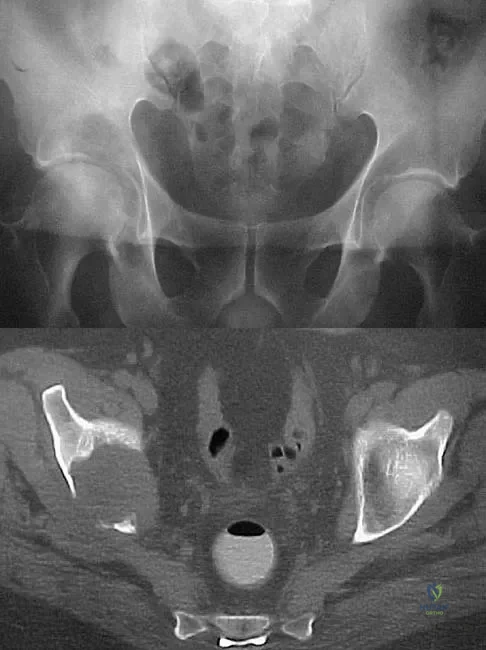
A 50-year-old man with metastatic renal cell carcinoma has right hip pain. A radiograph and CT scan are shown in Figures 48a and 48b. The first step in management should consist of
Explanation
Question 8
What is the most common benign bone tumor in childhood?
Explanation
Question 9
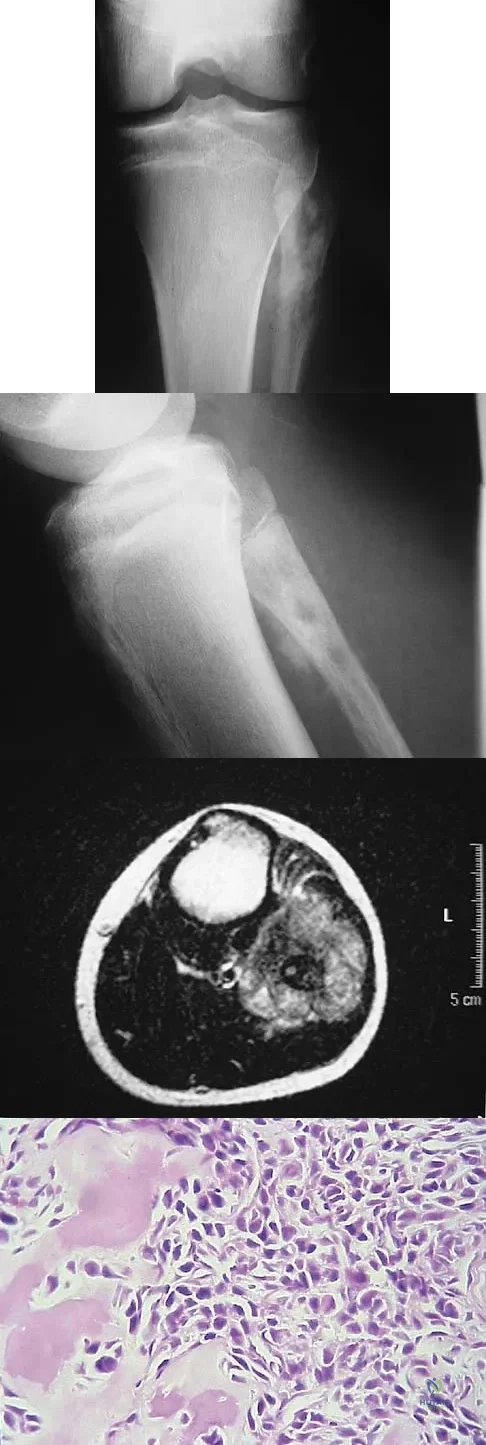
A 13-year-old patient has foot drop and lateral knee pain. AP and lateral radiographs and an MRI scan are shown in Figures 49a through 49c. A biopsy specimen is shown in Figure 49d. What is the preferred method of treatment?
Explanation
Question 10
A 13-year-old girl is diagnosed with a stage IIB osteosarcoma of the proximal tibia. Following neoadjuvant chemotherapy, local control should consist of
Explanation
Question 11
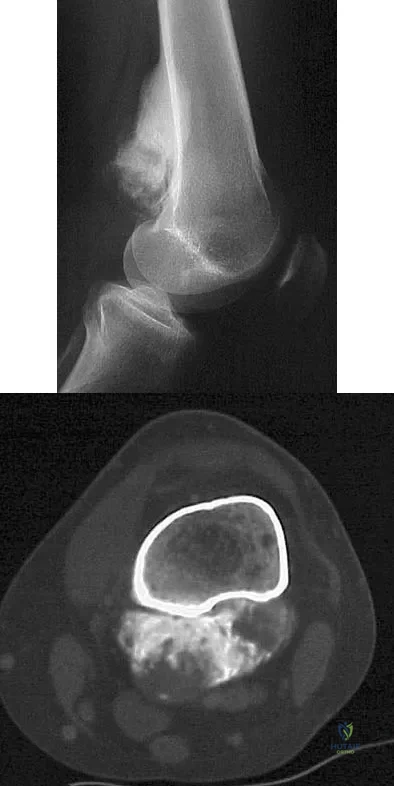
A 23-year-old woman has had vague left knee pain for the past 6 months. A radiograph and CT scan are shown in Figures 50a and 50b. What is the most likely diagnosis?
Explanation
Question 12
What is the preferred treatment of a patient with breast cancer and a pathologic fracture of the clavicle in her dominant arm?
Explanation
Question 13
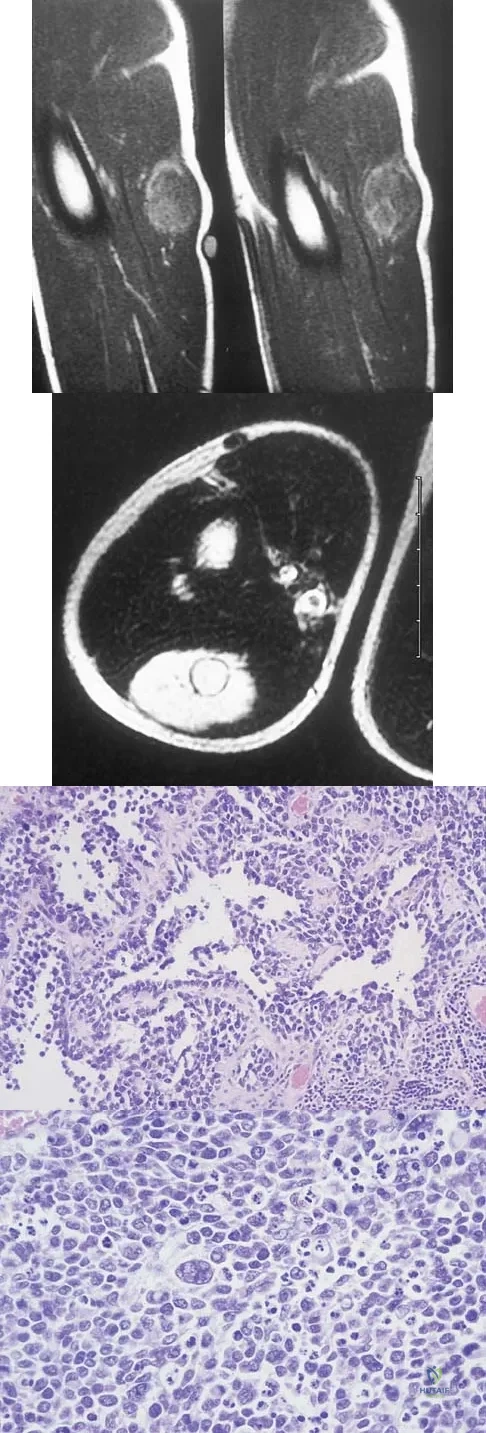
A 14-year-old boy has an asymptomatic mass on the right arm. MRI scans and biopsy specimens are shown in Figures 51a through 51d. Immunostaining is positive for desmin. Additional staging studies should include
Explanation
Question 14
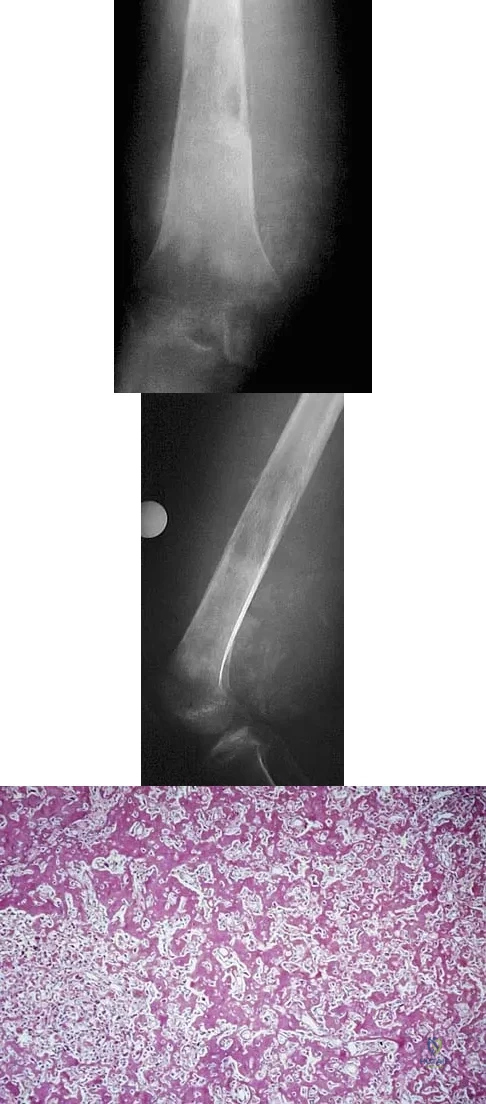
A 15-year-old girl has left knee pain and an enlarging mass in the distal thigh. AP and lateral radiographs are shown in Figures 52a and 52b, and a biopsy specimen is shown in Figure 52c. What is the most likely diagnosis?
Explanation
Question 15
Survival rates for children with soft-tissue sarcoma other than rhabdomyosarcoma are best correlated with
Explanation
Question 16
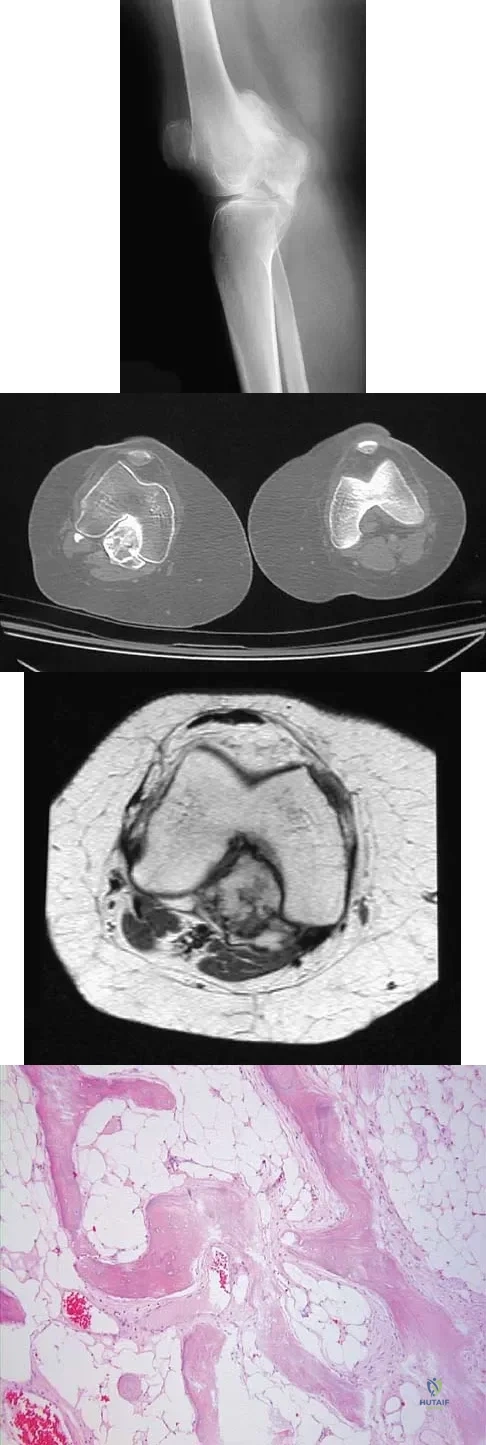
A 25-year-old woman has had pain and stiffness in her knee following a motor vehicle accident 9 months ago. The radiograph, CT scan, MRI scan, and biopsy specimen are shown in Figures 53a through 53d. What is the most likely diagnosis?
Explanation
Question 17
Which of the following lesions most closely resembles Ewing's sarcoma histologically?
Explanation
Question 18
Primary chondrosarcoma of bone most commonly occurs in which of the following locations?
Explanation
Question 19
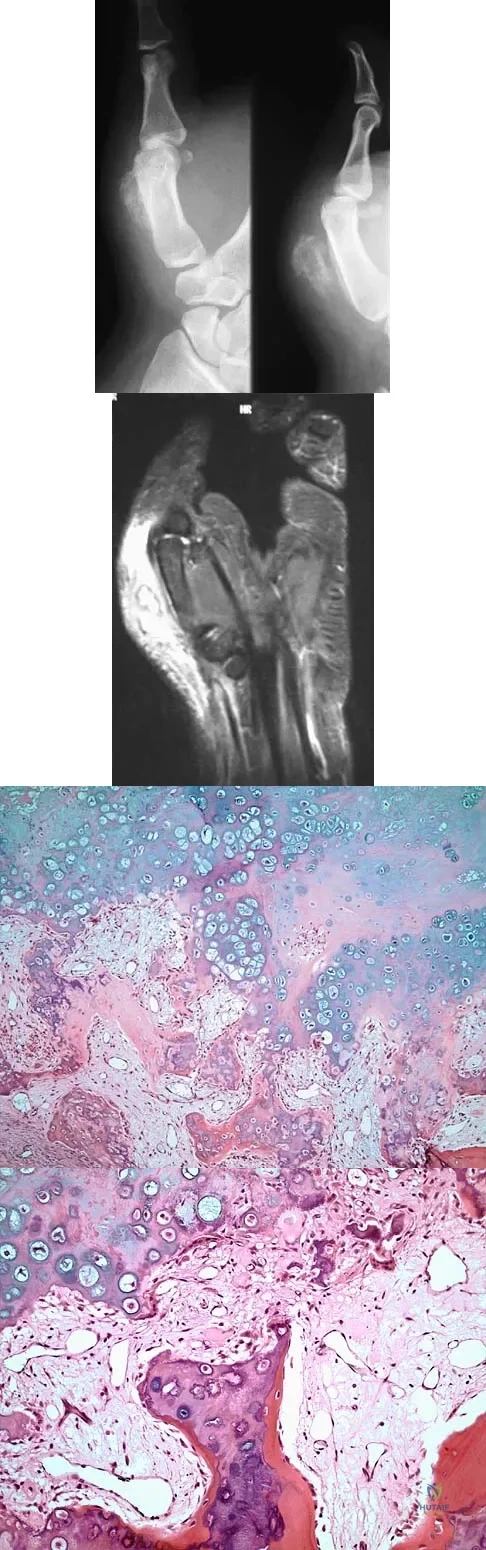
An 18-year-old man has had an enlarging mass in his hand for the past 3 months. Radiographs, an MRI scan, and biopsy specimens are shown in Figures 54a through 54d. What is the most likely diagnosis?
Explanation
Question 20
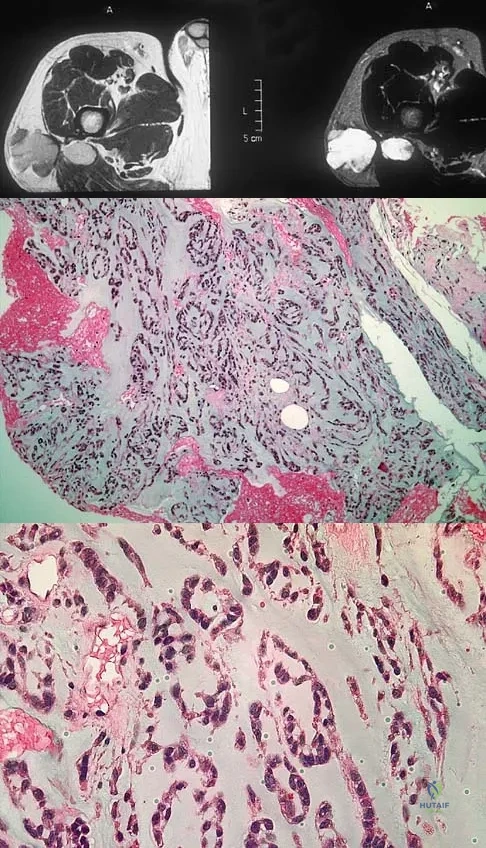
A 55-year-old man has had a mass in his right thigh for the past 2 months. An MRI scan and biopsy specimens are shown in Figures 55a through 55c. What is the most likely diagnosis?
Explanation
Question 21
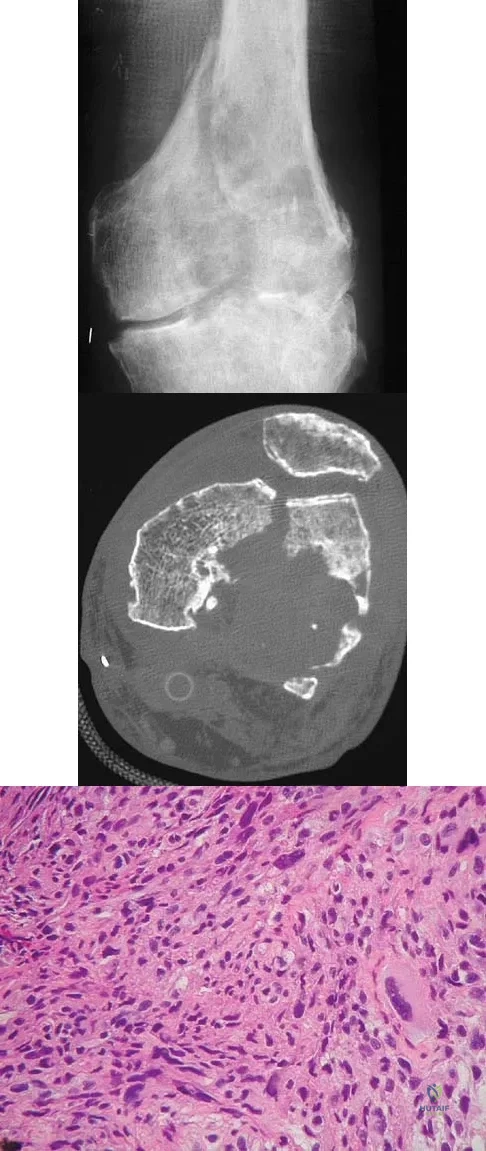
Figures 56a through 56c show the radiograph, CT scan, and biopsy specimen of a 44-year-old man who underwent chemotherapy and radiation therapy for lymphoma of the distal femur 20 years ago. His current problem is most likely related to
Explanation
Question 22
What is the most common reason an individual with a malignant soft-tissue tumor in the extremities seeks medical attention?
Explanation
Question 23
Exostoses in which of the following anatomic locations is the most likely to undergo malignant transformation in a patient with multiple hereditary exostosis (MHE)?
Explanation
Question 24
Initial management of a pathologic fracture of the humerus secondary to a unicameral bone cyst should include
Explanation
Question 25
An 11-year-old child has Ewing's sarcoma of the femoral diaphysis with a small soft-tissue mass. Staging studies show no evidence of metastases. Treatment should consist of
Explanation
Question 26
Sclerostin is a key regulatory glycoprotein secreted by osteocytes to inhibit bone formation. Its mechanism of action involves directly antagonizing which of the following intracellular signaling pathways?
Explanation
Question 27
A trauma surgeon is comparing different implant materials for a diaphyseal fracture fixation. Which of the following lists correctly orders materials by decreasing Young's modulus (stiffness)?
Explanation
Question 28
According to Perren's strain theory of fracture healing, which of the following tissues can tolerate the highest level of interfragmentary strain before mechanical failure?
Explanation
Question 29
An infant presents with diffuse osteosclerosis and recurrent fractures. Genetic testing reveals a mutation in the CLCN7 gene. This condition primarily affects which of the following cellular mechanisms?
Explanation
Question 30
During wear of an ultra-high-molecular-weight polyethylene (UHMWPE) component in total joint arthroplasty, submicron particles are generated. Which cell type is primarily responsible for phagocytosing these particles and initiating the osteolytic cascade?
Explanation
Question 31
Bone morphogenetic protein 2 (BMP-2) stimulates osteoblast differentiation. Upon binding to its serine/threonine kinase receptor, which intracellular signaling molecules are directly phosphorylated to translocate to the nucleus?
Explanation
Question 32
Fibroblast growth factor 23 (FGF-23) plays a critical role in mineral homeostasis. Which of the following accurately describes its primary cellular source and its main renal effect?
Explanation
Question 33
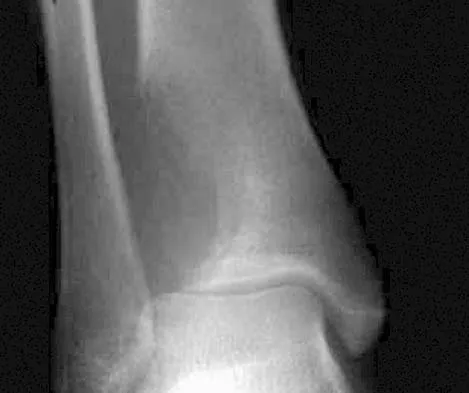
On a load-deformation (stress-strain) curve of a bone specimen, the total area under the entire curve before the point of failure represents which specific mechanical property?
Explanation
Question 34
Denosumab is highly effective in the management of osteoporosis and giant cell tumors of bone. It exerts its therapeutic effect by mimicking the physiological function of which endogenous molecule?
Explanation
Question 35
A 3-year-old child presents with short stature, rhizomelic shortening of the limbs, and frontal bossing. This condition is typically caused by a gain-of-function mutation in FGFR3. Which zone of the physis is primarily affected?
Explanation
Question 36
A polymeric orthopedic implant subjected to a constant physiological load over a prolonged period exhibits progressive, slow deformation. This viscoelastic behavior is known as:
Explanation
Question 37
Osteogenesis imperfecta is most commonly caused by mutations in the COL1A1 or COL1A2 genes. These mutations typically result in the substitution of which critical amino acid, disrupting the collagen triple helix?
Explanation
Question 38
Regarding the normal ultrastructure of articular cartilage, which zone contains the highest concentration of water and features collagen fibers oriented parallel to the joint surface?
Explanation
Question 39
A surgeon mistakenly utilizes titanium alloy screws to secure a stainless steel dynamic compression plate. This combination of dissimilar metals in an electrolytic fluid environment primarily predisposes the construct to which type of corrosion?
Explanation
Question 40
Cleidocranial dysplasia is characterized by hypoplastic clavicles, delayed cranial suture closure, and supernumerary teeth. It is caused by a genetic mutation in the master transcription factor for osteoblast differentiation. Which gene is affected?
Explanation
Question 41
Primary bone healing occurs under conditions of absolute stability without radiographically visible callus formation. Which of the following is the key microscopic mechanism driving this process?
Explanation
Question 42
Parathyroid hormone (PTH) regulates serum calcium homeostasis. Which of the following accurately describes the effect of intermittent, low-dose exogenous administration of PTH (e.g., teriparatide)?
Explanation
Question 43
A researcher is evaluating markers of bone turnover in patient serum. Which of the following markers is considered the most specific indicator of mature osteoblast activity and bone formation?
Explanation
Question 44
Type IV delayed hypersensitivity reactions have been implicated in some cases of unexplained pain and aseptic loosening in total joint arthroplasty. This immunological reaction is primarily mediated by which cells?
Explanation
Question 45
A pediatric patient with X-linked hypophosphatemic rickets presents with progressive lower extremity bowing. Pathophysiologically, this condition is driven by a mutation in the PHEX gene, leading to the overactivity of which regulatory hormone?
Explanation
Question 46
A 65-year-old woman is prescribed a medication for osteoporosis that works by binding to and inhibiting RANKL. What is the primary cellular effect of this medication?
Explanation
Question 47
A 50-year-old woman undergoes total hip arthroplasty with a highly cross-linked polyethylene liner. Which of the following best describes the mechanical consequence of high cross-linking compared to conventional polyethylene?
Explanation
Question 48
A 40-year-old man sustains a transverse femoral shaft fracture treated with a rigid locked intramedullary nail. Which type of bone healing will predominate at the fracture site?
Explanation
Question 49
Which of the following signaling pathways is directly stimulated by the binding of bone morphogenetic protein-2 (BMP-2) to its cell surface receptor on mesenchymal stem cells?
Explanation
Question 50
A 4-year-old boy presents with short stature, frontal bossing, and bowing of the lower extremities. Laboratory tests show normal serum calcium, decreased serum phosphate, and elevated alkaline phosphatase. Genetic testing reveals a mutation in the PHEX gene. What is the primary mechanism responsible for his condition?
Explanation
Question 51
A 60-year-old man is treated with a medication that stimulates bone formation by inhibiting sclerostin. Which signaling pathway is directly upregulated by this medication?
Explanation
Question 52
In the context of bone biomechanics, which of the following terms best describes a material's continuous increase in strain over time when subjected to a constant load?
Explanation
Question 53
A researcher is evaluating the use of continuous versus intermittent parathyroid hormone (PTH) therapy on bone mass. Which of the following best describes the effect of intermittent PTH administration?
Explanation
Question 54
A 2-year-old child presents with frequent fractures and bluish sclerae. A mutation in the COL1A1 gene is identified. Which of the following structural defects in collagen is most likely present?
Explanation
Question 55
What is the primary mechanism of action of nitrogen-containing bisphosphonates (e.g., alendronate) in the treatment of osteoporosis?
Explanation
Question 56
A 35-year-old man requires a posterolateral lumbar fusion. He is a chronic smoker. Which phase of bone graft incorporation is most likely impaired by the direct effects of nicotine?
Explanation
Question 57
During the evaluation of a new titanium alloy for use in intramedullary nails, researchers find that it has a lower modulus of elasticity than stainless steel. What is the primary clinical advantage of this property?
Explanation
Question 58
A 45-year-old woman presents with symmetrical polyarthritis of the hands and wrists. Radiographs show periarticular osteopenia and marginal erosions. Which cytokine is the primary driver of osteoclast activation and subsequent bone erosion in this condition?
Explanation
Question 59
An 8-year-old boy presents with failure to thrive and recurrent fractures. Radiographs reveal diffuse osteosclerosis and loss of the medullary canal. A defect in which of the following is most likely responsible for his condition?
Explanation
Question 60
A patient sustains a displaced midshaft clavicle fracture. Which type of ossification primarily formed this bone during embryogenesis?
Explanation
Question 61
Fresh frozen allograft is commonly used in orthopedic reconstructive procedures. Which of the following properties is preserved in a fresh frozen allograft compared to an autograft?
Explanation
Question 62
A 25-year-old man with Marfan syndrome requires surgery for a severe scoliosis. His condition is caused by a mutation in the fibrillin-1 gene. This mutation leads to dysregulation of which of the following signaling molecules?
Explanation
Question 63
The process of aseptic loosening in total joint arthroplasty is largely driven by particulate wear debris. Which of the following cell types is primarily responsible for phagocytosing this debris and releasing pro-inflammatory cytokines?
Explanation
Question 64
Which of the following represents the primary difference in mechanical properties between cortical bone and cancellous bone?
Explanation
Question 65
The transcription factor Runx2 (Cbfa1) is essential for the differentiation of which cell type?
Explanation
Question 66
Which of the following bone graft substitutes possesses both osteoconductive and osteoinductive properties, but lacks osteogenic potential?
Explanation
Question 67
In the biomechanical design of orthopedic screws, which of the following modifications most significantly increases the pullout strength in cancellous bone?
Explanation
Question 68
Which zone of articular cartilage is characterized by chondrocytes aligned parallel to the joint surface, the highest water content, and the lowest proteoglycan concentration?
Explanation
Question 69
A 55-year-old patient with end-stage renal disease presents with diffuse bone pain. Laboratory evaluation reveals hypocalcemia, hyperphosphatemia, and significantly elevated parathyroid hormone (PTH) levels. The underlying pathogenesis of this patient's metabolic bone disease is primarily initiated by a deficiency of which enzyme?
Explanation
Question 70
During bone resorption, osteoclasts attach to the underlying bone matrix via a specific cell surface receptor that binds to osteopontin and bone sialoprotein. Which of the following is the primary receptor involved in this sealing zone formation?
Explanation
Question 71
When comparing titanium alloy (Ti-6Al-4V) to 316L stainless steel for fracture fixation plates, which of the following statements is true regarding titanium?
Explanation
Question 72
To decrease the stiffness of a locking plate construct and promote secondary bone healing via callus formation in a comminuted diaphyseal fracture, which technique should the surgeon employ?
Explanation
Question 73
During an anterior cruciate ligament reconstruction, the graft is tensioned to 80 Newtons and secured at a fixed length. Over the next several minutes, the tension within the graft progressively decreases. Which viscoelastic property does this describe?
Explanation
Question 74
What is the primary mode of wear in a well-functioning standard ultra-high molecular weight polyethylene (UHMWPE) on metal articulation in total hip arthroplasty?
Explanation
Question 75
During distraction osteogenesis (e.g., Ilizarov technique), the newly formed bone in the distraction gap regenerates primarily via which biological process?
Explanation
Question 76
Which of the following characteristics accurately describes Type I (slow-twitch) skeletal muscle fibers?
Explanation
Question 77
Teriparatide is used in the treatment of severe osteoporosis. Its anabolic effect on bone is primarily achieved through which of the following mechanisms?
Explanation
Question 78
Which of the following is the most abundant non-collagenous protein in the bone extracellular matrix and serves as a marker for mature osteoblast activity?
Explanation
Question 79
A genetic mutation in the gene encoding carbonic anhydrase II results in the inability of osteoclasts to acidify the resorption pit. This defect is the primary pathogenesis of which condition?
Explanation
Question 80
A 4-year-old child presents with bleeding gums, petechiae, and metaphyseal radiolucent bands on radiographs (Frankel's line). The underlying nutritional deficiency impairs collagen synthesis by directly affecting which enzymatic process?
Explanation
Question 81
If a surgeon chooses to upsize a solid intramedullary nail by doubling its radius, the torsional rigidity of the new nail increases by a factor of what?
Explanation
Question 82
The high compressive strength and stiffness of articular cartilage are primarily provided by the interaction between interstitial water and which macromolecule?
Explanation
Question 83
Fibroblast growth factor 23 (FGF-23) plays a critical role in mineral metabolism. Which of the following describes its primary physiological effect?
Explanation
Question 84
During the early phases of fracture healing, mesenchymal stem cells differentiate into chondrocytes to form a soft callus. Which transcription factor is essential for committing these cells to the chondrogenic lineage?
Explanation
Question 85
Which of the following forms of implant corrosion occurs specifically due to microscopic cyclic motion between two closely fitted metal surfaces, leading to disruption of the passive oxide layer?
Explanation
Question 86
A 68-year-old postmenopausal woman with severe osteoporosis is started on denosumab therapy. What is the precise mechanism of action of this pharmacological agent?
Explanation
Question 87
A patient undergoes a total hip arthroplasty utilizing a heavily porous-coated diaphyseal-engaging cobalt-chromium stem. Over the next two years, radiographs demonstrate significant proximal femoral bone resorption. Which material property of the implant is primarily responsible for this phenomenon?
Explanation
Question 88
A comminuted tibial shaft fracture is treated with biological fixation using a submuscular bridge plate. Healing is expected to occur via robust callus formation. According to Perren's strain theory, what is the optimal interfragmentary strain environment for this type of secondary bone healing?
Explanation
Question 89
A 45-year-old man presents with generalized bone pain and proximal muscle weakness. Laboratory evaluation reveals severe hypophosphatemia, hyperphosphaturia, normal serum calcium, and a normal parathyroid hormone level. Imaging identifies a small mesenchymal tumor in his thigh. Which hormone is most likely being overproduced?
Explanation
Question 90
During biochemical analysis of a healthy intervertebral disc, distinct differences in extracellular matrix composition are noted between the annulus fibrosus and the nucleus pulposus. Which collagen type is the predominant structural protein in the annulus fibrosus?
Explanation
Question 91
During mechanical testing of a human anterior cruciate ligament allograft, the specimen is stretched to a specific length and held constant over time. The researcher notes that the internal stress within the ligament steadily decreases over this period. This phenomenon describes which viscoelastic property?
Explanation
Question 92
A surgeon elects to use demineralized bone matrix (DBM) to augment a posterolateral lumbar spinal fusion. Based on its biologic properties, which of the following accurately describes the healing potential of this graft material?
Explanation
Question 93
A 70-year-old woman is prescribed daily subcutaneous teriparatide injections for severe osteoporosis. What is the primary cellular mechanism by which intermittent administration of this agent increases bone mineral density?
Explanation
Question 94
During an internal fixation procedure, a resident accidentally uses a 316L stainless steel screw to secure a commercially pure titanium plate. Weeks later, aggressive corrosion is noted specifically where the screw head contacts the plate. What is the primary mechanism for this localized corrosion?
Explanation
Question 95
An 8-year-old boy sustains a Salter-Harris Type II fracture of the distal femur. Through which specific microscopic zone of the physis does the fracture line classically propagate before exiting through the metaphysis?
Explanation
Question 96
Skeletal muscle biopsy of the gastrocnemius in an elite marathon runner reveals a heavy predominance of Type I muscle fibers. Which of the following best characterizes the physiological properties of these fibers?
Explanation
Question 97
To significantly reduce abrasive and adhesive wear in total hip arthroplasty, highly cross-linked ultra-high-molecular-weight polyethylene (UHMWPE) is commonly utilized. However, the cross-linking process inherently sacrifices which of the following mechanical properties?
Explanation
Question 98
Romosozumab is a potent anabolic agent utilized in osteoporosis treatment that works by neutralizing sclerostin. In normal bone biology, which cell type is the primary source of sclerostin secretion?
Explanation
Question 99
During tensile testing of a human flexor tendon, an initial non-linear 'toe region' is observed on the stress-strain curve at low strains (less than 2%). Which microscopic structural change directly accounts for this specific region?
Explanation
Question 100
A surgeon applies recombinant human Bone Morphogenetic Protein-2 (rhBMP-2) on a resorbable sponge to treat a recalcitrant nonunion. Which intracellular signaling pathway is primarily activated when rhBMP-2 binds to its target cell surface receptor?
Explanation
None
