AAOS Basic Science MCQs (Set 1): Bone Physiology, Biomechanics & Pharmacology | Ortho Board Review
Key Takeaway
This high-yield Basic Science question set for the AAOS/ABOS exams (Set 1) provides in-depth coverage of bone physiology, including healing and remodeling, joint biomechanics principles, and fundamental orthopedic pharmacology relevant to clinical practice. Essential for board preparation.
AAOS Basic Science MCQs (Set 1): Bone Physiology, Biomechanics & Pharmacology | Ortho Board Review
Comprehensive 100-Question Exam
00:00
Start Quiz
Question 1
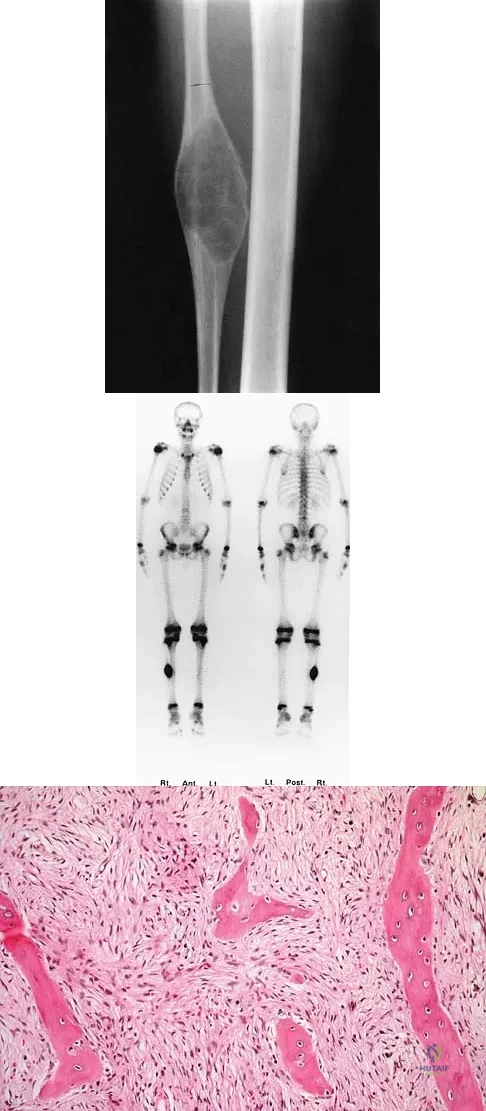
A 10-year-old child has leg discomfort with activity. A radiograph, bone scan, and biopsy specimen are shown in Figures 1a through 1c. What is the most likely diagnosis?
Explanation
Question 2
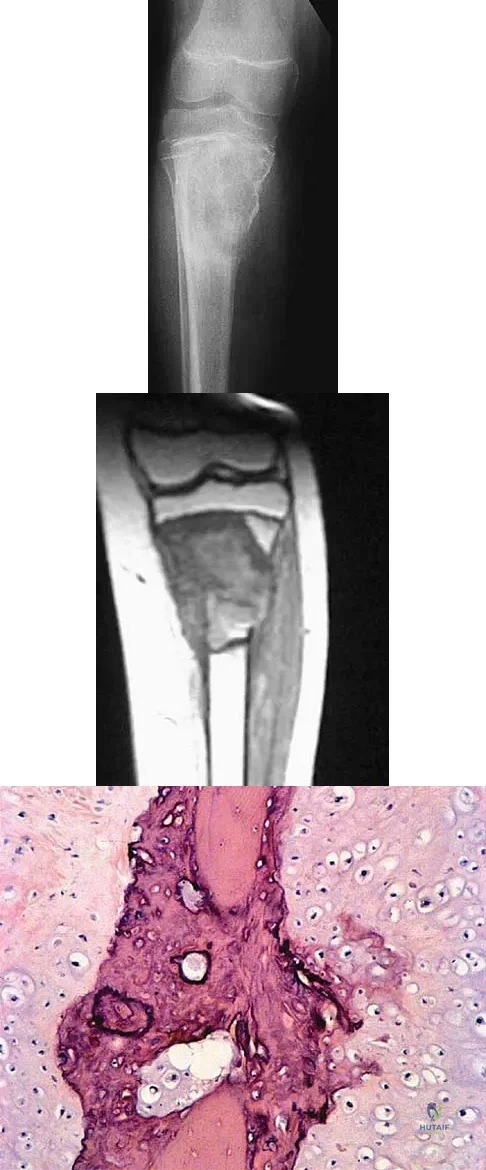
A 13-year-old boy has pain and a firm mass in his left knee. A radiograph and MRI scan are shown in Figures 2a and 2b, and a biopsy specimen is shown in Figure 2c. Based on these findings, what is the most likely diagnosis?
Explanation
Question 3
A 10-year-old boy with a history of retinoblastoma now reports right knee pain. AP and lateral radiographs are shown in Figures 3a and 3b. What is the most likely diagnosis?

Explanation
Question 4
Which of the following tumors have characteristic chromosomal translocations?
Explanation
Question 5
What is the most common MRI appearance of a malignant soft-tissue sarcoma?
Explanation
Question 6
Which of the following factors is associated with the worst prognosis in soft-tissue sarcomas?
Explanation
Question 7
The lesion seen in Figure 4 is most likely the result of metastases from what solid organ?
Explanation
Question 8
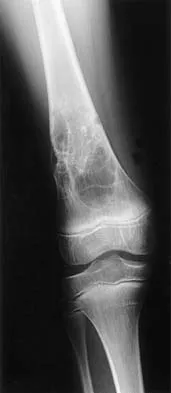
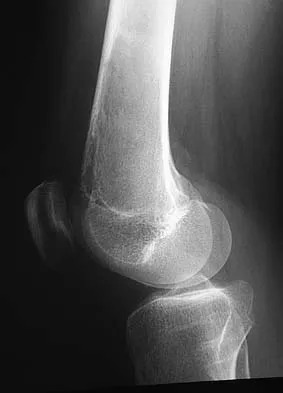
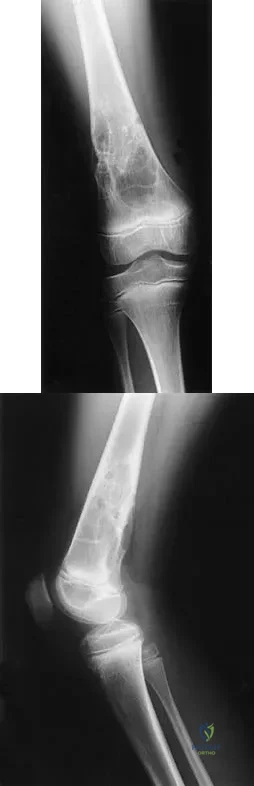
A 7-year-old boy has a limp with pain and tenderness over the distal right femur. Radiographs are shown in Figures 5a and 5b. Based on these findings, what is the best course of action?
Explanation
Question 9
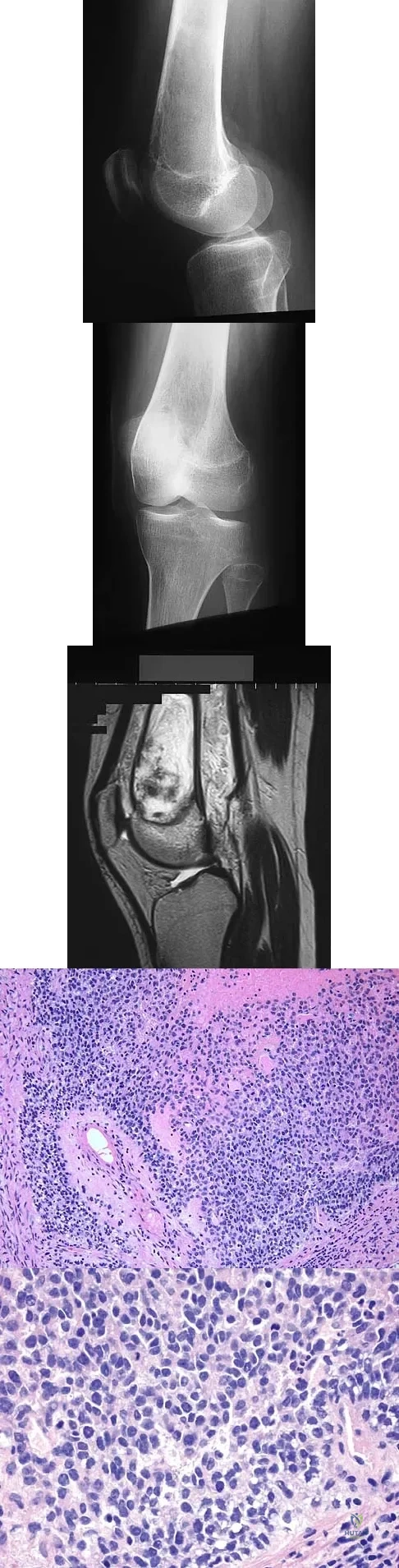
A 14-year-old patient has anterior knee pain. Radiographs, an MRI scan, and biopsy specimens are shown in Figures 6a through 6e. What is the most likely diagnosis?
Explanation
Question 10
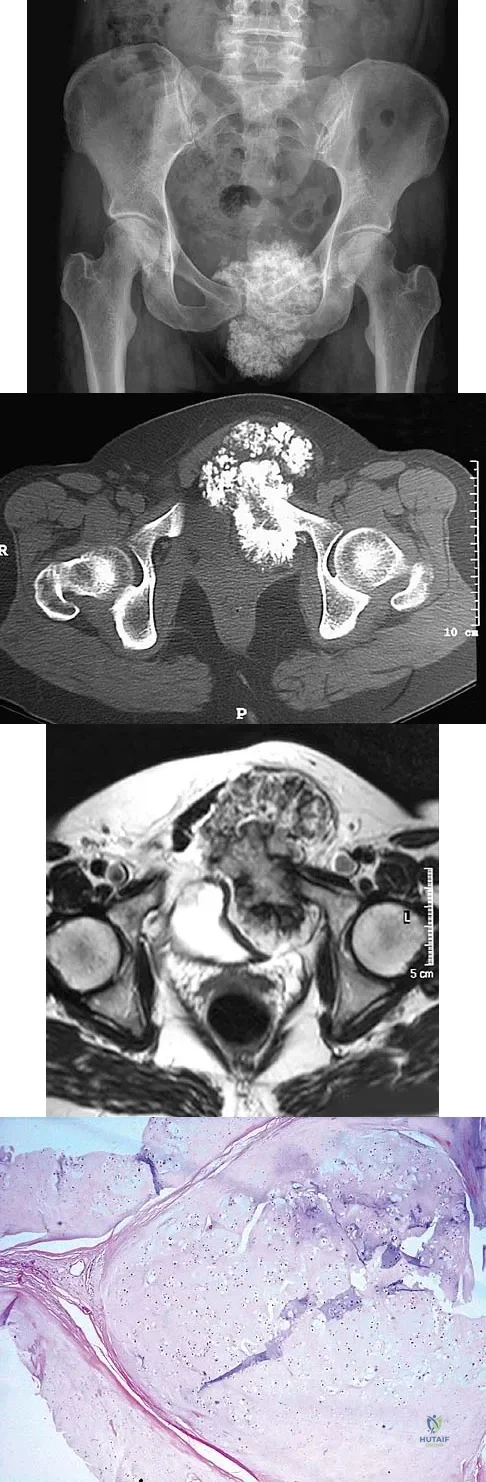
A 47-year-old woman has an asymptomatic pelvic mass that was discovered on routine gynecologic examination. A radiograph, CT scan, MRI scan, and biopsy specimen are shown in Figures 7a through 7d. Metastatic work-up is negative. Treatment should consist of
Explanation
Question 11
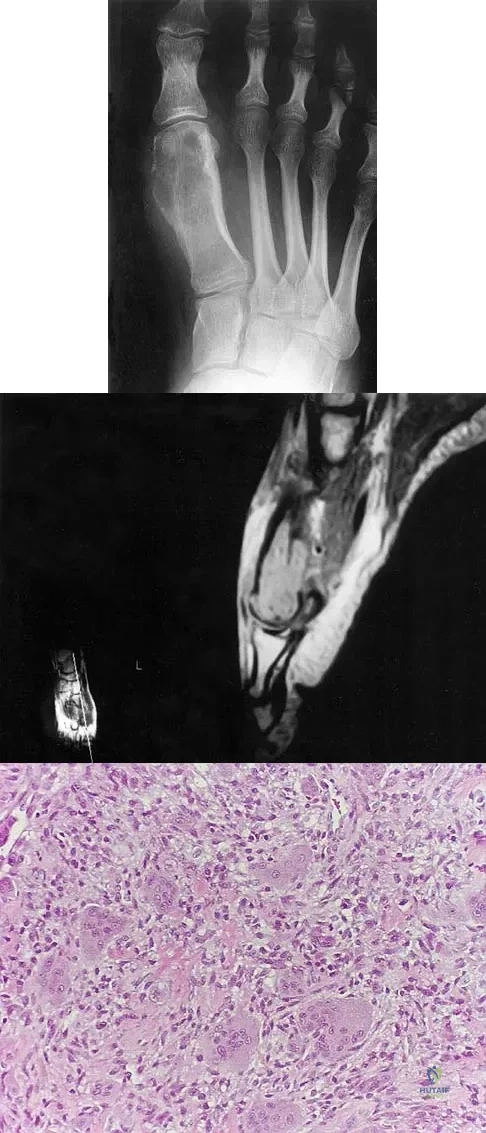
A 20-year-old patient has foot pain. A radiograph and T1-weighted MRI scan are shown in Figures 8a and 8b. A biopsy specimen is shown in Figure 8c. Treatment should consist of
Explanation
Question 12
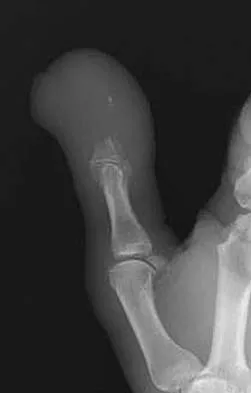
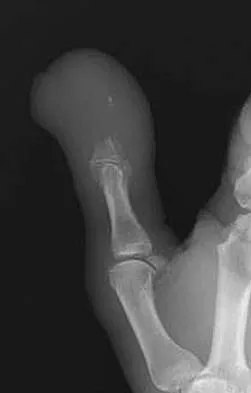
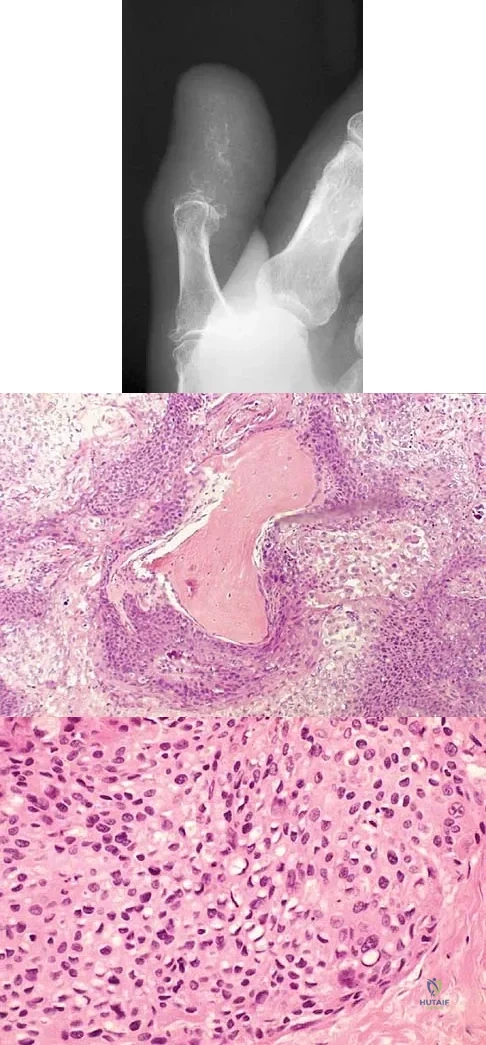
A 69-year-old man has a painful slow-growing lesion of the distal phalanx of his thumb. History reveals that he has had chronic osteomyelitis of the thumb for the past 12 years. The radiograph and biopsy specimens are seen in Figures 9a through 9c. Treatment should consist of
Explanation
Question 13
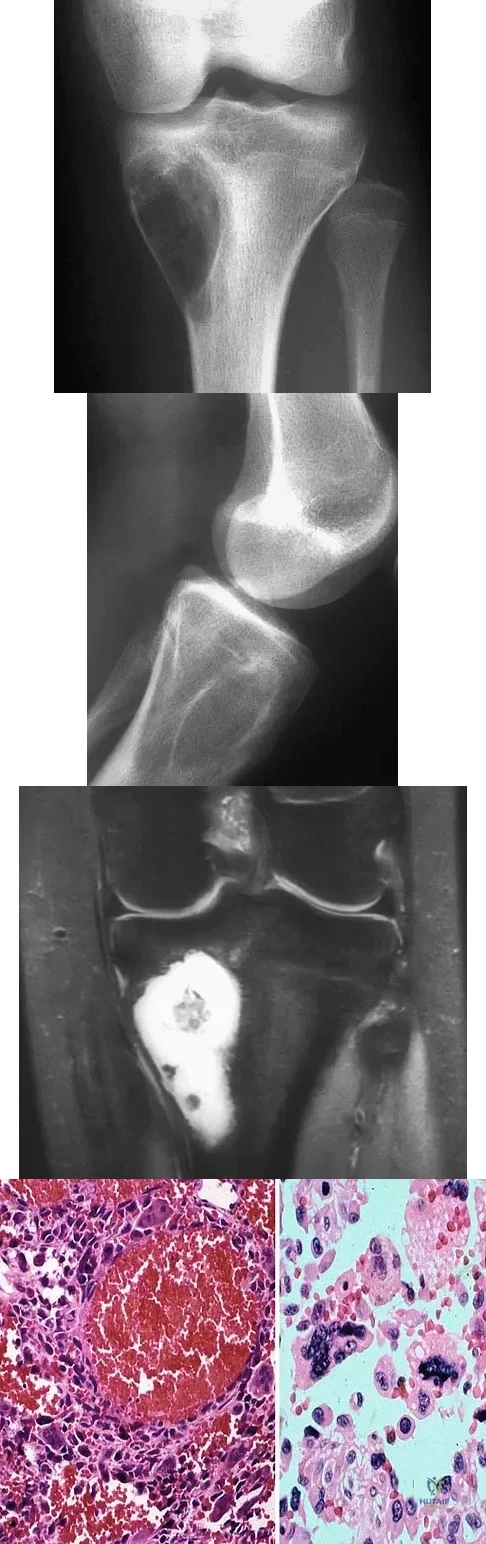
A 12-year-old girl has had right knee pain for the past 3 months. Radiographs and a coronal T2-weighted MRI scan are shown in Figures 10a through 10c. A biopsy specimen is shown in Figure 10d. What is the most appropriate treatment for this lesion?
Explanation
Question 14
Which of the following diagnostic studies best distinguishes Ewing's sarcoma from small cell osteosarcoma?
Explanation
Question 15
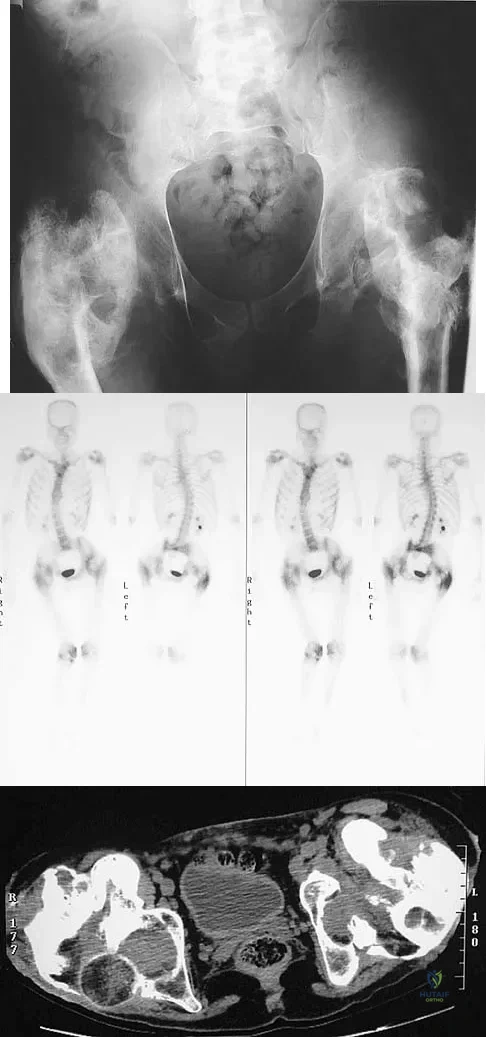
Figure 11a shows the AP pelvis radiograph of a 25-year-old man who sustained a spinal cord injury 10 years ago. A bone scan and a CT scan are shown in Figures 11b and 11c. To prevent recurrence after resection, management should consist of
Explanation
Question 16
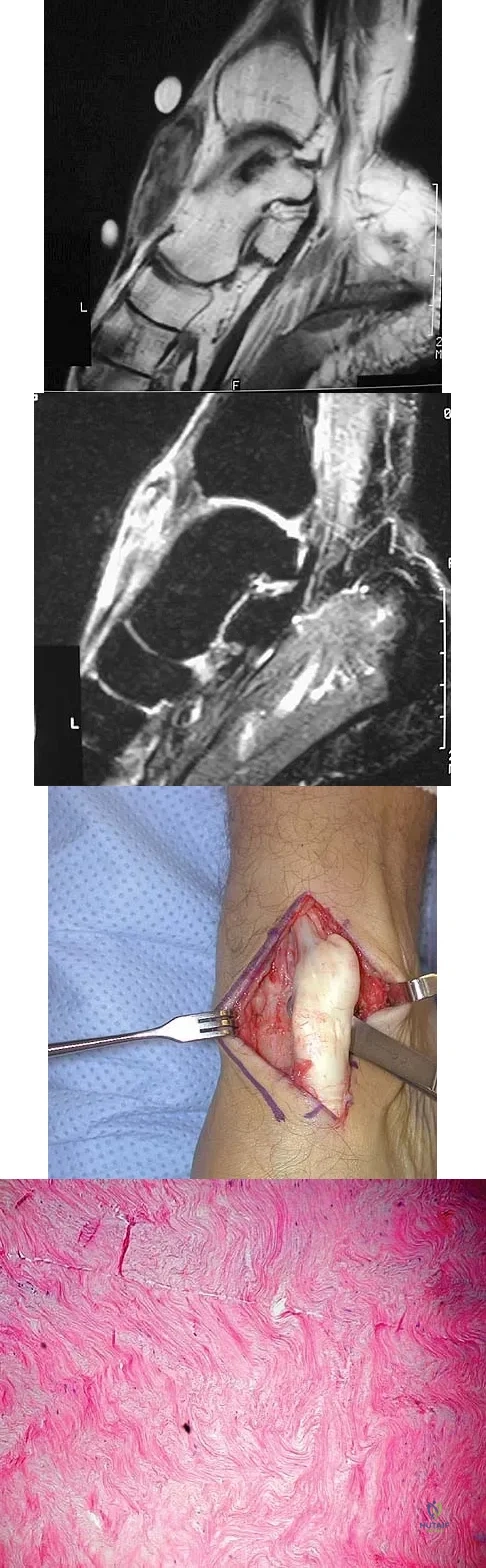
A 40-year-old man has a palpable mass over the dorsum of the ankle. He reports no history of direct trauma but notes that he sustained a laceration to the middle of his leg 6 weeks ago. Examination reveals a 4-cm x 1-cm mass. T1- and T2-weighted MRI scans are shown in Figures 12a and 12b. An intraoperative photograph and biopsy specimen are shown in Figures 12c and 12d. What is the most likely diagnosis?
Explanation
Question 17
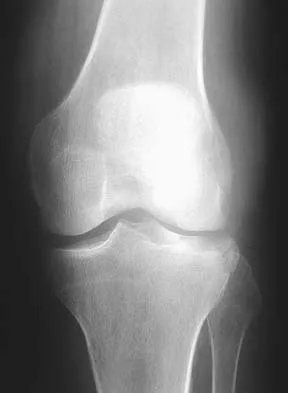
What is the most common presentation of a benign bone tumor in childhood?
Explanation
Question 18
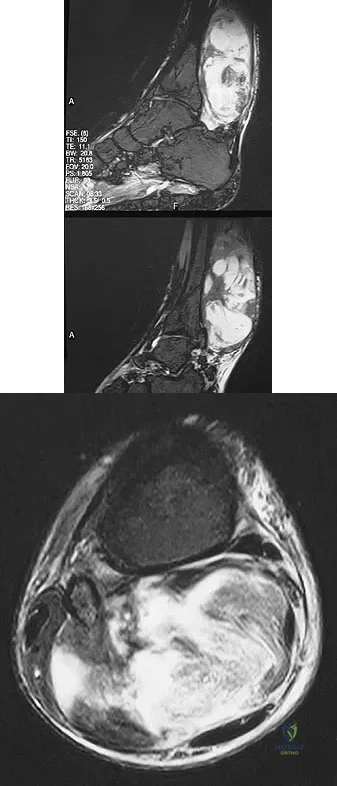
Figures 13a and 13b show the MRI scans of a 70-year-old patient who has a posterior calf mass. Examination reveals that the mass extends to the midcalf level. A biopsy specimen reveals a high-grade soft-tissue sarcoma. Metastatic work-up shows no lesions. Management should consist of
Explanation
Question 19
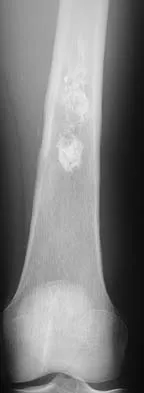
What is the most common secondary malignancy arising in pagetic bone?
Explanation
Question 20
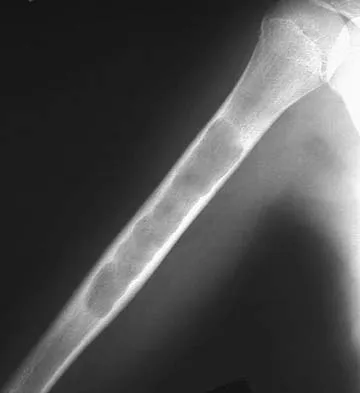
A 15-year-old girl with a midshaft fibular lesion has histologic findings consistent with Ewing's sarcoma. Following induction chemotherapy, local control typically consists of
Explanation
Question 21
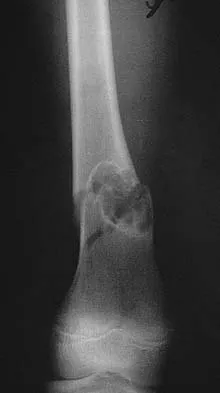
Soft-tissue sarcomas most commonly metastasize to the
Explanation
Question 22
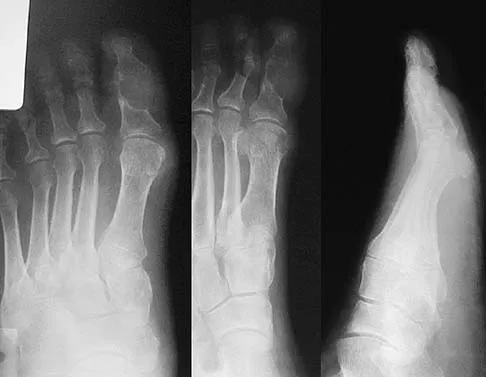
The incidence of osteosarcoma is highest in what age group?
Explanation
Question 23
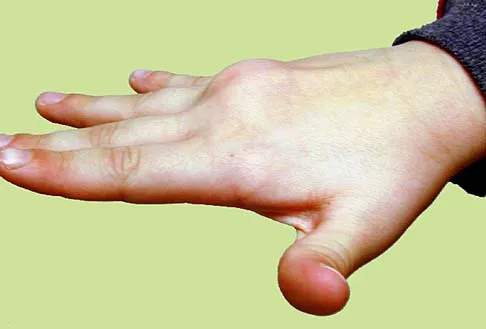
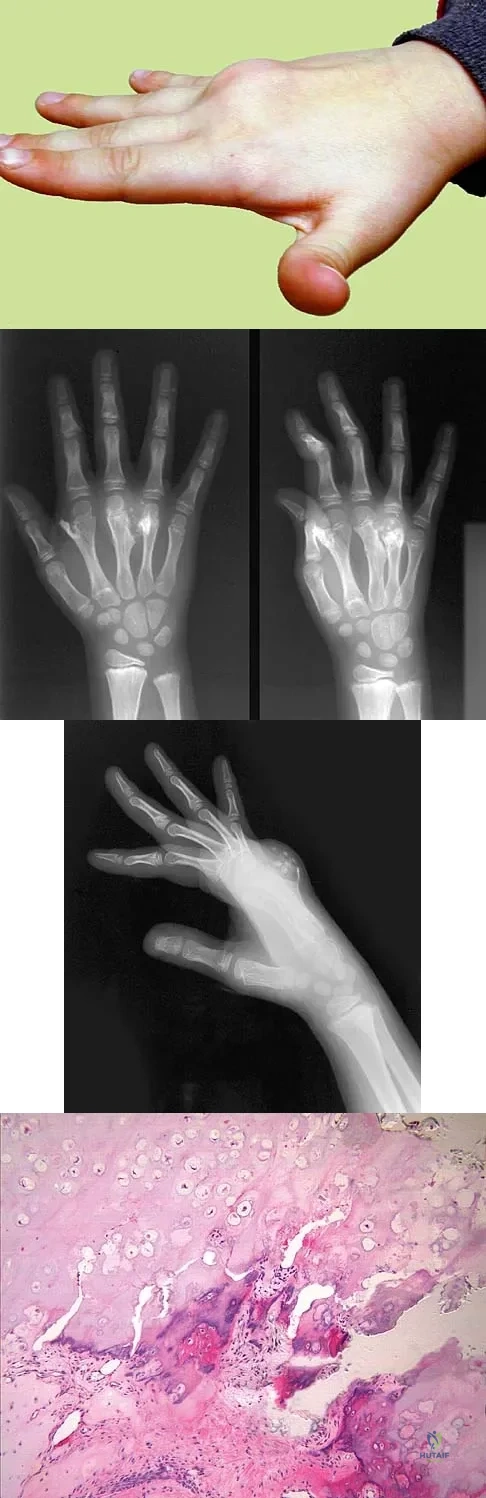
A 9-year-old boy has a painless enlarged mass on the dorsum of his hand. Figures 14a through 14d show the clinical photograph, radiographs, and biopsy specimen. What is the most likely diagnosis?
Explanation
Question 24
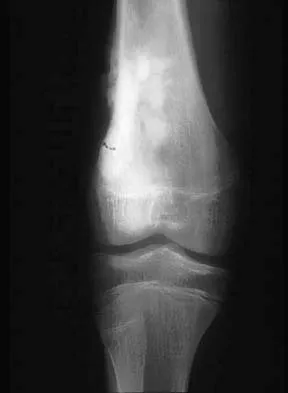
What is the most common clinical presentation of a patient with a malignant bone tumor?
Explanation
Question 25
Figure 15a shows the radiograph of a patient who has a chondrosarcoma of the acetabulum. Bone scans are shown in Figures 15b and 15c. Numerous soft subcutaneous masses are present. A clinical photograph of the hand is shown in Figure 15d. What is the most likely diagnosis?
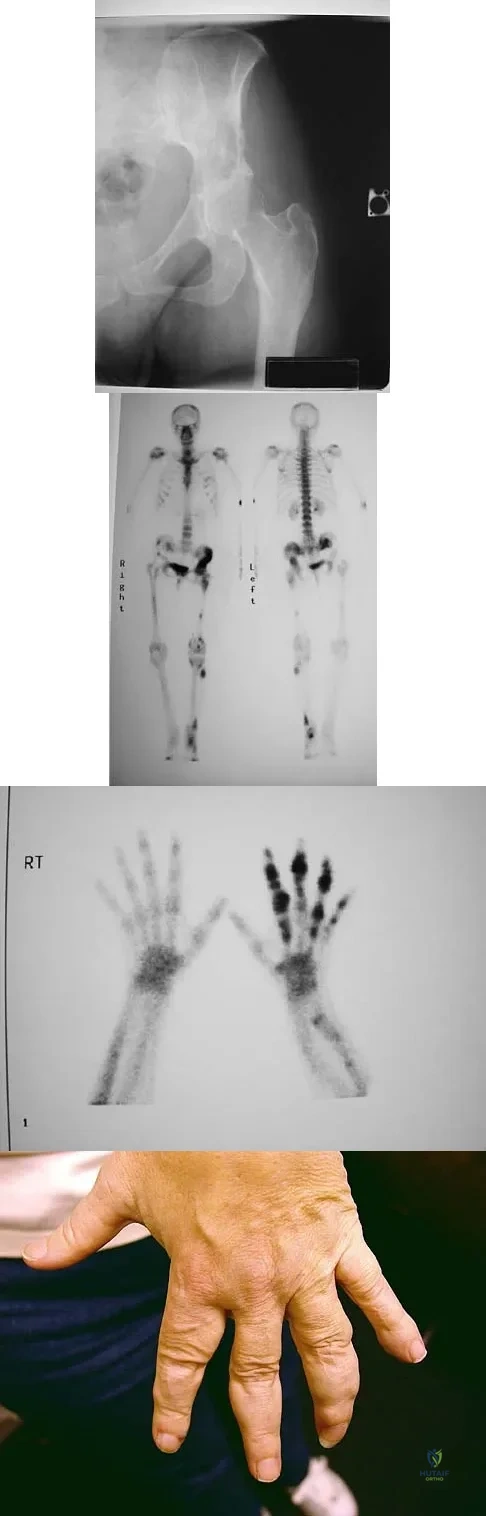
Explanation
Question 26
A 55-year-old postmenopausal woman is prescribed romosozumab for severe osteoporosis. Which of the following best describes the primary mechanism of action of this medication in bone remodeling?
Explanation
Question 27
During a biomechanical evaluation of a normal human patellar tendon, the initial non-linear "toe region" of the stress-strain curve is observed. What physiological structural property is responsible for this phenomenon?
Explanation
Question 28
Which zone of articular cartilage is characterized by the highest concentration of water, lowest concentration of proteoglycans, and collagen fibers oriented parallel to the joint surface?
Explanation
Question 29
Bone morphogenetic proteins (BMPs) play a crucial role in osteoinduction during fracture healing. Through which intracellular signaling molecules do BMPs primarily exert their osteogenic effects?
Explanation
Question 30
Osteoclasts resorb bone by creating an acidic microenvironment in the sealed zone. Which enzyme is primarily responsible for generating the hydrogen ions needed for this acidification process?
Explanation
Question 31
A viscoelastic material, such as a ligament, is subjected to a constant tensile load over an extended period, resulting in a gradual increase in length over time. This biomechanical property is defined as:
Explanation
Question 32
Which of the following conditions represents intramembranous ossification in the context of orthopedic fracture healing?
Explanation
Question 33
A surgeon implants a stainless steel screw through a titanium plate. What type of corrosion is most likely to occur due to the mixing of these dissimilar metals in the body?
Explanation
Question 34
Teriparatide is utilized in the management of severe osteoporosis. What is the mechanism by which it increases bone mineral density?
Explanation
Question 35
Nitrogen-containing bisphosphonates inhibit bone resorption primarily by inducing osteoclast apoptosis. Which specific intracellular pathway is targeted by these agents?
Explanation
Question 36
Increasing the inner (root) diameter of a cortical bone screw has which of the following mechanical effects?
Explanation
Question 37
A patient receives a regional nerve block with bupivacaine. Toxicity from systemic absorption of bupivacaine is most primarily associated with which of the following complications?
Explanation
Question 38
Nonsteroidal anti-inflammatory drugs (NSAIDs) are often withheld following fractures or spinal fusions due to concerns of impaired bone healing. NSAIDs interfere with bone healing primarily by inhibiting which of the following?
Explanation
Question 39
In total hip arthroplasty, the use of highly cross-linked ultra-high-molecular-weight polyethylene (UHMWPE) significantly reduces volumetric wear. What is the primary trade-off or mechanical consequence of increasing the cross-linking in UHMWPE?
Explanation
Question 40
A 60-year-old man presents with a swollen, painful knee. Arthrocentesis yields a synovial fluid with a white blood cell count of 45,000 cells/mcL with 85% polymorphonuclear leukocytes. Under polarized light microscopy, weakly positively birefringent rhomboid crystals are seen. What is the principal composition of these crystals?
Explanation
Question 41
A 45-year-old runner is prescribed levofloxacin for pneumonia. He subsequently experiences an acute Achilles tendon rupture. What is the proposed mechanism by which fluoroquinolones induce tendinopathy and tendon rupture?
Explanation
Question 42
Parathyroid hormone (PTH) maintains serum calcium homeostasis via multiple organ systems. What is the direct effect of PTH on the kidneys?
Explanation
Question 43
When considering the structural rigidity of a diaphyseal bone or an intramedullary nail, bending stiffness is proportional to the area moment of inertia. For a hollow cylinder, if the outer radius is increased, how does the area moment of inertia change?
Explanation
Question 44
Polymethylmethacrylate (PMMA) bone cement is frequently used in arthroplasty. Which of the following statements best describes the mechanical properties and function of PMMA?
Explanation
Question 45
A 68-year-old woman with metastatic breast cancer is receiving denosumab to prevent skeletal-related events. Denosumab functions by mimicking the action of which naturally occurring physiological molecule?
Explanation
Question 46
A 65-year-old woman is prescribed Denosumab for the treatment of severe osteoporosis. What is the precise mechanism of action of this medication?
Explanation
Question 47
Which of the following modifications to a cortical screw will most significantly increase its pull-out strength in bone?
Explanation
Question 48
According to Perren's strain theory, what is the maximum interfragmentary strain environment that allows for primary bone healing (direct osteonal reconstruction)?
Explanation
Question 49
Bone morphogenetic proteins (BMPs) play a crucial role in osteoinduction. They initiate intracellular signaling primarily through which of the following pathways?
Explanation
Question 50
Which of the following orthopedic biomaterials has a modulus of elasticity that is closest to that of human cortical bone?
Explanation
Question 51
A surgeon decides to use a stainless steel screw to secure a titanium plate during fracture fixation. Which of the following modes of corrosion is most likely to occur at the interface of these two metals?
Explanation
Question 52
A 7-year-old child presents with diffuse bone pain, gingival bleeding, and metaphyseal widening on radiographs. The underlying nutritional deficiency primarily impairs which step in collagen synthesis?
Explanation
Question 53
When a compressive load is applied to cortical bone at a very high strain rate compared to a low strain rate, how do the mechanical properties of the bone change?
Explanation
Question 54
In normal articular cartilage, which zone is characterized by the highest concentration of water and collagen fibrils oriented parallel to the joint surface?
Explanation
Question 55
A 70-year-old man takes alendronate for Paget's disease of bone. By which intracellular mechanism does this nitrogen-containing bisphosphonate inhibit osteoclast function?
Explanation
Question 56
A 35-year-old patient with a tibial shaft fracture is taking daily high-dose ibuprofen for pain. This medication may impair fracture healing primarily by inhibiting the synthesis of which of the following?
Explanation
Question 57
Osteoclasts are specialized, multinucleated bone-resorbing cells. They are directly derived from which of the following cellular lineages?
Explanation
Question 58
Which enzyme is responsible for the final conversion of 25-hydroxyvitamin D to its most biologically active form, and in which organ is it primarily located?
Explanation
Question 59
In plate osteosynthesis of a comminuted diaphyseal fracture using a bridge plating technique, increasing the "working length" of the plate will have what biomechanical effect?
Explanation
Question 60
Aseptic loosening is a major cause of failure in total joint arthroplasty. Which cell type is primarily responsible for recognizing particulate wear debris and initiating the osteolytic cascade?
Explanation
Question 61
Teriparatide is utilized for the treatment of severe osteoporosis to decrease fracture risk. What is its fundamental mechanism of action when administered via daily subcutaneous injections?
Explanation
Question 62
During the incorporation of a massive cortical structural allograft, the process of "creeping substitution" occurs. This process is best characterized by:
Explanation
Question 63
A 45-year-old woman presents with diffuse skeletal pain and proximal muscle weakness. Laboratory studies reveal normal serum calcium, decreased phosphate, elevated alkaline phosphatase, and severely low 25-hydroxyvitamin D. A bone biopsy would most likely show:
Explanation
Question 64
Which of the following specific genetic mutations is recognized as the most common underlying cause of osteogenesis imperfecta?
Explanation
Question 65
Romosozumab is a newer monoclonal antibody utilized for osteoporosis treatment that functions by inhibiting sclerostin. What is the normal physiological function of sclerostin in bone metabolism?
Explanation
Question 66
Cortical bone exhibits viscoelastic properties. As the strain rate increases, such as during a high-energy traumatic impact, how does the mechanical behavior of the bone change?
Explanation
Question 67
A 65-year-old woman with severe osteoporosis is started on romosozumab. This medication increases bone mass primarily by inhibiting which of the following targets?
Explanation
Question 68
Which of the following best describes the molecular mechanism of action of nitrogen-containing bisphosphonates (e.g., alendronate) in the treatment of osteoporosis?
Explanation
Question 69
On a stress-strain curve for a structural orthopaedic implant material, what does the total area under the curve (up to the point of structural failure) represent?
Explanation
Question 70
Distraction osteogenesis is utilized in limb lengthening procedures using circular frames. Assuming stable fixation and an appropriate distraction rate, the new regenerate bone forms primarily via which mechanism?
Explanation
Question 71
When calculating the bending stiffness of an intramedullary nail modeled as a solid cylinder, the stiffness is directly proportional to which specific parameter of its radius (r)?
Explanation
Question 72
Denosumab is highly effective at reducing fracture risk in severe osteoporosis. Which of the following naturally occurring molecules does denosumab functionally mimic?
Explanation
Question 73
Nonsteroidal anti-inflammatory drugs (NSAIDs) have been shown to potentially impair fracture healing. This adverse effect is primarily mediated by the inhibition of which enzyme?
Explanation
Question 74
A surgeon is mixing antibiotic-loaded PMMA bone cement for a spacer in the treatment of a prosthetic joint infection. To maximize the local elution of the antibiotic, which technique should be employed?
Explanation
Question 75
Recombinant human bone morphogenetic proteins (e.g., rhBMP-2) are frequently used to enhance spinal fusion. BMPs exert their intracellular osteogenic effects primarily through which signaling pathway?
Explanation
Question 76
In the design of cancellous pedicle screws, which of the following geometric parameter changes would most significantly increase the screw's pullout strength?
Explanation
Question 77
A 12-year-old child presents with a congenital bone disorder characterized by dense, brittle bones and the absence of medullary canals. A mutation in the CLCN7 gene is identified. This mutation primarily impairs which specific process?
Explanation
Question 78
Stress shielding around a femoral stem can lead to proximal bone resorption. Which of the following orthopaedic biomaterials possesses a Young's modulus closest to that of human cortical bone, thereby minimizing stress shielding?
Explanation
Question 79
A viscoelastic material subjected to a constant applied load over a prolonged period of time will exhibit progressive, time-dependent deformation. This specific biomechanical phenomenon is known as:
Explanation
Question 80
Continuous (chronic) elevation of parathyroid hormone (PTH) leads to increased bone resorption. Which cell type contains the primary PTH receptor responsible for initiating this specific resorptive cascade?
Explanation
Question 81
A 65-year-old woman is treated for postmenopausal osteoporosis with a monoclonal antibody that mimics the action of osteoprotegerin (OPG). What is the direct molecular target of this medication?
Explanation
Question 82
During internal fixation of a diaphyseal femur fracture, a surgeon wishes to maximize the pullout strength of a cortical screw. Which of the following screw design modifications provides the greatest increase in pullout strength?
Explanation
Question 83
Which of the following common orthopedic implant materials has the highest modulus of elasticity (stiffness)?
Explanation
Question 84
A 72-year-old man receives alendronate for the treatment of osteoporosis. At the cellular level, this medication inhibits bone resorption primarily through the direct inhibition of which of the following enzymes?
Explanation
Question 85
According to Perren's strain theory, secondary fracture healing (callus formation via endochondral ossification) is optimally promoted when the interfragmentary strain is within which of the following ranges?
Explanation
Question 86
A newer pharmacological agent for the treatment of severe osteoporosis acts by inhibiting sclerostin. What is the primary downstream effect of this medication on bone metabolism?
Explanation
Question 87
A surgeon utilizing the Ponseti method for clubfoot casting applies a constant stretching force to the soft tissues. Over time, the Achilles tendon gradually elongates without any increase in the applied force. Which viscoelastic property does this describe?
Explanation
Question 88
In which zone of articular cartilage are the collagen fibers predominantly oriented perpendicular to the joint surface, providing the greatest resistance to compressive forces?
Explanation
Question 89
The historical sterilization of ultra-high-molecular-weight polyethylene (UHMWPE) components using gamma irradiation in the presence of oxygen is associated with which of the following adverse effects?
Explanation
Question 90
Bone morphogenetic proteins (BMPs) play a critical role in osteoinduction. Following binding to their cell surface receptors, BMPs primarily transduce their intracellular signals via which of the following pathways?
Explanation
Question 91
A 45-year-old man sustains a tibial shaft fracture. He routinely takes high-dose NSAIDs for ankylosing spondylitis. How do nonsteroidal anti-inflammatory drugs (NSAIDs) negatively impact fracture healing?
Explanation
Question 92
Intermittent administration of recombinant human parathyroid hormone (PTH 1-34) is utilized in the treatment of osteoporosis. What is the primary mechanism by which intermittent dosing increases bone mass?
Explanation
Question 93
A 4-year-old child presents with bowing of the legs, hypocalcemia, hypophosphatemia, and markedly elevated alkaline phosphatase. A defect in which of the following enzymes is responsible for Vitamin D-dependent rickets type I?
Explanation
Question 94
Osteoclasts create an acidic microenvironment in Howship's lacunae to dissolve bone mineral. Which enzyme is primarily responsible for the generation of protons (H+) necessary to acidify this resorption pit?
Explanation
Question 95
A surgeon encounters a nonunion of a femur fracture previously stabilized with a stainless steel plate. The surgeon plans to augment the construct but only has titanium screws available. Using titanium screws through a stainless steel plate is contraindicated primarily due to the risk of:
Explanation
None
