العربية
Part of the Master Guide

Orthopedic Board Review Set 675: 100 MCQs for ABOS, OITE, FRCS – Hip Focus

Orthopedic Hip 2026 MCQs: Board Review Questions & Answers (Part 3)
23 Apr 2026 88 min read 93 Views
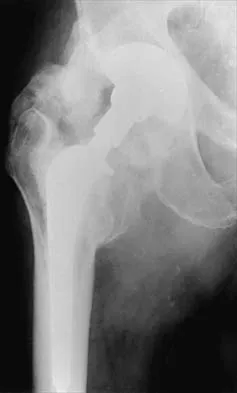
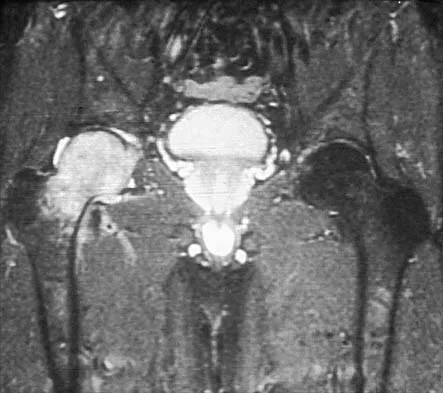
Figure for Hip 2004 MCQs - Part 3 - Question 53

Key Takeaway

Learn more about Orthopedic Hip 2026 MCQs: Board Review Questions & Answers (Part 3) and how to manage it. Top-rated Orthopedic Hip 2026 MCQs bank. Practice with clinical case questions, orthopedic surgery board review, and evidence-based answers updated for 2026.

Orthopedic Hip 2026 MCQs: Board Review Questions & Answers (Part 3)

Comprehensive 100-Question Exam


00:00

Start Quiz

Question 1

During total knee arthroplasty, what component position aids in proper tracking and stability of the patellar component?


Explanation

The femoral component should be implanted with enough external rotation to facilitate patellar tracking. Proper tracking requires a normal Q angle and is affected by axial and rotational alignment of the femur and tibia. An excessive Q angle can result from internal rotation of either component, medialization of the tibial tray, or lateralization of the patellar component. Beaty JH (ed): Orthopaedic Knowledge Update 6. Rosemont, IL, American Academy of Orthopaedic Surgeons, 1999, pp 559-582.

Question 2

An otherwise healthy 57-year-old woman has limited range of motion and moderate effusion after undergoing total knee arthroplasty 6 months ago. One of two cultures of joint aspirate reveals methicillin-resistant Staphylococcus epidermidis. Management should now consist of


Explanation

The rapidly increasing prevalence of infection from Staphylococcus epidermidis has made this the most frequently cultured organism. In most patients, the infection occurred intraoperatively, thereby resulting in a chronic infection if not detected within the first 6 weeks after surgery. Irrigation of the joint may be successful during this time in 60% of patients, but the most successful treatment is extirpation for 6 weeks, followed by delayed reimplantation. This approach may result in a salvage rate of as high as 90% in some patients. Drancourt M, Stein A, Argenson JN, et al: Oral rifampin plus ofloxacin for treatment of staphylococcus-infected orthopedic implants. Antimicrob Agents Chemother 1993;37:1214-1218. Duncan CP, Beauchamp C: A temporary antibiotic-loaded joint replacement system for the management of complex infections involving the hip. Orthop Clin North Am 1993;24:751-759.

Question 3

Figure 13 shows the radiographs of a 56-year-old woman who has pain and varus knee deformity after undergoing total knee arthroplasty 8 years ago. Aspiration and studies for infection are negative. During revision surgery, management of the tibial bone loss is best achieved by


Explanation

Massive bone loss encountered in revision total knee arthroplasty remains a significant challenge. Recent reports have shown high success rates using structural allograft to reconstruct massive bone defects. Custom and hinged prostheses in this setting are no longer favored. The defect shown is segmental and is too large to be filled with cement or iliac crest bone graft. Mow CS, Wiedel JD: Structural allografting in revision total knee arthroplasty. J Arthroplasty 1996;11:235-241. Engh GA, Herzwurm PJ, Parks NL: Treatment of major defects of bone with bulk allografts and stemmed components during total knee arthroplasty. J Bone Joint Surg Am 1997;79:1030-1039.

Question 4

Varus intertrochanteric osteotomy for coxa valga commonly produces which of the following results?


Explanation

The greater trochanter is raised as a by-product of varus osteotomy, and a temporary abductor lag and lurch is common for 6 months following surgery. In the absence of hip joint subluxation, varus intertrochanteric osteotomy has no effect on the center edge angle of Wiberg. Varus osteotomy typically increases femoral offset, thereby improving the abductor lever arm and reducing the hip joint reaction force. Even without taking a wedge, varus osteotomy always produces some degree of shortening.

Question 5

A 65-year-old woman has nausea, vomiting, and abdominal distention after undergoing total knee arthroplasty 48 hours ago. An abdominal radiograph is shown in Figure 14. Associated risk factors for this disorder include


Explanation

The prevalence of postoperative ileus associated with total joint arthroplasty has been reported to be as high as 3%. Metabolic abnormalities such as hypokalemia are believed to contribute to the onset of ileus and Ogilvie's syndrome (acute pseudo-obstruction of the colon). Prolonged bed rest also has been associated with the development of ileus and Ogilvie's syndrome. Untreated Ogilvie's syndrome can result in cecal perforation. Ileus usually is not accompanied by mechanical obstruction. Antibiotic administration and the type of anesthesia used have not been correlated with development of ileus. Administration of warfarin has been associated with elevated prothrombin time/partial thromboplastin time and international normalized ratio levels when ileus is managed with a nasogastric tube and suction. Metabolic imbalances must be corrected to reverse the ileus process. Iorio R, Healy WL, Appleby D: The association of excessive warfarin anticoagulation and postoperative ileus after total joint replacement surgery. J Arthroplasty 2000;15:220-223.

Question 6

A 77-year-old woman with osteoporosis who underwent cemented total hip arthroplasty 12 years ago fell down a flight of stairs. A radiograph is shown in Figure 15. What is the best option for treating this fracture?


Explanation

Type I fractures are trochanteric fractures usually secondary to osteolysis. Type II fractures are located around the stem. Type III fractures are distal to the stem. If the fracture and prosthesis are stable, the fracture can be treated nonsurgically. If the fracture is unstable, the stability of the prosthesis should be assessed. If the prosthesis is unstable (type IIB), treatment should consist of revision to a long stem prosthesis that bypasses the fracture by two cortical diameters. If, as in this patient, the prosthesis is not loose (type IIA), open reduction and internal fixation is the appropriate option. Proximal femoral allograft is appropriate for type IIIC fractures in which the proximal bone is significantly compromised and the femoral component is loose. Beaty JH (ed): Orthopaedic Knowledge Update 6. Rosemont, IL, American Academy of Orthopaedic Surgeons, 1999, pp 455-492.

Question 7

Total hip arthroplasty in a patient with a long-standing hip fusion on the contralateral side is most likely to result in


Explanation

Contralateral total hip arthroplasty in patients with hip fusions results in a 40% higher rate of mechanical failure and loosening. During gait, motion of the contralateral hip is increased and more time is spent bearing weight on that hip. In patients with hip fusions, gait efficiency is only 53%, with a greater rate of oxygen consumption. Garvin KL, Pellicci PM, Windsor RE, et al: Contralateral total hip arthroplasty or ipsilateral total hip arthroplasty in patients who have long-standing fusion of the hip. J Bone Joint Surg Am 1989;71:1355-1362. Gore DR, Murray MP, et al: Walking patterns of men with unilateral surgical hip fusion. J Bone Joint Surg Am 1975;57:759-765.

Question 8

A 60-year-old woman reports anterior knee pain 2 years after undergoing primary total knee arthroplasty for rheumatoid arthritis. A Merchant view of the patella is shown in Figure 16. What is the most likely cause of her pain?


Explanation

Patellar complications commonly occur after primary total knee arthroplasty; therefore, proper component positioning is critical in obtaining a successful result. This patient has lateral tilting and subluxation of the patellar component. Internal rotation of the femoral component has the most deleterious effect on patellar tracking. Lateral placement of the femoral component, medial placement of the patellar component, and external rotation of the tibial component have beneficial effects on patellar tracking. Elevation of the joint line, if not excessive, should not impact patellar tracking. Rand JA: Patellar resurfacing in total knee arthroplasty. Clin Orthop 1990;260:110-117.

Question 9

The anterior portal of a hip arthroscopy places what structure at greatest risk for injury?


Explanation

The average location of the anterior portal is 6.3 cm distal to the anterior superior iliac spine. The lateral femoral cutaneous nerve typically has divided into three or more branches at the level of the anterior portal. The portal usually passes within several millimeters of the most medial branch. Injury to the nerve can lead to meralgia paresthetica. The femoral nerve lies an average minimum distance of 3.2 cm from the anterior portal. The ascending branch of the lateral circumflex artery lies approximately 3.7 cm inferior to the anterior portal. Neither the ascending branch of the medial circumflex artery nor the superior gluteal nerve are at risk. Byrd JWT: Operative Hip Arthroscopy. New York, NY, Thieme Medical Publishers, 1998, pp 83-91.

Question 10

Figure 17 shows the radiograph of an 80-year-old woman who has left groin pain. She underwent a total hip arthroplasty 15 years ago and has no history of hip dislocation; however, she now reports that the pain results in functional impairment. Preoperative findings reveal that the component used has been discontinued, the locking mechanism is poor, and there is no replacement polyethylene available from the company. During surgery, the acetabular component is found to be well fixed, it is in satisfactory position, and adequate access can be obtained through the screw holes in the component to debride the osteolytic cavities. What is the best course of action for revision?


Explanation

The clinical result in this patient has been good, with no dislocations, suggesting that the components are in reasonably good position. The radiograph and examination at the time of surgery suggest that the acetabular component is well fixed. The surrounding bone of the acetabulum is osteopenic and there would most likely be considerable bone loss if the acetabular component is removed. Access to the osteolytic lesions is possible. Cementing an acetabular component into the retained socket will cause the least amount of bone loss, shorten the procedure, and most likely result in a functional hip. Maloney WJ: Socket retention: Staying in place. Orthopedics 2000;23:965-966.

Question 11

The need for postoperative allogeneic blood transfusions after total hip arthroplasty has been shown to be reduced when using


Explanation

In a prospective study, 216 patients were randomized into three groups consisting of low-dose preoperative erythropoietin, high-dose preoperative erythropoietin, and placebo control. All patients were treated for 4 weeks prior to total hip arthroplasty. Both the low- and high-dose erythropoietin groups had a significantly lower rate of blood transfusions (p < 0.001) after surgery. Waddell JP: Evidence-based orthopedics. J Bone Joint Surg Am 2001;83:788.

Question 12

Which of the following is considered a major characteristic of hyaluronate?


Explanation

Hyaluronate is a naturally occurring compound that is the backbone of the central core of the proteoglycan aggregate. Cartilage is made of two principal tissue structures. The connective tissue component includes collagen, which forms the framework for structural strength and elasticity. The proteoglycan aggregate provides a unique property of water incorporation and friction reduction capabilities. Hyaluronate forms the base or central core of the aggregate on which a link protein binds a protein core. Chondroitin sulfate and keratin sulfate are then bound to this protein core, forming the terminal extension of the aggregate. Callaghan JJ, Dennis DA, Paprosky WA, Rosenberg AG (eds): Orthopedic Knowledge Update: Hip and Knee Reconstruction. Rosemont, IL, American Academy of Orthopaedic Surgeons, 1995, pp 69-78. Felson DT: Osteoarthritis. Rheum Dis Clin North Am 1990;16:499-512.

Question 13

Which of the following is considered an important factor in improved cemented femoral stem survivorship?


Explanation

Cement technique, relative stem to canal size and position, stem design, surgical technique, and femoral anatomy are important factors in cemented stem survivorship. Varus stem position, a wide diaphyseal to metaphyseal ratio (stovepipe femur), thin cement mantles (1 mm or less), and nonrounded femoral stem designs are negative prognostic factors for stem survivorship. Precoating with methylmethacrylate has not been shown to provide any increased survivorship over nonprecoated stems. Noble PC, Collier MB, Maltry JA, Kamaric E, Tullos HS: Pressurization and centalization enhance the quality and reproducibility of cement mantles. Clin Orthop 1998;355:77-89. Crowninshield RD, Brand RA, Johnston RC, Milroy JC: The effect of femoral stem cross-sectional geometry on cement stresses in total hip reconstruction. Clin Orthop 1980;146:71-77.

Question 14

An acetabular reinforcement cage is most often indicated for which of the following conditions?


Explanation

An acetabular reinforcement cage is required infrequently except when there is pelvic discontinuity in which there is no posterior column support of the acetabular cup. A larger cup inserted with cement and morselized bone graft is an effective technique for contained cavitary and anterior wall defects. Zone 1 osteolysis and a medial wall defect are essentially the same as a contained cavitary defect and can be reconstructed using cementless cups. Berry DJ, Lewallen DG, Hanssen A, Cabanela ME: Pelvic discontinuity in revision total hip arthroplasty. J Bone Joint Surg Am 1999;81:1692-1702.

Question 15

What is the most common short-term complication following femoral impaction grafting for revision total hip arthroplasty?


Explanation

Impaction grafting is an alternative for severe femoral bone deficiency; however, stem subsidence is commonly observed during the first few months. Slight subsidence is felt to be integral to the success of the procedure. Predictable bone graft incorporation and stable stem fixation have been reported in the medium-term. The incidence of periprosthetic fractures has been reported as high as 24%. Mikhail MWE, Weidenhielm L, Jazrawi LM, et al: Collarless, polished, tapered stem failure. J Bone Joint Surg Am 2000;82:1513-1514.

Question 16

Which of the following is considered the most predictive factor in determining whether a patient will need a blood transfusion after total knee arthroplasty?


Explanation

Multiple studies have shown that the preoperative hemoglobin level is the most predictive factor in determining whether a transfusion will be necessary after total hip or total knee arthroplasty. Studies have not shown any correlation with the other options. Salido JA, Marin LA, Gomez LA, Zorrilla P, Martinez C: Preoperative hemoglobin levels and the need for transfusion after prosthetic hip and knee surgery: Analysis of predictive factors. J Bone Joint Surg Am 2002;84:216-220. Sculco TP, Gallina J: Blood management experience: Relationship between autologous blood donation and transfusion in orthopedic surgery. Orthopedics 1999;22:S129-S134.

Question 17

A 32-year-old man has posttraumatic arthritis after undergoing open reduction and internal fixation of a left acetabular fracture. A total hip arthroplasty is performed, and the radiograph is shown in Figure 18. What is the most common mode of failure leading to revision in this group of patients?


Explanation

Acetabular component loosening has been reported as the most common mode of failure following total hip arthroplasty in patients with a previous acetabular fracture. Following acetabular fracture and subsequent open reduction and internal fixation, the bone quality and vascularity are compromised, thus reducing the success rate of acetabular component cementless fixation. Jimenez ML, Tile M, Schenk RS: Total hip replacement after acetabular fracture. Orthop Clin 1997;28:435-446.

Question 18

A 42-year-old man sustained the periprosthetic fracture shown in Figures 19a and 19b. The femoral component is well fixed. What is the next most appropriate step in management?


Explanation

19b The patient has a periprosthetic fracture below the femoral stem. The component is porous coated and well fixed. Open reduction and internal fixation, leaving the stem in place, can be performed when bone quality is good. Plating with or without allograft struts and supplemental cerclage fixation generally is acceptable. If the component is loose, revision to a longer device is recommended with appropriate stabilization of the fracture using the aforementioned methods. If bone loss has occurred, allograft supplementation or a tumor prosthesis may be indicated. Fractures located well below the stem tip can be treated without regard for the prosthesis. Closed reduction and bracing is not associated with good results for periprosthetic femoral fractures. Retrograde intramedullary nailing is not appropriate for this fracture. Duncan CP, Masri BA: Fractures of the femur after hip replacement. Instr Course Lect 1995;44:293-304.

Question 19

A 58-year-old man has anterior knee pain after undergoing total knee arthroplasty for osteoarthritis 2 years ago. He denies any history of trauma. A Merchant view is shown in Figure 20. What is the most likely cause of his pain?


Explanation

The patient has a patellar stress fracture after resurfacing in a total knee arthroplasty. Several studies have shown that over-resection of the patella to less than 12 to 15 mm increases anterior patellar surface strains to a point where the risk of fracture is increased. Increasing the patellar thickness, positioning of the femoral component, lateral releases, and component types have not been clearly associated with increased fracture risk. Reuben JD, McDonald CL, Woodard PL, Hennington LJ: Effect of patella thickness on patella strain following total knee arthroplasty. J Arthroplasty 1991;6:251-258. Hsu HC, Luo ZP, Rand JA, An KN: Influence of patellar thickness on patellar tracking and patellofemoral contact characteristics after total knee arthroplasty. J Arthroplasty 1996;11:69-80.

Question 20

A 30-year-old patient has acetabular dysplasia and moderate secondary osteoarthrosis. Which of the following studies will best help predict the success of periacetabular osteotomy?


Explanation

Improvement in the appearance of the hip joint on functional radiographic evaluation (abduction/adduction views) has been shown to be predictive of outcome following joint preserving surgery. CT and MRI findings have not been shown to be predictive of outcome.

Question 21

Which of the following is considered a specific advantage of using COX-2 inhibitors over COX-1 inhibitors?


Explanation

Inflammation is mediated through two isoforms of cyclooxygenase that convert arachidonic acid to prostaglandins. Selectivity, but not specificity, is one of the unique characteristics of this process that has been able to provide more protection from the effects of gastric mucosal alterations using the COX-2 selective inhibitors. The use of COX-1 selective inhibitors is associated with side effects such as ulcerative conditions and platelet interference, both of which have been difficult to control in the past until the advent of the COX-2 inhibitors. PGE2 inhibition by COX-1 in the intestinal track can then be bypassed, thereby reducing ulceration complications associated with use of nonsteroidal anti-inflammatory drugs. Lane JM: Anti-inflammatory medications: Selective COX-2 inhibitors. J Am Acad Orthop Surg 2002;10:75-78. Koval KJ (ed): Orthopaedic Knowledge Update 7. Rosemont, IL, American Academy of Orthopaedic Surgeons, 2002.

Question 22

Which of the following is not a reported mode of failure for a constrained acetabular component?


Explanation

There is no evidence of increased polyethylene wear in constrained acetabular components. The rates of wear appear to be the same using standard or constrained liners. Lachiewicz PF, Kelley SS: Constrained components in total hip arthroplasty. J Am Acad Orthop Surg 2002;10:233-238. Anderson MJ, Murray WR, Skinner HB: Constrained acetabular components. J Arthroplasty 1994;9:17-23.

Question 23

Which of the following factors is most likely to be associated with prolonged survival of total knee arthroplasty?


Explanation

In a survivorship study of 9,200 total knee arthroplasties, Rand and Ilstrup identified four independent variables associated with a significantly lower risk of failure: primary total knee arthroplasty, diagnosis of rheumatoid arthritis, age of 60 years or older, and use of a condylar prosthesis with a metal-backed tibial component. Other clinical studies report the use of a posterior stabilized prosthesis to be comparable to a total condylar prosthesis with retained posterior cruciate ligament. Rand JA, Ilstrup DM: Survivorship analysis of total knee arthroplasty: Cumulative rates of survival of 9200 total knee arthroplasties. J Bone Joint Surg Am 1991;73:397-409. Stern SH, Insall JN: Posterior stabilized prosthesis: Results after follow-up of nine to twelve years. J Bone Joint Surg Am 1992;74:980-986.

Question 24

Analysis of primary total hip arthroplasty using press-fit acetabular components without supplementary screw fixation reveals that screw fixation


Explanation

Using mechanical failure of fixation as the end point, Udomkiat and associates demonstrated a 12-year survivorship of 99.1% for titanium press-fit acetabular components without supplementary screw fixation. This study suggests that it is unlikely that the use of supplementary screws would lead to improved results. In addition, polyethylene wear debris tends to migrate through screw holes and along the course of screws. Screw holes also decrease the available surface for bone ingrowth. Screws that back up may be a source of backside polyethylene wear. This suggests that screw holes and the use of screws should be avoided when they are unnecessary for cup fixation.

Question 25

Dislocation following primary total hip arthroplasty is more likely to occur in which of the following situations?


Explanation

Dislocation following total hip arthroplasty is twice as common in women than in men. It is more likely to occur in older patients. There is no clear association between dislocation and the method of fixation or the type of bearing, so long as the bearing diameter is the same.

Question 26

A 68-year-old man presents with recurrent posterior dislocations of his total hip arthroplasty (THA). He underwent a primary THA through a posterior approach 6 months ago. Radiographs demonstrate a well-fixed, uncemented acetabular cup with 40 degrees of inclination and 0 degrees of anteversion. The femoral stem is well-fixed with 15 degrees of anteversion.

To optimally stabilize this hip during revision surgery, the surgeon should aim to:


Explanation

This patient's recurrent posterior dislocations are primarily driven by inadequate acetabular cup anteversion (currently 0 degrees). The optimal 'safe zone' for acetabular component positioning is historically described by Lewinnek as 40 ± 10 degrees of inclination and 15 ± 10 degrees of anteversion. Increasing the cup anteversion to roughly 20 degrees will provide anterior coverage and prevent the femoral head from levering out posteriorly during flexion and internal rotation. Increasing inclination (Option A) increases edge-loading and risk of superior dislocation. Decreasing stem anteversion (Option C) or shortening the neck (Option D) would further increase the risk of posterior instability.

Question 27

A 24-year-old female presents with chronic groin pain exacerbated by prolonged sitting and deep hip flexion. An anteroposterior (AP) pelvis radiograph demonstrates a 'crossover sign' and a lateral center-edge angle (LCEA) of 45 degrees.

Which of the following describes the most likely underlying pathoanatomy and the appropriate surgical treatment?


Explanation

The patient's clinical presentation and radiographic findings (crossover sign and LCEA > 40 degrees) are diagnostic of pincer-type femoroacetabular impingement (FAI). The crossover sign indicates cranial acetabular retroversion (anterior overcoverage), while an LCEA > 40 degrees indicates global overcoverage (coxa profunda). The surgical management for symptomatic pincer impingement that has failed conservative care is arthroscopic or open acetabular rim trimming with subsequent labral refixation. Cam impingement (Option A) is characterized by an abnormal alpha angle and loss of femoral head-neck offset, not a crossover sign. Dysplasia (Option C) is characterized by undercoverage (LCEA < 20 degrees).

Question 28

A 52-year-old highly active man underwent a total hip arthroplasty (THA) using a ceramic-on-ceramic bearing surface 3 years ago. He now complains of an audible squeaking noise from the hip while walking. He denies any pain, fevers, or limitation in his functional activities. Radiographs demonstrate well-fixed components with 45 degrees of cup inclination and 15 degrees of anteversion. Inflammatory markers are within normal limits. What is the most appropriate next step in management?


Explanation

Squeaking is a known complication of ceramic-on-ceramic bearing surfaces, with a reported incidence ranging from 1% to 10%. It is thought to be multifactorial, potentially related to microseparation, edge-loading, or disruption of fluid-film lubrication. In a patient who has an audible squeak but is completely asymptomatic (no pain) with well-fixed and well-positioned components, the standard of care is reassurance and observation. Revision surgery is reserved for patients with mechanical symptoms, component loosening, severe pain, or ceramic fracture.

Question 29

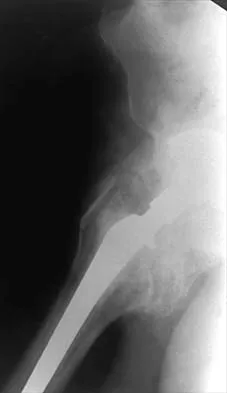
A 60-year-old woman presents with progressive groin pain and a palpable anterior thigh mass 7 years after a metal-on-metal total hip arthroplasty. Her serum cobalt level is significantly elevated at 18 ppb. A Metal Artifact Reduction Sequence (MARS) MRI reveals a large cystic mass communicating with the hip joint.

If a biopsy of this periprosthetic tissue is performed, what is the expected predominant histological finding?


Explanation

The patient is presenting with an Adverse Local Tissue Reaction (ALTR), specifically an Aseptic Lymphocyte-dominated Vasculitis-Associated Lesion (ALVAL), secondary to metal wear debris from a metal-on-metal THA. Histologically, ALVAL is characterized by a perivascular lymphocytic infiltrate (suggesting a Type IV delayed hypersensitivity reaction to metal ions, particularly cobalt and chromium) and areas of extensive tissue necrosis. Option A describes an acute infection. Option B describes classic particle disease from polyethylene wear (macrophage-mediated osteolysis). Option D describes tenosynovial giant cell tumor (PVNS). Option E describes features seen in classic PVNS or severe mechanical metallosis, but ALVAL specifically features the perivascular lymphocytic infiltrate.

Question 30

A 72-year-old man complains of chronic right hip pain 2 years after a primary total hip arthroplasty. He has not had any acute exacerbation but states the pain has been constant for the last 6 months. Laboratory studies reveal an ESR of 60 mm/hr and a CRP of 45 mg/L. Joint aspiration yields synovial fluid with 4,500 WBCs/µL (85% neutrophils), and an alpha-defensin test is positive. Radiographs show lucency around the femoral stem. Based on the Musculoskeletal Infection Society (MSIS) criteria, what is the most appropriate definitive surgical management?


Explanation

This patient meets the criteria for a chronic periprosthetic joint infection (PJI) of the hip. The infection is considered chronic as he is well beyond the acute postoperative period (typically defined as < 4 weeks) and the symptoms have been present for 6 months. According to current standards in North America, the gold standard treatment for a chronic PJI with a loose implant is a two-stage revision arthroplasty. This involves removal of all components and cement, thorough debridement, placement of an antibiotic-loaded cement spacer, and 6 weeks of targeted IV antibiotics before reimplantation. Irrigation and debridement with modular exchange (Option B) is reserved for acute postoperative or acute hematogenous infections.

Question 31

A 45-year-old woman with a history of neglected developmental dysplasia of the hip (DDH) presents with severe, debilitating osteoarthritis. Preoperative radiographs demonstrate complete dislocation of the femoral head, with proximal migration exceeding 100% of the normal vertical height of the femoral head.

According to the Crowe classification, what type of dysplasia does this represent, and which surgical technique is most likely required to safely restore the hip center during THA?


Explanation

The Crowe classification stages DDH based on the degree of proximal subluxation of the femoral head relative to the teardrop. Crowe I: <50% subluxation; Crowe II: 50-74%; Crowe III: 75-100%; Crowe IV: >100% (complete dislocation). Bringing the hip center down to the true acetabulum in a Crowe IV hip often results in excessive lengthening of the limb, leading to severe stretching of the sciatic nerve and subsequent palsy. To prevent this, a subtrochanteric shortening osteotomy of the femur is frequently necessary to safely reduce the hip while protecting the neurovascular structures.

Question 32

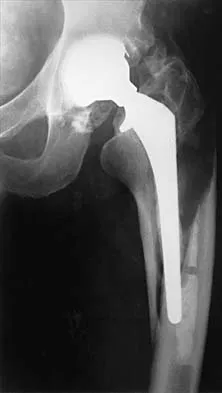
A 38-year-old man on chronic high-dose systemic corticosteroids for systemic lupus erythematosus presents with bilateral groin pain. MRI reveals bilateral femoral head osteonecrosis. On the right, there is evidence of subchondral collapse (crescent sign) with mild flattening of the femoral head. On the left, there is a focal anterosuperior necrotic lesion without any subchondral collapse or head flattening.

What is the most widely accepted surgical management for this patient?


Explanation

The treatment of avascular necrosis (AVN) of the femoral head depends heavily on whether subchondral collapse has occurred. The left hip is pre-collapse (Steinberg/Ficat Stage I or II) and is best treated with a head-preserving procedure such as core decompression to relieve intraosseous pressure and promote revascularization. The right hip has progressed to subchondral collapse and flattening (Steinberg/Ficat Stage III or higher); core decompression is generally ineffective at this stage, and a total hip arthroplasty (THA) is the most reliable treatment to relieve pain and restore function.

Question 33

An 82-year-old woman sustains an unstable intertrochanteric femur fracture and is treated with a short cephalomedullary nail. Postoperative radiographs show the lag screw is positioned in the anterior-superior quadrant of the femoral head on the AP and lateral views. The combined tip-apex distance (TAD) is measured at 32 mm.

Based on these specific radiographic parameters, what is the most likely mechanical complication?


Explanation

The tip-apex distance (TAD), described by Baumgaertner, is the sum of the distance from the tip of the lag screw to the apex of the femoral head on both the AP and lateral radiographs. A TAD > 25 mm is the single strongest radiographic predictor of lag screw cut-out. Furthermore, placing the screw in the anterior-superior quadrant places it in mechanically inferior trabecular bone, vastly increasing the risk of the screw cutting out of the superior aspect of the femoral head during weight-bearing.

Question 34

A 55-year-old woman complains of new-onset, sharp groin pain radiating to the anterior thigh 8 months after an uncomplicated primary total hip arthroplasty. The pain is worst when initiating movement, particularly when lifting her leg to get into a car or climbing stairs. Physical examination reveals severe pain with resisted active straight leg raise. A diagnostic anesthetic injection into the psoas bursa provides complete relief. Which of the following is the most common radiographic finding associated with this condition?


Explanation

The patient is experiencing classic symptoms of iliopsoas impingement post-THA. The primary clinical sign is pain with active hip flexion (resisted straight leg raise), often described as 'start-up' groin pain. The condition is definitively diagnosed when an image-guided anesthetic injection into the iliopsoas bursa relieves the symptoms. The most common underlying structural cause is an overhanging or prominent anterior rim of the acetabular cup, which mechanically irritates the iliopsoas tendon as it courses over the anterior brim of the pelvis.

Question 35

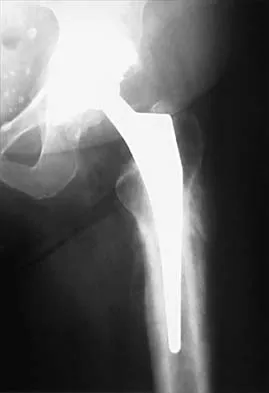
A 78-year-old woman presents to the emergency department after a mechanical fall. She underwent a cementless total hip arthroplasty 10 years ago. Radiographs reveal a spiral fracture around the tip of the femoral stem, extending slightly distal to the tip. Comparison to previous films confirms the stem remains rigidly fixed with no signs of subsidence, loosening, or osteolysis.

According to the Vancouver classification, what is the standard treatment for this injury?


Explanation

This is a Vancouver B1 periprosthetic femur fracture. The Vancouver classification is based on fracture location, implant stability, and bone quality. Type B fractures occur around or just distal to the tip of the stem. A B1 fracture is characterized by a well-fixed stem and adequate bone stock. The gold standard treatment for a Vancouver B1 fracture is open reduction and internal fixation (ORIF), typically using a laterally applied locking plate spanning the length of the femur with cerclage cables proximally and bicortical screws distally. Revision arthroplasty (Option D) is reserved for loose stems (Vancouver B2 or B3).

Question 36

A 65-year-old man presents with his third posterior dislocation of a total hip arthroplasty performed 6 months ago via a posterior approach. Radiographs reveal the acetabular component has 5 degrees of anteversion and 40 degrees of abduction. The femoral stem is well-fixed with 15 degrees of anteversion. What is the most appropriate surgical management?


Explanation

The combined anteversion (cup + stem) in this patient is 20 degrees, which is low and predisposes to posterior instability. The normal safe zone for the acetabular component is typically 15-20 degrees of anteversion. Since the cup is retroverted/under-anteverted (5 degrees), revising the cup to increase anteversion is the most appropriate biomechanical solution. Constrained liners are generally reserved for abductor deficiency, massive soft tissue compromise, or cognitive impairment when the components are already optimally positioned.

Question 37

A 58-year-old woman with a metal-on-metal total hip arthroplasty presents with progressive groin pain. Laboratory tests show significantly elevated serum cobalt and chromium levels. A metal artifact reduction sequence (MARS) MRI shows a thick-walled cystic mass communicating with the hip joint space causing displacement of the surrounding soft tissues. What is the most appropriate management?


Explanation

Adverse local tissue reaction (ALTR) or pseudotumor is a severe complication of metal-on-metal THAs, often driven by edge loading, trunnionosis, or metal wear debris. Management of a symptomatic ALTR with elevated metal ions and progressive soft-tissue destruction requires revision of the bearing surfaces to a non-metal-on-metal construct (e.g., metal-on-polyethylene or ceramic-on-polyethylene) along with thorough debridement of the pseudotumor.

Question 38

A 72-year-old man with a well-functioning right total hip arthroplasty placed 8 years ago presents with 3 days of acute, severe right hip pain and an inability to bear weight. He reports having a tooth extracted for a severe dental abscess 2 weeks ago. Hip aspiration yields synovial fluid with 65,000 WBC/uL and 95% polymorphonuclear cells. Radiographs show stable components with no radiolucencies. What is the most appropriate surgical management?


Explanation

This patient presents with an acute hematogenous periprosthetic joint infection (symptoms lasting less than 3 weeks in a previously well-functioning, stable arthroplasty). The standard of care for acute hematogenous PJI with radiographically well-fixed implants is irrigation and debridement with modular component (polyethylene) exchange, often referred to as DAIR (Debridement, Antibiotics, and Implant Retention), followed by targeted systemic antibiotics.

Question 39

A 78-year-old woman sustains a ground-level fall and presents with severe right thigh pain.

Radiographs show a periprosthetic fracture around her femoral stem. There is clear evidence of stem subsidence and a wide radiolucent line at the cement-bone interface, indicating aseptic loosening prior to the fall. The fracture extends to just distal to the tip of the stem, but there is adequate cortical bone stock distally. According to the Vancouver classification, what is the most appropriate treatment?


Explanation

This scenario describes a Vancouver B2 periprosthetic femur fracture (a fracture around the stem, with a loose stem, but with good bone stock). The gold standard treatment for a Vancouver B2 fracture is revision of the loose femoral component using a long cementless stem (such as an extensively porous-coated or fluted tapered modular stem) to achieve diaphyseal fixation bypassing the fracture site, usually supplemented with cables for the fracture.

Question 40

A 60-year-old man undergoes a total hip arthroplasty via a direct anterior approach using the primary inter-nervous plane between the tensor fasciae latae and the sartorius. Postoperatively, he complains of numbness and a burning sensation over the anterolateral aspect of his operative thigh. Which nerve was most likely injured during the surgical exposure, and what are its corresponding nerve roots?


Explanation

The direct anterior approach to the hip utilizes the superficial internervous plane between the sartorius (innervated by the femoral nerve) and the tensor fasciae latae (innervated by the superior gluteal nerve). The lateral femoral cutaneous nerve (LFCN), derived from the L2-L3 nerve roots, passes over or through the sartorius muscle and is at high risk of stretch or iatrogenic transection during this approach. Injury leads to meralgia paresthetica (numbness/burning over the anterolateral thigh).

Question 41

A 64-year-old man presents with a 6-month history of progressive right hip pain 5 years after receiving a cementless total hip arthroplasty with a 36-mm cobalt-chromium head on a titanium stem. Radiographs show well-fixed components with no evidence of osteolysis. Laboratory evaluation reveals a markedly elevated serum cobalt level with a normal serum chromium level. Hip aspiration is negative for infection. What is the most likely cause of this patient's symptoms?


Explanation

An elevated serum cobalt level that is disproportionately higher than the chromium level in a patient with a metal head on a titanium stem is the hallmark of mechanically assisted crevice corrosion (MACC), or trunnionosis, at the modular head-neck taper junction. This phenomenon is often associated with large diameter metal heads, which increase the frictional torque at the trunnion.

Question 42

A 52-year-old highly active man underwent a total hip arthroplasty with a ceramic-on-ceramic bearing surface 3 years ago. He is highly satisfied with his hip function but complains of a loud, audible "squeaking" noise when bending, walking, or rising from a chair. Which of the following component positions or surgical factors is most strongly associated with this phenomenon?


Explanation

Squeaking is a specific complication of ceramic-on-ceramic total hip arthroplasty, reported in a subset of patients. It is most strongly associated with edge loading caused by component malposition, specifically acetabular components placed in excessive abduction or anteversion. This leads to loss of fluid film lubrication, micro-separation, and stripe wear on the ceramic, which generates the audible squeaking sound.

Question 43

A 38-year-old male is involved in a high-speed motor vehicle collision.

Radiographs demonstrate a completely displaced, intracapsular femoral neck fracture (Garden IV). He has no significant past medical history and is highly active. What is the most appropriate initial surgical management?


Explanation

In young, physiologically active patients (typically < 60 years old) with displaced femoral neck fractures, head-preserving surgery with urgent open reduction and internal fixation (ORIF) is indicated to preserve the native hip joint, despite the high risk of avascular necrosis. Due to the high shear forces inherent in vertical or completely displaced fractures in young adults, a sliding hip screw (often supplemented with a derotation screw) or a length-stable construct provides superior biomechanical stability compared to multiple cancellous screws alone.

Question 44

A 68-year-old woman complains that her operative leg feels "too long" 6 weeks after a right total hip arthroplasty. On physical examination with her pelvis leveled, her right medial malleolus is 2 cm distal to the left medial malleolus. On the standard postoperative AP pelvis radiograph, the vertical distance from the inter-teardrop line to the right lesser trochanter is 35 mm, and the distance to the left lesser trochanter is 35 mm. What is the most likely cause of her perceived leg length discrepancy?


Explanation

Radiographically, the patient's leg lengths are symmetric because the distance from the bilateral teardrops (a fixed pelvic landmark) to the lesser trochanters (a fixed femoral landmark) is equal at 35 mm. The patient is experiencing an apparent (functional) leg length discrepancy. This is most commonly caused by pelvic obliquity due to abductor spasm, contracture, or concurrent lumbar spine pathology in the early postoperative period. True limb lengthening (options A, C, E) would result in a greater teardrop-to-lesser trochanter distance on the operative side.

Question 45

A 45-year-old woman with a history of developmental dysplasia of the hip presents with worsening bilateral hip pain.

Radiographs demonstrate a Crowe type IV high hip dislocation on the right side. She is scheduled for a right total hip arthroplasty. Placing the acetabular component in the true anatomical acetabulum will most likely require which of the following adjunctive procedures to safely reduce the hip and prevent permanent neurologic injury?


Explanation

Crowe type IV developmental dysplasia of the hip represents a high dislocation with >100% subluxation. When performing a THA, placing the cup in the true anatomical acetabulum (which provides the best bone stock and biomechanics) requires pulling the femur distally a significant distance. Stretching the limb more than 3-4 cm acutely places the sciatic nerve at an unacceptably high risk for stretch palsy. Therefore, a subtrochanteric femoral shortening osteotomy is frequently required to achieve reduction into the true acetabulum without placing excessive tension on the neurovascular structures.

Question 46

Figure 1 shows the radiograph of a 62-year-old man who presents with persistent groin pain 6 years after an uncomplicated metal-on-polyethylene total hip arthroplasty utilizing a large-diameter (36 mm) modular cobalt-chromium femoral head on a titanium stem. Serologic testing reveals elevated serum cobalt and chromium levels. Aspiration of the hip yields clear fluid with a normal white blood cell count and negative cultures. MRI with metal artifact reduction sequence (MARS) demonstrates a solid cystic mass in the periprosthetic soft tissues. Which of the following is the most likely etiology of his condition?


Explanation

The clinical scenario describes trunnionosis, or mechanically assisted crevice corrosion, occurring at the modular head-neck junction of a total hip arthroplasty. Even in metal-on-polyethylene bearings, the use of large-diameter cobalt-chromium heads on titanium stems increases the torque and fretting at the trunnion. This fretting corrosion releases metal ions (cobalt and chromium), leading to an adverse local tissue reaction (ALTR) or aseptic lymphocyte-dominated vasculitis-associated lesion (ALVAL). This typically presents with groin pain, elevated metal ions, and pseudotumor formation on MRI, in the absence of infection.

Question 47

A 55-year-old woman undergoes a primary right total hip arthroplasty via a direct anterior approach. Postoperatively, she reports a burning sensation and numbness over the anterolateral aspect of her right thigh. Motor function of her lower extremity is completely intact. During the surgical approach, which of the following internervous planes was utilized, and which nerve is most likely injured?


Explanation

The direct anterior approach (Smith-Petersen) to the hip utilizes the superficial internervous plane between the sartorius (supplied by the femoral nerve) and the tensor fasciae latae (supplied by the superior gluteal nerve). The lateral femoral cutaneous nerve (LFCN) is entirely sensory, supplying the anterolateral thigh. It typically crosses over the sartorius muscle distally and is at high risk of stretch or transection during the superficial dissection of the direct anterior approach.

Question 48

Figure 3 shows the radiograph of an 82-year-old woman who sustained a low-energy fall 4 years after a cemented total hip arthroplasty. Imaging demonstrates a fracture extending around the tip of the femoral stem. Radiographic evaluation indicates that the femoral component has subsided 5 mm since her last follow-up, but the surrounding proximal femoral bone stock remains adequate. Based on the Vancouver classification, what is the most appropriate definitive management?


Explanation

This is a Vancouver B2 periprosthetic femur fracture, characterized by a fracture around or just below the stem tip with a loose implant (evidenced by subsidence) but adequate remaining bone stock. The standard of care for a Vancouver B2 fracture is revision of the loose femoral component to a long extensively porous-coated or fluted tapered cementless stem that bypasses the fracture site by at least two cortical diameters, typically supplemented with cables. Plate fixation alone (Option 0) is reserved for Vancouver B1 fractures (stable implant).

Question 49

A 22-year-old elite hockey player presents with insidious onset right groin pain that is exacerbated by prolonged sitting and deep squatting. Physical examination reveals a positive anterior impingement test (FADIR). Radiographs demonstrate an alpha angle of 65 degrees and normal acetabular version. If left untreated, the intra-articular pathology most characteristic of this specific morphology will primarily result in damage to which of the following structures?


Explanation

The patient has cam-type femoroacetabular impingement (FAI), characterized by an aspherical femoral head-neck junction (alpha angle > 55 degrees). During hip flexion and internal rotation, the non-spherical cam lesion is forced into the acetabulum, creating shear forces that most commonly damage the anterosuperior labrum and lead to chondral delamination of the adjacent anterosuperior acetabular cartilage.

Question 50

Figure 5 demonstrates the radiograph of a 68-year-old man who presents to the emergency department with his third posterior dislocation of a total hip arthroplasty performed 8 months ago. He is compliant with hip precautions. Radiographic analysis reveals the acetabular component is placed in 5 degrees of retroversion and 40 degrees of abduction. The femoral component has normal anteversion and stable fixation. Following closed reduction, what is the most appropriate definitive management to prevent further dislocations?


Explanation

The patient is experiencing recurrent posterior instability due to a malpositioned acetabular component (retroversion). The "safe zone" for acetabular cup placement is typically described as 15 +/- 10 degrees of anteversion and 40 +/- 10 degrees of abduction. A retroverted cup predisposes the hip to posterior dislocation, particularly during flexion and internal rotation. The most definitive and appropriate treatment for recurrent instability directly caused by component malposition is revision of the malpositioned component (in this case, increasing the anteversion of the acetabular cup).

Question 51

A 51-year-old active man who underwent a cementless primary total hip arthroplasty with a ceramic-on-ceramic bearing surface 3 years ago presents with an audible "squeaking" sound originating from his hip during ambulation. He denies significant pain, and inflammatory markers are within normal limits. Which of the following factors is most strongly associated with the development of this acoustic phenomenon?


Explanation

Squeaking is a known complication specific to ceramic-on-ceramic bearing surfaces in total hip arthroplasty, occurring in up to 1-10% of cases. The most widely accepted etiology is a loss of fluid film lubrication leading to "stripe wear" and edge-loading. This is most strongly associated with malposition of the acetabular component (particularly steep cup inclination or excessive retroversion/anteversion), which alters the biomechanics and leads to edge-loading of the ceramic bearing.

Question 52

Figure 7 displays the preoperative AP pelvis radiograph of a 45-year-old woman with severe bilateral developmental dysplasia of the hip (Crowe Type IV). She is planned to undergo a right total hip arthroplasty. To optimize hip biomechanics, abductor function, and component longevity, where should the acetabular component ideally be placed, and what adjunctive procedure is most likely required?


Explanation

In Crowe Type IV developmental dysplasia of the hip (DDH), the femoral head is completely dislocated and forms a pseudoacetabulum superiorly. The standard of care for optimal biomechanics and implant longevity is to place the acetabular component at the level of the true anatomic acetabulum. Because the femur has been completely dislocated for decades, bringing the femoral head down to the true acetabulum places severe stretch on the neurovascular structures (specifically the sciatic nerve). Therefore, a subtrochanteric femoral shortening osteotomy is typically required to safely reduce the hip without causing sciatic nerve palsy.

Question 53

A 35-year-old man presents with severe right hip pain that worsens with weight-bearing. He sustained a displaced femoral neck fracture 3 years ago, which was treated with closed reduction and percutaneous pinning. Current radiographs reveal a radiolucent subchondral line (crescent sign) with mild flattening of the superior femoral head, but the joint space is well preserved. According to the Ficat and Arlet classification, which of the following is the most appropriate surgical treatment?


Explanation

The patient has post-traumatic avascular necrosis (AVN) of the femoral head. A "crescent sign" with mild flattening indicates subchondral collapse, which corresponds to Ficat Stage III AVN. Once the femoral head has collapsed (Stage III or IV), joint-preserving procedures such as core decompression or vascularized fibular grafting have an unacceptably high failure rate. Total hip arthroplasty (THA) is the gold standard and most appropriate treatment for Ficat Stage III/IV AVN, providing reliable pain relief and functional improvement.

Question 54

A 68-year-old man is scheduled for a left total hip arthroplasty. His medical history is significant for Brooker Class IV heterotopic ossification following a contralateral right total hip arthroplasty, which required surgical excision. Which of the following prophylactic regimens is most appropriate to prevent recurrence in his upcoming surgery?


Explanation

The patient is at high risk for heterotopic ossification (HO) given his history of Brooker Class IV HO in the contralateral hip. The most effective prophylactic modalities for HO are nonsteroidal anti-inflammatory drugs (e.g., indomethacin for 3-6 weeks) or localized external beam radiation therapy. A single fraction of 700-800 cGy radiation administered either within 24 hours preoperatively or within 48-72 hours postoperatively is highly effective and circumvents the gastrointestinal and bleeding risks associated with prolonged indomethacin use.

Question 55

A 70-year-old woman is evaluated 6 months after a total hip arthroplasty performed via a direct lateral (Hardinge) approach. She complains of persistent lateral hip pain and a prominent limp. On physical examination, when she stands on the operatively treated leg, her pelvis drops on the contralateral, unaffected side. To compensate during the stance phase of her gait cycle, the patient will most likely demonstrate which of the following kinematic adaptations?


Explanation

The patient has a positive Trendelenburg sign due to insufficiency of the hip abductors (gluteus medius and minimus), a known complication of the direct lateral approach which splits these muscles. When standing on the affected leg, the weak abductors cannot hold the pelvis level, causing it to drop on the unaffected side. To compensate and prevent falling, the patient exhibits a Trendelenburg gait, shifting their trunk and center of gravity toward the affected stance leg. This reduces the lever arm from the center of gravity to the hip joint, thereby decreasing the torque demand on the deficient abductor muscles.

Question 56

A 35-year-old man undergoes hip arthroscopy for femoroacetabular impingement. Postoperatively, he complains of numbness in his perineum, scrotum, and the medial aspect of his upper thigh. He has no motor deficits. Which of the following factors during the surgical procedure is most likely responsible for this complication?


Explanation

The patient is presenting with a pudendal neurapraxia, a well-documented complication of hip arthroscopy due to compression against a perineal traction post. This typically manifests as numbness in the perineum, scrotum (or labia), and medial thigh. To minimize this risk, the traction post should be well-padded, the hip placed in slight flexion and abduction during traction, and traction time limited (ideally under 2 hours). Direct injury via the anterolateral or mid-anterior portals puts the lateral femoral cutaneous nerve at risk, which would cause numbness on the anterolateral thigh, not the perineum.

Question 57

Regarding the material properties of highly cross-linked polyethylene (HXLPE) used in total hip arthroplasty, increasing the radiation dose to enhance cross-linking primarily results in a trade-off characterized by which of the following mechanical changes?


Explanation

Highly cross-linked polyethylene (HXLPE) is created by exposing standard ultra-high-molecular-weight polyethylene to ionizing radiation, which forms free radicals that recombine to create cross-links between polymer chains. While this significantly decreases the volumetric wear rate, it comes at the cost of decreasing several mechanical properties, particularly fatigue resistance, ductility, yield strength, and ultimate tensile strength. Therefore, decreased fatigue crack propagation resistance is the primary mechanical trade-off of higher cross-linking doses. Oxidation resistance is typically addressed by subsequent thermal treatments (remelting or annealing) or adding antioxidants like Vitamin E.

Question 58

A 65-year-old man presents with chronic right hip pain 4 years after a primary total hip arthroplasty. His ESR is 45 mm/hr and CRP is 25 mg/L. Aspiration yields cloudy fluid with a synovial white blood cell (WBC) count of 4,500 cells/μL and 85% polymorphonuclear leukocytes (PMNs). A synovial alpha-defensin test is positive. According to the 2018 ICM / MSIS criteria for periprosthetic joint infection (PJI), what is the most appropriate diagnostic conclusion?


Explanation

According to the 2018 International Consensus Meeting (ICM) criteria for PJI, a score of ≥6 indicates an infection. In this scenario, the elevated CRP (>10 mg/L) provides 2 points, elevated synovial WBC count (>3000 cells/μL) provides 3 points, elevated PMN% (>80%) provides 2 points, and a positive alpha-defensin test provides 3 points. The cumulative score is 10, which overwhelmingly establishes a definitive diagnosis of PJI even before culture results are finalized.

Question 59

Figure 3 shows the AP pelvis radiograph of a 25-year-old woman with symptomatic developmental dysplasia of the hip (DDH) who is scheduled for a Bernese periacetabular osteotomy (PAO). During a classic PAO, which of the following pelvic structures intentionally remains intact to preserve pelvic stability and allow early mobilization?


Explanation

The Bernese periacetabular osteotomy (PAO) involves a series of four osteotomies: incomplete ischial, superior pubic ramus, incomplete iliac, and retroacetabular (connecting the iliac and ischial cuts). A hallmark of the PAO, which distinguishes it from earlier osteotomies (like the single or triple innominate osteotomies), is that the posterior column of the pelvis remains intact. This preserves the inherent stability of the pelvic ring, permits early postoperative mobilization, and preserves the geometry of the true pelvis, which is important for females of childbearing age.

Question 60

A 62-year-old female presents with recurrent anterior dislocations of her total hip arthroplasty (THA). The original surgery was performed via a posterior approach. Which of the following combinations of component positioning is most classically associated with an anterior dislocation mechanism?


Explanation

Anterior dislocations in THA are most commonly caused by excessive combined anteversion (excessive acetabular anteversion and excessive femoral anteversion) or a mechanism of extension and external rotation. Conversely, posterior dislocations are associated with component retroversion (acetabular retroversion and/or femoral retroversion) and typically occur with hip flexion, adduction, and internal rotation.

Question 61

Figure 6 displays the radiographs of a 13-year-old boy who presents with severe, progressive groin pain and stiffness 7 months after undergoing in situ percutaneous pinning for a slipped capital femoral epiphysis (SCFE). Radiographs demonstrate diffuse joint space narrowing without evidence of femoral head collapse or crescent sign. What is the most likely diagnosis?


Explanation

The clinical presentation of increasing stiffness and pain following pinning of a SCFE, combined with classic radiographic findings of diffuse concentric joint space narrowing (< 3mm) without subchondral collapse, is diagnostic of chondrolysis. Chondrolysis is a devastating complication often associated with unrecognized intra-articular pin penetration. Avascular necrosis (AVN) would present with subchondral sclerosis, cyst formation, the crescent sign, or structural collapse of the femoral head.

Question 62

A 72-year-old woman is undergoing revision total hip arthroplasty for severe aseptic loosening. Intraoperatively, there is independent movement between the superior and inferior halves of the hemipelvis, confirming pelvic discontinuity. However, there is adequate remaining host bone with >50% host-bone contact anticipated. Which of the following is considered the most reliable modern reconstruction method for this defect?


Explanation

In the setting of pelvic discontinuity where there is still potential for biologic fixation (host bone contact >50%), achieving stable fixation that spans the discontinuity is crucial. The modern gold standard is a highly porous (e.g., trabecular metal) multi-hole hemispherical cup (often described as the 'cup distraction technique') utilizing multiple screws into both the intact ilium superiorly and the ischium inferiorly. This acts as an internal plate to stabilize the discontinuity while allowing for biologic ingrowth into the highly porous metal. Anti-protrusio cages alone have a high mechanical failure rate long-term because they do not achieve biologic fixation.

Question 63

A 58-year-old man with a metal-on-metal total hip arthroplasty placed 10 years ago presents with worsening groin pain. Serum cobalt and chromium levels are significantly elevated. A metal artifact reduction sequence (MARS) MRI reveals a large, thick-walled fluid collection communicating with the joint space. What is the predominant histological feature expected in the periprosthetic tissue surrounding this lesion?


Explanation

The patient is presenting with an adverse local tissue reaction (ALTR) secondary to a metal-on-metal articulation, specifically forming a pseudotumor. The hallmark histological finding in tissues affected by ALTR/metallosis from metal-on-metal implants is an Aseptic Lymphocyte-Dominated Vasculitis-Associated Lesion (ALVAL), representing a delayed type IV hypersensitivity reaction to metal ions (primarily cobalt). Dense PMNs suggest acute infection. Histiocytes with polyethylene debris are characteristic of osteolysis in metal-on-polyethylene bearings.

Question 64

Figure 12 corresponds to a 45-year-old competitive water skier who sustains a severe forced hip flexion injury with the knee extended. He presents with posterior thigh ecchymosis, loss of posterior thigh contour, and profound weakness in knee flexion. He is planned for an open repair of the completely avulsed proximal hamstring tendons. During the surgical approach to the ischial tuberosity, which of the following nerves is at greatest risk of iatrogenic injury?


Explanation

The patient has a complete proximal hamstring avulsion. During open surgical repair at the ischial tuberosity, the sciatic nerve is at high risk of iatrogenic injury. Anatomically, the sciatic nerve runs an average of 1.2 cm lateral to the ischial tuberosity and the proximal hamstring origin. Excessive medial-to-lateral retraction or aberrant suture placement can easily injure or entrap the nerve. The posterior femoral cutaneous nerve is also at risk but the sciatic nerve is the major critical structure directly adjacent to the repair site.

Question 65

A 40-year-old active man presents 3 years after a primary total hip arthroplasty using a ceramic-on-ceramic bearing. He complains of an audible 'squeaking' sound coming from the hip with every step, which is embarrassing but entirely painless. Radiographs demonstrate well-fixed components with no subsidence or osteolysis. Which of the following factors is most strongly associated with the etiology of this phenomenon?


Explanation

Squeaking is a well-documented phenomenon specific to ceramic-on-ceramic (CoC) bearings, occurring in up to 10% of patients. The most significant predictive factor for squeaking is component malposition—specifically, excessive cup anteversion, vertical cup placement (high abduction angle), or loss of fluid lubrication, which leads to 'edge loading' and subsequent stripe wear on the ceramic head. Squeaking is less common with smaller heads and is instead associated with larger heads, younger/active patients, and higher BMI. Galvanic corrosion occurs at trunnions (trunnionosis) but does not cause squeaking.

Question 66

A 65-year-old man presents with progressive groin pain and swelling 8 years after a metal-on-metal total hip arthroplasty (THA). Laboratory evaluation reveals elevated serum cobalt and chromium levels. MRI demonstrates a thick-walled, fluid-filled periprosthetic collection. Aspiration is negative for infection. If a biopsy of the periarticular tissue is obtained, which of the following is the most likely predominant histologic finding?


Explanation

The clinical scenario describes an adverse local tissue reaction (ALTR), also known as aseptic lymphocyte-dominated vasculitis-associated lesion (ALVAL), which is a known complication of metal-on-metal bearing surfaces. It is characterized histologically by a hypersensitivity reaction featuring extensive perivascular lymphocytic infiltration, tissue necrosis, and fibrin deposition, rather than the pure macrophage response seen with polyethylene wear.

Question 67

A 25-year-old male athlete presents with anterior groin pain that is exacerbated by prolonged sitting and deep hip flexion activities. Figure 1 shows his lateral hip radiograph.

His alpha angle is measured at 72 degrees. Which physical examination test is most likely to reproduce his pain, and what is the underlying pathomorphology?


Explanation

The patient has symptomatic cam-type femoroacetabular impingement (FAI). Cam impingement is caused by a nonspherical femoral head and reduced anterior head-neck offset, classically resulting in an alpha angle greater than 50-55 degrees. The Flexion, Adduction, and Internal Rotation (FADIR) test produces anterior impingement and is the most sensitive physical examination finding for this pathology.

Question 68

A 72-year-old woman presents with recurrent posterior dislocations following a primary total hip arthroplasty performed via a posterior approach. Radiographic evaluation demonstrates the acetabular component is positioned in 35 degrees of abduction and 5 degrees of retroversion. The femoral stem has 15 degrees of anteversion. What is the most appropriate surgical management?


Explanation

Recurrent posterior instability in the setting of a retroverted acetabular cup (normal target is typically 15-20 degrees of anteversion and 40 degrees of abduction) is best managed by revising the malpositioned component. While constrained liners can treat instability due to abductor deficiency, they should not be used as a primary solution for severe component malposition, as this leads to early failure of the constrained mechanism.

Question 69

A 68-year-old man has experienced gradually worsening, constant pain in his right total hip arthroplasty for the past 6 months. His index surgery was 2 years ago. Inflammatory markers reveal an ESR of 55 mm/hr and a CRP of 3.2 mg/dL. Joint aspiration yields synovial fluid with 4,200 WBC/uL and 82% polymorphonuclear leukocytes. Alpha-defensin is positive. Which of the following is the most appropriate next step in management?


Explanation

The patient presents with a chronic late periprosthetic joint infection (PJI). The diagnostic criteria are met via elevated inflammatory markers, positive alpha-defensin, and a synovial WBC count >3,000 cells/uL with >80% PMNs. For chronic PJI (>4 weeks post-operatively), Debridement, Antibiotics, and Implant Retention (DAIR) is contraindicated. In North America, the gold standard for late chronic PJI remains two-stage revision arthroplasty.

Question 70

A 55-year-old woman who underwent an uncomplicated total hip arthroplasty 3 years ago now complains of a painless 'squeaking' noise when she bends over or walks quickly. Radiographs are shown in Figure 4.

There is no evidence of loosening. What bearing surface was most likely utilized, and what is a primary biomechanical risk factor for this phenomenon?


Explanation

Squeaking is a highly specific complication of ceramic-on-ceramic bearing surfaces, occurring in roughly 1-10% of patients. It is strongly associated with edge loading, microseparation, and component malposition (e.g., excessively steep or anteverted/retroverted acetabular cups). In the absence of pain or functional limitation, reassurance is usually indicated.

Question 71

A 45-year-old man presents for evaluation of hip arthroplasty options due to severe primary osteoarthritis. He works as a construction worker and expresses a strong interest in hip resurfacing arthroplasty. Which of the following represents an absolute contraindication to modern metal-on-metal hip resurfacing?


Explanation

Modern hip resurfacing utilizes a metal-on-metal (MoM) bearing surface. The generated cobalt and chromium ions are excreted primarily via the kidneys. Therefore, significant renal impairment (GFR < 30 mL/min) is an absolute contraindication to MoM hip resurfacing due to the risk of heavy metal toxicity. Males with large femoral head sizes and primary OA are actually ideal candidates.

Question 72

During a primary cementless total hip arthroplasty, the surgeon opts to use a proximally coated, tapered flat wedge titanium stem. Which of the following best describes the primary fixation philosophy of this stem design and its most characteristic early mechanical complication if undersized?


Explanation

Tapered flat wedge stems achieve primary stability via a tight mediolateral fit in the proximal metaphysis. Because they are narrow in the anteroposterior dimension, they do not fill the metaphysis fully in the sagittal plane. If adequate cortical contact is not achieved during broaching, these stems are specifically prone to early subsidence.

Question 73

A 32-year-old woman presents with severe groin pain 14 months after undergoing urgent open reduction and internal fixation for a displaced femoral neck fracture. Figure 8

reveals advanced collapse of the femoral head consistent with osteonecrosis. Disruption of which of the following structures is the principal cause of this complication?


Explanation

The medial femoral circumflex artery (MFCA) is the predominant blood supply to the adult femoral head, specifically via its lateral epiphyseal branches. Displacement of a femoral neck fracture severely compromises these intracapsular vessels, leading to high rates of avascular necrosis (AVN), even following successful internal fixation.

Question 74

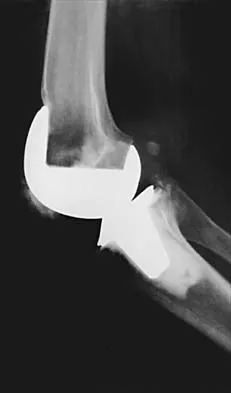
A 79-year-old man sustains a fall and presents with severe thigh pain. Figure 11

demonstrates a periprosthetic femur fracture surrounding a cemented polished taper slip stem. Radiographs show the fracture extends just distal to the tip of the stem, the cement mantle is fractured, and the stem has subsided, but the surrounding cortical bone stock remains robust. According to the Vancouver classification, what is the injury and appropriate treatment?


Explanation

This is a Vancouver B2 fracture: the fracture occurs around or just below the stem tip (Type B), the implant is loose (Type 2), and the bone stock is adequate. The standard of care for a loose stem with good bone stock is revision arthroplasty, typically using a long cementless diaphyseal-engaging stem that bypasses the most distal fracture line by at least two cortical diameters. Type B1 (stable stem) is treated with ORIF, and Type B3 (poor bone stock) often requires a proximal femoral replacement.

Question 75

A 42-year-old female with a history of developmental dysplasia of the hip (DDH) requires a total hip arthroplasty. Preoperative templating reveals that her femoral head is subluxated proximally by 85% relative to the height of the normal true acetabulum. How is this classified according to the Crowe classification, and what key surgical maneuver is most likely necessary to restore the normal hip center?


Explanation

The Crowe classification for DDH is based on the degree of proximal subluxation: Type I (<50%), Type II (50-74%), Type III (75-100%), and Type IV (>100%). At 85% subluxation, the patient is Crowe III. Bringing the hip down to the true anatomic center of rotation often requires significant leg lengthening, posing a severe risk of sciatic nerve palsy. Therefore, a femoral shortening osteotomy (such as a subtrochanteric osteotomy) is frequently required to reduce the joint safely.

Question 76

A 65-year-old woman experiences recurrent anterior dislocations after a primary total hip arthroplasty performed via a posterior approach. Radiographs demonstrate that the acetabular component is placed in 35 degrees of anteversion and 50 degrees of inclination. The femoral stem is placed in 25 degrees of anteversion. What is the most appropriate definitive management?


Explanation

The patient's combined anteversion (cup 35 degrees + stem 25 degrees = 60 degrees) is excessively high, predisposing her to anterior dislocation. The cup is also excessively abducted (50 degrees). Normal combined anteversion should be approximately 25-35 degrees (e.g., cup 15-20 degrees, stem 10-15 degrees) according to the widely accepted Lewinnek or combined safe zones. To correct this mechanical instability, the acetabular component needs to be revised to decrease both anteversion and inclination.

Question 77

A 68-year-old man presents with progressive groin pain 7 years after a primary total hip arthroplasty with a large diameter metal head on a highly cross-linked polyethylene liner.

Serum cobalt levels are significantly elevated compared to chromium. Joint aspiration yields sterile, cloudy fluid. What is the most likely source of the elevated metal ions?


Explanation

Elevated serum cobalt levels (often with Cobalt > Chromium) in the setting of a metal-on-polyethylene THA point toward mechanically assisted crevice corrosion (MACC), also known as trunnionosis, at the modular head-neck taper junction. This adverse local tissue reaction (ALTR) is increasingly recognized, particularly with large metal heads which exert higher torque forces on the trunnion.

Question 78

A 24-year-old professional hockey player presents with a gradual onset of anterior groin pain exacerbated by hip flexion and internal rotation.

Radiographs show a prominent osseous bump at the anterolateral femoral head-neck junction and an alpha angle of 65 degrees. What pattern of chondral damage is most classically associated with this specific deformity?


Explanation

This patient has a cam-type femoroacetabular impingement (FAI), characterized by decreased head-neck offset and an elevated alpha angle (>50-55 degrees). Cam impingement creates shear forces at the chondrolabral junction during hip flexion and internal rotation. This classically results in 'carpet breakdown' or delamination of the anterosuperior acetabular cartilage, often leaving the labrum intact or detaching it at the transition zone.

Question 79

A 72-year-old woman is undergoing revision total hip arthroplasty for aseptic loosening of her acetabular component. Intraoperatively, the superior and inferior hemipelvis are found to move independently.

Which of the following reconstruction techniques provides the most reliable long-term biologic fixation and stability for this specific defect?


Explanation

The finding of independent movement between the superior and inferior hemipelvis defines a pelvic discontinuity (Paprosky type IIIb). Achieving durable fixation requires rigid stabilization of the discontinuity. Standard hemispherical cups (even jumbo or highly porous ones) have high failure rates unless the discontinuity is bridged and compressed. Custom triflange acetabular components or cup-cage constructs (distraction approach) offer the most reliable stability and promote healing or durable bridging of the discontinuity.

Question 80

A 12-year-old boy weighing 95 kg (BMI > 95th percentile) presents with a 2-week history of right thigh pain and an inability to bear weight. Radiographs confirm a severe, unstable right slipped capital femoral epiphysis (SCFE). After treating the right hip, prophylactic pinning of the asymptomatic left hip is most strongly indicated by which of the following patient factors?


Explanation

The risk of a contralateral slip in SCFE is closely associated with skeletal immaturity, endocrine disorders, and severe obesity. An open triradiate cartilage (assessed via the modified Oxford bone age score) is a powerful predictor of future contralateral slip, making prophylactic pinning highly recommended in such patients to prevent subsequent displacement and associated morbidity.

Question 81

Which of the following patients is the most appropriate candidate for a metal-on-metal hip resurfacing arthroplasty?


Explanation

The ideal candidate for a metal-on-metal hip resurfacing is a young, active male (<55-60 years old) with primary osteoarthritis, normal proximal femoral geometry, and good bone quality. Women, patients with significant leg length discrepancy, large subchondral cysts (>1 cm), AVN with >30% head involvement, or poor bone quality (e.g., RA, osteopenia) have unacceptably high failure rates (due to femoral neck fracture or adverse local tissue reactions) and are generally considered contraindicated for this procedure.

Question 82

A 7-year-old boy is diagnosed with Legg-Calvé-Perthes disease. Radiographs show fragmentation of the femoral head with maintenance of greater than 50% of the lateral pillar height.

According to the Herring classification, this is a Group B hip. Which of the following statements best describes the prognostic significance and recommended management for this patient?


Explanation

In Herring Group B hips (lateral pillar height >50% but <100%), age at onset is a critical prognostic factor. Children under 8 years of age at onset generally do well with conservative management, and surgical containment (e.g., pelvic or femoral osteotomy) has not been shown to significantly improve outcomes compared to nonoperative care. In contrast, children 8 years or older with Group B hips, or B/C border hips, benefit significantly from surgical containment.

Question 83

A 38-year-old man on chronic corticosteroids for systemic lupus erythematosus presents with a 4-month history of progressive right groin pain. Radiographs of the right hip show a subchondral radiolucent line (crescent sign), but no flattening of the femoral head.

What is the most appropriate initial management for this patient?


Explanation

The presence of a crescent sign indicates subchondral collapse (Ficat stage III / Steinberg stage III). Once subchondral collapse has occurred, head-preserving procedures like core decompression have an unacceptably high failure rate. Total hip arthroplasty is the most appropriate, reliable, and definitive treatment for symptomatic, collapsed avascular necrosis (Stage III or IV) in this setting.

Question 84

A 78-year-old woman sustains a fall and presents with a periprosthetic femur fracture around her cemented polished taper-slip total hip arthroplasty stem.

Radiographs show a fracture at the tip of the stem. The stem appears subsided and loose within the cement mantle, but the surrounding proximal femoral bone stock is of good quality. How should this fracture be classified and managed?


Explanation

The fracture is around the tip of the stem, making it a Vancouver B. The stem is loose (subsided), which differentiates B2/B3 from B1 (where the stem is well-fixed). Since the proximal bone stock is described as good quality, it is classified as a Vancouver B2 fracture. The standard of care for a B2 periprosthetic fracture is revision of the femoral component, typically using a long, fluted, tapered cementless stem that bypasses the fracture distally by at least two cortical diameters.

Question 85

A surgeon is performing a primary total hip arthroplasty using a direct anterior approach.

The internervous plane utilized is between the tensor fasciae latae and the sartorius superficially. During the exposure, care must be taken to avoid a nerve that typically crosses the surgical field. Injury to this structure will most likely result in:


Explanation

The direct anterior approach (Smith-Petersen) utilizes the superficial internervous plane between the sartorius (femoral nerve) and tensor fasciae latae (superior gluteal nerve). The lateral femoral cutaneous nerve (LFCN) is at significant risk during this superficial dissection. It is a purely sensory nerve providing innervation to the anterolateral thigh. Injury to the LFCN results in sensory loss, numbness, or dysesthesia over the anterolateral aspect of the thigh (meralgia paresthetica), without causing any motor weakness.

Question 86

A 68-year-old woman with a history of multilevel lumbar spinal fusion (L2-pelvis) undergoes a primary total hip arthroplasty (THA). Which of the following component positioning strategies is most appropriate to minimize her risk of posterior dislocation?


Explanation

Patients with lumbosacral fusions extending to the pelvis have a stiff spinopelvic junction. They lose the ability to increase pelvic tilt (posteriorly) when sitting. Normally, posterior pelvic tilt increases functional acetabular anteversion, protecting against posterior dislocation during hip flexion. In a fused spine, this compensatory mechanism is lost, requiring the surgeon to place the cup in increased anteversion and inclination to accommodate the seated position and prevent posterior impingement and subsequent dislocation.

Question 87

A 72-year-old man presents to the emergency department after a ground-level fall. He underwent a primary cementless total hip arthroplasty 5 years ago. Radiographs demonstrate a displaced fracture around the femoral stem extending just distal to the lesser trochanter. The stem appears subsided by 2 cm compared to previous radiographs. What is the most appropriate definitive management?


Explanation

This is a Vancouver B2 periprosthetic femur fracture, characterized by a fracture around a loose stem with adequate distal bone stock. The standard of care for a B2 fracture is revision of the femoral component to bypass the fracture, typically using a fluted, tapered, titanium stem (modular or non-modular) to achieve rigid distal diaphyseal fixation. ORIF alone is contraindicated due to the loose implant.

Question 88

A 65-year-old man presents with progressive right groin pain 6 years after a metal-on-polyethylene total hip arthroplasty utilizing a cobalt-chrome modular head on a titanium alloy stem. Inflammatory markers are normal and aspiration yields no growth. A MARS MRI reveals a solid and cystic mass communicating with the joint. Serum cobalt is 12 ppb, and chromium is 2 ppb. What is the most likely etiology of this patient's symptoms?


Explanation

The scenario describes an adverse local tissue reaction (ALTR) secondary to mechanically assisted crevice corrosion (MACC) at the head-neck junction, also known as trunnionosis. This is characterized by disproportionately elevated cobalt relative to chromium (often > 10:1 ratio) in metal-on-polyethylene THA with a CoCr head and Ti stem. MARS MRI typically shows a pseudotumor.

Question 89

A 78-year-old woman with a history of recurrent instability underwent revision total hip arthroplasty to a modular dual mobility articulation 3 years ago. She now presents with new-onset clicking and groin pain. Radiographs demonstrate an asymmetric, eccentric position of the femoral head within the radiolucent polyethylene bubble, but the large polyethylene liner remains located within the metal acetabular shell. What is the mechanism of this specific complication?


Explanation

The scenario describes an intraprosthetic dislocation (IPD), a complication specific to dual mobility (DM) constructs. It occurs when the inner (smaller) prosthetic head disengages from the captive mobile polyethylene liner. This is often caused by wear or failure of the polyethylene retentive rim, allowing the head to escape. Radiographically, it appears as an asymmetric 'bubble' sign where the femoral head is no longer concentric within the polyethylene liner.

Question 90

A 45-year-old woman complains of anterior groin pain when rising from a seated position, 1 year after an uncomplicated primary total hip arthroplasty. Her symptoms are reproducible with active straight leg raise and resisted hip flexion. An image from her cross-sectional study is shown.

Diagnostic injection of the iliopsoas bursa provides complete, temporary relief. Which acetabular component position is the most common cause of this pathology?


Explanation

Iliopsoas impingement after THA typically presents with anterior groin pain that is worse with active hip flexion. It is most commonly caused by an anteriorly prominent or overhanging acetabular component. An anterior overhang greater than 8mm is highly predictive of irritating the iliopsoas tendon as it crosses the joint.

Question 91

A 50-year-old active man with a ceramic-on-ceramic total hip arthroplasty reports a high-pitched squeaking noise from his hip during deep flexion activities. He is otherwise asymptomatic. Which of the following factors has been most strongly associated with squeaking in ceramic-on-ceramic THA?


Explanation

Squeaking in ceramic-on-ceramic (CoC) total hip arthroplasty is a well-documented phenomenon. It is most strongly associated with edge loading, which typically results from component malposition (e.g., excessive cup inclination or version). This leads to impingement, stripe wear on the ceramic head, and subsequent loss of fluid film lubrication.

Question 92

A 66-year-old woman is evaluated for a loose acetabular component 15 years after total hip arthroplasty. Pelvic radiographs demonstrate superior migration of the hip center by 3.5 cm, complete absence of the teardrop, and disruption of the Kohler line.

During revision surgery, there is less than 30% host bone contact for a hemispherical cup. Which of the following is the most appropriate reconstruction option?


Explanation

The clinical and radiographic description (superior migration >3cm, disrupted Kohler line, destroyed teardrop, <30% host bone contact) indicates a Paprosky type 3B acetabular defect, representing severe pelvic discontinuity or near-discontinuity. A standard or jumbo uncemented cup will not achieve adequate initial stability or biologic fixation (<50% host bone contact). Reliable durable options for a 3B defect include a cup-cage construct, custom triflange acetabular component, or pelvic distraction with a highly porous metal construct.

Question 93

A 62-year-old man presents with acute onset of right hip pain and fever 3 weeks after an uncomplicated primary total hip arthroplasty. The incision is erythematous and draining purulent fluid. Joint aspiration reveals a synovial fluid white blood cell count of 85,000 cells/µL with 92% neutrophils. The implant is radiographically well-fixed. Which of the following is the most appropriate initial surgical management?


Explanation

This patient has an acute early periprosthetic joint infection (within 4 weeks of index surgery). The implants are well-fixed. The most appropriate initial management is a thorough Debridement, Antibiotics, and Implant Retention (DAIR), which MUST include the exchange of modular components (femoral head and polyethylene liner) to access the joint spaces fully and remove biofilm. Two-stage revision is reserved for chronic infections, loose implants, or failure of a prior DAIR.

Question 94

A 69-year-old woman complains of a severe limp and lateral hip pain 18 months after a primary total hip arthroplasty performed via a direct lateral (Hardinge) approach. Physical examination reveals a profound Trendelenburg sign and weakness with resisted hip abduction. MRI with MARS artifact reduction shows a full-thickness avulsion of the gluteus medius and minimus from the greater trochanter with severe fatty infiltration. Which of the following is the most appropriate surgical treatment?


Explanation

Chronic, massive abductor mechanism tears post-THA with severe fatty atrophy are generally not amenable to primary direct repair due to tissue retraction and poor muscle quality. Reconstruction options for massive, irreparable tears include a gluteus maximus flap transfer or an Achilles tendon allograft with a bone block to bridge the gap and restore abductor tension. Simply changing the bearing does not restore abductor strength or resolve the Trendelenburg gait.

Question 95

A 55-year-old man underwent a metal-on-metal total hip arthroplasty 10 years ago. He presents with new-onset swelling and a palpable mass in his anterior thigh.

Laboratory tests show elevated serum cobalt and chromium levels (>20 ppb). Histological examination of the periprosthetic tissue during revision surgery is most likely to show which of the following?


Explanation

The patient has a pseudotumor secondary to adverse reaction to metal debris (ARMD) from a metal-on-metal THA. The characteristic histological finding for this type of metal hypersensitivity and toxicity reaction is ALVAL (aseptic lymphocyte-dominated vasculitis-associated lesion). This features a perivascular lymphocytic infiltrate, tissue necrosis, and macrophages containing metal particles, which is distinct from the macrophage-dominated reaction seen with polyethylene particulate disease.

Question 96

A 65-year-old man presents with recurrent posterior dislocations following a primary total hip arthroplasty (THA) performed via a posterior approach 6 months ago. He has no signs of infection and neurologic exam is intact. Radiographic evaluation and subsequent CT scan demonstrate that the acetabular component is placed in 10 degrees of anteversion and 40 degrees of abduction. The femoral component is noted to be in 10 degrees of retroversion. Which of the following component adjustments during revision surgery would most effectively reduce his risk of future posterior dislocations?


Explanation

This patient has recurrent posterior dislocations due to inadequate combined anteversion. The widely accepted target for combined anteversion (acetabular anteversion + femoral anteversion) is approximately 25 to 45 degrees (Widmer's or McKibbin's principles adapted for THA). In this scenario, the acetabular component has 10 degrees of anteversion, and the femoral component has 10 degrees of retroversion (which acts as -10 degrees). Therefore, the combined anteversion is 0 degrees. To restore stability and prevent posterior dislocation, the combined anteversion must be increased. This can be achieved by increasing either the acetabular anteversion or the femoral anteversion. Decreasing offset, decreasing head size, or increasing abduction would either worsen instability or have minimal effect on the underlying version mismatch.

Question 97

A 68-year-old male is undergoing a two-stage exchange arthroplasty for a chronically infected total hip arthroplasty. Preoperative joint aspiration cultures confirm the presence of methicillin-resistant Staphylococcus aureus (MRSA). During the first stage, the components are explanted, aggressive debridement is performed, and an articulating polymethylmethacrylate (PMMA) cement spacer is placed. Which of the following represents the most appropriate antibiotic loading strategy for the PMMA spacer in this patient?


Explanation

In the setting of a two-stage exchange for periprosthetic joint infection (PJI), high-dose antibiotic-loaded PMMA is utilized to provide high local antibiotic concentrations while maintaining mechanical stability. For MRSA, vancomycin is the antibiotic of choice. It is highly recommended to combine vancomycin with an aminoglycoside (such as tobramycin or gentamicin) in the cement spacer. This combination is synergistic, broadens the spectrum of coverage, and importantly, increases the elution characteristics of both antibiotics from the PMMA matrix through passive diffusion (the 'synergistic elution' effect). Cefazolin, penicillin, and erythromycin do not cover MRSA. While rifampin is an excellent anti-biofilm agent used systemically, it can interfere with cement polymerization and is not typically used as the primary local antibiotic in spacers.

Question 98

A 28-year-old female presents with anterior groin pain exacerbated by deep flexion and internal rotation.

Radiographs demonstrate a lateral center-edge angle of 16 degrees and a Tönnis angle of 18 degrees. An MRI arthrogram reveals an anterosuperior labral tear and prominent cam morphology on the femoral neck. If this patient undergoes isolated hip arthroscopy with labral repair and femoral osteochondroplasty, what is the most likely long-term complication?


Explanation

This patient presents with frank developmental dysplasia of the hip (DDH), indicated by a lateral center-edge angle (LCEA) of less than 20 degrees (normal is >25) and a Tönnis angle greater than 10 degrees. The labrum in dysplastic hips is typically hypertrophic and acts as a primary secondary stabilizer to the deficient bony coverage. Performing an isolated hip arthroscopy with labral debridement/repair and femoral osteochondroplasty (cam resection) in a severely dysplastic hip disrupts the remaining soft-tissue static constraints (e.g., the labrum and capsule). This leads to iatrogenic microinstability, catastrophic capsular failure, and rapid acceleration of osteoarthritis. The appropriate surgical management for symptomatic DDH with secondary impingement often requires a redirectional osteotomy (such as a periacetabular osteotomy [PAO]) to correct the structural bony deficiency, sometimes combined with an arthrotomy or arthroscopy to address intra-articular pathology.

Question 99

A 78-year-old man falls and sustains a periprosthetic femur fracture around his cementless femoral stem that was placed 8 years ago.

Radiographs demonstrate a fracture at the tip of the stem. Upon intraoperative evaluation, the femoral stem is grossly loose, but the proximal femoral bone stock remains adequate and supportive. Based on the Vancouver classification system, what is the most appropriate definitive management?


Explanation

The scenario describes a Vancouver B2 periprosthetic femur fracture. The Vancouver classification is based on fracture location, implant stability, and bone stock. Type B fractures occur around or just below the stem. A Vancouver B1 fracture has a stable stem; B2 has a loose stem with adequate proximal bone stock; and B3 has a loose stem with poor proximal bone stock. The standard of care for a Vancouver B2 fracture is revision arthroplasty using a long-stemmed implant (typically a fluted, tapered, cementless diaphyseal-engaging stem) that bypasses the most distal aspect of the fracture by at least two cortical diameters, often supplemented with cables or a plate for the fracture itself. ORIF alone (Option A) is reserved for Vancouver B1 fractures. Proximal femoral replacement (Option D) is reserved for Vancouver B3 fractures with non-reconstructable proximal bone.

Question 100

A 59-year-old woman with a metal-on-metal total hip arthroplasty presents with new-onset groin pain and a palpable mass in her anterior thigh. Laboratory studies reveal a serum cobalt level of 14 ppb and chromium of 11 ppb (normal < 1 ppb). An MRI with metal artifact reduction sequence (MARS) demonstrates a large, thick-walled cystic collection communicating with the joint space and extensive tearing of the gluteus medius and minimus tendons. During revision surgery, which of the following component choices and strategies is most appropriate to achieve a stable and functional outcome?


Explanation

This patient is presenting with an Adverse Local Tissue Reaction (ALTR), also known as an adverse reaction to metal debris (ARMD) or pseudotumor, secondary to a failing metal-on-metal (MoM) THA. The elevated serum metal ions and MARS MRI findings (cystic mass, abductor destruction) confirm the diagnosis. Because of the extensive soft-tissue damage, particularly to the abductor mechanism, these patients are at a remarkably high risk for postoperative instability and dislocation following revision. The standard of care is a complete revision of the MoM bearing surfaces (both acetabular and femoral components if they are proprietary/monoblock or if the trunnion is damaged) to a non-MoM bearing (e.g., ceramic-on-polyethylene). To manage the high risk of dislocation secondary to abductor deficiency, the use of a dual-mobility construct or constrained liner is highly recommended. Retaining the hardware or exchanging to another MoM bearing is contraindicated.

None

Clinic OS
Medically Verified Content by
Prof. Clinic OS
Consultant Orthopedic & Spine Surgeon
Chapter Index
