العربية
Part of the Master Guide

Orthopedic Board Review Set 675: 100 MCQs for ABOS, OITE, FRCS – Hip Focus

AAOS & ABOS Hip Board Review MCQs (Set 2): Fractures, Arthroplasty, & Pathology
23 Apr 2026 68 min read 91 Views
Hip 2001 MCQs - Part 2

Key Takeaway

This high-yield MCQ set for the AAOS and ABOS board exams focuses on essential hip topics. Questions cover the diagnosis and management of various hip fractures, principles of total hip arthroplasty, including indications and complications, and common hip joint pathologies relevant to orthopedic practice.

AAOS & ABOS Hip Board Review MCQs (Set 2): Fractures, Arthroplasty, & Pathology

Comprehensive 100-Question Exam


00:00

Start Quiz

Question 1

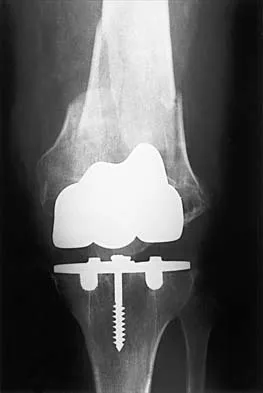
A 67-year-old man is requesting revision surgery because of continued pain in the knee after undergoing a total knee replacement 2 years ago. Examination reveals that the knee is not warm, the incision is well-healed, and the skin has normal coloration and hair formation. No varus or valgus instability is noted, and knee range of motion is 5 degrees to 100 degrees. Laboratory studies show an erythrocyte sedimentation rate of 15 mm/h and a WBC of 5,000/mm3. Aspiration of the knee reveals clear fluid that shows no growth on culture. Radiographs reveal an appropriately positioned cruciate-retaining cemented total knee arthroplasty that is well-fixed. What is the probability that the patient's pain will be improved with revision surgery?


Explanation

The patient has a well-fixed and aligned painful total knee replacement. The success rate of revision knee replacement for pain when no mechanical problem can be identified is approximately 40%. The critical step is to rule out the presence of infection with appropriate laboratory studies and aspiration. If no infection is detected, revision should be avoided. Rand JA: Planning for revision total knee arthroplasty, in Zuckerman JD (ed): Instructional Course Lectures 48. Rosemont, IL, American Academy of Orthopaedic Surgeons, 1999, pp 161-166.

Question 2

For patients undergoing a surgical procedure where the risk of requiring a transfusion is less than 10%, the International Committee of Effective Blood Usage suggests


Explanation

Recent studies have shown a high rate of waste of autologous blood. Therefore, the Committee does not recommend autologous blood donation for procedures that carry a transfusion risk of 10% or less. Toy P, Beattie C, Gould S, et al: Transfusion alert: Use of autologous blood. National Heart, Lung, and Blood Institute Expert Panel on the use of autologous blood. Transfusion 1992;35:703-711.


Question 3

Figure 12 shows the radiograph of a 55-year-old man who has severe, painful osteoarthritis of the left hip and is scheduled to undergo a left total hip arthroplasty. History reveals that he underwent a right total hip arthroplasty 5 years ago that remains pain-free. Based on the preoperative radiograph, the patient is at greatest risk for what complication?


Explanation

The patient is at increased risk for limb-length discrepancy because the radiograph shows that the left leg is already longer than the right leg. To restore the proper biomechanics of the left hip, the left leg may have to be lengthened, further increasing the limb-length discrepancy. Intraoperative fracture, deep vein thrombosis, sciatic nerve palsy, and thigh pain are commonly associated with total hip arthroplasty, but the patient is not at increased risk for these complications.


Question 4

Figures 13a and 13b show the preoperative radiographs of a 60-year-old woman who is scheduled to undergo total knee arthroplasty under epidural anesthesia. Postoperatively she reports a burning sensation on the dorsum of her foot despite the administration of IV analgesics through a patient-controlled analgesia (PCA) pump. Management should now include


Explanation

The patient has a significant flexion contracture and valgus deformity; therefore, the risk of peroneal nerve injury is increased. Idusuyi and Morrey noted that epidural anesthesia also increases the risk of peroneal nerve injury. The initial symptom can be a burning sensation on the foot, followed by pain and then motor weakness. Initial management should consist of release of the dressings and knee flexion. Idusuyi OB, Morrey BF: Peroneal nerve palsy after total knee arthroplasty: Assessment of predisposing and prognostic factors. J Bone Joint Surg Am 1996;78:177-184.


Question 5

Figures 14a and 14b show the plain radiographs of an 85-year-old woman who has had severe pain in the right knee for the past 4 months. Management should consist of


Explanation

The patient has osteonecrosis of the lateral femoral condyle with collapse of the articular surface. Because there is already collapse of the articular surface, a total knee arthroplasty is the treatment of choice. The results of total knee arthroplasty in these patients are usually excellent. However, knee replacement is only a resurfacing procedure, and some patients with global osteonecrosis of the distal femur may have residual pain after knee replacement. High tibial osteotomy may be indicated in younger patients who have a varus deformity and localized osteonecrosis. Arthroscopic surgery would provide minimal relief for this patient because there is already collapse of the articular surface. A hinged knee brace will not adequately unload the joint. An osteochondral allograft should be considered only for younger patients with localized osteonecrosis. Bergman NR, Rand JA: Total knee arthroplasty in osteonecrosis. Clin Orthop 1991;273:77-82.


Question 6

The failure of the acetabular component shown in Figure 15 is most likely the result of the use of a 32-mm head and


Explanation

Astion and associates analyzed 23 acetabular components, out of a total of 173 implanted, that had failed because of either migration or severe osteolysis. The radiographic appearance of osteolysis was positively associated with the duration that the implant had been in situ. The prevalence of osteolysis was also significantly greater in acetabular components with an outer diameter of 55 mm or less (a polyethylene thickness of 8.5 mm or less). Thirteen of the 23 components were revised at a mean of 70 months after the index operation. Examination of the retrieved acetabular components revealed extensive polyethylene damage on the articular and back surfaces of the liners. Cracks in the polyethylene rim of the liner and deformation of the antirotation notch in the polyethylene rim were common findings. The density of the polyethylene was greater than expected, and more particles than anticipated had not fused with the surrounding polyethylene. Factors related to both the design and the material contributed to the failure of these porous-coated anatomic acetabular components.


Question 7

The use of elevated rim acetabular liners and long femoral necks may result in


Explanation

Elevated rim acetabular liners may improve the anteversion of the acetabular component that, in turn, might improve the stability of the hip replacement through a range of motion. Long femoral necks with skirts will increase the abductor tension and may be necessary to equalize limb lengths. However, either of these measures may increase the likelihood of impingement of the femoral component on the acetabular rim and may lead to dislocation. The restricted range of motion secondary to impingement has been shown to lead to further polyethylene wear that may result in osteolysis. Cobb TK, Morrey BF, Ilstrup DM: The elevated rim acetabular liner in total hip arthroplasty: Relationship to postoperative dislocation. J Bone Joint Surg Am 1996;78:80-86.


Question 8

Cementation technique has a definite influence on the long-term survival of cemented femoral components. Both clinical and autopsy studies support the use of a cement mantle with a thickness of how many millimeters?


Explanation

Long-term radiographic analysis of cemented total hips supports the creation of a 2- to 5-mm cement mantle in the proximal medial region. Autopsy studies have shown that the incidence of crack formation was greatest when the cement mantle was less than 2 mm. Ebramzadeh E, Sarmiento A, McKellop HA, Llinas A, Gogan W: The cement mantle in total hip arthroplasty: Analysis of long-term radiographic results. J Bone Joint Surg Am 1994;76:77-87. Jasty M, Maloney WJ, Bragdon CR, O'Connor DO, Haire T, Harris WH: The initiation of failure in cemented femoral components of hip arthroplasty. J Bone Joint Surg Br 1991;73:551-558.


Question 9

A 73-year-old man is scheduled to have mature heterotopic bone resected from around his left total hip arthroplasty. The optimal management for prophylaxis against the return of heterotopic bone postoperatively is radiation therapy that consists of


Explanation

Patients require prophylaxis for heterotopic bone after resection to prevent recurrence. The optimal management has been found to be a dose of 700 cGy in one dose delivered either pre- or postoperatively. A dose of 2,000 to 3,000 cGy is considered excessive. Radiation therapy consisting of 1,000 cGy in five doses is an acceptable prophylaxis; however, it will require an extended hospital stay of 3 to 4 days and is more problematic for the patient who must be transported for radiation therapy for 5 days. A dose of 400 cGy is not as effective in prophylaxis for heterotopic bone formation. Healy WL, Lo TC, DeSimone AA, Rask B, Pfeifer BA: Single-dose irradiation for the prevention of heterotopic ossification after total hip arthroplasty: A comparison of doses of five hundred and fifty and seven hundred centigray. J Bone Joint Surg Am 1995;77:590-595. Pelligrini VD Jr, Gregoritch SJ: Preoperative irradiation for the prevention of heterotopic ossification following total hip arthroplasty. J Bone Joint Surg Am 1996;78:870-881.


Question 10

Which of the following is considered a potential advantage in prophylaxis for the prevention of deep venous thrombosis associated with the use of low-molecular weight heparin (LMWH) as compared with fixed-dose unfractionated heparin?


Explanation

One possible reason for improved efficacy of LMWHs is the relative improved bioavailability compared with that of unfractionated heparin. This is, in part, the result of a more predictable dose response and a longer half-life. There is no alteration of venous flow, and the rate of bleeding complications is the same or slightly higher than that of other prophylactic agents. Colwell CW Jr, Spiro TE, Trowbridge AA: Use of enoxaparin, a low-molecular weight heparin, and unfractionated heparin for the prevention of deep venous thrombosis after elective hip replacement: A clinical trial comparing efficacy and safety. J Bone Joint Surg Am 1994;76:3-14. Bara L, Billaud E, Kher A, Samama M: Increased anti-Xa bioavailability for a low-molecular weight heparin (PK 10169) compared with unfractionated heparin. Semin Thromb and Hemost 1985;11:316-317.


Question 11

Figure 16 shows the radiograph of a 75-year-old man who has progressive groin pain and a limp following total hip replacement. At revision surgery, the anterior and posterior columns of the acetabulum are noted to be intact. The optimal surgical technique for acetabular component reconstruction is a


Explanation

Large cementless acetabular components have been shown to perform well in revision acetabular reconstruction. The use of such components is predicated on the presence of adequate anterior and posterior column bone. If a good press-fit can be achieved between the anterior and posterior columns, typically, the remaining defects can be filled with morcellized bone graft. Protrusio cages are typically used in situations where it is not possible to obtain adequate fixation with a large acetabular component. The use of a high hip center with small sockets is more typical of primary arthroplasty in patients with developmental dysplasia of the hip. Bulk acetabular allografts for large segmental defects might be necessary in certain situations, although the use of bulk allografts has resulted in a high failure rate after 5 years. Early results of the use of protrusio cages and bone grafting for large segmental defects have been favorable. Petrera P, Rubash HE: Revision total hip arthroplasty: The acetabular component. J Am Acad Orthop Surg 1995;3:15-21.


Question 12

Which of the following is a recognized consequence of hip fusion?


Explanation

Low back pain is an expected long-term complication of fusion; ipsilateral knee laxity is frequently encountered, as is degeneration of the contralateral hip. Hip fusion is equally valuable for both men and women, with both genders reporting satisfactory sexual function. Female patients often deliver by elective Cesarean section, although vaginal deliveries are reported. Liechti R (ed): Hip Arthrodesis and Associated Problems. Berlin, Germany, Springer-Verlag, 1978, pp 109-117.


Question 13

Treatment of a cruciate-retaining total knee that is unstable in flexion is best accomplished by


Explanation

Pagnano and associates revised 25 painful primary posterior cruciate-retaining total knee arthroplasties for flexion instability. The patients shared typical clinical presentations that included a sense of instability without frank giving way, recurrent knee joint effusion, soft-tissue tenderness involving the pes anserine tendons and the retinacular tissue, posterior instability of 2+ or 3+ with a posterior drawer or a posterior sag sign at 90 degrees of flexion, and above-average motion of the total knee arthroplasty. Twenty-two of the knee replacements were revised to posterior stabilized implants, and three underwent tibial polyethylene liner exchange only. Nineteen of the 22 knee replacements revised to a posterior stabilized implant showed marked improvement after the revision surgery. Only one of the three knee replacements that underwent tibial polyethylene exchange was improved. Flexion instability can be a cause of persistent pain and functional impairment after posterior cruciate-retaining total knee arthroplasty. Revision surgery that focuses on balancing the flexion and extension spaces, in conjunction with a posterior stabilized knee implant, seems to be a reliable treatment for symptomatic flexion instability after posterior cruciate-retaining total knee arthroplasty.


Question 14

The stiffness of a 16-mm femoral stem is mostly influenced by the


Explanation

The stiffness is most influenced by the geometry, in particular the diameter of the stem. The bending rigidity increases to the fourth power of the radius. The elastic modulus of the material increases as a direct linear relationship. The surface coating does not affect the bending rigidity greatly unless it increases the diameter significantly.

Question 15

Figures 17a and 17b show the AP and lateral radiographs of a 75-year-old woman who reports giving way and shifting of the knee, particularly when she is descending stairs or ambulating on level surfaces. History reveals a total knee replacement 5 years ago. Treatment should consist of


Explanation

The radiographs show well-fixed components of a posterior cruciate-retaining total knee replacement. The relative position of the femoral component is anteriorly subluxated relative to the tibial component. The AP radiograph shows that the articular space is markedly asymmetric, indicating either failure or fracture of the polyethylene or subluxation of the femur relative to the tibia. The patient's symptoms suggest a failure of the posterior cruciate ligament that is consistent with the radiographic findings; therefore, the treatment of choice is revision to a posterior cruciate-substituting implant.


Question 16

Factors contributing to an increased risk of hip fracture include reduced bone mineral density of the femoral neck, cognitive status of the individual, and


Explanation

The etiology of hip fractures in the elderly is multifactorial, and intervention and prevention can occur at multiple points. Events leading to hip fracture from a fall include fall initiation (during which the individual's neuromuscular status, cognitive status, and vision come into play along with environmental hazards); fall descent (fall direction toward the side being the most influential, energy content of the fall, and fall height, along with muscle activity of the muscles of the thigh); impact (impact location, soft-tissue attenuation such as from trochanteric padding or from overlying fat, impact surface, and muscle activity); and the structural capacity of the femur (bone mineral density, bone geometry, and bone architecture). Hayes and Myers noted that striking the ground in a stiff state with the trunk muscles contracted actually increased the peak impact force, whereas falling in a relaxed state actually reduced peak impact force. Flexion of the trunk at impact had no bearing on the impact force. Direction of the fall was important; falls to the side, not forward, were associated with an increased risk of hip fracture. Increased muscle activity about the hip is thought to be associated with spontaneous fractures of the hip and may actually account for up to 25% of hip fractures; however, it is not related to fractures resulting from a fall.

Question 17

A healthy 70-year-old man has a swollen knee after undergoing a knee replacement 10 years ago. Aspiration of the knee reveals cloudy, viscous synovial fluid. Laboratory studies show an erythrocyte sedimentation rate of 10 mm/h and a C-reactive protein level of less than 0.5. What is the most likely diagnosis?


Explanation

Polyethylene wear debris can result in significant synovitis and subsequent cloudy appearing synovial fluid. Typically, laboratory studies show a WBC of less than 30,000/mm3 no left shift. Cytologic examination can reveal intra-articular polyethylene particles. Infected total knee arthroplasty is extremely uncommon in a healthy, immune-competent patient who has a normal preoperative erythrocyte sedimentation rate and C-reactive protein level.

Question 18

The insurance carrier of a patient who underwent total knee arthroplasty 4 days ago is now demanding that the patient be discharged from the hospital. However, examination reveals that the patient has a range of motion of only 10 degrees to 55 degrees, and the patient is concerned whether she will ever move her knee normally. The insurance company representative should be advised that


Explanation

Examination findings that show flexion of only 55 degrees at discharge should alert the surgeon that the patient will require close scrutiny and follow-up. Mauerhan and associates examined the records of 745 patients who had a primary total knee arthroplasty from 1993 to 1996. At their institution, development and implementation of clinical pathways resulted in a significant decrease in the average length of stay, beginning in 1993 with 6.4 days +/- 1.8 days and progressively decreasing to 4.4 days +/- 1.0 days in 1996. The rate of manipulation (patients manipulated at 6 weeks/total number of patients receiving total knee arthroplasty) was 6.0% in 1993, 11.3% in 1994, 13.5% in 1995, and 12.0% in 1996. In the period of 1993 to 1996, patients requiring manipulation consistently had a lower range of motion of 69.0 degrees +/- 10 degrees at the time of discharge compared with patients not requiring manipulation who had a range of motion of 80.7 degrees +/- 10.6 degrees. In this era of outpatient services, however, another solution would be to arrange for outpatient physical therapy on a more frequent basis and to see the patient more frequently in the office until an acceptable range of motion is established.

Question 19

Figure 18 shows the radiograph of a patient with a total hip arthroplasty dislocation. During revision, increasing the diameter of the femoral head while maintaining the ratio of head-to-neck diameter constant has the effect of


Explanation

Although there is strong clinical and laboratory evidence that suggests smaller head size is linked with lower rates of polyethylene wear, moving to the use of 22-mm heads from larger sizes would tend to increase the dislocation rate. The key premise to this argument is that the absolute size of the femoral neck remains unchanged. While neck diameters were appropriate for the early monoblock femoral components, the use of modular femoral stems allows the surgeon to place 22-mm heads onto the same neck and trunion as used by larger heads. This has the effect of lessening the head-to-neck diameter ratio, which then accentuates the rate of impingement and dislocation. Reducing the neck diameter in proportion to the head diameter would eliminate the range-of-motion penalty accompanying head size reduction. Scifert and associates used a three-dimensional finite element model to study various combinations of femoral head size and neck ratios. They found that increasing the diameter of the femoral head while maintaining a constant head-to-neck diameter had the effect of significantly increasing the resisting moment necessary to induce a dislocation. The higher the head-to-neck ratio, the greater the range of motion until impingement and the greater the range of motion to dislocation.


Question 20

During primary total knee arthroplasty with trial implants in place, the surgeon notes technically satisfactory patellar resurfacing and restoration of a physiologic mechanical axis but excessively lateral patellar tracking. Treatment should now include


Explanation

The most common causes of patellar instability after total knee arthroplasty are valgus malalignment, internal rotation of the femoral or tibial component, medialization of the femoral component, errors in patellar preparation and resurfacing, and failure to perform a lateral release. These factors should be addressed before considering capsular closure. Distal extensor mechanism realignment should be avoided because of the complication rate. The proximal extensor mechanism would not adequately compensate for implant malrotation. Barnes CL, Scott RD: Patellofemoral complications of total knee replacement, in Heckman JD (ed): Instructional Course Lectures 42. Rosemont, IL, American Academy of Orthopaedic Surgeons, 1993, pp 309-314.

Question 21

Figure 19 shows the current radiograph of a 48-year-old man who reports hip pain and marked difficulty walking after undergoing revision of a failed total hip replacement 2 years ago. What is the mechanism of failure?


Explanation

Fatigue from repetitive loading of the stem with the distal aspect well-fixed resulted in stem failure. If the stem had loosened, it would not have broken. Crevice corrosion occurs at a taper interface; galvanic corrosion occurs at the junction of two metals of differing electrochemical potentials, not along a uniform portion of the implant. Simon SR (ed): Orthopaedic Basic Science. Rosemont, IL, American Academy of Orthopaedic Surgeons, 1994, pp 449-486.


Question 22

Torsional moments about the longitudinal axis of a total hip arthroplasty show what change during stair climbing compared with walking?


Explanation

The magnitudes of out-of-plane loads on a total hip replacement during activities of daily living can be substantial. Bergmann and associates studied these forces about two instrumented hip prostheses. They noted that the torsional moment about the hip during stair climbing is twice as high as during slow walking and that similar moments are generated during slow jogging. Higher loads were noted when the patients stumbled without falling. They also noted that the torsional moments observed in vivo were close to or even exceeded the experimentally determined limits of the torsional strength of implant fixations. Hurwitz DE, Andriacchi TP: Biomechanics of the hip, in Callaghan JJ, Rosenberg AG, Rubash HE (eds): The Adult Hip. Philadelphia, PA, Lippincott Raven, 1998, pp 75-85.

Question 23

When converting the knee shown in Figure 20 to a total knee arthroplasty, satisfactory outcome can be expected in what percent of patients?


Explanation

Naranja and associates reviewed 37 knees (35 patients, with 28 women and 7 men) without any motion that were converted to total knee arthroplasties. After an average follow-up of 90 months, the patients lacked an average of 7 degrees of extension and had 62 degrees of flexion. Results showed a short-term complication rate of 24% (stiffness requiring manipulation, delayed wound healing, and recurrent hemarthrosis), a major complication rate of 35% (patellar tendon or tibial tubercle avulsion, persistent pain requiring arthrodesis, loosening, and joint stiffness requiring arthrotomy for excision of scar tissue), and an infection rate of 14%. The total complication rate was 57%. A satisfactory outcome (no pain and an unlimited ambulation distance) was obtained in only 10 patients (29%). There was no relationship between results and the angle at which the knee was ankylosed preoperatively. This study revealed that although success in reconstructing a previously ankylosed or arthrodesed knee is possible, the lack of consistent adequate motion and the complication rate may suggest that the surgeon reconsider the risks and benefits of this difficult procedure.


Question 24

The specificity of intraoperative frozen sections obtained for the evaluation of infected total hip arthroplasty may be improved by


Explanation

Lonner and associates conducted a prospective study to determine the reliability of analysis of intraoperative frozen sections for the identification of infection during 175 consecutive revision total joint arthroplasties (142 hips and 33 knees). The mean interval between the primary arthroplasty and the revision arthroplasty was 7.3 years (range, 3 months to 23 years). Of the 175 patients, 23 had at least 5 polymorphonuclear leukocytes per high-powered field on analysis of the frozen sections and were considered to have an infection. Of these 23 patients, five had 5 to 9 polymorphonuclear leukocytes per high-powered field and 18 had at least 10 polymorphonuclear leukocytes per high-powered field. The frozen sections for the remaining 152 patients were considered negative. On the basis of cultures of specimens obtained at the time of the revision surgery, 19 of the 175 patients were considered to have an infection. Of the 152 patients who had negative frozen sections, three were considered to have an infection on the basis of the results of the final cultures. Of the 23 patients who had positive frozen sections, 16 were considered to have an infection on the basis of the results of the final cultures; all 16 had frozen sections that showed at least 10 polymorphonuclear leukocytes per high-powered field. The sensitivity and specificity of the frozen sections were similar regardless of whether an index of 5 or 10 polymorphonuclear leukocytes per high-powered field was used. Analysis of the frozen sections had a sensitivity of 84% for both indices, whereas the specificity was 96% when the index was 5 polymorphonuclear leukocytes and 99% when it was 10 polymorphonuclear leukocytes. However, the positive predictive value of the frozen sections increased significantly (P < 0.05), from 70% to 89%, when the index increased from 5 to 10 polymorphonuclear leukocytes per high-powered field. The negative predictive value of the frozen sections was 98% for both indices. At least 10 polymorphonuclear leukocytes per high-powered field was predictive of infection, while 5 to 9 polymorphonuclear leukocytes per high-powered field was not necessarily consistent with infection. Less than 5 polymorphonuclear leukocytes per high-powered field reliably indicated the absence of infection. Feldman DS, Lonner JH, Desai P, Zuckerman JD: The role of intraoperative frozen sections in revision total joint arthroplasty. J Bone Joint Surg Am 1995;77:1807-1813. Lonner JH, Desai P, Dicesare PE, Steiner G, Zuckerman JD: The reliability of analysis of intraoperative frozen sections for identifying active infection during revision hip or knee arthroplasty. J Bone Joint Surg Am 1996;78:1553-1558. Spangehl MJ, Younger AS, Masri BA, Duncan CP: Diagnosis of infection following total hip arthroplasty, in Cannon WD Jr (ed): Instructional Course Lectures 47. Rosemont, IL, American Academy of Orthopaedic Surgeons, 1998, pp 285-295.

Question 25

Figures 21a through 21c show the radiographs of a 70-year-old woman who has persistent pain with activity after undergoing hip revision 6 months ago. Treatment should now consist of


Explanation

The radiographs show disruption of the posterior column of the acetabulum with radiolucencies about the component. Because the patient requires a stable construct to allow the bone to heal, the treatment of choice is an antiprotrusio cage and a graft. Gill TJ, Sledge JB, Muller ME: The Burch-Schneider anti-protrusio cage in revision total hip arthroplasty: Indications, principles, and long-term results. J Bone Joint Surg Br 1998;80:946-953.


Question 26

During the insertion of acetabular screws for a cementless cup in a total hip arthroplasty, the surgeon divides the acetabulum into four quadrants based on a line drawn from the anterior superior iliac spine through the center of the acetabulum and an intersecting perpendicular line. Placement of screws in which quadrant places the external iliac artery and vein at the greatest risk of injury?


Explanation

The anterosuperior quadrant places the external iliac vessels at high risk of iatrogenic injury. The posterosuperior and posteroinferior quadrants are considered the "safe zones" for screw placement.

Question 27

A 75-year-old woman presents to the emergency department after a mechanical fall. Radiographs reveal a periprosthetic femur fracture occurring around the tip of a cemented femoral stem. The stem is clinically and radiographically loose, but the proximal femoral bone stock remains intact and of good quality. According to the Vancouver classification, what is the most appropriate definitive management?


Explanation

This is a Vancouver B2 periprosthetic fracture, characterized by a fracture around a loose stem with adequate proximal bone stock. The standard of care is revision using a long, distally fixing cementless stem to bypass the fracture and provide stability.

Question 28

In the pathogenesis of aseptic loosening secondary to polyethylene wear debris in total hip arthroplasty, which of the following is the primary cellular mediator responsible for initiating the inflammatory cascade that ultimately leads to osteolysis?


Explanation

Polyethylene wear particles are phagocytosed by macrophages, which then release inflammatory cytokines such as TNF-alpha, IL-1, and IL-6. This cascade stimulates osteoclastic bone resorption via the RANKL pathway, leading to osteolysis.

Question 29

A surgeon is performing a direct anterior (Smith-Petersen) approach to the hip for a total hip arthroplasty. The superficial surgical dissection utilizes an internervous plane between two muscles. Which of the following defines this interval?


Explanation

The direct anterior approach exploits the true internervous plane between the sartorius (innervated by the femoral nerve) and the tensor fasciae latae (innervated by the superior gluteal nerve).

Question 30

A 72-year-old patient sustains a reverse obliquity intertrochanteric fracture of the proximal femur (AO/OTA 31-A3). Which of the following fixation constructs is considered biomechanically superior for this specific fracture pattern?


Explanation

Reverse obliquity fractures are highly unstable and prone to medial displacement of the femoral shaft. A cephalomedullary nail provides superior biomechanical stability by medially translating the weight-bearing axis and preventing excessive lateral translation, unlike a sliding hip screw which has a high failure rate in this pattern.

Question 31

A 60-year-old woman presents with progressive groin pain 5 years after receiving a large-head metal-on-metal total hip arthroplasty. MRI reveals a large, solid-cystic mass adjacent to the hip joint causing mass effect. Serum cobalt and chromium levels are significantly elevated. Infection has been ruled out. What is the most appropriate definitive management?


Explanation

The patient is experiencing an adverse local tissue reaction (ALTR) or pseudotumor resulting from metal wear debris. Management requires surgical excision of the mass and revision of the bearing surfaces to a non-metal-on-metal articulation.

Question 32

Cam-type femoroacetabular impingement (FAI) is primarily a disorder of the proximal femur that leads to progressive chondrolabral damage. It is most commonly characterized by which of the following radiographic findings?


Explanation

Cam impingement is caused by an aspherical femoral head with decreased head-neck offset (often evaluated by an increased alpha angle). Pincer impingement, conversely, is characterized by focal or global acetabular overcoverage, such as retroversion or coxa profunda.

Question 33

A 28-year-old man sustains a completely displaced, vertically oriented femoral neck fracture (Pauwels type III). Assuming anatomical closed or open reduction is achieved, which internal fixation construct provides the greatest biomechanical stability to counteract the high shear forces in this injury?


Explanation

Pauwels type III fractures are inherently unstable due to their vertical orientation, which subjects the fracture site to high shear forces. Biomechanical studies have demonstrated that a fixed-angle device, such as a sliding hip screw combined with an anti-rotation screw, provides superior resistance to shear compared to multiple cancellous screws.

Question 34

According to the updated Musculoskeletal Infection Society (MSIS) and International Consensus Meeting (ICM) criteria, which of the following findings is considered a definitive major criterion for diagnosing a periprosthetic joint infection?


Explanation

The diagnosis of periprosthetic joint infection is definitively established by either of two major criteria: a sinus tract communicating with the prosthesis, or two positive periprosthetic cultures with phenotypically identical organisms. The other listed options are minor criteria.

Question 35

During a primary total hip arthroplasty for a patient with bilateral Crowe type IV developmental dysplasia of the hip, the surgeon plans to restore the hip center of rotation to the true anatomic acetabulum. What intraoperative step is frequently required to minimize the risk of postoperative sciatic nerve palsy?


Explanation

In Crowe type IV dysplasia, the femoral head is completely dislocated and proximally migrated. Restoring the center of rotation to the true acetabulum necessitates significant leg lengthening, which poses a severe risk of traction injury to the sciatic nerve; a subtrochanteric shortening osteotomy is typically required to safely accommodate this reduction.

Question 36

A 55-year-old man who underwent a ceramic-on-ceramic total hip arthroplasty 2 years ago presents with a loud squeaking noise from his hip when walking and ascending stairs. He has no pain, and inflammatory markers are normal. Which of the following is the most significant risk factor for developing this phenomenon?


Explanation

Squeaking in ceramic-on-ceramic bearings is strongly associated with component malposition, particularly severe cup anteversion or inclination, or extreme stem version. This malposition leads to stripe wear and edge loading, stripping the fluid lubrication layer from the bearing surface.

Question 37

A 60-year-old man experiences recurrent posterior dislocations after a total hip arthroplasty. Radiographs demonstrate a well-fixed stem and cup, but with significantly decreased femoral offset compared to the contralateral normal hip. Which of the following best describes the biomechanical consequence of increasing the femoral offset during revision surgery?


Explanation

Increasing femoral offset lateralizes the femur, which increases the abductor moment arm and restores soft tissue tension. This improves joint stability and decreases the resultant joint reaction force. It typically does not significantly alter leg length.

Question 38

A 35-year-old woman presents with bilateral groin pain and is diagnosed with Ficat Stage II avascular necrosis (AVN) of the femoral head. She undergoes core decompression. What is the primary biological mechanism by which this procedure is thought to relieve pain and promote healing?


Explanation

Core decompression works by decreasing elevated intraosseous pressure caused by venous stasis in early AVN. It also creates a channel that stimulates angiogenesis and new bone formation. It is most effective in pre-collapse stages (Ficat I and II).

Question 39

A 55-year-old man undergoes a total hip arthroplasty using a ceramic-on-ceramic bearing. Two years later, he complains of an audible squeaking sound from the hip during walking. Which of the following acetabular component positions is most highly associated with this phenomenon?


Explanation

Squeaking in ceramic-on-ceramic hips is strongly associated with edge loading, which disrupts the fluid lubrication film. This commonly occurs when the acetabular component is placed in excessive inclination (typically > 50 degrees). It leads to stripe wear on the ceramic head.

Question 40

Which of the following processes is primarily responsible for reducing wear and minimizing oxidation in modern highly cross-linked polyethylene used in total hip arthroplasty?


Explanation

Gamma irradiation generates free radicals that cross-link the polyethylene, which significantly reduces wear. Subsequent remelting or annealing extinguishes residual free radicals, minimizing the risk of oxidation and subsequent degradation over time.

Question 41

A 32-year-old man sustains a completely displaced, vertically oriented femoral neck fracture (Pauwels Type III). What is the most biomechanically sound fixation method to prevent shear-induced displacement?


Explanation

Vertical shear fractures (Pauwels III) experience high destabilizing forces. A sliding hip screw coupled with a derotation screw provides superior biomechanical stability against shear forces compared to multiple cancellous screws.

Question 42

A 78-year-old woman with a history of recurrent posterior dislocations following a total hip arthroplasty presents for evaluation. Radiographs demonstrate well-fixed components with the acetabular cup at 40 degrees of abduction and 20 degrees of anteversion. Examination reveals a profound abductor lurch and a positive Trendelenburg sign. What is the most appropriate surgical intervention?


Explanation

Dual mobility components increase the effective head size and jump distance, greatly improving stability. They are the treatment of choice for recurrent instability associated with abductor deficiency when the existing components are well-positioned and fixed.

Question 43

A 28-year-old male athlete presents with chronic anterior groin pain exacerbated by hip flexion and internal rotation. A Dunn lateral radiograph of the hip demonstrates an alpha angle of 65 degrees. What is the primary underlying pathomorphology?


Explanation

An alpha angle greater than 55 degrees on a Dunn lateral radiograph signifies a loss of the normal femoral head-neck offset. This is the radiographic hallmark of Cam-type femoroacetabular impingement.

Question 44

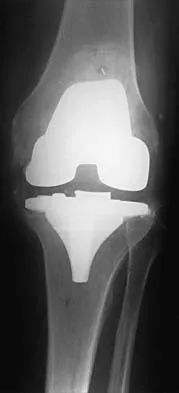
A 75-year-old woman sustains a periprosthetic femur fracture around her cemented total hip arthroplasty after a fall.

Radiographs confirm a fracture at the tip of the stem. The stem appears loose, but the proximal bone stock is adequate (Vancouver Type B2). What is the recommended surgical management?


Explanation

A Vancouver B2 fracture is characterized by a loose stem in the presence of adequate proximal bone stock. The standard of care is revision arthroplasty bypassing the fracture site with a long, uncemented, distally fixing stem.

Question 45

During preoperative templating for a total hip arthroplasty utilizing a standard femoral stem with a neck-shaft angle of 135 degrees, the surgeon decides to increase the modular neck length by 4 mm. How will this change affect the patient's leg length and femoral offset?


Explanation

For a standard neck angle of 135 degrees, the trigonometric relationship (sine and cosine of 45 degrees) dictates that increasing the neck length changes the offset and leg length equally. Therefore, they increase in a 1:1 ratio.

Question 46

A 55-year-old man presents with groin pain and a palpable anterior mass 4 years after receiving a metal-on-metal total hip arthroplasty. Aspiration yields sterile, turbid fluid. What is the classic histologic hallmark found in the periprosthetic tissue?


Explanation

Adverse local tissue reactions (ALTR) associated with metal-on-metal implants are characterized by Aseptic Lymphocytic Vasculitis-Associated Lesions (ALVAL). The defining histologic feature is a dense perivascular lymphocytic infiltrate.

Question 47

Following a primary total hip arthroplasty via a posterior approach, a patient exhibits a foot drop and inability to extend the great toe. Sensation is diminished over the dorsum of the foot. Which division of the sciatic nerve is injured, and what is its primary sensory distribution?


Explanation

The peroneal division of the sciatic nerve is anatomically tethered at the sciatic notch and fibular head, making it highly susceptible to stretch injuries during hip surgery. It supplies motor function to the ankle dorsiflexors and sensation to the dorsum of the foot.

Question 48

In the treatment of an intertrochanteric femur fracture with a sliding hip screw or cephalomedullary nail, which radiographic measurement is the most reliable predictor of lag screw cut-out?


Explanation

A tip-apex distance (TAD) greater than 25 mm, as described by Baumgaertner, is the most robust and clinically validated predictor of lag screw cut-out in the fixation of intertrochanteric fractures.

Question 49

A 40-year-old woman with systemic lupus erythematosus on chronic corticosteroids presents with severe left hip pain. Radiographs reveal a subchondral lucent line (crescent sign) with flattening of the femoral head. What is the most appropriate definitive surgical treatment?


Explanation

The crescent sign indicates subchondral fracture and collapse, marking a transition to Ficat Stage III avascular necrosis. Once collapse has occurred, joint-preserving procedures like core decompression are ineffective, and total hip arthroplasty is indicated.

Question 50

A patient presents with a painful total hip arthroplasty 3 years postoperatively. Serum ESR and CRP are normal, but clinical suspicion for chronic periprosthetic joint infection (PJI) remains high. Which of the following synovial fluid biomarkers offers the highest specificity for diagnosing PJI?


Explanation

Alpha-defensin is an antimicrobial peptide released by neutrophils in response to pathogens. It maintains high sensitivity and specificity for diagnosing periprosthetic joint infections, even when traditional serum inflammatory markers are equivocal or normal.

Question 51

During a primary total hip arthroplasty, the acetabular component is inadvertently placed in 45 degrees of abduction and 40 degrees of anteversion. This specific malpositioning places the patient at highest risk for which of the following complications?


Explanation

Excessive anteversion of the acetabular component decreases anterior coverage of the femoral head. This malposition predisposes the hip to anterior dislocation, particularly when the hip is subjected to extension and external rotation.

Question 52

The direct anterior approach (Smith-Petersen) to the hip is favored by some surgeons due to its true internervous plane. Which two nerves supply the muscles that form the boundaries of this superficial surgical interval?


Explanation

The superficial interval of the direct anterior approach lies between the tensor fasciae latae (innervated by the superior gluteal nerve) laterally and the sartorius (innervated by the femoral nerve) medially, providing a true internervous plane.

Question 53

A surgeon is evaluating a patient for the surgical management of a confirmed chronic periprosthetic joint infection of the hip. Under current consensus guidelines, which of the following is considered an absolute contraindication to performing a single-stage revision?


Explanation

Successful single-stage revision for PJI relies heavily on the use of targeted, organism-specific antibiotic-loaded cement. An unknown preoperative organism is an absolute contraindication because an effective antibiotic strategy cannot be formulated.

Question 54

In a subtrochanteric fracture of the femur, the proximal fragment is typically subjected to strong deforming muscle forces. Which muscles are primarily responsible for the characteristic flexion and abduction of the proximal fragment?


Explanation

In subtrochanteric fractures, the intact muscular attachments to the proximal fragment drive the deformity. The iliopsoas powerfully flexes the proximal fragment, while the gluteus medius and minimus abduct it.

Question 55

A 45-year-old woman with severe developmental dysplasia of the hip (Crowe Type IV) is undergoing total hip arthroplasty. To optimize hip biomechanics and component longevity, where should the acetabular component ideally be placed?


Explanation

In Crowe IV dysplasia, the hip is completely dislocated. Acetabular reconstruction should ideally be performed at the true anatomic acetabulum to restore the normal center of rotation and optimize hip biomechanics, often necessitating a subtrochanteric shortening osteotomy.

Question 56

In a primary total hip arthroplasty, the surgeon decides to upsize the femoral head from 28 mm to 36 mm. Assuming the neck geometry remains the same, this modification increases stability primarily by improving which two factors?


Explanation

Larger femoral heads increase the head-to-neck ratio, thereby improving the impingement-free range of motion. They also increase the jump distance, which is the vertical distance the head must translate to dislocate from the acetabular liner.

Question 57

A 72-year-old woman sustains a fall and complains of left hip pain. Radiographs reveal a periprosthetic femur fracture located around the tip of her cemented femoral stem. The stem demonstrates circumferential radiolucent lines indicating loosening, but her proximal bone stock remains robust and adequate. According to the Vancouver classification, what is the appropriate categorization and optimal management?


Explanation

Vancouver B2 fractures involve a loose stem but adequate surrounding bone stock. The standard of care is revision arthroplasty using a long, extensively porous-coated or fluted tapered stem to bypass the fracture and achieve stable fixation.

Question 58

A 68-year-old man presents with recurrent posterior dislocations of his primary total hip arthroplasty. Postoperative CT imaging demonstrates that the acetabular component is positioned at 10 degrees of anteversion and 35 degrees of inclination. The femoral stem has 15 degrees of anteversion. Which of the following is the most likely primary mechanical cause for his instability?


Explanation

The normal target for acetabular cup positioning (Lewinnek's safe zone) is 15-20 degrees of anteversion. A cup positioned at 10 degrees is relatively retroverted (insufficiently anteverted), which strongly predisposes the hip to posterior dislocation.

Question 59

A 40-year-old man taking high-dose corticosteroids for systemic lupus erythematosus presents with severe right groin pain. Radiographs reveal a subchondral crescent sign in the anterosuperior aspect of the femoral head, without gross flattening of the articular surface. What is the most reliable definitive treatment to relieve his pain and restore function?


Explanation

A subchondral crescent sign indicates subchondral fracture and structural collapse, consistent with Ficat stage III osteonecrosis. At this stage, joint-preserving procedures like core decompression have poor success rates, making total hip arthroplasty the most reliable definitive treatment.

Question 60

A 32-year-old man sustains a displaced, completely off-ended, vertical femoral neck fracture (Pauwels type III) in a motor vehicle collision. What is the most biomechanically appropriate surgical fixation construct to minimize the risk of nonunion and avascular necrosis in this patient?


Explanation

Pauwels type III fractures are highly vertical and subject to massive shear forces. A sliding hip screw provides superior biomechanical stability against vertical shear compared to multiple cancellous screws, while a derotational screw controls rotation in young patients.

Question 61

A 28-year-old highly active woman is undergoing total hip arthroplasty for severe secondary osteoarthritis due to hip dysplasia. To minimize volumetric wear and avoid complications associated with metal ion release, what is the most appropriate articulating surface combination?


Explanation

Ceramic-on-ceramic bearings offer the lowest volumetric wear rates of any bearing surface, making them ideal for young, highly active patients. They completely avoid the potential toxicity, pseudotumor risks, and systemic ion elevation associated with metal-on-metal bearings.

Question 62

A 65-year-old man presents with a painful total hip arthroplasty 3 years postoperatively. His ESR is 45 mm/hr and CRP is 25 mg/L. Aspiration of the hip yields synovial fluid with a WBC count of 4,500 cells/uL and 85% polymorphonuclear neutrophils. What is the most appropriate next step in management?


Explanation

The elevated ESR, CRP, and synovial fluid parameters (>3,000 WBCs/uL and >80% PMNs) confirm a chronic periprosthetic joint infection. The gold standard for chronic periprosthetic joint infection in North America remains a two-stage revision arthroplasty.

Question 63

A 55-year-old man complains of mild groin pain 12 years after a primary total hip arthroplasty. Radiographs show a well-fixed cementless femoral stem and a well-fixed porous-coated acetabular shell. However, there is significant eccentric polyethylene wear and a large superior uncontained acetabular osteolytic defect. What is the most appropriate management?


Explanation

In the presence of an expansile osteolytic lesion but a definitively well-fixed and well-positioned acetabular shell, isolated polyethylene liner exchange combined with thorough curettage and bone grafting of the defect is the indicated tissue-sparing procedure.

Question 64

A 60-year-old woman with a metal-on-metal total hip arthroplasty presents 4 years postoperatively with groin pain and a palpable anterior thigh mass. MRI demonstrates a large cystic collection. Aspiration reveals sterile, cloudy fluid. What is the most likely histologic finding in the periarticular tissues?


Explanation

This presentation is classic for an adverse local tissue reaction (ALVAL/pseudotumor) secondary to metal wear debris. Histological examination typically reveals a delayed type IV hypersensitivity reaction characterized by perivascular lymphocytic infiltration and macrophages containing metal particles.

Question 65

A patient undergoes a primary total hip arthroplasty utilizing a direct lateral (Hardinge) approach. Postoperatively, the patient demonstrates a pronounced Trendelenburg gait and persistent abductor weakness. Injury to which of the following nerves is the most likely iatrogenic cause?


Explanation

The direct lateral approach splits the gluteus medius and minimus. Proximal extension of this split more than 3 to 5 cm proximal to the tip of the greater trochanter places the superior gluteal nerve at high risk of transaction, leading to abductor paralysis and a Trendelenburg gait.

Question 66

A 45-year-old woman with developmental dysplasia of the hip presents with severe secondary osteoarthritis. Preoperative radiographs reveal that the femoral head is subluxated superiorly by 80% of the height of the normal true acetabulum. According to the Crowe classification, what is her stage?


Explanation

The Crowe classification stages DDH based on the proximal subluxation of the femoral head relative to the true acetabular height. Crowe I is <50%, Crowe II is 50-74%, Crowe III is 75-100%, and Crowe IV is complete dislocation (>100%).

Question 67

A 68-year-old man is scheduled for a revision total hip arthroplasty. He has a history of severe, functionally limiting heterotopic ossification (Brooker class III) following his primary surgery. What is the most effective and appropriate prophylactic regimen to prevent recurrence?


Explanation

Patients with a history of high-grade heterotopic ossification are at significant risk for recurrence after revision surgery. A single fraction of 700-800 cGy localized radiation given within 24 hours preoperatively or 72 hours postoperatively is a highly effective prophylactic measure.

Question 68

A 78-year-old woman undergoes internal fixation of a stable intertrochanteric femur fracture with a sliding hip screw. To minimize the risk of lag screw cutout, the combined tip-apex distance (TAD) calculated from both the AP and lateral radiographs should ideally be less than:


Explanation

The concept of tip-apex distance (TAD), described by Baumgaertner et al., is the sum of the distance from the lag screw tip to the apex of the femoral head on AP and lateral views. A TAD of less than 25 mm is strongly correlated with a successful outcome and minimal risk of cutout.

Question 69

A 40-year-old active man reports a loud, audible "squeaking" sound originating from his hip when he bends to tie his shoes, 3 years after a primary total hip arthroplasty. He has no pain. Which of the following bearing surface combinations is most commonly associated with this specific phenomenon?


Explanation

Audible squeaking is a distinct complication largely unique to ceramic-on-ceramic articulations. It can be triggered by edge loading, microseparation, or impingement, and while socially disruptive, it is not always associated with component failure.

Question 70

Lewinnek established a radiographic "safe zone" for acetabular component positioning to reduce the risk of postoperative dislocation in total hip arthroplasty. What are the classically described recommended target angles for cup inclination and anteversion?


Explanation

Lewinnek's classic safe zone for acetabular cup orientation is 40 degrees (+/- 10 degrees) of inclination (abduction) and 15 degrees (+/- 10 degrees) of anteversion. Placements outside these parameters have historically been correlated with a higher risk of dislocation.

Question 71

A 62-year-old woman complains of localized, sharp anterior groin pain that is exacerbated by initiating an active straight leg raise. Her symptoms began 6 months following an uncemented total hip arthroplasty. Radiographs reveal a slightly oversized acetabular component with anterior rim overhang. What is the most likely diagnosis?


Explanation

Iliopsoas impingement presents as anterior groin pain that worsens with active hip flexion (e.g., straight leg raise or climbing stairs) following THA. It is commonly associated with an anteriorly prominent acetabular cup or retained cement in the anterior compartment.

Question 72

A 40-year-old healthy man sustains a highly vertical, displaced femoral neck fracture (Pauwels type III). Which of the following internal fixation constructs provides the greatest biomechanical stability for this fracture pattern?


Explanation

Pauwels type III fractures experience high vertical shear forces that predispose to varus collapse. A sliding hip screw combined with a derotational screw provides superior biomechanical stability and higher failure loads compared to multiple cannulated screws.

Question 73

A 68-year-old woman presents with her third posterior dislocation of a total hip arthroplasty (THA) performed 6 months ago. Radiographs demonstrate an acetabular component inclination of 40 degrees and anteversion of 5 degrees. The femoral stem has 15 degrees of anteversion. What is the most likely cause of her recurrent instability?


Explanation

Normal acetabular anteversion is typically 15 to 20 degrees. An anteversion of 5 degrees represents relative retroversion (under-anteversion), which strongly predisposes the joint to posterior dislocation.

Question 74

A 55-year-old man presents with insidious onset of groin pain 8 years after a metal-on-metal total hip arthroplasty. Radiographs show well-fixed components with no osteolysis. Laboratory tests show normal ESR and CRP. What is the most appropriate next step in evaluation?


Explanation

In a patient with a metal-on-metal THA presenting with pain and normal radiographs, an adverse local tissue reaction (ALVAL/pseudotumor) must be suspected. Serum metal ion levels and a metal artifact reduction sequence (MARS) MRI are the standard diagnostic steps.

Question 75

A 22-year-old collegiate hockey player complains of deep anterior groin pain exacerbated by hip flexion and internal rotation. Imaging confirms a prominent alpha angle and an aspherical femoral head. Which of the following best describes the pathophysiology of his condition?


Explanation

Cam impingement is caused by an aspherical femoral head (prominent alpha angle) engaging the acetabulum during flexion. This creates shear forces that lead to chondral delamination and labral tears, particularly at the anterosuperior chondrolabral junction.

Question 76

A 78-year-old woman sustains a reverse obliquity intertrochanteric femur fracture after a ground-level fall. Which of the following is the most appropriate surgical intervention?


Explanation

Reverse obliquity intertrochanteric fractures are mechanically unstable due to lateral wall involvement and medialization of the distal fragment. A cephalomedullary nail provides superior biomechanical control and lower failure rates compared to a sliding hip screw.

Question 77

A 60-year-old man with a ceramic-on-ceramic total hip arthroplasty complains of a loud, reproducible squeaking noise coming from his hip when he walks or bends. What is the most commonly associated cause of this phenomenon?


Explanation

Squeaking in a ceramic-on-ceramic THA is highly associated with edge loading of the bearing surfaces. This is most frequently caused by acetabular component malposition, such as excessive inclination or version.

Question 78

A 65-year-old man with a metal-on-polyethylene total hip arthroplasty (large cobalt-chromium head on a titanium alloy stem) presents with new-onset hip pain 5 years postoperatively. Blood work reveals a markedly elevated serum cobalt level with a normal serum chromium level. What is the most likely diagnosis?


Explanation

Elevated cobalt levels out of proportion to chromium in a metal-on-polyethylene THA strongly suggests mechanically assisted crevice corrosion (trunnionosis) at the modular head-neck taper junction.

Question 79

A 68-year-old woman who has been taking alendronate for 8 years presents with a transverse, non-comminuted fracture of the femoral shaft with a medial spike. What is the primary underlying mechanism of this fracture?


Explanation

Atypical femur fractures associated with long-term bisphosphonate use are caused by severe suppression of targeted bone remodeling. This allows microdamage to accumulate without repair, increasing the brittleness of the bone.

Question 80

A 35-year-old man sustains a transverse acetabular fracture with predominant displacement of the posterior column following a motor vehicle collision. Which surgical approach is most appropriate for direct visualization and reduction of the primary displacement?


Explanation

The Kocher-Langenbeck approach provides direct access to the posterior column and posterior wall of the acetabulum. It is the approach of choice for transverse fractures where the maximal displacement is posterior.

Question 81

During the placement of a cementless acetabular component in a THA, supplemental screw fixation is planned. To minimize the risk of devastating vascular injury, screws should be placed exclusively in which quadrant?


Explanation

The posterosuperior quadrant is the 'safe zone' for acetabular screw placement. Screws placed in the anterior quadrants risk injuring the external iliac vessels (anterosuperior) and obturator vessels (anteroinferior).

Question 82

A patient presents for a 6-week follow-up after a left THA complaining that the operative leg feels significantly longer. Standing radiographs confirm that the center of rotation is restored and absolute leg lengths are equal, but the femoral offset is increased by 8 mm on the operative side. What is the cause of the patient's perceived leg length discrepancy?


Explanation

Increasing femoral offset tensions the abductor musculature. This can cause the patient to adopt a pelvic obliquity that makes the leg feel longer (apparent leg length discrepancy), even when true leg lengths are perfectly equalized.

Question 83

A 32-year-old woman with systemic lupus erythematosus on chronic corticosteroids presents with severe groin pain. Radiographs reveal a crescent sign in the anterosuperior femoral head with mild flattening of the articular surface. Joint space is preserved. What is the most reliable treatment to relieve pain and restore function?


Explanation

The presence of a crescent sign and articular flattening indicates subchondral collapse (Ficat/Steinberg Stage III). Joint-preserving procedures have high failure rates once collapse has occurred, making THA the most reliable treatment for symptomatic patients.

Question 84

A 70-year-old man presents 3 weeks after an uncomplicated primary THA with a draining sinus tract, increasing erythema, and a fever of 101.5°F. Radiographs show well-fixed components. What is the most appropriate definitive management?


Explanation

For an early postoperative prosthetic joint infection (< 4 weeks from index surgery) with well-fixed components and a known or highly suspected organism, DAIR with exchange of modular components (head and liner) is the appropriate treatment.

Question 85

A 25-year-old unrestrained driver suffers a posterior hip dislocation in a motor vehicle collision. Closed reduction is performed in the emergency department within 4 hours. Post-reduction CT scan shows a concentric joint reduction but identifies a 6x6 mm osteochondral fragment incarcerated within the joint space. What is the next best step in management?


Explanation

Incarcerated intra-articular fragments following hip dislocation must be surgically removed (via arthrotomy or arthroscopy). Failure to remove them acts as a third-body wear mechanism, leading to rapid and severe post-traumatic chondrolysis and arthritis.

Question 86

During a complex revision THA for a well-fixed extensively porous-coated stem, the surgeon decides to perform an extended trochanteric osteotomy (ETO). Which muscle attachments must be maintained on the osteotomized fragment to ensure viability and subsequent healing?


Explanation

The extended trochanteric osteotomy (ETO) involves creating a lateral cortical window of the proximal femur. It relies on keeping the gluteus medius (proximal) and vastus lateralis (distal) firmly attached to preserve the fragment's blood supply and assist in tension band fixation.

Question 87

A 64-year-old man underwent closed reduction and percutaneous pinning of a displaced femoral neck fracture 14 months ago. He now complains of severe, progressively worsening groin pain and shortened leg length. Radiographs demonstrate profound varus collapse, screw cut-out into the joint, and severe secondary acetabular wear. What is the treatment of choice?


Explanation

In an older patient with failure of internal fixation of a femoral neck fracture complicated by acetabular cartilage damage (secondary wear/arthritis), the treatment of choice is conversion to a total hip arthroplasty.

Question 88

A 75-year-old man with a cemented THA sustains a fall resulting in a periprosthetic femur fracture. Radiographs show a spiral fracture around the tip of the stem. The stem is radiographically loose with subsidence, but there is adequate proximal and distal bone stock (Vancouver B2). What is the recommended surgical treatment?


Explanation

A Vancouver B2 periprosthetic fracture involves a fracture around a loose stem with good bone stock. The standard of care is revision arthroplasty using a diaphyseal-engaging stem (such as a fluted tapered or fully porous-coated stem) that bypasses the fracture by at least 2 cortical diameters.

Question 89

Highly cross-linked polyethylene (HXLPE) is widely used in modern THA to reduce wear rates. What is the primary mechanical trade-off associated with increasing the radiation dose used to create cross-linking in polyethylene?


Explanation

While high-dose radiation increases cross-linking and dramatically reduces wear, it significantly decreases the mechanical properties of the polyethylene, specifically reducing its fracture toughness, ultimate tensile strength, and fatigue strength. This raises the risk of rim fracture.

Question 90

A 14-year-old obese male underwent in situ pinning for a severe slipped capital femoral epiphysis (SCFE) 5 years ago. He now presents with groin pain and limited internal rotation. What is the most common long-term biomechanical complication leading to early osteoarthritis in this patient profile?


Explanation

Following in situ pinning of a SCFE, the residual anterior metaphyseal prominence often acts as a cam lesion. This creates femoroacetabular impingement (FAI), which is a leading cause of early osteoarthritis in these patients.

Question 91


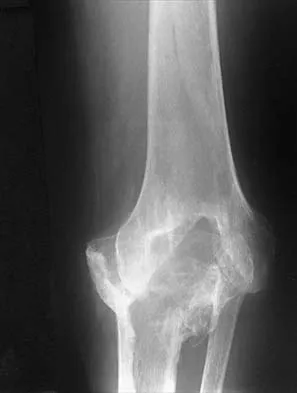
A 72-year-old woman presents with start-up thigh pain 12 years after an uncemented THA. A radiograph (Figure 12) demonstrates progressive radiolucent lines >2 mm in all Gruen zones around the femoral stem with obvious subsidence. Inflammatory markers are strictly normal. Hip aspiration yields clear fluid with a WBC count of 300 cells/mm3 and 20% PMNs. What is the most likely diagnosis?


Explanation

Progressive radiolucencies in all Gruen zones with subsidence indicate gross loosening. Normal inflammatory markers and an aspiration WBC count well below the threshold for infection (<3000 cells/mm3) reliably distinguish aseptic loosening from periprosthetic joint infection.

Question 92

A 65-year-old active man undergoes a total hip arthroplasty using a highly cross-linked polyethylene liner. Which of the following mechanical properties is most significantly decreased in highly cross-linked polyethylene compared to conventional ultra-high-molecular-weight polyethylene (UHMWPE)?


Explanation

Highly cross-linked polyethylene (HXLPE) significantly improves wear resistance but decreases mechanical properties such as fatigue strength and crack propagation resistance. This makes it more susceptible to fracture, particularly if thin liners are used or impingement occurs.

Question 93

A 32-year-old man sustains a completely displaced, vertically oriented femoral neck fracture (Pauwels Type III). What is the biomechanically most stable fixation construct for this specific fracture pattern?


Explanation

A sliding hip screw (SHS) combined with a derotational cancellous screw provides the most biomechanically stable construct for vertically oriented (Pauwels III) femoral neck fractures. Cannulated screws have higher failure rates in vertical shear patterns due to inadequate resistance to shear forces.

Question 94

A 45-year-old woman with a history of systemic lupus erythematosus presents with severe groin pain. MRI confirms Ficat Stage II osteonecrosis of the femoral head without subchondral collapse. She undergoes a core decompression. What is the primary physiologic mechanism by which this procedure relieves pain?


Explanation

Core decompression primarily reduces elevated intraosseous pressure within the femoral head, which directly relieves pain and may restore venous outflow, thereby promoting revascularization. It is generally most effective in the pre-collapse stages of osteonecrosis.

Question 95


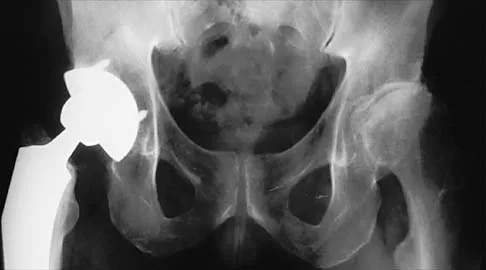
During pre-operative planning for a primary total hip arthroplasty, a surgeon decides to use a high-offset femoral stem instead of a standard-offset stem. Assuming leg length remains unchanged, what effect will this design choice have on hip biomechanics?


Explanation

Increasing femoral offset lengthens the abductor moment arm, which reduces the force required by the abductors to maintain a level pelvis. This mechanical advantage consequently decreases the overall joint reactive force across the hip joint.

Question 96

A 78-year-old woman with a history of a metal-on-metal total hip arthroplasty performed 8 years ago presents with new-onset groin pain and a palpable mass. Laboratory testing shows elevated serum cobalt and chromium levels. Which of the following is the most appropriate next imaging modality to evaluate for an adverse local tissue reaction (ALTR)?


Explanation

MARS MRI is the imaging modality of choice for detecting pseudotumors and evaluating soft-tissue destruction in adverse local tissue reactions (ALTR) associated with metal-on-metal implants. It effectively minimizes scatter from the metallic components to evaluate the periarticular tissues.

Question 97

A 68-year-old woman sustains a reverse obliquity intertrochanteric femur fracture (OTA/AO 31-A3). Why is a long cephalomedullary nail preferred over a sliding hip screw (SHS) for this specific fracture pattern?


Explanation

Reverse obliquity fractures are highly unstable due to the tendency for the distal femoral shaft to shift medially. A cephalomedullary nail acts as an intramedullary buttress to prevent this medialization, making it biomechanically superior to an extramedullary SHS for this pattern.

Question 98

A 72-year-old man who underwent a right total hip arthroplasty 6 weeks ago presents with persistent hip pain, erythema, and a draining sinus tract. Which of the following is an absolute indication for a two-stage revision rather than a debridement, antibiotics, and implant retention (DAIR) procedure?


Explanation

DAIR is contraindicated when the prosthetic components are loose, as the biofilm cannot be adequately eradicated and the mechanical failure must be simultaneously addressed. A single- or two-stage exchange is the standard of care for periprosthetic joint infection complicated by loose components.

Question 99

During an extensile surgical approach to the hip, preserving the blood supply to the femoral head is critical to prevent avascular necrosis. The main arterial supply to the adult femoral head is the deep branch of the medial femoral circumflex artery (MFCA). This artery courses posterior to which of the following structures?


Explanation

The deep branch of the medial femoral circumflex artery (MFCA) consistently runs posterior to the obturator externus tendon and anterior to the quadratus femoris. Protecting the obturator externus during posterior approaches is vital to preserve the critical blood supply to the femoral head.

Question 100

A 55-year-old man undergoes a primary total hip arthroplasty. To optimize stability and minimize the risk of dislocation, what is the generally accepted "safe zone" for acetabular cup orientation as originally described by Lewinnek?


Explanation

Lewinnek's safe zone for acetabular component placement is classically defined as 40° ± 10° of inclination (abduction) and 15° ± 10° of anteversion. Placement outside this zone historically correlates with a higher risk of postoperative hip dislocation.

None

Clinic OS
Medically Verified Content by
Prof. Clinic OS
Consultant Orthopedic & Spine Surgeon
Chapter Index
