العربية
Part of the Master Guide

Orthopedic Board Review Set 675: 100 MCQs for ABOS, OITE, FRCS – Hip Focus

AAOS & ABOS Orthopedic MCQs (Set 2): Hip & Knee Reconstruction 2007 Board Review
27 Apr 2026 58 min read 95 Views
Hpkn 2007 MCQs - Part 2

Key Takeaway

This high-yield question set for AAOS, ABOS, and OITE exams focuses on advanced topics in hip and knee reconstruction. Questions cover primary and revision arthroplasty, implant selection, complications, and evidence-based management strategies for surgical excellence.

AAOS & ABOS Orthopedic MCQs (Set 2): Hip & Knee Reconstruction 2007 Board Review

Comprehensive 100-Question Exam


00:00

Start Quiz

Question 1

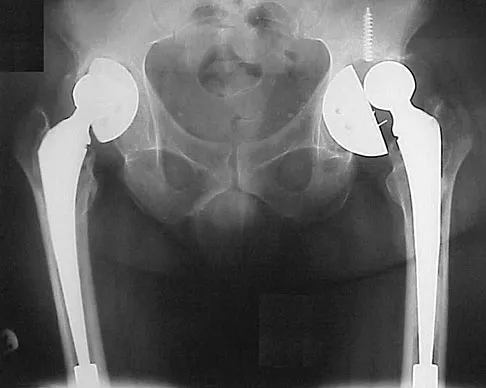
A 59-year-old woman who underwent a total hip arthroplasty 5 years ago now has recurrent dislocation following bariatric surgery and a weight loss of 200 lb. An attempt at converting to a larger head size and trochanteric advancement has failed. Her components are well aligned. What is the best course of action?
Hip & Knee Reconstruction Board Review 2007: High-Yield MCQs (Set 2) - Figure 1


Explanation

When a patient has well-aligned components and soft-tissue tensioning with a larger femoral head and trochanteric advancement has failed, options are limited. The use of a constrained acetabular liner is the best option in this situation. Goetz and associates and Shrader and associates have demonstrated good results with these implants. Shrader used this device on 109 patients with recurrent instability with a successful outcome in all but 2 patients. Resection arthroplasty is a salvage situation and is not the best option at the present time. A hip abduction brace does not address the soft-tissue laxity. Conversion to a bipolar arthroplasty, although possibly minimizing the incidence of dislocation, will lead to groin pain and migration of the component with diminished functional results. Goetz DD, Capello WN, Callaghan JJ, et al: Salvage of recurrently dislocating hip prosthesis with use of a constrained acetabular component: A retrospective analysis of fifty-six cases. J Bone Joint Surg Am 1998;80:502-509. Shrader MW, Parvizi J, Lewallen DG: The use of constrained acetabular component to treat instability after total hip arthroplasty. J Bone Joint Surg Am 2003;85:2179-2183.

Question 2

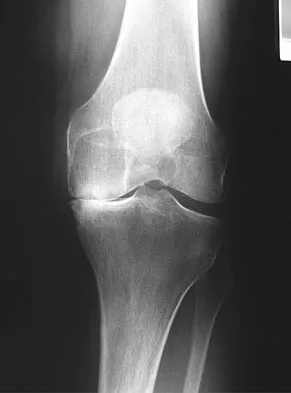
Figure 15 shows the radiograph of an active 60-year-old woman. Which of the following variables is considered the strongest contraindication to a unicompartmental knee arthroplasty in this patient?
Hip & Knee Reconstruction Board Review 2007: High-Yield MCQs (Set 2) - Figure 2


Explanation

Unicompartmental arthroplasty of the knee for single compartment arthrosis has recently become more popular. Contraindications to unicompartmental knee arthroplasty include fixed varus or valgus deformity of more than 5 degrees, restricted range of motion, fixed flexion contracture, joint subluxation of 5 mm or greater, and arthrosis of the opposite and/or patellofemoral compartment. Cossey AJ, Spriggins AJ: The use of computer-assisted surgical navigation to prevent malalignment in unicompartmental knee arthroplasty. J Arthroplasty 2005;20:29-34. Iorio R, Healy WL: Unicompartmental arthritis of the knee. J Bone Joint Surg Am 2003;85:1351-1364.

Question 3

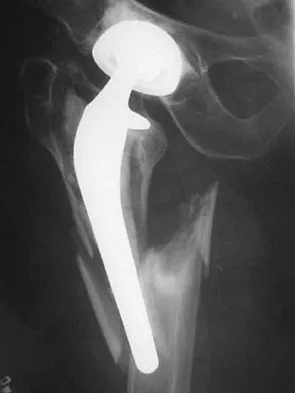
Figure 16 shows the radiograph of an otherwise healthy 62-year-old woman who fell. Management should consist of
Hip & Knee Reconstruction Board Review 2007: High-Yield MCQs (Set 2) - Figure 3


Explanation

The radiograph reveals that the femoral component is grossly loose as evidenced by disruption of the cement column; therefore, retention of the original components will not yield a successful outcome. A cementless revision is the procedure of choice. A strut graft and/or plate may be added at the surgeon's discretion. A resection arthroplasty would only be considered in a nonambulatory patient. Cemented fixation of the revision component would be problematic given the numerous fracture fragments and the inability to contain the cement. Springer BD, Berry DJ, Lewallen DG: Treatment of periprosthetic fractures following total hip arthroplasty with femoral component revision. J Bone Joint Surg Am 2003;85:2156-2162.

Question 4

Which of the following is the strongest contraindication to unicompartmental knee arthroplasty (UKA)?
Hip & Knee Reconstruction Board Review 2007: High-Yield MCQs (Set 2) - Figure 4


Explanation

UKA prostheses cannot substitute for an absent ACL, and if arthroplasty is indicated, these patients should receive a total knee arthroplasty rather than a UKA. Age is not an absolute contraindication, and the procedure has been advocated for young patients as well as older patients if they meet the appropriate indications for an arthroplasty. Varus deformities of the mechanical axis of up to 10 degrees generally are not a contraindication to unicompartmental arthroplasty, as long as the knee can be properly balanced at the time of surgery. Modest chondromalacia of the patellofemoral joint, especially if asymptomatic, is not a contraindication to UKA. Lotke PA (ed): Knee Arthroplasty: Master Techniques in Orthopaedic Surgery. New York, NY, Raven Press, 1995, pp 275-293. Insall JN, Windsor RE, Scott WN, et al (eds): Surgery of the Knee, ed 2. New York, NY, Churchill Livingstone, 1993, pp 805-814.

Question 5

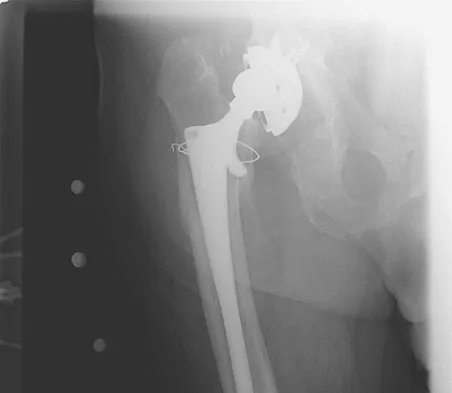
Figure 17 shows the AP radiograph of a 75-year-old man with right hip pain. The femoral component is loose. The mechanism of loosening is most likely secondary to
Hip & Knee Reconstruction Board Review 2007: High-Yield MCQs (Set 2) - Figure 5


Explanation

The femoral construct shown in the radiograph has failed to produce ingrowth of the stem. The stem has subsided and rotated. Impingement of the trochanter did not occur until after the stem subsided. There is no evidence of osteolysis or third-body wear debris from the cerclage wire. A larger femoral stem needs to be implanted to achieve rigid fixation. Pelicci PM, Tria AJ Jr, Garvin KL (eds): Orthopaedic Knowledge Update: Hip and Knee Reconstruction 2. Rosemont, IL, American Academy of Orthopaedic Surgeons, 2000, pp 217-238.

Question 6

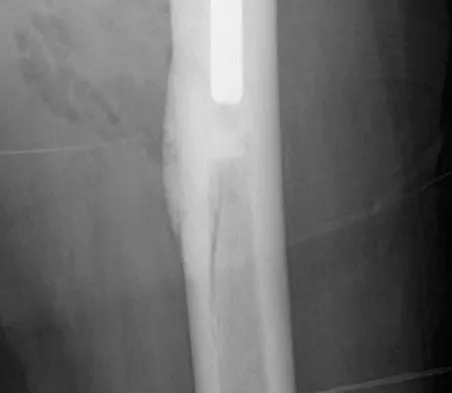
A 75-year-old woman undergoes hybrid total hip arthroplasty for osteoarthritis. A postoperative radiograph obtained in the recovery room is shown in Figure 18. Treatment should now consist of
Hip & Knee Reconstruction Board Review 2007: High-Yield MCQs (Set 2) - Figure 6


Explanation

Intraoperative femoral fractures can often be avoided by careful preoperative planning to optimize implant design and size. Most fractures occur during implantation of a cementless implant; many can be avoided by careful femoral preparation and component implantation, with particular caution in osteopenic bone. Intraoperative femoral fractures are managed according to fracture severity. Minor cracks that do not affect stability or femoral integrity can often be managed intraoperatively with cerclage fixation, limited weight bearing, and observation. Femoral fractures that compromise implant stability or femoral integrity require fracture fixation with cerclage wires, strut grafts, or plates and may require conversion to a long stem implant. This patient's fracture is nondisplaced and the implant is well seated; therefore, limited weight bearing is considered appropriate management. Lee SR, Bostrom MP: Periprosthetic fractures of the femur after total hip arthroplasty. Instr Course Lect 2004;53:111-118. Kelley SS: Periprosthetic femoral fractures. J Am Acad Orthop Surg 1994;2:164-172.

Question 7

A 42-year-old man undergoes right total hip arthroplasty for hip dysplasia. Postoperatively, he has a significant limb-length increase with a foot drop. A preoperative radiograph is shown in Figure 19. Which of the following should have been considered preoperatively to avoid this complication?
Hip & Knee Reconstruction Board Review 2007: High-Yield MCQs (Set 2) - Figure 7


Explanation

In a patient with bilateral hip dysplasia, there are significant technical challenges that need to be addressed to ensure a successful total hip arthroplasty. Restoring the center of the hip may cause significant lengthening and require femoral shortening. Lengthening of greater than 4 cm can lead to sciatic nerve palsy that will present clinically as a foot drop. A high hip center can be used when there is inadequate bone stock in the acetabulum to achieve adequate host bone coverage. A modular femoral implant may be used for a dysplastic hip with significant rotational deformity. Although an anterolateral approach to the hip may decrease the incidence of sciatic nerve palsy during the exposure, it will not be helpful when there is more than 4 cm of limb lengthening. Schmalzried TP, Amstutz HC, Dorey FJ: Nerve palsy associated with total hip replacement: Risk factors and prognosis. J Bone Joint Surg Am 1991;73:1074-1080. Papagelopoulos PJ, Trousdale RT, Lewallen DG: Total hip arthroplasty with femoral osteotomy for proximal femoral deformity. Clin Orthop 1996;332:151-162.

Question 8

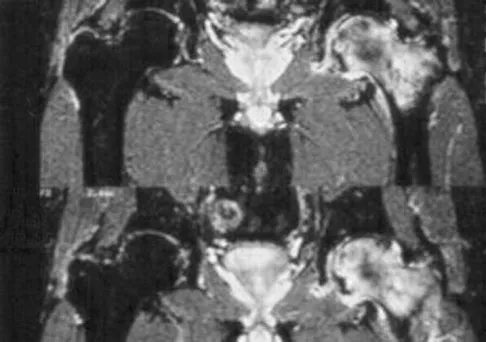
A 58-year-old man reports a 2-month onset of groin pain with no history of trauma. Examination reveals that range of motion of the hip is mildly restricted, and he has pain with both weight bearing and at rest. An MRI scan is shown in Figure 20. Treatment should consist of
Hip & Knee Reconstruction Board Review 2007: High-Yield MCQs (Set 2) - Figure 8


Explanation

The MRI findings show highly increased signal through the entire femoral head and neck on STIR imaging, diagnostic of transient osteoporosis of the femoral head. This disease entity can be seen in middle-aged men, and should be treated nonsurgically. The natural history is that of self-resolution. Guerra JJ, Steinberg ME: Distinguishing transient osteoporosis from avascular necrosis of the hip. J Bone Joint Surg Am 1995;77:616-624.

Question 9

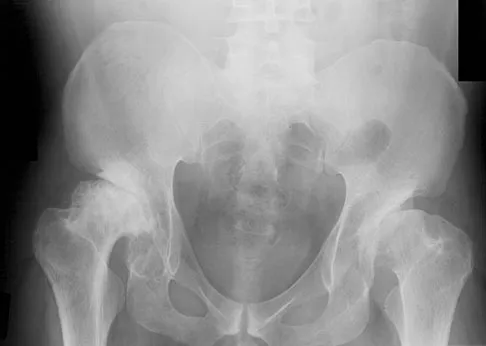
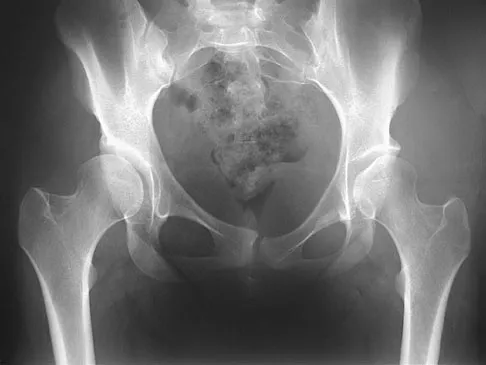
Figure 21 shows the radiograph of a 32-year-old patient with right hip pain that has failed to respond to nonsurgical management. What is the most appropriate surgical treatment at this time?
Hip & Knee Reconstruction Board Review 2007: High-Yield MCQs (Set 2) - Figure 9


Explanation

The radiograph reveals developmental dysplasia of both hips. The patient has classic anterolateral undercoverage of the femoral head on the right side as demonstrated by a high acetabular index (measured at 27 degrees). Anterior undercoverage can be determined by drawing the marking for the anterior wall that fails to overlap the femoral head in this patient. Currently in North America, the most accepted surgical management for symptomatic dysplasia of the hip with good joint space is a Bernese (Ganz) periacetabular osteotomy. Surgical dislocation of the hip and femoroacetabular osteoplasty may be considered for patients with symptomatic femoroacetabular impingement of the hip. Ganz R, Klaue K, Vinh TS, et al: A new periacetabular osteotomy for the treatment of hip dysplasias: Technique and preliminary results. Clin Orthop 1988;232:26-36.

Question 10

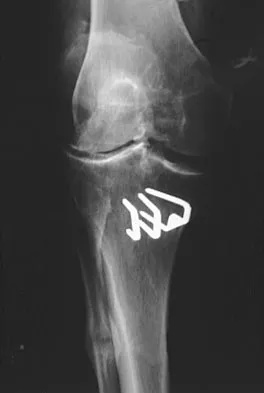
A patient reports pain in the hip with functional positioning. With the patient supine, pain in which of the following positions would be typical for femoral acetabular impingement?
Hip & Knee Reconstruction Board Review 2007: High-Yield MCQs (Set 2) - Figure 10


Explanation

Patients with dysplasia often have a hypertrophic labrum. Abnormal contact between the femoral neck and the acetabular rim leads to labral injury, especially in the anterior-superior acetabular zone. Typically, young patients with the condition report pain with activity or long periods of sitting or driving. The hips often have limited motion, in particular in internal rotation and flexion. Forceful adduction with the maneuver causes pain. Vaccaro AR (ed): Orthopaedic Knowledge Update 8. Rosemont, IL, American Academy of Orthopaedic Surgeons, 2005, pp 411-424. Beck M, Leunig M, Parvizi J, et al: Anterior femoroacetabular impingement: Part II. Midterm results of surgical treatment. Clin Orthop 2004;418:67-73.

Question 11

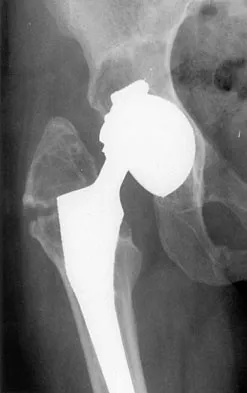
A patient who underwent a total knee arthroplasty for osteoarthritis 18 months ago now reports the sudden development of pain in the ipsilateral knee. Radiographs and examination of the knee are unremarkable. Aspiration of the synovial fluid 3 days later reveals a WBC count of 1,500/mm3. The cells consist of 30% neutrophils and 70% monocytes. Culture results will not be available for several days. The patient has not been on antibiotics prior to this point. Based on these findings, what is the most appropriate management?
Hip & Knee Reconstruction Board Review 2007: High-Yield MCQs (Set 2) - Figure 11


Explanation

Synovial fluid analysis is a very sensitive tool for detecting infection in total knee arthroplasties. Several studies have demonstrated that an absolute leukocyte count in the synovial fluid of less than 1,700 to 2,500/mm3 is an accurate predictor of absence of infection. Similarly, a differential cell count of the WBCs demonstrating less than 50% to 60% neutrophils is an accurate predictor of absence of infection. If both parameters are normal, it is unlikely that the patient has an infection. The three surgical options are contraindicated based on the normal examination findings and laboratory parameters. Similarly, antibiotics should be avoided. The work-up should include tests to evaluate noninfectious sources of knee pain and sources of referred knee pain. Trampuz A, Hanssen AD, Osmon DR, et al: Synovial fluid leukocyte count and differential for the diagnosis of prosthetic knee infection. Am J Med 2004;117:556-562. Mason JB, Fehring TK, Odum SM, et al: The value of white blood cell counts before revision total knee arthroplasty. J Arthroplasty 2003;18:1038-1043.

Question 12

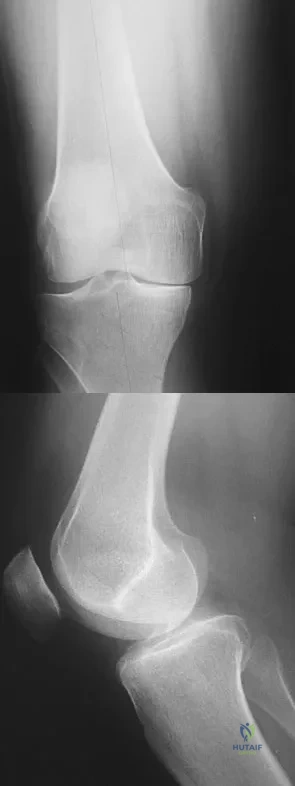
A 38-year-old man who is an avid tennis player has had persistent pain over the medial aspect of his knee for the past 6 years. He notes that the pain occurs on a daily basis with any significant activity. Nonsteroidal anti-inflammatory drugs have failed to provide relief. Radiographs are shown in Figures 22a and 22b. What is the best course of action?


Explanation

In a relatively young patient who is an avid tennis player, the treatment of choice is a joint preserving procedure. The radiographs reveal varus alignment with loading of the medial compartment. After all nonsurgical management options have been used, the best treatment option is a medial opening wedge osteotomy. A lateral closing wedge osteotomy of the proximal tibia is also a reasonable option, but it is not one of the choices. A unicompartmental arthroplasty or a total knee arthroplasty would place significant restrictions in this patient. A unispacer may be a temporizing procedure but is controversial and without substantial data in the literature. The knee arthroscopy will not address the medial compartment osteoarthritis. Nagel A, Insall JN, Scuderi GR: Proximal tibial osteotomy: A subjective outcome study. J Bone Joint Surg Am 1996;78:1353-1358. Rinonapoli E, Mancini GB, Corvaglia A, et al: Tibial osteotomy for varus gonarthrosis: A 10- to 21-year followup study. Clin Orthop 1998;353:185-193.

Question 13

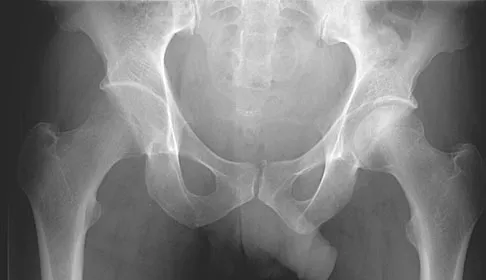
Which of the following statements best describes the outcome of the routine use of continuous passive motion (CPM) machines after total knee arthroplasty (TKA)?
Hip & Knee Reconstruction Board Review 2007: High-Yield MCQs (Set 2) - Figure 14


Explanation

Although CPM machines are used widely in the United States for patients undergoing TKA, the benefit seems to be marginal, if any. Numerous randomized trials have shown that final outcomes after total knee arthroplasty are unaffected by the use of CPM machines postoperatively. Some studies have suggested that use of CPM may improve flexion in the first few weeks, but any short-term benefit from the machine was lost by intermediate-term follow-up. Aside from potential improvement in flexion within the first few postoperative weeks, there does not appear to be any benefit from the machines. There is no improvement in pain, ambulation, or extension. The cost-effectiveness of these machines has been questioned by many authors. Pellicci PM, Tria AJ, Garvin KL (eds): Orthopaedic Knowledge Update: Hip and Knee Reconstruction 2. Rosemont, IL, American Academy of Orthopaedic Surgeons, 2000, pp 287-293. McInnes J, Larson MG, Daltroy LH, et al: A controlled evaluation of continuous passive motion in patients undergoing total knee arthroplasty. JAMA 1992;268:1423-1428.

Question 14

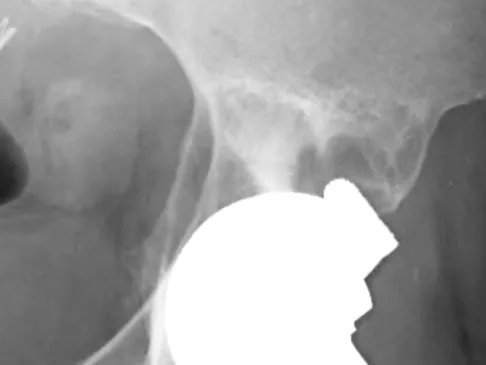
When performing knee arthroplasty, which of the following procedures provides the most consistent fixation for the tibial component?
Hip & Knee Reconstruction Board Review 2007: High-Yield MCQs (Set 2) - Figure 15


Explanation

All of the options, except cementing the metaphyseal portion and press fitting the keel of the tibial component, have been shown to create strong and long-lasting constructs; however, cementing of both the platform and the keel offers the most predictable solution. Cementing the platform and not the keel has been shown to have a higher loosening rate than the more traditional methods of fully cementing or using screws to augment fixation.

Question 15

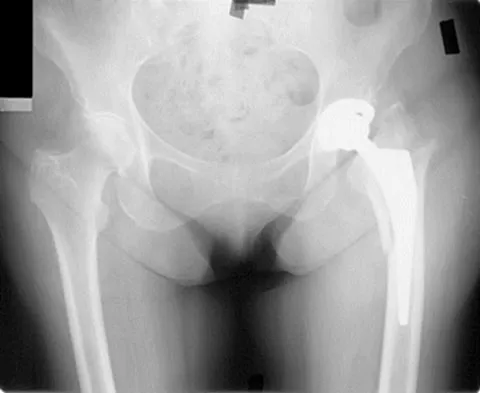
Sterilization of ultra-high molecular weight polyethylene by gamma irradiation in air will degrade its wear performance because of
Hip & Knee Reconstruction Board Review 2007: High-Yield MCQs (Set 2) - Figure 16


Explanation

Gamma irradiation has long been used as a sterilization method for polyethylene. Exposure to gamma irradiation causes breakage of the chemical bonds in the polyethylene, and oxidation will occur if the material is subsequently exposed to air. The amount of oxidation and decrease in wear performance is also related to the length of time that the gamma-irradiated polyethylene is exposed to oxygen. Collier JP, Sutula LC, Currier BH, et al: Overview of polyethylene as a bearing material: Comparison of sterilization methods. Clin Orthop 1996;333:76-86. McKellop H, Shen FW, Lu B, et al: Effect of sterilization method and other modifications on the wear resistance of acetabular cups made of ultra-high molecular weight polyethylene: A hip-simulator study. J Bone Joint Surg Am 2000;82:1708-1725.

Question 16

Figure 23 shows failure of the femoral stem in a patient. What is the most likely reason for the failure?
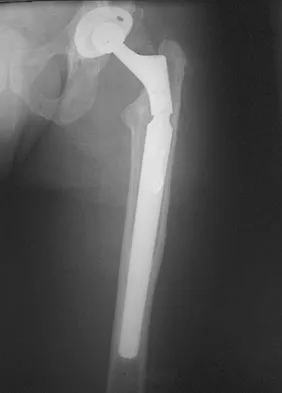
Hip & Knee Reconstruction Board Review 2007: High-Yield MCQs (Set 2) - Figure 17


Explanation

A two-dimensional stress analysis has been used to study the effects of some of the factors leading to early fatigue failure of the femoral stem in total hip arthroplasty. It has been demonstrated that loss of proximal stem support at the level of the calcar femorale and subsequent stem stress can lead to fatigue failure. In addition, the role of body weight and range of cyclic stress fluctuation play an important role in fatigue life under conditions where the stem has lost proximal support. These results indicate that stem design could be improved by incorporating some means of adequate support at the calcar femorale where maximum tensile stresses are found to occur. Femoral component fracture is a rare but well-documented complication after total hip arthroplasty. Historically, most stem fractures occur at the middle third of the implant where proximal stem loosening and solid distal stem fixation result in cantilever bending and eventual fatigue failure. The component shown is a modular fluted cementless stem that occasionally fractures at the modular junction in patients with poor proximal bone support. Andriacchi TP, Galante JO, Belytschko TB, et al: A stress analysis of the femoral stem in total hip prostheses. J Bone Joint Surg Am 1976;58:618-624.

Question 17

What property of titanium alloys accounts for their high corrosion resistance in vivo?
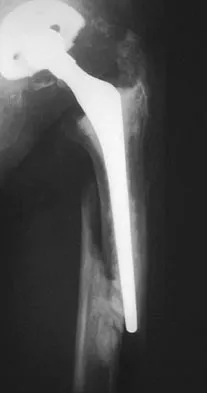
Hip & Knee Reconstruction Board Review 2007: High-Yield MCQs (Set 2) - Figure 18


Explanation

In both room temperature air and physiologic fluids, titanium alloys self-passivate or spontaneously form a layer of titanium oxide very rapidly. This layer makes titanium alloys resistant to surface breakdown. Callaghan JJ, Rosenberg AG, Rubash HE, et al (eds): The Adult Knee. Philadelphia, PA, Lippincott, 2003, vol 1, pp 269-278.

Question 18

Which of the following aids in correction of patellar tracking after total knee arthroplasty (TKA)?
Hip & Knee Reconstruction Board Review 2007: High-Yield MCQs (Set 2) - Figure 19


Explanation

Correct patellofemoral tracking has proven to be a crucial aspect in TKA because a large percent of problems after TKA are related to the patellofemoral articulation. External rotation of the femoral and tibial components has been shown to aid in tracking. Likewise, medialization of the patellar button aids in patellar tracking and prevention of lateral subluxations and dislocations. Attention to the distal femoral cut is critical in maintaining the joint line and preventing patella baja or alta. Tibial sizing, however, is not directly related to patellar tracking after TKA. Callaghan JJ, Rosenberg AG, Rubash HE, et al (eds): The Adult Knee. Philadelphia, PA, Lippincott Williams & Wilkins, 2003, pp 1245-1258.

Question 19

Figure 24 shows the radiograph of a 36-year-old volleyball player with right hip pain. What is the cause of the pain?

Hip & Knee Reconstruction Board Review 2007: High-Yield MCQs (Set 2) - Figure 20


Explanation

Femoral acetabular impingement usually presents in active young adults with the slow onset of groin pain that often starts after a minor trauma. Physical examination reveals limitation of motion with a positive impingement test which consists of forceful internal rotation with flexion and adduction. Femoral acetabular impingement is a mechanism for the development of early osteoarthritis in nondysplastic hips. Surgical debridement of the impinging, nonspherical portion of the femoral head restores offset and improves the clearance of the head, thus preventing abutment of the neck against the acetabular rim. The patient has no evidence of osteonecrosis, developmental dysplasia of the hip, rheumatoid arthritis, or femoral neck fracture. Ganz R, Parvizi J, Beck M, et al: Femoroacetabular impingement: A cause for osteoarthritis of the hip. Clin Orthop 2003;417:112-120.

Question 20

Figure 25 shows the radiograph of an 84-year-old woman who has pain and is unable to extend her knee. History reveals that she underwent total knee arthroplasty 8 years ago. Aspiration and studies for infection are negative. During revision surgery, management of the tibial bone loss should consist of
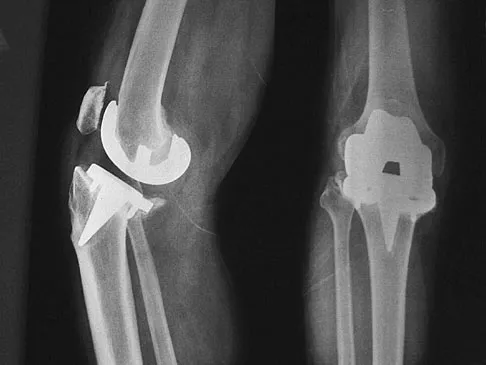
Hip & Knee Reconstruction Board Review 2007: High-Yield MCQs (Set 2) - Figure 21


Explanation

Massive bone loss encountered in revision total knee arthroplasty remains a significant challenge. Recent reports have shown high success rates using structural allograft to reconstruct large structural bone defects. A hinged prosthesis is not required in this setting. In this patient, a large amount of posterior cortex has been lost, making the area too large to fill with cement or iliac crest bone graft. Because of her age, the treatment of choice is a revision tibial implant and metal augments. Structural allograft would be suitable in a younger patient. Mow CS, Wiedel JD: Structural allografting in revision total knee arthroplasty. J Arthroplasty 1996;11:235-241. Engh GA, Herzwurm PJ, Parks NL: Treatment of major defects of bone with bulk allografts and stemmed components during total knee arthroplasty. J Bone Joint Surg Am 1997;79:1030-1039.

Question 21

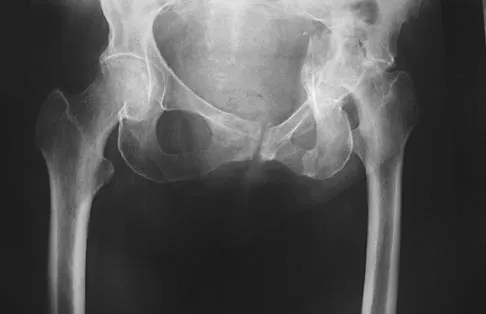
A 62-year-old woman with a bone mass density (BMD) T-score of -2.0 sustained a subcapital fracture of her hip. She is an avid tennis player, and history reveals no previous fractures. What is the most appropriate follow-up care?
Hip & Knee Reconstruction Board Review 2007: High-Yield MCQs (Set 2) - Figure 22


Explanation

A DEXA scan is most appropriately used to establish a baseline score. Even if the bone mineral density is not within the osteoporotic range (T-score less than -2.5), a prior fragility fracture is a strong risk factor for a second fracture as a result of factors other than bone density, such as worsening vision or balance, confusion, or other predispositions to falls. The guidelines of the National Osteoporosis Foundation indicate that, following a fragility hip fracture, active anti-osteoporotic medication should be initiated, whether or not a DEXA scan is performed. A recent study showed that antiresorptive therapy following a hip fracture reduces not only the risk of a second fracture but also overall mortality.

Question 22

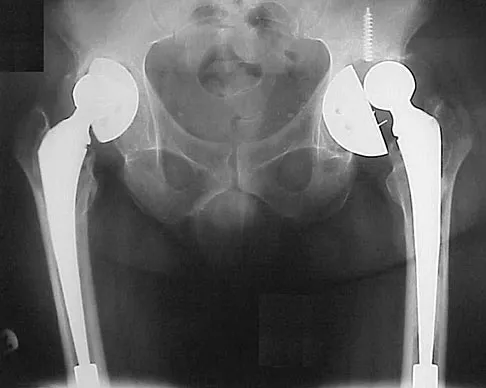
A 58-year-old patient who underwent bilateral hip arthroplasty 12 years ago now reports pain in his hips and difficulty with ambulation to the point where he now uses crutches. A radiograph of the hip and pelvis is shown in Figure 26. What is the best treatment option for this patient?
Hip & Knee Reconstruction Board Review 2007: High-Yield MCQs (Set 2) - Figure 23


Explanation

The radiographs reveal acetabular component failure with bone loss. There are several treatment options available. The best option for survivorship is a cementless porous-coated acetabular component. This patient may or may not require structural bone graft, which may need to be determined at the time of surgery. Bipolar implants and cemented acetabular components for revision surgery have not demonstrated long-term success. The use of a protrusio ring is reserved primarily for massive bone loss such as a Paprosky type III bone loss with significant superior migration of the acetabular component. The best clinical results for acetabular component revision have been achieved with cementless porous-coated implants. Haddad FS, Masri BA, Garbuz DS, et al: Acetabulum, in Fitzgerald RH, Kaufer H, Malkani AL (eds): Orthopaedics. St Louis, MO, Mosby, 2002, pp 923-936. D'Antonio JA: Periprosthetic bone loss of the acetabulum: Classification and management. Orthop Clin North Am 1992;23:279-290.

Question 23

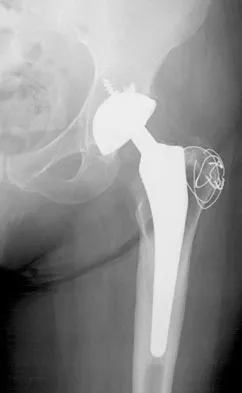
Figure 27 shows the AP radiograph of a patient who has late instability. The problem most likely occurred as a result of
Hip & Knee Reconstruction Board Review 2007: High-Yield MCQs (Set 2) - Figure 24


Explanation

Although dislocation can occur anytime after hip arthroplasty, the highest incidence is observed within the first few months. Dislocation occurring many years after arthroplasty has also been described. In contrast to early dislocation, it appears that late dislocation frequently requires surgical intervention. Recent studies suggest that the incidence of late dislocation may be greater than initially appreciated and that the cumulative rate of dislocation rises with increasing follow-up. The presumed etiologic factors for late instability include long-standing problems with the prosthesis (such as malpositioning of the components) with late manifestation, trauma, deterioration in the neurologic status of the patient, and polyethylene wear. The eccentric position of the femoral head in this patient confirms polyethylene wear. The femoral stem is well-fixed, and the greater trochanter osteotomy has united well. The minor osteolysis observed around the proximal femur is also the consequence of wear and is not the cause of instability. Infection, without component loosening and massive soft-tissue destruction, is not otherwise known to result in late instability. Berry DJ, von Knoch M, Schleck CD, et al: The cumulative long-term risk of dislocation after primary Charnley total hip arthroplasty. J Bone Joint Surg Am 2004;86:9-14.

Question 24

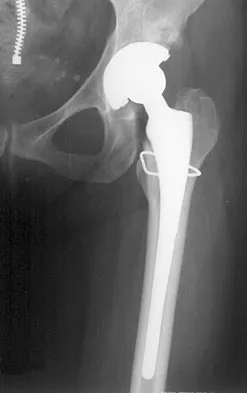
Figure 28 shows the postoperative radiograph of a 36-year-old patient. The cerclage cable was placed for a minimal medial calcar fracture seen during femoral preparation. In the immediate postoperative period, what is the highest level of activity that would be safely permitted?
Hip & Knee Reconstruction Board Review 2007: High-Yield MCQs (Set 2) - Figure 25


Explanation

The incidence of femoral fracture in primary cementless total hip arthroplasty ranges from 1.5% to 27.8%. It is imperative that the implant and fracture are stable both intraoperatively and postoperatively. Cerclage wiring or cerclage cabling is the current recommended treatment for nondisplaced calcar fractures and minimally displaced proximal fractures. Berend and associates reviewed the results of 58 total hips in 55 patients with intraoperative calcar fracture managed with single or multiple cerclage wires or cables and immediate full weight bearing. Follow-up averaged 7.5 years, and there were no revisions of the femoral component. No patients had severe thigh pain. Berend KR, Lombardi AV Jr, Mallory TH, et al: Cerclage wires or cables for the management of intraoperative fracture associated with a cementless, tapered femoral prosthesis: Results at 2 to 16 years. J Arthroplasty 2004;19:17-21. Schmidt AH, Kyle RF: Periprosthetic fractures of the femur. Orthop Clin North Am 2002;33:143-152.

Question 25

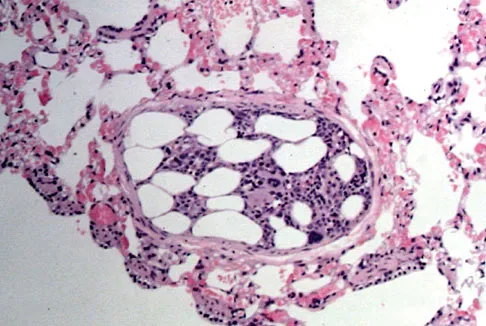
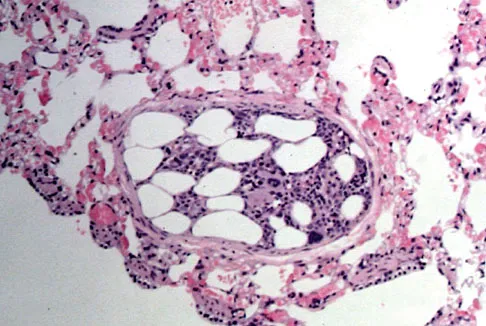
Embolic material generated during total knee arthroplasty (TKA) shown in Figure 29 is composed of which of the following substances?
Hip & Knee Reconstruction Board Review 2007: High-Yield MCQs (Set 2) - Figure 26


Explanation

Emboli are created during TKA. Usually there is an increased incidence with the use of intramedullary rods that disrupt the marrow contents. These are not fat emboli per se. They are material composed of fat cells and marrow that act like pulmonary emboli to obstruct small arterioles in the lung. They are different from free fat emboli that are seen in fractures and that lead to chemical injury to the lung rather than obstructive injury. Markel DC, Femino JE, Farkas P, et al: Analysis of lower extremity embolic material after total knee arthroplasty in a canine model. J Arthroplasty 1999;14:227-232. Pell AC, Christie J, Keating JF, et al: The detection of fat embolism by transoesophageal echocardiography during reamed intramedullary nailing: A study of 24 patients with femoral and tibial fractures. J Bone Joint Surg Br 1993;75:921-925.

Question 26

A 65-year-old man undergoes a posterior-stabilized total knee arthroplasty. One year postoperatively, he complains of a painful popping sensation in his anterior knee when extending from a flexed position. What is the most likely etiology of this condition?


Explanation

This presentation is classic for patellar clunk syndrome, a complication of posterior-stabilized TKAs caused by a fibrosynovial nodule at the superior patellar pole that catches in the intercondylar box during knee extension.

Question 27

A 55-year-old female with bilateral knee pain is considering a medial unicompartmental knee arthroplasty (UKA). Which of the following is considered an absolute contraindication for this procedure?


Explanation

Inflammatory arthropathies, such as rheumatoid arthritis, are an absolute contraindication to UKA due to the pan-articular nature of the disease, which will predictably destroy the remaining compartments.

Question 28

A 48-year-old active man undergoes a total hip arthroplasty. Which of the following bearing surface combinations is uniquely associated with the complication of 'squeaking' during ambulation?


Explanation

Squeaking is a specific auditory complication primarily associated with ceramic-on-ceramic bearing surfaces, often related to microseparation, edge loading, or component malposition.

Question 29

Histological evaluation of periprosthetic tissue from a failed metal-on-metal total hip arthroplasty reveals an aseptic lymphocytic vasculitis-associated lesion (ALVAL). This pathological finding is characterized primarily by an infiltrate of which cell type?


Explanation

ALVAL is a type IV delayed hypersensitivity reaction to metal ions, characterized histologically by a diffuse, perivascular infiltrate of T and B lymphocytes rather than the classic macrophage response seen in polyethylene wear.

Question 30

Three weeks following a primary total knee arthroplasty, a 68-year-old patient presents with acute onset of severe knee pain, swelling, and drainage. Joint aspiration reveals 75,000 WBCs/mm3 with 92% polymorphonuclear cells. What is the most appropriate initial surgical management?


Explanation

For an acute postoperative periprosthetic joint infection occurring within 4 weeks of the index procedure, open debridement, antibiotics, and implant retention (DAIR) with polyethylene exchange is the standard of care.

Question 31

A patient experiences recurrent anterior dislocations following a total hip arthroplasty performed via a posterior approach. Radiographic evaluation is most likely to demonstrate which of the following component malpositions?


Explanation

Anterior dislocation in total hip arthroplasty is most commonly associated with excessive anteversion of the acetabular or femoral components, which leverages the head out of the socket during extension and external rotation.

Question 32

During a primary total knee arthroplasty, trial reduction reveals that the knee is well-balanced and symmetric in full extension, but significantly tight in 90 degrees of flexion. What is the most appropriate step to balance the knee?


Explanation

Downsizing the femoral component reduces the anteroposterior dimension, thereby increasing the flexion gap without altering the distal femoral cut, which dictates the extension gap.

Question 33

When performing a total knee arthroplasty for a severe valgus deformity, the surgeon notes a tight lateral compartment in full extension. Which structure is typically released first in a standard sequential lateral release?


Explanation

In the correction of a valgus knee, the tight structures in extension are typically addressed first, commonly beginning with the iliotibial band or the posterolateral capsule depending on the specific tight bands identified.

Question 34

A 45-year-old woman with severe osteoarthritis and chronic kidney disease (CKD stage 4) requests a metal-on-metal hip resurfacing. Why is her renal disease considered a contraindication?


Explanation

Metal-on-metal bearings generate cobalt and chromium ions that are primarily excreted by the kidneys. Severe renal dysfunction prevents their clearance, leading to toxic systemic metal ion accumulation.

Question 35

A 72-year-old woman sustains a displaced, closed supracondylar femur fracture (Lewis-Rorabeck Type II) just proximal to a well-fixed posterior-stabilized total knee arthroplasty. What is the preferred surgical treatment?


Explanation

A Lewis-Rorabeck Type II fracture involves a displaced fracture over a well-fixed femoral component. The gold standard treatment is internal fixation using a lateral locking plate or retrograde intramedullary nail.

Question 36

A surgeon utilizing the direct anterior (Smith-Petersen) approach for total hip arthroplasty enters the hip joint through a specific internervous plane superficially. This plane lies between which two muscles?


Explanation

The direct anterior approach exploits the superficial internervous plane between the sartorius (innervated by the femoral nerve) and the tensor fasciae latae (innervated by the superior gluteal nerve).

Question 37

Before the advent of highly cross-linked polyethylene, conventional non-cross-linked polyethylene in total knee arthroplasty typically failed via which predominant mechanism, especially when subjected to gamma irradiation in air?


Explanation

Conventional polyethylene sterilized by gamma irradiation in air underwent oxidative degradation over time, making it highly susceptible to subsurface fatigue cracking and massive delamination.

Question 38

During a revision total knee arthroplasty, the medial collateral ligament (MCL) is found to be severely attenuated and nonfunctional, although its origin and insertion remain intact. Which level of constraint is indicated?


Explanation

A constrained condylar knee (CCK) utilizes a tall, thick post to provide varus-valgus stability and is indicated for severe attenuation of the MCL or LCL, provided the soft tissue sleeve is not entirely absent.

Question 39

Postoperatively, a total hip arthroplasty patient complains that the operative leg feels too long. Radiographs confirm equal global femoral offset, but the operative leg length is increased by 2 cm. Which intraoperative adjustment would have prevented this?


Explanation

If the offset is correct but the leg is vertically long, lowering the femoral neck cut and seating the stem deeper decreases leg length without altering the horizontal offset.

Question 40

In the process of aseptic loosening due to particulate wear debris, macrophages phagocytose the particles and subsequently release cytokines that drive osteoclastogenesis. Which of the following cytokines is a primary mediator of this process?


Explanation

TNF-alpha, IL-1, and IL-6 are the major pro-inflammatory cytokines secreted by macrophages in response to wear debris, leading to upregulation of RANKL and subsequent osteolysis.

Question 41

A 50-year-old male with ankylosing spondylitis is scheduled for a total hip arthroplasty. To minimize his high risk of heterotopic ossification, which prophylactic regimen is most strongly supported by the literature?


Explanation

Prophylaxis against heterotopic ossification is best achieved with either a short postoperative course of NSAIDs (e.g., indomethacin) or a single localized dose of radiation (typically 700-800 cGy).

Question 42

Two years following a total knee arthroplasty, a patient sustains a complete rupture of the patellar tendon. Primary repair is attempted but fails. What is the most reliable salvage procedure for this chronic extensor mechanism disruption?


Explanation

Chronic patellar tendon ruptures in the setting of a TKA have unacceptably high failure rates with primary repair. Reconstruction with an extensor mechanism allograft or synthetic mesh is the preferred salvage procedure.

Question 43

A patient presents with pain and swelling 5 years after receiving a primary total hip arthroplasty with a large-diameter cobalt-chromium head on a titanium stem. Workup reveals a solid pseudotumor but no infection. What is the primary mechanism of failure?


Explanation

Mechanically assisted crevice corrosion (trunnionosis) occurs at the modular head-neck junction, heavily exacerbated by the use of large-diameter, heavy cobalt-chromium heads on titanium stems, leading to adverse local tissue reactions.

Question 44

While highly cross-linking polyethylene significantly improves wear characteristics in total hip arthroplasty, it negatively alters the material's mechanical properties. Which of the following is decreased as a direct result of the irradiation process?


Explanation

The highly cross-linking process, while drastically reducing volumetric wear, reduces the ultimate tensile strength, ductility, and resistance to fatigue crack propagation of the polyethylene.

Question 45

A patient undergoes a complex revision total hip arthroplasty requiring an extended trochanteric osteotomy (ETO). Postoperatively, the ETO goes on to a fibrous nonunion with significant proximal migration. What is the most predictable clinical consequence?


Explanation

Nonunion and proximal migration of a greater trochanteric osteotomy disconnects the functional insertion of the hip abductors, dependably resulting in an abductor lurch (Trendelenburg gait) and weakness.

Question 46

What is the primary advantage of highly cross-linked polyethylene compared to conventional polyethylene in total hip arthroplasty (THA)?


Explanation

Highly cross-linked polyethylene significantly reduces volumetric wear and subsequent osteolysis rates. However, the cross-linking process decreases fracture toughness and ultimate tensile strength.

Question 47

During a posterior-stabilized TKA, trial reduction reveals the knee is tight in flexion but well-balanced and symmetric in extension. What is the most appropriate next step to balance the knee?


Explanation

A knee that is tight in flexion and balanced in extension requires an increase in the flexion gap without affecting the extension gap. Downsizing the femoral component (with an anterior referencing system) translates the posterior condyles anteriorly, effectively opening the flexion gap.

Question 48


A 72-year-old man presents with thigh pain after a fall. Imaging shows a periprosthetic femur fracture around a cemented polished taper slip stem extending to the tip of the stem. The stem is loose, but there is adequate proximal bone stock. What is the most appropriate treatment?


Explanation

This describes a Vancouver B2 periprosthetic fracture (fracture around a loose stem with adequate bone stock). The standard of care is revision to a longer, cementless diaphyseal-engaging stem that bypasses the fracture by at least two cortical diameters.

Question 49

A 65-year-old woman complains of a painful popping sensation in her knee 9 months after a posterior-stabilized TKA. The pop occurs as she extends the knee from 40 degrees to full extension. What is the most likely cause?


Explanation

Patellar clunk syndrome is caused by a fibrous nodule forming on the undersurface of the distal quadriceps tendon. It gets caught in the intercondylar box of a posterior-stabilized femoral component during active extension.

Question 50

Following a primary THA using a posterior approach, a patient exhibits foot drop and an inability to actively dorsiflex the ankle. Eversion of the foot is also weak, but ankle inversion is normal. Which branch of the sciatic nerve is most likely injured, and what is its most common mechanism of injury?


Explanation

The peroneal division of the sciatic nerve is more susceptible to injury during THA due to its lateral position and tighter tethering at the fibular head. It is most commonly injured by excessive traction or stretching during the procedure.

Question 51

A 55-year-old man with a metal-on-metal total hip arthroplasty presents with groin pain and a palpable anterior mass 4 years postoperatively. Radiographs show a well-fixed implant with normal alignment. Serum cobalt and chromium levels are significantly elevated. Aspiration yields sterile, cloudy fluid. What is the most appropriate definitive management?


Explanation

The patient has an adverse local tissue reaction (ALTR/pseudotumor) secondary to metal wear debris. Definitive management requires thorough debridement and revision of the bearing surfaces to a non-metal-on-metal option, such as ceramic-on-polyethylene.

Question 52

During a TKA for severe varus deformity, standard bone cuts have been made, and the deep medial collateral ligament (MCL) has been released. The knee remains tight medially in both flexion and extension. What is the next most appropriate step in the soft tissue release sequence?


Explanation

In a tight medial compartment that persists after deep MCL release, the semimembranosus and posterior medial capsule should be released next. This helps balance a knee that is symmetrically tight in both flexion and extension.

Question 53


A 68-year-old woman experiences her third posterior dislocation of her THA within 6 months. Radiographs demonstrate a well-fixed acetabular component with 55 degrees of abduction and 0 degrees of anteversion. The femoral stem is well-fixed with 15 degrees of anteversion. What is the most appropriate surgical intervention?


Explanation

The acetabular component is malpositioned with inadequate anteversion (retroverted) and excessive abduction, predisposing to posterior dislocation. Revision of the shell to the safe zone (approx 40 degrees abduction and 15-20 degrees anteversion) is indicated.

Question 54

Which of the following preoperative findings is the most absolute contraindication for a standard mobile-bearing medial unicompartmental knee arthroplasty (UKA)?


Explanation

ACL deficiency is a strong contraindication for a standard mobile or fixed-bearing UKA because it leads to abnormal kinematics and early failure due to anterior tibial translation. Age, moderate obesity, asymptomatic patellofemoral wear, and mild flexion contractures are not absolute contraindications.

Question 55

A 70-year-old man presents with a chronic prosthetic joint infection 2 years after THA. Aspiration grows methicillin-resistant Staphylococcus aureus (MRSA). You plan a two-stage exchange. What antibiotic should be predominantly mixed into the temporary polymethylmethacrylate (PMMA) spacer?


Explanation

Vancomycin provides targeted elution against MRSA. While an aminoglycoside like tobramycin or gentamicin is often added for synergistic broad-spectrum coverage and to improve elution properties, Vancomycin is the critical agent against the known organism.

Question 56


A 75-year-old male presents with new-onset swelling and pain 12 years after a primary TKA. Radiographs show eccentric joint space narrowing but well-fixed components with no osteolysis. Aspiration is negative for infection. What is the most appropriate treatment?


Explanation

In the setting of isolated polyethylene wear (asymmetric narrowing) with well-fixed components, correct alignment, and no osteolysis, an isolated polyethylene insert exchange is the most appropriate surgical intervention.

Question 57

A patient with a conventional metal-on-polyethylene THA presents 5 years postoperatively with vague hip pain and a mass. MRI with metal suppression reveals a cystic lesion surrounding the hip joint. Aspiration reveals dark fluid with high cobalt and chromium levels. What is the most likely source of the metal wear?


Explanation

Trunnionosis occurs due to fretting and crevice corrosion at the modular head-neck junction (trunnion). It can cause adverse local tissue reactions (ALTR) similar to metal-on-metal wear, even in standard metal-on-polyethylene implants.

Question 58

You are performing a TKA on a severe valgus knee. After making the standard bony cuts, the knee remains tight laterally in extension but balanced in flexion. Which structure is typically released first to balance the extension gap?


Explanation

For a valgus knee that is tight specifically in extension, the iliotibial band (ITB) is typically the first structure released, often via pie-crusting. The popliteus affects flexion more than extension, and the LCL affects both.

Question 59

Modern cementing techniques for total hip arthroplasty (third-generation) have significantly improved the survivorship of the femoral stem. Which of the following is a core component of third-generation cementing technique?


Explanation

Third-generation cementing techniques include the use of a distal cement restrictor, vacuum mixing (to reduce porosity), retrograde filling with a cement gun, and sustained pressurization of the cement prior to stem insertion.

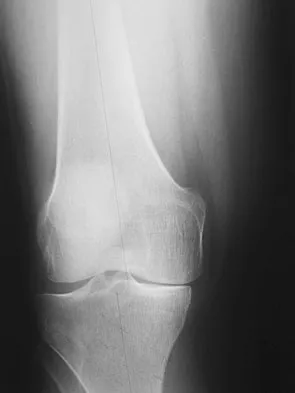
Question 60


When establishing correct femoral component rotation in a TKA, the anterior-posterior (AP) axis (Whiteside's line) is commonly used. To what reference line should Whiteside's line be strictly perpendicular?


Explanation

Whiteside's line (the AP axis) runs from the deepest part of the trochlear groove to the center of the intercondylar notch and is anatomically perpendicular to the surgical transepicondylar axis.

Question 61


An 80-year-old woman requires revision THA for severe aseptic loosening. Radiographs demonstrate a fracture through the acetabular fossa separating the superior and inferior halves of the hemipelvis. What is the most definitive surgical construct to achieve stable fixation in this setting?


Explanation

The patient has a pelvic discontinuity (separation of the ilium from the ischium/pubis). Achieving stable fixation requires bridging the discontinuity, best accomplished using a cup-cage construct, a custom triflange implant, or a highly porous cup with distraction.

Question 62

During a posterior-stabilized total knee arthroplasty, the trial reduction demonstrates a balanced and symmetric extension gap, but the flexion gap is unacceptably tight. Which of the following is the most appropriate intraoperative adjustment to balance the gaps?


Explanation

Downsizing the femoral component in the anteroposterior dimension increases the flexion gap without affecting the extension gap. Recutting the distal femur would affect only the extension gap.

Question 63

A 45-year-old active man undergoes a total hip arthroplasty with a ceramic-on-ceramic bearing surface. What is a specific, known potential complication associated with this bearing surface compared to metal-on-polyethylene?


Explanation

Ceramic-on-ceramic bearings are associated with a unique complication of audible squeaking, occurring in up to 10% of patients. They otherwise offer extremely low wear rates and no risk of metal ion toxicity.

Question 64

A 65-year-old man presents with acute onset knee pain and swelling 3 weeks after an uncomplicated primary total knee arthroplasty. Knee aspiration yields a white blood cell count of 35,000 cells/uL with 90% polymorphonuclear leukocytes. What is the most appropriate management?


Explanation

For acute periprosthetic joint infections occurring within 4 weeks of the index surgery, Debridement, Antibiotics, and Implant Retention (DAIR) with polyethylene exchange is the standard of care.

Question 65

Following the implantation of total knee arthroplasty components, trial reduction reveals lateral patellar subluxation. The components are correctly sized. Which of the following component malrotations is the most likely cause?


Explanation

Internal rotation of the femoral component medializes the trochlear groove and increases the Q angle, leading to lateral patellar tracking and subluxation. External rotation of the femoral component helps optimize patellar tracking.

Question 66

During a direct anterior approach for a total hip arthroplasty, the patient sustains a nerve injury resulting in localized numbness over the anterolateral aspect of the thigh. Which nerve was most likely injured?


Explanation

The lateral femoral cutaneous nerve is at high risk during the direct anterior approach (Smith-Petersen interval). Injury results in paresthesias or numbness over the anterolateral thigh.

Question 67

A 55-year-old woman with a metal-on-metal total hip arthroplasty presents with unexplained groin pain 4 years postoperatively. Her ESR and CRP are normal, but an MRI with metal artifact reduction sequence (MARS) shows a large, expanding solid/cystic mass around the joint. What is the recommended next step?


Explanation

The patient has an adverse local tissue reaction (ALTR) or pseudotumor related to metal wear debris. Symptomatic pseudotumors with expanding soft tissue masses require revision to a non-metal-on-metal bearing with extensive synovectomy.

Question 68

A 72-year-old man sustains a periprosthetic femur fracture around his cementless total hip arthroplasty stem following a fall. Radiographs show a fracture around the stem with evidence of subsidence and a loose implant. The remaining femoral bone stock is adequate. What is the appropriate treatment?


Explanation

This is a Vancouver B2 periprosthetic fracture (fracture around the stem, loose implant, good bone stock). The standard treatment is revision to a longer, uncemented, extensively porous-coated stem that bypasses the fracture by at least 2 cortical diameters.

Question 69

In a posterior-stabilized total knee arthroplasty, the cam-post mechanism is designed to substitute for the posterior cruciate ligament (PCL). At approximately what degree of knee flexion does the femoral cam typically engage the tibial post to initiate femoral rollback?


Explanation

In most posterior-stabilized TKA designs, the cam engages the post at approximately 50 to 75 degrees of flexion to initiate posterior femoral rollback and prevent anterior translation of the femur.

Question 70

Recurrent posterior instability in a total hip arthroplasty can be managed by several strategies. Increasing the femoral head size improves stability primarily through which mechanism?


Explanation

A larger femoral head increases the jump distance (the distance the head must travel to dislocate) and improves the head-to-neck ratio, maximizing impingement-free range of motion.

Question 71

A 68-year-old woman with a severe 20-degree valgus deformity undergoes a primary total knee arthroplasty. In the recovery room, she is found to have a complete foot drop. What is the immediate first step in management?


Explanation

Common peroneal nerve palsy can occur after correction of severe valgus deformities. The immediate treatment is removing all constrictive dressings and flexing the knee to relieve tension on the nerve.

Question 72

Which cell type is considered the primary effector in the biological pathway leading to aseptic loosening and osteolysis around a total hip arthroplasty?


Explanation

Macrophages phagocytose particulate wear debris (like polyethylene particles), which triggers the release of pro-inflammatory cytokines (TNF-alpha, IL-1, IL-6). This cascade ultimately activates osteoclasts, leading to osteolysis.

Question 73

A 70-year-old man presents with an inability to perform a straight leg raise 3 years after a total knee arthroplasty. Ultrasound confirms a complete, chronic patellar tendon rupture. He has significant difficulty ambulating. What is the most reliable surgical treatment?


Explanation

Chronic extensor mechanism disruptions after TKA have poor outcomes with direct repair. Reconstruction with a full extensor mechanism allograft (including tibial tubercle, patellar tendon, patella, and quadriceps tendon) provides the most reliable long-term result.

Question 74

A 62-year-old woman has a persistent Trendelenburg gait 1 year after a total hip arthroplasty performed via a direct lateral (Hardinge) approach. Assuming equal leg lengths and proper component offset, what is the most likely cause?


Explanation

The direct lateral approach splits the gluteus medius and minimus, placing the superior gluteal nerve at risk if the split is extended >5 cm proximal to the greater trochanter. Failure of the abductor repair also leads to a prominent Trendelenburg gait.

Question 75

The introduction of highly cross-linked polyethylene in total hip arthroplasty has significantly reduced volumetric wear rates. What mechanical trade-off results from the irradiation process used to cross-link the polyethylene?


Explanation

Irradiation to create highly cross-linked polyethylene drastically improves wear resistance but decreases its mechanical properties, specifically yield strength, ultimate tensile strength, and fracture toughness, making it more prone to fracture under high stress.

Question 76

When converting a failed medial unicompartmental knee arthroplasty (UKA) to a total knee arthroplasty (TKA), what is the most common intraoperative challenge compared to a primary TKA?


Explanation

Revision of a UKA to a TKA frequently reveals substantial bone loss on the involved side (usually medial tibial plateau), necessitating the use of metal augments, bone grafting, or tibial stems to achieve stable fixation.

Question 77

In a patient with a metal-on-metal total hip arthroplasty, elevated serum levels of which two ions are most indicative of excessive bearing wear?


Explanation

Metal-on-metal bearings are composed primarily of a Cobalt-Chromium-Molybdenum alloy. Elevated serum cobalt and chromium levels (>7 ppb) are biomarkers for excessive wear and potential adverse local tissue reactions.

Question 78

A 60-year-old woman presents with only 70 degrees of maximal knee flexion 8 weeks after a primary total knee arthroplasty. She has been fully compliant with physical therapy, and radiographs show well-positioned components. What is the most appropriate next step in management?


Explanation

For severe stiffness following TKA despite adequate physical therapy, Manipulation Under Anesthesia (MUA) is most effective when performed between 6 and 12 weeks postoperatively.

Question 79

According to Lewinnek, the 'safe zone' for acetabular component positioning in total hip arthroplasty to minimize dislocation risk is characterized by which of the following parameters?


Explanation

The classic Lewinnek safe zone is defined as 40 degrees (+/- 10 degrees) of inclination/abduction and 15 degrees (+/- 10 degrees) of anteversion. Implants outside this zone have a historically higher rate of dislocation.

Question 80

A 68-year-old woman is 2 years status-post a posterior stabilized total knee arthroplasty. She complains of a painful catching sensation in her knee when extending from a flexed position. What is the most appropriate management?


Explanation

This patient is presenting with patellar clunk syndrome, which occurs in posterior stabilized TKAs due to a fibrous nodule catching in the intercondylar box. Arthroscopic debridement of the nodule is highly successful and the treatment of choice.

Question 81

A 45-year-old active male undergoes a total hip arthroplasty. A ceramic-on-ceramic bearing is chosen to minimize volumetric wear. What is a unique complication associated with this bearing surface compared to metal-on-polyethylene?


Explanation

Ceramic-on-ceramic bearings offer the lowest wear rates but are uniquely associated with audible squeaking (up to 10% in some series) and catastrophic ceramic fracture. ALVAL is characteristic of metal-on-metal bearings.

Question 82

A 72-year-old woman presents with the inability to actively extend her knee 3 years after a total knee arthroplasty. Imaging confirms a complete patellar tendon rupture. What is the most reliable surgical management for this chronic rupture?


Explanation

Primary repair of chronic patellar tendon ruptures post-TKA has an unacceptably high failure rate. Extensor mechanism allograft or synthetic mesh reconstruction provides the most reliable long-term outcomes in this setting.

Question 83

A patient has recurrent posterior dislocations post-THA. Radiographs demonstrate that the acetabular component is retroverted, while the femoral stem is well-fixed with normal anteversion. What is the best definitive treatment?


Explanation

When recurrent dislocation is caused by component malposition (such as a retroverted cup), the primary treatment is revision of the malpositioned component to restore proper biomechanics. Constrained liners should be reserved for cases of abductor deficiency or cognitive dysfunction.

Question 84

A 68-year-old male is 3 weeks status-post TKA. He reports a 2-day history of acute knee pain, swelling, and erythema. Aspiration yields 65,000 WBCs/uL with 95% polymorphonuclear cells. What is the most appropriate management?


Explanation

For acute periprosthetic joint infections (within 4 weeks of surgery or acute hematogenous spread), DAIR (debridement, antibiotics, and implant retention) with modular polyethylene exchange is indicated. Arthroscopic irrigation has an unacceptably high failure rate.

Question 85

A post-TKA patient complains of a sense of instability when descending stairs. Physical examination reveals the knee is stable in extension but opens 10 mm to varus and valgus stress at 90 degrees of flexion. How could this have been prevented intraoperatively?


Explanation

Flexion instability results from a loose flexion gap relative to a balanced extension gap. Increasing the posterior femoral offset or using a larger femoral component helps tighten and balance the flexion gap without affecting extension.

Question 86

A 75-year-old woman sustained a fall 8 years post-THA. Radiographs show a periprosthetic fracture around the stem tip. The stem is loose, but the proximal femur has adequate bone stock. What is the standard surgical management?


Explanation

A periprosthetic fracture with a loose stem and adequate bone stock is a Vancouver B2 fracture. The standard of care is revision arthroplasty using a long stem that bypasses the fracture by at least two cortical diameters.

Question 87

During a total knee arthroplasty, internal rotation of the tibial or femoral component leads to which of the following complications?


Explanation

Internal rotation of either the femoral or tibial component increases the Q-angle dynamically, leading to lateral patellar tracking and potential subluxation. External rotation of the components is often used to optimize patellar tracking.

Question 88

A 55-year-old female with a metal-on-metal THA presents with groin pain and a palpable mass. Blood cobalt and chromium levels are elevated. Histologic examination of the periarticular tissue is most likely to show:


Explanation

Adverse local tissue reaction (ALTR/ALVAL) to metal-on-metal bearings is characterized histologically by an aseptic, lymphocyte-dominated vasculitis. This perivascular lymphocytic infiltrate indicates a delayed-type hypersensitivity reaction.

Question 89

In the production of highly cross-linked polyethylene for arthroplasty, what is the primary biomechanical consequence of remelting the plastic after irradiation?


Explanation

Remelting polyethylene after irradiation extinguishes residual free radicals, which prevents long-term oxidation. However, this thermal treatment reduces the material's fatigue strength and yield strength compared to annealing.

Question 90

A 65-year-old patient is considering total knee arthroplasty for severe osteoarthritis. Which of the following preoperative factors is the strongest predictor of postoperative range of motion?


Explanation

The strongest and most consistent predictor of postoperative range of motion following a total knee arthroplasty is the patient's preoperative range of motion. Age, BMI, and pain scores have significantly less predictive value for final ROM.

Question 91

A patient requires revision TKA for severe valgus deformity combined with medial collateral ligament (MCL) incompetency. Which level of implant constraint is most appropriate?


Explanation

In the setting of severe collateral ligament incompetency (such as a completely deficient MCL), a rotating hinge knee is indicated to provide the necessary coronal stability. A CCK device relies on intact, functional collateral ligaments.

Question 92

Which patient or surgical factor is most strongly associated with squeaking in a ceramic-on-ceramic total hip arthroplasty?


Explanation

Squeaking in ceramic-on-ceramic THAs is strongly associated with edge loading, which often results from component malpositioning such as increased cup abduction (a vertical cup) or excessive anteversion. Microseparation during the swing phase also contributes.

Question 93

A 48-year-old active female with hip osteoarthritis desires a hip resurfacing arthroplasty. Which of the following is the most significant risk factor for early failure in this patient?


Explanation

Female gender and small femoral head size (typically less than 48 mm) are significant risk factors for early failure in hip resurfacing, predominantly due to femoral neck fractures and ALVAL. Many surgeons consider female gender a relative or absolute contraindication.

Question 94

A 60-year-old male presents with groin pain 6 years after a THA utilizing a large-diameter metal head on a standard titanium stem. Aspiration is negative for infection, but MRI shows a large cystic mass. What mechanism is most likely responsible?


Explanation

Mechanically assisted crevice corrosion (trunnionosis) at the modular head-neck junction is increasingly recognized, particularly with large metal heads. This leads to adverse local tissue reactions (ALTR) mimicking metal-on-metal disease despite using a polyethylene liner.

None

Clinic OS
Medically Verified Content by
Prof. Clinic OS
Consultant Orthopedic & Spine Surgeon
Chapter Index
