العربية
Part of the Master Guide

Orthopedic Board Review Set 675: 100 MCQs for ABOS, OITE, FRCS – Hip Focus

Orthopedic Hip 2026 MCQs: Board Review Questions & Answers (Part 2)

23 Apr 2026 84 min read 87 Views
Figure for Hip 2004 MCQs - Part 2 - Question 26

Key Takeaway

Here are the crucial details you must know about Orthopedic Hip 2026 MCQs: Board Review Questions & Answers (Part 2). Top-rated Orthopedic Hip 2026 MCQs bank. Practice with clinical case questions, orthopedic surgery board review, and evidence-based answers updated for 2026.

Orthopedic Hip 2026 MCQs: Board Review Questions & Answers (Part 2)

Comprehensive 100-Question Exam


00:00

Start Quiz

Question 1

Figure 9 shows the radiograph of a 75-year-old woman who reports the sudden onset of disabling medial knee pain. What is the most likely diagnosis?


Explanation

Idiopathic osteonecrosis of the medial femoral condyle occurs predominantly in women older than age 60 years. It is characterized by pain centered in the medial anterior aspect of the knee, and onset is sudden. Flattening, sclerosis, and the radiolucent crescent sign are radiographic indicators of osteonecrosis. The radiographs show no narrowing of the joint space or osteophyte formation to indicate osteoarthritis, and there are no loose bodies to indicate synovial osteochondromatosis. A meniscal tear is not consistent with the radiographic findings shown here. Meniscal tears can coexist with osteonecrosis, but the pain is not eliminated merely by partial meniscectomy. Metastatic lesions to the distal femoral epiphysis are exceedingly rare. Urbaniak JR, Jones JP Jr (eds): Osteonecrosis: Etiology, Diagnosis, and Treatment. Rosemont, IL, American Academy of Orthopaedic Surgeons, 1997, pp 413-418.

Question 2

Which of the following statements best characterizes polymethylmethacrylate (PMMA) when it is used to secure joint components in bone and to distribute the forces evenly across the bone-implant interface?


Explanation

PMMA has no adhesive properties and can be more accurately described as grout than glue. It does not chemically bond to bone or implants; however, mechanical bonding is accomplished with porous or coated components and with cancellous bone. PMMA is approximately three times stronger in compression than in tension. Peak blood levels of monomer are usually seen approximately 3 minutes after the cement is placed. The monomer is cleared by the lungs. Associated hypotension is more closely related to diminished blood volume than to circulating monomer levels. High porosity decreases the tensile and fatigue properties of cement. Manually mixed cement may have porosity as high as 27%. Porosity may be reduced to less than 1% through vacuum mixing or centrifugation of the cement. When adding antibiotics to cement, the compressive and tensile forces are not appreciably decreased, but the overall fatigue strength may be reduced. Canale ST (ed): Campbell's Operative Orthopaedics, ed 9. St Louis, MO, Mosby, 1998, pp 221-224.

Question 3

During primary total knee arthroplasty, the trial components are in place. The extensor space is tight, but the flexion space is normal. What is the best gap balancing solution?


Explanation

The first rule of total knee arthroplasty is to restore the joint line to its original location. This will ensure optimal patellofemoral biomechanics and will facilitate ligament balancing. Changes on the tibial side affect both the flexion and extension gaps equally. Changes in femoral component sizing or position affect the flexion gap only. Tibial changes affect both the flexion and extension gaps. To convert a tight extension gap to a normal flexion gap, more distal femur needs to be resected. Vince KG: Revision knee arthroplasty technique. Instr Course Lect 1993;42:325-339.

Question 4

Which of the following methods is considered effective in decreasing the dislocation rate following a total hip arthroplasty using a posterior approach to the hip?


Explanation

A total hip arthroplasty using the posterior approach has resulted in hip dislocation under certain circumstances. Reconstruction of the external rotator/capsular complex is recognized as a stability-enhancing mechanism for the posterior approach. During the procedure, the acetabular component should be placed in 15 to 20 degrees of anteversion and approximately 45 degrees of abduction. Relative retroversion is a risk factor for posterior dislocation. High abduction angles result in edge loading of the polyethylene and possible early failure, as well as an increased risk of dislocation. Smaller diameter heads and skirted neck extensions used together decrease the range of motion that is allowed before impingement occurs, and this can result in dislocation. Shorter neck lengths generally result in soft-tissue envelope laxity. If laxity occurs, increased offset, neck length, or both can improve stability. Pellicci PM, Bostrom M, Poss R: Posterior approach to total hip replacement using enhanced posterior soft tissue repair. Clin Orthop 1998;355:224-228.

Question 5

Which of the following treatments of polyethylene results in the highest amount of oxidative degradation?


Explanation

Oxidative degradation of polyethylene occurs as a function of time in an air environment. In an environment such as argon, nitrogen, or a vacuum, the process is reduced. Ethylene oxide is an alternative for sterilization in which the cross-link degradation is minimized because of the absence of oxidative interactions. Gamma sterilization or use of ethylene oxide gas is the industry standard; however, oxygen concentrations are now reduced to a minimal level to retard the oxidation phenomenon. Sanford WM, Saum KA: Accelerated oxidative aging testing of UHMWPE. Trans Orthop Res Soc 1995;20:119. Sun DC, Schmidig G. Stark C, et al: On the origins of a subsurface oxidation maximum and its relationship to the performance of UHMWPE implants. Trans Soc Biomater 1995;18:362. Callaghan JJ, Dennis DA, Paprosky WA, Rosenberg AG (eds): Orthopaedic Knowledge Update: Hip and Knee Reconstruction. Rosemont, IL, American Academy of Orthopaedic Surgeons, 1995, pp 35-41.

Question 6

Figures 10a through 10c show the radiographs of an 85-year-old man who underwent a revision total knee arthroplasty for loosening of the tibial component 6 months ago. He now reports a mildly uncomfortable mass on the anterior part of the knee joint. Examination reveals 95 degrees of motion and good quadriceps strength, and he can ambulate with minimal pain with a walker. History reveals chronic lymphocytic leukemia for which he is taking antineoplastic medication. Culture of the mass aspirate grew Candida albicans on two separate occasions. The patient and the family strongly prefer nonsurgical management. If long-term suppression is chosen as treatment, what advice should be given to the patient and family?


Explanation

10b 10c In patients with infected implants, treatment usually involves debridement and exchange of the infected components. In rare cases, when there is severe comorbidity and immune system compromise, as there is with this patient, a form of chronic suppression is indicated. This patient's function is quite satisfactory and, even though there is only a 21% to 38% chance of success (Hirawaka as quoted by Mulvey and Thornhill), an attempt at suppression therapy is indicated. The patient must be followed closely to monitor the potential complications of long-term antifungal therapy and to monitor the integrity of the joint, looking for bone or soft-tissue destruction. Because the patient has satisfactory motion and quadriceps strength, no bracing or other assistive device (except for the walker he is now using) is indicated.

Question 7

Consider the theoretic articulation shown in Figure 11 as femoral and tibial components of a total knee prosthesis in which the components fit like a "roller in trough." Which of the following best describes the articulation?


Explanation

The theoretic total knee components will resist anteroposterior motion by making the femoral component "climb the walls" of the tibial component. As drawn, there is no constraint to medial-lateral translation. The cylinder is not rounded on the edges, so varus-valgus motion will impart load from the cylinder to the trough over a small area, thus having a high contact stress.

Question 8

A 45-year-old man underwent unipolar hemiarthroplasty reconstruction using cementless fixation for nontraumatic osteonecrosis of the femoral head 5 years ago. He now reports buttock and groin pain that is associated with loading activities. What is the most likely cause of his pain?


Explanation

One of the most common complications of hemiarthroplasty is acetabular cartilage degeneration, resulting in increasing pain. Conversion total hip arthroplasty generally is successful with placement of an acetabular cup. Additionally, many patients with osteonecrosis already have degenerative changes of the acetabular cartilage even though radiographic findings may appear normal. Steinberg ME, Corces A, Fallon M: Acetabular involvement in osteonecrosis of the femoral head. J Bone Joint Surg Am 1999;81:60-65.

Question 9

Which of the following factors is associated with decreases in active periprosthetic osteolysis in total hip arthroplasty?


Explanation

A 32-mm head design results in less linear wear but more volumetric wear particles. Modular components that allow motion between the polyethylene insert and the shell can result in backside wear. The oxidative degradation of gamma-irradiated polyethylene stored in air leads to increased wear. All of these factors lead to a greater particulate load and more osteolysis. Circumferential porous coating blocks ingrowth of particle-laden fluid and decreases osteolysis. Bartel DL, Bicknell VL, Wright TM: The effect of conformity, thickness, and material on stresses in ultra-high molecular weight components for total joint replacement. J Bone Joint Surg Am 1986;68:1041-1051. Fisher J, Hailey JL, Chan KL, et al: The effect of aging following irradiation on the wear of UHMWPE. Trans Orthop Res Soc 1995;20:12.

Question 10

When using highly cross-linked ultra-high molecular weight polyethylene as an articulating surface for total knee arthroplasty, what property of the material raises concern?


Explanation

The decreased mobility of the polymer chains from cross-linking leads to decreased volumetric wear but also to decreases in ductility and fatigue resistance. Stresses at the knee are higher and varied in the point of application, leading to the concern for fatigue resistance and fracture.

Question 11

The diagnosis of an infection after total knee arthroplasty is most reliably proven based on what single study?


Explanation

In a study of 52 patients with infected total knee arthroplasties, Windsor and associates showed that the average leukocyte count was 8,300/mm3 and that aspirated knee fluid was positive in all patients except one. Knee radiographs can be unclear in showing infection, which may be present without radiographic signs of loosening. Technetium Tc 99m and gallium bone scans may not conclusively show the presence of infection, particularly in the first 3 years after knee arthroplasty. Windsor RE, Bono JV: Infected total knee replacements. J Am Acad Orthop Surg 1994;2:44-53.

Question 12

A 48-year-old woman has knee pain that is worse with weight bearing. She reports no night pain or pain at rest. History reveals that she underwent total knee arthroplasty with cementless components 2 years ago. Examination reveals tenderness along the medial joint line. Figures 12a through 12c show radiographs and a bone scan. What is the most likely cause of the patient's pain?


Explanation

12b 12c The radiographs show a halo-like sclerotic margin around the tibial stem and lucency under the baseplate. The bone scan shows markedly increased uptake under the tibial component, particularly on the medial side (not diffusely through the knee as seen with infection). These studies indicate lack of bone ingrowth fixation of the cementless porous-coated tibial component. The recent report of Fehring and associates has identified failure of ingrowth of a porous-coated implant as a dominant mode of early failure of total knee arthroplasties. Fehring TK, Odum S, Griffin WL, Mason B, Nadaud M: Early failures of total knee arthroplasty. Clin Orthop 2001;392:315-318.

Question 13

A 65-year-old man who underwent cemented right total hip arthroplasty 6 years ago now reports acute pain for the past week. He denies any trauma, recent illnesses, or symptoms other than pain. Plain radiographs show possible loosening of the femoral component. A normal result from which of the following studies will most specifically rule out infection?


Explanation

A patient with an infected total hip arthroplasty may lack the symptoms of fever, chills, redness, or increased warmth typical of septic arthritis. Sensitivity for ESR and CRP ranges from 61% to 96%, and specificity ranges from 85% to 100%. Technetium Tc 99m bone scans are costly and time-consuming and will not differentiate between septic and aseptic loosening. Hip aspiration has a false-positive rate of up to 15%, although it may be useful in this patient to further complement the clinical picture if the ESR and CRP are elevated. The WBC count is rarely elevated in infected total hip arthroplasty. MRI is expensive and is not indicated for the diagnosis; however, it can aid in identifying intrapelvic extension of a periprosthetic abscess. Beaty JH (ed): Orthopaedic Knowledge Update 6. Rosemont, IL, American Academy of Orthopaedic Surgeons, 1999, pp 455-492.

Question 14

Which of the following procedures is included in third-generation cement technique?


Explanation

The so-called third-generation cement technique adds porosity reduction techniques, centralization devices, and surface modifications to the femoral component. The surgeon must be aware of the meaning of the various generations of cement technique when interpreting the results presented at meetings and in the literature. Pellicci PM, Tria AJ Jr, Garvin KL (eds): Orthopaedic Knowledge Update: Hip and Knee Reconstruction 2. Rosemont, IL, American Academy of Orthopaedic Surgeons, 2000, pp 181-193.

Question 15

Which of the following acetabular cup designs has shown the greatest survivorship at 10 years in patients younger than age 60 years?


Explanation

Poor survivorship of cemented sockets in young patients has lead to the development of a variety of cementless designs. Of these, smooth metal-backed sockets have not performed as well as porous-coated designs. Threaded metal-backed sockets showed a 6% to 25% revision rate secondary to aseptic loosening at a mean follow-up of 4.5 to 6 years. Despite some early failed designs, cementless porous-coated metal-backed sockets have shown the best survivorship in long-term studies. Smith SE, Harris WH: Total hip arthroplasty performed with insertion of the femoral component with cement and the acetabular component without cement: Ten to thirteen-year study. J Bone Joint Surg Am 1997;79:1827-1833.

Question 16

What is the most common donor site complication following a free vascularized fibular graft for osteonecrosis of the femoral head?


Explanation

Urbaniak and Harvey reported donor site morbidity following free vascularized fibular graft in 198 consecutive patients. At a 5-year follow-up, they reported overall complications in 24% of the patients. The most common complication was a sensory deficit (11.8%), followed by motor weakness (2.7%), flexor hallucis longus contracture (2%), and deep venous thrombosis (less than 1%).

Question 17

A 77-year-old woman who underwent a cemented total hip arthroplasty 10 years ago now reports groin pain. Examination reveals a loosened acetabular component and a well-fixed femoral component. Treatment should consist of revision of


Explanation

Recent literature supports retention of well-fixed cemented femoral components when revising loosened cemented acetabular components. Current literature also supports the use of cementless components for revision of loosened cemented acetabular components. Peters CL, Kull L, Jacobs JJ, Rosenberg AG, Galante JO: The fate of well fixed cemented femoral components left in place at the time of revision of the acetabular component. J Bone Joint Surg Am 1997;79:701-706. Poon ED, Lachiewicz PF: Results of isolated acetabular revisions: The fate of the unrevised femoral component. J Arthroplasty 1998;13:42-49. Moskal JT, Shen FH, Brown TE: The fate of stable femoral components retained during isolated acetabular revision: A six- to twelve-year follow-up study. J Bone Joint Surg Am 2002;84:250-255.

Question 18

Which of the following findings is a relative contraindication to primary total knee arthroplasty?


Explanation

Contraindications to primary total knee arthroplasty include active infection, an incompetent extensor mechanism, compromised vascularity in the extremity, and local neurologic disruption affecting the competence of the musculature about the knee. Anterior cruciate, posterior cruciate, or lateral ligament incompetence can be managed with primary total knee arthroplasty. Mild flexion contracture and previous high tibial valgus osteotomy are not contraindications to primary total knee arthroplasty.

Question 19

Risk of fat embolism is greatest during what step of total hip arthroplasty?


Explanation

Embolization of fat and bone marrow elements during total hip arthroplasty has been studied intraoperatively using transesophageal echocardiography. These studies showed the occurrence of a large number of embolic events during the insertion of a cemented femoral stem. Embolic events were rare during insertion of a cementless stem. Femoral broaching caused some embolic events, but they were not nearly as significant as those that occurred following insertion of a cemented stem. Additionally, relocation of the cemented hip was accompanied by significant embolic events. This may be related to the untwisting of blood vessels, with the subsequent release of emboli that were most likely generated during insertion of a cemented femoral stem. Pitto RP, Koessler M, Kuehle JW: Comparison of fixation of the femoral component without cement and fixation with use of a bone-vacuum cementing technique for the prevention of fat embolism during total hip arthroplasty. J Bone Joint Surg Am 1999;81:831-843.

Question 20

Venous thrombolembolism is a common complication following total hip and total knee arthroplasty; therefore, prophylaxis is deemed efficacious. Several studies on low-molecular-weight heparin (LMWH) have shown which of the following findings?


Explanation

Prophylactic LMWH is associated with a risk of bleeding complications, especially if administered too soon after surgery. The risk of major bleeding is 0.3% for control, 0.4% for aspirin, 1.3% for warfarin, 1.8% for LMWH, and 2.6% for unfractionated heparin. Colwell and associates conducted a prospective, randomized trial on over 1,500 total hip arthroplasty patients. Overall, the risk of clinically apparent venous thrombolembolism was 3.6% for LMWH and 3.7% for warfarin. LMWH acts in several sites of the coagulation cascade, with its principal action being inhibition of factor 10a. Thrombocytopenia is less common with LMWH than with unfractionated heparin. The use of LMWH is a relative contraindication with indwelling epidural anesthesia. Colwell CW Jr, Collis DK, Paulson R, et al: Comparison of enoxaparin and warfarin for the prevention of venous thromboembolic disease after total hip arthroplasty:. Evaluation during hospitalization and three months after discharge. J Bone Joint Surg Am 1999;81:932-940.

Question 21

Wear particles of ultra-high molecular weight polyethylene that are generated by total hip implants are predominantly of what diameter?


Explanation

Multiple studies have shown that the size of an ultra-high molecular weight polyethylene particle generated by total hip implants is typically less than 1 micron. This finding is significant in that particles of that size are readily phagocytized by macrophages. Campbell P, Ma S, Yeom B, McKellop H, Schmalzried TP, Amstutz HC: Isolation of predominantly submicron-sized UHMWPE wear particles from periprosthetic tissues. J Biomed Mater Res 1995;29:127-131. Shanbhag AS, Jacobs JJ, Glant TT, Gilbert JL, Black J, Galante JO: Composition and morphology of wear debris in failed uncemented total hip replacement. J Bone Joint Surg Br 1994;76:60-67.

Question 22

Osteoporosis is best diagnosed by


Explanation

Risk factors can suggest the existence of osteoporosis. However, definitive testing, based on the use of bone densitometry measurements, uses the T score in which an average score is taken from a normal population of young women. The presence of increased osteoid in lamellar bone is seen in osteomalacia but not osteoporosis. The presence of fractures is evidence of a risk factor for osteoporosis and can predict future fractures, but it does not definitively confirm the diagnosis. The Singh index is a radiographic finding that is not as accurate as bone mineral density scores.

Question 23

When compared to patients with osteoarthritis, patients with ankylosing spondylitis undergoing total hip arthroplasty can expect a


Explanation

Joshi and associates reported a 96% incidence of pain relief in 181 total hip arthroplasties in patients with ankylosing spondylitis. Only 65% of patients had good to excellent functional results, primarily the result of associated systemic diseases and spinal deformity. The incidence of infection was slightly higher, and the incidence of heterotopic ossification was higher in this group of patients.

Question 24

What postoperative complication occurs at a significantly higher rate in patients undergoing bilateral simultaneous total knee arthroplasty than in patients undergoing unilateral total knee arthroplasty?


Explanation

Parvizi and associates studied the 30-day mortality rate after more than 22,000 total knee arthroplasties and found that the rate after bilateral total knee arthroplasty was significantly higher than after unilateral total knee arthroplasty. Aseptic loosening, bleeding, and range of motion have not been shown to be statistically different between patients who had unilateral and simultaneous bilateral total knee arthroplasty.

Question 25

Metal-on-metal articulation has been reintroduced because of concern about polyethylene wear. This type of articulation is considered favorable because


Explanation

The improvements in metal-on-metal bearing surfaces come from the nonlinear wear rate and smaller particle size of the high carbon wrought material. Extremely low rates of wear have been demonstrated with high carbon metal-on-metal implants. There is no significant electrochemical effect of mating two like materials in vivo.

Question 26

A 65-year-old man undergoes an uncomplicated primary total hip arthroplasty. During templating and the procedure, the surgeon decides to increase the femoral offset by 10 mm compared to the contralateral native hip, while perfectly equalizing leg lengths. What is the expected biomechanical consequence of this specific modification?


Explanation

Increasing the femoral offset increases the moment arm of the abductor muscles. Because the abductor moment arm is longer, the abductor muscles must generate less force to balance the pelvis during the single-leg stance phase of gait. Since the total joint reaction force is primarily composed of body weight and abductor muscle force, reducing the required abductor force significantly decreases the overall joint reaction force on the hip. It does not medialize the center of rotation (that is determined by the acetabular component).

Question 27

A 68-year-old female presents with acute severe left hip pain and fever 3 weeks after a prolonged dental procedure. She underwent a left total hip arthroplasty 6 years ago. Aspiration of the hip yields purulent fluid with 70,000 WBC/uL and 94% neutrophils. Radiographs show well-fixed components with no osteolysis. What is the most appropriate management strategy?


Explanation

This patient presents with an acute hematogenous periprosthetic joint infection (symptoms typically <4 weeks in a previously well-functioning, asymptomatic joint). In the setting of an acute hematogenous infection with well-fixed components and intact soft-tissue envelopes, Debridement, Antibiotics, and Implant Retention (DAIR) with exchange of modular components (polyethylene liner and femoral head) is the standard of care. Two-stage revision is indicated for chronic infections or if the components are loose.

Question 28

A 26-year-old male collegiate hockey player presents with chronic anterior groin pain that is exacerbated by sitting in low chairs. Physical examination reveals a positive flexion, adduction, and internal rotation (FADIR) test. Radiographs demonstrate an alpha angle of 72 degrees on the lateral view with no evidence of acetabular retroversion. What is the primary pathophysiologic mechanism of cartilage damage in this condition?


Explanation

The patient has pure Cam-type femoroacetabular impingement (FAI), indicated by the elevated alpha angle (>55 degrees) and lack of retroversion/pincer signs. Cam lesions cause damage through an 'outside-in' mechanism during hip flexion, where the aspherical femoral head engages the acetabulum, creating shear forces that lead to delamination of the articular cartilage from the subchondral bone, usually at the anterosuperior chondrolabral junction. Pincer impingement typically causes linear impaction and 'inside-out' labral tears.

Question 29

A 58-year-old woman with a metal-on-metal total hip arthroplasty performed 9 years ago presents with new-onset groin pain and a palpable mass. Radiographs show an acetabular component positioned in 55 degrees of abduction. Serum cobalt levels are markedly elevated. An MRI with metal artifact reduction sequence (MARS) demonstrates a solid and cystic mass communicating with the joint space. What is the characteristic histopathological finding associated with this mass?


Explanation

The clinical picture describes an Aseptic Lymphocytic Vasculitis-Associated Lesion (ALVAL), commonly referred to as a pseudotumor, secondary to metal-on-metal wear. The steep cup angle (55 degrees) leads to edge loading, increasing metal wear (elevated cobalt). ALVAL is considered a Type IV delayed hypersensitivity reaction to metal ions. Its histopathological hallmark is a perivascular lymphocytic infiltrate (ALVAL response) along with macrophage accumulation and variable tissue necrosis. Birefringent debris is seen with polyethylene wear, not metal ions.

Question 30

During a primary total hip arthroplasty using a direct anterior approach (Hueter interval), the surgeon places a retractor anterior to the acetabulum to aid in exposure for reaming. In the recovery room, the patient demonstrates a profound inability to extend the knee and reports numbness over the anterior thigh. Which of the following technical errors most likely caused this complication?


Explanation

The patient has a femoral nerve palsy (inability to extend the knee, anterior thigh numbness). In the direct anterior approach, the femoral nerve is at risk if an anterior acetabular retractor is placed directly against the anterior acetabular rim, deep to the iliopsoas muscle. The iliopsoas normally protects the nerve, so retractors should be carefully placed over the anterior capsule but superficial to the anterior rim, or carefully avoiding capturing the nerve bundle. Lateral femoral cutaneous nerve (LFCN) injury causes purely sensory deficits (meralgia paresthetica).

Question 31

A 32-year-old male sustains a high-energy closed fracture of the proximal femur. Radiographs reveal a completely displaced femoral neck fracture with a fracture line oriented 75 degrees from the horizontal plane (Pauwels Type III). What internal fixation construct provides the most biomechanically sound stabilization against the predominant deforming forces in this specific fracture pattern?


Explanation

Pauwels Type III fractures are vertically oriented, resulting in extreme shear forces across the fracture site and a high risk of varus collapse, nonunion, and avascular necrosis. Biomechanical studies consistently show that a fixed-angle device, such as a sliding hip screw (dynamic hip screw), provides superior resistance to vertical shear forces compared to three parallel cancellous screws. An additional derotational screw is often added above the sliding hip screw to prevent femoral head rotation during insertion and weight-bearing.

Question 32

A 71-year-old female presents with recurrent posterior dislocations of her right total hip arthroplasty. Her primary surgery was performed 2 years ago via a posterior approach. CT scan evaluation demonstrates the acetabular component is fixed in 45 degrees of abduction and 5 degrees of retroversion. The femoral component is well-fixed in 15 degrees of anteversion. What is the most appropriate surgical treatment?


Explanation

The patient's recurrent posterior dislocations are due to component malposition, specifically an excessively retroverted acetabular cup (-5 degrees). Normal target acetabular anteversion is approximately 15-20 degrees. While the femoral component anteversion is normal (15 degrees), the combined anteversion is too low, predisposing to posterior instability in flexion and internal rotation. The definitive treatment for a malpositioned, retroverted cup causing instability is revision of the acetabular component to the correct version.

Question 33

A 42-year-old woman with a history of systemic lupus erythematosus chronically managed with corticosteroids presents with 6 months of debilitating left hip pain. Radiographs demonstrate a sclerotic rim in the anterosuperior femoral head, a visible crescent sign, and slight flattening of the femoral head. The joint space is well preserved (Ficat Stage III). What is the most reliable definitive surgical management for this patient?


Explanation

The patient has Stage III avascular necrosis (AVN) of the femoral head, indicated by the crescent sign (subchondral fracture) and early flattening/collapse. Joint-preserving procedures, such as core decompression or vascularized fibular grafting, have a highly unpredictable and generally poor success rate once subchondral collapse has occurred. Total hip arthroplasty (THA) is the most reliable and definitive treatment to restore function and relieve pain in Ficat Stage III and IV AVN.

Question 34

An 85-year-old non-ambulatory, nursing home resident sustains a minor fall. Radiographs show a periprosthetic femur fracture around the tip of a cemented femoral stem placed 15 years ago. The stem has subsided by 2 cm. There is severe, diffuse osteolysis with less than 2 mm of medial and lateral cortical bone remaining in the proximal femur, making it mechanically inadequate to support a newly implanted standard diaphyseal-engaging stem. Based on the Vancouver classification, what is the best surgical intervention?


Explanation

The scenario describes a Vancouver B3 periprosthetic fracture (fracture around the stem [B], loose stem [3], and poor/inadequate proximal bone stock [3]). In an elderly, low-demand patient with massive proximal bone loss that cannot support standard revision implants, a proximal femoral replacement (tumor megaprosthesis) allows for immediate fixation, early weight-bearing, and bypasses the need for complex allograft reconstructions which have high nonunion/failure rates in this demographic.

Question 35

A 48-year-old female with bilateral Crowe Type IV developmental dysplasia of the hip (DDH) is undergoing a primary total hip arthroplasty. The preoperative plan is to place the acetabular component in the anatomic true acetabulum. The femoral head is currently dislocated 6 cm superior to the true acetabulum. Which adjunctive surgical technique is most critical to perform during this reconstruction to avoid a devastating postoperative neurologic complication?


Explanation

In Crowe Type IV DDH, the hip is completely dislocated superiorly. Restoring the hip center to the anatomic (true) acetabulum will require significant lengthening of the leg (in this case, >4-5 cm). This acute lengthening places profound stretch on the sciatic nerve, risking severe and potentially irreversible palsy. To prevent this, a subtrochanteric shortening osteotomy is typically necessary to safely reduce the hip without excessively stretching the sciatic nerve.

Question 36

A 65-year-old woman undergoes a primary total hip arthroplasty (THA) via a direct anterior approach. Three weeks postoperatively, she sustains an anterior dislocation of the prosthetic hip while lying in bed and reaching behind her (hip in extension and external rotation). Which of the following acetabular component malpositions most likely contributed to this specific complication?


Explanation

Anterior dislocation of a THA typically occurs when the hip is placed in extension and external rotation. A major risk factor for this instability pattern is excessive combined anteversion, most commonly from excessive acetabular component anteversion. Posterior dislocations, conversely, are associated with flexion and internal rotation and are linked to acetabular retroversion.

Question 37

In the evaluation of a painful total hip arthroplasty, synovial fluid alpha-defensin testing is obtained to rule out periprosthetic joint infection (PJI). Which of the following best describes the biological origin and function of alpha-defensin in this clinical setting?


Explanation

Alpha-defensin is a biomarker used in the diagnosis of PJI. It is a naturally occurring antimicrobial peptide released by activated neutrophils in response to the presence of pathogens. It has high sensitivity and specificity for PJI and is not elevated in aseptic loosening, making it highly valuable in diagnosing prosthetic infections.

Question 38

A 55-year-old man with a metal-on-metal (MoM) hip resurfacing presents with new-onset groin pain 5 years postoperatively. Blood cobalt and chromium levels are significantly elevated. An MRI with metal artifact reduction sequence (MARS) reveals a solid pseudotumor. If a biopsy of the periprosthetic tissue were performed, what is the most characteristic histological finding associated with this adverse local tissue reaction (ALTR)?


Explanation

Adverse local tissue reaction (ALTR) in metal-on-metal articulations is typically characterized histologically by an Aseptic Lymphocyte-Dominated Vasculitis-Associated Lesion (ALVAL). This is a delayed-type hypersensitivity reaction (Type IV) to metal ions (cobalt and chromium), featuring a heavy perivascular infiltrate of T-lymphocytes and tissue necrosis.

Question 39


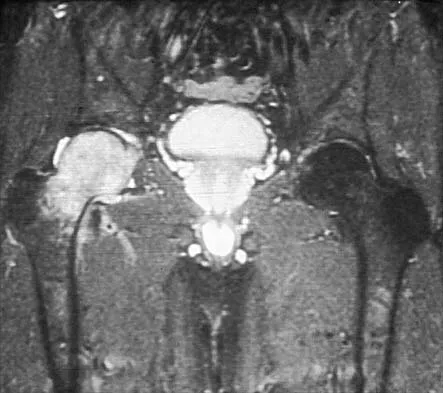
Figure 1 shows the radiograph of a 30-year-old man who sustained a displaced, highly vertical femoral neck fracture (Pauwels type III) after a motor vehicle accident. He is planned for open reduction and internal fixation. To biomechanically optimize fixation and resist the predominant shear forces, which of the following construct configurations is most appropriate?


Explanation

Pauwels type III fractures are highly vertical and subjected to significant shear forces rather than compressive forces. In young adults where native hip preservation is paramount, a fixed-angle device such as a sliding hip screw (often supplemented with a derotational cancellous screw) provides superior biomechanical resistance to vertical shear compared to multiple parallel cancellous screws.

Question 40

During a total hip arthroplasty utilizing the direct anterior (Smith-Petersen) approach, the internervous plane is developed between the tensor fasciae latae (TFL) and the sartorius. Which of the following nerves is at greatest risk of iatrogenic injury during the superficial dissection and subsequent retractor placement?


Explanation

The direct anterior approach utilizes the internervous plane between the TFL (superior gluteal nerve) and the sartorius (femoral nerve). The lateral femoral cutaneous nerve (LFCN) courses over the sartorius and is highly susceptible to injury during the superficial dissection or from retractor compression, potentially leading to meralgia paresthetica.

Question 41


Figure 4 demonstrates a periprosthetic fracture around a cemented femoral stem in an 82-year-old female. Radiographs show a spiral fracture around the stem with evidence of severe cement mantle disruption and stem subsidence of 1.5 cm. According to the Vancouver classification, what is the most appropriate surgical management?


Explanation

This is a Vancouver B2 fracture (fracture around the stem with a loose stem but adequate bone stock). The gold standard treatment for a B2 fracture is revision of the femoral component. A long cementless diaphyseal-engaging stem (such as a fluted tapered stem or fully porous-coated stem) is generally preferred to bypass the fracture site by at least two cortical diameters.

Question 42

A 45-year-old woman with Crowe type IV developmental dysplasia of the hip (DDH) is undergoing total hip arthroplasty. The femoral head is completely dislocated superiorly. During reconstruction, the surgeon intends to place the acetabular component in the true acetabulum. To safely reduce the hip and mitigate the risk of neurologic injury, which of the following surgical adjuncts is most frequently required?


Explanation

In Crowe IV DDH, the hip has been dislocated superiorly for decades, leading to severe soft tissue contracture. Placing the cup in the true anatomic acetabulum requires bringing the femur down a significant distance. Attempting to reduce the hip without shortening the femur places excessive tension on the sciatic nerve. A subtrochanteric shortening osteotomy is frequently required to safely reduce the joint and prevent stretch-induced sciatic nerve palsy.

Question 43

A 28-year-old male athlete presents with chronic anterior groin pain exacerbated by hip flexion and internal rotation. A Dunn lateral radiograph of the hip reveals an alpha angle of 75 degrees with reduced femoral head-neck offset. This specific morphologic abnormality causes intra-articular damage via which of the following primary pathomechanical processes?


Explanation

An elevated alpha angle (>50-55 degrees) indicates a Cam deformity, representing an aspherical femoral head/neck junction. During hip flexion, this prominence is forced into the acetabulum, creating massive shear forces at the chondrolabral junction. This typically causes outside-in delamination of the anterosuperior acetabular cartilage from the subchondral bone. Pincer impingement (Option 0) involves overcoverage causing direct linear impact and crushing of the labrum.

Question 44

A 50-year-old highly active man underwent a primary total hip arthroplasty 3 years ago utilizing a ceramic-on-ceramic bearing surface. He presents complaining of an audible "squeaking" noise coming from the hip during bending activities. Radiographs demonstrate well-fixed components without signs of loosening. Which of the following biomechanical factors is most strongly associated with the onset of this phenomenon?


Explanation

Squeaking is a known complication specific to hard-on-hard bearings, particularly ceramic-on-ceramic hips. It is most strongly associated with component malpositioning (such as excessive steepness/abduction or version errors). Malposition leads to edge loading, microseparation during the swing phase, and localized stripe wear, which alters the lubrication regime and produces the audible squeaking resonance.

Question 45


Figure 10 refers to a 40-year-old woman with systemic lupus erythematosus who presents with severe right groin pain. Radiographs reveal a subchondral radiolucent "crescent sign" and 2 mm of articular surface flattening in the weight-bearing dome of the femoral head. The joint space is preserved. To provide the most reliable long-term pain relief and functional improvement, what is the treatment of choice?


Explanation

The presence of a crescent sign combined with articular surface flattening indicates subchondral collapse (Ficat Stage III osteonecrosis). Once collapse has occurred, head-preserving procedures such as core decompression, regardless of biological adjuncts, have unacceptably high failure rates. Total hip arthroplasty is the most reliable treatment to restore function and relieve pain in post-collapse avascular necrosis.

Question 46

The direct anterior approach (Smith-Petersen) to the hip is frequently utilized in primary total hip arthroplasty to exploit a true internervous plane. Which of the following best describes the superficial internervous plane utilized in this approach?


Explanation

The direct anterior approach (Smith-Petersen) utilizes the true internervous and intermuscular plane between the sartorius (innervated by the femoral nerve) and the tensor fasciae latae (innervated by the superior gluteal nerve) superficially. The deep interval is between the rectus femoris (femoral nerve) and gluteus medius (superior gluteal nerve).

Question 47

A 68-year-old woman presents with aseptic loosening of her THA. Radiographs demonstrate superior migration of the acetabular component of 3.5 cm, osteolysis extending medially past the Kohler line, and complete destruction of the teardrop. According to the Paprosky classification for acetabular defects, what is the most appropriate management strategy for this specific pattern of bone loss?


Explanation

Superior migration > 3 cm, violation of the Kohler line, and teardrop destruction indicate a massive unsupportive defect, typical of a Paprosky Type IIIB defect. Pelvic discontinuity must also be ruled out. Options for severe IIIB defects include a custom triflange, cup-cage construct, or structural allograft with a cage to bypass the defect and achieve stable fixation in the ilium and ischium. A jumbo cup alone is insufficient because there is less than 50% host bone contact for ingrowth.

Question 48

A 24-year-old male hockey player presents with chronic groin pain exacerbated by hip flexion and internal rotation. Imaging reveals a prominent alpha angle of 75 degrees and a normal lateral center-edge angle. Which of the following best describes the primary pathomechanics of his articular cartilage injury?


Explanation

An elevated alpha angle (>50-55 degrees) is indicative of Cam-type femoroacetabular impingement (FAI). Cam impingement creates significant shear forces at the anterosuperior chondrolabral junction as the non-spherical femoral head enters the acetabulum. This typically leads to 'outside-in' chondral delamination, often sparing the labrum itself in the early stages. Linear crushing of the labrum is characteristic of Pincer-type impingement.

Question 49

A 55-year-old man who underwent a cementless total hip arthroplasty 5 years ago presents with an audible squeaking sound from his hip during walking. He currently has no pain. Radiographs are shown in Figure 4. Which of the following factors most significantly increases the risk of this complication?


Explanation

Squeaking is a specific complication associated with ceramic-on-ceramic bearings. The most significant biomechanical risk factor is component malposition, particularly edge loading from a steeply abducted or excessively anteverted acetabular cup. Microseparation during the swing phase and neck-socket impingement can also contribute. It is not associated with polyethylene or metal bearings.

Question 50

A 72-year-old man presents with a painful total hip arthroplasty 3 years post-surgery. His serum CRP is 25 mg/L and ESR is 45 mm/hr. Hip aspiration yields synovial fluid with a white blood cell (WBC) count of 4,500 cells/µL with 85% polymorphonuclear leukocytes (PMNs). According to the 2018 Evidence-Based Consensus Meeting (ICM) criteria for PJI, which of the following additional tests would provide the most definitive diagnostic value to confirm periprosthetic joint infection?


Explanation

The patient has elevated inflammatory markers and a synovial fluid WBC count suggestive of chronic PJI (>3000 cells/µL and >80% PMNs). Alpha-defensin is an antimicrobial peptide released by neutrophils in response to pathogens. It is highly sensitive and specific for PJI and is considered heavily weighted (often equivalent to a major criterion or a strong minor criterion depending on the scoring system used) in the MSIS and ICM diagnostic criteria for PJI.

Question 51

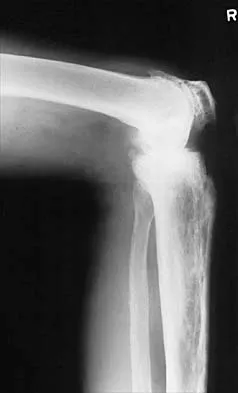
A 35-year-old man sustains a completely displaced, vertically oriented femoral neck fracture after a high-speed motor vehicle accident. The fracture angle is 65 degrees relative to the horizontal (Pauwels Type III). Radiographs are shown in Figure 7. Regarding surgical fixation in this young adult, which of the following constructs provides the most biomechanically stable fixation to resist vertical shear forces?


Explanation

Pauwels Type III fractures (>50 degrees to the horizontal) exhibit extremely high vertical shear forces, leading to a high rate of varus collapse and nonunion when treated with traditional parallel cannulated screws. Biomechanical studies and clinical evidence show that a fixed-angle device, such as a sliding hip screw (with a derotational screw) or a modern Femoral Neck System (FNS), provides superior stability against vertical shear forces compared to multiple cannulated screws.

Question 52

A 70-year-old woman sustains a posterior dislocation of her total hip arthroplasty 6 weeks postoperatively. Closed reduction in the emergency department is successful. She originally had a posterior approach THA. Radiographs reveal the acetabular component is placed in 10 degrees of anteversion and 35 degrees of abduction. What is the most appropriate next step in management?


Explanation

Most first-time dislocations of a total hip arthroplasty occurring early (<3 months) postoperatively, in the absence of severe component malposition, massive loosening, or obvious mechanical failure, are initially treated non-operatively. Closed reduction followed by bracing (e.g., hip abduction brace) for 6-12 weeks is the standard of care. While 10 degrees of anteversion is slightly low (the typical target is 15-20 degrees), it is not a gross malposition that mandates immediate surgical revision for a first-time early dislocation.

Question 53

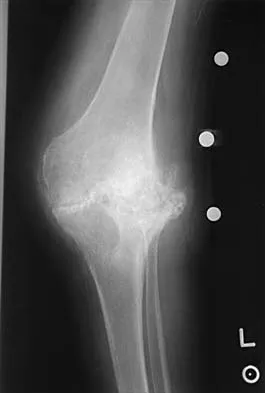
A 42-year-old man on chronic corticosteroids for systemic lupus erythematosus presents with severe left groin pain. Radiographs (Figure 11) show a subchondral radiolucent line (crescent sign) but no flattening of the articular surface. What is the most appropriate definitive management?


Explanation

The presence of a 'crescent sign' indicates a subchondral fracture, characteristic of Ficat Stage III (or Steinberg Stage III) osteonecrosis of the femoral head. At this stage, structural failure has begun, and joint-preserving procedures such as core decompression (with or without grafting) have a high failure rate. Total hip arthroplasty is the treatment of choice for symptomatic Ficat Stage III and IV AVN, providing the most reliable long-term outcome.

Question 54

During the templating phase for a primary total hip arthroplasty, the surgeon evaluates the patient's native femoral offset. Which of the following is the most direct biomechanical consequence of inadvertently decreasing the femoral offset during the procedure?


Explanation

Decreasing femoral offset moves the proximal femur closer to the pelvis. Biomechanically, this decreases the moment arm of the abductor musculature, leading to relative laxity. This requires the abductors to generate more force to maintain a level pelvis, thereby paradoxically increasing joint reaction forces. Additionally, the medialized femur is more prone to bony impingement against the pelvis during motion, significantly increasing the risk of dislocation.

Question 55

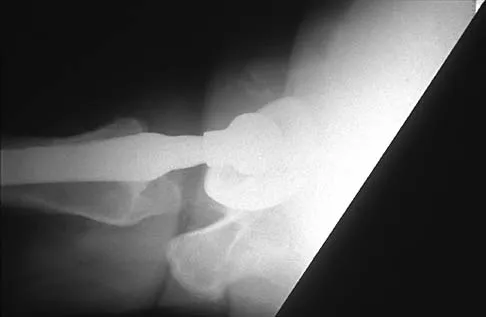
A 13-year-old obese male presents with a 2-week history of right groin and knee pain. He walks with a noticeable limp but is able to bear weight. Physical examination reveals obligatory external rotation of the hip with passive flexion. Radiographs confirm a mild Slipped Capital Femoral Epiphysis (SCFE) (Figure 15). Following in situ single-screw fixation of the right hip, what is the primary clinical rationale for considering prophylactic fixation of the contralateral hip?


Explanation

Patients presenting with a unilateral SCFE have a significant risk (approximately 20-40%) of developing a subsequent contralateral slip. This risk is notably higher in specific populations, including younger patients (<10 years for boys), obese patients, and those with underlying endocrinopathies (e.g., hypothyroidism). Prophylactic fixation is often discussed and implemented in these high-risk groups to prevent future displacement and the associated severe morbidity.

Question 56

A 45-year-old active male underwent a ceramic-on-ceramic (CoC) total hip arthroplasty (THA) 3 years ago. He now complains of a new-onset, audible squeaking noise from his hip during walking. He denies any pain or mechanical symptoms. Radiographs show no evidence of loosening or osteolysis. Which of the following is the most significant risk factor associated with this specific complication?


Explanation

Squeaking is a known complication specific to hard-on-hard bearings, particularly ceramic-on-ceramic (CoC) THA. The most significant risk factor for developing a squeaking hip is component malpositioning—specifically, acetabular component steep inclination or version abnormalities—which leads to edge loading. Edge loading disrupts the fluid lubrication film, leading to stripe wear, increased friction, and the generation of high-frequency vibrations (squeaking). Head size, stem subsidence, and BMI have weaker or less direct correlations compared to edge loading.

Question 57

Figure 1 shows the radiograph of a 72-year-old female who sustained a fall 5 years after an uncemented THA.

Intraoperative evaluation confirms that the femoral stem is grossly loose, but the surrounding proximal bone stock remains adequate to support a revision prosthesis. According to the Vancouver classification, what is the most appropriate definitive management?


Explanation

The scenario and typical radiographic findings of a fracture around a loose stem with adequate bone stock describe a Vancouver Type B2 periprosthetic fracture. The definitive management for a Vancouver B2 fracture is revision of the loose femoral component, typically bypassing the fracture site by at least two cortical diameters using a long uncemented diaphyseal-engaging stem (extensively porous-coated or a modular fluted tapered stem). ORIF alone (options A and B) is associated with unacceptably high failure rates when the stem is loose.

Question 58

During arthroscopic management of Femoroacetabular Impingement (FAI) for a symptomatic Cam lesion, the surgeon performs an osteochondroplasty at the femoral head-neck junction. Extending the resection too far posterosuperiorly places which of the following anatomic structures at the highest risk of iatrogenic injury?


Explanation

The major blood supply to the femoral head is provided by the medial femoral circumflex artery (MFCA). Its retinacular branches perforate the joint capsule near the intertrochanteric crest and travel along the posterosuperior aspect of the femoral neck. When performing an osteochondroplasty for a Cam lesion, extending the resection into the posterosuperior quadrant poses a significant risk of injuring these vessels, which could lead to avascular necrosis (AVN) of the femoral head. Resections are typically kept anterior and anterolateral to avoid this vascular territory.

Question 59

Figure 2 shows the pelvis radiograph of a 45-year-old female with severe bilateral hip pain secondary to neglected developmental dysplasia of the hip (DDH).

She is planned for a primary right THA. The templating indicates a Crowe IV dislocation. To restore the hip's center of rotation to the true acetabulum without causing a nerve palsy, which surgical adjunct is most likely required?


Explanation

Crowe Type IV DDH is characterized by a completely dislocated femoral head (>100% subluxation) with a false acetabulum formed high on the ilium. To restore normal biomechanics and leg length, the acetabular component should ideally be placed in the true acetabulum. However, pulling the femur down to this level risks stretching the sciatic nerve, potentially causing a stretch neuropraxia. Most authors recommend a subtrochanteric shortening osteotomy if the required distal translation of the femur exceeds 4 cm, mitigating the risk of sciatic nerve injury.

Question 60

Which of the following Magnetic Resonance Imaging (MRI) findings is considered highly specific for the early diagnosis of avascular necrosis (osteonecrosis) of the femoral head prior to the appearance of radiographic changes?


Explanation

The 'double-line' sign seen on T2-weighted MRI is considered highly specific for osteonecrosis (AVN) of the femoral head. It represents the reactive interface between necrotic and viable bone. The inner hyperintense (bright) line represents highly vascularized granulation tissue, while the outer hypointense (dark) line corresponds to sclerotic bone. Diffuse bone marrow edema without a focal lesion is more characteristic of transient osteoporosis of the hip.

Question 61

A 68-year-old male sustained a posterior dislocation of his right THA 6 weeks postoperatively after tying his shoes. Figure 3 shows his radiograph.

Assuming component malposition was the primary etiology, which combination most commonly predisposes to a posterior dislocation?


Explanation

Posterior dislocation is the most common direction of instability following THA, typically occurring when the hip is placed in a position of flexion, adduction, and internal rotation (e.g., tying shoes). Component malpositioning that decreases the anterior coverage or clearance heavily predisposes the hip to dislocate posteriorly. Specifically, relative retroversion of the acetabular component combined with retroversion of the femoral component severely restricts internal rotation before impingement occurs, levering the head out posteriorly.

Question 62

A 55-year-old female presents with new-onset groin pain and a palpable soft tissue mass 8 years after a metal-on-metal hip resurfacing arthroplasty. Serum cobalt and chromium levels are significantly elevated. Histological evaluation of the periprosthetic tissue is most likely to reveal which of the following hallmarks of an adverse local tissue reaction (ALVAL)?


Explanation

Metal-on-metal (MoM) implants can generate metal wear particles that trigger an adverse local tissue reaction (ALTR) or aseptic lymphocytic vasculitis-associated lesion (ALVAL). The histological hallmark of ALVAL is a delayed type IV hypersensitivity reaction characterized by an extensive perivascular infiltrate of T-lymphocytes, alongside macrophages containing metallic debris and significant tissue necrosis. Birefringent debris with giant cells (Option A) is classic for polyethylene wear, not MoM ALVAL.

Question 63

Figure 4 shows the radiograph of a healthy 55-year-old male who sustained a vertical, displaced femoral neck fracture (Pauwels Type III) after a fall.

To best resist the high vertical shear forces associated with this fracture pattern, which construct is biomechanically superior for joint-preserving fixation?


Explanation

Pauwels Type III femoral neck fractures possess a highly vertical fracture line (>50 degrees), which subjects the fracture site to intense vertical shear forces that promote varus collapse and nonunion. Biomechanical studies consistently demonstrate that a sliding hip screw (SHS), particularly when supplemented with an anti-rotation cancellous screw, provides superior resistance to vertical shear forces and yields a more stable construct compared to multiple parallel cancellous screws.

Question 64

A 42-year-old female complains of localized anterior groin pain 1 year following an uncemented THA. The pain is worst when actively lifting her leg to get into a car or actively performing a straight leg raise. A diagnostic injection of local anesthetic into the iliopsoas bursa provides complete, temporary relief. Which acetabular component factor is the most likely structural cause of this complication?


Explanation

The clinical presentation describes iliopsoas impingement (iliopsoas tendinitis) following THA. This condition typically presents with groin pain aggravated by active hip flexion (e.g., straight leg raise, getting into a car). The most common iatrogenic cause is anterior overhang of the acetabular component, which can occur due to inadequate medialization, relative retroversion of the cup, or utilizing an oversized cup. The prominent anterior rim irritates the iliopsoas tendon as it glides over the joint.

Question 65

Tranexamic acid (TXA) is routinely utilized in total hip and knee arthroplasty to minimize perioperative blood loss and reduce transfusion requirements. Which of the following best describes the precise mechanism of action of tranexamic acid?


Explanation

Tranexamic acid (TXA) is a synthetic analog of the amino acid lysine. It acts as an antifibrinolytic agent by reversibly binding to the lysine-binding sites on plasminogen molecules. This competitive inhibition prevents plasminogen from interacting with fibrin and delays its activation into plasmin. As a result, the degradation (fibrinolysis) of existing fibrin clots is significantly reduced, stabilizing clots and decreasing surgical bleeding.

Question 66

A 65-year-old man undergoes a primary total hip arthroplasty. During trialing, the surgeon decides to increase the femoral offset by 10 mm compared to the patient's native anatomy, while keeping the leg length unchanged. What is the expected biomechanical effect of this modification?


Explanation

Increasing femoral offset acts to increase the lever arm of the abductor musculature, which decreases the required abductor force to maintain a level pelvis. Consequently, this decreases the overall joint reaction force. It also improves soft-tissue tension and decreases the risk of bony or component impingement. However, increasing the offset increases the bending moment on the femoral stem, which leads to increased compressive strain on the medial side of the stem, cement mantle, or stem-bone interface, potentially increasing the risk of mechanical failure or subsidence if extreme.

Question 67

Figure 1 shows the radiograph of a 58-year-old man presenting with insidious onset of progressive groin pain 5 years after an uncomplicated, metal-on-polyethylene total hip arthroplasty. Radiographs show a well-fixed, uncemented stem and cup without evidence of osteolysis. Laboratory workup reveals a serum cobalt level of 14.5 ppb and a serum chromium level of 1.2 ppb. A MARS MRI demonstrates a large, thick-walled cystic periarticular collection. What is the most likely diagnosis?


Explanation

The clinical presentation is classic for mechanically assisted crevice corrosion (MACC), or trunnionosis, at the modular head-neck junction. This phenomenon can occur in metal-on-polyethylene bearings, distinguishing it from wear seen in metal-on-metal articulations. A hallmark of trunnionosis is a significantly elevated serum cobalt level with a relatively normal or much lower serum chromium level (elevated Co/Cr ratio). MARS MRI typically shows an adverse local tissue reaction (ALTR) appearing as a solid or cystic pseudotumor.

Question 68

A 70-year-old woman complains of a painful total hip arthroplasty that was performed 2 years ago. The pain has been constant for the past 6 months. Hip aspiration yields synovial fluid with a white blood cell count of 4,800 cells/µL and 80% polymorphonuclear leukocytes. An alpha-defensin test is positive. ESR is 55 mm/h, and CRP is 32 mg/L. According to MSIS criteria, the patient has a periprosthetic joint infection (PJI). What is the most appropriate surgical management?


Explanation

This patient has a chronic periprosthetic joint infection, as the index surgery was 2 years ago and symptoms have been present for 6 months. Debridement, antibiotics, and implant retention (DAIR) is contraindicated for chronic PJI and is generally reserved for acute postoperative infections (within 4 weeks of surgery) or acute hematogenous infections (symptoms less than 3 weeks). The gold standard in North America for the treatment of chronic PJI is a two-stage exchange arthroplasty.

Question 69

A 72-year-old woman requires a revision THA for aseptic loosening. Intraoperative assessment, confirming findings on preoperative radiographs (Figure 2), demonstrates a mobile pelvic discontinuity with limited but viable remaining host bone and an intact posterior column structurally. Which of the following reconstructive options provides the most reliable long-term stability and biologic fixation?


Explanation

In the setting of a pelvic discontinuity with the potential for biologic ingrowth, achieving stable fixation that bridges the discontinuity is critical. The distraction technique using a highly porous (trabecular metal) hemispherical shell, supplemented with multiple screws into the ilium and ischium, and combined with posterior column plating (or a cup-cage construct), provides excellent mechanical stability and allows for host bone ingrowth. Anti-protrusio cages alone without biologic fixation have high long-term failure rates due to metal fatigue.

Question 70

An 8-year-old boy presents with a limp and groin pain. Radiographs confirm the diagnosis of Legg-Calve-Perthes disease. Which of the following radiographic "head-at-risk" signs described by Catterall is considered the most significant predictor of a poor long-term outcome because of its association with mechanical hinge abduction?


Explanation

Catterall's 'head-at-risk' signs indicate a worse prognosis in Legg-Calve-Perthes disease. They include lateral subluxation of the femoral head, calcification lateral to the epiphysis, Gage sign (V-shaped radiolucency in the lateral portion of the physis), metaphyseal cysts, and a horizontal physis. Calcification lateral to the epiphysis implies extrusion of the femoral head outside the acetabulum. This extruded segment can impinge on the lateral acetabular margin during abduction, leading to hinge abduction, progressive deformity, and early osteoarthritis, making it highly predictive of a poor outcome.

Question 71

A 13-year-old obese boy with an open triradiate cartilage undergoes in-situ pinning for a stable, moderate slipped capital femoral epiphysis (SCFE) using a single cannulated screw. Six months postoperatively, he complains of severe, unrelenting global hip pain and marked stiffness. Radiographs demonstrate a sudden, severe narrowing of the joint space. What is the most likely diagnosis?


Explanation

Chondrolysis is a devastating complication of SCFE characterized by acute onset of severe pain, marked limitation of motion (stiffness), and rapid loss of articular cartilage space (typically > 50% loss or joint space < 3 mm) on radiographs. While it can occur idiopathically in SCFE, it is strongly associated with unrecognized intra-articular pin penetration. Osteonecrosis (AVN) is more commonly associated with unstable SCFEs and typically presents with segmental collapse and sclerosis, rather than acute global joint space loss.

Question 72

A surgeon utilizes the direct anterior approach for a primary total hip arthroplasty. To avoid denervating the tensor fasciae latae (TFL) during deep dissection and retractor placement, the surgeon must protect its nerve supply. Which nerve supplies the TFL, and where is it at greatest risk during this approach?


Explanation

The superior gluteal nerve innervates the gluteus medius, gluteus minimus, and the tensor fasciae latae (TFL). During the direct anterior approach (which utilizes the internervous plane between the TFL and sartorius), branches of the superior gluteal nerve to the TFL enter the muscle proximally and deep. Vigorous retraction of the TFL laterally or dissecting too far proximally can cause stretch injury or transection of these nerve branches, leading to denervation of the TFL.

Question 73

Figure 3 shows the radiograph of an 82-year-old woman who sustained a fall 10 years after a cemented total hip arthroplasty. The radiograph reveals a periprosthetic spiral fracture around the stem tip. The stem has subsided by 5 mm compared to previous films, and there is a radiolucent line surrounding the cement mantle. The patient has good proximal femoral bone stock. Based on the Vancouver classification, what is the most appropriate management?


Explanation

This is a Vancouver B2 periprosthetic femur fracture (fracture around or just distal to the stem, with a loose stem, and adequate remaining bone stock). The standard of care for a Vancouver B2 fracture is revision of the femoral component to a long stem (typically an extensively porous-coated or fluted tapered uncemented stem) that bypasses the fracture by at least two cortical diameters, thereby establishing distal fixation and stabilizing the fracture. ORIF alone is indicated for B1 fractures (well-fixed stem).

Question 74

A 6-week-old female infant is diagnosed with developmental dysplasia of the hip. Ultrasound confirms a completely dislocated but reducible left hip. She is treated with a Pavlik harness. After 3 weeks of strict harness wear, a repeat ultrasound reveals that the left hip remains persistently dislocated. What is the most appropriate next step in management?


Explanation

If a dislocated hip fails to reduce after 3 to 4 weeks of appropriate Pavlik harness wear, the harness must be abandoned. Prolonged use of the harness with a persistently dislocated hip can lead to 'Pavlik harness disease,' causing damage to the posterior lip of the acetabulum, worsening dysplasia, and increasing the risk of avascular necrosis. The next appropriate step is typically a trial of a rigid abduction orthosis (e.g., Ilfeld splint) or moving directly to a closed reduction and spica casting under anesthesia.

Question 75

A 25-year-old male athlete presents with chronic groin pain exacerbated by hip flexion and internal rotation. Radiographs demonstrate a crossover sign, a prominent ischial spine sign, and a center-edge angle of 42 degrees. These radiographic findings indicate a specific pathomorphology. What is the primary mechanism of articular cartilage damage associated with this condition?


Explanation

The radiographic findings (crossover sign, prominent ischial spine sign, CE angle >40 degrees) are classic for acetabular retroversion and overcoverage, which result in Pincer-type femoroacetabular impingement (FAI). In Pincer impingement, the primary pathology involves the prominent acetabular rim abutting the femoral neck, causing linear crushing and degeneration of the labrum. This anterior leverage mechanism frequently causes a 'contrecoup' injury, where the femoral head is levered backward, damaging the cartilage on the posteroinferior aspect of the acetabulum.

Question 76

A 68-year-old man undergoes an uncomplicated right primary total hip arthroplasty (THA). Three weeks postoperatively, he presents with acute onset of right hip pain, a draining sinus tract, and surrounding erythema. Aspiration of the hip joint yields synovial fluid with 45,000 white blood cells/μL and 92% polymorphonuclear neutrophils. Which of the following is the most appropriate initial management?


Explanation

Debridement, antibiotics, and implant retention (DAIR) with modular component exchange is the treatment of choice for acute postoperative periprosthetic joint infections (PJI), typically defined as occurring within 4 weeks of the index arthroplasty, assuming the implants are well-fixed and there is no soft tissue compromise precluding closure. Two-stage revision is indicated for chronic PJI or acute infections with loose components.

Question 77

A 28-year-old female presents with anterior groin pain that is exacerbated by sitting in a low chair. An AP pelvis radiograph is obtained.

The radiograph demonstrates the anterior rim of the acetabulum crossing over the posterior rim in the superior aspect of the joint. This specific radiographic finding is most strongly associated with which of the following pathomorphologies?


Explanation

The finding described is the 'crossover sign,' which is the hallmark radiographic indicator of acetabular retroversion. In a normal acetabulum (anteverted), the anterior rim line lies medial to the posterior rim line. When the anterior rim crosses lateral to the posterior rim, it indicates focal or global retroversion, leading to anterior overcoverage and pincer-type femoroacetabular impingement.

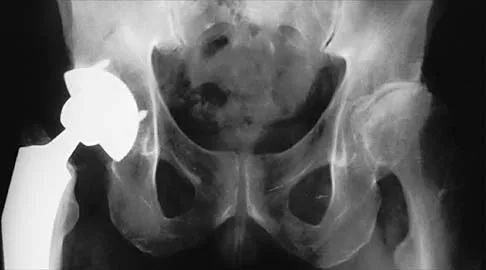
Question 78

A 55-year-old woman presents with vague groin pain and a palpable soft tissue fullness in the groin 6 years after undergoing a metal-on-metal THA. Her serum cobalt levels are elevated at 15 ppb. Conventional radiographs demonstrate well-fixed components with no evidence of osteolysis.

What is the most appropriate next step in the diagnostic workup to evaluate for an adverse local tissue reaction (ALTR)?


Explanation

In symptomatic patients with a metal-on-metal THA and elevated metal ions (>7 ppb), MARS MRI is the gold standard imaging modality to assess for an adverse local tissue reaction (ALTR) or pseudotumor. It allows for detailed evaluation of soft tissue damage, abductor muscle integrity, and the extent of the fluid collection/mass, which is critical for preoperative planning.

Question 79

An 82-year-old woman falls and sustains a periprosthetic femur fracture around a cemented polished taper-slip stem.

Radiographs demonstrate a fracture at the tip of the stem. The cement mantle is fractured, and the stem has subsided 3 cm. The proximal femoral bone stock remains adequate. According to the Vancouver classification, what is the most appropriate definitive management?


Explanation

This is a Vancouver B2 periprosthetic femur fracture, characterized by a fracture around or just below the stem, a loose implant (evidenced by subsidence and cement mantle fracture), but adequate proximal bone stock. The standard of care for a Vancouver B2 fracture is revision arthroplasty using a long cementless stem that bypasses the fracture site to achieve diaphyseal fixation. ORIF alone is indicated for B1 fractures (well-fixed stem).

Question 80

A surgeon is performing a primary THA utilizing the direct anterior approach (DAA). To minimize the risk of injury to the lateral femoral cutaneous nerve (LFCN), the superficial internervous plane is developed between the tensor fasciae latae (TFL) and the sartorius. During the approach, understanding the variable anatomy of the LFCN is critical. The main trunk of the LFCN most typically crosses the inguinal ligament at what anatomic location?


Explanation

The lateral femoral cutaneous nerve (LFCN) typically exits the pelvis by passing under the inguinal ligament approximately 1 to 2 cm medial to the anterior superior iliac spine (ASIS). It then courses distally over the sartorius muscle into the thigh. Incisions placed too medially or over-retraction medially during the direct anterior approach can injure this nerve, leading to meralgia paresthetica.

Question 81

A 60-year-old woman complains of new-onset anterior groin pain 6 months following an uncomplicated cementless THA. The pain is worst when lifting her leg to get into a car and is reproduced by an active straight leg raise. Cross-table lateral radiographs reveal the anterior edge of the acetabular cup protruding 8 mm beyond the anterior acetabular rim.

What is the most appropriate initial treatment?


Explanation

The clinical presentation and radiographic finding of an overhanging anterior cup rim are classic for iliopsoas impingement following THA. Despite the mechanical nature of the problem, the first-line treatment is nonoperative, consisting of physical therapy, NSAIDs, and an image-guided corticosteroid injection into the iliopsoas bursa. Operative intervention (tenotomy or cup revision) is reserved for patients who fail conservative management.

Question 82

A 45-year-old highly active man underwent a ceramic-on-ceramic (CoC) THA. Two years postoperatively, he presents complaining of a highly audible squeaking noise coming from his hip during the swing phase of gait. He denies any hip pain. Which of the following is the most significant biomechanical risk factor associated with squeaking in CoC bearings?


Explanation

Squeaking is a known complication of ceramic-on-ceramic (CoC) bearings, occurring in up to 10% of cases. The primary biomechanical driver for squeaking is edge loading, which disrupts the fluid lubrication film between the bearing surfaces. Edge loading is most commonly caused by acetabular component malposition, specifically excessive inclination or extreme versions, which shifts the contact patch to the rim of the liner.

Question 83

A 42-year-old woman with severe bilateral hip dysplasia presents for right THA. Preoperative standing AP pelvis radiographs demonstrate proximal migration of the femoral head such that it articulates with a false acetabulum. The proximal migration is measured at 110% of the normal vertical height of the femoral head. According to the Crowe classification, what is the appropriate diagnosis, and what adjunctive surgical technique is most likely required during THA?


Explanation

The Crowe classification characterizes the severity of DDH based on proximal migration. Crowe IV is defined as >100% proximal migration (or >20% of the pelvic height). In Crowe IV hips, bringing the femoral head down to the true acetabulum often results in excessive tension on the sciatic nerve. To safely reduce the hip and protect the neurovascular structures, a subtrochanteric femoral shortening osteotomy is frequently required.

Question 84

A 32-year-old man sustains a completely displaced, high-energy intracapsular femoral neck fracture. In an adult, the viability of the femoral head following this injury is primarily dependent on which of the following arterial vessels?


Explanation

The deep branch of the medial circumflex femoral artery (MFCA) provides the primary blood supply to the adult femoral head via the lateral epiphyseal arteries. A displaced intracapsular femoral neck fracture heavily compromises these vessels, putting the patient at high risk for avascular necrosis (AVN). The artery of the ligamentum teres supplies a negligible amount of the head in adults.

Question 85

A 55-year-old female presents with persistent, severe lateral right hip pain. She has failed 12 months of conservative management for presumed greater trochanteric pain syndrome. Examination reveals a positive Trendelenburg sign.

MRI demonstrates a full-thickness tear of the gluteus medius tendon with 2 cm of retraction and minimal fatty infiltration (Goutallier grade 1) of the muscle belly. What is the most appropriate next step in management?


Explanation

The patient has a symptomatic, full-thickness abductor tendon (gluteus medius) tear that has failed prolonged conservative treatment. Because there is minimal fatty infiltration and the tear is retracted but repairable, open or endoscopic primary tendon repair is indicated. Muscle transfers are reserved for irreparable tears with severe fatty atrophy, and isolated bursectomy will not resolve the abductor weakness (Trendelenburg gait).

Question 86

A 62-year-old male presents with new-onset groin pain 6 years after a primary total hip arthroplasty. Operative records indicate he received a titanium stem, a cobalt-chromium head, and a highly cross-linked polyethylene liner. Radiographs show a well-fixed stem and cup with no osteolysis. Labs demonstrate an ESR of 12 mm/hr and a CRP of 0.4 mg/dL. Synovial aspirate yields a WBC of 600 cells/µL with 30% polymorphonuclear leukocytes. Metal ion testing reveals an elevated serum cobalt (14 ppb) and a normal chromium (1.2 ppb) level. MARS MRI demonstrates a cystic pseudotumor adjacent to the joint. What is the most likely source of the problem?


Explanation

The scenario describes an adverse local tissue reaction (ALTR) or pseudotumor resulting from mechanically assisted crevice corrosion at the head-neck taper junction (trunnionosis). This is most commonly seen in modular implants combining a cobalt-chromium head with a titanium stem. The classic laboratory finding is an elevated serum cobalt level with a relatively normal or much lower chromium level, which helps differentiate it from metal-on-metal bearing wear (where both are typically elevated).

Question 87

A surgeon utilizes the modified Hardinge (anterolateral) approach for a primary total hip arthroplasty. During the surgical exposure, the anterior portion of the abductor mechanism is detached from the greater trochanter. Injury to which of the following nerves is the most recognized neurological complication if the proximal split in the muscle belly extends too far superiorly?


Explanation

The anterolateral (Hardinge) approach involves splitting the gluteus medius and vastus lateralis. The superior gluteal nerve innervates the gluteus medius, gluteus minimus, and tensor fasciae latae, running approximately 3 to 5 cm proximal to the tip of the greater trochanter. Extending the surgical split too far proximally endangers this nerve, which can lead to profound and permanent postoperative abductor weakness (Trendelenburg gait).

Question 88


An 82-year-old female sustains a fall and presents with severe thigh pain. She underwent a cementless total hip arthroplasty 10 years ago. Radiographs demonstrate a displaced spiral fracture around the tip of the femoral stem. Comparison with prior radiographs indicates the femoral component has subsided 15 mm and is in varus. Based on the Vancouver classification, what is the most appropriate surgical management?


Explanation

A periprosthetic femur fracture occurring around the stem with evidence of a loose implant (subsidence and varus) is classified as a Vancouver B2 fracture. The gold standard of treatment for a Vancouver B2 fracture is revision of the loose femoral component using a long cementless stem (often fluted and tapered) that bypasses the most distal aspect of the fracture by at least two cortical diameters to achieve diaphyseal fixation. Fixation alone without revision of a loose stem leads to a high rate of failure.

Question 89

During preoperative planning for a primary total hip arthroplasty in a patient with significant coxa vara, the surgeon decides to use a high-offset femoral stem. Compared to a standard-offset stem, what is the primary biomechanical advantage of increasing femoral offset?


Explanation

Increasing the femoral offset directly increases the lever arm of the abductor muscles. This improves the mechanical advantage of the abductors, reduces the required muscle force to level the pelvis, decreases the overall joint reaction force, and enhances hip soft-tissue tension and stability. A high-offset stem achieves this lateral translation of the femur without increasing vertical leg length.

Question 90

A 68-year-old male presents with persistent right hip pain 3 years after a primary total hip arthroplasty. Serum CRP is 18 mg/L and ESR is 45 mm/hr. A diagnostic hip aspiration yields frankly purulent synovial fluid. The synovial fluid WBC count is 15,000 cells/µL with 88% neutrophils. Based on the 2018 International Consensus Meeting (ICM) criteria, what is the next appropriate step in diagnostic management?


Explanation

According to the 2018 International Consensus Meeting (ICM) criteria for periprosthetic joint infection (PJI), the presence of either a sinus tract communicating with the prosthesis or frankly purulent synovial fluid constitutes a major criterion. Meeting one major criterion is definitively diagnostic for PJI. Therefore, further diagnostic testing (such as alpha-defensin or leukocyte esterase) is unnecessary, and the appropriate next step is surgical intervention combined with organism-specific antimicrobial therapy.

Question 91

A 32-year-old healthy male sustains a high-energy Pauwels type III (vertical) femoral neck fracture. Which of the following fixation constructs provides the most biomechanically sound stabilization against the significant shear forces inherent to this specific fracture pattern?


Explanation

Pauwels type III femoral neck fractures are highly vertical (>50 degrees) and subjected to immense shear forces, which predispose them to varus collapse, nonunion, and avascular necrosis. Biomechanical and clinical studies demonstrate that a fixed-angle construct, such as a sliding hip screw augmented with an anti-rotation cancellous screw, provides superior biomechanical stability and higher failure loads against shear stress compared to three parallel cancellous screws.

Question 92


A 25-year-old male undergoes a surgical dislocation of the hip to treat a complex head-neck deformity (cam impingement). To preserve the primary blood supply to the femoral head, the surgeon must be meticulously careful to protect the profound branch of the medial femoral circumflex artery (MFCA). This critical vessel typically runs immediately posterior to which of the following structures?


Explanation

The primary blood supply to the adult femoral head comes from the deep branch of the medial femoral circumflex artery (MFCA). This artery courses consistently posterior to the obturator externus tendon and anterior to the superior gemellus. Protecting the obturator externus intact (or reflecting it very carefully with an awareness of this anatomy) is the key to preventing iatrogenic avascular necrosis during surgical hip dislocation via a trochanteric flip approach.

Question 93

A 28-year-old woman with symptomatic developmental dysplasia of the hip (DDH) is undergoing a Bernese periacetabular osteotomy (PAO). Which of the following best describes the key biomechanical advantage and anatomical characteristic of this specific osteotomy technique?


Explanation

The Bernese periacetabular osteotomy (PAO), developed by Ganz, is unique in that it relies on incomplete osteotomies that preserve the continuity of the posterior column of the hemipelvis. By leaving the posterior column intact, the inherent stability of the pelvic ring is maintained. This major biomechanical advantage allows for extensive multiplanar correction of the acetabulum while minimizing blood loss and permitting early postoperative mobilization without the need for casting.

Question 94

A 70-year-old male who underwent a total hip arthroplasty 15 years ago presents with progressive leg shortening. Radiographs demonstrate eccentric, superior placement of the femoral head within the acetabular cup and extensive endosteal scalloping with osteolysis in Gruen zones 1 and 7. The stem remains firmly fixed. What is the fundamental cellular mechanism driving this osteolysis?


Explanation

The clinical scenario and radiologic findings (eccentric head placement indicative of liner wear, combined with periprosthetic osteolysis) are classic for particle disease due to polyethylene wear. Small wear particles (<1 micron) are phagocytosed by macrophages. Unable to digest the particles, the activated macrophages release osteolytic cytokines, including TNF-α, IL-1, IL-6, and PGE2. This cascade ultimately increases RANKL expression, which stimulates osteoclast differentiation and activity, resulting in focal bone resorption (osteolysis).

Question 95

A 34-year-old male is positioned for hip arthroscopy to address a symptomatic labral tear. The anterior portal is established under fluoroscopic guidance. To minimize the risk of iatrogenic injury to the lateral femoral cutaneous nerve (LFCN), the portal is placed slightly lateral to the longitudinal anatomical line connecting the ASIS and the center of the patella. In the proximal thigh, the LFCN primarily courses between which two muscles?


Explanation

The lateral femoral cutaneous nerve (LFCN) is a pure sensory nerve that typically enters the anterior thigh by passing under the inguinal ligament, slightly medial to the anterior superior iliac spine (ASIS). As it courses distally, it travels superficially in the intermuscular interval between the tensor fasciae latae (TFL) laterally and the sartorius muscle medially. Proper arthroscopic portal placement accounts for this anatomy to avoid potentially painful neuromas or lateral thigh numbness.

Question 96

A 68-year-old woman presents to the emergency department with an anterior dislocation of her primary total hip arthroplasty (THA). The index procedure was performed 6 weeks ago via a standard posterior approach. Which of the following component malpositions is most likely responsible for this specific direction of dislocation?


Explanation

Anterior dislocation of a THA is most commonly associated with excessive combined anteversion of the acetabular and femoral components. In this scenario, excessive anteversion leads to posterior impingement of the femoral neck against the posterior acetabular rim during extension and external rotation. This impingement levers the femoral head out of the acetabulum anteriorly. Conversely, retroversion of the components typically leads to anterior impingement and posterior dislocation.

Question 97

Figure 1 shows the lateral radiograph of a 22-year-old male athlete with chronic groin pain exacerbated by hip flexion and internal rotation. Based on the most likely diagnosis, what radiographic measurement is most appropriate to quantify the underlying structural abnormality?


Explanation

The clinical presentation is classic for Femoroacetabular Impingement (FAI), specifically Cam morphology given the patient's demographics and symptoms. Cam impingement is characterized by a loss of normal sphericity at the femoral head-neck junction. The alpha angle, typically measured on a lateral or Dunn view radiograph (as well as MRI or CT), quantifies the loss of femoral head-neck offset. An alpha angle greater than 50-55 degrees is generally considered indicative of Cam morphology.

Question 98

A 72-year-old man presents with severe pain in his right total hip arthroplasty 3 years postoperatively. Radiographs show stable components with no osteolysis. Aspiration of the hip yields synovial fluid with a WBC count of 4,800 cells/µL and 88% polymorphonuclear neutrophils (PMNs). Alpha-defensin testing is positive. Serum CRP is 35 mg/L and ESR is 55 mm/hr. Assuming adequate bone stock and soft tissue coverage, what is the most appropriate next step in management?


Explanation

The patient meets the criteria for a chronic periprosthetic joint infection (PJI) based on the elevated synovial WBC, PMN percentage, positive alpha-defensin, and elevated inflammatory markers occurring years after the index surgery. For chronic PJI, the mature biofilm prevents successful eradication with simple debridement. The gold standard treatment in North America remains a two-stage revision arthroplasty. DAIR is contraindicated in chronic PJI and is reserved for acute postoperative infections (typically < 4 weeks) or acute hematogenous infections with a short duration of symptoms.

Question 99

A 30-year-old man sustains a displaced, vertical femoral neck fracture (Pauwels Type III) following a high-energy motor vehicle collision. Open reduction and internal fixation is planned. Which of the following fixation constructs provides the greatest biomechanical stability against vertical shear forces for this specific fracture pattern?


Explanation

Pauwels Type III femoral neck fractures are characterized by a vertical fracture line (angle > 50 degrees from horizontal), which subjects the fracture to high shear forces and high rates of varus collapse and nonunion. Biomechanical studies consistently demonstrate that fixed-angle devices, such as a sliding hip screw (SHS), provide superior stability, stiffness, and load to failure compared to multiple cancellous screws for vertically oriented femoral neck fractures. An anti-rotation screw is often added superiorly to prevent rotation of the femoral head during SHS lag screw insertion and to provide additional stability.

Question 100

A surgeon is performing a primary total hip arthroplasty utilizing the direct anterior approach (Smith-Petersen). Development of the superficial internervous plane is required for initial exposure. Which two muscles define this superficial plane, and what are their respective innervations?


Explanation

The direct anterior approach utilizes a true internervous and intermuscular plane. Superficially, the dissection passes between the sartorius muscle (innervated by the femoral nerve) and the tensor fasciae latae (innervated by the superior gluteal nerve). The deep intermuscular plane is between the rectus femoris (femoral nerve) and the gluteus medius (superior gluteal nerve).

None

Clinic OS
Medically Verified Content by
Prof. Clinic OS
Consultant Orthopedic & Spine Surgeon
Chapter Index
