العربية
Part of the Master Guide

Orthopedic Board Review Set 675: 100 MCQs for ABOS, OITE, FRCS – Hip Focus

Orthopedic Hip 2026 MCQs: Board Review Questions & Answers (Part 1)
27 Apr 2026 54 min read 79 Views
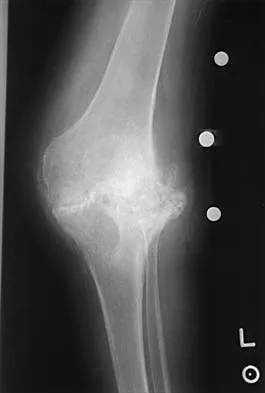
Figure for Hip 2004 MCQs - Part 1 - Question 1

Key Takeaway

Your ultimate guide to Orthopedic Hip 2026 MCQs: Board Review Questions & Answers (Part 1) starts here. Top-rated Orthopedic Hip 2026 MCQs bank. Practice with clinical case questions, orthopedic surgery board review, and evidence-based answers updated for 2026.

Orthopedic Hip 2026 MCQs: Board Review Questions & Answers (Part 1)

Comprehensive 100-Question Exam


00:00

Start Quiz

Question 1

During primary total knee arthroplasty, what is the maximum distance the joint line can be raised or lowered before poor motion, joint instability, and increased chance of revision occur?


Explanation

Positioning of the femoral and tibial components is a common cause of early failure of total knee arthroplasty. Two modes of possible position are raising or lowering the joint line from its anatomic level. Raising or lowering the joint line beyond an established threshold can cause limited range of motion, poor patellar function, and possible instability. It has been determined that a threshold of approximately 8 mm provides consistently good results after knee arthroplasty.

Question 2

Figure 1 shows the radiograph of an 18-year-old patient who has severe knee pain. Treatment consisting of osteotomy should be perfomed


Explanation

Very large corrections of tibial deformity can be achieved at or just below the tibial tubercle. This level of osteotomy maintains the relationship between the tubercle and the rest of the joint, does not alter patellofemoral mechanics, and avoids complicating possible future conversion to total knee arthroplasty. High tibial osteotomy is contraindicated for large corrections because of excessive elevation of the tibial tubercle and overhang of the lateral plateau. Correction in the tibial diaphysis creates a zig zag pattern in the tibia by correcting below the deformity and risks nonunion in cortical bone. There is no evidence that the femur is deformed; therefore, femoral osteotomy is not indicated.

Question 3

Figure 2 shows the AP radiograph of an 18-year-old woman with progressive and severe right hip pain. Nonsteroidal anti-inflammatory drugs no longer control her pain. What is the next most appropriate step in management?


Explanation

A concentric hip with acetabular dysplasia in a symptomatic patient is best treated by periacetabular osteotomy. The Salter osteotomy is less optimal because the method has limited correction, is uniaxial, cannot be tailored to the deformity, and lateralizes the entire hip joint, thereby increasing the joint reactive forces. Because the hyaline cartilage of the joint is histologically normal, rotating the hyaline cartilage into an optimal position is preferable to augmenting the acetabulum with a shelf or by Chiari osteotomy. Varus intertrochanteric osteotomy has no significant role in the treatment of acetabular dysplasia. Total hip arthroplasty may be required in the future but should not be the first choice.

Question 4

Which of the following findings is a prerequisite for a high tibial valgus osteotomy for medial compartment gonarthrosis?


Explanation

The indications for high tibial valgus osteotomy include a physiologically young age, arthritis confined to the medial compartment, 10 to 15 degrees of varus alignment on weight-bearing radiographs, a preoperative arc of motion of at least 90 degrees, flexion contracture of less than 15 degrees, and a motivated, compliant patient. Contraindications include lateral compartment narrowing of the articular cartilage, lateral tibial subluxation of greater than 1 cm, medial compartment bone loss, ligamentous instability, and inflammatory arthritis. Naudie D, Bourne RB, Rorabeck CH, Bourne TT: The Insall Award: Survivorship of the high tibial valgus osteotomy. A 10- to 22-year followup study. Clin Orthop 1999;367:18-27.

Question 5

Figures 3a and 3b show the current radiographs of a 58-year-old man who underwent total knee arthroplasty with a cruciate ligament sparing prosthesis 7 years ago. Examination reveals boggy synovitis and moderate pain, particularly anteriorly. Management should consist of


Explanation

3b The patient has symptoms of synovitis that are most likely the result of the release of particles from the tibial polyethylene. While observation may be warranted in a completely asymtomatic knee, some intervention is indicated for this patient as there is clear radiographic evidence of lysis in both the tibia and femur. The decision about the extent of the revision should be made at the time of surgery. A limited incision technique is not indicated. Grafting (or using graft substitute) the defect is the most appropriate approach for treating the osteolytic lesions. While a posterior stabilized prosthesis might be the solution, surgical findings might dictate otherwise.

Question 6

What is the main benefit of using metal-backed tibial components in total knee arthroplasty?


Explanation

In a normal knee, the hard subchondral bone helps to distribute loads across the joint surface. A metal-backed tibial component in total knee arthroplasty decreases the compressive stresses on the underlying, softer cancellous bone by distributing the load over a larger surface area, particularly when one condyle is loaded. Although metallic base plates also increase the tensile forces on the other condyle when one is loaded and may decrease the thickness of the polyethylene tray, these are not benefits. Compressive forces on the polyethylene tray are increased with metal backing. The conformity of the articular surfaces is not affected by metal backing of the tibial component.

Question 7

Figures 4a and 4b show the radiographs of a 32-year-old man who has right groin pain with activity or prolonged standing. Which of the following factors would not prohibit consideration of acetabular liner exchange and grafting of the defects?


Explanation

4b Polyethylene particles generated as mechanical wear debris can be phagocytized by macrophages and enter a metabolically active state that releases cytokines, causing periprosthetic bone resorption. Significant osteolysis can occur in the pelvis with a porous-coated cementless socket without loosening of the component. If the acetabular component is modular, well positioned, well-designed with a good survivorship record, and remains undamaged after liner removal, the polyethylene liner can be exchanged and the lytic defects can be debrided and bone grafted. This implant is well positioned, has a good survivorship record, a good locking mechanism, and is modular. The hip arthroplasty needs to be aseptic for consideration of liner exchange. Maloney WJ, Herzwurm P, Paprosky W, Rubash HE, Engh CA: Treatment of pelvic osteolysis associated with a stable acetabular component inserted without cement as part of a total hip replacement. J Bone Joint Surg Am 1997;79:1628-1634.

Question 8

A patient who underwent total knee arthroplasty 6 years ago now reports knee pain for the past 3 days following dental surgery. Cultures of the aspirate are positive for Staphylococcus epidermidis. Management should consist of


Explanation

The patient has an early prosthesis infection as a result of hematogenous seeding from dental surgery. Irrigation and debridement with polyethylene exchange and IV antibiotics have been successful in early postoperative infections; it is less likely to be effective for a late hematogenous infection. Immediate total component exchange also may be effective, but it should be reserved for failure of irrigation and debridement. Pellicci PM, Tria AJ Jr, Garvin KL (eds): Orthopaedic Knowledge Update: Hip and Knee Reconstruction 2. Rosemont, IL, American Academy of Orthopaedic Surgeons, 2000, pp 323-337.

Question 9

A 32-year-old woman with systemic lupus erythematosus treated with methotrexate and oral corticosteroids reports right groin pain with ambulation and night pain. Examination reveals pain with internal and external rotation and flexion that is limited to 105 degrees because of discomfort. Laboratory studies show a serum WBC of 9.0/mm3 and an erythrocyte sedimentation rate of 35 mm/h. Figures 5a and 5b show AP and lateral radiographs of the right hip. Further evaluation should include


Explanation

5b The radiographs show Ficat and Arlet stage 2 osteonecrosis. The femoral head remains round, and there are sclerotic changes in the superolateral quadrant. Patients with systemic lupus erythematosus are at risk for osteonecrosis because of prednisone use and the underlying metabolic changes associated with the condition (hypofibrinolysis and thrombophilia). MRI is the best diagnostic method for detecting osteonecrosis, with a greater than 98% sensitivity and specificity. For this patient, an MRI can assess the contralateral hip for any involvement and can quantify the extent of the lesion. Mont MA, Jones LC, Sotereanos DG, Amstutz HC, Hungerford DS: Understanding and treating osteonecrosis of the femoral head. Instr Course Lect 2000;49:169-185.

Question 10

An otherwise healthy 57-year-old man has persistent, severe hip pain after undergoing total hip arthroplasty 3 months ago. What is the next most appropriate step in management?


Explanation

Any patient who is severely symptomatic this quickly after surgery must be evaluated for infection. Loosening is also a possible cause, but infection must be ruled-out. Bone scans are not helpful at this early postoperative stage. Normal laboratory values argue strongly against infection, but when abnormal, need to be supplemented with a hip aspiration. Aspiration remains the most selective and sensitive measure, especially when linked to a WBC count of the synovial tissues in the joint. There is no indication for an antiobiotic trial because it may make future culture sensitivity more difficult. Drancourt M, Stein A, Argenson JN, et al: Oral rifampin plus ofloxacin for treatment of staphylococcus-infected orthopedic implants. Antimicrob Agents Chemother 1993;37:1214-1218. Duncan CP, Beauchamp C: A temporary antibiotic-loaded joint replacement system for the management of complex infections involving the hip. Orthop Clin North Am 1993; 24: 751-759.

Question 11

A 61-year-old man reports right hip pain and limited motion after undergoing total hip arthroplasty for posttraumatic arthritis 1 year ago. Figure 6 shows an AP radiograph of the pelvis. To improve motion and relieve pain, management should consist of


Explanation

The patient has symptomatic grade IV Brooker heterotopic ossification. Once the bone has matured, it can be excised. Surgical excision should be combined with postoperative irradiation to avoid recurrence. Pharmacologic and irradiation intervention are not successful beyond the perioperative period unless they are combined with surgical excision of mature heterotopic ossification. Koval KJ (ed): Orthopaedic Knowledge Update 7. Rosemont, IL, American Academy of Orthopaedic Surgeons, 2002, pp 417-451.

Question 12

Osteolysis after total knee arthroplasty can be minimized through prosthetic design features such as


Explanation

The incidence of osteolysis is minimal in studies reporting the use of all polyethylene or monolithic metal-backed tibial components. Osteolysis has been reported in patients with total knee arthroplasties using cementless implants with modular components. Micromotion between the tibial tray and the polyethylene results in backside wear, leading to osteolysis. Osteolysis also has been reported in cemented posterior cruciate-substituting modular components. O'Rourke and associates reported a 16% incidence of osteolysis in patients with a posterior stabilized implant because of the use of modular polyethylene and the subsequent abrasive wear. Oxidation of the polyethylene that is the result of the method of sterilization and shelf life has also been implicated in the high incidence of osteolysis, along with patient factors such as activity level and weight.

Question 13

What type of cementless femoral fixation results in the highest rate of distal femoral osteolysis?


Explanation

Despite the relatively few problems with porous-coated cementless stems, stress shielding and thigh pain do occur. One design feature of proximally coated stems that has been associated with a higher incidence of distal osteolysis is the presence of noncircumferential proximal porous coating. Tapered, modular with sleeve, and hydroxyapatite proximally porous-coated stems have all performed well. Fully porous-coated straight stems have a high survivorship rate as well. Pellicci PM, Tria AJ Jr, Garvin KL (eds): Orthopaedic Knowledge Update: Hip and Knee Reconstruction 2. Rosemont, IL, American Academy of Orthopaedic Surgeons, 2000, pp 175-180. Koval KJ (ed): Orthopaedic Knowledge Update 7. Rosemont, IL, American Academy of Orthopaedic Surgeons, 2002, pp 417-451.

Question 14

When performing a total knee arthroplasty using modular components, what is the minimum recommended thickness of an ultra-high molecular weight polyethylene insert for a tibial component?


Explanation

Polyethylene wear has been identified as a major contributor to failure of total knee implants, of which thickness is an important factor. Several studies have shown that the minimum thickness should be 6 to 8 mm. While Wright and Bartel have shown that 6 to 8 mm has been recommended as the minimum thickness of an ultra-high molecular weight polyethylene insert for a tibial component in total knee arthroplasty, more recent work by Meding and associates and Worland and associates has verified the clinical efficacy of 4 mm of polyethylene in compression-molded anatomic graduated nonmodular components. Bartel DL, Bicknell VL, Wright TM: The effect of conformity, thickness, and material on stresses in ultra-high molecular weight components for total joint replacement. J Bone Joint Surg Am 1986;68:1041-1051. Wright TM, Bartel DL: The problem of surface damage in polyethylene total knee components. Clin Orthop 1991;273:261-263. Meding JB, Ritter MA, Faris PM: Total knee arthroplasty with 4.4 mm of tibial polyethylene: 10-year followup. Clin Orthop 2001;388:112-117.

Question 15

During total knee arthroplasty using a posterior cruciate-retaining design, excessive tightness in flexion is noted, while the extension gap is felt to be balanced. Which of the following actions will effectively balance the knee?


Explanation

Excessive flexion gap tightness can be addressed with a variety of techniques; including: (a) recess and release the posterior cruciate ligament; (b) resect a posterior slope in the tibia; (c) avoid an oversized femoral component that moves the posterior condyles more distally; (d) resect more posterior femoral condyle and use a smaller femoral component placed more anteriorly; and (e) release the tight posterior capsule and balance the collateral ligaments.

Question 16

What is the dominant component of articular cartilage extracellular matrix by weight?


Explanation

Articular cartilage is a highly organized viscoelastic material, and load transmission depends on the specific composition of the extracellular matrix. Articular cartilage is devoid of neural, lymphatic, and blood vessel tissue. The extracellular matrix consists of water, proteoglycans, and collagen. Water comprises most of the wet weight (65% to 80%). Type II collagen comprises 95% of the collagen. The collagen and proteoglycan (keratan sulfate and chondroitin sulfate) matrix and its high water content are responsible for the mechanical properties of the articular cartilage. Buckwalter JA, Mankin HJ: Articular cartilage: Degeneration and osteoarthritis, repair, regeneration, and transplantation. Inst Course Lect 1998;47:487-504.

Question 17

A 70-year-old man underwent primary total knee arthroplasty 3 months ago. Figures 7a and 7b show the radiograph and clinical photograph following incision and drainage of the wound 1 week ago. Aspiration of the joint reveals methicillin-sensitive Staphylococcus aureus. What is the next most appropriate step in management?


Explanation

7b The overriding factor determining treatment in this case is the appearance of the surgical wound. Based on MacPhearson's work, this "C" wound is best managed with two-stage exchange. The functional outcome is markedly diminished following a knee arthrodesis compared to revision knee arthroplasty. Harwin SF: The diagnosis and management of infected total knee replacement. Seminars Arthroplasty 2002;13:9-22. Goldmann RT, Scuderi GR, Insall JN: 2-stage reimplantation for infected total knee replacement. Clin Orthop 1996;331:118-124.

Question 18

A 35-year-old male laborer with isolated posttraumatic degenerative arthritis of the right hip undergoes the procedure shown in Figure 8. What is the most appropriate position of the right lower extremity?


Explanation

The primary indication for hip arthrodesis is isolated unilateral hip disease in a young, active patient. Avoiding abductor damage and preserving proximal femoral anatomy are imperative to allow conversion to a future total hip arthroplasty. Optimal positioning is 30 degrees of flexion to allow swing-through. Neutral abduction and adduction and slight external rotation allow the most efficient gait while allowing sufficient support in stance. A small degree of adduction is acceptable for a successful hip arthrodesis. Callaghan JJ, Brand RA, Pedersen DR: Hip arthrodesis: A long term follow-up. J Bone Joint Surg Am 1985;67:1328-1335.

Question 19

Which of the following factors can contribute to patellar subluxation following routine total knee arthroplasty?


Explanation

Excessive resection of the lateral facet of the patella can lead to subluxation. Rotational alignment of the components can have a significant impact on patellar tracking. Internal rotation of the femoral component leads to more lateral alignment of the patella within the trochlear groove. Internal rotation and medial placement of the tibial component results in lateralization of the tibial tubercle with an increase in the Q angle. Excessive valgus alignment of the mechanical axis, or insufficient correction of preoperative valgus, has a similar effect on the Q angle, and both can result in a higher rate of tracking problems.

Question 20

When an adult hip is surgically dislocated for relief of femoro-acetabular impingment, what is the risk of postoperative iatrogenic osteonecrosis?


Explanation

In a report of more than 70 hips treated by surgical dislocation, iatrogenic osteonecrosis failed to develop in any of the hips.

Question 21

What is the most frequent late complication of cementless fixation in total knee arthroplasty?


Explanation

The incidence of osteolysis, particularly around fixation screws in the tibia, can be as high as 30%. Stable femoral component fixation is generally maintained. Infection, subluxation of the patella, and stiffness can occur with either cemented or cementless fixation. Peters PC, Engh GA, Dwyer KA, Vinh TN: Osteolysis after total knee arthroplasty without cement. J Bone Joint Surg Am 1992;74:864-876.

Question 22

In the treatment of acetabular dysplasia, what type of pelvic osteotomy leaves the "teardrop" in its original position and redirects the acetabulum?


Explanation

The dial or spherical osteotomy leaves the medial wall or teardrop in its original position and, as a result, is intra-articular. The other pelvic osteotomies (except Chiari) redirect the acetabulum, including the medial wall. The Chiari osteotomy improves coverage without redirecting the acetabulum within the pelvis, and it leaves the teardrop in the same place. Lack W, Windhager R, Kutschera HP, Engel A: Chiari pelvic osteotomy for osteoarthritis secondary to hip dysplasia: Indications and long-term results. J Bone Joint Surg Br 1991;73:229-234. Ganz R, Klaue K, Vinh TS, Mast JW: A new periacetabular osteotomy for the treatment of hip dysplasias: Technique and preliminary results. Clin Orthop 1988;232:26-36.

Question 23

What is the correct order of the elastic modulus of the following materials from greatest to least?


Explanation

In Young's modulus of elasticity, E is a measure of the stiffness of a material and its ability to resist deformation. In the elastic region of the stress-stain curve, E = stress/strain. The moduli of elasticity for these materials are alumina ceramic = 380 Gigapascals (GPa), cobalt-chromium = 210 GPa, stainless steel = 190 GPa, titanium = 116 GPa, and PMMA = 1.1 to 4.1 GPa. Buckwalter JA, Einhorn TA, Simon SR (eds): Orthopaedic Basic Science, ed 2. Rosemont, IL, American Academy of Orthopaedic Surgeons, 2000, pp 182-215.

Question 24

Compared to similar patients who do not donate autologous blood, patients with normal baseline hemoglobin who donate autologous blood prior to undergoing primary total hip arthroplasty are likely to


Explanation

Billote and associates compared patients with normal baseline hemoglobin levels who did and did not donate autologous blood prior to total hip arthroplasty. No patients received allogeneic blood perioperatively, and the autologous donors had significantly lower hemoglobin levels at the time of surgery and in the recovery room. Of the autologous donors, 69% received an autologous transfusion. The authors concluded that autologous donation was unnecessary in patients undergoing primary total hip arthroplasty who had a normal hemoglobin. Billote D, Glisson SN, Green D, Wixson RL: A prospective, randomized study of preoperative autologous donation for hip replacement surgery. J Bone Joint Surg Am 2002;84:1299-1304.

Question 25

Which of the following best describes the resultant forces on an increased offset stem when compared with a standard offset stem?


Explanation

The increased emphasis on restoring offset in total hip arthroplasty has implications for the forces applied to the components and the fixation interfaces. Static analysis has shown that with an increased affect, joint reaction force on the articulation is decreased. When the resultant load on the hip is "out of plane" (ie, directed anterior to posterior), there is increased torsion where the stem is turned into more retroversion. Buckwalter JA, Einhorn TA, Simon SR (eds): Orthopaedic Basic Science, ed 2. Rosemont, IL, American Academy of Orthopaedic Surgeons, 2000, pp 134-180. Hurwitz DE, Andriaacchi TP: Biomechanics of the hip, in Callaghan J, Rosenberg AG, Rubash HE (eds): The Adult Hip. Philadelphia, PA, Lippincott-Raven , 1998.

Question 26


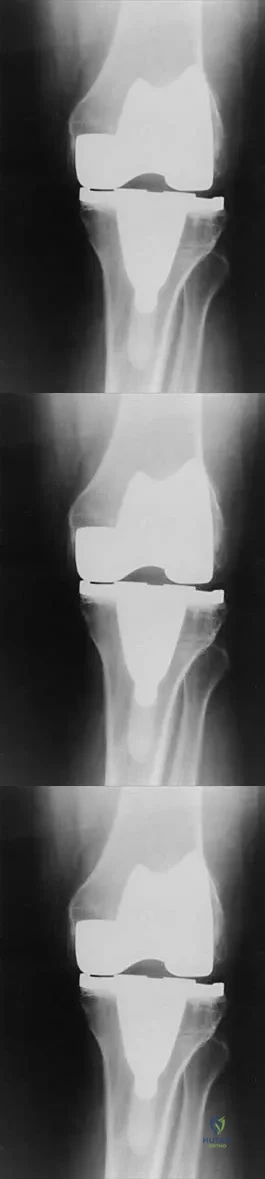
A 72-year-old female presents with severe thigh pain after a ground-level fall. Radiographs demonstrate a periprosthetic fracture around a loose femoral stem, but with adequate surrounding bone stock. According to the Vancouver classification, what is the most appropriate surgical management?


Explanation

This is a Vancouver B2 periprosthetic fracture, characterized by a loose stem but adequate bone stock. The standard of care is revision to a longer, diaphyseal-fitting stem that bypasses the fracture by at least two cortical diameters.

Question 27

A 68-year-old male is evaluated for a primary total hip arthroplasty. He has a history of a L2-S1 instrumented spinal fusion for degenerative scoliosis. How does this spinal stiffness alter his spinopelvic kinematics during the transition from a standing to a sitting position?


Explanation

Normally, moving from standing to sitting involves a posterior pelvic tilt, which functionally increases cup anteversion to accommodate hip flexion. A fused, stiff lumbar spine prevents this posterior tilt, leaving the cup in relative retroversion and significantly increasing the risk of anterior impingement and posterior dislocation.

Question 28

During a direct anterior approach for total hip arthroplasty, the surgeon dissects through an internervous plane. Which two nerves supply the muscles that form the superficial boundary of this interval?


Explanation

The direct anterior approach utilizes the internervous plane between the sartorius (innervated by the femoral nerve) and the tensor fasciae latae (innervated by the superior gluteal nerve).

Question 29

A 55-year-old female with a metal-on-metal total hip arthroplasty presents with chronic groin pain and a palpable mass. MRI reveals a solid and cystic pseudotumor. If a tissue sample is taken, which histopathological finding is most characteristic of an Adverse Local Tissue Reaction (ALTR/ALVAL) in this setting?


Explanation

Adverse Local Tissue Reaction (ALTR), or Aseptic Lymphocytic Vasculitis-Associated Lesions (ALVAL), is a delayed-type hypersensitivity response to metal ions. Histologically, it is characterized by a diffuse, perivascular infiltrate of lymphocytes.

Question 30

A patient with a metal-on-polyethylene total hip arthroplasty presents with new-onset groin pain. Serological testing demonstrates significantly elevated serum cobalt levels, while chromium levels remain normal. What is the most likely source of the metal wear?


Explanation

Trunnionosis, or mechanically assisted crevice corrosion, occurs at the modular head-neck taper junction. Unlike metal-on-metal bearing wear, which typically elevates both cobalt and chromium, trunnion corrosion classically presents with disproportionately high serum cobalt levels relative to chromium.

Question 31

In patients who have undergone ceramic-on-ceramic total hip arthroplasty, post-operative 'squeaking' is a known complication. Which biomechanical factor is most strongly associated with the development of this phenomenon?


Explanation

Squeaking in ceramic-on-ceramic bearings is highly correlated with edge loading and microseparation. This is most often caused by component malposition, particularly acetabular component retroversion or excessive inclination.

Question 32

A 65-year-old woman with adult spinal deformity and a fused lumbar spine from L2 to the pelvis is planning to undergo a primary total hip arthroplasty. How does her stiff spinopelvic articulation affect the optimal acetabular cup positioning to prevent impingement and dislocation?


Explanation

Patients with spinopelvic stiffness (fused spine) fail to increase pelvic retroversion during sitting. This requires the acetabular cup to be placed in more anteversion and more inclination to accommodate hip flexion and prevent anterior impingement and posterior dislocation.

Question 33

A 72-year-old man presents with chronic right hip pain 3 years after a primary total hip arthroplasty. Laboratory tests show an ESR of 45 mm/hr and a CRP of 18 mg/L. Hip aspiration yields synovial fluid with a WBC count of 3,500 cells/uL and 75% PMNs. Which of the following tests is the most accurate synovial biomarker to confirm a periprosthetic joint infection in this scenario?


Explanation

Alpha-defensin is a highly sensitive and specific synovial fluid biomarker for diagnosing periprosthetic joint infection (PJI). It is recognized as a major supporting criterion in modern PJI diagnostic algorithms.

Question 34

A 78-year-old woman sustains a fall and presents with a periprosthetic femur fracture around a cemented polished taper-slip stem placed 8 years ago. Radiographs demonstrate a fracture just distal to the tip of the stem. The stem is well-fixed with no cement mantle fractures. According to the Vancouver classification, what is the most appropriate management?


Explanation

This is a Vancouver Type C periprosthetic fracture, defined as a fracture occurring well below the tip of a well-fixed stem. The treatment of choice is open reduction and internal fixation (ORIF) with a plate and screws/cables, leaving the well-fixed stem intact.

Question 35

A 25-year-old male hockey player presents with chronic groin pain exacerbated by hip flexion and internal rotation. An AP pelvis radiograph demonstrates a "crossover sign" and a prominent ischial spine. These radiographic findings are most indicative of which of the following pathomorphologies?


Explanation

The crossover sign, prominent ischial spine sign, and posterior wall sign on an AP pelvis radiograph are classic indicators of acetabular retroversion. This represents a focal or global overcoverage associated with pincer-type femoroacetabular impingement.

Question 36

A 64-year-old man presents with progressive groin pain and swelling 6 years after a metal-on-polyethylene total hip arthroplasty utilizing a large-diameter cobalt-chromium femoral head on a titanium stem. Serum cobalt levels are markedly elevated (15 ppb) while chromium levels are normal (1.5 ppb). What is the most likely source of the elevated metal ions?


Explanation

Markedly elevated cobalt levels with normal or mildly elevated chromium levels in the setting of a metal-on-polyethylene THA suggests mechanically assisted crevice corrosion (trunnionosis). This occurs at the modular head-neck taper junction.

Question 37

During a direct anterior approach to the hip, which internervous plane is utilized?


Explanation

The direct anterior approach (Smith-Petersen) utilizes the true internervous plane between the sartorius (innervated by the femoral nerve) and the tensor fasciae latae (innervated by the superior gluteal nerve).

Question 38

A 55-year-old man reports a new-onset squeaking noise originating from his hip when walking, 4 years after undergoing a primary total hip arthroplasty. Radiographs show a well-fixed uncemented titanium stem and acetabular shell with a ceramic-on-ceramic bearing. Which of the following factors is most strongly associated with the development of squeaking in ceramic-on-ceramic THA?


Explanation

Squeaking in ceramic-on-ceramic THA is most strongly associated with acetabular cup malposition, particularly excessive inclination and retroversion. This malposition leads to edge loading, loss of fluid film lubrication, and stripe wear.

Question 39

A 68-year-old woman presents with persistent lateral hip pain and a positive Trendelenburg sign 1 year after a total hip arthroplasty via a direct lateral approach. An MRI with metal artifact reduction sequence (MARS) demonstrates a full-thickness tear of the gluteus medius tendon with 4 cm of retraction and severe fatty atrophy (Goutallier stage 4). What is the most appropriate surgical management?


Explanation

In the setting of a massive, retracted abductor tear with severe fatty atrophy, primary repair is biomechanically likely to fail. A muscle transfer (such as a gluteus maximus or vastus lateralis flap) or an allograft reconstruction is indicated for functional restoration.

Question 40

A 28-year-old male athlete presents with anterior groin pain that worsens with deep flexion and internal rotation. Radiographic imaging shows a loss of concavity at the femoral head-neck junction. Which radiographic parameter is most commonly utilized to quantify this specific deformity?


Explanation

The alpha angle is used to quantify cam morphology in femoroacetabular impingement (FAI). An angle greater than 50-55 degrees on a lateral or Dunn view indicates an abnormal head-neck offset.

Question 41

A 45-year-old patient underwent a total hip arthroplasty with a ceramic-on-ceramic bearing. Two years postoperatively, they complain of a high-pitched squeaking sound during movement but report no pain. What is the most likely biomechanical cause of this phenomenon?


Explanation

Squeaking in ceramic-on-ceramic THA is highly associated with edge loading, which leads to stripe wear and the loss of fluid-film lubrication. In the absence of pain, it rarely indicates impending catastrophic failure.

Question 42

The direct anterior (Smith-Petersen) approach to the hip is popular for total hip arthroplasty because it exploits a true internervous plane. Which two muscles define the superficial interval of this approach?


Explanation

The superficial interval for the direct anterior approach is between the sartorius (innervated by the femoral nerve) and the tensor fasciae latae (innervated by the superior gluteal nerve).

Question 43

A 68-year-old male presents with a painful THA 3 years postoperatively. Synovial fluid aspiration reveals a WBC count of 3,500 cells/uL with 75% PMNs. Which of the following synovial fluid biomarkers is considered the most specific for confirming a periprosthetic joint infection?


Explanation

Alpha-defensin is an antimicrobial peptide released by neutrophils in response to pathogens. It is a highly sensitive and specific biomarker for diagnosing periprosthetic joint infection (PJI).

Question 44

When placing acetabular screws during a total hip arthroplasty, the "safe zone" is located in the posterior-superior quadrant of the acetabulum. What critical neurovascular structure is at highest risk if a screw significantly overpenetrates the anterior-superior quadrant?


Explanation

The anterior-superior quadrant of the acetabulum overlies the external iliac artery and vein. Screw placement in this region risks catastrophic vascular injury.

Question 45

A 35-year-old patient on chronic systemic corticosteroids for lupus presents with new-onset hip pain. MRI shows a double-line sign on T2-weighted images. Radiographs show a 2 mm subchondral crescent sign, but the femoral head remains spherical. What is the most appropriate joint-preserving surgical intervention?


Explanation

In early post-collapse avascular necrosis (Ficat stage III with a crescent sign but preserved sphericity) in young patients, free vascularized fibular grafting provides both structural support and angiogenesis, delaying the need for THA.

Question 46

A 42-year-old female sustains a completely displaced femoral neck fracture (Garden IV). What is the primary source of vascular supply to the adult femoral head that is critically disrupted in this injury?


Explanation

The lateral epiphyseal branches of the medial femoral circumflex artery (MFCA) provide the predominant blood supply to the adult femoral head. Displacement of a femoral neck fracture severely jeopardizes this supply.

Question 47

Postoperatively, a THA patient complains that their operative leg feels "too long." Radiographs confirm the vertical distance from the teardrop to the lesser trochanter is equal bilaterally, but the horizontal distance is increased by 15 mm on the operative side. What is the most likely clinical consequence?


Explanation

The radiograph describes an increase in femoral offset without a vertical leg length discrepancy. Over-offsetting increases tension on the abductor mechanism and iliotibial band, highly predisposing the patient to trochanteric bursitis.

Question 48

A 78-year-old female falls and sustains a periprosthetic femur fracture around her cemented THA stem. Radiographs demonstrate a fracture around the tip of the stem, frank loosening of the femoral component, and severely deficient surrounding proximal bone stock. How is this classified under the Vancouver system?


Explanation

A Vancouver Type B3 fracture is characterized by a fracture around or just below the stem, a loose prosthesis, and inadequate bone stock. Treatment typically requires revision to a long-stem prosthesis with proximal femoral replacement or allograft.

Question 49

A 60-year-old female presents with persistent lateral hip pain and a positive Trendelenburg sign 6 months after a posterior approach THA. MRI demonstrates a complete avulsion of the conjoined tendon of the abductors. Where does the primary insertion of the gluteus medius strictly lie?


Explanation

The gluteus medius primarily inserts onto the lateral and superoposterior facets of the greater trochanter. The gluteus minimus inserts more anteriorly onto the anterior facet.

Question 50

Highly cross-linked polyethylene (HXLPE) is the modern standard bearing surface in THA. What specific step in its manufacturing process is critical for eliminating free radicals to prevent late oxidative degradation?


Explanation

Gamma irradiation induces cross-linking but leaves residual free radicals. Remelting (heating above the melting point) or annealing (heating below the melting point) quenches these free radicals, preventing long-term oxidative degradation.

Question 51

During hip arthroscopy for FAI, the patient is placed supine with traction applied via a perineal post. Postoperatively, the patient reports numbness over the dorsum of the foot and profound weakness in great toe extension. Which nerve was most likely injured?


Explanation

While pudendal nerve injury is classic for perineal post compression, sciatic nerve neuropraxia is the most common nerve injury directly resulting from excessive or prolonged longitudinal traction during hip arthroscopy.

Question 52

A patient with a metal-on-polyethylene THA presents with a painful, swollen hip 5 years postoperatively. Inflammatory markers are normal, and aspiration yields dark, sterile fluid. MRI reveals a large pseudotumor. What is the most likely source of this adverse local tissue reaction (ALTR)?


Explanation

Mechanically assisted crevice corrosion (trunnionosis) at the modular head-neck junction can release significant metal ions in non-metal-on-metal THA. This triggers an adverse local tissue reaction (ALTR) and pseudotumor formation.

Question 53

A 65-year-old undergoes THA. How does increasing femoral offset affect hip biomechanics?


Explanation

Increasing femoral offset increases the abductor moment arm. This subsequently reduces the force required by the abductors and decreases the overall joint reaction force, improving hip stability.

Question 54

A 55-year-old female presents with groin pain 5 years after a metal-on-metal THA. Labs show elevated cobalt and chromium. MARS MRI shows a large cystic mass. What histologic finding is most characteristic of this condition?


Explanation

Adverse local tissue reactions (ALVAL) in metal-on-metal articulations are characterized by a type IV delayed hypersensitivity response. Histology typically demonstrates a diffuse perivascular lymphocytic infiltrate and tissue necrosis.

Question 55

A 28-year-old male athlete presents with anterior groin pain exacerbated by hip flexion and internal rotation. A lateral radiograph of the hip reveals an alpha angle of 75 degrees. Which of the following is the primary mechanism of cartilage injury in this condition?


Explanation

Cam impingement, indicated by an alpha angle >50-55 degrees, involves a non-spherical femoral head compressing against the acetabulum. This creates shear stress that leads to delamination at the chondrolabral junction.

Question 56

A 30-year-old male sustains a posterior hip dislocation in a motor vehicle collision. After closed reduction, he exhibits a foot drop and decreased sensation over the dorsum of his foot. Which nerve division is most likely injured?


Explanation

Posterior hip dislocations most commonly injure the sciatic nerve. The common peroneal division is more susceptible to injury than the tibial division because of its more lateral position and tighter tethering at the fibular head.

Question 57

A 72-year-old female undergoes revision THA. Intraoperatively, she is found to have complete separation of the superior and inferior hemi-pelvis with severe bone loss. What is the most appropriate acetabular reconstruction strategy?


Explanation

Pelvic discontinuity with severe bone loss (Paprosky 3B) lacks structural integrity to support a standard cup. Rigid fixation linking the ilium to the ischium via a cup-cage construct, custom triflange, or pelvic distraction is required.

Question 58

A 12-year-old obese male presents with an unstable left slipped capital femoral epiphysis (SCFE). Which of the following is an absolute indication for prophylactic pinning of the contralateral hip?


Explanation

Prophylactic pinning of the contralateral hip is strongly indicated in patients with underlying endocrine or metabolic disorders (e.g., hypothyroidism). These conditions carry an extremely high risk of bilateral involvement.

Question 59

On a pelvic radiograph of a 6-month-old female with developmental dysplasia of the hip, the proximal femoral metaphysis is located superior to Hilgenreiner's line and lateral to Perkin's line. What is the interpretation of Shenton's line in this patient?


Explanation

Shenton's line is a radiographic arc drawn along the inferior border of the superior pubic ramus and the medial border of the proximal femur. In a dislocated hip, Shenton's line is disrupted or broken.

Question 60

A 40-year-old male falls from a height and sustains a basicervical femoral neck fracture with a highly vertical fracture line (Pauwels type III). What is the preferred surgical treatment to minimize failure?


Explanation

Pauwels type III femoral neck fractures experience high shear forces, increasing the risk of varus collapse. A sliding hip screw provides superior biomechanical stability against shear compared to parallel cancellous screws.

Question 61

A 7-year-old boy is diagnosed with Legg-Calvé-Perthes disease. According to the Herring classification, he has >50% loss of height of the lateral pillar. What is his Herring classification and corresponding prognosis?


Explanation

The Herring classification assesses the remaining height of the lateral pillar of the femoral head. Group C indicates >50% loss of lateral pillar height and carries a poor prognosis, frequently resulting in an aspherical head.

Question 62

A 35-year-old male sustains an anterior column and anterior wall acetabular fracture. The surgeon elects to use an ilioinguinal approach. Which structure is located in the middle window of this surgical approach?


Explanation

The ilioinguinal approach has three windows. The middle window contains the external iliac vessels, positioned between the iliopectineal fascia and the conjoint tendon.

Question 63

A 55-year-old active male undergoes THA with a ceramic-on-ceramic bearing. At 2 years postop, he complains of a squeaking noise with deep flexion. Radiographs show a well-fixed cup. What is the most significant risk factor for this phenomenon?


Explanation

Squeaking in ceramic-on-ceramic THA is heavily associated with edge loading caused by steep cup placement (abduction > 55 degrees) or malversion. This leads to stripe wear and fluid film lubrication disruption.

Question 64

A 25-year-old athlete presents with anterior groin pain exacerbated by hip flexion and internal rotation. AP pelvis radiograph shows a pistol grip deformity. During hip arthroscopy, an osteochondroplasty is performed. To minimize the risk of iatrogenic femoral neck fracture, the resection depth should not exceed what percentage of the femoral neck diameter?


Explanation

During osteochondroplasty for cam impingement, resection depth should be limited to a maximum of 30% of the femoral neck diameter. Exceeding this threshold significantly increases the risk of iatrogenic femoral neck fracture.

Question 65

A 65-year-old woman presents with chronic hip pain 3 years after a primary total hip arthroplasty. Serum ESR and CRP are elevated. Aspiration yields a synovial fluid WBC of 2,500 cells/uL with 60% PMNs. Which of the following synovial fluid biomarkers provides the highest specificity for confirming periprosthetic joint infection in this scenario?


Explanation

Alpha-defensin is an antimicrobial peptide released by neutrophils that has extremely high sensitivity and specificity for periprosthetic joint infection. It is not significantly affected by prior antibiotic use or systemic inflammatory conditions.

Question 66

A 62-year-old man presents with progressive groin pain and swelling 5 years after a metal-on-polyethylene THA utilizing a modular titanium neck. Aspiration yields cloudy fluid with a normal cell count but elevated cobalt and chromium ions. MRI demonstrates a solid pseudotumor. What is the most likely etiology?


Explanation

Trunnionosis involves mechanically assisted crevice corrosion at the modular head-neck or neck-stem junction. It presents with adverse local tissue reactions (pseudotumors) and elevated serum metal ions despite normal bearing wear.

Question 67

A 30-year-old man sustains a vertically oriented (Pauwels type III) displaced femoral neck fracture. He is planned for open reduction and internal fixation. Which construct provides the highest biomechanical stability for this specific fracture pattern?


Explanation

The sliding hip screw combined with a derotation screw provides superior biomechanical stability for vertical (Pauwels type III) femoral neck fractures. It resists the high shear forces better than parallel cancellous screws alone.

Question 68

A 12-year-old obese boy is diagnosed with a severe, chronic slipped capital femoral epiphysis (SCFE) on the left side. What is the primary indication for prophylactic in situ pinning of the contralateral asymptomatic hip?


Explanation

The presence of an underlying endocrine disorder (e.g., hypothyroidism) or renal failure is an absolute indication for prophylactic pinning of the contralateral hip in SCFE due to the high risk of bilateral involvement.

Question 69

A 24-year-old woman presents with hip pain secondary to developmental dysplasia. Radiographs show a lateralized center of rotation, unroofed femoral head, and a sharply sloping sourcil. A periacetabular osteotomy (PAO) is planned. The cuts for a Ganz PAO involve which of the following pelvic bones?


Explanation

The Ganz periacetabular osteotomy (PAO) involves cuts through the ilium, ischium, and pubis while preserving the posterior column. This allows for multiplanar correction while maintaining pelvic ring stability.

Question 70

During a primary total hip arthroplasty via a posterolateral approach, increasing the femoral offset without changing the leg length will have which of the following biomechanical effects?


Explanation

Increasing femoral offset without changing leg length increases the lever arm of the abductor musculature. This decreases joint reaction forces and improves clearance, thereby reducing bony impingement.

Question 71

A 35-year-old man with a history of corticosteroid use presents with hip pain. MRI reveals a well-demarcated area of osteonecrosis in the anterosuperior femoral head, involving 25% of the head. Radiographs show no subchondral collapse or joint space narrowing. What is the most appropriate initial surgical management?


Explanation

Core decompression is the standard initial surgical treatment for pre-collapse (Ficat stage II) osteonecrosis of the femoral head. Total hip arthroplasty is reserved for post-collapse disease.

Question 72

A primary THA is performed via the direct anterior approach. The internervous plane utilized is between muscles innervated by which of the following nerves?


Explanation

The direct anterior approach uses the true internervous plane between the tensor fasciae latae (superior gluteal nerve) and the sartorius (femoral nerve). This preserves the abductor mechanism and minimizes denervation.

Question 73

A 70-year-old woman experiences recurrent posterior dislocations of her total hip arthroplasty. Radiographs demonstrate a well-fixed acetabular component with 20 degrees of anteversion and 45 degrees of abduction. The femoral stem is well-fixed with 15 degrees of anteversion. What is the most appropriate surgical intervention?


Explanation

The components are well-aligned (combined anteversion ~35 degrees). A constrained liner is indicated for recurrent instability due to abductor deficiency or soft tissue laxity when components are well-fixed and optimally positioned.

Question 74

A 78-year-old man sustains a fall 8 years after a primary cementless THA. Radiographs show a spiral fracture around the tip of the femoral stem. The stem is radiographically loose with subsidence, but the bone stock is well-preserved. According to the Vancouver classification, what is the most appropriate treatment?


Explanation

A Vancouver B2 fracture is characterized by a fracture around the stem, a loose stem, but adequate bone stock. The standard of care is revision to a long-stem cementless prosthesis bypassing the fracture by at least two cortical diameters.

Question 75

Evaluate the clinical image provided:

A 45-year-old man presents with worsening hip pain. He has a history of childhood hip disease. If total hip arthroplasty is planned, which anatomic challenge is most characteristic when templating for a high hip dislocation (Crowe IV)?


Explanation

High hip dislocations (Crowe IV) are anatomically characterized by excessive femoral anteversion, a narrow femoral canal, and a small, shallow true acetabulum. Surgeons must template carefully for modular or conical stems to address this.

Question 76

A 68-year-old woman is scheduled for a total hip arthroplasty. She has a history of a multilevel lumbar spinal fusion from L2 to S1. How does this spinal pathology alter her pelvic biomechanics during the transition from standing to sitting?


Explanation

Lumbar spinal fusion decreases normal spinopelvic mobility, preventing the pelvis from retroverting during sitting. This failure to increase functional acetabular anteversion exposes the patient to anterior impingement and posterior dislocation.

Question 77

A patient with a severe penicillin allergy (anaphylaxis) is undergoing THA. Current guidelines recommend which of the following single agents as the best alternative for surgical prophylaxis?


Explanation

For patients with a severe, IgE-mediated penicillin allergy (e.g., anaphylaxis), Vancomycin or Clindamycin are the recommended single-agent alternatives for surgical prophylaxis in total joint arthroplasty.

Question 78

Which of the following conditions is considered an absolute contraindication to metal-on-metal hip resurfacing arthroplasty?


Explanation

Hip resurfacing utilizes metal-on-metal bearings which release cobalt and chromium ions. Chronic renal failure is an absolute contraindication because these metal ions are primarily excreted by the kidneys, risking severe systemic toxicity.

Question 79

A 55-year-old woman undergoes a primary total hip arthroplasty via a direct anterior approach. Postoperatively, she reports numbness and a burning sensation over the anterolateral aspect of her thigh, with normal hip abductor and quadriceps motor function. Injury to which of the following structures is the most likely cause?


Explanation

The lateral femoral cutaneous nerve (LFCN) is uniquely at risk during the direct anterior approach to the hip due to its superficial course. Injury results in purely sensory deficits over the anterolateral thigh (meralgia paresthetica) with no motor weakness.

Question 80

A 4-month-old infant with developmental dysplasia of the hip (DDH) is being treated with a Pavlik harness. The parents incorrectly tighten the anterior straps, resulting in hyperflexion of the hips beyond 120 degrees. This positioning most significantly increases the risk of which complication?


Explanation

Hyperflexion of the hips in a Pavlik harness can severely compress the femoral nerve against the inguinal ligament, leading to a transient femoral nerve palsy. Excessive abduction, conversely, is the primary risk factor for avascular necrosis of the femoral head.

Question 81

After a successful closed reduction of a first-time, uncomplicated posterior dislocation occurring 4 weeks following a primary total hip arthroplasty, what is the most widely recommended initial management?


Explanation

For a first-time posterior dislocation occurring early after a primary THA without component malposition or fracture, conservative management is indicated. This typically consists of closed reduction, a period of immobilization via an abduction brace, and strict hip precautions.

Question 82

In a child diagnosed with Legg-Calve-Perthes disease, which of the following is clinically recognized as the most important prognostic factor for long-term hip joint survival?


Explanation

Age at the onset of symptoms is the most significant prognostic factor in Legg-Calve-Perthes disease. Children who develop the condition before the age of 6 to 8 years have a significantly better prognosis due to a greater remaining potential for biological remodeling.

Question 83

Prophylactic pinning of the contralateral, asymptomatic hip is most strongly indicated in a patient with a slipped capital femoral epiphysis (SCFE) who presents with which of the following concurrent conditions?


Explanation

Prophylactic pinning of the contralateral hip is highly recommended in patients with SCFE associated with an underlying endocrine disorder or metabolic condition (e.g., hypothyroidism, renal osteodystrophy). These patients have an exceptionally high risk of developing bilateral disease.

Question 84

Which of the following radiographic parameters is most characteristic of Pincer-type femoroacetabular impingement (FAI)?


Explanation

Pincer impingement is characterized by focal or global overcoverage of the femoral head by the acetabulum. Key radiographic indicators include coxa profunda, protrusio acetabuli, and acetabular retroversion (evidenced by a cross-over sign).

Question 85

Compared to highly cross-linked polyethylene, the use of ceramic-on-ceramic bearing surfaces in primary total hip arthroplasty is uniquely associated with an increased risk of which of the following phenomena?


Explanation

Ceramic-on-ceramic bearings have extremely low volumetric wear rates and virtually eliminate the risk of polyethylene-induced osteolysis. However, they carry a unique risk of audible "squeaking" during movement and potential catastrophic component fracture.

Question 86

A 35-year-old man sustains an acetabular fracture in a motor vehicle collision. AP and Judet radiographs demonstrate disruption of both the iliopectineal and ilioischial lines, along with a prominent "spur sign" visible on the obturator oblique view. Based on the Letournel classification, what is the diagnosis?


Explanation

The "spur sign" on an obturator oblique radiograph is pathognomonic for a both-column acetabular fracture. It represents the intact portion of the ilium that remains attached to the axial skeleton, displaced medial to the fractured articular columns.

Question 87

A 75-year-old active, community-ambulating woman sustains a displaced intracapsular femoral neck fracture. Compared to internal fixation, treating this patient with a total hip arthroplasty (THA) provides which of the following distinct advantages?


Explanation

In elderly, active patients with displaced femoral neck fractures, THA is associated with improved functional outcomes and significantly lower rates of revision surgery compared to internal fixation. This advantage is balanced against higher initial surgical risks and a greater chance of dislocation.

Question 88

A 50-year-old patient presents with groin pain 12 years after a primary total hip arthroplasty. A radiograph is provided.

Assuming eccentric wear of a standard polyethylene liner and extensive radiolucent lines around the components without signs of infection, what is the fundamental biologic mechanism causing the bone loss?


Explanation

Polyethylene wear debris is generated mechanically and subsequently phagocytosed by macrophages. This triggers an inflammatory cascade involving TNF-alpha, IL-1, and IL-6, which stimulates osteoclastogenesis and results in aseptic periprosthetic osteolysis.

Question 89

A 60-year-old man presents with a painful total hip arthroplasty 6 years after index surgery. He has a metal-on-polyethylene bearing with a 36-mm titanium head on a cobalt-chrome stem. Aspiration is negative for infection, but serum cobalt levels are markedly elevated. What is the most likely diagnosis?


Explanation

Trunnionosis involves mechanically assisted crevice corrosion at the modular head-neck (trunnion) junction. It can present with elevated serum cobalt (often out of proportion to chromium) and adverse local tissue reactions, even in standard metal-on-polyethylene bearings.

Question 90

A 65-year-old woman presents with persistent lateral hip pain and a severe Trendelenburg gait 1 year after a THA via a lateral (Hardinge) approach. MRI demonstrates a chronic, full-thickness, completely retracted tear of the gluteus medius and minimus with severe fatty infiltration. What is the most appropriate surgical management?


Explanation

For chronic, fully retracted, and irreparable abductor mechanism tears following THA, primary repair is usually destined to fail due to muscle degeneration. A gluteus maximus muscle flap transfer is the procedure of choice to restore abductor function and stabilize the pelvis.

None

Clinic OS
Medically Verified Content by
Prof. Clinic OS
Consultant Orthopedic & Spine Surgeon
Chapter Index
