العربية
Part of the Master Guide

Orthopedic Board Review Set 675: 100 MCQs for ABOS, OITE, FRCS – Hip Focus

Orthopedic Hip 2026 MCQs: Board Review Questions & Answers (Part 3)

23 Apr 2026 60 min read 72 Views
Figure for Hip 2001 MCQs - Part 3 - Question 52

Key Takeaway

This article provides essential research regarding Orthopedic Hip 2026 MCQs: Board Review Questions & Answers (Part 3). Top-rated Orthopedic Hip 2026 MCQs bank. Practice with clinical case questions, orthopedic surgery board review, and evidence-based answers updated for 2026.

Orthopedic Hip 2026 MCQs: Board Review Questions & Answers (Part 3)

Comprehensive 100-Question Exam


00:00

Start Quiz

Question 1

A patient who underwent a high tibial osteotomy (HTO) is now scheduled to undergo total knee arthroplasty (TKA). When compared with a patient undergoing primary TKA without a prior HTO, the patient should be advised to expect a higher incidence of


Explanation

Conversion TKA following a previous HTO can be successful; however, it is associated with poorer clinical results when compared with other primary TKAs. There is an increased likelihood of poor range of motion that is partially affected by patella infera created from the osteotomy. Patella infera also results in difficulty with surgical exposure. There has been no reported increase in the rate of infection, fracture, or loosening.

Question 2

Figures 22a and 22b show the radiographs of a patient who reports stiffness of the hip and associated pain. Management should consist of


Explanation

22b The patient has grade IV heterotopic ossification with the limb in an abnormal nonfunctional position. Treatment should consist of excision of the bone to restore hip motion and prophylaxis to prevent recurrent formation. The best time to excise the bone is controversial, with no conclusive evidence supporting early or late excision. Pellegrini VD Jr, Koniski AA, Gastel JA, Rubin P, Evarts CM: Prevention of heterotopic ossification with irradiation after total hip arthroplasty: Radiation therapy with a single dose of eight hundred centigray administered to a limited field. J Bone Joint Surg Am 1992;74:186-200.

Question 3

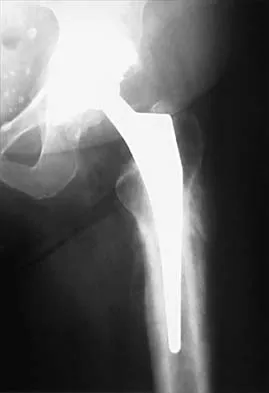
Figure 23 shows the radiograph of a 55-year-old man who underwent a total hip arthroplasty 5 years ago. Management should now consist of


Explanation

Because the radiograph shows that the femoral stem is loose within the femoral canal and there is a fracture in the distal cement mantle, the stem should be revised. The Ogden-type plate and the allograft bone plates will reconstruct the femur but will not restore stability to the stem. Similarly, traction may allow the femur to heal but will not restore stability to the femoral stem within the femur. Resection arthroplasty is considered a salvage option following failure of the other procedures. Lewallen DG, Berry DJ: Periprosthetic fracture of the femur after total hip arthroplasty: Treatment and results to date, in Cannon WD Jr (ed): Instructional Course Lectures 47. Rosemont, IL, American Academy of Orthopaedic Surgeons, 1998, pp 243-249.

Question 4

Compared with wear rates of metal-on-standard polyethylene bearings (75 to 250 um/y), the wear rate of metal-on-metal bearings for hip arthroplasty is approximately how many micrometers per year?


Explanation

Studies on older systems, as well as newer designs, have confirmed that metal-on-metal bearing surfaces undergo linear wear of 2 to 5 um per year. Ceramic bearing surfaces produced with recent technology perform even better, with a wear rate of 0.5 to 2.5 um per year. Clinical wear rates of metal-on-crosslinked polyethylene have not yet been determined. McKellop H, Park SH, Chiesa R, et al: In vivo wear of three types of metal on metal hip prostheses during two decades of use. Clin Orthop 1996;329:S128-S140.

Question 5

A follow-up examination of a patient 6 weeks after knee surgery reveals a range of motion from 5 degrees to 55 degrees of flexion. Which of the following statements best summarizes the role of manipulation under anesthesia for this patient?


Explanation

Esler and associates evaluated the use of manipulation under anesthesia in 47 knees. Manipulation was considered when intensive physical therapy failed to increase flexion to more than 80 degrees. The mean time from arthroplasty to manipulation was 11.3 weeks, and the mean active flexion before manipulation was 62 degrees. One year later, the mean gain was 33 degrees. Definite sustained gains in flexion were achieved even when manipulation was performed 4 or more months after arthroplasty. An additional 21 patients who met the criteria for manipulation declined the procedure, and despite continued physical therapy, they showed no significant increase in knee flexion.

Question 6

The most compelling clinical reason to convert a hip arthrodesis to a total hip arthroplasty is that the latter


Explanation

Studies show that degenerative arthritis of the spine associated with a hip arthrodesis can be decreased with conversion to a total hip arthroplasty. The pain associated with degenerative arthritis of the knee usually persists after arthrodesis take-down procedures, and often requires total knee arthroplasty. Pain in the contralateral hip is not resolved by converting the arthrodesis. Improving range of motion of the hip and correcting a limb-length discrepancy are not good indications for take-down procedures. Strathy GM, Fitzgerald RH Jr: Total hip arthroplasty in the ankylosed hip: A ten-year follow-up. J Bone Joint Surg Am 1988;70:963-966.

Question 7

A 60-year-old woman reports a painful hip arthroplasty after undergoing surgery 18 months ago. Radiographs show stable cementless implants without signs of ingrowth. Laboratory studies show an erythrocyte sedimentation rate of 50 mm/h. Management should now consist of


Explanation

Significant elevation of the erythrocyte sedimentation rate in a patient with a painful hip arthroplasty mandates a complete work-up for infection prior to considering revision surgery. Reproducibility and reliability of ultrasonography as a diagnostic test still needs clarification. Aspiration is the easiest and most cost-effective test and should be performed prior to nuclear imaging. The latter is most valuable if the results are negative, strongly predicting the absence of infection. Barrack RL, Harris WH: The value of aspiration of the hip joint before revision total hip arthroplasty. J Bone Joint Surg Am 1993;75:66-76.

Question 8

Femoral osteotomy for dysplasia of the hip will most likely result in


Explanation

Patients should expect pain relief after femoral osteotomy for hip dysplasia. Patients should not expect improved motion or abduction strength and should be counseled about a postoperative limp and unequal limb lengths. Pellicci PM, Hu S, Garvin KL, Salvati EA, Wilson PD Jr: Varus rotational femoral osteotomies in adults with hip dysplasia. Clin Orthop 1991;272:162-166.

Question 9

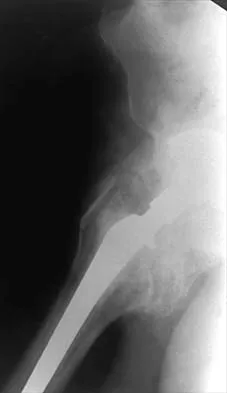
Figure 24 shows the radiograph of an otherwise healthy 56-year-old patient who reports hip pain after undergoing a primary cementless hip replacement 4 months ago. The next most appropriate step should consist of


Explanation

Periosteal new bone formation is a warning sign of prosthetic infection. Indomethacin may prevent heterotopic ossification if given early enough; however, it is irrelevant in this patient. A C-reactive protein and a sed rate are useful screening studies that add to the predictive value of the radiographs and may be performed routinely if sepsis is suspected. A bone scan obtained 4 months after surgery would show increased uptake in all cases. If results of a sed rate and C-reactive protein are normal, then a biopsy should be considered to rule out a neoplasm.

Question 10

Which of the following is considered a physiologic effect of anemia?


Explanation

The expected physiologic effects of anemia include an increased heart rate and increased cardiac output. The coronary blood flow requirement increases. There is a decrease in peripheral resistance and blood viscosity.

Question 11

A patient with severe rheumatoid arthritis reports progressive hip pain. Serial hip radiographs will most likely show which of the following findings?


Explanation

Radiographic findings in patients with rheumatoid arthritis include symmetric joint space narrowing, periacetabular and femoral head erosions, and diffuse periarticular osteopenia. In advanced stages, protrusio acetabuli is a common finding. Ranawat and associates have shown a rate of superior femoral head migration of 4.5 mm per year and medial (axial) migration of 2.5 mm per year. Asymmetric joint space narrowing is a classic radiographic finding of degenerative arthrosis. Sacroiliac joint ankylosis commonly occurs in ankylosing spondylitis. Hip synovitis is a pathologic diagnosis, not a radiographic finding. Lachiewicz PF: Rheumatoid arthritis of the hip. J Am Acad Orthop Surg 1997;5:332-338.

Question 12

A 70-year-old woman reports anterior knee pain after undergoing an uncomplicated total knee arthroplasty 6 months ago. Examination reveals prepatellar tenderness, with no extensor lag. The radiographs shown in Figures 25a through 25c reveal a well-fixed patellar component. Management should consist of


Explanation

25b 25c Patellar fractures that occur after a total knee arthroplasty are usually stress fractures. Integrity of the extensor mechanism precludes the need for surgical repair or internal fixation, while stability and fixation of the patellar component determine whether revision is indicated. A cylindrical cast and full weight bearing for 6 weeks is recommended for transverse fractures with an intact extensor mechanism and a stable component. A similar fracture, if vertical, may be treated with earlier motion. Rorabeck CH, Angliss RD, Lewis PL: Fractures of the femur, tibia, and patella after total knee arthroplasty: Decision making and principles of management, in Cannon WD Jr (ed): Instructional Course Lectures 47. Rosemont, IL, American Academy of Orthopaedic Surgeons, 1998, pp 449-458. Hozack WJ, Goll SR, Lotke PA, Rothman RH, Booth RE Jr: The treatment of patellar fractures after total knee arthroplasty. Clin Orthop 1988;236:123-127.

Question 13

Figure 26 shows the MRI scan of a 60-year-old man who has had groin pain for the past 2 months. The patient reports pain with ambulation, and examination reveals an antalgic gait. He denies any history of steroid or alcohol abuse. Plain radiographs are normal. Management should include


Explanation

The patient has transient osteoporosis of the hip. Transient osteoporosis is usually a self-limited condition that is most frequently seen in women in the third trimester of pregnancy and in men in the sixth decade of life. Transient osteoporosis is best treated with protected weight bearing.

Question 14

Which of the following is considered the most common complication of the impaction grafting technique for femoral revision surgery?


Explanation

Impaction grafting technique for femoral revision surgery has become increasingly popular over the past decade. This technique is designed to address cavitary deficiencies of the femur. The femoral stem is inserted with cement fixation. Its clinical efficacy has not been shown to be superior to extensively porous-coated stems. Early subsidence of the stem has been reported in more than 50% of the patients. However, loss of fixation has occurred infrequently (5%) in reported series conducted by experienced surgeons. It has not been shown to have a higher infection rate. Gie GA, Linder L, Ling RS, Simon JP, Slooff TH, Timperley AJ: Impacted cancellous allografts and cement for revision total hip arthroplasty. J Bone Joint Surg Br 1993;75:14-21.

Question 15

What is the most likely late complication associated with cementless total knee replacement?


Explanation

In cementless total knee replacement, the risk of osteolysis is 30% if both components are placed without cement and screws are used for tibial fixation. The risk is 10% when a cemented tibial component is used, and the risk is 0% when both components are cemented. Loss of motion, patellofemoral pain, heterotopic bone formation, and patellar clunk are complications that can occur after cemented or cementless components are placed.

Question 16

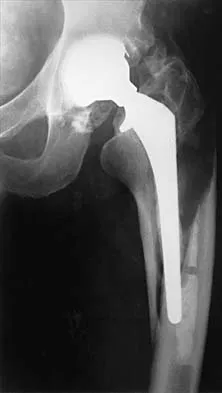
Figure 27 shows the radiograph of a 68-year-old woman with a history of rheumatoid arthritis who was injured in a fall. History reveals that she has been asymptomatic since undergoing a left total knee arthroplasty 9 years ago. Management should consist of


Explanation

A supracondylar fracture of the femur that occurs after total knee replacement can be treated effectively by a number of methods. For this fracture, the use of a retrograde supracondylar nail has been found to be effective in several series. The treatment of these complex injuries needs to be individualized based on the stability of the implant, the quality of the bone, and the extent of comminution of the fracture. Revision with the use of an unstemmed implant will not result in effective stabilization of the knee or the fracture.

Question 17

Design factors that enhance the long-term survival of proximally coated cementless hip implants include both initial stability and


Explanation

Proximally coated femoral components were conceived in response to the proximal stress shielding seen with extensively coated total hip stems, but initial patient studies showed problems with osteolysis, thigh pain, and stability. However, Mont and Hungerford now report that second-generation devices that have been in use more than 5 years clinically have shown very low aseptic loosening rates (1% to 3%), and patients report less thigh pain (less than 5% in most studies). These results can be attributed to improved geometry, instruments, and technique, which ensure initial implant stability. The authors suggest that proximal coating must be circumferential to seal the diaphysis from wear debris, and they note that the concept of proximal coating for cementless femoral stems seems viable as long as the twin requirements of circumferential coating and rigid initial stability are realized. Mont MA, Hungerford DS: Proximally coated ingrowth prostheses: A review. Clin Orthop 1997;344:139-149. Engh CA, Hooten JP Jr, Zettl-Schaffer KF, Ghaffarpour M, McGovern TF, Bobyn JD: Evaluation of bone ingrowth in proximally and extensively porous-coated anatomic medullary locking prostheses retrieved at autopsy. J Bone Joint Surg Am 1995;77:903-910.

Question 18

A 45-year-old man with a painful varus knee is being considered for an upper tibial osteotomy. Which of the following factors is considered the most compelling argument against this procedure?


Explanation

Proximal tibial osteotomy is appropriate for the younger and/or athletic patient who has mild to moderate medial compartment osteoarthritis. Relative contraindications include limited range of motion (eg, flexion contracture of 15 degrees), anatomic varus of greater than 10 degrees, advanced patellofemoral arthritis, and tibial subluxation. Inflammatory arthritides involve all the compartments and are a contraindication to osteotomies around the knee.

Question 19

An obese patient undergoing total knee arthroplasty is at increased risk for which of the following complications?


Explanation

The rate of wound complications is significantly increased after total knee arthroplasty in obese patients. Knee scores and the rate of aseptic loosening or patellar subluxation do not appear to be significantly altered. Winiarsky R, Barth P, Lotke P: Total knee arthroplasty in morbidly obese patients. J Bone Joint Surg Am 1998;80:1770-1774. Stern SH, Insall JN: Total knee arthroplasty in obese patients. J Bone Joint Surg Am 1990;72:1400-1404.

Question 20

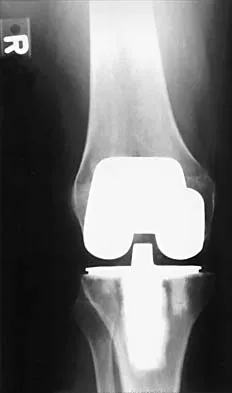
Figures 28a and 28b show the radiographs of a 79-year-old man who has constant knee pain. Prior to performing elective knee replacement surgery, management should include


Explanation

28b The radiographs show established Paget's disease. Bony expansion is evident, with thickened trabeculae consistent with the disordered bone remodeling process. A reduction of the serum alkaline phosphatase level to 50% of the pretreatment level may reduce pain from Paget's disease, and it is recommended prior to consideration of joint replacement. In elective cases, treatment of Paget's disease should begin at least 6 weeks prior to surgery. The other modalities are not related to the treatment of Paget's disease. Kaplan FS, Singer FS: Paget's disease of bone: Pathophysiology, diagnosis, and management. J Am Acad Orthop Surg 1995;3:336-344. Simon SR (ed): Orthopaedic Basic Science. Rosemont, IL, American Academy of Orthopaedic Surgeons, 1994, pp 129-184.

Question 21

What is the most common complication of using structural bulk allograft to reconstruct segmental defects of the acetabulum?


Explanation

Both autograft and allograft have been used for complex acetabular reconstructions. They have been shown to be successful in the short term. However, graft resorption with collapse and subsequent cup loosening have occurred at high rates for both types of grafts, especially if reinforcement rings or cages are not used. Jasty M, Harris WH: Salvage total hip reconstruction in patients with major acetabular bone deficiency using structural femoral head allografts. J Bone Joint Surg Br 1990;72:63-67. Paprosky WG, Magnus RE: Principles of bone grafting in revision total hip arthroplasty: Acetabular technique. Clin Orthop 1994;298:147-155.

Question 22

Radiographs of a 12-year-old boy who has knee pain show a 2-cm osteochondral lesion of the lateral aspect of the medial femoral condyle. The fragments are not detached from the femur. Initial management should consist of


Explanation

For a pediatric patient without mechanical symptoms, initial management of an osteochondral defect lesion that is not detached should consist of casting in flexion. Failure to respond to several weeks or months of nonsurgical management may warrant surgical treatment.

Question 23

Which of the following drawbacks is associated with the Ganz periacetabular osteotomy?


Explanation

Although technically challenging, the Ganz periacetabular osteotomy offers advantages over other rotational pelvic osteotomies. Posterior column integrity is maintained, as is the acetabular vascular supply. Free mobility of the fragment makes large corrections in the center edge angle possible. Because of the asymmetric cuts and the need to restore anterior coverage, there is a tendency to anterior displacement of the joint while flexing the acetabulum. The procedure is commonly performed through a Smith-Petersen incision. Trousdale RT, Ganz R: Periacetabular osteotomy, in Callaghan JJ, Rosenberg AG, Rubash HE (eds): The Adult Hip. Philadelphia, Pa, Lippincott-Raven, 1998, pp 789-802. Ganz R, Klaue K, Vinh TS, Mast JW: A new periacetabular osteotomy for the treatment of hip dysplasias: Technique and preliminary results. Clin Orthop 1988;232:26-36.

Question 24

Which of the following lesions is best suited for autologous chondrocyte implantation?


Explanation

Articular chondrocyte implantation is best performed for focal chondral defects of one area of the joint. It is not indicated for osteoarthritis. Mandelbaum BR, Brown JE, Fu F, et al: Articular cartilage lesions of the knee. Am J Sports Med 1998;26:853-861. Minas T, Nehrer S: Current concepts in the treatment of articular cartilage defects. Orthopedics 1997;20:525-538.

Question 25

The additional risk of complications in organ transplant patients receiving a total joint arthroplasty is attributed to


Explanation

Tannenbaum and associates found that patients who had a joint replacement after an organ transplantation had a rate of infection of 19% (five of 27 joint replacements in 16 patients). They retrospectively reviewed the results of 35 joint (hip or knee) replacements in 19 patients who had an organ transplant. The patients received a standard immunosuppressive induction regimen at the time of the transplantation and were maintained on a combination of prednisone, azathioprine, and cyclosporin A. All patients received antibiotics perioperatively, but antibiotic-impregnated bone cement was not used for any procedure. Six joint replacements in three patients (median patient age of 48.2 years at the time of the arthroplasty) were performed before a renal transplantation. Twenty-four joint replacements in 14 patients (average patient age of 40.9 years at the time of the arthroplasty) were performed after an organ transplantation. Two patients, with an average age of 53.8 years at the time of the arthroplasty, each had a joint replacement both before and after a liver transplantation (a total of five joint replacements). The average duration of follow-up after the first joint replacement was 8.8 years (range, 1 to 23 years). An infection developed around the implant in five patients who had undergone the joint replacement after a transplantation. The average interval from implantation of the prosthesis until detection of the infection was 3.4 years (range, 1 to 6 years). Of two patients who underwent a liver transplant, one had Pseudomonas aeruginosa infection and the other Escherichia coli infection. Of three patients who underwent a renal transplantation, one was infected with Staphylococcus epidermidis, one with Enterococcus, and one with Serratia marcescens.

Question 26

A 65-year-old active male is undergoing a total hip arthroplasty (THA). The surgeon selects a ceramic-on-ceramic bearing to maximize longevity. Which of the following is a unique clinical complication most specific to this bearing surface compared to ceramic-on-polyethylene?


Explanation

Ceramic-on-ceramic bearings carry a unique risk of audible squeaking, often associated with edge loading due to component malposition (e.g., steep cup angle). While ceramic is highly wear-resistant, squeaking can lead to patient dissatisfaction and, rarely, indicates impending catastrophic ceramic fracture.

Question 27

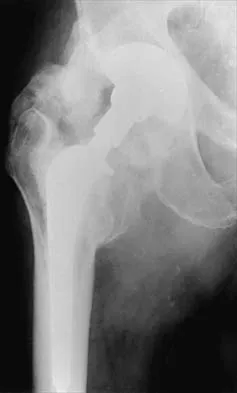
Figure 1 shows an AP pelvis radiograph of a 30-year-old man complaining of deep groin pain. An alpha angle of 65 degrees is measured on the lateral view. Which physical exam maneuver is most likely to reproduce this patient's pain?


Explanation

An alpha angle greater than 55 degrees is diagnostic of Cam-type femoroacetabular impingement (FAI), which causes anterior groin pain. The FADIR test specifically forces the cam deformity into the anterior acetabular rim, making it the most sensitive physical exam test for FAI.

Question 28

A 75-year-old female presents with severe thigh pain 4 years after a cementless THA. Radiographs in Figure 4 demonstrate a spiral fracture around the femoral stem with obvious subsidence of the implant. According to the Vancouver classification, what is the most appropriate management?


Explanation

This is a Vancouver B2 periprosthetic fracture, characterized by a fracture around the stem with a loose implant but adequate bone stock. The standard of care is revision arthroplasty using a long, porous-coated cementless stem that bypasses the fracture by at least two cortical diameters.

Question 29

A 55-year-old woman complains of new-onset severe groin pain with active straight leg raise 1 year after an uncomplicated THA. A diagnostic injection of bupivacaine into the psoas bursa under ultrasound guidance completely relieves her pain. What is the most likely radiographic finding associated with this condition?


Explanation

Iliopsoas impingement post-THA is classic for pain with active hip flexion and relief following a psoas bursa injection. It is most commonly caused by an anteriorly prominent or overhanging acetabular component rubbing against the iliopsoas tendon.

Question 30

Figure 8 shows the radiograph of a 72-year-old female undergoing revision THA. Intraoperatively, she is found to have complete dissociation between the superior and inferior halves of the hemipelvis. Which of the following is the most appropriate acetabular reconstruction technique?


Explanation

The scenario describes pelvic discontinuity, an advanced form of acetabular bone loss (Paprosky IV). Reconstruction requires mechanical stabilization across the discontinuity, typically achieved with a cup-cage construct, custom triflange, or a distraction technique using highly porous metal components.

Question 31

A patient presents with unexplained groin pain and soft tissue swelling 5 years after receiving a metal-on-metal THA. Laboratory analysis reveals significantly elevated serum cobalt levels but normal serum chromium levels. This isolated elevation is most indicative of:


Explanation

An elevated serum cobalt level with a normal or disproportionately low chromium level is the hallmark laboratory finding of mechanically assisted crevice corrosion (MACC), or trunnionosis, at the modular head-neck junction.

Question 32

A 35-year-old female with a history of untreated developmental dysplasia of the hip (DDH) presents for THA. Radiographs demonstrate a Crowe type IV dysplasia. If the surgeon decides to place the acetabular component at the true anatomic hip center, which concomitant procedure will most likely be required?


Explanation

In Crowe IV DDH, the femoral head is highly dislocated. Bringing the hip down to the true anatomic center severely stretches the sciatic nerve and surrounding soft tissues, nearly always necessitating a subtrochanteric shortening osteotomy to prevent neurologic injury.

Question 33

A patient complains of an inability to dorsiflex their foot immediately following a revision THA performed via a posterior approach. The operative report notes that the leg was lengthened by 3.5 cm to achieve stability. Which specific neural structure is most likely injured?


Explanation

The common peroneal division of the sciatic nerve is tethered at the fibular head and has fewer protective connective tissue elements than the tibial division. It is highly susceptible to stretch injuries, presenting as a foot drop, especially when the limb is lengthened by more than 2 to 3 cm.

Question 34

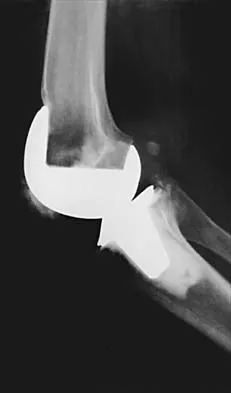
Figure 11 displays a hip resurfacing arthroplasty. According to current guidelines, which of the following is considered an absolute contraindication for this specific procedure?


Explanation

Hip resurfacing requires adequate femoral head and neck bone stock for fixation. Extensive cystic changes (greater than 50% involvement), renal failure, known metal allergy, and severe osteoporosis are absolute contraindications.

Question 35

A 68-year-old man undergoes a primary right THA. At his 6-week postoperative visit, he complains his right leg feels "too long." Clinical exam reveals level anterior superior iliac spines (ASIS) with block testing, but the patient perceives a prominent discrepancy. What is the most appropriate initial management?


Explanation

Perceived leg length discrepancy is common in the early postoperative period following THA due to pelvic obliquity and muscle contractures. If true leg lengths are equal (level ASIS on block testing), reassurance and physical therapy are indicated, as the perception typically resolves within 6 months.

Question 36

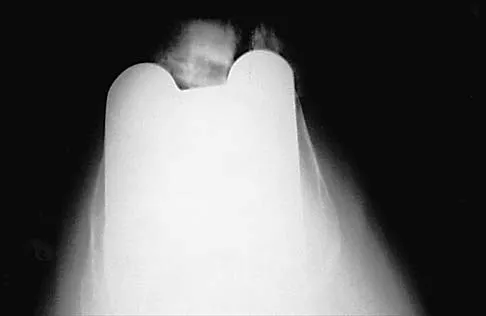
Figure 13 shows an AP radiograph of an 80-year-old female who sustained a mechanical fall. She has a reverse obliquity intertrochanteric fracture. Which device provides the most biomechanically stable fixation for this specific fracture pattern?


Explanation

Reverse obliquity and subtrochanteric extension patterns are inherently unstable because the femoral shaft tends to displace medially. A cephalomedullary nail provides optimal load-sharing biomechanics and prevents medial translation, making it superior to a sliding hip screw for this pattern.

Question 37

During a primary THA for post-traumatic osteoarthritis, the surgeon notes a history of extensive heterotopic ossification (HO) following the initial trauma. To prevent HO recurrence, the patient is prescribed radiation therapy. What is the optimal timing for this prophylactic radiation?


Explanation

Prophylactic radiation therapy for heterotopic ossification is most effective when administered either within 24 hours before surgery or within 72 hours after surgery. A single dose of 700 to 800 cGy is the standard regimen.

Question 38

A 50-year-old man develops acute, severe hip pain 3 weeks after an uncomplicated primary THA. Joint aspiration yields a white blood cell count of 35,000 cells/uL with 92% neutrophils. Radiographs show a well-fixed stem and cup. What is the currently recommended surgical treatment?


Explanation

In cases of early acute periprosthetic joint infection (typically within 4 weeks of index surgery) with stable implants, DAIR (Debridement, Antibiotics, and Implant Retention) along with polyethylene liner exchange is the treatment of choice to eradicate infection while preserving the implants.

Question 39

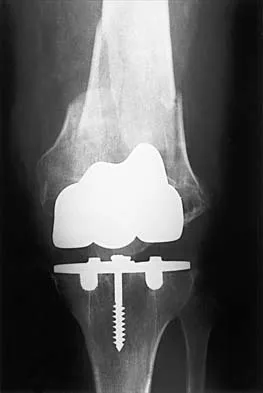
Figure 17 demonstrates a hip MRI of a 40-year-old patient with a history of high-dose corticosteroid use. The MRI shows a geographic, serpiginous band in the anterosuperior femoral head without subchondral collapse (Ficat Stage II). What is the most appropriate joint-preserving surgical intervention?


Explanation

Ficat Stage II avascular necrosis (AVN) is characterized by cystic/sclerotic changes on radiographs and MRI evidence of AVN, but without subchondral collapse or joint space narrowing. Core decompression is the standard joint-preserving procedure to reduce intraosseous pressure and promote revascularization at this stage.

Question 40

An 80-year-old patient with advanced Parkinson's disease requires a primary THA for severe osteoarthritis. To minimize the significant risk of postoperative dislocation in this specific patient population, which acetabular component design modification is most appropriate?


Explanation

Patients with neuromuscular disorders like Parkinson's disease are at high risk for dislocation. Dual mobility articulations significantly increase the jump distance and range of motion before impingement, effectively reducing dislocation rates without the high mechanical failure rates associated with constrained liners.

Question 41

A patient presents with a severe limp, lateral hip pain, and a positive Trendelenburg sign 6 months after a primary THA performed via a direct lateral (Hardinge) approach. An MRI with metal artifact reduction sequence (MARS) confirms a massive, full-thickness avulsion of the gluteus medius and minimus tendons. What is the most appropriate management?


Explanation

A recognized complication of the direct lateral approach is failure of the abductor repair. A massive, symptomatic full-thickness tear resulting in a severe Trendelenburg gait requires surgical repair of the abductor mechanism, often utilizing allograft or synthetic augmentation if tissue quality is poor.

Question 42

A 28-year-old male presents with chronic groin pain exacerbated by hip flexion and internal rotation. Imaging demonstrates a decreased anterior head-neck offset with a prominent alpha angle.

What is the primary pathomechanism of labral injury in this condition?


Explanation

This patient has cam-type femoroacetabular impingement (FAI). The aspherical femoral head creates repetitive shear forces at the anterosuperior chondrolabral junction during flexion, leading to cartilage delamination and labral tears.

Question 43

Which of the following total hip arthroplasty bearing surface combinations is most strongly associated with the postoperative complication of squeaking?


Explanation

Squeaking is a unique complication associated predominantly with ceramic-on-ceramic bearings. It is often linked to component malposition, microseparation, or edge loading, which disrupts the fluid film lubrication.

Question 44

A 75-year-old female sustains a fall 5 years after undergoing a primary total hip arthroplasty. Radiographs reveal a fracture extending around the femoral stem, and the stem is found to be grossly loose, though the proximal femur bone stock is adequate.

According to the Vancouver classification, what is the most appropriate management?


Explanation

This is a Vancouver B2 fracture, defined as a fracture around a loose stem with adequate bone stock. The standard of care is revision arthroplasty bypassing the fracture by at least two cortical diameters, typically using a long cementless stem.

Question 45

A 45-year-old man presents with severe right hip pain. Magnetic resonance imaging demonstrates Ficat Stage III avascular necrosis (AVN) of the femoral head with the presence of a crescent sign and early subchondral collapse. What is the most appropriate definitive treatment?


Explanation

Ficat Stage III AVN is characterized by subchondral collapse (crescent sign). Joint-preserving procedures like core decompression are highly ineffective at this stage, making total hip arthroplasty the most reliable and appropriate treatment.

Question 46

According to the traditional Lewinnek criteria, what is the safe zone for acetabular component positioning during a total hip arthroplasty to minimize the risk of dislocation?


Explanation

The Lewinnek safe zone describes optimal cup positioning as 15° ± 10° of anteversion and 40° ± 10° of abduction. Placing the cup within this zone has historically been associated with a lower rate of postoperative dislocation.

Question 47

A surgeon is performing a primary total hip arthroplasty using the direct anterior approach. To access the hip joint, the superficial surgical dissection utilizes an internervous plane between which two muscles?


Explanation

The direct anterior (Smith-Petersen) approach utilizes a true internervous plane between the sartorius (femoral nerve) and the tensor fasciae latae (superior gluteal nerve).

Question 48

A 62-year-old woman with a metal-on-metal total hip arthroplasty presents with worsening groin pain 6 years postoperatively. Workup reveals elevated serum cobalt and chromium levels and a large solid pseudotumor compressing the femoral vein. Infection has been ruled out. What is the most appropriate management?


Explanation

Adverse local tissue reactions (ALTR) or pseudotumors in metal-on-metal hips with progressive symptoms or elevated metal ions require revision arthroplasty. The bearing surface must be changed to non-metal-on-metal alongside extensive soft-tissue debridement.

Question 49

A 13-year-old boy with obesity undergoes in situ pinning for a severe, stable slipped capital femoral epiphysis (SCFE). Six months postoperatively, he develops severe hip stiffness and worsening pain. Radiographs demonstrate concentric joint space narrowing and subchondral osteopenia. What is the most likely diagnosis?


Explanation

Chondrolysis is a severe complication of SCFE characterized by acute cartilage destruction, leading to global stiffness and rapid concentric joint space narrowing. It is strongly associated with severe slips and unrecognized intra-articular hardware penetration.

Question 50

Which of the following is considered an absolute contraindication to performing a metal-on-metal hip resurfacing arthroplasty?


Explanation

Chronic kidney disease is an absolute contraindication to metal-on-metal bearings. Impaired renal function prevents the clearance of metal ions (cobalt and chromium), leading to systemic toxicity and early failure.

Question 51

A 68-year-old woman presents with recurrent posterior dislocations of her total hip arthroplasty. Radiographs and CT scans show a well-fixed femoral stem with 15 degrees of retroversion and a well-fixed acetabular cup in 40 degrees of abduction and 20 degrees of anteversion.

What is the most definitive surgical intervention?


Explanation

The primary cause of instability in this patient is the retroverted femoral stem. Definitive management requires revising the malpositioned, well-fixed stem to restore appropriate anteversion and prevent recurrent posterior dislocation.

Question 52

According to the 2018 International Consensus Meeting (ICM) criteria, which of the following is considered a major definitive criterion for diagnosing periprosthetic joint infection (PJI)?


Explanation

Under the 2018 ICM criteria, the presence of a sinus tract communicating with the joint or two positive periprosthetic cultures with phenotypically identical organisms are the only major definitive criteria for PJI.

Question 53

A 72-year-old woman is undergoing a complex revision total hip arthroplasty. Intraoperatively, she is found to have a severe Paprosky type IIIB defect with pelvic discontinuity. Which of the following is the most appropriate method for acetabular reconstruction?


Explanation

Pelvic discontinuity requires mechanical bridging of the superior and inferior halves of the pelvis. Constructs such as a cup-cage, custom triflange component, or highly porous metal cups with internal plating provide the necessary stability.

Question 54

A 60-year-old woman complains of intractable lateral hip pain and a profound Trendelenburg gait one year after undergoing a primary total hip arthroplasty via a direct lateral (Hardinge) approach. An MRI demonstrates a complete, retracted tear of the gluteus medius tendon without significant muscle atrophy. What is the most appropriate management?


Explanation

The patient has a symptomatic, complete avulsion of the abductor mechanism following a direct lateral approach. Since muscle quality is preserved (no atrophy/fatty infiltration), surgical abductor tendon repair is indicated to restore function and relieve pain.

Question 55

In a patient diagnosed with Legg-Calvé-Perthes disease, which of the following clinical or radiographic factors is most strongly associated with a poor long-term prognosis?


Explanation

Age at onset is the most critical prognostic factor in Legg-Calvé-Perthes disease. Patients older than 8 years have less remaining growth potential to remodel the deformed femoral head, leading to a higher risk of early osteoarthritis.

Question 56

A 55-year-old man presents with intractable groin pain when actively flexing the hip, specifically when rising from a seated position, 18 months after a THA. A diagnostic injection of local anesthetic into the iliopsoas bursa completely relieves his pain. Radiographs reveal 12 mm of anterior overhang of the acetabular component.

What is the most definitive surgical management?


Explanation

The patient has iliopsoas impingement secondary to significant anterior cup overhang. While iliopsoas tenotomy is an option for mild overhang, severe anterior prominence (>8-10 mm) definitively requires revision of the acetabular component to eliminate the structural impingement.

Question 57

During surgical approaches to the adult hip, care must be taken to preserve the primary blood supply to the femoral head. This critical blood supply is predominantly derived from which of the following vessels?


Explanation

The major blood supply to the adult femoral head is the deep branch of the medial femoral circumflex artery (MFCA). The contribution from the artery of the ligamentum teres (obturator artery) is negligible in adults.

Question 58

During preoperative templating for a total hip arthroplasty, the surgeon plans to increase the femoral offset without altering the vertical height of the center of rotation. What effect will this specific geometric change have on the hip's biomechanics?


Explanation

Increasing femoral offset moves the femur further from the center of rotation laterally. This increases the abductor moment arm, which improves abductor efficiency, decreases the joint reactive force, and enhances overall joint stability through improved soft tissue tension.

Question 59

A 68-year-old male presents with groin pain 5 years after a primary total hip arthroplasty. Aspiration of the hip yields a synovial fluid white blood cell count of 4,500/uL with 85% neutrophils. Alpha-defensin is positive. What is the most appropriate next step in management?


Explanation

This patient meets the criteria for a chronic periprosthetic joint infection. Two-stage revision arthroplasty is the gold standard for chronic PJI to ensure eradication of infection before placing a new prosthesis.

Question 60


A 75-year-old female sustains a periprosthetic femur fracture around a well-fixed cementless stem with adequate surrounding bone stock. According to the Vancouver classification, what is the most appropriate surgical management?


Explanation

A fracture around a well-fixed stem with adequate bone stock is classified as Vancouver B1. The standard of care for a Vancouver B1 fracture is open reduction and internal fixation.

Question 61

A patient with a fused lumbar spine from L2 to the sacrum is scheduled for a total hip arthroplasty. How does this spinopelvic stiffness alter the target cup positioning to minimize dislocation risk?


Explanation

A fused lumbar spine prevents normal posterior pelvic tilt during sitting, which normally functionally increases acetabular anteversion. To prevent anterior impingement and posterior dislocation during sitting, the cup must be placed with increased anteversion.

Question 62

Mechanically assisted crevice corrosion (trunnionosis) at the head-neck junction in total hip arthroplasty is most strongly associated with which of the following component characteristics?


Explanation

Trunnionosis is driven by increased fretting and corrosion at the modular head-neck junction. Large diameter femoral heads increase the lever arm and torsional forces on the trunnion, significantly increasing this risk.

Question 63


A 45-year-old man presents with deep groin pain exacerbated by hip flexion and internal rotation. Radiographs demonstrate a 'pistol grip' deformity of the proximal femur. Which pathophysiologic mechanism best describes his condition?


Explanation

A 'pistol grip' deformity indicates a loss of the normal anterior head-neck offset, characteristic of Cam-type femoroacetabular impingement. This leads to shear stress on the anterosuperior labrum and articular cartilage.

Question 64

What is the primary biomechanical advantage of using a dual mobility construct in revision total hip arthroplasty for instability?


Explanation

Dual mobility components feature a large polyethylene liner that articulates within a metal shell, effectively acting as a large femoral head. This increases the jump distance required for dislocation, significantly enhancing stability.

Question 65


A 62-year-old woman with a metal-on-metal total hip arthroplasty complains of a progressive groin mass. Serum cobalt and chromium levels are highly elevated. What is the primary histologic finding expected in the periprosthetic tissue?


Explanation

Adverse local tissue reactions (ALTR/ALVAL) secondary to metal wear debris are characterized histologically by an extensive perivascular lymphocytic infiltrate. This represents a delayed-type hypersensitivity reaction to metal ions.

Question 66

The direct anterior approach to the hip utilizes an internervous plane. This plane is located between muscles supplied by which two nerves?


Explanation

The direct anterior approach uses the internervous plane between the tensor fasciae latae (supplied by the superior gluteal nerve) and the sartorius (supplied by the femoral nerve).

Question 67


Radiographs of a 70-year-old female reveal severe superior migration of the acetabular component with discontinuity of the pelvic ring (>60% host bone loss). Which of the following is the most reliable reconstruction option for this Paprosky Type IIIB defect?


Explanation

Paprosky IIIB defects with pelvic discontinuity require bypassing the defect to achieve stable fixation in the ilium and ischium. A cup-cage construct or a custom triflange component provides the necessary mechanical stability.

Question 68

A patient develops anterior groin pain reproducible with active straight-leg raise and rising from a seated position immediately following a primary THA. Cross-sectional imaging reveals significant anterior overhang of the acetabular component. If conservative management fails, what is the best initial surgical intervention?


Explanation

Anterior overhang of the acetabular cup can cause iliopsoas impingement, presenting as pain with active hip flexion. If conservative measures fail, an iliopsoas tenotomy or fractional lengthening is the preferred initial surgical treatment before attempting cup revision.

Question 69


A 35-year-old man presents with non-traumatic hip pain. Radiographs show sclerosis and cystic changes in the femoral head without subchondral fracture or collapse. What is the most appropriate initial surgical management?


Explanation

The patient has Ficat Stage II avascular necrosis (AVN) of the femoral head (sclerosis/cysts, but no crescent sign or collapse). Core decompression is indicated for pre-collapse stages of AVN to decrease intraosseous pressure and promote revascularization.

Question 70

A ceramic-on-ceramic total hip arthroplasty is associated with a distinct risk of 'squeaking'. Which of the following technical factors is most strongly associated with the development of this complication?


Explanation

Squeaking in ceramic-on-ceramic bearings is strongly correlated with edge loading. This abnormal wear pattern is typically caused by malpositioning of the acetabular component, such as excessive inclination or anteversion.

Question 71


A 40-year-old woman with severe developmental dysplasia of the hip (Crowe Type IV) is undergoing THA. The femoral head is entirely superior to the true acetabulum. Placing the cup in the true acetabulum will most likely require which concurrent procedure?


Explanation

In Crowe IV dysplasia, restoring the anatomic hip center requires significant distal translation of the femur. A subtrochanteric shortening osteotomy is typically necessary to safely reduce the hip without causing sciatic nerve stretch injury.

Question 72

Highly cross-linked polyethylene (HXLPE) is utilized in THA to substantially reduce wear rates. What is a known mechanical consequence of the post-irradiation melting or annealing process used to eliminate free radicals?


Explanation

While cross-linking and subsequent melting/annealing dramatically improve wear characteristics and eliminate free radicals, the process alters the crystalline structure of the polymer. This results in reduced mechanical properties, specifically decreased yield strength, fatigue resistance, and ductility.

Question 73


A 78-year-old man falls and sustains an unstable intertrochanteric femur fracture. Pre-injury radiographs demonstrate severe bone-on-bone osteoarthritis of the ipsilateral hip. What is the most appropriate definitive management?


Explanation

In an elderly patient with an intertrochanteric fracture and pre-existing severe symptomatic hip osteoarthritis, a total hip arthroplasty (often using a long calcar-replacing or diaphyseal-fitting stem) addresses both the fracture and the arthritis concurrently.

Question 74

During a primary total hip arthroplasty, excessive traction or errant placement of an anterior retractor over the anterior rim of the acetabulum poses the greatest risk to which of the following structures?


Explanation

Retractors placed aggressively over the anterior wall of the acetabulum can compress the structures passing under the inguinal ligament. The femoral nerve and vessels are highly susceptible to stretch or compression injury in this location.

Question 75

A 65-year-old female undergoes a total hip arthroplasty via the direct anterior (Smith-Petersen) approach. Postoperatively, she demonstrates profound weakness in hip flexion and knee extension, with diminished sensation over the anterior thigh. Which of the following structures was most likely injured during the procedure?


Explanation

The femoral nerve is at risk during the direct anterior approach to the hip, particularly from overly aggressive placement of the medial retractor. Injury results in weakness of the quadriceps (knee extension) and iliopsoas (hip flexion).

Question 76

A 72-year-old woman sustains a fall 5 years after an uncemented total hip arthroplasty.

Radiographs show a fracture around the stem. Intraoperatively, the stem is found to be loose, but the surrounding bone stock is adequate. What is the most appropriate management according to the Vancouver classification?


Explanation

This is a Vancouver B2 periprosthetic fracture, characterized by a fracture around a loose stem with adequate bone stock. The gold standard treatment is revision to a long uncemented extensively porous-coated or fluted tapered stem that bypasses the fracture.

Question 77

A 58-year-old man with a metal-on-metal total hip arthroplasty presents with progressive groin pain.

Serum cobalt and chromium levels are elevated. MRI with MARS shows a large cystic fluid collection compressing the femoral nerve. What is the most appropriate surgical management?


Explanation

Symptomatic adverse local tissue reactions (ALTR) or pseudotumors in MoM hips require operative intervention. The standard management is revision of the bearing surfaces to non-metal options (e.g., ceramic-on-polyethylene) accompanied by an extensive synovectomy.

Question 78

A 24-year-old collegiate hockey player complains of anterior groin pain exacerbated by hip flexion and internal rotation.

An AP pelvis radiograph demonstrates a prominent crossover sign and a lateral center-edge angle of 45 degrees. Which of the following is the most likely diagnosis?


Explanation

A positive crossover sign and a lateral center-edge angle greater than 40 degrees indicate acetabular retroversion and overcoverage. These are the classic radiographic hallmarks of Pincer-type femoroacetabular impingement.

Question 79

A 62-year-old man presents with progressive groin pain 6 years after a metal-on-polyethylene total hip arthroplasty.

His infection workup is negative. Serum cobalt levels are significantly elevated, while chromium levels are normal. What is the most likely etiology of his symptoms?


Explanation

Disproportionately elevated serum cobalt levels compared to chromium in a patient with a metal-on-polyethylene THA is highly suggestive of trunnionosis. This mechanically assisted crevice corrosion occurs at the modular head-neck junction.

Question 80

A 45-year-old woman with severe bilateral hip dysplasia presents for primary total hip arthroplasty.

Preoperative imaging reveals the femoral head is completely dislocated superiorly and articulates with a false acetabulum on the ilium (Crowe IV). During surgery to restore the true anatomic hip center, which complication is she at highest risk for?


Explanation

In Crowe IV hip dysplasia, restoring the anatomic hip center requires significant distal translation (lengthening) of the femur. This acute lengthening places the sciatic nerve at a high risk for stretch palsy.

Question 81

A 70-year-old female experiences a posterior dislocation of her total hip arthroplasty 3 weeks postoperatively.

Radiographs show no fractures, and the components are deemed to be in the "safe zone" for anteversion and inclination. What is the most appropriate initial management?


Explanation

For a first-time, early postoperative posterior THA dislocation with optimally positioned components, the standard of care is closed reduction. This is typically followed by a period of hip abduction bracing to allow the posterior soft tissues to heal.

Question 82

A 68-year-old female with a long spinal fusion from T10 to the pelvis requires a total hip arthroplasty.

Flexion-extension lateral spine radiographs show a failure of the pelvis to tilt posteriorly when moving from standing to sitting. How should the acetabular component be positioned to minimize dislocation risk?


Explanation

Patients with a stiff spinopelvic complex fail to increase pelvic tilt during sitting, resulting in a relative lack of functional acetabular anteversion. To prevent anterior impingement and posterior dislocation, the cup should be placed in more anteversion and inclination than the traditional safe zone.

Question 83

A 75-year-old woman requires a revision total hip arthroplasty for massive aseptic loosening.

CT imaging demonstrates a transverse fracture through the acetabulum with complete separation of the superior and inferior hemipelvis. What is the most reliable construct to manage this defect?


Explanation

The patient has pelvic discontinuity, which requires rigid mechanical stabilization between the superior and inferior hemipelvis to achieve fixation. A cup-cage construct, custom triflange, or a distraction technique with highly porous metal are the preferred treatments.

Question 84

Historically, Lewinnek described a "safe zone" for acetabular cup positioning in primary total hip arthroplasty to minimize the risk of dislocation. Which of the following defines this classic zone?


Explanation

The classic Lewinnek safe zone for the acetabular component in THA is 40° ± 10° of inclination (abduction) and 15° ± 10° of anteversion. Placement outside this zone was historically thought to dramatically increase dislocation risk, though modern studies suggest individual spinopelvic kinematics play a larger role.

Question 85

A 38-year-old man on chronic corticosteroids for systemic lupus erythematosus presents with severe left hip pain.

Radiographs reveal a subchondral radiolucent line (crescent sign) with mild collapse of the femoral head, but the joint space is well preserved. What is the correct Ficat stage for this patient's disease?


Explanation

Ficat Stage III osteonecrosis of the femoral head is defined by the presence of a subchondral crescent sign or mild cortical collapse, with preservation of the joint space. Once the joint space is narrowed or arthritic changes occur, the disease progresses to Stage IV.

Question 86

A 65-year-old woman presents with lateral hip pain and a severe, unremitting Trendelenburg gait 18 months after a total hip arthroplasty via a direct lateral (Hardinge) approach.

MRI confirms a massive, retracted tear of the gluteus medius and minimus tendons with fatty infiltration. What is the most appropriate surgical management?


Explanation

For chronic, massive, retracted abductor tendon tears following a lateral approach where primary repair is not feasible, a gluteus maximus or vastus lateralis muscle flap transfer is the most appropriate procedure. This restores abductor tension and improves the Trendelenburg gait.

Question 87

In particle-induced periprosthetic osteolysis surrounding a total hip arthroplasty, macrophages ingest wear debris and release inflammatory cytokines. Which downstream biological mediator is primarily responsible for the direct activation of osteoclasts in this process?


Explanation

Macrophage-released cytokines (such as TNF-alpha, IL-1, and IL-6) upregulate the expression of RANKL. RANKL then binds to the RANK receptor on osteoclast precursors, stimulating their differentiation and direct activation, leading to osteolysis.

Question 88

A 13-year-old boy is diagnosed with a unilateral left-sided slipped capital femoral epiphysis (SCFE).

Prophylactic in situ pinning of the contralateral asymptomatic right hip is most strongly indicated in the presence of which of the following patient factors?


Explanation

Prophylactic pinning of the contralateral hip in SCFE is highly recommended for patients with endocrine or metabolic disorders (e.g., hypothyroidism, renal osteodystrophy). These patients have an exceptionally high incidence of developing subsequent contralateral slips.

Question 89

A 52-year-old female presents with persistent lateral hip pain exacerbated by prolonged walking and lying on the affected side. Physical examination reveals localized point tenderness directly over the greater trochanter. She has failed physical therapy and NSAIDs. When performing a corticosteroid injection, which anatomical space is the primary target?


Explanation

Greater trochanteric pain syndrome (GTPS) is most commonly related to pathology of the gluteus medius/minimus tendons or inflammation of the overlying bursa. Therapeutic corticosteroid injections for GTPS are targeted into the subgluteus maximus (trochanteric) bursa.

Question 90

A 45-year-old active man underwent a total hip arthroplasty with a ceramic-on-ceramic bearing 3 years ago. He now complains of a squeaking noise during walking. Radiographs show a well-fixed stem and an acetabular component abducted to 60 degrees. What is the most likely cause of this phenomenon?


Explanation

Squeaking in ceramic-on-ceramic THA is highly associated with edge loading caused by component malposition, particularly a steeply placed acetabular cup. Edge loading disrupts the fluid film lubrication, leading to stripe wear and the characteristic squeaking sound.

Question 91

A 60-year-old woman presents with persistent groin pain 4 years after a primary metal-on-polyethylene total hip arthroplasty using a large-diameter cobalt-chromium head. Inflammatory markers are normal, and aspiration is negative for infection. Serum cobalt levels are significantly elevated compared to chromium. What is the most likely diagnosis?


Explanation

Trunnionosis, or mechanically assisted crevice corrosion at the modular head-neck junction, can occur in metal-on-polyethylene THAs, particularly those with large CoCr heads. It typically presents with groin pain, normal inflammatory markers, and a disproportionate elevation of serum cobalt over chromium.

Question 92

A 65-year-old man reports a 6-month history of groin pain 2 years following a total hip arthroplasty. The pain is primarily exacerbated by active straight-leg raising and getting out of a car. A cross-table lateral radiograph reveals the acetabular component is proud anteriorly. What is the most appropriate initial management?


Explanation

The clinical presentation is classic for iliopsoas impingement against a prominent anterior acetabular rim. Initial management should consist of an image-guided diagnostic and therapeutic local anesthetic/corticosteroid injection, followed by physical therapy.

Question 93

Which of the following biologic pathways is the primary driver of osteolysis secondary to polyethylene wear debris in total hip arthroplasty?


Explanation

Polyethylene wear debris generates submicron particles that are phagocytosed by macrophages. This activates the macrophages to release cytokines (TNF-alpha, IL-1, IL-6), which subsequently stimulate RANKL expression and osteoclastic bone resorption.

Question 94

When highly cross-linked polyethylene (HXLPE) is used in total hip arthroplasty to reduce volumetric wear, which of the following material properties is subsequently decreased compared to conventional polyethylene?


Explanation

While high levels of radiation cross-linking significantly improve the wear resistance of polyethylene, it inversely affects certain mechanical properties. This alteration results in decreased fatigue strength, tensile strength, and fracture toughness.

Question 95

A 72-year-old patient with Parkinson's disease is scheduled for a revision total hip arthroplasty for recurrent instability. The surgeon decides to use a dual mobility construct. What complication is unique to this specific bearing design?


Explanation

Intraprosthetic dislocation is a complication unique to dual mobility bearings. It occurs when the polyethylene liner disengages from the smaller, captive metallic or ceramic inner femoral head, often requiring revision surgery.

Question 96

A 78-year-old woman sustains a fall 5 years after a cementless total hip arthroplasty. Radiographs reveal a periprosthetic femur fracture extending around the distal tip of the stem. The stem is visibly subsided, but the proximal femoral bone stock is adequate. According to the Vancouver classification, what is the most appropriate surgical treatment?


Explanation

This describes a Vancouver B2 periprosthetic fracture, characterized by a fracture around the stem with a loose implant but adequate host bone stock. The standard of care is revision of the loose component using a longer, extensively porous-coated or fluted tapered stem that bypasses the fracture.

Question 97

In primary total hip arthroplasty, increasing the femoral head diameter from 28 mm to 36 mm primarily improves joint stability by altering which of the following biomechanical parameters?


Explanation

Increasing the femoral head diameter improves stability primarily by increasing the 'jump distance,' which is the distance the head must travel to dislocate from the acetabulum. It also safely increases the impingement-free range of motion.

Question 98

During an acetabular revision for a failed total hip arthroplasty, the surgeon encounters severe superior migration of the hip center (>3 cm) and destruction of the teardrop, with less than 50% of the host bone available for cup contact. The Kohler line remains intact. Which of the following Paprosky defect classifications does this represent?


Explanation

A Paprosky IIIA defect is characterized by severe bone loss (>3 cm superior migration), destruction of the teardrop, and <50% host bone contact, but with an intact Kohler line indicating no severe medial migration. Paprosky IIIB defects, by contrast, feature severe medial migration crossing Kohler's line or pelvic discontinuity.

Question 99

A 55-year-old man with a metal-on-metal total hip arthroplasty presents with a large soft tissue mass around the hip and normal inflammatory markers. Histological examination of the periprosthetic tissue is most likely to show which of the following?


Explanation

Adverse local tissue reactions (ALTR) or pseudotumors in metal-on-metal hips are characterized histologically by Aseptic Lymphocytic Vasculitis-Associated Lesions (ALVAL). This histology represents a delayed type IV hypersensitivity reaction to metal ions.

Question 100

A 22-year-old collegiate athlete presents with chronic anterior groin pain exacerbated by hip flexion and internal rotation. A Dunn view radiograph of the hip demonstrates an alpha angle of 65 degrees. This radiographic finding is most consistent with which of the following pathomorphologies?


Explanation

An alpha angle greater than 50-55 degrees on a lateral or Dunn view radiograph indicates decreased head-neck offset, which is characteristic of Cam-type femoroacetabular impingement. This pathomorphology causes shear stresses on the anterosuperior acetabular cartilage and labrum during flexion.

None

Clinic OS
Medically Verified Content by
Prof. Clinic OS
Consultant Orthopedic & Spine Surgeon
Chapter Index
