العربية
Part of the Master Guide

Orthopedic Board Review Set 675: 100 MCQs for ABOS, OITE, FRCS – Hip Focus

AAOS & ABOS Board Review (Set 4): Proximal Femur Fractures & Hip Dislocations MCQs
27 Apr 2026 58 min read 90 Views
Hip 2004 MCQs - Part 4

Key Takeaway

This high-yield MCQ set for AAOS, ABOS, and OITE board review critically evaluates knowledge of proximal femur fractures, covering classification and surgical fixation. It also tests understanding of hip dislocation types and reduction techniques, along with key aspects of avascular necrosis of the femoral head.

AAOS & ABOS Board Review (Set 4): Proximal Femur Fractures & Hip Dislocations MCQs

Comprehensive 100-Question Exam


00:00

Start Quiz

Question 1

What is the average linear wear rate of a conventional, noncross-linked ultra-high molecular weight polyethylene liner used in total hip arthroplasty?


Explanation

Several studies have shown that ultra-high molecular weight polyethylene liners used in total hip arthroplasties wear at a rate of 0.1 to 0.2 mm/yr. The orthopaedic surgeon performing total hip arthroplasties should be aware of the average wear rate so that potential problems can be identified when following patients postoperatively. Callaghan JJ, Albright JC, Goetz DD, Olejniczak JP, Johnston RC: Charnley total hip arthroplasty with cement: Minimum twenty-five year follow-up. J Bone Joint Surg Am 2000;82:487-497.

Question 2

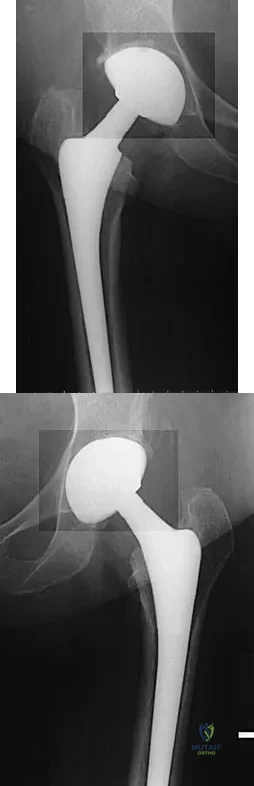
A 68-year-old woman underwent a successful total right hip arthroplasty with a metal-on-metal articulation and cementless porous-coated components. Three months later, she underwent identical surgery on the left hip. Three months after surgery on the left hip, she reports groin pain on ambulation. Examination reveals significant groin discomfort with passive hip motion, particularly at the extremes of motion. Radiographs are shown in Figures 21a and 21b. Laboratory studies show an erythrocyte sedimentation rate of 35 mm/h and a C-reactive protein of 0.9. Aspiration yields scant growth of Staphylococcus epidermidis in the broth only, with no evidence of loosening on arthrography. A second aspiration yields scant growth of Staphylococcus epidermidis in the broth only. What is the most likely cause of the patient's pain?


Explanation

The difference in the clinical results combined with the laboratory findings points to infection. While there is a significant risk of false-positive findings with aspiration, the fact that two successive aspirations grew the same organism strongly suggests infection. The radiograph shows that there is more radiolucency around the left acetabular component than the right component. White RE: Evaluation of the painful total hip arthroplasty, in Callaghan JJ, Rosenberg AG, Rubash HE (eds): The Adult Hip. Philadelphia, PA, Lippincott-Raven, 1998, vol 2, pp 1377-1385.

Question 3

Etanercept is a recombinant genetically engineered fusion protein used to treat rheumatoid arthritis. What is its mode of action?


Explanation

Etanercept is a molecule consisting of the Fc portion of IgG fused to the extracellular domain of the p76 human THF-a receptor. It is soluble and binds TNF-a. Infliximab is the monoclonal antibody that binds TNF-a. IL-1 receptor antagonists are still in development. Leflunomide is a drug that inhibits pyrimidine synthesis and is similar to methotrexate as an antimetabolite.

Question 4

Which of the following bearing materials is most resistant to scratching from third-body debris?


Explanation

Alumina is the hardest of all the materials listed. Clinical retrieval demonstrates resistance to scratching from third-body debris.

Question 5

Which of the following surgical techniques is associated with an increased incidence of patellar complications after total knee arthroplasty?


Explanation

Surgical technique in patellar resurfacing has been found to be one of the critical factors in the success or failure of total knee arthroplasty. Theoretically, metal-backed patellar components are an excellent way of evenly distributing joint forces from the polyethylene button to bone (similar to the tibial component). However, despite this theoretical advantage, metal-backed patellae have been associated with a higher failure rate. Some of the observed problems include poor bone ingrowth, peg failure, dissociation of the metal plate and polyethylene button, and component fracture. Because of these factors, all-polyethylene patellae have proved to be the standard if patellar resurfacing is attempted. Medialization of the patellar component, a symmetrically thick patella, and external rotation of the femoral and tibial components improve patellar tracking. Pellicci PM, Tria AJ Jr, Garvin KL (eds): Orthopaedic Knowledge Update: Hip and Knee Reconstruction 2. Rosemont, IL, American Academy of Orthopaedic Surgeons, 2000, pp 323-337.

Question 6

A large circumferential proximal femoral allograft is to be used in the reconstruction of a failed femoral component in a total hip arthroplasty. To enhance fixation of the graft to the implant, which of the following strategies should be used?


Explanation

The optimum treatment is cementing the implant to the allograft. Press-fit stability is unreliable. Wires and screws may be used for an incomplete proximal femoral allograft but cannot be used to anchor a complete proximal femoral allograft. Allan DG, Lavoie GJ, Rudan JF, et al: The use of allograft bone in revision total hip arthroplasty, in Friedlaender GE, Goldberg VM (eds): Bone and Cartilage Allografts: Biology and Clinical Applications. Park Ridge, IL, American Academy of Orthopaedic Surgeons, 1991, pp 263-264. Gross AE, Lavoie MV, McDermott P, Marks P: The use of allograft bone in revision of total hip arthroplasty. Clin Orthop 1985;197:115-122.

Question 7

Which of the following design features of a femoral component used in a total knee arthroplasty best minimizes the patellar component contact stresses?


Explanation

Several studies have shown that design of the femoral component, especially the trochlear groove portion, largely influences patellar tracking and patellofemoral contact stresses. A deep, curved anatomic femoral trochlear groove has been shown to have the lowest contact stresses. Petersilge WJ, Oishi CS, Kaufman KR, Irby SE, Colwell CW Jr: The effect of trochlear design on patellofemoral shear and compressive forces in total knee arthroplasty. Clin Orthop 1994;309:124-130. Theiss SM, Kitziger KJ, Lotke PS, Lotke PA: Component design affecting patellofemoral complications after total knee arthroplasty. Clin Orthop 1996;326:183-187.

Question 8

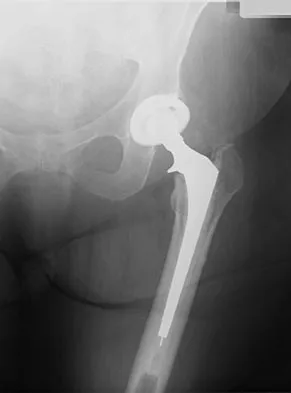
Figure 22 shows the radiograph of a 67-year-old woman who has an infected left total hip arthroplasty. The most efficient means to remove the distal cement mantle includes the use of
Hip Board Review 2004: High-Yield MCQs (Set 4) - Figure 3


Explanation

An extended trochanteric osteotomy has been shown to be very efficient in removing a well-fixed distal implant and cement with minimal complications. Direct lateral, posterior, and transtrochanteric osteotomy exposures do not provide exposure of the midfemur.

Question 9

Which of the following findings best describes the effects of increasing conformity of a fixed tibial bearing component and femoral component in total knee arthroplasty?


Explanation

In the design of tibial and femoral components, a compromise must be made between contact stresses and constraint. Increased conformity increases constraint, limits motion, and potentially increases stress on the knee-cement interface. By increasing conformity, the surface area over which force is applied is increased, resulting in decreased peak contact stresses and decreased component wear rates. Pellicci PM, Tria AJ Jr, Garvin KL (eds): Orthopaedic Knowledge Update: Hip and Knee Reconstruction 2. Rosemont, IL, American Academy of Orthopaedic Surgeons, 2000, pp 265-274.

Question 10

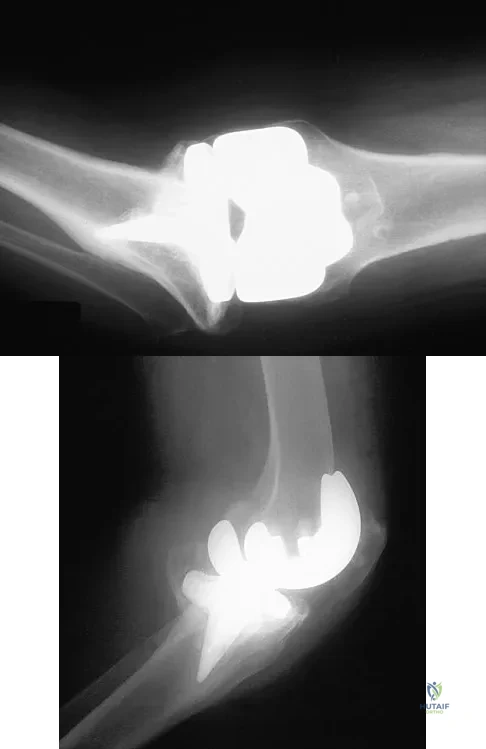
Figures 23a and 23b show the AP and lateral radiographs of a 67-year-old woman who has severe left knee pain when ambulating. History reveals that she underwent primary total knee arthroplasty 7 years ago. The patient reports increasing deformity over the past several years and uses a knee brace and a cane. Examination reveals that she walks with a varus thrust and has an uncorrectable varus deformity with valgus force. What is the primary reason for implant failure?


Explanation

Both cemented and cementless total knee arthroplasties depend on adequate fixation of the tibial component to promote long-term survivorship. An effective stem and adequate peripheral fixation of the tibial component to the cancellous-cortical portion of the proximal tibia are necessary for cementless fixation. Peripheral screws and pegs can serve as adjunctive fixation to decrease micromotion and shear forces and allow bone ingrowth to occur. Careful preparation of the proximal tibial surface can minimize fixation failure. Cemented fixation of the tibial stem should be performed in addition to the plateau. Osteolysis, polyethylene wear, and failure at the insert/tray locking mechanism have not occurred. Posterior cruciate ligament retention has not caused the tibial component fixation failure.

Question 11

Which of the following bearing surface combinations has shown the lowest in vivo wear rates in total hip arthroplasty?


Explanation

Ceramic bearings, made of alumina, have the lowest in vivo wear rates of any bearing combination, 0.5 to 2.5 Mm per component per year. Laboratory wear rates for metal-on-metal are lower than those for metal-on-polyethylene bearings, ranging from 2.5 to 5.0 Mm per year. Titanium used for bearing surfaces has a high failure rate because of a poor resistance to wear and notch sensitivity. Wear rates for ceramic-on-polyethylene bearings have varied, ranging from 0 to 150 Mm. Beaty JH (ed): Orthopaedic Knowledge Update 6. Rosemont, IL, American Academy of Orthopaedic Surgeons, 1999, pp 47-53.

Question 12

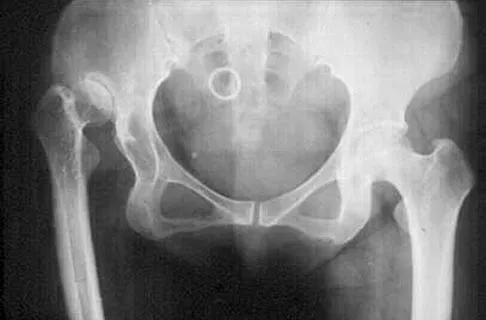
Figure 24 shows the radiograph of a 47-year-old woman who has severe right hip pain and a limp. Management should consist of
Hip Board Review 2004: High-Yield MCQs (Set 4) - Figure 6


Explanation

Femoral shortening osteotomy for a Crowe type IV hip dislocation has been shown to provide superior results with minimal complications. Cementless fixation of the stem allows for modular implants that greatly simplify the reconstruction.

Question 13

When planning revision of a total hip arthroplasty where an acetabular reconstruction will be required, what prerequisite is important to ensure long-term success of a cementless component?


Explanation

In bone defects where host bone support is less than 50%, the failure rate is 70% at 5.1 years. The presence or absence of columns or hip position is of relatively little importance if the supportive bone is not present in at least 50% of the surface area around the future acetabular implant.

Question 14

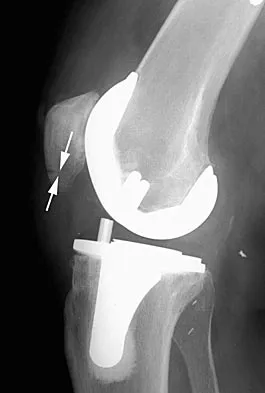
A 62-year-old man who underwent total knee arthroplasty 6 months ago now reports pain after falling on the anterior portion of the knee. Examination reveals weakness of knee extension but no extensor lag. Flexion that had once measured 115 degrees is now limited to 70 degrees because of pain. A radiograph is shown in Figure 25. Management should now consist of
Hip Board Review 2004: High-Yield MCQs (Set 4) - Figure 7


Explanation

The patient has a type IIIB patellar fracture (inferior pole fracture with an intact patellar tendon). Nonsurgical management is the treatment of choice if there is little displacement and the extensor mechanism is intact. Brown TE, Diduch DR: Fractures of the patella, in Insall JN, Scott WN (eds): Surgery of the Knee, ed 3. Philadelphia, PA, Churchill Livingstone, 2001, vol 2, pp 1290-1312.

Question 15

Failure of high tibial osteotomy (HTO) is most closely associated with which of the following factors?


Explanation

Long-term survivorship studies have attempted to clarify patient factors related to good outcomes in HTO. One particular study showed that a patient age of less than 50 years was related to good outcomes in those who had good preoperative knee flexion. The same study found no relation between HTO failure and the presence of postoperative infection or deep venous thrombosis. The presence of a lateral tibial thrust is a contraindication to performing this surgery. As expected, good patient selection is critical to obtaining good long-term results with HTO. Naudie D, Borne RB, Rorabeck CH, Bourne TJ: Survivorship of the high tibial valgus osteotomy: A 10- to 22-year followup study. Clin Orthop 1999;367:18-27. Rinonapoli E, Mancini GB, Corvaglia A, Musiello S: Tibial osteotomy for varus gonarthrosis: A 10- to 21-year followup study. Clin Orthop 1998;353:185-193.

Question 16

During a posterior cruciate ligament-sacrificing total knee arthroplasty with anterior referencing, 8 mm of distal femur is resected. It is noted that the flexion gap is tight and the extension gap appears stable. What is the next most appropriate step in management?


Explanation

If the flexion gap is tight and the extension gap is correct, it is preferable to change only the flexion gap and leave the extension gap unchanged; therefore, the treatment of choice is to decrease the size of the femoral component. The smaller component will be smaller in both medial-lateral as well as anterior-posterior dimensions. A smaller anterior-posterior size will allow more space for the flexion gap without significantly affecting the extension gap. Decreasing the size of the tibial polyethylene insert thickness or cutting more proximal tibia will affect both the flexion and extension gaps. Cutting more distal femur will increase the extension gap and not change the flexion gap, making the described situation worse. Cutting both the proximal tibia and distal femur will increase both the flexion and extension gaps.

Question 17

A 72-year-old woman with rheumatoid arthritis who underwent primary total knee arthroplasty 2 years ago has had diffuse knee pain that developed shortly after the surgery. The patient has difficulty with stair descent and arising from chairs. Evaluation for infection is negative. AP and lateral radiographs are shown in Figure 26. Management should now consist of

Hip Board Review 2004: High-Yield MCQs (Set 4) - Figure 8


Explanation

The radiographs show posterior flexion instability that is the result of flexion-extension gap imbalance and/or posterior cruciate ligament incompetence after a posterior cruciate-retaining total knee arthroplasty. The radiographs also show anterior femoral displacement on the tibia. Pagnano and associates reported on a series of patients with painful total knee arthroplasties who had been previously diagnosed as having pain of unknown etiology, showing that the pain was secondary to flexion instability. Pain relief was achieved by revision to a posterior stabilized implant. Pagnano MW, Hanssen AD, Lewallen DG, Stuart MJ: Flexion instability after primary posterior cruciate retaining total knee arthroplasty. Clin Orthop 1998;356:39-46. Fehring TK, Valadie AL: Knee instability after total knee arthroplasty. Clin Orthop 1994;299:157-162.

Question 18

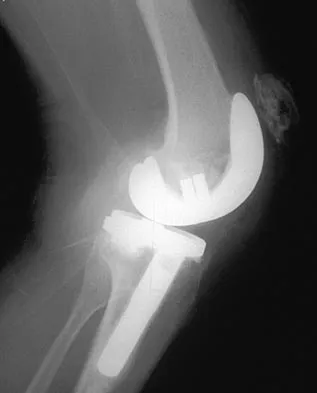
A homebound 75-year-old woman with diabetes mellitus has had progressive left knee pain and swelling for the past 6 weeks. She is febrile with a temperature of 103 degrees F (39.5 degrees C). History reveals that she underwent arthroplasty 5 years ago. Examination shows passive range of motion of 0 to 100 degrees with no active extension. Knee aspiration reveals purulent fluid with a Gram stain showing gram-negative rods. A radiograph is shown in Figure 27. In addition to IV antibiotics, which of the following management options offers the best chance of a successful outcome?
Hip Board Review 2004: High-Yield MCQs (Set 4) - Figure 9


Explanation

The patient has an infected total knee arthroplasty and an interrupted extensor mechanism. A late infection of a total knee arthroplasty in a patient with diabetes mellitus and a virulent organism requires removal of the components, debridement, antibiotic spacers, and surveillance to ensure eradication of the infection. Reconstruction of an incompetent extensor mechanism in an infected knee is extremely unlikely to be successful. Arthrodesis is the procedure of choice if a revision total knee arthroplasty is not likely to succeed. Resection arthroplasty is recommended only as a long-term solution if the patient is medically unable to undergo further surgery. Koval KJ (ed): Orthopaedic Knowledge Update 7. Rosemont, IL, American Academy of Orthopaedic Surgery, 2002, pp 513-536.

Question 19

Design and manufacturing of a metal-on-metal articulation has an important influence on the tribology. Which of the following statements best characterizes the type of contact that is best for metal-on-metal articulations?


Explanation

It is important that the radii of a metal-on-metal head to cup articulation be such that there is polar contact. As the radii become closer to equal, conditions favor higher frictional torque and equatorial seizing. The "bedding in" of metal-on-metal surfaces and their stiffness are both components of the properties considered in the design of polar contact surfaces.

Question 20

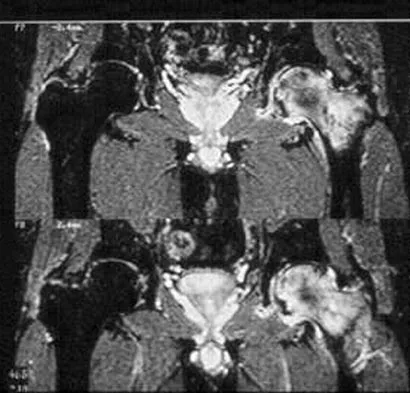
A 52-year-old man has had groin and deep buttock pain for the past 2 months. Examination reveals that hip range of motion is mildly restricted, and he has pain with both weight bearing and at rest. An MRI scan is shown in Figure 28. Management should consist of
Hip Board Review 2004: High-Yield MCQs (Set 4) - Figure 10


Explanation

The MRI findings show highly increased signal through the entire femoral head and neck that is diagnostic of transient osteoporosis of the femoral head. This recently described entity is often seen in middle-aged men and should be treated nonsurgically with protected weight bearing and anti-inflammatory drugs. The natural history is that of self-resolution. Guerra JJ, Steinberg ME: Distinguishing transient osteoporosis from avascular necrosis of the hip. J Bone Joint Surg Am 1995;77:616-624.

Question 21

Polyethylene wear of the bearing surface has been recognized as a mode of failure in total knee arthroplasty; therefore, many patients are offered polyethylene exchange. In terms of success rates, this surgical procedure has been reported to have a


Explanation

Engh and associates reported on the results of 63 knees (56 patients) following polyethylene exchange. The mean interval between exchange and the index total knee arthroplasty was 59 months. The mean follow-up after exchange was 7.4 years. Seven of 48 knees with adequate follow-up failed. Greater failure occurred if there was more severe wear before the exchange. Greater undersurface wear also resulted in a higher failure rate. Perioperative osteolysis or intraoperative observation of metallosis did not have an impact on the failure of polyethylene exchange. The risk of infection is no different from other total knee arthroplasty revisions. Wasielewski RC, Parks N, Williams I, et al: Tibial insert undersurface as a contributing source of polyethylene wear debris. Clin Orthop 1997;345:53-59.

Question 22

Which of the following types of ultra-high molecular weight polyethylene has been associated with the poorest clinical performance?


Explanation

Numerous studies have documented the poor performance of heat-pressed ultra-high molecular weight polyethylene used in the porous-coated anatomic tibial inserts of both total knee and unicompartmental arthroplasty. The other processing and sterilization methods have not been associated with significantly high failure rates. Wright TM, Rimnac CM, Stulberg SD, et al: Wear of polyethylene in total joint replacements: Observations from retrieved PCA knee implants. Clin Orthop 1992;276:126-134. Landy MM, Walker PS: Wear of ultra-high molecular-weight polyethylene components of 90 retrieved knee prostheses. J Arthroplasty 1988;3:S73-S85.

Question 23

Which of the following is considered the best method for the prevention of wrong-site surgery?


Explanation

The best method of preventing wrong-site surgery is for the surgeon to initial the surgical site in the preoperative holding area after discussion and confirmation of the site with the patient. This should be done before sedating medications are administered. A recent study found that patient noncompliance with specific preoperative instructions to mark the site with a "yes" at home was surprisingly high; only 59% of the patients marked the extremity correctly and 37% made no mark. Noncompliance was higher in those with workers' compensation claims (70%) and those with previous related surgery (51%). DeGiovanni CW, Kang L, Manuel J: Patient compliance in avoiding wrong site surgery. J Bone Joint Surg Am 2003;85:815-819.

Question 24

During the implantation of a cementless acetabular component in total hip arthroplasty, placement of a screw in the anterior superior quadrant puts which of the following structures at risk for damage?


Explanation

A knowledge of the safe quadrants for screw placement for acetabular component implantation is essential when performing total hip arthroplasty. The external iliac vessels are on the inner wall of the pelvis, corresponding to the anterior superior quadrant of the acetabulum. Keating EM, Ritter MA, Faris PM: Structures at risk from medially placed acetabular screws. J Bone Joint Surg Am 1990;72:509-511.

Question 25

What is the most frequent complication following primary total hip arthroplasty?


Explanation

Thromboembolic disease can occur in up to 58% of unprotected patients and up to 20% of protected patients depending on the type of prophylaxis used, even though most thrombi are small and have little clinical consequence. The primary goal of prophylaxis is to prevent symptomatic deep venous thrombosis and fatal pulmonary emboli. Dislocation has been reported in up to 10% of primary cases, but generally acceptable rates of less than 5% are the norm. Component loosening following primary total hip arthroplasty is rare prior to a 10-year follow-up, and 90% to 95% of patients should reach the 10-year follow-up without the need for revision for any reason. Metal hypersensitivity is unusual, and nickel found in cobalt-chromium alloys is the most common offending agent. Infection of primary total hip arthroplasty is less than 1%. Eftekhar N: Total Hip Arthroplasty. St Louis, MO, Mosby,1993, pp 1445-1676.

Question 26

A 32-year-old man sustains a highly displaced, Pauwels type III femoral neck fracture in a motor vehicle collision. Which of the following fixation constructs provides the greatest biomechanical stability against vertical shear forces for this fracture pattern?


Explanation

Pauwels type III fractures have a highly vertical orientation, subjecting them to massive shear forces. A dynamic hip screw with a derotational screw provides superior biomechanical stability compared to multiple cannulated screws by converting shear forces into compressive forces.

Question 27

A 45-year-old man is brought to the emergency department after a dashboard injury. Radiographs reveal a posterior hip dislocation associated with a femoral head fracture extending cephalad to the fovea capitis. According to the Pipkin classification, what is the most appropriate definitive management for the femoral head injury?


Explanation

This is a Pipkin Type II fracture, which involves the weight-bearing portion of the femoral head (cephalad to the fovea). Because it involves the weight-bearing dome, open reduction and internal fixation is indicated to restore joint congruity and minimize post-traumatic arthrosis.

Question 28

In a substantially displaced subtrochanteric femur fracture, the proximal fragment typically assumes a characteristic position of flexion, abduction, and external rotation. Which muscle is primarily responsible for the abduction deformity?


Explanation

The typical deformity of the proximal fragment in a subtrochanteric fracture is driven by muscle attachments. The gluteus medius and minimus pull the fragment into abduction, the iliopsoas causes flexion, and the short external rotators cause external rotation.

Question 29

A 28-year-old woman sustains a posterior hip dislocation during a high-speed collision. After closed reduction, she exhibits a foot drop and decreased sensation over the dorsum of her foot. Which portion of the sciatic nerve is most vulnerable in this injury, and what specific area of sensory loss is most diagnostic for its isolated injury?


Explanation

The peroneal (fibular) division of the sciatic nerve is uniquely tethered at the sciatic notch and is anatomically positioned lateral and posterior, making it most susceptible to stretching during a posterior hip dislocation. Sensory loss in the first dorsal web space (deep peroneal nerve territory) is characteristic.

Question 30

A 75-year-old community-ambulating woman with no significant medical comorbidities sustains a displaced, acute intracapsular femoral neck fracture. Based on current literature, what is the primary advantage of treating this patient with a total hip arthroplasty (THA) compared to a hemiarthroplasty?


Explanation

In active, healthy, independent elderly patients with displaced femoral neck fractures, THA provides superior long-term functional scores (e.g., Harris Hip Score) and significantly lower reoperation rates compared to hemiarthroplasty. Hemiarthroplasty carries a lower dislocation risk but higher rates of subsequent acetabular erosion.

Question 31

Radiographs of an 82-year-old man who fell from standing reveal an intertrochanteric femur fracture with a fracture line extending from the medial cortex proximal to the lesser trochanter diagonally to the lateral cortex distal to the greater trochanter. What is the most appropriate implant for this fracture pattern?


Explanation

This describes a reverse obliquity intertrochanteric fracture, which renders the lateral femoral wall incompetent. A dynamic hip screw is contraindicated as it permits excessive medialization of the shaft; a cephalomedullary nail is the implant of choice.

Question 32

A 22-year-old athlete presents with an acute anterior hip dislocation following a rugby tackle. To minimize the risk of osteonecrosis of the femoral head, closed reduction should ideally be performed within what maximum timeframe from the time of injury?


Explanation

Urgent closed reduction of hip dislocations is critical, and performing it within 6 hours of injury is widely considered the standard of care to significantly reduce the risk of avascular necrosis (osteonecrosis) of the femoral head.

Question 33

A 68-year-old woman with a 9-year history of alendronate therapy reports an insidious onset of right thigh pain. Radiographs reveal focal lateral cortical thickening of the proximal femoral diaphysis with a subtle, transverse radiolucent line extending through the lateral cortex. What is the most appropriate management?


Explanation

This patient has an impending atypical femur fracture (AFF) associated with long-term bisphosphonate use. Because she has prodromal thigh pain and a visible transverse radiolucent line, prophylactic fixation with a cephalomedullary nail is indicated to prevent completion of the fracture.

Question 34

Which of the following clinical postures is most characteristic of a patient presenting with an obturator-type anterior hip dislocation?


Explanation

Anterior hip dislocations present with the hip externally rotated and abducted. If it is an inferior (obturator) type, the hip is concurrently flexed; if it is a superior (pubic) type, the hip is extended.

Question 35

A 35-year-old man underwent closed reduction and percutaneous pinning of a femoral neck fracture 9 months ago. He now presents with persistent groin pain. Imaging reveals a nonunion with varus collapse, but MRI confirms the femoral head remains entirely viable. What is the most appropriate joint-preserving surgical intervention?


Explanation

In a young patient with a femoral neck nonunion and a viable femoral head, a valgus-producing intertrochanteric osteotomy is indicated. This procedure alters the biomechanical environment, converting shear forces at the nonunion site into compressive forces, thereby promoting bone healing.

Question 36

Which of the following fracture patterns inherently lacks cancellous bone interdigitation across the fracture site, making multiple cannulated screws an inferior biomechanical choice compared to a sliding hip screw?


Explanation

Basicervical femoral neck fractures occur at the junction of the femoral neck and intertrochanteric line, a region that lacks cancellous bone interdigitation. Due to high instability and shear forces, a dynamic hip screw with a derotational screw or a cephalomedullary nail is mechanically superior to multiple cannulated screws.

Question 37

When utilizing a trochanteric entry portal for a cephalomedullary nail to treat a standard intertrochanteric femur fracture, starting the guidewire too laterally on the greater trochanter is most likely to result in which of the following intraoperative complications?


Explanation

A lateral starting point for a trochanteric entry nail creates an eccentric trajectory that medializes the distal fragment and forces the proximal fragment into varus. The ideal starting point is slightly medial to the tip of the greater trochanter.

Question 38

A 40-year-old man undergoes successful closed reduction of a posterior hip dislocation in the emergency department. Post-reduction anteroposterior pelvis radiographs demonstrate an asymmetric widening of the medial joint space on the injured side. What is the most appropriate next step in management?


Explanation

Asymmetric widening of the joint space after reduction of a hip dislocation strongly suggests an incarcerated osteochondral fragment or soft tissue interposition. A CT scan is mandatory to identify the offending structure and evaluate for associated acetabular or femoral head fractures prior to surgical clearance.

Question 39

Which anatomic structure is most frequently implicated in blocking the successful closed reduction of an acute posterior hip dislocation?


Explanation

Irreducible posterior hip dislocations are most commonly caused by the femoral head 'buttonholing' through the posterior hip capsule, the piriformis, or the short external rotators. An open reduction (usually via a posterior approach) is required to extricate the head.

Question 40

In the surgical treatment of intertrochanteric femur fractures using a dynamic hip screw, achieving a Tip-Apex Distance (TAD) of less than 25 mm is critical. What is the primary purpose of adhering to this measurement?


Explanation

The Tip-Apex Distance (TAD), described by Baumgaertner, is the sum of the distance from the tip of the lag screw to the apex of the femoral head on AP and lateral radiographs. A TAD of less than 25 mm is the strongest predictor of successful fixation and minimizes the risk of screw cutout.

Question 41

A 13-year-old boy sustains a displaced subtrochanteric femur fracture. Intramedullary nailing using a piriformis fossa entry point is considered. What is the most significant risk associated with this specific entry portal in the adolescent population?


Explanation

In children and adolescents, utilizing a piriformis fossa entry point for rigid intramedullary nailing severely risks disruption of the terminal branches of the medial femoral circumflex artery. This significantly increases the risk of iatrogenic avascular necrosis of the femoral head, making a lateral trochanteric entry preferred.

Question 42

An 80-year-old woman is diagnosed with a Garden I femoral neck fracture. Which of the following best describes the radiographic appearance and optimal management of this injury?


Explanation

A Garden I fracture is anatomically an incomplete or valgus-impacted fracture. Although seemingly stable, there is a significant risk of secondary displacement; therefore, standard management is operative stabilization with percutaneous in situ cannulated screws.

Question 43

The predominant blood supply to the adult femoral head, which is highly vulnerable during a displaced intracapsular femoral neck fracture, is derived primarily from which of the following vessels?


Explanation

The primary blood supply to the adult femoral head comes from the lateral epiphyseal arteries, which are terminal branches of the medial femoral circumflex artery (MFCA). These retinacular vessels traverse the femoral neck and are easily disrupted by displaced intracapsular fractures.

Question 44

A surgeon is evaluating a patient with an intertrochanteric fracture to determine the risk of postoperative lateral wall fracture if a dynamic hip screw (DHS) is used. According to the literature, an intact lateral wall thickness below what threshold on the preoperative anteroposterior radiograph strongly contraindicates the use of a DHS?


Explanation

A lateral wall thickness of less than 20.5 mm in intertrochanteric fractures has been shown to be a critical predictor for postoperative lateral wall blowout when treated with a DHS. In such cases, a cephalomedullary nail should be utilized instead.

Question 45

Which of the following parameters is an absolute indication for open reduction of a posterior hip dislocation rather than proceeding with an initial closed reduction attempt in the emergency department?


Explanation

An ipsilateral displaced femoral neck fracture is an absolute contraindication to closed reduction of a hip dislocation. Attempting closed reduction will distract the neck fracture without moving the head, causing further soft tissue and vascular damage, and necessitates open surgical management.

Question 46

A 28-year-old unrestrained driver is involved in a motor vehicle collision. In the emergency department, his right lower extremity is shortened, adducted, and internally rotated. He is unable to dorsiflex his right foot or extend his toes. What is the most likely direction of his hip dislocation and the specific injured nerve branch?


Explanation

Posterior hip dislocations classically present with a shortened, adducted, and internally rotated limb. The common peroneal division of the sciatic nerve is the most commonly injured nerve branch due to its lateral position and tethering at the sciatic notch.

Question 47

A 72-year-old man falls and sustains a reverse obliquity intertrochanteric fracture of the left femur. Which of the following fixation constructs offers the highest biomechanical stability and lowest risk of failure for this specific fracture pattern?


Explanation

Reverse obliquity intertrochanteric fractures are highly unstable due to the tendency of the femoral shaft to medialize from adductor forces. Intramedullary devices (cephalomedullary nails) provide superior biomechanical stability and significantly lower failure rates compared to extramedullary devices like sliding hip screws.

Question 48

During closed reduction of a subtrochanteric femur fracture in a 35-year-old man, the proximal fragment remains persistently flexed, abducted, and externally rotated. Which muscle is primarily responsible for the flexion and external rotation of the proximal segment?


Explanation

In subtrochanteric fractures, the proximal fragment is flexed and externally rotated primarily by the iliopsoas muscle. The gluteus medius and minimus are responsible for the abduction deformity.

Question 49

When treating an intertrochanteric femur fracture with a sliding hip screw or cephalomedullary nail, the tip-apex distance (TAD) is a critical predictor of lag screw cut-out. According to Baumgaertner, what is the recommended maximum TAD to minimize this complication?


Explanation

Baumgaertner demonstrated that a tip-apex distance (TAD) of less than 25 mm significantly reduces the risk of lag screw cut-out. The TAD is the sum of the distances from the screw tip to the apex of the femoral head on both AP and lateral radiographs.

Question 50

A healthy, independent 70-year-old woman sustains a displaced femoral neck fracture. She is an avid golfer and walks two miles daily. Comparing total hip arthroplasty (THA) to bipolar hemiarthroplasty for this specific patient, THA is associated with which of the following?


Explanation

In active, independent elderly patients with displaced femoral neck fractures, THA provides superior functional outcomes and lower long-term reoperation rates compared to hemiarthroplasty. However, THA does carry a higher immediate postoperative risk of dislocation.

Question 51

A 40-year-old man sustains a posterior hip dislocation with an associated fracture of the femoral head and a posterior wall acetabular fracture. According to the Pipkin classification, what type of fracture-dislocation is this?


Explanation

The Pipkin classification describes femoral head fractures associated with posterior hip dislocations. Type IV is defined as a femoral head fracture associated with an acetabular fracture (typically a posterior wall fracture).

Question 52

A 25-year-old skier crashes and presents to the emergency department with severe groin pain. On examination, his right hip is held in a position of marked flexion, abduction, and external rotation. Radiographs confirm an anterior hip dislocation. Which anatomical structure is most at risk of injury in this specific dislocation pattern?


Explanation

Anterior hip dislocations of the inferior (obturator) type present with the hip in marked flexion, abduction, and external rotation. The displaced femoral head poses a direct risk to the neurovascular structures in the femoral triangle, particularly the femoral artery and vein.

Question 53

A 78-year-old woman presents with severe hip pain and an inability to bear weight after a mechanical fall from standing height. Anteroposterior and cross-table lateral radiographs of the hip are entirely negative for fracture. What is the most appropriate next step in diagnosis?


Explanation

In patients with a strong clinical suspicion of an occult proximal femur fracture but negative plain radiographs, MRI is the gold standard diagnostic test. It is highly sensitive and specific, allowing for immediate diagnosis and prevention of fracture displacement.

Question 54

A 32-year-old man sustains a vertically oriented, displaced femoral neck fracture (Pauwels Type III) after a fall from a height. Which of the following internal fixation constructs is biomechanically superior for resisting the high shear forces associated with this fracture pattern?


Explanation

Pauwels Type III fractures (>50 degrees) experience high vertical shear forces, leading to high rates of displacement and nonunion with standard cannulated screws. A length-stable construct, such as a sliding hip screw augmented with a derotation screw, provides superior biomechanical stability against these forces.

Question 55

The primary blood supply to the weight-bearing dome of the adult femoral head is derived from which of the following vessels?


Explanation

The main blood supply to the adult femoral head is the lateral epiphyseal artery. This vessel is the terminal branch of the medial femoral circumflex artery (MFCA) and provides critical perfusion to the superolateral weight-bearing portion of the femoral head.

Question 56

A 45-year-old man presents with groin pain 8 months after internal fixation of a displaced femoral neck fracture with three cannulated screws. Radiographs reveal a nonunion with screw back-out, but MRI confirms the femoral head is fully viable with no osteonecrosis. What is the most appropriate surgical treatment?


Explanation

In a young, active patient with a viable femoral head and a femoral neck nonunion, a valgus intertrochanteric osteotomy is the treatment of choice. This alters the biomechanics by converting vertical shear forces at the nonunion site into compressive forces, which promotes healing.

Question 57

A 30-year-old man suffers a posterior hip dislocation. Two attempts at closed reduction under conscious sedation are unsuccessful. During the subsequent open reduction via a posterior Kocher-Langenbeck approach, which of the following structures is most likely found to be obstructing the reduction?


Explanation

In irreducible posterior hip dislocations, the femoral head often "buttonholes" through the posterior capsule or the short external rotators. The piriformis muscle and the obturator internus are the most common anatomical structures that block successful closed reduction.

Question 58

A 65-year-old woman on long-term alendronate therapy complains of a dull ache in her right thigh. Radiographs reveal focal lateral cortical thickening and a transverse radiolucent line in the subtrochanteric region. What is the pathognomonic radiographic feature of a complete fracture of this type if it were to displace?


Explanation

Atypical femoral fractures (AFFs) associated with bisphosphonate use originate at the lateral cortex and have a transverse orientation. If they complete and displace, they classically demonstrate a characteristic medial spike on the proximal fragment with minimal to no comminution.

Question 59

A 35-year-old man presents to the emergency department following a high-speed motor vehicle collision with his knee striking the dashboard. On physical examination, his right lower extremity is shortened, flexed, adducted, and internally rotated. Which of the following neurologic deficits is most commonly associated with this specific injury pattern?


Explanation

This patient has a classic presentation for a posterior hip dislocation. The sciatic nerve is injured in 10-20% of posterior hip dislocations, with the peroneal division being disproportionately affected, leading to foot drop (inability to dorsiflex the ankle).

Question 60

A 75-year-old woman sustains a ground-level fall. Radiographs demonstrate a reverse obliquity intertrochanteric fracture of the proximal femur. Which of the following implants is biomechanically most appropriate for this fracture pattern?


Explanation

Reverse obliquity fractures are highly unstable and have a high failure rate when treated with a sliding hip screw due to lateral displacement of the distal fragment. A cephalomedullary nail or a fixed-angle device like a 95-degree blade plate is the preferred treatment to adequately neutralize the deforming forces.

Question 61

To minimize the risk of lag screw cut-out when using a sliding hip screw or cephalomedullary nail for intertrochanteric fracture fixation, the Tip-Apex Distance (TAD) as described by Baumgaertner should be maintained below what value?


Explanation

The Tip-Apex Distance (TAD) is the sum of the distance from the tip of the lag screw to the apex of the femoral head on both AP and lateral radiographs. A TAD of less than 25 mm has been shown to significantly reduce the risk of lag screw cut-out in intertrochanteric fracture fixation.

Question 62

A 28-year-old woman sustains a high-energy, vertically oriented, displaced femoral neck fracture (Pauwels type III). If internal fixation is chosen, which of the following constructs provides the greatest biomechanical stability against the predominant deforming shear forces?


Explanation

Pauwels type III fractures are highly vertical and experience massive shear forces, leading to high rates of nonunion and failure with parallel screw fixation alone. A fixed-angle construct, such as a sliding hip screw combined with a superior anti-rotation screw, is biomechanically superior for resisting these vertical shear forces.

Question 63

A healthy, independent, 72-year-old community-dwelling man who regularly plays golf sustains a displaced femoral neck fracture. He is discussing surgical options, specifically hemiarthroplasty versus total hip arthroplasty (THA). What is a well-documented long-term advantage of THA in this specific demographic?


Explanation

In active, healthy, older adults with displaced femoral neck fractures, total hip arthroplasty yields better long-term functional scores and a lower reoperation rate compared to hemiarthroplasty. However, THA is associated with longer surgical times, increased blood loss, and a higher risk of postoperative dislocation.

Question 64

A 25-year-old man presents with a posterior hip dislocation associated with a fracture of the femoral head. A computed tomography scan shows the fracture involves the superior aspect of the femoral head, cephalad to the fovea capitis. What is the correct Pipkin classification for this injury?


Explanation

The Pipkin classification describes femoral head fractures associated with hip dislocations. A Type I fracture is caudad to the fovea, Type II is cephalad to the fovea (involving the weight-bearing dome), Type III includes an associated femoral neck fracture, and Type IV includes an associated acetabular fracture.

Question 65

In a patient presenting with an obturator-type anterior hip dislocation, what is the classic resting position of the affected lower extremity?


Explanation

Anterior hip dislocations present with the hip externally rotated and abducted. If it is an inferior (obturator) anterior dislocation, the hip will be fixed in significant flexion, whereas a superior (pubic) anterior dislocation presents with the hip in extension.

Question 66

A 30-year-old man sustains a transverse subtrochanteric femur fracture. Due to the muscular attachments in this region, the proximal fragment is typically displaced into which of the following positions?


Explanation

The proximal fragment of a subtrochanteric fracture is classically displaced into flexion by the iliopsoas, abduction by the gluteus medius and minimus, and external rotation by the short external rotators. Understanding these deforming forces is critical for obtaining intraoperative reduction.

Question 67

Which of the following vessels provides the predominant blood supply to the adult femoral head, placing it at the greatest risk for avascular necrosis following a displaced femoral neck fracture?


Explanation

The medial femoral circumflex artery (MFCA), specifically its lateral epiphyseal branches, provides the primary blood supply to the adult femoral head. The artery of the ligamentum teres provides a negligible supply in adults.

Question 68

A 40-year-old man sustains a traumatic posterior hip dislocation without associated fractures. To minimize the risk of developing avascular necrosis of the femoral head, a closed reduction should ideally be successfully performed within what maximum timeframe?


Explanation

Hip dislocations are an orthopedic emergency. Reduction within 6 hours has been shown to significantly decrease the risk of avascular necrosis and long-term joint degeneration.

Question 69

A 65-year-old woman undergoes fixation of a stable intertrochanteric fracture with a sliding hip screw. Intraoperative fluoroscopy reveals an intact lateral wall thickness of 15 mm. Based on this measurement, what is the most likely biomechanical complication of this construct?


Explanation

A lateral wall thickness of less than 20.5 mm in an intertrochanteric fracture indicates instability. Using a sliding hip screw in this setting has a high risk of iatrogenic lateral wall fracture during reaming or screw insertion, leading to massive collapse and shaft medialization.

Question 70

A 68-year-old woman with a 10-year history of daily alendronate use presents with progressive, severe right thigh pain with weight-bearing. Radiographs demonstrate focal lateral cortical thickening (beaking) and a transverse radiolucent line involving 60% of the lateral cortex in the subtrochanteric region. What is the most appropriate management?


Explanation

This patient has a symptomatic, incomplete atypical femur fracture due to prolonged bisphosphonate use. Because she has prodromal pain and the radiolucency involves a significant portion of the cortex, prophylactic intramedullary nailing is indicated to prevent completion of the fracture.

Question 71

A 33-year-old man undergoes a successful closed reduction of a traumatic posterior hip dislocation. The post-reduction CT scan demonstrates a congruent hip joint without intra-articular step-off, but reveals a 2 mm osteochondral fragment in the inferior, dependent aspect of the joint. The patient has a full, unrestricted range of motion. What is the most appropriate management?


Explanation

Small, non-weight-bearing, dependent osteochondral fragments (<2-3 mm) that do not block motion and occur in the setting of a congruent joint can safely be observed. Operative intervention is indicated for large fragments, incarcerated fragments causing a noncongruent joint, or mechanical blocks to motion.

Question 72

An 82-year-old woman with osteoporosis sustains a displaced femoral neck fracture. The surgeon elects to perform a hemiarthroplasty. Compared to an uncemented stem, what is a well-documented advantage of using a cemented femoral stem in this patient?


Explanation

In elderly patients with osteoporosis, cemented hemiarthroplasty significantly reduces the risk of postoperative periprosthetic femoral fractures compared to uncemented stems. However, cemented stems carry a small risk of bone cement implantation syndrome (BCIS), which can increase perioperative mortality.

Question 73

A 24-year-old man is brought to the OR with an irreducible posterior hip dislocation after closed reduction attempts in the emergency department and under general anesthesia fail. What is the most common anatomic structure preventing closed reduction in this scenario?


Explanation

The most common block to closed reduction of a posterior hip dislocation is the buttonholing of the femoral head through a rent in the posterior hip capsule. Other potential but less common blocks include the piriformis tendon, obturator internus, or osteochondral fragments.

Question 74

Which of the following intraoperative factors is most predictive of failure (nonunion or loss of fixation) after closed reduction and percutaneous pinning of a displaced femoral neck fracture in a young adult?


Explanation

The most critical factor predicting the success of internal fixation for a displaced femoral neck fracture is the quality of the anatomic reduction. Malreduction leads to highly altered biomechanics, shear stress, and early failure or nonunion.

Question 75

A 45-year-old woman sustained a posterior hip dislocation with an associated posterior wall acetabulum fracture. After closed reduction, she is taken for dynamic fluoroscopic stress testing. Which specific maneuver is most appropriate to evaluate for posterior hip instability that would necessitate open reduction and internal fixation of the posterior wall?


Explanation

Dynamic stress testing to evaluate posterior hip instability in the setting of a posterior wall fracture is performed by flexing the hip to 90 degrees and applying internal rotation and axial load. Subluxation of the femoral head under fluoroscopy confirms instability, making ORIF of the posterior wall indicated.

Question 76

An 80-year-old woman with end-stage dementia who is chronically bedbound presents with a closed, displaced femoral neck fracture after rolling out of bed. The family requests the least invasive approach focused solely on pain control. What is an acceptable orthopedic management strategy for this specific patient profile?


Explanation

In chronically bedbound, non-ambulatory patients with severe dementia and very high surgical risk, non-operative management of a displaced femoral neck fracture is an acceptable, palliative option. The focus is on pain control and mobilization to a chair to prevent cardiopulmonary complications.

Question 77

Which of the following fracture patterns is widely considered an absolute contraindication to the use of a standard sliding hip screw (DHS) for definitive fixation?


Explanation

A reverse obliquity intertrochanteric fracture pattern is an absolute contraindication to a sliding hip screw. The medial displacement force of the shaft allows the proximal fragment to slide laterally, leading to predictable failure and collapse.

Question 78

A 35-year-old man sustains a subtrochanteric femur fracture following a high-speed motorcycle collision. Which of the following describes the characteristic position of the proximal fracture fragment secondary to the muscular deforming forces?


Explanation

The proximal fragment in a subtrochanteric fracture is flexed by the iliopsoas, abducted by the gluteus medius and minimus, and externally rotated by the short external rotators.

Question 79

When treating an intertrochanteric femur fracture with a sliding hip screw, the tip-apex distance (TAD) is measured to assess the adequacy of lag screw placement. A TAD greater than what threshold value is associated with a significantly increased risk of lag screw cut-out?


Explanation

Baumgaertner et al. demonstrated that a tip-apex distance (TAD) greater than 25 mm is the most significant predictive factor for lag screw cut-out in intertrochanteric fractures treated with a sliding hip screw.

Question 80

A 28-year-old restrained driver presents after a motor vehicle collision with a posterior hip dislocation. Which neurologic deficit is most commonly associated with this specific injury?


Explanation

Posterior hip dislocations are most commonly associated with sciatic nerve injuries, particularly affecting the peroneal division. This typically presents clinically as a foot drop or weakness in ankle dorsiflexion.

Question 81

A 40-year-old man presents with a posterior hip dislocation and an associated femoral head fracture located cephalad to the fovea capitis. According to the Pipkin classification, what type of fracture does this represent?


Explanation

A Pipkin Type II fracture involves the femoral head cephalad to the fovea capitis. Type I is caudad to the fovea, Type III involves an associated femoral neck fracture, and Type IV involves an associated acetabular fracture.

Question 82

A 22-year-old skier crashes and sustains an inferior anterior hip dislocation. On physical examination in the emergency department, his affected lower extremity is classically positioned in:


Explanation

Anterior hip dislocations present with the affected limb abducted and externally rotated. Inferior anterior (obturator) dislocations present with concurrent hip flexion, whereas superior anterior (pubic) dislocations present with hip extension.

Question 83

A 72-year-old woman sustains a reverse obliquity intertrochanteric femur fracture. Which of the following fixation constructs is biomechanically most appropriate for this specific fracture pattern?


Explanation

Reverse obliquity intertrochanteric fractures are inherently unstable and have high failure rates with standard sliding hip screws due to medial displacement of the shaft. A cephalomedullary nail or a 95-degree fixed-angle device provides superior biomechanical stability.

Question 84

When evaluating an intertrochanteric fracture for surgical fixation, the lateral wall thickness is a critical factor. Below what threshold of intact lateral wall thickness is the fracture considered highly unstable, thus increasing the failure risk of a standard sliding hip screw?


Explanation

A lateral wall thickness of less than 20.5 mm on an AP radiograph has been shown to be a reliable predictor of postoperative lateral wall fracture when using a sliding hip screw. These unstable patterns are better treated with an intramedullary device.

Question 85

In a 30-year-old patient with an acute, displaced, transcervical femoral neck fracture, what is the most appropriate surgical management?


Explanation

Displaced femoral neck fractures in young patients are orthopedic emergencies requiring urgent open (or closed, if anatomic reduction is achievable) reduction and internal fixation. This preserves the native hip and minimizes the risks of avascular necrosis and nonunion.

Question 86

During a posterior approach to the hip for a displaced femoral neck fracture, care must be taken to protect the primary blood supply to the femoral head. Which artery provides the majority of the blood supply to the adult femoral head?


Explanation

The medial femoral circumflex artery (MFCA), specifically its lateral epiphyseal branches, provides the predominant blood supply to the adult femoral head. It courses posterior to the obturator externus and anterior to the short external rotators.

Question 87

A 68-year-old woman on long-term bisphosphonate therapy presents with weeks of vague anterior thigh pain, followed by an acute inability to bear weight. Radiographs show a transverse subtrochanteric fracture with lateral cortical thickening. What is the underlying mechanism of this atypical fracture?


Explanation

Long-term bisphosphonate use heavily suppresses osteoclast-mediated targeted bone remodeling. This suppression prevents the repair of physiologic wear and tear, leading to an accumulation of microdamage, brittle bone, and atypical subtrochanteric or diaphyseal fractures.

Question 88

A 25-year-old man presents with a posterior hip dislocation after a high-speed collision. Closed reduction under conscious sedation in the emergency department is unsuccessful. A CT scan demonstrates an empty acetabulum with no large bony fragments. What is the most likely soft-tissue structure blocking closed reduction?


Explanation

In irreducible posterior hip dislocations, the femoral head can buttonhole through the posterior capsule and the short external rotators. The piriformis muscle, obturator internus, or the torn capsule itself are the most common structures preventing closed reduction.

Question 89


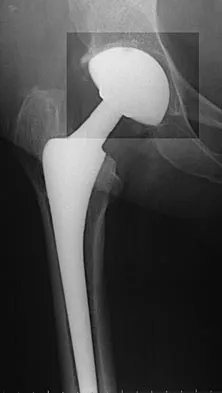
A 75-year-old man presents with groin pain after a fall. Imaging demonstrates a basicervical femoral neck fracture. Which of the following best describes the biomechanical characteristics and optimal fixation of this fracture pattern compared to a transcervical fracture?


Explanation

Basicervical femoral neck fractures are extracapsular and highly unstable, particularly in rotation. They act biomechanically similar to intertrochanteric fractures and require robust fixation such as a cephalomedullary nail or a sliding hip screw, often supplemented with a derotation screw.

Question 90

A healthy, community-ambulating 70-year-old woman sustains a displaced femoral neck fracture. When comparing total hip arthroplasty (THA) to bipolar hemiarthroplasty for her definitive treatment, THA is associated with:


Explanation

In active elderly patients with displaced femoral neck fractures, THA provides better long-term functional outcomes and lower reoperation rates (due to eliminating acetabular wear) compared to hemiarthroplasty. However, THA does carry a higher risk of postoperative dislocation.

Question 91

When performing closed reduction and percutaneous pinning for a nondisplaced femoral neck fracture in an adult, what is the biomechanically optimal configuration for the three cannulated screws?


Explanation

The inverted triangle configuration (two screws superiorly, one inferiorly) spread as widely as possible and placed adjacent to the dense cortical bone of the femoral neck provides the highest biomechanical stability and lowest rate of failure.

Question 92

A 6-year-old boy sustains a traumatic posterior hip dislocation following a low-energy fall from a playground structure. Reduction is performed urgently under conscious sedation. Which of the following best describes the prognosis and management regarding avascular necrosis (AVN) in this pediatric patient?


Explanation

Pediatric hip dislocations can occur with low-energy trauma due to ligamentous laxity. Similar to adults, the risk of avascular necrosis (AVN) is closely tied to the time to reduction, with a significant increase in AVN incidence if reduction is delayed beyond 6 hours.

None

Clinic OS
Medically Verified Content by
Prof. Clinic OS
Consultant Orthopedic & Spine Surgeon
Chapter Index
