العربية
Part of the Master Guide

Self Assessment Examination Adult S Review | Dr Hutaif - ...

Orthopedic Board Review MCQs (2026 Edition) - Part 3
23 Apr 2026 56 min read 123 Views
Orthopedic Board Review MCQs (2026 Edition) - Part 3

Orthopedic Board Review MCQs (2026 Edition) - Part 3

Comprehensive 100-Question Exam


00:00

Start Quiz

Question 1

An infant is being treated with a Pavlik harness for developmental dysplasia of the hip (DDH). At the 2-week follow-up, the parents report the infant has stopped kicking the affected leg. On examination, the knee is held in flexion, and the infant demonstrates absent active knee extension, though passive motion is full and pain-free. What is the most appropriate next step in management?


Explanation

This infant is presenting with a femoral nerve palsy, a known complication of treating DDH with a Pavlik harness, typically caused by excessive hip flexion (hyperflexion >120 degrees). The compression of the femoral nerve against the inguinal ligament leads to temporary neuropraxia. The most appropriate next step is to discontinue the harness and observe; recovery is generally spontaneous within a few days to weeks. Once recovered, alternative treatment or a modified harness protocol can be initiated. Continuing the harness or increasing flexion would exacerbate the palsy.

Question 2

During the ilioinguinal approach for an acetabular fracture, significant hemorrhage is encountered upon dissecting over the superior pubic ramus. This bleeding is most likely originating from an anastomotic vessel connecting the obturator system and which of the following vessels?


Explanation

The vessel in question is the 'corona mortis' (crown of death), which is an anastomosis between the obturator artery/vein (from the internal iliac system) and the external iliac or deep inferior epigastric artery/vein. It crosses the superior pubic ramus and is highly vulnerable to iatrogenic injury during anterior pelvic approaches (like the ilioinguinal or Stoppa approaches), potentially leading to massive, life-threatening hemorrhage.

Question 3

Which zone of articular cartilage contains the highest concentration of proteoglycans and the lowest concentration of water?


Explanation

Articular cartilage is divided into distinct zones. The deep (radial) zone has the highest concentration of proteoglycans and the lowest concentration of water. The collagen fibers in this zone are oriented perpendicular to the articular surface to resist compressive forces. Conversely, the superficial zone has the highest water content and lowest proteoglycan content, with collagen fibers running parallel to the surface to resist shear stress.

Question 4

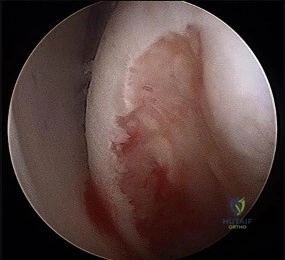
A 15-year-old boy presents with progressive, severe diaphyseal tibial pain that is characteristically worse at night and rapidly relieved by ibuprofen.

Radiographs show a dense sclerotic cortical thickening with a small radiolucent nidus. Which of the following best describes the pathophysiologic mechanism of this pain?


Explanation

The clinical presentation and radiographic description are classic for an osteoid osteoma. The intense pain, particularly at night, and dramatic relief with NSAIDs are hallmark features. The pathophysiology of this pain is driven by a high concentration of prostaglandins, specifically due to the overexpression of cyclooxygenase-2 (COX-2) within the neoplastic osteoblasts of the nidus. This leads to profound local vasodilation and stimulation of unmyelinated nerve fibers.

Question 5

A 14-year-old gymnast presents with persistent lower back pain. Radiographs demonstrate an isthmic spondylolisthesis at L5-S1. If this patient's slip progresses to a high-grade slip (>50%), which of the following spinopelvic parameters is most likely to be significantly elevated as a compensatory mechanism to maintain sagittal balance?


Explanation

In high-grade isthmic spondylolisthesis, patients often retrovert their pelvis to compensate for the anterior shift of the center of gravity and maintain upright sagittal balance. Pelvic retroversion corresponds to an increase in Pelvic Tilt (PT). Pelvic Incidence (PI) is a fixed morphologic parameter after skeletal maturity (though high PI is a risk factor for progression, it does not change as a compensatory mechanism). Sacral slope typically decreases as the pelvis retroverts.

Question 6

In total hip arthroplasty (THA), the use of highly cross-linked polyethylene (HXLPE) has significantly reduced wear rates compared to conventional polyethylene. However, the process of cross-linking via irradiation alters the material's mechanical properties. Which of the following best describes a mechanical trade-off associated with high-dose irradiation cross-linking?


Explanation

Irradiation is used to break carbon-hydrogen bonds and create free radicals that combine to form cross-links, significantly increasing abrasive wear resistance. However, this process decreases several mechanical properties of the polyethylene, notably decreasing ductility, fracture toughness, and resistance to fatigue crack propagation. To mitigate free radical oxidation, the material is often remelted or annealed, which can further slightly reduce mechanical strength but improves oxidative stability.

Question 7

A 60-year-old man undergoes an arthroscopic massive rotator cuff repair. During the procedure, the surgeon releases the coracohumeral ligament to mobilize the retracted supraspinatus tendon. The coracohumeral ligament plays a critical biomechanical role in restricting which of the following shoulder motions?


Explanation

The coracohumeral ligament (CHL) extends from the base of the coracoid process to the greater and lesser tuberosities, blending with the superior capsule and rotator interval. Biomechanically, it is the primary restraint to inferior translation of the humeral head in the adducted shoulder, and it significantly restricts external rotation when the arm is adducted.

Question 8

Following a Zone II flexor tendon repair of the index finger in a 30-year-old construction worker, the surgeon opts for an early active motion protocol. Which of the following core suture techniques provides the highest initial tensile strength and resistance to gap formation?


Explanation

The initial tensile strength of a flexor tendon repair is directly proportional to the number of core suture strands crossing the repair site. Therefore, a 6-strand repair (like the Lim/Tsai or modified combinations) provides greater initial strength and resistance to gap formation than 2-strand or 4-strand configurations, allowing for safer implementation of early active mobilization protocols. An epitendinous suture adds additional strength but is insufficient alone.

Question 9

A 55-year-old patient with long-standing, poorly controlled type 2 diabetes presents with an acutely swollen, red, and warm left foot. Radiographs demonstrate early fragmentation and periarticular debris at the tarsometatarsal joints. Which of the following pro-inflammatory cytokines/pathways is considered the primary driver of osteoclastogenesis and bone resorption in the acute phase of Charcot neuroarthropathy?


Explanation

The acute phase of Charcot neuroarthropathy is characterized by an exaggerated inflammatory response. The RANKL/OPG pathway is central to this process. Increased expression of pro-inflammatory cytokines (such as TNF-a and IL-1) stimulates the overexpression of RANKL. RANKL binds to RANK on osteoclast precursors, driving massive osteoclastogenesis and the rapid bone resorption/fragmentation pathognomonic of acute Charcot.

Question 10

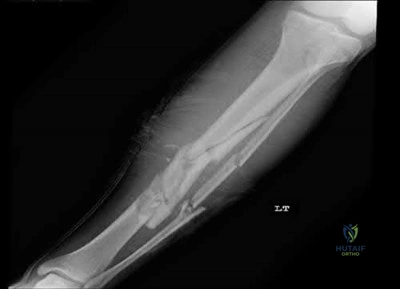
A 22-year-old male sustains a closed comminuted tibial shaft fracture. Twelve hours post-admission, he develops severe pain out of proportion to the injury, exacerbated by passive stretch of the hallux. Intracompartmental pressure monitoring is performed. Which of the following pressure measurements is generally considered the threshold for performing an emergency four-compartment fasciotomy?


Explanation

Compartment syndrome is a surgical emergency. The current standard for diagnosing acute compartment syndrome using pressure measurements relies on the 'delta pressure' concept (Diastolic blood pressure minus intracompartmental pressure). A delta pressure of less than 30 mmHg (i.e., the compartment pressure comes within 30 mmHg of the diastolic pressure) indicates inadequate tissue perfusion and is the widely accepted threshold for performing emergency fasciotomies.

Question 11

Which of the following classes of nerve injury, according to the Sunderland classification, represents a complete disruption of axons and endoneurium, while the perineurium and epineurium remain intact?


Explanation

In the Sunderland classification of peripheral nerve injuries: First-degree is neuropraxia (myelin injury, intact axon). Second-degree is axonotmesis (axon disrupted, endoneurium intact). Third-degree involves disruption of the axon and endoneurium, but the perineurium is intact. Fourth-degree involves disruption of the axon, endoneurium, and perineurium (only epineurium intact). Fifth-degree is a complete nerve transection (neurotmesis).

Question 12

A 13-year-old obese male presents with a 3-week history of left thigh pain and a limp. Examination reveals obligate external rotation upon flexing the left hip. Radiographs confirm a stable Slipped Capital Femoral Epiphysis (SCFE). During in situ single-screw fixation, to minimize the risk of avascular necrosis (AVN), the screw should ideally be positioned in which quadrant of the femoral head?


Explanation

In the treatment of SCFE, the femoral head typically slips posterior and inferior relative to the femoral neck. To avoid joint penetration and to stay away from the vulnerable blood supply entering the superior-posterior capsule (retinacular vessels from the medial femoral circumflex artery), the starting point on the lateral femur is anterior, and the screw trajectory aims for the center of the epiphysis, typically ending up in the posterior-inferior quadrant of the head. Placing screws in the anterior-superior quadrant has the highest risk of unrecognized joint penetration and AVN.

Question 13

A 45-year-old woman presents to the emergency department with acute onset of severe lower back pain, bilateral sciatica, saddle anesthesia, and urinary retention with overflow incontinence. An emergent MRI confirms a massive L4-L5 central disc herniation.

What is the pathophysiologic mechanism leading to the bladder dysfunction in this syndrome?


Explanation

Cauda equina syndrome is a lower motor neuron lesion. The bladder dysfunction, typically presenting as painless urinary retention with overflow incontinence, is due to the compression of the sacral nerve roots (S2-S4). These roots carry the parasympathetic efferent fibers that innervate the detrusor muscle. Compression leads to an areflexic (flaccid) bladder.

Question 14

In native knee kinematics, 'femoral rollback' is the posterior translation of the femoral contact point on the tibia during deep flexion, which increases clearance and allows greater flexion. Which structure is the primary anatomic driver of this obligatory posterior rollback?


Explanation

Femoral rollback is the posterior translation of the femur on the tibia during knee flexion, which shifts the contact point posteriorly, increases the quadriceps moment arm, and prevents posterior impingement, allowing deep flexion. This kinematic mechanism is primarily guided and driven by the posterior cruciate ligament (PCL).

Question 15

A 28-year-old professional baseball pitcher presents with vague, deep shoulder pain and decreased throwing velocity. An MR arthrogram demonstrates a detachment of the superior labrum from anterior to posterior, with the biceps anchor completely detached from the glenoid. According to the Snyder classification, what type of SLAP tear is this?


Explanation

The Snyder classification of SLAP (Superior Labrum Anterior to Posterior) tears is: Type I: Fraying of the superior labrum, biceps anchor intact. Type II: Detachment of the superior labrum and the biceps anchor from the superior glenoid. Type III: Bucket-handle tear of the superior labrum, biceps anchor intact. Type IV: Bucket-handle tear of the superior labrum extending into the biceps tendon. The patient described has a classic Type II tear.

Question 16

A 65-year-old man presents with generalized bone pain, fatigue, and a recent pathological fracture of his proximal humerus. Laboratory workup reveals hypercalcemia and anemia. Serum protein electrophoresis shows a monoclonal spike. Radiographs demonstrate multiple 'punched-out' lytic lesions in his skull and pelvis. Which of the following is the most definitive diagnostic test to confirm the underlying primary pathology?


Explanation

The clinical scenario is highly indicative of Multiple Myeloma (CRAB symptoms: hyperCalcemia, Renal failure, Anemia, Bone lesions). While serum/urine electrophoresis and a skeletal survey are critical for initial evaluation, the definitive diagnosis requires a bone marrow biopsy demonstrating greater than 10% clonal plasma cells. Note that a Tc-99m bone scan is often cold or falsely negative in myeloma because the lesions are purely lytic with little to no reactive osteoblastic activity.

Question 17

When utilizing a lag screw for interfragmentary compression in fracture fixation, which of the following mechanical properties most effectively increases the pull-out strength of the screw in cancellous bone?


Explanation

The pull-out strength of a screw is proportional to the volume of bone caught between the threads. In softer, cancellous bone, to maximize grip and pull-out strength, a cancellous screw is designed with a larger outer (thread) diameter and a smaller core (root) diameter. Therefore, increasing the ratio of the outer diameter to the core diameter significantly increases the pull-out strength. Increasing the core diameter alone (as in cortical screws) increases the bending strength but not the pull-out strength in cancellous bone.

Question 18

A 75-year-old female undergoes retrograde intramedullary nailing for a supracondylar femur fracture (AO/OTA 33-A1).

To avoid an intra-articular deformity, the starting point for the nail must be perfectly collinear with the anatomical axis of the femur. Which of the following describes the correct starting point for a retrograde femoral nail?


Explanation

For retrograde intramedullary nailing of the femur, the correct starting point is critical to prevent coronal and sagittal plane deformities. The ideal entry portal is in the center of the intercondylar notch (centered between the medial and lateral condyles) in the coronal plane, and at the junction of the anterior third and posterior two-thirds of Blumensaat's line in the sagittal plane. This aligns perfectly with the anatomical axis of the femoral diaphysis.

Question 19

In the Ponseti method for the treatment of idiopathic clubfoot, a specific sequence of deformity correction is strictly followed to avoid creating a midfoot breach (rocker-bottom deformity). Which of the following represents the correct sequential order of correction?


Explanation

The Ponseti method dictates a very specific sequence for the manipulation and casting of idiopathic clubfoot, easily remembered by the acronym CAVE: Cavus (corrected first by elevating the first ray to align the forefoot with the hindfoot), Adduction (abducting the forefoot around the talar head), Varus (the heel varus corrects passively as the forefoot is abducted), and finally Equinus (which often requires a percutaneous Achilles tenotomy as the final step).

Question 20

A 40-year-old cyclist presents with numbness and tingling confined entirely to the volar aspect of the ring and small fingers, with profound weakness of the intrinsic hand muscles. Sensation on the dorsal aspect of the ulnar hand is completely normal.

At which anatomical location is the ulnar nerve most likely compressed?


Explanation

The patient has signs of both motor weakness (intrinsics) and sensory deficits (volar ring/small fingers), but crucially, the dorsal ulnar sensory nerve (DUSN) territory is spared. The DUSN branches off the ulnar nerve approximately 5-8 cm proximal to the wrist. Therefore, the compression must be distal to this branch. Guyon's canal Zone 1 contains both the deep motor branch and the superficial sensory branch of the ulnar nerve. Compression here explains both motor and volar sensory findings while sparing dorsal sensation. Cubital tunnel or Arcade of Struthers compression would typically involve the DUSN. Zone 2 is motor only, and Zone 3 is sensory only.

Question 21

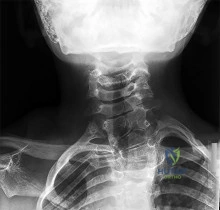
A 12-year-old obese male presents with chronic left groin pain and an obligatory slip into external rotation with passive hip flexion. Radiograph of the hip is shown.

Which of the following represents the strongest indication for prophylactic in situ pinning of the contralateral, asymptomatic hip in a patient with a Slipped Capital Femoral Epiphysis (SCFE)?


Explanation

The strongest indications for prophylactic pinning of the contralateral hip in a patient with SCFE include an underlying endocrine disorder (such as hypothyroidism, panhypopituitarism, or renal osteodystrophy), prior radiation therapy, or age less than 10 years. Endocrine disorders carry a significantly higher risk of bilateral involvement compared to idiopathic SCFE.

Question 22

Which of the following anatomical landmarks is the correct target for the optimal placement of a circumferential pelvic sheet or binder to reduce an open book pelvic ring injury in the trauma bay?


Explanation

For effective closure of an open book pelvic injury (APC-II/III), the pelvic binder or sheet must be centered directly over the greater trochanters. Placing it higher over the iliac crests or ASIS can paradoxically widen the pelvis or fail to provide adequate compressive force to close the pubic diastasis and posterior SI joint disruption.

Question 23

A 22-year-old collegiate football player sustains a valgus and twisting injury to his knee. MRI confirms a complete proximal tear of the medial collateral ligament (MCL) and an anterior cruciate ligament (ACL) rupture. What is the most appropriate initial management protocol?


Explanation

Combined ACL and proximal MCL tears are typically best managed by initially allowing the MCL to heal nonoperatively in a hinged knee brace. Once the MCL has healed and full knee range of motion is restored (usually 4-6 weeks), delayed ACL reconstruction is performed. This approach minimizes the significant risk of postoperative arthrofibrosis associated with acute multi-ligament surgery.

Question 24

Denosumab is increasingly utilized in the treatment of unresectable or recurrent Giant Cell Tumor (GCT) of bone. What is its exact mechanism of action?


Explanation

Denosumab is a fully human monoclonal antibody that binds specifically to Receptor Activator of Nuclear factor Kappa-B Ligand (RANKL). By binding to RANKL, it prevents RANKL from interacting with the RANK receptor on the surface of osteoclast precursors and mature osteoclasts (and the giant cells in GCT), thereby inhibiting osteoclastogenesis and bone resorption.

Question 25

A 35-year-old male presents with a swollen, exquisitely tender index finger 3 days after sustaining a puncture wound.

Suppurative flexor tenosynovitis is suspected. Which of the following is NOT a classic Kanavel sign?


Explanation

The four classic Kanavel signs of flexor tenosynovitis are: 1) fusiform (sausage-like) swelling of the digit, 2) flexed resting posture of the digit, 3) exquisite tenderness along the course of the flexor tendon sheath, and 4) pain with PASSIVE (not active) extension of the digit. Pain on passive extension is often the earliest and most reliable sign.

Question 26

A 40-year-old driver is involved in a high-speed motor vehicle collision, sustaining a traumatic spondylolisthesis of the axis (Hangman's fracture). Imaging shows severe angulation and >3 mm of translation with bilateral facet dislocations. According to the Levine-Edwards classification, this is a Type III fracture. What is the primary mechanism of injury?


Explanation

Levine-Edwards classification of Hangman's fractures: Type I (hyperextension/axial load, <3mm translation, no angulation); Type II (hyperextension/axial load followed by severe flexion, >3mm translation, significant angulation); Type IIA (flexion/distraction, minimal translation, severe angulation); Type III (flexion/distraction mechanism resulting in bilateral pars fractures with bilateral facet dislocation).

Question 27

A 55-year-old male who underwent a ceramic-on-ceramic total hip arthroplasty 3 years ago presents to the clinic complaining of a loud 'squeaking' sound coming from his hip when he walks. He denies pain. Which of the following component malpositions is most strongly associated with this complication?


Explanation

Squeaking in ceramic-on-ceramic total hip arthroplasty is a well-documented phenomenon caused by altered tribology. It is most strongly associated with edge loading of the ceramic bearings. Edge loading occurs most frequently when the acetabular cup is placed with excessive steepness (high abduction/inclination angle) or excessive anteversion.

Question 28

A 24-year-old equestrian falls from a horse, trapping her foot in the stirrup.

A Lisfranc injury is suspected based on midfoot swelling and plantar ecchymosis. The primary Lisfranc ligament anatomically connects which two osseous structures?


Explanation

The Lisfranc ligament is an intra-articular ligament that provides vital stability to the midfoot. It courses from the lateral aspect of the medial cuneiform to the medial aspect of the base of the second metatarsal. There is notably no direct ligamentous connection between the first and second metatarsal bases.

Question 29

Demineralized bone matrix (DBM) is widely used as a bone graft substitute in spinal fusions. Based on its biological composition, which of the following properties does DBM possess?


Explanation

DBM possesses both osteoinductive and osteoconductive properties. It is osteoinductive because the acid-demineralization process exposes growth factors, primarily Bone Morphogenetic Proteins (BMPs). It is osteoconductive because the remaining Type I collagen provides a structural scaffold for new bone growth. It is NOT osteogenic because it lacks living cells (osteoblasts/osteoprogenitor cells).

Question 30

A 10-year-old boy sustains a Salter-Harris II fracture of the distal femur. Despite an anatomic closed reduction and casting, the patient develops a significant leg length discrepancy 2 years later. Which of the following is the approximate historical rate of physeal growth arrest associated with distal femoral physeal fractures?


Explanation

Distal femoral physeal fractures carry a notoriously high risk of premature physeal closure and growth arrest, historically reported to be around 40-50%, even with seemingly anatomic reduction. This is due to the highly undulating anatomy of the distal femoral physis, which sustains significant sheer force during injury.

Question 31

A 35-year-old construction worker falls from a ladder, sustaining an intra-articular calcaneus fracture.

If an extensile lateral approach is utilized for open reduction and internal fixation, which anatomical structure is at highest risk of injury during the elevation of the inferior aspect of the full-thickness flap?


Explanation

The extensile lateral approach to the calcaneus involves creating a full-thickness subperiosteal flap. The vertical limb is placed just anterior to the Achilles tendon, and the horizontal limb is roughly at the transition between the glabrous and non-glabrous skin. The sural nerve is at significant risk of being transected or stretched, particularly at the corner and during the inferior horizontal incision.

Question 32

A 19-year-old competitive swimmer presents with bilateral shoulder pain and a sensation of subluxation. Clinical examination reveals a positive sulcus sign and generalized ligamentous laxity. Following an intensive 6-month physical therapy regimen focusing on periscapular and rotator cuff stabilization, she remains highly symptomatic. What is the most appropriate surgical intervention?


Explanation

This patient has Multidirectional Instability (MDI) of the shoulder, characterized by generalized laxity and a positive sulcus sign. The first-line treatment is a prolonged course of physical therapy (often 6 months or more). If conservative management fails, the surgical procedure of choice is an inferior capsular shift to reduce the redundant capsular volume.

Question 33

A 65-year-old female presents with severe thoracic back pain, fatigue, and anemia. Workup reveals multiple lytic bone lesions without sclerotic rims. Which cytokine is primarily responsible for the marked osteoclast activation and resulting osteolytic lesions in this disease process?


Explanation

The patient has Multiple Myeloma. The myeloma cells secrete high levels of Interleukin-6 (IL-6), which acts as a potent stimulator of osteoclastogenesis via the RANK/RANKL pathway, leading to massive bone resorption (lytic lesions). Additionally, osteoblast function is inhibited.

Question 34

A 22-year-old male falls on an outstretched hand and sustains a proximal pole scaphoid fracture. The risk of avascular necrosis is high due to the retrograde nature of the scaphoid's blood supply. Which artery provides the primary blood supply to the proximal pole of the scaphoid?


Explanation

The primary blood supply to the scaphoid is from the dorsal carpal branch of the radial artery, which enters the scaphoid distally and flows retrograde to supply the proximal pole. Because of this retrograde flow, fractures at the waist or proximal pole easily disrupt the blood supply to the proximal fragment, leading to a high rate of avascular necrosis.

Question 35

A 70-year-old male with confirmed cervical spondylotic myelopathy undergoes a thorough neurologic examination. The examiner elicits a positive Hoffman's sign. This finding indicates a lesion involving which of the following neurologic tracts?


Explanation

Hoffman's sign is an upper motor neuron (UMN) sign. It is elicited by 'flicking' the distal phalanx of the middle finger; a positive response is reflexive flexion of the thumb and/or index finger. A positive test indicates cervical spinal cord compression or brain pathology affecting the corticospinal tract, which is the major descending pathway for voluntary motor control.

Question 36

In the pathogenesis of aseptic loosening following total joint arthroplasty, submicron particulate polyethylene debris is generated and subsequently phagocytosed by local macrophages. Which of the following is the primary downstream effector cell directly responsible for the resulting periprosthetic bone resorption (osteolysis)?


Explanation

The biological response to wear debris is macrophage-mediated. Macrophages phagocytose the polyethylene particles and release pro-inflammatory cytokines (TNF-alpha, IL-1, IL-6). These cytokines upregulate RANKL expression, which stimulates the final effector cell—the osteoclast—to resorb periprosthetic bone, leading to aseptic loosening.

Question 37

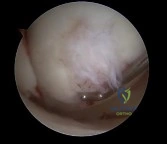
A 40-year-old weekend warrior feels a distinct 'pop' in his heel while playing basketball.

A Thompson test is positive, confirming an acute Achilles tendon rupture. If the patient and surgeon agree on nonoperative management, which of the following describes the most appropriate and modern evidence-based protocol?


Explanation

Modern evidence for nonoperative management of acute Achilles tendon ruptures emphasizes early functional rehabilitation. Protocols involving early protected weight-bearing in an equinus boot/brace have been shown to drastically reduce the risk of deep vein thrombosis and result in re-rupture rates comparable to operative management, without the risks of surgical complications.

Question 38

When analyzing the biomechanical properties of a viscoelastic orthopedic implant, the device is subjected to a constant applied load over a prolonged period. The material demonstrates a progressive, time-dependent increase in deformation. What is the correct biomechanical term for this phenomenon?


Explanation

Creep is defined as the progressive deformation of a viscoelastic material under a constant load over time. In contrast, stress relaxation is the time-dependent decrease in internal stress under a constant state of deformation. Hysteresis is the energy lost (usually as heat) during a loading-unloading cycle.

Question 39

A 4-week-old female infant is currently undergoing treatment with a Pavlik harness for developmental dysplasia of the hip (DDH). At the 2-week follow-up appointment, the mother notes that the infant has stopped kicking her left leg, and the knee rests in a persistently extended position. What is the most likely iatrogenic cause of this finding?


Explanation

The clinical picture describes a femoral nerve palsy, a known complication of Pavlik harness treatment. It is caused by hyperflexion of the hip (usually >120 degrees), which compresses the femoral nerve against the inguinal ligament. This results in decreased quadriceps function (absence of kicking and an extended resting knee). Treatment involves loosening the anterior straps to decrease hip flexion. Excessive abduction, by contrast, is associated with avascular necrosis of the femoral head.

Question 40

During the open reduction and internal fixation of a 3-part proximal humerus fracture via a standard deltopectoral approach, preservation of the primary blood supply to the humeral head is a critical consideration. According to modern anatomical perfusion studies (e.g., Hettrich, Brooks), which vessel provides the vast majority of the blood supply to the humeral head?


Explanation

Historically, the anterior humeral circumflex artery (specifically the arcuate artery of Laing) was thought to be the primary blood supply to the humeral head. However, modern cadaveric studies using gadolinium enhancement (Hettrich, JBJS 2010) definitively demonstrated that the posterior humeral circumflex artery provides 64% of the blood supply to the humeral head, making it the most significant contributor.

Question 41

A 65-year-old man presents with progressive clumsiness in his hands and difficulty walking. Examination reveals hyperreflexia in the lower extremities and a positive Hoffmann's sign.

MRI demonstrates severe canal stenosis at C5-C6. If this patient has a pure C6 radiculopathy superimposed on his myelopathy, which of the following physical exam findings would most likely be present?


Explanation

A pure C6 radiculopathy is characterized by weakness in wrist extension, altered sensation over the lateral forearm and thumb, and a diminished brachioradialis reflex. C5 affects shoulder abduction and the biceps reflex. C7 affects elbow extension, wrist flexion, and the triceps reflex. C8 affects finger flexion and thumb extension.

Question 42

A 12-year-old boy presents with a left-sided slipped capital femoral epiphysis (SCFE). He is noticeably short for his age and has a documented history of hypothyroidism. What is the most appropriate management regarding his completely asymptomatic, radiographically normal contralateral right hip?


Explanation

Patients with underlying endocrine or metabolic disorders (such as hypothyroidism, panhypopituitarism, or renal osteodystrophy) have a significantly higher risk of developing a contralateral SCFE (often reported near 100% in some series). Therefore, prophylactic in situ pinning of the unaffected hip is strongly indicated in this population.

Question 43

A 32-year-old male presents with a slow-growing, painful mass in his left thigh. MRI reveals a deep soft tissue mass adjacent to the knee joint. Biopsy demonstrates a biphasic tumor with both epithelial and spindle cell components. Which of the following cytogenetic abnormalities is pathognomonic for this sarcoma?


Explanation

The clinical presentation and biphasic histology indicate a synovial sarcoma. The pathognomonic chromosomal translocation for synovial sarcoma is t(X;18)(p11;q11), which results in the SYT-SSX (now often termed SS18-SSX) fusion gene. t(11;22) is characteristic of Ewing sarcoma, t(12;16) for myxoid liposarcoma, and t(2;13) for alveolar rhabdomyosarcoma.

Question 44

Articular cartilage consists of multiple distinct histologic zones, each contributing to its unique biomechanical properties. Which of the following characteristics best describes the deep zone of normal adult articular cartilage?


Explanation

The deep (radial) zone of articular cartilage contains the largest diameter collagen fibers oriented perpendicularly to the articular surface, which provides significant resistance to compressive forces. It has the lowest water content and the highest proteoglycan concentration. The superficial zone has the highest water content and collagen parallel to the surface.

Question 45

A 28-year-old man sustains a talar neck fracture following a motor vehicle collision. Six weeks postoperatively, a plain radiograph reveals a subchondral radiolucent band in the dome of the talus (Hawkins sign).

What does this radiographic finding indicate?


Explanation

A Hawkins sign is a subchondral radiolucent band seen in the dome of the talus on an AP or mortise radiograph 6 to 8 weeks after a talar neck fracture. It represents subchondral osteopenia secondary to disuse. Because osteopenia requires an active blood supply to resorb bone, its presence is a highly reliable indicator that the talar body retains an intact vascular supply, ruling out avascular necrosis.

Question 46

In the surgical management of a 'terrible triad' injury of the elbow (elbow dislocation, radial head fracture, and coronoid fracture), which of the following sequences is the standard recommended approach for reconstruction to restore stability?


Explanation

The classic, systematic approach to a terrible triad injury works from deep to superficial and typically from lateral to medial if a standard lateral approach is used. The sequence is: 1) fix the coronoid (restores the anterior buttress and capsule), 2) repair or replace the radial head (restores anterior and valgus buttress), and 3) repair the lateral collateral ligament (LCL) to the lateral epicondyle (restores posterolateral rotatory stability). The MCL is only addressed if the elbow remains persistently unstable after these primary steps.

Question 47

During a primary total knee arthroplasty (TKA), trial components are inserted. The knee is symmetric and stable in full extension, but the flexion space is excessively tight, preventing full flexion. Which of the following surgical modifications is the most appropriate next step to correct this mismatch?


Explanation

A knee that is balanced in extension but tight in flexion requires an increase in the flexion gap without altering the extension gap. Decreasing the size of the femoral component (downsizing) resects more posterior condylar bone, which increases the flexion space. Resecting more distal femur would increase the extension space. Changing the polyethylene thickness affects both gaps equally.

Question 48

The Lisfranc ligament is a critical structure for midfoot stability. Between which two bones does the primary, most substantial band (interosseous portion) of the Lisfranc ligament course?


Explanation

The Lisfranc ligament is an interosseous ligament that connects the lateral aspect of the medial cuneiform to the medial aspect of the base of the second metatarsal. There is no direct intermetatarsal ligament between the first and second metatarsal bases, making the Lisfranc ligament the critical stabilizer linking the medial and central columns of the foot.

Question 49

In the surgical management of developmental dysplasia of the hip (DDH), various pelvic osteotomies can be utilized to improve coverage.

Which of the following best describes the biomechanical principle of a Pemberton osteotomy?


Explanation

A Pemberton osteotomy is an incomplete trans-iliac osteotomy that hinges on the flexible, open triradiate cartilage (the ilioischial and iliopubic limbs). Because it hinges at the triradiate cartilage and folds down the acetabular roof, it inherently decreases the overall volume of the acetabulum. In contrast, the Salter innominate osteotomy is a complete cut through the ilium hinging at the pubic symphysis, altering the direction but not the volume of the acetabulum.

Question 50

The anterior cruciate ligament (ACL) consists of two distinct functional bundles: the anteromedial (AM) and posterolateral (PL) bundles. Which of the following best describes the biomechanical function and tensioning of these bundles during knee range of motion?


Explanation

The ACL has two main bundles named for their tibial insertions. The Anteromedial (AM) bundle is tight in flexion and is the primary restraint to anterior tibial translation. The Posterolateral (PL) bundle is tight in extension and provides the primary restraint to rotatory loads (preventing the pivot shift). This biomechanical differentiation is critical for understanding anatomic ACL reconstructions.

Question 51

A 30-year-old woman presents with knee pain. Radiographs show an eccentric, lytic epiphyseal lesion in the distal femur. Biopsy confirms a Giant Cell Tumor (GCT) of bone.

Denosumab is considered for neo-adjuvant treatment to consolidate the tumor rim. What is the specific cellular target of denosumab in the pathogenesis of this tumor?


Explanation

In Giant Cell Tumor of bone, the true neoplastic cells are the mononuclear spindle-like stromal cells, not the giant cells. These stromal cells secrete large amounts of RANKL (Receptor Activator of Nuclear factor Kappa-B Ligand). The RANKL recruits and activates normal osteoclast precursors to fuse into the characteristic reactive, bone-destroying multinucleated giant cells. Denosumab is a monoclonal antibody that specifically binds to and inhibits RANKL.

Question 52

A 25-year-old male sustains a Pauwels type III (vertical) femoral neck fracture. Biomechanically, what is the primary mode of failure for this specific fracture pattern if treated inadequately with three parallel cancellous lag screws?


Explanation

Pauwels type III fractures have a highly vertical fracture line (>50 degrees from horizontal). This steep angle converts the normal compressive forces across the hip joint into high shear forces. The typical failure mode in a vertically oriented femoral neck fracture is varus collapse with inferior translation (shear) of the head fragment relative to the neck. Fixed-angle constructs (like a sliding hip screw or locking plate) are often favored over standard parallel screws to better resist these shear forces.

Question 53

During primary repair of a Zone II flexor tendon laceration in the hand, preserving the integrity of the flexor tendon sheath and pulley system is imperative to ensure optimal finger kinematics. Biomechanically, which two pulleys are the most critical to preserve or reconstruct to prevent bowstringing of the flexor tendons?


Explanation

The A2 pulley (located over the proximal aspect of the proximal phalanx) and the A4 pulley (located over the middle aspect of the middle phalanx) are the major annular pulleys. They are structurally the widest and strongest pulleys and are biomechanically the most critical for preventing bowstringing and maintaining the normal moment arm of the flexor tendons during digit flexion.

Question 54

A 68-year-old female presents with severe neurogenic claudication. Imaging reveals an L4-L5 degenerative spondylolisthesis.

In the pathogenesis of this condition, the facet joints typically undergo remodeling and become more sagittally oriented. This orientation most directly permits which type of abnormal motion?


Explanation

Degenerative spondylolisthesis most commonly occurs at the L4-L5 level. It is highly associated with sagittal orientation of the facet joints (due to remodeling and arthropathy), which normally resist forward slippage when coronally oriented. When they become sagittally aligned, they fail to restrict forward shear forces, permitting anterior translation of the superior vertebra over the inferior vertebra.

Question 55

A 40-year-old recreational athlete sustains an acute complete Achilles tendon rupture. Based on high-quality randomized controlled trials (e.g., Willits et al.), which of the following statements is true regarding non-operative management utilizing an early functional rehabilitation protocol compared to traditional open surgical repair?


Explanation

Modern studies incorporating early functional rehabilitation (early weight bearing in a functional brace/boot) for acute Achilles tendon ruptures have demonstrated that the re-rupture rates are equivalent to open surgical repair. However, surgical repair continues to have a significantly higher rate of minor and major soft-tissue complications (e.g., infection, wound breakdown). Thus, functional non-operative protocols are increasingly favored.

Question 56

In orthopedic implant manufacturing, the mechanical properties of an alloy dictate its behavior within the host bone. Which of the following standard solid metallic biomaterials exhibits the lowest modulus of elasticity, thereby minimizing stress shielding when utilized as a diaphyseal stem?


Explanation

The modulus of elasticity (Young's modulus) is a measure of material stiffness. Cortical bone has a modulus of roughly 15-20 GPa. Titanium alloys (like Ti-6Al-4V) have a modulus of about 110 GPa, which is much closer to bone than 316L Stainless Steel (~200 GPa) or CoCrMo alloys (~210-240 GPa). The closer the implant's modulus is to cortical bone, the less load it shields from the bone, thereby reducing periprosthetic bone resorption (stress shielding).

Question 57

A 16-year-old female undergoes medial patellofemoral ligament (MPFL) reconstruction for recurrent lateral patellar instability.

To ensure proper graft isometry during knee flexion, where must the femoral attachment of the graft be placed anatomically?


Explanation

The anatomic femoral footprint of the MPFL (often radiographically localized by Schöttle's point) is situated in a "saddle" region between the adductor tubercle and the medial epicondyle. Specifically, it lies proximal and posterior to the medial epicondyle, and just distal and anterior to the adductor tubercle. Accurate placement is essential to ensure the graft remains appropriately tensioned (isometric) throughout the knee arc of motion.

Question 58

A 2.5-year-old boy presents with progressive bilateral genu varum and an asymmetric waddling gait. Standing long-leg radiographs demonstrate medial metaphyseal beaking and a metaphyseal-diaphyseal angle (MDA) of 20 degrees bilaterally. What is the most appropriate initial management?


Explanation

This presentation describes infantile Blount's disease (tibia vara), characterized by a disordered endochondral ossification of the medial proximal tibial physis. An MDA > 16 degrees strongly predicts progression rather than spontaneous resolution (physiologic bowing usually has an MDA < 11 degrees). In a child under the age of 3 to 4 with early-stage disease (Langenskiöld I or II), the treatment of choice is a trial of bracing with KAFOs to unload the medial compartment.

Question 59

A 19-year-old male presents with deep, boring thigh pain that is significantly worse at night and dramatically relieved by oral ibuprofen. A CT scan is obtained

demonstrating a 1 cm radiolucent nidus surrounded by dense, reactive sclerotic cortical bone in the femoral diaphysis. What is the primary biochemical mediator responsible for this characteristic pain pattern?


Explanation

The clinical presentation and imaging are classic for an osteoid osteoma. The tumor nidus produces high levels of prostaglandins, specifically Prostaglandin E2 (PGE2), which mediate the intense, night-predominant pain. This pathophysiology explains why the pain is typically exquisitely responsive to NSAIDs (which inhibit cyclooxygenase and subsequent prostaglandin synthesis).

Question 60

In the surgical treatment of complex intra-articular distal radius fractures, a volar marginal fragment involving the lunate facet (the 'lunate drop-out' or 'Melone' fragment) is notoriously difficult to capture with standard fixed-angle volar locking plates. Failure to secure this specific fragment most commonly results in which of the following complications?


Explanation

The volar lunate facet fragment provides critical bony support for the strong short radiolunate ligament. Because this ligament remains attached to the fragment, if the fragment is not anatomically secured (e.g., if a volar plate is placed too proximally to buttress it), the lunate—and consequently the rest of the carpus—will subluxate or dislocate volarly off the distal radius. This catastrophic failure is a well-known complication of inadequately fixing the volar lunate facet.

Question 61

During a Kocher-Langenbeck approach for an acetabular fracture, the surgeon must be mindful of protecting the sciatic nerve. What is the optimal positioning of the lower extremity to minimize tension on the sciatic nerve during retraction?


Explanation

Extending the hip and flexing the knee relaxes the sciatic nerve. This minimizes the risk of iatrogenic traction injury during posterior retractor placement.

Question 62

A 24-year-old rugby player undergoes a Latarjet procedure for recurrent anterior shoulder instability with 25% glenoid bone loss. During the transfer of the coracoid process, which of the following nerves is at greatest risk of injury and must be carefully protected?


Explanation

The musculocutaneous nerve enters the coracobrachialis approximately 5 cm distal to the coracoid tip. It is at significant risk during coracoid osteotomy and mobilization of the conjoint tendon.

Question 63

A 28-year-old male sustains a knee injury during a soccer tackle. Physical examination reveals a positive dial test at 30 degrees of knee flexion with 15 degrees of increased external rotation compared to the contralateral side. At 90 degrees of knee flexion, the external rotation is symmetric bilaterally. Which of the following structures is most likely injured?


Explanation

An isolated injury to the posterolateral corner (PLC) results in a positive dial test at 30 degrees but not at 90 degrees. If both the PLC and PCL are torn, the dial test will be positive at both 30 and 90 degrees.

Question 64

A 9-year-old boy whose weight is in the 95th percentile presents with groin pain and an obligatory external rotation of the hip with passive flexion. Radiographs confirm a slipped capital femoral epiphysis (SCFE). Given the patient's age, which of the following underlying conditions should be investigated?


Explanation

SCFE typically occurs in boys aged 12-16. Presentation in children under 10 years of age or with bilateral involvement strongly suggests an underlying endocrine disorder, most commonly hypothyroidism.

Question 65

Which of the following biomechanical parameters has the most significant influence on increasing the pullout strength of a pedicle screw in spinal fixation?


Explanation

The major (outer) diameter of a pedicle screw is the most critical factor in determining its pullout strength. While increasing screw length and inner diameter also contribute, the major diameter and the resulting thread depth have a substantially greater biomechanical impact.

Question 66

A 6-year-old child sustains a severely displaced Type III supracondylar humerus fracture. Upon arrival, the hand is pink but pulseless. After closed reduction and percutaneous pinning, the hand remains pink and pulseless. Doppler ultrasound confirms biphasic signals in the palmar arch. What is the most appropriate next step in management?


Explanation

A "pink and pulseless" hand with confirmed distal Doppler flow after reduction of a pediatric supracondylar humerus fracture should be observed closely. Surgical exploration is indicated if the hand is white/ischemic or if perfusion is lost after reduction.

Question 67

A 35-year-old male presents with a deep, painless mass in the distal thigh. A core needle biopsy reveals a biphasic histologic pattern composed of epithelial and spindle cells. Cytogenetic analysis is most likely to identify which of the following translocations?


Explanation

The diagnosis is synovial sarcoma, which characteristically features a biphasic histology and is associated with the t(X;18)(p11;q11) translocation, resulting in the SYT-SSX fusion gene. Ewing sarcoma is associated with t(11;22), and myxoid liposarcoma with t(12;16).

Question 68

During a primary total knee arthroplasty (TKA), the surgeon evaluates the trial components and finds that the knee is perfectly balanced and symmetric in full extension, but significantly tight in 90 degrees of flexion. Which of the following adjustments is the most appropriate next step to balance the knee?


Explanation

A knee that is tight in flexion but balanced in extension has a tighter flexion gap than extension gap. Decreasing the AP size of the femoral component reduces the posterior condylar offset, thereby increasing the flexion gap without affecting the extension gap.

Question 69

A 45-year-old poorly controlled diabetic patient presents with an acutely swollen, erythematous, and warm right foot. There are no open ulcers. Radiographs demonstrate periarticular debris, fragmentation, and subluxation at the tarsometatarsal joints. What is the most appropriate initial management?


Explanation

The patient is presenting with acute Eichenholtz Stage 1 (developmental) Charcot arthropathy. The gold standard for initial management is immobilization and offloading, typically achieved with a total contact cast, to prevent further deformity while the acute inflammation subsides.

Question 70

During an open Latarjet procedure for recurrent anterior shoulder instability, the coracoid process is osteotomized and transferred. Which of the following neural structures must be meticulously protected as it enters the conjoint tendon approximately 3-5 cm distal to the coracoid tip?


Explanation

The musculocutaneous nerve routinely enters the deep surface of the coracobrachialis (part of the conjoint tendon) 3 to 8 cm distal to the coracoid process. It is at highest risk during the dissection and retraction of the conjoint tendon in a Latarjet procedure.

Question 71

Which of the following statements correctly describes the cellular pathophysiology of a Giant Cell Tumor (GCT) of bone?


Explanation

In Giant Cell Tumor of bone, the mononuclear stromal cells are the true neoplastic cells. They express Receptor Activator of Nuclear factor Kappa-B Ligand (RANKL), which recruits and activates the reactive multinucleated osteoclast-like giant cells that cause bone destruction.

Question 72

In a patient undergoing revision of a metal-on-metal total hip arthroplasty, intraoperative findings include a cystic pseudotumor. Histopathology of the periprosthetic tissue reveals a pronounced perivascular lymphocytic infiltrate. This finding is most characteristic of which condition?


Explanation

ALVAL represents a Type IV delayed hypersensitivity reaction to metal ions. Its hallmark histologic feature is a dense, perivascular infiltrate of lymphocytes, distinguishing it from a standard foreign-body macrophage response seen in normal wear.

Question 73

An anterior cervical discectomy and fusion (ACDF) is planned via the Smith-Robinson approach. Which fascial interval is utilized, and why is the right-sided approach considered to have a higher risk to the recurrent laryngeal nerve?


Explanation

The Smith-Robinson approach utilizes the interval between the sternocleidomastoid/carotid sheath (lateral) and the strap muscles/trachea/esophagus (medial). The right recurrent laryngeal nerve is more vulnerable because it loops around the subclavian artery and ascends more obliquely than the left.

Question 74

A 12-year-old boy undergoes in situ single screw fixation for a stable slipped capital femoral epiphysis (SCFE). Over the next 6 months, he develops severe hip stiffness, pain, and a concentric loss of joint space on radiographs. This complication is most strongly associated with which intraoperative error?


Explanation

Chondrolysis is characterized by progressive joint stiffness and narrowing of the joint space. It is most commonly associated with unrecognized intra-articular penetration of the pins or screws during fixation of a SCFE.

Question 75

A 25-year-old male is brought to the trauma bay after a motorcycle accident. He has an open-book pelvic ring injury with hemodynamic instability. To effectively close the pelvic volume, a circumferential pelvic sheet or binder should be placed at the level of the:


Explanation

A pelvic binder must be placed centered over the greater trochanters to effectively provide compression across the pelvic ring and reduce pelvic volume. Placement over the iliac crests is incorrect and can exacerbate the deformity or cause inadequate compression.

Question 76

A patient with Scapholunate Advanced Collapse (SLAC) wrist presents for surgical intervention. Radiographs reveal advanced osteoarthritis at the radioscaphoid and capitolunate joints, but the radiolunate joint is completely spared. Which of the following procedures is most appropriate?


Explanation

This patient has Stage III SLAC wrist (capitolunate involvement). Proximal row carpectomy is contraindicated due to capitolunate arthritis (the capitate would articulate with the lunate fossa). The procedure of choice is a four-corner fusion (capitate, hamate, lunate, triquetrum) with scaphoid excision.

Question 77

During the posteromedial approach for fixation of a split-depression medial tibial plateau fracture, the optimal surgical interval to expose the posterior aspect of the medial tibial condyle is between the medial head of the gastrocnemius and which anterior structure?


Explanation

The posteromedial approach to the proximal tibia utilizes the interval between the medial head of the gastrocnemius (retracted posteriorly) and the pes anserinus tendons (retracted anteriorly) to safely place a buttress plate.

Question 78

An athlete undergoes anterior cruciate ligament (ACL) reconstruction. Post-operatively, he complains of anterior knee pain and a lack of terminal extension. MRI demonstrates the graft impinging against the intercondylar roof in extension. Which technical error is the most likely cause of this complication?


Explanation

Placement of the tibial tunnel too anteriorly results in roof impingement of the ACL graft, leading to a loss of extension. In contrast, placing the femoral tunnel too anteriorly generally leads to a graft that is tight in flexion and loose in extension.

Question 79

A 28-year-old painter accidentally discharges a high-pressure paint gun against the volar tip of his index finger. He presents 2 hours later with a small puncture wound, mild swelling, minimal pain, and intact capillary refill. What is the most appropriate management?


Explanation

High-pressure injection injuries are surgical emergencies, especially with organic solvents like paint or grease, due to their intense chemical toxicity and risk of compartment syndrome. Despite a benign initial presentation, they require immediate wide surgical debridement in the operating room.

Question 80

When initiating the Ponseti method of serial casting for an infant born with idiopathic talipes equinovarus (clubfoot), what is the correct sequence of deformity correction?


Explanation

The Ponseti method follows the CAVE sequence: Cavus (corrected by elevating the first ray), Adductus, Varus, and finally Equinus (which often requires a percutaneous Achilles tenotomy).

Question 81

A 65-year-old male with long-standing ankylosing spondylitis presents to the emergency department after a ground-level fall. He complains of severe lower neck pain but has no focal neurologic deficits. Initial anteroposterior and lateral plain radiographs of the cervical spine show flowing osteophytes but no obvious fracture. What is the most critical next step?


Explanation

Patients with ankylosing spondylitis have highly brittle spines and are at severe risk for unstable occult fractures even from low-energy trauma. A CT scan of the entire cervical spine is absolutely mandatory to rule out a fracture, even if plain radiographs are completely negative.

Question 82

Which of the following is considered an absolute indication for operative fixation of an acute midshaft clavicle fracture?


Explanation

Absolute indications for open reduction and internal fixation of a clavicle fracture include open fractures, associated neurovascular injury, and severe skin tenting with impending necrosis. Shortening, displacement, and comminution are relative indications.

Question 83

A patient sustains an isolated, closed transverse fracture of the humeral shaft. During non-operative management with a functional brace, primary healing occurs via endochondral ossification. If rigid internal fixation with a compression plate had been used instead, bone healing would primarily depend on which of the following cellular processes?


Explanation

Rigid internal fixation with absolute stability (such as a compression plate for a transverse fracture) promotes primary bone healing. This occurs via direct Haversian remodeling driven by osteoclastic cutting cones, bypassing the formation of a cartilaginous soft callus seen in secondary healing.

Question 84

A 25-year-old professional baseball pitcher presents with vague, deep shoulder pain and clicking during the late cocking phase of throwing. He is diagnosed with a Type II Superior Labrum Anterior and Posterior (SLAP) tear. What is the primary biomechanical mechanism causing this pathology in this patient population?


Explanation

In overhead throwing athletes, Type II SLAP tears typically occur due to the "peel-back" mechanism. During the late cocking phase (maximum abduction and external rotation), the biceps vector shifts posteriorly, transmitting torsional force that peels the superior labrum off the glenoid.

None

Clinic OS
Medically Verified Content by
Prof. Clinic OS
Consultant Orthopedic & Spine Surgeon
Chapter Index
