العربية
Part of the Master Guide

Self Assessment Examination Adult S Review | Dr Hutaif - ...

Orthopedics Hyperguide Review | Dr Hutaif General Ortho -...
23 Apr 2026 49 min read 113 Views
Illustration of hallux metatarsophalangeal joint - Dr. Mohammed Hutaif

Key Takeaway

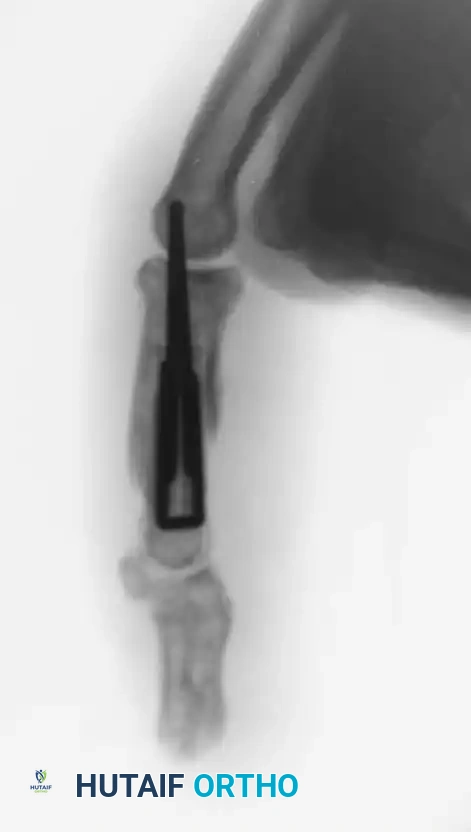
This topic focuses on ORTHOPEDICS HYPERGUIDE 2022 MCQ-1151-1200, Transfer of the extensor hallucis longus tendon to the first metatarsal and arthrodesis of the hallux interphalangeal joint is indicated for flexible cavovarus deformity. This procedure corrects claw hallux and first metatarsal equinus. It primarily aims to stabilize the first ray and indirectly influences the biomechanics of the hallux metatarsophalangeal joint, addressing hyperextension common in claw toe deformities.

Orthopedics Hyperguide Review | Dr Hutaif General Ortho -...

Comprehensive 100-Question Exam


00:00

Start Quiz

Question 1

A 55-year-old female undergoes a DEXA scan revealing a T-score of -2.8. She is started on a medication that is a monoclonal antibody against RANKL. Which of the following is the primary cellular effect of this medication?


Explanation

Denosumab is a monoclonal antibody that binds to RANKL, preventing it from interacting with RANK on the surface of osteoclast precursors, thereby inhibiting osteoclast differentiation, activation, and survival.

Question 2

When evaluating the biomechanical properties of a titanium orthopedic implant, the point on the stress-strain curve where the material transitions from elastic deformation to plastic deformation is known as the:


Explanation

The yield point marks the transition from the elastic region (where deformation is reversible) to the plastic region (where deformation is permanent). Young's modulus represents the stiffness in the elastic region, represented by the slope of the elastic line.

Question 3

A surgeon plans to use a stainless steel plate with titanium screws for fracture fixation. Which of the following best describes the likely outcome of mixing these two metals in vivo?


Explanation

When dissimilar metals are in contact in an electrolytic fluid (body fluid), galvanic corrosion occurs. The less noble metal (anodic) corrodes more rapidly. Stainless steel is less noble than titanium; thus, the stainless steel plate will undergo accelerated corrosion.

Question 4

In the pathogenesis of periprosthetic joint infection, Staphylococcus epidermidis frequently forms a biofilm. Which of the following best characterizes the composition of the extracellular polymeric substance (EPS) matrix in this biofilm?


Explanation

The extracellular polymeric substance (EPS) of S. epidermidis biofilm is primarily composed of Polysaccharide Intercellular Adhesin (PIA), extracellular DNA (eDNA), and proteins, which protect the bacteria from the host immune system and antibiotics.

Question 5

A new clinical test for diagnosing anterior cruciate ligament (ACL) tears is evaluated. If the prevalence of ACL tears in the tested population increases, assuming the sensitivity and specificity of the test remain constant, which of the following statistical parameters will also increase?


Explanation

Positive predictive value (PPV) is heavily dependent on disease prevalence. As prevalence increases, PPV increases and Negative predictive value (NPV) decreases. Sensitivity, specificity, and likelihood ratios are intrinsic test properties and do not change with prevalence.

Question 6

According to the American Academy of Orthopaedic Surgeons (AAOS) guidelines, which of the following is the recommended duration for venous thromboembolism (VTE) prophylaxis following an elective total hip arthroplasty?


Explanation

AAOS and ACCP guidelines recommend extended VTE prophylaxis for up to 35 days following major orthopedic surgeries such as total hip arthroplasty (THA), as the risk of VTE remains elevated for several weeks post-operatively.

Question 7

A 14-year-old boy presents with knee pain. Radiographs show a destructive, mixed lytic and sclerotic lesion in the distal femoral metaphysis with a 'sunburst' periosteal reaction. Histology reveals malignant spindle cells producing osteoid. What is the most critical prognostic factor for his overall survival?


Explanation

In osteosarcoma, the degree of tumor necrosis following neoadjuvant chemotherapy (>90% necrosis is considered a good response) is the most significant prognostic factor for overall disease-free survival.

Question 8

A 45-year-old immigrant presents with generalized bone pain and proximal muscle weakness. Laboratory studies reveal low serum calcium, low phosphorus, high alkaline phosphatase, and elevated parathyroid hormone (PTH). Radiographs show Looser zones. Which of the following is the underlying pathophysiology of this condition?


Explanation

The patient has osteomalacia (likely due to severe Vitamin D deficiency), characterized by defective mineralization of newly formed osteoid matrix in adults. In children, the equivalent condition is rickets, which features abnormal endochondral ossification.

Question 9

A child presents with short-limbed dwarfism, frontal bossing, and midface hypoplasia. Genetic testing identifies a gain-of-function mutation in the FGFR3 gene. Which zone of the physis is primarily affected by this mutation?


Explanation

Achondroplasia is caused by a gain-of-function mutation in Fibroblast Growth Factor Receptor 3 (FGFR3). FGFR3 normally inhibits chondrocyte proliferation. Overactivity severely suppresses the proliferative zone of the physis, leading to decreased endochondral bone formation.

Question 10

In total joint arthroplasty, the type of wear generated when two articulating surfaces come into direct contact and micro-welds form and break off, generating particulate debris, is classified as:


Explanation

Adhesive wear occurs when two surfaces slide against each other under pressure, causing localized bonding (micro-welds) that are sheared off during motion. Abrasive wear occurs when a harder surface cuts into a softer one.

Question 11

A 60-year-old diabetic male presents with an erythematous, swollen, and severely painful left lower leg. The pain is out of proportion to physical findings. Crepitus is palpated. Which of the following scoring systems is specifically designed to help distinguish this condition from non-necrotizing soft tissue infections?


Explanation

The Laboratory Risk Indicator for Necrotizing Fasciitis (LRINEC) score utilizes CRP, WBC, hemoglobin, serum sodium, creatinine, and glucose to help distinguish necrotizing fasciitis from other severe soft tissue infections.

Question 12

A midshaft tibial fracture treated with an intramedullary nail heals via secondary bone healing. During the soft callus phase of this process, which specific cell type is primarily responsible for the formation of the cartilaginous template?


Explanation

Secondary bone healing (via callus formation) involves a soft callus phase where mesenchymal stem cells from the periosteum and surrounding tissues differentiate into chondrocytes to form a cartilaginous template, which is later replaced by bone via endochondral ossification.

Question 13

Which of the following orthopedic implant materials has a Young's modulus most closely matching that of cortical bone?


Explanation

Cortical bone has a Young's modulus of approximately 15-20 GPa. Titanium alloys (~110 GPa) are closer to cortical bone than stainless steel (~200 GPa) or Co-Cr (~210-240 GPa), which helps to minimize stress shielding. PMMA is significantly less stiff (~2-3 GPa).

Question 14

A patient undergoes a peripheral nerve block with bupivacaine for post-operative analgesia. Shortly after the injection, the patient develops perioral numbness, tinnitus, and metallic taste, followed by a generalized seizure. Which of the following is the most appropriate initial pharmacological treatment for this specific toxicity?


Explanation

The patient is experiencing Local Anesthetic Systemic Toxicity (LAST), a severe complication common with highly lipophilic agents like bupivacaine. The specific antidote is a 20% lipid emulsion (Intralipid), which acts as a 'lipid sink' to draw the drug away from the myocardium and CNS.

Question 15

On a magnetic resonance imaging (MRI) scan, a specific tissue appears bright (hyperintense) on T1-weighted images and dark (hypointense) on fat-suppressed sequences. Which of the following tissues most likely fits this description?


Explanation

Fat has a short T1 relaxation time, making it appear bright (hyperintense) on T1-weighted images. When a fat-suppression sequence (such as STIR) is applied, the signal from fat is nulled, making it dark.

Question 16

Which of the following best describes the primary physiological function of the Golgi tendon organ in the musculotendinous unit?


Explanation

Golgi tendon organs (GTOs) are located at the musculotendinous junction and sense tension or force. They act via a negative feedback loop to inhibit alpha motor neurons, protecting the muscle and tendon from damage due to excessive force. Conversely, muscle spindles detect stretch and changes in length.

Question 17

A surgeon is inserting a cortical screw. Which alteration in screw design will most significantly increase the pullout strength of the screw in bone?


Explanation

Pullout strength is directly proportional to the outer diameter, length of thread engagement, and the shear strength of the bone, and inversely proportional to thread pitch. Decreasing thread pitch (more threads per unit length) increases the volume of bone engaged, thus increasing pullout strength.

Question 18

In normal articular cartilage, boundary lubrication is crucial for minimizing friction under high-load, low-speed conditions. Which specific molecule, produced by superficial zone chondrocytes and synoviocytes, is the primary mediator of boundary lubrication?


Explanation

Lubricin (Proteoglycan 4 or PRG4) is a highly glycosylated protein secreted by superficial zone chondrocytes and synoviocytes. It binds to the articular surface and provides boundary lubrication, which is essential under high loads and low speeds.

Question 19

A 65-year-old male presents with enlarging cranial circumference and bowing of the tibiae. Radiographs show mixed lytic and sclerotic areas. Histology reveals a mosaic pattern of lamellar bone. The primary cellular defect in this disease process originates in which of the following?


Explanation

Paget's disease of bone is initiated by an overactive, abnormal osteoclast population (often multinucleated and larger than normal). The excessive bone resorption leads to a compensatory but chaotic and structurally inferior bone formation by osteoblasts, resulting in the classic 'mosaic' histologic pattern.

Question 20

Compared to normal human ambulation, a traumatic transfemoral amputee walking with a modern prosthesis expends approximately how much more metabolic energy?


Explanation

The metabolic cost of walking increases significantly with progressively proximal amputation levels. A Syme amputation increases energy expenditure by ~15%, transtibial (BKA) by ~25-40%, and unilateral transfemoral (AKA) by ~65-100%.

Question 21

A 45-year-old male undergoes a tibial shaft fracture repair with a locked intramedullary nail. Which of the following best describes the primary mode of bone healing expected in this patient?


Explanation

Intramedullary nailing provides relative stability rather than absolute stability, leading to secondary bone healing. Secondary bone healing occurs via endochondral ossification, which is characterized by the formation of a cartilaginous callus that is subsequently calcified and replaced by bone.

Question 22

A 15-year-old boy presents with knee pain and a destructive, lytic lesion in the distal femoral metaphysis with a 'sunburst' periosteal reaction. A biopsy shows malignant spindle cells producing osteoid. Which of the following genetic abnormalities is most commonly associated with this tumor's classic variant?


Explanation

The clinical picture and biopsy describe conventional osteosarcoma. Classic genetic associations for osteosarcoma include mutations in the retinoblastoma (RB1) and TP53 tumor suppressor genes. The t(11;22) translocation is seen in Ewing sarcoma. MDM2 amplification is a hallmark of parosteal osteosarcoma. GNAS mutations are seen in fibrous dysplasia.

Question 23

A 12-year-old obese male is diagnosed with a unilateral stable slipped capital femoral epiphysis (SCFE). In which of the following scenarios is prophylactic in situ pinning of the contralateral asymptomatic hip most strongly indicated?


Explanation

Prophylactic pinning of the contralateral hip in SCFE is indicated in patients with a high risk of bilateral disease. Risk factors include endocrinopathies (e.g., hypothyroidism, renal osteodystrophy, growth hormone supplementation), prior radiation therapy, or presentation at an abnormally young age (typically under 10 years).

Question 24

According to the Lauge-Hansen classification, a pronation-abduction (PAB) injury to the ankle predictably follows a specific sequence. What is the first stage of this injury pattern?


Explanation

In the pronation-abduction (PAB) mechanism, the foot is pronated, tensing the medial structures first. The first stage (PAB I) is a transverse fracture of the medial malleolus or rupture of the deltoid ligament. Stage II involves the syndesmotic ligaments, and Stage III is an oblique or bending fracture of the fibula at or above the level of the syndesmosis.

Question 25

A 65-year-old patient who underwent a primary total hip arthroplasty using a ceramic-on-ceramic bearing complains of an audible squeaking sound from the hip when walking. Which of the following biomechanical factors is most directly associated with the development of this complication?


Explanation

Squeaking is a well-known complication specific to ceramic-on-ceramic THA bearings. It is primarily associated with edge loading, which often results from cup malposition (especially excessive abduction or abnormal version), leading to stripe wear on the ceramic head and loss of fluid film lubrication.

Question 26

A 70-year-old male presents with bilateral leg pain and weakness that worsens after walking 2 blocks. He states the pain is relieved when he leans forward on a shopping cart. Which of the following pathophysiological mechanisms primarily contributes to this classic physical sign?


Explanation

The patient's symptoms describe neurogenic claudication secondary to lumbar spinal stenosis. Leaning forward (lumbar flexion) increases the cross-sectional area of the spinal canal and neural foramina by up to 12%, relieving compression on the neural elements and improving venous drainage, which momentarily alleviates ischemic pain to the nerve roots.

Question 27

To prevent bowstringing of the flexor tendons in the hand following a flexor tendon repair, preservation or reconstruction of which of the following combinations of pulleys is considered absolutely essential?


Explanation

The A2 and A4 pulleys are the major biomechanical pulleys in the digital flexor sheath, preventing bowstringing. They arise directly from the periosteum of the proximal and middle phalanges, respectively. Loss of these pulleys leads to clinically significant bowstringing, drastically decreasing tendon excursion efficiency and active interphalangeal joint flexion.

Question 28

When comparing graft choices for anterior cruciate ligament (ACL) reconstruction, which of the following grafts has the highest initial ultimate tensile load?


Explanation

A quadrupled hamstring (semitendinosus and gracilis) autograft has the highest initial ultimate tensile load (approximately 4,000 to 4,300 N), which is substantially greater than a 10-mm BPTB graft (approx. 2,900 N), quadriceps tendon (approx. 2,300 N), and the native ACL (approx. 2,160 N). However, clinical stability outcomes are roughly comparable.

Question 29

A 72-year-old female with severe osteoporosis is started on teriparatide. Which of the following best describes the mechanism of action of this medication?


Explanation

Teriparatide is a recombinant human parathyroid hormone (PTH 1-34) analog. When administered intermittently (daily injection), it acts as an anabolic agent by directly stimulating osteoblast activity, thereby increasing bone formation. Bisphosphonates inhibit farnesyl pyrophosphate synthase; denosumab binds RANKL.

Question 30

A 30-year-old male sustains a closed tibial shaft fracture. Two hours later, he complains of disproportionate pain. His diastolic blood pressure is 80 mmHg. At which of the following intracompartmental pressures is a fasciotomy most clearly indicated based on the delta P threshold concept?


Explanation

The delta P is defined as the diastolic blood pressure minus the absolute intracompartmental pressure. A delta P of less than 30 mmHg indicates critical tissue perfusion loss and is an absolute indication for fasciotomy. In this patient (Diastolic BP = 80 mmHg), a compartment pressure of 55 mmHg yields a delta P of 25 mmHg, warranting immediate surgery.

Question 31

An infant treated with a Pavlik harness for Developmental Dysplasia of the Hip (DDH) is noted to have an absent patellar reflex and decreased spontaneous extension of the knee on the affected side. This complication is most likely due to which of the following improper harness adjustments?


Explanation

The clinical signs point to a femoral nerve palsy. In the context of a Pavlik harness, femoral nerve palsy is typically caused by hyperflexion of the hips, which acutely compresses the femoral nerve against the inguinal ligament. Excessive abduction is instead associated with an increased risk of avascular necrosis of the femoral head.

Question 32

A 55-year-old patient with long-standing diabetes mellitus presents with a red, hot, swollen foot. Radiographs reveal periarticular fragmentation, subluxation, and bony debris at the midfoot without frank osteomyelitis. According to the Eichenholtz classification of Charcot arthropathy, what is the appropriate stage and most appropriate initial treatment?


Explanation

The patient is in Eichenholtz Stage I (Development/Fragmentation stage), characterized by erythema, swelling, bony debris, fragmentation, and subluxation. The mainstay of initial treatment is strict immobilization and offloading, typically achieved with a total contact cast, until the acute inflammatory phase resolves and coalescence (Stage II) begins.

Question 33

A 35-year-old female presents with knee pain. Radiographs show an eccentric, purely lytic lesion in the epiphysis of the proximal tibia extending right to the subchondral bone plate. Biopsy reveals mononuclear cells intermixed with scattered multinucleated giant cells. Which of the following is the most appropriate targeted pharmacotherapy for this condition if it is deemed unresectable?


Explanation

The presentation is classic for a Giant Cell Tumor (GCT) of bone. In GCTs, the neoplastic mononuclear stromal cells secrete RANKL, which recruits and activates the reactive multinucleated giant cells (osteoclasts). Denosumab, a monoclonal antibody against RANKL, inhibits this process and is highly effective for locally advanced or unresectable GCTs.

Question 34

Articular cartilage relies on its distinct zonal architecture for its complex biomechanical properties. Which of the following correctly describes the biochemical composition and cellular orientation of the superficial (tangential) zone?


Explanation

The superficial (tangential) zone of articular cartilage serves to resist shear forces. It has the highest concentration of collagen (primarily Type II, oriented parallel to the joint surface), the lowest concentration of proteoglycans, and the highest water content. The chondrocytes in this zone exhibit a flattened morphology.

Question 35

In a 12-year-old female with Adolescent Idiopathic Scoliosis (AIS), which of the following combinations of clinical and radiographic parameters is associated with the highest statistical risk of curve progression?


Explanation

The risk of curve progression in AIS is highest during the adolescent peak height velocity. Markers of significant remaining skeletal growth include a low Risser stage (0), open triradiate cartilage, and pre-menarchal status. A curve of 30 degrees combined with Risser 0 and an open triradiate cartilage indicates a nearly 100% risk of progression.

Question 36

A 40-year-old typist complains of aching pain in the proximal volar forearm and numbness in the thumb, index, and middle fingers. Phalen's test is negative at the wrist, but resisted pronation of the forearm reliably exacerbates the numbness. Sensation over the thenar eminence is diminished. What is the most likely diagnosis?


Explanation

The patient's symptoms denote Pronator syndrome, a proximal median nerve compression neuropathy. It is distinguished from carpal tunnel syndrome (CTS) by the presence of proximal forearm pain, aggravation by resisted pronation, and importantly, decreased sensation over the thenar eminence (innervated by the palmar cutaneous branch of the median nerve, which branches proximal to the carpal tunnel and is therefore spared in CTS).

Question 37

In the management of a severely polytraumatized patient, the concept of 'Damage Control Orthopedics' (DCO) aims to avoid the 'second hit' phenomenon. Which of the following cytokines is most widely monitored as a highly sensitive marker for the magnitude of the initial systemic inflammatory response?


Explanation

Interleukin-6 (IL-6) is an acute pro-inflammatory cytokine that rapidly peaks after major trauma. Its serum levels closely correlate with the severity of tissue injury, the magnitude of the systemic inflammatory response syndrome (SIRS), and the subsequent risk of multi-organ failure. It is a key biomarker in deciding between early total care (ETC) and DCO.

Question 38

According to the lateral pillar classification for Legg-Calvé-Perthes disease described by Herring, during which radiographic stage of the disease should the classification be applied to most accurately determine prognosis?


Explanation

The Herring lateral pillar classification evaluates the height of the lateral pillar of the capital femoral epiphysis (Group A >100%, Group B >50%, Group C <50%). It is most accurately assessed and most prognostic when applied during the fragmentation stage of Legg-Calvé-Perthes disease, when the full extent of the structural collapse is evident.

Question 39

During the biological process of tendon healing following an acute rupture and primary surgical repair, at which postoperative time frame is the repair biomechanically at its weakest point due to active collagen remodeling?


Explanation

Tendon healing undergoes three phases: inflammatory (days 1-7), proliferative/fibroblastic (days 5-21), and remodeling (>3 weeks). The repair site is biomechanically at its weakest during the early proliferative phase (typically around days 5 to 21) as the initial inflammatory clot is resorbed and before substantial new Type III and Type I collagen is adequately deposited, oriented, and cross-linked.

Question 40

When evaluating a painful total knee arthroplasty for potential periprosthetic joint infection (PJI), the synovial fluid alpha-defensin immunoassay is often utilized. Which of the following best describes the physiological origin of alpha-defensin in this context?


Explanation

Alpha-defensin is a validated biomarker used in the diagnosis of PJI. It is a naturally occurring antimicrobial peptide that is released by host neutrophils into the synovial fluid in response to pathogens. Its levels are highly sensitive and specific for PJI and maintain diagnostic accuracy even in the presence of concurrent antibiotic administration.

Question 41

Which bone morphogenetic protein (BMP) is primarily osteoinductive, widely utilized in spine fusion, and holds FDA approval for the treatment of acute, open tibial shaft fractures?


Explanation

BMP-2 is a highly osteoinductive growth factor that is FDA-approved for anterior lumbar interbody fusion and acute open tibial shaft fractures. BMP-7 (OP-1) was historically used for recalcitrant tibial nonunions.

Question 42

Osteoclasts dissolve inorganic bone matrix by creating an acidic microenvironment in the resorption pit. Which enzyme is most directly responsible for the intracellular generation of the necessary hydrogen ions?


Explanation

Carbonic anhydrase II converts water and carbon dioxide into bicarbonate and hydrogen ions. The hydrogen ions are then actively pumped into the resorption pit via a vacuolar H+-ATPase to dissolve hydroxyapatite.

Question 43

A surgeon decides to increase the diameter of a solid titanium intramedullary nail from 10 mm to 12 mm for a subtrochanteric fracture. By approximately what factor does the torsional rigidity of the new nail increase compared to the original?


Explanation

The torsional rigidity of a solid cylindrical implant is proportional to the fourth power of its radius. Increasing the diameter by a factor of 1.2 (12 mm / 10 mm) increases rigidity by 1.2^4, which is approximately 2.07.

Question 44

A study evaluates a new clinical test for ACL tears against MRI. In a cohort where prevalence is 50%, the test correctly identifies 80 of 100 ACL-deficient patients and 90 of 100 healthy patients. What is the negative predictive value of this test?


Explanation

Negative predictive value (NPV) is the true negatives divided by total negative test results. With 90 true negatives and 20 false negatives, the NPV is 90 / (90 + 20) = 81.8%.

Question 45

Which of the following deep vein thrombosis prophylaxis agents acts by directly inhibiting Factor Xa without requiring antithrombin III as a cofactor?


Explanation

Rivaroxaban and apixaban are direct Factor Xa inhibitors. Enoxaparin and fondaparinux act indirectly by enhancing antithrombin III, while dabigatran is a direct thrombin (Factor IIa) inhibitor.

Question 46

When performing a biopsy of a suspected malignant primary bone tumor in the distal femur, which of the following oncologic principles is most critical to follow to prevent compromising definitive limb salvage?


Explanation

The biopsy tract is considered contaminated with tumor cells and must be excised en bloc during definitive surgery. Incisions must be longitudinal, and exsanguination is contraindicated to avoid systemic tumor spread.

Question 47

In the diagnosis of periprosthetic joint infection (PJI), which synovial fluid biomarker has emerged as highly specific by reflecting an antimicrobial peptide released by neutrophils?


Explanation

Alpha-defensin is a biomarker secreted by neutrophils in response to pathogens. It demonstrates exceptional sensitivity and specificity for diagnosing PJI, outperforming traditional synovial fluid markers.

Question 48

Which collagen type represents the largest percentage of the collagenous dry weight in healthy adult articular cartilage, forming its primary structural framework?


Explanation

Type II collagen makes up approximately 90-95% of the collagen in articular cartilage. It provides the tensile strength needed to resist the swelling pressures generated by hydrophilic proteoglycans.

Question 49

During the soft callus phase of secondary fracture healing, the initial cartilaginous matrix produced by proliferating chondrocytes is predominantly composed of which type of collagen?


Explanation

The soft callus is essentially a cartilaginous intermediate rich in Type II collagen. This matrix is later mineralized and replaced by Type I collagen during the hard callus and remodeling phases.

Question 50

Following primary repair of a flexor tendon, at what time point is the repair biomechanically at its weakest due to local inflammatory responses and collagen matrix degradation?


Explanation

A repaired tendon typically reaches its nadir of tensile strength between 5 and 21 days post-repair. This weakening occurs before fibroplasia and new collagen cross-linking begin to strengthen the construct.

Question 51

Which specific modification to a cortical bone screw's geometry will yield the greatest increase in its pullout strength?


Explanation

Pullout strength is most strongly dictated by the outer (major) diameter of the screw threads. Increasing the minor diameter improves bending strength but slightly reduces pullout strength due to shallower threads.

Question 52

According to the Seddon classification, which of the following best describes the underlying histologic state of a nerve that has sustained a neuropraxia?


Explanation

Neuropraxia is the mildest nerve injury, defined as a focal conduction block usually caused by localized demyelination. The axon itself and all surrounding connective tissue layers remain intact.

Question 53

What is the primary cellular mechanism of action by which local anesthetics like lidocaine prevent the propagation of action potentials in peripheral nerves?


Explanation

Local anesthetics diffuse across the axonal membrane in their uncharged form. Once inside, they become ionized and bind to the inner aspect of voltage-gated sodium channels, preventing membrane depolarization.

Question 54

In modern total hip arthroplasty, using highly cross-linked polyethylene drastically reduces volumetric wear. However, high-dose irradiation and subsequent thermal remelting to eliminate free radicals results in which mechanical trade-off?


Explanation

While remelting effectively quenches free radicals (reducing oxidation and wear), the thermal process alters the polymer's crystalline structure. This significantly reduces fatigue resistance, ultimate tensile strength, and yield strength.

Question 55

A child presents with disproportionate short stature, rhizomelic shortening, and frontal bossing. Genetic testing reveals a gain-of-function mutation in FGFR3. How does this mutation affect the physeal growth plate?


Explanation

Achondroplasia results from an FGFR3 mutation causing constitutive receptor activation. In the physis, this abnormal signaling inhibits chondrocyte proliferation and differentiation, ultimately restricting longitudinal bone growth.

Question 56

Tranexamic acid (TXA) is widely utilized to minimize perioperative blood loss in major orthopedic procedures. By what mechanism does TXA exert its antifibrinolytic effect?


Explanation

TXA is a synthetic analog of lysine. It competitively and reversibly binds to lysine-binding sites on plasminogen, preventing its activation to plasmin and thereby halting fibrin clot degradation.

Question 57

To minimize radiation exposure to the surgical team during fluoroscopically assisted orthopedic procedures in a lateral projection, where is the optimal position for the surgeon to stand relative to the C-arm?


Explanation

The majority of scattered radiation originates from backscatter off the patient toward the X-ray tube. Standing on the side of the image intensifier dramatically reduces the surgeon's radiation exposure.

Question 58

A 45-year-old male develops a nonunion 8 months after intramedullary nailing of a tibial shaft fracture. Radiographs show minimal callus formation but bone scan reveals active uptake. Which of the following best classifies this nonunion?


Explanation

Oligotrophic nonunions present with minimal to no callus on radiographs but maintain adequate biologic potential and vascularity (demonstrated by uptake on bone scan). They are typically caused by imperfect reduction or insufficient stability.

Question 59

The primary challenge in eradicating chronic implant-related osteomyelitis lies in the formation of bacterial biofilms. In the mature phase of a biofilm, what phenotypic shift occurs in the bacterial population?


Explanation

Within a mature biofilm, deep-layer bacteria transition into a sessile, metabolically dormant state. This dormancy confers a profound phenotypic resistance to standard antibiotics, which predominantly target actively dividing cells.

Question 60

A 14-year-old boy presents with progressive knee pain. Radiographs reveal an eccentric, expansile, lytic lesion in the distal femoral metaphysis. MRI demonstrates multiple fluid-fluid levels within the lesion. What is the most likely diagnosis?


Explanation

An aneurysmal bone cyst (ABC) typically presents as a benign, eccentric, blood-filled lytic lesion in the metaphysis of growing children. Fluid-fluid levels on MRI, representing layering of blood products, are a classic hallmark.

Question 61

A 45-year-old sustains a femur fracture and undergoes Ilizarov external fixation. During the lengthening process, the tension in the transfixing wire gradually decreases over time while the length remains strictly constant. This biomechanical phenomenon is known as:


Explanation

Stress relaxation is the decrease in stress (tension) over time when a viscoelastic material is held at a constant strain (length). Creep, conversely, is the progressive deformation of a material over time under a constant load.

Question 62

During absolute stability internal fixation of a transverse radius fracture, healing occurs without radiographic callus formation. Which of the following cells is responsible for the leading edge of the cutting cone during this specific healing process?


Explanation

Primary bone healing occurs via Haversian remodeling and cutting cones. Osteoclasts form the leading edge to resorb necrotic bone, which is followed closely by osteoblasts laying down new osteoid.

Question 63

Articular cartilage effectively distributes joint loads and reduces friction. Which zone of articular cartilage contains the highest concentration of water and has collagen fibers oriented parallel to the joint surface?


Explanation

The superficial zone has the highest water content and contains Type II collagen fibers arranged parallel to the joint surface. This structural arrangement is critical for resisting shear forces during joint articulation.

Question 64

A 65-year-old undergoes a total hip arthroplasty. Ten years later, she develops osteolysis secondary to particulate wear debris. What is the predominant macrophage-activating cytokine responsible for initiating this osteolytic cascade?


Explanation

Macrophages phagocytose particulate wear debris and release pro-inflammatory cytokines, most notably TNF-alpha, IL-1, and IL-6. These cytokines stimulate osteoclastic bone resorption, leading to aseptic loosening.

Question 65

A 70-year-old patient is started on rivaroxaban for DVT prophylaxis following a total knee arthroplasty. Which of the following best describes the specific mechanism of action of this pharmacological agent?


Explanation

Rivaroxaban is an oral direct Factor Xa inhibitor. It effectively prevents the conversion of prothrombin to thrombin without requiring antithrombin III as a necessary cofactor.

Question 66

A 14-year-old boy presents with progressive knee pain. Radiographs reveal a metaphyseal, permeative, lytic lesion in the distal femur with a 'sunburst' periosteal reaction. Biopsy shows pleomorphic cells producing fine, lace-like matrix. What is the most likely diagnosis?


Explanation

The presence of a sunburst periosteal reaction and pleomorphic malignant cells producing osteoid (lace-like matrix) is pathognomonic for osteosarcoma. Ewing sarcoma typically presents with an 'onion-skin' reaction and small round blue cells.

Question 67

When evaluating the biomechanical properties of a solid intramedullary nail used for fracture fixation, doubling the radius of the nail will increase its bending stiffness by what factor?


Explanation

The bending stiffness of a solid cylinder is proportional to its area moment of inertia, which relies on the radius raised to the fourth power (r^4). Therefore, doubling the radius increases the bending stiffness 16-fold.

Question 68

Which of the following bone graft or graft substitute materials unequivocally possesses osteoconductive, osteoinductive, and osteogenic properties?


Explanation

Cancellous autograft is the gold standard because it provides all three properties: live cells for osteogenesis, growth factors for osteoinduction, and a scaffold for osteoconduction. Products like DBM are osteoinductive and osteoconductive, but lack live cells.

Question 69

Following a flexor tendon repair in the hand, the tendon undergoes predictable biological stages of healing. During which phase does the ultimate tensile strength of the tendon reach its maximum level?


Explanation

The remodeling phase (also known as the maturation phase) occurs from approximately 6 weeks up to 1 year. During this time, Type III collagen is replaced by Type I collagen along the axis of tension, maximizing tensile strength.

Question 70

A patient with chronic kidney disease presents with diffuse bone pain and osteodystrophy. Laboratory results show hypocalcemia, hyperphosphatemia, and elevated parathyroid hormone (PTH). What is the primary biochemical defect causing hypocalcemia in this patient?


Explanation

In chronic kidney disease, the failing kidneys cannot produce 1-alpha-hydroxylase, which is required to convert 25-hydroxyvitamin D to active 1,25-dihydroxyvitamin D. This leads to impaired intestinal calcium absorption and secondary hyperparathyroidism.

Question 71

A joint aspiration is performed on a 50-year-old male with an acutely swollen knee. Synovial fluid analysis reveals a white blood cell count of 85,000 cells/mm3 with 90% polymorphonuclear leukocytes. No crystals are seen. What is the most appropriate next step in management?


Explanation

A synovial WBC count >50,000 cells/mm3 with >75% PMNs is highly diagnostic for septic arthritis. This is an orthopedic emergency requiring immediate surgical irrigation and debridement alongside intravenous antibiotics.

Question 72

A 30-year-old man sustains a midshaft humerus fracture resulting from a motor vehicle collision. Upon examination, he demonstrates a weak wrist extension, an inability to extend his metacarpophalangeal joints, and numbness over the dorsal first web space. Which nerve structure is injured?


Explanation

The radial nerve courses intimately along the spiral groove of the midshaft humerus. Injury to it results in wrist drop, inability to extend the fingers, and sensory loss over the dorsal first web space.

Question 73

When analyzing muscle physiology, slow-twitch (Type I) muscle fibers are highly resistant to fatigue. These fibers rely predominantly on which type of metabolic pathway for energy?


Explanation

Type I (slow-twitch) fibers are dense with capillaries, mitochondria, and myoglobin. They rely on aerobic oxidative phosphorylation to produce ATP, allowing for sustained, fatigue-resistant muscle contractions.

Question 74

When applying a dynamic compression plate (DCP) to a transverse radius fracture, the screws are placed eccentrically in the oblong plate holes. As the screws are tightened into the bone, what primary biomechanical effect is generated at the fracture site?


Explanation

Eccentric screw placement utilizes the spherical geometry of the screw head against the sloped track of the plate hole. Tightening causes the plate to slide, translating the bone fragment and generating interfragmentary axial compression.

Question 75

A new diagnostic clinical test for carpal tunnel syndrome correctly identifies 90 out of 100 patients who have the condition, and returns a negative result for 80 out of 100 patients who do not have it. What is the sensitivity of this new clinical test?


Explanation

Sensitivity is the true positive rate, calculated as True Positives divided by the sum of True Positives and False Negatives. Since the test correctly identifies 90 out of 100 patients with the disease, its sensitivity is 90%.

Question 76

A 6-year-old child presents with a history of multiple long bone fractures after minimal trauma, distinct blue sclerae, and progressive hearing loss. This genetic condition is caused by a defect in the synthesis of which structural protein?


Explanation

The clinical presentation is classic for osteogenesis imperfecta, an autosomal dominant disorder caused by mutations in COL1A1 or COL1A2. This leads to defective synthesis of Type I collagen, the major organic component of mature bone.

Question 77

Polymethylmethacrylate (PMMA) is frequently utilized in arthroplasty to secure metallic components to the host bone. By what primary mechanism does PMMA stabilize the orthopedic prosthesis?


Explanation

PMMA bone cement acts strictly as a grout, not an adhesive. It stabilizes the implant by mechanical micro-interlocking with the trabeculae of the host cancellous bone and the roughened surface of the prosthesis.

Question 78

In the early stages of osteoarthritis, one of the first detectable biochemical changes in articular cartilage is a significant increase in water content. This swelling is directly precipitated by which of the following events?


Explanation

The earliest biochemical event in osteoarthritis is the enzymatic degradation and loss of proteoglycans from the extracellular matrix. This uncouples the collagen network, leading to increased cartilage permeability and secondary swelling (increased water content).

Question 79

According to the Seddon classification of peripheral nerve injuries, which of the following accurately describes an axonotmesis?


Explanation

Axonotmesis involves the physical disruption of the axon and myelin sheath, resulting in distal Wallerian degeneration. However, the supporting connective tissue frameworks (endoneurium, perineurium, epineurium) remain intact, allowing for potential spontaneous recovery.

Question 80

A patient is admitted and administered unfractionated heparin prior to an emergent orthopedic procedure for an ischemic limb. Which laboratory test is most appropriate to monitor the therapeutic efficacy of this medication?


Explanation

Unfractionated heparin binds to antithrombin III, accelerating its inactivation of thrombin and Factor Xa, which primarily affects the intrinsic coagulation pathway. This intrinsic pathway activity is monitored clinically using the aPTT.

Question 81

In the incorporation of a cortical bone allograft, which of the following best describes the physiological process of creeping substitution?


Explanation

Creeping substitution is the process by which cortical bone grafts are incorporated. It involves osteoclastic resorption through cutting cones followed by osteoblastic bone formation, which can initially weaken the structural integrity of the graft.

Question 82

Which zone of articular cartilage is characterized by the highest concentration of proteoglycans, the largest diameter collagen fibrils oriented perpendicular to the joint surface, and provides the highest resistance to compressive forces?


Explanation

The deep (radial) zone of articular cartilage contains the largest collagen fibrils arranged perpendicular to the joint surface. It has the highest proteoglycan content and the lowest water content, providing maximum resistance to compressive forces.

Question 83

Highly cross-linked ultra-high-molecular-weight polyethylene (UHMWPE) is commonly used in total joint arthroplasty to reduce wear. Which of the following is the primary mechanical disadvantage of increasing the cross-linking of UHMWPE?


Explanation

While high cross-linking decreases the volumetric wear of UHMWPE, it significantly reduces its mechanical properties, such as fatigue resistance, ductility, and fracture toughness. This increases the risk of mechanical failure or rim fracture.

Question 84

If the diameter of a solid circular intramedullary nail is doubled, its torsional rigidity increases by a factor of:


Explanation

The torsional rigidity of a solid cylinder is proportional to its polar moment of inertia, which scales with the radius (or diameter) to the fourth power (r^4). Therefore, doubling the diameter increases torsional rigidity by 2^4, or 16 times.

Question 85

Tranexamic acid (TXA) is widely used to reduce blood loss in major orthopedic surgeries. What is the specific mechanism of action of this pharmacological agent?


Explanation

Tranexamic acid is a synthetic analog of the amino acid lysine. It competitively inhibits the activation of plasminogen to plasmin, thereby preventing the degradation of fibrin clots (fibrinolysis).

Question 86

A 24-year-old male presents with a deep, slow-growing soft tissue mass in his thigh. Histological evaluation following biopsy reveals a biphasic tumor pattern. Which of the following chromosomal translocations is most characteristic of this malignancy?


Explanation

The scenario describes synovial sarcoma, which classically demonstrates a biphasic or monophasic histologic pattern. It characteristically features the t(X;18) chromosomal translocation, resulting in the SYT-SSX fusion gene.

Question 87

Bone morphogenetic proteins (BMPs) play a crucial role in osteoinduction. Following the binding of a BMP to its cell surface receptor, which intracellular signaling proteins are directly phosphorylated to translocate to the nucleus and regulate gene expression?


Explanation

BMPs belong to the TGF-beta superfamily and signal through serine/threonine kinase receptors. Upon binding, they induce phosphorylation of intracellular Smad proteins (primarily Smad 1, 5, and 8), which then translocate to the nucleus.

Question 88

According to the Sunderland classification of peripheral nerve injuries, a third-degree injury is best characterized by:


Explanation

A Sunderland third-degree nerve injury involves disruption of the axon, myelin sheath, and the endoneurium, while the perineurium and epineurium remain intact. Wallerian degeneration occurs, and recovery is often incomplete due to intrafascicular scarring.

Question 89

Perren's strain theory dictates the type of tissue that can form in a fracture gap based on the mechanical environment. What is the maximum tissue strain tolerated by the formation of lamellar bone?


Explanation

According to Perren's strain theory, lamellar bone can only form under very low strain conditions (less than 2%). Granulation tissue can tolerate up to 100% strain, and cartilage can tolerate up to 10% strain.

Question 90

Which type of corrosion is most likely to occur at the modular junction of a titanium femoral stem and a cobalt-chrome femoral head in a total hip arthroplasty?


Explanation

Fretting corrosion is the primary and most common corrosive process at modular interfaces (tapers) of total joint implants. It involves mechanically induced micromotion that repeatedly disrupts the oxide passivation layer, accelerating corrosion.

Question 91

A patient develops a surgical site infection with Methicillin-resistant Staphylococcus aureus (MRSA) following internal fixation. Vancomycin is initiated. What is the precise mechanism of action of this antibiotic?


Explanation

Vancomycin is a glycopeptide antibiotic that inhibits bacterial cell wall synthesis. It achieves this by binding to the D-alanyl-D-alanine terminus of cell wall precursor units, preventing the cross-linking of the peptidoglycan layer.

Question 92

A 45-year-old patient with untreated celiac disease presents with diffuse bone pain and proximal muscle weakness. Laboratory studies reveal low normal serum calcium, low phosphorus, high alkaline phosphatase, and elevated parathyroid hormone. What is the most likely diagnosis?


Explanation

Osteomalacia is characterized by impaired mineralization of osteoid, frequently due to vitamin D deficiency secondary to malabsorption. This leads to secondary hyperparathyroidism, resulting in low or normal calcium, low phosphorus, and elevated alkaline phosphatase.

Question 93

A new diagnostic test for periprosthetic joint infection is evaluated in a clinical trial. As the prevalence of the infection in the tested population increases, which of the following statistical measures of the test will concurrently increase?


Explanation

The Positive Predictive Value (PPV) is heavily dependent on the prevalence of the disease in the population. As disease prevalence increases, the proportion of true positive results among all positive test results increases, thereby raising the PPV.

Question 94

Type I (slow-twitch) skeletal muscle fibers are specialized for endurance activities. Compared to Type IIb fibers, Type I fibers possess which of the following characteristics?


Explanation

Type I muscle fibers are optimized for aerobic metabolism and fatigue resistance. They have a higher mitochondrial density, higher myoglobin content, greater capillary density, and rely primarily on oxidative phosphorylation.

Question 95

Osteogenesis imperfecta (OI) type I is a systemic connective tissue disorder most commonly caused by an autosomal dominant mutation affecting which of the following structural components?


Explanation

Osteogenesis imperfecta is primarily caused by mutations in the COL1A1 or COL1A2 genes, which encode the alpha-1 and alpha-2 chains of type I collagen. This leads to quantitatively reduced or structurally defective type I collagen, resulting in brittle bones.

Question 96

In diagnosing acute compartment syndrome in an unresponsive polytrauma patient, which of the following pressure measurements provides the most reliable threshold for indicating a surgical fasciotomy?


Explanation

The delta pressure (diastolic blood pressure minus compartment pressure) is the most reliable clinical indicator for acute compartment syndrome. A delta pressure of less than 30 mmHg indicates inadequate tissue perfusion and is an absolute indication for fasciotomy.

Question 97

During the normal human gait cycle, the peak joint reaction force at the hip occurs during which specific phase?


Explanation

The peak joint reaction force at the hip reaches approximately 2.5 to 3 times body weight and occurs during the terminal stance phase. This peak is driven primarily by the contraction of the hip abductor muscles to stabilize the pelvis prior to toe-off.

Question 98

A 65-year-old male presents with a pathologic fracture of the proximal femur. Biopsy reveals sheets of malignant plasma cells. Which of the following interleukins is considered a critical osteoclast-activating factor in the pathogenesis of this disease?


Explanation

Multiple myeloma cells characteristically secrete IL-6, which is a potent stimulator of osteoclastogenesis. The excessive osteoclast activity leads to the characteristic punched-out lytic bone lesions and hypercalcemia seen in the disease.

Question 99

Gurd's major diagnostic criteria for fat embolism syndrome (FES) include respiratory insufficiency, cerebral involvement, and which of the following physical examination findings?


Explanation

Gurd's diagnostic criteria for fat embolism syndrome include three major criteria: respiratory insufficiency, cerebral involvement (altered mental status), and a petechial rash. The rash typically appears on the axillae, conjunctivae, and upper body within 24 to 48 hours.

Question 100

When comparing a standard cortical bone screw to a cancellous bone screw of the identical outer thread diameter, the cortical screw is mechanically characterized by:


Explanation

Cortical screws are designed for dense cortical bone and feature a larger core diameter (providing greater bending strength) and a smaller thread pitch (more threads per inch). Cancellous screws possess deeper threads and a larger pitch for better purchase in spongy metaphyseal bone.

None

Clinic OS
Medically Verified Content by
Prof. Clinic OS
Consultant Orthopedic & Spine Surgeon
Chapter Index
