العربية
Part of the Master Guide

Self Assessment Examination Adult S Review | Dr Hutaif - ...

Free Orthopedics Review | Dr Hutaif General Orthopedics -...
23 Apr 2026 53 min read 112 Views
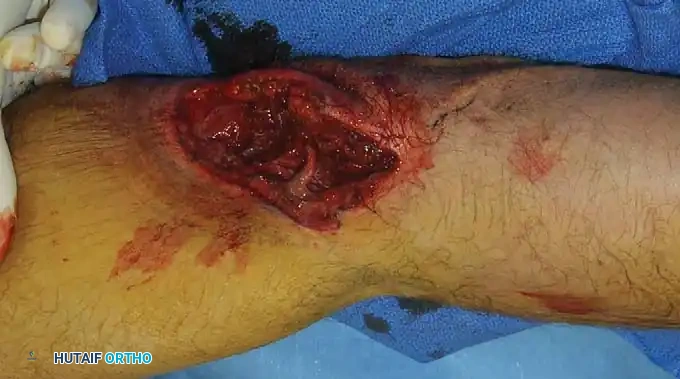
Illustration of boy is brought - Dr. Mohammed Hutaif

Key Takeaway

Looking for accurate information on FREE Orthopedics MCQS 2022 1451-1500? Macrodactyly refers to enlarged digits, predominantly unilateral (90%) and affecting boys more often than girls. When a boy is brought in with macrodactyly, it commonly involves the index finger, or sometimes two digits like the thumb and index. Syndactyly may also be present in 10% of cases. It can be static, present at birth, or progressive.

Free Orthopedics Review | Dr Hutaif General Orthopedics -...

Comprehensive 100-Question Exam


00:00

Start Quiz

Question 1

A 24-year-old male presents with recurrent fractures and a 'bone-in-bone' appearance on radiographs. His condition is caused by a failure of osteoclasts to resorb bone. Which of the following mutations is most commonly responsible for the autosomal dominant form of this disease?


Explanation

Autosomal dominant osteopetrosis (Albers-Schönberg disease) is most commonly caused by a mutation in the CLCN7 gene, which encodes a chloride channel necessary for acidifying the resorption pit. TCIRG1 causes the severe autosomal recessive form. COL1A1 causes Osteogenesis Imperfecta. FGFR3 causes achondroplasia. RUNX2 is associated with cleidocranial dysplasia.

Question 2

In Total Hip Arthroplasty, what type of wear is predominantly responsible for the generation of submicron particles that lead to macrophage-induced osteolysis?


Explanation

Adhesive wear occurs when two surfaces slide against each other, causing micro-welds that break and release submicron polyethylene particles. These particles are the primary culprit in macrophage activation and subsequent aseptic loosening via the RANK-RANKL pathway.

Question 3

A 12-year-old obese male presents with left groin pain and an obligatory external rotation of the hip during active flexion. Radiographs show a posterior and inferior displacement of the proximal femoral epiphysis. Which of the following is the strongest indication for prophylactic in situ pinning of the contralateral asymptomatic hip?


Explanation

Prophylactic pinning of the contralateral hip in Slipped Capital Femoral Epiphysis (SCFE) is highly recommended in patients with endocrine disorders (such as hypothyroidism, renal osteodystrophy, or growth hormone deficiency) and in children presenting at a very young age (< 10 years), due to the high risk of bilateral involvement.

Question 4

A 35-year-old male is evaluated for compartment syndrome after a tibial plateau fracture. His diastolic blood pressure is 80 mmHg, and his mean arterial pressure is 95 mmHg. Which of the following compartment pressure measurements is the generally accepted threshold to indicate the need for a fasciotomy?


Explanation

The Delta P (diastolic blood pressure minus compartment pressure) is considered a more reliable indicator for compartment syndrome than absolute compartment pressures. A Delta P of less than 30 mmHg is an indication for emergent fasciotomy, as capillary perfusion pressure is inadequate.

Question 5

A 45-year-old female presents with severe back pain, bilateral lower extremity weakness, and urinary incontinence following a heavy lifting injury. On examination, she has symmetric saddle anesthesia, preserved knee reflexes, but absent ankle reflexes. Which of the following differentiates Conus Medullaris Syndrome from Cauda Equina Syndrome?


Explanation

Conus medullaris syndrome results from injury to the terminal spinal cord and can present with a mix of upper motor neuron (hyperreflexia, spasticity) and lower motor neuron signs. Cauda equina syndrome involves injury to the lumbosacral nerve roots (LMN only) and typically presents with asymmetric pain, lower extremity weakness, and absent lower extremity reflexes.

Question 6

Following an anterior cruciate ligament (ACL) reconstruction using a bone-patellar tendon-bone autograft, the graft undergoes a process of 'ligamentization'. During which phase is the graft mechanically at its weakest?


Explanation

The remodeling phase (often termed the necrotic or revascularization phase initially, transitioning to remodeling) occurs roughly 6 to 12 weeks post-operatively. During this time, the graft undergoes necrosis and revascularization, resulting in the lowest mechanical strength before fibroblasts lay down new collagen and maturation occurs.

Question 7

A 52-year-old female presents with night-time awakening due to numbness in her thumb, index, and long fingers. On nerve conduction studies (NCS), what is the earliest electrodiagnostic finding characteristic of carpal tunnel syndrome?


Explanation

The earliest finding in compressive neuropathies like carpal tunnel syndrome is focal demyelination, which manifests as prolonged sensory latencies and decreased sensory conduction velocities. Motor involvement and electromyography (EMG) changes (like fibrillations in the abductor pollicis brevis) occur later with axonal loss.

Question 8

A 28-year-old male sustains a purely ligamentous Lisfranc injury. He undergoes evaluation for operative treatment. Compared to open reduction and internal fixation (ORIF), primary arthrodesis for this specific injury pattern has been shown to result in:


Explanation

For purely ligamentous Lisfranc injuries, multiple studies have demonstrated that primary arthrodesis of the 1st, 2nd, and 3rd tarsometatarsal joints yields better functional outcomes and a significantly lower reoperation rate compared to ORIF.

Question 9

A 14-year-old boy presents with a painful mass in the mid-diaphysis of his femur. Radiographs show a permeative, destructive lesion with an 'onion-skin' periosteal reaction. A biopsy confirms a small round blue cell tumor. Which of the following chromosomal translocations is most characteristic of this diagnosis?


Explanation

The presentation is classic for Ewing sarcoma. Over 90% of Ewing sarcomas are characterized by the t(11;22)(q24;q12) translocation, which creates the EWS-FLI1 fusion protein. t(X;18) is seen in synovial sarcoma. t(12;16) is seen in myxoid liposarcoma.

Question 10

A 40-year-old male is brought to the trauma bay in hemorrhagic shock following a motorcycle accident. Radiographs reveal an APC-III pelvic ring injury. A pelvic binder is ordered. To maximize reduction and stability, where should the binder be centered?


Explanation

A pelvic binder should be applied at the level of the greater trochanters to effectively close the pelvic volume by providing compressive force across the symphysis pubis and SI joints. Placement over the iliac crests can paradoxicially open the true pelvis in certain fracture patterns.

Question 11

An 8-year-old child sustains a completely displaced posterolateral supracondylar humerus fracture. Upon examination, which of the following nerves is most at risk of injury due to the direction of the displacement of the proximal fragment?


Explanation

In a posterolaterally displaced supracondylar humerus fracture, the proximal fragment is displaced anteromedially. This puts the median nerve (specifically its anterior interosseous nerve branch) and the brachial artery at the highest risk. Posteromedial displacement endangers the radial nerve.

Question 12

In articular cartilage, which structural layer marks the transition between the uncalcified deep zone and the calcified cartilage zone, and is often duplicated in osteoarthritis?


Explanation

The tidemark is the basophilic line that separates the deep, uncalcified zone of articular cartilage from the calcified cartilage. It is a highly metabolically active area and can duplicate (multiple tidemarks) as a sign of cartilage repair and remodeling in early osteoarthritis.

Question 13

According to the 2018 Musculoskeletal Infection Society (MSIS) criteria, which of the following is considered a major criterion for the diagnosis of a periprosthetic joint infection, diagnosing it definitively without the need for additional scoring?


Explanation

The two major criteria for definite PJI are: 1) Two positive periprosthetic cultures with phenotypically identical organisms, and 2) A sinus tract communicating with the joint. Purulence is no longer a definitive major criterion without meeting other scoring metrics due to subjective interpretation.

Question 14

A 65-year-old man presents with deteriorating handwriting, difficulty buttoning his shirt, and gait instability. Examination reveals a positive Hoffman's sign. What does a positive Hoffman's sign indicate?


Explanation

Hoffman's sign (flicking the distal phalanx of the middle finger resulting in flexion of the thumb and index finger) is indicative of an upper motor neuron lesion (hyperreflexia) above the level of C5, such as in cervical spondylotic myelopathy.

Question 15

A 22-year-old rugby player has suffered multiple anterior shoulder dislocations. Pre-operative advanced imaging demonstrates 25% anterior glenoid bone loss. Which of the following surgical procedures is most appropriate to minimize recurrence?


Explanation

Significant anterior glenoid bone loss (> 20-25%) in the setting of recurrent anterior instability is a contraindication to an isolated soft-tissue repair (Bankart). The Latarjet procedure (coracoid transfer) is the standard of care to restore the osseous arc and provide a sling effect from the conjoined tendon.

Question 16

In the Pauwels classification of femoral neck fractures, which of the following characterizes a Pauwels type III fracture, and what is its primary mechanical challenge?


Explanation

The Pauwels classification is based on the angle of the fracture line relative to the horizontal. Type I is <30 degrees, Type II is 30-50 degrees, and Type III is >50 degrees. A more vertical fracture line (Type III) is subjected to high shear stress, making it highly unstable and prone to nonunion and varus collapse.

Question 17

A 30-year-old carpenter suffers a laceration over the palmar aspect of the proximal phalanx of his index finger, severing the FDS and FDP tendons. This injury corresponds to which flexor tendon zone, historically referred to as 'no man's land'?


Explanation

Zone II extends from the A1 pulley (distal palmar crease) to the FDS insertion (mid-middle phalanx). It contains both the FDS and FDP tendons within the tight fibro-osseous sheath. Historically called 'no man's land' because of the high rate of adhesions and poor outcomes following primary repair.

Question 18

Recent high-level evidence regarding acute Achilles tendon ruptures comparing operative to non-operative management utilizing early functional rehabilitation protocols has shown which of the following?


Explanation

Landmark studies (such as the Willits trial) have demonstrated that when a dynamic, early functional rehabilitation protocol is employed, non-operative management of acute Achilles tendon ruptures has functional outcomes and re-rupture rates that are statistically similar to operative management, while avoiding surgical complications.

Question 19

Denosumab has been increasingly used in the treatment of locally aggressive or metastatic Giant Cell Tumors (GCT) of bone. What is the mechanism of action of this monoclonal antibody?


Explanation

In GCT of bone, the neoplastic mononuclear stromal cells express high levels of RANKL, which recruits and activates the reactive osteoclast-like giant cells responsible for bone destruction. Denosumab is a monoclonal antibody that binds to RANKL, thereby inhibiting this interaction and halting osteoclastogenesis and bone resorption.

Question 20

Which of the following types of fracture fixation predominantly promotes primary bone healing via intramembranous ossification without the formation of an intermediate cartilaginous callus?


Explanation

Absolute stability (achieved via lag screws and compression plating) eliminates interfragmentary strain (<2%). This environment dictates primary bone healing (cutting cones) without an intermediate cartilaginous callus phase. Relative stability (IM nails, bridge plates, external fixators) results in higher strain (2-10%) and promotes secondary bone healing through enchondral ossification.

Question 21

A 55-year-old female is started on denosumab for osteoporosis. This medication primarily targets which of the following molecular pathways to inhibit bone resorption?


Explanation

Denosumab is a monoclonal antibody that binds to Receptor Activator of Nuclear factor Kappa-B Ligand (RANKL), preventing it from interacting with the RANK receptor on osteoclast precursors, thereby inhibiting osteoclastogenesis and bone resorption.

Question 22

A 32-year-old female presents with knee pain. Radiographs reveal an eccentric, lytic, epiphyseal lesion extending to the subchondral bone of the distal femur. Biopsy shows mononuclear cells and multinucleated giant cells. What is the most appropriate initial treatment for a localized, non-metastatic lesion without impending fracture?


Explanation

Giant Cell Tumor (GCT) of bone typically presents in young adults as an epiphyseal eccentric lytic lesion. The standard of care for most localized, non-destructive GCTs is aggressive intralesional curettage using a high-speed burr, followed by local adjuvants (like phenol, hydrogen peroxide, liquid nitrogen, or argon beam) and filling with PMMA or bone graft.

Question 23

A patient undergoes revision open reduction and internal fixation of a nonunion. The surgeon places a stainless steel screw through a titanium plate. Which of the following best describes the predominant type of corrosion that is most likely to occur at the screw-plate interface?


Explanation

Galvanic corrosion occurs when two dissimilar metals (e.g., stainless steel and titanium) are placed in direct physical contact within an electrolytic environment (human body fluids). The metal with the lower anodic index (less noble, typically stainless steel in this pairing) undergoes accelerated corrosion.

Question 24

In cortical bone, which of the following modifications to a screw design or insertion technique will most significantly increase its pullout strength?


Explanation

Screw pullout strength is proportional to the volume of bone caught between the threads. It is increased by increasing the outer diameter, increasing the length of thread engagement, or decreasing the thread pitch (meaning more threads per unit of length). Increasing the inner (root) diameter increases torsional strength but decreases pullout strength if the outer diameter remains constant.

Question 25

Tranexamic acid (TXA) is frequently used in total joint arthroplasty to reduce perioperative blood loss. Which of the following represents the primary mechanism of action of TXA?


Explanation

Tranexamic acid is a synthetic analog of the amino acid lysine. It competitively binds to the lysine receptor sites on plasminogen, preventing its activation to plasmin, thereby inhibiting fibrinolysis and stabilizing clots.

Question 26

Biofilm formation is a critical factor in prosthetic joint infections. Which phase of biofilm development involves the downregulation of planktonic genes and the secretion of an extracellular polymeric substance (EPS) matrix?


Explanation

Biofilm formation occurs in stages: 1) Reversible attachment of planktonic bacteria, 2) Irreversible attachment, 3) Maturation (microcolony formation, robust EPS production, downregulation of planktonic genes, and quorum sensing), and 4) Dispersion/detachment. The EPS matrix is heavily secreted during the maturation phase.

Question 27

A 45-year-old patient with celiac disease presents with generalized bone pain and muscle weakness. Laboratory studies show low calcium, low phosphate, elevated alkaline phosphatase, and elevated parathyroid hormone (PTH). Radiographs reveal Looser zones in the femoral neck. What is the primary histological defect in this condition?


Explanation

The patient has osteomalacia secondary to vitamin D malabsorption (celiac disease). Osteomalacia is characterized histologically by an increase in unmineralized osteoid (defective mineralization of the organic matrix) due to insufficient calcium and phosphate. Looser zones (pseudofractures) are pathognomonic radiographic findings.

Question 28

A 14-year-old boy presents with a diaphysial lesion of the femur with an 'onion skin' periosteal reaction. Biopsy reveals small, round blue cells. Cytogenetic analysis of this tumor will most likely demonstrate which of the following translocations?


Explanation

Ewing sarcoma is characterized by the t(11;22)(q24;q12) translocation, resulting in the EWS-FLI1 fusion gene in approximately 85-90% of cases. t(X;18) is seen in synovial sarcoma, t(12;16) in myxoid liposarcoma, and t(2;13) in alveolar rhabdomyosarcoma.

Question 29

Articular cartilage relies on its extracellular matrix for compressive stiffness. Which of the following components is primarily responsible for the osmotic swelling pressure that resists compressive loads?


Explanation

Aggrecan is the most abundant proteoglycan in articular cartilage. Its glycosaminoglycan (GAG) side chains are highly negatively charged, which attracts water and creates a large osmotic swelling pressure (Donnan osmotic pressure). This swelling is resisted by the Type II collagen network, providing compressive stiffness.

Question 30

A patient sustains a closed midshaft humerus fracture and presents with a complete radial nerve palsy. EMGs at 4 weeks show fibrillation potentials but no voluntary motor unit action potentials. However, clinically, the patient regains full function at 12 weeks. According to Seddon's classification, what type of nerve injury did the patient most likely sustain?


Explanation

Axonotmesis involves disruption of the axon and myelin sheath, but the supporting connective tissue frameworks remain intact. Wallerian degeneration occurs, leading to fibrillation potentials on EMG at 3-4 weeks. Recovery occurs via axonal regeneration (~1mm/day), matching the 12-week timeline. Neurapraxia is a conduction block without Wallerian degeneration (no fibrillations).

Question 31

A 35-year-old farmer sustains a highly contaminated Type IIIA open tibia fracture while working in a barn. In addition to standard broad-spectrum Gram-positive and Gram-negative antibiotic coverage, which of the following organisms MUST be specifically targeted with additional antibiotic prophylaxis?


Explanation

Farm injuries and highly contaminated wounds carry a high risk of anaerobic infection, specifically Clostridium perfringens (gas gangrene). High-dose penicillin (or metronidazole/clindamycin for allergic patients) should be added to the antibiotic regimen.

Question 32

A 65-year-old male presents with increasing hat size, hearing loss, and deep, aching bone pain in his right thigh. Radiographs of the femur show cortical thickening, coarse trabeculae, and a 'blade of grass' lucency. What is the initial event in the pathogenesis of this disease?


Explanation

The patient has Paget's disease of bone (osteitis deformans). The initial event in its pathogenesis is an intense, localized burst of osteoclastic bone resorption (lytic phase, producing the 'blade of grass' sign). This is followed by a mixed phase of osteoblastic and osteoclastic activity, and finally a sclerotic phase.

Question 33

A 24-year-old male presents with a slowly enlarging, painless mass deep in the thigh near the knee joint. MRI shows a well-defined, heterogeneous mass adjacent to the joint capsule but not involving the intra-articular space. Biopsy reveals a biphasic pattern of spindle cells and epithelial-like cells. Which cytogenetic abnormality is characteristic of this tumor?


Explanation

Synovial sarcoma classically presents in young adults near large joints. The classic biphasic histological pattern (spindle and epithelial cells) and the pathognomonic t(X;18) translocation resulting in the SYT-SSX fusion gene are characteristic.

Question 34

A 45-year-old female is 3 months post-operative following open reduction and internal fixation of a distal radius fracture. She complains of severe, burning pain in the hand, out of proportion to the injury. On examination, the hand is edematous, erythematous, and hypersensitive to light touch (allodynia). Which of the following is the most appropriate initial pharmacological treatment for this condition?


Explanation

The patient presents with Complex Regional Pain Syndrome (CRPS). Initial pharmacological management centers on neuropathic pain modulators like gabapentin (or pregabalin) and tricyclic antidepressants alongside intensive physical therapy. Vitamin C is used prophylactically at the time of injury, not primarily as an active treatment post-onset.

Question 35

In total joint arthroplasty, the wear of ultra-high molecular weight polyethylene (UHMWPE) can lead to osteolysis. Which process during the manufacturing of UHMWPE is primarily used to increase its wear resistance?


Explanation

Highly cross-linking UHMWPE significantly increases its wear resistance. This is achieved by irradiating the material to create free radicals that bond to form cross-links. Subsequent thermal treatment (melting or annealing) is necessary to extinguish residual free radicals and prevent long-term oxidative degradation.

Question 36

A surgeon utilizes a massive structural cortical allograft for a segmental defect reconstruction. By which primary mechanism does the host bone incorporate this allograft?


Explanation

Structural cortical allografts are osteoconductive only. They incorporate via creeping substitution, a process where host osteoclasts slowly resorb the dead allograft bone and host osteoblasts simultaneously lay down new bone on the remaining scaffold.

Question 37

A 4-year-old child presents with rhizomelic short stature, frontal bossing, and midface hypoplasia. Radiographs show narrowing of the interpedicular distances in the lumbar spine and 'champagne glass' pelvis. The genetic mutation responsible for this condition causes an abnormality in which zone of the physis?


Explanation

Achondroplasia is caused by an activating mutation in the FGFR3 gene, which inhibits chondrocyte proliferation. This directly affects the proliferative zone of the physis, leading to defective endochondral ossification.

Question 38

During the repair of a diaphyseal fracture treated with cast immobilization, a large fracture callus forms. Which of the following factors provides the primary molecular signal that initiates the migration and differentiation of mesenchymal stem cells into the fracture hematoma?


Explanation

Bone morphogenetic proteins (BMPs), particularly BMP-2, are potent osteoinductive cytokines of the TGF-beta superfamily. They signal mesenchymal stem cells (MSCs) to migrate to the injury site and differentiate into osteoprogenitor cells.

Question 39

A surgeon utilizes a locked plate for a comminuted distal femur fracture in osteoporotic bone. Which of the following best describes the mechanical construct provided by a completely locked plate system?


Explanation

A locked plate functions as a fixed-angle construct. The screw heads thread directly into the plate, locking them at a fixed angle. Stability is achieved through the plate-screw interface rather than friction between the plate and bone. Thus, it acts as a single mechanical beam and is highly advantageous in osteoporotic bone.

Question 40

A 62-year-old male presents with back pain, anemia, hypercalcemia, and acute renal failure. Radiographs show multiple punched-out lytic lesions in the skull and spine. Serum protein electrophoresis reveals an M-spike. Which of the following laboratory findings is most specific for determining the prognosis and tumor burden in this patient?


Explanation

The patient has Multiple Myeloma. Serum Beta-2 microglobulin is a highly specific marker used alongside albumin levels in the International Staging System (ISS) for Multiple Myeloma to determine prognosis and overall tumor burden. Higher levels correlate with a poorer prognosis.

Question 41

A 14-year-old female gymnast presents with progressive lower back pain. Radiographs demonstrate an L5-S1 isthmic spondylolisthesis (Grade 2). What is the primary anatomic abnormality responsible for this condition?


Explanation

Isthmic spondylolisthesis is most commonly caused by a stress fracture or elongation of the pars interarticularis (spondylolysis), typically seen in adolescent athletes subject to repetitive spinal hyperextension (e.g., gymnasts, football linemen).

Question 42

The Eichenholtz classification is used to stage Charcot arthropathy. Which of the following clinical and radiographic findings is characteristic of the Stage 1 phase?


Explanation

Eichenholtz Stage 1 (Development/Fragmentation) is characterized by a red, hot, swollen extremity. Radiographs show osteopenia, periarticular debris, fragmentation, and subluxation. Stage 2 (Coalescence) shows absorption of debris and sclerosis. Stage 3 (Reconstruction/Consolidation) shows remodeling and decreased sclerosis.

Question 43

In the pathophysiology of Dupuytren's disease, contracture of the proximal interphalangeal (PIP) joint is primarily driven by the involvement of which fascial structure?


Explanation

The spiral cord is primarily responsible for PIP joint contracture in Dupuytren's disease. It is formed by the pretendinous band, spiral band, lateral digital sheet, and Grayson's ligament, and it places the neurovascular bundle at risk due to its medial displacement during contracture.

Question 44

A 22-year-old soccer player sustains a twisting injury to his knee. Radiographs reveal an avulsion fracture of the anterolateral tibial plateau. This pathognomonic 'Segond fracture' is most highly associated with an injury to which of the following structures?


Explanation

A Segond fracture is a cortical avulsion off the anterolateral tibial plateau, representing an avulsion of the anterolateral capsule/anterolateral ligament (ALL). It is highly pathognomonic (up to 75-100% predictive value) for an anterior cruciate ligament (ACL) tear.

Question 45

Which of the following is considered the most significant prognostic factor for long-term overall survival in a patient with high-grade conventional osteosarcoma of the distal femur?


Explanation

The histologic response to neoadjuvant chemotherapy, specifically the percentage of tumor necrosis, is the most important prognostic factor for survival in conventional osteosarcoma. Greater than 90% necrosis (good responder) is associated with a significantly higher survival rate.

Question 46

A 35-year-old male is involved in a high-speed motorcycle crash. Pelvic radiographs show a symphyseal diastasis of 3.5 cm and widening of the anterior sacroiliac joints bilaterally. The posterior sacroiliac complex appears intact. According to the Young-Burgess classification, which injury pattern does this represent?


Explanation

An anteroposterior compression (APC) II injury involves symphyseal diastasis >2.5 cm with tearing of the sacrotuberous, sacrospinous, and anterior sacroiliac ligaments. The posterior sacroiliac ligaments remain intact, leading to a rotationally unstable but vertically stable pelvis. APC III involves complete disruption of both anterior and posterior SI ligaments.

Question 47

A 13-year-old obese male presents with a stable slipped capital femoral epiphysis (SCFE) of the left hip. Prophylactic pinning of the contralateral, asymptomatic hip is most strongly recommended for patients with which of the following underlying conditions?


Explanation

Prophylactic pinning of the contralateral hip in SCFE is controversial for typical patients but is highly recommended in patients with an underlying endocrinopathy (e.g., hypothyroidism, renal osteodystrophy, growth hormone deficiency), as their risk for a contralateral slip approaches 50-100%.

Question 48

According to Perren's strain theory of fracture healing, the mechanical environment dictates the type of tissue that forms in the fracture gap. Which of the following tissues can tolerate the highest level of strain before failing?


Explanation

According to Perren's strain theory, granulation tissue can tolerate up to 100% strain before failing. Fibrocartilage tolerates roughly 10-15% strain, and solid cortical bone only tolerates about 2% strain. Therefore, high strain environments initially prompt granulation tissue formation, which gradually decreases strain to allow stiffer tissues to form.

Question 49

During a primary posterior-stabilized total knee arthroplasty, the surgeon evaluates gap kinematics and notes the knee is tight in extension but well-balanced in flexion. Which of the following intra-operative maneuvers is most appropriate to correctly balance the knee?


Explanation

A tight extension gap with a balanced flexion gap requires maneuvers that exclusively address the extension space. Releasing the posterior capsule or resecting additional distal femur are the correct steps. Resecting more proximal tibia would erroneously increase both the flexion and extension gaps symmetrically.

Question 50

The scaphoid bone has a tenuous blood supply, making proximal pole fractures particularly susceptible to avascular necrosis. The primary blood supply to the scaphoid is derived from branches of which major artery?


Explanation

The primary blood supply to the scaphoid is derived from the dorsal carpal branch of the radial artery. It enters the bone primarily at the distal pole and supplies the proximal pole via retrograde intraosseous flow, leading to a high rate of nonunion and avascular necrosis in proximal pole fractures.

Question 51

A 60-year-old male with a history of intravenous drug use presents with severe back pain, fevers, and acute lower extremity weakness. An MRI of the lumbar spine reveals pyogenic vertebral osteomyelitis with a compressive epidural abscess. Which of the following organisms is the most common cause of this condition?


Explanation

Staphylococcus aureus is the most common causative organism for pyogenic vertebral osteomyelitis and epidural abscess in all populations, including intravenous drug users (IVDU). While Pseudomonas aeruginosa has a higher relative incidence in IVDU compared to the general population, S. aureus remains the most common overall.

Question 52

The Ponseti method is the gold standard for the conservative management of idiopathic clubfoot (talipes equinovarus). What is the correct sequence of deformity correction during serial casting?


Explanation

The Ponseti method requires sequential correction of the clubfoot deformities using the mnemonic CAVE: first Cavus (by elevating the first ray to supinate the forefoot), then Adductus, then Varus, and finally Equinus (which often requires a percutaneous Achilles tenotomy).

Question 53

Schatzker type II tibial plateau fractures involve a split and depression of the lateral articular surface. Which soft-tissue structure is most commonly injured in direct association with this specific fracture pattern?


Explanation

Lateral meniscal tears or entrapments occur in nearly 50% of Schatzker II (split-depression) tibial plateau fractures. The meniscus can become trapped within the depressed articular fragments, preventing anatomic reduction if not addressed during surgical fixation.

Question 54

Articular cartilage provides a low-friction gliding surface for joints. Which specific type of collagen constitutes the vast majority of the collagen framework in hyaline articular cartilage?


Explanation

Type II collagen comprises 90-95% of the collagen in hyaline articular cartilage. Type I is predominantly found in bone, tendon, and fibrocartilage. Type X collagen is localized specifically to the calcified zone of articular cartilage and the hypertrophic zone of the growth plate.

Question 55

A 65-year-old male presents with severe right thigh pain. Radiographs reveal a large destructive lytic lesion in the subtrochanteric region of the femur with cortical thinning, but no frank fracture. Laboratory workup reveals hypercalcemia and an M-spike on serum protein electrophoresis. What is the most appropriate prophylactic surgical treatment?


Explanation

The patient has multiple myeloma with an impending subtrochanteric pathologic fracture. The standard of care for prophylactic fixation of impending subtrochanteric lesions is a long cephalomedullary nail, which spans the entire length of the bone and protects both the femoral neck and diaphysis.

Question 56

The healing potential of a meniscal tear is heavily dependent on its blood supply. Which of the following arterial vessels primarily provide the blood supply to the peripheral portions of the menisci?


Explanation

The primary blood supply to the peripheral 10-30% of the meniscus (the 'red-red' zone, which has the highest healing potential) is derived from the medial and lateral inferior genicular arteries. The middle genicular artery supplies the cruciate ligaments.

Question 57

In total hip arthroplasty, acetabular component malposition is a major risk factor for dislocation. Which of the following values represents the 'safe zone' for acetabular cup placement as described by Lewinnek?


Explanation

The Lewinnek safe zone for acetabular component positioning, historically described to minimize the risk of post-operative dislocation, is an inclination (abduction) of 40° ± 10° and an anteversion of 15° ± 10°.

Question 58

A 3-month-old infant is being treated with a Pavlik harness for Developmental Dysplasia of the Hip (DDH). At follow-up, the parents report the infant is not kicking the affected leg. Physical exam reveals absent active knee extension, but active ankle dorsiflexion is intact. Which complication of the harness has most likely occurred?


Explanation

Hyperflexion of the hips in a Pavlik harness can compress the femoral nerve against the rim of the pelvis or inguinal ligament, leading to a femoral nerve palsy. This manifests clinically as an inability to actively extend the knee. The treatment is temporary discontinuation or adjustment of the harness.

Question 59

Stenosing tenosynovitis (Trigger Finger) is characterized by painful catching or locking of the digit during flexion and extension. The pathology is primarily caused by thickening and constriction at the level of which pulley?


Explanation

Trigger finger is caused by a size mismatch between the flexor tendon and the first annular (A1) pulley, which overlies the metacarpophalangeal (MCP) joint. Surgical release involves dividing the A1 pulley while preserving the critical A2 and A4 pulleys to prevent bowstringing.

Question 60

During a transfemoral (above-knee) amputation, an adductor myodesis is routinely performed to optimize stump mechanics and ambulation potential. To prevent the most common post-operative deformity, the adductor magnus is securely anchored to which aspect of the residual femur?


Explanation

In a transfemoral amputation, the loss of adductor muscle mass leads to an overpowering by the intact abductors (gluteus medius/minimus), creating an abduction contracture. To prevent this, the adductor magnus tendon is anchored to the lateral cortex of the distal residual femur under tension (myodesis), which stabilizes the femur in adduction and improves gait mechanics.

Question 61

Which zone of articular cartilage has the largest diameter collagen fibrils arranged perpendicular to the joint surface, the highest concentration of proteoglycans, and the lowest water content?


Explanation

The deep (radial) zone of articular cartilage is characterized by thick collagen fibrils oriented vertically (perpendicular to the joint surface). It contains the highest concentration of proteoglycans and the lowest water content, providing significant resistance to compressive forces.

Question 62

Which of the following lower extremity amputations is associated with the highest percentage of energy expenditure above baseline during walking?


Explanation

Energy expenditure during walking increases with more proximal amputation levels. Unilateral transfemoral amputations require approximately 60-65% increased energy expenditure above baseline. This is higher than a unilateral transtibial (25%) and bilateral transtibial (41%). Bilateral transfemoral amputation is the highest overall (~200%), but is not listed.

Question 63

A 4-week-old female infant is diagnosed with developmental dysplasia of the hip (DDH) and placed in a Pavlik harness. While monitoring the patient, what is the most common neurological complication resulting from excessive hip flexion in this device?


Explanation

Excessive hip flexion in a Pavlik harness can cause impingement leading to a femoral nerve palsy. This typically presents as a loss of active knee extension. Conversely, excessive abduction in the harness places the patient at high risk for avascular necrosis (AVN) of the femoral head.

Question 64

A 35-year-old carpenter presents with swelling, erythema, and severe pain along the volar aspect of his index finger. According to Kanavel's criteria for pyogenic flexor tenosynovitis, which of the following is considered the most specific and earliest clinical sign?


Explanation

Kanavel's four cardinal signs of pyogenic flexor tenosynovitis are: 1) fusiform swelling, 2) flexed resting posture, 3) tenderness along the tendon sheath, and 4) pain with passive extension. Pain with passive extension is considered the earliest and most sensitive/specific sign of the condition.

Question 65

According to the Young-Burgess classification, which pelvic ring injury pattern is most consistently associated with complete disruption of the posterior sacroiliac ligamentous complex, the highest volume of retroperitoneal hemorrhage, and the greatest requirement for massive transfusion?


Explanation

APC-III injuries involve complete disruption of the anterior and posterior sacroiliac ligaments, leading to a completely unstable hemipelvis. This mechanism typically results in the highest volume of retroperitoneal hemorrhage and has the highest mortality and transfusion requirement among pelvic ring injuries.

Question 66

A 65-year-old female with long-standing rheumatoid arthritis presents with neck pain and mild hand clumsiness. Flexion-extension radiographs reveal 8 mm of atlantoaxial instability. What is the most critical radiographic parameter to evaluate her risk of impending neurologic deterioration?


Explanation

The Posterior Atlantodental Interval (PADI), also known as the Space Available for the Cord (SAC), is the most reliable predictor of neurologic deficit in rheumatoid atlantoaxial subluxation. A PADI < 14 mm is a strong indication for surgical stabilization to prevent permanent neurologic deficit.

Question 67

A 14-year-old boy presents with a painful, swollen thigh. Radiographs show a permeative diaphyseal lesion with an 'onion skin' periosteal reaction. Biopsy confirms a small round blue cell tumor. Which of the following chromosomal translocations is most characteristic of this diagnosis?


Explanation

Ewing sarcoma is classically associated with the t(11;22)(q24;q12) translocation, which results in the EWS-FLI1 fusion protein in approximately 85% of cases. t(X;18) is seen in synovial sarcoma, t(12;16) in myxoid liposarcoma, and t(2;13) in alveolar rhabdomyosarcoma.

Question 68

In a patient with a massive, irreparable rotator cuff tear and resultant cuff tear arthropathy, the Hamada classification is used to grade the radiographic severity. What radiographic finding characterizes Hamada Grade 3?


Explanation

The Hamada classification grades rotator cuff arthropathy: Grade 1 (AHI >6mm), Grade 2 (AHI <5mm), Grade 3 (Acetabularization of the acromion), Grade 4 (Glenohumeral arthritis), Grade 5 (Humeral head collapse). Grade 3 marks the structural erosion of the acromion by the superiorly migrated humeral head.

Question 69

During the remodeling phase of tendon healing, the biomechanical strength of the tendon improves significantly. This is primarily due to which of the following molecular changes?


Explanation

Tendon healing occurs in three phases: inflammation, proliferation, and remodeling. During the remodeling phase (starting around 6 weeks), the relatively weak and disorganized Type III collagen laid down during the proliferative phase is gradually replaced by highly organized, heavily cross-linked Type I collagen, increasing tensile strength.

Question 70

According to Sunderland's classification of peripheral nerve injuries, a third-degree injury involves disruption of the axon and which of the following structures, while leaving the perineurium intact?


Explanation

Sunderland classification: 1st degree = neuropraxia (myelin injury); 2nd degree = axonotmesis (axon severed, all connective tissues intact); 3rd degree = axon + endoneurium disrupted (perineurium intact); 4th degree = axon + endoneurium + perineurium disrupted (epineurium intact); 5th degree = complete transection (neurotmesis).

Question 71

A 55-year-old poorly controlled diabetic patient presents with a swollen, warm, erythematous foot. Radiographs show periarticular fragmentation, subluxation, and bony debris in the midfoot. According to the Eichenholtz classification, this presentation best represents which stage of Charcot arthropathy?


Explanation

Eichenholtz Stage I is the developmental or fragmentation phase, characterized by joint effusion, bone fragmentation, subluxation, and joint debris. Clinically, the foot is warm, red, and swollen. Stage II is coalescence (absorption of debris), and Stage III is consolidation (remodeling with mature bony architecture).

Question 72

Which of the following is the most primary pathophysiological mechanism in the development of acute compartment syndrome?


Explanation

Compartment syndrome occurs when increased tissue pressure reduces the arteriovenous pressure gradient. As interstitial pressure rises above venous pressure, venous outflow is obstructed. This further increases capillary pressure, eventually causing the arteriovenous gradient to fall below what is required for tissue perfusion, leading to ischemia.

Question 73

A surgeon utilizes the direct anterior approach (Smith-Petersen) for a total hip arthroplasty, exploiting the internervous plane between the sartorius and the tensor fasciae latae (TFL). Which nerve is most at risk during the superficial dissection of this approach?


Explanation

The direct anterior approach utilizes the internervous plane between the Sartorius (innervated by the femoral nerve) and the TFL (innervated by the superior gluteal nerve). The Lateral Femoral Cutaneous Nerve (LFCN) courses over the sartorius and is at significant risk of neuropraxia or transection during the superficial dissection.

Question 74

Teriparatide is an anabolic pharmacological agent used for the treatment of severe osteoporosis. What is its specific mechanism of action?


Explanation

Teriparatide is a recombinant form of parathyroid hormone (PTH 1-34). When administered intermittently in low doses, it exhibits an anabolic effect by directly stimulating osteoblast activity and bone formation, unlike bisphosphonates or denosumab, which are antiresorptive agents.

Question 75

A 12-year-old overweight boy presents with left knee pain and a limp. Examination reveals obligate external rotation of the left hip during passive hip flexion. Radiographs confirm a slipped capital femoral epiphysis (SCFE). Which of the following is the typical direction of the epiphyseal displacement relative to the femoral neck?


Explanation

In a slipped capital femoral epiphysis (SCFE), the femoral epiphysis typically displaces posteriorly and inferiorly relative to the femoral neck. Conversely, the metaphysis (femoral neck) translates anteriorly and superiorly.

Question 76

A 45-year-old female sustains a displaced distal radius fracture. Following closed reduction and casting, she develops severe pain and stiffness in the fingers. Which of the following is a well-established iatrogenic risk factor for the development of Complex Regional Pain Syndrome (CRPS) or median neuropathy in this setting?


Explanation

The Cotton-Loder position (extreme wrist flexion and ulnar deviation) dramatically increases carpal tunnel pressure, compresses the median nerve, and impairs venous return. This position is a major risk factor for acute carpal tunnel syndrome and the subsequent development of CRPS following distal radius fractures.

Question 77

A 20-year-old male presents with deep, aching night pain in his tibia that is dramatically relieved by aspirin. Imaging reveals a 1 cm radiolucent nidus surrounded by dense reactive sclerosis. Which of the following is true regarding the pathophysiology or treatment of this lesion?


Explanation

Osteoid osteoma is a benign bone-forming tumor characterized by a small nidus (< 2 cm) that produces high levels of prostaglandins (PGE2), which mediates the severe night pain and explains the dramatic relief with NSAIDs/aspirin. Radiofrequency ablation is the modern treatment of choice if medical management fails.

Question 78

The Thoracolumbar Injury Classification and Severity Score (TLICS) guides surgical decision-making. According to the TLICS, which of the following neurological statuses receives the highest point value (3 points)?


Explanation

In the TLICS system, an incomplete spinal cord injury (or cauda equina syndrome) receives 3 points, which is higher than a complete spinal cord injury (2 points). This reflects the higher surgical urgency to decompress the neural elements and preserve remaining neurologic function in an incomplete injury.

Question 79

During the normal gait cycle, the knee relies on the 'screw-home' mechanism for locking in full terminal extension. Which muscle is primarily responsible for 'unlocking' the knee from extension to initiate flexion?


Explanation

The popliteus muscle acts to internally rotate the tibia on a fixed femur (or externally rotate the femur on a fixed tibia) to unlock the knee from its terminal extension (screw-home) position. This action is essential to initiate knee flexion from a fully extended stance.

Question 80

Scapholunate Advanced Collapse (SLAC) follows a predictable, progressive pattern of degenerative arthritis. Which joint is typically the LAST to be involved in the SLAC progression, characteristically remaining spared even in advanced stages?


Explanation

SLAC wrist arthritis follows a specific pattern: Stage I (radial styloid-scaphoid), Stage II (entire radioscaphoid facet), and Stage III (capitolunate joint). The radiolunate joint is characteristically spared from degenerative changes due to its concentric shape and the intact short radiolunate ligament preserving congruity.

Question 81

According to Perren's strain theory, what is the maximum strain tolerated by lamellar bone before failure of formation occurs?


Explanation

Lamellar bone can only tolerate up to 2% strain before rupturing. Woven bone tolerates up to 10% strain, while granulation tissue can tolerate up to 100%.

Question 82

A 32-year-old male sustains a closed tibial shaft fracture. Which of the following pressure measurements is most accurate for diagnosing acute compartment syndrome?


Explanation

The delta pressure (Diastolic BP minus compartment pressure) of less than 30 mm Hg is the most reliable threshold for diagnosing acute compartment syndrome. Relying on absolute pressures can be falsely reassuring in hypotensive patients.

Question 83

In a cruciate-retaining total knee arthroplasty, the surgeon notes that the knee is perfectly balanced in extension but significantly tight in flexion. What is the most appropriate next step?


Explanation

A tight flexion gap with a balanced extension gap in a cruciate-retaining TKA is typically managed by releasing or recessing the PCL. Other options include increasing the posterior tibial slope or downsizing the femoral component.

Question 84

A 6-year-old boy presents with a Gartland type III supracondylar humerus fracture. The hand is pink but pulseless. After closed reduction and percutaneous pinning, the hand remains pink and pulseless. What is the most appropriate next step?


Explanation

A "pink, pulseless" hand after successful reduction and pinning of a supracondylar fracture usually signifies adequate collateral circulation. Observation is indicated, as the palpable radial pulse often returns within 24-48 hours.

Question 85

A 65-year-old female presents with a destructive lytic lesion in the proximal femur. Biopsy reveals sheets of plasma cells. Which of the following tests is LEAST useful in the initial staging of her systemic disease?


Explanation

Technetium-99m bone scans rely on osteoblastic activity and are notoriously falsely negative in Multiple Myeloma. This disease primarily features pure osteoclastic (lytic) lesions, making a skeletal survey or low-dose whole-body CT the preferred imaging modality.

Question 86

A 45-year-old male sustains a burst fracture of the atlas (Jefferson fracture). Which of the following radiographic findings dictates the need for rigid stabilization (e.g., halo-vest or surgery) due to transverse ligament rupture?


Explanation

A combined lateral mass displacement (overhang) of greater than 6.9 mm on an open-mouth odontoid radiograph indicates rupture of the transverse alar ligament (Spence's rule). This implies significant C1-C2 instability.

Question 87

A 35-year-old carpenter complains of aching pain in the proximal forearm and numbness in the radial three-and-a-half digits. Sensation over the thenar eminence is diminished. Tinel's sign at the carpal tunnel is negative. Which structure is most likely compressing the median nerve?


Explanation

The patient has Pronator Syndrome. Decreased sensation over the thenar eminence distinguishes it from carpal tunnel syndrome, as the palmar cutaneous branch arises proximal to the carpal tunnel.

Question 88

A 28-year-old male is diagnosed with a scaphoid nonunion advanced collapse (SNAC). Which of the following carpal articulations is typically the LAST to degenerate in the SNAC wrist progression?


Explanation

In both SLAC and SNAC wrists, the radiolunate articulation is classically preserved until the very end stages of the disease. This is due to the congruent spherical articulation and absence of abnormal load shifting at the radiolunate fossa.

Question 89

A 6-week-old female is treated with a Pavlik harness for developmental dysplasia of the hip. At the one-week follow-up, she exhibits decreased active knee extension on the treated side. What is the most likely cause?


Explanation

Hyperflexion of the hip in a Pavlik harness can compress the femoral nerve against the inguinal ligament, leading to a transient femoral nerve palsy. This manifests clinically as decreased active knee extension.

Question 90

In articular cartilage, which layer contains the highest concentration of proteoglycans and the lowest concentration of water?


Explanation

The deep (radial) zone of articular cartilage contains the highest concentration of proteoglycans and the lowest water content. The superficial zone has the highest water content and collagen concentration but the lowest proteoglycan content.

Question 91

A 40-year-old male sustains a posterior medial meniscus root tear. Biomechanically, this injury is most equivalent to which of the following?


Explanation

A posterior meniscus root tear completely disrupts the hoop stresses of the meniscus, rendering it biomechanically equivalent to a total meniscectomy. This drastically increases peak contact pressures in the compartment, leading to rapid osteoarthritis.

Question 92

A 25-year-old male sustains a vertically oriented, displaced femoral neck fracture (Pauwels Type III). What is the primary biomechanical rationale for using a sliding hip screw with a derotation screw rather than three parallel cancellous screws?


Explanation

Pauwels Type III fractures experience very high vertical shear forces. A sliding hip screw provides a fixed-angle construct that offers superior biomechanical resistance to vertical shear and varus collapse compared to parallel cancellous screws.

Question 93

A 14-year-old male presents with a painful, swollen thigh and fever. Radiographs show a permeative diaphyseal lesion with an onion-skin periosteal reaction. Cytogenetic analysis is most likely to reveal which of the following translocations?


Explanation

The clinical and radiographic presentation is classic for Ewing Sarcoma. The disease is characterized by the t(11;22) translocation in over 90% of cases, resulting in the EWS-FLI1 fusion protein.

Question 94

Bone morphogenetic proteins (BMPs) primarily induce osteoblastic differentiation through which of the following intracellular signaling pathways?


Explanation

BMPs bind to serine/threonine kinase receptors on the cell surface, initiating an intracellular signaling cascade primarily mediated by the phosphorylation of SMAD 1, 5, and 8 proteins. These then complex with SMAD 4 to enter the nucleus and regulate gene transcription.

Question 95

A 55-year-old diabetic male presents with an acutely swollen, erythematous leg with pain out of proportion to exam. Which of the following intraoperative findings is considered the definitive hallmark of necrotizing fasciitis?


Explanation

The surgical hallmark of necrotizing fasciitis is the presence of grayish, necrotic fascia that lacks normal bleeding and offers no resistance to blunt manual dissection (the "finger test"). The characteristic fluid is often "dishwater pus" rather than frank purulence.

Question 96

A 28-year-old male presents with a severe burst fracture of T12 and paraplegia following a motor vehicle accident. Which of the following findings indicates the resolution of spinal shock?


Explanation

Spinal shock is characterized by areflexia and flaccidity below the level of the spinal cord injury. The return of the bulbocavernosus reflex marks the end of the spinal shock phase, allowing for the accurate determination of neurologic deficits.

Question 97

When performing an anterior cruciate ligament (ACL) reconstruction using a bone-patellar tendon-bone (BPTB) autograft, which of the following is the most commonly reported long-term complication compared to hamstring autografts?


Explanation

Bone-patellar tendon-bone (BPTB) autografts are associated with a significantly higher incidence of donor site morbidity compared to hamstring grafts. This is most frequently manifested as anterior knee pain and discomfort with kneeling.

Question 98

A 68-year-old female undergoes a posterior approach total hip arthroplasty. During trialing, the hip dislocates posteriorly when positioned in flexion, adduction, and internal rotation. What is the most appropriate intraoperative adjustment?


Explanation

Posterior dislocation during flexion, adduction, and internal rotation indicates posterior instability. This is often due to insufficient anteversion of the acetabular cup or femoral stem, making increased cup anteversion a primary corrective measure.

Question 99

A 14-year-old boy is diagnosed with an unstable slipped capital femoral epiphysis (SCFE). Which of the following describes the most critical consequence differentiating an unstable SCFE from a stable SCFE?


Explanation

The Loder classification distinguishes stable from unstable SCFE based on the ability to bear weight. Unstable slips carry a drastically higher risk of avascular necrosis (up to 50%), dictating urgency and care in surgical management.

None

Clinic OS
Medically Verified Content by
Prof. Clinic OS
Consultant Orthopedic & Spine Surgeon
Chapter Index
