العربية
Part of the Master Guide

Orthopedic Surgery Board Prep: Set 403 (100 MCQs on Fractures & Casting)

AAOS Orthopedic Trauma MCQs (Set 3): Long Bone Fractures & Polytrauma | Board Review
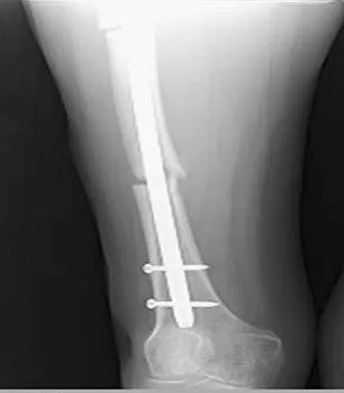
23 Apr 2026 61 min read 96 Views
Trauma 2006 MCQs - Part 3

Key Takeaway

This high-yield question set (Set 3) for AAOS/ABOS exams focuses on the diagnosis, classification, and management of various long bone fractures. It also covers acute joint dislocations, including reduction techniques and common complications, alongside principles of polytrauma patient assessment and stabilization.

AAOS Orthopedic Trauma MCQs (Set 3): Long Bone Fractures & Polytrauma | Board Review

Comprehensive 100-Question Exam


00:00

Start Quiz

Question 1

A 54-year-old man sustained a small superficial abrasion over the left acromioclavicular joint after falling from his bicycle. Examination reveals no other physical findings. Radiographs show a displaced fracture of the lateral end of the clavicle distal to a line drawn vertically to the coracoid process. Management should consist of


Explanation

Displaced clavicular fractures lateral to the coracoid process (Neer type II and III) are best managed nonsurgically with sling immobilization and physical therapy, starting with pendulum exercises and progressing to active-assisted exercises when comfortable. Supervised therapy should be performed for 3 months or until full painless motion is achieved. In one study by Robinson and Cairns, this form of treatment provided patients with a 86% chance of avoiding a secondary reconstructive procedure. Robinson CM, Cairns DA: Primary nonoperative treatment of displaced lateral fractures of the clavicle. J Bone Joint Surg Am 2004;86:778-782.

Question 2

A 47-year-old man sustained a degloving injury over the pretibial surface and anterior ankle region in a motor vehicle accident. After debridement and irrigation, there is inadequate tissue for closure of the exposed anterior tibial tendon and tibia. Prior to definitive soft-tissue coverage, management should consist of


Explanation

With soft-tissue loss, local or free flap coverage may be necessary to treat exposed tendon and bone. However, a vacuum-assisted closure device is a good temporizing dressing. It prevents external contamination, reduces edema around the wound, increases oxygen tension in the wound, and promotes the formation of granulation tissue. The use of this negative pressure device has been described in both acute traumatic and in chronic wound scenarios. If sufficient granulation tissue forms, closure may be by split graft, avoiding a more complex coverage procedure. Immediate skin grafting over the exposed anterior tibial tendon and tibia would have a low likelihood of success. Dressing changes with sulfasalazine may be beneficial in a burn wound to assist with removal of skin slough; however, in a granulating wound, the material may be toxic to early epithelialization. Xenograft is a foreign body and should not be applied to an acute contaminated open wound. Historically, a cross-leg flap was a treatment alternative for lower extremity soft-tissue loss; however, its current applications are extremely limited. Webb LX: New techniques in wound management: Vacuum assisted wound closure. J Am Acad Orthop Surg 2002;10:303-311.

Question 3

The humeral nonunion shown in Figure 27 is most likely to unite when using what method of treatment?


Explanation

The radiograph shows an atrophic nonunion of the humeral shaft. The management of humeral nonunions has been studied with compression plates and bone graft, as well as intramedullary nailing and bone graft. Compression plating with bone graft results in the highest rate of union. Compression plating by itself is not adequate, given the bone loss and lack of callous in this nonunion. Pulsed electromagnetic fields is a viable option for hypertrophic nonunions where there is inherent stability. Intramedullary nailing does not provide as much compression and stability as that achieved with compression plating. Pugh DM, McKee MD: Advances in the management of humeral nonunion. J Am Acad Orthop Surg 2003;11:48-59.


Question 4

An adult with a distal humeral fracture underwent open reduction and internal fixation. What is the most common postoperative complication?


Explanation

Most patients lose elbow range of motion after open reduction and internal fixation of a distal humeral fracture. Ulnar nerve dysfunction, nonunion, and infection all occur less commonly. Webb LX: Distal humerus fractures in adults. J Am Acad Orthop Surg 1996;4:336-344.

Question 5

The radiographs and CT scan seen in Figures 28a through 28d reveal what type of acetabular fracture pattern?


Explanation

The AP, obturator oblique, and iliac oblique views of the pelvis reveal a fracture that disrupts the iliopectineal and ilioischial lines, indicating a fracture that involves both anterior and posterior columns. However, it does not have the other features of anterior or posterior column fracture patterns. A displaced posterior wall fracture is also present, best seen on the obturator oblique view. The anterior to posterior directed fracture line on the CT scan indicates a transverse fracture; therefore, the patient has a transverse with posterior wall fracture pattern. A T-type fracture would be similar but would have a break into the obturator ring. Tile M: Describing the injury: Classification of acetabular fractures, in Tile M, Helfet DL, Kellam JF (eds): Fractures of the Pelvis and Acetabulum, ed 3. Philadelphia, PA, Lippincott Williams & Wilkins, 2003, pp 427-475.


Question 6

A 26-year-old man sustained an isolated injury to his left hip joint in a motor vehicle accident. Closed reduction was performed, and the postreduction radiograph is shown in Figure 29. Management should now consist of


Explanation

The patient has a posterior fracture-dislocation of the hip and following reduction, an incarcerated fragment of bone resulted in an incongruent reduction. Whereas expedient removal of the fragment is required to limit articular cartilage damage, this situation is not an emergency and the procedure may be performed when the appropriate surgical team is available and the patient is stabilized. Skeletal traction through either the femur or tibia may relieve some pressure on the joint and prevent articular damage. Nonsurgical care for incarcerated fragments is contraindicated. Tile M, Olson SA: Decision making: Non operative and operative indications for acetabular fractures, in Tile M, Helfet DL, Kellam JF (eds): Fractures of the Pelvis and Acetabulum. Philadelphia, PA, Lippincott Williams and Wilkins, 2003, pp 496-532.


Question 7

A 35-year-old man is brought to the emergency department following a motorcycle accident. He is breathing spontaneously and has a systolic blood pressure of 80 mm Hg, a pulse rate of 120/min, and a temperature of 98.6 degrees F (37 degrees C). Examination suggests an unstable pelvic fracture; AP radiographs confirm an open book injury with vertical displacement on the left side. Ultrasound evaluation of the abdomen is negative. Despite administration of 4 L of normal saline solution, he still has a systolic pressure of 90 mm Hg and a pulse rate of 110. Urine output has been about 20 mL since arrival 35 minutes ago. What is the next best course of action?


Explanation

The patient is at risk for a pelvic vascular injury and major hemorrhage. This type of complication of pelvic trauma is highest in motorcyclists. Once it is recognized that the pelvic ring has opened, it is important to close that ring to tamponade any venous bleeding with a pelvic binder and to add a skeletal traction pin to the limb on the involved side. This will correct any translational displacement. The noninvasive pelvic binders or sheets are easy to apply and are very effective. They do not compromise future care and allow the surgeons access to the abdomen. External fixation or pelvic resuscitation clamps require a certain amount of skill to apply and are not always available. If the pelvic stabilization does not improve the hemodynamic parameters in 10 to 15 minutes, angiography is necessary.

Question 8

A healthy 25-year-old man sustains a grade IIIB open tibial fracture. Following appropriate debridement, irrigation, and stabilization with an external fixator, the soft-tissue injury is shown in Figure 30. What is the most appropriate definitive soft-tissue coverage procedure?


Explanation

This is a very large near circumferential defect with posterior as well as anterior skin and muscle injury. Bone is exposed. The posterior muscles cannot be rotated since they are part of the zone of injury. The bone and other poorly vascularized areas of this wound would not accept a skin graft. The best chance for limb salvage will be to obtain soft-tissue coverage with a free tissue transfer using the latissimus dorsi. Mathes SJ, Nahai F: Vascular anatomy of muscle: Classification and applications, in Mathes SJ, Nahai F (eds): Clinical Application for Muscle and Musculocutaneous Flaps. St Louis, MO, CV Mosby, 1982, p 20.


Question 9

A 25-year-old woman undergoes surgical treatment of a displaced proximal humeral fracture via a deltopectoral approach. At the first postoperative visit, she reports a tingling numbness along the anterolateral aspect of the forearm. What structure is most likely injured?


Explanation

Sensation along the anterolateral aspect of the forearm is supplied by the lateral antebrachial cutaneous nerve, the terminal branch of the musculocutaneous nerve. The musculocutaneous nerve can be injured by proximal humeral fractures or dislocations, and is also at risk during surgical exposure if excessive retraction is placed on the conjoint tendon. The musculocutaneous nerve enters the conjoint tendon 1 cm to 5 cm distal to the coracoid process. McIlveen SJ, Duralde XA, D'Alessandro DF, et al: Isolated nerve injuries about the shoulder. Clin Orthop 1994;306:54-63.

Question 10

A 7-year-old girl has pain and swelling of the right elbow after falling off her bicycle. Radiographs are shown in Figure 31. What is the most appropriate initial step in management?


Explanation

Lateral condylar fractures are challenging to treat because of late displacement and development of a nonunion that may lead to valgus instability, pain, or tardy ulnar nerve palsy. Fractures such as this one with more than 2 mm of displacement on any radiographic view are prone to nonunion and should be stabilized. Fractures with less than 2 mm of displacement usually are stable and may be treated nonsurgically. In these patients, careful follow-up is recommended within several days of casting to check for fracture displacement. Arthrography or MRI may be helpful in these minimally displaced fractures. Fractures with an intact articular cartilage surface, such as noted on these studies, are unlikely to displace further. Finnbogason T, Karlsson G, Lindberg L, et al: Nondisplaced and minimally displaced fractures of the lateral humeral condyle in children: A prospective radiographic investigation of fracture stability. J Pediatr Orthop 1995;15:422-425. Attarian DE: Lateral condyle fractures: Missed diagnoses in pediatric elbow injuries. Mil Med 1990;155:433-434. Flynn JC: Nonunion of slightly displaced fractures of the lateral humeral condyle in children: An update. J Pediatr Orthop 1989;9:691-696.


Question 11

A 32-year-old man sustained a fracture of his upper arm in a motor vehicle accident. Radiographs are shown in Figure 32. Because of other associated injuries, surgical stabilization is chosen. What technique will result in the least complications and the best outcome?


Explanation

Most humeral fractures will heal with nonsurgical functional brace management. When the initial pain has subsided in a coaptation splint, the patient is converted to a functional brace and allowed to use the arm for activities. The fracture should heal within 6 weeks to 12 weeks with acceptable results. Surgery is indicated if there is vascular injury, open injury, floating elbow, chest injury, bilateral humeral fractures, or if a reduction cannot be obtained or maintained. The surgical treatment of choice is either antegrade reamed locked intramedullary nailing or plate osteosynthesis. Plate osteosynthesis appears to offer better results with respect to union, function, and risk of complications. Schemitsch EH, Bhandari M: Fractures of the humeral shaft, in Browner BD: Skeletal Trauma, ed 3. Philadelphia, PA, WB Saunders, 2003, pp 1481-1511.


Question 12

A 56-year-old man sustained a nondisplaced extra-articular fracture of the proximal aspect of the third metatarsal after dropping a heavy object on his left foot. Management should consist of


Explanation

This injury pattern is one of a direct trauma to the mid aspect of the foot. Without additional forces involved, capsular ligamentous injury is not anticipated; therefore, the injury should be a stable pattern. Treatment should consist of protected weight bearing as tolerated in a walking boot or walking cast. Surgical intervention with open reduction and internal fixation, percutaneous pinning, or open reduction and internal fixation with primary tarsometatarsal joint fusion is not indicated with this pattern of injury. The use of external bone stimulation in this acute fracture setting is not indicated. With injuries to the midfoot area where the exact mechanism of injury is uncertain, there should be a high index of suspicion for an associated injury to the tarsometatarsal joint, and standing radiographs or stress radiographs should be obtained. Myerson MS: Foot and Ankle Disorders. Philadelphia, PA, WB Saunders, 2000, pp 1265-1296.

Question 13

During a posterior approach to the glenoid with retraction as shown in Figure 33, care should be taken during superior retraction to avoid injury to which of the following structures?


Explanation

During a posterior approach to the shoulder for either a scapular fracture, glenoid fracture, or posterior shoulder pathology, the interval between the teres minor and infraspinatus is split. Excessive superior retraction on the infraspinatus, or excessive dissection superomedially under the infraspinatus muscle and tendon can cause injury to the suprascapular nerve and/or artery. During dissection in this interval, the axillary artery and axillary nerve are well protected. A branch of the circumflex scapular artery ascends between the teres minor and infraspinatus muscle, but it is at risk during dissection on the scapula in the mid portion of the interval and not during superior retraction. The profunda brachii artery is not present in this interval. Jerosch JJ, Greig M, Peuker ET, et al: The posterior subdeltoid approach: A modified access to the posterior glenohumeral joint. J Shoulder Elbow Surg 2001;10:265-268. Judet R: Surgical treatment of scapular fractures. Acta Orthop Belg 1964;30:673-678.


Question 14

A 42-year-old woman sustained a closed, displaced talar neck fracture in a motor vehicle accident. Which of the following is an avoidable complication of surgical treatment?


Explanation

Malunion of the talus is a devastating complication that leads to malpositioning of the foot and subsequent arthrosis of the subtalar joint complex. This is considered an avoidable complication in that accurate surgical reduction will minimize its development. Posttraumatic arthritis of the subtalar joint, osteonecrosis of the talus, posttraumatic arthritis of the ankle joint, and complex regional pain syndrome all may develop as a result of the initial traumatic event and may not be avoidable despite anatomic reduction. Rockwood and Green's Fractures in Adults, ed 5. Philadelphia, PA, Lippincott, Williams and Wilkins, 2001, pp 2091-2132.

Question 15

Figures 34a through 34c show the radiographs of a 51-year-old woman who injured her elbow in a fall from standing height. Examination reveals that elbow range of motion is limited by pain only. Management should consist of


Explanation

The radiographs show a small minimally displaced radial head fracture that is amenable to nonsurgical management. Early range-of-motion exercises will best restore function and minimize stiffness. A long arm cast for any length of time will result in severe elbow stiffness. Morrey BF: Radial head fracture, in Morrey BF (ed): The Elbow and Its Disorders, ed 3. Philadelphia, PA, WB Saunders, 2000, pp 341-364.


Question 16

Figure 35 shows the radiograph of a 12-year-old boy who fell off a snowmobile and landed on his left shoulder. He has a closed injury. Management should consist of


Explanation

Proximal humeral fractures in children are classified as metaphyseal or Salter-Harris type I or II fractures, and most of these fractures are treated with closed methods. Eighty percent of the growth of the humerus comes from the proximal physis; therefore, tremendous remodeling potential is present. Indications for open reduction include open fractures or severely displaced fractures in adolescents with minimal growth remaining. Acceptable limits of reduction in adolescent proximal humeral fractures include bayonet apposition and angulation of less than 35 degrees. Common blocks to reduction in adolescents include the biceps tendon and periosteum. For this fracture, use of a shoulder sling without reduction will lead to healing and an excellent result as the proximal humerus remodels. Kohler R, Trillaud JM: Fracture and fracture separation of the proximal humerus in children: Report of 136 cases. J Pediatr Orthop 1983;3:326-332. Beaty JH: Fractures of the proximal humerus and shaft in children. Instr Course Lect 1992;41:369-372. Dobbs MB, Luhmann SL, Gordon JE, et al: Severely displaced proximal humeral epiphyseal fractures. J Pediatr Orthop 2003;23:208-215. Beringer DC, Weiner DS, Noble JS, et al: Severely displaced proximal humeral epiphyseal fractures: A follow-up study. J Pediatr Orthop 1998;18:31-37.


Question 17

What is the most common complication requiring reoperation after dorsal plating for a distal radius fracture?


Explanation

The most common complication of dorsal plating is extensor tenosynovitis, which often causes pain and is a frequent reason for hardware removal. Other less frequent complications include loss of reduction and extensor tendon ruptures, with flexor tendon ruptures occuring to an even lesser degree. Rozental TD, Beredjiklian PK, Bozentka DJ: Functional outcome and complications following two types of dorsal plating for unstable fractures of the distal part of the radius. J Bone Joint Surg Am 2003;85:1956-1960.

Question 18

Figures 36a and 36b show the radiographs of a 48-year-old woman who smokes cigarettes and sustained a segmental femoral shaft fracture in a motor vehicle accident 9 months ago. Initial management consisted of stabilization with a reamed statically locked intramedullary nail. She now reports lower leg pain that increases with activity. In addition to advising the patient to quit smoking, management should include


Explanation

The patient has an oligotrophic nonunion of the distal femoral fracture. Although the proximal fracture appears incompletely united, it was stable at exchange nailing. The treatment of choice is exchange reamed nailing to at least 2 mm above the nail in place. Bone grafting is debatable. Recent studies have shown a 70% to 75% success rate with exchange nailing only, so in nonhypertrophic nonunions, bone grafting can be considered. Nonsurgical management consisting of observation or external stimulation runs the risk of implant failure. Plate fixation is acceptable but is considered a second choice because of the need to consider stabilization of the proximal fracture until union is achieved. Also, plate fixation definitely requires bone grafting. Webb LX, Winquist RA, Hansen ST: Intramedullary nailing and reaming for delayed union or nonunion of the femoral shaft: A report of 105 consecutive cases. Clin Orthop 1986;212:133-141. Weresh MJ, Hakanson R, Stover MD, et al: Failure of exchange reamed intramedullary nailing for ununited femoral shaft fractures. J Orthop Trauma 2000;14:335-338.


Question 19

A 5-year-old boy has a deformity of his right arm after falling from a jungle gym. A radiograph is shown in Figure 37. Management should consist of


Explanation

Monteggia fractures in children must be recognized. Early appropriate treatment is much easier than delayed reconstruction for a missed radial head dislocation. In younger children, attempts should be made to reduce the ulna fracture and radial head dislocation with traction and manual manipulation. Anterior Monteggia fractures are the most common, and in this variety the radius is much better stabilized in elbow flexion. Posterior Monteggia fractures are less common and may be managed in elbow extension. Closed reduction is much more successful in younger children; ulnar fixation with a rod or plate may be needed in older patients with unstable fractures. Annular ligament repair is rarely needed in the acute fracture. Wilkins KE: Changes in the management of Monteggia fractures. J Pediatr Orthop 2002;22:548-554. Kay RM, Skaggs DL: The pediatric Monteggia fracture. Am J Orthop 1998;27:606-609.


Question 20

What is the most important factor in determining recovery after surgical repair of a complete laceration of a nerve at the wrist?


Explanation

All other factors being equal, a patient's age is the most important factor in determining outcome after peripheral nerve injury. Repair of a nerve laceration within the first 2 weeks is generally considered appropriate. Fascicular repair may be of benefit in larger proximal nerves to reapproximate appropriate nerve bundles; distally perineural or epineural repair is sufficient. Use of a fibrin tissue sealant for nerve repair does not result in improved outcomes over suture repair. Nerve conduits have shown promise in digital nerves but do not have proven benefit in larger caliber nerves. Sunderland S: Nerve Injuries and Their Repair: A Critical Appraisal. New York, NY, Churchill Livingstone, 1991. Wilgis ES, Brushart TM: Nerve repair and grafting, in Green DP, Hotchkiss RN (eds): Operative Hand Surgery, ed 3. New York, NY, Churchill Livingstone, 1993, p 1325. Narakas A: The use of fibrin glue in repair of peripheral nerves. Orthop Clin North Am 1988;19:187-199.

Question 21

A 39-year-old woman fell onto her flexed elbow and sustained a comminuted displaced radial head and neck fracture. Radiographs confirm concentric reduction of the ulnohumeral joint. Examination reveals pain with compression of the radius and ulna at the wrist. What is the best treatment for the radial head fracture?


Explanation

Patients with comminuted radial neck and head fractures and associated wrist pain have a significant injury to the elbow and forearm. Nonsurgical management is an option, but initial casting will result in stiffness and early range of motion is likely to be unsuccessful secondary to pain. Surgical treatment with open reduction and internal fixation, although possible, is technically demanding and results are unpredictable with comminuted fractures. Excision alone in the face of wrist pain may lead to radial shortening. The treatment of choice is excision and metallic radial head arthroplasty. Silastic implants have been associated with synovitis and wear debris. Furry KL, Clinkscales CM: Comminuted fractures of the radial head: Arthroplasty versus internal fixation. Clin Orthop 1998;353:40-52.

Question 22

A 25-year-old laborer sustains a transverse fracture of the proximal 25% of the scaphoid. CT reconstructions reveal a 1-mm fracture gap. What is the most appropriate treatment?


Explanation

A higher risk of nonunion and the need for prolonged immobilization is seen after nonsurgical management of proximal pole fractures of the scaphoid. Because of the relatively poor blood supply of the proximal pole, surgical treatment with a compression screw is advocated for fractures of the proximal third of the scaphoid. Clay NR, Dias JJ, Costigan PS, et al: Need the thumb be immobilized in scaphoid fractures? A randomised prospective trial. J Bone Joint Surg Br 1991;73:828-832.

Question 23

A 34-year-old man sustained a tibial fracture in a motorcycle accident. What perioperative variable is associated with the greatest relative risk for reoperation to achieve bone union?


Explanation

In a recent analysis of 200 patients with tibial fractures, Bhandari and associates attempted to identify variables that were predictive of reoperation. The variables in the study were type of injury (fracture pattern), degree of open injury, mechanism of injury, cortical bone contact, postoperative complications, polytrauma, anti-inflammatory drug use, nail insertion technique (reamed versus nonreamed), smoking history, alcohol use, diabetes mellitus, peripheral vascular disease, age, disability status pre-injury, gender, surgeon, time to surgery, steroid use, phenytoin use, antibiotic use, anticoagulant use, and type of fixation used. Three variables were statistically significant predictors of reoperation to achieve bone union in the first postinjury year: transverse fracture pattern, open fracture, and cortical contact of 50% or less. Using these three variables, four reoperation risk groups were identified based on the number of these three variables present: 0, 1, 2, or 3. The risk for reoperation was 0%, 18%, 47%, and 94%, respectively. The authors concluded that these statistics can provide prognostic information to patients and help identify those high-risk patients where early intervention to achieve union is indicated. In addition, the data highlights the significance of achieving cortical contact at the time of initial fixation.

Question 24

Figure 38a shows the radiograph of a 12-year-old boy who underwent a reamed intramedullary nailing for a closed femoral shaft fracture. One year after rod removal, he reports groin pain. A current radiograph is shown in Figure 38b. The findings are most likely the result of


Explanation

Osteonecrosis of the femoral head is a known complication from the use of rigid intramedullary nails for femoral fractures in adolescents. When the nails are placed through the piriformis fossa, the lateral ascending vessels of the femoral neck may be injured, resulting in osteonecrosis of the femoral head in 1% to 2% of patients. Rigid reamed nails placed into the piriformis fossa are contraindicated in children with open growth plates because the physis is a barrier to blood supply and the ligamentum teres does not provide sufficient vascularity. Alternative fixation methods for femoral fractures in adolescents include external fixation and open reduction and internal fixation. Nailing through the tip of the trochanter may decrease the incidence of this serious complication. Letts M, Jarvis J, Lawton L, et al: Complications of rigid intramedullary rodding of femoral shaft fractures in children. J Trauma 2002;52:504-516. Stans AA, Morrissy RT, Renwick SE: Femoral shaft fracture treatment in patients age 6 to 16 years. J Pediatr Orthop 1999;19:222-228. Buckley SL: Current trends in the treatment of femoral shaft fractures in children and adolescents. Clin Orthop 1997;338:60-73.


Question 25

A 36-year-old woman has neck pain in the upper cervical region and occipital discomfort after being involved in a motor vehicle accident. Examination reveals no forehead or scalp lacerations. The neurologic examination is normal. A CT scan shows no evidence of bony injury. Figures 39a and 39b show a lateral radiograph and an MRI scan. Management should consist of


Explanation

The lateral radiograph shows 8 mm of atlantoaxial translation. In the absence of a bony injury, this represents rupture of the transverse atlantal ligament. The MRI scan reveals soft-tissue swelling posterior to the odontoid and a high intensity zone in the atlanto-dens interval consistent with acute injury. These injuries require arthrodesis because nonsurgical measures will not provide stability. Techniques for C1-2 fusion include Gallie, Brooks, or triple wiring. Transarticular screw fixation across the C1-2 articulation provides the most rigid means of fixation and the highest arthrodesis rates but is technically demanding. Anterior C2-3 arthrodesis will not address the level of instability. The normal atlanto-dens interval is 3 mm in an adult and 4 mm in a child. Kurz LT: Transverse atlantal ligament insufficiency, in Clark CR (ed): The Cervical Spine. Philadelphia, PA, Lippincott-Raven, 1998, pp 401-407.


Question 26

A 28-year-old man sustains a closed right femoral shaft fracture and severe blunt chest trauma in a motorcycle collision. In the trauma bay, he is hypotensive, tachycardic, and responsive only to pain. A chest radiograph demonstrates bilateral pulmonary contusions, and his serum lactate is 4.5 mmol/L. What is the most appropriate initial orthopaedic management of his femur fracture?


Explanation

In a borderline or unstable polytrauma patient (elevated lactate, severe pulmonary contusion, hypotension), Damage Control Orthopedics (DCO) using rapid spanning external fixation is indicated to minimize the second hit of systemic inflammation.

Question 27

A 35-year-old woman is involved in a high-speed motor vehicle crash. She sustains a closed midshaft femur fracture and an ipsilateral, highly comminuted midshaft tibia fracture (floating knee). She is hemodynamically stable. Which surgical strategy is most advantageous for definitive management of her femur?


Explanation

Retrograde femoral nailing is highly advantageous in floating knee injuries because it allows a single sterile setup and a single incisional approach for both the femur and tibia intramedullary nails, saving operative time and minimizing positioning changes.

Question 28

A 42-year-old man is intubated in the ICU following severe polytrauma. He has a comminuted closed right tibial shaft fracture treated with a spanning external fixator. The nurse reports his leg feels exceptionally tight. Which of the following is the most reliable criterion to diagnose acute compartment syndrome requiring fasciotomy in this obtunded patient?


Explanation

In intubated or obtunded patients where clinical examination is unreliable, continuous compartment pressure monitoring is indicated. A delta pressure (diastolic blood pressure minus compartment pressure) of less than 30 mmHg is the most reliable threshold for diagnosing compartment syndrome.

Question 29

A 24-year-old man with an isolated closed femoral shaft fracture is placed in skeletal traction overnight due to operating room unavailability. The next morning, he develops sudden hypoxia, a petechial rash over his axillae and chest, and acute confusion. What is the primary pathophysiological mechanism causing this clinical syndrome?


Explanation

Fat embolism syndrome presents with the classic triad of hypoxia, neurologic abnormalities, and a petechial rash. It is caused by marrow fat entering the venous circulation, which incites a severe systemic inflammatory response.

Question 30

A 28-year-old male is brought to the ED after a high-speed motorcycle collision. He has bilateral closed femur fractures, a pulmonary contusion, and a closed head injury. His blood pressure is 85/50 mm Hg, heart rate is 125 bpm, and initial serum lactate is 6.5 mmol/L. After initial fluid resuscitation, his lactate remains at 5.0 mmol/L. What is the most appropriate initial management for his femur fractures?


Explanation

This patient is in a borderline/unstable physiologic state (high lactate, hypotension) indicating inadequate resuscitation. Damage control orthopedics (temporary external fixation) is indicated to avoid the 'second hit' phenomenon associated with prolonged definitive surgery.

Question 31

A 35-year-old man sustained a closed transverse middle-third tibial shaft fracture treated with a reamed intramedullary nail. Six months postoperatively, he reports persistent pain with weight-bearing. Radiographs demonstrate an oligotrophic nonunion with intact hardware and no signs of infection. What is the most appropriate next step in management?


Explanation

Oligotrophic nonunions lack adequate stability despite having some biologic potential. Exchange intramedullary nailing with a larger reamed nail provides increased mechanical stability and stimulates local biology through reaming.

Question 32

A 28-year-old male polytrauma patient (ISS 38) presents with a severe closed head injury, pulmonary contusions, and a closed midshaft femur fracture. His initial lactate is 5.8 mmol/L and pH is 7.18. What is the most appropriate initial orthopedic management of the femur fracture?


Explanation

This patient is physiologically unstable with severe head and chest injuries, acidosis, and elevated lactate, making him a classic candidate for Damage Control Orthopedics (DCO). External fixation provides rapid skeletal stability while minimizing the physiological hit of systemic embolization from intramedullary reaming. Early total care (ETC) is contraindicated in the setting of severe physiologic exhaustion.

Question 33

A 34-year-old man sustains a closed midshaft tibial fracture. Twelve hours later, he complains of severe leg pain poorly controlled by opioids. Passive stretch of his hallux elicits excruciating pain. Which of the following compartment pressure measurements is the most accepted threshold for performing a four-compartment fasciotomy?


Explanation

The delta pressure (diastolic blood pressure minus compartment pressure) is the most reliable objective measure for diagnosing acute compartment syndrome. A delta pressure of less than 30 mm Hg is an absolute indication for emergent four-compartment fasciotomy. Absolute pressures are less reliable due to systemic blood pressure variations.

Question 34

A 22-year-old man is admitted with a closed transverse femoral shaft fracture. Two days post-injury, he develops a petechial rash over his axilla, confusion, and hypoxemia. Which of the following is the most effective prophylactic measure to prevent this specific complication?


Explanation

The patient is presenting with Fat Embolism Syndrome (FES), characterized by the classic triad of hypoxemia, neurological abnormalities, and a petechial rash. The most effective method to reduce the incidence and severity of FES is early operative stabilization of long bone fractures, which limits the release of marrow fat into the venous circulation.

Question 35

An unrestrained driver presents hypotensive and tachycardic after a high-speed collision. Pelvic radiographs reveal an anteroposterior compression (APC) type III pelvic ring injury with complete disruption of the sacroiliac joints. Which of the following is the most appropriate initial step in acute orthopedic management?


Explanation

In a hemodynamically unstable patient with an open-book pelvic ring injury, the initial orthopedic step is reducing pelvic volume to assist in tamponading venous bleeding. A pelvic binder must be centered over the greater trochanters to effectively close the pelvic ring; placement over the iliac crests is ineffective and can paradoxically widen the pelvis.

Question 36

A 30-year-old man sustains a closed fracture of the distal third of the humeral shaft (Holstein-Lewis fracture). On initial presentation, his radial nerve function is intact. Following a closed reduction and splint application, he loses the ability to extend his wrist and fingers. What is the most appropriate next step in management?


Explanation

A secondary radial nerve palsy that develops immediately following closed reduction of a humeral shaft fracture is an absolute indication for surgical exploration. The nerve may be entrapped between the fracture fragments. Observation is appropriate for primary radial nerve palsies present before manipulation, but not for secondary palsies post-reduction.

Question 37

A 45-year-old man undergoes intramedullary nailing of a tibial shaft fracture. Which of the following complications is most frequently reported following this procedure, regardless of whether a parapatellar or transpatellar surgical approach is used?


Explanation

Anterior knee pain is the most common complication following intramedullary nailing of the tibia, affecting up to 40-50% of patients. Studies have demonstrated that the incidence of anterior knee pain is not significantly different between transpatellar and medial parapatellar approaches. Prominence of the nail and damage to the infrapatellar branch of the saphenous nerve are implicated.

Question 38

A 25-year-old man sustains a high-energy Pauwels type III (vertical shear) fracture of the femoral neck. To provide the most biomechanically stable construct against the high shear forces in this young patient, which fixation method is favored?


Explanation

Pauwels type III femoral neck fractures have a high degree of vertical orientation, resulting in significant shear forces that predispose to varus collapse and nonunion. A fixed-angle device, such as a sliding hip screw with a derotational screw, provides superior biomechanical stability against vertical shear compared to multiple cancellous screws in young adults.

Question 39

A 25-year-old male sustains a severe closed femoral shaft fracture, pulmonary contusion, and a grade III splenic laceration in a motor vehicle collision. His initial pH is 7.15, serum lactate is 6.5 mmol/L, and base deficit is 9. What is the most appropriate initial management of his femur fracture?


Explanation

In a borderline or unstable polytrauma patient with high lactate, severe base deficit, and pulmonary contusion, Damage Control Orthopedics with temporary external fixation is indicated. This prevents the "second hit" phenomenon associated with the physiologic burden of intramedullary nailing.

Question 40

A 34-year-old farmer sustains an open tibial shaft fracture highly contaminated with soil. According to current guidelines, what is the most appropriate initial intravenous antibiotic regimen?


Explanation

For Gustilo type III open fractures with gross soil or farm contamination, a first-generation cephalosporin, an aminoglycoside (or third-generation cephalosporin), and penicillin are recommended. Penicillin is added specifically for Clostridium coverage.

Question 41

A 28-year-old polytrauma patient undergoes early total care with reamed intramedullary nailing for bilateral femur fractures. Postoperatively, he develops petechiae over the axillae, confusion, and severe hypoxemia. What is the primary pathophysiologic mechanism of his current condition?


Explanation

The patient exhibits Gurd's major criteria for Fat Embolism Syndrome (FES). The pathophysiology involves mechanical embolization of marrow fat during reaming and the subsequent biochemical inflammatory cascade.

Question 42

A 22-year-old man has a closed tibial shaft fracture treated with a long leg cast. He complains of worsening pain out of proportion to the injury. His diastolic blood pressure is 75 mmHg. Intracompartmental pressure testing yields an anterior compartment pressure of 50 mmHg. What is his delta pressure and the appropriate management?


Explanation

Delta pressure is calculated as diastolic blood pressure minus compartment pressure (75 - 50 = 25 mmHg). A delta pressure less than 30 mmHg is an absolute indication for emergent four-compartment fasciotomies.

Question 43

A 68-year-old woman with a 10-year history of alendronate use presents with chronic thigh pain. Radiographs reveal focal lateral cortical thickening and a transverse radiolucent line in the subtrochanteric region. What is the most appropriate prophylactic management?


Explanation

The patient has an impending atypical femur fracture associated with long-term bisphosphonate use. Cephalomedullary nailing is the prophylactic treatment of choice for symptomatic impending atypical femur fractures.

Question 44

A 30-year-old polytrauma patient had an external fixator placed for a femoral shaft fracture as part of damage control orthopedics. He is now hemodynamically stable. What is the safest timeframe to convert the external fixator to an intramedullary nail to minimize infection risk, assuming pin sites are clean?


Explanation

Conversion of a femoral external fixator to an intramedullary nail is safest within 14 days of initial application. Conversion after 2 to 3 weeks is associated with a significantly higher risk of deep infection.

Question 45

A 19-year-old male sustains an isolated low-velocity gunshot wound to the thigh resulting in a comminuted midshaft femur fracture. There is no expanding hematoma or distal pulse deficit. Following local wound care and tetanus prophylaxis, what is the best definitive orthopedic management?


Explanation

Low-velocity civilian gunshot wounds to the femur without vascular compromise or massive contamination can be safely treated with early reamed intramedullary nailing without formal bullet track debridement.

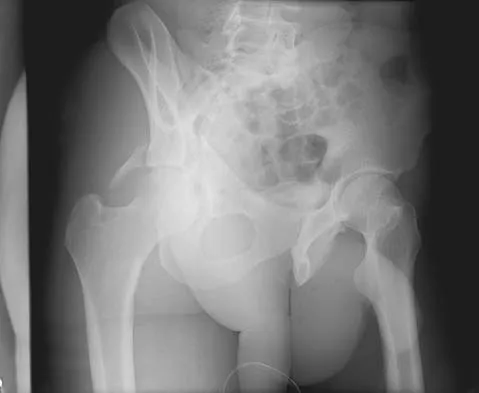
Question 46


A 45-year-old woman sustains a high-energy distal femur fracture. CT scan reveals a coronal plane fracture of the lateral femoral condyle. What is the optimal fixation strategy for this specific fragment?


Explanation

A coronal fracture of the femoral condyle is a Hoffa fracture. Fixation is best achieved with anterior-to-posterior (or ideally posterior-to-anterior) directed lag screws to provide compression across the coronal fracture plane.

Question 47

A 40-year-old heavy smoker presents 9 months after intramedullary nailing of a tibial shaft fracture with persistent pain with ambulation. Radiographs show no bridging callus, rounding of the fracture edges, and an intact intramedullary nail. What is the most appropriate surgical management?


Explanation

The patient has an atrophic nonunion, indicating poor vascularity and healing potential. Treatment requires improving the biology, typically with autologous bone grafting, often combined with stable fixation like plating or exchange nailing.

Question 48

In managing a multiply injured patient with long bone fractures, which of the following is the most reliable clinical indicator that the patient is adequately resuscitated and physiologically optimized for definitive Early Total Care?


Explanation

Serum lactate clearance and normalization of base deficit are the most reliable markers of adequate tissue perfusion and successful resuscitation in a polytrauma patient prior to undertaking definitive fracture care.

Question 49

A 25-year-old man sustains a closed spiral fracture of the distal third of the humeral shaft. On presentation, he has a complete radial nerve palsy. Closed reduction is performed, but post-reduction radiographs show significant fracture distraction, and the nerve palsy persists. What is the next best step?


Explanation

While initial radial nerve palsies are typically observed, a Holstein-Lewis fracture that shows significant distraction or entrapment signs after closed reduction is an indication for immediate surgical exploration.

Question 50

A 33-year-old motorcyclist sustains a floating knee injury, defined as ipsilateral fractures of the femur and tibia. What is the most common long-term complication associated with the operative management of these combined injuries?


Explanation

The floating knee is notoriously associated with poor functional outcomes. The most frequent long-term complication is severe knee stiffness and decreased range of motion following fixation.

Question 51


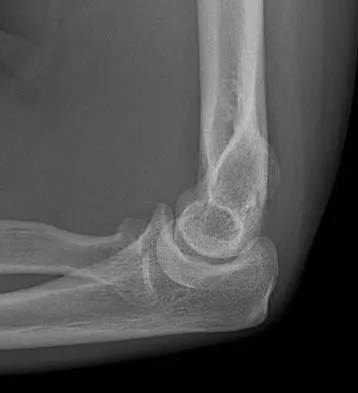
A 41-year-old male presents with a subtrochanteric femur fracture. During closed reduction for intramedullary nailing, the proximal fragment is typically deformed in which position due to prevailing muscle forces?


Explanation

In subtrochanteric fractures, the proximal fragment is pulled into flexion by the iliopsoas, abduction by the gluteus medius and minimus, and external rotation by the short external rotators.

Question 52

A 27-year-old sustains a Gustilo-Anderson IIIB open tibia fracture. Following initial aggressive debridement and application of an external fixator, what is the optimal timeframe for definitive soft-tissue coverage with a free flap to minimize the risk of infection?


Explanation

Definitive soft-tissue coverage for Gustilo type IIIB open tibia fractures should ideally be performed within 3 to 7 days. Delaying beyond this window significantly increases the risk of deep infection and flap failure.

Question 53

An 82-year-old female sustains a distal third spiral femur fracture from a mechanical fall. She has a history of severe COPD and heart failure. Which fixation construct provides the best balance of immediate weight-bearing capability and minimal physiologic insult?


Explanation

Retrograde intramedullary nailing involves a smaller surgical exposure and preserves the fracture hematoma compared to locking plates. It allows for more reliable immediate weight-bearing in elderly patients with comorbidities.

Question 54

A 25-year-old polytraumatized man is brought to the emergency department with a closed femoral shaft fracture and bilateral pulmonary contusions. His initial lactate is 4.5 mmol/L, pH is 7.21, and base deficit is 8. Which of the following is the most appropriate initial management of his femur fracture?


Explanation

This patient is hemodynamically unstable with a significant acid-base disturbance indicating inadequate perfusion. Damage control orthopedics (external fixation) is indicated to rapidly stabilize the fracture and minimize the 'second hit' of prolonged surgery.

Question 55

A 35-year-old man sustains a proximal third tibial shaft fracture. You plan to treat this with an intramedullary nail. To prevent the most common malalignment deformities (procurvatum and valgus), where should blocking (Poller) screws be placed relative to the fracture and the nail?


Explanation

Proximal third tibial fractures tend to fall into procurvatum and valgus when treated with intramedullary nails. Blocking screws placed posterior and lateral in the proximal fragment direct the nail anteriorly and medially, counteracting these deforming forces.

Question 56

A 22-year-old man with a closed midshaft femur fracture develops hypoxia, petechiae over the axilla, and confusion 36 hours after injury. Which of the following is the most effective intervention for preventing the development of this syndrome?


Explanation

The clinical presentation is classic for Fat Embolism Syndrome (FES). Early operative stabilization of long bone fractures (within 24 hours) is the most effective proven method to reduce the incidence and severity of FES.

Question 57

A 65-year-old woman with an 8-year history of alendronate use presents with a displaced transverse subtrochanteric femur fracture. Radiographs show generalized cortical thickening and a lateral cortical spike. Which of the following is the most appropriate definitive surgical treatment?


Explanation

Atypical femur fractures are associated with prolonged bisphosphonate use and abnormal bone remodeling. Full-length cephalomedullary or intramedullary nailing provides a load-sharing construct that protects the entire abnormal femur.

Question 58

A 30-year-old man sustains a closed spiral fracture of the distal third of the humerus. On initial presentation, he has a complete inability to extend his wrist and fingers. He undergoes closed reduction and splinting. Following reduction, the nerve palsy persists unchanged. What is the most appropriate management of the nerve injury?


Explanation

Primary radial nerve palsy in the setting of a closed humeral shaft fracture (including Holstein-Lewis fractures) is generally treated with observation, as the spontaneous recovery rate is extremely high (>85%). EMG is indicated at 12 weeks if no clinical improvement is noted.

Question 59

A 40-year-old man sustains a Gustilo-Anderson IIIB open tibial shaft fracture. Following urgent thorough debridement and application of an external fixator, what is the optimal timeframe for definitive soft tissue coverage to minimize the risk of deep infection?


Explanation

Current orthopedic literature and guidelines strongly recommend achieving definitive soft tissue coverage for Gustilo IIIB open fractures within 5 to 7 days (or classically within 72 hours) to significantly reduce the rate of deep infection and flap failure.

Question 60

In a hemodynamically unstable trauma patient with an anteroposterior compression (APC) pelvic ring injury, where is the optimal anatomical location for the application of a circumferential pelvic binder?


Explanation

A pelvic binder must be positioned directly over the greater trochanters to effectively close the pelvic volume and provide maximum compressive tamponade on the bleeding presacral venous plexus.

Question 61

The Injury Severity Score (ISS) is a validated anatomical scoring system used globally for polytrauma patients. How is the ISS mathematically derived from the Abbreviated Injury Scale (AIS)?


Explanation

The Injury Severity Score (ISS) correlates with mortality and is calculated by summing the squares of the highest Abbreviated Injury Scale (AIS) scores in the three most severely injured physiological regions.

Question 62

A 28-year-old man presents with a severe traumatic brain injury (GCS 6) and a concomitant closed femoral shaft fracture. In terms of preventing secondary brain injury, which intraoperative systemic derangements are the primary concern during intramedullary nailing?


Explanation

Secondary brain injury in polytrauma patients is profoundly exacerbated by episodes of hypoxia and systemic hypotension, both of which severely compromise cerebral perfusion pressure and oxygen delivery to the injured brain tissue.

Question 63

A 45-year-old man complains of persistent leg pain 9 months after intramedullary nailing of a tibial shaft fracture. Radiographs reveal a nonunion with abundant "elephant foot" callus formation and a persistent fracture line. What is the primary etiology and the gold standard treatment for this condition?


Explanation

The presence of abundant bridging callus signifies a hypertrophic nonunion, which implies excellent biology but inadequate mechanical stability. The gold standard treatment is improving stability via exchange intramedullary nailing with a larger diameter nail.

Question 64

A 25-year-old man sustains a low-velocity gunshot wound to the thigh, resulting in a comminuted femoral shaft fracture without neurovascular deficit. The bullet exited the lateral thigh. Which of the following is the most appropriate management?


Explanation

Low-velocity gunshot wounds resulting in femur fractures without gross contamination or neurovascular injury are treated similarly to closed fractures. They do not require formal track debridement and safely undergo early intramedullary nailing.

Question 65

A 30-year-old man presents with a high-energy displaced proximal tibia fracture. The foot is warm, but pedal pulses are diminished. The calculated Ankle-Brachial Index (ABI) is 0.8. What is the most appropriate next step in management?


Explanation

An Ankle-Brachial Index (ABI) less than 0.9 in the setting of a high-energy knee or proximal tibia injury indicates a high suspicion for arterial injury. CT angiography is the indicated next step to identify the presence and level of vascular injury.

Question 66

A 20-year-old male falls directly on his shoulder and sustains a midshaft clavicle fracture. Which of the following physical examination findings is an absolute indication for operative fixation?


Explanation

Absolute indications for operative fixation of a clavicle fracture include open fractures, associated neurovascular compromise, and severe skin tenting that threatens to become an open fracture. Shortening and displacement are considered relative indications.

Question 67

A 28-year-old polytrauma patient sustains multiple long bone fractures. He is intubated in the intensive care unit. Which of the following physiologic markers is the most reliable indicator of adequate end-organ resuscitation prior to proceeding with definitive intramedullary nailing of his bilateral femur fractures?


Explanation

Base deficit and serum lactate are the most sensitive and reliable indicators of global tissue perfusion and adequate resuscitation. Normalization of these values indicates clearance of occult hypoperfusion, making it safer to proceed with Early Total Care. Vital signs and urine output can normalize while occult shock persists.

Question 68

A 40-year-old man presents with bilateral femur fractures and a severe pulmonary contusion after a high-speed motor vehicle collision. The decision is made to proceed with Damage Control Orthopedics (DCO) rather than Early Total Care (ETC). Which of the following intraoperative parameters represents an absolute trigger to abort definitive fixation and switch to a DCO strategy?


Explanation

The lethal triad of trauma consists of hypothermia, coagulopathy, and acidosis. A core temperature dropping to 32 degrees Celsius is an absolute indication for damage control orthopedics, as severe hypothermia leads to irreversible coagulopathy and physiological exhaustion.

Question 69

A 32-year-old man sustains a severe open midshaft humerus fracture resulting from a motorcycle crash. Physical examination in the emergency department reveals a complete radial nerve palsy. What is the most appropriate management regarding the radial nerve?


Explanation

While closed humerus fractures with radial nerve palsy are generally observed, an open fracture with an associated radial nerve palsy is an absolute indication for nerve exploration. The exploration should be performed during the operative debridement and stabilization of the open fracture.

Question 70

A 42-year-old man sustains a Gustilo-Anderson IIIB open tibial shaft fracture. He undergoes initial debridement and external fixation. To minimize the risk of deep infection and flap failure, definitive soft-tissue coverage with a free tissue transfer should ideally be performed within what timeframe?


Explanation

Classic and modern literature demonstrates that early soft tissue coverage of severe open fractures, ideally within 72 hours and certainly within 3 to 5 days, significantly reduces the rates of deep infection and flap failure. Delaying coverage beyond 7 days drastically increases complication rates.

Question 71

A 22-year-old man with an isolated, closed femoral shaft fracture develops hypoxia, tachypnea, confusion, and a petechial rash over his axilla 36 hours post-injury. Which of the following interventions has been proven to be the most effective in preventing this specific syndrome?


Explanation

The patient is presenting with Fat Embolism Syndrome (FES). Early operative stabilization (within 24 hours) of long bone fractures is the most effective and proven method to prevent the development of FES and pulmonary complications in orthopedic trauma patients.

Question 72

A 30-year-old man sustains a severe crush injury to his leg. His blood pressure is 100/60 mmHg. Intracompartmental pressure testing of the anterior compartment yields a reading of 45 mmHg. What is the delta pressure and is a fasciotomy indicated?


Explanation

Delta pressure is defined as the diastolic blood pressure minus the intracompartmental pressure (60 - 45 = 15 mmHg). A delta pressure less than 30 mmHg indicates inadequate capillary perfusion and is an absolute indication for emergency fasciotomy.

Question 73

A 35-year-old man sustains a high-energy, displaced, vertically oriented (Pauwels type III) femoral neck fracture. Which of the following internal fixation constructs provides the highest biomechanical stability for this specific fracture pattern?


Explanation

Pauwels III fractures are highly unstable due to extreme vertical shear forces. Biomechanical studies demonstrate that a fixed-angle construct, such as a sliding hip screw combined with a derotational screw (or a proximal femoral locking plate), provides superior stability and lower failure rates compared to multiple cancellous screws.

Question 74

A 45-year-old man presents with persistent thigh pain 9 months after intramedullary nailing of a midshaft femur fracture. Radiographs demonstrate an 'elephant foot' appearance at the fracture site and a broken distal locking screw. What is the most appropriate management?


Explanation

The patient has a hypertrophic nonunion, which implies adequate biology but inadequate mechanical stability. Exchange nailing with a larger-diameter reamed nail provides the necessary increased biomechanical stability and stimulates healing via the reaming process.

Question 75

A 68-year-old woman on long-term alendronate therapy presents with a low-energy, transverse subtrochanteric fracture of the right femur. Radiographs of her uninjured left femur reveal lateral cortical thickening and transverse beaking. She reports a 3-month history of left thigh pain. What is the optimal management for the left femur?


Explanation

The patient has a completed atypical femur fracture on the right and an impending atypical fracture on the left. The presence of prodromal thigh pain in the setting of lateral cortical beaking on radiographs is a strong indication for prophylactic intramedullary nailing to prevent displacement.

Question 76

A 55-year-old man is brought to the trauma bay with a high-energy, closed, bicondylar tibial plateau fracture. Examination reveals massive soft tissue swelling, profound ecchymosis, and early fracture blisters. What is the most appropriate initial orthopedic management?


Explanation

In high-energy tibial plateau fractures with severely compromised soft tissues (swelling, blisters), immediate open reduction carries an unacceptably high risk of wound breakdown and deep infection. A knee-spanning external fixator provides skeletal stability while allowing the soft tissues to recover prior to definitive internal fixation.

Question 77

A 40-year-old man sustains a comminuted supracondylar distal femur fracture. A computed tomography (CT) scan identifies an associated coronal plane fracture of the lateral femoral condyle (Hoffa fragment). What is the crucial first step in the sequence of operative fixation?


Explanation

When treating a complex distal femur fracture with an associated Hoffa fragment, the articular block must be reconstructed first. The coronal Hoffa fragment should be anatomically reduced and fixed independently with anterior-to-posterior (or posterior-to-anterior) lag screws before addressing the metaphyseal/diaphyseal components.

Question 78

A 28-year-old man with an Injury Severity Score (ISS) of 42 presents after a motor vehicle collision. He has bilateral closed femoral shaft fractures, a grade IV splenic laceration, and bilateral pulmonary contusions. His initial lactate is 6.2 mmol/L, and pH is 7.18. Following stabilization of his splenic injury by general surgery, what is the most appropriate initial management for his femur fractures?


Explanation

In a hemodynamically unstable polytrauma patient or one with borderline physiology (high ISS, acidosis, elevated lactate, pulmonary contusions), damage control orthopedics (DCO) with external fixation is preferred. This minimizes the inflammatory 'second hit' and fat embolization associated with early intramedullary nailing.

Question 79

A 34-year-old man sustains a closed spiral fracture of the middle third of the humerus. On initial examination in the emergency department, he is unable to actively extend his wrist or fingers, though he had full function immediately prior to the injury. What is the most appropriate initial management of this nerve deficit?


Explanation

Primary radial nerve palsies associated with closed humeral shaft fractures typically represent a neuropraxia and have a high rate of spontaneous recovery. Initial management consists of functional bracing; nerve exploration is reserved for open fractures, secondary palsies after closed reduction, or failure of clinical recovery after 3-4 months.

Question 80

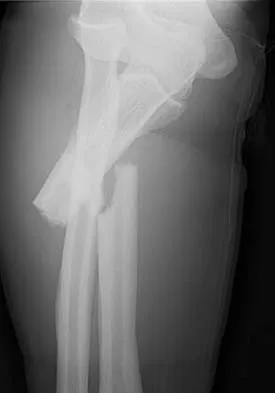
A 65-year-old woman with a history of total knee arthroplasty sustains a periprosthetic distal femur fracture

. Radiographs demonstrate a displaced Su/Mody Type II fracture above a well-fixed femoral component. Which of the following treatments provides the most biomechanically stable construct for early mobilization?


Explanation

For a periprosthetic distal femur fracture with a well-fixed TKA component, lateral locking plate osteosynthesis offers robust fixed-angle stability. This construct effectively preserves the functioning arthroplasty while allowing early range of motion.

Question 81

A 42-year-old man sustains a Gustilo-Anderson Type IIIB open tibia fracture with a 12 cm wound and exposed bone devoid of periosteal coverage

. After thorough surgical debridement and application of a spanning external fixator, what is the optimal timeframe for definitive soft tissue coverage?
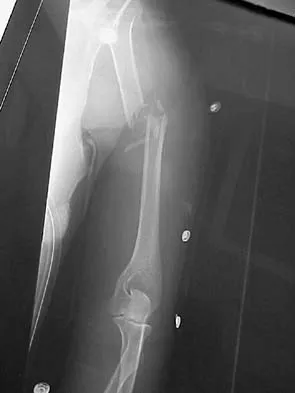


Explanation

For severe open tibial fractures requiring flap coverage, definitive soft tissue reconstruction is optimally performed within 3 to 7 days following serial debridement. Early coverage in this window significantly decreases the risk of deep infection and flap failure compared to delayed closure.

Question 82

A 72-year-old woman on long-term alendronate therapy presents with a displaced subtrochanteric fracture of the right femur after a mechanical fall from standing height. She reports a 3-month history of left anterior thigh pain. Left femur radiographs reveal lateral cortical thickening and a transverse radiolucent line. What is the recommended management for the contralateral (left) limb?


Explanation

Atypical femur fractures are highly associated with prolonged bisphosphonate use and frequently present bilaterally. Symptomatic patients with radiographic signs of an impending atypical fracture (lateral cortical thickening and beaking) should discontinue the bisphosphonate and undergo prophylactic intramedullary nailing to prevent completion of the fracture.

Question 83

A 25-year-old man sustains a high-energy trauma resulting in a vertically oriented (Pauwels Type III) displaced femoral neck fracture. To resist the severe shear forces inherent to this fracture pattern, which fixation construct provides the greatest biomechanical stability?


Explanation

Pauwels Type III femoral neck fractures feature a highly vertical fracture line, resulting in massive shear forces and a high risk of varus collapse. A fixed-angle device such as a sliding hip screw, combined with a derotational cancellous screw, provides superior biomechanical stability compared to multiple cancellous screws alone.

Question 84

A 28-year-old man undergoes closed reduction and reamed intramedullary nailing for a closed transverse midshaft tibia fracture. Four hours postoperatively, he requires escalating doses of intravenous opioids and complains of severe, burning leg pain. What is the most reliable clinical indicator mandating immediate surgical intervention?


Explanation

Pain out of proportion to the injury that is worsened by passive stretch of the ischemic muscles is the earliest and most sensitive clinical sign of acute compartment syndrome. The loss of distal pulses and prolonged capillary refill are late, unreliable signs that often do not occur until irreversible ischemia has set in.

None

Clinic OS
Medically Verified Content by
Prof. Clinic OS
Consultant Orthopedic & Spine Surgeon
Chapter Index
