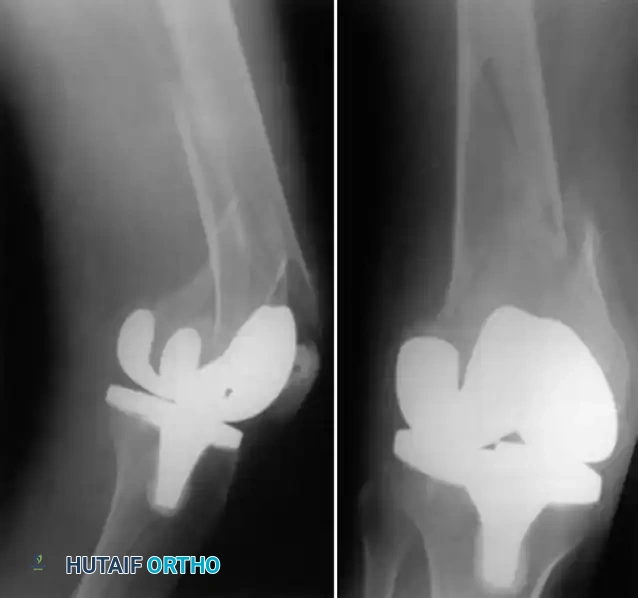
Full Question & Answer Text (for Search Engines)
Question 1:
Highly cross-linked polyethylene (HXLPE) is commonly used in total hip arthroplasty to reduce volumetric wear. Which of the following is the most significant mechanical trade-off when increasing the cross-linking of polyethylene via high-dose irradiation?
Options:
- Increased oxidative degradation in vivo
- Decreased melting point leading to early deformation
- Increased elastic modulus causing stress shielding
- Decreased fracture toughness and yield strength
- Decreased overall biocompatibility
Correct Answer: Decreased fracture toughness and yield strength
Explanation:
Increasing cross-linking via irradiation significantly decreases the generation of wear debris. However, this process alters the mechanical properties of the polyethylene, notably decreasing its fracture toughness, yield strength, and ultimate tensile strength. This increases the risk of component fracture, particularly in thin liners or constrained designs.
Question 2:
A 4-week-old infant is referred for management of Developmental Dysplasia of the Hip (DDH). Which of the following conditions represents an ABSOLUTE contraindication for the use of a Pavlik harness?
Options:
- Bilateral hip dislocation
- Age less than 6 weeks
- Teratologic hip dislocation (e.g., Arthrogryposis multiplex congenita)
- An alpha angle of 45 degrees on ultrasound
- A Barlow-positive, Ortolani-negative hip
Correct Answer: Teratologic hip dislocation (e.g., Arthrogryposis multiplex congenita)
Explanation:
The use of a Pavlik harness relies on normal muscle function and active motion to achieve and maintain hip reduction. Teratologic hip dislocations (associated with syndromes such as arthrogryposis or spina bifida) exhibit severe muscle imbalance or contractures. In these cases, a Pavlik harness is absolutely contraindicated due to a high failure rate and an increased risk of complications. Other absolute contraindications include failure to achieve reduction after 3-4 weeks of use, or significant patient/family non-compliance.
Question 3:
During an anterior intrapelvic (modified Stoppa) approach for the fixation of an acetabular fracture, meticulous dissection is required over the superior pubic ramus to avoid injury to the 'corona mortis'. This vascular structure represents an anastomosis between which of the following?
Options:
- Obturator vessels and inferior epigastric vessels
- Internal iliac and external iliac arteries directly
- Internal pudendal and external pudendal vessels
- Superior gluteal and internal iliac vessels
- Inferior gluteal and obturator vessels
Correct Answer: Obturator vessels and inferior epigastric vessels
Explanation:
The 'corona mortis' (crown of death) is a highly variable but critical vascular anastomosis between the external iliac system (inferior epigastric artery/vein) and the internal iliac system (obturator artery/vein). It is located over the posterior aspect of the superior pubic ramus and is at significant risk of iatrogenic injury during anterior intrapelvic approaches, leading to massive, difficult-to-control hemorrhage.
Question 4:
According to the Levine-Edwards classification of traumatic spondylolisthesis of the axis (Hangman's fracture), which of the following uniquely describes the mechanism and appropriate management of a Type IIA fracture?
Options:
- Hyperextension with minimal displacement; treated with a hard cervical collar.
- Flexion-distraction injury with significant angulation and minimal translation; skeletal traction is contraindicated.
- Hyperextension-axial loading with severe translation; requires immediate open reduction.
- Involvement of the odontoid process; treated with halo vest immobilization.
- Fracture through the pars interarticularis with an intact anterior longitudinal ligament; treated with anterior cervical plating.
Correct Answer: Flexion-distraction injury with significant angulation and minimal translation; skeletal traction is contraindicated.
Explanation:
Levine-Edwards Type IIA fractures are caused by flexion-distraction forces. They present with minimal anterior translation but severe anterior angulation of C2 on C3. Because the posterior longitudinal ligament and disc are disrupted, applying skeletal traction is strictly contraindicated as it will exacerbate the distraction and deformity. Management typically involves gentle extension and compression, followed by halo vest immobilization.
Question 5:
A 24-year-old football player sustains a complex knee injury. Physical examination reveals an isolated increase in external rotation of 15 degrees compared to the contralateral knee at 30 degrees of knee flexion, but symmetrical external rotation at 90 degrees of flexion. Which of the following structures is most likely injured?
Options:
- Isolated Anterior Cruciate Ligament (ACL)
- Combined Posterior Cruciate Ligament (PCL) and Posterolateral Corner (PLC)
- Isolated Posterior Cruciate Ligament (PCL)
- Medial Collateral Ligament (MCL) and Posterior Oblique Ligament (POL)
- Isolated Posterolateral Corner (PLC)
Correct Answer: Isolated Posterolateral Corner (PLC)
Explanation:
The 'Dial Test' assesses for injury to the posterolateral corner (PLC) and the posterior cruciate ligament (PCL). An asymmetric increase in external rotation (>10-15 degrees) isolated to 30 degrees of knee flexion indicates an isolated PLC injury. If the asymmetry is present at both 30 degrees and 90 degrees of flexion, it suggests a combined injury to both the PLC and the PCL.
Question 6:
Scaphoid Nonunion Advanced Collapse (SNAC) wrist follows a predictable pattern of progressive articular degeneration. Stage III of the SNAC wrist natural history is characterized by degenerative changes specifically involving which of the following articulations?
Options:
- Radioscaphoid articulation only
- Scaphocapitate joint
- Capitolunate joint
- Radiolunate joint
- Distal radioulnar joint
Correct Answer: Capitolunate joint
Explanation:
SNAC wrist progression occurs as follows: Stage I involves the radial styloid and distal scaphoid fragment. Stage II progresses to involve the radioscaphoid joint and the scaphocapitate joint. Stage III involves the capitolunate joint as the capitate subluxates dorsally. Notably, the radiolunate joint is typically spared in both SNAC and SLAC (Scapholunate Advanced Collapse) patterns due to the congruent nature of the spherical lunate facet.
Question 7:
Which of the following surface variants of osteosarcoma is typically the lowest histological grade, primarily affects the posterior aspect of the distal femur, and carries the best overall prognosis following wide resection?
Options:
- Conventional intramedullary osteosarcoma
- Periosteal osteosarcoma
- Parosteal osteosarcoma
- High-grade surface osteosarcoma
- Telangiectatic osteosarcoma
Correct Answer: Parosteal osteosarcoma
Explanation:
Parosteal osteosarcoma is a low-grade, surface-based malignant bone-forming tumor that arises from the outer layer of the periosteum. It heavily favors the posterior metaphysis of the distal femur. Because it is usually low-grade, it carries an excellent prognosis (over 90% survival) when treated with wide surgical resection alone, often not requiring chemotherapy unless there is a dedifferentiated component.
Question 8:
A 68-year-old male presents with recurrent posterior dislocations following a primary total hip arthroplasty performed via a posterior approach 6 months ago. Plain radiographs and CT evaluation demonstrate a well-fixed, bone-ingrown acetabular component with 20 degrees of abduction and 5 degrees of retroversion. What is the most definitive and appropriate surgical intervention?
Options:
- Exchange the modular femoral head for a larger diameter with a standard liner
- Advance the greater trochanter to increase abductor tension
- Revise the acetabular component to achieve proper anteversion and abduction
- Apply a constrained acetabular liner without altering component position
- Increase the femoral offset using a higher offset femoral stem
Correct Answer: Revise the acetabular component to achieve proper anteversion and abduction
Explanation:
The patient has a malpositioned acetabular component. Normal 'safe zone' parameters are typically 40-50 degrees of abduction and 15-20 degrees of anteversion. The cup is significantly retroverted (5 degrees) and under-abducted (20 degrees, making it horizontal). Retroversion is a classic cause of posterior instability in flexion and internal rotation. The definitive treatment for recurrent dislocation due to a severely malpositioned, though well-fixed, cup is revision of the component to correct the alignment.
Question 9:
According to the Hawkins classification of talar neck fractures, a fracture that is accompanied by subluxation or dislocation of the subtalar joint while the tibiotalar and talonavicular joints remain perfectly aligned is classified as:
Options:
- Hawkins Type I
- Hawkins Type II
- Hawkins Type III
- Hawkins Type IV
- Sneppen Type II
Correct Answer: Hawkins Type II
Explanation:
The Hawkins classification determines the severity and risk of avascular necrosis (AVN) in talar neck fractures. Type I is a nondisplaced fracture (0-10% AVN risk). Type II involves subtalar subluxation/dislocation with an intact tibiotalar joint (20-50% AVN risk). Type III involves dislocation of both the subtalar and tibiotalar joints (50-100% AVN risk). Type IV (added by Canale) includes disruption of the subtalar, tibiotalar, and talonavicular joints.
Question 10:
During a latissimus dorsi flap transfer for soft tissue coverage, the surgeon must isolate the thoracodorsal nerve. In brachial plexus anatomy, the thoracodorsal nerve arises directly from which of the following structures?
Options:
- Lateral cord
- Medial cord
- Upper trunk
- Roots (C5-C7)
- Posterior cord
Correct Answer: Posterior cord
Explanation:
The thoracodorsal nerve (middle subscapular nerve) branches directly off the posterior cord of the brachial plexus. The posterior cord (formed by the posterior divisions of all three trunks) gives rise to the upper subscapular, thoracodorsal, and lower subscapular nerves, before terminating into the axillary and radial nerves.
Question 11:
A 45-year-old male sustains a high-energy Schatzker IV (medial) tibial plateau fracture. Advanced imaging reveals a large coronal shear fragment of the posteromedial plateau. Which surgical approach is specifically indicated to directly visualize and buttress this specific fragment?
Options:
- Standard anterolateral approach
- Medial parapatellar approach
- Posteromedial approach
- Posterolateral approach
- Direct anterior approach
Correct Answer: Posteromedial approach
Explanation:
A posteromedial shear fragment is a classic component of complex medial tibial plateau fractures (and often missed Schatzker IV or fracture-dislocations). Anterior approaches cannot adequately expose or reduce this fragment. A posteromedial approach (often passing between the medial head of the gastrocnemius and the pes anserinus) is required to apply a posterior buttress plate, neutralizing the vertical shear forces exerted during knee flexion.
Question 12:
Prophylactic in situ pinning of the contralateral hip in patients presenting with a unilateral Slipped Capital Femoral Epiphysis (SCFE) is a debated topic. However, it is most strongly and universally indicated in which of the following clinical scenarios?
Options:
- A 14-year-old male with an idiopathic acute SCFE
- A 10-year-old male with a chronic SCFE and a BMI in the 85th percentile
- A 12-year-old female with SCFE and renal osteodystrophy
- A 13-year-old male with SCFE and a normal endocrine laboratory profile
- A 15-year-old female with an acute-on-chronic SCFE
Correct Answer: A 12-year-old female with SCFE and renal osteodystrophy
Explanation:
Patients with underlying endocrine or metabolic disorders (such as renal osteodystrophy, hypothyroidism, or panhypopituitarism) are at a markedly elevated risk for developing bilateral SCFE (approaching 100% in some cohorts). Therefore, prophylactic fixation of the contralateral hip is universally recommended for these patients. Idiopathic cases have a lower bilateral rate (typically 20-40%), making prophylaxis a topic of shared decision-making rather than an absolute indication.
Question 13:
During primary repair of a flexor tendon laceration in the hand, the surgeon identifies the 'Camper's chiasm'. This anatomical landmark, where the flexor digitorum superficialis (FDS) bifurcates to allow the flexor digitorum profundus (FDP) to pass dorsally to volarly, is located in which of the flexor tendon zones?
Options:
- Zone I
- Zone III
- Zone II
- Zone IV
- Zone V
Correct Answer: Zone II
Explanation:
Camper's chiasm is located in flexor tendon Zone II (historically termed 'no man's land'). In this zone, the FDS tendon splits (bifurcates) to form a chiasm, allowing the FDP tendon to pass through it to become superficial and insert on the base of the distal phalanx. Zone II extends from the proximal aspect of the A1 pulley to the insertion of the FDS on the middle phalanx.
Question 14:
A patient presents with a suspected spinal epidural abscess. While the 'classic triad' of symptoms is well described, it is present in only a minority of cases. What is the most consistent, and typically the earliest, clinical symptom of a spinal epidural abscess?
Options:
- Radicular pain radiating to the extremities
- Progressive motor weakness
- Bowel or bladder dysfunction
- Localized, severe back pain
- High-grade, spiking fever
Correct Answer: Localized, severe back pain
Explanation:
Localized back pain is the earliest and most consistent symptom of a spinal epidural abscess, occurring in up to 75-90% of patients. The natural history typically progresses in four stages: localized spinal pain, radicular pain, muscular weakness/sensory deficit, and finally paralysis. The classic triad of back pain, fever, and neurologic deficit is found in only about 10-15% of patients at initial presentation.
Question 15:
A 22-year-old collegiate baseball pitcher presents with profound shoulder pain during the 'late cocking' phase of throwing. MRI arthrogram demonstrates a Type II SLAP (Superior Labrum Anterior to Posterior) lesion. After 6 months of targeted physical therapy, he remains unable to throw. What is the primary surgical recommendation?
Options:
- Open biceps tenodesis
- Arthroscopic biceps tenotomy
- Arthroscopic debridement of the superior labrum
- Arthroscopic repair of the superior labrum and biceps anchor
- Open capsular shift
Correct Answer: Arthroscopic repair of the superior labrum and biceps anchor
Explanation:
A Type II SLAP lesion involves detachment of the superior labrum and the origin of the long head of the biceps tendon from the glenoid. In a young, high-demand, overhead throwing athlete, the standard of care after failed conservative management is arthroscopic repair of the labrum back to the glenoid footprint. Biceps tenodesis or tenotomy is generally reserved for older patients, non-throwers, or salvage after failed repairs, as it alters the normal throwing kinematics.
Question 16:
In the diagnosis of acute compartment syndrome using continuous intra-compartmental pressure monitoring, which of the following criteria is the most accurate indicator for performing a fasciotomy?
Options:
- Absolute compartment pressure > 20 mmHg
- Absolute compartment pressure > 30 mmHg
- Diastolic blood pressure minus compartment pressure (Delta P) < 30 mmHg
- Mean arterial pressure minus compartment pressure < 40 mmHg
- Systolic blood pressure minus compartment pressure < 50 mmHg
Correct Answer: Diastolic blood pressure minus compartment pressure (Delta P) < 30 mmHg
Explanation:
The Delta pressure (Diastolic Blood Pressure - Compartment Pressure) is the most reliable parameter for diagnosing acute compartment syndrome. A Delta pressure of less than 30 mmHg indicates inadequate capillary perfusion to the muscle and mandates emergent fasciotomy. Absolute pressure thresholds (e.g., >30 mmHg) are less reliable as they do not account for variations in systemic blood pressure.
Question 17:
During a primary Total Knee Arthroplasty (TKA), the surgeon checks the trial components and finds that the knee has a stable, well-balanced extension gap, but the flexion gap is excessively tight. Assuming a standard anterior referencing system is used, which of the following maneuvers is the most appropriate next step to correct this specific mismatch?
Options:
- Resect more bone from the distal femur
- Release the posterior capsule
- Release the medial collateral ligament
- Downsize the femoral component
- Upsize the femoral component
Correct Answer: Downsize the femoral component
Explanation:
A tight flexion gap with a balanced extension gap requires a maneuver that selectively increases the volume of the flexion space without altering extension. Downsizing the femoral component in an anterior referencing system moves the posterior condylar cut anteriorly, effectively resecting more posterior condylar bone and opening up the flexion gap. Resecting more distal femur would affect the extension gap. Releasing the posterior capsule would increase the extension gap.
Question 18:
Tranexamic acid (TXA) is widely incorporated into orthopedic protocols to significantly reduce perioperative blood loss. Which of the following accurately describes its primary pharmacological mechanism of action?
Options:
- Direct inhibition of Factor Xa in the coagulation cascade
- Competitive inhibition of plasminogen activation
- Irreversible antagonism of Vitamin K-dependent clotting factors
- Inhibition of cyclooxygenase to prevent platelet aggregation
- Enhancement of antithrombin III activity
Correct Answer: Competitive inhibition of plasminogen activation
Explanation:
Tranexamic acid (TXA) is a synthetic derivative of the amino acid lysine. It acts as an antifibrinolytic agent by reversibly and competitively binding to the lysine-binding sites on plasminogen molecules. This prevents plasminogen from converting into plasmin, which in turn prevents the degradation of fibrin clots, thereby stabilizing the clot and reducing bleeding.
Question 19:
In the evaluation of a child with Legg-Calvé-Perthes disease, Catterall described specific 'head at risk' clinical and radiographic signs that portend a poor prognosis and higher risk of femoral head deformation. Which of the following is considered a 'head at risk' radiographic sign?
Options:
- Metaphyseal cysts
- Medial subluxation of the femoral head
- Ossification of the lateral pillar
- Decreased teardrop distance
- Sclerosis of the acetabulum
Correct Answer: Metaphyseal cysts
Explanation:
Catterall's 'head at risk' signs indicate a high likelihood of a poor clinical outcome. The five classic signs are: 1. Gage's sign (a V-shaped radiolucency in the lateral portion of the epiphysis and adjacent metaphysis), 2. Calcification lateral to the epiphysis, 3. Lateral (not medial) subluxation of the femoral head, 4. A horizontal orientation of the growth plate, and 5. Metaphyseal cysts. These signs typically mandate more aggressive treatment.
Question 20:
A 35-year-old male presents with a slow-growing, painful mass near his knee joint. An incisional biopsy confirms the diagnosis of synovial sarcoma. Which of the following chromosomal translocations is uniquely diagnostic for this soft tissue malignancy?
Options:
- t(11;22)
- t(9;22)
- t(X;18)
- t(12;16)
- t(2;13)
Correct Answer: t(X;18)
Explanation:
Synovial sarcoma is characteristically defined by the t(X;18)(p11;q11) chromosomal translocation, which results in the SYT-SSX fusion gene (specifically SYT-SSX1, SYT-SSX2, or rarely SYT-SSX4). This molecular marker is present in over 90% of cases and is key for diagnostic confirmation. Options A, B, D, and E represent translocations for Ewing sarcoma, CML/Chondrosarcoma, myxoid liposarcoma, and alveolar rhabdomyosarcoma, respectively.
Question 21:
A 30-year-old male sustains a vertically oriented, displaced femoral neck fracture (Pauwels Type III). Operative fixation is planned. Which of the following internal fixation constructs provides the greatest biomechanical stability against shear forces for this specific fracture pattern?
Options:
- Three parallel cancellous screws in an inverted triangle
- Three parallel cancellous screws with a fourth off-axis screw
- A sliding hip screw (SHS) with a supplemental derotational cancellous screw
- A dynamic condylar screw (DCS)
- Two parallel fully threaded cortical screws
Correct Answer: A sliding hip screw (SHS) with a supplemental derotational cancellous screw
Explanation:
Pauwels Type III femoral neck fractures have a high shear angle (>50 degrees), making them highly unstable and prone to varus collapse and nonunion. Biomechanical studies (e.g., Aminian et al., Liporace et al.) have demonstrated that a sliding hip screw with a supplemental derotational screw provides superior biomechanical stability against shear forces and varus collapse compared to multiple cancellous screws in these vertically oriented young adult fractures.
Question 22:
A 12-year-old boy with a BMI in the 98th percentile undergoes in situ percutaneous pinning for a stable slipped capital femoral epiphysis (SCFE). During advancement of the single cannulated screw, the surgeon observes an 'approach-withdraw' phenomenon on the lateral fluoroscopic view. What severe complication is most strongly associated with failure to recognize and correct this intraoperative finding?
Options:
- Avascular necrosis of the femoral head
- Chondrolysis of the hip joint
- Iatrogenic femoral neck fracture
- Premature physeal closure with severe leg length discrepancy
- Subtrochanteric fracture
Correct Answer: Chondrolysis of the hip joint
Explanation:
The 'approach-withdraw' phenomenon occurs when a screw penetrates the articular surface of the femoral head. As the screw is advanced and the hip is rotated, the screw tip appears to approach and then withdraw from the subchondral bone on fluoroscopy due to the spherical shape of the head. Unrecognized joint penetration is a primary cause of chondrolysis following SCFE fixation.
Question 23:
A 35-year-old female presents with a destructive radiolucent lesion in the distal femur. Core needle biopsy confirms Giant Cell Tumor of bone. Multidisciplinary tumor board recommends neoadjuvant treatment with Denosumab prior to intralesional curettage. Denosumab targets which of the following cellular mechanisms in this specific tumor?
Options:
- Direct induction of apoptosis in the multinucleated giant cells
- Inhibition of RANKL produced by the neoplastic mononuclear stromal cells
- Neutralization of RANK receptors on the surface of osteoclast precursors
- Inhibition of VEGF-mediated tumor angiogenesis
- Blockade of the Wnt/beta-catenin signaling pathway
Correct Answer: Inhibition of RANKL produced by the neoplastic mononuclear stromal cells
Explanation:
Giant Cell Tumor of bone consists of neoplastic mononuclear stromal cells and reactive multinucleated giant cells (osteoclast-like cells). The neoplastic stromal cells overexpress RANKL, which recruits and activates the osteoclast-like giant cells, leading to bone destruction. Denosumab is a monoclonal antibody that binds to and inhibits RANKL produced by the stromal cells, thereby preventing the activation of the destructive giant cells.
Question 24:
In the selection of bearing surfaces for total hip arthroplasty (THA) in a young, active patient, which of the following combinations demonstrates the lowest volumetric wear rate but carries the highest risk of catastrophic failure secondary to component fracture?
Options:
- Cobalt-chrome on highly cross-linked polyethylene
- Ceramic on highly cross-linked polyethylene
- Ceramic on ceramic
- Metal on metal
- Oxidized zirconium on highly cross-linked polyethylene
Correct Answer: Ceramic on ceramic
Explanation:
Ceramic-on-ceramic (CoC) bearing surfaces have the lowest volumetric wear rates of all available bearing couples in THA, making them attractive for young, active patients. However, ceramics are brittle materials, and the CoC combination carries the highest risk of catastrophic failure due to component fracture compared to polyethylene-based or metal-based articulations. They are also associated with 'squeaking'.
Question 25:
A 24-year-old professional football player sustains a twisting injury to his left knee. Radiographs reveal an elliptic avulsion fracture of the anterolateral proximal tibia (Segond fracture). This radiographic finding represents a bony avulsion of which of the following capsuloligamentous structures?
Options:
- Iliotibial band
- Biceps femoris tendon
- Anterolateral ligament (ALL) and lateral capsular ligament
- Lateral collateral ligament (LCL)
- Popliteofibular ligament
Correct Answer: Anterolateral ligament (ALL) and lateral capsular ligament
Explanation:
A Segond fracture is a cortical avulsion fracture off the anterolateral aspect of the proximal tibia and is highly pathognomonic for an anterior cruciate ligament (ACL) tear. Anatomical studies have shown that it represents an avulsion of the anterolateral ligament (ALL) and the lateral capsular ligament. It is not an avulsion of the IT band (which attaches at Gerdy's tubercle) or the biceps femoris/LCL (which attach to the fibular head).
Question 26:
A 75-year-old male presents with neck pain following a ground-level fall. CT imaging reveals a Type II odontoid fracture according to the Anderson and D'Alonzo classification. Which of the following anatomical factors is the primary reason for the high rate of nonunion associated with this specific fracture pattern?
Options:
- Disruption of the apical ligament
- The presence of a vascular watershed area at the base of the dens
- Interposition of the transverse ligament in the fracture site
- Distraction forces from the alar ligaments
- Excessive motion at the atlanto-occipital joint
Correct Answer: The presence of a vascular watershed area at the base of the dens
Explanation:
Type II odontoid fractures occur at the base of the dens. This region represents a vascular watershed area. The blood supply to the odontoid comes primarily from the anterior and posterior ascending arteries (branches of the vertebral arteries), which course cephalad. A fracture at the base disrupts this precarious blood supply, leading to a high rate of nonunion, particularly in the elderly population.
Question 27:
A 28-year-old carpenter sustains a laceration to the volar aspect of his index finger at the level of the proximal phalanx, resulting in a Zone II flexor tendon injury. To ensure optimal healing following surgical repair, the surgeon must be mindful of the tendon's intrinsic blood supply. The primary vascular supply to the flexor digitorum profundus (FDP) within this fibrous digital sheath is derived from:
Options:
- Direct musculotendinous perforators
- The vincula longa and brevia
- Metacarpal nutrient arteries
- Digital artery branches directly entering the volar plate
- The common digital artery bifurcation
Correct Answer: The vincula longa and brevia
Explanation:
In Zone II (the 'no man/'s land'), the flexor tendons are enclosed within a synovial sheath. They rely on two mechanisms for nutrition: synovial fluid diffusion (imbibition) and direct blood supply. The direct vascular supply enters the dorsal aspect of the tendons via the vincula longa and vincula brevia, which are tiny vascular folds carrying vessels from the digital arteries.
Question 28:
A 28-year-old equestrian presents with severe midfoot pain after her foot was caught in a stirrup during a fall. Weight-bearing radiographs demonstrate a 3 mm diastasis between the bases of the first and second metatarsals. What is the precise anatomic connection of the primary stabilizing ligament (the Lisfranc ligament) that is disrupted in this injury?
Options:
- Dorsal ligament connecting the 1st and 2nd metatarsal bases
- Plantar ligament connecting the medial cuneiform to the 1st metatarsal base
- Interosseous ligament connecting the medial cuneiform to the 2nd metatarsal base
- Plantar ligament connecting the middle cuneiform to the 2nd metatarsal base
- Interosseous ligament connecting the middle cuneiform to the 3rd metatarsal base
Correct Answer: Interosseous ligament connecting the medial cuneiform to the 2nd metatarsal base
Explanation:
The Lisfranc ligament is the strongest and most important stabilizing structure of the tarsometatarsal articulation. It is a stout interosseous ligament that runs obliquely from the lateral aspect of the medial cuneiform to the medial aspect of the base of the second metatarsal. There is no direct ligamentous connection between the bases of the first and second metatarsals.
Question 29:
During the process of secondary fracture healing (enchondral ossification), woven bone is gradually replaced by strong, organized lamellar bone. This critical transition primarily occurs during which stage of the fracture healing cascade?
Options:
- Inflammatory phase
- Soft callus formation phase
- Hard callus formation phase
- Remodeling phase
- Hematoma organization phase
Correct Answer: Remodeling phase
Explanation:
Secondary fracture healing consists of hematoma/inflammation, soft callus (cartilage), hard callus (woven bone), and remodeling. The transition from random, disorganized woven bone (formed during the hard callus phase) to highly organized, stress-aligned lamellar bone occurs strictly during the remodeling phase, governed by osteoclast and osteoblast activity acting under Wolff's law.
Question 30:
A 2-week-old infant is brought to the pediatric orthopedic clinic for treatment of bilateral idiopathic clubfeet using the Ponseti method. What is the correct, stepwise sequence of deformity correction during serial casting?
Options:
- Cavus, Adduction, Varus, Equinus
- Equinus, Varus, Adduction, Cavus
- Adduction, Varus, Cavus, Equinus
- Cavus, Equinus, Varus, Adduction
- Varus, Cavus, Adduction, Equinus
Correct Answer: Cavus, Adduction, Varus, Equinus
Explanation:
The Ponseti method dictates a specific sequence of correction summarized by the acronym CAVE: Cavus (corrected by supinating the forefoot to align with the hindfoot), Adduction (corrected by abducting the foot around the fixed talar head), Varus (corrects passively with abduction as the calcaneus everts), and finally Equinus (corrected last, usually requiring a percutaneous Achilles tenotomy).
Question 31:
A 40-year-old male is brought to the trauma bay in hemorrhagic shock following a motorcycle accident. Radiographs reveal an Anteroposterior Compression Type III (APC-III) pelvic ring injury. According to the Young and Burgess classification, which of the following ligamentous structures are completely disrupted in this specific injury pattern?
Options:
- Symphyseal ligaments and anterior sacroiliac ligaments only
- Symphyseal, sacrospinous, and sacrotuberous ligaments only
- Symphyseal, sacrospinous, sacrotuberous, and anterior sacroiliac ligaments
- Symphyseal, sacrospinous, sacrotuberous, anterior sacroiliac, and posterior sacroiliac ligaments
- Symphyseal and iliolumbar ligaments only
Correct Answer: Symphyseal, sacrospinous, sacrotuberous, anterior sacroiliac, and posterior sacroiliac ligaments
Explanation:
An APC-III pelvic fracture represents complete global instability (a 'completely open book' pelvis). It involves disruption of the anterior structures (symphyseal ligaments) and a complete disruption of the posterior pelvic floor and arch, including the sacrospinous, sacrotuberous, anterior sacroiliac, and posterior sacroiliac ligaments. This allows the hemipelvis to separate completely from the sacrum.
Question 32:
In the biomechanics of the native human knee, 'femoral rollback' is the posterior translation of the femoral condyles on the tibial plateau during deep knee flexion, which prevents premature impingement of the posterior distal femur against the posterior tibial margin. This motion is primarily driven by tension in which of the following structures?
Options:
- Anterior cruciate ligament (ACL)
- Posterior cruciate ligament (PCL)
- Medial collateral ligament (MCL)
- Iliotibial band (ITB)
- Popliteus tendon
Correct Answer: Posterior cruciate ligament (PCL)
Explanation:
Femoral rollback is essential for deep knee flexion. As the knee flexes, the Posterior Cruciate Ligament (PCL) tightens and pulls the femur posteriorly relative to the tibia. This clears the posterior aspect of the femur from impinging on the posterior tibial plateau. This concept is utilized in posterior-stabilized (PS) total knee arthroplasties via the cam-and-post mechanism.
Question 33:
During arthroscopy for a 22-year-old male with recurrent anterior shoulder instability, the surgeon visualizes a capsulolabral complex that has displaced medially and scarred down along the anterior scapular neck. The anterior scapular periosteum remains intact but is stripped from the glenoid margin. Which of the following eponymous terms best describes this pathology?
Options:
- Classic Bankart lesion
- Bony Bankart lesion
- ALPSA (Anterior Labroligamentous Periosteal Sleeve Avulsion) lesion
- GLAD (Glenolabral Articular Disruption) lesion
- HAGL (Humeral Avulsion of Glenohumeral Ligament) lesion
Correct Answer: ALPSA (Anterior Labroligamentous Periosteal Sleeve Avulsion) lesion
Explanation:
An ALPSA (Anterior Labroligamentous Periosteal Sleeve Avulsion) lesion occurs when the anterior labrum and capsular ligaments are avulsed from the glenoid but the anterior scapular periosteum remains intact. The labrocapsular complex strips and shifts medially, healing in a malunited position on the scapular neck. In contrast, a classic Bankart lesion involves complete tearing of the periosteum.
Question 34:
A 45-year-old data analyst presents with an inability to make an 'OK' sign with her right hand. Instead of forming a circle with her thumb and index finger, her distal interphalangeal (DIP) joints remain in extension, resulting in a flat-pinch posture. Sensory examination of the hand is completely normal. Compression of the affected nerve is most commonly caused by which of the following structures?
Options:
- The ligament of Struthers
- The deep head of the pronator teres
- The arcade of Frohse
- The two heads of the flexor carpi ulnaris
- The bicipital aponeurosis (lacertus fibrosus)
Correct Answer: The deep head of the pronator teres
Explanation:
The patient's presentation is classic for Anterior Interosseous Nerve (AIN) syndrome, characterized by weakness of the flexor pollicis longus (FPL) and flexor digitorum profundus (FDP) to the index finger, leading to an inability to make an 'OK' sign. Because the AIN is purely motor, sensation is normal. The most common site of AIN compression is the deep head of the pronator teres (or the tendinous edge of the FDS arcade).
Question 35:
A 14-year-old boy presents with progressive, nocturnal thigh pain and a low-grade fever. Radiographs demonstrate a permeative, diaphyseal lesion in the femur with an extensive periosteal 'onion-skin' reaction. Core needle biopsy reveals sheets of uniform small, round, blue cells. Which of the following cytogenetic translocations is most characteristically associated with this specific neoplasm?
Options:
- t(9;22)
- t(11;22)
- t(X;18)
- t(12;16)
- t(2;13)
Correct Answer: t(11;22)
Explanation:
The clinical presentation, radiographic 'onion-skin' periosteal reaction, and histology (small round blue cells) are classic for Ewing sarcoma. The pathognomonic cytogenetic abnormality in over 90% of Ewing sarcoma cases is the t(11;22)(q24;q12) translocation, which results in the EWS-FLI1 fusion protein.
Question 36:
An orthopedic surgeon is preparing antibiotic-loaded polymethylmethacrylate (PMMA) bone cement for a spacer during the first stage of a two-stage exchange arthroplasty for a periprosthetic joint infection. To ensure the antibiotic remains biologically active and does not compromise the curing process, the chosen antibiotic MUST possess which of the following properties?
Options:
- High molecular weight to delay elution
- Thermostability
- A purely bacteriostatic mechanism of action
- High lipophilicity
- Susceptibility to rapid hydrolysis
Correct Answer: Thermostability
Explanation:
The polymerization of PMMA bone cement is an exothermic reaction that can reach temperatures exceeding 80°C (176°F) in vivo. Therefore, any antibiotic incorporated into the cement must be highly thermostable to survive the curing process without degrading. Common thermostable antibiotics used include Vancomycin, Tobramycin, and Gentamicin.
Question 37:
A 65-year-old female presents with severe neurogenic claudication and an L4-L5 degenerative spondylolisthesis. She fails 6 months of conservative management. If she undergoes a lumbar decompression (laminectomy) alone without a concomitant fusion, what is the most common reason for early reoperation in this patient?
Options:
- Unrecognized dural tear causing a pseudomeningocele
- Progression of the spondylolisthesis leading to recurrent stenosis/instability
- Adjacent segment disease at L3-L4
- Deep surgical site infection
- Postoperative epidural hematoma
Correct Answer: Progression of the spondylolisthesis leading to recurrent stenosis/instability
Explanation:
Degenerative spondylolisthesis indicates underlying segmental instability. The SPORT trial and other classic spine literature (e.g., Herkowitz and Kurz) demonstrated that performing a laminectomy/decompression alone in the setting of degenerative spondylolisthesis carries a high risk of accelerating the instability, leading to progressive slip, recurrent symptoms, and a higher rate of reoperation compared to decompression with fusion.
Question 38:
A 6-year-old boy presents to the emergency department with a completely displaced, extension-type supracondylar humerus fracture (Gartland Type III). On physical examination, he is unable to flex the interphalangeal (IP) joint of his thumb and the distal interphalangeal (DIP) joint of his index finger. Which of the following neurological structures is most likely injured?
Options:
- Ulnar nerve
- Radial nerve
- Posterior interosseous nerve
- Anterior interosseous nerve
- Musculocutaneous nerve
Correct Answer: Anterior interosseous nerve
Explanation:
The anterior interosseous nerve (AIN), a branch of the median nerve, is the most commonly injured nerve in extension-type supracondylar humerus fractures. Injury manifests as an inability to flex the IP joint of the thumb (FPL) and the DIP joint of the index finger (FDP), preventing the patient from making an 'A-OK' sign.
Question 39:
A 42-year-old male sustains a high-energy Schatzker Type IV tibial plateau fracture with a significant posteromedial shear fragment. Surgical fixation requires a posteromedial approach to the knee. The optimal intermuscular interval for this approach is developed between the medial head of the gastrocnemius posteriorly and which of the following structures anteriorly?
Options:
- Soleus muscle
- Semimembranosus tendon
- Pes anserinus tendons (Sartorius, Gracilis, Semitendinosus)
- Popliteus muscle
- Flexor hallucis longus muscle
Correct Answer: Pes anserinus tendons (Sartorius, Gracilis, Semitendinosus)
Explanation:
The classic posteromedial approach to the tibial plateau utilizes the interval between the medial head of the gastrocnemius (which is retracted posteriorly/laterally to protect the neurovascular bundle) and the pes anserinus tendons (Sartorius, Gracilis, Semitendinosus), which are retracted anteriorly. This safely exposes the posteromedial metaphysis of the proximal tibia for anti-glide plating.
Question 40:
The 'watershed' area of the Achilles tendon, which is the most frequent site of spontaneous rupture, is located approximately 2 to 6 cm proximal to its insertion on the calcaneus. The intrinsic vascularity of this highly susceptible region is relatively poor and depends primarily on extrinsically supplied vessels originating from the:
Options:
- Myotendinous junction
- Osteotendinous junction (calcaneal branches)
- Paratenon
- Plantaris tendon vascular sling
- Vasa nervorum of the sural nerve
Correct Answer: Paratenon
Explanation:
The Achilles tendon receives blood from three sources: the myotendinous junction (proximal), the osteotendinous junction (distal), and the extrinsically supplied vessels via the paratenon (anteriorly). In the 'watershed' region (2-6 cm proximal to the insertion), the internal longitudinal blood supply is poorest, making this area highly reliant on the surrounding paratenon for perfusion. Disruption of the paratenon limits healing.
Question 41:
A 65-year-old female sustains a displaced 3-part proximal humerus fracture. Based on current anatomical studies, which of the following vascular structures provides the primary blood supply to the humeral head and is critical to evaluate for avascular necrosis risk?
Options:
- Anterior humeral circumflex artery
- Arcuate artery
- Posterior humeral circumflex artery
- Thoracoacromial artery
- Subscapular artery
Correct Answer: Posterior humeral circumflex artery
Explanation:
Historically, the anterior humeral circumflex artery (via the arcuate branch) was considered the main vascular supply to the humeral head. However, modern quantitative studies (e.g., Hettrich et al.) have proven that the posterior humeral circumflex artery is the principal blood supply, providing approximately 64% of the blood flow to the humeral head.
Question 42:
A 45-year-old male sustains a 'terrible triad' injury of the elbow following a fall. He is scheduled for operative fixation. What is the standard, biomechanically supported sequence for surgical reconstruction in this injury?
Options:
- Radial head fixation/replacement, followed by LCL repair, then coronoid fixation
- Coronoid fixation, followed by radial head fixation/replacement, then LCL complex repair
- LCL complex repair, followed by radial head fixation, then coronoid fixation
- MCL repair, followed by coronoid fixation, then radial head replacement
- Coronoid fixation, followed by MCL repair, then radial head fixation
Correct Answer: Coronoid fixation, followed by radial head fixation/replacement, then LCL complex repair
Explanation:
The terrible triad of the elbow consists of a coronoid fracture, radial head fracture, and LCL tear. The standard surgical sequence works from deep to superficial: first repairing the coronoid (to restore the anterior buttress), then fixing or replacing the radial head (lateral buttress), and finally repairing the lateral collateral ligament (LCL) complex. MCL repair or hinged external fixation is reserved for residual instability.
Question 43:
An 11-year-old boy presents with a completely displaced tibial eminence (tibial spine) fracture (Meyers-McKeever Type III) after a bicycle accident. What is the most appropriate management?
Options:
- Closed reduction and casting in 90 degrees of flexion
- Closed reduction and long leg cast in full extension
- Open anterior cruciate ligament (ACL) reconstruction
- Physeal-sparing ACL reconstruction
- Arthroscopic or open reduction and internal fixation
Correct Answer: Arthroscopic or open reduction and internal fixation
Explanation:
A Meyers-McKeever Type III injury is a completely displaced tibial eminence fracture. In pediatric patients, this represents an avulsion of the ACL insertion. Type I and II fractures can sometimes be treated non-operatively with casting in extension, but Type III fractures require anatomic reduction and internal fixation (arthroscopic or open) to restore ACL tension and prevent mechanical block to extension.
Question 44:
During a biomechanical testing session on human tendons, a researcher applies a constant load to a tendon specimen over an extended period. Over time, the tendon demonstrates a progressive increase in length (deformation). What viscoelastic property does this describe?
Options:
- Stress relaxation
- Creep
- Hysteresis
- Fatigue failure
- Isotropic behavior
Correct Answer: Creep
Explanation:
Creep is the viscoelastic property where a tissue undergoes progressive deformation (lengthening) under a constant load over time. Stress relaxation, conversely, is the decrease in load/stress over time when a tissue is held at a constant length (deformation). Hysteresis refers to the energy lost as heat during the loading and unloading cycle.
Question 45:
A 55-year-old male who underwent a Metal-on-Metal total hip arthroplasty 8 years ago presents with increasing groin pain. Radiographs show no loosening. A MARS MRI reveals a large cystic mass communicating with the joint space. Aspiration yields sterile fluid. What characteristic histological finding is most likely present in the periprosthetic tissue?
Options:
- Abundant polymorphonuclear leukocytes
- Diffuse lymphocyte infiltration and tissue necrosis
- Giant cells with birefringent polymeric debris
- Extensive caseating granulomas
- Monosodium urate crystals
Correct Answer: Diffuse lymphocyte infiltration and tissue necrosis
Explanation:
The scenario describes an adverse local tissue reaction (ALTR) or Aseptic Lymphocytic Vasculitis-Associated Lesion (ALVAL), commonly seen with Metal-on-Metal hip arthroplasty or trunnionosis. Histologically, ALVAL is characterized by a hypersensitivity reaction featuring diffuse perivascular lymphocytic infiltration, macrophage aggregates, and extensive tissue necrosis, distinct from the giant cell foreign-body reaction seen with polyethylene wear.
Question 46:
A 75-year-old male sustains a Type II odontoid fracture after a ground-level fall. He is neurologically intact. Non-operative management with a rigid cervical orthosis is being considered. Which of the following factors is associated with the highest risk of nonunion if treated non-operatively?
Options:
- Initial fracture displacement > 5 mm
- Patient age less than 40 years
- Fracture gap < 1 mm
- Concomitant C1 posterior arch fracture
- Anterior displacement rather than posterior displacement
Correct Answer: Initial fracture displacement > 5 mm
Explanation:
Risk factors for nonunion of a Type II odontoid fracture treated non-operatively include initial displacement > 5 mm, angulation > 11 degrees, patient age > 50 years, and posterior displacement. Displacement > 5 mm significantly decreases the likelihood of successful union with a halo or rigid collar, often prompting consideration for primary surgical stabilization.
Question 47:
A 25-year-old female presents with chronic aching in her anterior leg. Radiographs reveal an expansile, multilocular, radiolucent lesion in the diaphysis of the tibia. Biopsy demonstrates a biphasic tumor with nests of epithelial cells in a fibrous stroma. What is the most appropriate definitive management?
Options:
- Curettage, burring, and bone grafting
- Neoadjuvant chemotherapy followed by marginal excision
- Radiation therapy
- Wide surgical resection
- Amputation
Correct Answer: Wide surgical resection
Explanation:
The clinical, radiographic, and histologic descriptions (epithelial and mesenchymal cells in the tibial diaphysis) are pathognomonic for adamantinoma. It is a low-grade, slow-growing malignant bone tumor. Because it is resistant to chemotherapy and radiation, and has a high local recurrence rate with intralesional procedures, the treatment of choice is wide surgical resection with limb salvage reconstruction.
Question 48:
An orthopaedic sports surgeon is performing an isolated single-bundle posterior cruciate ligament (PCL) reconstruction utilizing the anterolateral (AL) bundle footprint. At what degree of knee flexion should the graft be tensioned and fixed?
Options:
- Full extension
- 30 degrees of flexion
- 90 degrees of flexion
- 120 degrees of flexion
- 135 degrees of flexion
Correct Answer: 90 degrees of flexion
Explanation:
The PCL consists of two main bundles: the anterolateral (AL) and posteromedial (PM). The AL bundle is the larger and stiffer of the two and is tight in flexion. Therefore, during a single-bundle PCL reconstruction targeting the AL bundle, the graft should be tensioned and fixed at 90 degrees of knee flexion. The PM bundle is tight in extension.
Question 49:
A 55-year-old male with poorly controlled diabetes presents with a red, hot, swollen midfoot. There is no open ulcer. Radiographs show extensive bone fragmentation, periarticular debris, and subluxation at the tarsometatarsal joints. According to the Eichenholtz classification, what stage is this, and what is the standard treatment?
Options:
- Stage 0; Intravenous antibiotics
- Stage 1; Total contact casting and non-weight bearing
- Stage 2; Immediate midfoot arthrodesis
- Stage 3; Custom accommodative footwear
- Stage 4; Below-knee amputation
Correct Answer: Stage 1; Total contact casting and non-weight bearing
Explanation:
Eichenholtz Stage 1 is the 'Developmental/Fragmentation' phase of Charcot arthropathy, characterized by redness, swelling, joint subluxation, debris, and fragmentation on X-ray. The primary treatment during this active, acute phase is immobilization and offloading, typically utilizing a total contact cast (TCC) to prevent further deformity until the limb transitions to the coalescence phase (Stage 2).
Question 50:
A 30-year-old male is brought to the trauma bay hypotensive after a motorcycle crash. A pelvic binder is applied. Radiographs show a widened pubic symphysis (3.5 cm) and disrupted anterior and posterior sacroiliac ligaments (APC III). Hemodynamic instability in this injury is primarily caused by bleeding from which of the following sources?
Options:
- Presacral venous plexus
- Internal pudendal artery
- Superior gluteal artery
- Corona mortis
- External iliac vein
Correct Answer: Presacral venous plexus
Explanation:
In pelvic ring injuries (especially Anteroposterior Compression III types), 80-90% of significant hemorrhage is venous in origin, most commonly from the presacral venous plexus and prevesical veins. While arterial bleeding (e.g., superior gluteal artery in lateral compression, pudendal in APC) can occur and is life-threatening, massive venous bleeding secondary to pelvic volume expansion is the most frequent cause of hemodynamic instability.
Question 51:
Regarding the ultrastructure of articular cartilage, which zone contains the highest concentration of proteoglycans, the lowest concentration of water, and collagen fibrils aligned perpendicular to the joint surface?
Options:
- Superficial (tangential) zone
- Middle (transitional) zone
- Deep (radial) zone
- Calcified zone
- Tidemark
Correct Answer: Deep (radial) zone
Explanation:
Articular cartilage is divided into four zones. The deep (radial) zone has the highest concentration of proteoglycans, the lowest water content, and the largest diameter collagen fibrils oriented vertically (perpendicular) to the articular surface, which provides the highest resistance to compressive loads. The superficial zone has the highest water and lowest proteoglycan content.
Question 52:
A 3-year-old boy with multiple café-au-lait spots presents with anterolateral bowing of the tibia. Radiographs demonstrate focal sclerosis and narrowing of the medullary canal of the tibia. What is the underlying pathophysiology of the localized tibial lesion in this condition?
Options:
- Genetic defect in type I collagen synthesis
- Osteoclast overactivity leading to rapid bone turnover
- Gain-of-function mutation in the FGFR3 gene
- Thickened periosteum containing hamartomatous fibrous tissue
- Severe vitamin D deficiency causing osteoid mineralization failure
Correct Answer: Thickened periosteum containing hamartomatous fibrous tissue
Explanation:
The clinical picture describes Congenital Pseudoarthrosis of the Tibia (CPT), which is highly associated with Neurofibromatosis Type 1 (NF1). The underlying pathophysiology of the nonunion and bowing is a highly thickened, tight periosteum containing hamartomatous fibrous tissue that chokes the periosteal blood supply, leading to localized ischemia, sclerosis, and subsequent spontaneous fracture/pseudoarthrosis.
Question 53:
A 25-year-old male sustains a Hangman's fracture (traumatic spondylolisthesis of C2). Radiographs reveal severe angulation of C2 on C3 with minimal translation. During closed reduction attempts in the ER, applying longitudinal traction causes the C2-C3 disc space to widen significantly and pathologically. Based on the Levine-Edwards classification, what is the injury type and correct management approach?
Options:
- Type I; Treated with an Aspen collar
- Type II; Treated with immediate longitudinal traction
- Type IIA; Traction is strictly contraindicated, treat with gentle compression/extension in a halo
- Type III; Treated with surgical stabilization
- Type I; Treated with a Halo vest in neutral
Correct Answer: Type IIA; Traction is strictly contraindicated, treat with gentle compression/extension in a halo
Explanation:
Levine-Edwards Type IIA Hangman's fractures feature severe angulation with minimal translation. The injury involves disruption of the C2-C3 intervertebral disc and the posterior longitudinal ligament. Because the C2-C3 space is completely unstable in distraction, longitudinal traction is strictly contraindicated as it causes severe pathologic widening and potential neurologic injury. Management consists of reduction under fluoroscopy with gentle extension and compression, followed by a halo vest.
Question 54:
A 24-year-old male falls on an outstretched hand and sustains a fracture of the proximal pole of the scaphoid. The high rate of avascular necrosis in this area is due to the retrograde nature of its vascular supply. Which artery provides the primary vascular supply to the proximal pole of the scaphoid?
Options:
- Volar carpal branch of the radial artery
- Dorsal carpal branch of the radial artery
- Anterior interosseous artery
- Superficial palmar arch
- Deep palmar arch
Correct Answer: Dorsal carpal branch of the radial artery
Explanation:
The dorsal carpal branch of the radial artery supplies 70-80% of the scaphoid, entering distally at the dorsal ridge and running in a retrograde fashion to supply the proximal pole. The volar carpal branch supplies only the distal 20-30% of the bone. This retrograde intraosseous blood flow is responsible for the high risk of AVN following proximal pole fractures.
Question 55:
A 70-year-old male with a painful total knee arthroplasty undergoes a synovial fluid aspiration. A synovial fluid alpha-defensin test returns positive. What is the cellular source and primary function of alpha-defensin in this context?
Options:
- Secreted by neutrophils to disrupt microbial cell membranes
- Secreted by osteoclasts to dissolve necrotic bone
- Produced by B-lymphocytes as a specific neutralizing antibody
- Secreted by fibroblasts to initiate biofilm formation
- Produced by macrophages to phagocytose microscopic metallic wear debris
Correct Answer: Secreted by neutrophils to disrupt microbial cell membranes
Explanation:
Alpha-defensin is an antimicrobial peptide secreted by activated neutrophils in response to the presence of pathogens. It functions by integrating into and disrupting microbial cell membranes. It is a highly sensitive and specific biomarker for diagnosing periprosthetic joint infection (PJI) because its levels are unaffected by prior antibiotic use or systemic inflammatory conditions.
Question 56:
A 22-year-old collegiate baseball pitcher reports deep anterior shoulder pain. An MR arthrogram demonstrates a bucket-handle tear of the superior labrum that extends directly into the long head of the biceps tendon. According to the Snyder classification of SLAP lesions, what type is this?
Options:
- Type I
- Type II
- Type III
- Type V
- Type IV
Correct Answer: Type IV
Explanation:
In the Snyder classification of SLAP lesions: Type I is fraying of the superior labrum; Type II is detachment of the labrum and biceps anchor from the superior glenoid; Type III is a bucket-handle tear of the superior labrum with an intact biceps anchor; Type IV is a bucket-handle tear of the superior labrum that extends into the long head of the biceps tendon.
Question 57:
A 30-year-old male sustains a 'floating knee' injury following a severe motor vehicle collision. Radiographs demonstrate a fracture of the distal femur with intra-articular extension into the knee, combined with an extra-articular diaphyseal fracture of the ipsilateral tibia. According to the Fraser classification, what type of floating knee is this?
Options:
- Type I
- Type IIA
- Type IIB
- Type IIC
- Type III
Correct Answer: Type IIA
Explanation:
The Fraser classification for floating knee injuries is based on intra-articular involvement: Type I implies both the femur and tibia fractures are extra-articular (diaphyseal). Type IIA is an intra-articular fracture of the distal femur and an extra-articular fracture of the tibia. Type IIB is an extra-articular femur with an intra-articular tibia. Type IIC involves intra-articular fractures of both the femur and the tibia.
Question 58:
A 12-year-old boy presents with pain and swelling over his mid-thigh. Radiographs demonstrate a permeative, destructive lytic lesion in the femoral diaphysis with a prominent 'onion skin' periosteal reaction. Core needle biopsy confirms a small round blue cell tumor. Which of the following chromosomal translocations is most pathognomonic for this disease?
Options:
- t(11;22)(q24;q12)
- t(X;18)(p11;q11)
- t(9;22)(q34;q11)
- t(12;16)(q13;p11)
- t(2;13)(q35;q14)
Correct Answer: t(11;22)(q24;q12)
Explanation:
The clinical and radiographic presentation is classic for Ewing sarcoma. Ewing sarcoma is characterized by the t(11;22)(q24;q12) translocation in >90% of cases, resulting in the EWS-FLI1 fusion protein. t(X;18) is associated with synovial sarcoma; t(9;22) with CML (Philadelphia chromosome); t(12;16) with myxoid liposarcoma; and t(2;13) with alveolar rhabdomyosarcoma.
Question 59:
During bone remodeling, osteoclasts resorb bone by creating an acidic microenvironment to dissolve hydroxyapatite and by secreting enzymes to degrade the organic bone matrix. Which of the following enzymes is primarily responsible for the cleavage and degradation of Type I collagen in the osteoclast resorption pit (Howship's lacuna)?
Options:
- Alkaline phosphatase
- Matrix metalloproteinase-9
- Tartrate-resistant acid phosphatase (TRAP)
- Carbonic anhydrase II
- Cathepsin K
Correct Answer: Cathepsin K
Explanation:
Cathepsin K is a lysosomal cysteine protease secreted by osteoclasts. It is the primary enzyme responsible for the degradation of Type I collagen and other noncollagenous proteins in the organic matrix of bone. Carbonic anhydrase II produces the protons needed to dissolve the mineral component. TRAP is a marker of osteoclast activity but does not cleave collagen. Alkaline phosphatase is produced by osteoblasts.
Question 60:
A 24-year-old football player sustains a Lisfranc injury. Intraoperatively, complete disruption of the 'true' Lisfranc ligament is identified. To anatomically restore this ligament using a home-run screw or suture button construct, between which two osseous structures must the implant be placed?
Options:
- Medial cuneiform and the base of the second metatarsal
- Middle cuneiform and the base of the second metatarsal
- Medial cuneiform and the base of the first metatarsal
- Lateral cuneiform and the base of the third metatarsal
- Navicular and the base of the first metatarsal
Correct Answer: Medial cuneiform and the base of the second metatarsal
Explanation:
The true Lisfranc ligament is an intra-articular interosseous ligament that connects the lateral aspect of the medial cuneiform to the medial aspect of the base of the second metatarsal. It is the largest and strongest ligament of the tarsometatarsal complex and acts to stabilize the second metatarsal base within the mortise created by the cuneiforms.