العربية
Part of the Master Guide

100 High-Yield Orthopedic MCQs: Shoulder & Elbow | Mock Exam 251

AAOS Sports Medicine Board Review (Set 2): Knee, Shoulder & Ankle Injuries
27 Apr 2026 63 min read 103 Views
Sports Medicine 2007 MCQs - Part 2

Key Takeaway

This high-yield Sports Medicine MCQ Set 2 targets key concepts for ABOS and OITE exams. It comprehensively covers the diagnosis, management, and surgical considerations for knee ligament injuries (ACL, PCL, MCL), shoulder instability, and prevalent ankle and foot sports trauma, preparing residents and fellows for board success.

AAOS Sports Medicine Board Review (Set 2): Knee, Shoulder & Ankle Injuries

Comprehensive 100-Question Exam


00:00

Start Quiz

Question 1

What type of exercise is used early in the rehabilitation process to safely stimulate co-contraction of the scapular and rotator cuff muscles?


Explanation

Closed kinetic chain exercises are used early in the rehabilitation process. The distal segment is fixed, and an axial load is applied which provides glenohumeral compression and reduces the demand on the rotator cuff. These exercises stimulate co-contractions of the scapular and rotator cuff muscles, load scapular stabilizers, and facilitate active motion. Facilitated active motion exercises use proximal segment motion to stimulate and facilitate motion in the target tissue. These exercises are often performed in diagonal movements. Resistive active motion exercises are used later in the rehabilitation process. These are typically open kinetic chain exercises that involve active glenohumeral motion with extrinsic loads such as weights or exercise tubing. During the later stages of upper extremity rehabilitation, plyometrics are added. These exercises help to prepare the athlete for return to sport. When performed at slower speeds, these exercises emphasize stabilization and control. As the speeds increase, muscles begin to work in the stretch-shortening sequence associated with sports participation. Garrick JG (ed): Orthopaedic Knowledge Update: Sports Medicine 3. Rosemont, IL, American Academy of Orthopaedic Surgeons, 2004, pp 129-136.

Question 2

Which of the following cardiac conditions is considered an absolute contraindication to vigorous exercise?


Explanation

Hypertrophic cardiomyopathy (HCM) accounts for up to 50% of cases of sudden death in young athletes. HCM phenotype becomes evident by age 13 to 14 years. Those at higher risk include individuals with cardiac symptoms, a family history of inherited cardiac disease, and those with a family history of premature sudden death. Echocardiography is useful for detecting structural heart disease, including the cardiomyopathies and valvular abnormalities. Trained adolescent athletes demonstrated greater absolute left ventricular wall thickness (LVWT) compared to controls. HCM should be considered in any trained adolescent male athlete with a LVWT of more than 12 mm (female of more than 11 mm) and a nondilated ventricle. Adolescent and adult athletes differ with respect to the range of LVWT measurements, as a manifestation of left ventricular hypertrophy (LVH). Differentiating LVH ("athlete's heart") from HCM involves looking at additional echocardiographic features. Sharma and associates reported that adolescents with HCM had a small or normal-sized left ventricle (less than 48 mm) chamber size, while those with LVH had a chamber size at the upper limits of normal (52 mm to 60 mm). Sharma S, Maron BJ, Whyte G, et al: Physiologic limits of left ventricular hypertrophy in elite junior athletes: Relevance to differential diagnosis of athlete's heart and hypertrophic cardiomyopathy. J Am College Cardiol 2002;40:1431-1436. Maron BJ, Spirito P, Wesley Y, et al: Development and progression of left ventricular hypertrophy in children with hypertrophic cardiomyopathy. N Engl J Med 1986;315:610-614.


Question 3

A 36-year-old professional baseball player reports the acute onset of severe right groin pain while attempting to avoid being hit by a baseball while at bat. Examination reveals tenderness, soft-tissue swelling, and ecchymosis in the right groin extending over the medial thigh. MRI scans are shown in Figures 8a and 8b. Management should consist of


Explanation

The MRI scans reveal a severe avulsion injury of the adductor muscle from the pubic ramus with muscle edema and hemorrhage. Injury to the adductor muscle group, a "pulled groin," is caused by forceful external rotation of an abducted leg. Pain is immediate and severe in the groin region. Tenderness is at the site of injury along the subcutaneous border of the pubic ramus. Treatment is dictated by the severity of the symptoms but generally consists of rest, ice, and protected weight bearing, followed by a rehabilitation program that begins with gentle stretching and progresses to resistance exercise with a gradual return to sports. Immobilization should be avoided because this promotes muscle tightness and scarring. No data exist to suggest that open repair yields a better outcome than nonsurgical management. Tenotomy has been performed in high-level athletes with chronic groin pain following injury. Gilmore J: Groin pain in the soccer athlete: Fact, fiction, and treatment. Clin Sports Med 1998;17:787-793.


Question 4

An 18-year-old football player is injured after making a tackle with his left shoulder. He has decreased sensation over the lateral aspect of the left shoulder and radial aspect of the forearm. Motor examination reveals weakness to shoulder abduction and external rotation as well as elbow flexion. He has decreased reflexes of the biceps tendon on the left side but full, nontender range of motion of the cervical spine. What anatomic site has been injured?


Explanation

The athlete has symptoms referable to the axillary, musculocutaneous, and suprascapular nerves resulting from an injury to the upper trunk of the brachial plexus. This portion of the plexus is formed by contributions of the fourth through sixth cervical nerve roots. This area is often contused or stretched following a tackling maneuver that results in either depression of the shoulder from contact at Erb's point or traction of the upper plexus from forced stretching of the neck to the contralateral side. Schenck CD: Anatomy of the innervation of the upper extremity, in Torg JS (ed): Athletic Injuries to the Head, Neck, and Face, ed 2. St Louis, MO, Mosby-Year Book, 1991.

Question 5

Which of the following is considered the most common long-term effect on the spine of a professional race horse jockey?


Explanation

Horseback riding is a sport that directly affects the jockey's spine. Tsirikos and associates reported the results of a study of 32 jockeys. They found that equestrian sports, especially professional horseback riding, apart from the increased risk of direct spinal injury caused by a fall from the horse, can lead to progressive spinal degeneration as a result of repetitive trauma and increased physical stress on the spine. It is associated with spondylosis of the cervical spine and lumbar spine. Tsirikos A, Papagelopoulos PJ, Giannakopoulos PN, et al: Degenerative spondyloarthropathy of the cervical and lumbar spine in jockeys. Orthop 2001;24:561-564.

Question 6

An 18-year-old lacrosse player is diagnosed with infectious mononucleosis. What is the recommendation for return to play?


Explanation

Infectious mononucleosis commonly affects adolescents and young adults. It is a febrile illness accompanied by acute pharyngitis. Splenomegaly may occur and predispose the athlete to splenic rupture. Splenic rupture has been reported in nonathletes as well as in patients with normal-sized spleens. Clinical evidence supports a return to all sports 4 weeks after the onset of symptoms provided that the spleen has returned to normal size. Auwaerter PG: Infectious mononucleosis: Return to play. Clin Sports Med 2004;23:485-497.

Question 7

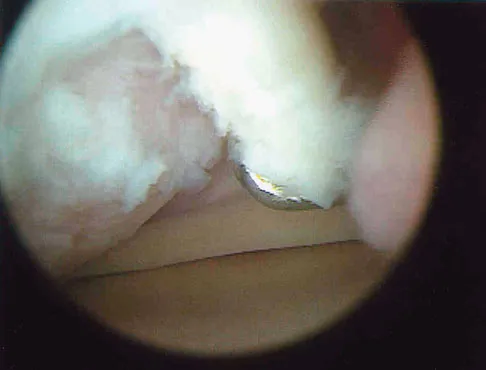
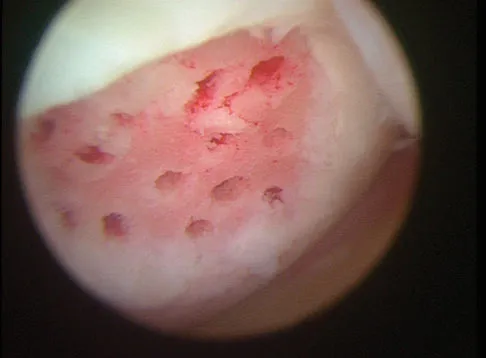
A 30-year-old patient reports chronic medial knee pain and swelling. Figure 9a shows an articular cartilage lesion observed during arthroscopy. The surgeon decides to treat the lesion with the microfracture technique seen in Figure 9b. A biopsy of the repaired tissue 1 year after treatment is likely to show which of the following findings?


Explanation

Microfracture is a marrow stimulation technique where stem cells from the underlying subchondral bone marrow can form at the base of the lesion. The rationale for this technique is based on these cells differentiating into cells that will produce an articular cartilage repair. Biopsy findings in animals and humans have demonstrated primarily a fibrocartilagenous repair tissue and not articular cartilage. The collagen type found in hyaline or articular cartilage is of the type II variety. Fibrocartilage possesses mostly type I and III cartilage. Buckwalter JA, Mankin HJ: Articular cartilage: Degeneration and osteoarthritis, repair, regeneration, and transplantation. Instr Course Lect 1998;47:487-504.


Question 8

A 24-year-old dancer reports posterior ankle pain when in the "en pointe" position. Examination reveals posteromedial tenderness, no pain reproduction with passive forced planter flexion, and pain with motion of the hallux. What is the most likely diagnosis?


Explanation

Flexor hallucis longus tendinitis is a common cause of posterior ankle pain in dancers. It tends to be more posteromedial and is characterized by a clicking or catching sensation posteromedially with motion of the great toe. A painful os trigonum typically causes more posterolateral ankle pain and may occur after an ankle sprain or plantar flexion injury where there may be a fracture of the os trigonum. Garrick JG (ed): Orthopaedic Knowledge Update: Sports Medicine 3. Rosemont, IL, American Academy of Orthopaedic Surgeons, 2004, pp 249-261.

Question 9

Kinematic analysis of the medial and lateral menisci has demonstrated that the lateral meniscus has which of the following characteristics compared with the medial meniscus?


Explanation

Kinematic analysis of both menisci demonstrates anterior movement with extension and posterior movement with flexion. The lateral meniscus has more mobility than the medial meniscus because of less soft-tissue attachments. Insall JN, Scott WN (eds): Surgery of the Knee, ed 3. New York, NY, Churchill Livingstone, 2001, vol 1, p 474. Thompson WO, Thaete FL, Fu FH, et al: Tibial meniscal dynamics using 3D reconstructions of MR images, in Proceedings of the Orthopaedic Research Society 1990;389.

Question 10

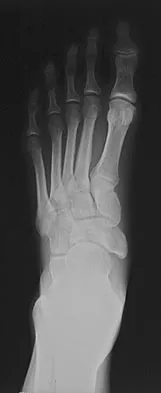
A 24-year-old professional basketball player reports the gradual onset of pain that is poorly localized to the left midfoot for the past 2 months. Examination reveals diffuse tenderness to palpation, full range of motion of the ankle and subtalar joint, and a normal neurovascular examination to the foot. An AP radiograph is shown in Figure 10. Definitive treatment should include


Explanation

The imaging studies reveal a navicular stress fracture. This condition is secondary to chronic overuse (often running on hard surfaces) and results in vague, ill-defined pain in the midfoot. These fractures can be missed on radiographs but are well-defined on CT or MRI. Tarsal navicular fractures are typically oriented in the sagittal plane. Surgery is typically indicated for the high-level athlete because of the high risk for nonunion and persistent symptoms following nonsurgical management. Internal fixation is the treatment of choice. Torg JS, Pavlov H, Cooley JH, et al: Stress fractures of the tarsal navicular. J Bone Joint Surg Am 1982;64:700-712.


Question 11

A 19-year-old college football player reports persistent weakness, tingling, and numbness of both upper extremities at half time. He states that these symptoms initially occurred after tackling an opposing player with his head early in the game. History reveals that he has had "burners" in the past that typically resolved within 15 to 30 minutes. Examination reveals pain-free cervical motion, weakness to shoulder abduction testing bilaterally, normal upper extremity reflexes, and decreased sensation over both shoulders and the upper arms. Appropriate initial management should consist of


Explanation

The player's symptoms represent more than the mere "burner syndrome," which leads to unilateral symptoms that typically last less than 1 minute. Return to play following a burner is allowed following nonsurgical management and once the symptoms have subsided and the player exhibits normal strength and motion of the neck and upper extremities. This player has the history, symptoms, and examination findings that are consistent with cervical neurapraxia. Return to play in contact sports is contraindicated with bilateral symptoms prior to MRI evaluation of the cervical spine. CT of the brain is indicated with a history of loss of consciousness or other symptoms suggestive of a concussion. Torg JS, Sennett B, Pavlov H, et al: Spear tackler's spine: An entity precluding participation in tackle football and collision activities that expose the cervical spine to axial energy inputs. Am J Sports Med 1993;21:640-649. Torg JS: Cervical spinal stenosis with cord neurapraxia and transient quadriplegia. Sports Med 1995;20:429-434.

Question 12

Which of the following is the most relevant clinical factor in the maturation assessment of an adolescent female athlete contemplating anterior cruciate ligament (ACL) reconstruction?


Explanation

Age of menarche is the most accurate clinical factor to assess the degree of skeletal maturity in the female athlete. Such an assessment is necessary prior to ACL reconstruction in a skeletally immature female because of the risk of damage to the distal femoral and proximal tibial physes. Height of an older male sibling is not relevant to the female athlete. Parental height and recent change in shoe size are only moderately useful in predicting final growth, and hence, skeletal maturity. The presence of breast buds occurs early in adolescent development; therefore, its presence suggests a high likelihood of future growth. Micheli LJ, Foster TE: Acute knee injuries in the immature athlete. Instr Course Lect 1993;42:473-481. Stanitski CL: Anterior cruciate ligament injury in the skeletally immature patient: Diagnosis and treatment. J Am Acad Orthop Surg 1995;3:146-158.

Question 13

A 28-year-old woman fell on her right wrist while rollerblading 2 days ago. She was seen in the emergency department at the time of injury and was told she had a sprain. Examination now reveals dorsal tenderness in the proximal wrist but no snuffbox or ulnar tenderness. Standard wrist radiographs are normal. What is the next most appropriate step in management?


Explanation

When considering the diagnosis of scapholunate ligament injury, standard radiographic views of the hand will not always reveal widening of the scapholunate gap. Although MRI may reveal injury to the ligaments, the PA clenched fist view can be obtained in the office during the initial patient visit. Arthroscopy is not a first-line diagnostic tool. Walsh JJ, Berger RA, Cooney WP: Current status of scapholunate interosseous ligament injuries. J Am Acad Orthop Surg 2002;10:32-42.

Question 14

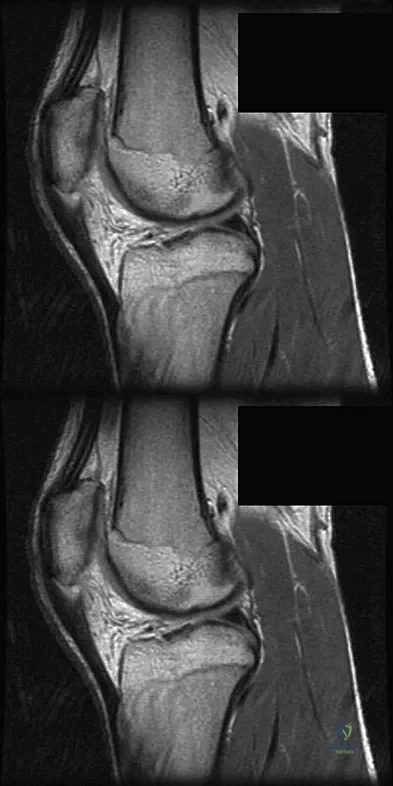
A 17-year-old basketball player and pole vaulter who has had anterior knee pain for the past 18 months now reports a recent inability to jump. Based on the MRI scan shown in Figure 11, management should consist of


Explanation

The MRI scan reveals a partial patellar tendon rupture in conjunction with chronic patellar tendinitis. Mild and moderate patellar tendinitis may be treated nonsurgically with rest, stretching, strengthening, and anti-inflammatory drugs. Severe tendinopathy or extensor mechanism disruption is best treated surgically with tendon debridement and repair. Al-Duri ZA, Aichroth PM: Surgical aspects of patella tendonitis: Techniques and results. Am J Knee Surg 2001;14:43-50.


Question 15

Figures 12a through 12c show the radiographs of a 28-year-old professional baseball player who has ulnar-sided wrist pain and numbness and tingling in the fourth and fifth digits for the past 6 weeks. Management should consist of


Explanation

Hook of the hamate fractures typically occur as a result of direct force from swinging a bat, golf club, or racket. Pain is localized to the hypothenar eminence. The injury is best seen on a carpal tunnel view. CT will confirm the diagnosis. Chronic cases can be associated with neuropathy of the ulnar nerve. Excision of the hook through the fracture site usually yields satisfactory results, allowing the athlete to return to competition. Parker RD, Berkowitz MS, Brahms MA, et al: Hook of the hamate fractures in athletes. Am J Sports Med 1986;14:517-523.


Question 16

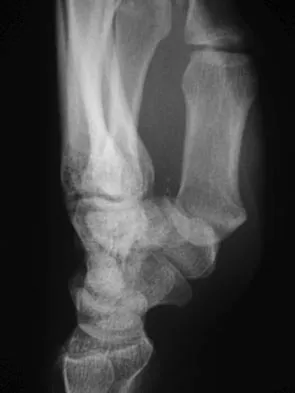
Figure 13 shows the radiographs of a 20-year-old intercollegiate basketball player who was injured 6 weeks prior to the start of the season. What is the most appropriate treatment?


Explanation

A Jones fracture occurs at the metaphyseal-diaphyseal junction of the fifth metatarsal. It is often an acute fracture in conjunction with a chronic stress-related injury. It requires either a short leg cast with strict non-weight-bearing or surgical fixation. In the high performance athlete, the need for rapid return to sport activity usually requires surgical intervention, most commonly with an intramedullary screw. Brodsky JW, Krause JO: Stress fractures of the foot and ankle, in Delee JC, Drez D (eds): Orthopaedic Sports Medicine, ed 2. Philadelphia, PA, Saunders, 2003, vol 2, pp 2391-2409.


Question 17

A 12-year-old boy reports the acute onset of pain and a pop over the right side of his pelvis while swinging a baseball bat during a Little League game. Radiographs reveal an avulsion of the anterior superior iliac spine with 2 cm of displacement. Management should consist of


Explanation

Anterior superior iliac spine avulsion fractures are caused by sudden, forceful contractions of the sartorius and tensor fascia lata. These injuries occur in young athletes through the growth plate with the hip extended and the knee flexed, such as while sprinting or swinging a baseball bat. The athlete will often report a pop or snap at the time of injury. Displaced fractures usually can be seen on radiographs. CT or MRI can be obtained to confirm the diagnosis. In most patients, nonsurgical management consisting of rest and protected weight bearing yields satisfactory outcomes. Surgery is usually reserved for fractures with displacement of more than 3 cm and painful nonunions. Garrick JG (ed): Orthopaedic Knowledge Update: Sports Medicine 3. Rosemont, IL, American Academy of Orthopaedic Surgeons, 2004, pp 139-153.

Question 18

Which of the following best describes heat stroke?


Explanation

Heat stroke consists of hyperthermia (greater than 105.8 degrees F [41 degrees C]), central nervous system dysfunction, and cessation of sweating with hot, dry skin. It is a medical emergency that results from failure of the thermoregulatory mechanisms of the body. It has a high death rate and requires rapid reduction in body core temperature. Heat syncope is characterized by a transient loss of consciousness with peripheral vasodilation and decreased cardiac output with normal body temperature. Heat cramps involve painful contractions of large muscle groups because of decreased hydration and a decrease of serum sodium and chloride. Heat exhaustion is distinguished by a core temperature of less than 102.2 degrees F (39 degrees C) and an absence of central nervous system dysfunction. Hypernatremic heat exhaustion results from inadequate water replacement. Knochel JP: Environmental heat illness: An eclectic review. Arch Intern Med 1974;133:841-864. Hubbard RW, Gaffin SL, Squire DL: Heat related illness, in Wilderness Medicine, ed 3. St Louis, MO, Mosby, 1995, p 167.

Question 19

Which of the following factors is most critical to the success of a meniscal allograft transplantation?


Explanation

Success of a meniscal allograft transplantation is strongly dependent on accurate graft sizing, typically within 5% of the native meniscus. Previous studies have established that donor cell viability is not mandatory for the survival of these grafts since they are replaced by the recipient's cells (at least peripherally) within several weeks. Thus, cryopreservation of the graft to ensure cell viability is not necessary. There is a limited immune response to musculoskeletal allografts; therefore, immunosuppression, as is required for visceral organ transplantation, is not indicated. Wirth CA, Kohn D: Meniscal transplantation and replacement, in Fu FH, Harner CD, Vince JG (eds): Knee Surgery. Baltimore, MD, Williams & Wilkins, 1994, vol 1, pp 631-641. Brautigan BE, Johnson DL, Caborn DM, et al: Allograft tissues, in Drez D, DeLee JD, Miller MD (eds): Orthopaedic Sports Medicine: Principles and Practice, ed 2. Philadelphia, PA, WB Saunders, 2003, pp 205-213.

Question 20

What is the most common behavioral effect of anabolic steroid use in athletes?


Explanation

Users of anabolic steroids often display increased feelings of hostility and aggression. Although reports of psychotic, depressive, and manic behavior have been reported with the use of steroids, they are rare. Drug dependence, such as seen with narcotics, is not a feature of steroid use. Hartgens F, Kuipers H: Effects of androgenic-anabolic steroids in athletes. Sports Med 2004;34:513-554.

Question 21

What is the effect on knee kinematics following placement of an anterior cruciate ligament (ACL) graft at the 12 o'clock position?


Explanation

Endoscopic ACL reconstructive techniques may result in a vertical graft placement. The reconstructed ligament will resist anterior translation of the tibia but the graft will not restore rotatory stability. Decreased flexion and extension are caused by placement of the femoral tunnel too anterior and posterior, respectively. Impingement of the graft on the femoral notch is caused by anterior placement of the tibial tunnel or inadequate notchplasty. Scopp JM, Jasper LE, Belkoff SM, et al: The effect of oblique femoral tunnel placement on rotational constraint of the knee reconstructed using patellar tendon autografts. Arthroscopy 2004;20:294-299.

Question 22

The superior glenohumeral ligament primarily restrains


Explanation

Several cutting studies have evaluated the primary static restraints and the role of the glenohumeral ligaments in providing static stability. With the arm at the side in adduction, the superior glenohumeral ligament and coracohumeral ligament are the primary restraints to inferior translation. The middle glenohumeral ligament functions with the arm in 45 degrees of abduction and resists anterior translation. The inferior glenohumeral ligament is the primary restraint to anterior translation at 90 degrees of abduction. Warner JJ, Deng XH, Warren RF, et al: Static capsuloligamentous restraints to superior-inferior translation of the glenohumeral joint. Am J Sports Med 1992;20:675-685.

Question 23

Which of the following best describes carbohydrate loading?


Explanation

Carbohydrate loading is the practice of maximizing glycogen stores by decreasing training and increasing carbohydrate intake the week before an endurance event. Nonendurance athletes do not benefit from this because glycogen depletion is not the limiting factor during a normal competition. Potential side effects of carbohydrate loading are water retention, muscle stiffness, and weight gain. Coyle EF, Hagberg JM, Hurley BF, et al: Carbohydrate feeding during prolonged strenuous exercise can delay fatigue. J Appl Physiol 1983;55:230-235. Costill DL, Sherman WM, Fink WJ, et al: The role of dietary carbohydrates in muscle glycogen resynthesis after strenuous running. Am J Clin Nutr 1981;34:1831-1836.

Question 24

A 29-year-old quarterback falls onto his dominant shoulder and sustains the injury shown in Figures 14a and 14b. Management should consist of


Explanation

Type V acromioclavicular dislocations are characterized by elevation of the clavicle of 100% to 300% and involve extensive soft-tissue stripping. The treatment of choice is surgical reduction of the acromioclavicular joint and some type of stabilization. Treatment of type III injuries is controversial. Lemos MJ: The evaluation and treatment of the injured acromioclavicular joint in athletes. Am J Sports Med 1998;26:137-144.


Question 25

A 27-year-old professional baseball pitcher who underwent arthroscopic olecranon debridement continues to have medial-sided elbow pain during late cocking. Physical examination reveals laxity and pain with valgus stress testing. What is the most likely cause of his pain?


Explanation

Both the medial collateral ligament and the olecranon contribute to valgus stability of the elbow. Excessive olecranon resection increases the demand placed on the medial collateral ligament in resisting valgus forces during throwing. Bone removal from the olecranon should be limited to osteophytes. Garrick JG (ed): Orthopaedic Knowledge Update: Sports Medicine 3. Rosemont, IL, American Academy of Orthopaedic Surgeons, 2004, pp 101-111.

Question 26

A 12-year-old male with open physes sustains an ACL tear. Which surgical technique minimizes the risk of significant growth arrest?


Explanation

In skeletally immature patients with significant remaining growth, physeal-sparing techniques such as an IT band over-the-top extra-articular and intra-articular reconstruction minimize the risk of premature physeal closure.

Question 27

A 20-year-old collegiate rugby player presents with recurrent anterior shoulder instability. A 3D CT scan reveals 25% anterior glenoid bone loss. What is the most appropriate surgical management?


Explanation

The Latarjet procedure (coracoid transfer) is indicated for recurrent anterior shoulder instability in the presence of critical glenoid bone loss (>20-25%). Soft tissue stabilization alone in this setting has an unacceptably high failure rate.

Question 28

The primary static stabilizer to varus opening of the knee at 30 degrees of flexion is the:


Explanation

The fibular collateral ligament (FCL) is the primary static stabilizer to varus stress at 30 degrees of knee flexion. The popliteus and popliteofibular ligament primarily resist external rotation.

Question 29

A 24-year-old hockey player sustains an external rotation injury to his ankle.

Radiographs demonstrate widening of the medial clear space. Which ligament is primarily ruptured first in this syndesmotic injury sequence?


Explanation

In a syndesmotic (high ankle) sprain, the anterior inferior tibiofibular ligament (AITFL) is typically the first structure to tear. This is followed by the interosseous membrane and the PITFL as the deforming external rotation force continues.

Question 30

A 32-year-old recreational volleyball player is diagnosed with a Type II SLAP tear. What differentiates a Type II from a Type I SLAP tear?


Explanation

A Type II SLAP tear involves detachment of the superior labrum and the long head of the biceps anchor from the superior glenoid. Type I is merely degenerative fraying with an intact anchor.

Question 31

A 50-year-old woman feels a pop in her knee while squatting. MRI shows a medial meniscus posterior root tear and 4 mm of meniscal extrusion. Which of the following best describes the biomechanical consequence of this injury?


Explanation

A posterior root tear of the medial meniscus functionally acts like a total meniscectomy by disrupting the conversion of axial loads into hoop stresses. This leads to meniscal extrusion and rapidly progressive osteoarthritis.

Question 32

A 28-year-old male volleyball player presents with painless weakness in external rotation of his right shoulder. MRI reveals a paralabral cyst in the spinoglenoid notch. Which muscle is predominantly affected?


Explanation

A cyst in the spinoglenoid notch typically compresses the suprascapular nerve after it has already innervated the supraspinatus. This leads to isolated atrophy and weakness of the infraspinatus muscle.

Question 33

Compared to operative repair, functional bracing and early weight-bearing (non-operative management) of acute Achilles tendon ruptures in recreational athletes has been shown to result in:


Explanation

Recent level I evidence demonstrates that with modern functional rehabilitation protocols, non-operative management yields similar functional outcomes and rerupture rates compared to surgical repair, while completely avoiding surgical site complications.

Question 34

During reconstruction of the medial patellofemoral ligament (MPFL), where is the anatomic femoral attachment (Schöttle's point) located?


Explanation

The anatomic femoral origin of the MPFL (Schöttle's point) is located just proximal and posterior to the medial epicondyle, and just distal to the adductor tubercle.

Question 35

A 25-year-old cyclist falls directly onto his shoulder. Radiographs show a 150% superior displacement of the clavicle relative to the acromion. This injury represents a complete tear of which of the following?


Explanation

This is a Type III (or higher) acromioclavicular joint injury. It is characterized by complete disruption of both the acromioclavicular (AC) and coracoclavicular (CC) ligaments, leading to significant superior displacement of the clavicle.

Question 36

What is the most common location for an osteochondritis dissecans (OCD) lesion in the knee?


Explanation

The classic and most common location for a knee OCD lesion is the lateral aspect of the medial femoral condyle (LAME: Lateral Aspect Medial Epicondyle/Condyle).

Question 37

A 22-year-old collegiate baseball pitcher presents with vague posterior shoulder pain. Physical exam reveals a 25-degree loss of internal rotation (GIRD) compared to the contralateral side. This deficit is most commonly attributed to contracture of the:


Explanation

Glenohumeral internal rotation deficit (GIRD) in overhead athletes is typically caused by a contracture of the posteroinferior capsule, specifically the posterior band of the inferior glenohumeral ligament.

Question 38

A 29-year-old downhill skier catches an edge, forcibly dorsiflexing her ankle while the peroneals are contracted. She reports lateral ankle pain and a snapping sensation. Disruption of which structure is the primary cause of her pathology?


Explanation

Forced dorsiflexion with eversion against contracted peroneal muscles can rupture the superior peroneal retinaculum. This leads to recurrent peroneal tendon subluxation or dislocation.

Question 39

A 30-year-old male sustains a knee dislocation resulting in an acute Grade III MCL tear and a complete ACL rupture. What is the generally recommended initial management for the MCL injury?


Explanation

For combined ACL and Grade III MCL tears, current evidence supports non-operative management of the MCL with a hinged brace first. This allows the MCL to heal, followed by delayed ACL reconstruction to minimize the risk of arthrofibrosis.

Question 40

A 26-year-old weightlifter feels a tearing sensation in his anterior chest while performing a heavy bench press.

Examination reveals loss of the anterior axillary fold. Where does the pectoralis major tendon most commonly rupture in this demographic?


Explanation

In young, active weightlifters performing bench press exercises, pectoralis major ruptures most frequently occur as avulsions at or near the tendinous insertion onto the proximal humerus.

Question 41

A 21-year-old football lineman sustains an axial load to a plantarflexed foot. Radiographs demonstrate a 3mm diastasis between the base of the first and second metatarsals. What is the most appropriate treatment for this athlete?


Explanation

A diastasis of greater than 2 mm between the first and second metatarsal bases indicates a mechanically unstable Lisfranc injury. Operative management (ORIF or primary arthrodesis) is required to restore and maintain the midfoot arch.

Question 42

A 24-year-old passenger sustains a dashboard injury in a motor vehicle collision.

Examination reveals a positive posterior drawer test. At what angle of knee flexion is the posterior cruciate ligament (PCL) the primary restraint to posterior tibial translation?


Explanation

The PCL provides its maximum restraint to posterior tibial translation at 90 degrees of knee flexion. The posterior drawer test is therefore most accurate when performed at this angle.

Question 43

During a routine arthroscopic rotator cuff repair, a patient is noted to have an isolated, complete rupture of the subscapularis tendon. Which physical examination test would have been most definitively positive preoperatively?


Explanation

The Bear hug test, lift-off test, and belly-press test are specific for subscapularis pathology. Hornblower's assesses the teres minor, while Jobe's is specific for the supraspinatus.

Question 44

A 22-year-old collegiate baseball pitcher reports deep shoulder pain during the late-cocking phase of throwing. He demonstrates a positive O'Brien test and a positive pronated load test. What is the most likely pathophysiologic mechanism of this injury?


Explanation

The peel-back mechanism occurs during the late cocking phase of throwing (abduction and maximal external rotation), causing a torsional force at the biceps anchor that peels the superior labrum off the glenoid rim. This leads to a type II SLAP tear.

Question 45

A 17-year-old female soccer player sustains a noncontact deceleration injury to her knee, accompanied by a 'pop'.

Which of the following is an established intrinsic skeletal risk factor for this specific ligamentous injury?


Explanation

An increased posterior tibial slope is a well-established bony risk factor for noncontact anterior cruciate ligament (ACL) tears. Other intrinsic risk factors include a narrow intercondylar notch, increased generalized joint laxity, and female gender.

Question 46

A 26-year-old hockey player sustains an external rotation injury to his right ankle. Which of the following radiographic findings is the most reliable indicator of syndesmotic instability requiring operative intervention?


Explanation

A medial clear space greater than 4 mm on a standard mortise or external rotation stress view is the most reliable and clinically actionable indicator of deep deltoid and syndesmotic ligamentous disruption. This finding necessitates operative stabilization.

Question 47

A 28-year-old professional tennis player presents with right shoulder pain. Physical examination reveals a glenohumeral internal rotation deficit (GIRD) of 25 degrees compared to the contralateral side, alongside normal overall arc of motion. What is the most appropriate initial treatment?


Explanation

GIRD is caused by contracture of the posterior-inferior capsule resulting from repetitive overhead activities. The initial treatment of choice is physical therapy focusing on sleeper stretches to selectively stretch the posterior capsule.

Question 48

A 30-year-old male presents with knee pain after a dashboard injury. Physical examination reveals increased external tibial rotation of 15 degrees at 30 degrees of knee flexion, but symmetric external rotation at 90 degrees compared to the normal knee. Which structure is most likely injured?


Explanation

A positive dial test at 30 degrees of knee flexion that corrects at 90 degrees of flexion indicates an isolated posterolateral corner (PLC) injury. Asymmetry at both 30 and 90 degrees would indicate a combined PCL and PLC injury.

Question 49

A 45-year-old weightlifter feels a sudden tear in his chest while performing a heavy bench press. Examination reveals loss of the anterior axillary fold and weakness with internal rotation. The ruptured tendon typically inserts into which of the following anatomic locations?


Explanation

The pectoralis major tendon inserts onto the lateral lip of the bicipital groove. Ruptures typically occur at the musculotendinous junction or tendinous insertion during eccentric contraction, such as the lowering phase of a bench press.

Question 50

A 25-year-old gymnast presents with recurrent lateral patellar instability. An MRI indicates a torn medial patellofemoral ligament (MPFL). During surgical reconstruction, where should the femoral tunnel be placed anatomically?


Explanation

Schottle's point represents the anatomic femoral attachment of the MPFL. It is located in the saddle region distal to the adductor tubercle, proximal to the medial epicondyle, and just posterior to the extension of the posterior femoral cortical line.

Question 51

A 32-year-old manual laborer sustains a direct blow to the point of his shoulder. Radiographs demonstrate a 150% superior displacement of the clavicle relative to the acromion with an increased coracoclavicular distance. What is the most appropriate initial management?


Explanation

This is a Type III acromioclavicular (AC) joint separation. Initial management for most Type III AC separations, even in heavy laborers, remains non-operative with sling immobilization and early functional rehabilitation.

Question 52

A 50-year-old recreational runner presents with acute posteromedial knee pain after a minor squatting twisting injury. MRI demonstrates a medial meniscus posterior root tear with 4 mm of meniscal extrusion. If left untreated, this injury rapidly alters knee biomechanics to most closely resemble which of the following?


Explanation

A posterior root tear of the medial meniscus completely disrupts the hoop stresses of the meniscus. Biomechanically, this is equivalent to a total medial meniscectomy and leads to rapid progression of unicompartmental osteoarthritis.

Question 53

A 21-year-old collegiate volleyball player complains of vague, deep posterior shoulder pain.

She has normal strength with shoulder abduction, but notable weakness with external rotation when the arm is positioned at the side. At which anatomic site is the affected nerve most likely compressed?


Explanation

Isolated weakness of the infraspinatus (external rotation) with normal supraspinatus function (abduction) points to suprascapular nerve entrapment at the spinoglenoid notch. This is classic in volleyball players due to repetitive overhead serving or associated paralabral cysts.

Question 54

A 19-year-old basketball player 'rolls' his ankle. MRI reveals an osteochondral lesion on the posteromedial aspect of the talar dome. What is the most common mechanism for this specific lesion?


Explanation

Posteromedial osteochondral lesions of the talus typically occur due to an inversion and plantarflexion mechanism. These lesions are usually deeper and less likely to displace compared to anterolateral lesions, which occur with inversion and dorsiflexion.

Question 55

A 28-year-old professional skier sustains a multi-ligamentous knee injury.

During surgical reconstruction of the posterolateral corner (PLC), an anatomic reconstruction technique is chosen. Which three primary structures must be addressed to restore stability to the PLC?


Explanation

The three major static stabilizers of the posterolateral corner that require anatomic reconstruction are the fibular (lateral) collateral ligament, the popliteus tendon, and the popliteofibular ligament.

Question 56

Improper tunnel placement is a frequent cause of anterior cruciate ligament (ACL) reconstruction failure. What is the primary kinematic consequence of placing the femoral tunnel too anteriorly?


Explanation

Placing the femoral tunnel too anteriorly results in excessive tension on the graft as the knee flexes. This abnormal tension leads to restriction in knee flexion and potentially early graft failure.

Question 57

A 25-year-old hockey player sustains a grade III acromioclavicular (AC) joint separation. If nonoperative management is chosen, what is the most likely long-term clinical outcome compared to early operative fixation?


Explanation

Studies comparing operative versus nonoperative treatment for Grade III AC joint separations show no significant long-term differences in functional outcomes, strength, or return to play. However, operative management carries higher risks of complications such as hardware failure and infection.

Question 58

A 22-year-old collegiate football player sustains a twisting ankle injury. Which physical examination finding has the highest specificity for diagnosing a syndesmotic (high ankle) sprain?


Explanation

The external rotation stress test, performed by externally rotating the foot with the ankle in dorsiflexion, stresses the syndesmosis. It is considered one of the most specific physical examination maneuvers for diagnosing a syndesmotic injury.

Question 59

A 45-year-old active male presents with acute posterior knee pain and a palpable 'pop' while deep squatting. MRI reveals a complete medial meniscus posterior root tear. Left untreated, the biomechanical consequences of this injury are most equivalent to which of the following?


Explanation

A complete medial meniscus root tear disrupts the hoop stresses of the meniscus, leading to radial extrusion. Biomechanically, this is equivalent to a total meniscectomy and rapidly accelerates tibiofemoral cartilage degeneration.

Question 60

A 20-year-old rugby player presents with recurrent anterior shoulder instability. A 3D CT scan demonstrates 25% glenoid bone loss. Which surgical procedure is most indicated?


Explanation

Critical glenoid bone loss is generally defined as >20-25% of the anterior glenoid. In these cases, soft tissue stabilization (Bankart repair) has unacceptably high failure rates, and a bone block augmentation such as the Latarjet procedure is indicated.

Question 61

Historically, what is the primary biomechanical and clinical advantage of operative repair for acute Achilles tendon ruptures when compared to traditional cast immobilization?


Explanation

Traditionally, operative repair of the Achilles tendon has been favored for a lower re-rupture rate compared to strict cast immobilization, though modern functional rehabilitation protocols have narrowed this gap. Operative management is associated with higher risks of wound complications.

Question 62

A 28-year-old is involved in a motor vehicle collision and sustains a dashboard injury. Examination and MRI confirm an isolated Grade II Posterior Cruciate Ligament (PCL) tear. What is the recommended initial management?


Explanation

Isolated Grade I and II PCL tears are treated nonoperatively. Initial management focuses on reducing posterior tibial sag (often with a brace in extension) and aggressively strengthening the quadriceps to counteract posterior tibial translation.

Question 63

A 24-year-old elite baseball pitcher presents with vague, deep shoulder pain during the late cocking phase of throwing. MRI confirms an isolated Type II SLAP tear. After confirming a glenohumeral internal rotation deficit (GIRD), what is the most appropriate initial management?


Explanation

Overhead athletes with Type II SLAP tears and GIRD should undergo a trial of physical therapy focusing on stretching the contracted posterior capsule (sleeper stretches). Surgical repair is reserved for those who fail prolonged conservative management.

Question 64

A 19-year-old gymnast presents with persistent medial ankle pain after an inversion injury 6 months ago. MRI reveals a 12 mm osteochondral lesion of the medial talar dome with intact overlying cartilage. If a 3-month trial of immobilization and non-weight bearing fails, what is the best initial surgical treatment?


Explanation

For primary osteochondral lesions of the talus that are < 1.5 cm^2, arthroscopic bone marrow stimulation (microfracture or drilling) is the recommended first-line surgical treatment. Larger or cystic lesions may require structural grafting (OATS/allograft).

Question 65

The medial patellofemoral ligament (MPFL) provides the primary soft-tissue restraint to lateral patellar translation at which range of knee flexion?


Explanation

The MPFL is the primary restraint to lateral patellar translation in early flexion (0 to 30 degrees). Beyond 30 degrees, the patella engages the trochlear groove, and bony architecture provides the primary stability.

Question 66

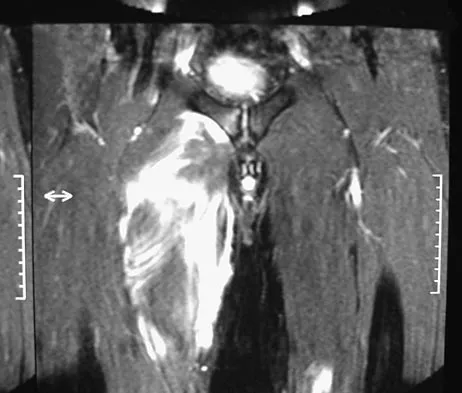
A 30-year-old competitive powerlifter feels a sharp pop in his chest while attempting a heavy bench press. Exam reveals loss of the anterior axillary fold and weakness in internal rotation.

Where does the pectoralis major most commonly rupture in this scenario?


Explanation

Pectoralis major ruptures most commonly occur at the tendinous insertion onto the proximal humerus, predominantly involving the sternocostal head. These injuries are typically seen during eccentric contraction, such as the eccentric phase of a bench press.

Question 67

A 25-year-old alpine skier sustains a forced dorsiflexion and eversion injury to the ankle. She reports a painful snapping sensation over the lateral malleolus. Which anatomic structure is most likely compromised?


Explanation

The superior peroneal retinaculum (SPR) is the primary restraint to peroneal tendon subluxation. Injury to the SPR through forced dorsiflexion and eversion results in the tendons snapping over the lateral malleolus.

Question 68

A 14-year-old boy presents with anterior knee pain and catching. Imaging shows an osteochondritis dissecans (OCD) lesion of the lateral aspect of the medial femoral condyle. MRI indicates fluid tracking behind the lesion, suggesting instability. His physes remain open. What is the most appropriate management?


Explanation

While stable OCD lesions in patients with open physes are typically treated nonoperatively, an unstable lesion (indicated by fluid behind the fragment) requires surgical intervention. Arthroscopic fixation is the treatment of choice to preserve the native cartilage.

Question 69

An elite overhead throwing athlete presents with posterior shoulder pain during the late cocking phase. Which combination of intra-articular pathology is most characteristic of internal impingement?


Explanation

Internal impingement occurs in maximum abduction and external rotation, causing the undersurface of the posterior supraspinatus and anterior infraspinatus to impinge against the posterosuperior glenoid labrum, leading to fraying and partial tearing of both structures.

Question 70

A rugby player is tackled with a blow to the anteromedial tibia. Exam reveals increased varus laxity at 30 degrees of knee flexion but normal varus stability at 0 degrees. The dial test shows increased external rotation at 30 degrees, but it is symmetric to the contralateral side at 90 degrees. Which structures are most likely injured?


Explanation

Increased varus laxity at 30 degrees (but normal at 0) and a positive dial test at 30 degrees (but normal at 90) indicates an isolated posterolateral corner (PLC) injury. The LCL and popliteofibular ligament are key PLC structures; the intact PCL normalizes the dial test at 90 degrees.

Question 71

A 65-year-old male with a history of chronic shoulder aching feels a sudden pop with subsequent ecchymosis in his upper arm, creating a 'Popeye' deformity. He notes that his shoulder pain has actually improved since the event. What is the most appropriate treatment?


Explanation

Rupture of the long head of the biceps brachii in older, lower-demand patients is generally well-tolerated and often leads to the resolution of chronic tendinopathy pain. Nonoperative management with therapy yields excellent functional results with only minimal loss of supination strength.

Question 72

During a modified Broström-Gould procedure for chronic lateral ankle instability, adjacent tissue is mobilized and sutured to the distal fibula to augment the repair of the anterior talofibular and calcaneofibular ligaments. Which specific structure is utilized for this augmentation?


Explanation

The Gould modification of the Broström procedure involves mobilizing the lateral root of the inferior extensor retinaculum and suturing it to the fibula. This provides additional reinforcement to the primary ligament repair.

Question 73

A 27-year-old male presents to the ER following a traumatic knee dislocation during a football game. The knee spontaneously reduced prior to arrival. An ankle-brachial index (ABI) is calculated to be 0.8. What is the next most appropriate step in management?


Explanation

An ABI < 0.9 after a knee dislocation is highly suspicious for a vascular injury, most commonly the popliteal artery. CT angiography or standard arteriography is mandatory to evaluate for vascular compromise before considering surgery or simple observation.

Question 74

A 26-year-old professional volleyball player complains of vague posterior shoulder pain and profound weakness in external rotation.

MRI reveals a paralabral cyst in the spinoglenoid notch. Which muscle would exhibit isolated weakness on clinical exam?


Explanation

The suprascapular nerve innervates the supraspinatus before passing through the spinoglenoid notch to innervate the infraspinatus. A cyst at the spinoglenoid notch compresses the distal nerve, causing isolated infraspinatus atrophy and external rotation weakness.

Question 75

A 21-year-old female presents with recurrent lateral patellar dislocations. An axial CT scan measures a tibial tubercle-trochlear groove (TT-TG) distance of 24 mm. Which procedure should be included in her definitive surgical plan to correct this specific pathomechanics?


Explanation

A TT-TG distance greater than 20 mm is considered pathologic and predisposes to lateral patellar instability. A tibial tubercle medialization osteotomy is indicated to correct the abnormal extensor mechanism vector, often combined with an MPFL reconstruction.

Question 76

A 17-year-old female high school soccer player is scheduled to undergo an anterior cruciate ligament (ACL) reconstruction. When discussing graft choices, which of the following is associated with the highest rate of clinical failure and need for revision in this specific patient demographic?


Explanation

Both irradiated and non-irradiated allografts have a significantly higher failure rate compared to autografts in young, highly active patients. Autologous tissue remains the gold standard for ACL reconstruction in patients under 20 years of age.

Question 77

A 22-year-old competitive rugby player presents with recurrent anterior shoulder instability. Radiographs and a 3D CT scan demonstrate 25% anterior glenoid bone loss and an engaging Hill-Sachs lesion. What is the most appropriate definitive surgical management?


Explanation

In high-demand collision athletes with critical anterior glenoid bone loss (typically >20-25%), a bone-block augmentation such as the Latarjet procedure is indicated to restore stability. Arthroscopic soft tissue repairs in the setting of critical bone loss have an unacceptably high failure rate.

Question 78

Recent meta-analyses comparing operative versus non-operative management of acute Achilles tendon ruptures utilizing modern functional rehabilitation protocols demonstrate that operative management is associated with:


Explanation

When early functional rehabilitation protocols are utilized, there is no significant difference in re-rupture rates between operative and non-operative management of acute Achilles ruptures. However, operative management consistently carries a higher risk of soft-tissue complications, including wound breakdown and infection.

Question 79

A 55-year-old female sustains an acute posterior root tear of the medial meniscus. Biomechanically, if left untreated, this injury most closely approximates the tibiofemoral contact pressures seen in which of the following scenarios?


Explanation

A posterior root tear completely disrupts the circumferential hoop stresses of the meniscus, leading to meniscal extrusion under axial load. Biomechanical studies have demonstrated that this results in increased tibiofemoral contact pressures equivalent to a total medial meniscectomy, rapidly accelerating cartilage degeneration.

Question 80

A 45-year-old recreational tennis player presents with persistent deep shoulder pain and mechanical catching. An MRI arthrogram reveals an isolated Type II SLAP tear. After failing 6 months of physical therapy, operative intervention is selected. Which of the following procedures is most likely to yield the highest patient satisfaction and lowest reoperation rate?


Explanation

In patients older than 40 years, primary biceps tenodesis for symptomatic Type II SLAP tears provides superior clinical outcomes and lower reoperation rates compared to SLAP repair. SLAP repair in this age group is frequently associated with increased postoperative stiffness, continued pain, and higher revision rates.

Question 81

A 28-year-old male sustains a twisting injury to his knee. On physical examination, the Dial test reveals 20 degrees of increased external rotation of the tibia compared to the contralateral side at 30 degrees of knee flexion, but symmetric rotation is noted at 90 degrees of knee flexion. This finding is most consistent with an isolated injury to the:


Explanation

Increased external rotation of greater than 10 degrees on the Dial test at 30 degrees of knee flexion, which corrects at 90 degrees, indicates an isolated posterolateral corner (PLC) injury. If the asymmetry persists at both 30 and 90 degrees, a combined PCL and PLC injury is diagnosed.

Question 82

A 24-year-old runner presents with chronic ankle pain following multiple severe ankle sprains. MRI demonstrates a wafer-shaped osteochondral lesion on the anterolateral aspect of the talar dome. Based on typical injury mechanics, this specific lesion is most likely the result of which mechanism?


Explanation

Anterolateral talar dome lesions are typically trauma-related, shallow (wafer-shaped), and caused by a dorsiflexion and inversion injury (remember the mnemonic DIAL: Dorsiflexion Inversion = Anterior Lateral). Posteromedial lesions are often deeper, cup-shaped, and caused by plantarflexion and inversion (PIMP).

Question 83

A 20-year-old collegiate baseball pitcher complains of posterior shoulder pain during the late cocking phase of throwing. Examination demonstrates a 25-degree glenohumeral internal rotation deficit (GIRD) compared to the contralateral shoulder. The pathophysiology of internal impingement in this athlete most likely involves abnormal contact between the posterosuperior labrum and the:


Explanation

Internal impingement occurs during maximum abduction and external rotation (late cocking phase), causing the articular surface of the posterior supraspinatus and anterior infraspinatus to impinge against the posterosuperior glenoid labrum. This pathologic contact is frequently exacerbated by GIRD and posterior capsular contracture.

Question 84

A 32-year-old male sustains a high-energy knee dislocation. After closed reduction in the emergency department, his pedal pulses are symmetric and capillary refill is brisk. The Ankle-Brachial Index (ABI) is measured at 0.85. What is the most appropriate next step in management?


Explanation

An ABI of less than 0.90 after a knee dislocation is highly sensitive for an occult vascular injury, even in the presence of palpable pedal pulses. This finding mandates further advanced vascular imaging, such as a CT angiogram, to definitively rule out a popliteal artery intimal tear.

Question 85

A 26-year-old male presents with persistent anterior knee pain. Imaging and diagnostic arthroscopy confirm an isolated 3.5 cm^2 symptomatic, full-thickness chondral defect on the medial femoral condyle. He has failed non-operative management. Which of the following cartilage restoration procedures is most appropriate for a lesion of this size?


Explanation

MACI or osteochondral allograft transplantation are the preferred, evidence-based treatments for large chondral defects (>2 to 3 cm^2) on the femoral condyle. Microfracture and autologous osteochondral transfer (OATS) are generally reserved for smaller lesions (<2 cm^2) due to inferior long-term outcomes and donor site morbidity, respectively.

Question 86

A 25-year-old professional hockey player sustains a direct downward blow to the point of his right shoulder. Radiographs confirm a Type III acromioclavicular (AC) joint separation (complete disruption of AC and CC ligaments with 100% displacement). According to current literature, what is the most widely accepted initial management for this injury?


Explanation

The standard initial management for Type III AC joint separations is non-operative, as the majority of patients achieve excellent functional outcomes without surgery. Operative intervention is typically reserved for those who remain symptomatic after a trial of conservative management or in highly selected laborers and overhead athletes.

Question 87

A 22-year-old soccer player sustains an acute knee injury. During physical examination, a positive pivot shift test is elicited. Which of the following structures is primarily responsible for the reduction of the lateral tibial plateau during the flexion phase of this clinical test?


Explanation

The pivot shift test demonstrates anterior subluxation of the lateral tibial plateau in extension due to ACL deficiency. As the knee is flexed past 20 to 30 degrees, the iliotibial band transitions from an extensor to a flexor, pulling the tibia posteriorly and reducing the subluxation.

Question 88

A 24-year-old professional baseball pitcher complains of posterior shoulder pain during the late cocking phase of throwing. MRI arthrography reveals a partial-thickness articular-sided tear of the supraspinatus and posterosuperior labral fraying. What is the most likely pathomechanical cause of this condition?


Explanation

Internal impingement occurs when the greater tuberosity abuts the posterosuperior glenoid during maximum external rotation and abduction. This is strongly associated with GIRD and a contracted posterior capsule, which shifts the humeral head posterosuperiorly during the throwing motion.

Question 89

A 21-year-old collegiate football player sustains an external rotation injury to his right ankle. Weight-bearing radiographs show no fracture, a tibiofibular clear space of 4 mm, and a normal medial clear space. An MRI demonstrates an isolated tear of the anterior inferior tibiofibular ligament (AITFL). What is the most appropriate management?


Explanation

Isolated, stable syndesmotic injuries without diastasis on weight-bearing radiographs (Grade I/II) are managed nonoperatively. A brief period of immobilization in a CAM boot followed by progressive functional rehabilitation yields excellent return-to-play results.

Question 90

During a knee arthroscopy, a 30-year-old patient is noted to have a 1.5 cm longitudinal tear in the peripheral red-red zone of the medial meniscus. Which of the following factors most significantly enhances the expected healing rate of a meniscal repair in this patient?


Explanation

Concomitant ACL reconstruction introduces bleeding and bone marrow elements (growth factors and mesenchymal stem cells) into the joint from tunnel drilling. This hemarthrosis significantly increases the healing rate of meniscal repairs compared to isolated meniscal procedures.

Question 91

A 19-year-old competitive rugby player presents with recurrent anterior shoulder instability. A 3D CT scan demonstrates 22% anterior glenoid bone loss and a non-engaging Hill-Sachs lesion. Which of the following is the most appropriate surgical intervention?


Explanation

Anterior glenoid bone loss greater than 20% (or 13.5-15% in high-risk collision athletes) is a well-established indication for a bone block procedure like the Latarjet. Arthroscopic soft-tissue repair in the setting of critical bone loss carries an unacceptably high failure rate.

Question 92

A 45-year-old recreational tennis player suffers an acute Achilles tendon rupture and elects to proceed with nonoperative management utilizing an early functional rehabilitation protocol. Compared to operative management, which of the following is true regarding his chosen treatment?


Explanation

Recent high-level evidence demonstrates that nonoperative management utilizing a dynamic, early functional rehabilitation protocol has re-rupture rates equivalent to operative management. It avoids surgical site complications without compromising long-term functional outcomes.

Question 93

A 28-year-old motorcyclist sustains a dashboard injury to his knee. The dial test demonstrates 15 degrees of increased external rotation of the tibia compared to the contralateral side at 90 degrees of knee flexion, but symmetrical external rotation at 30 degrees. Which structure is most likely injured?


Explanation

A positive dial test (increased external rotation >10 degrees) at 90 degrees of flexion with symmetry at 30 degrees indicates an isolated PCL injury. If the test is positive at both 30 and 90 degrees, it signifies a combined PCL and posterolateral corner injury.

Question 94

A 25-year-old cyclist falls directly onto his right shoulder. Radiographs demonstrate 150% superior displacement of the clavicle relative to the acromion, with significant widening of the coracoclavicular distance. The clavicle is not posteriorly displaced into the trapezius. According to the Rockwood classification, what type of injury is this, and what is the typical management?


Explanation

A Rockwood Type V injury involves 100% to 300% superior displacement of the clavicle due to complete disruption of the AC and CC ligaments, along with extensive deltotrapezial fascial stripping. Operative reconstruction is typically recommended for these severe displacement injuries.

Question 95

A 32-year-old female sustains a knee dislocation (Schenck KD III) after a skiing collision. The knee is reduced in the emergency department. Her pedal pulses are palpable, but her Ankle-Brachial Index (ABI) is calculated to be 0.85. What is the most appropriate next step in management?


Explanation

Following a knee dislocation, an ABI less than 0.9 is highly predictive of an arterial injury, even if distal pulses are palpable. A CT angiogram is urgently indicated to diagnose and localize a potential popliteal artery intimal tear or occlusion.

Question 96

A 42-year-old manual laborer presents with anterior shoulder pain and mechanical catching. MRI reveals an isolated Type II SLAP tear. After 6 months of failed conservative management, he is scheduled for surgery. Based on current literature, what is the most appropriate surgical procedure for this patient?


Explanation

In patients over the age of 35 to 40 with symptomatic Type II SLAP tears, primary biceps tenodesis yields superior clinical outcomes, lower reoperation rates, and higher return-to-work rates compared to SLAP repair, which has a higher risk of postoperative stiffness.

Question 97

A 24-year-old gymnast complains of persistent anterolateral ankle pain. MRI demonstrates a 1.2 cm x 1.0 cm osteochondral lesion of the anterolateral talar dome. She has failed 4 months of conservative therapy. What is the most appropriate initial surgical intervention?


Explanation

For primary osteochondral lesions of the talus that are smaller than 1.5 cm squared (<150 mm squared) and have failed nonoperative management, arthroscopic debridement and bone marrow stimulation (microfracture) is the standard first-line surgical treatment.

Question 98

During a medial patellofemoral ligament (MPFL) reconstruction for recurrent patellar instability, the femoral tunnel must be placed accurately to avoid altering graft kinematics. Which of the following describes the correct radiographic landmark (Schöttle's point) for the femoral origin of the MPFL?


Explanation

Schöttle's point is the radiographic landmark for the MPFL femoral origin on a true lateral radiograph. It is located 1 mm anterior to the posterior femoral cortex line and 2.5 mm proximal to the posterior extension of Blumensaat's line.

Question 99

A 30-year-old bodybuilder feels a sudden "pop" in his anterior shoulder while performing a heavy bench press. Examination shows loss of the normal anterior axillary fold and weakness in internal rotation. MRI confirms a complete rupture of the pectoralis major. At which specific anatomical location do the majority of these ruptures occur?


Explanation

The vast majority of pectoralis major ruptures in weightlifters (especially during the eccentric phase of a bench press) are avulsions of the tendon from its insertion on the lateral lip of the bicipital groove. Early surgical repair to bone yields the best functional outcomes.

Question 100

A 28-year-old marathon runner presents with lateral knee pain that worsens after 3 miles of running. Pain is localized to the lateral femoral epicondyle and is exacerbated when transitioning from flexion to extension at approximately 30 degrees. What is the primary pathophysiological mechanism of her condition?


Explanation

Recent anatomical and MRI studies demonstrate that Iliotibial Band (ITB) syndrome is primarily caused by compression of a highly innervated and vascularized layer of fat separating the ITB from the lateral epicondyle, rather than a frictional bursitis.

None

Clinic OS
Medically Verified Content by
Prof. Clinic OS
Consultant Orthopedic & Spine Surgeon
Chapter Index
