العربية
Part of the Master Guide

Updated Orthopedic Review | Dr Hutaif General Orthopedi -...

Orthopedic Review | Dr Hutaif General Orthopedics Revie -...
23 Apr 2026 45 min read 140 Views
Illustration of question answer back - Dr. Mohammed Hutaif

Key Takeaway

This interactive board review contains 100 randomly selected orthopedic surgery questions with clinical images, immediate feedback, and detailed references.

Orthopedic Review | Dr Hutaif General Orthopedics Revie -...

Comprehensive 100-Question Exam


00:00

Start Quiz

Question 1

What biomechanical strain environment is required to achieve primary (direct) bone healing without the formation of a fracture callus?


Explanation

According to Perren's strain theory, primary bone healing requires absolute stability with a strain environment of less than 2%. Secondary bone healing, which involves callus formation, occurs in environments of relative stability with a strain between 2% and 10%.

Question 2

Which of the following measurements is considered the most reliable threshold for diagnosing acute compartment syndrome in a trauma patient?


Explanation

The delta P, defined as the diastolic blood pressure minus the compartment pressure, of less than 30 mmHg is the most reliable clinical indicator for diagnosing acute compartment syndrome. It minimizes false positives that can occur when relying solely on absolute compartment pressures.

Question 3

A 12-year-old obese male presents with a slipped capital femoral epiphysis (SCFE). Which of the following best describes the typical anatomical direction of epiphyseal displacement relative to the femoral neck?


Explanation

In a slipped capital femoral epiphysis, the epiphysis typically displaces posteriorly and inferiorly relative to the femoral neck metaphysis. Conversely, the metaphysis translates anteriorly and superiorly.

Question 4

A 15-year-old boy presents with a permeative diaphyseal lesion in the femur demonstrating an 'onion skin' periosteal reaction. Which chromosomal translocation is most characteristically associated with this pathology?


Explanation

The clinical and radiographic presentation is classic for Ewing sarcoma. The hallmark genetic abnormality in Ewing sarcoma is the t(11;22)(q24;q12) chromosomal translocation, which results in the EWS-FLI1 fusion protein.

Question 5

Which bearing surface combination in Total Hip Arthroplasty (THA) is uniquely associated with the phenomenon of 'stripe wear'?


Explanation

Stripe wear is uniquely characteristic of ceramic-on-ceramic articulations. It occurs as a result of microseparation of the joint during the swing phase of gait, causing the edge of the socket to contact the femoral head, leading to a linear stripe of wear.

Question 6

To minimize stress shielding around an orthopedic implant, a biomaterial should ideally possess a modulus of elasticity similar to cortical bone. Among standard structural implant metals, which of the following is closest to the elastic modulus of cortical bone?


Explanation

Cortical bone has a modulus of elasticity of approximately 15-20 GPa. Titanium alloy (approx. 110 GPa) is closer to cortical bone than stainless steel (approx. 200 GPa) and CoCr (approx. 210-240 GPa), which helps reduce stress shielding. (Note: Trabecular metal has high porosity and a low bulk modulus, but among solid structural metals, titanium is standardly taught as the closest to bone).

Question 7

During a zone II flexor tendon repair in the hand, which two annular pulleys are considered absolutely critical to preserve or reconstruct to prevent bowstringing of the flexor tendons?


Explanation

The A2 and A4 pulleys are the major biomechanical pulleys in the digital flexor sheath. Their preservation or precise reconstruction is critical to maintain the mechanical advantage of the flexor tendons and prevent bowstringing during finger flexion.

Question 8

The anterior cruciate ligament (ACL) is composed of two primary bundles. The anteromedial (AM) bundle is tightest in which position of the knee?


Explanation

The ACL's anteromedial (AM) bundle is tightest in flexion and primarily controls anterior translation in this position, assessed clinically via the anterior drawer test at 90 degrees. The posterolateral (PL) bundle is tightest in extension and provides rotatory stability, tested via the Lachman test at 20-30 degrees.

Question 9

When treating developmental dysplasia of the hip (DDH) in an infant with a Pavlik harness, excessive hyperflexion of the hip (greater than 120 degrees) increases the risk of which iatrogenic complication?


Explanation

Excessive flexion (>120 degrees) in a Pavlik harness puts the patient at risk for a femoral nerve palsy due to compression of the nerve against the inguinal ligament. Excessive abduction, on the other hand, risks avascular necrosis.

Question 10

To effectively reduce pelvic volume and stabilize an 'open book' pelvic ring injury in the emergency department, a pelvic binder should be anatomically centered over the:


Explanation

Pelvic binders are biomechanically most effective at closing the pelvic volume when centered directly over the greater trochanters. Placement higher over the iliac crests or ASIS may fail to close the symphysis or paradoxically worsen the deformity.

Question 11

Denosumab is highly effective in the medical management of Giant Cell Tumor of bone. What is its exact mechanism of action?


Explanation

Denosumab is a fully human monoclonal antibody that binds directly to RANKL (Receptor Activator of Nuclear factor Kappa-B Ligand). This prevents RANKL from binding to the RANK receptor on osteoclast precursors, thereby profoundly inhibiting osteoclastogenesis and osteoclast function.

Question 12

Patellar clunk syndrome, characterized by a painful catch or 'clunk' as the knee is extended from a flexed position, is most commonly associated with which type of total knee arthroplasty (TKA) design?


Explanation

Patellar clunk syndrome is most classically associated with posterior-stabilized (PS) TKA designs. It is caused by the formation of a fibrous nodule at the superior pole of the patella that drops into the intercondylar box of the femoral component in deep flexion, snapping out as the knee extends.

Question 13

Which of the following physical examination findings is a manifestation of upper motor neuron involvement, commonly seen in cervical spondylotic myelopathy?


Explanation

Hoffmann's sign is a classic upper motor neuron (UMN) sign indicating cervical cord compression (myelopathy). Lhermitte's sign indicates dorsal column irritation. Atrophy, hyporeflexia, and fasciculations are signs of lower motor neuron (LMN) or nerve root involvement.

Question 14

The medial femoral circumflex artery (MFCA) is the primary blood supply to the adult femoral head. After giving off its trochanteric branch, the deep branch of the MFCA typically passes between which two muscles prior to piercing the joint capsule?


Explanation

The deep branch of the medial femoral circumflex artery courses posteriorly and passes between the quadratus femoris and the obturator externus to reach the trochanteric fossa, where it gives rise to the critical retinacular vessels supplying the femoral head.

Question 15

Articular cartilage is divided into distinct anatomical zones. Which zone contains the highest concentration of proteoglycans, the lowest water content, and collagen fibers oriented perpendicular to the joint surface?


Explanation

The deep (radial) zone of articular cartilage is characterized by having the lowest water content, the highest concentration of proteoglycans, and vertically oriented type II collagen fibers that securely anchor the cartilage to the underlying calcified zone.

Question 16

The Lisfranc ligament is an essential stabilizing structure of the midfoot. What are its exact anatomical attachments?


Explanation

The Lisfranc ligament is an interosseous ligament that connects the lateral aspect of the medial cuneiform to the medial base of the second metatarsal. It is the strongest of the tarsometatarsal ligaments and crucial for transverse midfoot stability.

Question 17

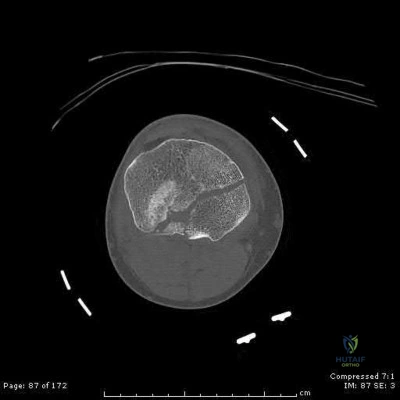
A patient sustains a Schatzker type II tibial plateau fracture (split-depression). Which surgical approach is generally most appropriate for direct visualization and internal fixation of this specific injury pattern?


Explanation

Schatzker type II fractures involve a split and depression of the lateral tibial plateau. The standard anterolateral approach provides excellent visualization of the lateral articular surface and allows for appropriate application of a lateral buttress plate.

Question 18

A 6-year-old boy is diagnosed with Legg-Calve-Perthes disease (LCPD). According to the Herring lateral pillar classification, which radiographic feature is the most critical determinant of a poor prognosis (Herring Group C)?


Explanation

The Herring lateral pillar classification heavily dictates prognosis in LCPD based on AP pelvic radiographs in the fragmentation stage. Group C, defined by >50% loss of lateral pillar height, portends the worst prognosis with the highest risk of permanent femoral head deformity.

Question 19

Osteoclasts resorb bone by creating an acidic microenvironment at the ruffled border. Which enzyme is primarily responsible for intracellularly generating the hydrogen ions (H+) needed for this critical acidification process?


Explanation

Carbonic anhydrase II converts CO2 and H2O into carbonic acid, which readily dissociates into protons (H+) and bicarbonate. These protons are then actively pumped across the ruffled border via an H+-ATPase pump to create the highly acidic environment (pH ~4.5) necessary to dissolve hydroxyapatite.

Question 20

A Bankart lesion is classically described as an avulsion of the anteroinferior labrum and attached capsule from the glenoid rim. What is the associated bony injury resulting from impaction of the humeral head against the anterior glenoid rim?


Explanation

A Hill-Sachs lesion is an osteochondral impaction fracture of the posterosuperior aspect of the humeral head. It occurs when the humeral head dislocates anteriorly and impacts forcefully against the hard cortical bone of the anterior glenoid rim.

Question 21

What is the primary cellular target and mechanism of action of Denosumab in the treatment of giant cell tumors of bone?


Explanation

Denosumab is a fully human monoclonal antibody that specifically binds to the Receptor Activator of Nuclear factor Kappa-B Ligand (RANKL). By binding to RANKL, it prevents RANKL from interacting with the RANK receptor on osteoclast precursors and mature osteoclasts, thereby inhibiting osteoclastogenesis and function. This is highly effective in Giant Cell Tumors of bone, which are rich in RANKL-expressing stromal cells that recruit RANK-expressing osteoclast-like giant cells.

Question 22

In the manufacturing of ultra-high molecular weight polyethylene (UHMWPE) for arthroplasty, what is the primary adverse consequence of radiation cross-linking if it is not followed by a thermal treatment (melting or annealing)?


Explanation

Gamma or electron beam irradiation is used to cross-link UHMWPE, which significantly improves its wear resistance. However, irradiation cleaves polymer chains, leaving residual free radicals. If these free radicals are not eliminated through thermal treatment (re-melting or annealing) or stabilized (e.g., with Vitamin E), they will react with oxygen in vivo, leading to oxidation, chain scission, embrittlement, and ultimately mechanical failure or delamination.

Question 23

Which of the following sequences correctly orders biomaterials from HIGHEST to LOWEST Young's modulus of elasticity?


Explanation

Young's modulus represents the stiffness of a material. The higher the modulus, the stiffer the material. Cobalt Chromium (CoCr) is the stiffest among standard orthopaedic metals (~220 GPa), followed by Stainless Steel (~200 GPa), then Titanium alloy (Ti-6Al-4V) (~110 GPa). Cortical bone is much less stiff, with a modulus of approximately 15-20 GPa. Stress shielding occurs when there is a significant mismatch in modulus between the implant and bone.

Question 24

A 7-year-old boy presents with a waddling gait and joint pain. Radiographs demonstrate small, irregular, and delayed ossification of the epiphyses in the hips and knees, with a radiographically normal spine. Mutations in which of the following genes are most commonly associated with this specific condition?


Explanation

The clinical and radiographic presentation of irregular epiphyses with a normal spine is classic for Multiple Epiphyseal Dysplasia (MED). Mutations in the COMP gene (Cartilage Oligomeric Matrix Protein) are the most common cause of the autosomal dominant form of MED. FGFR3 mutations cause achondroplasia and hypochondroplasia. COL1A1/COL1A2 cause osteogenesis imperfecta. RUNX2 causes cleidocranial dysplasia.

Question 25

Methicillin-resistant Staphylococcus aureus (MRSA) demonstrates resistance to standard beta-lactam antibiotics primarily through which of the following mechanisms?


Explanation

MRSA resistance is mediated by the mecA gene, which encodes for a novel penicillin-binding protein, PBP2a. This altered protein has a very low affinity for beta-lactam antibiotics (such as penicillins and cephalosporins), allowing the bacteria to synthesize its cell wall even in the presence of these drugs. DNA gyrase mutations relate to fluoroquinolone resistance.

Question 26

Vitamin C (ascorbic acid) deficiency results in scurvy, which is characterized by bone pain, bleeding gums, and poor wound healing. Vitamin C serves as an essential cofactor for which of the following specific processes in bone and cartilage synthesis?


Explanation

Vitamin C is a necessary cofactor for the enzymes prolyl hydroxylase and lysyl hydroxylase. These enzymes catalyze the hydroxylation of proline and lysine residues on the forming procollagen chains. This hydroxylation is critical for the subsequent formation of the stable triple-helix structure of collagen. Without it, collagen is structurally weak, leading to the clinical manifestations of scurvy.

Question 27

Tranexamic acid (TXA) is widely used in orthopaedic surgery to reduce perioperative blood loss. It achieves this effect primarily through which of the following mechanisms?


Explanation

Tranexamic acid is a synthetic analog of the amino acid lysine. It acts as an antifibrinolytic agent by reversibly binding to the lysine-binding sites on plasminogen. This competitive inhibition prevents plasminogen from binding to fibrin, thereby inhibiting its activation into plasmin and preventing the degradation of fibrin clots (fibrinolysis).

Question 28

When evaluating the ultrastructure of normal articular cartilage, which zone is characterized by the highest water content and collagen fibrils oriented parallel to the joint surface?


Explanation

The superficial (tangential) zone of articular cartilage has the highest water content (up to 80%), the lowest proteoglycan content, and a high concentration of densely packed collagen fibrils oriented parallel to the articular surface to resist shear forces. The deep zone has the highest proteoglycan content and vertical collagen fibrils. The tidemark separates the deep uncalcified cartilage from the calcified cartilage.

Question 29

According to Perren's strain theory of fracture healing, what is the maximum amount of interfragmentary tissue strain that permits the formation and survival of primary lamellar bone?


Explanation

Perren's strain theory states that the type of tissue that forms in a fracture gap depends on the interfragmentary strain. Lamellar bone can only form under very low strain conditions (< 2%). Woven bone can tolerate strain up to 10%, cartilage up to 30%, and granulation tissue can tolerate up to 100% strain. Absolute stability (e.g., lag screw and compression plate) aims for < 2% strain to allow direct (primary) bone healing.

Question 30

An orthopaedic surgeon is evaluating a new diagnostic test for periprosthetic joint infection. Which of the following statistical parameters is inherently dependent on the underlying prevalence of the disease in the tested population?


Explanation

Positive Predictive Value (PPV) and Negative Predictive Value (NPV) are highly dependent on the prevalence of the disease in the population being studied. As disease prevalence increases, PPV increases and NPV decreases. In contrast, Sensitivity, Specificity, and Likelihood Ratios are inherent characteristics of the test itself and are theoretically independent of disease prevalence.

Question 31

A 12-year-old boy presents with an aggressive diaphyseal lesion of the femur featuring a 'periosteal onion-skin' reaction. A biopsy is performed. Molecular cytogenetic analysis of the tumor tissue is most likely to reveal which of the following chromosomal translocations?


Explanation

The clinical and radiographic presentation is classic for Ewing Sarcoma. Ewing Sarcoma is characterized by the t(11;22)(q24;q12) translocation in about 85-90% of cases, which results in the EWS-FLI1 fusion gene. t(X;18) is associated with Synovial Sarcoma; t(12;16) with Myxoid Liposarcoma; and t(2;13) with Alveolar Rhabdomyosarcoma.

Question 32

During the initial active (lytic) phase of Paget's disease of bone, the primary pathological process is driven by abnormal cells that characteristically exhibit which of the following histological features?


Explanation

Paget's disease of bone begins with an intensely osteolytic phase driven by abnormal osteoclasts. These osteoclasts are pathologically large and multinucleated, often containing up to 100 nuclei per cell (normal is 3-10). Ultrastructurally, they may contain viral-like inclusion bodies, which has led to theories of a paramyxovirus etiology. The subsequent mixed and sclerotic phases are characterized by chaotic osteoblast activity.

Question 33

In the management of a severely polytraumatized orthopaedic patient, which of the following laboratory parameters is recognized as the most reliable indicator for successful completion of systemic tissue resuscitation and adequate oxygen delivery?


Explanation

Serum lactate level and its clearance (the rate at which lactate levels return to normal) are among the most reliable indicators of adequate global tissue perfusion and oxygenation in trauma resuscitation. While base deficit and pH are also useful, lactate clearance strictly correlates with restoration of aerobic metabolism. Normalizing blood pressure or hemoglobin does not guarantee adequate cellular perfusion (occult hypoperfusion).

Question 34

When utilizing the volar approach (Henry approach) to the proximal third of the radius, the internervous plane developed during the superficial dissection lies between which two muscles?


Explanation

The superficial internervous plane of the volar (Henry) approach to the forearm is between the brachioradialis (innervated by the radial nerve) and the pronator teres (innervated by the median nerve) proximally. In the distal third, the plane is between the brachioradialis and the flexor carpi radialis (median nerve). It is a true internervous approach throughout its length.

Question 35

A patient suffers a severe stretch injury to the brachial plexus. EMG/NCS and advanced imaging confirm a Sunderland Grade 3 nerve injury. By definition, which of the following structures remain physically INTACT in a Sunderland Grade 3 injury?


Explanation

According to the Sunderland classification of nerve injuries: Grade 1 (Neuropraxia) is a local myelin block with intact axon. Grade 2 (Axonotmesis) involves axonal disruption but intact endoneurium. Grade 3 involves disruption of the axon and endoneurium, but the perineurium (and epineurium) remains intact. Grade 4 disrupts the perineurium, leaving only the epineurium intact. Grade 5 is complete nerve transection.

Question 36

Anatomical reconstruction of the anterior cruciate ligament (ACL) aims to restore the function of its two distinct bundles. Which of the following best describes the native biomechanics of the anteromedial (AM) and posterolateral (PL) bundles?


Explanation

The ACL consists of two main bundles named for their tibial insertion: the Anteromedial (AM) and Posterolateral (PL) bundles. Biomechanically, the AM bundle is tightest in knee flexion and provides primary restraint against anterior tibial translation. The PL bundle is tightest in full extension and provides primary restraint against rotatory loads (e.g., pivot shift). Understanding this is crucial for anatomic tunnel placement.

Question 37

A radiograph of an infant presenting with multiple fractures and cranial nerve palsies demonstrates diffusely dense, 'marble-like' bones with an absence of normal medullary cavities. The most common malignant autosomal recessive form of this disease is fundamentally caused by a defect in which of the following?


Explanation

The disease is Osteopetrosis (Marble Bone Disease), characterized by dense but brittle bones due to failure of osteoclast resorptive function. The malignant autosomal recessive (infantile) form is most commonly associated with mutations in the TCIRG1 gene (vacuolar proton pump) or Carbonic Anhydrase II. These defects prevent the osteoclast from acidifying the resorption pit, manifested ultrastructurally by an absent or defective ruffled border.

Question 38

When utilizing fresh frozen osteochondral allografts for the treatment of large focal chondral defects, the clinical success of the graft primarily depends on which of the following biological properties?


Explanation

The primary advantage of fresh or fresh-stored (refrigerated, not truly 'frozen' below freezing for cartilage viability, though sometimes casually termed fresh-frozen in older literature; specifically, 'fresh' or prolonged fresh storage is used) osteochondral allografts is the preservation of viable mature chondrocytes. Chondrocytes are necessary to maintain the complex extracellular matrix of the hyaline cartilage over time. The bony portion of the allograft is dead and undergoes creeping substitution by the host.

Question 39

Demineralized bone matrix (DBM) is commonly used as a bone graft substitute. Its osteoinductive capability is primarily mediated by the presence of which of the following components preserved during the demineralization process?


Explanation

Demineralized bone matrix (DBM) is produced by acid-extracting minerals from allograft bone. This process destroys viable cells (meaning it is NOT osteogenic) and removes the mineral structure, but it exposes and preserves the non-collagenous proteins, particularly Bone Morphogenetic Proteins (BMPs). These BMPs provide DBM with its osteoinductive properties, allowing it to stimulate the differentiation of host mesenchymal cells into osteoblasts.

Question 40

An orthopaedic surgeon is evaluating a 70-year-old patient scheduled for an elective total hip arthroplasty. The patient is currently taking Rivaroxaban for non-valvular atrial fibrillation. What is the specific mechanism of action of this medication?


Explanation

Rivaroxaban (as well as Apixaban and Edoxaban) is a Direct Oral Anticoagulant (DOAC) that acts by directly and reversibly inhibiting Factor Xa, preventing the conversion of prothrombin to thrombin. Dabigatran is a direct thrombin (IIa) inhibitor. Warfarin inhibits Vitamin K epoxide reductase. LMWH and unfractionated heparin potentiate Antithrombin III. Clopidogrel blocks P2Y12 ADP receptors.

Question 41

Which of the following orthopedic implant materials possesses a Young's modulus most similar to that of human cortical bone, thereby minimizing the risk of stress shielding in arthroplasty?


Explanation

Titanium alloy has a Young's modulus (stiffness) closer to that of cortical bone compared to stainless steel or cobalt-chromium. This similarity reduces stress shielding and promotes better long-term bone mass preservation around the implant.

Question 42

Tranexamic acid (TXA) is widely used in orthopedic surgery to reduce perioperative blood loss. What is its primary mechanism of action?


Explanation

TXA is a synthetic lysine analog that competitively binds to plasminogen. This prevents plasminogen from converting to active plasmin, thereby inhibiting fibrin degradation and stabilizing blood clots.

Question 43

During a posterolateral lumbar fusion, a surgeon utilizes recombinant human Bone Morphogenetic Protein-2 (rhBMP-2). This biologic agent promotes bone formation strictly through which of the following properties?


Explanation

rhBMP-2 acts purely via osteoinduction, meaning it stimulates the differentiation of host mesenchymal stem cells into bone-forming osteoblasts. It does not provide a structural scaffold (osteoconduction) nor does it contain live cells (osteogenesis).

Question 44

Which of the following specific cytogenetic translocations is characteristically diagnostic for synovial sarcoma?


Explanation

Synovial sarcoma is characterized by the t(X;18) translocation, resulting in the SYT-SSX fusion gene. In contrast, t(11;22) is seen in Ewing sarcoma, and t(9;22) in extraskeletal myxoid chondrosarcoma.

Question 45

In human articular cartilage, which structural zone contains the highest concentration of collagen, with fibrils oriented parallel to the joint surface to resist high shear forces?


Explanation

The superficial zone possesses flattened chondrocytes and densely packed collagen fibrils oriented parallel to the articular surface. This specific microarchitecture provides the greatest tensile strength and resistance to shear stresses within the joint.

Question 46

A 6-year-old child presents with bowed legs and is diagnosed with X-linked hypophosphatemic (XLH) rickets. Which of the following laboratory profiles and genetic mutations is the hallmark of this condition?


Explanation

XLH is caused by a PHEX gene mutation that leads to the overproduction of FGF23. Elevated FGF23 causes profound renal phosphate wasting, resulting in hypophosphatemia and defective bone mineralization.

Question 47

Following a primary flexor tendon repair in Zone II, at what postoperative timeframe is the repair biomechanically at its weakest due to the transition from the inflammatory to the early proliferative phase?


Explanation

A repaired tendon is typically weakest between 5 and 14 days postoperatively. During this window, initial inflammatory softening of the tendon ends occurs before substantial new collagen synthesis and cross-linking can generate adequate tensile strength.

Question 48

According to Sunderland's classification of peripheral nerve injuries, a third-degree nerve injury describes the complete disruption of the axon and which of the following specific connective tissue layers?


Explanation

A Sunderland third-degree injury involves disruption of the axon and the endoneurium, while the perineurium and epineurium remain intact. This intrafascicular damage leads to scarring and unpredictable, often aberrant, axonal regeneration.

Question 49

The primary mechanism of particle-induced osteolysis in total joint arthroplasty involves macrophage phagocytosis of wear debris. Which of the following downstream mediators is most directly responsible for the subsequent terminal activation of osteoclasts?


Explanation

Macrophages release pro-inflammatory cytokines (like TNF-alpha and IL-1) upon ingesting wear particles, which in turn stimulate the expression of RANKL by osteoblasts. RANKL binds to RANK on osteoclast precursors, directly driving their activation and bone resorption.

Question 50

A 70-year-old female with severe postmenopausal osteoporosis is treated with denosumab. Which of the following best describes the molecular mechanism of this medication?


Explanation

Denosumab is a fully human monoclonal antibody that specifically binds to RANKL. By neutralizing RANKL, it prevents the activation, maturation, and survival of osteoclasts, leading to profoundly decreased bone resorption.

Question 51

Which of the following lower extremity amputation configurations is associated with the highest increase in metabolic energy expenditure during ambulation compared to baseline normal walking?


Explanation

A unilateral transfemoral (AKA) amputation increases baseline energy expenditure by approximately 60-65%. This metabolic demand is significantly higher than that required for bilateral transtibial amputations (which increase expenditure by roughly 40%).

Question 52

A 2-year-old child presents with an acute septic arthritis of the knee. The synovial fluid Gram stain is negative, but a targeted PCR panel is positive. Which of the following fastidious organisms is increasingly recognized as the most common cause of septic arthritis in children aged 6 months to 4 years?


Explanation

Kingella kingae is a fastidious Gram-negative organism that has emerged as the most common cause of septic arthritis and osteomyelitis in children under 4 years old. It is difficult to isolate on traditional culture but is readily identified via nucleic acid amplification (PCR).

Question 53

A patient with autosomal recessive malignant osteopetrosis suffers from an inability of osteoclasts to acidify the resorption pit. A deficiency in which of the following enzymes is most frequently responsible for this specific failure in hydrogen ion generation?


Explanation

Carbonic anhydrase II generates the protons (H+) necessary for osteoclasts to acidify the sealed clear zone (resorption pit). Deficiency of this enzyme halts the dissolution of inorganic bone mineral, causing osteopetrosis.

Question 54

A 10-year-old boy sustains a Salter-Harris type II fracture of the distal radius. The initial fracture cleavage plane mechanically propagates primarily through which specific histologic zone of the physis?


Explanation

Physeal fractures typically fail through the zone of hypertrophy. This layer is mechanically the weakest region of the growth plate because of the large cellular volume of the swollen chondrocytes and the relative lack of extracellular matrix.

Question 55

A 24-year-old male sustains a closed comminuted femoral shaft fracture. Forty-eight hours later, he develops acute confusion, an axillary petechial rash, and hypoxemia. Which of the following is the most likely pathophysiologic mechanism triggering his respiratory distress?


Explanation

The patient demonstrates Gurd's classic triad for Fat Embolism Syndrome (FES). FES is triggered when intravasation of marrow fat droplets causes mechanical pulmonary obstruction and a severe inflammatory response via the breakdown of fats into toxic free fatty acids.

Question 56

Which of the following best describes the physiological process of incorporation for a structural cortical bone allograft?


Explanation

Structural cortical allografts incorporate via a process called creeping substitution. This involves initial osteoclastic resorption which temporarily weakens the graft, followed by osteoblastic bone formation.

Question 57

In a polytrauma patient undergoing damage control orthopedics, which of the following serum markers peaks early and correlates most strongly with the severity of the systemic inflammatory response syndrome (SIRS)?


Explanation

Interleukin-6 (IL-6) levels peak early after severe injury. It is considered the most accurate marker for evaluating the magnitude of the systemic inflammatory response and predicting multi-organ failure.

Question 58

Periprosthetic osteolysis in total hip arthroplasty is primarily mediated by the activation of which of the following cell types in response to ultra-high-molecular-weight polyethylene (UHMWPE) wear debris?


Explanation

UHMWPE wear debris particles are phagocytosed by tissue macrophages. These activated macrophages then release inflammatory cytokines like TNF-alpha and IL-1, stimulating osteoclastic bone resorption.

Question 59

A 4-month-old infant is being treated with a Pavlik harness for developmental dysplasia of the hip (DDH). During follow-up, the mother notes the child is no longer actively extending the knee on the treated side. Which of the following harness malpositioning errors is the most likely cause?


Explanation

Placing the hip in excessive flexion within a Pavlik harness can compress the femoral nerve against the inguinal ligament. This results in a transient femoral nerve palsy, evident by a lack of active knee extension.

Question 60

When performing an open biopsy for a suspected primary malignant bone tumor of the distal femur, which of the following surgical principles must be strictly adhered to?


Explanation

Biopsy incisions for suspected bone sarcomas must be longitudinal and placed directly within the planned surgical field. This ensures the entire contaminated biopsy tract can be excised en bloc during definitive tumor resection.

Question 61

The anterior cruciate ligament (ACL) is composed of two primary bundles. Which of the following best describes the isolated biomechanical function of the posterolateral (PL) bundle?


Explanation

The posterolateral (PL) bundle of the ACL is tightest in knee extension and acts as the primary restraint to rotatory loads. Conversely, the anteromedial (AM) bundle is tightest in flexion.

Question 62

A 28-year-old male sustains a severe cervical spine fracture with complete cord transection at C5. In the trauma bay, he is hypotensive (80/50 mmHg) and bradycardic (48 bpm). Which of the following best explains this physiologic state?


Explanation

Neurogenic shock occurs due to the loss of sympathetic outflow in spinal cord lesions above T6. This results in unopposed parasympathetic tone, characteristically manifesting as hypotension paired with bradycardia.

Question 63

Following a Zone II flexor tendon repair in the hand, tendon healing relies on both intrinsic and extrinsic mechanisms. What provides the primary source of nutrition to the flexor tendons within the digital synovial sheath?


Explanation

Within the digital flexor sheath (Zone II), tendons are relatively avascular and receive their nutrition primarily through diffusion from the synovial fluid. This is supplemented to a lesser extent by the vincula system.

Question 64

In a classic Salter-Harris Type I fracture of the distal radius in a pediatric patient, the fracture line typically propagates through which distinct histologic zone of the physis?


Explanation

Salter-Harris fractures most commonly propagate through the zone of hypertrophy. This zone lacks the structural support of abundant extracellular matrix and calcification, making it the weakest point biomechanically.

Question 65

A 35-year-old trauma patient presents with an unstable anteroposterior compression (APC-III) pelvic ring injury and hemodynamic instability. When applying a circumferential pelvic binder, where should it be anatomically centered to correctly maximize reduction?


Explanation

A pelvic binder must be centered precisely over the greater trochanters to effectively compress the pelvic ring. Placing it higher over the iliac crests is ineffective and can paradoxically widen the true pelvis.

Question 66

A 45-year-old male sustains an acute Achilles tendon rupture during a tennis match. The rupture typically occurs in the "watershed" region. What is the approximate distance of this relative avascular zone from the tendon's calcaneal insertion?


Explanation

The Achilles tendon has a watershed region of decreased vascularity located approximately 2 to 6 cm proximal to its insertion on the calcaneus. This compromised blood supply makes it the most frequent site for acute rupture.

Question 67

Polymethylmethacrylate (PMMA) bone cement is commonly utilized for implant fixation in total joint arthroplasty. Which of the following best describes its fundamental mechanical properties?


Explanation

PMMA bone cement acts as a grout to provide mechanical interlock rather than a chemical adhesive. Mechanically, it is strongest in compression and significantly weaker in tension and shear.

Question 68

Prophylactic in situ pinning of the contralateral asymptomatic hip is most strongly indicated in a patient presenting with a unilateral slipped capital femoral epiphysis (SCFE) and which of the following concurrent conditions?


Explanation

Patients with SCFE secondary to endocrine disorders (e.g., hypothyroidism, panhypopituitarism) or renal osteodystrophy have an exceptionally high risk of bilateral involvement. Prophylactic pinning of the contralateral hip is strongly recommended in these cases.

Question 69

Hyaline articular cartilage provides a low-friction, load-bearing surface for synovial joints. Which of the following collagen types makes up the vast majority of the collagenous framework in normal adult articular cartilage?


Explanation

Type II collagen constitutes 90 to 95 percent of the collagen found in normal articular cartilage. It provides the crucial tensile strength and serves as the structural framework to trap water-retaining proteoglycans.

Question 70

Which of the following cellular mechanisms is most commonly defective in the pathogenesis of infantile malignant osteopetrosis?


Explanation

Infantile malignant osteopetrosis is commonly caused by mutations in the TCIRG1 gene, which encodes a subunit of the osteoclast proton pump. This results in the inability of osteoclasts to secrete protons and acidify the resorption pit, leading to dense but brittle bone.

Question 71

A 35-year-old farmer sustains a Gustilo-Anderson Type IIIA open tibia fracture heavily contaminated with soil. Which of the following is the most appropriate initial empiric antibiotic regimen?


Explanation

For severe open fractures (Type III) occurring in farm or heavily contaminated environments, anaerobic coverage (specifically for Clostridium) is necessary. The classic recommendation is a first-generation cephalosporin, an aminoglycoside, and high-dose penicillin.

Question 72

According to the Ponseti method for the treatment of idiopathic clubfoot, what is the correct sequence of deformity correction?


Explanation

The Ponseti method follows the CAVE sequence for correcting clubfoot deformities: Cavus, Adductus, Varus, and finally Equinus. The cavus is corrected first by supinating the forefoot to align it with the hindfoot.

Question 73

During total hip arthroplasty using a standard posterior approach, what is the primary kinematic mechanism that most often precipitates a posterior dislocation in the early postoperative period?


Explanation

Following a posterior approach to the hip, the posterior soft tissue envelope is compromised. The classic position of instability leading to posterior dislocation is a combination of hip flexion, adduction, and internal rotation.

Question 74

A 14-year-old boy presents with a destructive diaphyseal lesion of the femur with a permeative pattern and an "onion skin" periosteal reaction. Cytogenetic analysis is most likely to reveal which of the following translocations?


Explanation

The clinical and radiographic presentation is classic for Ewing sarcoma. The most common cytogenetic abnormality in Ewing sarcoma is the t(11;22) translocation, which results in the EWS-FLI1 fusion protein.

Question 75

A trauma patient arrives with a cervical spine fracture. He is hypotensive, bradycardic, and has warm, flushed extremities. Which of the following is the most likely diagnosis?


Explanation

Neurogenic shock is characterized by hypotension and bradycardia due to the loss of sympathetic tone following a high spinal cord injury. This differs from spinal shock, which refers to the temporary areflexia and flaccidity below the level of injury.

Question 76

Which of the following zones of articular cartilage possesses the highest concentration of water and contains collagen fibers oriented parallel to the joint surface?


Explanation

The superficial (tangential) zone of articular cartilage has the highest water content and contains Type II collagen fibers that run parallel to the articular surface. This specific orientation provides the cartilage with high tensile strength to resist shear forces.

Question 77

In distraction osteogenesis (e.g., the Ilizarov technique), bone formation within the distraction gap primarily occurs through which of the following physiologic processes?


Explanation

Distraction osteogenesis relies on mechanical tension applied to a healing fracture callus, which stimulates bone formation primarily via intramembranous ossification. This process bypasses the cartilaginous intermediate stage seen in endochondral ossification.

Question 78

Which of the following bearing surface combinations in total hip arthroplasty has the lowest documented volumetric wear rate?


Explanation

Ceramic-on-ceramic bearing surfaces exhibit the lowest volumetric wear rates of all modern bearing combinations. However, they carry unique risks, including squeaking and catastrophic ceramic fracture.

Question 79

A patient with anterior interosseous nerve (AIN) syndrome will demonstrate targeted weakness when asked to perform which of the following clinical tests?


Explanation

The anterior interosseous nerve innervates the flexor pollicis longus, the flexor digitorum profundus to the index finger, and the pronator quadratus. Weakness prevents the patient from making an "OK" sign, resulting in a pinch with extended DIP and IP joints.

Question 80

According to the Kocher criteria, which of the following is NOT one of the classic four predictors for distinguishing septic arthritis from transient synovitis in a pediatric hip?


Explanation

The original Kocher criteria include non-weight-bearing, ESR > 40, WBC > 12,000, and fever > 38.5 C. While CRP is an excellent inflammatory marker used extensively today, it was not part of the original four parameters defined by Kocher.

Question 81

In the setting of total knee arthroplasty, which of the following mechanisms is primarily responsible for the catastrophic delamination of ultra-high-molecular-weight polyethylene (UHMWPE)?


Explanation

Subsurface fatigue wear results from cyclic loading that creates peak shear stresses below the polyethylene surface. This leads to crack propagation and catastrophic delamination, a process historically accelerated by oxidation from gamma irradiation in air.

Question 82

A 25-year-old male sustains a high-energy trauma resulting in an APC-III (anteroposterior compression) pelvic ring injury. Which of the following ligamentous complexes is completely disrupted in this injury pattern?


Explanation

An APC-III injury represents complete disruption of the pelvic ring both anteriorly and posteriorly. It involves the tearing of the anterior and posterior sacroiliac ligaments, as well as the sacrotuberous and sacrospinous ligaments, rendering the pelvis globally unstable.

Question 83

Which of the following is the most common primary malignant bone tumor in adults over the age of 40?


Explanation

Multiple myeloma is the most common primary malignancy of bone overall and specifically in adults over the age of 40. Chondrosarcoma is the most common primary solid bone sarcoma in this age group, but myeloma is statistically more frequent.

Question 84

A patient undergoes a cemented total hip arthroplasty. During cement pressurization, the patient abruptly develops hypoxia, hypotension, and right heart strain. What is the most likely pathophysiologic mechanism?


Explanation

Bone cement implantation syndrome (BCIS) is characterized by hypoxia, hypotension, and potential cardiac arrest during cementation. It is primarily driven by high intramedullary pressure forcing fat, marrow, and cement particles into the venous circulation, leading to right ventricular failure.

Question 85

When utilizing a plate for absolute stability in a transverse diaphyseal forearm fracture, the principle of dynamic compression achieves primary bone healing by which of the following mechanisms?


Explanation

Dynamic compression plating achieves absolute stability by applying interfragmentary compression across a simple fracture. This eliminates micromotion and abolishes the fracture gap, allowing primary (direct) bone healing via Haversian remodeling without callus formation.

Question 86

A 30-year-old runner presents with lateral knee pain. Physical examination reveals tenderness over the lateral femoral epicondyle when the knee is cyclically flexed and extended. Which structure is most likely implicated?


Explanation

Iliotibial (IT) band syndrome is characterized by pain over the lateral femoral epicondyle, where the IT band rubs during knee flexion and extension. It is a common overuse injury in runners and cyclists caused by friction at the epicondyle.

Question 87

In the context of peripheral nerve injury, a Sunderland third-degree injury corresponds to which of the following anatomical descriptions?


Explanation

A Sunderland third-degree nerve injury involves the loss of continuity of the axons and the endoneurial tubes, but the perineurium remains intact. Recovery is unpredictable and often incomplete due to intrafascicular scarring disrupting axonal pathfinding.

Question 88

A 6-week-old female infant is undergoing ultrasound evaluation for developmental dysplasia of the hip (DDH). The Graf alpha angle is measured at 52 degrees. What does this measurement indicate?


Explanation

An alpha angle less than 60 degrees indicates a shallow bony acetabular roof and is considered abnormal. An angle of 52 degrees falls into the dysplastic category (Graf type IIc or worse) and generally warrants treatment with a Pavlik harness.

Question 89

During closed reduction and percutaneous pinning of a pediatric supracondylar humerus fracture, placement of a medial pin carries the highest risk of iatrogenic injury to which of the following structures?


Explanation

The ulnar nerve runs posterior to the medial epicondyle and is at significant risk of iatrogenic injury during the placement of a medial pin. To mitigate this risk, the elbow is often extended slightly from hyperflexion, and a mini-open technique is recommended.

None

Clinic OS
Medically Verified Content by
Prof. Clinic OS
Consultant Orthopedic & Spine Surgeon
Chapter Index
