العربية
Part of the Master Guide

Updated Orthopedic Review | Dr Hutaif General Orthopedi -...

Orthopedic Review | Dr Hutaif General Orthopedics Revie -...
14 Apr 2026 51 min read 72 Views

Key Takeaway

This interactive board review contains 100 randomly selected orthopedic surgery questions with clinical images, immediate feedback, and detailed references.

Orthopedic Review | Dr Hutaif General Orthope...
00:00
Start Quiz
Question 1High Yield
A 25-year-old professional baseball pitcher reports a 4-month history of gradually increasing medial elbow pain that occurs during the late cocking and acceleration phases of throwing. The pain occasionally refers distally along the ulnar aspect of the forearm. He denies any weakness; however, he notes occasional paresthesias. A nerve conduction velocity study demonstrates increased latency across the cubital tunnel. Management consisting of 6 weeks of rest and rehabilitation fails to provide relief as the symptoms returned when he resumed throwing. What is the best course of action?
Explanation
In the thrower’s elbow, ulnar neuritis is felt to result from both chronic compression and traction on the nerve that occurs during the throwing motion. Occasionally, subluxation of the nerve also can lead to symptoms. If nonsurgical management fails to provide relief, transposition of the nerve to an anterior subcutaneous location is the surgical procedure of choice. The nerve is held in its new position by one or two fascial slings created from the fascia of the common flexor origin.
REFERENCES: Schickendantz MS: Diagnosis and treatment of elbow disorders in the overhead athlete. Hand Clin 2002;18:65-75.
Eaton RG, Crowe JF, Parkes JC III: Anterior transposition of the ulnar nerve using a non-compressing fasciodermal sling. J Bone Joint Surg Am 1980;62:820-825.
Question 2High Yield
A 13-year-old boy tears his anterior cruciate ligament (AC L) while playing flag football. What is the preferred graft material for his AC L reconstruction:
Explanation
Due to the patients age, autograft is the preferred option. Also, due to the patientâs age, his growth plates are open and the surgeon is prohibited from using a graft with a bone construct due to the possible damage to the growth plate.
Question 3High Yield
What is the most common underlying etiology for this condition in this clinical setting?
Explanation
- Sensory neuropathy
Question 4High Yield
Figures 1 and 2 are the MRIs obtained from a 58-year-old woman who has symptoms of neurogenic claudication. You elect to treat the patient with a lateral lumbar interbody fusion with posterior pedicle screw instrumentation but no direct neural decompression. When deciding on this treatment option, you consider that
Explanation

In degenerative spondylolisthesis, indirect decompression of the spinal canal has been shown to be an effective treatment option. Malham and associates conducted a prospective study of 122 patients and reported an unplanned return to the operating room in 11 patients (9%). When reviewing these cases retrospectively, the authors felt that failure of indirect decompression should have been anticipated based on radiographic findings in 10 of these 11 patients who had high-grade, unstable spondylolisthesis or substantial bony lateral recess stenosis. Sato and associates reported an increase in the spinal canal area of 20%, whereas Castellvi and associates reported only a 9% increase. Park and associates reported that positioning the cage within the anterior one-third of disk space is better for achieving the restoration of the segmental angle without compromising the indirect neural decompression, if the cage was high enough.
Question 5High Yield
The sublime tubercle of the elbow serves as the insertion site of the
Explanation
DISCUSSION: The anterior bundle originates on the anteroinferior medial humeral epicondyle and inserts on the medial portion of the coronoid, known as the sublime tubercle.
REFERENCES: O’Driscoll SW, Jaloszynski R, Morrey BF, et al: Origin of the medial ulnar collateral ligament. J Hand Surg Am 1992; 17:164-168.
Grace SP, Field LD: Chronic medial elbow instability. Orthop Clin North Am 2008;39:213-219.
Question 6High Yield
Disruption of which anatomic structure is necessary for the second-toe pathology to occur?
Explanation
- Plantar plate
Question 7High Yield
An 85-year-old woman is found to have an isolated left hip fracture after a fall from standing. All of the following have been demonstrated to be a benefit of an orthopaedic geriatric comanagement service EXCEPT?
Explanation
All of the answers listed have been demonstrated to be a benefit of orthopaedic geriatric comanagement service EXCEPT for decreased need for a post-discharge rehab facility.
Many institutions have initiated an orthopaedic geriatric comanagement inpatient service, particularly for orthopaedic trauma patients. Such service assists with perioperative medical management, focusing especially on preoperative optimization, post-operative management of comorbidities,
prevention of delirium, and management of dementia. Several studies have demonstrated improved post-operative complication and mortality rates though conflicting evidence exists.
Fisher et al. analyzed a prospective group of 951 patients older than 60 years of age with hip fractures managed on a comanagement service, comparing them to a historical control group. They report a reduction in postoperative medical complications (50% vs 71%), mortality (4.7% vs 7.7%), and readmission rate to a medical service. They did not find a change in the length of stay or post-discharge disposition. They conclude that combined orthopaedic and geriatric care of elderly patients with hip fractures leads to decreased morbidity and mortality while improving postoperative care.
Friedman et al. analyzed a Geriatric Fracture Center with patients 60 years of age or older with hip fracture and report a shorter time to surgery (24 vs 37 hours), shorter length of stay (4.6 vs 8.3 days), fewer post-operative infections (2% vs 20%), fewer complications overall (31% vs 46%), and lower use of physical restraints (0% vs 14%). They conclude that comanagement of elderly patients with hip fractures leads to improved processes and outcomes.
Prestmo et al. conducted a randomized control trial of usual care vs orthogeriatric comanagement for home-dwelling patients older than 70 years of age with hip fracture. They found that geriatric comanagement patients were significantly more mobile at 4 months following surgery. They concluded that the treatment of geriatric patients with hip fractures should be coordinated through orthogeriatric care.
Incorrect Answers:
Answer 1, 2, 3, 5 - Decreased time to surgery, postoperative mortality, complication rates, and improved postoperative mobility have all been shown in the literature to be benefits of an orthogeriatric comanagement service.
Question 8High Yield
Figures 47a and 47b are the radiograph and axial CT section of a 73-year-old woman with metastatic lung cancer who has a painful left periacetabular lesion. She is a high-risk surgical candidate because of a prior pneumonectomy and progressive metastatic disease of her remaining lung. Palliative radiation is recommended. Two regimens are being considered: a single fraction of 8 Gy or 15 fractions of a 30-Gy cumulative dose over 3 weeks. Compared to the multifraction regimen, the 8-Gy single fraction is associated with

Explanation
Multiple prospective randomized controlled trials have evaluated single vs multifraction radiation regimens for the treatment of painful bone metastases. All studies have demonstrated equivalent pain relief. Retreatment rates are higher with single-fraction dosing, but it is unknown if this is
because of higher rates of recurrent pain with single fractions or reluctance of radiation oncologists to give additional radiation when multifraction regimens with higher cumulative doses have failed. Single-fraction radiation is less expensive and more convenient for patients. The American Board of Internal Medicine Foundation’s Choosing Wisely® campaign to encourage physician leadership in reducing harmful or inappropriate resource use selected “Don’t recommend more than a single fraction of palliative radiation for an uncomplicated painful bone metastasis” as 1 of the “5 things physicians and patients should question in hospice and palliative medicine.”
RECOMMENDED READINGS
31. [Fischberg D, Bull J, Casarett D, Hanson LC, Klein SM, Rotella J, Smith T, Storey CP Jr, Teno JM, Widera E; HPM Choosing Wisely Task Force. Five things physicians and patients should question in hospice and palliative medicine. J Pain Symptom Manage. 2013 Mar;45(3):595-605. doi: 10.1016/j.jpainsymman.2012.12.002. Epub 2013 Feb 22. ](http://www.ncbi.nlm.nih.gov/pubmed/23434175)[View Abstract at PubMed](http://www.ncbi.nlm.nih.gov/pubmed/23434175)
32. [Dennis K, Makhani L, Zeng L, Lam H, Chow E. Single fraction conventional external beam radiation therapy for bone metastases: a systematic review of randomised controlled trials. Radiother Oncol. 2013 Jan;106(1):5-14. doi: 10.1016/j.radonc.2012.12.009. Epub 2013 Jan 13. Review. PubMed PMID: 23321492. ](http://www.ncbi.nlm.nih.gov/pubmed/23321492)[View Abstract at PubMed](http://www.ncbi.nlm.nih.gov/pubmed/23321492)
33. [Hartsell WF, Konski AA, Lo SS, Hayman JA. Single fraction radiotherapy for bone metastases: clinically effective, time efficient, cost conscious and still underutilized in the United States? Clin Oncol (R Coll Radiol). 2009 Nov;21(9):652-4. doi: 10.1016/j.clon.2009.08.003. Epub 2009 Sep 9. PubMed PMID: 19744843. ](http://www.ncbi.nlm.nih.gov/pubmed/19744843)[View Abstract at PubMed](http://www.ncbi.nlm.nih.gov/pubmed/19744843)
Question 9High Yield
The first branch of the lateral plantar nerve innervates the
Explanation
The first branch of the lateral plantar nerve innervates the abductor digiti quinti, and more distal branches of the lateral plantar nerve supply the quadratus plantae and the interossei. The medial plantar nerve supplies the abductor hallucis brevis and the flexor digitorum brevis.
REFERENCES: Pansky B, House EH: Review of Gross Anatomy, ed 3. New York, NY, Macmillan, 1975, pp 464-476.
Sarrafian SK: Anatomy of the Foot and Ankle. Philadelphia, PA, JB Lippincott, 1983,
pp 325-328.
Question 10High Yield
Figures 1 and 2 are the radiographs of a 10-year-old boy who came to the emergency department after sustaining a basketball injury. He has a large effusion and increased translation on Lachman’s examination. What is the most appropriate management of this injury?
Explanation


The imaging shows a displaced tibial spine avulsion. Non-displaced or minimally displaced fractures can be treated with long leg casting in extension, but displaced fractures require either open or arthroscopically assisted reduction and internal fixation with either screws or a suture construct. Although late knee instability is reported, an attempt at fracture fixation is recommended rather than acutely undergoing ACL reconstruction.
Question 11High Yield
Which 2 tendons are identified in the dissection shown in Video 92?
Explanation
- Semitendinosus and gracilis
The demonstration in Video 92 shows the tendons of the semitendinosus and gracilis muscles. They insert on the tibia deep to the sartorial fascia. The semimembranosus inserts more proximal and posterior on the tibia.
RECOMMENDED READINGS
1. Babb JR, Detterline AJ, Noyes FR. AAOS Orthopaedic Video Theater. The Key to the Knee: A Layer-by-Layer Video Demonstration of Medial and Anterior Anatomy. Rosemont, IL: American Academy of Orthopaedic Surgeons; 2009.
2. Hoppenfeld S, deBoer P. Surgical Exposures in Orthopedics. 3rd ed. Philadelphia, PA: Lippincott Williams & Wilkins; 2003:493-568.
Question 12High Yield
Which of the following is the most appropriate clinical scenario to utilize locking plate and screw technology?
Explanation
Conventional plating provides stable internal fixation when fractures are anatomically reduced. Stability of this type of fixation relies on the plate/bone interface and the friction that develops between this interface. Locked plates rely on the plate/screw interface, and each provides not only axial stability but also angular stability; each screw acts as a fixed angle device. Indications for locked plating for indirect reduction include: 1. metaphyseal/diaphyseal fractures 2. comminuted diaphyseal fractures 3. comminuted metaphyseal fractures. 4. short segment fixation. Locked plates are not indicated for displaced articular fractures unless anatomic rigid fixation of the articular surface is done first (locking technology cannot reduce fractures/lag segments together).
The referenced article by Gardner et al reviews locking technology and reminds us that compression technology using non-locking screws and plates is still needed for many fractures and is even required for proper treatment of some fractures.
The referenced article by Wagner is an instructional paper on how to use hybrid plating technology and reviews concepts such as the necessity of lag screw fixation before locking.
The referenced study by Egol et al is a review paper that notes that locked plates and conventional plates rely on completely different mechanical principles to provide fracture fixation and in so doing they provide different biological environments for healing. They report that locked plates are indicated for: indirect fracture reduction, diaphyseal/metaphyseal fractures in osteoporotic bone, and with bridging severely comminuted fractures.
Question 13High Yield
A 44-year-old female sustains the injury shown in Figures A and B as the result of a motor vehicle collision. She undergoes immediate four compartment leg fasciotomy and placement of a spanning external fixator. A post-fixator CT scan image is shown in Figure C. After allowing her soft tissues to improve, the optimal definitive stabilization of this fracture is which of the following?


Explanation
Treatment of a comminuted bicondylar tibial plateau fracture such as the one shown in Figures A and B is best treated with dual plates (or more), as the posteromedial fragment(s) is usually a large section of the medial plateau and is poorly stabilized from a single lateral plate.
Barei et al (2008) retrospectively reviewed 57 patients with bicondylar tibial plateau fractures, evaluating the frequency and morphologic characteristics of the posteromedial fragment in this injury pattern. They found that 74% of these injuries had a posteromedial fragment that may require alternate or supplementary fixation methods when managing this injury pattern.
Barei et al (2006) reviewed 83 bicondylar tibial plateau fractures that were treated with medial and lateral plate fixation through two exposures. They noted that residual dysfunction is common. Accurate articular reduction was possible in about 55% of the patients and the reduction was associated with better outcomes within the confines of the injury severity.
Figure A and B show a comminuted bicondylar tibial plateau fracture. Figure C
is an axial CT cut showing the medial fragments (anterior and posterior).
Incorrect Answers:
Answer 1: Definitive use of the spanning external fixator would lead to significant knee stiffness.
Answer 2: Conversion to a hinged knee fixator is not commonly recommended for this injury pattern.
Answer 3: This comminuted tibial plateau fracture is not amenable to treatment with an intramedullary nail.
Answer 4: Use of more than one plate to instrument this fracture is necessary.
Question 14High Yield
Figure 1 is the radiograph of a 49-year-old man who sustained a closed injury to his
left shoulder in a motor vehicle collision. He underwent uncomplicated ORIF (see Figure 2), but at his first post-operative visit he had persistent pain and deformity (see Figure 3). What is the primary factor contributing to this complication?
---

---

---


Explanation
The fixation construct most likely failed due to a lack of inferomedial calcar support. Biomechanical and clinical studies have emphasized the importance of medial calcar support in preventing varus collapse. This can be accomplished in a number of ways, including anatomic reduction of the medial calcar, long locking screws that engage the inferomedial humeral head, or medial cortical reconstruction with a fibular strut.
The working length of the construct is not excessively long, and the plate length is sufficient. Though there remains a gap at the fracture site, the overall reduction is satisfactory and not the primary cause for fixation failure.
Question 15High Yield
What is the function of the rotator cuff during throwing?
Explanation
The coupled action of the rotator cuff prevents superior migration and controls anterior and posterior translation by depressing the humeral head.

Scientific References

    : Poppen NK, Walker PS: Normal and abnormal motion of the shoulder. J Bone Joint Surg Am 1976;58:195-201.
    Abrams JS: Special shoulder problems in the throwing athlete: Pathology, diagnosis, and nonoperative management. Clin Sports Med 1991;10:839-861.
Question 16High Yield
Slide 1 Slide 2
A 22-year-old man has experienced pain in his foot and ankle for 10 years. His radiographs are presented (Slide 1 and Slide 2). The foot is flexible, and pain is present in the sinus tarsi and along the medial border of the foot. With the subtalar joint held in a reduced neutral position, the forefoot is in 15° of supination. You attempt orthotic arch supports and when these do not
alleviate his pain, a brace is suggested. He refuses to wear a brace. You plan an osteotomy of the calcaneus with lengthening bone graft at the neck of the calcaneus (lateral column lengthening). The most common complication following this procedure is:
Explanation
This patient demonstrates the common finding of fixed forefoot varus associated with a flexible flatfoot deformity. It is likely that a gastrocnemius contracture is also present, but this is not always the case. Arthritis of the calcaneocuboid joint rarely occurs following a lengthening calcaneal osteotomy in an adult. C orrection of the forefoot varus is best accomplished with an opening wedge osteotomy of the medial cuneiform. Arthrodesis of the first tarsometatarsal joint may be performed in selected patients
with noted instability at this joint.
Question 17High Yield
Which of the following is the proper sequence when listing materials in order of increasing elastiCmodulus:
Explanation
The proper sequence when listing common orthopediCbiomaterials in order of increasing modulus is:
ElastiCModulus Cancellous bone Polyethylene Methylmethacrylate Cortical bone Titanium alloy Stainless steel Cobalt chrome
Question 18High Yield
Figures 66a and 66b are the radiographs of a healthy 54-year-old right-hand-dominant man 3 months after he fell onto his outstretched left hand. He was initially treated with 8 weeks of closed reduction and casting. He reports ongoing ulnar-sided wrist pain, stiffness, and diminished function. An examination reveals a clinical sag deformity with a loss of radial length but no substantial swelling. The distal radius is nontender, and rotation is nearly full. Wrist motion is limited, with 55 degrees of flexion, 25 degrees of extension, and full digital motion. The most appropriate treatment is


Explanation
This patient has a substantial nascent malunion of his distal radius. Although a distal ulna excision would likely improve his ulnar-sided wrist pain, the Darrach procedure is more appropriate for older, somewhat less active individuals. In addition, the distal radius malunion is substantial, and it would be preferable to address the malunion given the major loss of radial length, inclination, and increased palmar tilt. The joint surface of the distal radius is uninvolved, and there is no evidence of arthrosis. It is preferable to osteotomize the distal radius sooner rather than later. Delayed osteotomy is often more difficult with more severe soft-tissue contractures, and improved results have been demonstrated following surgical treatment of nascent rather than mature distal radius malunions. Advantages include easier correction, no need for structural bone grafts, less overall total disability, and earlier return to work.
RECOMMENDED READINGS
30. Bilgin SS, Armangil M. Correction of nascent malunion of distal radius fractures. Acta Orthop Traumatol Turc. 2012;46(1):30-4. PubMed PMID: 22441449.
31. Jupiter JB, Ring D. A comparison of early and late reconstruction of malunited fractures of the distal end of the radius. J Bone Joint Surg Am. 1996 May;78(5):739-48. PubMed PMID: 8642031.
Question 19High Yield
Figure 84


Explanation
- Well-fixed uncemented stem with stress shielding_
Question 20High Yield
Figures 1 and 2 are the radiographs of a 13-year-old girl who stumbled off a porch. Damage to which artery is implicated in the development of compartment syndrome in this patient?
Explanation


The anterior tibial recurrent artery branches from the anterior tibial artery as it pierces the intermuscular septum and courses proximally near the lateral aspect of the tibial tubercle. This places it at risk for injury with tibial tubercle fractures and can contribute to an isolated anterior compartment syndrome. The other listed arteries are not typically injured in this fracture pattern.
Question 21High Yield
The essential lesion responsible for posterolateral rotatory instability of the elbow is disruption of the
Explanation
Posterolateral rotatory instability (PLRI) of the elbow represents a three-dimensional injury pattern of rotational displacement of the ulna from the trochlea and the radius from the capitellum. The ulna supinates (externally rotates) past its normal limit and the radiocapitellar joint subluxates posterolaterally, permitting the coronoid process to slide beneath the trochlea. In cadaver studies, the lateral ulnar collateral ligament has been shown to be the essential lesion responsible for PLRI. The medial collateral ligament (of which the anterior bundle is the most important) is the primary restraint to valgus instability. The posterolateral capsule and radial collateral ligament may be disrupted in a complete posterolateral dislocation but are not essential injuries for PLRI. The primary function of the annular ligament is to stabilize the proximal radioulnar joint.
REFERENCES: O’Driscoll SW, Jupiter JB, King GJW, Hotchkiss RN, Morrey BF: The unstable elbow. J Bone Joint Surg Am 2000;82:724-738.
Olsen BS, Sojbjerg JO, Dalstra M, Sneppen O: Kinematics of the lateral constraints of the elbow. J Shoulder Elbow Surg 1996;5:333-341.
O’Driscoll SW, Morrey BF, Korinek S, An KN: Elbow subluxations and dislocation: A spectrum of instability. Clin Orthop 1992;280:186-197.
Question 22High Yield
A functional nerve transfer involves
Explanation
Nerve transfer can provide some function to a functionless nerve. Typically, nerve transfer includes intrafascicular dissection; cutting of a functioning nerve fascicle; and suturing the
released, functioning nerve fascicle to a nonfunctioning nerve branch. A common application of nerve transfer in the upper extremity involves attachment of a functioning motor fascicle of the ulnar nerve to the nonfunctioning musculocutaneous branch to the biceps muscle to restore active elbow flexion in patients with nerve root avulsion brachial plexus injuries. Motor nerves can be transferred to other motor nerves, and sensory nerves can be transferred to other sensory nerves. Treatment of acute nerve gaps with nerve grafting, conduits, or nerve growth factors does not describe nerve transfer. Although implanting neuromas into neighboring muscle tissue can decrease symptoms related to the neuroma, this does not describe a nerve transfer, and a neuroma cannot reinnervate a muscle.
RECOMMENDED READINGS
10. Tung TH, Mackinnon SE. Nerve transfers: indications, techniques, and outcomes. J Hand Surg Am. 2010 Feb;35(2):332-41. doi: 10.1016/j.jhsa.2009.12.002. Review. PubMed PMID: 20141906.
11. Dodds SD. Peripheral Nervous System. In Boyer MI, ed. AAOS Comprehensive Orthopaedic Review. Vol 1. 2nd ed. Rosemont, IL: American Academy of Orthopaedic Surgeons; 2014:113-126.
Question 23High Yield
A 35-year-old patient sustains a left calcaneus fracture. Which of the following fractures has the highest risk of post-traumatic arthritis?

Explanation
The patient most likely to require late subtalar fusion for post-traumatic arthritis is a male patient with a Sanders Type III fracture treated with ORIF.
The Sanders classification system seems to remain prognostic for injury severity. It has been shown that greater articular injury is associated with greater risk of arthritis, irrespective of patient gender and occupation. In current reviews, type III fractures are 6.5 times more likely to develop PTA and 4 times more likely to require an ST fusion than Sanders type II fractures. Post-traumatic arthritis of the subtalar joint is a common complication.
Successful salvage can be achieved with a subtalar arthrodesis.
Howard et al reported on complications following management of displaced intra-articular calcaneal fractures. 469 patients were randomized into ORIF and non-operative groups. ORIF patients were more likely to develop complications (overall 25% vs 18% of non-op) with fractures of increasing severity (Sanders IV) developing more complications regardless of management strategy.
Sanders et al. reviewed the operative treatment of displaced intra-articular calcaneal fractures. Based on the results of this comparative analysis, the Sanders classification remains prognostic; after a minimum of 10 years, type III fractures were 4 times more likely to need a fusion than type II fractures.
Illustration A shows the Sanders classification. Incorrect Answers:
Answers 1,3-5: Functional outcomes and arthritis will be determined by the
amount of cartilage damage. This is directly correlated with initial injury, fracture pattern (Sanders) and reduction techniques. Worker compensation are associated with worse functional outcome scores, not post-traumatic arthritis.
Question 24High Yield
A 14-year-old boy is lifting weights and feels a sudden pain in his back, associated with sciatica bilaterally. The sciatica persists for several weeks. The radiograph shown in Figure 7a is negative, and the CT scan shown in Figure 7b is available for evaluation. An MRI scan is read as a disk bulge. Management should consist of

Explanation


DISCUSSION: A limbus or apophyseal fracture caused by heavy lifting or twisting is commonly seen in older children and adolescents. Patients describe feeling a popping sensation and report radicular symptoms. Radiographs usually are not sufficient to diagnose the injury. MRI or CT should be used to determine the exact location of the fracture. Nonsurgical management is rarely successful. A wide laminectomy with surgical excision of the limbus fragment is recommended if neurologic symptoms are present.

REFERENCE: Fischgrund JS (ed): Orthopedic Knowledge Update 9. Rosemont, IL, American Academy of Orthopaedic Surgeons, 2008, p 694.

**2010 Pediatric Orthopaedic Examination Answer Book • 13**

Figure 8


Question 25High Yield
A 25-year-old female presents to the emergency room for the fourth time in the last week. She has vague complaints of extremity pain. Physical examination by a male ER resident has been limited each visit because she is terrified of the pain that the clinician may cause. On physical examination, she is withdrawn and frightened.
Regions of ecchymosis are noted throughout chest and abdomen. She has requested multiple radiographs, MRI and CT scans. Today's imaging (radiographs, MRI, CT scan) has been unrevealing. What is the most likely diagnosis?


Explanation
Based on the history and clinical presentation, the most likely diagnosis is intimate partner violence.
Domestic violence or intimate partner violence can be in the form of mental or physical abuse, neglect or abandonment. Close to 25% of women will experience domestic violence. Risk factors include young age (19-29 years of age), females, pregnancy and lower socioeconomic status. Affected patients will have repeated visits to the emergency room, find reasons to stay in a treatment facility for an extended period of time and constantly seek approval
of their partner.
Shields et al. reviewed factors influence outcome in treatment of patients affected by domestic violence. They found that positive outcomes were associated with interdisciplinary approaches to management. This included better history assessment, providing written documentation regarding intervention and better access to information on community resources.
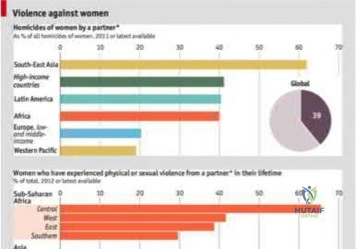
Illustration A is a chart documenting the frequency of female domestic violence throughout the world as of 2012.
Incorrect Answers
Answers 1, 2, 3, 5: These conditions are not consistent with this patient’s history.
Question 26High Yield
Figure 68a is the clinical photograph of a 59-year-old woman who has had a long-standing fungating ulcer on her left lower leg. She states that the ulcer began as a small reddened area and gradually enlarged during the last 4 years. Anteroposterior (AP) and lateral radiographs of her left leg are shown in Figures 68b and 68c. A whole-body bone scan is shown in Figure 68d. An axial T1-weighted MR image is shown in Figure 68e. A CT scan of the pelvis at the level of the groin is shown in Figure 68f. A histologic specimen is shown in Figure 68g. Based on the clinical, radiographic, and histologic information, the diagnosis is


Explanation
The clinical photograph reveals a large ulcerated lesion of the anterior leg. The AP and lateral radiographs reveal the soft-tissue abnormality, and the bone scan reveals increased metabolic activity of the underlying tibia. T1-weighted MR imaging reveals the lesion wrapping around the anterior tibia with loss of subcutaneous tissue. A CT scan of the pelvis reveals an inguinal lymph node. The histology reveals nests of polyhedral cells surrounded by reactive fibrosis. The diagnosis is poorly differentiated squamous cell carcinoma, and the patient has the characteristic findings of a long-standing squamous cell carcinoma with poor differentiation and likely regional lymph node metastasis. The history of a small reddened area does not suggest any of the other diagnoses. Although keratin pearls are not shown in this histologic field, nests of polyhedral cells indicate squamous cell carcinoma. A small subset of patients with squamous cell carcinoma will have advanced disease. Size and differentiation, as well as type of surgical procedure and margins of resection, are of prognostic significance. Sentinel node evaluation for patients at high risk has been suggested, including evaluations for lesions that are larger in size and with poor differentiation, perineural invasion, or compromised immunologic states. The nonpreferred responses are not associated with the clinical presentation of squamous cell carcinoma. Squamous cell carcinomas are keratin positive on immunohistochemistry.
RECOMMENDED READINGS
33. [Kwon S, Dong ZM, Wu PC. Sentinel lymph node biopsy for high-risk cutaneous squamous cell carcinoma: clinical experience and review of literature. World J Surg Oncol. 2011 Jul 19;9:80. doi: 10.1186/1477-7819-9-80. Review. PubMed PMID: 21771334.](http://www.ncbi.nlm.nih.gov/pubmed/21771334)[View Abstract at PubMed](http://www.ncbi.nlm.nih.gov/pubmed/21771334)
34. [North JH Jr, Spellman JE, Driscoll D, Velez A, Kraybill WG, Petrelli NJ. Advanced cutaneous squamous cell carcinoma of the trunk and extremity: analysis of prognostic factors. J Surg Oncol. 1997 Mar;64(3):212-7. PubMed PMID: 9121152.](http://www.ncbi.nlm.nih.gov/pubmed/9121152)[View Abstract at PubMed](http://www.ncbi.nlm.nih.gov/pubmed/9121152)
CLINICAL SITUATION FOR QUESTIONS 69 AND 70
Figure 69a is the radiograph of a 39-year-old woman with metastatic lung cancer who underwent a prophylactic right intramedullary nail procedure. There were no intraoperative or immediate postsurgical problems. Ten hours after surgery, the patient became increasingly confused and agitated. An examination was notable for altered mentation, tachycardia, and new-onset hypoxemia. Chest radiographs were obtained before surgery (Figure 69b) and immediately after symptom onset (Figure 69c).
Question 27High Yield
Which of the following statements best describes how unicompartmental knee arthroplasty (UKA) differs from total knee arthroplasty (TKA)?
Explanation
DISCUSSION: Because UKA does not require cruciate sacrifice, patellofemoral resurfacing, or rotational changes to the femur or tibia, it reliably recreates normal knee kinematics. UKAs have generally demonstrated higher reoperation rates than TKAs at intermediate and long-term follow-up, due in part to progression of arthritis in the nonresurfaced compartments. Mobile bearings have been clinically successful in both UKA and TKA.

REFERENCES: Patil S, Colwell CW Jr, Ezzet KA, et al: Can normal knee kinematics be restored with unicompartmental knee replacement? J Bone Joint Surg Am 2005;87:332-338.
Gioe TJ, Killeen KK, Hoeffel DP, et al: Analysis of unicompartmental knee arthroplasty in a community- based implant registry. Clin Orthop Relat Res 2003;416:111-119.
Question 28High Yield
An 18-year-old female collegiate swimmer has a 1-year history of posterior shoulder pain and popping and a bilateral 2-cm sulcus sign.
Explanation
- Multidirectional instability_
Question 29High Yield
The pathology of the lesion shown in Figures 1 and 2 reveal what cellular pattern?


Explanation
No detailed explanation provided for this question.
Question 30High Yield
A 162-cm, 11-year-old boy who plays baseball year-round has had 6 weeks of progressive left medial elbow pain, which is worse after throwing. He was last seen 4 months prior for calcaneal apophysitis. At that time, his height was 150 cm, and he recovered without missing activities. His examination is notable for full elbow motion, no pain with valgus stress, mild tenderness at proximal medial epicondyle, and negative Tinel's sign. The most significant risk factor for this injury is his
Explanation

Risk factors for elbow pain in young athletes include age (>11 years), height (>150 cm or recent increase), pitcher, days of training, grip strength at least 25 kg, external rotation of the shoulder less than <130°, and increased muscle strength of the shoulder. This patient demonstrated 12-cm growth in a period of 4 months with a height of 162 cm, both being a risk factor for elbow pain in the throwing athlete. None of the other answer choices listed have been demonstrated as risk factors.
Question 31High Yield
While performing posterior cruciate sacrificing knee replacement surgery, the surgeon notes a 15° flexion contracture during trial reduction after the bone cuts and soft tissue balancing. The best option is:
Explanation
This is a common problem. Selection of a smaller polyethylene spacer results in a correction of the flexion contracture but also results in flexion instability as the flexion gap will be larger than the extension gap. First, surgeons should remove any posterior osteophytes from the distal femur. Second, the posterior capsule should be incised. If both of these maneuvers fail to correct the contracture, the surgeon should remove additional bone from the distal femur. The joint line may be raised up to 8 mm when performing posterior stabilized arthroplasties without compromising the result
Question 32High Yield
Which of the following statements best describes what treatment is required for children with adolescent tibia vara?
Explanation
for this condition.
DISCUSSION: Spontaneous resolution of adolescent tibia vara is uncommon. Orthotic treatment has not been shown to be effective. Surgical elevation of the medial tibial plateau is a procedure that is occasionally necessary in individuals with early onset Blount’s disease but is not indicated for individuals with late onset Blount’s disease. Distal femoral varus deformity is commonly present and must be addressed.

2010 Pediatric Orthopaedic Examination Answer Book • 48
REFERENCES: Gordon JE, King DJ, Luhmann SJ, et al: Femoral deformity in tibia vara. J Bone Joint
Surg Am 2006;88:380-386.
Gordon JE, Heidenreich FP, Carpenter CJ, et al: Comprehensive treatment of late-onset tibia vara. J Bone Joint Surg Am 2005;87:1561-1570.


Question 33High Yield
Which of the following methods reduce radiation exposure to a surgeon during fluoroscopic procedures:
Explanation
One of the best ways to limit radiation exposure is to increase distance from the C -arm. Surgeons should always stand on the opposite side of the C -arm and remember the following methods for reducing radiation exposure:
Increase distance (doubling distance reduces exposure by a factor of 4) Inverted position of the C -arm (increases distance)
Shielding: 90% attenuated by 0.25-mm apron
C ollimation (reduces the size of the beam)
Foot pedal to control the fluoroscopy unit (decreases the amount of exposure)
Question 34High Yield
A 20-year-old division 1 collegiate football player presents with an acute left ankle injury. He states that as he was carrying the football, his left foot became trapped under another player while his body was rotated inward, causing a hyperexternal rotation moment to his ankle. He was unable to return to the game secondary to pain and inability to bear weight. Radiographs did not show any fracture. An external rotation stress radiograph is shown in Figure
Explanation
The clinical vignette demonstrates an unstable left ankle syndesmotic injury, also known as a “high ankle sprain”. The distal tibiofibular syndesmosis comprises five structures: the anteroinferior tibiofibular ligament, posteroinferior tibiofibular ligament, the interosseous membrane, the interosseous ligament, and the inferior transverse ligament.
This injury commonly occurs secondary to a forced external rotation motion of the foot. Stable grade 1 strains without diastasis on stress radiographs can be treated with a period of non-weight bearing followed by physical therapy. Unstable injuries, grade 2 and 3, which demonstrate diastasis on external rotation stress radiographs, are commonly treated operatively. Fixation constructs commonly include screw fixation, suture button fixation, or a hybrid combination technique. Naqvi and associates demonstrated more accurate syndesmotic reduction with suture button fixation versus screw fixation. Syndesmotic malreduction has been shown to be an important independent predictor of decreased clinical outcomes. Andersen and associates demonstrated higher AOFAS scores and diminished syndesmotic widening at radiographic follow-up at 2 years with suture button fixation. In a systematic review, Zhang and associates demonstrated higher AOFAS scores, diminished need for implant removal (3.7% vs 40.2%), diminished implant failure, and lower rates of malreduction (1% vs 12%). Thornes and associates demonstrated a faster return to work following suture button fixation versus screw fixation.
Question 35High Yield
A 24-year-old male presents following a motorcycle crash with an isolated injury to his right lower extremity. He has a 3x2cm wound over the fracture site, and he immediately receives Gram positive and Gram negative coverage along with a tetanus booster. The patient is splinted, optimized, and brought to the operating room where the wound is debrided and classified as a Type IIIB fracture. Deemed stable, the plastic surgery team arrives and acutely performs a free flap for coverage, following definitive fixation with an intramedullary nail. All of the following are factors that have been shown to increase infection risk EXCEPT:
Explanation
Time to definitive fixation is not a modifiable risk factor concerning open fractures. The other factors are risk factors that have been studied in regards to infection, and all are more important than definitive fixation. Definitive fixation can wait until complete closure and/or coverage.
When concerning management of open fractures, the most important factor is a thorough debridement. However, the quality of debridement is often not able to be quantified and thus, often not mentioned in studies. While early clinical and animal studies have shown that initial debridement should occur within 6 hours of injury, more recent clinical trials have not found a significant correlation within that urgent time frame, but rather recommend initial debridement as soon as possible within 24 hours. Time to antibiotic administration has been found to have a significant impact in lowering infection risk. Immediate administration in the emergency room is recommended. The ability to cover and/or close an open wound also has a significant impact on infection. Recent studies have recommended placing hardware after fasciotomy closure and have also demonstrated lower infection rates when flaps are placed
within 72 hours of injury.
Pape and Webb concisely review the evolution of open fractures and wound management. The authors describe the early days where amputation was favored, to wet-to-dry dressings, to the advent of negative pressure wound therapy. Throughout, however, the authors emphasize the importance of soft tissue coverage. They also stress the importance of a technically thorough debridement, the most important factor of any wound management.
Scheneker et al. performed a systematic review and meta-analysis of 16 studies to determine if time to the operating room for debridement was an independent, modifiable risk factor in regards to subsequent infection following open tibia fracture. At the time of the study, the gold standard (based on a previous rat model), had recommended initial debridement within 6 hours of injury. The results of this meta-analysis, however, could not find conclusive evidence to suggest that late debridement alone placed the patient at a significantly higher risk for infection. The authors provided a moderate recommendation that initial debridement should occur as soon as possible within 24 hours, although more data is required in order to find a definitive time.
The SPRINT investigators report a landmark study that randomized over 1200 patients to either reamed or unreamed tibial IMN with the primary outcome analyzed as return to the operating room for either non-union treatment or deep infection. A notable difference between the two cohorts was a significantly higher primary event rate in the unreamed group.
Figure A exhibits a distal third open tibia fracture. Incorrect answers:
Answer 1: Antibiotic administration as soon as an open fracture has been
diagnosed is a significant risk factor in minimizing infection risk.
Answer 2: Although a non-quantifiable measure, a thorough debridement is the most important component of treating an open fracture.
Answer 3: Initial animal models cite a 6 hour window to initial debridement, however, clinical trials have not found a significant window that can affect increased or lowered infection risk.
Answer 4: Coverage and/or closure of any open wounds or soft tissue defects is a significant factor in lowering infection risk; when flap coverage is needed, coverage within 72 hours is optimal.
Question 36High Yield
The most appropriate pedorthic management of symptomatic interdigital neuroma involves
Explanation
- a metatarsal pad.
Question 37High Yield
A 78-year-old woman underwent total hip arthroplasty 15 years ago. She reports a recent history of increasing thigh pain prior to a fall and is now unable to ambulate. Radiographs are shown in Figures 87a and 87b. What is the best treatment for this condition?


Explanation


DISCUSSION: Severe periprosthetic fractures after total hip arthroplasty with a loose implant and progressive bone loss are difficult problems for orthopaedic surgeons, with a high complication rate. Recent literature favors the use of long fluted tapered stems that have a long distal taper that may optimally engage the remaining femoral shaft isthmus. Plating options are problematic because the ability to use screws with the plate is limited by the intramedullary stem. Although not the only solution to this problem (such as allograft-prosthetic composites, impaction grafting, tumor prostheses), long distally fixed stems circumvent this problem by enhancing fracture healing and create a long-term prosthetic solution in these most difficult cases.

Scientific References

    : Barrack RL, Booth RE Jr, Lonner JH, et al (eds): Orthopaedic Knowledge Update: Hip and Knee Reconstruction 3. Rosemont, IL, American Academy of Orthopaedic Surgeons, 2006, pp 475503.
    Kwong LM, Miller AJ, Lubinus P: A modular distal fixation option for proximal bone loss in revision total hip
    arthroplasty: A 2- to 6-year follow-up study. J Arthroplasty 2003;18:94-97.

    Figure 88a Figure 88b
Question 38High Yield
Figure 32 is the current right femur lateral radiograph of a 9-year-old boy who went to the emergency department after falling from his skateboard. He has acute right leg pain, deformity, and cannot bear weight. Vascular and neurologic examination findings are normal. His skin is intact; however, he has a healed 3-inch scar on the lateral side of his right thigh. The boy weighs 90 pounds. Treatment should include
Explanation
This patient’s first femur fracture at age 7 was treated with a compression plate after he was struck by a motor vehicle. He sustained a second femur fracture at the end of the plate after a fall from a skateboard. Spica casting typically is recommended patients up to the age of 6 who weigh less than 25 kg. Tibial traction pins are not recommended for children because of risk for injury to the proximal tibial physis. A trochanteric entry rigid nail can be used, but a piriformis entry nail is not recommended for children because of risk for avascular necrosis of the femoral head. Removal of the plate and fixation with flexible titanium nails is a prudent option to fix the transverse fracture with a load-sharing device. Flexible nails are indicated for children weighing up to 50 kg.
CLINICAL SITUATION FOR QUESTIONS 33 THROUGH 36
A 10-year-old girl has right knee pain related to activity. An avid soccer player, she has noted pain after the first 15 minutes of running but no swelling or mechanical symptoms. Radiographs show a large 2-cm osteochondritis dissecans (OCD) lesion.
Question 39High Yield
Which of the following statements is true regarding Lyme disease:
Explanation
Approximately 60% of patients develop arthritic symptoms that primarily affect large joints. The prognosis for most patients is good after treatment with antibiotics.
C ardiac and neurologic symptoms occur in a minority of patients, however, they can be the most serious symptoms. Erythema chronicum migrans is the characteristic skin rash. The rash tends to remit with antibiotic treatment and permanent disfigurement is not typically a problem.
Only 1%-2% of pediatric patients develop chronic arthritis.
Lyme disease may be difficult to diagnose because of the numerous possible presentations.
Question 40High Yield
.Figures 12a through 12c show the radiographs of the closed fracture of a 24-year-old man who sustained an isolated injury to his left foot in a motorcycle crash. He was splinted and, on the following day, he nunderwent open reduction and internal fixation. Postoperative radiographs are shown in Figures 12d through 12f. What is the most likely complication of this injury?


Explanation
No detailed explanation provided for this question.
Question 41High Yield
Which of the following describes the most common organism cultured from septic olecranon bursitis?


Explanation
The most common cultured organism in the setting of septic olecranon bursitis is Staphylococcus aureus (S. aureus), appearing as gram positive cocci in pairs and clusters.
S. aureus is responsible organism in approximately 80% of cases of septic olecranon and prepatellar bursitis. Mixed flora is also common. Patient demographics in both conditions are similar, more commonly involving middle-aged males. Direct inoculation is presumed to be the primary culprit as opposed to hematogenous seeding, as blood supply to the bursal tissue is poor. Differentiating infectious from non-infectious bursitis can be challenging.
Aaron et al. provide a review article on the four most common types of bursitis: olecranon, prepatellar, trochanteric, and retrocalcaneal. They note that olecranon bursitis is the most common superficial bursitis, and that a careful history and physical exam can help differentiate infectious from noninfectious olecranon bursitis. The authors discuss one series of 46 patients demonstrating that a skin temperature overlying the affected bursa ≥2.2°C than the contralateral, unaffected bursa had a 100% sensitivity and 94% specificity in diagnosing a septic process.
Illustration A shows a patient with olecranon bursitis. Illustration B shows the classic gram stain for S. aureus (gram positive cocci in pairs and clusters).
Incorrect Answers:
Answer 1: This appearance is typical of Streptococcus spp.
Answer 2: This appearance is typical of Nocardia and Actinomyces spp. Answer 4: This appearance is typical of Neisseria spp.
Answer 5: This appearance is typical of E coli.
Question 42High Yield
Commercially available polymethylmethacrylate cement formulations vary in the consistency of the material as part of its inherent properties. What is the clinical difference between high- and low-viscosity cement formulations?
Explanation
consistency.
Viscosity is the measure of resistance of a fluid to deform under force or the resistance to flow (ie, thickness of a fluid). The lower the viscosity, the more water-like the bone cement will be; the higher the viscosity, the more doughy the bone cement will be after mixing. Additionally, as the cement polymerizes, the process is broken down into four phases: mixing, waiting, working and hardening. Ideally, we would like a cement to have a short mixing, waiting and hardening time and a long working time. The working time is the period of time during which the cement is manageable to use for cementing implants into place. The cement must penetrate into the cancellous bone for it to function like a “grout” as it is supposed to do. There has been a recent push to use high-viscosity cement in total knee arthroplasty, despite concerns that the doughier cement may not penetrate the bone as well. Based on the properties of cement, high-viscosity cement is doughier with a shorter waiting and mixing time and a longer working time versus low-viscosity cement, which is runnier and has a shorter working time.
Question 43High Yield
Figure 1 is the radiograph of a 6-year-old 40-kg boy who landed awkwardly onto his left leg on a trampoline. He has immediate pain and deformity of the thigh and is unable to ambulate. His canal diameter is 7 cm, and he is treated with two 3.0-mm titanium flexible elastic nails (TENs) and nonweightbearing. His fracture shortens 2 cm postoperatively and falls into 20 degrees of varus angulation. What characteristic is most responsible for the malunion?
Explanation


The image reveals a length-unstable fracture pattern (the length of the fracture line is more than double the cortical width at the level of the fracture). These fractures are associated with higher risk of malunion. TENs with at least 80% canal fill were placed, and his weight is below recommended upper limits (<49 kg).

Question 44High Yield
A 17-year-old man sustained a 5-mm laceration on the lateral aspect of the hindfoot while working on a farm. Examination in the emergency department revealed no fractures. Twenty-four hours later, he returns to the emergency department with increasing foot pain. Thin brown drainage is seen emanating from the wound. He has a temperature of 102.0° F (38.9° C), a pulse rate of 120, and a blood pressure of 80/40 mm Hg. Examination of the foot reveals diffuse swelling, ecchymosis, tenderness, and crepitus with palpation. Current radiographs are shown in Figures 40a and 40b. Management should now consist of
Explanation
The mechanism and environment in which the injury occurred, the clinical picture, and the radiographic findings of gas in the tissues suggest an anaerobic Gram-positive bacterial infection. This can be a life- and limb-threatening infection. Treatment should consist of wide debridement of all devitalized tissue, and intravenous antibiotics should be started. Wounds should be left open to allow bacterial effluent and increase oxygen tension in the wound. Hyperbaric oxygen may be used as an adjuvant but is no substitute for debridement.
REFERENCES: Pellegrini VD, Reid JS, Evarts CM: Complications, in Rockwood CA, Green DP, Bucholz RW, et al (eds): Rockwood and Green’s Fractures in Adults, ed 4. Philadelphia, PA, Lippincott-Raven, 1996, vol 1, pp 458-463.
Ayers DC, Murray DC: Complications of the treatment of fractures and dislocations: General considerations, in Epps Jr CH (ed): Complications in Orthopedic Surgery, ed 4. Philadelphia, PA, JB Lippincott, 1994, pp 3-48.
Question 45High Yield
The net effect of 1,25 dihydroxyvitamin D3 on the calcium and phosphate concentration of the extracellular fluid and serum is:
Explanation
Parathyroid hormone, the active form of vitamin D (1,25 dihydroxyvitamin D), and calcitonin each have a net effect on calcium and phosphorus concentrations in extracellular fluid and serum:
Net Effect
Parathyroid hormone Increased serum calcium
Decreased serum phosphate
Vitamin D3 (1,25 dihydroxyvitamin D) Increased serum calcium
Increased serum phosphate
Calcitonin Decreased serum calcium
(transient) Correct Answer: Increased calcium, increased phosphate
Question 46High Yield
A 10-year-old girl returns for follow-up of a right Salter II distal radius fracture she sustained a year ago. She reports pain and increasing deformity of her wrist. A radiograph and clinical photograph are shown in Figures 23a and 23b. What is the next step in management?

Explanation
DISCUSSION: The radiograph and clinical photograph show a growth arrest of the distal radius on the right. There is shortening and narrowing of the physis of the radius, and there is radial deviation of the hand. Greater than 2 cm of growth still remains in the distal radius of a 10-year-old girl. Epiphysiodesis of both bones bilaterally would leave the same deformity. The first step in treatment is to evaluate the extent of the growth arrest to see if the arrest is resectable. Lengthening of the radius and epiphysiodesis of the ulna could restore the proper length and alignment and would be the treatment of choice if the arrest was not resectable. Osteotomy of the radius and ulna would not address the growth disturbance.

REFERENCES: Pritchett JW: Growth and development of the distal radius and ulna. J Pediatr Orthop 1996;16:575-577.
Waters PM, Bae DS, Montgomery KD: Surgical management of posttraumatic distal radial growth arrest in adolescents. J Pediatr Orthop 2002;22:717-724.

Figure 24
Question 47High Yield
Scoliosis in Marfan syndrome is characterized by which of the following:
Explanation
Scoliosis curves are much more likely to begin in the juvenile period than idiopathic scoliosis.
There is no significant difference in the likelihood of left thoracic curves in Marfan syndrome. Brace treatment is less likely to be successful in Marfan syndrome than in idiopathic scoliosis. Marfan patients with scoliosis are more likely to have back pain.
Marfan curves are more likely to progress in adulthood.
Question 48High Yield
A 28-year-old woman is having low back pain that wakes her up at night. A CT scan reveals a lytic lesion in the fifth lumbar vertebrae shown in Figure

Explanation

The patient has a giant cell tumor. Surgery remains the standard of care; however, the monoclonal antibody against RANKL has been shown to be effective in preventing tumor progression, and it is an effective nonsurgical option. Radiation is not recommended, as this is a benign tumor and the patient is young. En bloc resection has been shown to be effective, but the patient is hoping to avoid surgery. Bisphosphonates are not an effective treatment for giant cell tumors.
Question 49High Yield
The mean C obb measurement for idiopathic scoliosis curves with a 7° angle of trunk rotation (ATR) is:
Explanation
Although the angle of trunk rotation (ATR) does not convert directly to a C obb angle, there are population-based figures for mean curve at each ATR. The mean C obb angle for curves having a 7° ATR is 20°.
Question 50High Yield
Which metal ion concentrates in the epithelial cells of the proximal tubules and can impair renal function, induce tubular necrosis, and cause marked interstitial changes in experimental animals and humans:
Explanation
Cr is concentrated in the epithelial cells of the proximal renal tubules and can impair renal function, induce tubular necrosis, and cause marked interstitial changes in experimental animals and humans. Indicators of tubular dysfunction have been identified in human objects exposed to Cr (VI) through occupation. Al, Ni, and Co are all rapidly excreted by the kidney, hence renal toxicity tends to require significantly larger doses

You Might Also Like

Dr. Mohammed Hutaif
Medically Verified Content by
Prof. Dr. Mohammed Hutaif
Consultant Orthopedic & Spine Surgeon
Chapter Index
