Excision of Heterotopic Ossification of the Elbow: A Masterclass in Surgical Management
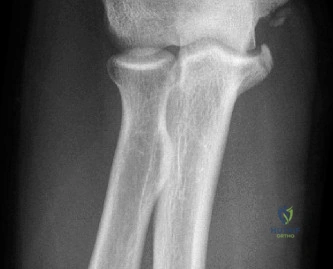
Key Takeaway
Heterotopic ossification (HO) of the elbow severely restricts range of motion and function. Surgical excision aims to restore joint kinematics through meticulous subperiosteal resection while protecting critical neurovascular structures, particularly the ulnar and radial nerves. This comprehensive guide details the posterolateral, medial, and anterior surgical approaches, highlighting indications, biomechanical considerations, step-by-step techniques, and evidence-based postoperative prophylaxis protocols essential for preventing recurrence and optimizing clinical outcomes.
Comprehensive Introduction and Patho-Epidemiology
Heterotopic ossification (HO) represents one of the most formidable complications encountered in orthopedic elbow surgery, characterized by the aberrant formation of mature, lamellar bone within non-osseous soft tissues. The elbow joint is uniquely and disproportionately susceptible to this pathology compared to other major articulations. When ectopic bone bridges the highly conforming humeroulnar or radiocapitellar joints, or obliterates the olecranon and coronoid fossae, the result is profound stiffness, rigid mechanical blocks to motion, and severe impairment of activities of daily living (ADLs). The functional arc of elbow motion—defined classically by Morrey as 30° to 130° of flexion, with 50° of pronation and 50° of supination—is easily compromised by even minute volumes of strategically located ectopic bone.
The pathophysiology of heterotopic ossification is driven by a complex, multi-factorial cascade involving osteoinductive factors, osteoprogenitor cells, and a permissive local tissue environment. Following severe trauma, thermal injury, or central nervous system insult, a profound local and systemic inflammatory response is triggered. Upregulation of bone morphogenetic proteins (BMPs), particularly BMP-2, BMP-4, and BMP-9, stimulates the differentiation of pluripotent mesenchymal stem cells (residing in muscle fascia, perivascular spaces, and interstitial tissues) into chondrocytes and osteoblasts. This endochondral ossification process is further fueled by inflammatory cytokines such as Interleukin-1 (IL-1), Interleukin-6 (IL-6), and Tumor Necrosis Factor-alpha (TNF-α), alongside profound tissue hypoxia and altered local pH.
Epidemiologically, HO of the elbow is categorized into three primary etiologies: traumatic, neurogenic, and burn-related. Traumatic HO is the most prevalent, complicating up to 20% to 30% of severe elbow injuries, particularly "terrible triad" fracture-dislocations, transolecranon fracture-dislocations, and comminuted distal humerus fractures. Neurogenic HO occurs in 10% to 20% of patients with severe traumatic brain injury (TBI) or spinal cord injury (SCI), often presenting as massive, bridging ossification within the brachialis or triceps muscle bellies. Burn-related HO is seen in patients with severe thermal injuries (typically >20% total body surface area), with a distinct predilection for the posteromedial elbow and early, dense encasement of the ulnar nerve.
Historically, the timing of surgical intervention was dictated by the concept of "bone maturity." Surgeons were dogmatically taught to wait 12 to 18 months post-injury, utilizing normalization of serum alkaline phosphatase and quiescent three-phase technetium-99m bone scintigraphy as prerequisites for excision. This delayed paradigm often resulted in prolonged patient disability, severe secondary articular cartilage degradation due to immobility, and fixed capsular contractures. Contemporary evidence and advanced imaging have drastically shifted this paradigm. Modern orthopedic consensus supports earlier excision—typically 4 to 6 months post-injury—once the patient's range of motion has definitively plateaued despite aggressive therapy, and high-resolution computed tomography (CT) demonstrates sharply demarcated, corticated margins of the ectopic bone mass.
Detailed Surgical Anatomy and Biomechanics
A masterful excision of elbow heterotopic ossification requires an intimate, three-dimensional understanding of elbow anatomy, kinematics, and the spatial relationships of crossing neurovascular structures. The elbow is a highly constrained, trochoginglymoid (hinge-pivot) joint dependent on precise osseous articulation and complex ligamentous balancing. The humeroulnar joint functions primarily as a uniaxial hinge, while the radiocapitellar and proximal radioulnar joints (PRUJ) facilitate forearm rotation. Ectopic bone frequently disrupts these distinct kinematic pathways. For example, ossification within the olecranon fossa selectively blocks terminal extension, whereas a synostosis extending from the bicipital tuberosity to the proximal ulna will completely obliterate pronosupination while potentially sparing the flexion-extension arc.
The ligamentous constraints of the elbow are frequently embedded within or adjacent to the heterotopic bone mass, making their preservation during resection a paramount surgical challenge. The medial collateral ligament (MCL) complex, specifically the anterior bundle, is the primary restraint to valgus stress. During medial HO excision, aggressive subperiosteal dissection along the sublime tubercle of the ulna risks iatrogenic MCL disruption. Conversely, on the lateral side, the lateral ulnar collateral ligament (LUCL) is the primary restraint to posterolateral rotatory instability (PLRI). Traumatic HO frequently forms a dense bony bridge between the lateral epicondyle and the supinator crest of the ulna—the exact anatomic footprint of the LUCL. Resecting this bridge without destabilizing the joint requires meticulous technique and often necessitates concurrent ligamentous reconstruction.
Neurovascular anatomy dictates the surgical approach and represents the highest source of perioperative morbidity. The ulnar nerve is the most frequently compromised structure, particularly in burn-related and severe traumatic HO. It courses posterior to the medial epicondyle through the cubital tunnel, bounded by the Osborne ligament and the two heads of the flexor carpi ulnaris (FCU). Ectopic bone frequently obliterates this tunnel, encasing the nerve in a rigid cortical cylinder. The radial nerve, traversing the lateral intermuscular septum and dividing into the posterior interosseous nerve (PIN) and superficial radial nerve anterior to the radiocapitellar joint, is at extreme risk during anterior excisions. The PIN dives beneath the arcade of Frohse, a region prone to heterotopic bridging in proximal radioulnar synostosis.
The median nerve and brachial artery, located medially within the anterior compartment, are less frequently encased by HO but are highly vulnerable during the release of severe flexion contractures or the excision of massive anterior brachialis ossifications. The surgeon must appreciate that heterotopic bone severely distorts normal tissue planes. Muscles become atrophic and fibrotic, and standard anatomical landmarks (such as the medial epicondyle or the lateral supracondylar ridge) may be completely engulfed. Therefore, neurovascular structures must be identified in virgin tissue proximally and distally, and traced meticulously into the zone of pathology using microsurgical neurolysis techniques.
Exhaustive Indications and Contraindications
Surgical intervention for heterotopic ossification of the elbow is a major undertaking that must be carefully justified. The primary indication is a rigid, mechanical block to motion that prevents the patient from achieving the functional arc of motion necessary for ADLs. This is clinically differentiated from a soft-tissue capsular contracture by a firm, unyielding endpoint on physical examination and corresponding osseous bridging on imaging. Furthermore, patients must have demonstrated a clear plateau in their range of motion despite at least 3 to 4 months of compliant, aggressive physical therapy and dynamic splinting.
Neurological compromise is an absolute and often urgent indication for surgical intervention. Ulnar neuropathy, presenting as intrinsic muscle wasting, clawing, or profound sensory deficits in the ring and small fingers, frequently results from direct compression or encasement by posteromedial ectopic bone. In these scenarios, early intervention for nerve decompression and transposition may be indicated even before the heterotopic bone has fully matured, to prevent irreversible axonal loss. Similarly, impending skin breakdown over massive, prominent ectopic bone (particularly in SCI or TBI patients with insensate skin) serves as a critical indication for excision.
Contraindications must be rigorously evaluated to prevent catastrophic postoperative failures. Active systemic or local infection is an absolute contraindication; any suspicion of septic arthritis or osteomyelitis must be definitively ruled out via joint aspiration and inflammatory markers prior to addressing the HO. Severe, uncontrolled spasticity in a neurogenic patient, without a concomitant plan for tone management (e.g., botulinum toxin injections, baclofen pump optimization), represents a strong relative contraindication, as the relentless muscle overactivity will inevitably tear surgical repairs and drive rapid HO recurrence.
| Indication / Contraindication | Category | Clinical Rationale and Surgical Implications |
|---|---|---|
| Rigid Mechanical Block | Absolute Indication | Ectopic bone physically preventing the 30°–130° functional arc. Requires complete osseous resection and fossa decompression. |
| Progressive Neuropathy | Absolute Indication | Encasement of ulnar or radial nerve causing motor/sensory deficits. Demands immediate neurolysis and possible transposition. |
| Impending Skin Breakdown | Absolute Indication | Massive HO causing pressure necrosis, especially in insensate patients. Requires debulking to prevent deep joint space infection. |
| Active Local/Systemic Infection | Absolute Contraindication | Surgery in an infected bed will lead to septic arthritis, hardware failure, and disastrous outcomes. Must eradicate infection first. |
| Uncontrolled Severe Spasticity | Relative Contraindication | Relentless hypertonia will destroy soft tissue repairs, prevent CPM use, and highly correlate with massive HO recurrence. |
| Radiographically "Immature" HO | Relative Contraindication | Fluffy, ill-defined bone on CT suggests active osteogenesis. Operating too early historically increases recurrence risk, though paradigms are shifting. |
| Medical Instability (e.g., severe TBI) | Relative Contraindication | Patient cannot tolerate prolonged anesthesia, massive blood loss, or the rigorous postoperative rehabilitation protocol required. |
Pre-Operative Planning, Templating, and Patient Positioning
Thorough preoperative evaluation is the bedrock of successful HO excision. The clinical examination must meticulously document the exact degrees of active and passive motion, noting the quality of the endpoint. A rigid, sudden stop implies an osseous block, whereas a rubbery, springy endpoint suggests a predominant soft-tissue contracture. A comprehensive neurological examination is mandatory, documenting the baseline function of the ulnar, radial, median, and anterior interosseous nerves. Any pre-existing deficits must be explicitly discussed with the patient and documented medicolegally, as the risk of iatrogenic nerve injury during complex HO excision is significant.
Standard orthogonal radiographs (anteroposterior and true lateral) provide a baseline assessment, but a high-resolution Computed Tomography (CT) scan with 3D reconstructions is the absolute definitive imaging modality. The CT scan allows the surgeon to perform volumetric mapping of the ectopic bone, identify the exact relationship of the HO to the native articular surface, and assess the patency of the olecranon and coronoid fossae. Crucially, the 3D CT helps anticipate areas of neurovascular encasement—such as identifying a complete bony tunnel surrounding the ulnar nerve—allowing the surgeon to plan the exact trajectory of the neurolysis. Advanced centers increasingly utilize 3D-printed biomodels to tactilely plan the osteotomies and anticipate the required depth of resection.
Patient positioning is critical for optimal visualization and access. While some surgeons prefer the supine position with the arm draped across the chest, the lateral decubitus position is highly recommended for complex, multi-compartment HO excision. In the lateral decubitus position, the arm is supported over a padded post, allowing gravity to assist with elbow flexion and providing unobstructed, 360-degree access to the posterior, medial, and lateral compartments. A sterile tourniquet is applied high on the brachium. The use of a sterile tourniquet, rather than a non-sterile one, maximizes the surgical field, which is essential if proximal extension of the incision is required to trace the radial or ulnar nerves into virgin territory.
Preoperative templating must also account for the potential need for ligamentous reconstruction or soft tissue coverage. The surgeon must have suture anchors, allograft tendons (e.g., palmaris longus or plantaris), and hinged external fixators available on standby. If the HO excision inadvertently compromises the LUCL or MCL, immediate reconstruction is mandatory to prevent postoperative subluxation. Furthermore, in cases of severe burn-related HO with compromised soft tissue envelopes, preoperative consultation with a plastic surgeon is advised to plan for potential local rotational flaps or split-thickness skin grafting if primary closure cannot be achieved without excessive tension.
Step-by-Step Surgical Approach and Fixation Technique
The surgical approach is dictated by the precise anatomical location of the heterotopic bone, but a universal posterior midline skin incision is overwhelmingly preferred. This incision allows access to all compartments of the elbow through the elevation of thick, full-thickness fasciocutaneous flaps, minimizing the risk of skin necrosis associated with multiple parallel incisions. The dissection must be meticulous, utilizing a strict subperiosteal technique to minimize bleeding and prevent the violation of adjacent healthy muscle tissue, which is a known trigger for recurrent ossification.
Posterolateral Excision
The posterolateral approach is the workhorse for traumatic HO, specifically targeting the common bony bridge between the lateral condyle and the olecranon. Following the posterior skin incision, full-thickness subcutaneous flaps are developed laterally. The triceps mechanism is mobilized; depending on the extent of the HO, a triceps-reflecting (Bryan-Morrey), triceps-sparing (triceps-on), or triceps-splitting approach may be utilized. A triceps-sparing approach is preferred when possible to allow immediate postoperative active extension. The ectopic bone is exposed subperiosteally.
Resection of the bony bridge is performed using a combination of sharp osteotomes and high-speed burrs (such as a 5mm coarse diamond or cutting burr). The surgeon must identify the native joint line, which is often obscured. Once the central portion of the bridge is resected, dynamic clearance is performed by manually flexing and extending the elbow to identify remaining impingement points. Meticulous decompression of the olecranon fossa is mandatory; ectopic bone here is a primary culprit for loss of terminal extension. The fossa is cleared until the tip of the olecranon seats perfectly without impingement. If the LUCL is compromised during lateral resection, fixation and reconstruction using suture anchors at the isometric point on the lateral epicondyle must be performed immediately.
Medial Excision and Ulnar Nerve Management
Medial excision is fraught with peril due to the ulnar nerve. The critical first step is the identification of the ulnar nerve proximally in the posterior compartment of the arm, well above the zone of ossification and scarring. Once identified in virgin tissue, the nerve is traced distally using vessel loops. In severe cases, the nerve may be completely encased in a tunnel of ectopic bone. Osteotomes must never be used near an encased nerve due to the high risk of concussive neuropraxia, crush injury, or outright transection. Instead, a high-speed diamond burr is used to carefully unroof the bony tunnel under loupe magnification.
Once the nerve is completely freed, the medial triceps expansion is elevated to access the posteromedial gutter. The medial ectopic bone is resected subperiosteally. If the bone extends significantly anteriorly, the anterior bundle of the MCL must be identified and protected. Following medial resection, an ulnar nerve transposition is almost always necessary to prevent postoperative tethering or neuritis against the raw bony bed. Depending on the quality of the soft tissues, a subcutaneous or submuscular transposition is performed, securing the fascial sling with non-absorbable sutures to prevent nerve subluxation back into the epicondylar groove.
Anterior Excision and Radial Nerve Protection
Anterior excision is indicated for neurogenic HO within the brachialis or traumatic HO blocking the coronoid fossa. This approach carries an exceptionally high risk to the radial nerve. Exposure is typically achieved via a lateral supracondylar approach, elevating the origins of the brachioradialis and the extensor carpi radialis longus (ECRL) from the lateral supracondylar ridge. The radial nerve must be identified in the interval between the brachialis and the brachioradialis, isolated with a vessel loop, and gently retracted laterally.
The brachialis muscle is then elevated off the anterior capsule. In neurogenic HO, the bone is often intimately mixed with the brachialis muscle fibers. The resection proceeds systematically, separating the ectopic bone from the native anterior humerus. Special attention is paid to clearing the coronoid fossa to restore full elbow flexion. The anterior capsule is frequently contracted and may require a complete capsulectomy. During deep medial dissection within the anterior compartment, the surgeon must remain cognizant of the median nerve and brachial artery, ensuring retractors are placed carefully to avoid traction injuries.
Closure, Hemostasis, and Soft Tissue Fixation
Meticulous closure is as critical as the resection itself. Poor hemostasis leads to hematoma formation, which provides a rich, osteoinductive scaffold for recurrent ossification. The sterile tourniquet must be deflated prior to closure to allow for the identification and electrocautery of all bleeding vessels. Bone wax may be used sparingly on raw cancellous bone surfaces to control marrow bleeding. Deep suction drains are mandatory and are typically left in place for 24 to 48 hours to evacuate postoperative hematomas.
Crucially, the joint capsule must not be closed. Leaving the capsule open accommodates postoperative swelling, allows for immediate continuous passive motion (CPM), and prevents secondary capsular contracture. If a triceps-reflecting approach was utilized, robust fixation of the triceps tendon back to the olecranon is performed using heavy non-absorbable sutures through transosseous drill holes (e.g., Krackow technique). The fascia and skin are closed in layers, and a bulky, soft, compressive dressing is applied. Rigid casting is strictly contraindicated, as it defeats the purpose of the release.
Complications, Incidence Rates, and Salvage Management
The surgical excision of elbow HO is inherently high-risk, with complication rates significantly exceeding those of standard contracture releases. The most devastating complication is the recurrence of heterotopic ossification, which historically occurred in up to 30% of cases but has been reduced to 10-15% with modern prophylactic regimens. Recurrence is driven by inadequate resection, postoperative hematoma, failure of prophylaxis, or severe patient non-compliance with rehabilitation.
Peripheral nerve injury is the second most common complication. Transient ulnar neuropraxia occurs in 5% to 10% of cases, often due to traction during neurolysis or transposition. Radial nerve palsy is less common (2-5%) but is a known risk during anterior brachialis excisions. Iatrogenic instability is a catastrophic complication resulting from overzealous resection of the collateral ligaments or the native epicondyles. If the LUCL or MCL is compromised and not recognized intraoperatively, the patient will develop profound rotatory instability, leading to rapid joint destruction.
Postoperative infection and wound breakdown occur in approximately 3-5% of cases, particularly in burn patients or those with compromised soft tissue envelopes. Deep infections require immediate surgical debridement, targeted intravenous antibiotics, and potentially the removal of any suture anchors or hardware used for ligamentous fixation. Hematoma formation, if significant, requires urgent evacuation to prevent tension on the skin closure and to remove the osteoinductive blood clot.
| Complication | Estimated Incidence | Prevention and Salvage Management Strategies |
|---|---|---|
| Recurrence of HO | 10% - 15% | Prevention: Strict subperiosteal dissection, hematoma evacuation, radiation/NSAID prophylaxis. Salvage: Wait for plateau (6-12 months), optimize prophylaxis plan, and perform revision excision. |
| Ulnar Neuropathy | 5% - 10% | Prevention: Proximal identification, diamond burr unroofing, routine anterior transposition. Salvage: EMG/NCS at 3 months. If no recovery, explore for tethering/compression and perform revision neurolysis. |
| Iatrogenic Instability | 2% - 5% | Prevention: Identify and protect MCL/LUCL footprints. Avoid aggressive epicondylar resection. Salvage: Acute: Suture anchor repair. Chronic: Tendon allograft reconstruction (e.g., palmaris longus) or hinged external fixator. |
| Deep Joint Infection | 3% - 5% | Prevention: Meticulous soft tissue handling, prophylactic antibiotics, tension-free closure. Salvage: Urgent I&D, deep cultures, prolonged IV antibiotics, retention of drains. |
| Radial Nerve Palsy | 2% - 5% | Prevention: Direct visualization in the brachialis/brachioradialis interval during anterior approach. Salvage: Expectant management with dynamic extension splinting. Tendon transfers if no recovery by 12 months. |
| Hematoma Formation | 5% - 8% | Prevention: Deflate tourniquet before closure, meticulous electrocautery, deep suction drains. Salvage: Urgent bedside or operative evacuation to prevent skin necrosis and HO recurrence. |
Phased Post-Operative Rehabilitation Protocols
The surgical excision of heterotopic ossification is merely the first phase of a comprehensive treatment paradigm. Without immediate, aggressive, and highly structured postoperative rehabilitation, the recurrence of stiffness and ectopic bone is virtually guaranteed. The rehabilitation protocol is divided into distinct phases, requiring close collaboration between the orthopedic surgeon, the physical therapist, and the patient.
Phase 1: Immediate Mobilization and Prophylaxis (Days 0 to 14)
The primary goal of Phase 1 is the immediate restoration of the intraoperative arc of motion and the initiation of HO prophylaxis. Continuous Passive Motion (CPM) is initiated in the recovery room or on postoperative day one. The patient is instructed to use the CPM machine for 18 to 22 hours a day, alternating between maximum tolerated flexion and extension. Pain management is critical during this phase; regional anesthesia (such as indwelling supraclavicular or axillary nerve catheters) is highly recommended to facilitate tolerance of the CPM.
Simultaneously, prophylactic modalities must be administered to prevent the differentiation of mesenchymal stem cells into osteoblasts. A dual-modality approach is the gold standard for high-risk patients. Radiation therapy, consisting of a single fraction of 700 cGy (Centigray), is administered to the surgical field within 24 to 48 hours postoperatively. Radiation effectively destroys rapidly dividing osteoprogenitor cells. Pharmacological prophylaxis is initiated concurrently; Indomethacin, a potent non-selective COX inhibitor, is prescribed at 75 mg daily (either 25 mg TID or 75 mg sustained release) for 3 to 6 weeks. Indomethacin halts prostaglandin synthesis, a mandatory step in endochondral bone formation. Gastrointestinal prophylaxis (e.g., Proton Pump Inhibitors) must be co-administered.
Phase 2: Active Motion and Splinting (Weeks 2 to 6)
As postoperative edema subsides and the surgical incisions heal, the reliance on CPM decreases, and the focus shifts to Active-Assisted Range of Motion (AAROM) and Active Range of Motion (AROM). Physical therapy sessions emphasize terminal stretching and neuromuscular re-education. During periods of rest, static progressive splinting or dynamic splinting is introduced. Patients typically alternate between a static progressive extension splint during the day and a flexion splint at night. The exact splinting regimen is tailored to the patient's specific directional deficits. Heavy lifting and forceful passive manipulation by the therapist are strictly avoided to prevent capsular tearing and subsequent inflammatory flare-ups.
Phase 3: Strengthening and Refractory Management (Weeks 6 and Beyond)
At 6 weeks, assuming radiographic stability and clinical healing of any triceps or ligamentous repairs, progressive strengthening of the biceps, triceps, and forearm musculature is initiated. The patient continues with aggressive self-stretching and dynamic splinting. If, despite optimal surgical technique and compliance, a patient fails to progress or begins to lose significant motion around the 6-to-8-week mark, a gentle Manipulation Under Anesthesia (MUA) may be considered. This procedure is fraught with risk and must be performed with extreme caution. The osteopenic bone of the distal humerus is highly susceptible to fracture, and newly healed soft tissues can easily rupture. MUA is typically combined with an intra-articular corticosteroid injection to blunt the subsequent inflammatory response.
Summary of Landmark Literature and Clinical Guidelines
The modern surgical management of elbow heterotopic ossification is built upon decades of foundational research, classification systems, and evolving clinical guidelines. A comprehensive understanding of this literature is essential for the academic orthopedic surgeon.
The classification of HO is heavily guided by the Hastings and Graham Classification (1994), which remains the most widely utilized system for traumatic HO of the elbow. It categorizes HO based on radiographic appearance and functional limitation:
* Class I: Radiographic HO without functional limitation.
* Class II: Radiographic HO with functional limitation (subdivided into IIA for flexion/extension block, IIB for pronation/supination block, and IIC for both).
* Class III: Complete osseous ankylosis (subdivided into IIIA for humeroulnar/humeroradial, IIIB for radioulnar, and IIIC for both).
This classification dictates surgical indications, with Classes II and III representing the primary candidates for operative excision.
The foundational principles of elbow kinematics and the functional arc of motion were established by Bernard Morrey et al. in the 1980s. Morrey's biomechanical studies demonstrated that the vast majority of ADLs can be accomplished with an arc of 30° to 130° of flexion and 50° of pronation/supination. This functional arc remains the universal target for all HO excision surgeries. Furthermore, Morrey's later work heavily influenced the shift in surgical timing, demonstrating that early excision (at 6 months) combined with modern prophylaxis yields outcomes equivalent or superior to delayed excision (at 18 months), while sparing the patient a year of profound disability.
In the realm of neurogenic HO, the Garland Classification provides the framework for assessing ectopic bone in TBI and SCI patients, emphasizing the unique planar growth and muscular involvement characteristic of central nervous system insults.
Regarding prophylaxis, extensive meta-analyses and randomized controlled trials have shaped current clinical guidelines. Burd et al. (2001) and subsequent Cochrane reviews have established that both localized radiation therapy (700-800 cGy) and NSAIDs (Indomethacin) are highly effective in preventing recurrence. While historically debated, recent consensus suggests that radiation may offer a slight superiority in high-risk, multi-compartment traumatic cases, whereas Indomethacin is sufficient for lower-risk or single-compartment excisions. The combination of both modalities is increasingly utilized in massive neurogenic or burn-related cases, though the surgeon must weigh the increased risks of nonunion if concomitant fractures or osteotomies are present.
Ultimately, the literature underscores that the successful management of heterotopic ossification is not isolated to the operating room. It is a highly orchestrated continuum of care requiring precise surgical execution, rigorous pharmacological prophylaxis, and relentless postoperative rehabilitation.
