
العربية
Comprehensive Master Guide · Medically Reviewed

Orthopedic Ob Reconstru Review | Dr Hutaif Hip & Knee R -...

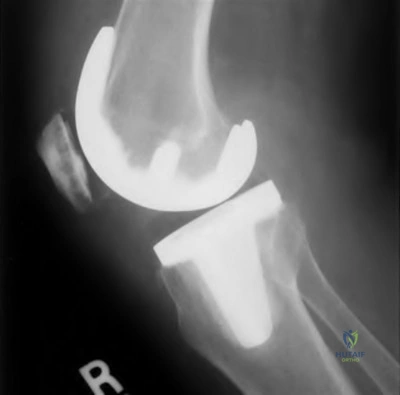
ORTHOPEDIC MCQS ONLINE OB 20 1D RECONSTRUCTION A 77-year-old man who had right total knee replacement surgery 2½ years ago has had knee pain since surgery. The…

15 Detailed Chapters
54 min read
Updated: Apr 2026
Dr. Mohammed Hutaif Clinic
Medically Reviewed by
Prof. Dr. Mohammed Hutaif Clinic
Verified Content Expert Reviewed

Quick Medical Answer

Here are the crucial details you must know about ORTHOPEDIC MCQS ONLINE OB 20 RECONSTRUCTION 1D. Complications in joint replacement often involve deep infection, diagnosed via inflammatory markers and aspiration, or osteolysis caused by wear particles. While metal-on-metal implants can induce wear-related osteolysis, advanced materials like **highly crosslinked polyethylene** are engineered to significantly reduce particle generation and subsequent osteolysis, thus improving implant durability.

Ace Your Orthopedic Exam: Highly Crosslinked Polyethylene MCQs

Orthopedic Ob Reconstru Review | Dr Hutaif Hip & Knee R -...

Comprehensive 100-Question Exam


00:00

Start Quiz

Question 1

During a primary total knee arthroplasty, the surgeon evaluates the gaps and finds the knee is tight in extension and symmetrical in flexion. Which of the following is the most appropriate next step in management?


Explanation

A tight extension gap with a balanced flexion gap is treated by resecting more distal femur. This increases the extension gap without affecting the flexion gap. Recutting the tibia would affect both gaps simultaneously. Upsizing the femoral component would decrease the flexion gap. Releasing the PCL primarily affects the flexion gap (increases it).

Question 2

To improve patellar tracking during a total knee arthroplasty without modifying the patellar cut itself, which of the following component position changes is most effective?


Explanation

To improve patellar tracking, the femoral component can be externally rotated or translated laterally. The tibial component can also be externally rotated, or the patellar component can be medialized. Internal rotation of femoral or tibial components, medialization of the femur, or lateralizing the patella will worsen tracking and increase the Q angle.

Question 3

A 72-year-old female presents with recurrent posterior dislocation of her total hip arthroplasty. Intraoperatively, the acetabular cup is found to be well-fixed in 30 degrees of abduction and 0 degrees of anteversion. The femoral stem is well-fixed in 15 degrees of anteversion. Which of the following is the most appropriate management?


Explanation

The safe zone for acetabular cup placement is typically 40 +/- 10 degrees of abduction and 15 +/- 10 degrees of anteversion. The cup in this patient is placed in 0 degrees of anteversion, which predisposes to posterior dislocation. Because the cup position is the primary cause of instability, the most appropriate treatment is revision of the cup to increase anteversion.

Question 4

A 78-year-old female sustains a periprosthetic femur fracture around a cemented total hip arthroplasty stem. Radiographs demonstrate a fracture at the tip of the stem. The stem is radiographically loose, but there is excellent bone stock proximally and distally. What is the Vancouver classification and appropriate treatment?


Explanation

Vancouver B2 fractures occur around or just distal to the stem tip, with a loose stem but adequate bone stock. The standard of care is revision arthroplasty bypassing the fracture with a long stem (often a fully porous-coated or fluted tapered stem) to achieve diaphyseal fixation, rather than osteosynthesis alone.

Question 5

In modern total hip arthroplasty, highly cross-linked polyethylene is commonly used to reduce wear. What is the primary purpose of remelting the polyethylene after it undergoes gamma irradiation?


Explanation

Gamma irradiation cross-links the polyethylene, significantly increasing its wear resistance. However, it also leaves free radicals within the material structure. If left untreated, these free radicals lead to oxidation and embrittlement in vivo. Remelting (heating above the melting point) quenches these free radicals, preventing oxidation, though it slightly reduces the mechanical strength compared to annealing.

Question 6

In a posterior-stabilized (PS) total knee arthroplasty design, what is the primary biomechanical function of the cam-and-post mechanism?


Explanation

In a posterior-stabilized (PS) knee, the posterior cruciate ligament (PCL) is sacrificed. The PCL's native role includes causing the femur to roll posteriorly on the tibia during deep flexion. The cam on the femoral component engages the post on the tibial insert, mechanically forcing the femur to translate posteriorly (femoral rollback), which clears the posterior tibia and improves maximum flexion.

Question 7

Which of the following is considered an absolute contraindication to medial unicompartmental knee arthroplasty (UKA)?


Explanation

Inflammatory arthritis (e.g., rheumatoid arthritis) remains an absolute contraindication to UKA because the disease systemically affects all compartments of the joint, leading to early failure. The classic Kozinn and Scott criteria included weight, age, patellofemoral arthritis, and ACL deficiency, but these have largely become relative or debated contraindications in modern practice.

Question 8

A 55-year-old man with a metal-on-metal total hip arthroplasty presents with groin pain and a palpable mass. MRI shows a large cystic mass communicating with the joint. Blood cobalt and chromium levels are significantly elevated. Histopathology of the excised periprosthetic tissue is most likely to show:


Explanation

The presentation is classic for an Adverse Local Tissue Reaction (ALTR) or Aseptic Lymphocytic Vasculitis-Associated Lesion (ALVAL) secondary to metal wear debris in a metal-on-metal THA. Histologically, ALVAL is characterized by a dense perivascular lymphocytic infiltrate (indicating a delayed hypersensitivity type IV reaction) alongside macrophages containing fine metallic particulate debris.

Question 9

During TKA, the surgeon decides to use an intramedullary guide for distal femoral resection. If the patient has a significant lateral femoral bowing that is not radiographically recognized, what is the most likely error in the coronal plane alignment of the femoral component?


Explanation

An intramedullary guide references the anatomic axis of the distal femur. In the presence of significant lateral (varus) femoral bowing, the anatomic axis of the distal segment deviates laterally relative to the true mechanical axis of the entire femur. If the standard 5-7 degree valgus cut angle is blindly applied using the intramedullary guide, the distal cut will be in excessive valgus relative to the true mechanical axis.

Question 10

A patient presents with pain and swelling 5 years after a primary THA utilizing a large metal head on a highly cross-linked polyethylene liner with a titanium stem. Joint aspiration is negative for infection, but serum cobalt levels are markedly elevated while chromium levels are normal or slightly elevated. What is the most likely source of the metal ions?


Explanation

In a metal-on-polyethylene THA, elevated serum cobalt levels with normal or near-normal chromium levels are the classic signature of mechanically assisted crevice corrosion (MACC) at the head-neck taper junction (trunnionosis). Bearing surface wear does not produce this ion profile in a non-metal-on-metal articulation.

Question 11

In revision total hip arthroplasty, a Paprosky Type IIIB acetabular defect is specifically characterized by which of the following findings?


Explanation

Paprosky Type IIIB defects involve severe acetabular bone loss with non-supportive rims. They are defined by superior migration of the hip center >3 cm, medial migration (often violating Kohler's line), an absent teardrop, and severe ischial osteolysis. Type IIIC indicates pelvic discontinuity.

Question 12

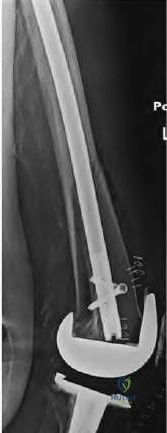
A 68-year-old female is undergoing a revision total knee arthroplasty. Intraoperatively, she is found to have a completely deficient medial collateral ligament (MCL) but an intact lateral collateral ligament (LCL) and extensor mechanism. Which of the following constraint levels is required for her revision prosthesis?


Explanation

A grossly incompetent or absent MCL in the setting of TKA is a strict indication for a hinged prosthesis (typically a rotating hinge). A Constrained Condylar Knee (CCK) relies on functional collateral ligaments to provide a checkrein to its varus-valgus post; if the MCL is completely deficient, a CCK is contraindicated as the post will fail from repetitive stress.

Question 13

Which of the following statements best describes the mechanical design principle of a 'taper-slip' cemented femoral stem (e.g., Exeter stem)?


Explanation

Taper-slip cemented stems are collarless, highly polished, and double-tapered. They are engineered to slightly subside within the cement mantle under axial load. This subsidence acts like a wedge, creating radial compressive forces that strengthen the cement-bone interface and transform shear forces into more favorable compressive forces on the surrounding bone.

Question 14

During total hip arthroplasty via a posterior approach, the surgeon utilizes the transverse acetabular ligament (TAL) to guide cup positioning. Aligning the opening of the trial cup parallel to the TAL provides a reliable intraoperative reference for which of the following parameters?


Explanation

The transverse acetabular ligament (TAL) bridges the acetabular notch inferiorly. It is widely considered a reliable and patient-specific intraoperative anatomical landmark for determining the native version of the acetabulum. Placing the cup such that its face is parallel to the TAL helps the surgeon achieve appropriate cup anteversion.

Question 15

What is the primary mechanism of polyethylene wear in a well-functioning, well-aligned total knee arthroplasty without third-body debris?


Explanation

In a well-aligned, well-functioning TKA, the normal motion between the highly polished metal condyles and the polyethylene insert predominantly causes adhesive wear (also seen as burnishing). Delamination and fatigue wear are catastrophic wear modes associated with older sterilization techniques (gamma irradiation in air causing subsurface oxidation) or severe edge loading.

Question 16

After a total hip arthroplasty, a patient has a noticeable Trendelenburg gait. Radiographic evaluation shows that the femoral offset of the prosthesis is significantly less than the contralateral native hip. How does decreased femoral offset contribute to this gait abnormality?


Explanation

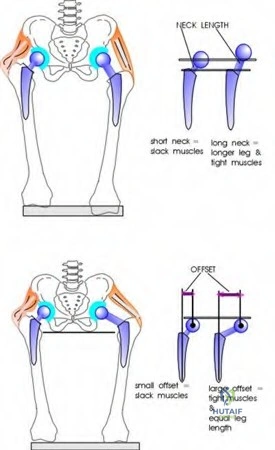
Femoral offset is the perpendicular distance from the center of rotation of the femoral head to the anatomical axis of the femur. Decreasing the offset shortens the lever arm of the abductor muscles. To balance the moment created by body weight, the abductors must generate significantly more force. Inability to generate this excess force results in a Trendelenburg gait.

Question 17

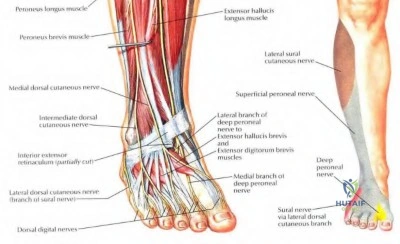
A 60-year-old female undergoes a primary TKA for a severe fixed valgus deformity. On postoperative day 1, she exhibits a foot drop and decreased sensation over the dorsum of her foot. Which of the following was the most likely immediate precipitating cause of her complication?


Explanation

Common peroneal nerve palsy is a known and feared complication after TKA, particularly following the correction of severe valgus and flexion deformities. The nerve is tethered at the fibular head; correcting the valgus alignment to neutral puts significant traction on the nerve, leading to a stretch neuropathy.

Question 18

A 70-year-old female is evaluated for a primary THA. She has a history of a solid multilevel lumbar spinal fusion from L2 to the sacrum. How should the surgeon adjust the target acetabular cup position to minimize the risk of posterior dislocation?


Explanation

Patients with a lumbosacral spinal fusion have a stiff spinopelvic junction. Normally, moving from standing to sitting involves posterior pelvic tilt, which functionally increases acetabular anteversion to clear the anterior femur. In a fused spine, this dynamic tilt does not occur, leading to a high risk of anterior impingement and posterior dislocation when seated. The surgeon must compensate by placing the cup in higher static anteversion and slightly higher abduction.

Question 19

Following a high tibial osteotomy for varus gonarthrosis, a patient undergoes a total knee arthroplasty. The surgeon notes significant difficulty everting the patella and exposing the joint due to patella baja. Which step is most appropriate to manage the exposure difficulty without permanently compromising the extensor mechanism?


Explanation

Patella baja (infera) is common after HTO (especially if the tubercle is not altered or due to scarring) and severely limits patellar eversion during subsequent TKA. A tibial tubercle osteotomy (TTO) provides an excellent, extensile exposure that preserves the continuity of the extensor mechanism, allowing for secure repair and even proximal advancement of the tubercle if needed to correct the baja.

Question 20

During femoral preparation in a TKA, a posterior referencing sizing guide is used. The femur measures between sizes, and the surgeon chooses the larger size. Assuming the posterior cuts remain constant, what is the most likely consequence of this decision?


Explanation

With a posterior referencing system, the posterior femoral resection is constant regardless of component size. If a larger size is chosen, the anterior resection line moves further anteriorly, meaning less anterior bone is removed. When the larger implant is placed, its anterior flange will protrude further anteriorly than the native bone, leading to overstuffing of the patellofemoral joint. Conversely, choosing the smaller size risks anterior cortical notching.

Question 21

A 68-year-old man with advanced ankylosing spondylitis undergoes primary THA. Preoperative radiographs demonstrate a fully fused lumbar spine. Which of the following best describes his spinopelvic biomechanics and the optimal surgical strategy to minimize dislocation risk?


Explanation

A stiff spinopelvic junction limits the normal posterior pelvic tilt that occurs during sitting. Normally, posterior pelvic tilt increases relative acetabular anteversion, clearing the anterior femur and preventing anterior impingement and posterior dislocation. Because this patient cannot tilt his pelvis posteriorly, he is at high risk for anterior impingement and posterior dislocation when sitting. The surgeon should compensate by placing the acetabular component in more anteversion and slightly more inclination than the standard safe zone.

Question 22

A 62-year-old man presents with progressive groin pain 7 years after a primary metal-on-polyethylene THA. Radiographs show well-fixed components with normal alignment. A metal artifact reduction sequence (MARS) MRI reveals a solid and cystic mass surrounding the hip joint. Laboratory analysis shows elevated serum cobalt levels with normal chromium levels. What is the primary mechanism of failure?


Explanation

The presentation of a pseudotumor (solid/cystic mass on MARS MRI) with elevated serum cobalt (and often normal or slightly elevated chromium, leading to a high Co:Cr ratio) in a metal-on-polyethylene THA is classic for trunnionosis. This is caused by mechanically assisted crevice corrosion (fretting and corrosion) at the modular head-neck junction.

Question 23

A 70-year-old woman complains of a 'giving way' sensation in her knee, particularly when descending stairs, 18 months following a posterior-stabilized TKA. On physical examination, her knee is perfectly stable to varus and valgus stress at 0 degrees and 90 degrees of flexion, but demonstrates significant laxity at 45 degrees of flexion. Which of the following intraoperative technical errors most likely caused this complication?


Explanation

Mid-flexion instability is characterized by stability at full extension and 90 degrees of flexion, but laxity in the mid-arc of motion (usually 30-60 degrees). This is classically caused by joint line elevation. If the surgeon resects too much distal femur, the extension gap becomes larger than the flexion gap. To balance the knee in extension, a thicker polyethylene insert is used, which over-stuffs the flexion gap (unless the posterior condyles are also augmented). This elevates the joint line, altering the kinematics of the collateral ligaments in mid-flexion and leading to laxity.

Question 24

An 82-year-old woman with a history of a cemented THA placed 15 years ago sustains a fall. Radiographs demonstrate a displaced periprosthetic fracture around the femoral stem. The fracture extends to the mid-diaphysis. The femoral stem is loose, and there is severe proximal femoral bone loss (less than 2 cm of intact diaphyseal bone proximal to the fracture). According to the Vancouver classification, what is the most appropriate management?


Explanation

This is a Vancouver B3 periprosthetic fracture: fracture around the stem (B), loose implant (3 - poor bone stock). B1 = stable stem; B2 = loose stem, good bone stock; B3 = loose stem, poor bone stock. The standard of care for a Vancouver B3 fracture in an elderly, low-demand patient is a proximal femoral replacement (megaprosthesis) to allow for immediate weight-bearing and early mobilization.

Question 25

According to the 2018 International Consensus Meeting (ICM) criteria, which of the following findings alone is considered a definitive major criterion for diagnosing a periprosthetic joint infection?


Explanation

The 2018 ICM criteria for periprosthetic joint infection (PJI) identify two major criteria, either of which definitively establishes the diagnosis: 1) Two positive periprosthetic cultures with phenotypically identical organisms, or 2) A sinus tract communicating with the joint. The other options (synovial WBC, ESR/CRP, leukocyte esterase, alpha-defensin) are minor criteria that contribute to a scoring system but are not definitive on their own.

Question 26

A 65-year-old man undergoes a two-stage exchange arthroplasty for a methicillin-resistant Staphylococcus aureus (MRSA) periprosthetic hip infection. An articulating antibiotic-loaded cement spacer is placed during the first stage. Which of the following properties is most essential for the antibiotic selected for inclusion in the polymethylmethacrylate (PMMA) spacer?


Explanation

When mixing antibiotics into PMMA for a local spacer, the antibiotic must be heat stable because the exothermic polymerization of PMMA generates significant heat that can degrade many medications. Vancomycin and tobramycin/gentamicin are commonly used because they are heat stable and available in powder form. Additionally, the antibiotic should ideally be hydrophilic to elute effectively from the cement.

Question 27

A 72-year-old woman is undergoing revision THA for aseptic loosening. Preoperative radiographs and intraoperative findings reveal severe acetabular bone loss with complete separation of the superior and inferior halves of the hemipelvis. The remaining iliac bone is inadequate for biological fixation of a standard hemispherical cup. What is the most appropriate acetabular reconstruction option?


Explanation

The scenario describes a pelvic discontinuity (Paprosky type 3B with poor remaining bone stock). The inferior and superior halves of the pelvis are mechanically disconnected. When remaining bone stock is insufficient for a highly porous metal cup to achieve biological fixation (less than 50% contact), a mechanically stable construct that bridges the discontinuity is required. A custom triflange acetabular component or a cup-cage construct provides mechanical stability across the discontinuity and allows for immediate fixation.

Question 28

In a posterior-stabilized (PS) total knee arthroplasty, the cam and post mechanism is primarily designed to replicate the function of the posterior cruciate ligament (PCL). At what angle of knee flexion does the femoral cam typically engage the tibial post to initiate femoral rollback?


Explanation

In a standard posterior-stabilized (PS) TKA design, the femoral cam engages the tibial spine (post) at approximately 60 to 75 degrees of knee flexion. Upon engagement, the cam-post mechanism forces the femoral component to translate posteriorly on the tibial plateau (femoral rollback). This improves knee flexion by preventing posterior impingement of the femur on the posterior tibia and optimizes the extensor mechanism lever arm.

Question 29

A 64-year-old man presents with a painful catching sensation in his right knee 14 months after a primary posterior-stabilized TKA. He notes a distinct 'clunk' when actively extending the knee from a flexed position, typically occurring between 30 and 45 degrees of flexion. Non-operative management has failed. What is the most appropriate surgical treatment?


Explanation

The clinical presentation is classic for Patellar Clunk Syndrome, a complication most commonly associated with posterior-stabilized (PS) TKA designs (especially older designs with a sharp, boxy intercondylar notch). A fibrous nodule develops on the posterior aspect of the quadriceps tendon just proximal to the superior pole of the patella. As the knee extends from flexion (usually around 30-45 degrees), this nodule catches in the intercondylar box of the femoral component and then pops out with a painful clunk. Treatment is excision of the nodule, often done arthroscopically.

Question 30

A 69-year-old woman sustains a chronic, recurrent patellar tendon rupture 2 years following a primary TKA. Previous primary repair with cerclage wire augmentation failed. Her knee is well-aligned and components are radiographically well-fixed. She has an extension lag of 45 degrees. Which of the following reconstruction techniques offers the best long-term outcome for this salvage situation?


Explanation

Chronic or recurrent disruption of the extensor mechanism after TKA is a devastating complication. Primary repair has a very high failure rate and is generally contraindicated for chronic ruptures. The standard of care for a salvage reconstruction with well-fixed components is either a full extensor mechanism allograft (tibial tubercle, patellar tendon, patella, and quadriceps tendon) or a synthetic mesh reconstruction (e.g., Marlex mesh). Both require prolonged postoperative immobilization in extension.

Question 31

A surgeon is performing a primary THA using the Direct Anterior Approach (Smith-Petersen interval). Which of the following nerves is at the greatest risk of iatrogenic injury during the superficial dissection, and what is the corresponding sensory deficit?


Explanation

The direct anterior approach to the hip utilizes the internervous plane between the sartorius (femoral nerve) and tensor fasciae latae (superior gluteal nerve). The lateral femoral cutaneous nerve (LFCN) typically crosses the anterior aspect of the thigh and branches in the proximal thigh. It is highly variable in its course but is at significant risk during the superficial dissection. Injury results in meralgia paresthetica, characterized by numbness, tingling, or burning pain over the anterolateral thigh.

Question 32

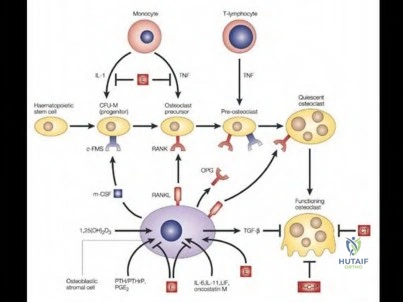
In the pathophysiology of aseptic loosening following total joint arthroplasty, which cell type acts as the primary effector in initiating the foreign-body inflammatory response upon phagocytosis of submicron polyethylene wear debris?


Explanation

The hallmark of particle-induced osteolysis is the macrophage response. Submicron particles (particularly polyethylene debris) are phagocytosed by macrophages. This triggers the macrophages to release pro-inflammatory cytokines, including TNF-alpha, IL-1, IL-6, and PGE2. These cytokines stimulate the expression of RANKL on osteoblasts and stromal cells, which then binds to RANK on osteoclast precursors, promoting their differentiation into mature, bone-resorbing osteoclasts.

Question 33

A 75-year-old patient with Parkinson's disease and a history of recurrent hip dislocations after a primary THA is undergoing revision surgery. The surgeon decides to use a dual mobility articulation. What is the primary biomechanical advantage of this bearing design in preventing dislocation?


Explanation

A dual mobility bearing consists of a small metallic or ceramic femoral head that articulates within a large mobile polyethylene liner, which in turn articulates within a highly polished metal acetabular shell. This design effectively increases the functional head size. A larger head size directly increases the 'jump distance' (the distance the femoral head must travel to dislocate over the rim of the cup) and improves the impingement-free range of motion.

Question 34

A 55-year-old woman with a ceramic-on-ceramic total hip arthroplasty presents with a loud, audible squeaking noise coming from her hip during walking. She is otherwise asymptomatic. Radiographs show a well-fixed cementless stem and a cementless cup. Which of the following surgical factors is most strongly associated with this phenomenon?


Explanation

Squeaking in ceramic-on-ceramic (CoC) THA is a known complication. It is strongly associated with edge loading of the ceramic bearings. Edge loading occurs when the contact patch between the head and the liner extends over the rim of the liner. This is most commonly caused by malposition of the acetabular component, specifically excessive inclination (steep cup) and anteversion or retroversion mismatch.

Question 35

During a complex revision total knee arthroplasty, the surgeon notes complete absence of the medial collateral ligament (MCL) after removal of the previous implants. The lateral collateral ligament (LCL) and extensor mechanism are intact. Which of the following implant constraints is most appropriate for this patient?


Explanation

Implant constraint selection depends on ligamentous competency. A PS knee requires competent MCL and LCL. A constrained condylar knee (CCK) features a tall, wide post that substitutes for the LCL and MCL to some degree, making it suitable for collateral ligament attenuation or moderate laxity. However, a CCK cannot compensate for the complete absence or gross incompetence of a primary collateral ligament (like the MCL). When a collateral ligament is completely absent, a linked implant, such as a rotating hinge knee, is required to prevent coronal plane instability.

Question 36

The introduction of highly cross-linked polyethylene (HXLPE) has significantly reduced wear rates in total hip arthroplasty. Which step in the manufacturing process of HXLPE is specifically designed to eliminate free radicals and prevent subsequent oxidative degradation?


Explanation

Highly cross-linked polyethylene is produced by exposing UHMWPE to gamma or electron beam irradiation, which creates cross-links, drastically improving wear resistance. However, this process also creates free radicals, which can react with oxygen over time (oxidation), leading to embrittlement. To eliminate these free radicals, the material is either melted (heated above its melting point) or annealed (heated just below its melting point). Alternatively, an antioxidant like Vitamin E can be blended into the polyethylene.

Question 37

A 45-year-old woman with a metal-on-metal hip resurfacing presents with unexplained pain and swelling 3 years postoperatively. Infection workup is negative. Histological analysis of the periprosthetic tissue obtained during revision surgery reveals a massive perivascular infiltrate of T-lymphocytes and plasma cells, with minimal macrophages. This histological picture is characteristic of:


Explanation

The histological findings of a perivascular infiltrate composed predominantly of lymphocytes (T-cells) and plasma cells, rather than macrophages, are the hallmark of an Aseptic Lymphocyte-dominated Vasculitis-Associated Lesion (ALVAL). This is a Type IV (delayed) hypersensitivity reaction to metal ions (usually cobalt and chromium) seen in metal-on-metal articulations or modular junctions (trunnionosis).

Question 38

A 70-year-old patient with severe rheumatoid arthritis presents for a primary TKA. Examination reveals a fixed 20-degree valgus deformity. The surgeon plans a lateral parapatellar approach. Which of the following structures is typically the first to be released off the lateral femoral condyle to balance the extension gap in a fixed valgus knee?


Explanation

Balancing a severe fixed valgus knee often requires a stepwise release of lateral structures. While techniques vary, the classic sequence (e.g., Ranawat's 'inside-out' or standard outside-in release) typically begins with the release of the iliotibial (IT) band, as it is a major deforming force in extension. If the knee remains tight in extension, the LCL and popliteus are assessed and sequentially released.

Question 39

Lewinnek's 'safe zone' for acetabular component positioning in total hip arthroplasty was historically described to minimize the risk of dislocation. What are the specific angular parameters defined by this safe zone?


Explanation

In 1978, Lewinnek et al. described an acetabular 'safe zone' of 40 ± 10 degrees of inclination (abduction) and 15 ± 10 degrees of anteversion. Cups placed outside this zone were historically associated with a higher rate of dislocation. While modern understanding emphasizes that functional pelvic position (spinopelvic mobility) plays a critical role, the Lewinnek safe zone remains a fundamental baseline.

Question 40

In revision total hip arthroplasty for a patient with severe proximal femoral bone loss (Vancouver B3 or Paprosky IIIA), a modular fluted tapered titanium stem is chosen. What is the primary biomechanical mechanism by which this stem achieves initial rotational stability?


Explanation

Modular fluted tapered titanium stems are designed to bypass deficient proximal bone and achieve initial fixation in the intact distal diaphysis. The 2 to 3-degree taper provides excellent axial stability via a 'wedge' effect, while the longitudinal flutes (splines) cut into the diaphyseal cortical bone to provide initial rotational stability.

Question 41

In the treatment of a chronic patellar tendon rupture following Total Knee Arthroplasty (TKA) using a full extensor mechanism allograft, which of the following intraoperative technical steps is most critical to prevent the most common mode of failure (extensor lag)?


Explanation

The most common mode of failure for an extensor mechanism allograft after TKA is stretching out of the graft, leading to a persistent extensor lag. To mitigate this, the allograft must be tensioned tightly with the knee in full extension (0 degrees). Postoperatively, the knee is immobilized in full extension for an extended period (typically 6-8 weeks) before allowing graduated flexion.

Question 42

A 65-year-old male with a metal-on-polyethylene THA 8 years ago presents with groin pain. Radiographs show a well-fixed stem and cup. MARS MRI demonstrates a mixed solid and cystic periarticular mass. Hip aspiration reveals low synovial white blood cells but significantly elevated levels of cobalt and chromium. What is the most likely underlying etiology?


Explanation

The clinical presentation describes an Adverse Local Tissue Reaction (ALTR) in the setting of a metal-on-polyethylene total hip arthroplasty. Because the bearing surface is not metal-on-metal, the source of the elevated cobalt and chromium ions is mechanically assisted crevice corrosion (trunnionosis) at the modular head-neck junction.

Question 43

A surgeon is utilizing a gap balancing technique during a primary TKA. After the proximal tibial cut is made and osteophytes are removed, the knee is brought into 90 degrees of flexion. Using a tensor, the flexion gap is noted to be asymmetric, being significantly tighter medially than laterally. What is the most appropriate next step to achieve a rectangular flexion gap before making the femoral cuts?


Explanation

In the gap balancing technique, the goal is to create equal and rectangular extension and flexion gaps before making the final femoral cuts. If the flexion gap is tight medially after appropriate medial releases, externally rotating the femoral component (which removes more posterior lateral bone and less posterior medial bone) will balance the flexion gap.

Question 44

A 78-year-old female sustains a periprosthetic femur fracture 10 years after a THA. Radiographs show a spiral fracture around the tip of a cemented polished taper slip stem. The stem has subsided 3 cm. The proximal femur demonstrates severe comminution and osteopenia, rendering it unsupportive. Distal bone stock is excellent. What is the most appropriate classification and treatment plan?


Explanation

This is a Vancouver B3 fracture. The fracture is around the stem (Type B), the stem is loose as evidenced by subsidence (B2 or B3), and there is severe proximal bone loss/comminution (making it B3 rather than B2). The gold standard treatment for B3 fractures is revision bypassing the deficient proximal bone, typically using a long fluted tapered diaphyseal-engaging stem.

Question 45

A patient presents with a painful 'catch' and 'pop' when extending the knee from 45 degrees of flexion following a posterior-stabilized TKA. Which of the following implant design factors most contributes to this specific complication?


Explanation

The clinical scenario describes Patellar Clunk Syndrome, a known complication of posterior-stabilized TKAs. It is caused by the formation of a fibrous nodule at the superior pole of the patella that catches in the intercondylar notch of the femoral component during extension. Risk factors include a sharp, unchamfered anterior edge of the femoral intercondylar box, a thin patella, and joint line elevation.

Question 46

During a primary Total Hip Arthroplasty (THA), restoring the center of rotation is critical. If the surgeon increases the femoral offset without altering the vertical height of the femoral head or leg length, what is the expected biomechanical effect on the abductor mechanism and the joint reaction force?


Explanation

Increasing femoral offset lateralizes the greater trochanter, which increases the moment arm of the abductor muscles. This provides a mechanical advantage, requiring less abductor muscle force to balance the pelvis, which in turn significantly decreases the overall joint reaction force across the hip.

Question 47

A 68-year-old female complains of recurrent knee swelling, a feeling of the knee 'giving way' when walking down stairs, and anterior knee pain 2 years after a primary TKA. Examination reveals recurvatum and anteroposterior laxity at 90 degrees of flexion, but excellent stability in full extension. What intraoperative error most likely led to this presentation?


Explanation

The patient exhibits classic signs of flexion instability (laxity in flexion but stable in extension). This occurs when the flexion gap is larger than the extension gap. The most common intraoperative cause is undersizing the femoral component, which results in excessive posterior femoral condylar bone resection, thus increasing the flexion gap.

Question 48

To mitigate the risk of oxidative degradation while preserving fatigue strength in highly cross-linked polyethylene used in THA, which of the following manufacturing treatments is most modernly utilized?


Explanation

Cross-linking polyethylene improves wear resistance but generates free radicals that can cause oxidative degradation and embrittlement. Historically, remelting was used to eliminate free radicals, but this reduces fatigue strength. Modern techniques blend or infuse the polyethylene with Vitamin E (alpha-tocopherol), a natural antioxidant, which scavenges free radicals without the need for remelting, thereby maintaining fatigue strength.

Question 49

A 55-year-old female reports a history of severe, blistering cutaneous reactions to costume jewelry and watch clasps. She requires a primary TKA for end-stage osteoarthritis. What is the most widely recommended perioperative management regarding her metal hypersensitivity?


Explanation

In patients with a clear, severe clinical history of metal allergy (particularly nickel, which is present in CoCr alloys), it is generally recommended to bypass diagnostic testing (due to poor sensitivity/specificity of patch testing and LTT for deep joint spaces) and proceed directly with a hypoallergenic implant (such as oxidized zirconium or titanium) for arthroplasty.

Question 50

A revision THA is planned for an aseptic loose cup. Preoperative radiographs demonstrate superior migration of the hip center by 3.5 cm, complete destruction of the teardrop, and medial migration of the hip center past Kohler's line. What is the Paprosky classification and most appropriate reconstruction strategy?


Explanation

The defect described involves >3 cm of superior migration, teardrop destruction, and medial migration past Kohler's line, indicating severe combined superior and medial bone loss with a nonsupportive rim. This represents a Paprosky Type IIIB defect (or potential pelvic discontinuity). Reconstruction typically requires a custom triflange, cup-cage construct, or an anti-protrusio cage with structural allograft.

Question 51

A 62-year-old male is 8 weeks postoperative from a primary TKA. Despite strict adherence to aggressive physical therapy, his range of motion remains 10 to 75 degrees. Radiographs show well-positioned components without evidence of loosening or infection. What is the most appropriate next step in management?


Explanation

For the stiff TKA without a clear mechanical cause (e.g., component malposition, infection, or oversizing), Manipulation Under Anesthesia (MUA) is most effective when performed between 6 and 12 weeks postoperatively. Delaying intervention beyond 12 weeks significantly decreases the success rate of MUA.

Question 52

A 70-year-old male with a history of multi-level instrumented lumbar fusion from L2 to the Pelvis presents for a primary THA. Which of the following describes his expected spinopelvic biomechanics, and how should acetabular component positioning be adjusted?


Explanation

A spinopelvic fusion or stiff spine prevents the normal posterior pelvic tilt that occurs when moving from standing to sitting. Without this posterior tilt, the acetabular cup fails to 'open up' (gain anteversion) to accommodate hip flexion, leading to a high risk of anterior impingement and subsequent posterior dislocation. The surgeon must compensate by placing the cup with increased anteversion (and often inclination) or consider a dual mobility construct.

Question 53

During a revision TKA for aseptic loosening, the surgeon notes an absent anterior cruciate ligament, absent posterior cruciate ligament, and an incompetent medial collateral ligament (MCL). The extensor mechanism is intact. Significant metaphyseal bone loss is present. Which of the following implant constraints is absolutely indicated?


Explanation

A Constrained Condylar Knee (CCK) relies on competent collateral ligaments (MCL and LCL) to provide varus/valgus stability, as it substitutes for the ACL and PCL. In the setting of an incompetent MCL (or LCL), a CCK will fail. A rotating hinge prosthesis is required as it provides intrinsic varus/valgus and rotational stability independent of the collateral ligaments.

Question 54

A 58-year-old female presents with persistent anterior groin pain 1 year after a primary THA. The pain is strongly exacerbated by active hip flexion against resistance and when lifting her leg to get into a car. Radiographs show a well-fixed, ingrown acetabular component with 15 degrees of anteversion. The anterior edge of the cup projects 4 mm beyond the native anterior acetabular rim. What is the most appropriate initial diagnostic/therapeutic step?


Explanation

The clinical presentation is classic for iliopsoas impingement against the anterior rim of the acetabular component. An image-guided diagnostic injection into the iliopsoas bursa is the most appropriate next step. It can confirm the diagnosis (via pain relief) and may provide lasting therapeutic benefit. If it fails, surgical release (tenotomy) is considered for mild prominences (<8-10 mm).

Question 55

A 72-year-old male presents with worsening knee pain 5 years after a primary TKA. The pain occurs exclusively with weight-bearing and is rapidly relieved by rest. ESR and CRP are within normal limits. Serial radiographs show a progressive radiolucent line of 3 mm in all zones around the tibial component. What is the most likely diagnosis?


Explanation

Pain that is present on weight-bearing and relieved by rest is the hallmark symptom of mechanical aseptic loosening. This is corroborated by normal inflammatory markers (ruling out PJI) and the radiographic presence of progressive, continuous radiolucent lines >2 mm in all zones around the component.

Question 56

Which of the following patient profiles represents the strongest and most widely accepted indication for the use of a dual mobility articulation in a primary total hip arthroplasty?


Explanation

Dual mobility articulations greatly increase the jump distance and range of motion before impingement, significantly reducing the risk of dislocation. They are heavily indicated in patients at a very high risk of instability, particularly those with neuromuscular disorders (like Parkinson's disease), severe cognitive impairment, or abductor deficiency.

Question 57

In the design and surgical technique of Total Knee Arthroplasty (TKA), what is the primary biomechanical rationale for medializing the patellar component on the native resected patella?


Explanation

Medializing the patellar dome during resurfacing shifts the native patellar bone laterally relative to the trochlear groove. This effectively decreases the Q-angle (the angle between the quadriceps pull and the patellar tendon), which reduces the lateral pull on the patella and improves overall patellar tracking within the trochlea.

Question 58

During a complex revision THA, the surgeon identifies a transverse fracture through the acetabulum separating the superior and inferior hemipelvis. Intraoperatively, the superior and inferior halves move completely independently of one another. Which of the following is the most appropriate definitive management for this chronic pelvic discontinuity associated with severe bone loss in a medically fit patient?


Explanation

Pelvic discontinuity is defined by the mechanical separation of the superior and inferior hemipelvis. In chronic cases with severe bone loss (e.g., Paprosky IIIB or IV), standard hemispherical cups cannot bridge the defect securely to allow healing. A cup-cage construct or a custom triflange acetabular component is required to provide rigid initial stability bridging the ilium and ischium/pubis.

Question 59

According to the Evidence-Based Musculoskeletal Infection Society (MSIS) criteria for diagnosing Periprosthetic Joint Infection (PJI), which of the following is considered a major criterion, providing definitive evidence of infection?


Explanation

Under the MSIS criteria, the major criteria for definitive PJI are: 1) Two positive periprosthetic cultures with phenotypically identical organisms, or 2) A sinus tract communicating directly with the joint space. All other listed options (elevated CRP/ESR, elevated synovial WBC/PMN%, and positive alpha-defensin) serve as minor criteria, which must be combined to form a diagnosis if major criteria are unmet.

Question 60

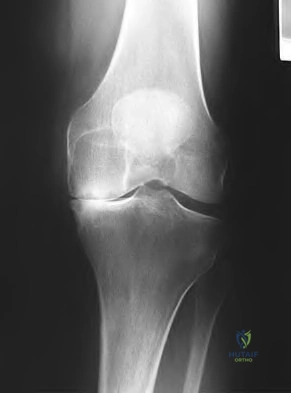
A 65-year-old female with severe rheumatoid arthritis presents with bilateral hip pain. Radiographs reveal bilateral severe protrusio acetabuli (Kohler's line is crossed by the femoral head). During primary THA, which of the following is the most appropriate surgical technique to address the medial acetabular wall defect?


Explanation

In primary THA for protrusio acetabuli, the goal is to restore the anatomical center of rotation by lateralizing the hip center. This is best achieved by placing impacted morselized cancellous bone graft (often autograft from the resected femoral head) into the medial defect, and placing a standard hemispherical cementless cup on the peripheral rim, ensuring rim fit.

Question 61

During a primary total knee arthroplasty, the surgeon assesses the gaps and finds the knee is tight in flexion but symmetric and balanced in extension. Which of the following steps is the most appropriate to balance the knee?


Explanation

Increasing the posterior tibial slope selectively increases the flexion gap without significantly altering the extension gap. Downsizing the femoral component or releasing the PCL can also address a tight flexion gap.

Question 62

A 65-year-old active male underwent a total hip arthroplasty with a ceramic-on-ceramic bearing. Three years postoperatively, he complains of an audible squeaking sound from the hip during walking, but denies pain. What is the most significant risk factor for this phenomenon?


Explanation

Squeaking in ceramic-on-ceramic bearings is primarily associated with edge loading due to component malposition, particularly excessive acetabular cup anteversion or abduction.

Question 63

To optimize patellar tracking during a total knee arthroplasty, the femoral component is traditionally externally rotated relative to the posterior condylar axis. What is the primary anatomical landmark used to establish this rotation?


Explanation

The surgical transepicondylar axis, connecting the lateral epicondylar prominence and the medial sulcus, is the most reliable landmark for setting femoral component external rotation to optimize patellar tracking.

Question 64

A surgeon is performing a primary total hip arthroplasty using the direct anterior approach. During the superficial dissection, which of the following nerve injuries is the most common complication?


Explanation

The direct anterior approach uses the internervous plane between the tensor fasciae latae and sartorius. The lateral femoral cutaneous nerve is at high risk of neurapraxia during this superficial dissection.

Question 65

A 70-year-old female presents with severe groin pain 6 years after a metal-on-metal total hip arthroplasty. Aspiration yields fluid with low cell count but imaging shows a large cystic mass extending into the pelvis. What is the most likely underlying pathophysiological mechanism?


Explanation

Metal-on-metal implants can cause an adverse local tissue reaction (ALTR) or pseudotumor. This is histologically characterized by ALVAL, driven by a type IV hypersensitivity response to metal ions.

Question 66

A patient requires revision of a total hip arthroplasty due to an extensively loose, cemented femoral stem with deficient metaphyseal bone but an intact diaphysis (Vancouver Type B2). Which of the following is the most appropriate reconstructive option for the femur?


Explanation

A Vancouver B2 periprosthetic fracture involves a loose stem with adequate distal bone stock. The standard of care is revision using a diaphyseal engaging implant, such as an extensively porous-coated cementless stem.

Question 67

During a primary total knee arthroplasty utilizing an anterior referencing system, the surgeon decides to upsize the femoral component. What is the most likely biomechanical consequence of this adjustment?


Explanation

In an anterior referencing system, the anterior cut is fixed. Upsizing the femoral component shifts the posterior condylar cut posteriorly, which adds bone to the posterior condyles and decreases (tightens) the flexion gap.

Question 68

A 55-year-old female presents with recurrent anterior dislocations of her total hip arthroplasty. Radiographs reveal the acetabular component is placed in 45 degrees of abduction and 40 degrees of anteversion. The femoral stem is in 15 degrees of anteversion. What is the most appropriate surgical management?


Explanation

Anterior dislocation is typically caused by excessive combined anteversion or excessive extension. The acetabular cup here has excessive anteversion (40 degrees); revising it to a more neutral anteversion is required.

Question 69

A patient develops a foot drop and numbness over the first web space of the foot immediately following a primary total knee arthroplasty for a severe valgus deformity (25 degrees). What is the most likely etiology of this complication?


Explanation

Correction of a severe valgus deformity in TKA stretches the contracted lateral structures. This leads to a high risk of traction neuropraxia to the common peroneal nerve, presenting as foot drop.

Question 70

A patient presents with a draining sinus tract on the anterior knee 8 weeks after a primary total knee arthroplasty. According to the Musculoskeletal Infection Society (MSIS) criteria, what is the next best step to confirm the diagnosis of a periprosthetic joint infection?


Explanation

According to the MSIS criteria, the presence of a sinus tract communicating with the prosthesis is a major criterion. It is definitively diagnostic for a periprosthetic joint infection (PJI) on its own.

Question 71

During a complex primary total knee arthroplasty, the medial collateral ligament (MCL) is completely avulsed from its femoral origin and cannot be reliably repaired. The joint exhibits gross instability in coronal opening. Which of the following implant designs is strictly indicated?


Explanation

Complete incompetence of the MCL results in a lack of primary coronal stability. A constrained condylar knee (CCK) or a rotating hinge device is required to substitute for the deficient collateral ligament.

Question 72

When exposing the hip via the posterior approach (Moore), which of the following vascular structures is at greatest risk of injury during the release of the short external rotators and the quadratus femoris?


Explanation

The ascending branch of the medial femoral circumflex artery crosses the upper border of the quadratus femoris. It is at high risk of injury during the release of the short external rotators and must be carefully coagulated.

Question 73

During a primary total knee arthroplasty, the flexion gap is assessed and found to be excessively tight, while the extension gap is perfectly balanced. Which of the following is the most appropriate surgical step to balance the knee?


Explanation

A tight flexion gap with a balanced extension gap requires decreasing the anteroposterior dimension of the femur. This is achieved by downsizing the femoral component and resecting more posterior condylar bone.

Question 74

In total hip arthroplasty, successfully increasing the femoral offset without significantly changing the leg length will have which of the following primary biomechanical effects?


Explanation

Increasing femoral offset lateralizes the proximal femur, which increases the abductor moment arm. This improves abductor efficiency, decreases the overall joint reaction force, and reduces the risk of bony impingement.

Question 75

A 68-year-old male presents with new-onset groin pain 5 years after a primary metal-on-polyethylene total hip arthroplasty. Radiographs show a well-fixed stem and cup. Serum laboratory analysis reveals significantly elevated cobalt levels with normal chromium levels. What is the most likely diagnosis?


Explanation

Elevated serum cobalt with normal chromium in the setting of a metal-on-polyethylene bearing strongly indicates mechanically assisted crevice corrosion at the head-neck junction (trunnionosis). It often presents with groin pain and can lead to adverse local tissue reactions.

Question 76

A 75-year-old female sustains a periprosthetic femur fracture 8 years after a total hip arthroplasty.

Radiographs reveal a fracture extending just distal to the tip of the stem. The stem demonstrates subsidence and is clinically loose, but the proximal femoral bone stock remains adequate. According to the Vancouver classification, what is the most appropriate management?


Explanation

This describes a Vancouver B2 fracture (loose stem with adequate surrounding bone stock). The gold standard treatment is bypassing the fracture with a long, distally engaging (fluted tapered or fully porous) uncemented revision stem.

Question 77

During a complex revision total knee arthroplasty, the surgeon notes complete incompetence of the medial collateral ligament (MCL). Which level of prosthetic constraint is most appropriate to ensure coronal plane stability?


Explanation

A rotating hinge knee (RHK) is indicated when there is global instability or complete disruption of the collateral ligaments (MCL or LCL). A CCK device requires at least one competent collateral ligament to function properly.

Question 78

When utilizing the direct anterior approach for a primary total hip arthroplasty, the primary superficial internervous plane is developed between which two muscles?


Explanation

The direct anterior (Smith-Petersen) approach exploits the true superficial internervous plane between the sartorius (innervated by the femoral nerve) and the tensor fasciae latae (innervated by the superior gluteal nerve).

Question 79

A patient presents with a painful total knee arthroplasty 2 years postoperatively. Diagnostic synovial fluid aspiration reveals a white blood cell count of 45,000 cells/mcL with 92% polymorphonuclear leukocytes. According to current MSIS criteria, what is the most appropriate definitive management?


Explanation

Synovial fluid WBC > 3,000 cells/mcL or PMN > 80% strongly indicates chronic periprosthetic joint infection in a knee >4 weeks post-op. The standard of care for chronic PJI in North America is a two-stage revision.

Question 80

Excessive internal rotation of the femoral component during a primary total knee arthroplasty is most likely to result in which of the following biomechanical complications?


Explanation

Internal rotation of the femoral or tibial components dynamically increases the Q-angle during flexion. This leads to lateral patellar tracking, tilt, and an increased risk of patellar subluxation or dislocation.

None

Detailed Chapters & Topics

Dive deeper into specialized chapters regarding orthopedic-mcqs-online-ob-20-reconstruction-1d

15 Chapters
01
Chapter 1 19 min

Mastering Revision Total Knee Arthroplasty: Meticulous Removal of Well-Fixed Components

Master Revision Total Knee Arthroplasty. Discover expert techniques to safely remove well-fixed components, preserve bo…

02
Chapter 2 12 min

Masterclass in Hip Arthroscopy: Navigating Complex Intra-Articular Pathology

Join our hip arthroscopy masterclass to explore complex intra-articular pathology. Discover foundational surgical anato…

03
Chapter 3 18 min

Distal Femur Fractures: Epidemiology, Anatomy, Biomechanics & Operative Indications

Master distal femur fractures with our interactive MCQ quiz. Review key epidemiology, anatomy, biomechanics, and operat…

04
Chapter 4 17 min

Intertrochanteric Hip Fractures: Surgical Anatomy, Biomechanics, and Current Management Strategies

Test your knowledge of intertrochanteric hip fractures with our interactive MCQ quiz. Master surgical anatomy, biomecha…

05
Chapter 5 53 min

Orthopedic Hip And Knee Review | Dr Hutaif Hip & Knee R -...

Orthopedic MCQS online Hip and knee 1- Commercially available polymethylmethacrylate cement formulations vary in the co…

06
Chapter 6 150 min

Orthopedic Hip And Knee Review | Dr Hutaif Hip & Knee R -...

ORTHOPEDIC MCQS ONLINE HIP AND KNEE RECON 07 1.      A patient is scheduled to undergo total knee arthroplasty (TKA) fo…

07
Chapter 7 161 min

Orthopedic With Answer Hip Review | Dr Hutaif Hip & Kne -...

Master orthopedic hip concepts with Dr. Hutaif's interactive MCQ review. Practice timed questions, check your answers, …

08
Chapter 8 435 min

Ortho Recon Hip & Knee Board Review | Dr Hutaif Hip & K -...

ORTHO MCQS RECON019 Adult Reconstructive Surgery of the Hip and Knee Scored and Recorded Self-Assessment Examination 20…

09
Chapter 9 53 min

Orthopedic Hip And Knee Review | Dr Hutaif Hip & Knee R -...

Orthopedic MCQS online Hip and knee ADULT RECONSTRUCTION Question 1 During the course of a revision total knee arthropl…

10
Chapter 10 44 min

Orthopedic Adult Reconstructiv Review | Dr Hutaif Hip & -...

ORTHOPEDIC MCQS  010 Adult Reconstructive Surgery of the Hip and Knee Examination 7 2010 Adult Reconstructive Surgery o…

11
Chapter 11 45 min

Orthopedic Reconstructi Review | Dr Hutaif Hip & Knee R -...

Prepare for exams with Dr. Hutaif's Orthopedic Reconstruction MCQ review. Test your hip and knee knowledge, track your …

12
Chapter 12 58 min

Orthopedic Ob B Reconst Review | Dr Hutaif Hip & Knee R -...

ORTHOPEDIC MCQS ONLINE OB 20 2B RECONSTRUCTION 156) A 66-year-old male undergoes the procedure shown in figures A and B…

13
Chapter 13 52 min

Orthopedic Adult Reconstructive Surgery MCQs & Review | Hip & Knee Arthroplasty Exam Prep

Master orthopedic adult reconstructive surgery with our interactive MCQs. Boost your hip and knee arthroplasty knowledg…

14
Chapter 14 107 min

Adult Reconstructive Of The Hip And Review | Dr Hutaif - ...

Master adult hip reconstruction with Dr. Hutaif's interactive MCQ review. Test your orthopedic knowledge using our time…

15
Chapter 15 20 min

Mastering Preoperative Evaluation and Surgical Preparation in Total Knee Arthroplasty

Master Total Knee Arthroplasty (TKA) preoperative evaluation. Discover key surgical indications, biomechanical principl…

Dr. Mohammed Hutaif Clinic
Medically Verified Content by
Prof. Dr. Mohammed Hutaif Clinic
Consultant Orthopedic & Spine Surgeon
Guide Overview