العربية
Part of the Master Guide

Orthopedic Ob Reconstru Review | Dr Hutaif Hip & Knee R -...

Orthopedic Adult Reconstructive Surgery MCQs & Review | Hip & Knee Arthroplasty Exam Prep
27 Apr 2026 52 min read 129 Views
Orthopedic MCQs: Find the Correct Answer for the Patient's Case

Key Takeaway

This interactive board review contains 100 randomly selected orthopedic surgery questions with clinical images, immediate feedback, and detailed references.

Orthopedic Adult Reconstructive Surgery MCQs & Review | Hip & Knee Arthroplasty Exam Prep

Comprehensive 100-Question Exam


00:00

Start Quiz

Question 1

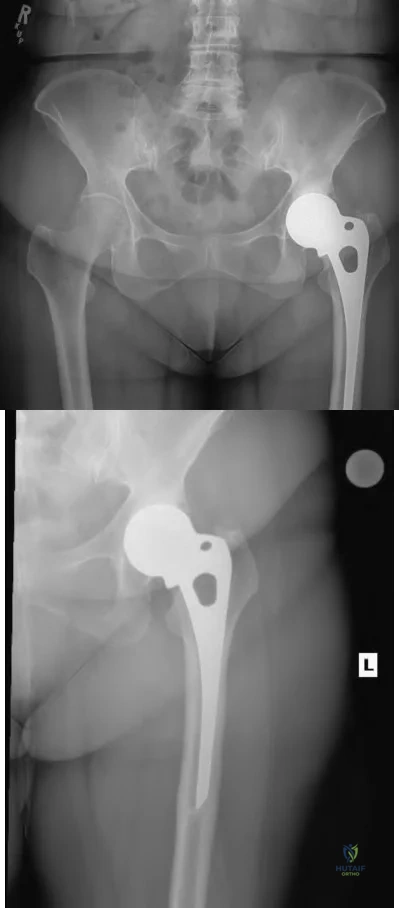
A 72-year-old female presents with progressive left thigh and knee pain for the last year. 5 years ago she sustained a femoral neck fracture treated with a cementless hemiarthroplasty. The thigh pain is worse with weight-bearing. CRP and ESR are within normal limits. Based on her clinical presentation and radiographs, what is the most likely cause of her pain?


Explanation

The presentation of progressive thigh pain with weight-bearing, normal inflammatory markers, and a cementless stem points to aseptic loosening. Radiographic signs often include progressive radiolucent lines and distal pedestal formation.

Question 2

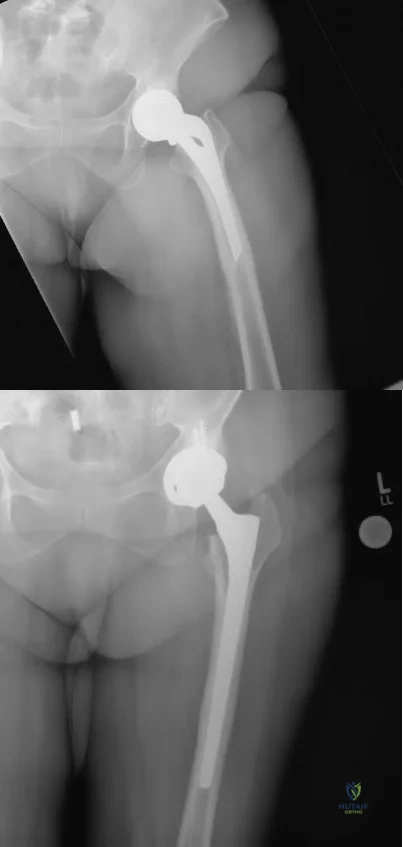
A 68-year-old man undergoes a primary total hip arthroplasty via a posterior approach. Six weeks postoperatively, he sustains a posterior dislocation while bending forward. What is the most common cause of early posterior dislocation following THA?


Explanation

Component malposition (especially acetabular retroversion or inadequate femoral anteversion) is the most common cause of early instability and dislocation following total hip arthroplasty.

Question 3

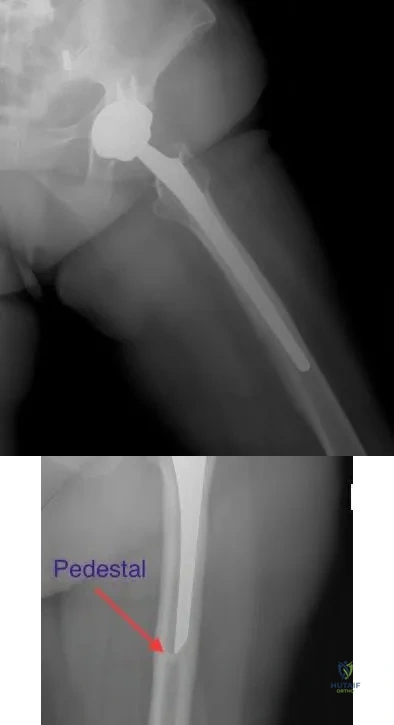
Which of the following is considered an absolute contraindication for a unicompartmental knee arthroplasty (UKA)?


Explanation

Inflammatory arthritis (such as rheumatoid arthritis) affects the entire joint uniformly and is a strict contraindication to UKA, as the remaining compartments will continue to degenerate rapidly.

Question 4

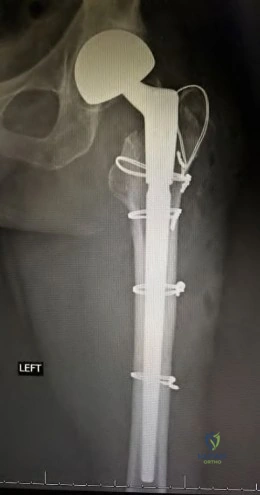
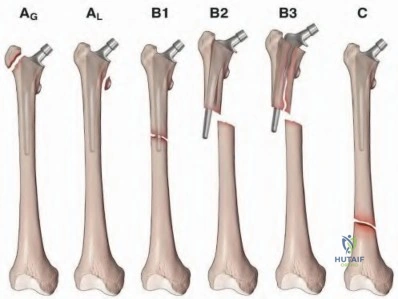
A patient presents with a periprosthetic femur fracture occurring around a loose, polished tapered slip stem, with adequate remaining bone stock. According to the Vancouver classification, what is the most appropriate management?


Explanation

This is a Vancouver B2 fracture (fracture around the stem, loose stem, good bone stock). The gold standard treatment is stem revision using a long extensively porous-coated or fluted tapered modular stem that bypasses the fracture by at least two cortical diameters.

Question 5

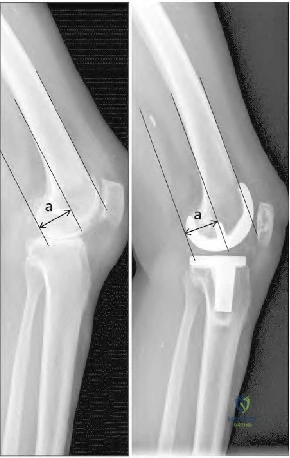
During a total knee arthroplasty (TKA), after making the initial bone cuts, the surgeon notes that the extension gap is tight but the flexion gap is perfectly balanced. What is the most appropriate surgical step to correct this mismatch?


Explanation

A tight extension gap with a balanced flexion gap requires an intervention that affects only extension. Resecting more distal femur opens the extension gap without altering the flexion gap. Resecting more tibia would loosen both gaps.

Question 6

Conversely, if during TKA the extension gap is perfectly balanced but the flexion gap is excessively tight, which of the following maneuvers is the most appropriate corrective action?


Explanation

To correct a tight flexion gap with a balanced extension gap, you must intervene on the posterior femoral condyles. Downsizing the femoral component increases the posterior femoral resection, thus opening up the flexion gap exclusively. Alternatively, increasing the posterior tibial slope can also achieve this.

Question 7

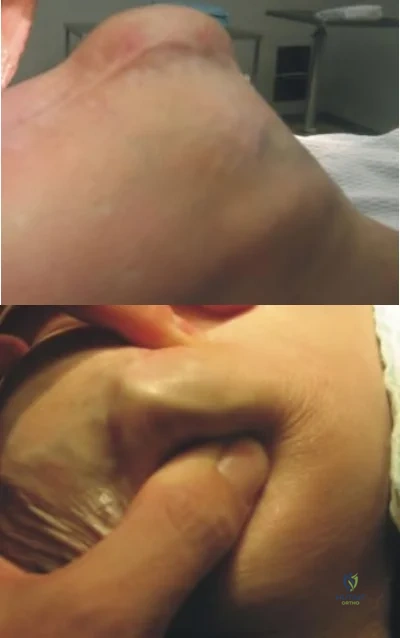
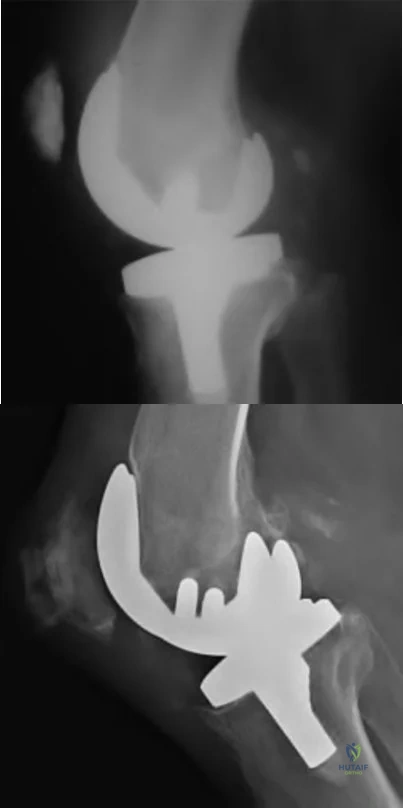
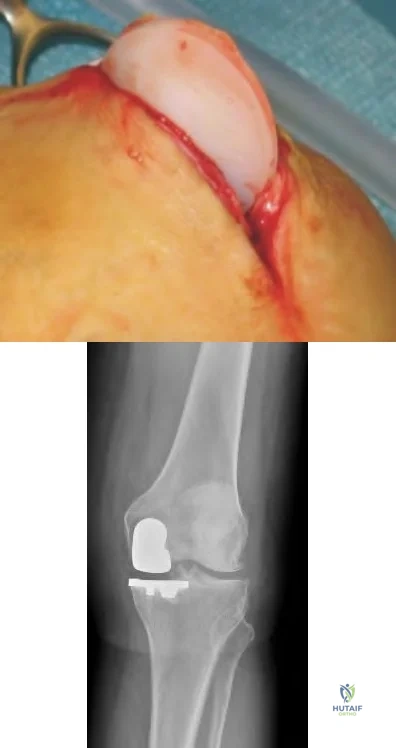
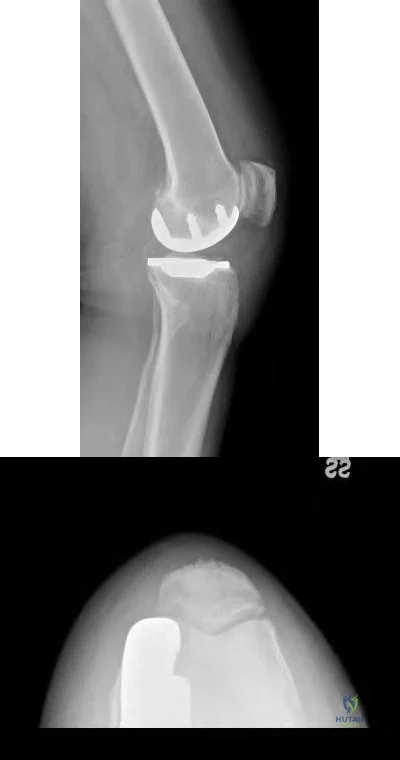
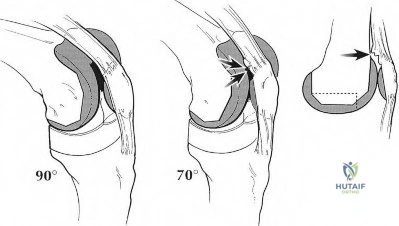
A patient presents 1 year after posterior-stabilized (PS) total knee arthroplasty complaining of an audible and painful "pop" when extending the knee from a flexed position. What is the most likely diagnosis?


Explanation

Patellar clunk syndrome is characterized by a painful catch or pop during active knee extension (typically around 30-45 degrees of flexion). It is caused by a fibrotic nodule forming at the superior pole of the patella that catches in the intercondylar box of a posterior-stabilized (PS) femoral component.

Question 8

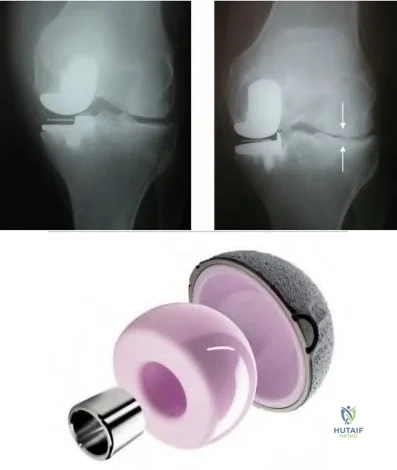
Which of the following spinopelvic conditions represents the greatest risk for anterior impingement and posterior dislocation following total hip arthroplasty?


Explanation

Normally, transitioning from standing to sitting causes the lumbar spine to flex and the pelvis to tilt posteriorly, effectively increasing acetabular anteversion and clearing the anterior space for the femur. A stiff lumbar spine (e.g., from fusion) prevents this posterior tilt, leading to anterior bony impingement and subsequent posterior dislocation when sitting.

Question 9

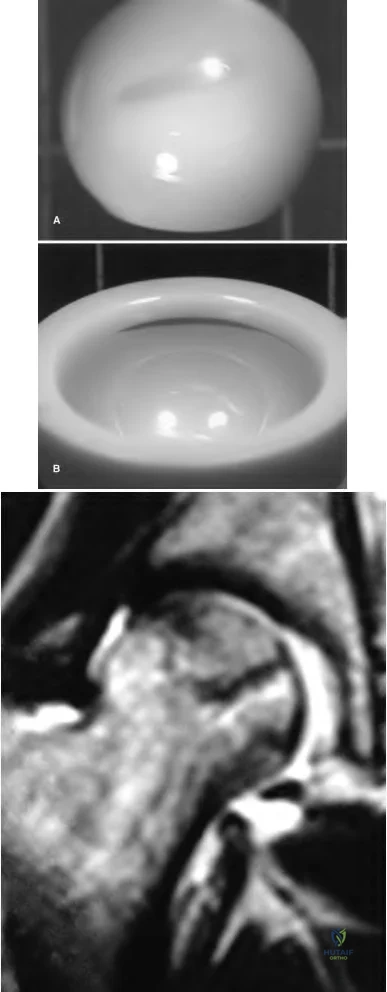
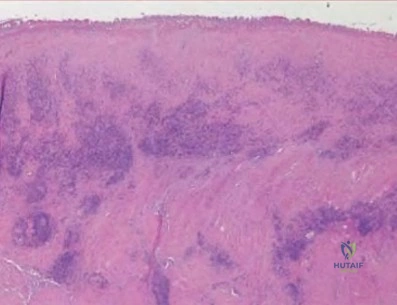
A patient with a large diameter metal-on-metal total hip arthroplasty presents with groin pain and a large cystic mass. Aspiration reveals thick, grayish fluid. Histological analysis of the periprosthetic tissue will most likely demonstrate:


Explanation

Metal-on-metal implants can generate metal ions that incite a Type IV delayed hypersensitivity reaction, known as Aseptic Lymphocytic Vasculitis Associated Lesion (ALVAL). This is characterized histologically by a dense perivascular lymphocytic infiltrate and presents clinically as a pseudotumor.

Question 10

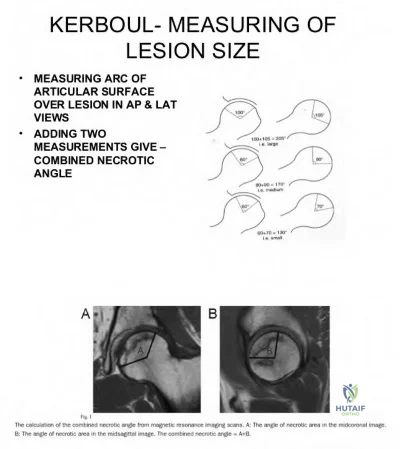
A patient with a ceramic-on-ceramic total hip arthroplasty complains of a new-onset "squeaking" noise from the hip with every step. Which of the following biomechanical issues is the most highly associated cause of this phenomenon?


Explanation

Squeaking in ceramic-on-ceramic hips is heavily correlated with edge loading. This occurs when the cup is malpositioned (typically excessive inclination or anteversion), causing the femoral head to articulate against the hard edge of the ceramic liner, disrupting fluid film lubrication.

Question 11

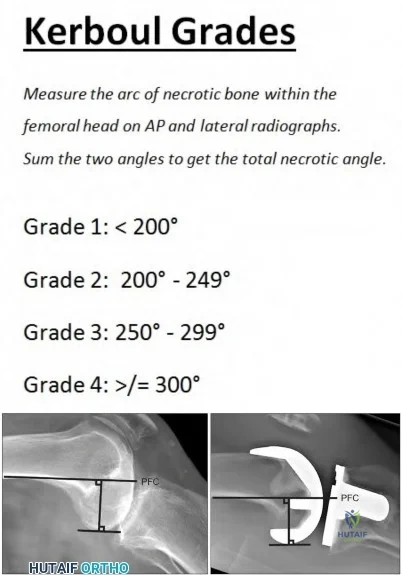
When performing a total hip arthroplasty on a patient with Crowe Type IV developmental dysplasia of the hip (DDH), which of the following surgical strategies is most often required to safely bring the hip center down to the true acetabulum without causing sciatic nerve palsy?


Explanation

In Crowe Type IV DDH (high dislocation), pulling the femur down to the true (anatomic) acetabulum places massive stretch on the sciatic nerve. A subtrochanteric shortening osteotomy is standard to safely reduce the hip without causing an irreversible stretch injury to the nerve.

Question 12

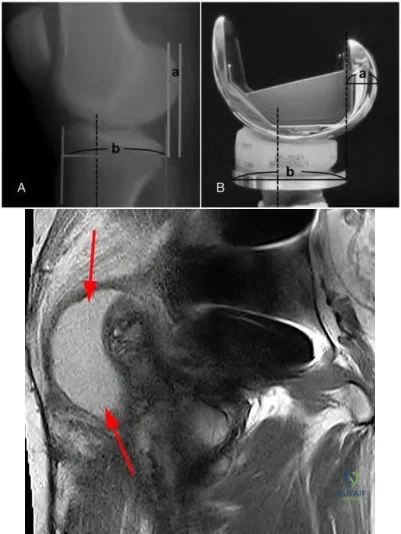
A patient with severe rheumatoid arthritis is undergoing THA for protrusio acetabuli. During acetabular preparation, the medial wall is found to be extremely thin and functionally incompetent. What is the most appropriate method to manage this defect and restore the hip center?


Explanation

In protrusio acetabuli, the goal is to lateralize the hip center back to its anatomic position. This is best achieved by placing morselized cancellous bone graft (impaction grafting) into the medial defect and gaining secure initial fixation on the peripheral rim of the acetabulum with a cementless hemispherical shell.

Question 13

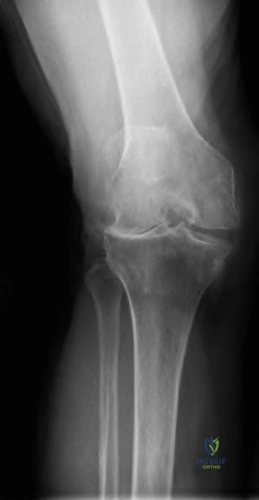
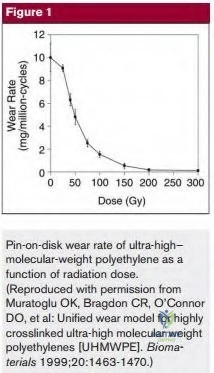
In modern total hip arthroplasty, highly cross-linked polyethylene (HXLPE) is used to drastically reduce volumetric wear. Which process is essential after irradiation to prevent the polyethylene from undergoing in vivo oxidation and subsequent failure?


Explanation

While irradiation creates the cross-links that improve wear resistance, it also leaves behind free radicals. If left untreated, these react with oxygen in vivo, embrittling the plastic. Heating the material above its melting point (remelting) or close to it (annealing) mobilizes and eliminates these free radicals. Vitamin E doping is another modern alternative.

Question 14

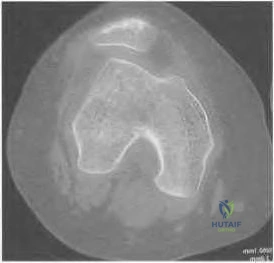
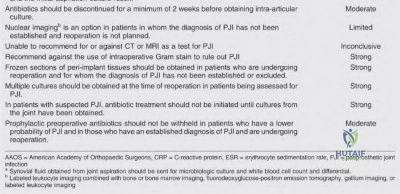
Which diagnostic test provides the highest specificity for ruling in a periprosthetic joint infection (PJI) by measuring a synovial biomarker produced directly by activated neutrophils?


Explanation

Alpha-defensin is an antimicrobial peptide released by neutrophils in response to pathogens. A positive synovial alpha-defensin test has an exceptionally high sensitivity and specificity for periprosthetic joint infection and is not artificially elevated by recent antibiotics or systemic inflammatory conditions.

Question 15

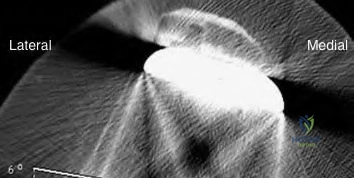
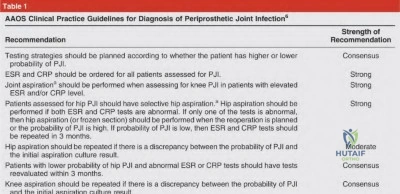
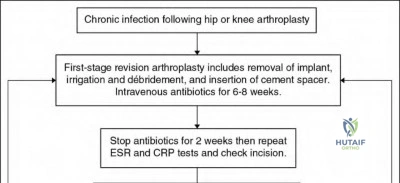
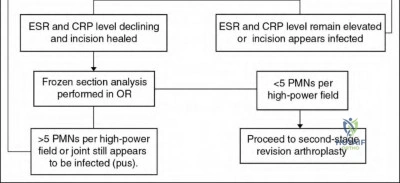
The gold standard treatment for a chronic periprosthetic joint infection of the hip is a two-stage revision. Which of the following accurately describes the key components of the first stage?


Explanation

The first step of a two-stage exchange for chronic PJI involves removing all foreign materials (implants, cement, necrotic bone), radically debriding the joint, and placing a high-dose antibiotic-loaded spacer to deliver local therapy while keeping the tissues under tension.

Question 16

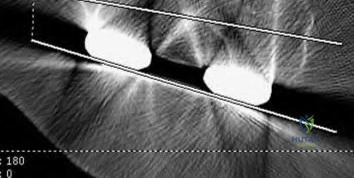
A patient presents with massive acetabular bone loss and pelvic discontinuity (complete separation of the superior and inferior halves of the hemipelvis). During revision THA, what is the most mechanically sound construct to achieve rigid fixation?


Explanation

Pelvic discontinuity represents a complete fracture through the acetabulum. The repair requires spanning the defect and providing mechanical rigidity between the ilium and ischium. This is reliably achieved using a highly porous metal cup-cage construct or a custom patient-specific triflange component.

Question 17

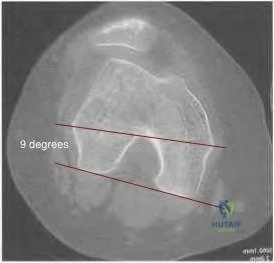
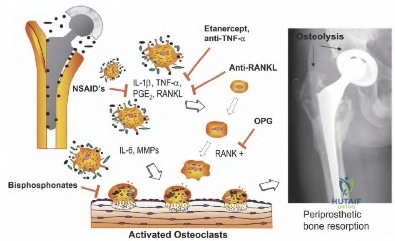
What is the primary biologic mechanism leading to osteolysis and aseptic loosening in total joint arthroplasty?


Explanation

Particulate disease (osteolysis) is driven by the generation of submicron polyethylene wear particles. These are phagocytosed by macrophages, which then release pro-inflammatory cytokines (TNF-a, IL-1, IL-6), ultimately stimulating osteoclast-mediated bone resorption.

Question 18

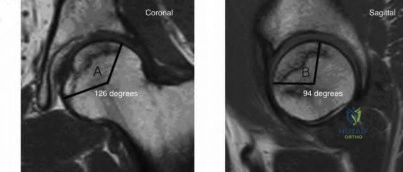
When cementing a femoral stem during THA, what is the optimal thickness of the cement mantle to ensure long-term survivorship and limit the risk of cement fracture?


Explanation

Biomechanical studies show that an optimal PMMA cement mantle thickness is between 2 to 3 mm. Mantles thinner than this are prone to brittle fracture under load, while thicker mantles can undergo excessive shrinkage and thermal necrosis of bone.

Question 19

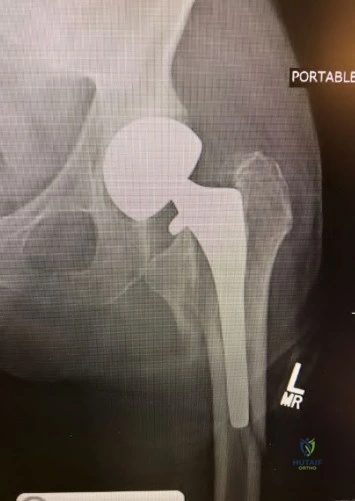
In a patient with standard risk for deep vein thrombosis undergoing primary elective total knee arthroplasty, what agent is strongly supported by recent guidelines for chemical VTE prophylaxis?


Explanation

Recent AAOS and ACCP guidelines support the use of Aspirin for VTE prophylaxis in standard-risk patients undergoing total joint arthroplasty. It provides a good balance between preventing clots and minimizing the risk of postoperative hematoma and wound complications compared to aggressive anticoagulants.

Question 20

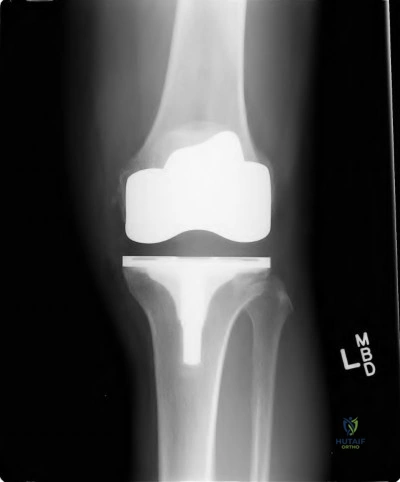
A constrained condylar knee (CCK) prosthesis utilizes a large, tall tibial post fitting into a deep femoral box. Which of the following is the primary indication to upgrade to a CCK design during revision TKA?


Explanation

CCK implants provide varus/valgus constraint. They are indicated when the collateral ligaments (MCL or LCL) are attenuated or deficient, but the soft-tissue sleeve is still somewhat intact. If both collateral ligaments are completely incompetent, a rotating hinge knee (RHK) is required.

Question 21

A 65-year-old female presents with thigh pain. She has been taking oral alendronate for 7 years. Radiographs show a transverse fracture of the lateral cortex of the subtrochanteric femur with focal cortical thickening ("beaking"). What is this injury, and what is the underlying mechanism?


Explanation

Long-term bisphosphonate use severely suppresses osteoclast activity and normal bone remodeling. This allows microdamage to accumulate on the tension side of the femur (lateral cortex), leading to a characteristic atypical femur fracture (transverse, lateral cortical beaking, minimal trauma).

Question 22

When performing a Total Hip Arthroplasty (THA) via the direct anterior (Smith-Petersen) approach, the surgeon utilizes a true internervous plane. Which two muscles define this superficial surgical interval?


Explanation

The direct anterior approach utilizes the internervous plane between the Sartorius (femoral nerve) and the Tensor Fasciae Latae (superior gluteal nerve) superficially. Deep, it passes between the rectus femoris (femoral nerve) and gluteus medius (superior gluteal nerve).

Question 23

A surgeon performing a TKA internally rotates the femoral component excessively in relation to the epicondylar axis. What is the most likely clinical consequence of this technical error?


Explanation

Internal rotation of the femoral component translates the trochlear groove medially, which dramatically increases the Q-angle dynamically, leading to lateral patellar maltracking or dislocation.

Question 24

When sizing the femoral component in TKA, an anterior referencing system measures from the anterior cortex to establish component size. If the surgeon encounters an "in-between" size and decides to downsize the component using an anterior referencing guide, what happens to the joint gaps?


Explanation

Anterior referencing locks the anterior cut to prevent notching. Therefore, any change in component size alters the posterior condylar resection. Downsizing means more posterior bone is resected, which increases (loosens) the flexion gap.

Question 25

A 70-year-old female presents with a severely stiff TKA (ROM 10-60 degrees) two years post-op. Workup for infection is completely negative. She undergoes a revision TKA. Which of the following surgical maneuvers is absolutely critical to successfully expose the joint and avoid catastrophic extensor mechanism avulsion?


Explanation

In stiff knees, the patellar tendon is contracted and at massive risk for avulsion from the tibial tubercle during flexion and eversion. An extensile approach, such as a rectus snip, V-Y turndown, or tibial tubercle osteotomy (TTO), is required to safely evert or laterally sublux the patella.

Question 26

A popliteal artery injury during total knee arthroplasty is a rare but limb-threatening complication. During which specific step of the procedure is this vessel at the greatest anatomic risk of direct transection or injury?


Explanation

The popliteal artery runs directly posterior to the knee capsule. It is at maximum risk during the flat posterior tibial bone cut (if the saw blade plunges too deep) and during sharp dissection/release of the posterior capsule and meniscal remnants.

Question 27

A 68-year-old female presents with a severe valgus knee deformity (knock-knee) and undergoes TKA. Post-operatively, she exhibits foot drop. Which nerve is most likely injured, and what is the primary mechanism?


Explanation

The common peroneal nerve is tethered at the fibular neck. In a severe, chronic valgus deformity, the lateral structures adaptively shorten. When the knee is surgically straightened (varus producing correction), the nerve undergoes massive traction, resulting in a stretch-induced palsy (foot drop).

Question 28

A 40-year-old female with osteoarthritis of the hip desires a hip resurfacing arthroplasty (HRA) to maintain high-impact activities. Which of the following is considered an absolute contraindication to this procedure?


Explanation

Hip resurfacing exclusively uses Metal-on-Metal (MoM) bearings, which generate metal ions (cobalt and chromium) cleared by the kidneys. Renal failure prevents clearance, leading to toxicity. Females of childbearing age are also contraindicated due to the unknown teratogenic effects of circulating metal ions crossing the placenta.

Question 29

A patient undergoes a direct lateral (Hardinge) approach for a total hip arthroplasty. Post-operatively, the patient has a severe limp and drops the contralateral pelvis during the stance phase of gait. Which nerve was most likely injured due to excessive superior splitting of the abductor mechanism?


Explanation

The superior gluteal nerve innervates the gluteus medius and minimus. It enters the deep surface of the muscle approximately 3-5 cm proximal to the greater trochanter. Splitting the gluteus medius too far proximally during a lateral approach will denervate the anterior portion of the muscle, causing a Trendelenburg lurch.

Question 30

A dual-mobility (DM) articulation in total hip arthroplasty provides excellent resistance to dislocation. How does the biomechanics of a DM cup achieve this stability compared to a standard bearing?


Explanation

Dual-mobility cups feature a small metal or ceramic head mobile inside a large polyethylene sphere, which itself moves inside a polished metal shell. This large outer diameter massively increases the "jump distance" (the distance the head must travel to dislocate), dramatically reducing dislocation rates.

Question 31

A patient presents with an infected TKA and massive extensor mechanism necrosis requiring radical resection. After eradicating the infection, reconstruction of the extensor mechanism is planned. Which of the following is considered the most durable and reliable material for massive full-thickness extensor mechanism defects?


Explanation

Massive defects of the extensor mechanism (especially in revision TKA) cannot be closed primarily. A fresh-frozen complete extensor mechanism allograft is the gold standard for restoring continuity, tightly sutured proximally to the host quadriceps and fixed distally via a bone block in the tibial tubercle. Synthetic mesh is an alternative but historically allografts are standard.

Question 32

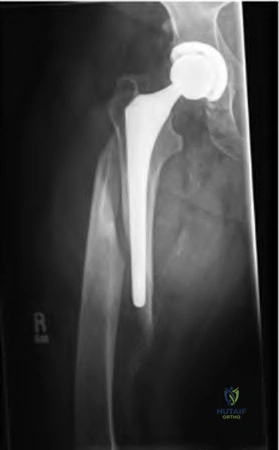
A 55-year-old male with end-stage hip osteoarthritis also has a stiff, arthrodesed (fused) ipsilateral knee from childhood trauma. Which of the following complications is he at uniquely high risk for after undergoing a standard primary Total Hip Arthroplasty?


Explanation

Patients with an ipsilateral knee arthrodesis lack the ability to absorb rotational and bending forces at the knee. When getting out of a chair or twisting, the long, rigid lever arm transfers massive torsional stress directly to the femur, creating a very high risk for spiral periprosthetic femur fractures around or below the THA stem.

Question 33

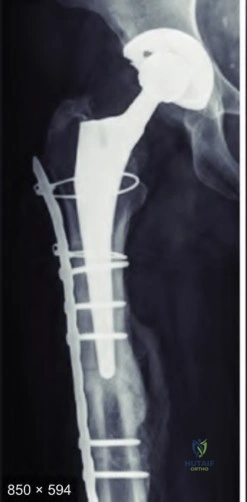
In evaluating a patient with a painful primary THA, you suspect a diagnosis of aseptic loosening due to massive osteolysis. What material property of modern titanium (Ti-6Al-4V) alloy stems helps reduce stress shielding compared to Cobalt-Chromium (CoCr) stems?


Explanation

Titanium alloys have a modulus of elasticity (stiffness) that is roughly half that of Cobalt-Chromium. Because it is more flexible and closer to the stiffness of cortical bone, it shares the mechanical load better with the surrounding femur, significantly reducing stress shielding (Wolff's Law).

Question 34

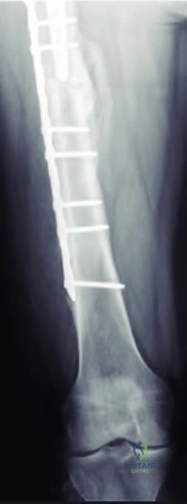
What is the primary function of the "screw-home" mechanism in the normal human knee during terminal extension?


Explanation

Because the medial femoral condyle is larger and longer than the lateral condyle, the tibia must externally rotate a few degrees during the final 10-15 degrees of terminal extension. This "locks" the joint in a highly stable position for prolonged standing, reducing muscular energy requirements.

Question 35

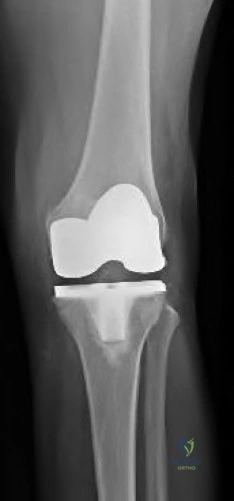
A 62-year-old male with a history of intravenous drug use and Hepatitis C presents with a completely destroyed, infected knee joint. After failed multiple 2-stage revisions, he undergoes a knee arthrodesis (fusion). What is the optimal position for knee arthrodesis to maximize ambulation efficiency?


Explanation

The optimal position for a functional knee fusion is slight flexion (10-15 degrees) to allow foot clearance during the swing phase of gait and facilitate sitting, combined with physiologic valgus (5-7 degrees) and slight external rotation (5-10 degrees).

Question 36

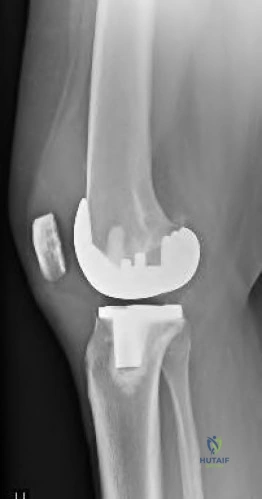
Trabecular metal (highly porous Tantalum) is frequently used in acetabular revision components. What is its main mechanical advantage over traditional sintered titanium bead porous coatings?


Explanation

Tantalum trabecular metal mimics cancellous bone with high volumetric porosity (70-80%), allowing deep biologic ingrowth. Its very high coefficient of friction against host bone gives it an incredibly strong initial "scratch fit," which is crucial in revision scenarios with compromised bone stock.

Question 37

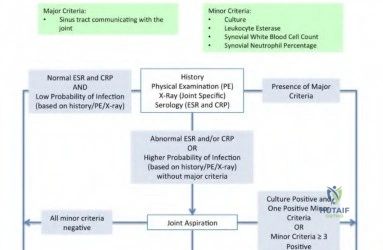
A 65-year-old patient who previously sustained an intra-articular tibial plateau fracture treated with ORIF now presents with severe post-traumatic arthritis requiring TKA. The surgeon must carefully plan the incision. What is a cardinal rule regarding parallel incisions around the knee?


Explanation

The blood supply to the anterior skin of the knee runs primarily from medial to lateral. A lateral incision cuts off blood supply to the skin medial to it. Therefore, if multiple parallel vertical incisions exist, the surgeon must use the most lateral usable incision to prevent necrosis of the skin bridge.

Question 38

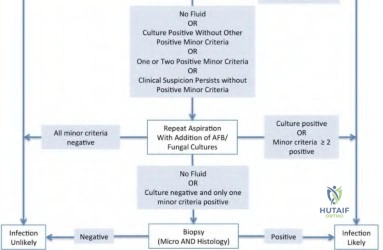
During a revision TKA for a stiff knee, the surgeon decides to perform a Tibial Tubercle Osteotomy (TTO) to evert the extensor mechanism safely. What is a critical technical requirement when performing a TTO?


Explanation

A proper TTO leaves the lateral muscular and periosteal attachments (tibialis anterior) intact on the bone block. This provides vascularity to the fragment to ensure healing and acts as a hinge. The block should be long (typically 6-8 cm) to allow secure rigid fixation with screws or wires.

Question 39

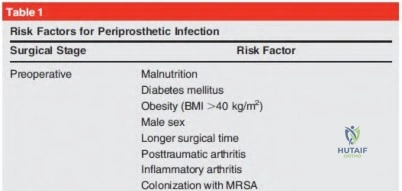
A patient with a history of an arthrodesed (fused) hip from a childhood infection now presents with severe low back pain and ipsilateral knee pain. He requests a takedown of the hip fusion and conversion to a Total Hip Arthroplasty. He must be heavily counseled about the high rate of complications. What is the most likely neuromuscular complication following this specific procedure?


Explanation

Because the hip has been fused for decades, the gluteal (abductor) muscles are severely atrophied and fibrotic. Even if the bony takedown is successful, patients universally suffer from severe, irreversible abductor weakness, leading to a permanent Trendelenburg lurch and a very high risk of recurrent dislocation.

Question 40

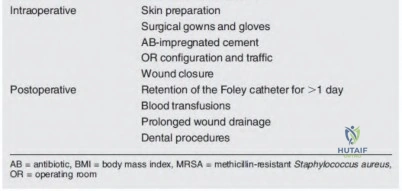
A 75-year-old male with gouty arthritis of the knee undergoes an aspiration of an acutely swollen joint. What is the classic finding under polarized light microscopy for this condition?


Explanation

Gout is caused by the precipitation of monosodium urate crystals in the joint. Under polarized light microscopy, these classically appear as negatively birefringent, needle-shaped crystals (appearing yellow when parallel to the compensator axis). Pseudogout (CPPD) features positively birefringent rhomboid crystals.

Question 41

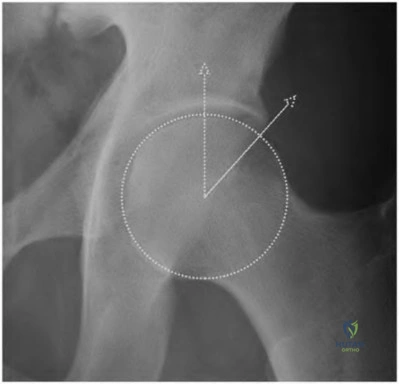
A 55-year-old female presents with bilateral knee pain. Joint aspiration yields synovial fluid analyzing for positively birefringent, rhomboid-shaped crystals. Radiographs show linear calcifications within the menisci (chondrocalcinosis). What is the diagnosis?


Explanation

Pseudogout, or Calcium Pyrophosphate Deposition (CPPD) disease, is characterized by chondrocalcinosis on radiographs and positively birefringent, rhomboid-shaped crystals in the synovial fluid.

Question 42

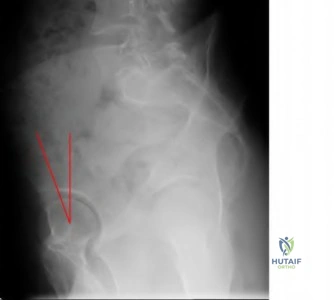
A 60-year-old diabetic patient with neuropathy presents with a massively swollen, painless knee. Radiographs reveal severe osseous destruction, debris, dislocation, and dense sclerosis. You diagnose Charcot arthropathy. If conservative bracing fails, what is the required component constraint if performing a Total Knee Arthroplasty?


Explanation

Charcot arthropathy (neuropathic joint) is marked by profound ligamentous laxity and sensory loss. Standard unconstrained implants (CR or PS) will inevitably fail due to instability and massive bone loss. High constraint, typically a rotating hinge knee with long cemented stems, is required to prevent catastrophic dislocation.

Question 43

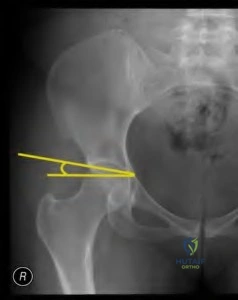
A patient presents with thigh pain 10 years after receiving a cementless THA. Radiographs show a well-fixed stem but extensive expansile osteolysis in Gruen zones 1 and 7, localized around the metaphysis. The liner is severely worn. What is the most appropriate surgical treatment?


Explanation

In the presence of massive osteolysis but a well-fixed cementless component, the morbidity of extracting the stem is high and unnecessary. The gold standard is to retain the stable stem, perform a polyethylene liner exchange (to stop the particulate generator), and pack the osteolytic cysts with bone graft.

Question 44

Which of the following approaches to the hip has historically been associated with the highest risk of postoperative dislocation if careful soft-tissue repair is not performed?
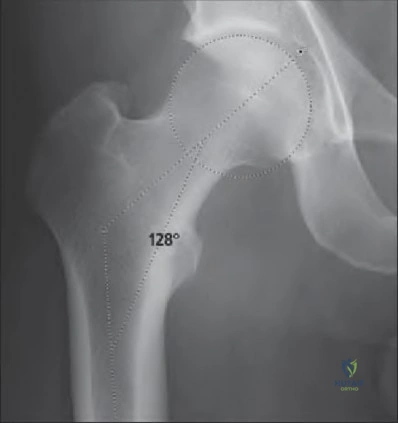


Explanation

The posterior approach has historically carried the highest risk of posterior dislocation because it involves taking down the posterior capsule and short external rotators. A rigorous enhanced posterior soft-tissue repair significantly reduces this risk to levels comparable to other approaches.

Question 45

A 65-year-old male with end-stage hip osteoarthritis is being templated for a THA. It is critical to restore the femoral offset. If the surgeon selects a femoral stem with a high offset option (standard vs high offset neck), what is the primary biomechanical effect on the hip joint?


Explanation

Increasing femoral offset (the horizontal distance from the center of the femoral head to the anatomical axis of the femur) increases the moment arm of the abductor muscles. This allows the abductors to stabilize the pelvis with less force, which consequently decreases the overall joint reaction force pressing into the acetabulum, reducing wear.

Question 46

A 55-year-old female presents with bilateral osteoarthritis of the hip secondary to developmental dysplasia. She undergoes a THA. The acetabular cup is placed in the "safe zone" defined by Lewinnek. What are the specific angular parameters of the Lewinnek safe zone?


Explanation

The historical Lewinnek "safe zone" for acetabular component placement to minimize dislocation risk is 40° ± 10° of inclination (abduction) and 15° ± 10° of anteversion.

Question 47

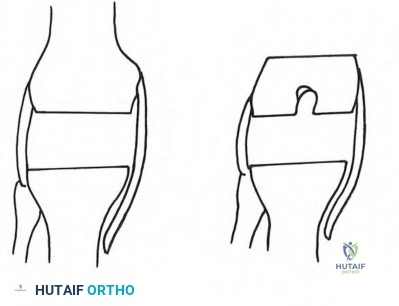
During routine primary TKA, the surgeon utilizes an anterior referencing system to size the femur. The surgeon selects a size that requires a large amount of anterior bone resection. If the anterior femoral cut notches the anterior cortex of the femur, what catastrophic complication is the patient at high risk for?


Explanation

Notching the anterior femoral cortex creates a massive stress riser in the supracondylar region of the femur. This significantly weakens the bone under torsional and bending loads, leading to a high incidence of postoperative periprosthetic femur fractures.

Question 48

A 30-year-old male with sickle cell disease develops bilateral osteonecrosis (avascular necrosis) of the femoral heads. He has Ficat Stage III disease (subchondral collapse with crescent sign) and severe pain. Core decompression has failed. What is the most appropriate definitive surgical management?
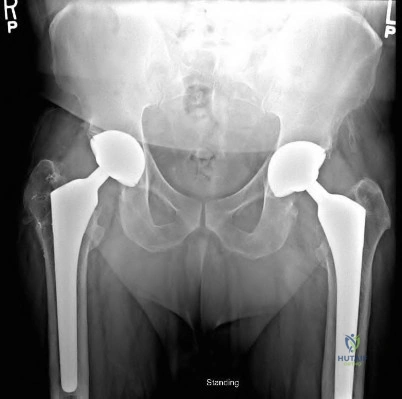


Explanation

Once the femoral head has collapsed (Ficat Stage III or IV), joint-preserving procedures like core decompression or vascularized grafting have a very high failure rate. Total Hip Arthroplasty (THA) is the treatment of choice to restore function and relieve pain, despite the younger age and medical complexities.

Question 49

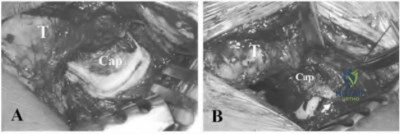
In patients undergoing TKA, leaving the patella unresurfaced may be chosen by some surgeons. What is the most common complication and reason for reoperation in patients who receive a TKA without patellar resurfacing?


Explanation

The most common complication of not resurfacing the patella during TKA is persistent anterior knee pain. This is also the leading cause for secondary reoperation (to retroactively resurface the patella). Resurfacing generally carries a slightly higher risk of patellar fracture, but lowers the risk of anterior knee pain.

Question 50

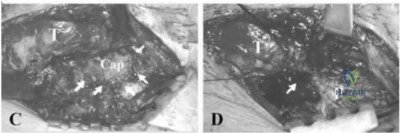
A 60-year-old male with a history of a high tibial osteotomy (HTO) 10 years ago now requires a TKA for end-stage arthritis. A classic anatomic complication of a previous closing-wedge HTO is "patella baja". What surgical difficulty does patella baja present during the TKA?


Explanation

Patella baja (an abnormally low-riding patella) occurs after HTO due to contracture/scarring of the patellar tendon. During TKA, this shortened tendon makes it extremely difficult to evert the patella and expose the joint, significantly increasing the risk of avulsing the patellar tendon from the tibial tubercle.

Question 51

Intraoperatively during a primary total knee arthroplasty (TKA), the surgeon notes the joint is excessively tight in flexion but symmetric and well-balanced in extension. Which of the following is the most appropriate next step to achieve a balanced gap?


Explanation

A tight flexion gap with a balanced extension gap requires decreasing the anteroposterior (AP) diameter of the femur. Downsizing the femoral component with an anterior referencing guide removes more posterior condylar bone, selectively increasing the flexion gap.

Question 52

A 65-year-old male presents with a painful TKA 2 years postoperatively. Aspiration yields a synovial fluid WBC count of 4,500 cells/µL with 85% polymorphonuclear leukocytes (PMNs). Serum CRP is 15 mg/L. According to MSIS criteria, what is the most appropriate next step in management?


Explanation

According to MSIS criteria, chronic periprosthetic joint infection (PJI) is diagnosed with a synovial WBC >3000 cells/µL and PMNs >80%. The gold standard of care for a chronic PJI in North America is a two-stage exchange arthroplasty.

Question 53

A 55-year-old active female with a ceramic-on-ceramic total hip arthroplasty (THA) complains of a squeaking noise from her hip when walking or bending. Radiographs show a well-fixed stem and cup. What is the most likely biomechanical cause of this phenomenon?


Explanation

Squeaking in ceramic-on-ceramic THA is highly associated with edge loading, often secondary to component malposition (e.g., steep cup inclination or excessive anteversion). This disrupts fluid film lubrication and leads to stripe wear.

Question 54

A 78-year-old female sustains a fall and presents with thigh pain. Radiographs reveal a periprosthetic fracture around the stem of her THA. The fracture extends just below the tip of the stem. The stem is visibly loose, but the proximal femoral bone stock is adequate. What is the most appropriate treatment?


Explanation

This describes a Vancouver B2 periprosthetic fracture (fracture around the stem, loose implant, good bone stock). The standard treatment involves revision arthroplasty using a long uncemented diaphyseal-fitting stem to bypass the fracture.

Question 55

A 72-year-old man undergoes revision TKA. Six months later, he presents with an inability to actively extend his knee and a palpable gap at the patellar tendon. Which reconstruction method provides the most reliable long-term clinical outcome for this chronic disruption?


Explanation

Recent literature demonstrates that synthetic mesh (e.g., Marlex) reconstruction for chronic extensor mechanism disruption offers lower failure rates and better functional outcomes compared to traditional allograft reconstructions.

Question 56

A 62-year-old male with a metal-on-metal hip resurfacing complains of groin pain and swelling 5 years postoperatively. Joint aspiration is negative for infection. MRI with MARS reveals a large cystic mass communicating with the joint. What histological finding is most expected?


Explanation

Metal-on-metal adverse local tissue reactions (pseudotumors) are histologically characterized by an ALVAL response. This involves a delayed Type IV hypersensitivity reaction with dense perivascular lymphocytic infiltration.

Question 57

Following a primary TKA, the surgeon observes lateral patellar tracking during the trial range of motion. Which of the following technical errors most commonly causes this issue?


Explanation

Internal rotation of the tibial and/or femoral components effectively increases the Q-angle, leading to lateral patellar maltracking. External rotation of these components improves tracking.

Question 58

A 68-year-old female presents with a painful catching sensation at 30 degrees of flexion when actively extending her knee. She underwent a posterior-stabilized TKA 1 year ago. What is the most appropriate definitive management?


Explanation

Patellar clunk syndrome occurs in posterior-stabilized TKA designs due to a fibrotic nodule forming at the superior pole of the patella that catches in the intercondylar notch. The definitive treatment is arthroscopic or open excision of the nodule.

Question 59

A surgeon is performing a direct anterior approach for a THA. Postoperatively, the patient notes numbness and a burning sensation over the anterolateral aspect of the operative thigh. Which surgical maneuver most likely caused this complication?


Explanation

The lateral femoral cutaneous nerve (LFCN) is at risk during the direct anterior approach to the hip. Aggressive medial retraction of the sartorius or rectus femoris can stretch or directly injure the LFCN.

Question 60

During a complex revision TKA, the surgeon encounters complete avulsion and absence of the medial collateral ligament (MCL). The lateral collateral ligament is intact. Which level of implant constraint is strictly required?


Explanation

Complete disruption or absence of the MCL generally requires a rotating hinge prosthesis to provide adequate stability. A CCK implant relies on at least one partially functioning collateral ligament to prevent catastrophic failure of the central post.

Question 61

A 75-year-old male with a history of recurrent THA dislocations secondary to severe abductor deficiency is planned for revision surgery. His acetabular cup is well-fixed and correctly positioned. Which of the following is the most appropriate reconstructive option?


Explanation

A dual-mobility construct provides excellent stability for patients with recurrent instability and abductor deficiency, boasting lower failure rates than constrained liners. It increases the effective head size and jump distance.

Question 62

When utilizing an anterior referencing system during TKA, downsizing the femoral component will result in which of the following gap changes?


Explanation

Anterior referencing bases the cuts off the anterior femoral cortex. Downsizing the femoral component shifts the posterior cut further anteriorly, resecting more posterior condylar bone and thus increasing the flexion gap.

Question 63

A 60-year-old male presents with unilateral hip pain 7 years after a metal-on-polyethylene THA utilizing a large-diameter cobalt-chrome head. Inflammatory markers are normal, but serum cobalt levels are significantly elevated while chromium is normal. What is the most likely diagnosis?


Explanation

Trunnionosis is mechanically assisted crevice corrosion at the head-neck junction. It classically presents with elevated serum cobalt levels disproportionate to chromium in metal-on-polyethylene implants, particularly those utilizing large modular heads.

Question 64

A 55-year-old active male underwent a primary total hip arthroplasty using a ceramic-on-ceramic bearing. Three years postoperatively, he complains of an audible squeaking noise from the hip during ambulation, though he is pain-free. What is the most likely risk factor for this phenomenon?


Explanation

Squeaking in ceramic-on-ceramic THA is strongly associated with edge loading caused by component malpositioning (e.g., steep cup inclination or excessive anteversion). Stripe wear is also characteristic of this mechanical complication.

Question 65

During a primary posterior-stabilized total knee arthroplasty, the surgeon uses spacer blocks and notes that the knee is well-balanced in extension but tight in flexion. Which of the following is the most appropriate next step to balance the knee?


Explanation

A knee that is tight in flexion and balanced in extension requires a reduction in the anteroposterior dimension of the femoral component (downsizing the femur). Increasing the posterior tibial slope can also increase the flexion gap without affecting the extension gap.

Question 66

A 60-year-old male presents with isolated medial compartment osteoarthritis of the knee. Which of the following is a classic contraindication to performing a medial unicompartmental knee arthroplasty (UKA) in this patient?


Explanation

An intact ACL is traditionally considered a prerequisite for medial UKA, as ACL deficiency leads to altered kinematics and early failure. Age, weight, and asymptomatic patellofemoral arthritis are no longer considered absolute contraindications.

Question 67

A 70-year-old female presents with a painful total knee arthroplasty 3 years postoperatively. Synovial fluid analysis reveals an elevated alpha-defensin level. What is the biological function of the molecule being measured?


Explanation

Alpha-defensin is a biomarker with high sensitivity and specificity for periprosthetic joint infection. It is an antimicrobial peptide secreted by neutrophils in response to pathogens.

Question 68

A 78-year-old female with a history of a cementless total hip arthroplasty falls and sustains a periprosthetic femoral fracture. Radiographs show a fracture around the tip of the stem with subsidence of the component, but the proximal femoral bone stock remains adequate. According to the Vancouver classification, what is the most appropriate management?


Explanation

This is a Vancouver B2 fracture (fracture around the stem, loose stem, adequate bone stock). The standard of care is revision arthroplasty using a long extensively porous-coated or fluted tapered diaphyseal-engaging stem.

Question 69

A 65-year-old male with a metal-on-polyethylene total hip arthroplasty presents with new-onset groin pain 5 years postoperatively. Serum cobalt and chromium levels are significantly elevated, and MRI demonstrates a solid/cystic pseudotumor. What is the most likely source of the metal ions?


Explanation

In a metal-on-polyethylene THA with elevated metal ions and a pseudotumor, the source is typically trunnionosis. This involves mechanically assisted crevice corrosion at the modular head-neck junction.

Question 70

Highly cross-linked polyethylene (HXLPE) was developed to reduce wear rates in total hip arthroplasty. Which of the following material properties is most significantly DECREASED as a result of the irradiation and remelting process used to create HXLPE?


Explanation

The high-dose irradiation used to cross-link polyethylene significantly improves wear resistance but decreases its mechanical properties, including fatigue strength and yield strength. Remelting or annealing is used to eliminate free radicals and improve oxidation resistance.

Question 71

In total hip arthroplasty, increasing the femoral offset without changing the leg length or neck-shaft angle has which of the following biomechanical effects?


Explanation

Increasing femoral offset increases the lever arm of the abductor muscles, thereby decreasing the force required by the abductors and reducing the overall joint reaction force. However, it does increase the bending moment on the femoral stem.

Question 72

During a direct anterior approach for a total hip arthroplasty, an intern retracts the tensor fasciae latae laterally and the sartorius medially. A nerve running over the anterior aspect of the thigh is inadvertently injured. This nerve originates from which nerve roots?


Explanation

The lateral femoral cutaneous nerve (LFCN) is at risk during the direct anterior approach to the hip. It originates from the L2 and L3 nerve roots of the lumbar plexus.

Question 73

A 68-year-old female is 1 year out from a posterior-stabilized (PS) total knee arthroplasty. She complains of a painful catching and popping sensation in the anterior knee when extending from a flexed position. What is the most likely etiology?


Explanation

Patellar clunk syndrome is most commonly associated with older PS knee designs. It is caused by the formation of a fibrous nodule at the superior pole of the patella that catches in the femoral intercondylar box during active extension.

Question 74

A patient undergoing revision total hip arthroplasty has massive acetabular bone loss. Intraoperative assessment reveals pelvic discontinuity, and the superior rim of the acetabulum is absent with greater than 3 cm of superomedial component migration. Which Paprosky classification best describes this defect?


Explanation

Paprosky Type IIIB defects involve severe destruction of the acetabular rim, >3 cm of superomedial migration, and pelvic discontinuity. Management often requires complex constructs like a cup-cage or custom triflange.

Question 75

A 72-year-old male presents with inability to perform a straight leg raise 3 months following a primary total knee arthroplasty. Imaging demonstrates an avulsion of the patellar tendon from the tibial tubercle. What is the most reliable surgical management for this complication?


Explanation

Chronic or post-TKA patellar tendon avulsions have a high failure rate with primary repair. Reconstruction with a synthetic mesh (e.g., Marlex) or a complete extensor mechanism allograft is the preferred and most reliable treatment.

Question 76

A patient is undergoing a total knee arthroplasty for a severe valgus deformity. During the surgical exposure and balancing, a structure is injured leading to a postoperative foot drop. At what specific step of the procedure is this nerve at highest risk of injury?


Explanation

The common peroneal nerve is at highest risk of injury during the correction of severe valgus deformities, particularly during the release of the iliotibial band and posterolateral capsule, or due to traction postoperatively.

Question 77

A 75-year-old patient with Parkinson's disease and abductor deficiency experiences recurrent posterior dislocations following a primary THA. A revision to a constrained acetabular liner is planned. What is the most critical prerequisite for the successful use of a constrained liner?


Explanation

Constrained liners transfer significant forces to the bone-implant interface. Therefore, a well-fixed, osseointegrated acetabular shell is an absolute prerequisite to prevent catastrophic failure and cup loosening.

Question 78

A patient with a metal-on-metal total hip arthroplasty presents with a large fluid collection and tissue necrosis around the hip joint. Histological examination of the periprosthetic tissue is most likely to show:


Explanation

Adverse local tissue reactions (ALTR) or ALVAL in metal-on-metal implants are characterized histologically by a diffuse perivascular lymphocytic infiltrate, tissue necrosis, and minimal to no polyethylene particles.

Question 79

A patient complains of the operative leg feeling "too long" immediately following a THA. Radiographs show the tip of the greater trochanter is perfectly aligned with the center of the femoral head, but the lesser trochanter is 15 mm distal to the ischial tuberosity compared to the contralateral side. The femoral offset is symmetric. What error occurred intraoperatively?


Explanation

If the relationship between the greater trochanter and the center of rotation is maintained, but the femur is distally displaced relative to the pelvis (lesser trochanter to ischial tuberosity), the acetabular component was placed too inferiorly, lowering the center of rotation and lengthening the leg.

Question 80

In mechanically aligned total knee arthroplasty, the distal femoral cut is typically made at what angle relative to the intramedullary axis of the femur?


Explanation

In standard mechanical alignment for TKA, the distal femoral cut is made perpendicular to the mechanical axis. Since the mechanical axis typically diverges from the anatomic axis by 5-7 degrees, a 5-7 degree valgus cut relative to the intramedullary (anatomic) axis is utilized.

Question 81

According to the 2018 International Consensus Meeting (ICM) criteria, which of the following is considered a major criterion for the diagnosis of periprosthetic joint infection (PJI)?


Explanation

The 2018 ICM criteria establish two major criteria for PJI: a sinus tract communicating with the joint, or two positive cultures growing the same organism. Any minor criteria (like elevated CRP, synovial WBC, or leukocyte esterase) require a scoring system.

Question 82

Dual mobility components in total hip arthroplasty reduce the risk of dislocation primarily through which biomechanical mechanism?


Explanation

Dual mobility constructs utilize a small femoral head captive within a larger mobile polyethylene sphere. This provides a larger effective head diameter (the outer diameter of the poly sphere articulating with the shell), substantially increasing the jump distance and reducing dislocation risk.

Question 83

A 65-year-old female presents with persistent knee pain 2 years after a primary TKA. Infection workup is negative. She reports her knee feels unstable when walking down stairs. Examination reveals 15 degrees of recurvatum, 130 degrees of flexion, and a mid-flexion instability. What is the most likely cause of her mid-flexion instability?


Explanation

Mid-flexion instability often occurs when the joint line is elevated during TKA. This alters the collateral ligament kinematics, leading to laxity in mid-flexion despite the knee being stable in full extension and 90 degrees of flexion.

Question 84

A 55-year-old male is scheduled for a total hip arthroplasty. He has a history of severe developmental dysplasia of the hip (Crowe Type IV). You plan a subtrochanteric shortening osteotomy. Which of the following is the most critical advantage of this technique compared to a greater trochanteric slide osteotomy?


Explanation

In Crowe IV DDH, bringing the femoral head distally into the true acetabulum stretches the sciatic nerve. A subtrochanteric shortening osteotomy critically reduces this tension, significantly lowering the risk of sciatic nerve palsy.

Question 85

A 70-year-old woman presents with sudden onset groin pain 6 weeks after an uncomplicated uncemented total hip arthroplasty. Radiographs show a Vancouver B2 periprosthetic femur fracture. Which of the following is the most appropriate management?


Explanation

A Vancouver B2 fracture is characterized by a fracture around a loose stem with adequate surrounding bone stock. The standard of care is revision of the femoral component to a long, diaphyseal-engaging porous-coated or fluted tapered stem that bypasses the fracture.

Question 86

Which of the following bearing surface combinations in total hip arthroplasty is most closely associated with the phenomenon of "stripe wear"?


Explanation

Stripe wear is specifically seen in ceramic-on-ceramic articulations. It occurs due to microseparation during the swing phase, causing edge loading when the head re-engages the acetabular rim.

Question 87

A 62-year-old male undergoes a primary total knee arthroplasty. Postoperatively, the patient develops a foot drop and paresthesias over the dorsum of the foot. The surgeon suspects a common peroneal nerve palsy. Which of the following preoperative deformities is most commonly associated with this complication?


Explanation

Common peroneal nerve palsy following TKA is most commonly associated with the correction of severe valgus and flexion contractures. The correction stretches the nerve, leading to neuropraxia or ischemia.

Question 88

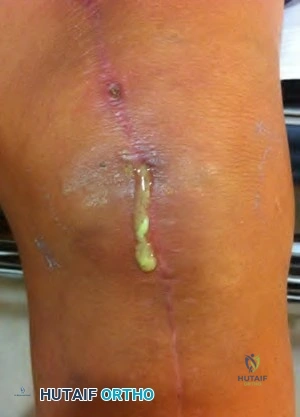
A 58-year-old male presents with groin pain 3 years after a metal-on-metal total hip arthroplasty. Inflammatory markers are normal. A MARS MRI shows a large, thick-walled cystic mass communicating with the joint. What is the most appropriate next step in management?


Explanation

In a patient with a metal-on-metal THA and a symptomatic pseudotumor (adverse local tissue reaction), serum metal ion levels (cobalt and chromium) must be checked. This assesses the severity of wear and systemic exposure prior to planning definitive revision surgery.

Question 89

In assessing a patient for a potential unicompartmental knee arthroplasty (UKA), which of the following MRI findings is an absolute contraindication for a medial UKA?


Explanation

An absolute contraindication to a medial UKA is full-thickness cartilage loss or significant osteoarthritis in the contralateral (lateral) compartment. An intact ACL is required, and mild patellofemoral disease is generally tolerated.

Question 90

During a revision total knee arthroplasty for aseptic loosening, the surgeon encounters a large uncontained (Type 3) diaphyseal bone defect in the proximal tibia. What is the most appropriate method for managing this specific defect?


Explanation

Large uncontained metaphyseal/diaphyseal defects (AORI Type 3) lack a rim of cortical bone. They require highly structural support, such as porous metal cones, sleeves, or structural allografts, combined with diaphyseal stem bypass.

Question 91

A 70-year-old female with a previous L2-Pelvis fusion presents for a primary THA. Standing and sitting lateral radiographs reveal less than 10 degrees of change in her sacral slope. Due to her stiff spinopelvic complex, she is at the highest risk for which of the following complications, and how should cup position be adjusted?


Explanation

A stiff spinopelvic complex with prior lumbar fusion prevents normal posterior pelvic tilt during sitting. This lack of functional acetabular anteversion increases the risk of posterior dislocation, necessitating compensatory increased cup anteversion during surgery.

Question 92

A 68-year-old man undergoes primary THA via a direct anterior approach. Postoperatively, he has weakness with active knee extension and diminished sensation over the anterior thigh. Which of the following structures was most likely injured during the surgical approach?


Explanation

Weakness in knee extension and anterior thigh sensory loss indicate a femoral nerve injury. In the direct anterior approach, this can occur from excessive retraction medial to the tensor fasciae latae and sartorius interval.

None

Dr. Mohammed Hutaif Clinic
Medically Verified Content by
Prof. Dr. Mohammed Hutaif Clinic
Consultant Orthopedic & Spine Surgeon
Chapter Index
