العربية
Part of the Master Guide

General Orthopedics 2026 Practice Questions: Set 13 (Solved)

Orthopedic Basic 2026 MCQs: Board Review Questions & Answers (Part 1)
23 Apr 2026 73 min read 83 Views
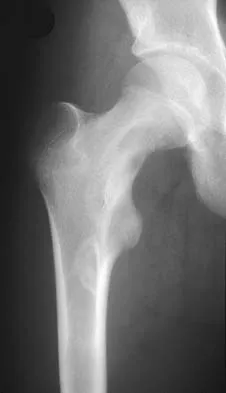
Figure for Mtd 2008 MCQs - Part 1 - Question 1

Key Takeaway

Your ultimate guide to Orthopedic Basic 2026 MCQs: Board Review Questions & Answers (Part 1) starts here. Top-rated Orthopedic Basic 2026 MCQs bank. Practice with clinical case questions, orthopedic surgery board review, and evidence-based answers updated for 2026.

Orthopedic Basic 2026 MCQs: Board Review Questions & Answers (Part 1)

Comprehensive 100-Question Exam


00:00

Start Quiz

Question 1

A 13-year-old girl has had increasing left hip pain for the past 4 months. A radiograph, bone scan, MRI scan, and photomicrograph are shown in Figures 1a through 1d. Which of the following immunohistochemistry results would confirm the most likely diagnosis?


Explanation

1b 1c 1d The imaging studies show a permeative lesion of the left hemipelvis with a large soft-tissue mass. The photomicrograph demonstrates a small blue cell tumor with pseudorosettes. The most likely diagnosis is primitive neuroectodermal tumor (Ewing's sarcoma family of tumors). MIC-2 is a highly sensitive and specific marker for this family of tumors. Cytokeratin is an epithelial marker. Vimentin is a mesenchymal marker. Thus, Ewing's sarcomas are cytokeratin negative and vimentin positive. Before discovery of the MIC-2 antigen, PAS and reticulin stains were commonly used to help differentiate Ewing's sarcoma from lymphoma. In contrast to lymphoma, Ewing's sarcomas are typically PAS positive and reticulin negative. Halliday BE, Slagel DD, Elsheikh TE, et al: Diagnostic utility of MIC-2 immunocytochemical staining in the differential diagnosis of small blue cell tumors. Diagn Cytopathol 1998;19:410-416.

Question 2

Which of the following is the preferred treatment for symptomatic localized pigmented villonodular synovitis (PVNS) of the knee?


Explanation

Localized PVNS is a variant of the disease process where the synovial proliferation occurs in one area and usually presents as a discrete mass. It has been effectively treated with complete excision. This may be performed arthroscopically or with arthrotomy. Complete synovectomy and radiation therapy are unnecessary to eradicate the localized form of PVNS. Tyler WK, Vidal AF, Williams RJ, et al: Pigmented villonodular synovitis. J Am Acad Orthop Surg 2006;14:376-385.

Question 3

A previously asymptomatic 14-year-old girl sustained a twisting injury to her ankle. Radiographs are shown in Figures 2a and 2b. Management should consist of


Explanation

2b The radiographs show a well-defined, irregular, eccentric lesion in the distal tibia metaphysis with a thin sclerotic margin. The radiographs are diagnostic of nonossifying fibroma, a common entity in this age group and in this location. No further work-up is indicated. The patient was asymptomatic prior to the injury and the lesion is small and thus not worrisome for an impending pathologic fracture; therefore, no treatment is indicated beyond observation. The natural history of these lesions is to gradually ossify as the patient reaches skeletal maturity. Menendez LR (ed): Orthopaedic Knowledge Update: Musculoskeletal Tumors. Rosemont, IL, American Academy of Orthopaedic Surgeons, 2002, pp 69-75.

Question 4

A healthy 52-year-old woman is seeking professional advice about management of osteoporosis. She has no risk factors for osteoporosis. What is the best recommendation for bone health for this patient?


Explanation

Women older than age 50 years should receive daily supplementation with calcium and vitamin D to help preserve bone density. Bone mineral density testing is recommended for women age 65 years or older and postmenopausal women with at least one risk factor for osteoporotic fractures: prior fragility fracture, low estrogen levels, premature menopause, long-term secondary amenorrhea, glucocorticoid therapy, maternal history of hip fracture, or low body mass index. Hormone therapy is not approved for the treatment of osteoporosis. Gass M, Dawson-Hughes B: Preventing osteoporosis-related fractures: An overview. Am J Med 2006;119:S3-S11.

Question 5

A 14-year-old boy reports progressive right wrist pain. Radiographs are shown in Figure 3a, and a photomicrograph is shown in Figure 3b. What is the most likely diagnosis?


Explanation

3b The radiographs show a benign-appearing, well-defined lytic lesion with a thin rim of surrounding reactive bone. The photomicrograph shows spindle cells with a myxoid cartilaginous matrix. These findings are diagnostic of chondromyxoid fibroma. This is a rare, benign tumor that usually causes pain and can be locally aggressive. Lersundi A, Mankin HJ, Mourikis A, et al: Chondromyxoid fibroma: A rarely encountered and puzzling tumor. Clin Orthop Relat Res 2005;439:171-175.

Question 6

A 37-year-old man pulled his hamstring playing softball 3 weeks ago. The patient had not noted any mass prior to his injury. MRI scans of the posterior thigh are shown in Figures 4a and 4b. Figure 4c shows the biopsy specimen from a needle biopsy. What is the most likely diagnosis?


Explanation

4b 4c Malignant fibrous histiocytoma (MFH) is the most common soft-tissue sarcoma. MFH typically presents as a large mass, deep to the fascia with heterogeneous signal on MRI. The MRI scans show a heterogeneous lesion in the posterior thigh. There is significant high signal uptake on the T2-weighted image. The histology shows malignant histiocytic cells with marked atypia and pleomorphism. Histology of a hematoma would show only old hemorrhage and some granulation tissue. Lipoma and liposarcoma are both seen as a fat-containing lesion on histology. No significant fat tissue is seen in this histologic specimen. Histology of myositis ossificans would show bone formation. Simon SR (ed): Orthopaedic Basic Science. Rosemont, IL, American Academy of Orthopaedic Surgeons, 1994, pp 219-276.

Question 7

A 16-year-old boy has had left knee pain and swelling after sustaining a minor twisting injury while playing basketball 2 weeks ago. Figures 5a through 5e show the radiograph, MRI scans, and biopsy specimens. What is the most likely diagnosis?


Explanation

5b 5c 5d 5e The imaging studies and histology are most consistent with Ewing's sarcoma. Tuberculosis can show small round blue cells on histology (lymphocytes associated with chronic infection) but would more typically involve the knee joint and periarticular bone. Osteosarcoma and MFH do not have small round blue cells histologically. Sissons HA, Murray RO, Kemp HBS: Orthopaedic Diagnosis. Berlin, Springer-Verlag, 1984, pp 254-256.

Question 8

A 45-year-old man has had left thigh pain for the past 4 months. An AP radiograph, bone scan, MRI scans, and biopsy specimens are shown in Figures 6a through 6f. What is the most appropriate treatment?


Explanation

6b 6c 6d 6e 6f The radiograph demonstrates thickened trabeculae and thickened cortices in the left proximal femur compared to the right, and the bone scan shows increased uptake in this area. The MRI scans show thickened trabeculae with normal marrow signal. These findings are diagnostic of Paget's disease. Medical treatment, including bisphosphonates and calcitonin, is indicated for painful bone lesions. Hadjipavlou AG, Gaitanis IN, Kontakis GM: Paget's disease of the bone and its management. J Bone Joint Surg Br 2002;84:160-169.

Question 9

A 13-year-old boy has a painless "knot" over his left hip. History reveals that he injured his left hip playing soccer 4 months ago. A radiograph and MRI scan obtained at the time of injury are shown in Figures 7a and 7b. He is very active and is currently asymptomatic. A current radiograph is shown in Figure 7c. What is the next most appropriate step in management?


Explanation

7b 7c The diagnosis is myositis ossificans resulting from an injury. The initial radiograph reveals a small amount of mineralization in the soft tissues overlying the left hip. The MRI scan shows signal abnormality of the entire gluteus minimus muscle with a mineralized mass in the center. The current radiograph shows a lesion within the abductor musculature with mature ossification peripherally. The imaging studies are diagnostic and the patient is asymptomatic; therefore, the management of choice is observation with no further evaluation or treatment indicated. Miller AE, Davis BA, Beckley OA: Bilateral and recurrent myositis ossificans in an athlete: A case report and review of treatment options. Arch Phys Med Rehabil 2006;87:286-290.

Question 10

Figure 8a shows the clinical photograph of an 83-year-old woman who has an enlarging left forearm mass. MRI scans are shown in Figures 8b and 8c. What is the next most appropriate step in management?


Explanation

8b 8c Any large (greater than 5 cm), deep, heterogeneous mass in the extremities should be considered a sarcoma until proven otherwise. Sarcomas are rare, and without a high index of suspicion, the lesions may be misdiagnosed or there may be a delay in diagnosis. Needle biopsies can obtain sufficient tissue for diagnosis and are associated with less morbidity than open biopsy. Marginal resections or excisional biopsies should be reserved for a few select benign lesions and locations. Damron TA, Beauchamp CP, Rougraff BT, et al: Soft-tissue lumps and bumps. Instr Course Lect 2004;53:625-637.

Question 11

An otherwise healthy 33-year-old man who works in construction reports a 3-month history of knee pain. Radiographs are shown in Figures 9a and 9b. An axial T1-weighted MRI scan with contrast, an angiogram, and histologies are shown in Figures 9c through 9f. What is the most likely diagnosis?


Explanation

9b 9c 9d 9e 9f Dedifferentiated parosteal osteosarcoma designates high-grade transformation of conventional low-grade parosteal osteosarcoma. Unlike conventional parosteal osteosarcoma, where wide surgical excision alone is considered adequate treatment, patients with dedifferentiated osteosarcoma are treated with neoadjuvant chemotherapy and wide local resection. Recognition of dedifferentiated areas with angiography can localize the area that should be biopsied and thus render an accurate diagnosis. Percutaneous biopsy of hypervascular areas should prompt the administration of chemotherapy and wide local excision to optimize patient outcome. Sheth DS, Yasko AW, Raymond AK, et al: Conventional and dedifferentiated parosteal osteosarcoma: Diagnosis, treatment, and outcome. Cancer 1996;78:2136-2145.

Question 12

A 20-year-old man has a large soft-tissue mass behind his knee. MRI scans are shown in Figures 10a through 10c. Figure 10d shows a clinical photograph of his chest. The patient's condition is most likely a result of a defect in what gene?


Explanation

10b 10c 10d The patient has a plexiform neurofibroma and multiple café-au-lait spots, all characteristic of von Recklinghausen's neurofibromatosis. This disease has been linked to a defect of the gene NF1 on chromosome 17. EWS is one of the genes associated with the 11;22 translocation found in Ewing's sarcoma and several other sarcomas. EXT1 is the most common gene affecting patients with multiple hereditary exostosis. P53 and Rb are tumor suppressor genes whose inactivation has been associated with tumors in conditions such as Li-Fraumeni and retinoblastoma, respectively. Theos A, Korf BR, American College of Physicians, et al: Pathophysiology of neurofibromatosis Type 1. Ann Intern Med 2006;144:842-849.

Question 13

A 35-year-old man reports the development of a painful 2-cm nodule on his dorsal wrist over the past 3 years. A surgeon excised the lesion with a presumptive diagnosis of a ganglion cyst. Histology sections from the excision are shown in Figures 11a and 11b. What is the most likely diagnosis?


Explanation

11b The histologic appearance of the soft-tissue lesion reveals compact nests of cells with a clear cytoplasm surrounded by a delicate border of fibrocollagenous tissue. There can be scattered multinucleated giant cells. This is consistent with a clear cell sarcoma, also called malignant melanoma of soft parts. This tumor is usually positive for S-100 and HMB45 (a melanoma-associated antigen). These tumors are frequently found around the foot and ankle. Similar to epithelioid sarcoma, it is usually intimately bound to tendons or tendon sheaths. Often the tumors are present for many years. The classic histologic appearance of this lesion differentiates it from the other choices. Enzinger FM, Weiss SW: Soft Tissue Tumors, ed 3. St Louis, MO, Mosby, 1995, p 913.

Question 14

Figures 12a through 12e show the radiograph, MRI scans, and biopsy specimens of a 17-year-old boy. What is the most likely diagnosis?


Explanation

12b 12c 12d 12e The images show an epiphyseal lesion. The MRI scan shows extensive bone edema surrounding the lesion, consistent with chondroblastoma. Histology shows polygonal chondroblasts in a cobblestone-like pattern and areas of calcification consistent with chondroblastoma. Although some giant cells are seen, the age of the patient and the polygonal chondroblasts differentiate this lesion from giant cell tumor. Clear cell chondrosarcoma is an epiphyseal lesion that occurs in an older population, and the cells have clear cytoplasm. This lesion is not producing bone on imaging or histologic specimen, eliminating osteosarcoma. Tuberculous septic arthritis can be an epiphyseal lesion, but granulomas would be seen on histology. Menendez LR (ed): Orthopaedic Knowledge Update: Musculoskeletal Tumors. Rosemont, IL, American Academy of Orthopaedic Surgeons, 2002, pp 103-111.

Question 15

An 18-year-old boy reports increasing pain with weight bearing on his right leg and at night. Examination reveals swelling around the right midcalf. Radiographs and an MRI scan are shown in Figures 13a through 13c, and a biopsy specimen is shown in Figure 13d. What is the preferred treatment?


Explanation

13b 13c 13d The findings are consistent with Ewing's sarcoma. The radiographs reveal a lytic lesion in the diaphysis of the right fibula. There is elevation of the periosteum and evidence of a surrounding soft-tissue mass. The biopsy specimen shows diffuse small round blue cells surrounding the lamellar bone. It is the second most common malignant bone tumor in children. The most common treatment regimen consists of chemotherapy followed by surgical resection and/or radiation therapy. Surgical resection is employed when the lesion can be removed with wide margins and causes less morbidity than radiation therapy. McCarthy EF, Frassica FJ: Pathology of Bone and Joint Disorders with Clinical and Radiographic Correlation. Philadelphia, PA, WB Saunders, 1998, p 258.

Question 16

A 16-year-old girl injured her hip in a fall. Radiographs are shown in Figures 14a and 14b. She denies any history of pain prior to the fall and is currently asymptomatic. A bone scan, MRI scan, and biopsy specimens are shown in Figures 14c through 14f. What is the most likely diagnosis?


Explanation

14b 14c 14d 14e 14f Although the classic radiographic appearance of fibrous dysplasia is one of a central metaphyseal lesion with ground glass matrix, it is not unusual to see either a more radiodense-appearing lesion or a more peripheral location. The histologic finding of spicules of woven bone without osteoblastic rimming in a bland fibrous background is diagnostic of fibrous dysplasia. The imaging studies could be consistent with low-grade osteosarcoma, osteoblastoma, or osteomyelitis, but all have a very different histologic picture. Observation is indicated in the absence of symptoms, impending fracture, or deformity. Fibrous dysplasia most commonly occurs in the proximal femur. Huvos AG: Bone Tumors: Diagnosis, Treatment, and Prognosis. Philadelphia, PA, WB Saunders, 1991, pp 30-43.

Question 17

A 54-year-old woman reports worsening pain in her buttock, especially when sitting for long periods of time. She has occasional pain and paresthesias radiating down her posterior leg. She has no significant medical history. MRI scans are shown in Figures 15a and 15b and a biopsy specimen is shown in Figure 15c. What is the most likely diagnosis?


Explanation

15b 15c The biopsy specimen shows a wavy collagenous matrix with elongated cells; this is most consistent with neurofibroma. The patient has a mass in the region of the sciatic nerve. Imaging characteristics, homogeneous and very low signal on T1-weighted and very high signal on the T2-weighted sequences, are consistent with a myxoid-type lesion. These include myxoma, myxoid sarcomas, and nerve sheath tumors. Campanacci M: Bone and Soft Tissue Tumors, ed 2. New York, NY, Springer-Verlag, 1999, pp 1135-1136

Question 18

It has been shown that bisphosphonate-based supportive therapy (pamidronate or zoledronate) reduces skeletal events (onset or progression of osteolytic lesions) both in patients with multiple myeloma and in cancer patients with bone metastasis. The use of biphosphonate therapy has been associated with


Explanation

The use of bisphosphonates has been recently associated with the development of osteonecrosis of the jaw. Length of exposure seems to be the most important risk factor for this complication. The type of bisphosphonate may play a role and previous dental procedures may be a precipitating factor. Bisphosphonates are a class of therapeutic agents originally designed to treat loss of bone density (ie, alendronate). The primary mechanism of action of these drugs is inhibition of osteoclastic activity, and it has been shown that these drugs are useful in diseases with propensities toward osseous metastases. In particular, they are effective in diseases in which there is clear upregulation of osteoclastic or osteolytic activity, such as breast cancer and multiple myeloma, and have developed into a mainstay of treatment for individuals with these diseases. Although shown to reduce skeletal events, there has been no improvement in patient survival. Bamias A, Kastritis E, Bamia C, et al: Osteonecrosis of the jaw in cancer after treatment with bisphosphonates: Incidence and risk factors. J Clin Oncol 2005;23:8580-8587. Thakkar SG, Isada C, Smith J, et al: Jaw complications associated with bisphosphonate use in patients with plasma cell dyscrasias. Med Oncol 2006;23:51-56.

Question 19

A 12-year-old girl has had pain in her right knee for 1 month that started as activity-related and progressed to night pain. Radiographs are shown in Figures 16a and 16b, and a biopsy specimen is shown in Figure 16c. What is the recommended treatment?


Explanation

16b 16c This is a classic appearance for an osteosarcoma. The radiographs reveal a mixed osteolytic and osteoblastic lesion in a skeletally immature patient in the distal right femoral metaphysis. The pain pattern with progressive symptoms leading to the presence of night pain is also typical for this condition. The biopsy specimen reveals pleomorphic cells and the presence of osteoid. The current standard of care in the treatment of osteosarcoma is neoadjuvant chemotherapy followed by surgical resection or amputation followed by additional postoperative chemotherapy. Osteosarcoma is not radiosensitive. Wold LE, Adler CP, Sim FH, et al: Atlas of Orthopedic Pathology, ed 2. Philadelphia, PA, WB Saunders, 2003, p 179.

Question 20

A 6-year-old boy presents with a mass and a lucent lesion involving the tibial shaft as seen in Figure 17a. The mass is mildly tender to palpation. The bone scan is focally hot in the tibia. Biopsy specimens are shown in Figures 17b and 17c. What is the most likely diagnosis?


Explanation

17b 17c Osteofibrous dysplasia frequently presents at a very young age, usually less than 10 years. In most patients, it involves the anterior cortex of the tibial shaft and minor anterior bowing of the tibia is frequently seen. The lesion is unpredictable in nature, but local recurrence is very high in patients who undergo surgery before 15 years of age. Campanacci M, Laus M: Osteofibrous dysplasia of the tibia and fibula. J Bone Joint Surg Am 1981;63:367-375.

Question 21

Figure 18a shows the clinical photograph of a 31-year-old man who has a slowly growing nodule on his right middle finger. It is minimally tender, and there is no erythema on examination. A biopsy specimen is shown in Figure 18b. What is the most likely diagnosis?


Explanation

18b Epithelioid sarcoma is the most common soft-tissue sarcoma in the hand and most commonly occurs in young adults. The tumors can be superficial and may become ulcerated. Deeper lesions are often attached to tendons, tendon sheaths, or fascial structures. These are usually minimally symptomatic. The biopsy specimen reveals the typical appearance of a nodular pattern with central necrosis. They can mimic a necrotizing granulomatous process. Usually there are chronic inflammatory cells along the margin of the tumor nodules. This biopsy specimen does not have the clear cells necessary for a clear cell carcinoma or sarcoma. Nora's tumor is a bizarre parosteal osteochondromatous proliferation (BPOP) first described in 1983 by the pathologist, Nora. The lesion is defined as a reactive heterotopic ossification and is mostly found in the hands or feet of adults in the third decade of life. Enzinger FM, Weiss SW: Soft Tissue Tumors, ed 3. St Louis, MO, Mosby, 1995, p 1074.

Question 22

A 17-year-old girl who initially presented as a child with multiple skeletal lesions, café-au-lait spots, and precocious puberty now has bone pain. A recent bone scan reveals multiple areas of increased scintigraphic uptake, including bilateral proximal femurs. A radiograph is shown in Figure 19. Besides activity modification, what is the next best line of treatment for decreasing her pain?


Explanation

McCune-Albright syndrome is the combination of polyostotic fibrous dysplasia, café-au-lait lesions, and endocrine dysfunction. The most common endocrine presentation is precocious development of secondary sexual characteristics. Compared with bone lesions in patients without polyostotic disease, the skeletal lesions in patients with the syndrome tend to be larger, more persistent, and associated with more complications. Bisphosphonate therapy has been shown in several studies to decrease the pain associated with the skeletal lesions of fibrous dysplasia. DiCaprio MR, Enneking WF: Fibrous dysplasia: Pathophysiology, evaluation and treatment. J Bone Joint Surg Am 2005;87:1848-1864.

Question 23

What are the four most common soft-tissue sarcomas to spread via the lymph node system?


Explanation

Soft-tissue sarcomas most frequently metastasize to the lung, but certain histologic types have a predilection for the lymph node system as well. Rhabdomyosarcoma, clear cell sarcoma, epithelioid sarcoma, and synovial sarcoma are four of the most common types to spread in this fashion. Careful evaluation and/or sentinel lymph node biopsy plays a role in disease staging and prognosis. Riad S, Griffin AM, Liberman B, et al: Lymph node metastasis in soft-tissue sarcoma in an extremity. Clin Orthop Relat Res 2004;426:129-134.

Question 24

Figures 20a and 20b show the AP and lateral radiographs of a 62-year-old man who has had hip pain for the past 3 weeks. Figure 20c shows a CT scan of the abdomen and pelvis. A needle biopsy specimen is shown in Figure 20d. Preoperative management should include which of the following?


Explanation

20b 20c 20d The histology shows findings consistent with metastatic renal cell carcinoma. Renal cell carcinoma metastases are extremely vascular. Preoperative embolization helps minimize the amount of blood loss during curettage of these lesions. Chatziioannou AN, Johnson ME, Pneumaticos SG, et al: Preoperative embolization of bone metastases from renal cell carcinoma. Eur Radiol 2000;10:593-596.

Question 25

A 15-year-old girl reports a 6-month history of activity-related knee pain and swelling. A radiograph, MRI scan, and biopsy specimen are shown in Figures 21a through 21c. What is the most likely diagnosis?


Explanation

21b 21c The epiphyseal location on the radiograph and MRI scan and the histologic findings of polyhedral cells separated by a chondroid matrix with pericellular, lattice-like "chicken wire" calcification all suggest chondroblastoma. Although giant cell tumors of bone typically occupy an epiphyseal location, they are rare in children and when present are often metaphyseal in skeletally immature patients. Enchondromas and osteoblastomas are generally metaphyseal and, along with giant cell tumors, have very different histology than seen here. Chondromyxoid fibromas are typically metaphyseal in location. Huvos AG: Bone Tumors: Diagnosis, Treatment, and Prognosis. Philadelphia, PA, WB Saunders, 1991, pp 295-313.

Question 26

Articular cartilage is divided into several distinct zones to optimize its biomechanical properties. Which of the following best describes the organization of collagen fibers and chondrocytes in the superficial (tangential) zone?


Explanation

The superficial (tangential) zone of articular cartilage comprises approximately 10% to 20% of articular cartilage thickness. It has collagen fibers (primarily type II) oriented parallel to the joint surface to effectively resist shear forces. The chondrocytes in this layer are flattened. In contrast, the deep zone has collagen fibers oriented perpendicular to the joint surface to resist compressive loads, and its chondrocytes are arranged in vertical columns. Proteoglycan concentration is highest in the deep zone, not the superficial zone.

Question 27

During fracture fixation, maximizing the pullout strength of a cortical bone screw is often desired, particularly in osteoporotic bone. Which of the following modifications to a screw's design would most significantly increase its pullout strength?


Explanation

Screw pullout strength is directly proportional to the outer (thread) diameter, the length of thread engagement in the bone, and the thread density (which is inversely related to thread pitch). Therefore, decreasing the thread pitch increases the number of threads engaged per unit length, thereby increasing pullout strength. Increasing the inner (core) diameter increases the screw's bending strength but decreases the thread depth, which can actually lower pullout strength. Cannulation primarily decreases the bending strength.

Question 28

Denosumab is a targeted biological therapy frequently used in the treatment of osteoporosis and giant cell tumor of bone. Which of the following best describes its specific mechanism of action?


Explanation

Denosumab is a fully human monoclonal antibody that specifically binds to receptor activator of nuclear factor kappa-B ligand (RANKL). By binding to RANKL, it prevents RANKL from activating its receptor, RANK, which is located on the surface of osteoclasts and their precursors. This inhibition prevents osteoclast formation, function, and survival, leading to decreased bone resorption. Bisphosphonates act by inhibiting farnesyl pyrophosphate synthase.

Question 29

According to Perren's strain theory of fracture healing, the differentiation of mesenchymal stem cells into specific tissue types is dictated by the mechanical strain environment. What is the maximum tissue strain that allows for the formation of lamellar bone?


Explanation

Perren's strain theory postulates that a specific tissue type cannot form if the strain in the fracture gap exceeds the elongation at which that tissue ruptures. Lamellar bone is rigid and can only form and survive under conditions of very low strain, typically less than 2%. Absolute stability constructs (e.g., lag screw and neutralization plate) aim to keep strain below 2% to allow for primary bone healing. Woven bone can form in strain environments up to 10%, cartilage up to 10-30%, and granulation tissue can tolerate strains up to 100%.

Question 30

Highly cross-linked polyethylene (HXLPE) is the bearing surface of choice in modern total hip arthroplasty to reduce wear and subsequent osteolysis. Which of the following is a recognized biomechanical trade-off resulting from increasing the radiation dose during the cross-linking process?


Explanation

Irradiating ultra-high-molecular-weight polyethylene (UHMWPE) creates free radicals that recombine to form cross-links, which significantly improves wear resistance. However, this process alters the material's bulk mechanical properties, leading to decreased ultimate tensile strength, decreased ductility, and decreased resistance to fatigue crack propagation. Because of this decreased fatigue resistance, HXLPE is generally not favored in high-stress, non-conforming joints like the knee, unless specifically modified (e.g., with Vitamin E).

Question 31

A 15-year-old boy presents with a painful, destructive diaphyseal lesion of the femur with a large soft tissue extension. A core needle biopsy reveals sheets of uniform small round blue cells. Cytogenetic analysis is most likely to identify which of the following chromosomal translocations?


Explanation

The clinical, radiographic (diaphyseal lesion), and histologic (small round blue cells) findings are highly characteristic of Ewing sarcoma. Ewing sarcoma is classically driven by the t(11;22)(q24;q12) translocation, which fuses the EWS gene on chromosome 22 to the FLI1 gene on chromosome 11, creating an oncogenic transcription factor. t(9;22) is associated with extraskeletal myxoid chondrosarcoma; t(12;16) with myxoid liposarcoma; t(2;13) with alveolar rhabdomyosarcoma; and t(X;18) with synovial sarcoma.

Question 32

A 35-year-old man sustains a closed midshaft humerus fracture and presents with an immediate wrist drop. At 4 weeks, an EMG shows fibrillations, and a nerve conduction study shows no action potentials across the injury site. If the pathology involves complete axonal disruption with distal Wallerian degeneration, but the endoneurium, perineurium, and epineurium remain completely intact, what is the Sunderland classification of this injury?


Explanation

This scenario describes a Sunderland second-degree nerve injury (equivalent to Seddon's axonotmesis). In a second-degree injury, the axon is disrupted, leading to distal Wallerian degeneration, but all connective tissue sheaths (endoneurium, perineurium, epineurium) are preserved. This intact framework allows for excellent potential for spontaneous regeneration at a rate of roughly 1 mm/day. First-degree is neuropraxia (myelin injury). Third-degree involves endoneurium disruption; fourth-degree involves perineurium disruption; fifth-degree is complete nerve transection.

Question 33

During the rehabilitation of an anterior cruciate ligament reconstruction, closed kinetic chain exercises frequently emphasize eccentric muscle contractions. At the cellular level, what occurs within the skeletal muscle fibers during a purely eccentric contraction?


Explanation

During an eccentric contraction, the muscle actively generates tension while the overall muscle-tendon unit is lengthening. This happens when the external force applied to the muscle exceeds the internal force generated by the cross-bridges. Eccentric contractions are capable of generating the highest amount of force compared to isometric or concentric contractions, but they are also most strongly associated with ultrastructural muscle damage and delayed-onset muscle soreness (DOMS). Concentric contraction involves shortening, while isometric involves no change in length.

Question 34

Bone morphogenetic proteins (BMPs) are potent osteoinductive growth factors utilized in spine fusion and fracture nonunions. Upon binding to their specific cell-surface serine/threonine kinase receptors, which primary intracellular signaling pathway is activated to promote osteoblast differentiation?


Explanation

BMPs are members of the transforming growth factor-beta (TGF-beta) superfamily. When BMP binds to its heterodimeric cell-surface serine/threonine kinase receptor, it triggers the phosphorylation of intracellular receptor-regulated Smad proteins (primarily Smad1, Smad5, and Smad8). These phosphorylated Smads then form a complex with the co-Smad (Smad4), translocate into the nucleus, and regulate the transcription of target genes essential for osteoblast differentiation, such as Runx2. The Wnt pathway uses beta-catenin.

Question 35

A 45-year-old man undergoes open reduction and internal fixation of a tibial plateau fracture. He is prescribed high-dose nonsteroidal anti-inflammatory drugs (NSAIDs) for postoperative pain. If his fracture exhibits delayed healing, this is primarily mediated by the NSAID-induced suppression of which specific molecule critical to early bone repair?


Explanation

NSAIDs exert their effects by inhibiting cyclooxygenase (COX-1 and COX-2) enzymes, thereby blocking the synthesis of prostaglandins from arachidonic acid. In bone healing, Prostaglandin E2 (PGE2) produced predominantly by COX-2 during the early inflammatory phase is crucial. PGE2 stimulates osteoblast differentiation, regulates osteoclast activity for remodeling, and promotes angiogenesis. Suppression of PGE2 by NSAIDs can disrupt this delicate balance and potentially impair or delay fracture healing.

Question 36

A researcher is evaluating articular cartilage biopsies from a patient with early osteoarthritis. When examining normal, healthy articular cartilage as a control, which of the following best describes the collagen fibril orientation and chondrocyte morphology in the superficial (tangential) zone?


Explanation

The superficial (tangential) zone of articular cartilage comprises 10% to 20% of the articular cartilage thickness. In this zone, collagen fibrils (primarily type II collagen) are oriented parallel to the articular surface to resist shear forces. The chondrocytes are flattened and synthesize a high concentration of collagen and a low concentration of proteoglycans. The deep zone features collagen fibrils oriented perpendicular to the joint surface.

Question 37

A 45-year-old male sustains an open grade IIIB tibial shaft fracture following a motorcycle collision. The surgeon plans to use an intramedullary nail along with a biological adjuvant to promote bone healing. Which of the following is an FDA-approved osteoinductive agent specifically indicated for acute open tibial shaft fractures treated with an intramedullary nail?


Explanation

Recombinant human bone morphogenetic protein-2 (rhBMP-2) is a potent osteoinductive agent that has FDA approval for use in acute open tibial shaft fractures treated with an intramedullary nail, as well as for single-level anterior lumbar interbody fusion (ALIF). rhBMP-7 (also known as osteogenic protein-1 or OP-1) was previously utilized under a Humanitarian Device Exemption for recalcitrant tibial nonunions.

Question 38

A 35-year-old patient undergoes plate fixation for a diaphyseal humerus fracture. During the procedure, the surgeon wishes to maximize the biomechanical strength of the construct. The pullout strength of a cortical screw is most directly proportional to which of the following screw parameters?


Explanation

Screw pullout strength dictates the resistance of a screw to axial loading forces. It is directly proportional to the outer (major) diameter of the screw thread, the length of thread engagement in the bone, and the shear strength of the surrounding bone. It is inversely proportional to the thread pitch (the distance between adjacent threads). The core (minor) diameter determines the overall torsional and bending strength of the screw, rather than its pullout strength.

Question 39

A newborn presents with multiple rib and long bone fractures, blue sclerae, and generalized osteopenia. Genetic testing reveals a mutation in the COL1A1 gene. The defective synthesis of the corresponding collagen type in this patient primarily affects which of the following structural entities?


Explanation

The clinical presentation is classic for Osteogenesis Imperfecta (OI), predominantly caused by autosomal dominant mutations in the COL1A1 or COL1A2 genes, leading to defective type I collagen synthesis. Type I collagen constitutes 90% of the organic matrix of bone, providing tensile strength. It is also the major structural protein in tendons, ligaments, skin, and sclerae. Articular cartilage and the nucleus pulposus primarily contain type II collagen.

Question 40

Tranexamic acid (TXA) is widely incorporated into protocols for total joint arthroplasty to reduce perioperative blood loss. Which of the following best describes the precise mechanism of action of systemic tranexamic acid?


Explanation

Tranexamic acid (TXA) is an antifibrinolytic agent. It is a synthetic analogue of the amino acid lysine. It functions by competitively and reversibly binding to the lysine receptor sites on plasminogen, preventing plasminogen from binding to fibrin and activating into plasmin. By blocking plasmin formation, TXA inhibits the breakdown of fibrin clots (fibrinolysis), significantly reducing surgical blood loss.

Question 41

A 60-year-old active female is scheduled for a total hip arthroplasty. To minimize the risk of future particle-induced osteolysis, the surgeon selects a highly cross-linked ultra-high-molecular-weight polyethylene (UHMWPE) liner. Which of the following is the most notable mechanical trade-off associated with the increased cross-linking of UHMWPE?


Explanation

Highly cross-linked UHMWPE is manufactured by exposing the polymer to gamma or electron beam irradiation, creating chemical bonds (cross-links) between adjacent polymer chains. This markedly reduces adhesive and abrasive wear. However, the cross-linking process decreases the polymer's bulk mechanical properties, most notably reducing its fatigue strength, fracture toughness, and ultimate tensile strength, potentially making thin components more susceptible to rim failure or fracture.

Question 42

A 65-year-old man undergoes a two-stage revision for a periprosthetic joint infection of the hip. Operative tissue cultures grow Staphylococcus epidermidis. Which of the following virulence factors is primarily responsible for allowing this organism to persistently adhere to the orthopedic implant and evade host immune responses?


Explanation

Staphylococcus epidermidis is a leading cause of implant-associated periprosthetic joint infections. Its primary virulence mechanism is the ability to form a dense biofilm on the surface of foreign biomaterials. This biofilm consists of an extracellular polymeric substance, primarily a polysaccharide glycocalyx, which physically shields the bacteria from systemic antibiotics and host immune cells (such as macrophages and neutrophils).

Question 43

A 28-year-old carpenter lacerates his index finger flexor digitorum profundus (FDP) tendon in zone II. During the primary repair, the surgeon focuses on early active motion protocols. Which of the following biomechanical adjustments to the repair technique will provide the greatest increase in tensile strength to the repair site?


Explanation

The ultimate tensile strength of a flexor tendon repair is directly proportional to the number of core suture strands that cross the repair site (e.g., a 4-strand repair is significantly stronger than a 2-strand repair). An epitendinous suture adds an additional 10% to 50% strength and improves the biomechanical profile by reducing gapping. A core suture purchase length of 0.7 to 1.0 cm is recommended for optimal pullout strength.

Question 44

A 15-year-old boy presents with progressive knee pain. Radiographs demonstrate a destructive diaphyseal lesion of the distal femur with an associated 'onion-skin' periosteal reaction. A subsequent incisional biopsy reveals sheets of uniform, small, round blue cells. Immunohistochemistry demonstrates strong membranous staining for CD99. A molecular cytogenetic test reveals a t(11;22) translocation. What is the most likely diagnosis?


Explanation

The classic presentation of a diaphyseal bone lesion with 'onion-skin' periostitis in an adolescent strongly suggests Ewing sarcoma. The histology (small, round blue cells), positive immunohistochemistry for CD99 (MIC2), and the pathognomonic t(11;22)(q24;q12) chromosomal translocation (which results in the EWS-FLI1 fusion gene) definitively confirm the diagnosis of Ewing sarcoma. Osteosarcoma typically involves the metaphysis and produces malignant osteoid.

Question 45

During a lecture on joint biomechanics, an attending asks a resident to describe the mechanism that protects the articular cartilage of the knee from wear when a patient stands up from a chair (a condition of high load and low relative motion). Which of the following forms of joint lubrication is primarily responsible for preventing cartilage-to-cartilage contact in this specific scenario?


Explanation

Boundary lubrication is the primary protective mechanism under conditions of high compressive load and low relative sliding speeds (such as standing from a seated position). It relies on a monolayer of molecules, principally lubricin (PRG4) and hyaluronic acid, that adhere to the articular surfaces to reduce friction and prevent direct solid-to-solid contact. Hydrodynamic and elastohydrodynamic lubrication mechanisms are fluid-film based and require relative motion (speed) to drag fluid into the gap between surfaces.

Question 46

A 65-year-old woman is prescribed romosozumab for severe osteoporosis. This medication primarily increases bone mineral density through which of the following cellular mechanisms?


Explanation

Romosozumab is a monoclonal antibody that binds and inhibits sclerostin. Sclerostin is an extracellular Wnt antagonist produced by osteocytes. By inhibiting sclerostin, romosozumab promotes Wnt binding to LRP5/6 receptors, thereby activating the canonical Wnt/beta-catenin signaling pathway, which enhances osteoblast differentiation and bone formation.

Question 47

In total hip arthroplasty, the use of highly cross-linked polyethylene (HXLPE) has significantly reduced the incidence of osteolysis compared to conventional ultra-high molecular weight polyethylene (UHMWPE). Which of the following manufacturing steps is primarily responsible for reducing the oxidative degradation of HXLPE?


Explanation

The cross-linking process (via gamma or electron beam irradiation) breaks carbon-hydrogen bonds, creating free radicals. These free radicals can react with oxygen, leading to oxidative degradation and premature wear in vivo. To eliminate or reduce these free radicals, the polyethylene is thermally treated through either remelting (heating above the melting point) or annealing (heating below the melting point) after irradiation.

Question 48

Which of the following modifications to a cortical screw design will most significantly increase its pullout strength?


Explanation

The pullout strength of a screw is proportional to the outer (major) diameter, the length of thread engagement, and inversely proportional to the thread pitch. Decreasing the thread pitch (i.e., making the threads closer together) increases the number of threads engaged in the cortical bone, thereby increasing the pullout strength. Increasing the core diameter primarily increases the torsional and bending strength of the screw but decreases the thread depth (if outer diameter is constant), potentially reducing pullout strength.

Question 49

Aggrecan is the most abundant proteoglycan in articular cartilage and provides the tissue with its ability to resist compressive loads. Which of the following glycosaminoglycans is the primary side chain attached to the aggrecan core protein?


Explanation

Aggrecan is a large aggregating proteoglycan characterized by a core protein with numerous covalently attached glycosaminoglycan (GAG) chains. The predominant GAG side chain is chondroitin sulfate (which makes up about 90% of the GAGs on aggrecan), along with a smaller amount of keratan sulfate. These aggrecan monomers non-covalently bind to a hyaluronic acid backbone via link proteins to form large proteoglycan aggregates that draw water into the cartilage extracellular matrix.

Question 50

During skeletal muscle contraction, what is the primary role of the calcium released from the sarcoplasmic reticulum?


Explanation

In skeletal muscle contraction, action potentials trigger the release of calcium from the sarcoplasmic reticulum. Calcium binds to troponin C, inducing a conformational change in the troponin complex. This change pulls tropomyosin away from the myosin-binding sites on the actin filament, allowing the myosin heads to bind to actin and initiate the cross-bridge cycle.

Question 51

A 15-year-old boy presents with an aggressive diaphyseal lesion in his right femur. A biopsy demonstrates sheets of small round blue cells. Cytogenetic analysis reveals a t(11;22) translocation. Which of the following fusion genes is most likely present?


Explanation

Ewing sarcoma is a small round blue cell tumor that commonly arises in the diaphysis of long bones in children and adolescents. The classic cytogenetic abnormality is the t(11;22)(q24;q12) translocation, which results in the EWS-FLI1 fusion gene (found in about 85% of cases). SYT-SSX is associated with synovial sarcoma [t(X;18)]. TLS-CHOP is seen in myxoid liposarcoma [t(12;16)]. PAX3-FOXO1 is seen in alveolar rhabdomyosarcoma [t(2;13)].

Question 52

Bone morphogenetic proteins (BMPs) belong to the TGF-beta superfamily and play a critical role in osteoinduction. Which of the following intracellular signaling molecules is directly phosphorylated and activated by the BMP receptor upon ligand binding?


Explanation

BMPs signal primarily through the canonical Smad pathway. When a BMP binds to its serine/threonine kinase receptor, the receptor phosphorylates and activates receptor-regulated Smads (R-Smads), specifically Smad 1, 5, and 8. These activated R-Smads then form a complex with the common-partner Smad (Co-Smad), Smad 4, and translocate to the nucleus to regulate the transcription of osteogenic target genes. In contrast, TGF-beta primarily signals through Smad 2 and 3.

Question 53

Staphylococcus aureus is the most common organism associated with periprosthetic joint infections. Which of the following phases of biofilm formation is characterized by the production of extracellular polymeric substances (EPS) and decreased metabolic activity of bacteria deep within the structure?


Explanation

Biofilm formation occurs in several distinct phases: 1) Reversible attachment of planktonic bacteria to the surface, 2) Irreversible attachment mediated by adhesins, 3) Maturation, characterized by cell proliferation, intercellular communication (quorum sensing), and the production of a protective extracellular polymeric substance (EPS) matrix. In the maturation phase, bacteria deep within the biofilm enter a stationary, low-metabolic dormant state, making them highly resistant to both antibiotics and the host immune system, and 4) Dispersion, where bacteria detach to colonize new sites.

Question 54

A diaphyseal femur fracture is stabilized with a locked intramedullary nail. Which of the following modes of bone healing is expected to predominate?


Explanation

Intramedullary nailing provides relative stability (as opposed to absolute stability achieved with compression plating). Relative stability allows for a small amount of interfragmentary motion (micromotion), which stimulates secondary bone healing. Secondary healing is characterized by the formation of a soft cartilaginous callus that eventually undergoes endochondral ossification to form a hard bony callus. Primary bone healing (direct Haversian remodeling with cutting cones) occurs only under conditions of absolute stability and anatomic reduction.

Question 55

During a surgical exposure of the anterior shoulder, a retractor is placed inferiorly and inadvertently compresses a nerve structure. Postoperatively, the patient demonstrates isolated weakness in internal rotation of the humerus with completely intact sensation in the upper extremity. Which of the following nerves was most likely injured?


Explanation

The subscapularis muscle is innervated by the upper and lower subscapular nerves, both of which arise from the posterior cord of the brachial plexus. The lower subscapular nerve also innervates the teres major muscle. An injury to the subscapular nerves would result in isolated weakness of internal rotation of the humerus. Because these are purely motor nerves, sensation remains intact. Axillary nerve injury would result in deltoid/teres minor weakness and sensory deficits over the lateral shoulder.

Question 56

A patient who underwent a revision total hip arthroplasty with a mixed-metal system (e.g., cobalt-chromium head on a titanium stem) is at risk for galvanic corrosion. Which of the following describes the primary mechanism of this process?


Explanation

Galvanic corrosion occurs when two dissimilar metals are in direct physical contact within an electrolytic solution (such as body fluids). The metal with the lower electrochemical potential acts as the anode and corrodes, releasing ions, while the more noble metal acts as the cathode. This can lead to mechanically assisted crevice corrosion and adverse local tissue reactions.

Question 57

A 14-year-old boy presents with a destructive diaphyseal lesion of the femur with a large soft tissue mass. Biopsy reveals uniform small blue cells. Which of the following cytogenetic abnormalities is most characteristic of this tumor?


Explanation

Ewing's sarcoma is classically associated with the t(11;22)(q24;q12) chromosomal translocation, resulting in the EWS-FLI1 fusion protein. t(X;18) is seen in synovial sarcoma. t(2;13) is seen in alveolar rhabdomyosarcoma. t(12;16) is seen in myxoid liposarcoma. t(9;22) is the Philadelphia chromosome seen in chronic myelogenous leukemia.

Question 58

Osteoclasts resorb bone by creating an acidic environment in the sealed zone. Which of the following enzymes is primarily responsible for generating the hydrogen ions required for this process?


Explanation

Carbonic anhydrase II catalyzes the intracellular conversion of carbon dioxide and water into carbonic acid, which then dissociates into hydrogen ions and bicarbonate. The hydrogen ions are pumped into the resorption pit by a V-type H+-ATPase to dissolve the inorganic bone mineral. Cathepsin K and MMPs are subsequently responsible for degrading the remaining organic matrix.

Question 59

Ligaments and tendons exhibit viscoelastic properties, meaning their mechanical behavior is highly dependent on the rate of loading. Which of the following correctly describes the viscoelastic phenomenon of 'creep'?


Explanation

Creep is defined as the progressive deformation (increase in length or strain) of a viscoelastic material when it is subjected to a constant load (force or stress) over time. Stress relaxation is the progressive decrease in stress when held at a constant length. Hysteresis represents the energy lost during a loading-unloading cycle.

Question 60

Nitrogen-containing bisphosphonates (e.g., alendronate) are commonly prescribed for osteoporosis. They primarily inhibit osteoclast function and induce apoptosis by interfering with which of the following intracellular pathways?


Explanation

Nitrogen-containing bisphosphonates inhibit farnesyl pyrophosphate (FPP) synthase within the mevalonate pathway. This prevents the prenylation (lipid modification) of small GTP-binding proteins (like Ras, Rho, and Rab) that are essential for osteoclast ruffled border formation, function, and survival, ultimately leading to osteoclast apoptosis. Denosumab inhibits RANK-RANKL binding.

Question 61

According to the Seddon classification of peripheral nerve injuries, which of the following best describes an axonotmesis?


Explanation

Seddon classified nerve injuries into three main categories: Neurapraxia (focal conduction block, myelin injury, intact axons), Axonotmesis (disruption of axons with intact supporting structures like the endoneurium, allowing for predictable Wallerian degeneration and subsequent regeneration), and Neurotmesis (complete structural disruption). Options C and D refer to degrees of neurotmesis (Sunderland III-V).

Question 62

A patient undergoing total knee arthroplasty receives rivaroxaban for deep vein thrombosis (DVT) prophylaxis. Rivaroxaban exerts its anticoagulant effect by directly inhibiting which of the following coagulation factors?


Explanation

Rivaroxaban, apixaban, and fondaparinux are Factor Xa inhibitors. Dabigatran directly inhibits thrombin (Factor IIa). Warfarin acts by inhibiting vitamin K epoxide reductase, affecting factors II, VII, IX, and X. Heparin acts by potentiating antithrombin III.

Question 63

Primary (direct) bone healing relies on absolute stability and occurs without radiographically visible callus formation. Which of the following histologic features is characteristic of primary bone healing?


Explanation

Primary (direct) bone healing occurs via Haversian remodeling. This requires absolute stability and direct bone-to-bone contact. Osteoclasts at the leading edge of a 'cutting cone' tunnel across the fracture line, followed immediately by osteoblasts that lay down new lamellar bone, directly bridging the gap. There is no intermediate cartilaginous phase or visible callus.

Question 64

Articular cartilage is highly specialized for load-bearing and friction reduction in synovial joints. Which of the following is the predominant collagen type found in the extracellular matrix of normal hyaline articular cartilage?


Explanation

Type II collagen accounts for 90-95% of the collagen in normal articular cartilage, providing the tissue with its tensile strength. Type I collagen is the predominant structural collagen in bone, tendon, meniscus, and fibrocartilage. Type X collagen is uniquely found in hypertrophic cartilage and the calcified zone of articular cartilage.

Question 65

In modern total hip arthroplasty, highly cross-linked ultra-high-molecular-weight polyethylene (UHMWPE) is frequently utilized. The process of cross-linking is performed primarily to achieve which of the following mechanical outcomes?


Explanation

Highly cross-linked polyethylene (HXLPE) is manufactured via gamma or electron beam irradiation to create cross-links between polymer chains. This significantly decreases adhesive and abrasive wear rates, thus reducing the risk of osteolysis. However, cross-linking generates free radicals, which can lead to oxidation if not mitigated (via remelting or adding antioxidants like Vitamin E). Cross-linking also slightly reduces yield strength and fatigue resistance.

Question 66

Which of the following genetic mutations is most likely to cause infantile malignant osteopetrosis due to the inability of osteoclasts to acidify the Howship lacuna?


Explanation

Osteopetrosis is caused by defective osteoclast function resulting in failure of bone resorption. The most common autosomal recessive form (infantile malignant) is primarily due to a mutation in the TCIRG1 gene, which encodes the a3 subunit of the vacuolar H+-ATPase (V-ATPase) pump. This pump is essential for secreting hydrogen ions to acidify the resorption pit (Howship lacuna). COL1A1 mutations cause osteogenesis imperfecta. FGFR3 mutations lead to achondroplasia. RUNX2 mutations are associated with cleidocranial dysplasia. SOX9 mutations result in campomelic dysplasia.

Question 67

When coupling a titanium alloy femoral stem with a cobalt-chromium modular head in a total hip arthroplasty, which of the following best describes the predominant type of corrosion that occurs at the head-neck trunnion?


Explanation

The predominant form of corrosion at the modular head-neck junction (trunnion) of a total hip arthroplasty is mechanically assisted crevice corrosion, commonly referred to as fretting corrosion. Although galvanic corrosion is theoretically possible due to the mixed-metal couple (titanium and cobalt-chromium), the stable passivating oxide layers on both metals largely prevent it. Micro-motion at the interface leads to mechanical disruption of this protective oxide layer (fretting), exposing the underlying metal to the fluid environment and initiating the localized corrosive process.

Question 68

In normal articular cartilage, which zone is characterized by the highest concentration of proteoglycans, the lowest concentration of water, and collagen fibers oriented perpendicular to the joint surface?


Explanation

The deep (radial) zone of articular cartilage contains the largest diameter collagen fibrils oriented perpendicular to the joint surface. It is also characterized by the highest concentration of proteoglycans and the lowest water content, allowing it to provide the greatest resistance to compressive loads. The superficial zone has collagen parallel to the joint surface, the highest water content, and the lowest proteoglycan concentration.

Question 69

If a surgeon increases the diameter of a solid titanium intramedullary nail from 10 mm to 12 mm, the bending rigidity of the nail increases by a factor of approximately:


Explanation

The bending rigidity of a solid cylindrical object is proportional to its area moment of inertia, which is calculated as I = (π * r^4) / 4. Therefore, bending rigidity is proportional to the radius (or diameter) to the fourth power. Increasing the diameter from 10 to 12 mm represents a 1.2-fold increase. The new bending rigidity is (1.2)^4, which is 2.0736, or approximately a 2.1-fold increase.

Question 70

A 16-year-old boy presents with a painless, enlarging soft tissue mass in his thigh. A biopsy is performed, revealing a highly cellular malignant spindle cell neoplasm. Molecular genetic analysis identifies a t(X;18)(p11;q11) translocation. What is the most likely diagnosis?


Explanation

Synovial sarcoma is classically characterized by the balanced reciprocal translocation t(X;18)(p11;q11), which results in the SYT-SSX fusion gene. This molecular finding is present in >90% of cases and is highly specific. Ewing sarcoma is associated with t(11;22) (EWS-FLI1). Alveolar rhabdomyosarcoma often exhibits t(2;13) or t(1;13). Myxoid liposarcoma has a t(12;16) translocation. Clear cell sarcoma is associated with t(12;22).

Question 71

Tranexamic acid (TXA) effectively reduces perioperative blood loss in total joint arthroplasty. What is the primary molecular mechanism of action of this agent?


Explanation

Tranexamic acid (TXA) is a synthetic derivative of the amino acid lysine. It acts as a competitive antagonist of plasminogen. By reversibly binding to the lysine receptor sites on plasminogen molecules, TXA prevents plasminogen from binding to fibrin, thereby inhibiting its activation to plasmin. This effectively halts the degradation of fibrin clots (fibrinolysis), stabilizing the clot and reducing blood loss.

Question 72

Sclerostin is a key regulatory glycoprotein produced primarily by mature osteocytes. It reduces bone formation by antagonizing which of the following intracellular signaling pathways?


Explanation

Sclerostin, encoded by the SOST gene, is a potent inhibitor of bone formation. It functions by binding to the LRP5/6 coreceptors on the surface of osteoblasts, which competitively inhibits the binding of Wnt ligands. This prevents the activation of the canonical Wnt/β-catenin signaling pathway, leading to decreased osteoblast proliferation and function. Monoclonal antibodies targeting sclerostin, such as romosozumab, are utilized to treat severe osteoporosis.

Question 73

A patient sustained a severe traction injury to the brachial plexus. Electrodiagnostic studies suggest a 4th-degree nerve injury according to the Sunderland classification. This implies complete structural disruption of the axon and which of the following combinations of connective tissue sheaths?


Explanation

The Sunderland classification describes 5 degrees of nerve injury. A 1st-degree injury (neuropraxia) involves local myelin disruption but intact axons. A 2nd-degree injury (axonotmesis) involves axonal disruption with intact endoneurium. A 3rd-degree injury involves disruption of the axon and endoneurium, with an intact perineurium. A 4th-degree injury involves disruption of the axon, endoneurium, and perineurium, leaving only the epineurium intact. A 5th-degree injury (neurotmesis) is a complete nerve transection.

Question 74

Rifampin is frequently included in combination antibiotic regimens for periprosthetic joint infections due to its exceptional ability to penetrate bacterial biofilms. What is the precise mechanism of action of rifampin?


Explanation

Rifampin is a bactericidal antibiotic that binds strongly to the β-subunit of bacterial DNA-dependent RNA polymerase. This prevents the initiation of RNA synthesis (transcription), leading to cell death. It is highly effective against slow-growing and stationary-phase staphylococci residing within biofilms, making it an essential adjunctive therapy for retained infected orthopedic hardware.

Question 75

Skeletal muscle fibers are broadly classified based on their metabolic properties and contractile speeds. Compared to Type IIb fibers, Type I muscle fibers are characterized by which of the following?


Explanation

Type I muscle fibers (slow-twitch) are specialized for endurance and continuous, low-intensity contraction. They have a rich capillary supply, high myoglobin content, and a high density of mitochondria, allowing them to rely predominantly on oxidative (aerobic) metabolism. They are highly fatigue-resistant. In contrast, Type IIb fibers (fast-twitch) are optimized for short, powerful bursts. They have high glycogen content, fewer mitochondria, rely heavily on anaerobic glycolysis, and fatigue rapidly.

Question 76

A researcher evaluates a histological section of normal human articular cartilage under a polarized light microscope. In the superficial (tangential) zone, which of the following best describes the orientation of the collagen fibers and the primary type of collagen present?


Explanation

The superficial (tangential) zone of articular cartilage consists of flattened chondrocytes and collagen fibers that are oriented parallel to the joint surface to effectively resist shear forces. Hyaline articular cartilage is primarily composed of Type II collagen. In contrast, the deep zone contains collagen fibers that are oriented perpendicular to the subchondral bone to resist compressive loads.

Question 77

An orthopedic surgeon is selecting an intramedullary nail for a highly comminuted tibial shaft fracture. When reviewing the mechanical properties of the available titanium and stainless steel implants, which of the following material properties most closely defines the stiffness of the implant, represented by the slope of the elastic region on a stress-strain curve?


Explanation

Young's modulus (modulus of elasticity) represents the intrinsic stiffness of a material. On a stress-strain curve, it is defined as the slope of the linear, elastic portion of the curve. The yield point is the point at which plastic (irreversible) deformation begins. Ultimate tensile strength is the maximum stress a material can withstand, and toughness is defined by the total area under the stress-strain curve, representing the energy absorbed before failure.

Question 78

A 65-year-old postmenopausal woman with severe osteoporosis is treated with denosumab to reduce her fracture risk. Which of the following describes the precise mechanism of action of this medication in modulating bone metabolism?


Explanation

Denosumab is a fully human monoclonal antibody that specifically targets and binds to RANKL (Receptor Activator of Nuclear factor Kappa-B Ligand). By binding to RANKL, denosumab prevents it from interacting with the RANK receptor on the surface of osteoclasts and their precursors. This effectively inhibits osteoclast formation, function, and survival, leading to decreased bone resorption. Osteoprotegerin (OPG) is the body's natural decoy receptor for RANKL, but denosumab itself is an antibody, not a decoy receptor.

Question 79

During embryonic development of the upper extremity, a genetic mutation results in dysfunction of the Zone of Polarizing Activity (ZPA). Which of the following developmental abnormalities is most likely to be observed in the developing fetus?


Explanation

The Zone of Polarizing Activity (ZPA) is a cluster of cells located at the posterior margin of the developing limb bud. It regulates the anteroposterior (radioulnar) patterning of the limb primarily via the expression of Sonic Hedgehog (SHH). Mutations affecting the ZPA or the SHH pathway typically result in radioulnar defects, such as preaxial or postaxial polydactyly, or mirror-image digits. Proximal-distal growth is regulated by the Apical Ectodermal Ridge (AER) via Fibroblast Growth Factors (FGFs), and dorsal-ventral patterning is regulated by the dorsal ectoderm via Wnt-7a.

Question 80

A 45-year-old man undergoes a revision of a total hip arthroplasty due to an adverse local tissue reaction (ALTR). Intraoperative evaluation of the retrieved modular femoral head-neck taper junction reveals significant material degradation. This degradation is attributed to an electrochemical process exacerbated by repetitive mechanical micromotion. Which of the following best describes this phenomenon?


Explanation

Fretting corrosion (also known as mechanically assisted crevice corrosion) occurs at the contact interface of two modular components (such as a femoral head-neck taper) subjected to load. Repetitive micromotion mechanically disrupts the protective oxide (passivation) layer of the metal, allowing an accelerated electrochemical corrosion process to occur. Galvanic corrosion occurs when two dissimilar metals are placed in physical contact within an electrolytic solution, but the primary driver of taper failure in modern modular hips is fretting corrosion.

Question 81

Following an acute traumatic rupture of the Achilles tendon, a cascade of biological events is initiated to promote tissue repair. Which of the following cell types represents the earliest cellular infiltrate to predominate during the initial inflammatory phase of tendon healing?


Explanation

Tendon healing proceeds through three distinct phases: inflammation, proliferation, and remodeling. During the immediate inflammatory phase, neutrophils are the first leukocytes to migrate to the site of injury, typically peaking within the first 24 to 48 hours. Macrophages subsequently arrive and peak after a few days to clear necrotic debris and release cytokines. Fibroblasts become the predominant cell type later, during the proliferative phase, to synthesize new extracellular matrix.

Question 82

Tranexamic acid (TXA) has become a standard pharmacological adjunct in joint arthroplasty to minimize perioperative blood loss and reduce transfusion requirements. Which of the following describes the fundamental mechanism of action of TXA?


Explanation

Tranexamic acid (TXA) is a synthetic analog of the amino acid lysine. It acts as an antifibrinolytic agent by reversibly and competitively binding to the lysine-binding sites on plasminogen. This prevents plasminogen from binding to fibrin and being activated into plasmin, thereby inhibiting the degradation of established fibrin clots and reducing surgical bleeding.

Question 83

A 16-year-old boy presents with severe, unremitting thigh pain. Radiographs show a permeative, destructive lesion in the diaphysis of the femur with a prominent 'onion-skin' periosteal reaction. Biopsy reveals sheets of uniform, small, round blue cells that strongly stain positive for CD99 (MIC2). Which of the following chromosomal translocations is most characteristically associated with this tumor?


Explanation

The clinical and histological presentation is classic for Ewing sarcoma. Ewing sarcoma is characterized by the t(11;22)(q24;q12) chromosomal translocation, which results in the EWS-FLI1 fusion gene. The tumor is composed of primitive small, round blue cells and characteristically expresses CD99. The t(X;18) translocation is associated with synovial sarcoma; t(9;22) with extraskeletal myxoid chondrosarcoma; t(2;13) with alveolar rhabdomyosarcoma; and t(12;16) with myxoid liposarcoma.

Question 84

A 55-year-old patient with end-stage renal disease presents with diffuse bone pain and an increased risk of fragility fractures. Laboratory tests reveal hypocalcemia, hyperphosphatemia, and significantly elevated parathyroid hormone (PTH) levels. Which of the following enzymes is primarily deficient in this patient, driving the pathogenesis of their metabolic bone disease?


Explanation

In chronic kidney disease, the loss of functional renal parenchyma leads to a deficiency in 1-alpha-hydroxylase. This enzyme is responsible for converting 25-hydroxyvitamin D (calcidiol) into 1,25-dihydroxyvitamin D (calcitriol), the physiologically active form of vitamin D. The resulting deficiency of calcitriol impairs intestinal calcium absorption, leading to hypocalcemia and a compensatory, often severe, secondary hyperparathyroidism (renal osteodystrophy).

Question 85

During a posterolateral lumbar fusion, a surgeon uses a commercially prepared demineralized bone matrix (DBM) to supplement local autograft. Based on the fundamental properties of bone grafting materials, which of the following biological properties does DBM inherently provide?


Explanation

Demineralized bone matrix (DBM) is an allograft product prepared by the acid extraction of the mineralized phase of bone, leaving behind the structural collagen matrix and noncollagenous proteins. The remaining matrix provides a physical scaffold for new bone growth (osteoconduction), while retained growth factors, primarily bone morphogenetic proteins (BMPs), stimulate host mesenchymal stem cells to differentiate into osteoblasts (osteoinduction). Because DBM is processed and sterilized, it contains no viable cells and thus possesses no intrinsic osteogenic potential.

Question 86

A researcher is studying the structural and mechanical properties of articular cartilage. She evaluates a specific layer where chondrocytes are flattened and collagen fibers are oriented parallel to the joint surface. Which of the following is the primary mechanical function of this specific cartilage layer?


Explanation

The superficial (tangential) zone of articular cartilage is characterized by flattened chondrocytes and collagen fibers that are oriented parallel to the joint surface. This zone has the lowest concentration of proteoglycans and the highest concentration of water. Its unique structural arrangement makes its primary mechanical function to resist shear and tensile stresses. Compressive forces are primarily resisted by the middle and deep zones, where the proteoglycan concentration is higher and collagen fibers are oriented obliquely or perpendicularly.

Question 87

A 4-year-old boy presents with progressive bowing of his legs and short stature. Laboratory studies reveal a normal serum calcium level, significantly decreased serum phosphate, an elevated alkaline phosphatase, and normal parathyroid hormone levels. Genetic testing is most likely to reveal a loss-of-function mutation in which of the following genes?


Explanation

The clinical presentation and laboratory findings (normal calcium, low phosphate, normal PTH) are classic for X-linked hypophosphatemic rickets (XLH). XLH is caused by a loss-of-function mutation in the PHEX gene. This leads to an overproduction of FGF23, which results in renal phosphate wasting and decreased 1,25-dihydroxyvitamin D synthesis. COL1A1 is associated with osteogenesis imperfecta. FGFR3 is associated with achondroplasia. TNFRS11B encodes osteoprotegerin (associated with juvenile Paget's disease). ALPL encodes tissue-nonspecific alkaline phosphatase, which is mutated in hypophosphatasia.

Question 88

A study evaluates the mechanical properties of the anterior cruciate ligament (ACL) under cyclic loading. The investigators observe that when the ACL is subjected to a constant displacement (strain), the corresponding holding force required to maintain that displacement progressively decreases over time. This viscoelastic phenomenon is best described as:


Explanation

Stress relaxation is a viscoelastic property defined as the decrease in applied stress (or force) over time when a material is held at a constant strain (or displacement). Creep, another viscoelastic property, is the progressive deformation (strain) of a material over time when it is subjected to a constant load (stress). Hysteresis is the energy lost (usually as heat) during the loading and unloading cycle of a viscoelastic material.

Question 89

A 28-year-old male presents with a slow-growing, painful mass deep in his left thigh. Magnetic resonance imaging demonstrates a well-circumscribed soft tissue mass adjacent to the knee joint. A core needle biopsy reveals a biphasic histologic pattern comprising both epithelial and spindle cells. Cytogenetic analysis of this tumor is most likely to show which of the following chromosomal translocations?


Explanation

The clinical scenario and biphasic histology (epithelial and spindle cells) are characteristic of a synovial sarcoma. Synovial sarcoma is genetically defined by the t(X;18)(p11;q11) translocation, which fuses the SYT gene on chromosome 18 with one of the SSX genes on the X chromosome. The t(11;22) translocation is found in Ewing sarcoma (EWS-FLI1). The t(12;16) translocation is seen in myxoid liposarcoma (FUS-DDIT3). The t(2;13) translocation is associated with alveolar rhabdomyosarcoma. The t(9;22) translocation is typical of extraskeletal myxoid chondrosarcoma.

Question 90

In the pathogenesis of prosthetic joint infections (PJI), biofilm formation protects bacteria from host immune clearance and antimicrobial therapy. During biofilm development, which of the following phases is characterized by cell proliferation and the extensive production of an extracellular polymeric substance (EPS) matrix?


Explanation

Biofilm formation occurs in several distinct stages: (1) Reversible attachment of planktonic bacteria to a surface, (2) Irreversible attachment mediated by adhesins, (3) Maturation phase, which is characterized by bacterial proliferation, three-dimensional growth, and the production of a protective extracellular polymeric substance (EPS) matrix, and (4) Dispersal phase, where bacteria detach to colonize new sites. The EPS matrix is heavily responsible for antibiotic resistance.

Question 91

A 35-year-old male undergoes open reduction and internal fixation of a diaphyseal femur fracture. The surgeon utilizes an absolute stability construct achieved via compression plating. Which of the following best describes the primary mode of bone healing expected and the corresponding mechanical strain environment at the fracture site?


Explanation

Absolute stability constructs, such as compression plating, aim to achieve a strain environment of less than 2% across the fracture gap. Under these highly rigid conditions, secondary (callus) formation is suppressed, and the bone heals via primary (Haversian) bone healing. This process involves osteoclasts creating cutting cones across the fracture site, directly followed by osteoblasts laying down new lamellar bone. Strain environments between 2% and 10% (relative stability) promote secondary bone healing via endochondral ossification.

Question 92

Aseptic loosening secondary to polyethylene wear debris remains a major cause of late failure in total hip arthroplasty (THA). Which of the following modifications to conventional ultra-high molecular weight polyethylene (UHMWPE) has been proven to most significantly reduce volumetric wear rates?


Explanation

Highly cross-linked polyethylene (HXLPE) is created by subjecting UHMWPE to ionizing radiation (gamma or electron beam), which cleaves polymer chains and allows them to recombine as cross-links. Subsequent thermal treatment (melting or annealing) reduces free radicals. This extensively improves wear resistance and significantly lowers volumetric wear rates compared to conventional PE. Sterilizing in oxygen causes deleterious oxidation. Decreasing head size lowers volumetric wear in conventional PE but does not alter the intrinsic material properties like cross-linking does.

Question 93

Following a severe, complete peripheral nerve transection injury, the affected muscle undergoes progressive denervation changes. If surgical repair is not performed and reinnervation does not occur, what is the most likely histological state of the denervated muscle 18 to 24 months post-injury?


Explanation

After a complete denervation injury without subsequent reinnervation, skeletal muscle fibers undergo progressive, irreversible atrophy. By 12 to 24 months, the atrophied myofibers undergo apoptosis and are extensively replaced by fatty and fibrous connective tissue. Fiber type grouping (Option B) is a classic histological sign of successful reinnervation, where collateral sprouting from intact axons innervates adjacent denervated fibers, converting them to the same histochemical type.

Question 94

A 72-year-old woman is prescribed teriparatide for the treatment of severe osteoporosis complicated by multiple vertebral compression fractures. The primary cellular mechanism by which teriparatide increases total bone mass is by:


Explanation

Teriparatide is a recombinant human parathyroid hormone (PTH 1-34) analog. When administered intermittently (e.g., as a daily subcutaneous injection), it has an anabolic effect on bone by stimulating osteoblast differentiation, activity, and lifespan, leading to a net increase in bone formation. Denosumab inhibits RANKL (Option A). Bisphosphonates inhibit farnesyl pyrophosphate synthase and promote osteoclast apoptosis (Options C and D). Raloxifene is a selective estrogen receptor modulator (Option E).

Question 95

A surgeon elects to use a locking compression plate (LCP) for the fixation of a highly comminuted metaphyseal fracture in osteoporotic bone. Compared to a conventional non-locking plate, which of the following biomechanical principles represents the primary advantage of the locking plate construct in this scenario?


Explanation

Locking plates act as fixed-angle devices where the screw heads thread directly into the plate, creating a single-beam construct. This design provides stability independent of the friction between the plate and the bone, preserving periosteal blood supply. Because the screws are fixed to the plate, the construct relies on the aggregate pull-out strength rather than individual screw purchase, making it ideal for osteoporotic bone. Bridging a comminuted fracture with a locking plate typically provides relative stability, leading to secondary (callus) bone healing, not primary healing.

Question 96

A 35-year-old marathon runner is undergoing an osteochondral autograft transfer system (OATS) procedure for a full-thickness chondral defect. The normal articular cartilage surrounding the defect is evaluated histologically. Which zone of the articular cartilage has the highest concentration of water, the lowest concentration of proteoglycans, and collagen fibers oriented parallel to the joint surface?


Explanation

The superficial zone of articular cartilage makes up 10-20% of articular cartilage thickness. It has the highest concentration of water (up to 80%) and the lowest concentration of proteoglycans. The collagen fibers (primarily type II) are oriented parallel to the joint surface to effectively resist shear forces. The deep zone, conversely, has the highest proteoglycan concentration, lowest water content, and collagen fibers oriented perpendicular to the joint to resist compressive loads.

Question 97

The pull-out strength of a cortical screw used for fracture fixation is primarily determined by its thread design and the surrounding bone quality. Which of the following modifications to a screw's design will most effectively increase its pull-out strength?


Explanation

Pullout strength of a screw is directly proportional to its outer diameter, the length of thread engagement, and the shear strength of the bone; it is inversely proportional to the thread pitch. Decreasing the thread pitch increases the number of threads engaged in the bone per unit of length, thereby increasing pull-out strength. Increasing the inner diameter (root diameter) increases the bending strength of the screw but decreases the thread depth (if the outer diameter remains constant), which subsequently decreases pull-out strength.

Question 98

A 45-year-old man undergoes an open reduction and internal fixation of a diaphyseal radial fracture using dynamic compression plating. The goal is to achieve primary (direct) bone healing. Which of the following conditions is most critical for achieving this type of healing without callous formation?


Explanation

Primary (direct) bone healing occurs without callus formation and requires absolute stability (interfragmentary strain < 2%) and direct cortical contact or a gap of less than 1 mm. This allows osteoclasts to create cutting cones across the fracture line, followed immediately by osteoblasts depositing lamellar bone. Interfragmentary strain between 2% and 10% or micromotion leads to secondary bone healing via endochondral ossification and callus formation.

Question 99

A 28-year-old man presents with a slowly enlarging, painful mass around his right knee joint, located entirely extra-articularly. Biopsy demonstrates a biphasic tumor with both epithelial and spindle cell components. Which of the following chromosomal translocations is characteristic of this diagnosis?


Explanation

The patient's clinical presentation and biopsy findings of a biphasic tumor (epithelial and spindle cells) are highly characteristic of synovial sarcoma. Synovial sarcoma is strongly associated with the chromosomal translocation t(X;18)(p11;q11), which results in the SYT-SSX fusion gene. Option A is associated with Ewing sarcoma, Option C with alveolar rhabdomyosarcoma, Option D with myxoid liposarcoma, and Option E with extraskeletal myxoid chondrosarcoma.

Question 100

Recombinant human bone morphogenetic proteins (rhBMPs) are commonly used in orthopedic surgery to promote osteoinduction. Which of the following bone morphogenetic proteins is FDA-approved as an adjunct for use in acute, open tibial shaft fractures treated with an intramedullary nail?


Explanation

Bone morphogenetic proteins (BMPs) are members of the TGF-beta superfamily that promote osteoinduction by stimulating the differentiation of mesenchymal stem cells into osteoblasts. rhBMP-2 is FDA-approved for use in acute, open tibial shaft fractures treated with an intramedullary nail, as well as for anterior lumbar interbody fusion (ALIF). BMP-7 (OP-1) was previously approved under a humanitarian device exemption for recalcitrant long-bone nonunions but has had limited application. BMP-3 acts as an antagonist to osteogenesis.

None

Clinic OS
Medically Verified Content by
Prof. Clinic OS
Consultant Orthopedic & Spine Surgeon
Chapter Index
