العربية
Part of the Master Guide

General Orthopedics 2026 Practice Questions: Set 13 (Solved)

Orthopedic Basic 2026 MCQs: Board Review Questions & Answers (Part 2)

23 Apr 2026 82 min read 78 Views
Figure for Mtd 2008 MCQs - Part 2 - Question 26

Key Takeaway

Here are the crucial details you must know about Orthopedic Basic 2026 MCQs: Board Review Questions & Answers (Part 2). Top-rated Orthopedic Basic 2026 MCQs bank. Practice with clinical case questions, orthopedic surgery board review, and evidence-based answers updated for 2026.

Orthopedic Basic 2026 MCQs: Board Review Questions & Answers (Part 2)

Comprehensive 100-Question Exam


00:00

Start Quiz

Question 1

A 58-year-old woman has a fracture through a metacarpal lesion after a motor vehicle accident. She denies any preinjury symptoms and the fracture heals uneventfully. Based on the radiograph and MRI scans shown in Figures 22a through 22c obtained following fracture healing, follow-up management should consist of


Explanation

22b 22c Enchondromas are the most common benign skeletal lesions identified in the bones of the hand. Most are incidentally found or initially become clinically evident after a pathologic fracture. If the patient has a fracture, the hand is immobilized until union. If the lesion is large and further pathologic fractures are expected, then an intralesional curettage and grafting procedure may be warranted. In this patient, the lesion has not significantly altered the size, shape, or morphology of the involved metacarpal head and recurrent fracture is unlikely. Observation with follow-up radiographs is considered appropriate management. Campanacci M: Bone and Soft Tissue Tumors, ed 2. New York, NY, Springer-Verlag, 1999, pp 213-228.

Question 2

A 14-year-old girl reports bilateral patellofemoral symptoms. Based on the radiograph and MRI scans shown in Figures 23a through 23d, what is the next most appropriate step in management of the lesion?


Explanation

23b 23c 23d A periosteal desmoid lesion is a tumor simulator. It is characterized by a bone irregularity along the posteromedial aspect of the distal femur at the insertion of the adductor magnus or the origin of the gastrocnemius muscle. It most commonly occurs in patients who are age 10 to 15 years. The lesions are asymptomatic, with no palpable mass, pain, or swelling. They are frequently an incidental finding when radiographs are obtained for nonspecific symptoms or trauma about the knee. Following recognition of the characteristic imaging findings, observation is the management of choice. Dunham WK, Marcus NW, Enneking WF, et al: Developmental defects of the distal femoral metaphysis. J Bone Joint Surg Am 1980;62:801-806.

Question 3

A 13-year-old boy has knee pain after sustaining a mild twisting injury while playing basketball 4 weeks ago. Radiographs and MRI scans are shown in Figures 24a through 24d, and biopsy specimens are shown in Figures 24e and 24f. Treatment should consist of


Explanation

24b 24c 24d 24e 24f The imaging studies and histology are consistent with high-grade osteosarcoma. The standard treatment for osteosarcoma is neoadjuvant chemotherapy combined with wide surgical resection that can be performed with amputation or limb salvage depending on characteristics unique to each tumor and each patient. In most patients, limb salvage surgery can be performed with reconstruction using allografts and/or megaprostheses. Osteosarcoma is poorly responsive to radiation therapy. Chemotherapy alone, in the absence of appropriate surgery, has not proven effective. Simon MA, Springfield DS: Surgery for Bone and Soft-Tissue Tumors. Philadelphia, PA, Lippincott-Raven, 1998, pp 265-274.

Question 4

A 64-year-old man has had increasing pain in the left hip for the past 6 months. A radiograph and MRI scan are shown in Figures 25a and 25b. Biopsy specimens are shown in Figures 25c and 25d. What is the recommended treatment?


Explanation

25b 25c 25d The radiograph shows a lytic lesion in the left periacetabular area consistent with chondrosarcoma. A large soft-tissue mass is present along with extension through the supra-acetabular region and pubic ramus. The histology shows a hypercellular lesion infiltrating through the bony trabeculae with a basophilic cytoplasm. This is classified as a grade 2 chondrosarcoma. The treatment of a pelvic chondrosarcoma is wide resection via either an internal hemipelvectomy or amputation. Chondrosarcoma requires surgical resection for control and does not traditionally respond to chemotherapy or external beam irradiation therapy. Pring M, Weber, KL, Unni KK, et al: Chondrosarcoma of the pelvis: A review of sixty-four cases. J Bone Joint Surg 2001;83:1630-1642.

Question 5

The scoring system for impending pathologic fractures devised by Mirels involves assessment of which of the following factors?


Explanation

The scoring system published by Mirels in 1989 is based on the following characteristics: the location of the lesion, the amount of pain the patient is experiencing, the type of lesion (either lucent, mixed, or blastic), and the lesion size. The tumor is scored from 1 to 3 in each category and a total score is obtained that correlates to fracture risk. Prophylactic fixation is advised for lesions with scores of higher than 8, and consideration for stabilization should be strongly considered for scores of 8. The Mirels scoring system can be useful as an adjunct to clinical decision making. Mirels H: Metastatic disease in long bones: A proposed scoring system for diagnosing impending pathologic fractures. 1989. Clin Orthop Relat Res 2003;415:S4-S13.

Question 6

Figures 26a and 26b show the radiograph and MRI scan of a 22-year-old man with knee pain. What is the most likely diagnosis?


Explanation

26b The lesion is an osteochondroma. This is demonstrated by a pedunculated bone-forming lesion where the medullary space of the lesion communicates with the medullary space of the host bone. The cortex of the exostosis is in continuity with the cortex of the underlying bone. The MRI scan reveals that there is no significant cartilage cap, alleviating concern for malignant conversion to a chondrosarcoma. Osteoblastoma and osteosarcoma typically have mixed areas of bone formation and bone destruction. Malignant fibrous histiocytoma of bone is usually purely lytic. Vaccaro AR (ed): Orthopaedic Knowledge Update 8. Rosemont, IL, American Academy of Orthopaedic Surgeons, 2005, pp 197-215.

Question 7

Which of the following malignant tumors most commonly contains soft-tissue calcifications seen on radiographs or CT?


Explanation

Focal calcifications causing small radiopacities are found in 15% to 20% of synovial sarcomas. Their irregular contours differentiate them from the phleboliths found in a benign hemangioma. Ewing's sarcoma, clear cell sarcoma, and malignant fibrous histiocytoma do not commonly have calcifications within the lesions. Enzinger FM, Weiss SW: Soft Tissue Tumors, ed 3. St Louis, MO, Mosby, 1995, p 761.

Question 8

Which of the following is most associated with local recurrence of the lesion seen in the radiograph and MRI scan shown in Figures 27a and 27b?


Explanation

27b The lesion is an aneurysmal bone cyst. These lesions are known to have a local recurrence rate of 5% to 50%. Young age, open physes, stage, and type of surgical removal and resulting margin have all been shown to affect the recurrence rate. Chemotherapy is not used in the treatment of aneurysmal bone cysts. Gibbs CP Jr, Hefele MC, Peabody TD, et al: Aneurysmal bone cyst of the extremities: Factors related to local recurrence after curettage with a high-speed burr. J Bone Joint Surg Am 1999;81:1671-1678.

Question 9

A 33-year-old woman reports a mass on the right hand that has been enlarging for 1 year. An intraoperative photograph is shown in Figure 28a, and a biopsy specimen is shown in Figure 28b. What is the most likely diagnosis?


Explanation

28b Giant cell tumor of the tendon sheath is the most common solid soft-tissue mass in the hand. These tumors are slow-growing and may be present for months or years before coming to medical attention. Patients usually report mechanical difficulties because of the size or position of the tumor. The gross appearance is that of a lobulated mass that may be multicolored; typically yellow, brown, red, and gray. Histologically the lesion consists of multinucleated giant cells, polygonal mononuclear cells, and histiocytes that may contain abundant hemosiderin or lipid. Walsh EF, Mechrefe A, Akelman E, et al: Giant cell tumor of tendon sheath. Am J Orthop 2005;34;116-121.

Question 10

A 15-year-old girl has had a painful mass on the medial aspect of her left thigh for the past 5 years. The pain is present only when she is performing athletic activities and is completely relieved with rest. A radiograph and MRI scan are shown in Figures 29a and 29b. The patient and her parents would like to have the mass removed. What further diagnostic studies are required prior to considering surgical resection?


Explanation

29b The radiograph and MRI scan show a pedunculated lesion arising from the medial aspect of the distal femoral metaphysis. The cortex of the lesion is contiguous with the cortex of the underlying normal bone. Similarly, the medullary canal of the lesion is contiguous with that of the normal bone. These findings are diagnostic of osteochondroma. Rarely a secondary chondrosarcoma can arise in a preexisting osteochondroma. This diagnosis is suggested by identifying a cartilage cap that is greater than 1.5-cm thick in a skeletally mature patient. MRI is the best study to rule out a secondary chondrosarcoma. CT also may be used for this purpose but is not indicated in this patient because an MRI has already been obtained. A bone scan is not useful to identify a secondary chondrosarcoma. Similarly, there is no role for biopsy in this patient. No further tests are needed. Menendez LR (ed): Orthopaedic Knowledge Update: Musculoskeletal Tumors. Rosemont, IL, American Academy of Orthopaedic Surgeons, 2002, pp 103-111.

Question 11

A 22-year-old man has mild hip pain bilaterally and multiple skeletal lesions. Based on the pelvic radiograph shown in Figure 30, what is the inheritance pattern for his disorder?


Explanation

Multiple hereditary exostoses (MHE) is an autosomal dominant disorder manifested by multiple osteochondromas and characteristic skeletal involvement. EXT1 on 8q24.1 and EXT2 on 11p13 are the two genes most strongly associated with MHE. Mutations in these genes affect proper development of endochondral bone, such that in all affected individuals exostoses develop adjacent to the growth plates of long bones, and some exhibit additional bone deformities. Defects in the EXT genes result in increased chondrocyte proliferation and delayed hypertrophic differentiation. Stieber JR, Dormans JP: Manifestations of hereditary multiple exostoses. J Am Acad Orthop Surg 2005;13:110-120.

Question 12

An 80-year-old woman notes a painless mass posterior to her left knee. MRI scans are shown in Figures 31a and 31b. What is the best course of action?


Explanation

31b The MRI scans show a popliteal cyst (Baker's cyst) in its most common location. The cyst emerges from the knee joint between the medial head of the gastrocnemius muscle and the tendon of the semimembranosus muscle. These images are diagnostic; therefore, no further work-up is indicated. Since the patient is asymptomatic, no treatment is necessary. Dlabach JA: Nontraumatic soft tissue disorders, in Canale ST (ed): Campbell's Operative Orthopaedics, ed 10. Philidelphia, PA, Mosby, 2003, vol 1, pp 885-969.

Question 13

A 38-year-old man has an enlarging left paraspinal soft-tissue mass. Based on the MRI scans and biopsy specimens shown in Figures 32a through 32e, what is the most likely diagnosis?


Explanation

32b 32c 32d 32e Fibromatosis is a benign but aggressive fibrous lesion that principally arises from the connective tissue of muscle and the overlying fascia. The peak incidence is between the ages of 25 and 35 years. Most patients have a deep-seated, firm, poorly circumscribed mass that has grown insidiously and causes little or no pain. MRI is helpful in diagnosing the lesion and in assessing the extent of disease prior to surgical intervention. Histologically, the lesion is poorly circumscribed and infiltrates the surrounding tissue. The lesion appears bland with uniform spindle cells separated by abundant collagen, with little or no cell-to-cell contact. Despite its bland microscopic appearance, the tumor frequently behaves in an aggressive manner. These lesions do not metastasize but have a high incidence of recurrence. Treatment options consist of surgical resection, radiation therapy, chemotherapeutic protocols, hormone modulation, and/or anti-inflammatory medications. Weiss SW, Goldblum JR, Enzinger FM: Enzinger and Weiss's Soft Tissue Tumors, ed 4. Philadelphia, PA, Elsevier, 2001, pp 309-337.

Question 14

What is the most common malignancy involving the hand?


Explanation

Skin cancers far outnumber primary musculoskeletal malignancies of the hand and the most common of these is squamous cell carcinoma. Metatastic lung carcinoma, while classic for the carcinoma that metastasizes to the hand, does so at an extremely low rate. Fink JA, Akelman E: Nonmelanotic malignant skin tumors of the hand. Hand Clin 1995;11:255-264.

Question 15

A 38-year-old man who is an avid runner reports a several month history of right hip pain. Based on the radiograph and cross-sectional CT scan shown in Figures 33a and 33b, what is the most likely diagnosis for the lesions seen on the femoral neck?


Explanation

33b Synovial herniation pits or Pitt's pits are tumor simulators and are incidentally identified on radiographs obtained for either pain or trauma. The main diagnostic pitfall with this lesion is mistakenly identifying it as an osteoid osteoma. Accurate diagnosis is achieved by knowledge of the location and the characteristic imaging appearance. These are common lesions in individuals with femoroacetabular impingement. Pitt MJ, Graham AR, Shipman JH, et al: Herniation pit of the femoral neck. Am J Roentgenol 1982;138:1115-1121.

Question 16

A 35-year-old man has had progressive right knee pain for the past 2 months. An AP radiograph, bone scan, MRI scan, and photomicrograph are shown in Figures 34a through 34d. What is the most appropriate treatment of this lesion?


Explanation

34b 34c 34d This is a classic case of giant cell tumor of bone. The radiograph and the MRI scan reveal a purely lytic lesion in the medial femoral condyle. The lesion is well-demarcated without a rim of sclerotic bone. It is eccentrically located and abuts the subchondral bone. The lesion demonstrates increased uptake on a technetium TC 99m bone scan. These imaging studies are highly suggestive of giant cell tumor arising in its most common location. The photomicrograph confirms the diagnosis of giant cell tumor. Based on these findings, the most widely accepted treatment is extended curettage plus a local adjuvant such as polymethylmethacrylate bone cement, argon beam coagulation, liquid nitrogen, and/or phenol. Lackman RD, Hosalkar HS, Ogilvie CM, et al: Intralesional curettage for grades II and III giant cell tumors of bone. Clin Orthop Relat Res 2005;438:123-127.

Question 17

What is the most common bone tumor in the hand?


Explanation

The most common bone tumor in the hand is an enchondroma. Forty-two percent of these lesions occur in the small tubular bones. They frequently present with a fracture in these locations. Fractures are usually treated nonsurgically. Indications for surgery include patients with symptomatic lesions or those who are considered high risk for recurrent fracture. The histologic appearance of an enchondroma in the hand is more cellular than enchondromas found in the long bones. Menendez LR (ed): Orthopaedic Knowledge Update: Musculoskeletal Tumors. Rosemont, IL, American Academy of Orthopaedic Surgeons, 2002, p 103.

Question 18

A 30-year-old woman has had pain in her right leg for the past 6 months. A lytic lesion is noted in the anterior cortex of the midtibia, extending 5 cm in length without a soft-tissue mass. A radiograph and a biopsy specimen are shown in Figures 35a and 35b. What is the preferred treatment?


Explanation

35b In an adult with an anterior cortical tibial lesion, this is the classic histologic appearance and anatomic location for an adamantinoma. The histology reveals areas of epithelial cells (in a glandular pattern) within a fibrous stroma. The epithelial cells are shown in nests. They would stain positively for keratin. Adamantinoma is a rare malignant bone tumor with a propensity for late metastasis. It has a high incidence of local recurrence unless resected with a wide margin. Chemotherapy and radiation therapy are not helpful in the treatment of this disease. Amputation generally is not necessary because a diaphyseal resection is usually possible. McCarthy EF, Frassica FJ: Pathology of Bone and Joint Disorders with Clinical and Radiographic Correlation. Philadelphia, PA, WB Saunders, 1998, p 263.

Question 19

A 75-year-old woman has had severe shoulder pain for the past month. Her medical history includes hypertension and a total nephrectomy for renal cell carcinoma 7 years ago. Radiographs and sagittal MRI scans are shown in Figures 36a through 36d. A bone scan reveals this to be an isolated lesion. Biopsy findings are consistent with metastatic renal cell carcinoma. What is the most appropriate treatment for this patient?


Explanation

36b 36c 36d Resection and reconstruction of this very proximal lesion provides the best chance to avoid hardware complications that may be associated with stabilization procedures. Wide resection of isolated renal cell carcinoma metastasis, which presents distant to the nephrectomy, may improve long-term survival. Fuchs B, Trousdale RT, Rock MG: Solitary bony metastasis from renal cell carcinoma: Significance of surgical treatment. Clin Orthop Relat Res 2005;431:187-192.

Question 20

A patient undergoes a simple excision of a 3-cm superficial mass in the thigh at another institution. The final pathology reveals a leiomyosarcoma, without reference to the margins. What is the recommendation for definitive treatment?


Explanation

Treatment of patients with unplanned excision of soft-tissue sarcomas is challenging. If the margins are positive or unclear, the patient is best managed with repeat excision of the tumor bed, and radiation therapy if the repeat excision does not yield wide margins. In patients with no detectable tumor on physical examination or imaging after unplanned excision, some studies have shown that up to 35% of patients will have residual disease and a poorer local recurrence rate (22% versus 7%). Therefore, whenever feasible, a reexcision of the tumor bed is recommended.

Question 21

A 14-year-old girl has had progressive heel pain for the past several months. Based on the radiograph, MRI scan, and biopsy specimens shown in Figures 37a through 37d, treatment should include


Explanation

37b 37c 37d An aneurysmal bone cyst is a benign, locally destructive lesion of bone. Most are seen in patients in the second decade of life. The clinical presentation varies, but most patients have pain, tenderness, swelling, and/or pathologic fracture. Radiographs show a radiolucent lesion sometimes with expansile remodeling of the cortex. MRI best detects the commonly seen fluid-fluid levels associated with this lesion. Histologic findings include blood-filled spaces with bland fibrous connective tissue septa. The stroma has histiocytes, fibroblasts, scattered giant cells, hemosiderin, and occasional inflammatory cells. Treatment of these lesions consists of extended curettage, plus or minus the use of adjuvants (liquid nitrogen, phenol, argon beam coagulation), and finally filling the bone void (allograft or other bone substitute). Gibbs CP Jr, Hefele MC, Peabody TD, et al: Aneurysmal bone cyst of the extremities: Factors related to local recurrence after curettage with a high-speed burr. J Bone Joint Surg Am 1999;81:1671-1678.

Question 22

A 14-year-old boy has had knee pain for the past 2 months. He also has a low-grade fever of 101.3 degrees F (38.5 degrees C). Laboratory studies show a WBC count of 12,100/mm3 and an erythrocyte sedimentation rate of 58/h. A biopsy specimen of a lesion in the distal femoral metaphysis is shown in Figure 38. What is the most appropriate treatment?


Explanation

The clinical presentation of this patient is consistent with both acute osteomyelitis and Ewing's sarcoma. Both entities can be noted in the distal femoral metaphysis although Ewing's sarcoma is classically noted in the diaphysis. The histology reveals a mixed inflammatory cell infiltrate with neutrophils, plasma cells, lymphocytes, and histiocytes. Ewing's sarcoma would be a uniform population of small round blue cells without an inflammatory component. Eosinophilic granuloma (EG) is characterized by Langerhans histiocytes and eosinophils. Treatment of EG often consists of an intralesional steroid injection. Treatment of acute osteomyelitis includes surgical debridement and antibiotics. McCarthy JJ, Dormans JP, Kozin SH, et al: Musculoskeletal infections in children: Basic treatment principles and recent advancements. Instr Course Lect 2005;54:515-528.

Question 23

A 14-year-old girl reports a 3-week history of anterior thigh pain and a palpable mass after sustaining a soccer-related injury. Examination reveals a tender, firm mass in the midportion of the rectus femoris. MRI scans are shown in Figures 39a through 39c. What is the most appropriate management?


Explanation

39b 39c The history, examination, and MRI scan findings are consistent with a midsubstance partial rupture of the rectus femoris muscle. This is an injury masquerading as a "pseudo tumor." The lack of an appreciable mass effect on the T1-weighted MRI scan, the defined fluid signal on the T2-weighted scans, and the lack of significant contrast enhancement after gadolinium are all most consistent with injury rather than a neoplasm. Most of these injuries respond to nonsurgical management; a few will benefit from late debridement and repair if symptoms fail to resolve in 3 to 6 months. The treatment of choice is nonsurgical management with a follow-up MRI scan to verify that the findings are resolving. Hughes C IV, Hasselman CT, Best TM, et al: Incomplete, intrasubstance strain injuries of the rectus femoris muscle. Am J Sports Med 1995;23:500-506.

Question 24

A 40-year-old man reports an enlarging soft-tissue mass in his right shoulder. Based on the MRI scan and biopsy specimens shown in Figures 40a through 40c, what is the most likely diagnosis?


Explanation

40b 40c Nodular fasciitis is a pseudosarcomatous, self-limiting reactive process composed of fibroblasts and myofibroblasts. Most patients give a history of a rapidly growing mass that has been present for only a few weeks. Many have pain associated with the mass and can recall a specific traumatic event predating the presence of the lesion. It can occur at any age but is most commonly seen in adults who are 20 to 40 years of age. Histologically, the lesion is composed of predominantly plump, immature-appearing fibroblasts that bear a close resemblance to the fibroblasts found in granulation tissue. Characteristically, the fibroblasts are arranged in short, irregular bundles and fascicles and are adjacent to collagen and reticulin. The lesions can appear to be more myxoid or more fibrotic in nature and this correlates to the duration of symptoms. The lesions with a short duration of symptoms have a more myxoid appearance in contrast to those of longer duration characterized by hyaline fibrosis. Weiss SW, Goldblum JR, Enzinger FM: Enzinger and Weiss's Soft Tissue Tumors, ed 4. Philadelphia, PA, Elsevier, 2001, pp 250-266.

Question 25

A 28-year-old woman has had pain in her hand and mild swelling of the little finger for the past 2 months. A radiograph is shown in Figure 41a, and the biopsy specimen is shown in Figures 41b and 41c. What is the most likely diagnosis?


Explanation

41b 41c The radiographic appearance shows a slightly expansile lesion in the proximal phalanx of the fifth digit typical of an enchondroma. There is a stippled appearance within the bone and no evidence of cortical destruction. The biopsy reveals a cartilage lesion with basophilic cytoplasm. There are some hypercellular areas but no evidence of pleomorphism. Enchondromas in the tubular bones of the hand are usually more cellular than their counterparts in the femur and humerus and should not be considered malignant. No other lesions are noted in the radiograph, so a diagnosis of Ollier's disease cannot be made. An osteochondroma is a benign surface cartilage tumor. Brown tumor and osteomyelitis can be differentiated from enchondroma based on the histology. Wold LE, Adler CP, Sim FH, et al: Atlas of Orthopedic Pathology, ed 2. Philadelphia, PA, WB Saunders, 2003, p 225.

Question 26

A 45-year-old patient undergoes a posterolateral spinal fusion. Demineralized bone matrix (DBM) is used as an adjunct to local autograft. DBM primarily relies on which of the following mechanisms to promote bone formation?


Explanation

Demineralized bone matrix (DBM) is primarily an osteoinductive and osteoconductive material. The decalcification process exposes bone morphogenetic proteins (BMPs) and other growth factors, which induce local mesenchymal stem cells to differentiate into osteoblasts—a process known as osteoinduction. It lacks live cells, so it is not osteogenic.

Question 27

When selecting a cortical bone screw for fracture fixation, a surgeon opts for a screw with a larger inner (core) diameter while keeping the outer diameter constant. Which of the following biomechanical effects will this design change have?


Explanation

The bending strength (and stiffness) of a screw is proportional to the inner (core) diameter. Specifically, bending stiffness is proportional to the core radius to the 4th power (area moment of inertia), and bending strength is proportional to the core radius to the 3rd power. Increasing the core diameter while keeping the outer diameter constant decreases the thread depth, which would actually decrease pullout strength.

Question 28

The extracellular matrix of normal articular cartilage is designed to withstand significant mechanical loads. The compressive stiffness of articular cartilage is primarily provided by which of the following components?


Explanation

Proteoglycans, predominantly aggrecan, are highly negatively charged due to their glycosaminoglycan (GAG) side chains (e.g., chondroitin sulfate and keratin sulfate). This creates a high osmotic pressure that draws water into the tissue, providing the cartilage with its ability to resist compressive forces. Type II collagen forms a fibrillar network that primarily provides tensile strength.

Question 29

In the process of normal bone remodeling, osteoblast lineage cells regulate the activity of osteoclasts. Which of the following molecules acts as a soluble decoy receptor to inhibit osteoclast differentiation and activation?


Explanation

Osteoprotegerin (OPG) is secreted by osteoblasts and binds to RANKL, preventing it from interacting with RANK on the surface of osteoclast precursors. This inhibits osteoclastogenesis and reduces bone resorption. PTH and other factors can stimulate bone resorption by decreasing OPG and increasing RANKL expression.

Question 30

To reduce wear rates in total hip arthroplasty, ultra-high-molecular-weight polyethylene (UHMWPE) components are often subjected to highly cross-linking processes using irradiation. Which of the following best describes the resulting biomechanical changes in the highly cross-linked polyethylene?


Explanation

Highly cross-linked polyethylene (HXLPE) undergoes irradiation to form cross-links between polymer chains, which significantly decreases abrasive and volumetric wear. However, this process alters the mechanical properties of the material, leading to decreased fracture toughness, reduced ultimate tensile strength, and reduced fatigue resistance. A post-irradiation melting or annealing process is typically used to eliminate free radicals and prevent oxidation.

Question 31

A new biomarker test for periprosthetic joint infection (PJI) is evaluated in a cohort of 200 patients undergoing revision arthroplasty. Fifty patients have a confirmed PJI, and the test is positive in 40 of them. The remaining 150 patients do not have PJI, and the test is positive in 30 of them. What is the negative predictive value (NPV) of this biomarker in this study?


Explanation

Negative Predictive Value (NPV) is the probability that a patient with a negative test result truly does not have the disease. It is calculated as True Negatives (TN) / (TN + False Negatives (FN)). In this cohort, 50 patients have PJI, and the test is positive in 40 (so FN = 10). 150 patients do not have PJI, and the test is positive in 30 (so FP = 30, TN = 120). NPV = 120 / (120 + 10) = 120 / 130 = 92.3%.

Question 32

Tranexamic acid (TXA) is frequently administered during total joint arthroplasty to minimize perioperative blood loss. Which of the following best describes its primary pharmacologic mechanism of action?


Explanation

Tranexamic acid is a synthetic analog of the amino acid lysine. It functions as an antifibrinolytic agent by reversibly binding to the lysine-binding sites on plasminogen. This competitively inhibits the activation of plasminogen into plasmin, thereby preventing the degradation of fibrin clots (fibrinolysis).

Question 33

Following a severe crush injury to the forearm, a patient sustains a Sunderland fourth-degree peripheral nerve injury. During the subsequent Wallerian degeneration distal to the injury site, which of the following cells are primarily responsible for clearing myelin and axonal debris?


Explanation

In the peripheral nervous system, Wallerian degeneration involves the breakdown and clearance of the axon and myelin sheath distal to the injury. Schwann cells dedifferentiate, proliferate, and work alongside infiltrating hematogenous macrophages to phagocytose and clear the myelin and axonal debris, creating a supportive environment for subsequent axonal regeneration. Microglia, astrocytes, and oligodendrocytes are involved in the central nervous system.

Question 34

A 32-year-old man sustains a comminuted midshaft femur fracture, which is stabilized with a reamed intramedullary nail. Which of the following mechanical environments is primarily provided by this construct, promoting secondary bone healing?


Explanation

Intramedullary nailing of a comminuted diaphyseal fracture provides relative stability, which permits moderate interfragmentary motion (strain typically between 2% and 10%). This mechanical environment stimulates callus formation and secondary bone healing via enchondral ossification. Absolute stability (strain < 2%), provided by compression plating, leads to primary bone healing without visible callus.

Question 35

A patient is undergoing physical therapy 12 weeks following operative repair of an Achilles tendon rupture. The therapist incorporates exercises in which the gastrocnemius-soleus complex lengthens while actively generating tension. This specific type of muscle contraction is classified as:


Explanation

An eccentric contraction occurs when a muscle develops tension while it is lengthening. This type of contraction is essential for energy absorption, deceleration, and tendon remodeling during rehabilitation. In contrast, a concentric contraction involves muscle shortening under tension, and an isometric contraction involves generating tension without a change in muscle length.

Question 36

A 45-year-old man presents with a painful shoulder. Radiographs show a lytic lesion with chondroid matrix calcifications in the proximal humerus with endosteal scalloping involving greater than 2/3 of the cortical thickness. Biopsy confirms a low-grade cartilaginous tumor. Which of the following genetic mutations is most likely to be present in this patient's lesion?


Explanation

Mutations in the isocitrate dehydrogenase 1 (IDH1) and IDH2 genes are highly prevalent in solitary enchondromas and conventional chondrosarcomas. These mutations lead to the accumulation of oncometabolites that drive tumorigenesis. EXT1 and EXT2 mutations are associated with multiple hereditary exostoses (osteochondromas). GNAS mutations are characteristic of fibrous dysplasia. Mutations in p53 and RB1 are frequently associated with osteosarcoma.

Question 37

Viscoelastic materials such as ligaments and tendons exhibit time-dependent mechanical behavior. During a laboratory experiment, a human cadaveric patellar tendon is subjected to a constant, sustained tensile load, resulting in a progressive increase in length over time. This specific biomechanical phenomenon is best described as:


Explanation

Creep is defined as the progressive deformation (increase in strain) of a viscoelastic material when it is subjected to a constant load (stress) over a period of time. In contrast, stress relaxation occurs when a material is held at a constant length (constant strain), and the force required to maintain that length decreases over time. Hysteresis represents the energy lost as heat during the loading and unloading cycle of a viscoelastic material.

Question 38

During fracture healing by secondary intention, the transition from soft callus to hard callus is primarily driven by endochondral ossification. Which of the following transcription factors is most critical for the commitment of mesenchymal stem cells to the chondrogenic lineage during this physiological process?


Explanation

Sox9 is considered the master transcription factor for chondrogenesis and is absolutely required for the differentiation of mesenchymal stem cells into chondrocytes during endochondral ossification. Runx2 (Cbfa1) and Osterix (Sp7) are critical transcription factors for osteoblast differentiation. NFATc1 is an essential transcription factor for osteoclastogenesis. Beta-catenin is a key component of the Wnt signaling pathway, which promotes osteoblastic differentiation while simultaneously suppressing chondrogenesis.

Question 39

A 15-year-old boy is diagnosed with conventional high-grade osteosarcoma of the distal femur. He undergoes 10 weeks of neoadjuvant chemotherapy followed by wide surgical resection. Pathologic examination of the resected specimen reveals 95% tumor necrosis. Which of the following statements is most accurate regarding his prognosis and management?


Explanation

The degree of histologic tumor necrosis following neoadjuvant chemotherapy is one of the most reliable and important prognostic factors for overall survival in patients with osteosarcoma. A necrosis rate of 90% or greater designates the patient as a 'good responder' and is associated with a significantly better long-term survival rate compared to those with less than 90% necrosis ('poor responders'). Local recurrence is primarily dictated by the adequacy of surgical margins, not the necrosis percentage. Adjuvant chemotherapy remains standard of care regardless of the necrosis rate, and osteosarcoma is generally considered a radioresistant tumor.

Question 40

A 65-year-old man undergoes a primary total knee arthroplasty. Four weeks later, he presents with acute knee pain, swelling, and a draining sinus tract. Aspiration reveals purulent fluid, and cultures grow Staphylococcus epidermidis. The pathogenesis of this periprosthetic joint infection involves bacterial adherence and biofilm formation on the implant surface. Which of the following phases of biofilm formation is characterized by intercellular signaling and phenotypic changes within the bacterial population?


Explanation

Quorum sensing is a complex cell-to-cell communication mechanism used by bacteria within a biofilm to coordinate gene expression based on their population density. Once a critical mass of bacteria is reached, these signaling molecules trigger phenotypic changes, increasing virulence, structural maturation of the biofilm, and enhanced resistance to host immune responses and systemic antibiotics. Reversible and irreversible attachments are earlier phases, while planktonic dispersal is a late phase where bacteria detach to colonize new sites.

Question 41

A 32-year-old woman presents with a lytic lesion in the distal femur extending to the subchondral bone. Biopsy reveals multinucleated giant cells interspersed in a background of neoplastic mononuclear stromal cells. She is treated preoperatively with Denosumab to downstage the tumor prior to curettage. What is the specific mechanism of action of this medication?


Explanation

Denosumab is a fully human monoclonal antibody that specifically binds to and neutralizes RANK Ligand (RANKL). In Giant Cell Tumor of Bone (GCTB), the neoplastic mononuclear stromal cells overexpress RANKL. This overexpression recruits and activates normal multinucleated osteoclast-like giant cells via their RANK receptors, causing massive bone destruction. By binding to RANKL, denosumab prevents its interaction with the RANK receptor, thereby halting the formation, function, and survival of the destructive giant cells.

Question 42

In the manufacturing of orthopedic implants, Titanium alloy (Ti-6Al-4V) is frequently chosen over 316L Stainless Steel for specific applications, such as the femoral stems of total hip arthroplasties. Which of the following best describes an inherent mechanical or biological advantage of Titanium alloy compared to Stainless Steel?


Explanation

Titanium alloys exhibit superior biocompatibility and excellent osteointegration characteristics compared to stainless steel, making them ideal for cementless implant fixation. They possess a lower modulus of elasticity (closer to that of human cortical bone), which helps reduce stress shielding. However, titanium is highly notch-sensitive and less ductile than stainless steel. Mixing titanium and stainless steel implants in the same construct is generally avoided due to the theoretical risk of galvanic corrosion.

Question 43

A 12-year-old boy presents with progressive thigh pain, night sweats, and a low-grade fever. Radiographs show a permeative, aggressive diaphyseal lesion in the femur with a multilamellated 'onion skin' periosteal reaction. Biopsy reveals sheets of uniform small round blue cells with scant cytoplasm. Cytogenetic analysis of this tumor is most likely to reveal which of the following chromosomal abnormalities?


Explanation

Ewing sarcoma is a highly malignant bone tumor characterized histologically by small round blue cells and clinically by its diaphyseal location and 'onion skin' periostitis. It is most strongly associated with the t(11;22)(q24;q12) chromosomal translocation, resulting in the fusion of the EWSR1 gene on chromosome 22 with the FLI1 gene on chromosome 11. The t(X;18) translocation is pathognomonic for Synovial Sarcoma; t(2;13) for Alveolar Rhabdomyosarcoma; and t(12;16) for Myxoid Liposarcoma.

Question 44

Normal human articular cartilage is a highly specialized connective tissue subdivided into distinct structural zones, each possessing specific cellular organization and biomechanical properties. In which specific zone of articular cartilage are the type II collagen fibers oriented primarily perpendicular to the joint surface to provide maximum resistance to compressive forces?


Explanation

Articular cartilage is divided into functional layers. In the deep (radial) zone, the collagen fibers are oriented vertically (perpendicular) relative to the joint surface. This zone also contains the highest concentration of proteoglycans, working synergistically with the vertical collagen struts to provide maximum resistance to compressive loads. In the superficial (tangential) zone, collagen fibers are oriented parallel to the joint surface to primarily resist shear forces. The middle (transitional) zone contains obliquely oriented fibers.

Question 45

Tranexamic acid (TXA) has become an essential pharmacological agent in orthopedic surgery to significantly reduce perioperative blood loss and transfusion requirements. Which of the following best describes the specific mechanism of action by which tranexamic acid exerts its clinical effect?


Explanation

Tranexamic acid (TXA) is a synthetic analog of the amino acid lysine. It functions as an antifibrinolytic agent by reversibly and competitively binding to the lysine-binding sites on plasminogen molecules. This action prevents the conversion of plasminogen to active plasmin, thereby inhibiting the degradation of fibrin clots (fibrinolysis) and effectively stabilizing the clot to reduce perioperative bleeding.

Question 46

A 32-year-old woman presents with worsening chronic knee pain. Radiographs show an eccentric, purely lytic epiphyseal lesion in the distal femur without a sclerotic border. A core needle biopsy reveals numerous multinucleated giant cells interspersed among a background of mononuclear stromal cells. Due to the extensive size of the tumor and proximity to the joint line, she is prescribed a medication to induce a sclerotic rim prior to surgical curettage. This medication exerts its primary effect by binding to which of the following targets?


Explanation

Giant cell tumor of bone (GCT) is characterized by neoplastic mononuclear stromal cells that express RANKL, which recruits and activates benign multinucleated giant cells (osteoclast-like cells) to resorb bone. Denosumab is a fully human monoclonal antibody that specifically binds to RANKL, preventing it from activating RANK on the giant cells. This effectively halts osteolysis, allowing the bone to form a sclerotic rim around the tumor, which can facilitate surgical downstaging and curettage.

Question 47

A 15-year-old boy is diagnosed with high-grade intramedullary osteosarcoma of the proximal tibia. Genetic analysis of the resected tumor reveals a loss of heterozygosity in a specific gene. This gene normally functions as a tumor suppressor by halting the cell cycle at the G1/S checkpoint to allow for DNA repair, and germline mutations in this gene are associated with a syndrome that predisposes individuals to early-onset breast cancer, soft tissue sarcomas, and adrenocortical carcinomas. Which of the following genes is most likely mutated?


Explanation

The scenario describes Li-Fraumeni syndrome, an autosomal dominant disorder caused by a germline mutation in the TP53 gene. The p53 protein acts as a critical tumor suppressor by halting the cell cycle at the G1/S transition to allow DNA repair or by inducing apoptosis if the damage is irreparable. The Retinoblastoma (Rb) gene is also a tumor suppressor associated with osteosarcoma, but it primarily acts by binding E2F, and its germline mutation is associated with hereditary retinoblastoma, not Li-Fraumeni syndrome.

Question 48

A 7-year-old boy with autism spectrum disorder and a highly restrictive diet consisting only of carbohydrate-rich snacks presents with bone pain, refusing to bear weight, and swollen, bleeding gums. Radiographs of his bilateral lower extremities demonstrate diffuse osteopenia, a dense metaphyseal zone of provisional calcification (white line of Frankel), and a radiolucent band just diaphyseal to it. The patient's condition is directly caused by an acquired deficiency impairing which of the following specific biochemical steps?


Explanation

The patient has clinical and radiographic signs of scurvy, caused by Vitamin C (ascorbic acid) deficiency. Vitamin C acts as an essential electron donor for prolyl hydroxylase and lysyl hydroxylase, enzymes that are responsible for the hydroxylation of proline and lysine residues within the rough endoplasmic reticulum. This modification is critical for hydrogen bonding and the stabilization of the collagen triple helix. Lysyl oxidase cross-links collagen extracellularly and requires copper as a cofactor, not Vitamin C.

Question 49

An orthopedic biomechanical study evaluates a novel titanium alloy for use in fracture fixation. A sample of the material is placed in a mechanical testing machine and loaded to failure to generate a stress-strain curve. The researchers calculate the total area beneath the entire stress-strain curve from the origin up to the point of complete fracture. This calculated value represents which of the following mechanical properties?


Explanation

The total area under the entire stress-strain curve represents the material's 'toughness', which is the total amount of energy a material can absorb before undergoing catastrophic failure. 'Resilience' is the area strictly under the elastic portion of the curve, representing energy absorbed without permanent deformation. 'Stiffness' is the slope of the elastic region (Young's modulus). 'Yield strength' is the specific stress level at which plastic deformation begins. 'Ductility' relates to the amount of plastic strain a material can sustain before failure.

Question 50

A 25-year-old collegiate soccer player undergoes an osteochondral autograft transfer system (OATS) procedure for a full-thickness chondral defect. The structural integrity of the newly implanted graft depends on the intrinsic architecture of hyaline cartilage. To resist compressive loads, normal articular cartilage relies heavily on its deepest structural layer before reaching the calcified zone. Which of the following best describes the collagen type and fiber orientation in this specific zone?


Explanation

Articular cartilage is primarily composed of water, proteoglycans, and Type II collagen. In the deep zone, the Type II collagen fibers are arranged perpendicular to the articular surface. This vertical orientation acts to resist tremendous compressive loads and securely anchors the cartilage to the underlying tidemark and calcified zone. In contrast, the superficial zone contains collagen fibers running parallel to the surface to resist shear forces.

Question 51

A 45-year-old man requires a structural allograft to manage a massive diaphyseal bone defect following tumor resection. He receives a massive cortical bone allograft. Following early hemorrhage, inflammation, and eventual revascularization, how does the initial cellular process of graft incorporation in this cortical bone segment fundamentally differ from that of cancellous bone graft?


Explanation

Cortical bone grafts incorporate via a process called creeping substitution, heavily reliant on osteoclast function. Osteoclasts act at the head of a cutting cone to bore through and resorb necrotic cortical bone, followed closely by osteoblasts laying down new lamellar bone. In contrast, cancellous bone grafts incorporate primarily through initial appositional bone formation, where osteoblasts first lay down new woven bone on top of the dead scaffolding trabeculae before later remodeling by osteoclasts occurs.

Question 52

A 72-year-old woman is undergoing revision total knee arthroplasty for aseptic loosening 14 years after the index procedure. Retrieval analysis of the ultra-high molecular weight polyethylene (UHMWPE) tibial insert reveals extensive macroscopic delamination, deep subsurface cracking, and gross pitting, primarily located within the medial compartment articulating surface. Which wear mechanism is predominantly responsible for this specific pattern of implant failure?


Explanation

Delamination, subsurface cracking, and pitting are the classic hallmarks of 'fatigue wear'. This mechanism is primarily driven by repetitive, cyclic loading stresses on the UHMWPE that eventually exceed the material's fatigue limit, initiating micro-cracks below the articulating surface that propagate and cause gross failure. This is highly characteristic of non-conforming joints like the knee. 'Abrasive' and 'adhesive' wear are more common in conforming joints like the hip and tend to generate microscopic particulate debris rather than gross delamination.

Question 53

A 55-year-old woman presents with severe pain and swelling of her left knee that began spontaneously 2 days ago. She has a history of plaque psoriasis. On examination, the knee is erythematous, warm, and holds a moderate effusion. She is afebrile. Arthrocentesis yields 35 mL of cloudy fluid. Synovial fluid analysis reports a white blood cell (WBC) count of 42,000 cells/mm³ with 60% polymorphonuclear leukocytes (PMNs). Gram stain is negative, and no crystals are observed under polarized light. What is the most likely diagnosis?


Explanation

The clinical picture and synovial fluid analysis strongly support an inflammatory arthropathy, such as psoriatic arthritis. Inflammatory synovial fluid is defined by a WBC count typically ranging from 2,000 to 50,000 cells/mm³ with a PMN predominance (usually 50-75%). Septic arthritis typically presents with a much higher WBC count (often >50,000 to >100,000 cells/mm³) and a higher PMN percentage (>75-90%), although there can be overlap. Gout is ruled out by the absence of negatively birefringent crystals. Osteoarthritis fluid is non-inflammatory (<2,000 WBCs/mm³).

Question 54

A 10-year-old child presents with a history of multiple pathological fractures, progressively worsening vision, and delayed tooth eruption. Laboratory investigations reveal a mild hyperchloremic metabolic acidosis. Radiographs of the skeleton demonstrate a diffuse 'bone-in-bone' appearance and generalized sclerosis with absent medullary canals. Genetic testing reveals a mutation causing a deficiency in an enzyme critical for osteoclast function. This enzymatic defect most directly impairs which of the following processes?


Explanation

The patient has a form of osteopetrosis associated with renal tubular acidosis (RTA) and cerebral calcifications, which is caused by a mutation in Carbonic Anhydrase II (CAII). Osteoclasts utilize CAII to catalyze the conversion of H2O and CO2 into bicarbonate and protons (H+). The H+ ions are then actively pumped into the sealed subosteoclastic zone via vacuolar H+-ATPase to lower the pH and dissolve hydroxyapatite. A CAII defect directly impairs the generation of these necessary intracellular protons.

Question 55

A 5-year-old boy is brought to the orthopedic clinic due to delayed motor milestones, frequent falls, and difficulty climbing stairs. The physical examination is notable for enlarged, firm calf muscles and a positive Gowers' sign. Serum creatine kinase levels are markedly elevated. A genetic mutation is identified in a gene located on chromosome Xp21. The mutated protein is normally responsible for which of the following cellular functions?


Explanation

The clinical presentation describes Duchenne Muscular Dystrophy (DMD). DMD is an X-linked recessive disorder caused by nonsense or frameshift mutations in the DMD gene, leading to absent or severely truncated dystrophin protein. Dystrophin serves a critical structural role by linking the intracellular actin cytoskeleton of the muscle fiber to the extracellular matrix through the dystrophin-glycoprotein complex located at the sarcolemma, preventing membrane damage during muscle contraction.

Question 56

A 55-year-old man presents with a 6-month history of a dull, aching pain in his right shoulder that is worse at night. Radiographs and an MRI are obtained, showing a permeative lytic lesion in the proximal humerus with popcorn-like intralesional calcifications and endosteal scalloping involving > 2/3 of the cortical thickness.

Core needle biopsy reveals atypical hyperchromatic chondrocytes with significant binucleation and a myxoid stroma. Which of the following is the most appropriate definitive management for this lesion?


Explanation

The clinical, radiographic, and histologic findings are diagnostic of a conventional grade II or III chondrosarcoma. Endosteal scalloping > 2/3 of the cortical thickness and the presence of pain are critical radiographic and clinical discriminators differentiating it from a benign enchondroma. Because conventional chondrosarcomas are notoriously resistant to both chemotherapy and radiation therapy, wide surgical resection with negative margins is the mainstay of treatment. Intralesional curettage is only appropriate for atypical cartilaginous tumors/grade I chondrosarcomas in the appendicular skeleton.

Question 57

A 14-year-old boy presents with multiple firm, painless bony prominences around his knees and ankles. Radiographs demonstrate multiple sessile and pedunculated lesions projecting away from the adjacent joints, with continuous medullary cavities.

This condition is most commonly associated with a genetic mutation leading to a deficiency in which of the following?
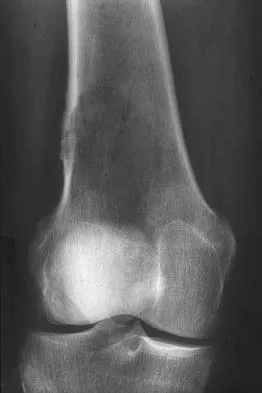


Explanation

The patient has Multiple Hereditary Exostoses (MHE), an autosomal dominant condition characterized by multiple osteochondromas. It is caused by mutations in the tumor suppressor genes EXT1 or EXT2. These genes encode glycosyltransferases essential for the synthesis of heparan sulfate. The deficiency in heparan sulfate disrupts the regulation of Indian hedgehog (Ihh) signaling at the growth plate, leading to abnormal physeal growth and osteochondroma formation. FGFR3 mutations are seen in achondroplasia.

Question 58

A 12-year-old boy presents with a 4-week history of worsening thigh pain, swelling, and low-grade fevers. A plain radiograph of the femur reveals a diaphyseal permeative destructive lesion with an 'onion-skin' periosteal reaction.

Biopsy demonstrates uniform, small round blue cells that strongly stain for CD99. The most common cytogenetic abnormality associated with this tumor results in a fusion gene involving which of the following chromosomes?
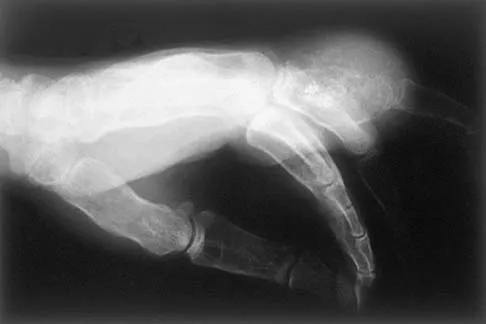


Explanation

The clinical presentation, radiographic 'onion-skin' (lamellated) periosteal reaction, and histologic finding of CD99-positive small round blue cells are diagnostic of Ewing Sarcoma. The hallmark cytogenetic abnormality in >90% of Ewing sarcomas is the t(11;22)(q24;q12) translocation, which fuses the EWS gene on chromosome 22 with the FLI1 gene on chromosome 11. t(X;18) is seen in synovial sarcoma. t(16;17) is seen in aneurysmal bone cysts. t(9;22) is the Philadelphia chromosome seen in CML, and t(12;16) is seen in myxoid liposarcoma.

Question 59

A 32-year-old woman is diagnosed with an aggressively expanding, recurrent giant cell tumor of the distal radius that is deemed unresectable without severe functional morbidity. The multidisciplinary tumor board recommends medical management with denosumab prior to potential further surgical intervention.

Denosumab affects the biology of this tumor by primarily binding to and inhibiting which of the following?


Explanation

Giant cell tumor of bone (GCT) is characterized by neoplastic mononuclear stromal cells that express high levels of RANKL. This RANKL binds to the RANK receptor on osteoclast precursors, driving the massive recruitment and activation of osteoclast-like multinucleated giant cells that cause bone destruction. Denosumab is a fully human monoclonal antibody that binds directly to RANKL (not RANK), preventing its interaction with RANK and thereby drastically reducing the numbers of destructive giant cells and halting osteolysis.

Question 60

A 16-year-old girl is undergoing treatment for a conventional high-grade osteosarcoma of the distal femur. After completing her course of neoadjuvant chemotherapy, she undergoes wide surgical resection of the tumor.

Which of the following parameters evaluated on the final surgical pathology specimen is considered the most significant prognostic factor for her long-term overall survival?


Explanation

The most important histologic prognostic factor for patients with conventional high-grade osteosarcoma following neoadjuvant chemotherapy is the percentage of tumor necrosis in the resected specimen, often graded by the Huvos grading system. A good response is defined as 90% or greater tumor necrosis, which strongly correlates with improved long-term, disease-free, and overall survival. While surgical margins are critical for local control, the chemotherapeutic response (necrosis percentage) reflects systemic disease control and overall prognosis.

Question 61

A 15-year-old boy presents with sudden shoulder pain after throwing a baseball. Radiographs demonstrate a pathologic fracture through an expansile, eccentric, radiolucent metaphyseal lesion in the proximal humerus.

MRI shows multiple fluid-fluid levels within the lesion. An open biopsy reveals blood-filled cavernous spaces lacking an endothelial lining. If this lesion is primary in nature, cytogenetic analysis is most likely to reveal an upregulation of which of the following genes?
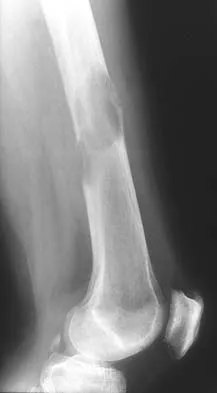


Explanation

The clinical, radiographic, and histologic findings are characteristic of an Aneurysmal Bone Cyst (ABC). Primary ABCs are characterized by recurrent translocations, most commonly t(16;17)(q22;p13), which lead to the upregulation of the USP6 (ubiquitin-specific protease 6) gene. This genetic finding helps differentiate primary ABCs from secondary ABC-like changes that can occur within other tumors such as giant cell tumors, osteoblastomas, or chondroblastomas. GNAS is associated with fibrous dysplasia. MDM2 amplification is seen in parosteal osteosarcoma and atypical lipomatous tumors.

Question 62

A 9-year-old boy undergoes evaluation for mild shoulder discomfort. A radiograph reveals a centrally located, purely lytic lesion in the proximal humerus diaphysis with thinning of the cortices. A 'fallen leaf' sign is noted.

Diagnostic aspiration yields clear, serous yellow fluid. Laboratory analysis of this fluid is most likely to show markedly elevated levels of which of the following compared to normal serum?


Explanation

The presentation is classic for a Unicameral Bone Cyst (UBC), or simple bone cyst. The fluid within a UBC is typically serous and clear yellow. Biochemical analysis of UBC fluid characteristically demonstrates high concentrations of Prostaglandin E2 (PGE2) and Interleukin-1 (IL-1), both of which are potent stimulators of osteoclastic bone resorption. This provides the rationale for treatments such as methylprednisolone injection, which decreases the production of these inflammatory mediators.

Question 63

A 40-year-old man presents with chronic knee swelling and episodes of hemarthrosis without any history of trauma. MRI of the knee demonstrates a diffuse, nodular synovial proliferation with a prominent 'blooming artifact' on gradient-echo sequences.

Biopsy confirms pigmented villonodular synovitis (PVNS). The pathogenesis of this condition involves a translocation typically resulting in the overproduction of which molecule?


Explanation

Pigmented Villonodular Synovitis (PVNS), also known as Tenosynovial Giant Cell Tumor (TGCT), is a benign but locally aggressive neoplasm. It is driven by a t(1;2) translocation that fuses the COL6A3 promoter to the CSF1 (Colony-Stimulating Factor 1) gene. This causes a small clone of neoplastic cells to secrete massive amounts of CSF1, which acts via a paracrine mechanism to recruit abundant, non-neoplastic macrophages and multinucleated giant cells that express the CSF1 receptor, forming the bulk of the tumor. Targeted therapies like pexidartinib (a CSF1R inhibitor) capitalize on this pathway.

Question 64

A 65-year-old man presents with severe back pain, generalized fatigue, and new-onset hypercalcemia. Skeletal survey reveals multiple 'punched-out' lytic lesions in the skull and vertebral bodies.

A bone marrow biopsy confirms multiple myeloma. The profound osteolytic bone disease in this patient is primarily mediated by myeloma cells upregulating osteoclast activity and inhibiting osteoblast differentiation through the secretion of factors including Dickkopf-1 (DKK1) and which of the following crucial cytokines?
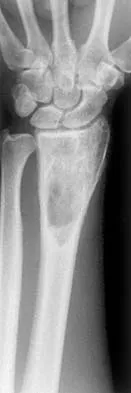


Explanation

In multiple myeloma, malignant plasma cells profoundly disrupt the bone marrow microenvironment. They secrete cytokines, most notably Interleukin-6 (IL-6) and Macrophage Inflammatory Protein-1 alpha (MIP-1a), which dramatically upregulate RANKL expression in stromal cells, leading to runaway osteoclast activation. Additionally, myeloma cells secrete Dickkopf-1 (DKK1), which acts as an inhibitor of the Wnt signaling pathway, thereby suppressing osteoblast differentiation. This dual mechanism causes pure lytic lesions without reactive bone formation.

Question 65

A 19-year-old man complains of localized pain in the proximal tibia that is significantly worse at night. He reports that over-the-counter ibuprofen provides dramatic relief within 30 minutes. Plain radiographs demonstrate an area of dense cortical thickening with a small 8-mm radiolucent central nidus.

The intense nocturnal pain characteristic of this lesion is mediated by a tremendously increased local concentration of which substance?


Explanation

The clinical presentation is classic for an Osteoid Osteoma. The radiolucent nidus is characterized by highly vascularized osteoid-producing tissue. The lesional osteoblasts produce very high levels of cyclooxygenase-2 (COX-2), leading to a massive local overproduction of Prostaglandin E2 (PGE2), sometimes 100 to 1000 times normal tissue levels. PGE2 directly causes profound pain, vasodilation, and surrounding reactive bone sclerosis. This mechanism perfectly explains the classic clinical symptom of nocturnal pain that is exquisitely sensitive to nonsteroidal anti-inflammatory drugs (NSAIDs) like ibuprofen.

Question 66

A 22-year-old man presents with a painful, enlarging mass in his distal femur. A core needle biopsy reveals a highly pleomorphic spindle cell neoplasm producing fine, lace-like osteoid matrix. The patient's family history is significant for a mother who died of breast cancer at age 35 and a sister who was treated for a childhood adrenocortical carcinoma. Which of the following genetic syndromes is most strongly associated with an increased risk of developing this specific bone tumor?


Explanation

The clinical presentation and biopsy findings of a spindle cell neoplasm producing osteoid are diagnostic of osteosarcoma, the most common primary bone malignancy in young adults. The strong family history of early-onset breast cancer and adrenocortical carcinoma suggests Li-Fraumeni syndrome. Li-Fraumeni syndrome is an autosomal dominant disorder caused by a germline mutation in the TP53 tumor suppressor gene. It significantly increases the risk for osteosarcoma, soft tissue sarcomas, breast cancer, brain tumors, and leukemias. Neurofibromatosis type 1 is associated with malignant peripheral nerve sheath tumors. Multiple hereditary exostoses (EXT1/EXT2 mutations) predispose to peripheral chondrosarcoma. McCune-Albright syndrome is associated with polyostotic fibrous dysplasia.

Question 67

A 25-year-old man presents with progressive knee pain. Radiographs reveal an eccentric, entirely lytic epiphyseal lesion in the proximal tibia with no sclerotic border. A biopsy demonstrates sheets of mononuclear cells interspersed with numerous osteoclast-like giant cells. Due to the proximity to the joint, a specific monoclonal antibody is considered for systemic treatment prior to curettage to downstage the tumor. This medication exerts its effect by binding directly to which of the following?


Explanation

The clinical and radiographic presentation of an eccentric, lytic epiphyseal lesion in a young adult is characteristic of a Giant Cell Tumor (GCT) of bone. Histologically, GCTs consist of neoplastic mononuclear stromal cells and reactive osteoclast-like giant cells. The neoplastic stromal cells overexpress Receptor Activator of Nuclear factor Kappa-B Ligand (RANKL). RANKL normally binds to the RANK receptor on the surface of osteoclast precursors, stimulating their differentiation and activation. Denosumab is a fully human monoclonal antibody that directly binds to and neutralizes RANKL, preventing it from binding to RANK. This halts the recruitment of osteoclast-like giant cells, leading to decreased bone resorption, tumor necrosis, and peripheral ossification of the lesion.

Question 68

A 10-year-old boy is evaluated for several months of severe thigh pain that is notably worse at night and dramatically relieved by taking ibuprofen. Radiographs and subsequent CT imaging reveal a 7 mm radiolucent nidus surrounded by dense reactive cortical sclerosis in the proximal femoral diaphysis. Which of the following inflammatory mediators is produced in abnormally high concentrations by the cells within this lesion, directly causing the patient's classic pain symptoms?


Explanation

The diagnosis is an osteoid osteoma, a benign bone-forming tumor classically presenting with severe, unrelenting night pain that is rapidly relieved by NSAIDs. The tumor consists of a small (<1.5 cm) vascularized nidus composed of osteoblasts that express high levels of cyclooxygenase-2 (COX-2). This leads to a marked overproduction of Prostaglandin E2 (PGE2). The high concentration of PGE2 within the nidus induces local vasodilation, increases vascular permeability, and directly sensitizes local free nerve endings, leading to the characteristic intense pain. NSAIDs provide profound relief by inhibiting COX-2 and subsequent PGE2 synthesis. While interleukins and TNF-alpha are general inflammatory mediators, PGE2 is the specific driver of pain in osteoid osteoma.

Question 69

A 14-year-old girl is diagnosed with a highly aggressive, small blue cell tumor involving the diaphysis of her right femur. Cytogenetic and molecular analysis confirms the diagnosis of Ewing sarcoma. This malignancy is classically characterized by a specific balanced reciprocal translocation that creates an aberrant fusion transcription factor. Which of the following translocations is most specific to this disease process?


Explanation

Ewing sarcoma is driven by a recurrent, balanced chromosomal translocation. In approximately 85-90% of cases, this is the t(11;22)(q24;q12) translocation, which fuses the EWS gene on chromosome 22 with the FLI1 gene on chromosome 11. The resulting EWS-FLI1 fusion protein acts as an oncogenic transcription factor. The t(X;18) translocation (producing the SYT-SSX fusion) is the molecular hallmark of synovial sarcoma. The t(12;16) FUS-CHOP translocation is diagnostic for myxoid liposarcoma. The t(2;13) PAX3-FKHR translocation is found in alveolar rhabdomyosarcoma. The t(17;22) COL1A1-PDGFB translocation is characteristic of dermatofibrosarcoma protuberans.

Question 70

An 18-year-old man sustains a transverse midshaft femur fracture that is surgically stabilized with an intramedullary nail, leaving a minor gap at the fracture site. This mechanical environment promotes secondary (indirect) bone healing. Following the initial inflammatory phase and soft callus formation, endochondral ossification begins. During the hard callus phase, which of the following types of bone is initially deposited by osteoblasts?


Explanation

Secondary (indirect) bone healing occurs under conditions of relative stability and involves fracture callus formation. The process progresses through hematoma/inflammation, soft callus (fibrocartilage), hard callus, and remodeling. During the hard callus phase, osteoblasts rapidly deposit woven bone via endochondral and intramembranous ossification. Woven bone is characterized by a disorganized, random arrangement of collagen fibers, which allows it to be formed quickly to bridge the fracture gap but makes it mechanically weak. Over months to years, basic multicellular units (osteoclasts and osteoblasts) remodel this woven bone into highly organized, mechanically robust lamellar bone (which includes Haversian/osteonal systems).

Question 71

A 45-year-old woman is evaluated for a slowly enlarging, painful mass in her proximal humerus. Imaging demonstrates a medullary lesion with 'rings and arcs' calcification. Biopsy confirms an atypical cartilaginous tumor (grade 1 central chondrosarcoma). Recent advances in molecular pathology have identified a specific somatic mutation common to both solitary enchondromas and central chondrosarcomas. Which of the following genes is most likely mutated in this patient's tumor?


Explanation

Mutations in the Isocitrate Dehydrogenase 1 and 2 (IDH1 and IDH2) genes are present in up to 50-70% of solitary enchondromas and central chondrosarcomas. These mutations cause the enzyme to produce an oncometabolite, 2-hydroxyglutarate (2-HG), which leads to hypermethylation of DNA and histones, preventing normal cellular differentiation and promoting tumorigenesis. EXT1 and EXT2 mutations are associated with Multiple Hereditary Exostoses and the development of peripheral chondrosarcomas. GNAS mutations are the hallmark of fibrous dysplasia. TP53 and RB1 mutations are classically associated with the development of osteosarcoma.

Question 72

Ligaments and tendons are viscoelastic structures, meaning their mechanical behavior is dependent on the rate of loading and the time over which the load is applied. When an orthopedic surgeon tensions an ACL graft during reconstruction, the graft is pulled to a specific, constant length and held there. Over the course of several minutes, the tension (force) required to maintain that specific length gradually decreases. Which of the following biomechanical terms best describes this specific phenomenon?


Explanation

Viscoelastic materials exhibit characteristic time-dependent properties. 'Stress relaxation' is defined as the steady decrease in stress (force) over time when a material is held at a constant strain (constant length). This is clinically relevant during ligament reconstruction or serial casting. 'Creep', conversely, is the gradual increase in strain (deformation or lengthening) over time when a material is subjected to a constant applied stress (constant load). 'Hysteresis' refers to the energy lost (usually as heat) during a loading and unloading cycle, represented by the area between the loading and unloading curves on a stress-strain graph. 'Isotropy' refers to materials that have the same mechanical properties in all directions, whereas ligaments are anisotropic.

Question 73

A 12-year-old girl presents with swelling and pain in her left distal femur. Radiographs show a rapidly expanding, destructive lytic lesion with a 'blown-out' appearance. Biopsy reveals blood-filled cystic spaces lacking an endothelial lining, separated by cellular fibrous septa containing multinucleated giant cells and reactive woven bone. Which of the following molecular findings is most specific for confirming the diagnosis of a primary aneurysmal bone cyst (ABC)?


Explanation

Primary Aneurysmal Bone Cysts (ABCs) are now recognized as genuine neoplasms rather than merely reactive processes. The hallmark molecular alteration is a recurrent translocation involving the USP6 gene on chromosome 17p13, most commonly t(16;17)(q22;p13), which fuses CDH11 promoter to the USP6 gene. This results in significant upregulation of USP6 transcription, which acts via the NF-kB pathway to drive the cystic, bone-destructive nature of the lesion. Identifying a USP6 rearrangement is highly useful in distinguishing a primary ABC from a secondary ABC (which occurs as a reactive change within another tumor, like giant cell tumor or chondroblastoma) or from a telangiectatic osteosarcoma. MDM2 amplification is seen in parosteal osteosarcoma and atypical lipomatous tumors. H3F3A mutations are seen in giant cell tumors of bone and chondroblastomas.

Question 74

The sterilization and processing methods of ultra-high-molecular-weight polyethylene (UHMWPE) heavily influence its long-term wear properties in total joint arthroplasty. Historically, UHMWPE components were sterilized using gamma irradiation in the presence of air. This practice was largely abandoned because it reliably led to which of the following detrimental outcomes?


Explanation

Historically, gamma irradiation in air (oxygen) was the standard sterilization method for UHMWPE. The high-energy gamma rays break polymer chains and generate free radicals. While this causes some beneficial cross-linking, the free radicals react rapidly with oxygen to form hydroperoxides and ketones, a process called oxidative degradation. This oxidation continues progressively over time, even while the implant sits on the shelf, leading to a profound decrease in molecular weight, severe embrittlement, and ultimately disastrous subsurface delamination and rapid wear in vivo. Modern polyethylene is irradiated in inert environments (vacuum or argon) and often thermally treated (remelted or annealed) or infused with Vitamin E to extinguish free radicals and prevent this oxidative degradation.

Question 75

Orthopedic implant-associated infections are notoriously difficult to eradicate. Pathogenic bacteria, such as Staphylococcus aureus, form biofilms on the surface of foreign materials. Once a mature biofilm is established, the bacteria become highly resistant to both systemic antibiotics and host immune clearance. Which of the following components is primarily responsible for conferring this structural integrity and profound antibiotic tolerance to the mature biofilm?


Explanation

A critical feature of orthopedic device-related infections is the ability of bacteria like S. aureus and S. epidermidis to form a mature biofilm. The defining characteristic of a mature biofilm is the production of an extracellular polymeric substance (EPS), also known as the glycocalyx. The EPS is a complex, self-produced matrix consisting of polysaccharides (such as PIA/PNAG), structural proteins, and extracellular DNA. This thick matrix encases the bacteria, providing a formidable physical and chemical barrier that prevents the penetration of host immune cells (e.g., macrophages, neutrophils) and drastically reduces the diffusion and efficacy of antimicrobial agents. While peptidoglycan, teichoic acid, and Protein A are important virulence factors for S. aureus, it is the EPS matrix that specifically defines the mature biofilm phenotype and its characteristic recalcitrance to medical therapy.

Question 76

A 45-year-old man undergoes a posterolateral lumbar fusion. Recombinant human bone morphogenetic protein-2 (rhBMP-2) is utilized. Which of the following best describes the intracellular signaling mechanism immediately following BMP binding to its receptor?


Explanation

BMPs are members of the TGF-beta superfamily. They bind to cell surface serine/threonine kinase receptors. Upon activation, these receptors phosphorylate intracellular Smad proteins, specifically Smad 1, 5, and 8. These phosphorylated Smads then form a complex with Smad 4, which translocates to the nucleus to regulate the transcription of osteogenic genes, including Runx2. The Wnt pathway involves beta-catenin, while OPG is a decoy receptor for RANKL.

Question 77

A 65-year-old woman with severe osteoporosis requires spinal instrumentation. To maximize pedicle screw pull-out strength in osteoporotic bone, which of the following alterations in screw design is most effective?


Explanation

The pull-out strength of a pedicle screw is most significantly influenced by the outer diameter of the screw, the length of bone engagement, and the bone mineral density. Increasing the outer diameter increases the volume of bone caught between the threads, thereby maximizing pull-out strength. Increasing the inner diameter (core) decreases thread depth, which reduces pull-out strength but increases the fatigue strength of the screw. Decreasing thread pitch (fewer threads) decreases engagement and reduces pull-out resistance.

Question 78

A 32-year-old man sustained a femur fracture treated with a stainless steel plate and screws 2 years ago. He presents with a nonunion and broken hardware. During revision surgery, the surgeon considers using titanium screws through the retained intact stainless steel plate. Which of the following is the most likely consequence of mixing these two metals?


Explanation

Mixing dissimilar metals in a conductive environment (body fluid) leads to galvanic corrosion. The less noble (more anodic) metal undergoes accelerated corrosion, while the more noble (cathodic) metal is protected. Titanium is more noble than stainless steel. Therefore, if titanium screws are used with a stainless steel plate, the stainless steel plate will act as the anode and undergo accelerated galvanic corrosion.

Question 79

A 28-year-old patient suffers a nerve injury characterized by loss of axonal continuity and disruption of the endoneurial tubes, while the perineurium and epineurium remain completely intact. According to Sunderland's classification, which grade does this represent, and what is its Seddon classification equivalent?


Explanation

Sunderland Grade III nerve injuries involve disruption of the axon and endoneurium, with an intact perineurium and epineurium. Intrafascicular scarring can occur, which often impedes spontaneous regeneration and may require surgical intervention. It falls under Seddon's classification of axonotmesis. Grade I is neurapraxia. Grade II involves an intact endoneurium. Grade IV involves disruption of the perineurium (intact epineurium). Grade V is a complete transection (neurotmesis).

Question 80

You are evaluating the biopsy of articular cartilage from a 25-year-old athlete with a focal chondral defect. The normal articular cartilage surrounding the defect is analyzed. In which zone of the articular cartilage do the collagen fibers orient perpendicular to the subchondral bone, and what is the predominant type of collagen?


Explanation

Articular cartilage is predominantly composed of Type II collagen across all uncalcified zones. The deep (basal) zone is characterized by collagen fibers that are oriented perpendicular to the articular surface and subchondral bone, providing resistance to compressive forces. The superficial zone has collagen oriented parallel to the joint surface to resist shear forces. Type X collagen is primarily found in the calcified zone of articular cartilage and the hypertrophic zone of the physis.

Question 81

A 12-year-old boy sustains a Salter-Harris Type II fracture of the distal femur. Fracture propagation typically occurs through which specific zone of the physis, and what is the primary extracellular matrix characteristic responsible for the structural weakness in this zone?


Explanation

Physeal fractures typically propagate through the zone of hypertrophy (specifically the provisional calcification region). The hypertrophic zone is structurally the weakest part of the physis because the chondrocytes undergo massive enlargement, resulting in a significantly decreased ratio of extracellular matrix (collagen) to cell volume. This relative lack of supportive matrix makes it highly susceptible to mechanical failure under shear or tension.

Question 82

A 70-year-old man presents with aseptic loosening of his cementless total hip arthroplasty 15 years after the index procedure. Radiographs show extensive periprosthetic osteolysis. The primary biological mechanism involves particulate wear debris stimulating macrophages to release cytokines. Which of the following is the final common pathway leading to bone resorption in this condition?


Explanation

In periprosthetic osteolysis, wear debris (most notably polyethylene) is phagocytosed by macrophages. These activated macrophages release pro-inflammatory cytokines such as TNF-alpha, IL-1, and IL-6. These cytokines stimulate osteoblasts and other local cells to increase the expression of Receptor Activator of Nuclear Factor Kappa-B Ligand (RANKL). RANKL binds to the RANK receptor on osteoclast precursors, stimulating their differentiation and activation into mature, bone-resorbing osteoclasts.

Question 83

During a mechanical test of a human anterior cruciate ligament (ACL) graft, a constant tensile load is applied and maintained over an extended period. It is observed that the graft gradually elongates over time under this constant load. Which viscoelastic property is being demonstrated?


Explanation

Creep is a fundamental viscoelastic property characterized by the progressive deformation (elongation) of a material when subjected to a constant load (stress) over a prolonged period. In contrast, stress relaxation occurs when a material is held at a constant length (strain), resulting in a gradual decrease in stress. Hysteresis is the energy lost (usually as heat) between the loading and unloading phases of a cycle.

Question 84

A 35-year-old patient with a displaced transverse midshaft tibial fracture is treated with an intramedullary nail. The construct allows for a moderate amount of interfragmentary motion. According to Perren's strain theory, what type of tissue will primarily form in the fracture gap if the interfragmentary strain is between 2% and 10%?


Explanation

Perren's strain theory states that the type of tissue that can form in a fracture gap depends on the local mechanical strain. Tissues cannot form if the strain exceeds their tolerance. Granulation tissue can tolerate up to 100% strain. Fibrous tissue can tolerate up to 17% strain. Cartilage tolerates strains between 2% and 10%. Bone formation requires very low strain environments; lamellar bone requires strain less than 2%. With 2% to 10% strain, a cartilaginous callus (endochondral ossification) will form.

Question 85

A 62-year-old woman is scheduled for an elective total knee arthroplasty. She has a history of atrial fibrillation and is currently taking apixaban. When considering her perioperative deep vein thrombosis (DVT) prophylaxis and bleeding risk, the mechanism of action of apixaban must be accounted for. Apixaban exerts its anticoagulant effect by directly inhibiting which of the following?


Explanation

Apixaban and rivaroxaban are direct oral anticoagulants (DOACs) that function as direct, reversible inhibitors of Factor Xa. Dabigatran is a direct thrombin (Factor IIa) inhibitor. Warfarin inhibits vitamin K epoxide reductase, affecting factors II, VII, IX, and X. Heparins function by potentiating Antithrombin III. Clopidogrel and ticagrelor are platelet P2Y12 ADP receptor inhibitors.

Question 86

A 45-year-old man undergoes a posterolateral lumbar fusion using a structural cortical allograft. What is the primary mechanism by which this structural allograft will incorporate over the next 12 months?


Explanation

Structural allografts incorporate primarily through osteoconduction, acting as a scaffold for host bone growth. This is followed by creeping substitution, a process where host osteoclasts gradually resorb the graft and osteoblasts lay down new woven and lamellar bone. Allografts lack living osteogenic cells and have minimal osteoinductive potential compared to autografts, as the processing required to prevent rejection diminishes osteoinductive proteins.

Question 87

A 32-year-old man sustains a transverse midshaft humerus fracture. The surgeon plans to use a lag screw and neutralization plate. To maximize the pull-out strength of the cortical screw in the diaphysis, which of the following changes to the screw design should be utilized?


Explanation

The pull-out strength of a bone screw is directly proportional to the outer diameter of the thread, the thread depth (outer diameter minus inner/core diameter), the length of thread engagement, and the number of threads engaged in the cortex. Thread pitch is the distance between adjacent threads; therefore, decreasing the thread pitch increases the number of threads per unit length of the screw, which increases the total cortical engagement and maximizes pull-out strength.

Question 88

A 22-year-old man presents with a 6-month history of dull aching pain in his posterior thoracic spine. The pain is persistent and not reliably relieved by NSAIDs. A CT scan shows a 2.5-cm expansile radiolucent lesion in the posterior elements of T10 with surrounding reactive sclerosis. Histology shows interlacing trabeculae of woven bone with prominent osteoblastic rimming and vascular connective tissue, but no cellular atypia. Which of the following is the most likely diagnosis?


Explanation

The clinical and radiographic presentation is consistent with an osteoblastoma. Osteoblastomas are histologically identical to osteoid osteomas (interlacing woven bone trabeculae with osteoblastic rimming) but are distinguished clinically and radiographically by their larger size (>2.0 cm), distinct predilection for the posterior elements of the spine, and pain that is less consistently nocturnal or relieved by NSAIDs compared to the exquisite NSAID sensitivity of osteoid osteomas.

Question 89

A 6-year-old boy presents with a painless limp and restricted hip abduction and internal rotation. Radiographs demonstrate sclerosis and fragmentation of the capital femoral epiphysis, confirming a diagnosis of Legg-Calvé-Perthes disease (LCPD). Which of the following is the most critical prognostic factor for the long-term anatomic outcome of his hip?


Explanation

Age at clinical onset is the single most important prognostic factor in Legg-Calvé-Perthes disease (LCPD). Children who develop the disease before the age of 6 to 8 years generally have a much better prognosis and a higher potential for sphericity and remodeling than older children. The extent of epiphyseal involvement (e.g., the Lateral Pillar or Herring classification) is the second most important prognostic factor.

Question 90

In normal articular cartilage, the organization of collagen fibers and chondrocytes varies significantly by zone. Which of the following accurately describes the deep (basal) zone of articular cartilage?


Explanation

Articular cartilage is divided into distinct zones. In the superficial (tangential) zone, collagen fibers are oriented parallel to the joint surface to resist shear stress, and the water content is highest. In the deep (basal) zone, collagen fibers are oriented perpendicular to the joint surface, crossing the tidemark to firmly anchor the cartilage to the underlying subchondral bone. Proteoglycan concentration is highest in the deep zone, while water concentration is lowest.

Question 91

A 35-year-old woman presents with severe knee pain. Radiographs reveal an eccentric, lytic, epiphyseal-metaphyseal lesion in the distal femur extending to the subchondral bone. Biopsy shows mononuclear cells and multinucleated giant cells. Which of the following describes the mechanism of action of the most appropriate targeted medical therapy for a recurrent or unresectable form of this disease?


Explanation

The patient has a giant cell tumor (GCT) of bone. Denosumab is a targeted monoclonal antibody used for unresectable or recurrent GCTs. The neoplastic cells in GCT are the mononuclear stromal cells, which express high levels of RANKL. Denosumab binds directly to RANKL, preventing it from binding to the RANK receptor on the reactive multinucleated giant cells (osteoclast precursors). This inhibits giant cell formation, function, and survival, leading to tumor suppression.

Question 92

A researcher is evaluating different calcium phosphate bone void fillers for use in metaphyseal defects. Which of the following formulations is characterized by being formed via an exothermic reaction, possesses the highest compressive strength, and undergoes the slowest rate of in vivo resorption?


Explanation

Calcium phosphate cements harden in an exothermic reaction to form a poorly crystalline hydroxyapatite. They provide high compressive strength (similar to cancellous bone) but possess very low tensile strength. Due to their dense, crystalline structure and lack of macroporosity, they resorb very slowly in vivo, often remaining visible on radiographs for years. In contrast, calcium sulfate and tricalcium phosphate resorb much more rapidly.

Question 93

A 24-year-old man sustains bilateral closed femoral shaft fractures in a motorcycle collision. Twelve hours post-admission, he becomes confused, tachypneic, and develops a petechial rash over his axillae. Arterial blood gas analysis reveals a PaO2 of 55 mm Hg. What is the primary pathophysiological mechanism underlying this patient's hypoxemia?


Explanation

The classic triad of respiratory insufficiency, neurologic changes, and a petechial rash following long bone fractures indicates Fat Embolism Syndrome (FES). Hypoxemia in FES primarily results from ventilation-perfusion (V/Q) mismatch. This is initially caused by fat globules mechanically obstructing the pulmonary microvasculature, which is subsequently followed by a chemical pneumonitis triggered by the breakdown of fat into toxic free fatty acids, leading to severe endothelial damage and ARDS.

Question 94

A 42-year-old avid cyclist presents with intrinsic muscle weakness and numbness in the small and ring fingers of his right hand. Examination shows clawing of the ring and small fingers, a positive Froment sign, and normal sensation over the dorsal ulnar aspect of the hand. Where is the most likely location of ulnar nerve compression?


Explanation

The presentation of combined motor deficits (intrinsic weakness, positive Froment sign, clawing) and palmar sensory deficits (numbness in the small and ring fingers) with normal dorsal ulnar sensation localizes the lesion to Guyon's canal. Guyon's canal Zone 1 is proximal to the bifurcation of the ulnar nerve into deep motor and superficial sensory branches; thus, compression here causes both motor and sensory symptoms. The dorsal ulnar cutaneous nerve branches off approximately 5 cm proximal to the wrist, sparing dorsal sensation in Guyon's canal entrapments.

Question 95

A 12-year-old girl presents with progressive pain and swelling in her mid-thigh. Radiographs show a permeative diaphyseal lesion in the femur with a prominent 'onion-skin' periosteal reaction. A core needle biopsy reveals sheets of small round blue cells. Molecular genetic testing of the biopsy specimen is most likely to show which of the following chromosomal translocations?


Explanation

The clinical, radiographic (diaphyseal permeative lesion, onion-skinning), and histological ('small round blue cell' tumor) presentation is highly characteristic of Ewing sarcoma. The diagnostic molecular hallmark of Ewing sarcoma is the t(11;22)(q24;q12) chromosomal translocation, present in 85% to 90% of cases, which results in the EWS-FLI1 fusion protein. Other translocations: t(X;18) represents synovial sarcoma; t(2;13) represents alveolar rhabdomyosarcoma; and t(12;16) is seen in myxoid liposarcoma.

Question 96

A 14-year-old boy presents with persistent knee pain for 3 months. Radiographs demonstrate a 2-cm epiphyseal radiolucent lesion in the proximal tibia with a thin sclerotic rim. MRI shows extensive surrounding bone marrow edema. Histologic examination of a biopsy specimen reveals sheets of mononuclear cells with characteristic nuclear grooves and focal areas of 'chicken-wire' pericellular calcification. Which of the following is the most appropriate management?


Explanation

The clinical, radiographic, and histologic presentation is classic for a chondroblastoma. It typically occurs in the epiphysis of long bones in skeletally immature patients. Characteristic histology includes mononuclear cells with grooved nuclei (coffee-bean shape), multinucleated giant cells, and 'chicken-wire' calcification. Treatment consists of extended intralesional curettage with high-speed burring, followed by bone grafting or cementation. Wide resection is reserved for rare cases of massive joint destruction, and chemotherapy/radiation are not indicated for this benign entity.

Question 97

A 16-year-old girl is evaluated for a painful, enlarging mass about her distal thigh. Radiographs reveal a destructive, bone-forming metaphyseal lesion of the distal femur with a sunburst periosteal reaction and Codman triangle. Biopsy confirms the diagnosis of conventional osteosarcoma. Alterations in which of the following cellular mechanisms are most strongly implicated in the pathogenesis of this condition?


Explanation

Conventional osteosarcoma is highly associated with mutations in tumor suppressor genes, primarily the retinoblastoma (Rb) gene and the p53 gene. Patients with hereditary retinoblastoma (germline Rb mutation) and Li-Fraumeni syndrome (germline p53 mutation) have a significantly increased risk of developing osteosarcoma. Overexpression of RANKL is seen in giant cell tumor of bone. EXT gene mutations are associated with multiple hereditary exostoses (osteochondromas). EWSR1 translocations are characteristic of Ewing sarcoma, and GNAS mutations are seen in fibrous dysplasia.

Question 98

A 10-year-old boy presents with a 2-month history of worsening thigh pain, particularly at night, accompanied by intermittent low-grade fever. Radiographs show a permeative, diaphyseal radiolucent lesion in the femur with a lamellated 'onion-skin' periosteal reaction. Biopsy reveals sheets of uniform small round blue cells that express high levels of MIC2 (CD99). Molecular analysis is most likely to identify which of the following chromosomal translocations?


Explanation

The clinical and histologic findings are diagnostic of Ewing sarcoma. This high-grade primary bone tumor is characterized by small round blue cells with strong membranous staining for CD99 (MIC2). Ewing sarcoma is driven by a characteristic chromosomal translocation, most commonly t(11;22)(q24;q12), which results in the EWSR1-FLI1 fusion gene. t(X;18) is associated with synovial sarcoma, t(12;16) with myxoid liposarcoma, t(2;13) with alveolar rhabdomyosarcoma, and t(9;22) with chronic myelogenous leukemia (Philadelphia chromosome).

Question 99

A 22-year-old man presents with severe right leg pain that predictably awakens him at night but is completely relieved within 30 minutes of taking ibuprofen. Radiographs demonstrate cortical thickening in the anterior tibial diaphysis. CT scan confirms a 9-mm radiolucent nidus with central calcification surrounded by dense reactive bone. After 6 months of conservative management, the patient requests definitive treatment due to gastrointestinal intolerance of NSAIDs. Which of the following is the most appropriate next step in management?


Explanation

The patient has an osteoid osteoma, a benign bone forming tumor characterized by a small nidus (<1.5 cm) surrounded by reactive sclerosis, which produces high levels of prostaglandins causing nocturnal pain relieved by NSAIDs. While conservative management with NSAIDs can be successful as the lesions may eventually burn out, definitive surgical treatment is indicated for intractable pain or NSAID intolerance. The current gold standard for definitive management is CT-guided percutaneous radiofrequency ablation (RFA), which offers excellent success rates with minimal morbidity compared to open surgical excision.

Question 100

A 32-year-old woman presents with progressive knee pain and swelling. Radiographs display an eccentric, expansile, purely lytic lesion in the distal femoral epiphysis extending to the subchondral bone plate without a sclerotic margin. Histologic examination demonstrates a proliferation of neoplastic mononuclear stromal cells mixed with numerous multinucleated giant cells. For surgically unsalvageable or recurrent disease, targeted systemic therapy would appropriately focus on inhibiting which of the following molecular targets?


Explanation

The diagnosis is giant cell tumor of bone (GCTB), a locally aggressive benign bone tumor typically affecting the epiphyses of long bones in young adults. The pathogenesis relies on the neoplastic mononuclear stromal cells expressing high levels of RANKL, which recruits and activates the non-neoplastic, bone-resorbing multinucleated giant cells. Denosumab, a human monoclonal antibody that specifically binds to and inhibits RANKL, is an effective targeted therapy utilized for GCTB that is unresectable, recurrent, or would require highly morbid surgery.

None

Clinic OS
Medically Verified Content by
Prof. Clinic OS
Consultant Orthopedic & Spine Surgeon
Chapter Index
