Part of the Master Guide

Orthopedic Prometric MCQs - Chapter 3 Part 1

Orthopedic Prometric MCQs - Chapter 3 Part 26
27 Apr 2026 50 min read 24 Views
Orthopedic Prometric MCQs - Chapter 3 Part 26

Orthopedic Prometric MCQs - Chapter 3 Part 26

Comprehensive 100-Question Exam


00:00

Start Quiz

Question 1

How common are spinal infections following penetrating injury to the spine:


Explanation

One study found that 5 of 239 patients with gunshot or stab wounds developed meningitis, paravertebral abscess, vertebral osteomyelitis, or epidural abscess.

Question 2

Risk factors implicated in postoperative wound infection following lumbar spine surgery include all of the following except:


Explanation

Instrumented cases, preoperative history of smoking or obesity, and longer operating room duration have all been identified as possible risk factors for surgical site infection. Additionally, patient age may be a risk factor or may be associated with a risk factor like medical comorbidity or nutritional depletion.

Question 3

In the face of vertebral infection and progressive deformity, surgical reconstruction should:


Explanation

Surgical reconstruction in the face of spinal infection may be indicated should progressive neurological deficit or deformity occur. Such reconstruction may be successful if an aggressive debridement of all infectious foci is done, even if instrumentation or allograft is used. The optimal approach is dictated by the location of the infection and the type and degree of deformity (and is often anterior or anterior-posterior).

Question 4

The spinal surgical procedure associated with the highest rate of surgical site infection is:


Explanation

Postoperative infection rates reach 11% for neuromuscular disease indications. For muscular dystrophy scoliosis surgery, the rate may be as high as 23%, for cerebral palsy 18%, and for myelomeningocele 11%.

Question 5

Which of the following comprises the middle column in the Denis three- column model of the thoracolumbar spine:


Explanation

The middle column is composed of the posterior half of the vertebral body, posterior half of the disk, and posterior longitudinal ligament. The middle column, according to Denis, is important to determine the stability of a thoracolumbar fracture. There is the potential for instability when the middle column is disrupted.

Question 6

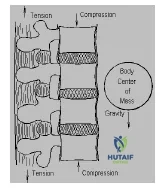
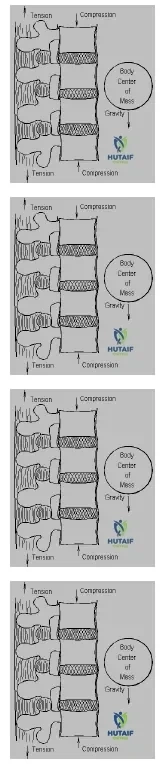
Which type of biomechanical force(s) acts on the anterior portion of the thoracolumbar junction (T12-L2) at rest in a standing position:


Explanation

The thoracolumbar junction is normally a straight portion of the spine (no lordosis or kyphosis) and the vertebral bodies are subject to compressive forces at rest when the patient is in a standing position. The posterior Orthopedic Prometric Exam Chapter 3 Image osteoligamentous structures are subject to tension along with the paraspinous muscles that help to maintain an upright posture.

Question 7

Which of the following statements is true regarding the bulbocavernosus reflex:


Explanation

The bulbocavernosus reflex is mediated by the S3 and S4 regions of the spinal cord. This reflex is elicited by pulling on an indwelling catheter or squeezing the glans penis or clitoris and observing contraction of the anal sphincter. The bulbocavernosus reflex may be absent soon after a spinal cord injury due to spinal shock, but it often returns in 24 to 48 hours and indicates the end of spinal shock. A better sense of prognosis of a spinal cord injury is possible after spinal shock has ended.

Question 8

According to the Frankel grading scale for a neurologic injury, what is meant by Frankel C :


Explanation

The Frankel grading scale is used to communicate the extent of neurologic injury in the setting of a spinal cord injury. The A category indicates that there is no motor or sensory function below the level of the injury. The B category indicates that there is only sensory function below the level of the injury. The C category indicates that there is muscle function, but not with adequate power to overcome gravity in some muscles below the level of the spinal cord injury. The D category indicates that there is motor function with at least antigravity power below the level of the injury. The E category indicates that the muscle function below the level of the injury is normal in power. One can see some motor function for 1-2 root levels below the level of a spinal cord injury that is due to root escapeâ and should not be confused with distal motor sparing.

Question 9

Which type of thoracolumbar fracture is associated with the highest incidence of intra-abdominal visceral trauma:


Explanation

The flexion-distraction injury was originally termed the â seatbelt injuryâ or in the case of a fracture proceeding through bone, a Chance fracture.â This injury is usually the result of a severe flexion force to the lumbar spine with flexion moment anterior to the spine (e.g., at a lap belt). Due to the severe energy dissipation at the level of the flexion moment, there is a high incidence of intra-abdominal visceral trauma.

Question 10

Which type of treatment would be most appropriate for a young, healthy patient with an incomplete spinal cord injury (ASIA C ) 5 days following a T12 burst fracture with 30% canal compromise:


Explanation

Surgery is indicated in patients with an incomplete spinal cord injury with spinal cord compression. Although some indirect decompression may be achieved early following the injury using posterior distractive instrumentation, the level of decompression is often better using an anterior approach (especially several days following the fracture). Following anterior decompression, either anterior instrumentation or posterior instrumentation is indicated to stabilize the construct and allow early mobilization.

Question 11

Which of the following is the best indication for a laminectomy in a patient who has sustained a thoracolumbar burst fracture with a neurologic deficit:


Explanation

A laminectomy is never indicated as the sole method of treatment for a thoracolumbar burst fracture. Laminectomy creates additional instability at the level of the fracture and does not effectively decompress the spinal cord, which is compressed anteriorly from the retropulsed bony fragment. When lamina fractures are present on a computerized tomography scan, there is a significant incidence of dural tears and entrapped nerve tissue within the lamina fracture. Surgeons should consider performing a laminectomy in addition to other methods of achieving anterior decompression and stabilization of a burst fracture with a lamina fracture.

Question 12

Which recommendations for the pharmacologic treatment of spinal cord injuries resulted from the NASC IS-II trials:


Explanation

The NASC IS-II recommendations are to treat patients who present with an incomplete spinal cord injury within 8 hours of the injury with methylprednisolone 30 mg/kg over 1 hour followed by a maintenance rate of 5.4 mg/kg/hr for 23 hours. Because it is difficult to tell which patients have a complete or incomplete spinal cord injury in this time frame due to spinal shock, it has generally been accepted to treat all patients with spinal cord injuries with this treatment protocol as long as they present within the first 8 hours of the injury.

Question 13

Which of the following statements is true regarding neurogenic shock:


Explanation

Neurogenic shock is present when there is a spinal cord injury interrupting sympathetic tone to the heart and blood vessels, and it is heralded by bradycardia and hypotension. It is important to maintain a reasonable blood pressure to prevent further damage to the spinal cord due to ischemia. In the absence of significant blood loss from another source, neurogenic shock must be treated with vasopressor medication and atropine. Severe neurogenic shock may require cardiac pacing. Fluids must be used carefully as overzealous use of fluid resuscitation can result in pulmonary edema.

Question 14

Which is the best indication for surgical treatment of a patient with a thoracolumbar burst fracture:


Explanation

The exact indications for surgery vs nonoperative management of thoracolumbar burst fractures remains controversial. The best indication is an incomplete neurologic deficit with spinal cord compression. Other considerations include the degree of deformity (greater than 30° is generally considered appropriate to consider surgery) and the other injuries. Although much has been written about canal compromise, in the absence of a neurologic deficit it is not clear that surgery is always indicated due to canal compromise alone. Large canal fragments have been shown to resorb with conservative treatment.

Question 15

Which of the following patients is not at increased risk for isthmic spondylolisthesis:


Explanation

Isthmic spondylolisthesis is most common in white men and least common in black women. It is thought to arise from repetitive hyperextension of the lumbar spine causing a stress fracture of the pars intra-articularis. Sports such as weight lifting, gymnastics, football, and javelin throwing have a particularly high incidence of this condition. Isthmic spondylolisthesis is never present at birth and is rare in nonambulatory patients.

Question 16

Which patient is at the lowest risk for progression of spondylolisthesis:


Explanation

Young age, dysplastic spondylolisthesis, and spondylolisthesis above L5-S1 are all risk factors for progression. Adults with isthmic spondylolisthesis at L5-S1 (85% of cases) are at a low risk for progression of the slippage.

Question 17

What is the most common source of neurologic compression in a patient with lumbar spinal stenosis due to degenerative changes in the lumbar spine:


Explanation

Degenerative spinal stenosis is the most common variety of spinal stenosis and usually manifests compression of the thecal sac in the lateral recess of the canal (defined as the area of the spinal canal between the facet joints and the intervertebral disk). The primary cause of stenosis is hypertrophy of the facet joint with compression from the superior articular process. This must be relieved for a patient to achieve an adequate decompression.

Question 18

Which of the following cervical spine nerve roots may cause paralysis of the diaphragm if injured during an anterior approach:


Explanation

The C 4 cervical spine nerve root provides the primary innervation of the diaphragm.

Question 19

The deltoid muscle may become paralyzed as a result of injury to which of the following cervical spine nerve roots:


Explanation

The deltoid muscle is almost entirely innervated by the C 5 cervical spine nerve root.

Question 20

The biceps reflex is diminished by compression of which of the following cervical spine nerve roots:


Explanation

Although there is a small contribution from the C 6 cervical spine nerve root, the biceps reflex is primarily derived from the C 5 cervical spine nerve root.

Question 21

Which of the following is the most appropriate initial imaging modality of choice for a patient presenting with suspected pyogenic vertebral osteomyelitis who is hemodynamically stable and has no neurologic deficits?


Explanation

MRI with gadolinium is the most sensitive and specific imaging modality for the early detection of pyogenic vertebral osteomyelitis and epidural abscess. Plain radiographs often do not show changes for 2-4 weeks after infection onset.

Question 22

A 45-year-old intravenous drug user presents with a 1-week history of severe back pain, high fever, and progressive bilateral lower extremity weakness. MRI confirms a large posterior spinal epidural abscess. What is the most appropriate definitive management?


Explanation

Emergent surgical decompression combined with systemic antibiotics is indicated for patients with a spinal epidural abscess who present with progressive neurologic deficits. Medical management alone is reserved for those without neurologic compromise or those unfit for surgery.

Question 23

In contrast to pyogenic vertebral osteomyelitis, spinal tuberculosis (Pott's disease) classically exhibits which of the following radiographic features during the early stages of the disease process?


Explanation

Spinal tuberculosis typically spares the intervertebral disc early in the disease course because Mycobacterium tuberculosis lacks the proteolytic enzymes that actively destroy cartilage, unlike pyogenic organisms such as S. aureus.

Question 24

A 60-year-old poorly controlled diabetic male undergoes an L4-L5 posterior spinal fusion. Three weeks postoperatively, he presents with increasing back pain, incisional erythema, and purulent wound drainage. The most commonly isolated organism in this clinical scenario is:


Explanation

Staphylococcus aureus is the most common causative organism in both spontaneous pyogenic vertebral osteomyelitis and acute postoperative spinal surgical site infections.

Question 25

Which of the following clinical examination findings is most characteristic of a psoas abscess developing as a complication of lumbar vertebral osteomyelitis?


Explanation

A psoas abscess causes inflammation of the psoas muscle, leading to a flexion contracture of the hip. Passive extension of the hip stretches the inflamed muscle, eliciting severe pain (a positive psoas sign).

Question 26

A 30-year-old male sustains a transcolonic gunshot wound to the abdomen, with the bullet lodging in the L3 vertebral body. He is neurologically intact. During exploratory laparotomy, bowel perforation is confirmed and repaired. What is the standard orthopedic management regarding the spinal injury?


Explanation

Penetrating spinal injuries associated with viscus perforation (transcolonic) require broad-spectrum antibiotics for 7-14 days. Routine surgical extraction of the bullet is not indicated unless there is a progressive neurologic deficit or spinal instability.

Question 27

Regarding spontaneous pediatric discitis, which of the following statements is most accurate?


Explanation

Pediatric discitis frequently presents in children under 5 years of age with non-specific symptoms such as irritability, back pain, or a refusal to walk. It usually involves the lumbar spine and is primarily managed conservatively or with antibiotics.

Question 28

A patient with established pyogenic vertebral osteomyelitis on MRI undergoes a CT-guided needle biopsy of the affected disc space, which returns negative for bacterial growth. What is the next most appropriate step in management if the patient remains hemodynamically stable but symptomatic?


Explanation

If initial cultures from a CT-guided biopsy are negative, a repeat CT-guided biopsy or an open/endoscopic biopsy is recommended before starting antibiotics, to ensure targeted antimicrobial therapy and prevent resistance.

Question 29

Review the following clinical image.

In a patient presenting with severe back pain and elevated inflammatory markers, what are the classic MRI findings of pyogenic spondylodiscitis demonstrated on T1 and T2-weighted images?


Explanation

Pyogenic spondylodiscitis classically demonstrates decreased (low) signal intensity on T1-weighted images and increased (high) signal intensity on T2-weighted images within the intervertebral disc and adjacent vertebral endplates due to edema and inflammation.

Question 30

Which of the following laboratory markers is considered the most sensitive and useful for monitoring the clinical response to antibiotic therapy in a patient being treated for pyogenic vertebral osteomyelitis?


Explanation

C-reactive protein (CRP) is the most reliable marker for tracking treatment response in spinal infections as it normalizes much faster than ESR following successful eradication of the infection.

Question 31

A 40-year-old farmer from the Mediterranean region presents with chronic back pain, undulating fevers, and night sweats. MRI shows focal osteolysis with anterior endplate erosions in the lower lumbar spine, without massive disc destruction. What is the most likely etiology?


Explanation

Spinal brucellosis often presents with focal anterior endplate erosions (epiphysitis or Pons sign) and intact discs early on. It is common in endemic regions (Mediterranean, Middle East) and associated with occupational exposure.

Question 32

A 12-year-old boy with a known history of sickle cell anemia develops pyogenic vertebral osteomyelitis. While Staphylococcus aureus remains the most common overall cause, which of the following organisms is classically associated with this patient's underlying condition?


Explanation

Patients with sickle cell disease have a uniquely higher risk of osteomyelitis caused by Salmonella species, largely due to functional asplenia and bowel wall ischemia allowing bacterial translocation.

Question 33

What is the classic clinical triad of symptoms associated with a spinal epidural abscess?


Explanation

The classic triad of a spinal epidural abscess consists of severe back pain, fever, and progressive neurologic deficit. However, only a minority of patients present with all three findings simultaneously.

Question 34

A 55-year-old patient presents with vague neck pain and a delayed, low-grade infection 6 months after a posterior cervical fusion. Intraoperative tissue cultures are initially negative but eventually become positive at 10 days. The most likely organism is:


Explanation

Cutibacterium (formerly Propionibacterium) acnes is a slow-growing anaerobe commonly associated with delayed postoperative infections following spinal instrumentation, particularly in the cervical and shoulder regions. It requires prolonged culture observation (up to 14 days).

Question 35

In the surgical reconstruction of a patient with spinal tuberculosis presenting with a progressive neurologic deficit and a severe, rigid kyphosis of 50 degrees, which surgical approach generally provides the most direct and effective complete debridement?


Explanation

Tuberculosis primarily destroys the anterior column (vertebral bodies). An anterior approach allows for direct visualization, radical debridement of infected tissue, decompression of the spinal canal, and structural strut grafting.

Question 36

In adult patients diagnosed with hematogenous pyogenic vertebral osteomyelitis, which region of the spine is most frequently affected?


Explanation

The lumbar spine is the most commonly affected region in adult pyogenic vertebral osteomyelitis, followed by the thoracic and cervical spine. This is thought to be related to the rich venous plexus and arterial supply.

Question 37

Which of the following represents an absolute indication for surgical intervention in a patient with pyogenic vertebral osteomyelitis?


Explanation

Absolute indications for surgery in spinal infections include a progressive neurologic deficit, spinal instability, significant deformity, or failure of medical management (clinical deterioration despite appropriate antibiotics).

Question 38

The "Pons sign," characterized by a step-like anterior erosion of the vertebral body seen on plain lateral radiographs or CT, is a classical finding highly suggestive of which infectious process?


Explanation

The Pons sign refers to an anterior step-like defect or focal erosion of the superior or inferior anterior vertebral endplate. It is a hallmark radiographic feature of spinal brucellosis.

Question 39

A 70-year-old male on chronic hemodialysis for 15 years develops severe neck pain and destructive lesions at the C5-C6 level on MRI, resembling an infection. Biopsy is negative for infection but reveals beta2-microglobulin amyloid deposition. This condition is known as:


Explanation

Destructive spondyloarthropathy is a non-infectious complication seen in patients on long-term hemodialysis, driven by the deposition of beta2-microglobulin amyloid in the discs and facet joints, causing severe destruction mimicking osteomyelitis.

Question 40

To minimize the risk of postoperative wound infection, prophylactic intravenous antibiotics for a routine, clean lumbar microdiscectomy should ideally be administered:


Explanation

Current guidelines strictly recommend that prophylactic antibiotics (such as cefazolin) be administered within 60 minutes prior to surgical incision to ensure optimal tissue and serum bactericidal concentrations during the procedure.

Question 41

A 55-year-old male presents with severe back pain and fever. An MRI is obtained:

What is the most common organism responsible for the condition typically shown in such presentations?


Explanation

Staphylococcus aureus is the most common causative organism for spontaneous pyogenic spondylodiscitis in adults. Hematogenous spread via the arterial system to the vertebral endplates is the usual route.

Question 42

Following an uncomplicated instrumented lumbar fusion, at what postoperative time frame does the C-reactive protein (CRP) typically peak before starting to return to baseline?


Explanation

CRP typically peaks on postoperative days 2 to 3 and begins to fall, usually returning to normal within 1 to 2 weeks. A secondary rise or failure to decrease is highly suspicious for a postoperative infection.

Question 43

Which of the following MRI findings most strongly differentiates tuberculous spondylitis from pyogenic spondylodiscitis?


Explanation

Tuberculous spondylitis characteristically features large, calcified paraspinal abscesses and relative sparing of the intervertebral disc until late in the disease process. This contrasts with pyogenic infections, which rapidly destroy the intervertebral disc.

Question 44

The classic clinical triad of a spinal epidural abscess includes back pain, fever, and which of the following?


Explanation

The classic triad for a spinal epidural abscess consists of severe back pain, fever, and progressive neurologic deficits. Early recognition is critical to prevent irreversible paralysis.

Question 45

In a patient with a known spinal epidural abscess, which of the following is an absolute indication for emergent surgical decompression?


Explanation

Acute and progressive neurologic deficits, such as paraparesis or bowel/bladder dysfunction, mandate emergent surgical decompression to prevent permanent neurological injury. Medical management alone is contraindicated in this scenario.

Question 46

A 45-year-old undergoes a microdiscectomy. Four weeks later, he presents with severe, excruciating back pain and paraspinal spasms. Inflammatory markers are significantly elevated. What is the most appropriate next step in management?


Explanation

The clinical presentation is highly suspicious for postoperative discitis. Gadolinium-enhanced MRI is the diagnostic imaging modality of choice to confirm the diagnosis and assess the extent of infection before any intervention.

Question 47

A 40-year-old farmer presents with chronic back pain, undulating fever, and profound fatigue. MRI shows L4-L5 discitis with an intact vertebral body architecture and minimal paraspinal soft tissue involvement. What is the most likely diagnosis?


Explanation

Brucellar spondylitis often presents in individuals with occupational exposure (e.g., farmers, livestock handlers) with undulating fever. It typically causes less vertebral destruction and smaller paraspinal abscesses compared to tuberculosis.

Question 48

A 3-year-old child presents with refusal to walk and irritability. Labs show a normal white blood cell count but mildly elevated ESR. Plain radiographs are normal. What is the most common pathogen responsible for this condition?


Explanation

Staphylococcus aureus is the most common organism responsible for pediatric discitis overall. However, Kingella kingae is increasingly recognized as a major pathogen in children under 4 years of age.

Question 49

What is the most common route of bacterial spread leading to spontaneous pyogenic spondylodiscitis in adults?


Explanation

Hematogenous spread via the arterial supply to the subchondral bone of the vertebral endplates is the most common route of infection in adult spontaneous pyogenic spondylodiscitis.

Question 50

A patient with thoracic tuberculous spondylitis presents with progressive kyphosis and myelopathy. Which surgical approach provides the most direct and effective decompression and reconstruction?


Explanation

The anterior approach allows for direct debridement of the infected vertebral bodies, decompression of the spinal cord, and reconstruction of the anterior column with strut grafting, addressing the kyphotic deformity effectively.

Question 51

Which of the following patient factors is an independent and major risk factor for deep surgical site infection following instrumented spinal fusion?


Explanation

Poorly controlled diabetes mellitus, obesity, and smoking are among the strongest independent patient-related risk factors for deep surgical site infections following spinal instrumentation.

Question 52

A patient develops a deep wound infection 2 weeks after an instrumented posterior lumbar fusion. During surgical exploration, the hardware is found to be rigidly fixed. What is the standard management regarding the instrumentation?


Explanation

In acute early postoperative infections (within 3-4 weeks), rigidly fixed spinal instrumentation should generally be retained. Management involves aggressive surgical debridement, copious irrigation, and targeted antibiotic therapy.

Question 53

Which spinal region is most frequently associated with postoperative infections caused by Cutibacterium acnes (formerly Propionibacterium acnes)?


Explanation

Cutibacterium acnes is a slow-growing anaerobe that is part of the normal skin flora heavily concentrated on the shoulders and back of the neck, making it a frequent pathogen in postoperative cervical spine infections.

Question 54

A 12-year-old patient with sickle cell disease presents with spondylodiscitis. While S. aureus remains the most common overall, which organism is uniquely highly associated with osteomyelitis in this patient population?


Explanation

Patients with sickle cell disease are at a significantly increased risk for bone and joint infections caused by Salmonella species. This is largely attributed to functional asplenia and bowel ischemia allowing bacterial translocation.

Question 55

A spine MRI of an immunocompromised patient with back pain reveals vertebral body destruction sparing the disc space, with multiple small paraspinal abscesses. Biopsy shows broad, non-septate hyphae with right-angle branching. What is the diagnosis?


Explanation

Broad, non-septate hyphae with right-angle branching are pathognomonic for Mucor species. Mucormycosis primarily affects severely immunocompromised patients, notably those with uncontrolled diabetes mellitus or hematologic malignancies.

Question 56

A 50-year-old intravenous drug user presents with neck pain, fever, and rapidly progressive quadriparesis. MRI confirms a large ventral cervical epidural abscess. What is the preferred surgical intervention?


Explanation

For ventrally located cervical epidural abscesses with cord compression and neurologic deficit, an anterior approach (ACDF or corpectomy) allows direct decompression of the abscess and immediate stabilization of the spine.

Question 57

In a patient with uncomplicated tuberculous spondylitis without neurologic deficit or significant structural deformity, what is the recommended duration of multi-drug antituberculous therapy?


Explanation

Uncomplicated spinal tuberculosis is typically managed medically with a 9 to 12-month course of multi-drug antituberculous therapy, which has been shown to be highly effective without the need for routine surgery.

Question 58

In suspected spontaneous pyogenic spondylodiscitis with negative blood cultures, what is the approximate diagnostic yield of a single CT-guided percutaneous needle biopsy?


Explanation

The diagnostic yield of a single CT-guided needle biopsy for pyogenic spondylodiscitis is generally reported to be between 50% and 70%. If the initial biopsy is negative, repeat percutaneous biopsy or open biopsy may be necessary.

Question 59

Which of the following describes the normal postoperative kinetics of the Erythrocyte Sedimentation Rate (ESR) after an uncomplicated spinal fusion?


Explanation

Unlike CRP, which peaks early and normalizes within 1-2 weeks, ESR peaks around days 5-7 and can remain elevated for 3 to 6 weeks following uncomplicated spinal surgery. This makes ESR less reliable for early post-op infection screening.

Question 60

A patient sustains a gunshot wound to the abdomen with the bullet lodging in the L3 vertebral body, without neurologic deficit. There is a concurrent hollow viscus injury (colon perforation) being treated. What is the most appropriate management of the retained spinal bullet?


Explanation

Bullets lodged in the spine are generally retained unless they are within the spinal canal causing a neurologic deficit. Even with concurrent hollow viscus injury, a 7-14 day broad-spectrum antibiotic course is preferred over routine surgical extraction.

Question 61

A 55-year-old diabetic male presents with severe lumbar back pain, fever, and progressive lower extremity weakness. MRI reveals a spinal epidural abscess. Which of the following is the most common causative organism?


Explanation

Staphylococcus aureus is the most common pathogen responsible for spinal epidural abscesses, accounting for approximately 60% to 90% of cases. Risk factors include diabetes, intravenous drug use, and immunosuppression.

Question 62

In differentiating tuberculous spondylitis from pyogenic vertebral osteomyelitis on MRI, which of the following is most characteristic of tuberculosis?


Explanation

Tuberculous spondylitis typically involves the anterior-inferior aspect of the vertebral body and spreads subligamentously, sparing the intervertebral disc until late. Pyogenic infections typically originate in the endplates and rapidly destroy the adjacent disc.

Question 63

A 65-year-old patient underwent a posterior lumbar interbody fusion. Three weeks postoperatively, he developed worsening back pain and low-grade fever.

Which inflammatory marker profile most strongly suggests a postoperative deep surgical site infection rather than normal postoperative changes?


Explanation

CRP levels typically peak on postoperative day 2 or 3 and normalize within 1 to 2 weeks following uncomplicated spine surgery. A secondary rise or a CRP that remains elevated after previously normalizing is highly suspicious for a postoperative infection.

Question 64

An intravenous drug user presents with acute thoracic back pain, fevers, and new-onset lower extremity hyperreflexia. Blood cultures are pending. What is the most appropriate empiric antibiotic regimen pending cultures for a suspected spinal epidural abscess?


Explanation

Empiric coverage for spinal epidural abscess in high-risk patients like IV drug users must cover MRSA and Gram-negative bacilli. Intravenous Vancomycin combined with Cefepime, Ceftazidime, or Ceftriaxone provides broad and appropriate initial coverage.

Question 65

What is the primary arterial route of hematogenous spread of pyogenic infection to the adult vertebral body?


Explanation

Hematogenous spread of pyogenic vertebral osteomyelitis typically occurs via the arterial route in adults. Bacteria lodge in the rich vascular supply of the subchondral bone adjacent to the vertebral endplates, supplied by nutrient branches of the segmental arteries.

Question 66

A 4-year-old child presents with refusal to walk and irritability when sitting up. There is no history of trauma. Temperature is 37.8 C. Plain radiographs of the spine are normal. What is the most appropriate next step in diagnosis?


Explanation

In pediatric discitis, plain radiographs are often normal early in the disease course. MRI is the most sensitive and specific imaging modality to confirm the diagnosis and rule out epidural extension.

Question 67

When performing surgical debridement for an acute deep postoperative wound infection (within 2 weeks of surgery) following an instrumented posterolateral spinal fusion, what is the standard recommendation regarding the spinal instrumentation?


Explanation

For acute postoperative deep surgical site infections in spine surgery, standard practice dictates aggressive surgical debridement with retention of stable spinal instrumentation, followed by targeted prolonged antibiotic therapy.

Question 68

A 60-year-old man with confirmed pyogenic vertebral osteomyelitis has been on appropriate intravenous antibiotics for 4 weeks. His CRP has normalized, but he complains of persistent severe back pain and radiographs show progressive local kyphosis of 25 degrees. What is the most appropriate management?


Explanation

Indications for surgical intervention in vertebral osteomyelitis include progressive deformity, neurologic deficit, or failure of medical management. Anterior debridement and reconstruction is indicated to correct progressive kyphotic deformity and stabilize the spine.

Question 69

Which of the following organism profiles is most frequently isolated in spinal infections associated with penetrating trauma (e.g., gunshot wounds) to the spine involving a trans-bowel trajectory?


Explanation

Gunshot wounds that traverse the bowel before hitting the spine often introduce gastrointestinal flora into the spinal column. Prophylactic broad-spectrum antibiotics covering Gram-negatives and anaerobes are required to prevent polymicrobial infections.

Question 70

Brucellosis of the spine can clinically mimic other granulomatous infections. Which of the following radiographic features is most characteristic of Brucella spondylitis?


Explanation

Brucella spondylitis often presents with characteristic anterior osteophytosis ('parrot beak' or Pons d'Asin sign) and tends to spare the disc space until late in the disease process, differentiating it from pyogenic infections.

Question 71

A patient with suspected native pyogenic vertebral osteomyelitis is hemodynamically stable and neurologically intact. Blood cultures are negative. A CT-guided biopsy is scheduled. What is the correct approach to antibiotic therapy?


Explanation

In a hemodynamically stable and neurologically intact patient with suspected vertebral osteomyelitis and negative blood cultures, antibiotics should be withheld until tissue or fluid is obtained via biopsy to maximize diagnostic yield.

Question 72

The classic triad of spontaneous spinal epidural abscess includes back pain, fever, and neurologic deficit. In what percentage of patients does this classic triad present initially?


Explanation

The classic diagnostic triad for spinal epidural abscess (back pain, fever, and neurologic deficit) is present at initial presentation in a minority of patients, typically less than 20%, which can lead to delayed diagnosis.

Question 73

According to the expected kinetics of inflammatory markers, when does the Erythrocyte Sedimentation Rate (ESR) typically peak following an uncomplicated lumbar decompression and fusion?


Explanation

Following uncomplicated spine surgery, ESR typically peaks around postoperative days 5 to 7 and can take up to 3 to 6 weeks to normalize. In contrast, CRP peaks around day 2 to 3 and normalizes much faster.

Question 74

In children under the age of 5, what anatomical feature is primarily responsible for the pathophysiology of primary discitis, distinguishing it from adult vertebral osteomyelitis?


Explanation

Pediatric primary discitis occurs due to the presence of blood vessels that cross the cartilaginous endplate to supply the disc space in early childhood. These vessels regress around the age of 7 or 8, making adult isolated discitis rare.

Question 75

A 30-year-old immigrant presents with an 8-month history of middle back pain, weight loss, and progressive lower extremity weakness. Imaging shows severe thoracic kyphosis, destruction of T7 and T8 vertebral bodies, and a large calcified paraspinal abscess. What is the most appropriate surgical approach?


Explanation

In advanced tuberculous spondylitis (Pott's disease) presenting with progressive neurologic deficit and significant anterior column destruction (kyphosis), anterior decompression and structural grafting (the Hong Kong procedure) is the gold standard surgical treatment.

Question 76

When evaluating a patient for vertebral osteomyelitis, MRI with gadolinium is the imaging modality of choice. What is the hallmark MRI finding of acute pyogenic spondylodiscitis?


Explanation

The hallmark of pyogenic spondylodiscitis on MRI is decreased signal on T1-weighted images and increased signal on T2-weighted images in the intervertebral disc and adjacent subchondral bone, accompanied by gadolinium enhancement.

Question 77

Which of the following is considered an absolute indication for emergent surgical decompression in a patient with a spinal epidural abscess?


Explanation

While some spinal epidural abscesses can be treated medically, a developing or progressive neurologic deficit (e.g., motor weakness, cauda equina syndrome) is an absolute indication for emergent surgical decompression to prevent permanent paralysis.

Question 78

During a posterior lumbar fusion, an incidental dural tear occurs and is primarily repaired. Five days later, the patient develops a high fever, severe headache, and prominent photophobia. The wound is clean and intact. What is the most likely diagnosis?


Explanation

A patient with a recent dural tear who develops fever, headache, and photophobia must be evaluated for postoperative bacterial meningitis. This requires prompt diagnosis (often via CSF analysis) and broad-spectrum IV antibiotics.

Question 79

A 70-year-old male with a history of recurrent urinary tract infections presents with severe back pain. MRI shows discitis-osteomyelitis at L3-L4. Blood cultures grow Escherichia coli. What is the most likely route of bacterial dissemination to the spine in this specific scenario?


Explanation

Batson's venous plexus is a valveless network of veins connecting the deep pelvic veins to the internal vertebral venous plexus. This route is classic for retrograde spread of genitourinary or pelvic infections to the lumbar spine.

Question 80

For a hemodynamically stable patient with native pyogenic vertebral osteomyelitis successfully treated with targeted intravenous antibiotics and demonstrating a good clinical and laboratory response, what is the IDSA recommended total duration of antimicrobial therapy?


Explanation

The Infectious Diseases Society of America (IDSA) guidelines recommend a total of 6 weeks of targeted antimicrobial therapy (intravenous or highly bioavailable oral agents) for most cases of native vertebral osteomyelitis without extensive complications.

Question 81

A 65-year-old male presents with severe back pain and elevated ESR 3 weeks after an uncomplicated microdiscectomy. MRI shows fluid in the disc space with endplate edema. What is the most appropriate initial management step prior to starting antibiotics?


Explanation

In suspected post-operative discitis, a tissue diagnosis is critical before initiating antibiotics. CT-guided aspiration provides the best yield for targeted therapy.

Question 82

Which of the following organisms is the most common cause of delayed, indolent post-operative deep wound infections following instrumented spinal fusions, frequently requiring up to 14 days of culture to identify?


Explanation

C. acnes is a slow-growing anaerobe known to cause delayed, indolent infections post-spine surgery. It often requires holding cultures for up to 14 days for successful isolation.

Question 83

A patient with pyogenic vertebral osteomyelitis presents with progressive bilateral lower extremity weakness and bowel incontinence. What is the most appropriate next step in management?


Explanation

Progressive neurological deficit in the setting of spinal infection is an absolute indication for emergent surgical decompression and stabilization.

Question 84

When comparing tuberculous spondylitis (Pott's disease) to pyogenic vertebral osteomyelitis on MRI, which of the following features is most characteristic of tuberculosis?


Explanation

Unlike pyogenic infections which produce proteolytic enzymes destroying the disc early, TB lacks these enzymes. This leads to relative preservation of the disc space and larger paraspinal abscesses in TB.

Question 85

A 4-year-old child presents with refusal to walk, back pain, and low-grade fever. ESR is 45 mm/hr, and WBC is normal. MRI shows fluid in the L4-L5 disc space. Blood cultures are pending. What is the most common causative organism for this condition?


Explanation

Pediatric discitis is most commonly caused by Staphylococcus aureus. It typically affects children under 5 who present with a refusal to walk or sit up.

Question 86

Review the clinical image. A 55-year-old diabetic male presents with insidious onset back pain and night sweats. MRI reveals endplate destruction and disc space enhancement.

Which laboratory marker is most useful for monitoring the resolution of this condition during antibiotic treatment?


Explanation

CRP normalizes much faster than ESR following successful treatment of vertebral osteomyelitis, making it the preferred and most sensitive marker for monitoring treatment response.

Question 87

A 24-year-old male suffers a gunshot wound to the abdomen with the bullet lodging in the L3 vertebral body. Exploratory laparotomy reveals a colon perforation. What is the most appropriate management regarding the bullet in the spine?


Explanation

In spinal gunshot wounds with hollow viscus injury (like the colon), the bullet should generally be left in place unless causing a progressive neurologic deficit. Broad-spectrum antibiotics for 7-14 days are required.

Question 88

You are treating a patient with early postoperative deep wound infection following a posterior lumbar interbody fusion (PLIF) with pedicle screws. The implants are solidly fixed. Which of the following is the standard of care?


Explanation

For early deep postoperative spine infections with stable hardware, the standard is aggressive irrigation and debridement with retention of the implants, followed by prolonged culture-specific IV antibiotics.

Question 89

Which of the following scenarios is an absolute indication for surgery in a patient with spinal tuberculosis?


Explanation

Indications for surgery in spinal TB include progressive neurological deficit, severe or progressive spinal deformity (kyphosis), and failure of medical management.

Question 90

A 35-year-old IV drug user presents with fever, severe focal back pain, and radicular leg pain. Physical exam reveals exquisite point tenderness over the spinous processes. What is the classic clinical triad associated with the most likely diagnosis?


Explanation

The classic triad for a spinal epidural abscess is fever, back pain, and neurological deficit, though not all patients will present with the full triad initially.

Question 91

What is the recommended duration of intravenous (or highly bioavailable oral) antibiotic therapy for uncomplicated pyogenic vertebral osteomyelitis?


Explanation

Uncomplicated pyogenic vertebral osteomyelitis is typically treated with 6 weeks of targeted antimicrobial therapy. Shorter courses are associated with higher recurrence rates.

Question 92

A patient with suspected pyogenic spondylodiscitis has two negative sets of blood cultures. The patient is hemodynamically stable without neurological deficits. What is the next best step?


Explanation

If blood cultures are negative in suspected spondylodiscitis, a CT-guided percutaneous biopsy is indicated to isolate the organism before initiating antibiotics, provided the patient is stable.

Question 93

Which of the following imaging modalities is the most sensitive and specific for diagnosing an early spinal epidural abscess?


Explanation

MRI with gadolinium contrast is the gold standard for diagnosing spinal epidural abscesses and vertebral osteomyelitis, offering the highest sensitivity and specificity.

Question 94

A 50-year-old farmer from the Mediterranean region presents with chronic undulating fevers, sacroiliitis, and lumbar spondylitis. Radiographs show 'parrot beak' osteophytes and the disc space is relatively maintained. Which of the following tests would best confirm the likely diagnosis?


Explanation

The clinical picture suggests spinal brucellosis, which is endemic to the Mediterranean. The Wright's agglutination test (or Rose Bengal) confirms Brucella infection.

Question 95

In adult patients with hematogenous pyogenic vertebral osteomyelitis, which region of the spine is most frequently affected?


Explanation

The lumbar spine is the most common site for pyogenic vertebral osteomyelitis, followed by the thoracic and then cervical spine, due to the high volume of sluggish blood flow in the lumbar region.

Question 96

A 60-year-old female presents with neck pain, fever, and progressive quadriparesis over 48 hours. MRI reveals an anterior cervical epidural abscess behind C4 and C5 with cord compression. What is the preferred surgical approach?


Explanation

For an anterior cervical epidural abscess causing cord compression, an anterior approach (corpectomy or discectomy and fusion) is preferred to directly decompress the cord without manipulating it over the ventral mass.

Question 97

Which anatomical structure is primarily responsible for the spread of pelvic infections to the vertebral bodies, bypassing the systemic venous circulation?


Explanation

Batson's venous plexus is a valveless paraspinal venous network that allows retrograde flow, facilitating the direct spread of pelvic and urological infections to the spine.

Question 98

A 70-year-old man on chronic hemodialysis presents with severe back pain. MRI shows discitis at L3-L4. Blood cultures grow methicillin-resistant Staphylococcus aureus (MRSA). He is treated with IV vancomycin. What is the most important factor in determining the appropriate dosing of his antibiotic therapy?


Explanation

Vancomycin efficacy and toxicity correlate closely with trough levels. In a hemodialysis patient, meticulous monitoring of trough levels is crucial to ensure therapeutic dosing and avoid toxicity.

Question 99

Which of the following patient populations is most at risk for developing fungal vertebral osteomyelitis, particularly with Aspergillus species?


Explanation

Fungal vertebral osteomyelitis, particularly from Aspergillus, is rare and typically seen in severely immunocompromised hosts, such as those with prolonged neutropenia or solid organ transplants.

Question 100

A patient undergoes a posterior spinal fusion. 10 days postoperatively, the wound demonstrates purulent drainage. Debridement is performed. In addition to Staphylococcus aureus, which gram-negative organism is a common culprit in post-operative spinal infections, especially in cases with prolonged intensive care stays or urinary catheter use?


Explanation

Pseudomonas aeruginosa and other Gram-negative bacilli are significant causes of post-operative spinal infections, particularly in patients with prolonged hospital stays, ICU admissions, or indwelling urinary catheters.

None

Dr. Mohammed Hutaif
Medically Verified Content by
Prof. Dr. Mohammed Hutaif
Consultant Orthopedic & Spine Surgeon
Chapter Index
