العربية
Part of the Master Guide

Orthopedic Surgery Board Prep: Set 403 (100 MCQs on Fractures & Casting)

AAOS/ABOS Orthopedic Trauma MCQs (Part 4): Lower Extremity & Polytrauma Management | 2026 Board Review
27 Apr 2026 64 min read 122 Views
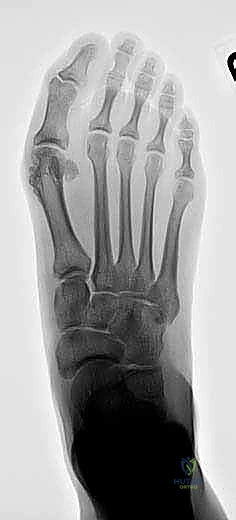
Figure for Trauma 2009 MCQs - Part 4 - Question 76

Key Takeaway

This high-yield question set (Part 4) for AAOS/ABOS exams focuses on the diagnosis and management of complex lower extremity fractures, including tibial plateau and pilon injuries. It further covers crucial polytrauma management principles, preparing orthopedic residents and surgeons for board certification.

AAOS/ABOS Orthopedic Trauma MCQs (Part 4): Lower Extremity & Polytrauma Management | 2026 Board Review

Comprehensive 100-Question Exam


00:00

Start Quiz

Question 1

A still active 86-year-old pastry chef falls in her kitchen and notes pain and deformity of her little finger. There are no open wounds. Radiographs are shown in Figures 49a and 49b. What is the most appropriate management?


Explanation

49b The fracture of the proximal phalanx is clearly displaced. There is slight comminution at the area of the fracture. Closed reduction is likely to fail due to the forces of the extensor, flexor, and intrinsic mechanisms. Percutaneous fixation, unlike open fixation techniques, avoids likely problems with stiffness. Stern PJ: Fractures of the metacarpals and phalanges, in Green DP, Hotchkiss RN, Pederson WC, et al (eds): Green's Operative Hand Surgery, ed 5. Philadelphia, PA, Elsevier, 2005, p 281.

Question 2

A 32-year-old man has a Glasgow Coma Scale score of 8 and an open pelvic fracture. The patient's family reports that he is a Jehovah's Witness. Initial hemodynamic instability has resolved. In the operating room during a washout, the patient's blood pressure becomes unstable. What is the most appropriate action?


Explanation

Certain medical procedures involving blood are specifically prohibited in the belief system of a Jehovah's Witness whereas others are not doctrinally prohibited. For procedures where there is no specific doctrinal prohibition, a Jehovah's Witness should obtain the details from medical personnel and make his or her own decision. Transfusions of allogeneic whole blood or its constituents or preoperative donated autologous blood are prohibited. Other procedures, while not doctrinally prohibited, are not promoted such as hemodilution, intraoperative cell salvage, use of a heart-lung machine, dialysis, epidural blood patch, plasmapheresis, white blood cell scans (labeling or tagging of removed blood returned to the patient), platelet gel, erythropoietin, or blood substitutes. The patient should not be given blood. Plasma expanders should be used first to restore hemodynamic stability. Cell saver blood from an open would is not recommended nor would there likely be enough from an open tibial fracture to salvage. The patient's family may be expressing their own beliefs rather than the patient's beliefs and it would be better to ask the patient when he or she is more alert to determine what procedures they would allow. A consult with the ethics committee will unnecessarily delay an intervention that should restore hemodynamic stability. Jimenez R, Lewis VO (eds): Culturally Competent Care Guidebook. Rosemont, IL, American Academy of Orthopaedic Surgeons, 2007.

Question 3

Figure 50 shows the radiograph of a 26-year-old man who sustained an isolated open injury to his foot. Examination reveals no gross contamination in the wound. There is a palpable dorsalis pedis pulse and sensation is present on the dorsal and plantar aspects of the foot. Initial treatment should consist of wound debridement, antibiotics, and


Explanation

The radiograph shows a complete extrusion of the talus. Reimplantation of the talus after wound debridement has been reported to be safe and successful, and provides for flexibility with any future reconstructive procedures. Smith CS, Nork SE, Sangeorzan BJ: The extruded talus: Results of reimplantation. J Bone Joint Surg Am 2006;88:2418-2424.

Question 4

An 86-year-old woman sustained a fracture of the humerus and underwent surgical fixation 8 weeks ago. There was no radial nerve function below the elbow after surgery. Radiographs are shown in Figures 51a and 51b. What is the most appropriate management at this time?


Explanation

51b Most radial nerve palsies associated with closed fractures of the humerus resolve spontaneously, including Holstein-Lewis lesions (radial nerve palsy associated with oblique distal third fractures of the humerus). Initial sign of recovery at the brachioradialis may not occur for 4 months. There has been no evidence of deleterious effects occurring during this observation period. There are advocates of early exploration of the nerve. Exploration in the intermediate period between 1 and 4 months is not supported. As overall alignment of the fracture is acceptable, there is no need for hardware exchange until nonunion is clearly identified. Shao YC, Harwood P, Grotz MR, et al: Radial nerve palsy associated with fractures of the shaft of the humerus: A systematic review. J Bone Joint Surg Br 2005;87:1647-1652.

Question 5

Which of the following long bone fracture patterns occurs after a pure bending force is exerted to the bone?


Explanation

A pure bending force produces a transverse fracture pattern. Spiral fractures are mainly rotational, oblique are uneven bending, segmental are four-point bending, and comminuted are either a high-speed torsion or crush mechanism. Tencer AF, Johnson KD: Biomechanics in Orthopaedic Trauma: Bone Fracture and Fixation. Philadelphia, PA, JB Lippincott, 1994. Gonza ER: Biomechanical long bone injuries, in Gonza ER, Harrington IJ (eds): Biomechanics of Musculoskeletal Injury. Baltimore, MD, Williams & Wilkins, 1982, pp 1-30.

Question 6

A 20-year-old man sustained an isolated displaced type II odontoid fracture in a motor vehicle accident. He is neurologically intact. Treatment consists of placement in halo traction, and the fracture is reduced. What is the next most appropriate step in treatment?


Explanation

The traditional treatment of a reduced type II fracture is a halo vest. A 20-year-old man will tolerate a halo vest better than the elderly or women. Anterior screw fixation has gained increasing support; however, it too has risks and requires a significant learning curve. More recently, C1 lateral mass screws have become more popular. The long-term results and benefits have not yet been determined. Spivak JM, Connolly PF (eds): Orthopaedic Knowledge Update: Spine 3. Rosemont, IL, American Academy of Orthopaedic Surgeons, 2006, p 193. Kiovikko MP, Kiuru MJ, Koskinen SK, et al: Factors associated with nonunion in conservatively-treated type-II fractures of the odontoid process. J Bone Joint Surg Br 2004;86:1146-1151. Herkowitz HN, Garfin SR, Eismont FJ: Rothman-Simone The Spine, ed 5. Philadelphia, PA, Saunders Elsevier, 2006, p 1091.

Question 7

A 38-year-old woman fell from a ladder onto her right hip. The radiographs and CT scan are shown in Figures 52a through 52d. What is the best surgical approach for this fracture?


Explanation

52b 52c 52d The fracture is an associated both column fracture. The best approach for this fracture is the ilioinguinal. The Kocher-Langenbeck is best for posterior injuries to the acetabulum and some transverse fractures. The iliofemoral alone is limited to high anterior column injuries. The extended iliofemoral and triradiate approaches although useful for this fracture, have a higher rate of complications. Letournel E: The treatment of acetabular fractures through the ilioinguinal approach. Clin Orthop Relat Res 1993;292:62-76.

Question 8

A 24-year-old man was thrown from a car and is seen in the emergency department with a Glasgow Coma Scale (GCS) score of 8. A CT scan of the head shows no significant bleeding. The patient is hemodynamically stable. The left femur has the closed injury shown on the radiographs in Figures 53a and 53b. What is the best treatment for this patient?


Explanation

53b Treatment of patients with a closed head injury and a femoral fracture remains controversial but recent data suggest that intramedullary nails done acutely with avoidance of intraoperative hypotension did not compromise the outcome related to the head injury. This was especially true for high-level GCS scores. A GCS score of lower than 8 and intraoperative hypotension have been associated with worsening outcomes following acute intramedullary nailing of the femur. Skin traction and distal femur skeletal traction in a young adult man with a femoral fracture is not well tolerated secondary to spasm and pain. External fixation is an option but an unnecessary step in the treatment of this patient. Ventriculostomy is not necessary in stable patients with no significant bleeding on a CT scan of the head. Starr AJ, Hunt JL, Chason DP, et al: Treatment of femur fracture with associated head injury. J Orthop Trauma 1998;12:38-45. Nau T, Kutscha-Lissberg F, Muellner T, et al: Effects of a femoral shaft fracture on multiply injured patients with a head injury. World J Surg 2003;27:365-369. McKee MD, Schemitsch EH, Vincent LO, et al: The effect of a femoral fracture on concomitant closed head injury in patients with multiple injuries. J Trauma 1997;42:1041-1045.

Question 9

An otherwise healthy 26-year-old woman is involved in a high speed motor vehicle accident and sustains the injury shown in Figure 54 to her dominant right arm. Appropriate treatment of this injury complex includes


Explanation

This Galeazzi fracture is an injury that requires surgical treatment in an adult. The algorithm includes anatomic reduction of the radial shaft and closed reduction of the DRUJ with assessment of stability. If the DRUJ remains unstable, supination of the wrist may reduce the DRUJ. If not, either open or closed reduction with pinning is undertaken. The closer the radius fracture is to the DRUJ, the more likely it is to be unstable.

Question 10

A 38-year-old man caught his index finger in a volleyball net. He noted an angular deformity of the finger that was reduced when a teammate pulled on his finger. Three weeks later, he now reports trouble extending his finger. A clinical photograph is shown in Figure 55. What anatomic structure is most likely injured?


Explanation

The clinical photograph shows a classic boutonniere deformity. It is likely that the patient sustained a volar dislocation of the proximal interphalangeal joint, with a concomitant rupture of the central slip insertion of the extensor tendon. Peimer CA, Sullivan DJ, Wild DR: Palmar dislocation of the proximal interphalangeal joint. J Hand Surg Am 1984;9:39-48.

Question 11

A 40-year-old laborer sustains the injury shown in the radiograph and CT scan in Figures 56a and 56b. What is the most common complication associated with surgical intervention?


Explanation

56b The patient has a severe Sanders type 4 calcaneus fracture. By far the most common complication associated with surgical treatment of calcaneus fractures is wound dehiscence. Sanders R: Displaced intra-articular fractures of the calcaneus. J Bone Joint Surg Am 2000;82:225-250.

Question 12

A 40-year-old woman sustains a flexion injury to her neck. Physical examination is normal. A lateral radiograph of the cervical spine is shown in Figure 57a. MRI scans of the cervical spine are shown in Figures 57b and 57c. Treatment should include


Explanation

57b 57c This is a classic bilateral facet dislocation. When there is no evidence of a disk herniation, treatment should include careful skeletal traction, closed reduction, and posterior fusion. There is no role for anterior procedures. These fractures are unstable and require surgical intervention. Herkowitz HN, Garfin SR, Eismont FJ: Rothman-Simone The Spine, ed 5. Philadelphia, PA, Saunders Elsevier, 2006, pp 1120-1128.

Question 13

Patients in compensated shock (normal vital signs) are thought to be at risk for which of the following?


Explanation

Patients who are in compensated shock have normal vital signs but still have hypoperfusion of organ beds such as the splanchnic circulation due to preferential perfusion of the heart and brain. The response to this continued hypoperfusion may be the development of a systemic inflammatory response that may lead to multiple organ failure. The patients are thought to be at risk for a "primed" immune system due to the ongoing stimulation of the immune system and may have an exaggerated response to a second stimulus such as surgery or infection. Other markers of resuscitation should be used besides vital signs to determine when resuscitation has been completed. The use of temporizing fixation has been shown to lower systemic complication rates, and the infection and union rate after staged fixation is not altered. Schulman AM, Claridge JA, Carr G, et al: Predictors of patients who will develop prolonged occult hypoperfusion following blunt trauma. J Trauma 2004;57:795-800.

Question 14

A 66-year-old woman was a restrained passenger in an automobile accident. She sustained a direct blow to her nondominant left hand as the airbag in her automobile deployed and she now reports pain, swelling, and difficulty moving her fingers. Radiographs are shown in Figures 58a and 58b. Appropriate definitive treatment should consist of


Explanation

58b While most isolated metacarpal fractures can be treated nonsurgically, multiple metacarpal fractures are inherently unstable due to the loss of support that an intact adjacent metacarpal provides; therefore, treatment should consist of surgical fixation of all three metacarpal fractures. Stern PJ: Fractures of the metacarpals and phalanges, in Green DP, Hotchkiss RN, Pederson WC, et al (eds): Green's Operative Hand Surgery, ed 5. Philadelphia, PA, Elsevier, 2005, p 286.

Question 15

A 14-year-old boy sustains a right leg injury after being thrown from his motorcycle while racing. He reports diffuse right leg pain starting at his knee and proceeding distally to include his foot. After the injury the patient's mother reports the tibia moving posteriorly then anteriorly while she was supporting the leg. In the emergency department 4 hours after injury, examination reveals a large knee effusion, firm compartments of the leg, a palpable posterior tibialis pulse with a warm, pink foot, and capillary refill of 2 seconds at the toes. His blood pressure is 100/50 mm Hg. Motor examination is intact, but there is decreased sensation in the dorsal first interspace and plantar aspect of the foot. Compartment pressure measurement reveals all four compartments with pressures of 33, 36, 33, and 38 mm Hg respectively. Radiographs are shown in Figure 59a and 59b. The remainder of the skeletal examination is normal. What is the optimal management for this injury?


Explanation

59b The patient has a compartment syndrome based on the firm compartments of the leg and the elevated compartment pressures measured at the diastolic pressure reading. Muscle ischemia occurs quickly when compartment pressures are elevated, and within 6 hours irreversible damage can occur. Emergent fasciotomies permit decompression of all four compartments and reestablishment of vascular supply to the muscles. Stabilization of the fracture prevents further soft-tissue injury.

Question 16

Resuscitation of a trauma patient who has been in hypovolemic shock is complete when which of the following has occurred?


Explanation

Shock can be defined as inadequate tissue perfusion. Resuscitation or the resolution of shock is defined as when oxygen debt has been repaid, tissue acidosis is eliminated, and aerobic metabolism has been restored in all tissue beds. The end points for resuscitation are not clearly defined, but occult shock can still be present in the setting of normal vital signs and normal urine output due to selective perfusion of organ systems. Tisherman SA, Barie P, Bokhari F, et al: Clinical practice guideline: End point of resuscitation. J Trauma 2004;57:898-912. Moore FA, McKinley BA, Moore EE, et al: Inflammation and the Host Response to Injury, a large-scale collaborative project: Patient-oriented research core--standard operating procedures for clinical care. III. Guidelines for shock resuscitation. J Trauma 2006;61:82-89.

Question 17

A 12-year-old girl falls in gymnastics and sustains comminuted midshaft radius and ulna fractures. Closed reduction and cast immobilization are attempted but fracture redisplacement with 20 degrees of angulation occurs. Surgical treatment includes closed reduction and intramedullary fixation of both bones. What is the most common long-term complication for this fracture?


Explanation

Healing of forearm fractures in skeletally immature patients is the usual outcome. The use of intramedullary fixation has been reported to result in a lower frequency of refractures when compared to plate osteosynthesis due to the absence of diaphyseal holes after plate removal, which are considered stress risers. Regardless of implant technique, malunion and infection are infrequent. Loss of forearm pronation and supination is a common occurrence in surgically treated fractures due to the higher degree of soft-tissue injury, and periosteal stripping leads to fracture site instability and fracture comminution. Luhmann SJ, Gordon JE, Schoenecker PL: Intramedullary fixation of unstable both-bone forearm fractures in children. J Pediatr Orthop 1998;18:451-456.

Question 18

A 52-year-old woman who is right hand-dominant sustains an injury to her elbow in a fall. A radiograph is shown in Figure 60. The preferred treatment of this injury pattern should include


Explanation

The patient has a Bado type 2 variant Monteggia fracture with a radial head fracture. The type 2 variant is associated with a higher nonunion rate and poorer outcomes compared to other Bado-type Monteggia fractures. While it is potentially acceptable to repair the radial head, factors such as higher degrees of comminution and older age lead toward replacement as the treatment of choice. Plate and screw fixation is favored over Kirschner wire/tension band fixation because this is not a simple olecranon fracture. Plate placement in a type 2 fracture is dorsal to counteract very high tensile forces associated with fixation failure. Egol KA, Tejwani NC, Bazzi J, et al: Does a Monteggia variant lesion result in a poor functional outcome? A retrospective study. Clin Orthop Relat Res 2005;438:233-238. Jupiter JB, Leibovic SJ, Ribbans W, et al: The posterior Monteggia lesion. J Orthop Trauma 1991;5:395-402.

Question 19

The teardrop shape marked with an asterisk in Figure 61 represents what anatomic structure?


Explanation

The teardrop can be visualized on the obturator outlet view of the pelvis and represents a thick column of bone that runs from the AIIS to the PSIS. Half pins for eternal fixation frames or screws can be inserted into this column for fixation of fractures. Gardner MJ, Nork SE: Stabilization of unstable pelvic fractures with supra-acetabular compression external fixation. J Orthop Trauma 2007;21:269-273. Haidukewych GJ, Kumar S, Prpa B: Placement of half-pins for supra-acetabular external fixation: An anatomic study. Clin Orthop Relat Res 2003;411:269-273.

Question 20

A patient was treated with a revision reamed intramedullary nail for a nonunion 6 months ago. A current radiograph is shown in Figure 62. Based on these findings, what is the most appropriate treatment?


Explanation

Nonunions after intramedullary nails are often treated with exchange reamed nailing. In a recent study, this resulted in a union rate of 53%. After failed exchange nailing, bone grafting and compression plating should be used. The other options resulted in less satisfactory results as compared to bone grafting and compression plating. Weresh MJ, Hakanson R, Stover MD, et al: Failure of exchange reamed intramedullary nails for ununited femoral shaft fractures. J Orthop Trauma 2000;14:335-338.

Question 21

Figure 63 shows the radiographs of a 23-year-old man who sustained a twisting injury at work. Swelling, tenderness, and ecchymosis are noted about the entire midfoot. What associated injury is most likely to be problematic?


Explanation

This cuboid compression fracture ("nutcracker" injury) is associated with subtle injury to the Lisfranc complex. This diagnosis must be made to ensure proper treatment.

Question 22

A 24-year-old man is ejected from his motorcycle and sustains a significant hip injury. The fracture shown in Figures 64a through 64e is best described as what type of fracture?


Explanation

64b 64c 64d 64e The radiographs and CT scans reveal an anterior column acetabular fracture. The fracture has quadrilateral plate extension but does not exit out the posterior column. The CT scans confirm an intact posterior column and no wall fracture. A transverse fracture is best seen on the CT scan and runs in the sagittal plane, not the coronal plane. Letournel E, Judet R: Fractures of the Acetabulum, ed 2. New York, NY, Springer-Verlag, 1993, pp 115-140.

Question 23

A 71-year-old woman who reports long-term use of oral steroids for asthma is referred for treatment of a distal humerus fracture. Radiographs reveal diffuse osteopenia and a severely comminuted intra-articular fracture. What is the most appropriate treatment?


Explanation

Several studies have documented the satisfactory outcomes of total elbow arthroplasty when osteosynthesis is not feasible for fixation of a distal humerus fracture, particularly in the physiologically older patient with low functional demands. Total elbow arthroplasty should be considered when a comminuted intra-articular distal humerus fracture occurs in a woman older than age 65 years, particularly with such associated comorbidities as systemic steroid use, osteoporosis, or rheumatoid arthritis. Kamineni S, Morrey BF: Distal humeral fractures treated with noncustom total elbow replacement. J Bone Joint Surg Am 2004;86:940-947. Frankle MA, Herscovici D Jr, DiPasquale TG, et al: A comparison of open reduction and internal fixation and primary total elbow arthroplasty in the treatment of intraarticular distal humerus fractures in women older than 65. J Orthop Trauma 2003;17:473-480.

Question 24

A 14-year-old boy sustained a 100% displaced distal radius Salter-Harris type II fracture. Neurologic examination demonstrates normal motor examination and two-point discrimination. He undergoes fracture reduction to the anatomic position with the application of a long arm cast. Postreduction he reports increasing hand and wrist pain with diminution of two-point discrimination to 10 mm over the index and middle fingers over the next several hours after surgery. The cast is bivalved and the padding released relieving all external pressure over the arm. Reevaluation reveals increasing sensory deficit over the affected area. What is the next most appropriate management intervention?


Explanation

The patient has an evolving acute carpal tunnel syndrome. Initial management for this injury is to relieve all external pressure that may elevate the neural compression. Surgical decompression of the median nerve at the carpal tunnel is the optimal intervention. Further nonsurgical interventions (cast removal or further bivalving) are insufficient to alleviate the neural compression. Waters PM, Mih AD: Fractures of the distal radius and ulna, in Beaty JH, Kasser JR (eds): Fractures in Children, ed 6. Philadelphia, PA, Lippincott, 2006, p 361.

Question 25

A 25-year-old male polytrauma patient undergoes initial temporary external fixation for a femoral shaft fracture. He is converted to a femoral nail at 7 days. This management can be expected to result in


Explanation

Recently Harwood and associates investigated the principles of damage control orthopaedics (DCO) as they apply to patients with femoral shaft fractures. When they compared those who underwent initial external fixation of femoral shaft fractures with conversion to an intramedullary nail to those who underwent intramedullary nailing as their initial treatment, they found the following: overall infection rates were comparable in patients receiving DCO versus primary intramedullary fixation; open fracture was an independent risk factor for infection regardless of the treatment method; contamination rates in external fixator pin sites rose considerably when left in place more than 2 weeks and logistic regression analysis suggests that infection rates may increase when conversion to an intramedullary nail occurs after 2 weeks following external fixation; and there was no significant difference in time to union among treatment groups. Harwood PJ, Giannoudis PV, Probst C, et al: The risk of local infective complications after damage control procedures for femoral shaft fracture. J Orthop Trauma 2006;20:181-189.

Question 26

A 28-year-old male polytrauma patient presents with bilateral closed femoral shaft fractures, a pulmonary contusion, and an isolated head injury (GCS 10). Initial arterial blood gas reveals a pH of 7.2, and serum lactate is 4.8 mmol/L. His blood pressure is 95/60 mmHg after 2 liters of crystalloid. What is the most appropriate initial orthopedic management of his femoral fractures?


Explanation

This patient is hemodynamically marginal and under-resuscitated with elevated lactate, indicating a 'borderline' or 'in extremis' status. Damage control orthopedics (external fixation) is prioritized to minimize the second hit from systemic inflammatory response syndrome (SIRS) caused by early total care (ETC).

Question 27

A 30-year-old female sustains a Pauwels type III (vertically oriented) femoral neck fracture. Which of the following internal fixation constructs provides the most biomechanically stable fixation to prevent shear displacement and varus collapse?


Explanation

Pauwels III fractures experience high shear forces that typically lead to varus collapse and nonunion if fixed with parallel screws alone. A fixed-angle device such as a dynamic hip screw with a derotational screw provides superior biomechanical resistance to shear forces in young adults.

Question 28

In a hemodynamically unstable polytrauma patient with an anterior-posterior compression (APC III) pelvic ring injury, a pelvic binder must be applied. To maximize mechanical advantage and effectively reduce pelvic volume, the binder should be centered directly over which of the following anatomic structures?


Explanation

Pelvic binders should be placed at the level of the greater trochanters to directly compress the pelvic ring and reduce the symphyseal diastasis effectively. Placement over the iliac crests is incorrect and can paradoxically widen the true pelvis.

Question 29

A 35-year-old male sustains a high-energy Gustilo-Anderson type IIIB open tibia fracture with massive periosteal stripping and gross contamination from a farming accident. According to recent trauma guidelines, what is the most appropriate initial empiric antibiotic regimen?


Explanation

Current EAST guidelines recommend broad Gram-negative and Gram-positive coverage for type III open fractures, typically achieved with Ceftriaxone or a combination of Cefazolin and Gentamicin. High-dose Penicillin is historically added for farm injuries (Clostridium), but modern broad-spectrum regimens often suffice.

Question 30

A 25-year-old male sustains a traumatic anterior knee dislocation. Upon closed reduction, his Ankle-Brachial Index (ABI) is 0.7, and a CT angiogram confirms a popliteal artery occlusion. What is the maximum recommended warm ischemia time before irreversible muscle necrosis begins in the lower extremity?


Explanation

Irreversible muscle necrosis and nerve damage in the lower extremity begin after 6 hours of warm ischemia. Emergent vascular shunting or repair must be completed within this timeframe to minimize the risk of amputation.

Question 31

A 22-year-old male with an isolated closed femoral shaft fracture develops confusion, tachypnea, and a petechial rash on his chest 48 hours post-injury. Which of the following interventions has been proven to be most effective in preventing this specific syndrome?


Explanation

This patient has classic Fat Embolism Syndrome (FES). The most effective prophylactic measure against FES in patients with long bone fractures is early definitive surgical stabilization, ideally within the first 24 hours.

Question 32

A 45-year-old male sustains a subtrochanteric fracture of the femur. Radiographs demonstrate the classic deformity of the proximal fragment, which is flexed, abducted, and externally rotated. Which muscle is primarily responsible for the flexion deformity of the proximal fragment?


Explanation

In a subtrochanteric femur fracture, the iliopsoas muscle pulls the proximal fragment into flexion. The gluteus medius and minimus pull it into abduction, while the short external rotators pull it into external rotation.

Question 33

A 30-year-old male undergoes reamed intramedullary nailing for a closed tibial shaft fracture. In the PACU, he complains of severe, escalating leg pain. His blood pressure is 110/70 mmHg. Intracompartmental pressure monitoring reveals an anterior compartment pressure of 45 mmHg. What is the most appropriate management?


Explanation

The delta pressure (diastolic blood pressure minus compartment pressure) is 70 - 45 = 25 mmHg. A delta pressure of 30 mmHg or less is an absolute indication for an emergent fasciotomy to treat acute compartment syndrome.

Question 34

A 28-year-old male sustains a Hawkins type III fracture of the talar neck after falling from a height. Which of the following accurately describes the joint subluxations or dislocations seen in this specific classification?


Explanation

Hawkins Type III talar neck fractures involve displacement of the fracture with dislocation of both the subtalar joint and the tibiotalar (ankle) joint. This pattern carries a very high risk (often near 100% without prompt reduction) of avascular necrosis.

Question 35

A 25-year-old male is brought in after a motorcycle crash. He has a closed left femoral shaft fracture, bilateral pulmonary contusions, and a grade III liver laceration. Current vitals: BP 85/50, HR 120, Temp 35.0 C. Arterial blood gas shows pH 7.21, Base Excess -8, and Lactate 5.2 mmol/L. What is the most appropriate management of his femur fracture?


Explanation

This patient is hemodynamically unstable and acidotic, meeting criteria for damage control orthopedics (DCO). Immediate external fixation minimizes additional surgical trauma while stabilizing the fracture. Definitive fixation (IM nailing) is delayed until his physiologic status improves.

Question 36

A 34-year-old male presents with a comminuted proximal tibia fracture. He complains of pain out of proportion to the injury. Vitals: BP 110/70. Intracompartmental pressure testing reveals a pressure of 45 mm Hg in the anterior compartment. What is the most accurate indicator for four-compartment fasciotomy in this patient?


Explanation

The most reliable threshold for diagnosing acute compartment syndrome is a delta pressure (diastolic blood pressure minus compartment pressure) of less than 30 mm Hg. Relying on absolute pressure alone can lead to overtreatment, while pulse loss and paresthesias are late and unreliable findings.

Question 37

A 45-year-old male sustains a posterior wall acetabular fracture with a posterior hip dislocation. Reduction is performed in the emergency department. Post-reduction examination reveals a foot drop and inability to extend the great toe. Sensation is decreased over the dorsum of the foot. Which nerve and specific division are most likely injured?


Explanation

Posterior hip dislocations and posterior wall acetabular fractures are commonly associated with injury to the sciatic nerve, specifically the peroneal division. The peroneal division is more susceptible due to its lateral position and secure tethering at the sciatic notch and fibular head.

Question 38

A 28-year-old female sustains a severe open tibia fracture (Gustilo-Anderson Type IIIA) with heavy soil contamination after an ATV accident. She has no known drug allergies. What is the most appropriate initial intravenous antibiotic regimen?


Explanation

For highly contaminated open fractures, especially those involving soil or agricultural environments, coverage for Clostridium species is required. The standard recommendation is a first-generation cephalosporin, an aminoglycoside, and penicillin (or metronidazole) for anaerobic coverage.

Question 39

A 50-year-old male is brought to the trauma bay after a high-speed motor vehicle collision. He is hypotensive (BP 75/40). Primary survey reveals an unstable pelvis to manual compression. A pelvic binder is ordered. What is the correct anatomic landmark for centering the pelvic binder?


Explanation

Pelvic binders must be centered over the greater trochanters to effectively reduce pelvic ring volume and control hemorrhage. Placement over the iliac crests is incorrect and can exacerbate certain fracture patterns or cause abdominal compression.

Question 40

A 30-year-old male athlete sustains an ultra-low velocity anterior knee dislocation during a martial arts competition. The knee spontaneously reduces before arrival. Examination reveals a grossly unstable knee but a strong, palpable dorsalis pedis pulse. Ankle-Brachial Index (ABI) is 0.85. What is the most appropriate next step in management?


Explanation

An ABI less than 0.90 in the setting of a knee dislocation is highly suspicious for a vascular injury, regardless of palpable pulses. CT angiography is the appropriate next step to definitively rule out or localize a popliteal artery intimal tear or occlusion.

Question 41

A 22-year-old male sustains a hyperdorsiflexion injury to his right foot during a fall from a height. Radiographs demonstrate a displaced fracture of the talar neck with subluxation of the subtalar joint, while the tibiotalar joint remains reduced. According to the Hawkins classification, what is the risk of avascular necrosis (AVN) of the talar body?


Explanation

This is a Hawkins Type II fracture (talar neck fracture with subtalar subluxation/dislocation). The risk of AVN for a Type II fracture is historically reported as 20% to 50%, whereas Type III fractures have a much higher risk (up to 100%).

Question 42

A 35-year-old female complains of midfoot pain after misstepping off a curb. She has plantar ecchymosis and pain with pronation and abduction of the forefoot. Non-weight-bearing radiographs appear normal. What is the most appropriate next step in evaluation?


Explanation

Plantar ecchymosis is highly suggestive of a Lisfranc injury. When non-weight-bearing films are normal, weight-bearing bilateral radiographs are the most appropriate next step to evaluate for dynamic instability or subtle widening.

Question 43

A 40-year-old male presents with a high-energy, severe soft-tissue-compromising fracture of the distal tibial plafond (Pilon fracture). There is significant swelling and fracture blisters. What is the standard of care for initial management?


Explanation

The standard of care for high-energy pilon fractures with severe soft tissue compromise is a staged approach. Initial spanning external fixation allows soft tissues to recover, followed by definitive internal fixation 10-21 days later to minimize wound complications.

Question 44

A 29-year-old female sustains a completely displaced, vertically oriented (Pauwels type III) femoral neck fracture after a fall from a horse. What is the preferred surgical construct to maximize biomechanical stability and reduce the risk of nonunion and avascular necrosis?


Explanation

In young adults, vertically oriented, high-shear femoral neck fractures (Pauwels III) are highly unstable. A sliding hip screw (fixed-angle construct) provides superior biomechanical stability against vertical shear forces compared to multiple cancellous screws.

Question 45

A 55-year-old male sustains a distal femur fracture. CT scan reveals a coronal plane fracture of the lateral femoral condyle. What is the primary deforming force on this specific articular fragment?


Explanation

A coronal plane fracture of the femoral condyle is known as a Hoffa fracture. The primary deforming force causing posterior and proximal displacement of this fragment is the origin of the gastrocnemius muscle.

Question 46

A 45-year-old male sustains a subtrochanteric femur fracture. During closed reduction for intramedullary nailing, the proximal fragment is noted to be flexed, abducted, and externally rotated. Which muscle is primarily responsible for the external rotation of the proximal fragment?


Explanation

In subtrochanteric femur fractures, the proximal fragment is deformed by the iliopsoas (flexion), gluteus medius/minimus (abduction), and the short external rotators (external rotation). The adductors primarily pull the distal fragment medially.

Question 47

A 32-year-old female is admitted after a crush injury with an open, bleeding pelvic ring disruption. Massive transfusion protocol (MTP) is initiated. What is the optimal ratio of packed red blood cells (PRBCs) to fresh frozen plasma (FFP) to platelets to prevent trauma-induced coagulopathy?


Explanation

The PROPPR trial and current trauma guidelines support a 1:1:1 ratio of PRBCs, FFP, and platelets for patients requiring massive transfusion. This ratio most closely mimics whole blood and mitigates trauma-induced coagulopathy.

Question 48

A 38-year-old male recreational basketball player sustains an acute Achilles tendon rupture. He is debating between operative and nonoperative management with early functional rehabilitation. Based on current literature, what is the most accurate statement comparing these two treatments?


Explanation

Recent high-level studies demonstrate that nonoperative management utilizing early functional weight-bearing rehabilitation protocols yields similar re-rupture rates compared to surgical repair, while avoiding surgical site complications.

Question 49

A 40-year-old male undergoes open reduction and internal fixation of a displaced intra-articular calcaneus fracture via an extensile lateral approach. Which complication is most frequently associated with this specific surgical approach?


Explanation

The extensile lateral approach to the calcaneus carries a notorious risk of wound healing complications (necrosis of the flap apex) and injury to the sural nerve. Meticulous "no-touch" handling of the full-thickness subperiosteal flap is required.

Question 50

A 26-year-old male sustains a pronation-external rotation (PER) ankle fracture. Intraoperatively, after fixing the fibula and medial malleolus, the Cotton test is positive. Which structure must be injured to allow this syndesmotic instability?


Explanation

A positive Cotton test (widening of the syndesmosis with lateral traction on the fibula) indicates syndesmotic instability. This requires disruption of the interosseous membrane/ligament along with the anterior and/or posterior inferior tibiofibular ligament.

Question 51

A 50-year-old female sustains a posteromedial shear fracture of the tibial plateau. Attempting to fix this fragment from a standard anterolateral approach will likely result in failure. What is the most appropriate surgical approach for direct visualization and buttress plating of this fragment?


Explanation

Posteromedial shear fragments of the tibial plateau require a posteromedial approach (between the medial gastrocnemius and pes anserinus). This allows for proper posterior-to-anterior buttress plating, effectively neutralizing the shear forces.

Question 52

According to the Lower Extremity Assessment Project (LEAP) study, which of the following factors at the time of injury is the most reliable predictor of eventual amputation or poor functional outcome in severe lower extremity trauma?


Explanation

The LEAP study demonstrated that the severity of the soft-tissue and muscle injury is the most significant determinant of outcome in severe lower extremity trauma. Scoring systems like MESS and initial loss of plantar sensation were found to be poor predictors.

Question 53

A 22-year-old elite soccer player sustains an acute fracture at the metaphyseal-diaphyseal junction of the fifth metatarsal (Jones fracture). Why is this specific fracture highly prone to delayed union or nonunion?


Explanation

A true Jones fracture occurs at the metaphyseal-diaphyseal junction of the fifth metatarsal. This region is a vascular watershed area between the metaphyseal and diaphyseal blood supplies, leading to a high risk of delayed union or nonunion.

Question 54

A 28-year-old male is brought to the ED after a high-speed MVC. He has a severe closed head injury, pulmonary contusions, and a closed midshaft femur fracture. His blood pressure is 85/50 mmHg after 2 liters of crystalloid and 2 units of PRBCs. Arterial blood gas shows a base deficit of 9 and lactate of 4.5. What is the most appropriate management of the femur fracture?


Explanation

The patient is hemodynamically unstable ('in extremis') with a concurrent head injury and pulmonary contusions. Damage control orthopedics with rapid external fixation is indicated to stabilize the fracture while minimizing the 'second hit' inflammatory phenomenon.

Question 55

A 35-year-old male sustains a Gustilo-Anderson type IIIB open tibia fracture. He undergoes appropriate initial irrigation and debridement. What is the optimal timeframe for definitive soft tissue flap coverage to minimize deep infection rates?


Explanation

Definitive soft tissue coverage for type IIIB open tibia fractures is ideally performed within 3 to 7 days of the injury. This protocol significantly decreases the risk of deep infection and improves long-term functional outcomes.

Question 56

A 24-year-old professional athlete sustains a purely ligamentous Lisfranc injury. What is the currently recommended treatment approach to minimize long-term arthrosis and maximize functional outcome?


Explanation

Recent high-level literature supports primary arthrodesis over open reduction and internal fixation for purely ligamentous Lisfranc injuries. Arthrodesis has been associated with lower rates of hardware failure, fewer subsequent surgeries, and superior mid-term functional outcomes.

Question 57

A 68-year-old female presents with low-energy thigh pain. She has been taking alendronate for 8 years. Radiographs demonstrate lateral cortical thickening and a transverse fracture through the lateral cortex with a medial spike. What is the most appropriate surgical management?


Explanation

Bisphosphonate-associated atypical femur fractures are notoriously slow to heal and carry a high risk of subsequent fracture. They are best treated prophylactically or definitively with full-length cephalomedullary or antegrade reconstruction nailing to span the entire bone.

Question 58

A 45-year-old male sustains a severe Schatzker VI tibial plateau fracture. During the initial ED evaluation, he complains of severe leg pain out of proportion to the injury. Which of the following physical examination findings is the most sensitive early clinical indicator of acute compartment syndrome?


Explanation

Pain with passive stretch of the ischemic muscles is considered the earliest and most sensitive clinical sign of acute compartment syndrome in an awake patient. Pulselessness and pallor are very late signs indicating irreversible damage.

Question 59

A 30-year-old male falls from a height and sustains a displaced, vertically oriented, Pauwels type III femoral neck fracture. Which fixation construct provides the most biomechanically stable fixation against shear forces for this specific fracture pattern?


Explanation

For vertically oriented (Pauwels type III) femoral neck fractures in young adults, shear forces at the fracture site are extremely high. A sliding hip screw supplemented with a derotational screw provides superior biomechanical stability compared to multiple cancellous screws.

Question 60

A 40-year-old female arrives after a pedestrian-versus-auto collision. Her blood pressure is 70/40 mmHg. A pelvic binder is applied and the FAST exam is negative. Pelvic radiograph shows an APC-III pelvic ring injury. Despite aggressive fluid resuscitation, she remains hypotensive. What is the most appropriate next step?


Explanation

In a hemodynamically unstable patient with a mechanically unstable pelvic ring injury and a negative FAST exam, the source of bleeding is primarily pelvic. Preperitoneal pelvic packing or immediate pelvic angiography with embolization is urgently indicated.

Question 61

Radiographs and CT scans of a 35-year-old male involved in a high-speed MVC demonstrate a fracture pattern involving both the anterior and posterior columns of the acetabulum. A characteristic 'spur sign' is visible on the obturator oblique radiograph. What Letournel fracture classification is present?


Explanation

The 'spur sign' on an obturator oblique radiograph represents the intact portion of the ilium remaining attached to the axial skeleton above the fracture line. It is pathognomonic for a both-column acetabular fracture.

Question 62

A 22-year-old collegiate football player sustains a knee dislocation. Upon reduction in the ED, his distal pulses are palpable but his ankle-brachial index (ABI) is calculated to be 0.8. What is the most appropriate next step in his management?


Explanation

In a patient with a documented knee dislocation, an ABI of less than 0.9 indicates a high suspicion for a clinically significant popliteal artery injury. This warrants further definitive imaging with CT angiography to determine if vascular intervention is required.

Question 63

A 29-year-old male sustains a displaced fracture of the talar neck with subluxation of the subtalar joint and a dislocated tibiotalar joint. What is the expected historical rate of avascular necrosis (AVN) of the talar body for this Hawkins type III injury?


Explanation

A Hawkins type III talar neck fracture involves displacement of the talar neck with dislocation of both the subtalar and tibiotalar joints, severely disrupting the blood supply. The risk of avascular necrosis (AVN) is historically reported to be between 70% and 100%.

Question 64

A 28-year-old polytrauma patient presents with bilateral femur fractures and a severe closed head injury. He has been resuscitated in the ICU. Which of the following parameters suggests he is adequately resuscitated and safe to proceed with definitive early total care (ETC) via intramedullary nailing of his femurs?


Explanation

In polytrauma, early total care (ETC) is safe when the patient is adequately resuscitated. A serum lactate < 2.0 mmol/L, base deficit > -2, and normal coagulation profiles indicate adequate resuscitation and a transition to a stable physiological state.

Question 65

A 45-year-old man sustains a Gustilo-Anderson IIIB open tibia fracture. Following initial thorough debridement and spanning external fixation, what is the optimal timeframe for achieving definitive soft-tissue coverage to minimize the risk of deep infection?


Explanation

Definitive soft-tissue coverage for open tibia fractures (Gustilo IIIB) should ideally be performed within 72 hours to 7 days after injury. Early coverage within this window significantly reduces the risk of deep infection and promotes fracture healing.

Question 66

A 35-year-old male is brought to the ED after a motorcycle crash. He is tachycardic (130 bpm) and hypotensive (80/40 mmHg). A pelvic radiograph (similar to

) shows an AP compression type III (APC-III) pelvic ring injury. After massive transfusion protocol is initiated, his blood pressure remains 85/45 mmHg. A pelvic binder is correctly applied. Extended FAST is negative. What is the most appropriate next step?


Explanation

In a hemodynamically unstable patient with a mechanically unstable pelvic ring injury and negative FAST, retroperitoneal hemorrhage is the likely source. Interventions such as preperitoneal pelvic packing and/or pelvic angiography with embolization are critical to control venous and arterial bleeding.

Question 67

A 25-year-old man sustains a Pauwels type III femoral neck fracture. To maximize biomechanical stability and reduce the risk of varus collapse, which fixation construct is most appropriate?


Explanation

Pauwels type III femoral neck fractures have a highly vertical fracture line, exposing them to significant shear forces. A dynamic hip screw (length and angle stable) supplemented with a derotational screw provides superior biomechanical resistance to varus collapse compared to multiple cancellous screws.

Question 68

A 42-year-old man sustains a closed posterior wall acetabular fracture. Examination reveals a large, fluctuant swelling over the greater trochanter with overlying skin bruising. What is the most appropriate initial management of this soft-tissue injury to minimize perioperative complications?


Explanation

A Morel-Lavallée lesion is a closed degloving injury often associated with pelvic or acetabular trauma. Initial management typically involves aspiration or percutaneous drainage combined with compressive dressings to resolve the seroma and assess skin viability prior to definitive fracture surgery.

Question 69

A 30-year-old male presents with a midshaft tibia fracture. He complains of pain out of proportion to the injury. Which of the following continuous compartment pressure monitoring findings is most indicative of acute compartment syndrome requiring emergent fasciotomy?


Explanation

Acute compartment syndrome is best diagnosed using the delta pressure, calculated as diastolic blood pressure minus compartment pressure. A delta pressure of less than 30 mmHg is highly specific for acute compartment syndrome and warrants emergent fasciotomy.

Question 70

A 28-year-old female falls from a height and sustains a Hawkins type III talar neck fracture. Which of the following best describes the vascular disruption and the associated risk of avascular necrosis (AVN)?


Explanation

A Hawkins type III fracture involves the talar neck with dislocation of the talar body from both the subtalar and tibiotalar joints. This typically disrupts all three major blood supplies (tarsal canal, tarsal sinus, and deltoid branches), leading to a nearly 100% risk of AVN.

Question 71

An 80-year-old woman with a well-functioning posterior-stabilized total knee arthroplasty (TKA) sustains a closed distal femur fracture above the prosthesis (Su Type II). Radiographs show the femoral component remains well-fixed. What is the preferred surgical treatment?


Explanation

For a periprosthetic distal femur fracture with a well-fixed TKA component and a closed box (posterior-stabilized), retrograde nailing is typically contraindicated due to implant design. Open reduction and internal fixation with a lateral locking plate is the standard of care.

Question 72

A 45-year-old construction worker sustains a highly comminuted, displaced intra-articular calcaneus fracture (Sanders type IV). He is a heavy smoker and has poorly controlled diabetes. What is the most appropriate primary surgical treatment option to minimize complications?


Explanation

In Sanders type IV fractures (highly comminuted) in patients with severe soft tissue risk factors like heavy smoking and diabetes, primary subtalar arthrodesis is often indicated. This approach manages the severe articular damage while minimizing the high wound complication rates associated with extensile lateral approaches.

Question 73

A 22-year-old athlete sustains a hyperplantarflexion injury to his midfoot. Non-weight-bearing radiographs appear normal. He has severe pain with weight-bearing and noticeable plantar ecchymosis. What is the most appropriate next step in the diagnostic workup?


Explanation

Plantar ecchymosis is highly pathognomonic for a Lisfranc injury. When non-weight-bearing films are normal but clinical suspicion remains high, weight-bearing radiographs of the foot are required to demonstrate dynamic instability and diastasis.

Question 74

A 50-year-old man sustains a high-energy closed pilon fracture (OTA 43-C3) with severe fracture blisters and massive soft-tissue swelling. What is the most appropriate initial management?


Explanation

High-energy pilon fractures with severe soft-tissue compromise are best managed with a staged protocol. Initial management consists of spanning external fixation, followed by delayed definitive fixation once the soft-tissue swelling and blisters resolve.

Question 75

A 68-year-old woman on long-term bisphosphonate therapy presents with progressive thigh pain for several weeks. Radiographs reveal lateral cortical thickening and a transverse radiolucent line in the subtrochanteric region of the right femur. What is the recommended management?


Explanation

The patient has an impending atypical femur fracture associated with bisphosphonate use. The presence of a cortical radiolucency combined with prodromal thigh pain is an absolute indication for prophylactic intramedullary nailing to prevent a complete, displaced fracture.

Question 76

During the intramedullary nailing of a subtrochanteric femur fracture, the proximal fragment is typically displaced into flexion, abduction, and external rotation. Which muscle is primarily responsible for the flexion deformity of the proximal fragment?


Explanation

In subtrochanteric fractures, the proximal fragment is driven into flexion by the iliopsoas, which attaches to the lesser trochanter. Abduction is driven by the gluteus medius and minimus, while external rotation is caused by the short external rotators.

Question 77

A 28-year-old polytrauma patient with a closed femoral shaft fracture has a serum lactate of 4.5 mmol/L, a base deficit of -8 mEq/L, and a platelet count of 85,000/mcL. What is the most appropriate management of the femur fracture?


Explanation

This patient is in a "borderline" or "in extremis" physiologic state based on elevated lactate, base deficit, and thrombocytopenia. Damage control orthopedics (DCO) with rapid temporary external fixation is indicated to minimize the systemic inflammatory "second hit" phenomenon.

Question 78

A 35-year-old man presents with a hemodynamically unstable anteroposterior compression (APC-III) pelvic ring injury. A non-invasive pelvic binder is applied in the trauma bay. Over which anatomical landmarks should the binder be centered for optimal reduction and hemorrhage control?


Explanation

Pelvic binders must be centered directly over the greater trochanters to effectively close the pelvic ring and reduce intrapelvic volume. Placement over the ASIS or iliac crests is biomechanically less effective and can paradoxically open the pelvis in certain fracture patterns.

Question 79

A 42-year-old man sustains a high-energy Schatzker VI tibial plateau fracture.

Four hours post-injury, he requires increasing doses of opioids and exhibits severe pain with passive toe extension. What is the most reliable objective parameter to confirm the suspected diagnosis?


Explanation

A delta pressure (diastolic blood pressure minus compartment pressure) of less than 30 mmHg is the most reliable and specific indicator for acute compartment syndrome. Pulselessness and sensory loss are late, unreliable signs that often precede irreversible ischemia.

Question 80

A 29-year-old sustains a Gustilo-Anderson Type IIIB open tibia fracture. Following initial aggressive surgical debridement, negative pressure wound therapy is applied. According to current evidence, soft tissue coverage should ideally be performed within what timeframe to minimize deep infection rates?


Explanation

Historically, coverage within 5-7 days was considered standard. However, modern evidence strongly supports performing soft tissue flap coverage within 72 hours to significantly decrease infection rates in Type IIIB open tibia fractures.

Question 81

Six weeks following open reduction and internal fixation of a Hawkins type III talar neck fracture, an AP radiograph of the ankle reveals subchondral radiolucency in the talar dome. What does this radiographic finding indicate?


Explanation

The Hawkins sign is a subchondral radiolucent band seen 6-8 weeks post-injury, indicating active bone resorption. It signifies intact vascularity to the talus and essentially rules out avascular necrosis of the talar body.

Question 82

A 24-year-old female sustains a purely ligamentous Lisfranc injury with dynamic instability. What is the most appropriate definitive surgical management based on prospective randomized trials?


Explanation

Prospective randomized studies demonstrate that primary arthrodesis for purely ligamentous Lisfranc injuries results in superior functional outcomes and lower reoperation rates compared to ORIF. ORIF is generally preferred when treating bony Lisfranc fracture-dislocations.

Question 83

During an extensile lateral approach for a displaced intra-articular calcaneus fracture, what anatomical structure is at highest risk of iatrogenic injury when developing the full-thickness soft tissue flap?


Explanation

The sural nerve crosses the lateral border of the foot and is at significant risk during the extensile lateral approach to the calcaneus. A "no-touch" technique developing a full-thickness subperiosteal flap is critical to protect the nerve and the tenuous vascular supply of the skin.

Question 84

A 50-year-old man presents with a highly comminuted, displaced OTA 43-C3 pilon fracture characterized by severe soft tissue swelling and fracture blisters. What is the standard of care regarding the sequencing of surgical management?


Explanation

High-energy pilon fractures with severe soft tissue compromise are best managed with a staged protocol. Immediate spanning external fixation restores length and alignment, followed by definitive ORIF once the soft tissue envelope adequately recovers (usually 10-14 days).

Question 85

A 26-year-old male sustains a vertically oriented (Pauwels Type III) femoral neck fracture. Which of the following fixation constructs offers the greatest biomechanical stability against vertical shear forces for this specific fracture pattern?


Explanation

Pauwels Type III fractures are characterized by high vertical shear forces. Biomechanically, a sliding hip screw construct (often supplemented with a derotational screw) provides superior resistance to vertical shear compared to standard multiple parallel cancellous screws.

Question 86

A 35-year-old woman is struck by a vehicle and sustains a closed pelvic ring injury. She develops a large, fluctuant mass over the greater trochanter with distinct skin hypermobility. Aspiration yields serosanguinous fluid. What is the pathophysiology of this lesion?


Explanation

A Morel-Lavallée lesion is a closed degloving injury caused by shearing forces that separate the subcutaneous fat from the underlying fascial plane. This creates a potential space that rapidly fills with blood, lymph, and liquefied necrotic fat.

Question 87

A 22-year-old polytrauma patient with bilateral femoral shaft fractures develops hypoxia, an axillary petechial rash, and confusion 36 hours post-injury. What is the most effective strategy to decrease the incidence of this specific syndrome in at-risk trauma patients?


Explanation

This patient exhibits the classic clinical triad of Fat Embolism Syndrome (FES). Early operative stabilization (within 24 hours) of long bone fractures is the single most effective and proven method to reduce the incidence of FES and ARDS in polytrauma patients.

Question 88

A 40-year-old man presents with a "floating knee" consisting of ipsilateral diaphyseal fractures of the femur and tibia. Both injuries require intramedullary nailing. Which surgical approach combination is most recommended to limit setup changes and operative time?


Explanation

A combined retrograde femoral nail and antegrade tibial nail can be efficiently performed through a single midline peripatellar incision with the leg draped free on a radiolucent triangle. This avoids repositioning the patient and decreases overall operative time.

Question 89

A 30-year-old woman sustains a displaced intra-articular distal femur fracture. CT imaging reveals an associated coronal plane fracture of the lateral femoral condyle. Which surgical strategy is essential for appropriately managing this specific condylar fragment?


Explanation

Coronal shear fractures of the femoral condyle (Hoffa fractures) require independent fixation with anterior-to-posterior (or PA) lag screws to resist significant shear forces. This must be done before applying a definitive lateral neutralization or bridging plate.

Question 90

During ORIF of a bimalleolar equivalent ankle fracture, the syndesmosis is stabilized with two positional screws. A postoperative CT scan reveals the fibula is malreduced within the incisura fibularis. What is the most common direction of this syndesmotic malreduction?


Explanation

During reduction and clamping of the syndesmosis, the fibula is most commonly malreduced in an anterior and medial direction (often internally rotated) within the incisura. Open direct visualization can significantly reduce this malreduction rate.

Question 91

A 45-year-old smoker presents with persistent mid-thigh pain 9 months after antegrade locked intramedullary nailing of a femoral shaft fracture. Radiographs show a distinct "elephant foot" hypertrophic nonunion. What is the most appropriate next step in management?


Explanation

Hypertrophic nonunions possess excellent biological activity but lack sufficient mechanical stability. Exchange nailing with reaming and insertion of a larger diameter nail increases construct stiffness and is the gold standard treatment for femoral shaft hypertrophic nonunions.

Question 92

A 33-year-old man sustains an open APC-II pelvic fracture with a large laceration extending deep into the perineum. There is no grossly visible stool, but rectal sphincter tone is absent. What is the primary indication for performing a diverting colostomy in this setting?


Explanation

Diverting colostomy in severe open pelvic fractures is indicated primarily to prevent mechanical fecal soiling of the massive pelvic fracture hematoma. This significantly reduces the risk of overwhelming pelvic sepsis and mortality associated with perineal wounds.

Question 93

A 28-year-old male sustains a posterior hip dislocation. Closed reduction in the emergency department is unsuccessful. A CT scan reveals a small, incarcerated osteochondral fragment within the acetabular fossa. What is the most appropriate surgical approach for open reduction?


Explanation

The Kocher-Langenbeck (posterior) approach is the standard workhorse for addressing posterior hip dislocations, particularly those requiring open reduction due to incarcerated intra-articular fragments or associated posterior wall acetabular fractures.

Question 94

A 28-year-old man sustains multiple injuries in a motor vehicle collision, including a closed right femoral shaft fracture and bilateral pulmonary contusions. He is currently intubated in the intensive care unit. Which of the following physiologic parameters is an absolute indication for damage control orthopedics (DCO) with temporary external fixation rather than early total care (ETC) with intramedullary nailing?


Explanation

Damage control orthopedics (DCO) is indicated in hemodynamically unstable or 'in extremis' polytrauma patients to avoid the second hit of major surgery. Physiologic parameters favoring DCO over early total care include a base deficit > 8 mEq/L, lactate > 2.5 mmol/L, pH < 7.25, and core body temperature < 35°C.

Question 95

A 35-year-old man presents with a grossly swollen and deformed lower leg after a motorcycle crash. Radiographs demonstrate a highly comminuted, displaced fracture as seen in Figure 4.

On examination, the soft tissues are tense, and hemorrhagic fracture blisters are developing over the medial ankle. What is the most appropriate initial management?


Explanation

High-energy tibial pilon fractures are associated with severe soft tissue compromise, making immediate ORIF highly risky for necrosis and deep infection. The standard of care is a staged protocol starting with joint-spanning external fixation to restore length and alignment while allowing soft tissue swelling to subside before definitive fixation.

Question 96

A 42-year-old pedestrian is struck by a truck and arrives at the trauma bay with a blood pressure of 75/40 mmHg and a heart rate of 135 bpm. Chest and abdomen FAST exams are negative. Pelvic radiographs show an anteroposterior compression type III (APC-III) pelvic ring injury. A pelvic binder is emergently applied. Which of the following is the most appropriate anatomic landmark for the proper placement of the pelvic binder?


Explanation

Pelvic binders should be placed centered over the greater trochanters to effectively reduce the pelvic volume and stabilize the pelvic ring in 'open-book' type fractures. Placement higher over the iliac crests or ASIS is less effective and can actually cause paradoxical widening of the pelvic ring.

Question 97

A 29-year-old male presents with a comminuted midshaft femur fracture after a high-speed motorcycle crash. To avoid missing an ipsilateral femoral neck fracture, which is an easily overlooked complication in this scenario, what is the most sensitive diagnostic imaging modality recommended prior to operative intervention?


Explanation

Ipsilateral femoral neck fractures occur in up to 9% of femoral shaft fractures and are frequently non-displaced and missed on initial plain radiographs. A dedicated fine-cut CT scan of the proximal femur is the most sensitive and routinely recommended modality in high-energy femoral shaft fractures to rule out an occult neck injury.

None

Clinic OS
Medically Verified Content by
Prof. Clinic OS
Consultant Orthopedic & Spine Surgeon
Chapter Index
