العربية
Part of the Master Guide

Orthopedic Surgery Board Prep: Set 403 (100 MCQs on Fractures & Casting)

Orthopedic Trauma MCQs (Part 2): Fracture Management & Emergency Injuries | AAOS, ABOS 2026 Review
23 Apr 2026 61 min read 145 Views
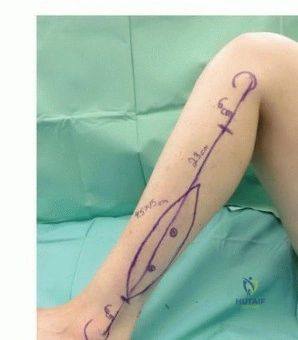
Figure for Trauma 2009 MCQs - Part 2 - Question 26

Key Takeaway

This Orthopedic Trauma MCQ set (Part 2) is essential for 2026 AAOS, ABOS, and SMLE board preparation. It covers high-yield questions on fracture classification, surgical management of traumatic injuries, and rapid assessment of complex musculoskeletal trauma, crucial for comprehensive review and exam success.

Orthopedic Trauma MCQs (Part 2): Fracture Management & Emergency Injuries | AAOS, ABOS 2026 Review

Comprehensive 100-Question Exam


00:00

Start Quiz

Question 1

A 20-year-old man is brought to the emergency department after a high-speed motor vehicle accident. His initial blood pressure is 70/40 mm Hg. He is currently receiving intravenous fluids as well as blood. His Focused Assessment with Sonography for Trauma examination did not show any free fluid in his abdomen and his chest radiograph is unremarkable. An AP pelvis radiograph is shown in Figure 15. What is the next most appropriate step in the management of his pelvic injury?


Explanation

This hypotensive patient has an obvious open book injury of the pelvic ring on the AP pelvis radiograph and further radiographs are not needed prior to the initiation of treatment. Although angiography may be indicated if he does not respond to stabilization of his pelvis and fluid/blood administration, temporary stabilization of the pelvis with a sheet or binder should be performed first because it is simple, quick, and has been shown to be effective. This patient does not need a laparotomy at this point since the FAST examination did not show any free intra-abdominal fluid and his chest radiograph was unremarkable, leaving the most likely source of bleeding the pelvic fracture. Open reduction with internal fixation of a pelvic injury is not indicated in an acutely ill patient. Kreig JC, Mohr M, Ellis TJ, et al: Emergent stabilization of pelvic ring injuries by controlled circumferential compression: A clinical trial. J Trauma 2005;59:659-664. Croce MA, Magnotti LJ, Savage SA, et al: Emergent pelvic fixation in patients with exsanguinating pelvic fractures. J Am Coll Surg 2007;204:935-942.

Question 2

A 7-year-old girl is hit by a motor vehicle and sustains the isolated ipsilateral injuries shown in Figures 16a and 16b. What is the optimal definitive method of treatment?


Explanation

16b The child has isolated ipsilateral femoral shaft and tibial shaft fractures. Spica cast immobilization is unlikely to accommodate for shortening and alignment in this child with multiple levels of injury. In this instance, efforts should be made to mobilize a least one level of the limb; therefore, treatment should include flexible nailing of the femur and tibia. Rigid reamed nails are not indicated in this young patient secondary to risk of a growth arrest and osteonecrosis of the proximal femur. Poolman RW, Kocher MS, Bhandari M: Pediatric femoral fractures: A systematic review of 2422 cases. J Orthop Trauma 2006;20:648-654. Anglen JO, Choi L: Treatment options in pediatric femoral shaft fractures. J Orthop Trauma 2005;19:724-733.

Question 3

What is the most common cause of errors that harm patients?


Explanation

The AMA report identified communication breakdown as the most common cause of errors that harm patients. It is extremely important to learn to communicate effectively with your patients. Understanding cultural and language differences helps avoid communication errors. Jimenez R, Lewis VO (eds): Culturally Competent Care Guidebook. Rosemont, IL, American Academy of Orthopaedic Surgeons, 2007. American Medical Association ethical force program report: "Improving communication - Improving care", 2006

Question 4

A 220-lb 20-year-old man was involved in a motor vehicle accident. His work-up reveals that he has multiple long bone fractures as well as a splenic injury that is currently being managed nonsurgically. His initial blood pressure in the trauma bay was 70/30 mm Hg. After receiving 4 liters of fluid and 3 units of packed red blood cells, his blood pressure is currently 110/70, his heart rate is 100, his urine output is 90 mL/h (normal 0.5 to 1 mL/kg/h), and his core temperature is 97.9 degrees F (36.5 degrees C). At this point, the patient's resuscitation can be described as which of the following?


Explanation

Although the end points of resuscitation are still unclear, what is known is that normalization of the standard hemodynamic parameters (blood pressure, heart rate, and urine output) is not adequate. Up to 85% of patients with normal hemodynamic parameters can still have inadequate tissue oxygenation or uncompensated shock. The initial base deficit, lactate level, or gastric pHi can be used to stratify patients for resuscitation needs, risks of death, and multiple organ failure (level 1 evidence). The time it takes to normalize the base deficit, the lactate level, or gastric pHi, can predict survival (level 2 evidence). Patients who have been in uncompensated shock (abnormal vital signs) should have their resuscitation monitored using data other than vital signs. Tisherman SA, Barie P, Bokhari F, et al: Clinical practice guideline: Endpoints of resuscitation. J Trauma 2004;57:898-912. Moore FA, McKinley BA, Moore EE, et al: Inflammation and the Host Response to Injury, a large-scale collaborative project: Patient-oriented research core--standard operating procedures for clinical care. III. Guidelines for shock resuscitation. J Trauma 2006;61:82-89.

Question 5

A 30-year-old man who sustained a work-related injury 6 weeks ago reports persistent back and left-sided buttock pain that has been attributed to lumbar transverse process fractures. A pelvic radiograph and CT scans obtained 2 days ago are seen in Figures 17a through 17c. What is the best treatment for his injury?


Explanation

17b 17c Fortunately, surgical treatment of sub-acute pelvic ring injuries is relatively uncommon as acute management has become more common. Delayed reconstruction of pelvic ring malunion and impending malunion is rare. Nonsurgical management may have a role as long as the hemipelvis does not flex, shorten, and/or externally rotate. The AP pelvic radiograph suggests that all three motions are happening in this patient. These are just a few of the indications to repair the pelvic ring and this is best done with anterior and posterior fixation. Anterior symphyseal plating will help correct most of the deformity. Posterior fixation can and should be added to lessen the forces on the anterior ring reconstruction when repair is performed in a sub-acute or delayed fashion. Posterior fixation can help obtain a more anatomic reduction and helps decrease the risk of anterior hardware failure. Mears DC: Management of pelvic pseudarthroses and pelvic malunion. Orthopade 1996;25:441-448. Matta JM, Dickson KF, Markovich GD: Surgical treatment of pelvic nonunions and malunions. Clin Orthop Relat Res 1996;329:199-206.

Question 6

A 36-year-old woman was injured in a train derailment. She has a significant open depressed skull fracture with active bleeding, a hemopneumothorax, and blood in the left upper quadrant and colic gutter by Focused Assessment with Sonography for Trauma (FAST) examination. Additionally, she has the pelvic injury seen on the CT scans in Figures 18a and 18b. The mortality rate for this patient approaches


Explanation

18b Mortality following trauma that requires surgical intervention for head, chest, and abdominal injury exceeds 90%. The type of pelvic fracture is a predictor of associated injury, blood requirements, and overall mortality. AP III pelvic fractures require the most blood, and are associated with significant abdominal trauma and shock. Lateral compression pelvic fractures are more associated with head, chest, and occasionally abdominal trauma, and mortality often occurs from associated injuries. Dalal SA, Burgess AR, Siegel JH, et al: Pelvic fracture in multiple trauma: Classification by mechanism is key to pattern of organ injury, resuscitative requirements and outcome. J Trauma 1989;29:981-1000. Eastridge BJ, Burgess AR: Pedestrian pelvic fractures: 5-year experience of a major urban trauma center. J Trauma 1997;42:695-700.

Question 7

A 19-year-old collegiate baseball player injures the ring finger on his dominant hand while sliding headfirst into second base. He reports that he is unable to actively flex or extend the distal interphalangeal joint of the finger. Radiographs are shown in Figures 19a and 19b. What is the anatomic lesion leading to this injury?


Explanation

19b The radiographs reveal a bony avulsion of the flexor profundus insertion (Jersey finger). The large bony fragment classifies this as a Leddy type III injury. The bony fragment has retracted to the level of the annular pulley (A4). Leddy JP, Packer JW: Avulsion of the insertion of the profundus tendon insertion in athletes. J Hand Surg 1977;2:66-69.

Question 8

A 72-year-old man was involved in an automobile accident 4 weeks ago. Initially he noted pain about his nondominant left shoulder, which resolved within a few weeks after the accident. He now describes trouble with gripping and carrying items in his left hand. Radiographs are shown in Figures 20a through 20c. His signs and symptoms are the result of injury to which of the following ligaments?


Explanation

20b 20c The radiographs reveal a gap between the scaphoid and lunate bones, indicative of disruption of the scapholunate ligament complex. The three components of the complex are the dorsal scapholunate ligament, the volar (or palmar) scapholunate ligament, and the proximal fibrocartilaginous membrane, listed in decreasing yield strength. Disruption of the stout dorsal interosseous ligament is required for scapholunate dissociation to occur. Berger RA: The ligaments of the wrist: A current overview of anatomy with considerations of their potential functions. Hand Clin 1997;13:63-82.

Question 9

To avoid an injury to the L5 nerve root when placing an S1 sacroiliac screw, what area of the sacrum should be avoided on the lateral C arm image shown in Figure 21?


Explanation

Safe placement of a sacroiliac screw depends on excellent imaging of and understanding of pelvic anatomy. There are variations in the anatomy of the upper sacrum. Patients with dysplasia of the sacrum can have "in-out-in" screws placed that exit the ilium, pass anterior to the sacral ala, and injure the L5 nerve root. To make sure that this does not occur, a lateral image of the sacrum is used to ensure that the starting point is in the "safe zone." The starting point needs to be below the iliac cortical density (ICD) which parallels the sacral alar slope. This will prevent placing screws into the recessed ala of patients with a dysplastic sacrum. The triangular area anterior to the ICD is labeled A in the figure, B represents the sacral canal, C is S2, D is the anterior border of the sacrum, and E represents the greater sciatic notches. Routt ML Jr, Simonian PT, Agnew SG, et al: Radiographic recognition of the sacral alar slope for optimal placement of iliosacral screws: A cadaveric and clinical study. J Orthop Trauma 1996;10:171-177.

Question 10

An otherwise healthy 37-year-old man fell off the flatbed of a delivery truck and landed directly on his dominant left hand. Surgical stabilization of a distal radius fracture is performed. An intraoperative radiograph is shown in Figure 22. What is the next most appropriate step in management?


Explanation

The intraoperative radiograph reveals a scapholunate ligament disruption. Repair of the stout dorsal scapholunate interosseous ligaments is required. Interestingly, the results of scapholunate ligament injuries associated with distal radius fractures appear to be superior to those of isolated ligament injuries. Smith DW, Henry MK: Comprehensive management of soft-tissue injuries associated with distal radius fractures. J ASSH 2002;3:153-164.

Question 11

A 36-year-old woman is placed in a short arm cast for a nondisplaced extra-articular distal radius fracture. Seven weeks later she notes the sudden inability to extend her thumb. What is the most likely cause of her condition?


Explanation

A recent review of 200 consecutive distal radius fractures noted that the overall incidence of extensor pollicis longus rupture was 3%. The causes are believed to be mechanical irritation, attrition, and vascular impairment. The fracture is usually nondisplaced and the patient notes weeks to months after injury the sudden, painless inability to extend the thumb. Treatment involves extensor indicis proprius tendon transfer or free palmaris longus tendon grafting. Skoff HD: Postfracture extensor pollicis longus tenosynovitis and tendon rupture: A scientific study and personal series. Am J Orthop 2003;32:245-247. Bonatz E, Kramer TD, Masear VR: Rupture of the extensor pollicis longus tendon. Am J Orthop 1996;25:118-122.

Question 12

In Gustilo type III open tibial diaphyseal fractures, which of the following factors is associated with an increased risk of a poor functional outcome?


Explanation

According to the published outcomes analyses from the Lower Extremity Assessment Project (LEAP) study group of patients prospectively followed for 2 to 7 years, definitive fixation with an intramedullary nail has shown improved outcomes when compared to definitive external fixation. The findings showed that the timing of wound debridement (within 6 hours from injury as compared to within 6 to 24 hours), the timing of soft-tissue coverage (3 days or less from injury as compared to more than 3 days), and the timing of bone grafting after injury (within or after 3 months) did not impact the infection or union rates and had no effect on functional outcome. The LEAP study has shown at 7-year follow-up that patients who are definitively treated with external fixation have a significantly longer time to union, poorer functional outcomes, longer time to achieve full weight bearing, and more time in the hospital.

Question 13

Figures 23a and 23b show the radiographs of a 75-year-old woman who sustained an injury to her nondominant hand. Initial treatment should consist of


Explanation

23b Definitive treatment decisions for displaced distal radius fractures in the elderly are based on a number of factors related to the fracture pattern and patient demographics. The first step in any treatment algorithm is a closed reduction and splinting with reassessment of alignment parameters. This is an extra-articular fracture with dorsal angulation. Low-demand elderly patients can be treated well with accepted minor malreduction. Handoll HH, Madhok R: Conservative interventions for treating distal radial fractures in adults. Cochrane Database Syst Rev 2003;2:CD000314.

Question 14

A 43-year-old man sustained a closed, intra-articular pilon fracture. It has now been 1 year since he underwent open reduction and internal fixation. Which of the following statements most accurately describes his perceived outcome?


Explanation

Marsh and associates retrospectively reviewed 56 tibial plafond fractures and found that the patients perceived improvement in their function and pain for an average of 2.4 years. They demonstrated some limitations in recreational activities but not marked limitations. Patients were unlikely to need a late arthrodesis (13%), and their outcomes did not correlate well with assessments of reduction or arthritis scores.

Question 15

The injury shown in Figure 24 was most likely caused by what mechanism of injury?


Explanation

The CT cut shows a fracture through the posterior portion of the iliac wing or a crescent fracture. This occurs after a laterally directed force is applied to the anterior part of the involved iliac wing.

Question 16

A 21-year-old college student fell from a balcony and landed on his outstretched right hand. He is seen in the emergency department 4 hours later and reports wrist pain and diffuse hand numbness. The volar forearm compartment is soft and there is no pain with passive finger extension. Radiographs are shown in Figures 25a and 25b. Definitive treatment should consist of


Explanation

25b A spectrum of perilunate injury patterns exists, with the dorsal trans-scaphoid perilunate fracture-dislocation being the most common. Perilunate injuries are highly unstable complex carpal disruptions that are not amenable to closed treatment. Open reduction and internal fixation is necessary to accurately restore carpal alignment via fracture reduction and fixation and intercarpal ligament repair. Controversy exists regarding the need for dorsal or combined dorsal and volar approaches. Based on the radiographic findings of a volar dislocation of the lunate and the associated median nerve injury, the patient requires open reduction and internal fixation via combined dorsal and volar approaches with a concomitant carpal tunnel release. Herzberg G, Forissier D: Acute dorsal trans-scaphoid perilunate fracture-dislocations: Medium-term results. J Hand Surg Br 2002;27:498-502. Melone CP Jr, Murphy MS, Raskin KB: Perilunate injuries: Repair by dual dorsal and volar approaches. Hand Clin 2000;16:439-448.

Question 17

A 9-year-old boy falls from a scooter and sustains the injury shown in the radiographs in Figure 26. After closed reduction and cast immobilization, what is the most likely complication that can result?


Explanation

The radiographs show a fracture of the distal radius and ulna physis. The most likely complication is growth arrest of the distal ulna. In contradistinction to physis fractures of the radius (growth arrest incidence of less than 5%), the incidence of growth arrest in the ulna is between 30% and 40%. Entrapment of the EPL tendon and cross union between the two bones is extremely rare. Vanheest A: Wrist deformities after fracture. Hand Clin 2006;22:113-120. Cannata G, De Maio F, Mancini F, et al: Physeal fractures of the distal radius and ulna: Long-term prognosis. J Orthop Trauma 2003;17:172-179. Ray TD, Tessler RH, Dell PC: Traumatic ulnar physeal arrest after distal forearm fractures in children. J Pediatr Orthop 1996;16:195-200.

Question 18

A 69-year-old man sustains a traumatic amputation to the distal phalanx of his little finger while working with power tools. Radiographs are shown in Figures 27a and 27b. The patient was instructed how to perform wet-to-dry dressing changes in the emergency department. Clinical pictures taken in the office are shown in Figures 27c through 27e. What is the most appropriate management of this soft-tissue wound?


Explanation

27b 27c 27d 27e The clinical photographs and radiographs reveal a distal phalangeal amputation with soft-tissue coverage over nonexposed bone. This is an ideal circumstance to allow healing by secondary intention with wet-to-dry dressing changes. There are few complications and the aesthetics surpass that of any soft-tissue reconstruction procedure. Volar advancement flaps (Moberg flaps) are limited to small defects about the thumb. A thenar flap will provide good coverage; however, the results are not comparable to simple dressing changes. A V-Y flap is useful when there is more tissue loss dorsally. Jebson PL, Louis DS: Amputations, in Green DP, Hotchkiss RN, Pederson WC, et al (eds): Green's Operative Hand Surgery, ed 5. Philadelphia, PA, Elsevier, 2005, p 1947.

Question 19

A 32-year-old man has an open comminuted humeral shaft fracture. Examination reveals absence of sensation in the first web space and he is unable to fully extend the thumb, fingers, and wrist. What is the recommended treatment following irrigation and debridement of the fracture?


Explanation

There is a high incidence of partial or complete laceration of the radial nerve with high-energy open fractures of the humeral shaft. The recommended treatment is irrigation and debridement of the fracture followed by open reduction and internal fixation and exploration of the radial nerve. If the nerve is completely lacerated, primary repair may be performed but poor outcomes have been reported. If a large zone of nerve injury is identified, delayed nerve grafting is advocated. Ring D, Chin K, Jupiter JB: Radial nerve palsy associated with high energy humeral shaft fractures. J Hand Surg 2004;29:144-147. Foster RJ, Swiontkowski MR, Bach AW, et al: Radial nerve palsy caused by open humeral shaft fractures. J Hand Surg Am 1993;18:121-124.

Question 20

Which of the following complications is associated with the use of a short cephalomedullary nail for fixation of intertrochanteric hip fractures?


Explanation

Implant-related fractures following hip fracture surgery were reported by Robinson and associates and showed that the risk of an ipsilateral femoral fracture is significantly increased with the use of short cephalomedullary nails as compared to a compression hip screw. The use of short cephalomedullary nails has not been shown to increase the risk of deep venous thrombosis or nonunion. Cephalomedullary nails overall have decreased surgical blood loss when compared to use of sliding-compression hip-screw devices. Robinson CM, Adams CI, Craid M, et al: Implant-related fractures of the femur following hip fracture surgery. J Bone Joint Surg Am 2002;84:1116-1122.

Question 21

A 19-year-old man sustained the isolated injury seen in Figure 28a. He is adequately resuscitated. A closed reduction was performed in the emergency department, and postreduction radiographs are shown in Figures 28b and 28c. What is the next most appropriate step in management?


Explanation

28b 28c Incarcerated fragments and nonconcentric reductions are best treated with urgent open reduction, retrieval of the fragments, and internal fixation. Delayed treatment increases the damage to the articular surface, even if traction is applied. There is no role for nonsurgical management with entrapped fragments and nonconcentric reduction of the hip. Epstein HC, Wiss DA, Cozen L: Posterior fracture dislocation of the hip with fractures of the femoral head. Clin Orthop Relat Res 1985;201:9-17.

Question 22

The iliopectineal fascia runs between which of the following structures?


Explanation

The sheath of the psoas muscle or the iliopectineal fascia separates the more lateral iliopsoas muscle and the femoral nerve from the more medially located iliac vessels. This fascia has to be taken down to enter the true pelvis. Masquelet AC, McCullough CJ, Tubiana R: An Atlas of Surgical Exposures of the Lower Extremity. Philadelphia, PA, JB Lippincott, 1993. Letournel E, Judet R: Fractures of the Acetabulum, ed 2. Berlin, Germany, Springer Verlag, 1993.

Question 23

Which of the following is most predictive of a medial side ankle injury in the presence of a fibula fracture above the level of the joint?


Explanation

Isolated Lauge-Hansen supination-external rotation-type ankle fractures comprise 20% to 40% of ankle fractures and nonsurgical management is effective for managing SER-2 ankle fractures. Tornetta and associates recently showed that medial ankle tenderness, ecchymosis, and swelling are not reliable findings when trying to determine deltoid competence. Stress radiographs showing a medial clear space of greater than 4 mm or one that is also 1 mm greater than the superior joint space, or any lateral talar subluxation are indicative of deltoid incompetence and indicative of a SER-4 ankle fracture. McConnell T, Creevy W, Tornetta P III: Stress examination of supination external rotation-type fibular fractures. J Bone Joint Surg Am 2004:86;2171-2178. Kristensen KD, Hansen T: Closed treatment of ankle fractures: Stage II supination-eversion fractures followed for 20 years. Acta Orthop Scand 1985;56:107-109.

Question 24

Figure 29 shows the radiograph of a 10-year-old boy who injured his knee playing football. What is the most appropriate initial treatment?


Explanation

Salter type I fractures of the distal femur are quite unstable; therefore, closed reduction and cast immobilization can be expected to result in high rates of redisplacement. Optimal treatment consists of open or closed reduction and smooth pin fixation, and supplemental casting is required to ensure fracture stability. Screw fixation may increase rates of growth plate injury. Blade plate or flexible nail fixation will be challenging to apply and is not necessary. Flynn JM, Skaggs DL, Sponseller PD, et al: The surgical management of pediatric fractures of the lower extremity. Instr Course Lect 2003;52:647-659. Thomson JD, Stricker SJ, Williams MM: Fractures of the distal femoral epiphyseal plate. J Pediatr Orthop 1995;15:474-478.

Question 25

A 35-year-old man sustained a 1-inch stab incision in his proximal forearm while trying to use a screwdriver 2 weeks ago. The laceration was routinely closed, and no problems about the incision site were noted. He now reports that he has been unable to straighten his fingers or thumb completely since the injury. Clinical photographs shown in Figures 30a and 30b show the man passively flexing the wrist. What is the most appropriate management?


Explanation

30b The clinical photographs indicate that the tenodesis effect of digit flexion with passive wrist extension and digit extension with passive wrist flexion is intact, indicating no discontinuity of the extensor or flexor tendons. The most likely injury is a laceration of the posterior interosseous nerve.

Question 26

A 28-year-old polytrauma patient with bilateral femur fractures, pulmonary contusions, and a closed head injury (GCS 7) is brought to the trauma bay. His initial lactate is 5.2 mmol/L and pH is 7.18. He is hemodynamically stabilized with blood products. What is the most appropriate orthopedic management of his bilateral femur fractures?


Explanation

In a borderline or unstable polytrauma patient with severe head injury and acidosis (pH < 7.25, lactate > 4.0), damage control orthopedics (DCO) with external fixation is indicated. Early total care (ETC) increases the risk of 'second hit' phenomena like ARDS or elevated intracranial pressure.

Question 27

A 35-year-old farmer sustains a Gustilo-Anderson Type IIIA open tibia fracture heavily contaminated with soil. According to the latest guidelines, which of the following is the most appropriate prophylactic antibiotic regimen?


Explanation

For Type III open fractures, particularly those with heavy soil contamination or farm injuries, guidelines recommend a broad-spectrum cephalosporin (like ceftriaxone) plus an agent covering anaerobes. Aminoglycosides are less favored due to renal toxicity.

Question 28

A 22-year-old man presents with a closed midshaft tibia fracture treated with a cast. He has worsening pain and excruciating pain with passive stretch of the hallux. His blood pressure is 100/60 mmHg. Intracompartmental pressure is 40 mmHg in the anterior compartment. Which of the following is true?


Explanation

Delta P is calculated as diastolic blood pressure minus compartment pressure (60 - 40 = 20 mmHg). A Delta P of 30 mmHg or less, or an absolute pressure >30 mmHg with strong clinical symptoms, indicates acute compartment syndrome requiring immediate fasciotomy.

Question 29

A 40-year-old man arrives at the trauma center after falling from a 3-story building. He is tachycardic (120 bpm) and hypotensive (80/40 mmHg). Pelvic radiograph shows an anteroposterior compression (APC) III injury. A pelvic binder is applied. To optimize mechanical stability and reduction of pelvic volume, where should the pelvic binder be centered?


Explanation

A pelvic binder should be centered precisely over the greater trochanters to effectively close the pelvic ring and reduce intrapelvic volume. Placement over the iliac crests or ASIS can cause a flaring effect, worsening the displacement.

Question 30

A 72-year-old woman with a 10-year history of alendronate use presents with vague thigh pain. Radiographs reveal focal lateral cortical thickening and a transverse radiolucent line in the subtrochanteric region of the right femur. Which of the following is the most appropriate management?


Explanation

The presence of a radiolucent line (incomplete fracture) in a bisphosphonate-induced atypical femur fracture with persistent pain is an indication for prophylactic intramedullary nailing. This prevents complete displacement and catastrophic failure.

Question 31

During the ilioinguinal approach for an anterior column acetabular fracture, significant hemorrhage is encountered just superior to the superior pubic ramus. This bleeding is most likely originating from an anastomosis between which two vascular systems?


Explanation

The corona mortis is a potentially lethal vascular anastomosis between the external iliac (or inferior epigastric) system and the obturator (internal iliac) system. It is located over the superior pubic ramus and is at high risk during anterior acetabular approaches.

Question 32

A 28-year-old man sustains a Hawkins type III fracture of the talar neck. Which joints are subluxated or dislocated in this injury pattern?


Explanation

A Hawkins type III talar neck fracture involves displacement of the talar neck with dislocation of both the subtalar and tibiotalar (ankle) joints. This pattern carries nearly a 100% risk of avascular necrosis of the talar body.

Question 33

A 78-year-old woman with a well-fixed total knee arthroplasty presents with a comminuted, osteoporotic periprosthetic distal femur fracture. Which of the following fixation constructs offers the most mechanically stable osteosynthesis?


Explanation

In osteoporotic periprosthetic distal femur fractures with medial comminution or poor bone stock, dual plating (medial and lateral) provides the most biomechanically stable construct. Single lateral locked plates have a higher risk of varus collapse in severely comminuted fractures.

Question 34

A 45-year-old man sustains a Schatzker type VI tibial plateau fracture. Which of the following surgical approaches is most commonly necessary to ensure adequate exposure and reduction of both the medial and lateral articular surfaces?


Explanation

A Schatzker VI fracture exhibits bicondylar involvement with metadiaphyseal dissociation. Dual incisions (anterolateral and posteromedial) are preferred to provide adequate visualization of both columns while minimizing the risk of severe soft tissue sloughing.

Question 35

A 24-year-old athlete reports midfoot pain after a forced plantar flexion injury. Weight-bearing radiographs show 2 mm of diastasis between the base of the first and second metatarsals. What is the most appropriate surgical treatment?


Explanation

Ligamentous Lisfranc injuries with diastasis (>2 mm) are inherently unstable. Open reduction and rigid internal fixation (ORIF) or primary arthrodesis of the medial column is required to restore anatomic alignment.

Question 36

A 28-year-old male polytrauma patient (ISS 45) presents with bilateral closed femoral shaft fractures, severe closed head injury (GCS 6), and bilateral pulmonary contusions. His serum lactate is 6.5 mmol/L. What is the most appropriate initial management of his bilateral femur fractures?


Explanation

In a polytrauma patient with high ISS, head injury, and physiological instability, damage control orthopedics (DCO) with temporary external fixation is indicated. This minimizes the "second hit" phenomenon associated with prolonged surgery and marrow reaming.

Question 37

A 35-year-old polytrauma patient presents with hemodynamic instability and an anteroposterior compression type III pelvic ring injury. A pelvic binder is to be applied. What is the correct anatomical landmark for the optimal placement of the pelvic binder to effectively reduce the pelvic volume?


Explanation

Pelvic binders are most effective at reducing pelvic volume and controlling hemorrhage when centered directly over the greater trochanters, directing a medially based force to close the pelvic ring.

Question 38

A 28-year-old man sustains a closed diaphyseal tibia fracture. Twelve hours post-admission, he complains of severe pain out of proportion to the injury, especially with passive stretch of the hallux. His blood pressure is 110/70 mm Hg. Intracompartmental pressure testing of the anterior compartment is 45 mm Hg. What is the most appropriate next step in management?


Explanation

A delta pressure (diastolic blood pressure minus intracompartmental pressure) of less than 30 mm Hg confirms acute compartment syndrome. Emergent four-compartment fasciotomy is definitively indicated.

Question 39

A 34-year-old woman sustained a Hawkins type II talar neck fracture 8 weeks ago, which was treated with open reduction and internal fixation. A follow-up AP radiograph of the ankle demonstrates a linear subchondral radiolucency in the dome of the talus. What does this radiographic finding indicate?


Explanation

The Hawkins sign is a subchondral radiolucency in the talar dome seen 6 to 8 weeks after injury, indicating subchondral bone resorption due to an intact or re-established blood supply, thereby ruling out avascular necrosis.

Question 40

Which of the following physiologic parameters is an indication for "damage control orthopedics" (e.g., external fixation of major long bone fractures) rather than early total care in a multiply injured patient?


Explanation

Indications for damage control orthopedics include severe pulmonary injury (PaO2/FiO2 < 200), hypothermia (< 35 degrees Celsius), coagulopathy (platelets < 90,000), acidosis, and refractory shock. Early intramedullary nailing in severe chest trauma can exacerbate ARDS.

Question 41

A 45-year-old man sustains a subtrochanteric femur fracture. During closed reduction attempts prior to intramedullary nailing, the proximal fragment is noted to be flexed, abducted, and externally rotated. Which muscle group is primarily responsible for the abduction deformity of the proximal fragment?


Explanation

In subtrochanteric fractures, the gluteus medius and minimus abduct the proximal fragment, while the iliopsoas flexes it and the short external rotators externally rotate it. The adductors pull the distal fragment medially.

Question 42

A 30-year-old man sustains a high-energy distal femur fracture. CT scan reveals a coronal plane fracture of the lateral femoral condyle. What is the optimal surgical fixation strategy for this specific fracture fragment?


Explanation

A Hoffa fracture is a coronal shear fracture of the femoral condyle. The biomechanically superior fixation method utilizes anterior-to-posterior (AP) directed lag screws, often supplemented with an anti-glide plate.

Question 43

A 35-year-old male is brought to the emergency department after a motorcycle crash. His blood pressure is 80/40 mm Hg and heart rate is 130 beats/min. An AP pelvis radiograph demonstrates an open book pelvic ring injury (APC III). A pelvic binder is ordered. What is the most appropriate anatomical landmark for the optimal placement of the pelvic binder?


Explanation

The most effective level for placing a pelvic binder to reduce pelvic volume and control hemorrhage in an anterior posterior compression (APC) injury is at the level of the greater trochanters. Placement over the iliac crests is less effective and may paradoxically open the pelvis further.

Question 44

A 28-year-old female sustains a severe open tibial shaft fracture (Gustilo-Anderson IIIB) after being struck by a car. She arrives at the emergency department 30 minutes after the injury. According to current trauma guidelines, what is the most critical factor in reducing her risk of deep infection?


Explanation

The early administration of intravenous antibiotics, ideally within 1 hour of the injury, is the single most important factor in reducing infection rates in open fractures. While prompt surgical debridement is important, antibiotic timing is paramount.

Question 45

A 45-year-old man presents with a closed tibial shaft fracture. He complains of pain out of proportion to his injury and has increased pain with passive stretch of the hallux. His diastolic blood pressure is 75 mm Hg. Compartment pressure monitoring reveals an anterior compartment pressure of 50 mm Hg. What is the most appropriate next step?


Explanation

The patient has clinical signs of compartment syndrome with an absolute compartment pressure of 50 mm Hg and a delta pressure of 25 mm Hg. A delta pressure (Diastolic BP - Compartment Pressure) of less than 30 mm Hg is a strong indication for immediate fasciotomy.

Question 46

A 22-year-old male sustains closed bilateral femoral shaft fractures and severe pulmonary contusions in a high-speed collision. On arrival, his arterial blood gas shows a pH of 7.20, base excess of -8, and lactate of 5.5 mmol/L. How should his femoral fractures be managed acutely?


Explanation

This patient is in a borderline or in extremis physiological state due to metabolic acidosis and pulmonary contusions. Damage control orthopedics (DCO) with temporary external fixation is indicated to minimize the second hit phenomenon associated with reamed intramedullary nailing.

Question 47

A 30-year-old man sustains a low-velocity gunshot wound to the right thigh. Radiographs reveal a comminuted fracture of the midshaft femur. The entrance and exit wounds are small and clean. Neurological and vascular exams are normal. What is the most appropriate management?


Explanation

Low-velocity gunshot wounds resulting in femur fractures without vascular injury can be safely treated with superficial debridement of the wound edges, appropriate antibiotics, and immediate reamed intramedullary nailing. Formal tract debridement is unnecessary for low-velocity injuries.

Question 48

A 55-year-old construction worker's leg is crushed by heavy machinery. He has a Gustilo IIIC open tibia fracture with absent distal pulses. Which of the following factors is most strongly associated with a poor functional outcome if limb salvage is attempted?


Explanation

Recent evidence from the LEAP study shows that an initially insensate foot does not predict long-term functional outcome. However, prolonged ischemia time (>6 hours) is a critical factor that severely compromises the success of limb salvage and increases complications.

Question 49

A 19-year-old male is admitted with a closed diaphyseal femur fracture. Thirty-six hours later, he becomes confused, tachypneic, and develops a petechial rash over his axillae. His oxygen saturation is 85% on room air. What is the most effective prophylactic measure that could have prevented this condition?


Explanation

The patient exhibits the classic triad of fat embolism syndrome (respiratory distress, neurological changes, and petechial rash). The most effective proven method to decrease the incidence of fat embolism syndrome in long bone fractures is early surgical stabilization.

Question 50

A trauma patient presents with a blood pressure of 100/70 mm Hg, heart rate of 125 beats/min, respiratory rate of 28 breaths/min, and decreased urine output. He is anxious and confused. Based on the ATLS classification, what class of hemorrhagic shock is this patient experiencing?


Explanation

This patient demonstrates signs of Class III hemorrhagic shock, characterized by tachycardia (HR >120), tachypnea, narrowed pulse pressure, and altered mental status. Class III shock typically corresponds to a 31-40% loss of blood volume.

Question 51

A 40-year-old polytrauma patient arrives at the trauma center with massive bleeding from a pelvic crush injury. According to the CRASH-2 trial, within what timeframe from the time of injury must Tranexamic Acid (TXA) be administered to provide a significant mortality benefit?


Explanation

The CRASH-2 trial demonstrated that the administration of TXA within 3 hours of injury significantly reduces mortality due to bleeding in trauma patients. Administration after 3 hours may actually increase the risk of mortality.

Question 52

A 32-year-old female is evaluated after a lateral impact motor vehicle collision. She has a closed, displaced acetabular fracture. Physical examination reveals a large, fluctuant swelling over the greater trochanter with ecchymosis and decreased skin sensation. What is the most appropriate initial management of this soft tissue injury?


Explanation

This patient has a Morel-Lavallée lesion, a closed degloving injury. Initial management often involves percutaneous aspiration, debridement of necrotic tissue if present, and application of a compressive dressing.

Question 53

A polytrauma patient has undergone damage control surgery for abdominal bleeding and external fixation of a femur fracture. Which of the following parameters is the most reliable indicator of adequate tissue perfusion and successful resuscitation?


Explanation

Normalization of vital signs can be misleading as patients may still have occult hypoperfusion. Clearance of serum lactate (<2.0 mmol/L) and correction of base deficit are the most reliable objective endpoints of resuscitation.

Question 54

An 82-year-old man presents with a displaced femoral neck fracture. He is hemodynamically stable and takes a direct oral anticoagulant (DOAC). According to AAOS guidelines, what is the optimal timing for his surgical intervention to minimize mortality and complications?


Explanation

Early surgical intervention (within 24 to 48 hours) for geriatric hip fractures is associated with decreased mortality, fewer complications, and shorter hospital stays. Prolonged delays (>48 hours) significantly increase morbidity and mortality.

Question 55

A 45-year-old man suffers a severe crush injury to the chest, resulting in flail chest with pulmonary contusions, and a closed displaced humeral shaft fracture. He is mechanically ventilated. Which of the following statements regarding the management of his humeral fracture is true?


Explanation

In a polytrauma patient with severe chest trauma, non-operative management of a humerus fracture with a splint can restrict chest wall expansion. Operative fixation once physiologically stable allows for upright positioning and facilitates respiratory weaning.

Question 56

A 26-year-old female has a severe traumatic brain injury (GCS 6) and a closed diaphyseal femur fracture. Her intracranial pressure (ICP) is currently 25 mm Hg despite maximal medical therapy. What is the most appropriate management of her femur fracture at this time?


Explanation

In patients with severe traumatic brain injury and elevated intracranial pressure, the physiologic stress of reamed nailing can exacerbate secondary brain injury. Damage control external fixation is the safest approach to provide rapid stability.

Question 57

A 30-year-old man presents after a gunshot wound to the right knee. Radiographs show a bullet lodged within the intra-articular space with an associated non-displaced fracture of the lateral femoral condyle. What is the next most appropriate step in management?


Explanation

Intra-articular bullets pose a high risk of joint sepsis and lead toxicity (plumbism). Prompt surgical retrieval of the bullet, along with thorough joint lavage and debridement, is strictly indicated to prevent these complications.

Question 58

A 28-year-old male is brought to the trauma bay after a high-speed motorcycle collision. He has bilateral closed femoral shaft fractures, a pulmonary contusion, and a closed head injury with an intracranial pressure of 12 mm Hg. His initial serum lactate is 3.5 mmol/L and his base deficit is 9 mmol/L. What is the strongest physiological indicator in this scenario for performing damage control orthopedics (DCO) rather than early total care (ETC)?


Explanation

A base deficit greater than 8 mmol/L, serum lactate greater than 2.5 mmol/L, or severe coagulopathy indicates a physiologically exhausted and unstable patient. In polytrauma, these markers dictate a damage control approach (e.g., external fixation) to avoid the "second hit" of definitive intramedullary nailing.

Question 59

A 35-year-old man sustains a Gustilo-Anderson Type IIIB open tibia fracture. Following urgent surgical debridement and skeletal stabilization, what is the optimal timing for soft tissue coverage to minimize the risk of deep infection?


Explanation

Current evidence demonstrates that early soft tissue coverage within 72 hours for Type IIIB open tibia fractures significantly decreases the rates of flap failure and deep infection compared to delayed coverage.

Question 60

A 40-year-old female presents in hemorrhagic shock following an anteroposterior compression (APC) Type III pelvic ring injury. To effectively reduce the pelvic volume and stabilize the fracture, over which specific anatomic landmark should a pelvic binder be centered?


Explanation

A pelvic binder must be centered directly over the greater trochanters to effectively compress the pelvic ring and reduce volume. Placement over the iliac crests is biomechanically incorrect and can paradoxically open the pelvis further.

Question 61

A 25-year-old male is being evaluated for suspected acute compartment syndrome of the leg following a comminuted tibial plateau fracture. He is obtunded due to a concomitant head injury. Which pressure measurement threshold is most universally accepted as an absolute indication for emergency fasciotomy?


Explanation

A delta pressure (diastolic blood pressure minus the compartment pressure) of less than 30 mm Hg is the most reliable and widely accepted threshold for diagnosing acute compartment syndrome, requiring emergent fasciotomy.

Question 62

A 30-year-old man sustains a vertical, displaced femoral neck fracture (Pauwels Type III). He undergoes urgent internal fixation with cannulated screws. What is the primary biomechanical advantage of incorporating a fully threaded positioning screw or a fixed-angle device in this specific fracture pattern?


Explanation

Pauwels III fractures are vertically oriented and subject to massive shear forces that commonly lead to varus collapse and nonunion. A fully threaded positional screw or a fixed-angle implant (like a sliding hip screw) effectively neutralizes these shear forces.

Question 63

A 45-year-old farm worker sustains a traumatic complete amputation of his upper extremity at the mid-humerus level. What is the generally accepted maximum warm ischemia time for a major limb replantation containing significant muscle mass?


Explanation

Major limb amputations (proximal to the carpus) contain substantial muscle mass which is highly susceptible to irreversible ischemic necrosis. The maximum warm ischemia time for these injuries is generally 6 hours.

Question 64

A 22-year-old athlete sustains an acute anterior knee dislocation. The joint is reduced in the emergency department. The pedal pulses are palpable and symmetric, but an Ankle-Brachial Index (ABI) is measured at 0.85. What is the most appropriate next step in management?


Explanation

An ABI less than 0.9 in the setting of a knee dislocation is highly suspicious for an underlying popliteal artery injury, even if pedal pulses are palpable. A CT angiogram is urgently indicated to diagnose an intimal tear or occlusion.

Question 65

A 33-year-old farmer sustains a Gustilo-Anderson Type IIIA open radius/ulna fracture severely contaminated with manure and soil. Based on current evidence-based guidelines, which initial intravenous antibiotic regimen is most appropriate?


Explanation

Heavily contaminated agricultural or soil-related open fractures carry a high risk of Clostridium perfringens infection. Guidelines recommend a first-generation cephalosporin, an aminoglycoside, and high-dose penicillin to provide adequate coverage.

Question 66

A 60-year-old man is diagnosed with a Levine-Edwards Type IIa Hangman's fracture (traumatic spondylolisthesis of C2) following a motor vehicle collision. The fracture demonstrates severe angular deformity without significant translation. What is the pathomechanics of this specific injury and the appropriate initial management?


Explanation

A Type IIa Hangman's fracture is caused by flexion-distraction forces resulting in severe angulation. Traction is strictly contraindicated as it will worsen the deformity; it should be treated with a halo vest applying slight extension and compression.

Question 67

A 40-year-old construction worker falls from a roof and sustains a closed, displaced intra-articular calcaneus fracture. On the lateral radiograph, Bohler's angle is measured at 5 degrees (normal 20-40 degrees). What does a decreased Bohler's angle primarily indicate in this injury?


Explanation

Bohler's angle evaluates the height of the calcaneus. A flattening or decrease of this angle primarily indicates the depression and collapse of the weight-bearing posterior facet and the overall loss of calcaneal height.

Question 68

A 35-year-old man is found unresponsive after a drug overdose, with his right leg pinned beneath his body for approximately 30 hours. The lower leg is woody, rigid, and completely insensate, with absent distal pulses. Doppler signals are absent. What is the most appropriate orthopedic management?


Explanation

This is a classic presentation of a "missed" or late compartment syndrome (>24 hours) where the muscle is already irreversibly necrotic. Performing a fasciotomy in this setting exposes dead tissue to bacteria, drastically increasing the risk of life-threatening sepsis; observation or amputation is preferred.

Question 69

A 50-year-old male sustains a posterior wall acetabular fracture with a concomitant posterior hip dislocation. To optimally visualize the posterior wall and the anterior column of the acetabulum preoperatively, which specific radiographic view is required?


Explanation

The Judet obturator oblique view (the pelvis rotated 45 degrees away from the affected hip) profiles the anterior column and the posterior wall of the acetabulum. The iliac oblique view profiles the posterior column and anterior wall.

Question 70

Four months after undergoing open reduction and internal fixation of a distal radius fracture with a volar locking plate, a patient reports a sudden inability to flex the interphalangeal (IP) joint of the thumb. There is no history of new trauma. What is the most likely cause of this complication?


Explanation

Attritional rupture of the FPL tendon is a well-documented complication of volar locked plating of the distal radius. It typically occurs when the plate is positioned too distally, protruding past the watershed line and causing friction against the tendon.

Question 71

A surgeon is using a lateral locked plating construct to treat a comminuted supracondylar femur fracture in an osteoporotic patient. How does intentionally decreasing the working length of the plate (placing screws very close to the fracture site) alter the biomechanics of the construct?


Explanation

Decreasing the working length makes a locking plate construct overly stiff. In bridge plating of comminuted fractures, a construct that is too stiff prevents the crucial micromotion needed for secondary bone healing (callus formation), drastically increasing the risk of nonunion.

Question 72

A 28-year-old passenger in an MVC sustains a severe dashboard injury resulting in a posterior hip dislocation. Upon reduction, physical examination reveals a dense foot drop, with an inability to actively dorsiflex or evert the ankle. Which specific neural structure is most commonly injured in this scenario?


Explanation

The peroneal (fibular) division of the sciatic nerve is larger, located more laterally, and tethered more rigidly than the tibial division. This makes it highly susceptible to stretch injury during a posterior hip dislocation, resulting in a foot drop.

Question 73

A 24-year-old hemodynamically stable male presents with a "floating knee" consisting of ipsilateral closed diaphyseal fractures of the femur and tibia. To optimize alignment and facilitate the surgical procedure, what is the generally recommended sequence of fixation?


Explanation

In a floating knee injury, stabilizing the femur first is recommended. This restores the mechanical axis of the lower extremity, simplifies patient positioning, and provides a stable counter-force for the subsequent reduction and nailing of the tibia.

Question 74

A 20-year-old collegiate football player presents with severe midfoot pain after another player fell on his heel while his foot was plantarflexed. Initial non-weight-bearing radiographs of the foot appear normal. Given the high clinical suspicion for a Lisfranc injury, what is the most appropriate next diagnostic step?


Explanation

Weight-bearing (stress) radiographs are essential for diagnosing subtle, dynamic Lisfranc instabilities that may spontaneously reduce and appear completely normal on standard non-weight-bearing films. They can reveal widening between the 1st and 2nd metatarsal bases.

Question 75

A 30-year-old man sustains a transabdominal gunshot wound. The bullet traverses the colon and lodges within the L3 spinal canal. Neurological examination confirms a complete cauda equina syndrome. What is the primary indication for surgical decompression and removal of the bullet in this specific case?


Explanation

While routine bullet removal in complete spinal injuries is generally not indicated, a bullet that passes through a hollow viscus (e.g., bowel) before entering the spinal canal carries a severe risk of meningitis and abscess. Surgical debridement and bullet extraction are indicated.

Question 76

A 25-year-old man sustains a closed Pauwels type III femoral neck fracture. Which of the following fixation constructs provides the most biomechanically stable fixation for this specific fracture pattern?


Explanation

Pauwels type III fractures have a vertical orientation resulting in high shear forces. A sliding hip screw with a derotation screw provides a fixed-angle construct that better resists these vertical shear forces compared to parallel cancellous screws.

Question 77

A 40-year-old farmer sustains a highly contaminated Type IIIb open tibial shaft fracture from a tractor rollover. According to evidence-based guidelines, what is the most appropriate initial intravenous antibiotic regimen?


Explanation

For severe, highly contaminated open fractures with a risk of Clostridium (such as farm injuries), standard guidelines recommend a first-generation cephalosporin, an aminoglycoside, and high-dose penicillin. This provides broad-spectrum coverage and specific prophylaxis against gas gangrene.

Question 78

A 32-year-old man presents with a closed midshaft humeral fracture after a fall. On examination, he is unable to extend his wrist or fingers, though sensation is intact. What is the most appropriate initial management?


Explanation

A primary radial nerve palsy in the setting of a closed humeral shaft fracture is managed non-operatively with a functional brace and observation. Over 85% of these injuries represent neurapraxia and will recover spontaneously within 3 to 4 months.

Question 79

A 24-year-old football player sustains a traumatic anterior knee dislocation, which is urgently reduced in the emergency department. Post-reduction, he has palpable dorsalis pedis and posterior tibial pulses. His Ankle-Brachial Index (ABI) is calculated to be 0.82. What is the most appropriate next step in management?


Explanation

An ABI less than 0.9 in the setting of a knee dislocation is highly suspicious for a popliteal artery injury, even if distal pulses are palpable. A CT angiogram is indicated to definitively rule out a vascular lesion such as an intimal tear.

Question 80

A 28-year-old polytrauma patient presents with a severe closed femoral shaft fracture, multiple rib fractures, and bilateral pulmonary contusions. Initial labs reveal a serum lactate of 4.5 mmol/L and a base deficit of -8. What is the optimal surgical management of the femur fracture?


Explanation

This patient exhibits signs of physiologic exhaustion (elevated lactate, high base deficit) and significant thoracic trauma, making him borderline or unstable. Damage control orthopedics with rapid external fixation is indicated to stabilize the fracture while minimizing the 'second hit' of a major surgery.

Question 81

A 38-year-old man presents with severe pain out of proportion to clinical findings 12 hours after a closed tibial shaft fracture. His diastolic blood pressure is 65 mm Hg. A needle manometer measures his anterior compartment pressure at 40 mm Hg. What is the most appropriate next step?


Explanation

The delta pressure (diastolic BP minus compartment pressure) is 25 mm Hg. A delta pressure of less than 30 mm Hg in the setting of clinical signs is diagnostic for acute compartment syndrome, requiring emergent four-compartment fasciotomy.

Question 82

During an anterior ilioinguinal approach for the fixation of an anterior column acetabular fracture, severe hemorrhage occurs while dissecting near the superior pubic ramus. Which of the following vascular structures is most likely injured?


Explanation

The corona mortis is a potentially massive vascular anastomosis between the external iliac (or inferior epigastric) and obturator vessels. It is located on the posterior aspect of the superior pubic ramus and is highly vulnerable during anterior pelvic surgical approaches.

Question 83

A 29-year-old snowboarder sustains a Hawkins type III talar neck fracture. Which of the following joint dislocations is characteristic of this specific injury pattern?


Explanation

A Hawkins type III fracture is defined as a talar neck fracture with dislocation of the subtalar, tibiotalar (ankle), and talonavicular joints. This pattern carries an extremely high rate of avascular necrosis due to the disruption of all three major blood supplies to the talar body.

Question 84

A 78-year-old woman presents with a periprosthetic femur fracture around a total hip arthroplasty implanted 10 years ago. Radiographs show a spiral fracture extending just distal to the tip of the stem. The stem is radiographically loose, but the proximal femoral bone stock is well-preserved. According to the Vancouver classification, how should this be managed?


Explanation

This is a Vancouver B2 periprosthetic fracture, characterized by a fracture around or just below the stem, a loose prosthesis, and good remaining bone stock. The standard of care is revision arthroplasty using a long, uncemented, extensively porous-coated or fluted tapered stem that bypasses the fracture.

Question 85

A 21-year-old male sustains a completely displaced midshaft clavicle fracture. Which of the following radiographic or clinical findings represents the strongest relative indication for operative fixation over non-operative management?


Explanation

Shortening of greater than 2 cm (or 100% displacement) in midshaft clavicle fractures is a strong relative indication for surgical fixation. Operative treatment in this setting significantly decreases the risk of nonunion and symptomatic malunion.

Question 86

A 25-year-old male sustains an isolated closed midshaft tibia fracture after a motorcycle crash. He is obtunded due to a concomitant severe traumatic brain injury. His current blood pressure is 80/50 mm Hg. The orthopedic surgeon suspects acute compartment syndrome and measures the intracompartmental pressure of the anterior leg compartment at 35 mm Hg. Which of the following is the most appropriate next step in management?


Explanation

Acute compartment syndrome is a clinical diagnosis, but in obtunded patients, intracompartmental pressure monitoring is required. A delta pressure (diastolic blood pressure minus compartment pressure) of less than 30 mm Hg is an absolute indication for immediate fasciotomy. In this hypotensive patient, a compartment pressure of 35 mm Hg yields a delta pressure of 15 mm Hg (50 - 35), necessitating emergent surgical release.

Question 87

A 32-year-old male sustains a Hawkins type III talar neck fracture following a fall from a height. He undergoes urgent open reduction and internal fixation. At 8 weeks postoperatively, an anteroposterior radiograph of the ankle demonstrates a subchondral radiolucent band in the talar dome. What does this radiographic finding indicate regarding the prognosis of his talus?


Explanation

The presence of a subchondral radiolucent band in the talar dome at 6 to 8 weeks post-injury is known as the Hawkins sign. It represents subchondral atrophy and osteopenia resulting from active hyperemia, which indicates that the vascular supply to the talar body remains intact. This reassuring finding suggests that the development of avascular necrosis is highly unlikely.

Question 88

A 28-year-old male is brought to the trauma bay after a severe motor vehicle collision. Radiographs reveal a displaced, vertically oriented (Pauwels type III) femoral neck fracture. What is the most appropriate biomechanical construct for definitive surgical fixation of this injury to minimize the risk of varus collapse and nonunion?


Explanation

Pauwels type III femoral neck fractures are characterized by a vertically oriented fracture line, creating high shear forces and a significant risk of varus displacement. In young adults, a fixed-angle construct such as a sliding hip screw with an anti-rotation screw provides superior biomechanical stability against shear forces compared to parallel cancellous screws. This approach promotes fracture compression and significantly lowers the rate of fixation failure.

None

Clinic OS
Medically Verified Content by
Prof. Clinic OS
Consultant Orthopedic & Spine Surgeon
Chapter Index
