Specialized Medical Category
Orthopedic Trauma
Principles of orthopedic trauma care. Detailed management of simple and complex fractures, dislocations, and soft tissue injuries.
131 Articles
Updated: Apr 2026
Articles in this Section
Page 6 of 11
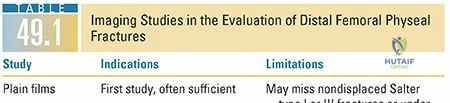
Master Pediatric Femoral Shaft & Knee Fractures: Interactive Module
Guide Topics:
- Distal Femoral Physeal Fractures: An Intraoperative Masterclass
- Pediatric Knee Fractures: When is a Long Leg Cast Necessary?
- Submuscular Bridge Plating of Pediatric Femoral Shaft Fractures: An Intraoperative Masterclass
2023-01
105
Read More



Decoding Distal Femur Fractures: Anatomy, Causes & Management
Guide Topics:
- Distal Femoral Fractures: Epidemiology, Surgical Anatomy, and Biomechanics
- Precision Femur Open Reduction for Distal Fracture Repair
- Distal Femur Fractures: Comprehensive Surgical Anatomy, Biomechanics & Clinical Relevance
2023-01
103
Read More

Pediatric Elbow Fractures & Dislocations: What You Need to Know
Guide Topics:
- Pediatric Supracondylar Humerus Fractures: Clinical Anatomy, Classification & Management
- Supracondylar Humerus Fracture: A Comprehensive Guide to Diagnosis & Treatment
- Pediatric Supracondylar Humerus Fracture: A Comprehensive Clinical & Radiographic Diagnostic Case Study
2023-01
118
Read More

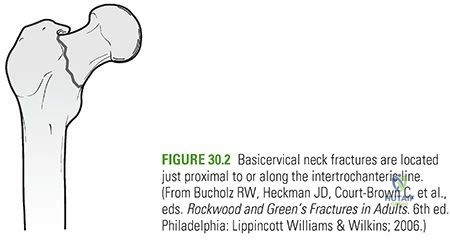
Managing Intertrochanteric Fractures with Unstable Patterns
Guide Topics:
- Mastering fixation of peritrochanteric hip fractures: techniques & outcomes
- Unstable Intertrochanteric Femur Fracture: Case Study, Diagnosis & Clinical Management
- Intertrochanteric Fracture Fixation Failure: A Deep Dive into Lag Screw Exchange & Cement Augmentation
2023-01
104
Read More

