
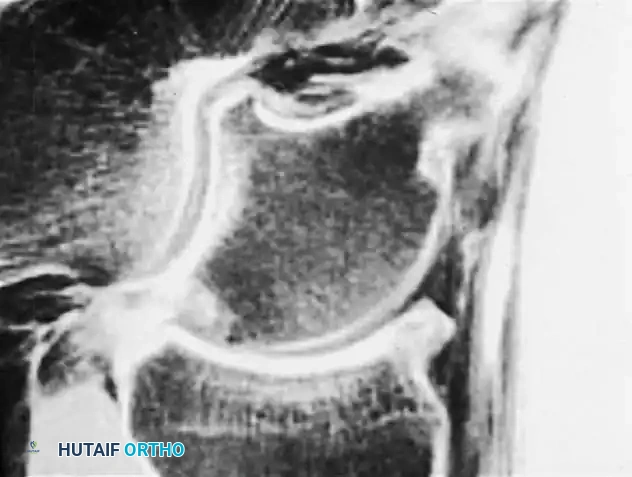
A 28-year-old male is brought to the ED following a high-speed motorcycle accident. He is hemodynamically unstable (BP 80/50, HR 135 bpm). During the primary survey, you observe the following pelvic radiograph. What are your immediate management priorities according to ATLS principles?
Candidate: I would immediately stabilize the patient following the ATLS ABCDE protocol. Specifically, I would apply a pelvic binder at the level of the greater trochanters to reduce the pelvic volume and control hemorrhage. I would also initiate the Massive Transfusion Protocol (MTP), maintain permissive hypotension, ensure C-spine protection, and arrange for an urgent FAST exam to rule out intra-abdominal bleeding.
Candidates often jump straight to "take him to theater for ORIF" or "fix the pelvis." Failing to prioritize resuscitation (resuscitative fluids/blood products) over definitive surgical fixation is a critical error. Another common failure is forgetting to mention the anatomical landmark for the binder (greater trochanters) or neglecting to re-evaluate the patient after stabilization.
The candidate must demonstrate a systematic approach: 1. Resuscitation priority: Acknowledge the patient is in hemorrhagic shock; apply a pelvic binder to reduce the pelvic volume (the "pelvic cavity" acts as a tamponade). 2. Hemorrhage control: Explicitly mention early MTP activation and the use of Tranexamic Acid (TXA). 3. Assessment: State that this is an 'open book' or rotational unstable injury, but prioritize the primary survey (ABCDE) over the fracture classification. 4. Adjuncts: Include the FAST exam to identify secondary sources of bleeding and state the need to stabilize the patient's physiology before any orthopedic intervention (Damage Control Orthopedics concept).
The patient has been stabilized. You are now moving into the secondary survey. What specific aspects of the orthopedic and neurological examination are mandatory in this polytrauma patient, and why?
Candidate: I would perform a head-to-toe secondary survey. This includes a thorough neurovascular assessment of all four limbs, documenting pulses and peripheral nerve function. I would perform a gentle pelvic stability check (only once), inspect the perineum for ecchymosis or urethral injury, check rectal tone, and perform a log-roll to assess the entire spine and posterior soft tissues.
Candidates often forget the "perineal/rectal" exam in the setting of pelvic fractures. Missing urethral injury signs (blood at the meatus) or a high-riding prostate can lead to iatrogenic injury during Foley catheter insertion. Candidates also frequently perform repetitive pelvic instability testing, which can dislodge stable clots and cause further hemorrhage.
A structured, high-scoring answer covers: 1. Neurological: Detailed GCS, cranial nerves, and peripheral sensory/motor exam (assessing for spinal cord injury). 2. Urological: Specifically mentioning the inspection of the meatus for blood *before* inserting a urinary catheter. 3. Pelvic: Mentioning the avoidance of repeated testing to prevent clot disruption. 4. Posterior: Emphasizing the log-roll to evaluate the spine and skin for occult injuries. 5. Rationale: Explain that these findings inform definitive management and surgical timing (e.g., waiting for physiological recovery).
Detailed Chapters & Topics
Dive deeper into specialized chapters regarding principles-of-atls