Part of the Master Guide

Pediatric Orthopaedics: Comprehensive MCQ Question Bank & Exam Prep

Pediatric Orthopedic MCQs: Osteogenesis Imperfecta & SMA Comprehensive Review
27 Apr 2026 61 min read 153 Views
Pediatric Orthopaedic MCQs: Master Tough Cases & saepe a yearold Scenarios

Key Takeaway

This interactive board review contains 100 randomly selected orthopedic surgery questions with clinical images, immediate feedback, and detailed references.

Pediatric Orthopedic MCQs: Osteogenesis Imperfecta & SMA Comprehensive Review

Comprehensive 100-Question Exam


00:00

Start Quiz

Question 1

A 10-year-old boy presents with a history of recurrent fractures, blue sclerae, and opalescent teeth. Genetic testing reveals a mutation in COL1A1. Which of the following best describes the fundamental defect in the collagen synthesis pathway for this patient?


Explanation

Osteogenesis Imperfecta (OI) types I-IV are typically caused by autosomal dominant mutations in the COL1A1 or COL1A2 genes. The most common severe mutation is a single base substitution leading to the replacement of a crucial glycine residue with a bulkier amino acid (like arginine or valine). This disrupts the tight coiling of the collagen triple helix, leading to qualitative or quantitative defects in type I collagen. Type V OI is associated with the IFITM5 gene.

Question 2

A 6-year-old girl with Spinal Muscular Atrophy (SMA) Type II presents for evaluation of progressive scoliosis. She is currently receiving intrathecal Nusinersen therapy. What is the mechanism of action of this medication?


Explanation

Nusinersen (Spinraza) is an antisense oligonucleotide that alters the splicing of SMN2 pre-mRNA. It binds to a specific sequence in the intron downstream of exon 7, promoting its inclusion and thereby increasing the production of full-length, functional Survival Motor Neuron (SMN) protein. Gene therapy with a viral vector describes Onasemnogene abeparvovec (Zolgensma).

Question 3

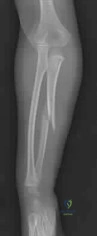
A 12-year-old male with Osteogenesis Imperfecta develops a painful, rapidly enlarging mass over his right femur following a minor trauma. Radiographs show a massive, dense ossification surrounding the femoral shaft. Genetic testing would most likely reveal a mutation in which of the following genes?


Explanation

The clinical presentation is highly suggestive of hypertrophic callus formation, a hallmark of Osteogenesis Imperfecta (OI) Type V. OI Type V is inherited in an autosomal dominant manner and is caused by a specific heterozygous mutation in the IFITM5 gene, which encodes BRIL (bone-restricted IFITM-like protein). It is not caused by defects in type 1 collagen genes (COL1A1/COL1A2). Other typical findings in Type V include calcification of the interosseous membrane of the forearm and radial head dislocation.

Question 4

A 14-year-old non-ambulatory male with SMA Type II has a 75-degree progressive neuromuscular scoliosis and significant pelvic obliquity. He is scheduled for a posterior spinal fusion from T2 to the pelvis. He has been receiving intrathecal therapies for his SMA. Which specific surgical modification is most critical to consider during this procedure?


Explanation

Patients with SMA often receive disease-modifying therapies (like Nusinersen) via intrathecal administration via lumbar puncture. A solid posterior spinal fusion with instrumentation makes future lumbar punctures extremely difficult or impossible. Surgeons must often leave a bony window (e.g., interlaminar gap at L3-L4 or L4-L5) and adjust rod placement (leaving a gap between rods or using cross-links strategically) to allow continued intrathecal access.

Question 5

A 3-year-old girl with severe Osteogenesis Imperfecta (Sillence Type III) presents with marked anterolateral bowing of both femurs, interfering with her ability to stand in braces. Which of the following is the most appropriate surgical management for her deformities?


Explanation

In growing children with severe OI and significant long bone deformities, the gold standard surgical treatment is multiple-level osteotomies (often referred to as 'shish kebab' osteotomies) stabilized with a telescoping intramedullary rod (e.g., Fassier-Duval rod). Telescoping rods accommodate bone growth, prolonging the time until revision surgery is needed. Rigid nails are quickly outgrown, leading to recurrent deformity ('migration' or 'spinnaker' effect) and fractures at the end of the nail.

Question 6

Spinal Muscular Atrophy (SMA) is characterized by the progressive degeneration of which of the following structures?


Explanation

SMA is a neurodegenerative disease characterized by the loss of alpha motor neurons in the anterior horn of the spinal cord. This leads to progressive muscle weakness and atrophy, predominantly affecting proximal muscles more than distal ones. It does not affect upper motor neurons, differentiating it from Amyotrophic Lateral Sclerosis (ALS), and it is not a primary muscle or neuromuscular junction disorder.

Question 7

A 7-year-old child with Osteogenesis Imperfecta Type IV has been on intravenous pamidronate therapy for 3 years. Which of the following radiographic findings is a direct consequence of this pharmacological treatment?


Explanation

Intravenous bisphosphonates (like pamidronate) are commonly used in OI to increase bone mineral density and reduce fracture rates. Because bisphosphonates transiently inhibit osteoclast-mediated bone resorption, they lead to the formation of transverse dense sclerotic bands (often called 'zebra lines') in the metaphyses of growing bones. Each line represents a cycle of IV administration.

Question 8

You are evaluating a 4-year-old boy recently diagnosed with SMA. His parents state he can sit independently if placed in position, but he has never been able to stand or walk. Based on this clinical milestone, which type of SMA does he have, and what is the expected lifespan?


Explanation

SMA Type II (intermediate form) is characterized by the ability to sit independently but an inability to walk independently. Onset is usually between 6 and 18 months. With aggressive respiratory and nutritional support, many patients survive well into adulthood, although respiratory failure is the most common cause of morbidity and mortality. SMA Type I (Werdnig-Hoffmann) infants never achieve independent sitting and typically die before age 2 without treatment.

Question 9

Which of the following factors plays the most significant role in determining the phenotypic severity of Spinal Muscular Atrophy (SMA) in patients with an SMN1 gene mutation?


Explanation

All patients with SMA have a biallelic deletion or mutation of the SMN1 gene. The phenotypic severity (Type I, II, III, or IV) is inversely correlated with the number of copies of the SMN2 gene (a paralog gene). SMN2 is nearly identical to SMN1 but has a critical single nucleotide difference causing alternative splicing, yielding only ~10% functional SMN protein per copy. More SMN2 copies result in more functional protein and a milder phenotype.

Question 10

A 15-year-old girl with Osteogenesis Imperfecta Type I presents with progressive hearing loss. What is the most common etiology of hearing impairment in patients with OI?


Explanation

Hearing loss in OI typically begins in the second or third decade of life and is most commonly conductive (though sensorineural and mixed forms also occur). Conductive hearing loss is usually due to otosclerosis-like fixation of the stapes footplate, stapedial crural fracture, or ossicular discontinuity. There is no known direct ototoxicity from bisphosphonates, nor is OI associated with immunodeficiency.

Question 11

An 8-year-old boy with severe SMA Type II presents with unilateral right hip dislocation. He has an asymptomatic windswept pelvic deformity and does not walk. He sits in a customized wheelchair. What is the most appropriate management for his right hip dislocation?


Explanation

In non-ambulatory children with SMA, hip subluxation and dislocation are extremely common due to muscle weakness and imbalance. Unlike in cerebral palsy where a dislocated hip can become highly painful, dislocated hips in SMA are usually painless. Surgical reconstruction has a high rate of failure, high complication rates, and generally does not improve function or sitting balance. Therefore, observation is the most appropriate management for an asymptomatic hip dislocation in a non-ambulatory SMA patient.

Question 12

A 6-month-old infant is evaluated for multiple fractures with no clear history of trauma. Radiographs show multiple healing fractures of different ages, osteopenia, and wormian bones in the skull. Which of the following clinical findings would most strongly support a diagnosis of Osteogenesis Imperfecta over non-accidental trauma?


Explanation

Blue sclerae and dentinogenesis imperfecta are classic systemic manifestations of Osteogenesis Imperfecta (OI) caused by defective Type I collagen, which is present in sclera and dentin. Posterior rib fractures, metaphyseal corner fractures (classic metaphyseal lesions), subdural hematomas, and retinal hemorrhages are highly specific indicators of non-accidental trauma (child abuse).

Question 13

In Osteogenesis Imperfecta, treatment with bisphosphonates reduces fracture frequency and increases bone mineral density. However, long-term use has been associated with which of the following orthopedic complications?


Explanation

Bisphosphonates inhibit osteoclast function, which impairs bone remodeling. While this increases bone density and decreases fracture rates, it can lead to delayed union or nonunion at osteotomy sites (e.g., following Fassier-Duval rodding). Surgeons often temporarily withhold bisphosphonate therapy around the time of surgery to minimize this risk. AVN of the jaw (ONJ) is a known but rare complication, mostly in adults.

Question 14

A 9-year-old boy with OI Type III presents with a new onset of occipital headaches, hyperreflexia, and subjective weakness in his upper extremities. What is the most critical next step in evaluation?


Explanation

Patients with severe OI (especially Type III and IV) are at high risk for basilar invagination, where the odontoid process prolapses upward into the foramen magnum due to softening of the skull base. Symptoms include lower cranial nerve palsies, headaches, and myelopathy (hyperreflexia, weakness). MRI of the craniocervical junction is the gold standard for diagnosing and evaluating the extent of neural compression in basilar invagination.

Question 15

The medication Zolgensma (Onasemnogene abeparvovec) is an FDA-approved gene therapy for SMA. What is its mechanism of action?


Explanation

Zolgensma is an intravenous gene replacement therapy for SMA. It uses an adeno-associated virus 9 (AAV9) vector to deliver a functional, episomal copy of the human SMN1 gene to motor neurons. It does not integrate into the host DNA. Nusinersen is an intrathecal ASO (antisense oligonucleotide), and Risdiplam is an oral small molecule that also targets SMN2 splicing.

Question 16

A 10-year-old girl with OI Type IV undergoes bilateral femoral osteotomies and telescoping intramedullary rod insertion. Two years later, radiographs show that the male (distal) portion of the rod has migrated proximally out of the distal epiphysis. Which complication of telescoping rods does this represent?


Explanation

Failure of expansion (or failure to telescope) is a common complication of telescoping intramedullary rods (such as the Fassier-Duval rod). This occurs when the male and female components fail to slide apart as the bone grows. Consequently, the fixation at the distal epiphysis pulls out, leading to proximal migration of the distal component, loss of fixation, and recurrent deformity.

Question 17

A patient with Osteogenesis Imperfecta presents with severe dentinogenesis imperfecta (DI). DI is most frequently associated with which mutation and which classification of OI?


Explanation

Dentinogenesis imperfecta (DI) is most commonly and severely seen in OI Types III and IV, which are typically caused by structural mutations (qualitative defects) in collagen, predominantly in COL1A2 (though COL1A1 structural mutations also cause it). OI Type I, typically caused by haploinsufficiency (quantitative defect, usually COL1A1 null alleles), has a much lower incidence of DI.

Question 18

In patients with SMA, neuromuscular scoliosis often presents early and progresses rapidly. What is the typical curve pattern and sagittal profile associated with SMA scoliosis?


Explanation

Neuromuscular scoliosis, such as that seen in SMA, typically presents as a long, sweeping 'C'-shaped thoracolumbar curve that extends to the pelvis, leading to significant pelvic obliquity. Due to truncal weakness, these patients often have a collapsed sagittal profile (loss of physiological thoracic kyphosis and lumbar lordosis, often resulting in a global kyphosis when seated).

Question 19

A 1-year-old infant is suspected of having a lethal form of Osteogenesis Imperfecta. They have multiple in utero fractures, 'crumpled' long bones, and an extremely soft skull. According to the Sillence classification, which type of OI does this infant have?


Explanation

According to the Sillence classification: Type I is mild (blue sclera, normal height, minimal deformity). Type II is perinatal lethal (multiple in utero fractures, crumpled long bones, severe pulmonary hypoplasia). Type III is severe and progressively deforming. Type IV is moderate. Type V is characterized by hypertrophic callus and calcification of the interosseous membrane.

Question 20

You are evaluating a 5-year-old male with SMA Type II. He presents with bilateral knee flexion contractures of 40 degrees and equinovarus foot deformities. He is non-ambulatory. What is the primary indication for surgical intervention for lower extremity contractures in non-ambulatory SMA patients?


Explanation

In non-ambulatory patients with SMA, severe lower extremity contractures are common due to immobility and muscle imbalance. Surgical release of contractures is generally not indicated to achieve ambulation, as the primary issue is profound weakness, not just restricted motion. Surgery is reserved for cases where the contractures cause pain, interfere with wearing orthoses, compromise hygiene, or prevent comfortable wheelchair seating and positioning.

Question 21

A 4-year-old child with Spinal Muscular Atrophy Type II is scheduled for a posterior spinal fusion for progressive neuromuscular scoliosis. During the induction of anesthesia, which of the following agents is strictly contraindicated due to a specific severe adverse effect?


Explanation

Succinylcholine is a depolarizing neuromuscular blocker that is absolutely contraindicated in patients with motor neuron diseases, such as Spinal Muscular Atrophy (SMA), muscular dystrophies, and significant burns. In these conditions, there is an upregulation and spread of extrajunctional acetylcholine receptors. Depolarization by succinylcholine can lead to massive potassium efflux from muscle cells, resulting in sudden, life-threatening hyperkalemia and cardiac arrest.

Question 22

A 10-year-old boy presents with forearm deformity and restricted pronosupination. Radiographs reveal calcification of the interosseous membrane and a history of hyperplastic callus formation following a previous femur fracture. Which genetic mutation is most likely responsible for this specific phenotype?


Explanation

The patient exhibits classic signs of Osteogenesis Imperfecta (OI) Type V, which is uniquely characterized by hyperplastic callus formation, calcification of the interosseous membrane of the forearm (leading to radioulnar synostosis and restricted rotation), and radial head dislocation. Unlike the majority of OI types caused by type I collagen defects, Type V is caused by a dominant mutation in the IFITM5 gene, which encodes the BRIL protein.

Question 23

A 6-year-old patient with SMA Type II requires surgical stabilization for a progressive 80-degree neuromuscular scoliosis. The patient is currently receiving Nusinersen (Spinraza) therapy. What specific surgical consideration must be addressed during the spinal fusion?


Explanation

Nusinersen (Spinraza) is an antisense oligonucleotide that alters the splicing of SMN2 pre-mRNA to increase functional SMN protein. It must be administered directly into the central nervous system via intrathecal injection every few months. In a patient undergoing posterior spinal fusion, the surgical team must plan a secure route for future intrathecal access, typically by leaving a lumbosacral interlaminar window or surgically placing a subcutaneous intrathecal port/catheter during the spinal procedure.

Question 24

A 14-year-old patient with Osteogenesis Imperfecta Type IV complains of new-onset occipital headaches, hyperreflexia, sleep apnea, and swallowing difficulties. Which of the following is the most appropriate next diagnostic step?


Explanation

The patient's clinical presentation (occipital headaches, long tract signs like hyperreflexia, lower cranial nerve dysfunction, and sleep apnea) is highly suspicious for basilar invagination. This is a severe and potentially lethal complication seen in up to 25% of patients with severe OI (especially Type IV). An MRI of the craniocervical junction is the imaging modality of choice to assess for soft tissue impingement, brainstem compression, and syringomyelia.

Question 25

A non-ambulatory 8-year-old child with SMA Type II presents with unilateral hip subluxation noted on a routine surveillance radiograph. The patient is completely pain-free, tolerates sitting well, and has a symmetrical, level pelvis. What is the most appropriate management for this hip subluxation?


Explanation

Hip subluxation and dislocation are extremely common in non-ambulatory patients with SMA Type II. In contrast to cerebral palsy, the dislocated hips in SMA are almost universally painless and do not typically interfere with sitting or hygiene. Surgical reconstruction in this population has a high recurrence rate, significant complication risk, and does not improve function. Therefore, painless hip dislocation in a non-ambulatory SMA patient is best managed with observation.

Question 26

A 7-year-old with OI Type III underwent placement of Fassier-Duval telescoping rods in both femurs 2 years ago. He now presents with anterior thigh pain. Radiographs reveal proximal migration of the female rod component out of the bone and into the gluteal soft tissues. What is the most common technical error leading to this specific complication?


Explanation

The Fassier-Duval rod is an intramedullary telescoping system designed to elongate with the child's bone growth. The female component must be securely threaded into the proximal bone (e.g., the greater trochanteric apophysis or proximal epiphysis), while the male component anchors in the distal epiphysis. Proximal migration of the female component typically occurs when it is not adequately threaded or loses purchase in the proximal anchoring site.

Question 27

Spinal Muscular Atrophy is primarily caused by a homozygous deletion or mutation in the SMN1 gene. The clinical severity of the disease, which distinguishes between Types I, II, III, and IV, is most closely and inversely correlated with which of the following factors?


Explanation

The SMN2 gene is a nearly identical paralog to SMN1, but a single nucleotide substitution causes altered splicing, resulting in only about 10-15% of the transcribed protein being fully functional. In patients lacking the SMN1 gene, their only source of functional SMN protein is the SMN2 gene. Therefore, a higher number of SMN2 gene copies yields more functional protein, which generally translates to a milder clinical phenotype (e.g., Type III or IV vs. the severe Type I).

Question 28

A 3-year-old child with severe Osteogenesis Imperfecta is started on cyclical intravenous Pamidronate. Which of the following best describes the cellular mechanism of action of this medication?


Explanation

Pamidronate is a nitrogen-containing bisphosphonate. These drugs localize to sites of bone resorption and are ingested by osteoclasts. Inside the osteoclast, they inhibit the enzyme farnesyl pyrophosphate synthase in the mevalonate pathway. This prevents the prenylation of small GTPase proteins (like Ras, Rho, Rac) essential for osteoclast function and survival, ultimately leading to osteoclast apoptosis and decreased bone resorption.

Question 29

A 2-year-old with SMA Type II is being evaluated for orthotic management to aid in supported standing. Which of the following is the primary goal of standing programs and lower extremity orthoses in a non-ambulatory child with SMA?


Explanation

In non-ambulatory children with SMA (Type II), supported standing programs (using standers or Knee-Ankle-Foot Orthoses) are highly recommended. While they do not teach the child to walk independently, reverse fixed contractures, or cure scoliosis, they are crucial for improving/maintaining bone mineral density, preventing severe contractures, aiding bowel and bladder function, and improving psychological well-being and respiratory mechanics.

Question 30

A histomorphometric analysis of an iliac crest bone biopsy from a patient with severe Osteogenesis Imperfecta (Type III) would most likely demonstrate which of the following findings compared to a healthy, age-matched control?


Explanation

Bone biopsies in Osteogenesis Imperfecta reveal an uncoupling of bone turnover favoring resorption. Histomorphometry typically shows severe osteopenia with decreased cortical thickness and reduced trabecular bone volume. Because the bone attempts to repair itself rapidly but with defective collagen, the tissue is hypercellular (increased numbers of both osteoblasts and osteoclasts) and features a persistence of disorganized woven bone rather than mature lamellar bone.

Question 31

Onasemnogene abeparvovec (Zolgensma) is a transformative therapeutic option for patients with SMA. What is the specific mechanism of action of this therapy?


Explanation

Onasemnogene abeparvovec (Zolgensma) is a systemic gene replacement therapy. It utilizes a self-complementary adeno-associated virus serotype 9 (AAV9) vector, which can cross the blood-brain barrier, to deliver a functional, episomal copy of the human SMN1 gene directly to motor neurons. This is administered as a one-time intravenous infusion. In contrast, Nusinersen modifies SMN2 splicing.

Question 32

A patient diagnosed with Osteogenesis Imperfecta Type VI is noted to have a paradoxically poor response to bisphosphonate therapy and exhibits an isolated mineralization defect on bone histology that mimics osteomalacia. Which gene is most likely mutated in this patient?


Explanation

Osteogenesis Imperfecta Type VI is a rare, autosomal recessive form of the disease caused by loss-of-function mutations in the SERPINF1 gene. This gene encodes pigment epithelium-derived factor (PEDF). The hallmark of OI Type VI is an osteomalacia-like mineralization defect on bone biopsy (increased unmineralized osteoid) despite normal calcium and phosphate levels, and these patients notoriously respond poorly to standard bisphosphonate therapy.

Question 33

A 5-year-old with SMA Type II presents with a progressive thoracolumbar neuromuscular scoliosis measuring 35 degrees. The child is a functional sitter. What is the most appropriate role for a Thoracolumbosacral Orthosis (TLSO) in the management of this patient?


Explanation

In paralytic/neuromuscular scoliosis associated with SMA, bracing (TLSO) does not alter the natural history of the curve or provide permanent correction. However, a lightweight, custom-molded TLSO (often with abdominal cutouts to permit diaphragmatic breathing) is highly beneficial for providing truncal stability. This improves sitting balance, frees the upper extremities for functional use, and can help delay surgical spinal fusion until the child is older and larger.

Question 34

The Sofield-Millar operation remains a foundational concept in the surgical management of severe long bone deformities in Osteogenesis Imperfecta. What does this classic procedure fundamentally entail?


Explanation

First described in 1959, the Sofield-Millar procedure is the classic 'shish kebab' operation used to treat severe bowing in OI. It involves subperiosteal exposure of the long bone, performing multiple diaphyseal osteotomies to correct the bowing, threading the bone fragments onto a straight intramedullary rod to realign them, and allowing them to heal in a straight configuration.

Question 35

In a patient with Spinal Muscular Atrophy Type II undergoing evaluation for posterior spinal fusion, which preoperative pulmonary function test parameters are the most critical predictors of postoperative extubation success and respiratory complications?


Explanation

In neuromuscular patients (including those with SMA), Forced Vital Capacity (FVC) and Peak Cough Flow (PCF) are critical to assess preoperatively. An FVC < 30% of predicted indicates severe restrictive lung disease. A low PCF indicates bulbar/respiratory muscle weakness and an inability to clear secretions effectively. These findings combined strongly predict a high risk for prolonged postoperative intubation, need for BiPAP, or tracheostomy following spinal fusion.

Question 36

Dentinogenesis imperfecta (DI) is a common manifestation of certain types of Osteogenesis Imperfecta. Which of the following accurately describes the dental findings and its most common associated OI types?


Explanation

Dentinogenesis imperfecta (DI) is characterized by teeth that are opalescent (bluish-gray or yellow-brown) due to defective dentin. The enamel is normal but tends to flake off because the underlying dentin is soft, leading to rapid wear and breakage. It affects both primary and secondary dentition and is most commonly associated with COL1A1/COL1A2 mutations, particularly in OI Types III and IV.

Question 37

A 12-year-old non-ambulatory male with SMA Type II presents with bilateral 30-degree knee flexion contractures and 20-degree hip flexion contractures. His parents inquire about surgical release to allow him to lie completely flat in bed. He currently has no pain and sits comfortably in his wheelchair. What is the most appropriate recommendation?


Explanation

In non-ambulatory patients with SMA, mild to moderate flexion contractures of the hips and knees are very common and are often adaptively useful for stable sitting in a wheelchair. Surgical release is generally contraindicated for cosmetic reasons or just to lie flat, as it does not improve function, has a high recurrence rate, and subjects the medically fragile child to surgical risk. Surgery is reserved for severe pain, inability to sit, or skin breakdown.

Question 38

Blue sclerae, a hallmark clinical finding in many patients with Osteogenesis Imperfecta (especially Type I), are primarily attributed to which of the following physiological alterations?


Explanation

The sclera is normally composed of densely packed, thick type I collagen fibers that appear white. In OI, defective or deficient type I collagen leads to a globally thinner and more transparent sclera. This transparency allows the dark pigment of the underlying uveal tract (specifically the choroid) to show through, creating the characteristic blue or slate-gray appearance of the eyes.

Question 39

Spinal Muscular Atrophy primarily causes weakness through the degeneration of which specific neural structures?


Explanation

Spinal Muscular Atrophy is a lower motor neuron disease. The deficiency of the SMN protein leads to the selective, progressive degeneration and death of alpha motor neurons located in the anterior horn of the spinal cord and lower brainstem nuclei. This results in progressive skeletal muscle denervation, weakness, and atrophy, with sparing of sensory and upper motor neuron pathways.

Question 40

While bisphosphonates (antiresorptive agents) are the standard of care for severe Osteogenesis Imperfecta, recent research has explored anabolic agents to increase bone formation. Which of the following drugs represents an anabolic approach by acting as a monoclonal antibody against sclerostin?


Explanation

Romosozumab is a monoclonal antibody that targets and binds to sclerostin. Sclerostin is a glycoprotein secreted by osteocytes that normally inhibits the Wnt signaling pathway, thereby inhibiting osteoblast bone formation. By blocking sclerostin, Romosozumab has a dual effect: it strongly stimulates bone formation (anabolic) and moderately decreases bone resorption. It is currently being investigated as a bone-building therapy for OI.

Question 41

A 10-year-old boy with Spinal Muscular Atrophy (SMA) Type II is scheduled for a posterior spinal fusion to correct a severe, progressive neuromuscular scoliosis. He is currently receiving Nusinersen (Spinraza) therapy. What specific surgical modification must be planned to facilitate his ongoing medical treatment?


Explanation

Nusinersen is administered via repeated intrathecal injections. In patients undergoing posterior spinal fusion, leaving an interlaminar window (typically L3-L4 or L4-L5) without bone graft or hardware obstruction is critical to allow future access.

Question 42

A 5-year-old boy with Osteogenesis Imperfecta (OI) presents with bowing of the bilateral femurs.

He undergoes placement of telescoping intramedullary rods (Fassier-Duval). What is the most common mechanical complication associated with this specific type of implant?


Explanation

The most common complication of telescoping rods in growing children with OI is failure of the rod to elongate (telescope) with growth. This often leads to the bone growing past the tip of the rod, resulting in a new fracture or recurrent deformity.

Question 43

Which of the following genetic profiles determines the phenotypic severity of Spinal Muscular Atrophy in a patient with a homozygous deletion of the SMN1 gene?


Explanation

SMA is caused by a loss of the SMN1 gene. The severity of the disease inversely correlates with the number of copies of the paralogous SMN2 gene, which produces a small amount of functional survival motor neuron protein.

Question 44

A 14-year-old female with Osteogenesis Imperfecta has been treated with intravenous pamidronate for 10 years. Radiographs of her distal femur reveal multiple transverse radiodense lines.

What is the mechanism of action of this medication in producing these lines?


Explanation

Nitrogen-containing bisphosphonates like pamidronate inhibit farnesyl pyrophosphate synthase, leading to osteoclast apoptosis. The transverse dense lines (zebra lines) correspond to the cycles of IV administration causing temporary failure of primary spongiosa resorption.

Question 45

A 7-year-old non-ambulatory child with SMA Type II presents with an asymptomatic, unilateral dislocated hip. Pelvic obliquity is minimal. What is the most appropriate management for this hip?


Explanation

In non-ambulatory patients with SMA, unilateral or bilateral hip dislocations are typically painless and do not significantly impair sitting balance. Observation is the standard of care due to high surgical failure rates and lack of functional benefit.

Question 46

A 3-year-old child presents with frequent fractures, blue sclerae, and hyperplastic callus formation following a recent tibia fracture. Genetic analysis reveals a mutation in the IFITM5 gene. Which type of Osteogenesis Imperfecta does this patient have?


Explanation

OI Type V is uniquely characterized by hyperplastic callus formation, calcification of the interosseous membrane, and an autosomal dominant mutation in the IFITM5 gene. Sclerae can be variable but hyperplastic callus is the hallmark.

Question 47

During preoperative evaluation for scoliosis surgery in a 12-year-old with SMA Type II, the pulmonologist performs spirometry. Which of the following pulmonary function test findings indicates an increased risk of prolonged postoperative mechanical ventilation?


Explanation

Patients with SMA have restrictive lung disease due to intercostal muscle weakness. An FVC of less than 30% to 40% of predicted is a major risk factor for postoperative pulmonary complications and the need for prolonged ventilation.

Question 48

A patient with severe Osteogenesis Imperfecta (Type III) develops progressive upper motor neuron signs, hyperreflexia, and lower cranial nerve deficits. What is the most likely diagnosis?


Explanation

Basilar invagination occurs in severe OI due to softening of the skull base, leading to upward migration of the odontoid into the foramen magnum. It presents with brainstem compression, myelopathy, and lower cranial nerve dysfunction.

Question 49

A 2-month-old infant is diagnosed with SMA Type I (Werdnig-Hoffmann disease). The parents ask about Onasemnogene abeparvovec (Zolgensma). What is the mechanism of this therapy?


Explanation

Zolgensma is a gene replacement therapy that uses an adeno-associated virus serotype 9 (AAV9) vector to deliver a functional copy of the SMN1 gene. It is administered as a one-time intravenous infusion.

Question 50

A 10-year-old girl with SMA Type II presents with severe, collapsing neuromuscular scoliosis.

When planning a posterior spinal fusion for this patient, what is the most appropriate distal foundation to prevent future deformity?


Explanation

In non-ambulatory patients with severe SMA and collapsing scoliosis, fusion must include the pelvis (e.g., iliac or S2-alar-iliac screws). This is essential to correct and prevent recurrence of pelvic obliquity, thereby maintaining sitting balance.

Question 51

Which of the following anesthetic complications is most highly associated with patients who have Osteogenesis Imperfecta?


Explanation

Patients with OI are prone to a hypermetabolic state that mimics malignant hyperthermia, including elevated temperature and metabolic acidosis. However, true malignant hyperthermia (RYR1 mutation) is distinct from this OI-related response.

Question 52

A 4-year-old boy with SMA Type II is undergoing surgical release of severe bilateral knee flexion contractures. The anesthesiologist asks about muscle relaxant precautions. Why is succinylcholine absolutely contraindicated in this patient?


Explanation

Succinylcholine is a depolarizing neuromuscular blocker that causes massive potassium efflux in patients with denervation injuries like SMA or muscular dystrophies. This can lead to sudden, fatal hyperkalemia and cardiac arrest.

Question 53

A newborn presents with hypotonia, multiple congenital fractures, and profound osteopenia on radiographs. Genetic testing confirms a mutation affecting type I collagen synthesis. The primary biochemical defect in classical Osteogenesis Imperfecta usually involves the substitution of which amino acid in the collagen triple helix?


Explanation

Type I collagen consists of a triple helix with a repeating Gly-X-Y amino acid sequence. Mutations causing substitution of the bulky glycine residue disrupt the tight coiling of the helix, causing classical (Type I-IV) Osteogenesis Imperfecta.

Question 54

A 16-year-old male with Osteogenesis Imperfecta Type VI presents with a femur fracture. He has a known SERPINF1 mutation. How does the pathophysiology and medical management of Type VI differ from classical OI (Types I-IV)?


Explanation

OI Type VI is caused by an autosomal recessive mutation in SERPINF1, resulting in a severe mineralization defect with increased unmineralized osteoid (similar to osteomalacia). Unlike classical OI, it typically has a poor response to bisphosphonate therapy.

Question 55

Which of the following accurately describes the pathology of the dental abnormalities commonly seen in classical Osteogenesis Imperfecta?


Explanation

Dentinogenesis imperfecta in OI is caused by the same type I collagen defect affecting bone. It leads to defective dentin, rapid tooth wear, opalescent discoloration, and characteristic obliteration of the pulp chambers on dental radiographs.

Question 56

An 8-year-old girl with SMA Type III (Kugelberg-Welander disease) presents to the clinic. Based on her SMA classification, what is her expected maximum lifetime motor milestone?


Explanation

SMA Type III is characterized by the ability to stand and walk independently, although these skills may be lost later in life due to progressive weakness. In contrast, Type I patients never sit, and Type II patients sit but never walk independently.

Question 57

A 15-year-old with severe OI has experienced multiple long bone fractures despite years of maximum-dose IV bisphosphonate therapy. The multidisciplinary team considers switching to Denosumab. What is the mechanism of action of Denosumab?


Explanation

Denosumab is a fully human monoclonal antibody that binds to RANKL, preventing it from interacting with RANK on osteoclasts. This effectively inhibits osteoclast formation, function, and survival, serving as an alternative treatment for severe OI.

Question 58

You are examining an infant with multiple rib fractures in various stages of healing. You are trying to differentiate non-accidental trauma from Osteogenesis Imperfecta. Which skull radiograph finding strongly suggests Osteogenesis Imperfecta over abuse?


Explanation

Wormian bones are accessory bones within the cranial sutures. While a few can be normal, the presence of numerous (>10) or large Wormian bones is a classic radiographic sign of Osteogenesis Imperfecta and helps distinguish it from non-accidental trauma.

Question 59

A 6-year-old patient with SMA Type II undergoes bilateral soft tissue releases for severe equinovarus foot deformities. Postoperatively, she is braced. What is the most critical physiological reason why surgical release of contractures in non-ambulatory SMA patients often yields poor functional outcomes?


Explanation

SMA causes profound lower motor neuron weakness and flaccid paralysis. In non-ambulatory patients, surgical release of contractures frequently fails or recurs because there is insufficient muscle strength to actively move or stabilize the limb in the corrected position.

Question 60

In a patient with Osteogenesis Imperfecta undergoing intramedullary rodding of the femur, which of the following osteotomy principles is critical to prevent the "Z-effect" or loss of fixation?


Explanation

To correct severe bowing in OI, multiple osteotomies ("shish kebab" technique) are often required. It is critical that each bone segment is threaded centrally over the intramedullary rod to align the mechanical axis and prevent angulation or cut-out.

Question 61

A newborn presents with a soft, fragile calvarium, a small thoracic cage, and severe bowing of all extremities. Radiographs reveal multiple fractures in various stages of healing, including "accordion" ribs. The infant succumbs to respiratory failure within 24 hours. According to the Sillence classification, what is the most likely fundamental genetic defect?


Explanation

This clinical picture describes Osteogenesis Imperfecta (OI) Type II, which is perinatally lethal. It is typically caused by a qualitative defect (missense mutation substituting glycine) in the COL1A1 or COL1A2 genes, creating a dominant negative effect.

Question 62

A 3-year-old child with Spinal Muscular Atrophy (SMA) Type II is being evaluated for motor milestones. The severity of the clinical phenotype in SMA is primarily determined by the copy number of which of the following genes?


Explanation

All SMA patients have a homozygous deletion or mutation of the SMN1 gene. Disease severity is inversely proportional to the number of copies of the SMN2 backup gene, which produces a small amount of functional SMN protein.

Question 63

A 5-year-old boy with Osteogenesis Imperfecta Type III has been receiving cyclic intravenous pamidronate therapy.

Radiographs demonstrate horizontal sclerotic bands in the metaphyses. What is the primary cellular mechanism of action of this medication?


Explanation

Pamidronate is a nitrogen-containing bisphosphonate that inhibits farnesyl pyrophosphate synthase in the mevalonate pathway. This leads to osteoclast apoptosis and produces the characteristic metaphyseal sclerotic 'zebra lines' on radiographs.

Question 64

A 7-year-old non-ambulatory child with Spinal Muscular Atrophy Type II presents for a routine orthopedic follow-up. Pelvic radiographs reveal a painless, complete lateral dislocation of the left hip. The child has no difficulty sitting in his wheelchair. What is the most appropriate management?


Explanation

Hip dislocations in non-ambulatory SMA patients are typically painless and do not interfere with sitting or quality of life. Surgical reduction has a high recurrence rate and is generally not recommended unless there is severe pain.

Question 65

A 14-year-old girl with Osteogenesis Imperfecta Type IV is scheduled for posterior spinal fusion for a progressive 75-degree thoracic scoliotic curve. During preoperative planning, the surgeon must account for which characteristic intraoperative challenge specific to OI?


Explanation

Scoliosis surgery in OI is fraught with instrumentation failure, particularly pedicle screw pullout, due to profoundly poor bone quality. Surgeons often employ multiple points of fixation and accept lesser curve corrections to prevent hardware failure.

Question 66

A 6-year-old boy with SMA Type II requires surgical intervention for a progressive 80-degree neuromuscular scoliosis with 20 degrees of pelvic obliquity. He is scheduled for magnetically controlled growing rods. Which of the following is a critical surgical principle regarding spinal instrumentation in this specific population?


Explanation

In SMA patients with severe scoliosis and pelvic obliquity, spinal instrumentation must almost always be extended to the pelvis (e.g., iliac or S2AI screws). Failure to include the pelvis leads to progressive pelvic obliquity and sitting imbalance.

Question 67

A 15-year-old boy with severe Osteogenesis Imperfecta (Type III) presents with worsening occipital headaches, hyperreflexia in the lower extremities, and fine motor clumsiness in the hands. Which of the following is the most appropriate next step in diagnosis?


Explanation

This patient's symptoms suggest basilar invagination, a recognized and potentially fatal complication of severe OI caused by upward migration of the cervical spine into the foramen magnum. MRI is the modality of choice to assess neurovascular compression at the craniocervical junction.

Question 68

A 4-year-old girl with Osteogenesis Imperfecta Type III requires surgical stabilization of a recurrent femur fracture. The surgeon elects to use a Fassier-Duval intramedullary nail.

What is the primary biomechanical advantage of this device compared to a standard Rush rod?


Explanation

The Fassier-Duval nail is a telescoping intramedullary device fixed at both the proximal and distal epiphyses. As the child grows, the rod elongates, providing continuous support and reducing the need for repeated surgeries due to bone outgrowing the rod.

Question 69

A 6-month-old infant is newly diagnosed with SMA Type I. The family is counseled regarding Onasemnogene abeparvovec (Zolgensma) therapy. What is the fundamental mechanism of this treatment?


Explanation

Zolgensma (Onasemnogene abeparvovec) is an adeno-associated virus (AAV9) vector-based gene therapy. It delivers a functional, episomal copy of the human SMN1 gene to motor neurons, addressing the root cause of SMA.

Question 70

A 6-month-old infant presents to the ED with a spiral fracture of the femur. The parents, who both have normal physical exams, claim the infant rolled off a low bed. Radiographs reveal the femur fracture and multiple classic metaphyseal lesions (corner fractures) of the distal tibias. Which of the following strongly supports non-accidental trauma rather than Osteogenesis Imperfecta?


Explanation

Classic metaphyseal lesions (CMLs), or corner fractures, are highly specific for non-accidental trauma (NAT) and are caused by shearing forces. They are not characteristic of Osteogenesis Imperfecta, which typically presents with diaphyseal fractures.

Question 71

An 8-year-old patient with SMA Type III is prescribed Risdiplam. By what mechanism does this medication improve the patient's muscle function?


Explanation

Risdiplam is an orally administered small molecule that modifies the pre-mRNA splicing of the SMN2 gene. It promotes the inclusion of exon 7, resulting in an increased production of functional, full-length SMN protein.

Question 72

A 6-year-old boy with Osteogenesis Imperfecta Type III presents with brownish-blue, opalescent teeth that exhibit significant wear and enamel flaking. This dental abnormality is a result of a defect in which of the following structures?


Explanation

The patient has Dentinogenesis Imperfecta, commonly seen in OI. It occurs because the abnormal Type I collagen structurally weakens the dentin matrix, causing the overlying normal enamel to flake off and exposing the discolored dentin.

Question 73

In patients with untreated SMA Type I and II, what is the most common cause of early mortality, dictating the need for aggressive proactive management?


Explanation

The primary cause of morbidity and mortality in SMA Types I and II is respiratory failure. It is driven by severe intercostal muscle weakness leading to a bell-shaped chest, paradoxical breathing, and impaired cough clearance, while the diaphragm is initially spared.

Question 74

A 10-year-old with Osteogenesis Imperfecta Type IV undergoes an osteotomy to correct severe anterior bowing of the tibia. Which of the following best characterizes the expected bone healing process in this patient compared to a healthy, age-matched child?


Explanation

In Osteogenesis Imperfecta, the physiological timeline of fracture healing is normal, and callus forms appropriately. However, the resulting bone remains mechanically compromised due to the underlying qualitative or quantitative defect in Type I collagen.

Question 75

A 12-year-old boy with SMA Type II presents for posterior spinal fusion. During anesthetic induction, which of the following medications must be strictly avoided due to the risk of severe, life-threatening hyperkalemia?


Explanation

Succinylcholine, a depolarizing muscle relaxant, is contraindicated in patients with neuromuscular diseases like SMA or muscular dystrophies. Denervated muscles have upregulated extrajunctional acetylcholine receptors, which release massive amounts of potassium when depolarized.

Question 76

If a bone biopsy is taken from the iliac crest of a patient with severe Osteogenesis Imperfecta (Type III), which of the following histologic findings is most expected?


Explanation

Histologically, bone in severe OI exhibits thin cortices and sparse trabeculae with hypercellularity (increased osteocyte density). The bone frequently fails to remodel into mature lamellar bone, remaining predominantly as disorganized woven bone.

Question 77

A 4-month-old infant is brought to the clinic for delayed motor milestones. Examination reveals severe hypotonia, a weak cry, "bell-shaped" chest, absent deep tendon reflexes, and distinct fasciculations of the tongue. The mother reports feeling diminished fetal movements during the third trimester. What is the most likely diagnosis?


Explanation

This is the classic presentation of Werdnig-Hoffmann disease (SMA Type I). Hallmark features include severe hypotonia, areflexia, tongue fasciculations, and paradoxical breathing due to intercostal weakness with a spared diaphragm.

Question 78

A 25-year-old woman with a history of mild Osteogenesis Imperfecta (Type I) presents for an orthopedic evaluation of a recent Colles fracture. Which of the following extraskeletal manifestations is most frequently associated with her condition and often becomes symptomatic during adulthood?


Explanation

Hearing loss is a common extraskeletal manifestation of OI, particularly Type I, affecting roughly 50% of adult patients. It typically presents in the second or third decade and can be conductive, sensorineural, or mixed.

Question 79

A 14-year-old girl is diagnosed with mild Osteogenesis Imperfecta (Type I) after sustaining multiple fractures from minor trauma. Genetic analysis reveals a premature stop codon in one allele of COL1A1. What is the precise biochemical consequence of this mutation?


Explanation

OI Type I is typically caused by a null allele (e.g., a premature stop codon) in COL1A1, leading to haploinsufficiency. This results in a 50% decreased quantity of structurally normal Type I collagen, causing a milder phenotype.

Question 80

Children with Spinal Muscular Atrophy have a high incidence of fragility fractures. Which of the following principles should strictly guide the orthopedic management of a femur fracture in a non-ambulatory SMA patient?


Explanation

In SMA patients, prolonged immobilization rapidly exacerbates muscle atrophy and disuse osteopenia, worsening their functional baseline. Fractures should be managed with minimal immobilization (e.g., well-padded splints) and early mobilization back to their wheelchair.

Question 81

A 9-year-old boy with a history of multiple fractures presents with a painless, limited range of motion in his right forearm. Radiographs reveal calcification of the interosseous membrane and a history of hyperplastic callus formation following previous fractures.

Genetic testing is most likely to show a mutation in which of the following genes?


Explanation

This presentation is classic for Osteogenesis Imperfecta (OI) Type V, which is characterized by hyperplastic callus formation, radial head dislocation, and calcification of the interosseous membrane. It is caused by an autosomal dominant mutation in the IFITM5 gene.

Question 82

Spinal Muscular Atrophy (SMA) is an autosomal recessive neuromuscular disorder caused by a mutation in the SMN1 gene. Which of the following genetic factors serves as the primary determinant for the phenotypic severity of the disease in these patients?


Explanation

The severity of SMA is inversely correlated with the number of copies of the SMN2 gene. SMN2 produces a small amount of functional Survival Motor Neuron (SMN) protein, so more copies lead to a milder phenotype.

Question 83

A 5-year-old girl with severe Osteogenesis Imperfecta (OI) is receiving intravenous pamidronate infusions to increase bone mineral density and reduce fracture frequency. Which of the following best describes the molecular mechanism of action of this medication?


Explanation

Pamidronate is a nitrogen-containing bisphosphonate. It works by inhibiting farnesyl pyrophosphate (FPP) synthase in the mevalonate pathway, which leads to osteoclast apoptosis and reduced bone resorption.

Question 84

A 10-year-old boy with SMA Type II presents with severe, progressive paralytic scoliosis measuring 85 degrees. He is currently receiving intrathecal Nusinersen therapy every 4 months. When planning posterior spinal fusion for this patient, which critical technical modification must be considered?


Explanation

Nusinersen is administered via intrathecal injection. In patients undergoing spinal fusion, the surgeon must leave a targeted interlaminar window (usually around L3-L4) or implant an intrathecal catheter/port to allow for continued drug administration.

Question 85

An infant diagnosed with SMA Type I receives Onasemnogene abeparvovec (Zolgensma) at 2 months of age. What is the mechanism by which this therapy provides a therapeutic benefit?


Explanation

Onasemnogene abeparvovec is a gene replacement therapy. It utilizes a non-replicating AAV9 vector to deliver a functional copy of the SMN1 gene directly to the motor neurons.

Question 86

A 14-year-old with Osteogenesis Imperfecta Type IV presents with hyperreflexia, ataxia, and a new-onset headache exacerbated by coughing. Which of the following imaging modalities is the most appropriate next step in evaluation?


Explanation

The patient's symptoms suggest basilar invagination, a dangerous complication common in OI (particularly Type IV). Sagittal MRI of the craniocervical junction is the gold standard to evaluate for brainstem compression.

Question 87

A 6-year-old child with Osteogenesis Imperfecta undergoes bilateral femur Sofield-Millar osteotomies stabilized with Fassier-Duval telescoping rods. Which of the following is the most common complication specifically associated with this type of instrumentation?


Explanation

Fassier-Duval rods are designed to elongate as the child grows. The most common complication is mechanical failure, specifically rod migration (backing out proximally or penetrating the joint distally) or failure of the components to telescope.

Question 88

A 7-year-old girl with SMA Type II, who is a non-ambulator and utilizes a customized wheelchair, is found to have an asymptomatic, unilateral dislocated hip on routine radiographic screening. What is the most appropriate orthopedic management?


Explanation

Hip instability and dislocation are exceedingly common in severe, non-ambulatory SMA. Because these dislocations are generally painless and surgical intervention has a high recurrence rate and complication profile, observation is the recommended management.

Question 89

Which type of Osteogenesis Imperfecta, according to the Sillence classification, is characterized by extreme bone fragility, multiple intrauterine fractures, severe skeletal deformities, and is generally lethal in the perinatal period?


Explanation

OI Type II is the most severe form and is considered perinatal lethal. It is characterized by severe bone deformity, multiple intrauterine rib and long bone fractures, and underdeveloped lungs leading to respiratory failure.

Question 90

A pediatric patient with Spinal Muscular Atrophy Type II is evaluated in the clinic. Without disease-modifying therapies, what is the maximum expected motor milestone this patient will achieve during their natural history?


Explanation

Historically, without novel medical therapies, patients with SMA Type II can achieve the ability to sit independently but never achieve independent ambulation.

Question 91

A 12-year-old with multiple fractures has a bone biopsy that demonstrates a distinctive 'fish-scale' lamellation pattern under polarized light microscopy. The patient has shown no clinical improvement with prolonged bisphosphonate therapy. This presentation is most consistent with a mutation in which gene?


Explanation

OI Type VI is caused by a mutation in the SERPINF1 gene, which encodes pigment epithelium-derived factor (PEDF). It is characterized histologically by a 'fish-scale' pattern of bone lamellation and typically does not respond to bisphosphonates.

Question 92

A 4-year-old boy with SMA is prescribed Risdiplam. Which of the following accurately describes the administration and mechanism of this medication?


Explanation

Risdiplam is an orally administered small molecule that modifies the splicing of the SMN2 pre-mRNA, leading to an increased concentration of functional full-length SMN protein.

Question 93

Osteogenesis Imperfecta Types I and III represent two different clinical severities of the disease. Which of the following best contrasts the underlying collagen defect between classical Type I and classical Type III OI?


Explanation

Type I OI is primarily caused by haploinsufficiency (a premature stop codon), leading to a decreased amount (quantitative defect) of structurally normal collagen. Type III is typically caused by a missense mutation (glycine substitution), leading to structurally abnormal collagen (qualitative defect).

Question 94

A 5-year-old child with SMA Type II requires general anesthesia for the placement of a gastrostomy tube. The anesthesiologist must strictly avoid which of the following agents to prevent a life-threatening complication?


Explanation

Succinylcholine is a depolarizing neuromuscular blocker that must be avoided in patients with denervating diseases like SMA. Its use can cause massive potassium efflux from upregulated extrajunctional acetylcholine receptors, leading to fatal hyperkalemia.

Question 95

A 6-year-old boy with severe Osteogenesis Imperfecta presents with teeth that are opalescent, severely worn, and appear brown-blue. The underlying pathophysiology of this dental manifestation is due to a defect primarily affecting which tooth structure?


Explanation

Dentinogenesis imperfecta (DI) is common in OI. The defect is in the dentin, which contains type I collagen. The enamel is actually normal but tends to flake off because the underlying dentin lacks structural integrity to support it.

Question 96

A 10-year-old girl with SMA Type II presents with an increasingly collapsing spine.

A custom Thoracolumbosacral Orthosis (TLSO) is prescribed. What is the primary expectation regarding the use of this brace?


Explanation

Bracing in neuromuscular scoliosis (like SMA) is palliative. It helps support the collapsing spine, freeing the upper extremities for function and improving sitting posture, but it does not prevent or stop the progression of the scoliotic curve.

Question 97

A 3-year-old child is being evaluated for multiple fractures. The differential diagnosis includes Osteogenesis Imperfecta (OI) and Non-Accidental Trauma (NAT). Which of the following radiographic findings is highly specific for NAT and NOT typically seen in OI?


Explanation

Classic metaphyseal lesions (CMLs), also known as corner or bucket-handle fractures, are highly specific for non-accidental trauma. They are caused by torsional and tractional forces, which are not typical mechanisms for osteoporotic fractures in OI.

Question 98

In patients with Spinal Muscular Atrophy, the primary pathological process affecting the nervous system is characterized by which of the following?


Explanation

SMA is an autosomal recessive neurodegenerative disease characterized by the progressive apoptosis (loss) of lower motor neurons in the anterior horn of the spinal cord, leading to progressive muscle weakness and atrophy.

Question 99

A 2-year-old boy with OI Type III receives his first intravenous infusion of pamidronate. Within 24 hours, he develops a fever of 38.5°C, myalgia, and vomiting. What is the most appropriate management of these symptoms?


Explanation

The 'acute phase reaction' is very common (up to 70-80%) after the first infusion of nitrogen-containing bisphosphonates like pamidronate. It consists of fever, myalgias, and flu-like symptoms, which are self-limiting and managed with supportive care.

Question 100

Which of the following cellular processes accurately describes how a fracture heals in a patient with classical Osteogenesis Imperfecta (Type I, III, or IV)?


Explanation

In OI, the physiological cascade of fracture healing and callus formation occurs at a normal rate. However, because the collagen matrix is defective (either quantitatively or qualitatively), the newly formed bone remains structurally inferior and prone to re-fracture.

None

Dr. Mohammed Hutaif
Medically Verified Content by
Prof. Dr. Mohammed Hutaif
Consultant Orthopedic & Spine Surgeon
Chapter Index
