Pediatric Hand and Wrist Fractures: A Masterclass in Surgical Management
Key Takeaway
Operative treatment of closed pediatric hand fractures is rare due to the robust remodeling potential of the immature skeleton. However, physeal fractures, intraarticular displacements, and severe rotational deformities demand precise anatomical reduction. This guide details the indications, biomechanics, and surgical techniques for managing complex phalangeal, metacarpal, and thumb injuries, ensuring optimal functional outcomes and preventing premature physeal closure or degenerative joint disease.
Comprehensive Introduction and Patho-Epidemiology
The management of pediatric hand and wrist fractures requires a sophisticated understanding of skeletal immaturity, unique injury patterns, and the remarkable, yet strictly governed, biological capacity for bone remodeling. In the adult population, the indications for operative osteosynthesis of closed hand fractures are relatively stringent, driven by the absolute necessity for rigid fixation and early mobilization to prevent debilitating stiffness. However, these operative indications are exceedingly rare in the pediatric cohort. The robust osteogenic potential of the pediatric periosteum, coupled with the continuous longitudinal and appositional growth of the physes, affords significant remodeling potential for angulated diaphyseal and metaphyseal fractures.
It is a fundamental biomechanical axiom that this remodeling potential is strictly limited to the plane of adjacent joint motion—predominantly the sagittal plane. Rotational deformities and severe coronal angulations (varus/valgus) possess virtually no remodeling capacity. A malrotation of even a few degrees at the metacarpal or phalangeal level will result in digital overlap during active flexion, significantly impairing the functional cascade of the hand. Therefore, while sagittal angulation may be accepted within age-dependent parameters, rotational malalignment demands precise, anatomical reduction, often necessitating surgical intervention if closed means fail.
The critical and unyielding exception to the paradigm of conservative management in pediatric hand trauma is the intraarticular physeal fracture. The physis represents the weakest biomechanical link in the pediatric musculoskeletal system, failing under shear or tension before the adjacent ligamentous structures yield. Intraarticular physeal fractures—specifically Salter-Harris types III and IV—demand absolute anatomical reduction. Failure to restore the articular congruity and the physeal architecture precisely will inevitably lead to the formation of a fibro-osseous physeal bar. This premature, asymmetric tethering of growth results in progressive angular deformity, joint incongruity, and early-onset osteoarthritis.
Epidemiological data, such as the seminal work by Crick et al., demonstrates a clear predilection for specific injury patterns based on the chronological and skeletal age of the child. Phalangeal fractures represent the absolute majority of pediatric hand trauma, with a disproportionate involvement of the middle phalanx compared to the distal or proximal phalanges. Salter-Harris type III injuries are the most frequently encountered physeal fractures in the hand, accounting for approximately 51% of such injuries. These typically manifest in older children and adolescents nearing skeletal maturity (average age 13 years), where the physis is partially closed, creating a biomechanical fulcrum that propagates the fracture line into the joint. Salter-Harris type II fractures represent the second most common pattern (37%), predominantly affecting the bases of the proximal and middle phalanges, while type I fractures are relatively rare (12%), often seen in the distal phalanges of younger children following crush injuries.
Detailed Surgical Anatomy and Biomechanics
A profound mastery of pediatric hand anatomy is the sine qua non of successful surgical management. The pediatric hand is not merely a miniature adult hand; it is a dynamically evolving biomechanical structure characterized by thick, osteogenic periosteal sleeves, open physes, and distinct ligamentous attachments that dictate fracture patterns.
The timeline of physiological physeal closure must be meticulously noted by the operating surgeon. Closure generally occurs earlier in the phalanges and metacarpals compared to the physes of the distal radius and ulna. The predictable pattern of closure proceeds in a distal-to-proximal vector: the distal phalanges close first, followed by the middle and proximal phalanges, then the metacarpals, and finally the distal radius and ulna. This timeline is critical; once the physes have fused, the biological advantage of remodeling is lost, and a pediatric fracture must be managed with adult treatment algorithms, emphasizing rigid internal fixation.
The anatomy of the periosteum in the skeletally immature hand plays a dual role: it is both a structural stabilizer and an osteogenic engine. The periosteum is remarkably thick and often remains intact on the concave (compression) side of a bending fracture. This intact periosteal hinge is invaluable during closed reduction, allowing the surgeon to tension the periosteum to guide the fracture fragments into alignment and maintain stability during cast immobilization. Conversely, in open reductions, meticulous preservation of this periosteal sleeve is critical to prevent devascularization of the fracture fragments and ensure rapid callus formation.
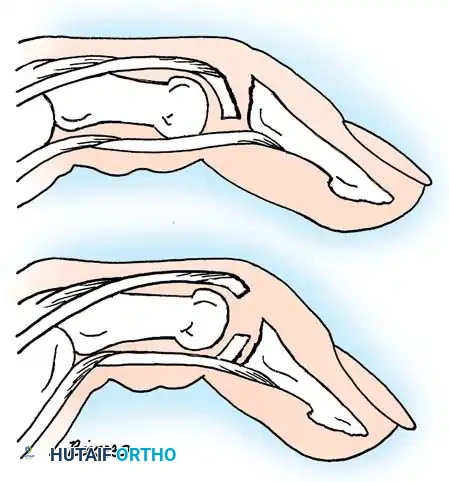
The ligamentous and tendinous insertions in the pediatric hand create specific avulsion fracture patterns. Because the Sharpey's fibers anchoring ligaments and tendons into the epiphysis are biomechanically stronger than the cartilaginous physis, tensile forces frequently result in physeal separation rather than ligamentous rupture. For instance, the terminal extensor tendon inserts into the dorsal epiphysis of the distal phalanx. A sudden forced flexion of the extended distal interphalangeal (DIP) joint will avulse the dorsal epiphysis (a Salter-Harris III or IV fracture), producing a pediatric "mallet finger" equivalent, whereas the same mechanism in an adult might result in a pure tendinous rupture.
The thumb metacarpal presents a unique anatomical variance. Unlike the fingers (metacarpals II-V), where the primary physis is located distally at the metacarpal head, the primary physis of the thumb metacarpal is located proximally at its base. This anatomical distinction is paramount when evaluating injuries at the carpometacarpal (CMC) joint of the thumb. Rarely, a pseudo-epiphysis may be radiographically evident at the distal end of the first metacarpal; this should not be mistaken for a fracture or a true functional physis.
Exhaustive Indications and Contraindications
The decision to proceed with operative intervention in pediatric hand trauma must be judiciously weighed, balancing the risks of anesthesia, iatrogenic physeal injury, and hardware complications against the necessity for anatomical alignment. Operative indications are generally absolute when dealing with intraarticular incongruity, rotational malalignment, and severe soft-tissue interposition that precludes closed reduction.
| Clinical Scenario | Operative Indications (Absolute & Relative) | Contraindications to Surgery |
|---|---|---|
| Physeal Fractures | Absolute: Salter-Harris III & IV with >1-2mm displacement. Relative: SH I & II irreducible by closed means due to periosteal entrapment. | Nondisplaced SH I-IV; SH I & II reducible closed with stable periosteal hinge. |
| Diaphyseal Fractures | Absolute: Clinical malrotation; open fractures; segmental bone loss. Relative: Unstable oblique/spiral fractures failing splinting. | Sagittal plane angulation within acceptable remodeling parameters (<20° in young children). |
| Phalangeal Neck Fractures | Absolute: Al-Qattan Type II/III with volar plate interposition or >90° rotation. | Al-Qattan Type I (nondisplaced); Type II reducible and stable in flexion. |
| Intraarticular Condylar | Absolute: Displaced unicondylar or bicondylar (T/Y) fractures. | Nondisplaced fractures treatable with strict immobilization and close serial radiographs. |
| Metacarpal Base (Thumb) | Absolute: Displaced Bennett/Rolando equivalents; irreducible SH III. | Nondisplaced SH II base fractures (can be managed in thumb spica cast). |
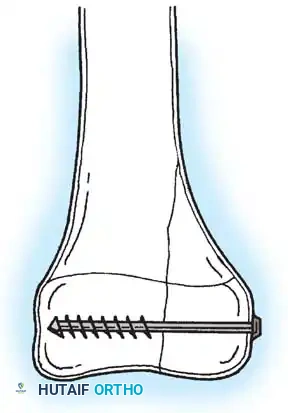
When operative intervention is indicated for physeal fractures, the choice of implant and trajectory is paramount. If internal fixation is required, smooth Kirschner wires (K-wires) are the undisputed gold standard. They provide adequate stabilization while minimizing volumetric disruption of the physeal cartilage. If threaded pins, miniature headless compression screws, or standard cancellous screws must be utilized to achieve interfragmentary compression, they must be placed strictly parallel to the physis, crossing only the epiphysis or the metaphysis. Under no circumstances should a threaded device or compression screw traverse the open physis, as the compressive forces and threads will inevitably tether growth, inducing a permanent and progressive angular deformity.
Pre-Operative Planning, Templating, and Patient Positioning
Meticulous preoperative planning is critical to the success of pediatric hand osteosynthesis. High-quality radiographs, including true anteroposterior (AP), true lateral, and oblique views of the specific injured digit, are mandatory. A common diagnostic pitfall is relying on standard whole-hand radiographs, which frequently obscure the true lateral profile of individual digits due to overlapping cortices. If the diagnosis of a subtle physeal injury or congenital anomaly is equivocal, radiographs of the contralateral, uninjured hand must be obtained for comparison.
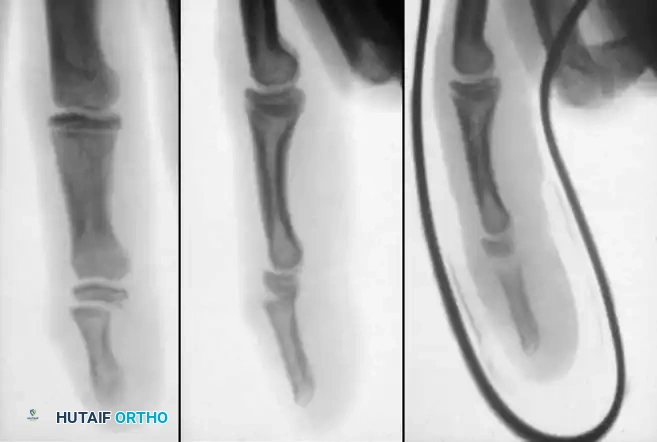
A classic diagnostic pitfall is the misidentification of a Kirner congenital deformity as a chronic or acute distal phalangeal fracture. Kirner deformity presents as a progressive palmar and radial curvature of the distal phalanx, almost exclusively affecting the small finger. It is frequently bilateral. Contralateral radiographs will readily confirm the bilateral nature of this congenital anomaly, sparing the child an unnecessary and potentially morbid surgical exploration.
Patient positioning and operating room setup must be optimized for precise fluoroscopic imaging and ergonomic surgical access. The patient is positioned supine with the affected upper extremity extended onto a dedicated, radiolucent hand table. A pneumatic tourniquet is applied to the upper arm to provide a bloodless surgical field, which is essential for identifying delicate neurovascular structures and precisely visualizing the articular cartilage during open reductions.
🚨 SURGICAL WARNING: C-Arm Safety 🚨
When utilizing image intensification for closed reduction and percutaneous pinning (CRPP), the surgeon must never use the radiolucent surface plate of the C-arm image intensifier as an operating table. As explicitly reported in the literature by Waseem, Kenny, and Matthews, the inadvertent penetration of the X-ray tube housing by high-speed drill bits or advancing K-wires can result in catastrophic, high-voltage electrocution of both the operating surgeon and the pediatric patient. Always utilize a dedicated, structurally sound radiolucent hand table separate from the fluoroscopy unit.
Preoperative templating involves selecting the appropriate caliber of K-wires. For the pediatric hand, fine, smooth K-wires ranging from 0.028 to 0.045 inches are typically utilized, depending on the age of the child and the specific bone involved. The surgeon must also have access to miniature reduction forceps, dental picks, and a micro-sagittal saw in the event that a complex open reduction or osteotomy is required.
Step-by-Step Surgical Approach and Fixation Technique
Distal Phalanx Fractures and Mallet Equivalents
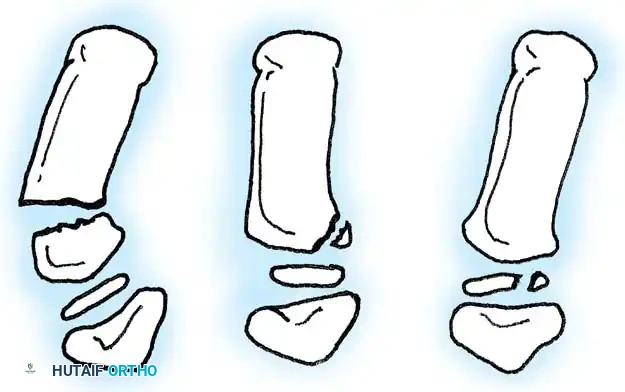
Avulsion injuries of the distal phalanx and its physis frequently produce Salter-Harris type I or type III fractures. Adequate closed reduction of type I fractures generally yields highly satisfactory functional and radiographic outcomes. However, type III fractures of the distal phalanx produce a pediatric "mallet finger" equivalent, characterized by the avulsion of the dorsal epiphysis by the terminal extensor tendon.
In a young child with a compliant periosteum, an accurate closed reduction followed by strict extension splinting of the DIP joint is usually sufficient. The reduction maneuver involves hyperextension of the DIP joint to relax the terminal tendon, allowing the dorsal fragment to reduce into its anatomical bed. If anatomical reduction cannot be obtained or maintained via closed means, open reduction and internal fixation (ORIF) are strictly indicated to restore the articular surface and terminal extensor tendon continuity.
The surgical approach involves a dorsal H-shaped or Y-shaped incision centered over the DIP joint. Full-thickness flaps are elevated to protect the delicate germinal matrix of the nail bed. The fracture site is irrigated to remove hematoma and interposed periosteum. The epiphyseal fragment is anatomically reduced using a dental pick or fine forceps. Fixation is achieved using a single 0.028-inch smooth K-wire driven dorsally across the fragment into the metaphysis, or alternatively, a trans-articular K-wire stabilizing the DIP joint in extension while the fracture heals.
Middle and Proximal Phalangeal Physeal Fractures
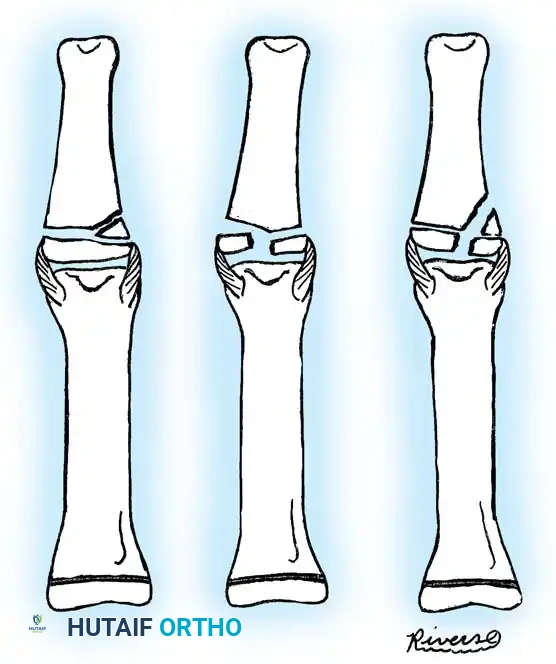
A significant percentage of physeal separations occur at the bases of the middle and proximal phalanges. The vast majority of these are Salter-Harris type II injuries, characterized by a metaphyseal Thurston-Holland fragment.
Most type II fractures can be managed successfully with closed reduction and immobilization. The intact periosteal hinge on the metaphyseal side aids in reduction and provides excellent stability once the fracture is aligned. The reduction maneuver involves longitudinal traction and direct pressure over the displaced fragment. Conversely, Salter-Harris type III and the exceedingly rare type IV fractures require absolute anatomical reduction due to their intraarticular nature.
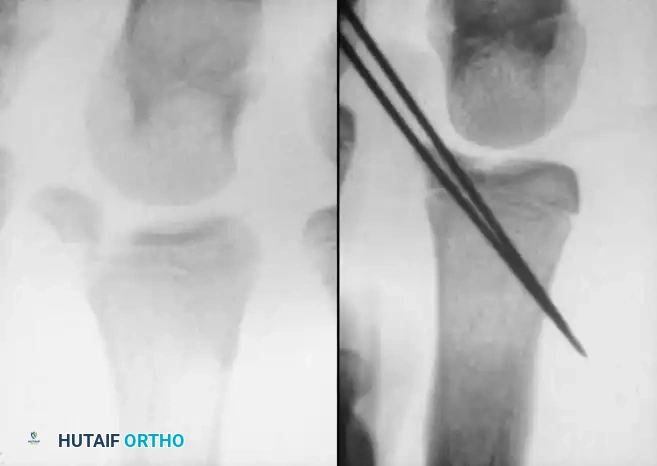
If closed reduction of a type III or IV fracture is imperfect (step-off >1mm), ORIF is mandatory. The surgical approach typically involves a mid-axial or dorsal longitudinal incision. The extensor mechanism is carefully elevated or split longitudinally to provide direct visualization of the articular surface. The fracture hematoma is evacuated, and the articular surface is anatomically reduced under direct vision. Fixation is achieved using fine, smooth K-wires (0.028 or 0.035 inch) driven perfectly parallel to the joint surface through the epiphysis, or obliquely across the fracture into the metaphysis, meticulously minimizing physeal trauma.
Diaphyseal Phalangeal Fractures
Diaphyseal fractures of the proximal and middle phalanges are common and usually amenable to closed reduction and splinting (e.g., buddy taping for stable, non-displaced fractures, or an intrinsic-plus splint for reduced fractures). However, in older children, in cases of severe instability, or when multiple digits are involved, reduction cannot be maintained, necessitating internal fixation.
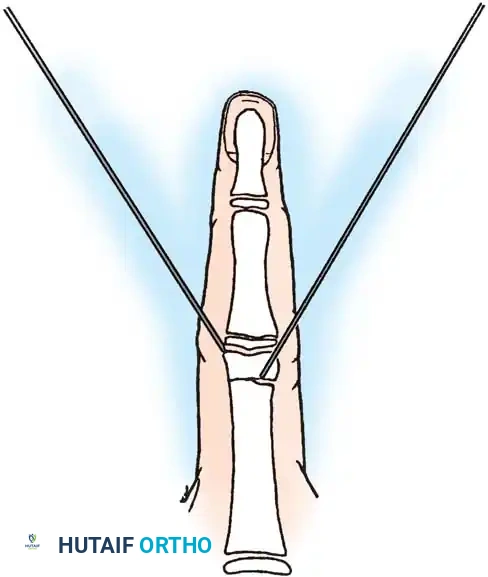
Percutaneous Pinning Technique:
1. The short distal fracture fragment is clinically aligned with the middle phalanx by gentle hyperextension of the proximal interphalangeal (PIP) joint.
2. Under fluoroscopic guidance, a K-wire is aligned clinically with the middle phalanx on the lateral side and drilled percutaneously into the distal fragment.
3. A second K-wire is inserted on the contralateral side at a 45-degree angle to the longitudinal axis of the proximal phalanx.
4. With both K-wires securely engaged in the distal fragment, the fracture is anatomically reduced by bringing the PIP joint into slight flexion to correct any volar angulation.
5. The wires are then advanced across the fracture site to emerge at the mid-diaphysis or base of the proximal segment, ensuring rigid, crossed-wire stability. Care must be taken to avoid crossing the wires precisely at the fracture site, which can hold the fracture in distraction.
For complex Salter-Harris type III and IV avulsion fractures at the collateral ligament insertions, Stahl and Jupiter described a highly effective figure-of-eight tension band wiring technique.
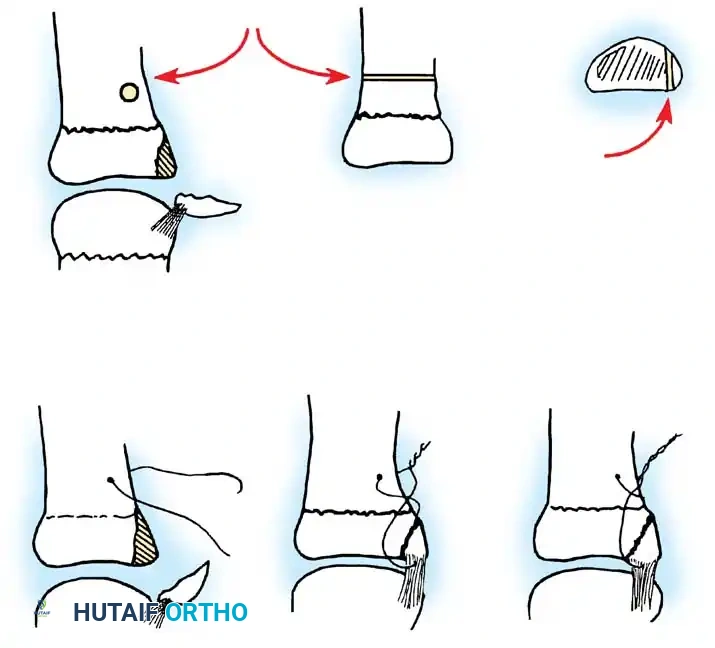
By passing a small-gauge wire (e.g., 26-gauge or 28-gauge stainless steel wire) through the insertion of the collateral ligament into the small epiphyseal fracture fragment, and anchoring it to a transverse K-wire or drill hole in the metaphysis, accurate reduction and dynamic stability are achieved. The tension band principle converts the tensile forces of the collateral ligament into compressive forces across the articular fracture line. This technique allows for early, protected mobilization while completely avoiding physeal penetration by the hardware.
Phalangeal Neck Fractures
Phalangeal neck fractures are notorious for devastating complications, including malunion, loss of motion, and avascular necrosis of the condylar head. The anatomy of the phalangeal neck, characterized by a narrow metaphyseal region flaring into the condyles, makes these fractures highly unstable. While some sagittal plane remodeling occurs in very young children, persistent angular deformity in an older child requires aggressive intervention. Al-Qattan classified these fractures based on the degree of displacement to guide treatment algorithms.
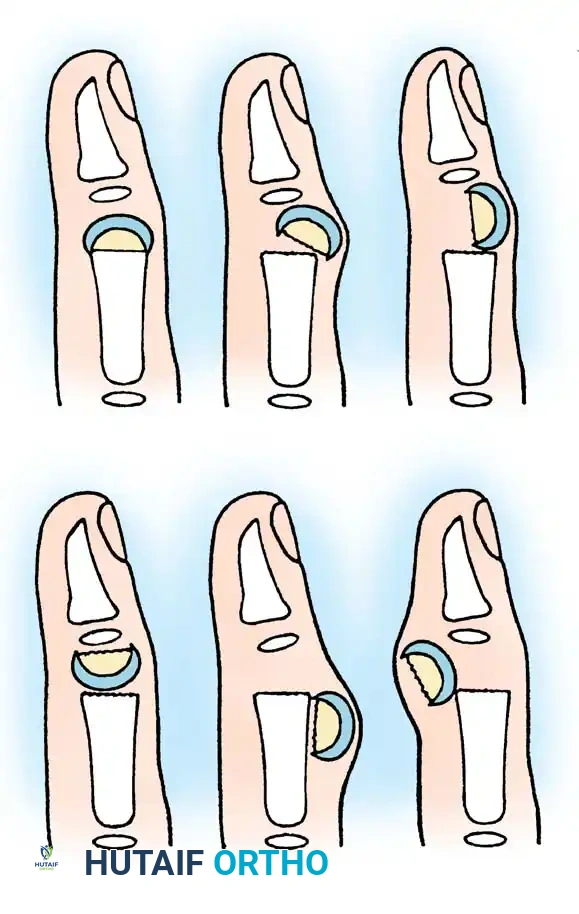
- Type I: Nondisplaced fractures. These are managed with strict immobilization in an intrinsic-plus cast and close radiographic follow-up to ensure no secondary displacement occurs.
- Type II: Displaced fractures but maintaining some bone-to-bone contact at the volar cortex.
- Type III: Complete loss of bone-to-bone contact, often with 90 degrees of dorsal rotation of the distal condylar fragment.
Displaced Type II and III fractures that cannot be adequately aligned require closed or open reduction and K-wire fixation. A critical complication in the pathomechanics of this injury, as definitively noted by Wood and Moon, is the interposition of the volar plate.
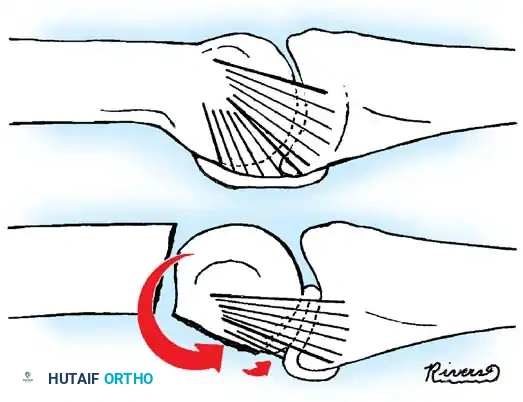
When the distal head fragment rotates and angulates dorsally, the proximal metaphyseal spike is driven volarly, tearing the periosteum and frequently penetrating the volar plate. The volar plate can then become entrapped between the fracture fragments, acting as an absolute mechanical block to closed reduction. If closed reduction maneuvers (traction, flexion, and volar directed pressure on the condyles) fail to achieve a clunk of reduction, open reduction via a mid-axial approach is urgently required. The surgeon must physically extract the entrapped volar plate from the fracture site, reduce the condyles, and stabilize the construct with crossed or divergent K-wires.
Intraarticular Condylar Fractures
Intraarticular fractures of the phalangeal head present as single condylar (unicondylar), T-condylar (bicondylar), or osteochondral shear fractures. These injuries result from axial loading combined with angular stress, driving the base of the adjacent phalanx into the condyles.
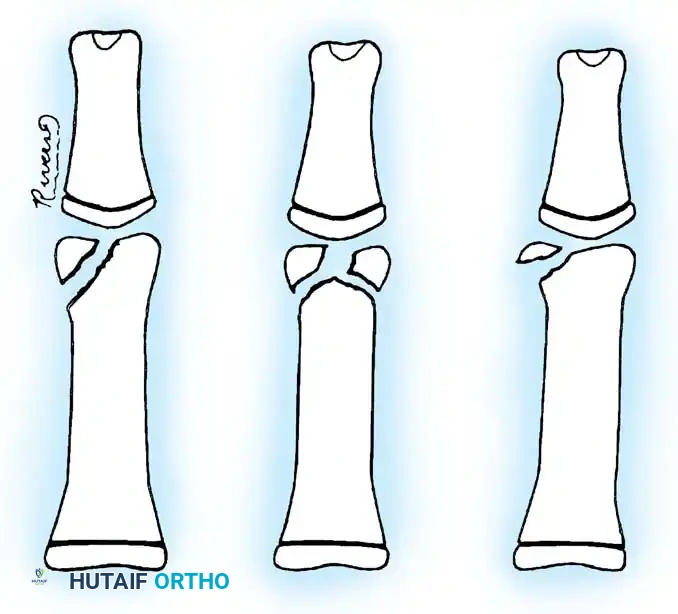
These injuries are highly unstable and prone to rapid displacement due to the pull of the collateral ligaments. If the intraarticular component is displaced and the fragment is large enough to accept fixation, ORIF is unequivocally indicated to prevent post-traumatic arthritis and joint deviation.
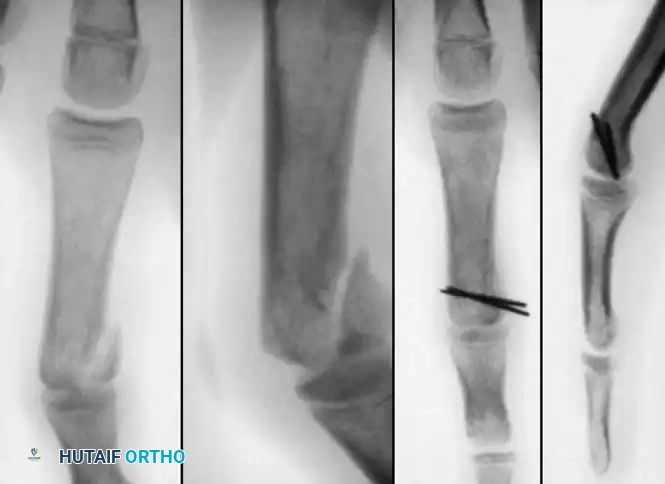
The surgical approach is typically dorsal, involving either splitting the extensor mechanism longitudinally or elevating it via a Chamay approach. The articular surface must be anatomically reduced under direct vision. Fixation is secured with transverse smooth K-wires. In older adolescents nearing skeletal maturity, miniature headless compression screws (e.g., 1.5mm or 2.0mm) can be utilized to achieve rigid interfragmentary compression, allowing for earlier mobilization of the joint.
Metacarpal and Thumb Fractures
The vast majority of metacarpal base and shaft fractures in children are treated successfully with closed reduction and observation. The periosteal sleeve surrounding the metacarpals is exceptionally thick, providing excellent stability once gross alignment is restored.
Clinical Assessment of Rotation:
Normal rotation must be confirmed clinically, as it cannot be accurately assessed on standard radiographs. When the fingers are passively or actively flexed into the palm, all fingertips should point toward a single anatomical landmark: the scaphoid tubercle. If troublesome malrotation persists (indicated by digital scissoring or overlap), it will not remodel. In such cases, open reduction and internal fixation, typically with crossed K-wires or a miniature plate in adolescents, are indicated. Furthermore, multiple adjacent metacarpal shaft fractures may require operative stabilization to restore the critical longitudinal and transverse arches of the hand.
Most fractures at the base of the thumb metacarpal are Salter-Harris type II injuries. These can almost universally be treated by closed reduction (abduction and extension of the thumb ray) and immobilization in a well-molded thumb spica cast without risk of physeal arrest.
However, pediatric Bennett fractures do occur and represent highly unstable Salter-Harris type III intraarticular injuries.
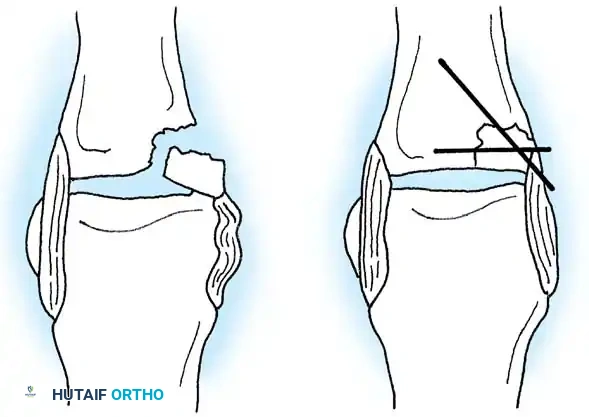
A Bennett fracture in a child, much like a gamekeeper's thumb equivalent, involves the avulsion of the volar ulnar base of the metacarpal by the stout anterior oblique ligament. The main shaft of the metacarpal is proximally, radially, and dorsally subluxated by the unopposed pull of the abductor pollicis longus (APL). If left displaced, it will result in severe joint incongruity and a high risk of a bony physeal bridge. Closed reduction and percutaneous pinning (CRPP) targeting the shaft to the trapezium, or ORIF with smooth pins to secure the fragment, is mandatory.
In older children nearing skeletal maturity, a fracture of the base of the first metacarpal that does not involve the physis (a Rolando-type fracture) can occur.
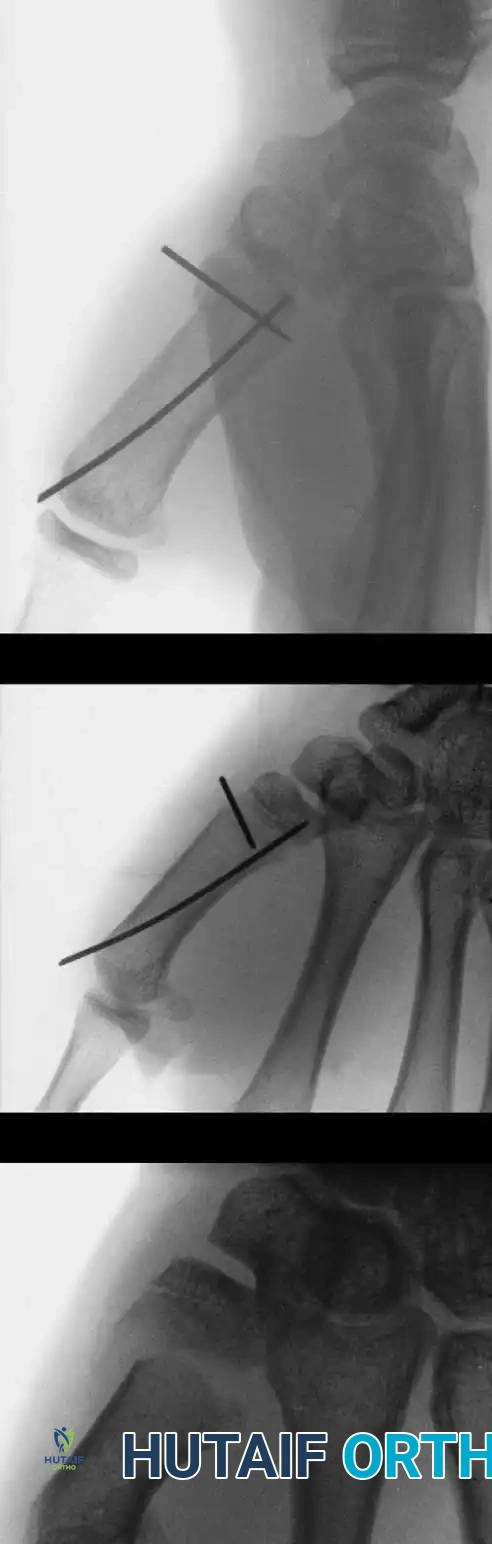
These Y- or T-shaped intraarticular fractures are notoriously difficult to manage. They can often be satisfactorily reduced with longitudinal traction and percutaneously pinned under image intensification, though severely comminuted variants may require external fixation to maintain length and joint distraction while healing occurs.
Complex Dislocations of the Thumb
While simple dislocations of the metacarpophalangeal (MCP) joint of the thumb can typically be reduced closed via hyperextension and distal translation, complex dislocations require urgent open intervention.
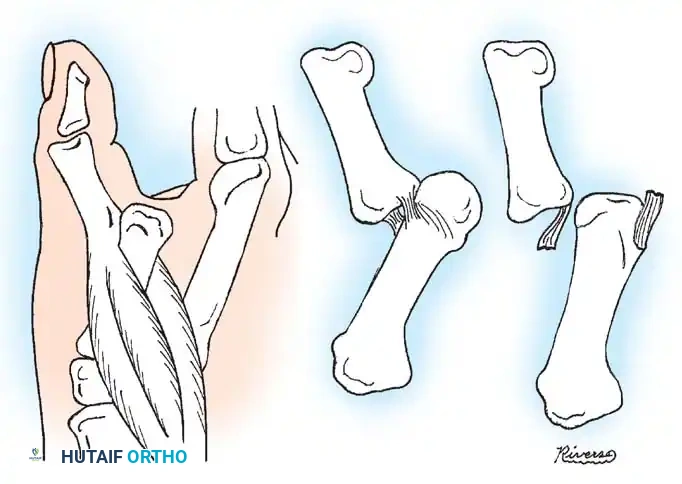
As classically described by Farabeuf, McLaughlin, and Green, a complex dislocation occurs when the volar plate ruptures proximally from its membranous origin on the metacarpal neck and becomes interposed in the joint space. The metacarpal head is driven volarly and becomes trapped in a tight, unyielding soft-tissue noose. This pathological noose is formed by the interposed volar plate dorsally, the flexor pollicis brevis (FPB) radially, the adductor pollicis ulnarly, and the displaced flexor pollicis longus (FPL) tendon wrapping around the metacarpal neck.
Longitudinal traction, the instinctual maneuver for reduction, only serves to tighten this noose around the metacarpal neck, rendering closed reduction impossible and potentially causing iatrogenic cartilage damage. Open reduction, typically via a volar approach (carefully avoiding the radial digital nerve), is required. The surgeon must incise the A1 pulley, retract the FPL and intrinsic tendons, and physically extract the volar plate from the joint space using a skin hook, allowing the metacarpal head to be gently levered back into the joint.
Additionally, O’Brien described a pediatric "gamekeeper thumb" variant resulting in ulnar instability of the thumb MCP joint. While this can be due to a true mid-substance rupture of the ulnar collateral ligament (UCL) as seen in adults, it is far more commonly caused by a Salter-Harris type I or III physeal fracture of the proximal phalanx base in the pediatric population. Displaced SH III fractures require ORIF to restore the articular surface and UCL tension.
Advanced Carpal and Wrist Considerations
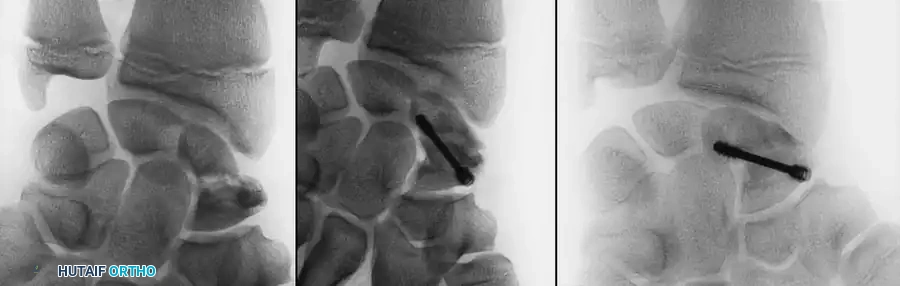
While phalangeal and metacarpal injuries dominate pediatric hand trauma, high-energy mechanisms (such as motor vehicle collisions or falls from significant heights) can occasionally result in complex carpal injuries or
Clinical & Radiographic Imaging Archive