العربية
Part of the Master Guide

General Orthopedics 2026 Practice Questions: Set 13 (Solved)

Orthopedic Basic 2026 MCQs: Board Review Questions & Answers (Part 3)
23 Apr 2026 75 min read 80 Views
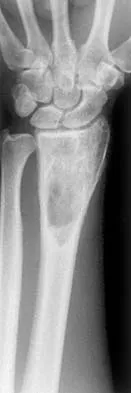
Figure for Mtd 2005 MCQs - Part 3 - Question 51

Key Takeaway

This article provides essential research regarding Orthopedic Basic 2026 MCQs: Board Review Questions & Answers (Part 3). Top-rated Orthopedic Basic 2026 MCQs bank. Practice with clinical case questions, orthopedic surgery board review, and evidence-based answers updated for 2026.

Orthopedic Basic 2026 MCQs: Board Review Questions & Answers (Part 3)

Comprehensive 100-Question Exam


00:00

Start Quiz

Question 1

What is the most common location of osteosarcoma?


Explanation

The most common location of osteosarcoma is the knee area (50% to 55%), followed by the proximal humerus and iliac wing. The most commonly involved long bone is the femur (40% to 45%), followed by the tibia (15% to 25%). Within these bones, tumors are typically adjacent to the epiphyses in most patients. The flat bones of the pelvis and spine are less frequently involved. Malawer MM, Sugarbaker PH, Malawer M: Musculoskeletal Cancer Surgery: Treatment of Sarcomas and Allied Diseases. Kluwer Academic Publishers, 2001.

Question 2

A 40-year-old man with an acetabular chondrosarcoma has a small soft-tissue mass. Treatment should consist of


Explanation

The treatment of choice for pelvic chondrosarcoma is wide resection via an internal hemipelvectomy. Chondrosarcoma requires surgical resection for control and does not respond to traditional chemotherapy or external beam radiation. Hip arthroplasty with acetabular reconstruction and curettage and cementation of the lesion are intralesional procedures that result in a higher incidence of local recurrence of tumor. Pring M, Weber KL, Unni K, Sim FH: Chondrosarcoma of the pelvis: A review of sixty-four cases. J Bone Joint Surg Am 2001;83:1630-1642.

Question 3

Figures 29a and 29b show the AP radiograph and CT scan of a 70-year-old man who has left thigh pain. Serum protein electrophoresis shows a monoclonal gammopathy. Additional radiographs of the femur show other lesions. Management should consist of


Explanation

29b The underlying diagnosis is multiple myeloma. Because the patient has a large lucent lesion in the peritrochanteric region of the left proximal femur, the risk of pathologic fracture is high. Consideration should be given to prophylactic internal fixation with a locked intramedullary rod. The lesion does not appear to be a sarcoma requiring wide resection and endoprosthetic reconstruction. Neither chemotherapy nor radiation therapy alone is likely to result in long-term stabilization of the proximal femur. Postoperative treatment with bisphosphonates and radiation therapy is indicated to decrease the risk of future pathologic fractures. The patient should also be referred to a medical oncologist for medical management. Menendez LR (ed): Orthopaedic Knowledge Update: Musculoskeletal Tumors. Rosemont, IL, American Academy of Orthopaedic Surgeons, 2002, p 364.

Question 4

What pharmacologic agents are preferred for the treatment of symptomatic active Paget's disease?


Explanation

Recent medical literature supports the use of bisphosphonates as the treatment of choice for active Paget's disease.

Question 5

A 7-year-old girl has pain and a mass in the left scapula. A MRI scan and biopsy specimen are shown in Figures 30a and 30b. After staging studies, initial management should consist of


Explanation

30b The histology shows small round blue cells that are uniform in appearance; these findings are consistent with Ewing's sarcoma. The MRI scan shows infiltration of the marrow and a large surrounding soft-tissue mass. Based on these findings, the management of choice is systemic chemotherapy. Local control of the primary lesion is addressed by either surgical resection or radiation therapy or a combination of the two after the patient receives systemic chemotherapy. The clinical, radiographic, and histologic presentation of Ewing's sarcoma often can be confused with osteomyelitis. The histology shows an absence of inflammatory cells. Grier HE: The Ewing family of tumors: Ewing's sarcoma and primitive neuroectodermal tumors. Pediatr Clin North Am 1997;44:991-1004.

Question 6

A 73-year-old man reports increasing back and lower extremity pain. A bone scan is shown in Figure 31. What is the most likely diagnosis?


Explanation

The bone scan reveals lesions throughout the skeleton. The patient's age, gender, and pain pattern are consistent with metastatic prostate cancer. Multiple myeloma typically does not have enough osteoblastic activity to produce this bone scan. The patient's age is not consistent with metastatic neuroblastoma (a pediatric disease). Polyostotic fibrous dysplasia may involve multiple active lesions in younger patients but does not have such a widespread distribution of lesions. Hodgkin's lymphoma can involve bone, but the widespread discrete appearance on this bone scan is most consistent with metastatic prostate cancer. In a patient with widespread bone metastases from prostate cancer, bisphosphonates may play a critical role in treatment by decreasing pain and the number of fractures. Roudier MP, Vesselle H, True LD, Higano CS, Ott SM, King SH, Vessella RL: Bone histology at autopsy and matched bone scintigraphy findings in patients with hormone refractory prostate cancer: The effect of bisphosphonate therapy on bone scintigraphy results. Clin Exp Metastasis 2003;20:171-180.

Question 7

A 16-year-old girl has had pain in the left groin for the past 4 months. She notes that the pain is worse at night; however, she denies any history of trauma and has no constitutional symptoms. There is no history of steroid or alcohol use. Examination reveals pain in the left groin with rotation of the hip. There is no associated soft-tissue mass. A radiograph and MRI scan are shown in Figures 32a and 32b, and biopsy specimens are shown in Figures 32c and 32d. What is the most likely diagnosis?


Explanation

32b 32c 32d Based on the epiphyseal location and sharp, well-defined borders, the radiograph suggests chondroblastoma. Histologically, multinucleated giant cells are scattered among mononuclear cells. The nuclei are homogenous and contain a characteristic longitudinal groove. Although not seen here, "chicken-wire calcification" with a bland giant cell-rich matrix is also typical for chondroblastoma. Clear cell chondrosarcoma occurs in epiphyseal locations but has a more aggressive histologic pattern and occurs in an older age group. Giant cell tumors occur in the epiphysis but have a more uniform giant cell population histologically. Aneurysmal bone cyst often results in bone remodeling and has a different pathologic appearance. Osteonecrosis has a typical histologic pattern of empty lacunae and necrotic bone. Springfield DS, Capanna R, Gherlinzoni F, et al: Chondroblastoma: A review of seventy cases. J Bone Joint Surg Am 1985;67:748-755. Simon M, Springfield D, et al: Chrondroblastoma: Surgery for Bone and Soft Tissue Tumors. Philadelphia, PA, Lippincott Raven, 1998, p 190.

Question 8

Ewing's sarcoma of bone most commonly occurs in which of the following locations?


Explanation

Ewing's sarcoma typically occurs in the major long tubular bones, with the femur the most common location. The flat bones of the pelvis are the second most common location. Ewing's sarcoma occurs in the fibula but with a lower incidence than that seen in the major tubular bones. Ewing's sarcoma infrequently occurs in the metacarpals or the vertebral bodies. Simon M, Springfield D, et al: Ewing's Sarcoma: Surgery for Bone and Soft Tissue Tumors. Philadelphia, PA, Lippincott Raven, 1998, p 287.

Question 9

A previously healthy 14-year-old boy now reports fatigue, and has a bilateral Trendelenburg gait, right hip pain, and bilateral knee and foot pain. Biopsy of a right sacral mass reveals intermediate grade osteosarcoma. There are no metastases. Laboratory studies reveal a serum calcium level of 7.7 mg/dL (normal 8.5 to 10.5), a phosphate level of 2.0 mg/dL (normal 2.7 to 4.5), a 1,25-dihydroxyvitamin D level of less than 10 pg/mL (normal 18 to 62), a parathyroid hormone level of 19 pg/mL (normal 10 to 60), and an alkaline phosphatase level of 428 U/L (normal 15 to 351). What is the most likely cause of the patient's symptoms?


Explanation

The laboratory findings are typical for rickets. Oncogenic rickets is a paraneoplastic syndrome that results from a substance secreted by the tumor that interferes with renal tubule reabsorption of phosphate. This substance previously had been called phosphatonin but recently has been identified as fibroblast growth factor 23. Nutritional rickets is rare in developed countries. Delayed onset familial hypophosphatemic rickets is possible, but the likelihood of having two rare diseases is unlikely. Osteosarcoma does not sequester calcium. Alkaline phosphatase levels can be elevated in osteosarcoma but does not cause muscle weakness. Tumor cachexia would occur only with advanced metastatic disease. A unilateral sacral mass would not cause a bilateral L5 neuropathy or the abnormal laboratory findings. Case records of the Massachusetts General Hospital. Weekly clinicopathological exercises. Case 29-2001. A 14-year-old with abnormal bones and a sacral mass. N Engl J Med 2001;345:903-908.

Question 10

Which of the following staging studies should be obtained for an adult with an 8-cm deep, high-grade malignant fibrous histiocytoma of the extremity?


Explanation

MRI is the preferred imaging study to evaluate the local tumor extension for soft-tissue lesions, but CT can be used if MRI is contraindicated (eg, patients with pacemakers). CT of the chest is always recommended in patients with high-grade sarcomas because 80% of metastases occur in the lungs. CT of the abdomen and pelvis is indicated in patients with lower extremity liposarcoma because some patients also have synchronous retroperitoneal liposarcoma. Lymph node metastasis occurs in up to 5% of patients with soft-tissue sarcoma. If the nodes are clinically enlarged, biopsy is indicated. Routine sentinel node biopsy currently is not recommended. Bone scan is not used in the staging of soft-tissue sarcoma as it has not been shown to be cost-effective. Demetri GD, Pollock R, Baker L, Balcerzak S, Casper E, Conrad C, et al: NCCN sarcoma practice guidelines: National Comprehensive Cancer Network. Oncology (Huntingt) 1998;12:183-218.

Question 11

An 18-year-old boy has had pain in the right knee for the past 6 months. Examination reveals some fullness behind the knee but no significant palpable soft-tissue mass. There is no effusion, and he has full knee range of motion. The remainder of the examination is unremarkable. A radiograph and MRI scans are shown in Figures 33a through 33c, and biopsy specimens are shown in Figures 33d and 33e. What is the most likely diagnosis?


Explanation

33b 33c 33d 33e The patient has parosteal osteosarcoma. The posterior aspect of the distal femur is the typical location for this variant of osteogenic sarcoma. The imaging studies indicate a surface lesion with no involvement of the adjacent intramedullary canal. The histologic appearance is that of a low-grade fibroblastic osteosarcoma, consisting of relatively mature bone and a bland fibroblastic stroma lacking cytologic atypia and mitotic activity. A cartilaginous component is also frequently seen. Classic osteosarcoma typically has a more aggressive radiologic and histologic appearance. Sessile osteochondromas, while common behind the knee, have a presence of hematopoietic marrow and fat. The cartilage found in the associated cartilaginous cap is oriented. Chondrosarcomas are more typical in an older age group and have a histologic pattern consisting of malignant chondroid. Wold LA, et al: Atlas of Orthopaedic Pathology. Philadelphia, PA, WB Saunders, 1990, pp 20-21.

Question 12

A 30-year-old patient has wrist pain. A radiograph and biopsy specimen are shown in Figures 34a and 34b. What is the most likely diagnosis?


Explanation

34b Aneurysmal bone cysts typically present as radiolucent lesions with an expansile remodeled cortex. The histologic appearance consists of blood-filled lakes surrounded by a benign lining that contains fibroblasts, giant cells, and hemosiderin. Although the other lesions are in the radiographic differential diagnosis, these histologic findings indicate an aneurysmal bone cyst. Bieselker JL, Marcove RC, Huvos AG, Mike V: Aneurysmal bone cyst: A Clinico-pathologic study of 66 cases. Cancer 1973;26:615.

Question 13

Mutations of what gene are associated with subsequent development of osteosarcoma?


Explanation

The mutation of the retinoblastoma gene has been associated with an increased prevalence of osteosarcoma. The mutation resulting in EWS-FLI1 is associated with Ewing's sarcoma. The other mutations are associated with tumor formation and proliferation but not necessarily with osteosarcoma formation. Menendez LR (ed): Orthopaedic Knowledge Update: Musculoskeletal Tumors. Rosemont, IL, American Academy of Orthopaedic Surgeons, 2002, p 4. Scholz R, Kabisch H, Delling G, Winkler K: Homozygous deletion within the retinoblastoma gene in a native osteosarcoma specimen of a patient cured of a retinoblastoma of both eyes. Pediatr Hematol Oncol 1990;72:65.

Question 14

A 12-year-old girl has painless bowing of the tibia. Radiographs and a biopsy specimen are shown in Figures 35a through 35c. What is the most likely diagnosis?


Explanation

35b 35c The patient has osteofibrous dysplasia. The radiographic differential diagnosis includes osteofibrous dysplasia, fibrous dysplasia, and adamantinoma. Histology shows a fibro-osseous lesion with prominent osteoblastic rimming but a lack of epithelial nests. Adamantinoma is a low-grade malignancy that typically is located in the anterior tibial cortex and has a soap bubble appearance. Histologically, it is similar to osteofibrous dysplasia but includes epithelial nests of cells. Treatment requires resection. Fibrous dysplasia usually does not require biopsy; however, in this patient the radiographs do not distinguish it from adamantinoma. The radiographic findings are not typical of Ewing's sarcoma or osteosarcoma. Repeat biopsy should be considered if clinical or radiographic features change.

Question 15

A 54-year-old man with metastatic renal cell carcinoma has had increasing pain in the left hip for the past 6 weeks. A radiograph is shown in Figure 36. Prophylactic stabilization will most likely result in


Explanation

Prophylactic stabilization of impending fractures does not directly affect the overall survival rate, but it does improve factors related to intraoperative and postoperative complications and decreased recovery time. Mirels H: Metastatic disease in long bones: A proposed scoring system for diagnosing impending pathologic fractures. Clin Orthop 1989;249:256-264.

Question 16

Which of the following is considered the treatment of choice for a 3-cm chondroblastoma of the distal femoral epiphysis with no intra-articular extension?


Explanation

Curettage and bone grafting typically are the preferred treatment of chondroblastoma, yielding acceptable local recurrence rates of less than 10%. Some surgeons advocate adjuvant therapies such as phenol, liquid nitrogen, or argon beam coagulation. Untreated, these lesions can destroy bone and invade the joint to a significant degree. Large intra-articular lesions may require major joint reconstruction. Wide local excision is rarely required to control the tumor. Radiation therapy is indicated only in unresectable lesions. Springfield DS, Capanna R, Gherlinzoni F, et al: Chondroblastoma: A review of seventy cases. J Bone Joint Surg Am 1985;67:748.

Question 17

A radiograph, MRI scans, and a biopsy specimen of a 9-year-old boy with thigh pain are shown in Figures 37a through 37d. Management should consist of


Explanation

37b 37c 37d The patient has Ewing's sarcoma. Management options for local tumor control include radiation therapy, resection, or a combination; however, in this patient wide resection is preferred over radiation therapy. Radiation therapy is associated with damage to the growth plate, pathologic fracture, radiation-induced sarcomas, and a local recurrence rate of approximately 10% to 12%. Radiation therapy is used for positive margins, unresectable tumors, or for tumors that have a poor response to chemotherapy. Amputation is not necessary since the tumor is resectable. Chemotherapy has improved overall survival rates to over 60% of patients. Sailer SL: The role of radiation therapy in localized Ewing' sarcoma. Semin Radiat Oncol 1997;7:225-235. Shankar AG, Pinkerton CR, Atra A, Ashley S, Lewis I, Spooner D, et al: Local therapy and other factors influencing site of relapse in patients with localised Ewing's sarcoma. United Kingdom Children's Cancer Study Group (UKCCSG). Eur J Cancer 1999;35:1698-1704. Carrie C, Mascard E, Gomez F, Habrand JL, Alapetite C, Oberlin O, et al: Nonmetastatic pelvic Ewing sarcoma: Report of the French society of pediatric oncology. Med Pediatr Oncol 1999;33:444-449.

Question 18

A 47-year-old woman has had a 1-month history of left hip and medial thigh pain that is exacerbated by sitting. Laboratory studies show a total protein level of 8.2 g/dL (normal 6.0 to 8.0) and an immunoglobulin G (IGG) level of 2,130 mg/dL (normal 562 to 1,835). A radiograph, CT scan, and biopsy specimen are shown in Figures 38a through 38c. What is the most likely diagnosis?


Explanation

38b 38c The laboratory studies and histology are both consistent with myeloma. Infection should show white blood cells other than plasma cells on histology. Lymphoma would show lymphocytes, not plasma cells. The lack of bone formation on the imaging studies and the lack of osteoid on histology rule out osteosarcoma. The cells have too much cytoplasm and nuclear chromatin to be Ewing's sarcoma cells.

Question 19

A 14-year-old boy has an anteromedial distal thigh mass. A radiograph and MRI scan are shown in Figures 39a and 39b. An open biopsy of the mass should include


Explanation

39b Biopsy of the soft-tissue component is often diagnostic. Alternatively, in centers with pathologists familiar with bone tumors, needle biopsy is usually successful. The principles of biopsy of bone tumors include avoiding contamination of uninvolved structures and compartments, taking the most direct path to the tumors, making an excisable biopsy tract, and obtaining diagnostic tissue. Transverse biopsy incisions should be avoided because they hinder the definitive surgical procedure. Peabody TD, Simon MA: Making the diagnosis: Keys to a successful biopsy in children with bone and soft-tissue tumors. Orthop Clin North Am 1996;27:453-459. Mankin HJ, Mankin CJ, Simon MA: The hazards of the biopsy, revisited. Members of the Musculoskeletal Tumor Society. J Bone Joint Surg Am 1996;78:656-663.

Question 20

A 60-year-old man has pain at the tip of the index finger. A radiograph and biopsy specimen are shown in Figures 40a and 40b. Management should consist of


Explanation

40b The radiograph and histology findings are most consistent with squamous cell carcinoma. This tumor is best treated with wide surgical resection margins alone in the absence of metastasis; in this patient, management should consist of amputation through the distal interphalangeal joint. The other treatments are not indicated. Soltani K, Krunic A: Non melanoma skin neoplasms, in Vokes E, Golomb H (eds): Oncologic Therapies, ed 2. Berlin, Germany, Springer, pp 646-647.

Question 21

An infant is born with a mass that involves both the volar and dorsal compartments of the left arm. A clinical photograph and biopsy specimen are shown in Figures 41a and 41b. What is the best initial course of action?


Explanation

41b The patient has infantile fibrosarcoma. For unresectable lesions, the treatment of choice is chemotherapy with vincristine, actinomycin-D, and cyclophosphamide, followed by excision if there is an adequate decrease in the size of the lesion.

Question 22

Which of the following processes does not account for decreased hematopoiesis in patients with metastatic disease?


Explanation

Paucytopenia is a common problem in patients with metastatic disease. Causes include chemotherapy, external beam radiation, marrow replacement by tumor, and anemia of chronic disease. There is no correlation with decreased calcium and a decrease in hematopoiesis. Supportive care with granulocyte-colony stimulating factor (G-CSF) and neupogen can stimulate hematopoiesis.

Question 23

A 43-year-old woman has an enlarging mass in the left groin. A radiograph, CT scan, and a biopsy specimen are shown in Figures 42a through 42c. Treatment should consist of


Explanation

42b 42c The patient has a pelvic chondrosarcoma. The radiograph shows a lytic bone lesion emanating from the left inferior pubic ramus and extending into the soft tissues. Punctate calcifications are revealed on the radiograph and CT scan. The histology is consistent with a malignant cartilage lesion. Appropriate treatment for a pelvic chondrosarcoma is wide resection. In this location, wide resection of the ischiopelvic region (type 3 internal hemipelvectomy) is the treatment of choice. A type 2 internal hemipelvectomy involves resection of the periacetabular region. A type 1 internal hemipelvectomy involves resection of the ilium. No reconstruction is required for a type 3 resection. A classic hemipelvectomy is not necessary because the tumor can be removed with an adequate margin while maintaining the neurovascular structures and hip joint. Pring M, Weber KL, Unni K, Sim FH: Chondrosarcoma of the pelvis: A review of sixty-four cases. J Bone Joint Surg Am 2001;83:1630-1642. Sheth DS, Yasko AW, Johnson ME, Ayala AG, Murray JA, Romsdahl MM: Chondrosarcoma of the pelvis: Prognostic factors for 67 patients treated with definitive surgery. Cancer 1996;78:745-750.

Question 24

A 66-year-old man has a high-grade angiosarcoma of the right tibia. A radiograph is shown in Figure 43. Treatment should consist of


Explanation

Angiosarcoma is a locally aggressive sarcoma. The radiograph shows extensive multiple discontinuous lesions throughout the entire tibia. The extent of bone involvement precludes resection; therefore, the treatment of choice is amputation, either above the knee or through the knee. Radiation therapy is not needed after amputation, and chemotherapy remains investigational for soft-tissue sarcoma.

Question 25

Figures 44a and 44b show the radiographs of a 28-year-old woman who has had progressive hip pain for the past 3 months. What is the most likely diagnosis?


Explanation

44b The patient has multiple hereditary exostoses and a secondary chondrosarcoma arising from a proximal femoral exostosis. The radiograph of the knee shows multiple osteochondromas typical in a patient with multiple hereditary exostoses. Patients with this diagnosis are at an increased risk for malignant degeneration of an osteochondroma. The lateral radiograph of the hip shows a bony lesion emanating from the anterior aspect of the femoral neck that is not well defined in the surrounding soft tissues. There are punctate calcifications and a large soft-tissue mass. The most likely diagnosis is a secondary chondrosarcoma developing from a benign osteochondroma. An enchondroma is an intramedullary benign cartilage lesion. Ollier's disease and Maffucci's syndrome involve multiple enchondromas. Scarborough M, Moreau G: Benign cartilage tumors. Orthop Clin North Am 1996;27:583-589.

Question 26

A 32-year-old woman presents with a lytic lesion in the distal femur that extends to the subchondral bone. Biopsy reveals multinucleated giant cells in a background of mononuclear stromal cells. She is treated with denosumab preoperatively. What is the mechanism of action of this medication?


Explanation

Giant cell tumors of bone consist of neoplastic mononuclear stromal cells that express RANKL, which recruits and activates normal multinucleated giant cells (osteoclast-like cells) expressing RANK. Denosumab is a monoclonal antibody that binds to RANKL, preventing it from binding to RANK, thus inhibiting osteoclast-mediated bone destruction and inducing ossification of the tumor.

Question 27

In total hip arthroplasty, the use of highly cross-linked polyethylene (HXLPE) has significantly reduced the rate of wear. What is the primary trade-off or disadvantage associated with increasing the cross-linking dose in ultra-high-molecular-weight polyethylene (UHMWPE)?


Explanation

Increasing the radiation dose to cross-link UHMWPE decreases its ultimate tensile strength, yield strength, and fatigue resistance (fracture toughness). To mitigate oxidative degradation, it is often remelted or annealed, or doped with Vitamin E. However, the primary mechanical trade-off of high cross-linking is reduced fatigue strength, making it more susceptible to fracture under high-stress conditions or when used in thin liners.

Question 28

Bone morphogenetic proteins (BMPs) play a crucial role in osteoinduction. Following the binding of BMP to its cell surface receptor, which intracellular signaling molecules are primarily phosphorylated to translocate to the nucleus and regulate gene expression?


Explanation

BMPs (part of the TGF-beta superfamily) bind to serine/threonine kinase receptors. Upon activation, they primarily phosphorylate receptor-regulated Smads (Smad 1, 5, and 8). These phosphorylated Smads then form a complex with the common-partner Smad (Smad 4) and translocate to the nucleus to regulate the transcription of osteogenic genes like Runx2.

Question 29

A 6-year-old boy is evaluated for multiple fractures with minimal trauma. Radiographs demonstrate diffusely increased bone density, a 'bone-within-bone' appearance in the spine, and Erlenmeyer flask deformities of the distal femora. Which of the following best describes the underlying cellular defect in this condition?


Explanation

The patient has osteopetrosis, characterized by dense, brittle bones due to defective osteoclastic bone resorption. A common form involves a mutation in the carbonic anhydrase II gene or the TCIRG1 gene (encoding a vacuolar proton pump), which prevents the creation of an acidic environment in the Howship lacuna, leading to the absence of the osteoclast's ruffled border and failure to resorb bone.

Question 30

In periprosthetic joint infections, Staphylococcus epidermidis is a frequent pathogen due to its ability to form a biofilm. Which of the following components is primarily responsible for the structural integrity of the biofilm matrix, shielding the bacteria from host immunity and antibiotics?


Explanation

Polysaccharide intercellular adhesin (PIA), synthesized by products of the icaADBC operon, is the primary component of the extracellular polymeric substance (EPS) or slime layer in Staphylococcus epidermidis biofilms. This matrix allows the bacteria to adhere to the implant and provides a formidable barrier against antibiotics and host immune cells.

Question 31

When a continuous, constant load is applied to a ligament over time, the ligament will gradually elongate. This viscoelastic property is best described as:


Explanation

Creep is the time-dependent increase in strain (deformation or elongation) of a viscoelastic material when subjected to a constant stress (load). Stress relaxation is the time-dependent decrease in stress when the material is held at a constant strain. Hysteresis refers to the energy lost (usually as heat) during the loading and unloading cycle of a viscoelastic material.

Question 32

A 55-year-old woman with chronic kidney disease presents with diffuse bone pain and muscle weakness. Radiographs reveal Looser zones in the femoral neck and pubic rami. Bone biopsy is performed for histomorphometry. Which of the following parameters is most likely to be increased in this patient?


Explanation

The patient has osteomalacia secondary to chronic kidney disease (renal osteodystrophy), characterized by defective mineralization of the osteoid matrix. Histomorphometric analysis of osteomalacia classically shows increased osteoid thickness, increased osteoid volume, and a prolonged mineralization lag time due to the failure of hydroxyapatite crystals to deposit properly into the osteoid.

Question 33

During an extensile anterior approach to the humerus for fracture fixation, the surgeon must be cautious to identify and protect a nerve that pierces the lateral intermuscular septum to enter the anterior compartment of the arm. This nerve innervates which of the following muscles?


Explanation

The radial nerve pierces the lateral intermuscular septum approximately 10 cm proximal to the lateral epicondyle, passing from the posterior to the anterior compartment of the arm. In the anterior compartment, it innervates the brachioradialis and the extensor carpi radialis longus before crossing the elbow joint into the forearm.

Question 34

The compressive stiffness of normal articular cartilage is primarily dependent on which of the following structural interactions?


Explanation

The compressive stiffness of articular cartilage is mainly due to the swelling pressure exerted by the highly negatively charged glycosaminoglycan (GAG) chains (part of the aggrecan molecule). These fixed negative charges repel each other and attract cations (and water via osmosis). The collagen network restricts the swelling, and the resistance to fluid flow through this matrix provides the viscoelastic compressive strength.

Question 35

A 45-year-old diabetic patient is undergoing treatment for a chronic lower extremity ulcer. Which of the following phases of wound healing is primarily characterized by the proliferation of fibroblasts and the synthesis of type III collagen?


Explanation

The proliferative phase of wound healing occurs days to weeks after injury and is characterized by angiogenesis, fibroplasia, and epithelialization. Fibroblasts migrate into the wound and secrete a provisional matrix composed largely of type III collagen and fibronectin. Later, during the remodeling and maturation phase, type III collagen is gradually replaced by the stronger type I collagen.

Question 36

A 14-year-old boy presents with a painful mass in his left mid-thigh. Radiographs show a destructive diaphyseal lesion with an 'onion-skin' periosteal reaction. Biopsy reveals uniform small round blue cells. Which of the following genetic translocations is most characteristic of this lesion?


Explanation

Ewing sarcoma is a small round blue cell tumor typically found in the diaphysis of long bones in children and adolescents. It is characterized by the t(11;22)(q24;q12) translocation, which results in the EWS-FLI1 fusion protein. t(X;18) is seen in synovial sarcoma. t(12;16) is seen in myxoid liposarcoma. t(9;22) is seen in extraskeletal myxoid chondrosarcoma. t(2;13) is seen in alveolar rhabdomyosarcoma.

Question 37

A 65-year-old man presents with a destructive, lytic lesion in the proximal humerus causing impending fracture. He has a history of a radical nephrectomy for renal cell carcinoma 5 years ago. A prophylactic stabilization is planned. Which of the following should be performed prior to the surgical stabilization?


Explanation

Metastatic bone lesions from renal cell carcinoma (RCC) and thyroid carcinoma are characteristically hypervascular. Preoperative embolization is highly recommended within 24 to 48 hours prior to surgical intervention (such as curettage and stabilization or wide resection) to significantly reduce intraoperative blood loss.

Question 38

A 32-year-old woman presents with a lytic lesion in the distal femur extending to the subchondral bone. Biopsy confirms a giant cell tumor of bone. She is treated with denosumab to downstage the tumor prior to curettage. What is the primary mechanism of action of denosumab in the treatment of this lesion?


Explanation

Giant cell tumors of bone consist of neoplastic mononuclear stromal cells that overexpress RANKL. This RANKL recruits and stimulates the formation of reactive osteoclast-like giant cells, which cause bone destruction. Denosumab is a monoclonal antibody that binds directly to RANKL, preventing its interaction with RANK on the osteoclast precursors, thereby halting osteolysis and allowing bone to ossify.

Question 39

A 50-year-old man presents with a deep, painless, 8-cm soft tissue mass in his anterior thigh. MRI suggests a high-grade soft-tissue sarcoma. An incisional biopsy is planned. Which of the following is a fundamental principle of performing a biopsy for a suspected musculoskeletal sarcoma?


Explanation

Biopsy of a suspected sarcoma must be carefully planned. The incision should be longitudinal (in line with the extremity) so that the entire biopsy tract and scar can be excised en bloc with the tumor during definitive wide resection. Transverse incisions contaminate multiple compartments or wide areas. Hemostasis is critical to prevent hematoma (which spreads tumor cells), so if a tourniquet is used, it should be released prior to closure. Dissection must be minimal to avoid contaminating new planes.

Question 40

A 19-year-old man presents with severe night pain in his right shin that is dramatically relieved by nonsteroidal anti-inflammatory drugs (NSAIDs). CT scan shows a 7-mm radiolucent nidus surrounded by dense reactive cortical sclerosis in the tibial diaphysis. If the patient elects for surgical intervention, what is the most appropriate definitive management?


Explanation

The clinical and radiographic presentation is classic for an osteoid osteoma (nidus < 1.5 cm, characteristic night pain relieved by NSAIDs). Radiofrequency ablation (RFA) is the current standard of care for definitive treatment of typical appendicular osteoid osteomas when non-operative management fails or the patient desires intervention. RFA is highly successful, less invasive, and avoids the structural weakening of the bone associated with open surgical excision.

Question 41

A 15-year-old boy presents with knee pain. Radiographs reveal a well-circumscribed, eccentrically located lytic lesion in the proximal tibial epiphysis with a thin sclerotic rim. Which of the following histological findings is most characteristic of this lesion?


Explanation

The patient's presentation (epiphyseal lesion in a skeletally immature individual) points to a chondroblastoma. Histologically, it is characterized by sheets of mononuclear cells (chondroblasts), scattered osteoclast-like giant cells, and fine, pericellular 'chicken wire' calcifications. Herringbone pattern denotes fibrosarcoma. Prominent osteoblasts rimming woven bone describes an osteoblastoma. Lace-like osteoid is diagnostic of osteosarcoma.

Question 42

A 22-year-old man is diagnosed with an osteosarcoma of the distal femur. Biopsy reveals a high-grade tumor. MRI shows that the tumor has broken through the posterior cortex into the surrounding soft tissues, but whole-body staging reveals no lung or distant bone metastases. According to the Musculoskeletal Tumor Society (Enneking) staging system, what is the stage of this tumor?


Explanation

The Enneking (MSTS) staging system classifies malignant bone tumors based on Grade (I = low grade, II = high grade), Compartment (A = intracompartmental, B = extracompartmental), and Metastasis (M0 = none, M1 = metastasis). A high-grade tumor is Stage II. Cortical breakthrough extending into the soft tissue makes it extracompartmental (B). Therefore, it is Stage IIB. Any presence of metastasis would make it Stage III.

Question 43

A 68-year-old woman presents with persistent lower back pain. Radiographs reveal a purely lytic 'punched-out' lesion in the L3 vertebral body. Laboratory studies show hypercalcemia, anemia, and a monoclonal spike on serum protein electrophoresis. What is the most appropriate test to definitively confirm the diagnosis and staging of the underlying disease process?


Explanation

The clinical picture (lytic bone lesions, hypercalcemia, anemia, monoclonal gammopathy) is highly characteristic of multiple myeloma. The definitive test for diagnosing and staging multiple myeloma is a bone marrow aspirate and biopsy to quantify the percentage of clonal plasma cells (usually >10% required). A whole-body technetium bone scan is often falsely negative (cold) in myeloma because it relies on osteoblastic activity, which is suppressed in this disease.

Question 44

A 9-year-old girl is evaluated for a severe varus deformity of her proximal femur, described radiographically as a 'shepherd's crook'. She is noted to have large, irregular areas of skin hyperpigmentation on her trunk. Which of the following endocrine abnormalities is most commonly associated with this patient's underlying condition?


Explanation

The patient has McCune-Albright syndrome, which is defined by the classic triad of polyostotic fibrous dysplasia (causing the 'shepherd's crook' deformity), café-au-lait spots with irregular 'coast of Maine' borders, and autonomous endocrine hyperfunction. The most common endocrine manifestation is precocious puberty. It is caused by a somatic activating mutation in the GNAS gene.

Question 45

A 28-year-old man presents with a slow-growing, deep-seated, painful mass near his knee joint that has been present for over a year. MRI reveals a well-circumscribed soft-tissue mass with some internal calcifications adjacent to the joint, but not within it. Which of the following is true regarding this specific tumor type?


Explanation

The presentation describes a synovial sarcoma. Despite its name, it rarely arises from the actual intra-articular synovium; instead, it typically occurs in the soft tissues near large joints. The hallmark genetic mutation is the t(X;18)(p11;q11) translocation, creating the SYT-SSX fusion gene. Unlike many other soft tissue sarcomas, it has a relatively higher propensity for regional lymph node metastasis (up to 10-20%), and histologically it can be biphasic (containing both spindle and epithelial cells).

Question 46

A 28-year-old woman presents with persistent, aching knee pain. Radiographs reveal an eccentric, lytic epiphyseal-metaphyseal lesion of the distal femur. Biopsy reveals uniform mononuclear cells interspersed with numerous multinucleated giant cells. Which of the following describes the mechanism of action of the targeted medical therapy most commonly used for this condition?


Explanation

Giant cell tumor (GCT) of bone is a locally aggressive benign tumor. The neoplastic mononuclear cells express RANKL, which recruits and activates osteoclast-like multinucleated giant cells, leading to bone destruction. Denosumab, a monoclonal antibody against RANKL, is utilized in advanced, recurrent, or unresectable GCTs to inhibit giant cell formation and function, resulting in tumor consolidation and ossification.

Question 47

A 14-year-old boy presents with progressive thigh pain and swelling, accompanied by low-grade fever. Radiographs show a permeative, diaphyseal lesion with an 'onion skin' periosteal reaction. A biopsy reveals sheets of uniform small, round blue cells. Which of the following chromosomal translocations is most characteristic of this tumor?


Explanation

The clinical presentation and biopsy findings are characteristic of Ewing sarcoma. Approximately 85-90% of Ewing sarcomas exhibit the t(11;22)(q24;q12) translocation, resulting in the EWS-FLI1 fusion gene. t(X;18) is associated with synovial sarcoma; t(12;16) with myxoid liposarcoma; t(9;22) with chronic myelogenous leukemia (CML) and some acute lymphoblastic leukemias; and t(2;13) with alveolar rhabdomyosarcoma.

Question 48

A 60-year-old woman with a history of breast cancer presents with moderate functional pain in her left thigh. Radiographs reveal a purely lytic lesion in the proximal diaphysis of the left femur that involves 50% of the cortical diameter. According to Mirels' criteria, what is her score and the recommended orthopedic management?


Explanation

Mirels' criteria are used to predict the risk of pathologic fracture and guide prophylactic fixation. The four categories (scored 1 to 3) are Site (Upper limb=1, Lower limb=2, Peritrochanteric=3), Pain (Mild=1, Moderate=2, Functional=3), Lesion Nature (Blastic=1, Mixed=2, Lytic=3), and Size (<1/3 of cortex=1, 1/3 to 2/3 of cortex=2, >2/3 of cortex=3). For this patient: Site = Lower limb (2), Pain = Moderate (2), Lesion = Lytic (3), Size = 50% (2). Total score = 2 + 2 + 3 + 2 = 9. A score of 9 or greater carries a high risk of fracture, and prophylactic internal fixation is highly recommended.

Question 49

A 35-year-old man presents with a slow-growing, deep-seated, painful mass in the plantar aspect of his foot. MRI demonstrates a well-circumscribed soft-tissue mass adjacent to the plantar fascia. Biopsy reveals a biphasic tumor with both epithelial (glandular) and spindle cell components. What is the most likely cytogenetic abnormality associated with this diagnosis?


Explanation

The presentation of a deep, painful soft-tissue mass in the foot of a young adult, combined with biphasic histology, strongly indicates synovial sarcoma. This tumor is classically associated with the t(X;18)(p11;q11) translocation, which creates the SYT-SSX fusion protein. Despite its name, synovial sarcoma rarely arises from the actual synovium of a joint.

Question 50

A 16-year-old boy presents with chronic left shoulder pain. Radiographs reveal a well-demarcated, eccentric, lytic lesion in the proximal humeral epiphysis with a thin sclerotic rim. Histological examination shows mononuclear cells with grooved nuclei ('coffee bean' appearance) and areas of pericellular 'chicken-wire' calcification. What is the most likely diagnosis?


Explanation

Chondroblastoma is a rare benign cartilage-producing tumor that almost exclusively arises in the epiphysis or apophysis of long bones in skeletally immature patients. The histologic hallmarks are chondroblasts with grooved, indented nuclei (coffee bean shape) and fine network-like 'chicken-wire' calcifications. Although giant cell tumors also occur in the epiphysis, they typically manifest in skeletally mature patients (closed physes) and lack chicken-wire calcifications.

Question 51

A 55-year-old man complains of vague lower back pain and constipation for the past 6 months. A digital rectal examination reveals a firm presacral mass. MRI shows a large, destructive midline lesion of the sacrum. Biopsy demonstrates lobules of large, vacuolated cells with abundant mucinous cytoplasm (physaliferous cells) set in a myxoid stroma. Which of the following is the most appropriate definitive surgical management?


Explanation

The clinical scenario and the presence of physaliferous cells are pathognomonic for chordoma, a low-grade but locally aggressive malignant tumor arising from notochordal remnants. Chordomas are notorious for high local recurrence rates if not completely excised and are largely resistant to conventional chemotherapy and radiotherapy. Therefore, wide en bloc excision is the treatment of choice to achieve negative margins and maximize disease-free survival.

Question 52

A 20-year-old man presents with an aching left thigh pain that is notably worse at night and dramatically relieved by taking ibuprofen. Radiographs show a small radiolucent nidus (< 1.5 cm) surrounded by dense reactive sclerosis in the femoral diaphysis. Which of the following inflammatory mediators is produced in high levels by this lesion and mediates the characteristic pain?


Explanation

The classic presentation of an osteoid osteoma is night pain relieved by NSAIDs or salicylates. The nidus contains osteoblasts that produce high concentrations of Prostaglandin E2 (PGE2) and cyclooxygenase-2 (COX-2) enzymes. The localized high concentration of PGE2 causes nerve irritation and the intense, characteristic nocturnal pain.

Question 53

A 65-year-old man presents with diffuse bone pain and fatigue. Laboratory investigations reveal normocytic anemia, hypercalcemia, and an elevated serum creatinine. Serum protein electrophoresis shows a monoclonal IgG spike. A plain radiograph skeletal survey demonstrates multiple 'punched-out' lytic lesions in the skull and pelvis. Which of the following advanced imaging modalities is considered the most sensitive for assessing the true extent of skeletal involvement in this condition?


Explanation

Multiple myeloma lesions are purely osteolytic and inhibit osteoblast function. Thus, a traditional Tc-99m MDP bone scan (which relies on osteoblastic activity) is frequently falsely negative. Whole-body low-dose CT (WBLDCT), whole-body MRI, or PET-CT are the modalities of choice for accurately staging and assessing skeletal involvement in multiple myeloma.

Question 54

A 9-year-old girl is evaluated for precocious puberty and several large café-au-lait spots with irregular 'coast of Maine' borders on her trunk. Radiographs of her femur demonstrate an expansile medullary lesion with a ground-glass appearance and severe varus bowing. A mutation in which of the following genes is most likely responsible for her condition?


Explanation

The triad of polyostotic fibrous dysplasia (ground-glass bone lesions with 'shepherd's crook' bowing deformity), precocious puberty (or other endocrinopathies), and café-au-lait macules with irregular borders ('coast of Maine') defines McCune-Albright syndrome. It is caused by a postzygotic, activating somatic mutation in the GNAS1 gene, which encodes the alpha subunit of the Gs protein, leading to continuous cAMP production.

Question 55

A 45-year-old man presents with chronic hip pain. Radiographs demonstrate an expansile, lytic lesion in the proximal femoral epiphysis with central calcifications. The physeal plates are closed. Biopsy reveals sheets of large cells with abundant clear cytoplasm and distinct cell membranes, interspersed with trabeculae of woven bone. What is the most likely diagnosis?


Explanation

Clear cell chondrosarcoma is a rare, low-grade malignant cartilage tumor that classically occurs in the epiphysis of long bones in adults (most commonly the proximal femur or humerus). Histologically, it is characterized by large cells with abundant clear cytoplasm. While chondroblastoma also occurs in the epiphysis, it typically presents in skeletally immature patients (open physes) and lacks the characteristic clear cells.

Question 56

A 12-year-old boy presents with a painful, enlarging mass in the diaphysis of the femur. Radiographs show a permeative lytic lesion with an 'onion skin' periosteal reaction. Biopsy reveals sheets of uniform small round blue cells that strongly express CD99 on immunohistochemistry. Which of the following chromosomal translocations is most characteristic of this patient's diagnosis?


Explanation

The clinical presentation, radiographic findings, and histology (CD99 positive small round blue cells) are classic for Ewing sarcoma. Ewing sarcoma is driven by the EWSR1-FLI1 fusion protein, which results from the characteristic t(11;22)(q24;q12) translocation. t(X;18) is seen in synovial sarcoma, t(12;16) in myxoid liposarcoma, and t(2;13) in alveolar rhabdomyosarcoma.

Question 57

A 32-year-old woman presents with a large, expansile lytic epiphyseal lesion in her distal femur. Biopsy confirms a giant cell tumor of bone. Due to the extensive size and proximity to the articular surface, the surgeon decides to use neoadjuvant medical therapy to consolidate the tumor and facilitate joint-salvage surgery. Which of the following is the mechanism of action of the most appropriate pharmacological agent?


Explanation

Denosumab is the treatment of choice for giant cell tumors of bone (GCTB) when neoadjuvant downstaging is required. It is a fully human monoclonal antibody that binds to RANKL, preventing it from activating RANK on the surface of osteoclast-like giant cells. This halts bone resorption, allows for tumor ossification, and facilitates surgical curettage.

Question 58

A 55-year-old man complains of severe, generalized bone pain and proximal muscle weakness. Laboratory studies reveal severe hypophosphatemia, normal serum calcium, normal parathyroid hormone (PTH), and low 1,25-dihydroxyvitamin D levels. A small soft-tissue mass is discovered on the plantar aspect of his foot. Complete resection of this mass is most likely to reverse his symptoms by eliminating the abnormal paraneoplastic production of which of the following substances?


Explanation

The patient's presentation is diagnostic of tumor-induced osteomalacia (TIO), a rare paraneoplastic syndrome typically caused by a phosphaturic mesenchymal tumor (PMT). These tumors secrete fibroblast growth factor-23 (FGF-23), which impairs renal tubular phosphate reabsorption and downregulates 1-alpha-hydroxylase, leading to hypophosphatemia and decreased active vitamin D. Resection of the tumor provides a definitive cure.

Question 59

A 28-year-old man presents with chronic, dull anterior leg pain. Radiographs reveal a multiloculated, expansile, eccentric lytic lesion involving the anterior cortex of the tibial diaphysis. Histological examination shows islands of epithelial cells interspersed within a fibrous stroma. Immunohistochemistry is strongly positive for cytokeratin. What is the most appropriate definitive management for this lesion?


Explanation

The clinical presentation, anterior tibial diaphysis location, and biphasic histology (fibrous stroma with cytokeratin-positive epithelial cells) are pathognomonic for adamantinoma. Adamantinoma is a low-grade malignant bone tumor with a potential for local recurrence and pulmonary metastasis. Intralesional treatments have an unacceptably high recurrence rate; therefore, the standard of care is wide surgical resection with negative margins.

Question 60

A 62-year-old man presents with a destructive lytic bone lesion in his proximal humerus. Further workup reveals a primary renal mass consistent with clear cell renal carcinoma. He is scheduled for wide excision and endoprosthetic reconstruction of the humerus. To minimize severe intraoperative complications, which of the following interventions should be strongly considered 24 to 48 hours prior to the orthopedic surgery?


Explanation

Bone metastases from renal cell carcinoma and thyroid carcinoma are characteristically hypervascular. Surgical intervention can result in massive, life-threatening intraoperative hemorrhage. Preoperative selective arterial embolization 24 to 48 hours before the procedure is highly recommended to devascularize the tumor and significantly reduce blood loss.

Question 61

According to the American Joint Committee on Cancer (AJCC) staging system for soft tissue sarcomas of the extremities, which of the following tumor characteristics is considered the most critical prognostic factor and the primary determinant of tumor stage?


Explanation

In the AJCC staging system for soft tissue sarcomas, the histologic grade is the most important prognostic factor. It strongly predicts the risk of distant metastasis and overall survival. The staging system heavily relies on grade to differentiate stage I (low-grade) from stages II and III (high-grade) tumors, prior to the presence of metastasis.

Question 62

A 19-year-old male presents with severe right thigh pain that is distinctly worse at night and dramatically relieved by over-the-counter ibuprofen. Radiographs reveal localized cortical thickening in the proximal femoral diaphysis with a central 7-mm radiolucent nidus. The dramatic pain relief provided by NSAIDs in this condition is directly mediated by the inhibition of which substance produced by the nidus?


Explanation

The patient has an osteoid osteoma, characterized by a radiolucent nidus less than 1.5 cm and surrounding reactive sclerosis. The nidus contains osteoblasts that produce high levels of Prostaglandin E2 (PGE2), which directly mediates the intense nocturnal pain. NSAIDs provide dramatic relief by inhibiting cyclooxygenase (COX), thereby halting PGE2 synthesis.

Question 63

A 15-year-old boy presents with right knee pain of three months duration. Radiographs demonstrate a well-circumscribed, 2-cm lytic lesion with a thin sclerotic margin located entirely within the epiphysis of the distal femur. Fine stippled calcifications are noted internally. Histopathology reveals mononuclear cells with longitudinal nuclear grooves ('coffee bean' nuclei), scattered osteoclast-like giant cells, and areas of 'chicken-wire' calcification. What is the most likely diagnosis?


Explanation

Chondroblastoma is a rare, benign, cartilage-producing bone tumor that almost exclusively occurs in the epiphysis or apophysis of long bones in skeletally immature patients. The histologic hallmarks are mononuclear chondroblasts with 'coffee bean' nuclei, multinucleated giant cells, and a pericellular 'chicken-wire' calcification pattern.

Question 64

A 45-year-old man presents with a painless, deep, 10-cm soft-tissue mass in his posterior thigh. MRI shows a well-defined intramuscular mass that is markedly hyperintense on T2-weighted sequences. Core needle biopsy confirms myxoid liposarcoma. Compared to other high-grade soft tissue sarcomas, this specific subtype is uniquely characterized by which of the following clinical behaviors?


Explanation

Myxoid liposarcoma exhibits a unique metastatic pattern compared to most other soft tissue sarcomas. While typical sarcomas metastasize primarily to the lungs, myxoid liposarcoma has a strong propensity for extrapulmonary metastasis, particularly to bone (most commonly the spine), and other soft tissue sites. It is also notably highly radiosensitive, unlike option A.

Question 65

A 68-year-old woman presents with worsening intractable back pain and generalized fatigue. Investigations reveal normocytic anemia, hypercalcemia, and an elevated monoclonal M-protein spike on serum protein electrophoresis (SPEP). Suspecting multiple myeloma, what is the most sensitive and currently recommended whole-body imaging modality to assess the extent of skeletal osteolytic lesions in this patient?


Explanation

According to the International Myeloma Working Group (IMWG), Whole-Body Low-Dose CT (WBLDCT) is now the recommended first-line imaging modality for assessing skeletal involvement in multiple myeloma. It is far more sensitive than conventional skeletal surveys for detecting small osteolytic lesions. Technetium-99m bone scans are notoriously poor for myeloma because the lesions are purely osteoclastic/lytic and lack the osteoblastic activity required for radiotracer uptake.

Question 66

A 12-year-old boy presents with a painful mass in his left mid-thigh. Radiographs demonstrate a diaphyseal permeative lytic lesion of the femur with an 'onion skin' periosteal reaction. Core needle biopsy reveals sheets of small, round, blue cells that stain positive for CD99. Which of the following is the most common cytogenetic abnormality associated with this condition?


Explanation

The clinical, radiographic, and histologic findings describe Ewing sarcoma. The most common cytogenetic abnormality associated with Ewing sarcoma is t(11;22)(q24;q12), which results in the EWS-FLI1 fusion protein (found in ~85% of cases). The t(9;22) translocation is seen in extraskeletal myxoid chondrosarcoma; t(12;16) in myxoid liposarcoma; t(X;18) in synovial sarcoma; and t(2;13) in alveolar rhabdomyosarcoma.

Question 67

A 32-year-old woman presents with worsening knee pain. Radiographs reveal an eccentric, expansile, lytic lesion in the epiphysis of the distal femur extending to the subchondral bone. Biopsy confirms a giant cell tumor of bone. She is initiated on a systemic monoclonal antibody treatment prior to surgical intervention to consolidate the lesion. What is the primary cellular target of this medication?


Explanation

Denosumab is often used in the treatment of locally advanced or difficult-to-resect Giant Cell Tumors (GCT) of bone. It is a human monoclonal antibody that binds to and neutralizes RANK Ligand (RANKL). RANKL is overexpressed by the neoplastic stromal cells in GCT, which drives the recruitment and activation of the multinucleated giant cells (osteoclast-like cells) responsible for the aggressive osteolysis. By inhibiting RANKL, Denosumab halts osteoclastogenesis.

Question 68

When designing an intramedullary nail for a diaphyseal long-bone fracture, minimizing stress shielding while maintaining adequate fatigue strength is a primary biomechanical goal. Which of the following orthopaedic implant materials has a modulus of elasticity closest to that of human cortical bone?


Explanation

Human cortical bone has a modulus of elasticity (Young's modulus) of approximately 15-20 GPa. Titanium alloys (e.g., Ti-6Al-4V) have a modulus of about 110 GPa, which is the closest metallic implant material to cortical bone. Stainless steel is approximately 200 GPa, and Cobalt-chromium alloys are around 220-240 GPa. The lower modulus of elasticity of Titanium reduces the degree of stress shielding compared to stiffer metals.

Question 69

Articular cartilage is a highly specialized tissue designed to resist compressive and shear forces within the joint. In which zone of articular cartilage are the collagen fibers oriented perpendicular to the articular surface, and which collagen type primarily constitutes these fibers?


Explanation

Articular (hyaline) cartilage is primarily composed of Type II collagen. In the deep (radial) zone, the collagen fibers are oriented perpendicularly (vertically) to the articular surface to provide resistance to compressive loads. In the superficial (tangential) zone, collagen fibers are oriented parallel to the joint surface to resist shear forces.

Question 70

A 68-year-old woman undergoes an uncomplicated total hip arthroplasty. To minimize perioperative blood loss, intravenous tranexamic acid (TXA) is administered. What is the specific mechanism of action of this agent?


Explanation

Tranexamic acid (TXA) is a synthetic derivative of the amino acid lysine. It acts as an antifibrinolytic by reversibly binding to the lysine-binding sites on plasminogen. This competitively inhibits the activation of plasminogen to plasmin, thereby preventing the enzymatic degradation of fibrin blood clots.

Question 71

A 28-year-old man presents with a slow-growing, painless mass deep in the plantar aspect of his left foot. Core needle biopsy demonstrates a biphasic histologic pattern consisting of both uniform spindle cells and epithelial cells forming glandular structures.

Which of the following translocations is classically diagnostic for this soft-tissue tumor?


Explanation

The clinical presentation (young adult, foot/ankle mass) and biphasic histology (spindle and epithelial elements) are classic for synovial sarcoma. The pathognomonic cytogenetic abnormality is the t(X;18)(p11;q11) translocation, leading to the SYT-SSX fusion gene. This translocation is found in >90% of synovial sarcomas.

Question 72

According to Perren's strain theory of fracture healing, the local mechanical strain environment dictates the specific type of tissue that forms at the fracture site. What is the maximum tissue strain percentage that permits the formation of lamellar bone directly without an intermediate cartilaginous phase (primary bone healing)?


Explanation

Perren's strain theory postulates that tissues can only form if the local strain is less than the specific tissue's elongation at failure. Lamellar bone can only form and survive in environments with less than 2% strain (primary/direct bone healing). Fibrocartilage and woven bone form at moderate strains (2-10%), while granulation tissue can tolerate high strains (up to 100%).

Question 73

A 16-year-old girl is diagnosed with a conventional high-grade intramedullary osteosarcoma of the proximal tibia. She undergoes 10 weeks of neoadjuvant chemotherapy, followed by a wide surgical resection and endoprosthetic reconstruction. Assuming no metastases were present at diagnosis, what is the single most important prognostic factor for her long-term survival?


Explanation

In patients with localized high-grade osteosarcoma, the histologic response to neoadjuvant chemotherapy (the percentage of tumor necrosis in the resected specimen) is the most significant predictor of overall survival. A 'good response' is classically defined as 90% or greater tumor necrosis (Huvos Grade III or IV) and correlates with a significantly higher survival rate.

Question 74

A 19-year-old man presents with a 6-month history of a dull, aching pain in his right proximal femur that is notably worse at night and dramatically relieved by taking nonsteroidal anti-inflammatory drugs. CT imaging reveals a 7-mm radiolucent nidus surrounded by dense, reactive sclerosis. Histologic examination of the central nidus would most likely reveal which of the following?


Explanation

The clinical history (night pain relieved by NSAIDs) and radiographic appearance (small radiolucent nidus with reactive sclerosis) are classic for an osteoid osteoma. Histologically, the nidus is composed of an interlacing network of woven bone trabeculae. These trabeculae are lined by a single layer of prominent, active, benign-appearing osteoblasts, all set within a highly vascularized, loose connective tissue stroma.

Question 75

During revision surgery of a modular total hip arthroplasty, the surgeon notes black particulate debris and severe tissue staining around the modular head-neck junction. The implant system consists of a titanium-alloy femoral stem and a cobalt-chromium alloy femoral head. Which combination of corrosive mechanisms is primarily responsible for this specific presentation (trunnionosis)?


Explanation

Trunnionosis refers to the wear and corrosion at the modular head-neck junction of a total hip replacement. When mixed metals are used (e.g., Ti stem and CoCr head), it is driven by mechanically assisted crevice corrosion. This process fundamentally combines fretting corrosion (micromotion physically stripping the protective passivation layer) and galvanic corrosion (an electrochemical potential difference established between the dissimilar metals when bathed in body fluids).

Question 76

A 30-year-old woman presents with worsening right knee pain. Radiographs reveal an eccentric, lytic epiphyseal lesion of the distal femur that extends to the subchondral bone. A core biopsy confirms the diagnosis of a giant cell tumor of bone. The multidisciplinary tumor board recommends neoadjuvant treatment with denosumab prior to surgical intervention. What is the precise mechanism of action of this medication?


Explanation

Denosumab is a fully human monoclonal antibody that binds directly to the Receptor Activator of Nuclear factor Kappa-B Ligand (RANKL). By binding to RANKL, it prevents this ligand from interacting with the RANK receptor on the surface of osteoclasts and osteoclast precursors. This prevents osteoclast formation, function, and survival, thereby halting bone resorption. In Giant Cell Tumor of Bone (GCTB), the true neoplastic cells are the mononuclear cells which secrete RANKL, driving the recruitment of reactive, destructive osteoclast-like giant cells. Denosumab targets the microenvironment signaling, not the neoplastic cells directly.

Question 77

A 12-year-old boy presents with an enlarging, painful mass over his right thigh. Radiographs demonstrate a large, ill-defined, destructive diaphyseal lesion of the femur with a prominent 'onion-skin' periosteal reaction. Core needle biopsy reveals sheets of small, uniform, round blue cells. Which of the following cytogenetic abnormalities is most likely present in this tumor?


Explanation

The clinical, radiographic, and histologic presentation is classic for Ewing sarcoma. The signature translocation for Ewing sarcoma is t(11;22)(q24;q12), which fuses the EWSR1 gene on chromosome 22 with the FLI1 gene on chromosome 11, creating a fusion transcription factor. This is seen in approximately 85% of cases. t(X;18) is seen in synovial sarcoma. t(9;22) is associated with extraskeletal myxoid chondrosarcoma. t(2;13) is characteristic of alveolar rhabdomyosarcoma. t(12;16) is associated with myxoid liposarcoma.

Question 78

A 65-year-old woman with metastatic breast cancer presents with diffuse skeletal pain and is found to have multiple osteolytic bone lesions. To prevent skeletal-related events, she is started on intravenous zoledronic acid. Which of the following best describes the intracellular pharmacodynamic mechanism of action of this drug class?


Explanation

Zoledronic acid is a potent nitrogen-containing bisphosphonate. While all bisphosphonates bind with high affinity to hydroxyapatite crystals in bone (pharmacokinetics), their intracellular mechanism of action (pharmacodynamics) differs based on their structure. Nitrogen-containing bisphosphonates work by inhibiting farnesyl pyrophosphate synthase, a key enzyme in the mevalonate pathway. This prevents the prenylation (attachment of lipid tails) of essential small GTP-binding proteins (e.g., Ras, Rho, Rac) in osteoclasts, leading to osteoclast dysfunction and apoptosis. Non-nitrogen-containing bisphosphonates (like clodronate) are metabolized into toxic ATP analogs that induce apoptosis.

Question 79

A 28-year-old man presents with a slowly enlarging, painful mass deep within his plantar foot. Magnetic resonance imaging demonstrates a well-circumscribed, multilobulated mass adjacent to the plantar fascia. Core needle biopsy demonstrates a biphasic tumor with both epithelial and spindle cell components. Which of the following is true regarding this specific soft tissue sarcoma?


Explanation

The clinical and histologic description indicates a synovial sarcoma. Synovial sarcoma is characterized by the specific chromosomal translocation t(X;18)(p11;q11), which results in the SYT-SSX fusion gene. Despite its historical name, synovial sarcoma rarely arises from the true articular synovium; it typically occurs near joints in tendons, bursae, or joint capsules. Synovial sarcoma is notable for having a higher propensity for lymph node metastasis (along with rhabdomyosarcoma, epithelioid sarcoma, clear cell sarcoma, and angiosarcoma) and is considered relatively chemosensitive compared to other adult soft tissue sarcomas. Treatment involves wide surgical resection, often combined with radiation.

Question 80

A 19-year-old male complains of a dull, aching pain in his right shin that is consistently worse at night and dramatically relieved by taking ibuprofen. Radiographs reveal a thickened cortical diaphysis with a 7-mm radiolucent nidus. The intense pain experienced by this patient is primarily mediated by local overproduction of which of the following substances?


Explanation

Osteoid osteomas are benign, bone-forming tumors characterized by a small radiolucent nidus surrounded by dense, reactive sclerotic bone. Patients classically present with nocturnal pain that is characteristically relieved by NSAIDs or aspirin. This intense pain is mediated by very high levels of prostaglandins, specifically Prostaglandin E2 (PGE2), which is produced in large quantities by the neoplastic osteoblasts within the nidus. NSAIDs act by inhibiting cyclooxygenase (COX), thereby decreasing prostaglandin synthesis and providing dramatic symptomatic relief.

Question 81

A 35-year-old woman undergoes arthroscopic synovectomy for a diffuse, recurrent, and hemorrhagic joint effusion in her left knee. Histopathology shows a hyperplastic synovium with a proliferation of mononuclear cells, multinucleated giant cells, and abundant hemosiderin deposition. The primary molecular driver of this condition is a genetic alteration resulting in the overexpression of which of the following?


Explanation

The patient's presentation and histologic findings are classic for Pigmented Villonodular Synovitis (PVNS), currently classified by the WHO as diffuse Tenosynovial Giant Cell Tumor (TGCT). The pathogenesis of TGCT is driven by a chromosomal translocation, typically t(1;2)(p13;q37), which links the COL6A3 promoter to the CSF1 gene. This results in the overexpression of Colony-Stimulating Factor 1 (CSF1) by a small clone of neoplastic cells. This creates a 'landscaping effect' that recruits a large secondary population of non-neoplastic inflammatory cells (macrophages and multinucleated giant cells) that express the CSF1 receptor. This mechanism is the target for therapies like pexidartinib.

Question 82

A 55-year-old man is found to have a 6-cm painful lesion in his proximal humerus. Radiographs show a radiolucent lesion with endosteal scalloping greater than two-thirds of the cortical thickness and distinct areas of 'popcorn' calcification. Biopsy reveals hypercellular hyaline cartilage with binucleated cells and a myxoid stroma. Which of the following is the most appropriate definitive management for this lesion?


Explanation

The lesion has aggressive radiographic features (deep endosteal scalloping, pain, larger size) and histology (hypercellularity, binucleated cells, myxoid stroma) consistent with a higher-grade (Grade II or III) conventional chondrosarcoma. Conventional chondrosarcomas are notoriously resistant to both chemotherapy and radiation therapy due to their poor vascularity, slow growth, and dense extracellular matrix. The gold standard and mainstay of treatment for conventional chondrosarcoma (Grade II or higher) is wide surgical resection. Intralesional curettage is only acceptable for highly selected, inactive Grade I atypical cartilaginous tumors in the appendicular skeleton.

Question 83

A 4-year-old boy presents with a rapidly growing mass in his proximal forearm. An incisional biopsy confirms the diagnosis of rhabdomyosarcoma. Which of the following statements is true regarding the typical staging and biological behavior of this patient's disease?


Explanation

Rhabdomyosarcoma is the most common soft tissue sarcoma in childhood. It is clinically distinct from most adult sarcomas because it has a high propensity for lymphatic spread (10-20%), warranting careful regional lymph node evaluation. Embryonal is the most common subtype overall, particularly in younger children. The alveolar subtype, which carries a worse prognosis, is associated with the t(2;13) or t(1;13) translocations involving the PAX3/PAX7 and FOXO1 genes. Treatment is always multimodal, requiring systemic chemotherapy in addition to local control (surgery and/or radiation). Diagnosis relies on muscle-specific markers such as desmin, myogenin, and MyoD1, not S-100.

Question 84

A 22-year-old woman sustains a pathologic fracture of her proximal femur. Pre-injury radiographs obtained from an outside hospital reveal a 'ground-glass' appearance of the medullary canal with a severe varus 'shepherd's crook' deformity. Physical examination notes large, irregular café-au-lait macules on her trunk. An activating somatic mutation in which of the following genes is fundamentally responsible for her condition?


Explanation

The patient presents with polyostotic fibrous dysplasia and café-au-lait macules (with irregular 'coast of Maine' borders), indicating McCune-Albright syndrome. Fibrous dysplasia is caused by a somatic, post-zygotic activating missense mutation in the GNAS gene. This gene encodes the alpha subunit of the stimulatory G protein (Gs-alpha). The mutation leads to constitutively increased intracellular cyclic AMP (cAMP), which disrupts the normal differentiation of osteoblasts, resulting in the characteristic proliferation of immature spindle cells and poorly formed woven bone (the 'ground-glass' appearance on radiographs).

Question 85

A 34-year-old man presents with chronic, progressive aching pain in his anterior left shin. Radiographs demonstrate a multiloculated, eccentric, lytic lesion in the anterior cortex of the tibial diaphysis. Biopsy reveals a biphasic pattern with clusters of epithelial cells surrounded by a dense, spindle-cell osteofibrous stroma. What is the most appropriate management for this lesion?


Explanation

The clinical location (anterior tibial cortex) and biphasic histologic presentation (epithelial nests within an osteofibrous stroma) are virtually pathognomonic for adamantinoma. Adamantinoma is a rare, low-grade, malignant bone tumor. Because it is locally aggressive and carries the potential for both local recurrence and distant metastasis (most commonly to the lungs or regional lymph nodes), the treatment of choice is wide en bloc resection with margin-negative reconstruction. It is largely resistant to chemotherapy and radiation. Amputation is strictly reserved for cases where wide resection and limb salvage are anatomically impossible.

Question 86

A 19-year-old man presents with right thigh pain that is worse at night and dramatically relieved by ibuprofen. CT scan shows a 9-mm radiolucent nidus surrounded by dense reactive bone in the lesser trochanter. If the patient is intolerant to long-term NSAID use, what is the most appropriate next step in management?


Explanation

The clinical presentation and radiographic findings are classic for an osteoid osteoma. While observation with NSAIDs is the first-line treatment for many patients, percutaneous radiofrequency ablation (RFA) is the gold standard surgical/interventional treatment in the appendicular skeleton when medical management fails or is not tolerated. It offers a highly successful, minimally invasive alternative to surgical resection.

Question 87

A 14-year-old boy presents with progressive, activity-related right knee pain. Radiographs demonstrate a well-defined, 2-cm eccentrically located lytic lesion in the proximal tibial epiphysis with a thin sclerotic rim. A biopsy reveals polygonal chondroblasts, multinucleated giant cells, and 'chicken-wire' calcification. What is the most appropriate definitive management?


Explanation

The clinical, radiographic, and histologic presentations are classic for chondroblastoma, a benign but locally aggressive primary bone tumor that classically arises in the epiphysis of skeletally immature patients. The pathognomonic histologic feature is fine, pericellular 'chicken-wire' calcification. The standard of care is extended intralesional curettage (with a high-speed burr) and filling the defect with bone graft or bone cement.

Question 88

A 32-year-old woman presents with worsening knee pain. Radiographs reveal an eccentric, purely lytic lesion in the distal femoral metaphysis extending into the epiphysis up to the subchondral bone, lacking a sclerotic margin. Histology shows mononuclear stromal cells and numerous uniformly distributed multinucleated osteoclast-like giant cells. The stromal cells demonstrate a mutation in the H3F3A gene. What is the molecular target of the preferred medical therapy for unresectable disease?


Explanation

The diagnosis is a Giant Cell Tumor (GCT) of bone, supported by the epiphyseal/metaphyseal location, lack of sclerotic rim, characteristic histology, and H3F3A mutation. In GCT, the neoplastic mononuclear stromal cells express RANKL, which recruits and activates the reactive osteoclast-like giant cells. Denosumab, a monoclonal antibody targeting RANKL, is highly effective for locally advanced, unresectable, or recurrent GCTs.

Question 89

A 9-year-old boy presents with progressive diaphyseal pain and a palpable mass in his left femur. Radiographs show an ill-defined permeative lytic lesion with an 'onion-skin' periosteal reaction. A core needle biopsy confirms Ewing sarcoma. Which of the following cytogenetic abnormalities is most characteristically associated with this tumor?


Explanation

Ewing sarcoma is classically associated with the t(11;22)(q24;q12) translocation, resulting in the EWS-FLI1 fusion protein in approximately 85% of cases. The t(X;18) translocation is associated with synovial sarcoma; t(9;22) is seen in extraskeletal myxoid chondrosarcoma (and CML); t(2;13) is associated with alveolar rhabdomyosarcoma; and t(12;16) is seen in myxoid liposarcoma.

Question 90

A 45-year-old woman undergoes a shoulder radiograph after a minor mechanical fall. The film reveals an incidental 3-cm lobulated radiolucent lesion in the proximal humeral metaphysis with internal stippled and 'rings-and-arcs' calcifications. There is no endosteal scalloping, cortical breakthrough, periosteal reaction, or associated soft tissue mass. What is the most appropriate management?


Explanation

The presentation describes an incidental enchondroma, a benign cartilaginous tumor. Features such as 'rings-and-arcs' calcifications without aggressive characteristics (no deep endosteal scalloping, cortical destruction, or periosteal reaction) and the lack of tumor-related pain heavily support a benign process. Observation with serial clinical and radiographic follow-up is the standard of care.

Question 91

A 65-year-old man presents with severe lower back pain and fatigue. Laboratory studies show hypercalcemia, anemia, and an elevated serum creatinine. A skeletal survey reveals multiple punched-out lytic lesions in the skull and vertebral bodies. Bone marrow biopsy reveals >10% clonal plasma cells. Which of the following radiographic features best distinguishes this disease from osteolytic bone metastases?


Explanation

Multiple myeloma classically demonstrates 'punched-out' lytic lesions without reactive sclerosis. In the spine, it frequently involves the vertebral bodies while relatively sparing the posterior elements (e.g., pedicles) until late in the disease. In contrast, osteolytic metastases often involve the pedicles early (the 'winking owl' sign). Additionally, bone scans are typically 'cold' or negative in multiple myeloma due to osteoblast suppression, whereas they are usually positive in metastatic bone disease.

Question 92

A 15-year-old girl is diagnosed with high-grade conventional intramedullary osteosarcoma of the distal femur. She completes a standard regimen of neoadjuvant chemotherapy and undergoes a limb-salvage surgical resection. Assuming she has no distant metastases at presentation, which of the following is the most important prognostic factor for her overall survival?


Explanation

In localized high-grade osteosarcoma, the histologic response to neoadjuvant chemotherapy, determined by the percentage of tumor necrosis in the definitive resection specimen, is the most powerful predictor of disease-free and overall survival. A good response is typically defined as greater than or equal to 90% necrosis (Huvos grading system).

Question 93

A 7-year-old boy presents with mild right arm pain after throwing a baseball. Radiographs show a centrally located, well-circumscribed radiolucent lesion in the proximal humeral metaphysis spanning the width of the medullary canal. A small fragment of bone is seen resting in the dependent portion of the cystic lesion. What is the most likely diagnosis?


Explanation

The description is classic for a unicameral bone cyst (UBC), also known as a simple bone cyst. They typically appear as central metaphyseal lytic lesions in the proximal humerus or proximal femur of children. The presence of a small piece of fractured cortex resting at the bottom of the fluid-filled cyst is known as the 'fallen leaf' or 'fallen fragment' sign and is considered pathognomonic for a UBC.

Question 94

A 9-year-old girl is evaluated for a leg length discrepancy and a progressive bowing deformity of her left femur. Radiographs show a 'shepherd's crook' deformity with ground-glass opacities in the proximal femur. Physical examination reveals multiple large café-au-lait spots with irregular 'coast of Maine' borders on her trunk. Which endocrinopathy is most commonly associated with her underlying condition?


Explanation

The patient has McCune-Albright syndrome, which is characterized by the classic triad of polyostotic fibrous dysplasia (producing the 'shepherd's crook' deformity and ground-glass appearance), café-au-lait macules with irregular borders, and hyperfunctioning endocrinopathies. The most common endocrine abnormality in this syndrome is gonadotropin-independent precocious puberty.

Question 95

A 28-year-old woman presents with a slow-growing, painful soft-tissue mass near her left knee joint. MRI reveals a deep mass in the popliteal fossa with focal areas of calcification. Core needle biopsy demonstrates a biphasic tumor consisting of both epithelial and spindle cell components. Which of the following is true regarding this specific pathology?


Explanation

The diagnosis is synovial sarcoma, which is characterized by a biphasic histology and often presents with calcifications on imaging near a joint. Despite its name, it rarely arises from the actual intra-articular synovium. Synovial sarcoma is notable for its higher rate of lymph node metastasis (up to 20%) compared to other soft tissue sarcomas. It is associated with the t(X;18) translocation, not t(11;22) which is seen in Ewing sarcoma.

Question 96

A 15-year-old boy presents with progressive thigh pain and swelling. Radiographs show a diaphyseal permeative lytic lesion in the femur with a prominent 'onion skin' periosteal reaction. Biopsy confirms sheets of uniform small round blue cells. What is the most common genetic translocation associated with this patient's underlying condition?


Explanation

The clinical scenario and imaging describe Ewing sarcoma, an aggressive pediatric bone tumor. It is characterized by the pathognomonic t(11;22)(q24;q12) chromosomal translocation in approximately 85-90% of cases. This translocation fuses the EWS gene on chromosome 22 with the FLI1 gene on chromosome 11, creating an aberrant transcription factor that drives tumorigenesis. The t(X;18) translocation is seen in synovial sarcoma. The t(2;13) translocation is characteristic of alveolar rhabdomyosarcoma. The t(12;16) translocation is found in myxoid liposarcoma. The t(9;22) translocation is seen in extraskeletal myxoid chondrosarcoma.

Question 97

A 32-year-old woman presents with knee pain. Radiographs reveal an eccentric, purely lytic lesion in the distal femoral epiphysis extending to the subchondral bone. Biopsy demonstrates mononuclear stromal cells interspersed with numerous multinucleated giant cells. The patient is prescribed a targeted biologic agent to reduce the tumor size prior to curettage. This agent exerts its effect by directly binding to which of the following?


Explanation

The patient has a Giant Cell Tumor (GCT) of bone, and the targeted biologic agent described is Denosumab. Denosumab is a fully human monoclonal antibody that specifically binds to RANKL. In GCT, the neoplastic mononuclear stromal cells overexpress RANKL, which recruits and stimulates the differentiation of osteoclast precursors into reactive, bone-resorbing multinucleated giant cells. By binding to and inhibiting RANKL, denosumab prevents the activation of the RANK receptor on osteoclasts, halting osteoclastogenesis and significantly reducing tumor-associated osteolysis.

Question 98

A 28-year-old man presents with a slow-growing, painful mass near his knee joint that has been present for two years. MRI reveals a well-circumscribed soft tissue mass adjacent to, but not involving, the joint capsule, with focal calcifications. Biopsy demonstrates a biphasic pattern consisting of both epithelial and spindle cells. Which cytogenetic abnormality is pathognomonic for this tumor?


Explanation

The tumor described is a Synovial Sarcoma. Despite its name, it rarely arises directly from the synovium but rather presents in juxta-articular soft tissues of young adults. It is cytogenetically defined by the t(X;18)(p11;q11) translocation, which results in the SYT-SSX fusion gene. Classic features include focal calcifications on radiographs (seen in about 30% of cases) and a biphasic histologic pattern. Options A, B, and D correspond to myxoid liposarcoma, Ewing sarcoma, and alveolar rhabdomyosarcoma, respectively.

Question 99

A 14-year-old girl undergoes neoadjuvant chemotherapy followed by wide surgical resection of a primary conventional osteosarcoma of the distal femur. Which of the following factors is the most powerful and reliable predictor of long-term overall survival for this patient?


Explanation

In the management of high-grade osteosarcoma, the single most important prognostic factor for overall survival is the histologic response of the primary tumor to neoadjuvant chemotherapy, which is measured by the percentage of tumor necrosis in the resected specimen. A 'good response' is universally defined as 90% or greater tumor necrosis (often graded via the Huvos system). Patients achieving ≥90% necrosis have significantly higher long-term event-free and overall survival rates compared to poor responders (<90% necrosis).

Question 100

A 55-year-old man presents with progressive sacral pain and recent onset of bowel and bladder dysfunction. Imaging reveals a large, destructive midline mass centered in the sacrum. Biopsy demonstrates characteristic 'physaliferous' (bubbly) cells set in a myxoid stroma. Which of the following is the most appropriate definitive management strategy for this tumor?


Explanation

The clinical and histologic findings are diagnostic of a Chordoma, a rare, slow-growing, locally aggressive malignant bone tumor arising from embryonic notochord remnants. Chordomas are notoriously resistant to conventional chemotherapy and standard-dose radiation therapy. Intralesional procedures invariably lead to high rates of local recurrence. Therefore, the gold standard for curative-intent treatment of a sacral chordoma is wide en bloc surgical resection with negative margins, balancing the oncologic outcome with the expected neurological deficits resulting from sacral root sacrifice.

None

Clinic OS
Medically Verified Content by
Prof. Clinic OS
Consultant Orthopedic & Spine Surgeon
Chapter Index
