العربية
Part of the Master Guide

General Orthopedics 2026 Practice Questions: Set 13 (Solved)

Orthopedic Basic 2026 MCQs: Board Review Questions & Answers (Part 1)
23 Apr 2026 74 min read 87 Views
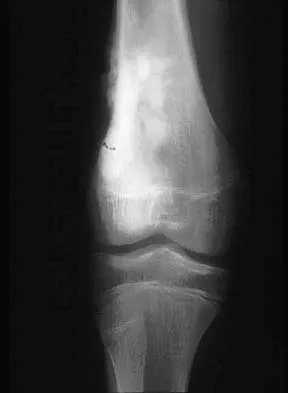
Figure for Mtd 2005 MCQs - Part 1 - Question 1

Key Takeaway

For anyone wondering about Orthopedic Basic 2026 MCQs: Board Review Questions & Answers (Part 1), Top-rated Orthopedic Basic 2026 MCQs bank. Practice with clinical case questions, orthopedic surgery board review, and evidence-based answers updated for 2026.

Orthopedic Basic 2026 MCQs: Board Review Questions & Answers (Part 1)

Comprehensive 100-Question Exam


00:00

Start Quiz

Question 1

A 10-year-old child has leg discomfort with activity. A radiograph, bone scan, and biopsy specimen are shown in Figures 1a through 1c. What is the most likely diagnosis?


Explanation

1b 1c The ground glass appearance on the radiograph, the hot bone scan, and histologic findings of bony spicules without osteoblastic rimming in a background of bland fibrous tissue all suggest fibrous dysplasia. Stress-related pain is common with activity because of the dysplastic bone. Parosteal osteosarcomas are surface lesions. Simple cysts, aneurysmal bone cysts, and eosinophilic granuloma are all possible radiographically; however, the histology is most consistent with fibrous dysplasia. Harris WH, Dudley HR Jr, Barry RS: The natural history of fibrous dysplasia: An orthopaedic, pathological and roentgenographic study. J Bone Joint Surg Am 1962;44:207.

Question 2

A 13-year-old boy has pain and a firm mass in his left knee. A radiograph and MRI scan are shown in Figures 2a and 2b, and a biopsy specimen is shown in Figure 2c. Based on these findings, what is the most likely diagnosis?


Explanation

2b 2c The most likely diagnosis is osteosarcoma. The imaging studies show an aggressive primary tumor of bone, and the histology slide shows a typical chondroblastic osteosarcoma, with osteoid deposited along the surface of bone trabeculae. Ewing's sarcoma histologically consists of small round blue cells. Osteochondroma and periosteal chondroma can occur near the knee but have different radiographic and histologic patterns. Chondrosarcoma rarely occurs in children. Simon M, Springfield D, et al: Osteogenic sarcoma: Surgery for Bone and Soft Tissue Tumors. Philadelphia, PA, Lippincott Raven, 1998, p 267.

Question 3

A 10-year-old boy with a history of retinoblastoma now reports right knee pain. AP and lateral radiographs are shown in Figures 3a and 3b. What is the most likely diagnosis?


Explanation

3b The radiographs show a bone-producing lesion in the femoral diaphysis. The radiographic appearance of small round cell tumors is more permeative with an elevated periosteum and no matrix production. The appearance of this lesion is most consistent with osteosarcoma. Patients who carry the Rb gene are predisposed to osteosarcoma. However, Ewing's sarcoma, primitive neuroectodermal tumor, and osteomyelitis can all occur in this location. Unni KK: Dahlin's Bone Tumors: General Aspects and Data on 11,087 Cases, ed 5. Philadelphia, PA, Lippincott-Raven, 1996, pp 143-160.

Question 4

Which of the following tumors have characteristic chromosomal translocations?


Explanation

Ewing's sarcoma has an 11;22 translocation that creates the EWS/FLI1 fusion gene, and synovial sarcoma has an X;18 translocation that creates the STT/SSX fusion gene. The other tumors do not have consistent translocations. Sandberg AA: Cytogenetics and molecular genetics of bone and soft-tissue tumors. Am J Med Genet 2002;115:189-193.

Question 5

What is the most common MRI appearance of a malignant soft-tissue sarcoma?


Explanation

The classic MRI appearance of a soft-tissue sarcoma is a well-defined heterogeneous mass deep to the fascia. MRI has greatly enhanced our ability to identify and characterize soft-tissue masses. In many patients, MRI is diagnostic and may obviate the need for biopsy. In other patients, it may indicate with high probability that the mass is malignant and consideration for referral can be made. A common misconception is that sarcomas are infiltrative; therefore, physicians mistakenly exclude the diagnosis of a sarcoma based on a well-defined mass seen on MRI. However, sarcomas grow centrifugally with balloon-like expansion compressing surrounding normal tissue; as such, they appear well defined. Many benign soft-tissue masses such as lipomas are similarly well defined. However, MRI is especially useful in identifying fat. Lipomas appear to be homogeneous masses with fat signal characteristics on all sequences. Ill-defined soft-tissue masses include infection, trauma, and desmoid tumors. Heterogeneity is not unique to malignant tumors but is a characteristic of soft-tissue sarcomas. Bancroft LW, Peterson JJ, Kransdorf MJ, Nomikos GC, Murphey MD: Soft tissue tumors of the lower extremities. Radiol Clin North Am 2002;40:991-1011. Berquist TH, Ehman RL, King BF, et al: Value of MR imaging in differentiating benign from malignant soft-tissue masses: Study of 95 lesions. Am J Roentgenol 1990;155:1251-1255.

Question 6

Which of the following factors is associated with the worst prognosis in soft-tissue sarcomas?


Explanation

Although factors such as a high-grade tumor and large size are associated with decreased survival, the presence of metastases carries the worst prognosis. Good results are very rare when metastases are present. Soft-tissue sarcomas, as a whole, respond poorly to chemotherapy, leading to a poor prognosis when metastases are present. Collin C, Goobold J, Hadju SI, Brennan MF: Localized extremity soft tissue sarcoma: An analysis of factors affecting survival. J Clin Oncol 1987;5:601-612.

Question 7

The lesion seen in Figure 4 is most likely the result of metastases from what solid organ?


Explanation

The primary carcinoma most likely to metastasize distal to the elbow and knees is lung carcinoma. Renal cell carcinoma can also metastasize to distal sites. Most metastatic bone disease occurs in the vertebral bodies, pelvis, and proximal long bones. Simon MA, Bartucci EJ: The search for the primary tumor in patients with skeletal metastases of unknown origin. Cancer 1986;58:1088-1095.

Question 8

A 7-year-old boy has a limp with pain and tenderness over the distal right femur. Radiographs are shown in Figures 5a and 5b. Based on these findings, what is the best course of action?


Explanation

5b The patient has a nonossifying fibroma, and the symptoms suggest that there is significant weakening of the cortex and/or microfracture; therefore, biopsy, curettage, and bone grafting is the treatment of choice. Based on the size of the lesion and the presence of symptoms, observation is likely to result in pathologic fracture. A biopsy will further weaken the bone unless combined with curettage and bone grafting. Radiation therapy is not used in the treatment of nonossifying fibroma and is rarely used in any benign condition affecting skeletally immature individuals. Steroid injection has been used in the treatment of unicameral bone cysts and in Langerhan's cell histiocytosis but not for nonossifying fibroma. Dormans, JP, Pill SG: Fractures through bone cysts: Unicameral bone cysts, aneurysmal bone cysts, fibrous cortical defects, and nonossifying fibromas. Instr Course Lect 2002;51:457-467.

Question 9

A 14-year-old patient has anterior knee pain. Radiographs, an MRI scan, and biopsy specimens are shown in Figures 6a through 6e. What is the most likely diagnosis?


Explanation

6b 6c 6d 6e Although the imaging studies are consistent with a unicameral bone cyst, aneurysmal bone cyst, or giant cell tumor, the histology shows small round blue cells that are typical of Ewing's sarcoma. Although Ewing's sarcoma frequently occurs in the diaphysis, it can occur in the metaphysis.

Question 10

A 47-year-old woman has an asymptomatic pelvic mass that was discovered on routine gynecologic examination. A radiograph, CT scan, MRI scan, and biopsy specimen are shown in Figures 7a through 7d. Metastatic work-up is negative. Treatment should consist of


Explanation

7b 7c 7d The imaging studies show a chondrosarcoma; therefore, surgical treatment is indicated. There is no role for intralesional treatment of an exophytic lesion, particularly in the pelvis. Even obtaining a biopsy specimen risks intrapelvic contamination, although many surgeons would still perform a biopsy prior to a resection to confirm the diagnosis. Chondrosarcoma is considered resistant to both radiation therapy and chemotherapy; therefore, radiation therapy generally is not used except for unresectable lesions. Chemotherapy would be used only for metastatic disease or in patients with high-grade chondrosarcoma. The grade would not be known until after resection, and in this patient, the histology slide showed a grade I neoplasm. Chemotherapy would not be used preoperatively because a cartilage tumor is unlikely to shrink, and in this patient, the lesion is resectable. Springfield DS, Gebhardt MS, Mcguire MH: Chondrosarcoma: A review. J Bone Joint Surg Am 1996;78:141-149.

Question 11

A 20-year-old patient has foot pain. A radiograph and T1-weighted MRI scan are shown in Figures 8a and 8b. A biopsy specimen is shown in Figure 8c. Treatment should consist of


Explanation

8b 8c Giant cell tumors occur near articular surfaces in young adults. The histology shows abundant giant cells with nuclei resembling the surrounding cells. Although the MRI scan shows soft-tissue involvement, curettage is still the preferred treatment. Chemotherapy is not necessary for benign lesions, and amputation is too aggressive. Cementation, phenol, and cryosurgery (liquid nitrogen) are all acceptable local adjuvants to curettage. Packing the cavity with bone graft rather than cement is also acceptable. Dahlin DC, Unni KK: Bone Tumors: General Aspects and Data on 8,542 Cases. Springfield, IL, Charles C. Thomas, 1986.

Question 12

A 69-year-old man has a painful slow-growing lesion of the distal phalanx of his thumb. History reveals that he has had chronic osteomyelitis of the thumb for the past 12 years. The radiograph and biopsy specimens are seen in Figures 9a through 9c. Treatment should consist of


Explanation

9b 9c The diagnosis is squamous cell carcinoma. The radiograph shows a destructive lesion, and the histologic slides demonstrate squamous cells invading bone. The preferred treatment for squamous cell carcinoma is wide resection; however, in this location a wide margin can be achieved only with amputation. Overall survival in patients with squamous cell carcinoma secondary to chronic osteomyelitis is not significantly worse than that expected for age-matched controls. Dell PC: Hand, in Simon MA, Springfield D (eds): Surgery for Bone and Soft Tissue Tumors. Philadelphia, PA, Lippincott-Raven, 1998, pp 405-420.

Question 13

A 12-year-old girl has had right knee pain for the past 3 months. Radiographs and a coronal T2-weighted MRI scan are shown in Figures 10a through 10c. A biopsy specimen is shown in Figure 10d. What is the most appropriate treatment for this lesion?


Explanation

10b 10c 10d The radiographs show a lytic lesion in the right proximal tibia that has a high fluid content based on the MRI findings. The radiographic appearance is consistent with either telangiectatic osteosarcoma or aneurysmal bone cyst. Low-magnification histology shows a lesion resembling an aneurysmal bone cyst, with blood lakes separated by cellular septa. However, high-magnification shows severe cytologic atypia, indicative of a telangiectatic osterosarcoma. The appropriate treatment is neoadjuvant chemotherapy followed by wide resection and reconstruction of the lesion. Unni KK: Dahlin's Bone Tumors: General Aspects and Data on 11,087 Cases, ed 5. Philadelphia, PA, Lippincott-Raven, 1996, pp 143-160.

Question 14

Which of the following diagnostic studies best distinguishes Ewing's sarcoma from small cell osteosarcoma?


Explanation

Cytogenetics best demonstrates the 11;22 translocation characteristic of Ewing's sarcoma. The translocation also can be detected with polymerase chain reaction and fluorescent in situ hybridization. The Ewing antibody is used for immunostaining to check for cell membrane (surface) staining of a marker unrelated to the translocation; this could also help distinguish Ewing's sarcoma from small cell osteosarcoma. A bone scan will show increased uptake with both types of tumors. Although most Ewing's sarcoma tumors are diploid, some are polyploid as are most osteosarcomas. Flow cytometry is used to sort cells, sometimes based on antibody binding. LDH can be elevated in both Ewing's sarcoma and osteosarcoma and is a poor prognostic indicator when elevated. Lymph node metastases are uncommon in both of these tumors. Perotti D, Corletto V, Giardini R, Parafioriti A, Fossati-Bellani F, Luksch R: Retrospective analysis of ploidy in primary osseous and extraosseous Ewing family tumors in children. Tumori 1998;84:493-498. Riley RD, Burchill SA, Abrams KR, Heney D, Sutton AJ, Jones DR, et al: A systematic review of molecular and biological markers in tumours of the Ewing's sarcoma family. Eur J Cancer 2003;39:19-30.

Question 15

Figure 11a shows the AP pelvis radiograph of a 25-year-old man who sustained a spinal cord injury 10 years ago. A bone scan and a CT scan are shown in Figures 11b and 11c. To prevent recurrence after resection, management should consist of


Explanation

11b 11c The studies reveal significant heterotopic ossification that appears to be mature. Following resection, the most reliable way to prevent recurrence is with low-dose external-beam radiation therapy. Bisphosphonate therapy can be considered; however, when terminated, heterotopic bone may reform. Heterotopic ossification is unrelated to the patient's endocrine status and is not associated with any metabolic abnormalities. Moore K, Goss K, Anglen J: Indomethacin versus radiation therapy for prophylaxis against heterotopic ossification in acetabular fracture. J Bone Joint Surg Br 1998;80:259.

Question 16

A 40-year-old man has a palpable mass over the dorsum of the ankle. He reports no history of direct trauma but notes that he sustained a laceration to the middle of his leg 6 weeks ago. Examination reveals a 4-cm x 1-cm mass. T1- and T2-weighted MRI scans are shown in Figures 12a and 12b. An intraoperative photograph and biopsy specimen are shown in Figures 12c and 12d. What is the most likely diagnosis?


Explanation

12b 12c 12d The findings are most consistent with a rupture of the anterior tibial tendon. The damaged area of tendon should be resected, followed by tendon reconstruction or tenodesis. The histology is not consistent with giant cell tumor of the tendon sheath, gout, or synovial sarcoma. Fibromatosis is characterized by a large number of spindle cells within the collagen background. Otte S, Klinger HM, Loreaz F, Haerer T: Operative treatment in case of closed rupture of the anterior tibial tendon. Arch Orthop Traum Surg 2002;122:188-190.

Question 17

What is the most common presentation of a benign bone tumor in childhood?


Explanation

The most common benign bone tumors in childhood are discovered incidentally and include single bone cysts, fibrous cortical defects, nonossifying fibroma, and osteochondroma. Benign bone tumors can be classified as latent, active, or aggressive. Aggressive bone tumors usually present with pain, whereas active lesions present with pain or pathologic fracture. Only aggressive benign bone tumors are associated with a soft-tissue mass, and they are far less common than indolent bone tumors, especially in children. Aboulafia AJ, Kennon RE, Jelinek JS: Benign bone tumors of childhood. J Am Acad Orthop Surg 1999;7:377-388.

Question 18

Figures 13a and 13b show the MRI scans of a 70-year-old patient who has a posterior calf mass. Examination reveals that the mass extends to the midcalf level. A biopsy specimen reveals a high-grade soft-tissue sarcoma. Metastatic work-up shows no lesions. Management should consist of


Explanation

13b Soft-tissue sarcomas generally are treated with radiation therapy and wide surgical resection. In this patient, involvement of most of the posterior calf compartment and circumferential involvement of the posterior tibial and peroneal neurovascular bundle makes limb salvage impractical. Any attempt at wide surgical resection would leave a poorly functioning limb with questionable surgical margins. A high below-knee amputation would be the best option. Radiation therapy alone is contraindicated. Lindberg RD, Martin RG, Romsdahl MM, et al: Conservative surgery and post-operative radiotherapy in 300 adults with soft tissue sarcoma. Cancer 1981;47:2391-2397. Sim FT, Frassica FS, Frassica DA: Soft tissue tumors: Diagnosis, evaluation, and management. J Am Acad Orthop Surg 1994;2:202-211.

Question 19

What is the most common secondary malignancy arising in pagetic bone?


Explanation

The incidence of malignant transformation or the formation of a secondary malignancy in pagetic bone is estimated to be less than 1%. Osteosarcoma is the most common secondary malignancy, followed by fibrosarcoma and chondrosarcoma. Ewing's sarcoma arising in pagetic bone has not been reported. Grimer RJ, Carter SR, Tillman RM, et al: Osteosarcoma of the pelvis. J Bone Joint Surg Br 1999;81:796-802.

Question 20

A 15-year-old girl with a midshaft fibular lesion has histologic findings consistent with Ewing's sarcoma. Following induction chemotherapy, local control typically consists of


Explanation

The current treatment regimen for Ewing's sarcoma typically involves induction chemotherapy followed by local control and further chemotherapy. Local control consists of surgery only, radiation therapy only, or a combination of the two. In bones that are easily resectable (expendable) with wide margins, surgery is usually recommended. For areas that cannot be resected (ie, large bulky pelvic tumors), radiation therapy alone is sometimes the preferred method of local control. If surgery is chosen and the margins are close, radiation therapy can be used as an adjuvant treatment. Amputation is rarely required for an isolated fibular lesion. Observation without adequate local control results in local recurrence. Nesbit ME Jr, Gehan EA, Burgert EO Jr, et al: Multimodality therapy for the treatment of primary, non-metastatic Ewing's sarcoma of the bone: A long-term follow-up of the first intergroup study. J Clin Oncol 1990;8:1664-1674.

Question 21

Soft-tissue sarcomas most commonly metastasize to the


Explanation

The most common location for soft-tissue tumors to metastasize is the lungs. Depending on the grade of the sarcoma, metastases develop in as many as 50% of patients with soft-tissue sarcomas. Tumor grade is considered the most significant prognostic factor in predicting risk of metastases, with high-grade lesions at greatest risk. Staging CT of the chest should be performed once the diagnosis of a soft-tissue sarcoma is suspected or confirmed. Regular surveillance of patients treated for soft-tissue sarcomas includes follow-up CT scans at regular intervals. Intra-abdominal metastases are uncommon but may occur, particularly in patients with myxoid liposarcoma. Regional metastases are relatively uncommon and occur in approximately 5% of all patients with soft-tissue sarcoma. The incidence of regional nodal metastases is higher for synovial sarcoma and epithelioid sarcomas than other soft-tissue sarcomas. Sim FH, Frassica FJ, Frassica DA: Soft-tissue tumors: Diagnosis, evaluation, and management. J Am Acad Orthop Surg 1994;2:202-211.

Question 22

The incidence of osteosarcoma is highest in what age group?


Explanation

The peak incidence of osteosarcoma occurs in the second decade, followed by the third decade. Up to 75% of all cases of osteosarcoma occur in patients between 10 and 25 years. It rarely occurs after age 30. Affected women tend to be younger than affect men. Osteosarcoma associated with Paget's disease or in radiation-induced osteosarcoma occurs in an older population. Simon M, Springfield D, et al: Osteogenic Sarcoma: Surgery for Bone and Soft Tissue Tumors. Philadelphia, PA, Lippincott Raven, 1998, p 266. Mirra JM: Bone Tumors: Clinical, Radiologic, and Pathologic Correlations. Philadelphia, PA, Lea and Febiger, 1989.

Question 23

A 9-year-old boy has a painless enlarged mass on the dorsum of his hand. Figures 14a through 14d show the clinical photograph, radiographs, and biopsy specimen. What is the most likely diagnosis?


Explanation

14b 14c 14d Multiple hereditary exostosis and enchondroma commonly present as multiple lesions in the hand. Multiple hereditary exostosis consists of cartilage capped bony exostoses arising from the metaphyseal end of rapidly growing bones. Osteosarcoma and chondrosarcoma rarely appear as multiple lesions. Fracture callus can exhibit enchondral ossification that is usually circumferential, but the radiographic findings are not consistent with fracture. Porter DE, Emerton ME, Villanueva-Lopez F, Simpson AH: Clinical and radiographic analysis of osteochondromas and growth disturbance in hereditary multiple exostoses. J Pediatr Orthop 2000;20:246-250.

Question 24

What is the most common clinical presentation of a patient with a malignant bone tumor?


Explanation

The most common clinical presentation of a patient with a malignant bone tumor is pain. Malignant bone tumors rarely are diagnosed as an incidental finding or pathologic fracture. In patients who have a pathologic fracture on initial presentation, a history of increasing pain prior to the fracture is typical. While 90% of malignant bone tumors are associated with a soft-tissue mass, in many patients the soft-tissue component of the tumor is not clinically apparent. Buckwalter JA: Musculoskeletal neoplasms and disorders that resemble neoplasms, in Weinstein SL, Buckwalter JA (eds): Turek's Orthopaedics: Principles and Their Application, ed 5. Philadelphia, PA, JB Lippincott, 1994, pp 290-295.

Question 25

Figure 15a shows the radiograph of a patient who has a chondrosarcoma of the acetabulum. Bone scans are shown in Figures 15b and 15c. Numerous soft subcutaneous masses are present. A clinical photograph of the hand is shown in Figure 15d. What is the most likely diagnosis?


Explanation

15b 15c 15d Chondrosarcomas associated with diffuse bone lesions (enchondromas) are characteristic of Ollier's disease. When accompanied by subcutaneous masses (hemangiomas), the condition is called Maffucci's syndrome. Multiple hereditary exostosis is characterized by diffuse osteochondromas. McCune-Albright syndrome is characterized by polyostotic fibrous dysplasia with cafe-au-lait spots and precocious puberty. Neurofibromatosis can have associated bone lesions but is not associated with chondrosarcomas. Sun TC, Swee TC: Chondrosarcoma in Maffucci's syndrome. J Bone Joint Surg Am 1985;67:1214-1219. Schwartz HS, Zimmerman NB, Simon MA, et al: The malignant potential of enchondromatosis. J Bone Joint Surg Am 1987;69:269-274.

Question 26

A 14-year-old boy presents with a painful mass in the diaphysis of his left femur. Biopsy reveals small, round blue cells. Cytogenetic analysis demonstrates a t(11;22) translocation. This chromosomal abnormality results in which of the following fusion proteins?


Explanation

Ewing sarcoma is characterized by the t(11;22) translocation, which creates the EWS-FLI1 fusion protein. SYT-SSX is seen in synovial sarcoma. TLS-CHOP (or FUS-CHOP) is seen in myxoid liposarcoma. PAX3-FKHR is seen in alveolar rhabdomyosarcoma. COL1A1-PDGFB is associated with dermatofibrosarcoma protuberans.

Question 27

Viscoelastic materials, such as articular cartilage and tendons, exhibit time-dependent mechanical behaviors. Which of the following best describes the phenomenon of 'stress relaxation'?


Explanation

Viscoelastic materials display time-dependent responses to loading. Stress relaxation is the decrease in internal stress over time when the material is held at a constant deformation (strain). Creep is the gradual increase in deformation (strain) over time under a constant load (stress). Hysteresis is the energy lost (as heat) during the loading and unloading cycle. Strain-rate dependency means the material becomes stiffer when loaded at a faster rate.

Question 28

A 35-year-old man undergoes open reduction and internal fixation of a transverse radial shaft fracture using a dynamic compression plate (DCP) that provides absolute stability. By which of the following mechanisms will the fracture heal?


Explanation

When absolute stability is achieved with interfragmentary compression (e.g., lag screw and plating), primary bone healing occurs. This process lacks callus formation and occurs via direct osteonal remodeling (cutting cones) crossing the fracture site. Secondary bone healing involves callus formation (via endochondral and intramembranous ossification) and occurs when there is relative stability (e.g., intramedullary nailing, external fixation, casting).

Question 29

In total hip arthroplasty, the use of highly cross-linked polyethylene (HXLPE) has significantly reduced wear rates compared to conventional ultra-high molecular weight polyethylene (UHMWPE). Which of the following trade-offs is most commonly associated with increasing the radiation dose to maximize cross-linking in HXLPE?


Explanation

Cross-linking of polyethylene by irradiation improves its wear resistance significantly. However, increasing the radiation dose leads to decreased mechanical properties, specifically reducing ultimate tensile strength, elongation to failure, and fracture/fatigue resistance. To prevent in vivo oxidation caused by free radicals generated during irradiation, the polyethylene is usually melted or annealed, or infused with an antioxidant like Vitamin E.

Question 30

Articular cartilage is highly specialized to resist compressive and shear forces. In which zone of articular cartilage are the collagen fibers oriented parallel to the joint surface, providing the highest tensile strength?


Explanation

Articular cartilage is divided into zones. In the superficial (tangential) zone, collagen fibers (mostly Type II) are oriented parallel to the articular surface to resist shear forces and provide high tensile strength. In the middle (transitional) zone, they are obliquely arranged. In the deep (radial) zone, they are oriented vertically (perpendicular to the joint surface) to resist compressive forces. The tidemark separates the deep zone from the calcified cartilage.

Question 31

Following a closed distal humerus fracture, a patient demonstrates complete radial nerve palsy. A nerve conduction study performed at 4 weeks shows absent distal motor responses and the presence of fibrillation potentials on electromyography (EMG). Assuming the nerve trunk is macroscopically intact, this injury is best classified as which of the following?


Explanation

The presence of fibrillation potentials on EMG indicates denervation, meaning axonal disruption has occurred with subsequent Wallerian degeneration. Because the nerve trunk is macroscopically intact, the injury is not a neurotmesis (Sunderland V), which involves complete transection of the nerve. Axonotmesis (Seddon) involves loss of axonal continuity with intact endoneurium (Sunderland II), perineurium, or epineurium, leading to Wallerian degeneration distal to the injury, but with the potential for regeneration. Neuropraxia (Sunderland I) involves focal demyelination without axonal disruption, maintaining distal excitability without fibrillation potentials.

Question 32

Low-molecular-weight heparin (LMWH) is commonly prescribed for deep vein thrombosis (DVT) prophylaxis following total knee arthroplasty. LMWH exerts its primary anticoagulant effect through the selective inhibition of which of the following coagulation cascade components?


Explanation

Low-molecular-weight heparins (e.g., enoxaparin) have a high ratio of anti-Factor Xa to anti-Factor IIa activity. They bind to and activate antithrombin III (ATIII), which then predominantly inhibits Factor Xa. Unfractionated heparin inhibits both Factor Xa and Thrombin (Factor IIa) more equally. Direct thrombin inhibitors (like dabigatran or argatroban) directly bind Factor IIa. Warfarin inhibits Vitamin K epoxide reductase.

Question 33

Staphylococcus epidermidis is a common pathogen in periprosthetic joint infections due to its ability to form a robust biofilm on orthopedic implants. Which of the following is the primary constituent of the extracellular polymeric substance (EPS) that protects the bacteria in this biofilm?


Explanation

Staphylococcus epidermidis forms a biofilm by producing an extracellular polymeric substance (EPS). A major component of this slime layer in staphylococci is the polysaccharide intercellular adhesin (PIA), which is synthesized by products of the icaADBC operon. PIA protects the bacteria from host immune responses and antibiotic penetration. Fibronectin-binding proteins (e.g., FnBPA) are important for initial bacterial adherence to host proteins coating the implant but are not the primary structural component of the mature EPS slime layer.

Question 34

A 25-year-old woman presents with multiple recurrent fragility fractures and a history of delayed dental eruption. Radiographs reveal generalized, diffusely sclerotic, 'bone-within-bone' appearance. This condition is most likely caused by a defect in which of the following cellular mechanisms?


Explanation

The clinical and radiographic presentation is classic for osteopetrosis (Albers-Schönberg disease), which is characterized by dense but brittle bones ('marble bone disease'). The primary defect is in osteoclast function, most commonly due to impaired acidification of the extracellular resorptive pit (e.g., mutations in carbonic anhydrase II, TCIRG1, or CLCN7). Without an acidic environment, osteoclasts cannot dissolve hydroxyapatite. Deficient Type I collagen is seen in osteogenesis imperfecta. Defective mineralization causes rickets/osteomalacia.

Question 35

A 65-year-old man presents with severe lower back pain and fatigue. Radiographs of the spine and pelvis reveal multiple punched-out lytic lesions without reactive sclerosis. Laboratory evaluation is notable for hypercalcemia, anemia, and an elevated serum creatinine. A bone marrow biopsy is expected to show an abnormal proliferation of which cell type?


Explanation

The presentation of punched-out lytic lesions, bone pain, hypercalcemia, anemia, and renal insufficiency (CRAB criteria) in an older adult is highly characteristic of multiple myeloma. Multiple myeloma is a hematologic malignancy characterized by the monoclonal proliferation of abnormal plasma cells in the bone marrow. These plasma cells secrete factors (like MIP-1 alpha and RANKL) that stimulate osteoclasts and inhibit osteoblasts, leading to pure lytic lesions without reactive new bone formation.

Question 36

A 14-year-old boy presents with progressive knee pain and swelling that awakens him at night. Radiographs show a permeative, destructive lesion in the distal femoral metadiaphysis with an 'onion-skin' periosteal reaction. Histology shows sheets of uniform small round blue cells. Which of the following immunohistochemical markers or genetic translocations is most characteristic of this lesion?


Explanation

Ewing sarcoma is characterized by the t(11;22) translocation, which results in the EWS-FLI1 fusion protein. t(X;18) is seen in synovial sarcoma. t(12;16) is seen in myxoid liposarcoma. MDM2 amplification is seen in atypical lipomatous tumor / well-differentiated liposarcoma and parosteal osteosarcoma. t(2;13) is seen in alveolar rhabdomyosarcoma.

Question 37

A 32-year-old woman presents with persistent knee pain. Radiographs demonstrate an eccentric, lytic, epiphyseal lesion in the proximal tibia extending to the subchondral bone without a sclerotic margin. Biopsy reveals multinucleated giant cells intermixed with mononuclear stromal cells. Denosumab is considered for adjuvant treatment prior to surgery. What is the mechanism of action of this medication?


Explanation

Giant cell tumor (GCT) of bone contains neoplastic mononuclear cells that express RANKL, which recruits and activates the reactive osteoclast-like giant cells. Denosumab is a monoclonal antibody that binds to RANKL, preventing its interaction with the RANK receptor on the surface of giant cells and their precursors. This inhibits bone resorption and halts tumor progression.

Question 38

Which of the following biochemical changes in articular cartilage is most characteristic of the earliest stage of osteoarthritis?


Explanation

The earliest biochemical change in osteoarthritis is an increase in the water content of the articular cartilage. This is due to the breakdown of the collagen network (damage to type II collagen framework), allowing the hydrophilic proteoglycans to swell and draw in more water. The overall proteoglycan concentration actually decreases, and initially, chondrocytes may increase synthesis of both collagen and proteoglycans in an attempt to repair the damage.

Question 39

A 70-year-old man presents with an enlarging, painful mass in his left thigh. He has a long-standing history of Paget's disease of bone affecting his pelvis and left femur. Radiographs show a destructive lytic lesion in the proximal femur with cortical breakthrough and soft tissue extension. Biopsy confirms a secondary malignancy. What is the most common secondary malignancy arising in the setting of Paget's disease?


Explanation

Osteosarcoma is the most common secondary malignancy arising in the setting of Paget's disease (Pagetic osteosarcoma), accounting for about 1% of patients with Paget's disease. It typically presents in older adults with worsening pain in a previously affected bone and carries a very poor prognosis compared to primary osteosarcoma in younger patients.

Question 40

During endochondral ossification in fracture healing, which of the following transcription factors is essential for the differentiation of mesenchymal stem cells into chondrocytes?


Explanation

SOX9 is the master transcription factor for chondrogenesis, directing mesenchymal stem cells to differentiate into chondrocytes. Runx2 (Cbfa1) is the key transcription factor for osteoblast differentiation. Osterix functions downstream of Runx2 in osteoblast differentiation. Sclerostin is an inhibitor of the Wnt signaling pathway, produced by osteocytes to inhibit bone formation.

Question 41

Galvanic corrosion is a mode of implant failure that involves the electrochemical destruction of metal. It is most likely to occur in vivo when which of the following two metal alloys are placed in direct contact?


Explanation

Galvanic corrosion occurs when two dissimilar metals are placed in an electrolytic solution (such as bodily fluids). The risk of galvanic corrosion is highest when there is a large difference in the anodic index between the two metals. Stainless steel and titanium have significantly different electrochemical potentials, making their combination highly susceptible to galvanic corrosion. Cobalt-chromium and titanium are frequently used together because their electrochemical potentials are similar.

Question 42

A 28-year-old woman presents with a slow-growing, painless mass on the posterior aspect of her distal femur. Radiographs reveal a densely mineralized, lobulated mass attached to the posterior cortex by a broad base, with a radiolucent cleft separating the mass from the underlying cortex ('string sign'). What is the characteristic genetic abnormality associated with this tumor?


Explanation

The clinical and radiographic presentation is classic for a parosteal osteosarcoma, a low-grade surface osteosarcoma typically found on the posterior aspect of the distal femur. It is characterized genetically by ring chromosomes leading to the amplification of MDM2 and CDK4 genes (chromosome 12q13-15). EXT1 is associated with osteochondromas. GNAS is associated with fibrous dysplasia.

Question 43

A 4-year-old boy is evaluated for short stature and bowing of the legs. Laboratory studies show normal serum calcium, significantly decreased serum phosphate, elevated alkaline phosphatase, and normal parathyroid hormone levels. Genetic testing confirms an X-linked dominant mutation in the PHEX gene. Which of the following is the primary pathophysiologic mechanism of this disease?


Explanation

The patient has X-linked hypophosphatemic rickets (XLH), the most common heritable form of rickets. It is caused by an inactivating mutation in the PHEX gene, which leads to reduced degradation and thus elevated levels of FGF23. Excess FGF23 causes renal phosphate wasting by downregulating sodium-phosphate cotransporters in the proximal tubule and inhibits 1-alpha-hydroxylase, preventing the synthesis of active Vitamin D. This results in normal calcium but very low phosphate levels.

Question 44

When inserting a fully threaded cortical screw across a fracture to achieve rigid internal fixation without the use of a plate, which of the following represents the primary mechanism by which a screw generates interfragmentary compression (lag technique)?


Explanation

A screw acting as a lag screw generates compression by transforming torque (rotational force applied during tightening) into a tensile force along the core of the screw. Because the near cortex is over-drilled (gliding hole), the threads only engage the far cortex. As the screw head engages the near cortex, further tightening places the screw core under tension, drawing the far fragment toward the near fragment and compressing the fracture.

Question 45

A 65-year-old man presents with generalized bone pain, fatigue, and a recent pathological fracture of his left humerus. Laboratory tests reveal anemia, hypercalcemia, and elevated creatinine. A skeletal survey demonstrates multiple 'punched-out' lytic lesions in the skull, spine, and pelvis. A bone marrow biopsy shows >10% clonal plasma cells. Which of the following pathways is most directly responsible for uncoupling bone remodeling and causing the lytic lesions in this disease?


Explanation

In multiple myeloma, clonal plasma cells secrete factors such as Dickkopf-1 (DKK-1), which inhibits Wnt signaling, thereby strongly suppressing osteoblast differentiation and bone formation. Additionally, there is an upregulation of RANKL and downregulation of osteoprotegerin (OPG) in the marrow microenvironment, which stimulates osteoclastogenesis and bone resorption. This uncoupled bone remodeling leads to the characteristic lytic bone lesions.

Question 46

A 14-year-old boy presents with a destructive diaphyseal lesion of the femur. A biopsy reveals small round blue cells. Cytogenetic analysis demonstrates a t(11;22) translocation. Which of the following fusion proteins is most likely responsible for the pathogenesis of this tumor?


Explanation

Ewing sarcoma is a malignant primary bone tumor characterized by small round blue cells. It is most commonly associated with a t(11;22) chromosomal translocation, which results in the EWS-FLI1 fusion protein. SYT-SSX is associated with synovial sarcoma (t(X;18)). FUS-CHOP (also known as TLS-CHOP) is associated with myxoid liposarcoma (t(12;16)). PAX3-FKHR is associated with alveolar rhabdomyosarcoma (t(2;13)).

Question 47

To maximize the pullout strength of a cortical screw inserted into diaphyseal bone, which of the following design modifications is most effective?


Explanation

The pullout strength of a screw is directly proportional to its outer diameter, the length of thread engagement, and the thread depth (which is the difference between the outer diameter and inner/core diameter). It is inversely proportional to the thread pitch. Therefore, increasing the outer diameter will significantly increase the pullout strength. Increasing the inner (core) diameter without changing the outer diameter decreases the thread depth and lowers pullout strength, although it increases the bending strength of the screw.

Question 48

Which zone of articular cartilage is characterized by having the highest concentration of proteoglycans and the lowest concentration of water?


Explanation

Articular cartilage is divided into distinct zones. The deep (radial) zone contains the highest concentration of proteoglycans and the lowest concentration of water. The collagen fibers in this zone are oriented perpendicular to the articular surface to resist compressive loads. Conversely, the superficial (tangential) zone has the highest water content and the lowest proteoglycan concentration, with collagen fibers oriented parallel to the joint surface to resist shear stress.

Question 49

Which of the following bone graft substitutes acts primarily via an osteoinductive mechanism?


Explanation

Demineralized bone matrix (DBM) is an allograft product that has been treated to remove the mineralized component, leaving behind the collagen matrix and native growth factors, specifically bone morphogenetic proteins (BMPs). These BMPs provide an osteoinductive signal that stimulates host mesenchymal stem cells to differentiate into osteoblasts. Calcium sulfate, calcium phosphate, and tricalcium phosphate are purely osteoconductive. Cancellous allograft is primarily osteoconductive, as the sterilization and processing methods typically destroy osteoinductive proteins and native cells.

Question 50

A 55-year-old man presents with acute knee pain and swelling. Synovial fluid analysis shows a leukocyte count of 55,000 cells/mm³ with 85% polymorphonuclear leukocytes. Microscopic evaluation demonstrates positively birefringent, rhomboid-shaped crystals. What is the most likely composition of these crystals?


Explanation

The patient presents with pseudogout, which is characterized by the deposition of calcium pyrophosphate dihydrate (CPPD) crystals in the joint. Under polarized light microscopy, CPPD crystals appear rhomboid-shaped and are weakly positively birefringent (blue when parallel to the compensator axis). In contrast, monosodium urate crystals, seen in gout, are needle-shaped and strongly negatively birefringent (yellow when parallel to the compensator axis).

Question 51

During the sliding filament mechanism of skeletal muscle contraction, which of the following events directly follows the binding of adenosine triphosphate (ATP) to the myosin head?


Explanation

In the muscle contraction cycle, the binding of ATP to the myosin head causes a conformational change that decreases the affinity of myosin for actin, resulting in the detachment of the myosin head from the actin filament. Subsequent hydrolysis of ATP to ADP and inorganic phosphate cocks the myosin head into a high-energy state. When the myosin binds a new actin site and releases the inorganic phosphate, the power stroke occurs.

Question 52

A 35-year-old patient sustained a closed tibia fracture treated with closed reduction and casting. Which of the following best describes the primary source of cells responsible for the formation of the external soft callus during secondary bone healing?


Explanation

Secondary bone healing relies heavily on the formation of a callus. The external soft callus is primarily formed by chondrocytes and osteoblasts derived from the inner cambium layer of the periosteum. The periosteum is critical for robust callus formation, especially in long bone shaft fractures. The endosteum contributes primarily to the internal callus and remodeling phase, while the hematoma acts as a scaffold and source of signaling molecules but is not the primary source of the structural cells.

Question 53

Rivaroxaban is an oral anticoagulant commonly used for venous thromboembolism prophylaxis following total joint arthroplasty. By which of the following mechanisms does it primarily exert its antithrombotic effect?


Explanation

Rivaroxaban and apixaban are direct oral anticoagulants (DOACs) that exert their antithrombotic effects by directly inhibiting Factor Xa, the first step in the common pathway of the coagulation cascade. Dabigatran directly inhibits Thrombin (Factor IIa). Warfarin inhibits Vitamin K epoxide reductase. Heparin and low molecular weight heparins (like enoxaparin) work by binding to and activating Antithrombin III, which in turn inactivates Thrombin and Factor Xa.

Question 54

A 45-year-old woman undergoes wide resection of a deep soft tissue sarcoma of the thigh. Histological examination reveals a biphasic pattern consisting of both epithelial and spindle cell components. Cytogenetic testing demonstrates a t(X;18) translocation. What is the most likely diagnosis?


Explanation

The presence of a t(X;18)(p11;q11) chromosomal translocation is the hallmark of synovial sarcoma, leading to the SYT-SSX fusion gene. Synovial sarcoma often presents in young adults in the deep soft tissues of the extremities (most commonly the lower extremity). The tumor can exhibit a biphasic histologic pattern (epithelial and spindle cells) or a monophasic spindle cell pattern. Clear cell sarcoma is associated with t(12;22), myxoid liposarcoma with t(12;16), and alveolar soft part sarcoma with t(X;17).

Question 55

A 60-year-old man with chronic osteomyelitis of the femur requires targeted antibiotic therapy. Intraoperative cultures grow methicillin-resistant Staphylococcus aureus (MRSA). Which of the following antibiotics is a bactericidal agent that disrupts the bacterial cell membrane by causing rapid depolarization, and requires monitoring for creatine kinase (CK) elevation due to the risk of myopathy?


Explanation

Daptomycin is a cyclic lipopeptide antibiotic that is bactericidal against gram-positive organisms, including MRSA. Its unique mechanism of action involves binding to the bacterial cell membrane and causing rapid depolarization, which leads to cell death. A known adverse effect of daptomycin is skeletal muscle toxicity (myopathy), and patients taking this medication must have their creatine kinase (CK) levels monitored weekly. Vancomycin inhibits cell wall synthesis, Linezolid is bacteriostatic and inhibits protein synthesis (50S subunit), and Ceftaroline is a 5th-generation cephalosporin that binds to PBP2a.

Question 56

A 14-year-old boy presents with a 2-month history of worsening thigh pain, particularly at night. Radiographs reveal a permeative diaphyseal lesion in the femur with an extensive 'onion-skin' periosteal reaction. Biopsy demonstrates sheets of small round blue cells that stain strongly for CD99. Which of the following cytogenetic abnormalities is most characteristic of this patient's diagnosis?


Explanation

The patient has Ewing sarcoma, a small round blue cell tumor that typically arises in the diaphysis of long bones. The classic radiographic appearance includes a permeative destructive lesion with 'onion-skin' periosteal reaction. CD99 positivity is characteristic. The hallmark cytogenetic abnormality is t(11;22)(q24;q12), resulting in the EWS-FLI1 fusion protein. t(X;18) is seen in synovial sarcoma. t(12;16) is seen in myxoid liposarcoma. t(2;13) is seen in alveolar rhabdomyosarcoma. t(9;22) is the Philadelphia chromosome seen in CML.

Question 57

A 12-year-old girl is diagnosed with a conventional high-grade osteosarcoma of the distal femur. Her family history is notable for a mother who died of premenopausal breast cancer at age 32 and a brother who was treated for an adrenocortical carcinoma. A mutation in which of the following genes is the most likely underlying cause of this patient's susceptibility?


Explanation

The patient's family history of premenopausal breast cancer, adrenocortical carcinoma, and her presentation with osteosarcoma are highly suggestive of Li-Fraumeni syndrome. Li-Fraumeni syndrome is an autosomal dominant disorder caused by germline mutations in the TP53 tumor suppressor gene. This leads to a significantly increased risk of developing various malignancies, including osteosarcoma, soft-tissue sarcomas, breast cancer, brain tumors, and adrenocortical carcinoma. RB1 mutations cause hereditary retinoblastoma, which also increases osteosarcoma risk, but does not fit the associated familial cancer pattern.

Question 58

A 32-year-old woman presents with knee pain. Radiographs reveal an eccentric, expansile lytic lesion in the proximal tibia that extends to the subchondral bone. A biopsy is performed, revealing multinucleated giant cells interspersed within a background of mononuclear stromal cells. If pharmacological treatment is considered to downstage the tumor prior to surgery, what is the primary molecular target of the indicated medication?


Explanation

The clinical and histological findings are classic for a Giant Cell Tumor (GCT) of bone. The neoplastic cells in GCT are the mononuclear stromal cells, which express high levels of RANKL. This RANKL expression recruits and activates osteoclast-like multinucleated giant cells, leading to extensive bone resorption. Denosumab, a monoclonal antibody that binds and inhibits RANKL, is utilized in advanced or difficult-to-resect GCTs to inhibit bone resorption, resulting in tumor consolidation and downstaging.

Question 59

An 18-year-old male presents with a 6-month history of dull, aching back pain that is worsened at night. He reports that the pain is only mildly relieved by ibuprofen. Imaging demonstrates a 2.5 cm radiolucent lesion with a central nidus located in the posterior elements of the L4 vertebra. Histology shows interlacing trabeculae of woven bone surrounded by prominent osteoblasts. What is the most likely diagnosis?


Explanation

The patient's presentation is most consistent with an osteoblastoma. While histologically identical to an osteoid osteoma (showing interlacing trabeculae of woven bone lined by prominent osteoblasts), an osteoblastoma is distinguished by its larger size (> 2 cm). Clinically, the pain associated with osteoblastoma is often less severe at night and less responsive to NSAIDs compared to osteoid osteoma. Both tumors have a predilection for the posterior elements of the spine.

Question 60

Which of the following zones of articular cartilage contains the highest concentration of proteoglycans, the lowest concentration of water, and collagen fibers oriented perpendicular to the articular surface?


Explanation

Articular cartilage is divided into distinct zones. The deep (radial) zone is characterized by having the highest concentration of proteoglycans, the lowest concentration of water, and thick type II collagen fibers oriented perpendicular to the joint surface to resist compressive forces. The superficial zone has the highest water content, the lowest proteoglycan concentration, and collagen fibers oriented parallel to the surface to resist shear forces.

Question 61

A 45-year-old man undergoes closed reduction and intramedullary nailing for a closed, transverse midshaft tibial fracture. Which of the following accurately describes the predominant mechanism of bone healing expected in this scenario?


Explanation

Intramedullary nailing of a diaphyseal long bone fracture provides relative stability (as opposed to absolute stability achieved with rigid plate fixation). Relative stability promotes secondary bone healing, which involves callus formation. This process predominantly occurs via endochondral ossification, where a cartilaginous intermediate is formed and subsequently replaced by bone. Primary bone healing (via cutting cones) occurs only under conditions of absolute stability and anatomic reduction without gap formation.

Question 62

A 16-year-old girl presents with a rapidly enlarging, painful mass in her proximal humerus. Radiographs show an expansile, eccentric, multiloculated lytic lesion. Magnetic resonance imaging (MRI) demonstrates multiple fluid-fluid levels. Biopsy reveals blood-filled cystic spaces lacking an endothelial lining. Which of the following genetic alterations is the primary driver of this lesion?


Explanation

The clinical, radiographic, and histological findings describe an Aneurysmal Bone Cyst (ABC). Primary ABCs are now recognized as true neoplasms driven by recurrent translocations involving the USP6 gene on chromosome 17p13. This rearrangement leads to USP6 upregulation, which activates matrix metalloproteinases and promotes cystic bone destruction. GNAS mutations are seen in fibrous dysplasia; EXT mutations in osteochondromas; H3F3A mutations in giant cell tumors of bone and chondroblastomas; and MDM2 amplification in parosteal osteosarcoma and atypical lipomatous tumors.

Question 63

An 8-year-old girl sustains a minor fall and presents with a proximal femur fracture. Radiographs reveal a 'shepherd's crook' deformity of the proximal femur and a diaphyseal lesion with a 'ground-glass' appearance. The patient has a history of precocious puberty and has large, irregular café-au-lait macules on her trunk. What is the underlying pathophysiological mechanism of her bone disease?


Explanation

The patient has McCune-Albright syndrome, a triad of polyostotic fibrous dysplasia, precocious puberty (or other endocrinopathies), and café-au-lait spots with irregular 'coast of Maine' borders. The underlying etiology is a somatic, post-zygotic missense mutation in the GNAS gene, which encodes the alpha subunit of the stimulatory G protein (Gs-alpha). This mutation leads to constitutive activation of adenylate cyclase, increased intracellular cAMP, and subsequent abnormal cellular proliferation and differentiation, resulting in the replacement of normal bone with immature fibrous tissue.

Question 64

A 65-year-old active man is undergoing total hip arthroplasty. The surgeon opts to use a highly cross-linked polyethylene (HXLPE) liner. Which of the following best describes the mechanical trade-off when comparing HXLPE to conventional ultra-high-molecular-weight polyethylene (UHMWPE)?


Explanation

Highly cross-linked polyethylene (HXLPE) is manufactured by exposing conventional UHMWPE to radiation, which breaks polymer chains and allows them to recombine (cross-link). This process significantly decreases volumetric wear, thereby drastically reducing the incidence of particle-induced osteolysis. However, the cross-linking process alters the mechanical properties of the material, resulting in decreased fracture toughness, reduced ultimate tensile strength, and reduced ductility (elongation to failure).

Question 65

A 40-year-old man requires bone grafting for an atrophic scaphoid nonunion. The surgeon utilizes a graft source that provides osteoconduction, osteoinduction, and osteogenesis. Which of the following graft materials possesses all three of these properties?


Explanation

Bone grafts are characterized by their biological properties. Osteoconduction provides a physical scaffold for new bone growth. Osteoinduction involves signaling molecules (like BMPs) that stimulate the differentiation of mesenchymal stem cells into osteoblasts. Osteogenesis refers to the presence of live, viable osteoprogenitor cells within the graft that can directly form new bone. Autografts (such as iliac crest bone autograft) are the only grafts that provide all three properties. Allografts lack osteogenesis because they are processed and sterilized, eliminating viable cells. DBM provides osteoconduction and osteoinduction but lacks osteogenesis. RhBMP-2 is purely osteoinductive.

Question 66

A 25-year-old female presents with a painless mass on the posterior aspect of her distal thigh. Radiographs reveal a dense, extensively ossified mass attached to the posterior cortex of the distal femur via a broad base. Biopsy shows well-formed woven bone trabeculae within a bland fibrous stroma, with minimal cellular atypia. What is the most likely diagnosis and the most appropriate standard of care?


Explanation

Parosteal osteosarcoma is a low-grade surface osteosarcoma that classically presents on the posterior aspect of the distal femur in young adults. Radiographically, it appears as a dense, heavily ossified mass attached to the cortex. Unlike classic intramedullary high-grade osteosarcomas, parosteal osteosarcomas rarely require chemotherapy (unless dedifferentiation is identified). The definitive treatment is wide surgical resection alone.

Question 67

A 14-year-old boy presents with a 3-month history of nocturnal thigh pain and low-grade fever. Radiographs demonstrate a permeative, diaphyseal lytic lesion in the femur with a multilamellated 'onion-skin' periosteal reaction. Core needle biopsy reveals uniform small round blue cells. Which of the following cytogenetic abnormalities is most characteristically associated with this patient's diagnosis?


Explanation

The clinical, radiographic, and histologic presentation is classic for Ewing sarcoma. Ewing sarcoma is characterized by the t(11;22)(q24;q12) translocation in approximately 85% of cases, which results in the EWS-FLI1 fusion transcript. t(X;18) is associated with synovial sarcoma, t(12;16) with myxoid liposarcoma, t(2;13) with alveolar rhabdomyosarcoma, and MDM2 amplification is seen in atypical lipomatous tumors/well-differentiated liposarcomas and parosteal osteosarcomas.

Question 68

A 55-year-old man presents with a constant, dull aching pain in his right pelvis that has been progressively worsening over the past 6 months. Radiographs demonstrate a large lytic lesion in the ilium with internal 'ring-and-arc' calcifications and focal cortical breakthrough. Biopsy confirms a grade II (intermediate-grade) chondrosarcoma. Which of the following is the most appropriate management?


Explanation

Conventional chondrosarcomas are generally considered highly resistant to both chemotherapy and radiation therapy due to their low vascularity, slow growth, and rich hyaline cartilage matrix. Thus, the absolute mainstay of treatment for intermediate to high-grade chondrosarcomas of the pelvis or extremities is wide surgical excision to achieve negative margins.

Question 69

A 32-year-old woman presents with worsening right knee pain. Radiographs reveal a large, eccentric, purely lytic, epiphyseal-metaphyseal lesion in the proximal tibia extending to the subchondral bone. Histology shows numerous multinucleated giant cells in a background of mononuclear spindle cells. The patient is deemed an unresectable surgical candidate and denosumab therapy is initiated. What is the precise mechanism of action of this medication?


Explanation

Giant cell tumors of bone consist of neoplastic mononuclear stromal cells that express high levels of RANKL. This recruits and activates reactive multinucleated giant cells (osteoclast-like cells) responsible for extensive bone resorption. Denosumab is a fully human monoclonal antibody that binds directly to RANKL, interrupting this pathway, leading to a dramatic reduction in giant cells, tumor necrosis, and subsequent ossification.

Question 70

A 65-year-old man presents with intractable lower back pain and fatigue. Radiographs show multiple punched-out lytic lesions in the skull and several vertebral compression fractures. Laboratory tests reveal hypercalcemia and a normocytic anemia. Serum protein electrophoresis shows an M-spike. Which of the following imaging modalities is the most sensitive for assessing the total extent of skeletal involvement in this condition?


Explanation

The patient has multiple myeloma. Myeloma bone lesions are purely osteolytic, driven by tumor cell activation of osteoclasts and profound suppression of osteoblasts. Because there is little to no reactive bone formation (osteoblastic response), traditional Technetium-99m bone scans are notoriously falsely negative. Whole-body low-dose CT or whole-body MRI are the most sensitive imaging modalities for detecting skeletal lesions in multiple myeloma.

Question 71

A 19-year-old man presents with localized right leg pain that is significantly worse at night and dramatically relieved within 30 minutes of taking ibuprofen. Imaging demonstrates a 7-mm radiolucent nidus surrounded by dense, reactive sclerotic bone in the anterior cortex of the mid-diaphyseal tibia. If the patient desires definitive treatment but wishes to avoid open surgery, which of the following is considered the standard of care?


Explanation

The patient's clinical and radiographic presentation is classic for an osteoid osteoma. While observation with NSAIDs is an option (as lesions can spontaneously burn out over several years), radiofrequency ablation (RFA) is the definitive, minimally invasive treatment of choice. It has excellent success rates and has largely replaced surgical 'en bloc' or burr-down excision.

Question 72

A 28-year-old man presents with a slowly enlarging, relatively painless mass around his left ankle. Radiographs show an eccentric soft tissue mass with stippled calcifications adjacent to, but not involving, the joint space. MRI reveals a heterogeneous mass with a 'triple signal' pattern on T2 sequences. Biopsy confirms a biphasic tumor comprised of epithelial and spindle cell components. Which chromosomal translocation is pathognomonic for this tumor?


Explanation

The clinical, radiographic, and histologic presentation describes a synovial sarcoma. Despite its name, synovial sarcoma rarely arises from the actual intra-articular synovium, instead occurring in periarticular soft tissues. It is classically associated with calcifications in about 30% of cases. The pathognomonic chromosomal translocation is t(X;18)(p11;q11), leading to the SYT-SSX fusion protein.

Question 73

A 9-year-old boy presents with mild shoulder pain after throwing a baseball. Radiographs reveal a centrally located, completely lytic, expansile lesion in the proximal humerus metaphysis that does not breach the cortex. A subtle 'fallen leaf' sign is noted. What biochemical substance is typically found in high concentrations within the fluid of this lesion?


Explanation

The classic presentation of a central, purely lytic lesion in the proximal humerus of a child with a 'fallen leaf' or 'fallen fragment' sign (representing a piece of fractured cortex resting at the bottom of the cyst) is highly characteristic of a unicameral (simple) bone cyst. The cyst fluid is clear and serous, and it has been shown to contain high concentrations of prostaglandins (specifically PGE2), interleukins, and other bone-resorbing factors.

Question 74

A 12-year-old girl is evaluated for a prominent leg length discrepancy and a limp. She has a documented history of precocious puberty and has several large, irregular café-au-lait spots with jagged borders on her trunk. Radiographs of her proximal femur demonstrate a 'shepherd's crook' deformity with a ground-glass appearance of the medullary canal. A mutation in which of the following genes is the underlying cause of this patient's syndrome?


Explanation

This patient has McCune-Albright syndrome, which is characterized by the triad of polyostotic fibrous dysplasia, endocrine abnormalities (most commonly precocious puberty), and café-au-lait macules with 'coast of Maine' (jagged) borders. It is caused by a sporadic, postzygotic activating mutation in the GNAS1 gene. This mutation encodes an abnormal alpha subunit of the stimulatory G protein (Gs), leading to continuous activation of adenylate cyclase and overproduction of intracellular cAMP.

Question 75

A 45-year-old woman is referred after an incidental finding of a calcified lesion in her proximal humerus during a routine chest radiograph. Subsequent shoulder MRI shows a 3 cm well-circumscribed, lobulated cartilaginous lesion localized entirely within the medullary canal. There is no endosteal scalloping, cortical breakthrough, periosteal reaction, or soft tissue extension. The patient reports absolutely no pain in her shoulder. What is the most appropriate management?


Explanation

An asymptomatic, well-circumscribed, calcified cartilaginous lesion in the medullary canal completely lacking aggressive features on MRI (such as deep endosteal scalloping, cortical destruction, or a soft tissue mass) is classic for a benign enchondroma. In the absence of clinical symptoms, the standard of care is conservative observation with serial radiographs, as the risk of malignant transformation into a secondary chondrosarcoma is exceedingly low.

Question 76

A 55-year-old man presents with a painful mass in his proximal humerus. A radiograph reveals an intralesional, destructive process with stippled, popcorn-like calcifications. Biopsy confirms the diagnosis of a conventional central chondrosarcoma. Which of the following genetic mutations is most commonly associated with this primary bone tumor?


Explanation

Conventional central chondrosarcomas frequently harbor mutations in the isocitrate dehydrogenase 1 (IDH1) or IDH2 genes. EXT1 and EXT2 mutations are characteristic of multiple hereditary exostoses (osteochondromas). GNAS mutations are seen in fibrous dysplasia. TP53 and RB1 mutations are classically associated with osteosarcoma.

Question 77

You are assisting in the design of a new cancellous screw for metaphyseal fracture fixation. Which of the following modifications to the screw design will most significantly increase its pullout strength?


Explanation

Screw pullout strength is directly proportional to the outer (thread) diameter, the length of thread engagement, and the shear strength of the surrounding bone. Increasing the outer diameter increases pullout strength. Increasing the core diameter improves the bending strength of the screw but decreases thread depth (if outer diameter is constant), thereby decreasing pullout strength. Increasing the pitch (fewer threads per unit length) decreases pullout strength.

Question 78

Highly cross-linked polyethylene (HXLPE) is widely used in total hip arthroplasty to reduce the incidence of wear and subsequent osteolysis. What is the primary negative biomechanical consequence of increasing the radiation dose used for cross-linking the ultra-high-molecular-weight polyethylene (UHMWPE)?


Explanation

While high levels of radiation used to cross-link polyethylene dramatically decrease wear rates, they negatively impact the material's mechanical properties. Specifically, high radiation doses lead to decreased ultimate tensile strength, decreased fatigue resistance, and decreased fracture toughness. This makes the material more susceptible to fracture, which is why highly cross-linked polyethylene use in total knee arthroplasty (which has higher contact stresses and varied kinematics) required careful optimization.

Question 79

A 24-year-old woman presents with a slowly enlarging, painful mass deep within the plantar aspect of her foot. MRI demonstrates a well-circumscribed soft tissue mass near the plantar fascia. Biopsy reveals a biphasic tumor consisting of epithelial cells forming glandular structures and spindle cells in a fascicular pattern. Which cytogenetic abnormality is diagnostic for this tumor?


Explanation

The diagnosis is synovial sarcoma, which frequently presents in young adults as a deep soft tissue mass in the extremities (most commonly around the knee or in the foot). Synovial sarcoma is characterized by the t(X;18)(p11;q11) translocation, which fuses the SYT gene on chromosome 18 with one of the SSX genes on the X chromosome. Ewing sarcoma is associated with t(11;22). Myxoid liposarcoma features t(12;16). Alveolar rhabdomyosarcoma features t(2;13).

Question 80

A 65-year-old woman with severe osteoporosis is started on denosumab therapy. This medication primarily exerts its mechanism of action by directly inhibiting which of the following cellular interactions?


Explanation

Denosumab is a human monoclonal antibody that specifically targets and binds to Receptor Activator of Nuclear factor Kappa-B Ligand (RANKL). By binding to RANKL, denosumab prevents it from interacting with RANK on the surface of osteoclasts and osteoclast precursors. This inhibits osteoclastogenesis, osteoclast function, and survival, ultimately reducing bone resorption.

Question 81

A 32-year-old woman presents with worsening knee pain. Radiographs display an eccentric, lytic epiphyseal-metaphyseal lesion of the distal femur extending to the subchondral bone. A biopsy demonstrates numerous multinucleated giant cells uniformly distributed in a background of mononuclear stromal cells. Which of the following statements is true regarding the cellular biology and treatment of this lesion?


Explanation

In Giant Cell Tumor (GCT) of bone, the true neoplastic cells are the spindle-shaped mononuclear stromal cells. These neoplastic cells express high levels of RANKL, which recruits and stimulates the formation of reactive, non-neoplastic multinucleated giant cells (which express the RANK receptor). Denosumab targets the RANKL produced by the neoplastic mononuclear cells, thereby indirectly halting the action of the osteoclast-like giant cells.

Question 82

Which of the following represents the earliest biochemical change observed in articular cartilage during the pathogenesis of osteoarthritis?


Explanation

The earliest biochemical change in osteoarthritis is damage and disruption to the superficial collagen network. This disruption allows the hydrophilic proteoglycan molecules to swell, leading to an overall increase in the water content of the cartilage. Subsequently, as the disease progresses, proteoglycan concentration decreases, and the water content eventually decreases in late-stage disease.

Question 83

A 28-year-old man sustains a closed midshaft humerus fracture and immediately develops a complete radial nerve palsy. At 12 weeks post-injury, he has zero motor recovery. An electromyogram (EMG) shows prominent fibrillation potentials but no motor unit action potentials. What pathophysiologic process best describes what is occurring in the nerve segment distal to the fracture site?


Explanation

Fibrillation potentials at 12 weeks signify active denervation of the muscle fibers, effectively ruling out a simple neuropraxia. In axonotmesis and neurotmesis, the axon is disrupted. Distal to the injury site, Wallerian degeneration occurs, which involves the physical breakdown and clearance of both the axon and its surrounding myelin sheath by macrophages and proliferating Schwann cells. Intact endoneurium in axonotmesis guides regeneration but does not prevent distal Wallerian degeneration.

Question 84

A 35-year-old man undergoes open reduction and internal fixation of a diaphyseal radius fracture. The surgeon utilizes compression plating to achieve absolute stability. Assuming standard biological conditions, which of the following mechanisms best describes the primary mode of fracture healing expected?


Explanation

Fixation that achieves absolute stability (strain < 2%) suppresses callus formation and leads to primary (direct) bone healing. Primary bone healing occurs via direct Haversian remodeling, where osteoclasts create cutting cones that cross the fracture line, followed immediately by osteoblasts laying down new osteons. Secondary bone healing (which involves callus formation via endochondral and intramembranous ossification) occurs with relative stability constructs (e.g., intramedullary nails, external fixators).

Question 85

A 9-year-old boy presents with anterolateral bowing of his left tibia. Physical examination reveals six large cafe-au-lait macules and axillary freckling. The primary underlying genetic defect in this patient results in an abnormality of which of the following cellular signaling pathways?


Explanation

The clinical presentation of anterolateral tibial bowing (often progressing to congenital pseudarthrosis of the tibia), cafe-au-lait spots, and axillary freckling is diagnostic of Neurofibromatosis type 1 (NF1). NF1 is caused by a mutation in the NF1 gene, which encodes neurofibromin. Neurofibromin is a Ras-GTPase activating protein (Ras-GAP) that normally downregulates Ras signaling. Loss-of-function mutations in NF1 lead to hyperactive Ras signaling, resulting in abnormal cellular proliferation.

Question 86

A 35-year-old male presents with a slowly enlarging, painless mass around his left knee. MRI demonstrates a soft tissue mass adjacent to the joint capsule but without intra-articular extension. Biopsy reveals a biphasic pattern consisting of spindle cells and epithelial cells. Which of the following chromosomal translocations is most characteristic of this patient's diagnosis?


Explanation

The patient's clinical and histological findings are classic for synovial sarcoma, which classically occurs in young adults near large joints (especially the knee) but rarely involves the joint space itself. The biphasic subtype features both spindle and epithelial cells. The hallmark cytogenetic abnormality for synovial sarcoma is the t(X;18)(p11;q11) translocation, which fuses the SYT gene on chromosome 18 with one of the SSX genes on the X chromosome. t(11;22) is seen in Ewing sarcoma, t(12;16) in myxoid liposarcoma, t(9;22) in extraskeletal myxoid chondrosarcoma, and t(2;13) in alveolar rhabdomyosarcoma.

Question 87

A 28-year-old female presents with progressive knee pain. Radiographs reveal an eccentric, purely lytic epiphyseal lesion extending to the subchondral bone of the distal femur. Histological analysis confirms the presence of uniform mononuclear cells mixed with numerous multinucleated giant cells. For unresectable or recurrent disease, systemic therapy can be utilized. Which of the following pathways is the primary target for the medication used in this clinical scenario?


Explanation

The patient has a Giant Cell Tumor of Bone (GCTB), characterized by an eccentric, lytic epiphyseal lesion in a skeletally mature individual. The neoplastic mononuclear cells in GCTB express high levels of RANKL, which recruits and activates the reactive multinucleated osteoclast-like giant cells that cause the massive bone destruction. Denosumab is a monoclonal antibody that inhibits RANKL and is FDA-approved for the treatment of GCTB that is unresectable or where resection would result in severe morbidity.

Question 88

A 14-year-old boy presents with pain and swelling over his proximal humerus after minor trauma. Radiographs show an expansile, radiolucent, metaphyseal lesion. MRI demonstrates multiple fluid-fluid levels within the lesion. A core biopsy reveals blood-filled cavernous spaces lacking an endothelial lining. A cytogenetic abnormality in which of the following genes is most likely associated with the pathogenesis of this primary lesion?


Explanation

The clinical, radiographic, and histological findings describe an Aneurysmal Bone Cyst (ABC). Primary ABCs are now known to be true neoplasms driven by genetic translocations, most commonly involving the USP6 (ubiquitin specific peptidase 6) gene on chromosome 17p13. EXT1 is associated with hereditary multiple exostoses. GNAS mutations are found in fibrous dysplasia. TP53 and RB1 mutations are associated with osteosarcoma.

Question 89

A 9-year-old girl is evaluated for a limp and a leg length discrepancy. Radiographs of her proximal femur demonstrate a 'shepherd's crook' deformity with a ground-glass matrix in the medullary canal. She has a history of precocious puberty and café-au-lait macules with irregular, 'coast of Maine' borders. The underlying pathophysiology of her musculoskeletal condition involves a somatic activating mutation in a gene encoding for:


Explanation

This patient has McCune-Albright syndrome, classically defined by the triad of polyostotic fibrous dysplasia, precocious puberty (or other endocrinopathies), and café-au-lait spots with irregular borders. The disease is caused by a somatic, post-zygotic activating mutation in the GNAS gene, which encodes the alpha subunit of the stimulatory G protein (Gs-alpha). This mutation results in constitutional activation of adenylate cyclase and overproduction of intracellular cAMP. FGFR3 mutations cause achondroplasia. COMP mutations are associated with pseudoachondroplasia and multiple epiphyseal dysplasia. Type I collagen defects cause osteogenesis imperfecta.

Question 90

A 15-year-old boy presents with fever, weight loss, and severe mid-thigh pain. Radiographs demonstrate a permeative diaphyseal lesion of the femur with a prominent 'onion-skin' periosteal reaction. Histology reveals solid sheets of uniform small round blue cells. Immunohistochemistry is strongly positive for CD99. Which of the following fusion gene products is the primary driver of this malignancy?


Explanation

This is a classic presentation of Ewing sarcoma, which is a small round blue cell tumor typically found in the diaphysis of long bones in children and adolescents. It commonly presents with systemic symptoms, 'onion-skin' periostitis, and strong CD99 (MIC2) positivity. Over 85% of cases are characterized by the t(11;22)(q24;q12) translocation, which results in the EWS-FLI1 fusion protein. SYT-SSX1 is seen in synovial sarcoma, PAX3-FKHR in alveolar rhabdomyosarcoma, TLS-CHOP in myxoid liposarcoma, and MYC-IGH in Burkitt lymphoma.

Question 91

A 14-year-old boy presents with right knee pain that wakes him at night. Radiographs show a destructive metaphyseal lesion of the distal femur with a sunburst periosteal reaction and Codman's triangle. A biopsy confirms high-grade osteoblastic osteosarcoma. A germline mutation in which of the following tumor suppressor genes would most strongly predispose this patient to both this primary bone tumor and breast cancer later in life?


Explanation

The scenario describes a patient with high-grade osteosarcoma and questions the underlying genetics of Li-Fraumeni syndrome. Li-Fraumeni syndrome is an autosomal dominant disorder characterized by early-onset multiple primary cancers, predominantly osteosarcoma, breast cancer, brain tumors, leukemia, and soft tissue sarcomas. It is caused by a germline mutation in the TP53 tumor suppressor gene. While RB1 mutations (Retinoblastoma) also predispose to osteosarcoma, they do not have a classic association with breast cancer. PTEN is mutated in Cowden syndrome, APC in familial adenomatous polyposis, and NF1 in neurofibromatosis.

Question 92

A 55-year-old man presents with a constant, dull ache in his pelvis. Radiographs reveal a large, lytic lesion in the ilium with 'popcorn-like' chondroid calcifications. Biopsy demonstrates hypercellular hyaline cartilage with plump, pleomorphic, and binucleated chondrocytes penetrating host bone trabeculae. Which of the following represents the most appropriate primary treatment modality for the conventional type of this tumor?


Explanation

The patient has a conventional chondrosarcoma, indicated by the older age, pelvic location, 'popcorn' calcifications, and histological features of malignant cartilage permeating host bone. Conventional chondrosarcoma is notoriously resistant to both traditional chemotherapy and radiation therapy. The mainstay of treatment and the only reliable modality for achieving a cure in high-grade or pelvic lesions is wide surgical resection with negative margins. Denosumab is used for giant cell tumor of bone, and intralesional curettage is generally reserved for benign lesions or select cases of appendicular atypical cartilaginous tumors (chondrosarcoma grade 1).

Question 93

A 19-year-old male complains of severe right thigh pain that is significantly worse at night and promptly relieved by NSAIDs. Computed tomography (CT) displays a 1-cm radiolucent nidus surrounded by dense, sclerotic reactive bone in the femoral diaphysis. The profound pain experienced by this patient is directly mediated by an elevated local concentration of which of the following substances?


Explanation

The diagnosis is an osteoid osteoma, a benign bone forming tumor characterized by a small radiolucent nidus surrounded by sclerotic bone. The nidus contains an abundant nerve supply and produces high levels of Prostaglandin E2 (PGE2) and Prostaglandin I2. PGE2 acts locally to cause intense pain, which is classically worse at night. The relief of pain with NSAIDs (which inhibit cyclooxygenase and block prostaglandin synthesis) is a hallmark of this condition.

Question 94

A 45-year-old male presents with a deep, painless, intramuscular mass in his thigh. MRI shows a multi-lobulated mass that is hyperintense on T2-weighted images and contains small nodules of macroscopic fat. Histology reveals primitive non-lipogenic mesenchymal cells, an arborizing 'chicken-wire' capillary network, and signet-ring lipoblasts within a prominent myxoid stroma. Which of the following cytogenetic abnormalities is classically associated with this diagnosis?


Explanation

This patient has a myxoid liposarcoma. It typically occurs in the deep soft tissues of the extremities (especially the thigh) in young to middle-aged adults. The histological triad consists of a myxoid matrix, a delicate plexiform ('chicken-wire') capillary vascular network, and differentiating lipoblasts. Over 90% of myxoid liposarcomas contain the t(12;16)(q13;p11) translocation, which creates the FUS-DDIT3 (formerly TLS-CHOP) fusion gene. t(X;18) is synovial sarcoma, t(11;22) is Ewing sarcoma, t(9;22) is extraskeletal myxoid chondrosarcoma, and t(2;13) is alveolar rhabdomyosarcoma.

Question 95

A 40-year-old male presents with a one-year history of chronic, mild right shoulder pain. Radiographs demonstrate a lytic lesion located purely in the epiphysis of the proximal humerus, with a fine sclerotic margin and central calcification. Histology shows sheets of cells with abundant clear cytoplasm and distinct cell membranes, interspersed with areas of hyaline cartilage and reactive trabeculae of woven bone. What is the most likely diagnosis?


Explanation

The diagnosis is clear cell chondrosarcoma. This is a rare, low-grade malignant cartilage tumor that distinctively occurs in the epiphysis of long bones (most commonly the proximal humerus or femur) in adults (typically 30-50 years old). Histologically, it is defined by cells with abundant clear cytoplasm (due to glycogen). While chondroblastoma is also an epiphyseal cartilaginous lesion, it almost exclusively occurs in skeletally immature patients (before epiphyseal closure) and features 'chicken-wire' calcifications and 'coffee bean' nuclei, not clear cells. Giant cell tumor is epiphyseal but does not have a cartilaginous matrix.

Question 96

A 15-year-old boy presents with a painful mass in his distal femur. Radiographs reveal a permeative, destructive diaphyseal lesion with a lamellated periosteal reaction. Biopsy reveals sheets of uniform small blue round cells with scant cytoplasm. Cytogenetic analysis is pending. What is the most common translocation associated with this diagnosis, and what fusion protein does it create?


Explanation

The clinical picture and biopsy (permeative diaphyseal lesion, onion-skin periosteal reaction, 'small blue round cells' in a 15-year-old) strongly suggest Ewing sarcoma. The hallmark translocation, present in over 85% of cases, is t(11;22)(q24;q12). This fuses the EWSR1 gene on chromosome 22 with the FLI1 gene on chromosome 11, creating the chimeric EWS-FLI1 transcription factor. Option B is characteristic of Synovial Sarcoma. Option C is associated with Myxoid Liposarcoma. Option D is seen in Alveolar Rhabdomyosarcoma. Option E is the Philadelphia chromosome seen in Chronic Myelogenous Leukemia.

Question 97

A 32-year-old woman presents with severe knee pain and a lytic lesion in the proximal tibia extending right to the subchondral bone. Biopsy confirms a giant cell tumor of bone (GCTB). Due to the extensive size and joint proximity precluding immediate joint-salvage surgery, neoadjuvant medical therapy is planned. Which of the following accurately describes the mechanism of the most appropriate pharmacological agent?


Explanation

Denosumab is highly effective as neoadjuvant therapy for large, complex Giant Cell Tumors of Bone (GCTB) to induce ossification, solidify the tumor margins, and reduce surgical morbidity. It is a fully human monoclonal antibody that binds to RANKL (Receptor Activator of Nuclear factor Kappa-B Ligand). The neoplastic mononuclear stromal cells in GCTB secrete large amounts of RANKL, which recruits and activates the reactive multinucleated giant cells (osteoclast-like cells) expressing RANK. By neutralizing RANKL, denosumab prevents the differentiation and bone-resorbing function of these giant cells.

Question 98

A 14-year-old girl presents with pain and a rapidly expanding mass in her proximal humerus following a minor fall. Radiographs demonstrate an eccentrically located, expansile, purely lytic metaphyseal lesion. MRI exhibits multiple fluid-fluid levels within the lesion. Histological analysis of a core biopsy demonstrates blood-filled cystic spaces separated by fibrous septa containing multinucleated giant cells, with no significant atypia. Which of the following genetic alterations is most characteristic of the primary form of this specific lesion?


Explanation

The clinical, radiographic, and MRI findings (fluid-fluid levels) are classic for an Aneurysmal Bone Cyst (ABC). While secondary ABCs can arise in the setting of other bone tumors (like GCTB or chondroblastoma), primary ABCs are now recognized as distinct neoplastic processes. They are characterized by rearrangements of the USP6 gene on chromosome 17p13, which leads to upregulation of matrix metalloproteinases and vascular endothelial growth factors. GNAS1 mutations are associated with Fibrous Dysplasia. EXT1/EXT2 are seen in Multiple Hereditary Exostoses. H3F3A mutations are classically seen in Giant Cell Tumor of Bone (GCTB) and Chondroblastoma.

Question 99

A 19-year-old man reports a 6-month history of right thigh pain that is particularly severe at night and brings him out of sleep. He notes that taking over-the-counter ibuprofen provides dramatic and near-complete relief for several hours. Radiographs show profound diaphyseal cortical thickening with a 7-mm radiolucent nidus. The intense pain and the specific response to nonsteroidal anti-inflammatory drugs (NSAIDs) in this condition are directly related to the high local concentration of which of the following mediators?


Explanation

The presentation of night pain dramatically relieved by NSAIDs, combined with a small radiolucent nidus surrounded by dense reactive cortical bone, is pathognomonic for an osteoid osteoma. The nidus of an osteoid osteoma produces abnormally high levels of cyclooxygenase-2 (COX-2) and its downstream product, Prostaglandin E2 (PGE2). PGE2 mediates both the intense localized pain and the dense reactive bone formation surrounding the lesion. The dramatic pain relief provided by NSAIDs is directly attributable to their inhibition of COX, which halts PGE2 synthesis.

Question 100

A 28-year-old male presents with a slowly enlarging, deep, tender mass in the plantar aspect of his left foot, which he noticed two years ago. MRI demonstrates a well-circumscribed soft tissue mass intimately associated with the plantar fascia, exhibiting heterogeneous hyperintensity on T2-weighted imaging. A core needle biopsy reveals a biphasic pattern of spindle cells and epithelial cells forming glandular structures. What is the most definitive diagnostic molecular finding for this tumor?


Explanation

The patient's clinical presentation (a slow-growing soft tissue mass in the distal extremity of a young adult) and classic biphasic histology (spindle and epithelial components) are highly indicative of Synovial Sarcoma. Despite the historical name, it rarely arises from actual synovial tissue. The defining cytogenetic abnormality, present in over 95% of synovial sarcomas, is the t(X;18)(p11;q11) translocation. This fuses the SS18 (formerly SYT) gene on chromosome 18 with one of the SSX genes (SSX1, SSX2, or SSX4) on the X chromosome. MDM2 amplification is characteristic of atypical lipomatous tumors/well-differentiated liposarcomas. Beta-catenin mutations are typical of desmoid fibromatosis.

None

Clinic OS
Medically Verified Content by
Prof. Clinic OS
Consultant Orthopedic & Spine Surgeon
Chapter Index
