العربية
Part of the Master Guide

AAOS & ABOS Foot & Ankle Board Review MCQs (Set 2): Ankle Fractures, Lisfranc, Diabetic Foot

Orthopedic Foot & Ankle 2026 MCQs: Board Review Questions & Answers (Part 3)
23 Apr 2026 59 min read 71 Views
Figure for Foot & Ankle 2000 MCQs - Part 3 - Question 51

Key Takeaway

For anyone wondering about Orthopedic Foot & Ankle 2026 MCQs: Board Review Questions & Answers (Part 3), Top-rated Orthopedic Foot & Ankle 2026 MCQs bank. Practice with clinical case questions, orthopedic surgery board review, and evidence-based answers updated for 2026.

Orthopedic Foot & Ankle 2026 MCQs: Board Review Questions & Answers (Part 3)

Comprehensive 100-Question Exam


00:00

Start Quiz

Question 1

A 47-year-old woman underwent a distal chevron bunionectomy 2 months ago. Her postoperative recovery had been uneventful until 1 week ago. She now has new onset pain and dorsal swelling in the area of the third metatarsal. A radiograph is shown in Figure 27. What is the most likely diagnosis?


Explanation

Based on findings of a sudden increase in pain with associated swelling, the most likely diagnosis is a stress fracture. The initial radiographic findings usually will be negative. Morton's neuroma and transfer metatarsalgia are not associated with swelling. Metatarsophalangeal synovitis usually involves the second metatarsophalangeal joint. Freiberg's infraction is seen clearly on a radiograph.

Question 2

A 32-year-old runner has pain in the medial arch that radiates into the medial three toes. He reports the presence of pain only when running. Examination reveals normal hindfoot alignment. There is a weakly positive Tinel's sign over the posterior tibial nerve. Tenderness is noted with palpation over the plantar medial area in the vicinity of the navicular tuberosity. What is the most likely diagnosis?


Explanation

The examination findings reveal that there is specific involvement of the medial plantar nerve by the distribution of the pain medially. The symptoms exclude the possibility of plantar fasciitis and anterior tibial tendinitis. Sinus tarsi syndrome would produce anterolateral symptoms rather than medial symptoms. Rask MR: Medial plantar neurapraxia (jogger's foot): Report of three cases. Clin Orthop 1978;134:193-195. Murphy PC, Baxter DE: Nerve entrapment of the foot and ankle in runners. Clin Sports Med 1985;4:753-763.

Question 3

A 58-year-old woman with rheumatoid arthritis and a severe hindfoot valgus deformity now reports recurrent lateral ankle pain. Examination reveals pain over the fibula and sinus tarsi, with a valgus hindfoot that is passively correctable. Despite the use of an ankle-foot orthosis, this is the second time this problem has occurred. Radiographs and a clinical photograph are shown in Figures 28a through 28c. What is the next most appropriate step in treatment?


Explanation

28b 28c Excessive hindfoot valgus can lead to abutment between the calcaneus and fibula. This valgus force can lead to a stress fracture of the distal fibula. Surgery may be required if an insufficiency fracture recurs despite orthotic management. Of the choices listed, a subtalar arthrodesis is most likely to achieve rebalancing of the foot at the level of the deformity. Stephens HM, Walling AK, Solmen JD, Tankson CJ: Subtalar repositional arthrodesis for adult acquired flatfoot. Clin Orthop 1999;365:69-73

Question 4

A 7-year-old girl reports foot pain and has difficulty ambulating. History reveals that she fell off a scooter 1 week ago, and there is possible exposure to a tick bite. A radiograph is shown in Figure 29. What is the best course of action?


Explanation

The child has Kohler's disease. This is a self-limiting osteochondritis of the navicular. It is treated symptomatically with initial cast immobilization for 6 to 12 weeks, followed possibly by orthotic management. Findings shown in the radiograph usually will normalize within 1 year, and there are no long-term sequelae. Borges JL, Guille JT, Bowen JR: Kohler's bone disease of the tarsal navicular. J Pediatr Orthop 1995;15:596-598.

Question 5

A 45-year-old man has severe pain in both feet after his boots become wet while hunting. Examination 3 hours after the onset of symptoms reveals that his feet are cold to touch and the skin appears blanched. Management should consist of


Explanation

The patient has frostbite involving both feet. Rapid rewarming in a protected environment is the initial treatment. A footbath with water at 104.0 degrees F to 107.6 degrees F (40 degrees C to 42 degrees C) is ideal. This facilitates a uniform rewarming of the involved tissue. The other choices are less than ideal. Appliances such as heating pads provide uneven heating and may actually burn the skin. Pinzur MS: Frostbite: Prevention and treatment. Biomechanics 1997;4:14-21.

Question 6

An 83-year-old woman with diabetes mellitus has a history of recurrent infection over the medial aspect of her great toe and has had a painless bunion for the past 45 years. Shoe wear modifications have failed to provide relief. Pedal pulses are palpable. Figures 30a and 30b show the clinical photograph and radiograph. Management should now consist of


Explanation

30b The presence of recurrent breakdown over the medial eminence despite shoe wear modifications is an indication for surgery. A number of factors must be considered when deciding on an appropriate course of treatment. These include age, activity level, joint congruency, joint degeneration, and the patient's symptoms and expectations. The indications for a simple bunionectomy are rather limited. In this patient, the goal of surgery is to alleviate the recurrent infection by removal of a large medial eminence. Because the bunion is painless and long-standing, it does not warrant treatment. Mizel MS, Miller RA, Scioli MW (eds): Orthopaedic Knowledge Update: Foot and Ankle 2. Rosemont, IL, American Academy of Orthopaedic Surgeons, 1998, pp 123-134.

Question 7

Varus deformity after talar fractures is often seen due to collapse of the medial cortex. What artery supplies this portion of the talus?


Explanation

The artery of the tarsal canal is a branch of the posterior tibial artery. Among the branches of the artery of the tarsal canal is the deltoid artery. This arterial complex supplies the medial one third of the talar body. Disruption of this artery may lead to osteonecrosis of the medial body and subsequent collapse into varus. This is most commonly seen with talar body fractures but may be seen in Hawkins type 3 talar neck fractures. The artery of the tarsal sinus arises from the dorsalis pedis, lateral malleolar, and perforating peroneal arteries. The peroneal artery anastomoses with the calcaneal branches of the posterior tibial artery to form a plexus of vessels that supplies the posterior tubercle of the talus. Disruption of this artery would not result in collapse of the medial body, and thus would not lead to a varus deformity. Halibruton RA, Sullivan CR, Kelly PJ, et al: The extra-osseous and intra-osseous blood supply of the talus. J Bone Joint Surg Am 1958;40:1115.

Question 8

Which of the following is considered the most useful screening method for the evaluation of protective foot sensation in a patient with diabetes mellitus?


Explanation

Patients with diabetes mellitus should be screened for the presence of protective foot sensation. In the absence of protective foot sensation, patients are at increased risk for the development of neuropathic ulcerations and neuropathic arthropathy. The most reliable screening tool for the presence of protective sensation is the ability to feel the 5.07 Semmes-Weinstein monofilament. Pinzur MS, Shields N, Trepman E, Dawson P, Evans A: Current practice patterns in the treatment of Charcot foot. Foot Ankle Int 2000;21:916-920.

Question 9

A 17-year-old high school track athlete has had progressive midfoot pain for the past 3 weeks that prevents him from running. Examination reveals pain over the tarsal navicular. Radiographs are normal, but a CT scan reveals a nondisplaced sagittally oriented fracture line. Management should consist of


Explanation

The patient has a nondisplaced stress fracture of the tarsal navicular. Weight bearing is associated with a high rate of nonunion; therefore, management should consist of immobilization and no weight bearing for 8 weeks. Delayed union or nonunion is treated by excision of sclerotic fracture margins and bone grafting, with or without internal fixation. Generally, CT should be repeated to document healing before permitting a return to sports. Beaty JH (ed): Orthopaedic Knowledge Update 6. Rosemont, IL, American Academy of Orthopaedic Surgeons, 1999, pp 597-612.

Question 10

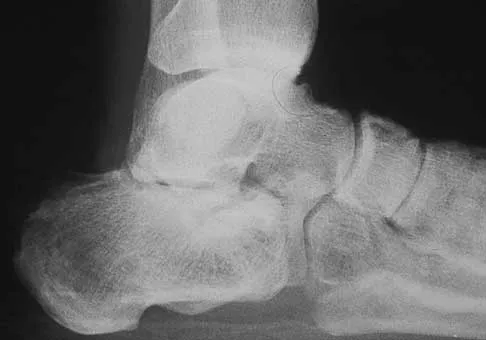
A construction worker sustained a comminuted calcaneus fracture 2 years ago. He now reports progressive hindfoot pain with the recent onset of anterior ankle pain. A lateral hindfoot radiograph is shown in Figure 31. Treatment should consist of


Explanation

The patient has subtalar arthrosis, a loss of heel height with anterior ankle impingement. The mechanics of the ankle are impaired, and dorsiflexion is painful and limited. The talar declination angle is measured by drawing a line through the longitudinal axis of the talus and the plane of support of the foot on a weight-bearing lateral radiograph. Anterior impingement is suggested with any value below 20°. By performing a distraction arthrodesis through the subtalar joint, the normal declination of the talus is reestablished, eliminating the anterior ankle impingement. Tibiotalocalaneal fusion would be inappropriate because the patient does not have arthritic symptoms in the ankle. Ankle arthroscopy or in situ arthrodesis would not reestablish appropriate ankle mechanics, and the osteophytes would be prone to redevelop. Lateral wall ostectomy may help with impingement at the level of the fibula or the lateral ankle but would provide no benefit to anterior ankle impingement. Carr JB, Hansen ST, Benirschke SK: Subtalar distraction bone block fusion for late complications of os calcis fractures. Foot Ankle 1988;9:81-86.

Question 11

What is the most common long-term complication of the fracture shown in Figure 32?


Explanation

The fracture pattern shown in the radiograph involves both a talar neck fracture and a talar body fracture. The body fracture propagates into the subtalar joint, with significant risk for the development of arthritis in that surface even with an anatomic reduction. In addition, Canale and Kelly reported a 25% incidence of malunion of talar neck fractures, with varus angulation occurring most frequently. Of these patients, 50% required a secondary surgical procedure because of the development of degenerative joint disease of the subtalar joint. Canale ST, Kelly FB Jr: Fractures of the neck of the talus: Long-term evaluation of seventy-one cases. J Bone Joint Surg Am 1978;60:143-156.

Question 12

A 62-year-old man has a severe pes planus and pain in the hindfoot. Radiographs show advanced degenerative changes at the talonavicular and subtalar joints with good preservation of the ankle joint. What is the most appropriate surgical procedure to alleviate his pain?


Explanation

Once degenerative changes have occurred, soft-tissue procedures are not indicated. Triple arthrodesis is the treatment of choice for adult-acquired flatfoot. Isolated fusion of the subtalar or talonavicular joint will not be sufficient to correct the problem. Lutter LD, Mizel MS, Pfeffer GB (eds): Orthopaedic Knowledge Update: Foot and Ankle. Rosemont, IL, American Academy of Orthopaedic Surgeons, 1994, pp 269-282.

Question 13

A 46-year-old woman reports pain and a shortened appearance of her toe after undergoing a Keller resection arthroplasty 2 years ago for hallux rigidus. Examination reveals mild swelling and motion limited to 25 degrees at the metatarsophalangeal joint. Radiographs show large dorsal osteophytes on the first metatarsal head, 50% resection of the proximal phalanx, and complete loss of the metatarsophalangeal joint space. Which of the following is considered the most reliable procedure to improve her pain and the appearance of her toe?


Explanation

Because the patient has significant arthritis, arthrodesis is the treatment of choice. Adding a bone graft will prevent further shortening and add length to her toe, resulting in improved cosmesis. A cheilectomy will not alleviate her arthritis pain. The toe is too short for an effective Moberg phalangeal dorsiflexion osteotomy. A Waterman first metatarsal dorsal osteotomy will not address the degenerative joint disease or shortening. Silastic arthroplasty may help, but there is the risk of additional problems with foreign body reaction and a significant risk of failure known to occur with Silastic materials. Myerson MS, Schon LC, McGuigan FX, Oznur A:Result of arthrodesis of the hallux metatarsophalangeal joint using bone graft for restoration of length. Foot Ankle Int 2000;21:297-306. Mann RA, Coughlin MJ: Adult hallux valgus, in Coughlin MJ, Mann RA (eds): Surgery of the Foot and Ankle, ed 7. St Louis, MO, Mosby, 1999, pp 252-253.

Question 14

Which of the following is considered the most appropriate shoe modification following transmetatarsal amputation?


Explanation

Most patients who undergo transmetatarsal amputation do not require custom shoe wear or an orthosis above the ankle. A molded toe filler is used to prevent excessive shear that can lead to ulceration. Use of a soft toe filler without stiffening of the sole results in excessive flexibility from the shortened lever arm, which reduces the efficiency of gait. A firm footplate or carbon fiber base adds rigidity to aid in push-off. A rocker bottom also may be added to the shoe. Philbin TM, Leyes M, Sferra JJ, Donley BG: Orthotic and prosthetic devices in partial foot amputations. Foot Ankle Clin 2001;6:215-228.

Question 15

A 35-year-old man has had a mass on the bottom of his foot for the past 6 months. He reports that initially the mass was exquisitely painful but now is minimally tender. Examination reveals a 2.5- x 2.0-cm firm, noncompressible, nonmobile mass contiguous with the plantar fascia in the distal arch. The mass is particularly prominent with passive dorsiflexion of the ankle and toes. What is the best course of action?


Explanation

The history is most consistent with a plantar fibroma. The nodules typically are located within the substance of the plantar aponeurosis. The clinical appearance is usually diagnostic without the need for advanced imaging studies. While the lesion may be prominent and painful to direct palpation, the anatomic location is usually off of the weight-bearing surface. Observation with or without an accommodative orthotic is the treatment of choice. Recurrence is common following attempted excision. Sammarco GJ, Mangone PG: Classification and treatment of plantar fibromatosis. Foot Ankle Int 2000;21:563-569.

Question 16

A 25-year-old woman has significant pain and swelling in her left ankle after falling off her bicycle. Examination reveals that she is neurovascularly intact. Radiographs are shown in Figures 33a through 33c. What is the next most appropriate step in management?


Explanation

33b 33c The radiographs show a displaced ankle fracture with widening of the syndesmosis. Open reduction and internal fixation is indicated with fixation of the mortise with syndesmotic screws. Wuest TK: Injuries to the distal lower extremity syndesmosis. J Am Acad Orthop Surg 1997;5:172-181.

Question 17

A 55-year-old woman with type I diabetes mellitus has a chronic ulcer over the dorsum of her right foot and reports forefoot pain. Examination reveals 1- x 2-cm nondraining ulcer over the dorsum of the foot. The patient has 1-2+ pain with compression of the foot and ankle. She has a weakly palpable posterior tibial pulse and an absent dorsalis pedis pulse. There is no erythema, cellulitis, or drainage. Radiographs are normal. Which of the following diagnostic studies should be obtained?


Explanation

The presence of a dorsal ulcer in the presence of weak or absent pulses strongly suggests the possibility of arterial insufficiency. The best initial noninvasive study to assess for ischemia is the Doppler arterial study. A determination of the vascular status is of a greater priority than an assessment for infection or neuropathy because of the location and presentation of the ulcer. If ankle pressures are less than 45 mm Hg, there is a high risk that these lesions will not heal without revascularization. Wagner FW Jr: The dysvascular foot: A system for diagnosis and treatment. Foot Ankle 1981;2:64-122.

Question 18

A 57-year-old woman with diabetes mellitus has purulent drainage from a lateral incision after undergoing open reduction and internal fixation of a displaced ankle fracture 10 days ago. Examination reveals moderate erythema and a foul odor coming from the wound. Cultures are obtained. What is the next most appropriate step in management?


Explanation

Early postoperative wound infections after open reduction and internal fixation should be treated with aggressive debridement and maintenance of stability of the fracture. If infection persists following healing of the fracture, the hardware should be removed. Carragee EJ, Csongradi JJ, Bleck EE: Early complications in the operative treatment of ankle fractures: Influence of delay before operation. J Bone Joint Surg Br 1991;73:79-82.

Question 19

A 67-year-old woman has had pain in the area of the metatarsal heads and toes bilaterally for the past 18 months. She describes a diffuse discomfort and a constant burning sensation. She notes that the area feels swollen. Examination reveals that her pulses are normal, and there is no frank swelling or focal tenderness. What is the most likely diagnosis?


Explanation

Patients with peripheral neuropathy will often initially see an orthopaedic surgeon and report symptoms of burning, numb, dead, or wooden feet. A simple diagnostic evaluation with a tuning fork (to test vibratory sensibility) or use of the Semmes-Weinstein monofilaments will help make the diagnosis. Mizel MS, Miller RA, Scioli MW (eds): Orthopaedic Knowledge Update: Foot and Ankle 2. Rosemont, IL, American Academy of Orthopaedic Surgeons, 1998, pp 113-121.

Question 20

A 19-year-old woman has had a painful prominence on the lateral border of her fifth metatarsal head since she was a young girl. Nonsurgical management, including the use of a wide toe box shoe, has failed to provide relief. Examination reveals a callus over the lateral prominence and on the plantar portion as well. A clinical photograph and a radiograph are shown in Figures 34a and 34b. Treatment should consist of


Explanation

34b The type of deformity described is a type 2 bunionette. There is often a congenital component to this deformity. The bowing of the fifth shaft differentiates a large intermetatarsal angle from a type 3 deformity. A distal chevron osteotomy corrects 1 degree in the intermetatarsal angle for every 1-mm shift. Because of limitations in the width of the fifth metatarsal neck, the allowable shift is generally 3 to 4 mm. This shift will not compensate for the large intermetatarsal angle. The floating osteotomy has a high rate of delayed union/nonunion and a low satisfaction rate. Metatarsal head excision has a high complication rate, including severe shortening, transfer metatarsalgia, stiffness, and pain. A more proximal procedure is necessary to correct the large intermetatarsal angle and the lateral bowing. The osteotomy of choice is a diaphyseal shaft osteotomy. Because this patient has a plantar callosity and a lateral callosity, the osteotomy is angled superiorly to elevate the fifth shaft with the shift, eliminating overload of the plantar metatarsal head and subsequent callus formation. Shereff MJ, Yang QM, Kummer FJ, Frey CC, Greenidge N: Vascular anatomy of the fifth metatarsal. Foot Ankle 1991;11:350-353. Coughlin MJ: Treatment of bunionette deformity with longitudinal diaphyseal osteotomy with distal soft tissue repair. Foot Ankle 1991;11:195-203.

Question 21

A 61-year-old woman has increasing pain in her left great toe. She states that she has had discomfort for years but now has pain with all shoe wear. A radiograph is shown in Figure 35. To provide the most predictable pain-free result, treatment should consist of


Explanation

Because the patient has a hallux valgus with increased intermetatarsal and hallux valgus angles and advanced degenerative arthritis of the joint, arthrodesis of the first metatarsophalangeal joint will provide the most predictable pain-free result. An attempt to correct the bunion with a bunionectomy or osteotomy would most likely fail. The hallux valgus and advanced degenerative changes put the foot beyond the indications for a cheilectomy. Long-term results with silicone arthroplasty have been disappointing. Mann RA: Disorders of the first metatarsophalangeal joint. J Am Acad Orthop Surg 1995;3:34-43.

Question 22

The most favorable outcomes from release of the tarsal tunnel are in patients who have which of the following findings?


Explanation

Numerous causes of tarsal tunnel syndrome have been reported. The most favorable outcomes from release of the tarsal tunnel are in patients who have a space-occupying lesion (eg, ganglion, lipoma, or neurilemoma). While electrodiagnostic studies may be abnormal preoperatively, there is a low correlation between clinical outcome and electromyographic findings. Intrinsic weakness is a late finding in long-standing nerve dysfunction. Beskin JL: Nerve entrapment syndromes of the foot and ankle. J Am Acad Orthop Surg 1997;5:261-269.

Question 23

An active 48-year-old woman has had progressive retrocalcaneal pain for the past 2 years. She reports that an injection into the retrocalcaneal bursa 3 weeks ago provided relief, but she now has swelling and weakness after tripping on the stairs 3 days ago. The Thompson test is positive. A radiograph is shown in Figure 36. What is the next most appropriate step in management?


Explanation

The patient's long-standing symptoms and radiograph indicate a chronic insertional Achilles tendinopathy that has progressed to complete rupture. This situation is best treated with tendon debridement and repair, often requiring supplementation graft from the flexor hallucis longus. MRI could provide additional information on the quality of the Achilles tendon, but neither MRI nor ultrasound is necessary to make a diagnosis or determine the surgical indication. Conservative management will be unpredictable with a chronic degenerative tendon injury. Myerson MS, McGarvey W: Disorders of the Achilles tendon: Insertion and Achilles tendinitis. Instr Course Lect 1999;48:211-218. Wilcox DK, Bohay DR, Anderson JG: Treatment of chronic Achilles tendon disorders with flexor hallucis longus tendon transfer/augmentation. Foot Ankle Int 2000;21:1004-1010.

Question 24

A 47-year-old woman has a right bunion that has been symptomatic despite modifications in shoe wear. She requests surgical correction. An AP radiograph is shown in Figure 37. Treatment should consist of


Explanation

Because the radiograph reveals an intermetatarsal angle of greater than 15 degrees and an incongruent metatarsophalangeal joint, the treatment of choice is a proximal first metatarsal osteotomy with distal soft-tissue realignment. A distal chevron procedure would not correct this degree of deformity. A Keller procedure is reserved for a less active elderly individual. Arthrodesis is appropriate for a patient with advanced arthritis of the metatarsophalangeal joint. The double osteotomy is reserved for the congruent metatarsophalangeal joint with hallux valgus. Coughlin MJ, Carlson RE: Treatment of hallux valgus with an increased distal metatarsal articular angle: Evaluation of double and triple first ray osteotomies. Foot Ankle Int 1999;20:762-770.

Question 25

A 68-year-old woman stepped on a needle while walking barefoot 10 days ago. She is not certain but thinks it is imbedded in her foot, and she notes local tenderness at the puncture site and drainage. Her primary care physician has been treating her with oral antibiotics. A plain radiograph is shown in Figure 38. What is the best course of action?


Explanation

Based on the radiographic findings, the patient has a metallic foreign body in her foot that is consistent with a needle. She has local infection secondary to the continued presence of the foreign body. CT is not necessary to localize the foreign body as it is adequately visualized on the plain radiographs. The infection cannot be adequately treated until the foreign body is removed. Attempted removal of foreign bodies without proper anesthesia and fluoroscopy frequently results in frustration because of the inability to localize the foreign body. Removal in a surgical suite with proper anesthesia and fluoroscopy is the preferred option. Once the foreign body is removed, the local infection will resolve rapidly. Combs AH, Kernek CB, Heck DA: Orthopedic grand rounds: Retained wooden foreign body in the foot detected by computed tomography. Orthopedics 1986;9:1434-1435.

Question 26

A 24-year-old male sustains a midfoot injury during a rugby tackle. Weight-bearing radiographs demonstrate a 3-mm diastasis between the base of the first and second metatarsals. MRI confirms a purely ligamentous tear of the Lisfranc complex without associated fractures. Which of the following treatments has been shown to provide the best long-term functional outcome for this specific injury pattern?


Explanation

Recent evidence demonstrates that primary arthrodesis yields superior functional outcomes and lower reoperation rates compared to ORIF for purely ligamentous Lisfranc injuries. ORIF is generally preferred for bony Lisfranc fracture-dislocations.

Question 27

A 42-year-old recreational athlete sustains an acute Achilles tendon rupture. After discussing operative and nonoperative management, he elects for nonoperative treatment. Which of the following rehabilitation protocols provides rerupture rates most comparable to operative management?


Explanation

Functional rehabilitation with early weight-bearing and range of motion in a functional orthosis has been shown to reduce rerupture rates in nonoperatively managed Achilles tendon ruptures, making them comparable to operative outcomes. It also significantly lowers the risk of wound complications.

Question 28

A 55-year-old woman presents with severe flexible flatfoot deformity. Examination shows unable to perform a single-leg heel rise. Radiographs demonstrate >40% uncoverage of the talonavicular joint and severe forefoot abduction. What surgical reconstruction is most appropriate for this Stage IIb posterior tibial tendon dysfunction?


Explanation

Stage IIb adult-acquired flatfoot involves significant forefoot abduction (>30% talonavicular uncoverage). A lateral column lengthening (Evans osteotomy) is necessary to correct the abduction, combined with an FDL transfer and medializing calcaneal osteotomy.

Question 29

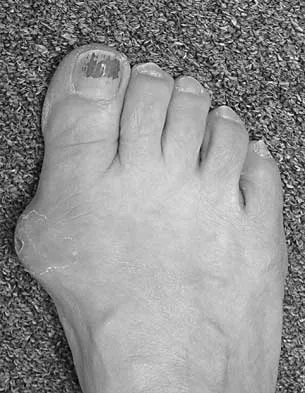
A 31-year-old man underwent open reduction and internal fixation of a displaced talar neck fracture 6 weeks ago. A follow-up AP mortise radiograph is obtained. Which of the following radiographic findings would be the most reliable indicator of intact talar vascularity?


Explanation

Hawkins sign is a subchondral radiolucent band seen in the talar dome 6 to 8 weeks post-injury. It indicates active bone resorption secondary to hyperemia, confirming an intact vascular supply and a low risk of avascular necrosis.

Question 30

A 21-year-old Division 1 basketball player sustains an acute Zone 2 fracture of the proximal fifth metatarsal (Jones fracture). To minimize the risk of nonunion and expedite return to play, what is the recommended treatment?


Explanation

Intramedullary screw fixation is recommended for acute Jones fractures in high-level athletes. It provides a faster return to sport and significantly lowers the rate of nonunion compared to conservative management.

Question 31

During surgical excision of a symptomatic Haglund's deformity and debridement of insertional Achilles tendinosis, the surgeon notes that 60% of the Achilles tendon insertion has been debrided to remove all tendinopathic tissue. What is the most appropriate next step?


Explanation

If more than 50% of the Achilles tendon insertion is compromised during debridement for insertional tendinopathy, augmentation with a Flexor Hallucis Longus (FHL) tendon transfer is indicated to restore plantarflexion strength and prevent rupture.

Question 32

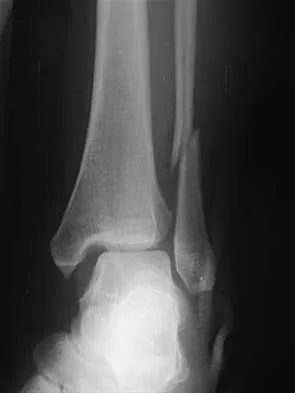
A 14-year-old boy presents with a history of recurrent lateral ankle sprains and a rigid, painful flatfoot. Oblique radiographs demonstrate an "anteater nose" sign. Nonoperative management has failed. What is the most appropriate surgical intervention?


Explanation

The "anteater nose" sign indicates a calcaneonavicular coalition. In a young patient without advanced arthritis, the treatment of choice after failed conservative care is resection of the coalition and interposition of the extensor digitorum brevis muscle or fat pad.

Question 33

An NFL lineman sustains a severe hyperextension injury to his great toe. MRI shows a complete tear of the plantar plate with proximal retraction of the medial sesamoid. Which of the following is an absolute indication for primary surgical repair of this "turf toe" injury?


Explanation

Grade 3 turf toe injuries involving a complete tear of the capsuloligamentous complex with proximal retraction of the sesamoids and gross MTP joint instability in competitive athletes require primary surgical repair.

Question 34

A 62-year-old male with severe ankle osteoarthritis is evaluated for a total ankle arthroplasty (TAA). Which of the following is considered an absolute contraindication to this procedure?


Explanation

Absolute contraindications to total ankle arthroplasty include Charcot neuroarthropathy, active or recent infection, absent leg sensation, severe inadequate soft tissue envelope, and avascular necrosis of the entire talus.

Question 35

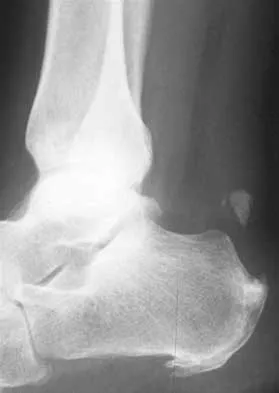
A 55-year-old man presents with chronic pain and stiffness in his first metatarsophalangeal (MTP) joint. Examination reveals a palpable dorsal prominence and dorsiflexion limited to 10 degrees. Radiographs reveal advanced joint space narrowing (<50% remaining) and large dorsal osteophytes.

What is the most reliable definitive treatment for this patient?


Explanation

This patient has Grade 3 hallux rigidus. While cheilectomy is highly effective for Grade 1 and 2, arthrodesis of the first MTP joint is the most reliable, definitive treatment for advanced (Grade 3 and 4) hallux rigidus, providing predictable pain relief.

Question 36

A 58-year-old diabetic male presents with an acutely swollen, red, and warm right foot. He denies trauma. Pulses are bounding and skin is intact. Radiographs show early fragmentation and debris at the tarsometatarsal joints. Which of the following is the most appropriate initial management?


Explanation

The patient is presenting with acute Eichenholtz Stage I Charcot neuroarthropathy. The gold standard for initial management is total contact casting to immobilize the foot and prevent further deformity until the acute inflammatory stage resolves.

Question 37

A 28-year-old skier reports a "popping" sensation behind his lateral malleolus followed by swelling. Examination reveals tenderness posterior to the fibula, and the tendons can be felt subluxating anteriorly with active ankle dorsiflexion and eversion. Injury to which of the following structures is the primary cause of this condition?


Explanation

Peroneal tendon subluxation is caused by an injury to or incompetence of the superior peroneal retinaculum (SPR), which is the primary restraint to anterior displacement of the peroneal tendons out of the retromalleolar groove.

Question 38

When evaluating a displaced intra-articular calcaneus fracture, the Sanders classification is commonly used for preoperative planning and prognosis. This classification is primarily based on the number and location of fracture lines through which of the following structures?


Explanation

The Sanders classification is based on coronal CT sections that show the widest portion of the posterior facet of the calcaneus. It categorizes fractures based on the number of articular fracture fragments.

Question 39

A 35-year-old woman presents with chronic medial ankle pain. On physical examination, her ankle dorsiflexion improves significantly when her knee is flexed compared to when her knee is extended. Which of the following procedures would specifically target the pathology indicated by this examination finding?


Explanation

The physical exam describes a positive Silfverskiöld test, which differentiates isolated gastrocnemius tightness from combined gastrocnemius-soleus contracture. If dorsiflexion improves with knee flexion, an isolated gastrocnemius recession is indicated.

Question 40

A 20-year-old track athlete presents with an insidious onset of vague dorsal midfoot pain. T1-weighted MRI demonstrates a linear band of low signal intensity in the central third of the tarsal navicular. The fracture is incomplete and non-displaced. What is the most appropriate initial treatment?


Explanation

Navicular stress fractures occur in a relative "watershed" avascular zone. The initial treatment for acute, non-displaced fractures is strict non-weight-bearing cast immobilization for 6 to 8 weeks to prevent progression to complete fracture or nonunion.

Question 41

A 45-year-old man presents with firm, painless, slow-growing nodules on the plantar aspect of his foot that cause discomfort only when walking in hard-soled shoes. Biopsy of a similar lesion previously showed benign fibroblastic proliferation. What is the most appropriate initial management?


Explanation

Plantar fibromatosis (Ledderhose disease) is a benign hyperproliferative disorder of the plantar aponeurosis. Because surgical excision has a high recurrence rate and risk of painful scarring, initial treatment should focus on nonoperative management with accommodative orthotics.

Question 42

A patient with a high-energy distal tibia "pilon" fracture presents to the emergency department. The soft tissue envelope is significantly swollen with blistering. What is the most widely accepted surgical strategy for managing this injury?


Explanation

High-energy pilon fractures are fraught with severe soft-tissue complications. The standard of care is a staged approach: immediate joint-spanning external fixation (with or without fibular fixation), followed by definitive ORIF once the soft tissue envelope recovers (appearance of skin wrinkles).

Question 43

A 45-year-old woman with a painful bunion has an intermetatarsal angle of 18 degrees, a hallux valgus angle of 45 degrees, and clinical hypermobility of the first tarsometatarsal (TMT) joint. Which of the following procedures is most appropriate to comprehensively address her pathology?


Explanation

Severe hallux valgus (IMA >15 degrees, HVA >40 degrees) accompanied by hypermobility of the first TMT joint is best treated with a Lapidus procedure (first TMT arthrodesis) to provide medial column stability and robust correction of the deformity.

Question 44

A 16-year-old female presents with localized pain and swelling over the dorsal aspect of the second metatarsophalangeal joint. Radiographs reveal flattening, sclerosis, and fragmentation of the second metatarsal head. What is the most likely diagnosis?


Explanation

Freiberg's infarction is an avascular necrosis of the metatarsal head, most commonly affecting the second metatarsal in adolescent females. Radiographs typically show flattening and sclerosis of the metatarsal head.

Question 45

During closed reduction and internal fixation of a syndesmotic injury, an external rotation stress test is performed under fluoroscopy. Widening of the medial clear space greater than 4 mm is observed. This finding specifically indicates incompetence of which of the following structures?


Explanation

The medial clear space on a mortise view evaluates the integrity of the deltoid ligament. Widening >4 mm during external rotation or gravity stress testing indicates rupture or incompetence of the deep deltoid ligament.

Question 46

A 28-year-old male sustains an unstable ankle fracture requiring syndesmotic fixation. Which of the following factors is most strongly associated with a favorable long-term functional outcome following this procedure?


Explanation

The most significant predictor of good clinical outcome after syndesmotic injury is accurate, anatomic reduction of the distal tibiofibular joint. Ankle position during fixation and routine screw removal do not significantly alter long-term functional scores.

Question 47

A 45-year-old female presents with severe bunion pain. Weight-bearing radiographs reveal a Hallux Valgus Angle (HVA) of 45 degrees, an Intermetatarsal Angle (IMA) of 18 degrees, and hypermobility at the first tarsometatarsal (TMT) joint. What is the most appropriate surgical management?


Explanation

The Lapidus procedure is indicated for moderate to severe hallux valgus (IMA > 15 degrees) especially in the presence of first TMT joint hypermobility. Distal osteotomies cannot adequately correct an IMA of this magnitude.

Question 48

When performing an extensile lateral approach for open reduction and internal fixation of a displaced intra-articular calcaneus fracture, preserving the vascular supply to the lateral soft-tissue flap is critical. Which artery provides the primary blood supply to the apex of this flap?


Explanation

The lateral calcaneal artery, a branch of the peroneal artery, provides the primary blood supply to the lateral extensile flap. The incision should be full thickness to the bone to protect this vascular supply and prevent wound edge necrosis.

Question 49

A 35-year-old recreational basketball player sustains an acute Achilles tendon rupture. Compared to surgical repair, modern nonoperative management utilizing early functional rehabilitation is associated with a higher rate of which of the following?


Explanation

Recent high-quality studies demonstrate that when functional rehabilitation protocols with early weight-bearing are used, nonoperative management has re-rupture rates equivalent to operative management. Operative management carries higher risks of infection and nerve injury.

Question 50

A 55-year-old female presents with medial ankle pain and a progressively flattening arch. Examination reveals a flexible hindfoot valgus and inability to perform a single-leg heel raise. Nonoperative management has failed. Which of the following is the most appropriate surgical intervention?


Explanation

This patient has Stage II adult-acquired flatfoot deformity (posterior tibial tendon dysfunction) characterized by a flexible deformity. Joint-sparing procedures such as an FDL transfer combined with a medial displacement calcaneal osteotomy are indicated.

Question 51

A 14-year-old male presents with a progressive bilateral cavovarus foot deformity. Neurological evaluation confirms Charcot-Marie-Tooth disease. The plantarflexed first ray in this deformity is primarily driven by the overpull of which muscle?


Explanation

In Charcot-Marie-Tooth disease, the peroneus brevis and tibialis anterior become weak. The preserved strength of the peroneus longus overpowers the weak tibialis anterior, causing a plantarflexed first ray and forefoot pronation.

Question 52

A 24-year-old football player sustains a high-energy midfoot injury. Radiographs reveal a "fleck sign" in the first intermetatarsal space. Ligamentous Lisfranc injuries are most reliably treated with which of the following methods to minimize the risk of hardware failure and long-term midfoot arthritis?


Explanation

For purely ligamentous Lisfranc injuries, primary arthrodesis of the medial columns (1st-3rd TMT joints) has been shown to have superior long-term outcomes and fewer reoperations compared to ORIF.

Question 53

A 21-year-old collegiate soccer player sustains a fracture at the metaphyseal-diaphyseal junction of the fifth metatarsal (Jones fracture). Why is this specific anatomic location prone to delayed union and nonunion?


Explanation

Zone 2 of the fifth metatarsal (Jones fracture) lies at the metaphyseal-diaphyseal junction, which represents a vascular watershed area. This tenuous blood supply significantly increases the risk of delayed union and nonunion.

Question 54

Six weeks following open reduction and internal fixation of a Hawkins type II talar neck fracture, a radiograph is obtained. A subchondral radiolucent band is seen in the talar dome (Hawkins sign). What does this radiographic finding indicate?


Explanation

A positive Hawkins sign is a subchondral radiolucent band representing subchondral osteopenia. It indicates intact vascularity to the talar body because hyperemic bone resorption requires active blood flow.

Question 55

A 42-year-old marathon runner complains of burning pain and tingling in the plantar aspect of her foot, which worsens at night and after long runs. Examination reveals a positive Tinel's sign posterior to the medial malleolus. Which structure forms the roof of the anatomic space where this nerve is compressed?


Explanation

Tarsal tunnel syndrome involves compression of the tibial nerve posterior to the medial malleolus. The flexor retinaculum forms the roof of the tarsal tunnel, while the medial malleolus and talus/calcaneus form the floor.

Question 56

A 62-year-old male with post-traumatic end-stage ankle arthritis is being evaluated for surgical intervention. Which of the following is considered an absolute contraindication to a total ankle arthroplasty?


Explanation

Severe peripheral neuropathy with lack of protective sensation (e.g., Charcot arthropathy) is an absolute contraindication for total ankle arthroplasty due to the high risk of catastrophic failure and implant subsidence.

Question 57

A 28-year-old male presents with chronic ankle pain following a severe inversion sprain 6 months ago. MRI demonstrates an osteochondral lesion of the talus. Based on typical anatomic patterns, an anterolateral talar dome lesion is most likely to have which of the following characteristics?


Explanation

Anterolateral osteochondral lesions of the talus are typically traumatic in etiology and present as shallow, wafer-shaped defects. Posteromedial lesions are typically non-traumatic (insidious), deep, and cup-shaped.

Question 58

A 40-year-old female complains of burning pain in her forefoot that radiates into her third and fourth toes, exacerbated by wearing high-heeled shoes. Squeezing the metatarsal heads together while applying plantar pressure produces a painful click. What is the most appropriate initial management?


Explanation

This patient presents with a classic Morton's neuroma in the third web space, accompanied by a positive Mulder's click. Initial management is nonoperative, including wide-toe box shoes and metatarsal pads to offload the neuroma.

Question 59

A 56-year-old male with a 20-year history of uncontrolled diabetes presents with a swollen, erythematous, and warm left foot. Radiographs reveal fragmentation at the tarsometatarsal joints. The neurovascular theory of Charcot arthropathy suggests that this bone destruction is primarily mediated by:


Explanation

The neurovascular theory of Charcot arthropathy posits that autonomic neuropathy leads to loss of sympathetic tone, resulting in bounding pulses, arteriovenous shunting, hyperemia, and subsequent osteoclastic bone resorption.

Question 60

A 48-year-old male presents with sharp, stabbing left heel pain that is most severe with the first few steps in the morning. Examination reveals localized tenderness at the medial tuberosity of the calcaneus. What is the most effective initial stretching exercise for long-term relief of this condition?


Explanation

Plantar fasciitis is best treated initially with a plantar fascia-specific stretching program. Passively dorsiflexing the MTP joints engages the windlass mechanism, providing a targeted and effective stretch to the plantar fascia.

Question 61

A 22-year-old collegiate wide receiver sustains an acute injury to his great toe when he is tackled from behind while his foot is planted and the metatarsophalangeal (MTP) joint is forcefully dorsiflexed. He has severe pain, swelling, and ecchymosis at the plantar aspect of the first MTP joint. Which structure is most likely disrupted?


Explanation

Turf toe is an acute hyperextension injury to the first MTP joint resulting in a sprain or tear of the plantar plate and capsuloligamentous complex. It is common in athletes playing on artificial turf.

Question 62

A 32-year-old male sustains a trimalleolar ankle fracture. Recent biomechanical and clinical studies regarding the posterior malleolar fragment suggest that open reduction and internal fixation is indicated primarily:


Explanation

Historically, size (>25-30% of the joint surface) dictated fixation. Modern literature emphasizes that fixing the posterior malleolus is critical for restoring the incisura fibularis and maximizing syndesmotic stability, often regardless of strict size criteria.

Question 63

A 52-year-old male presents with chronic posterior heel pain. Radiographs demonstrate a prominent posterosuperior calcaneal tuberosity and calcification within the Achilles tendon insertion. During surgical debridement via a central tendon-splitting approach, what percentage of the Achilles tendon insertion can typically be detached and reattached without requiring augmentation?


Explanation

Up to 50% of the Achilles tendon insertion can generally be detached during debridement of insertional tendinopathy and a Haglund's deformity without requiring routine augmentation with a flexor hallucis longus (FHL) transfer.

Question 64

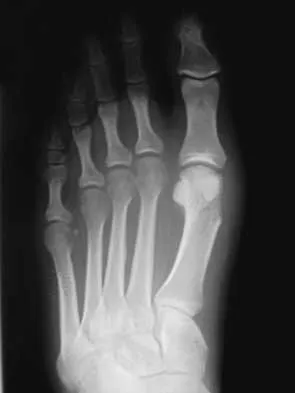
A 45-year-old man sustains a Hawkins type III talar neck fracture.

He undergoes dual-incision open reduction and internal fixation. Which of the following is the primary blood supply to the talar body that is typically disrupted in this injury?


Explanation

The artery of the tarsal canal, a branch of the posterior tibial artery, provides the majority of the blood supply to the talar body. Disruption of this artery, along with other capsular vessels, is the primary reason for the high rate of avascular necrosis in displaced talar neck fractures.

Question 65

A 22-year-old collegiate football player sustains a purely ligamentous Lisfranc injury.

MRI demonstrates a complete rupture of the Lisfranc ligament. He elects for operative management. Compared to open reduction and internal fixation (ORIF), primary arthrodesis of the first, second, and third tarsometatarsal joints in this patient is associated with:


Explanation

Studies comparing primary arthrodesis to ORIF for purely ligamentous Lisfranc injuries show similar or superior functional outcomes for arthrodesis. Arthrodesis also significantly lowers the rate of planned or unplanned secondary surgeries, such as hardware removal.

Question 66

A 55-year-old woman complains of progressive foot deformity and medial ankle pain. Examination reveals a flexible hindfoot valgus, inability to perform a single-leg heel raise, and forefoot abduction covering 40% of the talar head.

Which surgical procedure is most appropriate for correcting her significant forefoot abduction?


Explanation

Lateral column lengthening (e.g., Evans osteotomy) is specifically indicated to correct significant forefoot abduction in Stage IIb adult-acquired flatfoot deformity. This procedure helps restore the talonavicular coverage angle.

Question 67

A 60-year-old man with diabetes mellitus presents with a swollen, erythematous, but painless left foot. Radiographs reveal fragmentation and subluxation of the tarsometatarsal joints.

The overlying skin is intact. What is the most appropriate initial management?


Explanation

This patient has an acute Eichenholtz stage I Charcot neuroarthropathy. The gold standard initial management is strict immobilization with a total contact cast to prevent further deformity while the acute inflammatory phase subsides.

Question 68

A 28-year-old male sustains an isolated lateral malleolus fracture with a syndesmotic rupture. Intraoperatively, after fibular fixation, the syndesmosis is reduced with a clamp. What is the most common malreduction of the distal fibula within the incisura if the clamp is placed too anteriorly on the tibia?


Explanation

Placing the reduction clamp too anteriorly on the tibia and posteriorly on the fibula forces the fibula to translate anteriorly within the incisura. Anatomic reduction requires the clamp to be oriented in the true transmalleolar axis.

Question 69

A 68-year-old female with severe end-stage ankle osteoarthritis desires a total ankle arthroplasty (TAA). Which of the following is an absolute contraindication for performing a TAA?


Explanation

Active Charcot neuroarthropathy, active infection, and severe avascular necrosis of the talus with collapse are absolute contraindications to total ankle arthroplasty. These conditions lead to unacceptably high rates of implant failure.

Question 70

A 35-year-old elite basketball player sustains a zone 2 fracture of the proximal fifth metatarsal.

He desires the fastest return to play. Which of the following screw characteristics is biomechanically optimal for intramedullary screw fixation of this injury?


Explanation

For elite athletes with a Jones fracture, an intramedullary solid screw with the largest diameter that fits the canal (often 4.5 mm or larger) offers the best biomechanical stability. Solid screws have superior bending strength compared to cannulated screws.

Question 71

A 40-year-old runner presents with chronic heel pain, worse with the first steps in the morning. After 12 months of conservative treatment, he elects for a partial plantar fascia release. To minimize the risk of lateral column pain and arch collapse, the release should be limited to:


Explanation

Surgical release of the plantar fascia should be strictly limited to the medial one-third to one-half of the fascia. Releasing more than this significantly increases the risk of lateral column overload, cuboid syndrome, and longitudinal arch collapse.

Question 72

A 24-year-old soccer player sustains a forced dorsiflexion injury to her great toe.

MRI confirms a complete tear of the plantar plate with proximal retraction of the sesamoids. What is the most appropriate management?


Explanation

A Grade 3 turf toe involves complete plantar plate rupture and sesamoid retraction. In a competitive athlete, this requires surgical repair to restore push-off strength and prevent chronic instability of the first metatarsophalangeal joint.

Question 73

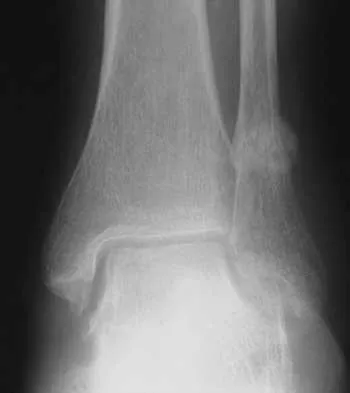
A 50-year-old woman presents with severe hallux valgus.

Her intermetatarsal angle (IMA) is 20 degrees and hallux valgus angle (HVA) is 45 degrees. There is clinical hypermobility of the first tarsometatarsal (TMT) joint. Which of the following procedures is most appropriate?


Explanation

A Lapidus procedure (first TMT joint arthrodesis) is indicated for severe hallux valgus, particularly when associated with a high IMA (>15 degrees) and hypermobility of the first TMT joint. It effectively addresses the deformity at its apex.

Question 74

A 30-year-old male presents with chronic posterolateral ankle pain and a clicking sensation. Examination reveals subluxation of the peroneal tendons over the lateral malleolus with resisted dorsiflexion and eversion. What is the primary anatomic structure that has been compromised?


Explanation

Peroneal tendon subluxation or dislocation is primarily caused by an injury, stripping, or incompetence of the superior peroneal retinaculum. Surgical management typically involves repairing the retinaculum and potentially deepening the fibular groove.

Question 75

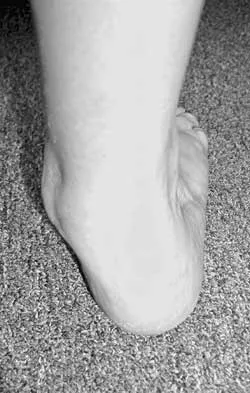
A 38-year-old construction worker falls from a ladder, sustaining a displaced intra-articular calcaneus fracture (Sanders type III).

He undergoes ORIF via an extensile lateral approach. Which nerve is at greatest risk of injury during the development of the inferior limb of this incision?


Explanation

The sural nerve crosses the lateral aspect of the hindfoot and is at significant risk of injury during the extensile lateral approach to the calcaneus. The incision must be carefully planned and carried down to bone to create a full-thickness flap.

Question 76

A 60-year-old female presents with intractable pain at the plantar aspect of the first metatarsal head. Excision of a fragmented medial sesamoid is planned. To prevent postoperative hallux valgus, what soft tissue structure must be meticulously repaired?


Explanation

Excision of the medial sesamoid destabilizes the medial side of the MTP joint and removes the intrinsic medial stabilizers. Meticulous repair of the plantar plate, medial capsule, and abductor hallucis is essential to prevent iatrogenic hallux valgus.

Question 77

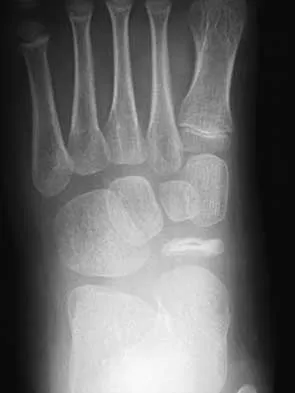
A 42-year-old patient undergoes an Achilles tendon repair using a minimally invasive technique.

Postoperatively, he complains of burning numbness over the lateral border of his foot. Which nerve was most likely injured during blind suture passage?


Explanation

The sural nerve courses laterally and crosses the lateral border of the Achilles tendon roughly 10 cm proximal to the insertion. It is at direct risk of entrapment or laceration during percutaneous or minimally invasive Achilles repairs.

Question 78

A 20-year-old collegiate sprinter presents with 2 months of insidious onset midfoot pain, worse during practice. Tenderness is noted at the dorsal aspect of the navicular. CT scan reveals an incomplete, nondisplaced stress fracture involving the dorsal cortex of the navicular. What is the recommended initial management?


Explanation

Incomplete, nondisplaced navicular stress fractures have a high risk of nonunion if subjected to mechanical stress. They are best treated initially with strict non-weight-bearing in a cast for 6-8 weeks.

Question 79

A 28-year-old professional basketball player sustains an acute Zone 2 fracture of the proximal fifth metatarsal. He wishes to return to play as soon as possible. A radiograph of a similar fracture is shown in the figure.

What is the optimal surgical treatment?


Explanation

Intramedullary screw fixation is the gold standard for high-level athletes with acute Zone 2 (Jones) fractures. It minimizes the risk of nonunion and expedites the return to professional play.

Question 80

A 25-year-old soccer player sustains an ankle inversion and external rotation injury. Anteroposterior and mortise radiographs show no fracture, but the tibiofibular clear space is 7 mm. What ligament is primarily responsible for the anterior stability of the distal tibiofibular syndesmosis?


Explanation

The AITFL provides approximately 35% of the resistance to diastasis. It acts as the primary anterior stabilizer of the distal tibiofibular syndesmosis.

Question 81

A 42-year-old recreational tennis player undergoes conservative management with functional bracing for an acute Achilles tendon rupture. Compared to primary surgical repair, what is the most significant expected difference in clinical outcomes?


Explanation

While early functional rehabilitation has narrowed the gap, conservative treatment still carries a slightly higher risk of rerupture compared to surgical repair. However, it avoids surgical site complications such as infection.

Question 82

A 35-year-old man sustains a purely ligamentous Lisfranc injury. He undergoes open reduction and primary arthrodesis of the first, second, and third tarsometatarsal joints. Compared to open reduction and internal fixation (ORIF), primary arthrodesis for purely ligamentous Lisfranc injuries is most strongly associated with:


Explanation

Primary arthrodesis for purely ligamentous Lisfranc injuries demonstrates similar or superior functional outcomes to ORIF. It significantly reduces the need for subsequent hardware removal and secondary salvage arthrodesis.

Question 83

A 55-year-old man presents with dorsal midfoot and great toe pain. Examination reveals a painful, restricted dorsiflexion of the first metatarsophalangeal (MTP) joint. Radiographs show a large dorsal osteophyte and preserved plantar joint space.

What is the most appropriate surgical treatment if nonoperative management fails?


Explanation

Cheilectomy is the procedure of choice for early to moderate hallux rigidus (Coughlin and Shurnas Grade 1 and 2). It effectively relieves dorsal impingement while preserving the MTP joint.

Question 84

A 60-year-old woman presents with progressive flattening of her left medial longitudinal arch and medial ankle pain. On examination, she is unable to perform a single-leg heel rise. Her hindfoot is in valgus but is passively correctable to neutral. What combination of surgical procedures is most commonly indicated?


Explanation

Stage 2 posterior tibial tendon dysfunction (passively correctable flatfoot) is definitively managed with soft tissue reconstruction and bony realignment. FDL transfer to the navicular and medializing calcaneal osteotomy are the standard of care.

Question 85

A 45-year-old woman complains of burning pain in the plantar aspect of her foot, which worsens at night. Tinel's sign is positive posterior to the medial malleolus. The flexor retinaculum forms the roof of the tarsal tunnel. Which of the following structures lies most anteriorly within this tunnel?


Explanation

From anterior to posterior, the structures in the tarsal tunnel are the Tibialis posterior tendon, Flexor digitorum longus, Posterior tibial Artery, Vein, Nerve, and Flexor hallucis longus. This follows the mnemonic "Tom, Dick, And Very Nervous Harry".

Question 86

A 58-year-old man with poorly controlled diabetes mellitus presents with a red, hot, swollen right foot. He has no open wounds or systemic signs of infection. Radiographs reveal fragmentation and subluxation of the midfoot. What is the most appropriate initial management?


Explanation

This presentation is classic for acute Eichenholtz stage 1 (fragmentation) Charcot arthropathy. Initial treatment demands strict immobilization and offloading with a total contact cast until the acute inflammatory phase resolves.

Question 87

A 40-year-old woman presents with burning pain in her forefoot radiating into the third and fourth toes. Squeezing the metatarsal heads together while applying plantar pressure reproduces the pain with a palpable click (Mulder's sign). Histological evaluation of the resected tissue in this condition most typically demonstrates:


Explanation

Morton's neuroma is not a true neoplasm. It is a compressive neuropathy characterized by perineural fibrosis, endoneurial edema, and local axonal degeneration of the common digital nerve.

Question 88

A 25-year-old skier sustains a forced dorsiflexion injury to his ankle while actively everting his foot. He complains of a snapping sensation over the posterolateral ankle during walking. What anatomical structure is most likely injured?


Explanation

The superior peroneal retinaculum prevents bowstringing of the peroneal tendons. Injury to this retinaculum leads to recurrent peroneal tendon subluxation over the lateral malleolus.

Question 89

A 14-year-old boy presents with a history of recurrent ankle sprains and rigid flatfeet. A CT scan of the foot confirms an osseous calcaneonavicular coalition. If nonoperative treatments fail, what is the surgical treatment of choice for a symptomatic coalition without arthritic changes?


Explanation

In young patients lacking degenerative joint changes, resection of the calcaneonavicular bar with interposition of tissue (e.g., extensor digitorum brevis or fat) restores motion and prevents recurrence.

Question 90

A 40-year-old male construction worker falls from a ladder, sustaining a highly comminuted, displaced intra-articular calcaneus fracture (Sanders type IV). He is a heavy smoker (2 packs per day). What is the most appropriate surgical management to minimize wound complications while providing definitive treatment?


Explanation

Sanders type IV fractures are highly comminuted and have poor outcomes with ORIF. In a high-risk patient (heavy smoker), primary subtalar arthrodesis via a minimal incision minimizes disastrous soft-tissue necrosis while addressing the severe articular damage.

Question 91

A 65-year-old man with end-stage post-traumatic ankle osteoarthritis desires surgical intervention. He has a history of a talar neck fracture that led to avascular necrosis (AVN) of the talar body involving 60% of the bone. Which of the following is an absolute contraindication to total ankle arthroplasty (TAA) in this patient?


Explanation

Extensive avascular necrosis of the talus (>50%) is an absolute contraindication for total ankle arthroplasty due to inadequate viable bone stock to support the talar component. Arthrodesis is the preferred alternative.

Question 92

A 65-year-old active man presents with a 2-week history of a "slapping gait" and inability to clear his foot during the swing phase. Examination reveals an inability to actively dorsiflex the ankle with the foot in inversion, and a palpable defect over the anterior ankle. For a healthy, active patient, what is the most appropriate treatment?


Explanation

An acute tibialis anterior tendon rupture in an active patient is best treated with primary surgical repair. This restores physiological dorsiflexion power and avoids the need for lifelong bracing.

None

Clinic OS
Medically Verified Content by
Prof. Clinic OS
Consultant Orthopedic & Spine Surgeon
Chapter Index
