العربية
Part of the Master Guide

AAOS & ABOS Foot & Ankle Board Review MCQs (Set 2): Ankle Fractures, Lisfranc, Diabetic Foot

Orthopedic Foot & Ankle 2026 MCQs: Board Review Questions & Answers (Part 4)
23 Apr 2026 58 min read 78 Views
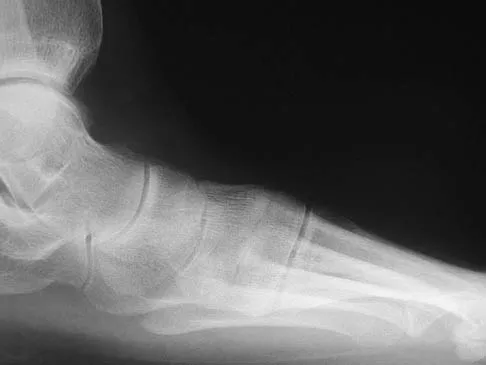
Figure for Foot & Ankle 2006 MCQs - Part 4 - Question 76

Key Takeaway

Looking for accurate information on Orthopedic Foot & Ankle 2026 MCQs: Board Review Questions & Answers (Part 4)? Top-rated Orthopedic Foot & Ankle 2026 MCQs bank. Practice with clinical case questions, orthopedic surgery board review, and evidence-based answers updated for 2026.

Orthopedic Foot & Ankle 2026 MCQs: Board Review Questions & Answers (Part 4)

Comprehensive 100-Question Exam


00:00

Start Quiz

Question 1

Figures 34a and 34b show the clinical photographs of a 46-year-old woman who has a painful deformity of the second toe. Surgical treatment consisting of metatarsophalangeal capsulotomy and proximal interphalangeal joint resection arthroplasty resulted in satisfactory correction, but the toe remains unstable at the metatarsophalangeal joint. What is the next most appropriate step?


Explanation

34b Crossover second toes are attributed to attenuation or rupture of the plantar plate and lateral collateral ligament and are associated with varying degrees of instability. Flexor-to-extensor transfer (Girdlestone/Taylor procedure) can provide intrinsic stability to the toe. Although plantar metatarsal head condylectomy can increase stability by resulting in scarring of the plantar plate, excision of the entire second metatarsal head carries a high risk of transfer metatarsalgia. Removal of the base of the proximal phalanx destabilizes the toe and should be reserved as a salvage procedure. Simple flexor tenotomy alone will not improve stability, and arthrodesis of the second metatarsophalangeal joint will limit motion and impair function. Coughlin MJ: Crossover second toe deformity. Foot Ankle 1987;8:29-39.

Question 2

A 40-year-old man fell 10 feet from a tree and sustained the closed isolated injury shown in Figures 35a and 35b. Management consists of splinting. At his 2-week follow-up visit, he clinically passes the wrinkle test. He agrees to open reduction and internal fixation. What is the best surgical approach to obtain anatomic reduction and limit wound dehiscence?


Explanation

35b The approach to the calcaneus has evolved from several different patterns, driven by a high wound complication rate of 10%. The current extensile lateral approach was described by Zwipp and associates in 1988. The surgical exposure uses an L-shaped incision, with the vertical component positioned one half a finger's breath anterior to the Achilles tendon and extending distally to the junction of the lateral skin and the plantar skin. Borrelli and Lashgari mapped the angiosome of the lateral calcaneal flap and found that the major arterial blood supply to this flap consisted of three arteries: the lateral calcaneal artery, the lateral malleolar artery, and the lateral tarsal artery. The lateral calcaneal artery appeared to be responsible for most of the blood supply to the corner of the flap. This was found 1.5 cm anterior to the Achilles tendon. Division of this artery with inaccurate placement of the vertical limb of the incision can cause ischemia of the lateral skin flap. Borrelli J Jr, Lashgari C: Vascularity of the lateral calcaneal flap: A cadaveric injection study. J Orthop Trauma 1999;13:73-77. Freeman BJC, Duff S, Allen PE, et al: The extended lateral approach to the hindfoot: An anatomical basis and surgical implications. J Bone Joint Surg Br 1998;80:139-142.

Question 3

In the treatment of all magnitudes of bunionette deformities, what is the most common complication associated with lateral condylectomy of the fifth metatarsal head?


Explanation

When a lateral condylectomy alone is performed for all bunionette deformities, a high recurrence rate is expected. Lateral condylectomy should be used alone when the primary deformity is an enlarged lateral condyle of the fifth metatarsal head. In cases with significant divergence of the fifth metatarsal shaft in relationship to the fourth metatarsal shaft or with lateral bowing of the distal fifth metatarsal shaft, the lateral fifth metatarsal prominence will not be effectively reduced and recurrent symptoms and deformity are expected. Transfer metatarsalgia and/or dislocation of the metatarsophalangeal joint can infrequently occur with excessive metatarsal head excision. Arthrosis of the metatarsophalangeal joint has not been frequently reported. Coughlin MJ, Mann RA: Keratotic disorders of the plantar skin, in Coughlin MJ, Mann RA (eds): Surgery of the Foot and Ankle, ed 6. St Louis, MO, Mosby-Year Book, 1993, pp 413-465. Kelikian H: Deformities of the lesser toe, in Kelikian H (ed): Hallux Valgus, Allied Deformities of the Forefoot and Metatarsalgia. Philadelphia, PA, WB Saunders, 1965, pp 327-330.

Question 4

A 17-year-old patient sustained a closed calcaneal fracture when he jumped off of a roof 2 years ago, and he underwent nonsurgical management at the time of injury. The patient now reports lateral hindfoot pain that is worse with weight-bearing activities. Anti-inflammatory drugs and orthoses have failed to provide relief. Coronal and sagittal CT scans are shown in Figures 36a and 36b. What is the best course of action?


Explanation

36b The CT scans show evidence of a lateral wall blowout and malunion without significant arthrosis of the subtalar joint. In a young patient, it is preferable to avoid a fusion and allow residual motion by performing an exostectomy that decompresses the lateral subtalar joint and peroneal tendons. Chandler JT, Bonar SK, Anderson RB, et al: Results of in situ subtalar arthrodesis for late sequelae of calcaneus fractures. Foot Ankle Int 1999;20:18-24.

Question 5

A 52-year-old woman with diabetes mellitus has had a plantar foot ulcer under the second metatarsal head for the past week. The patient had a similar ulcer 2 months ago, and total contact casting resulted in healing. Examination reveals no signs of infection. What procedure will best prevent recurrence of the ulcer?


Explanation

The contracted Achilles tendon leads to increased forefoot pressure, thus increasing the risk for ulceration in neuropathic patients. Several studies have shown the benefit of Achilles tendon lengthening to heal and prevent forefoot ulceration in these patients. The flexor hallucis longus transfer is used for chronically torn/deficient Achilles tendons, not a contracted Achilles tendon. The Jones procedure works well for the first ray but does not help to alleviate pressure under the second ray. Peripheral bypass surgery is unnecessary because the ulcer healed during the initial treatment, indicating that the patient has adequate circulation. The posterior tibial tendon transfer is used for foot drop or other neuromuscular conditions to correct deformity and increase function. It is not used for forefoot ulcers in patients with diabetes mellitus. Armstrong DG, Stacpoole-Shea S, Nguyen H, et al: Lengthening of the Achilles tendon in diabetic patients who are at high risk for ulceration of the foot. J Bone Joint Surg Am 1999;81:535-538.

Question 6

Figures 37a and 37b show the clinical photographs of a 43-year-old patient with type I diabetes mellitus who has a stump ulcer after undergoing successful transtibial amputation 1 year ago. Which of the following is considered the most predictable method of healing the ulcer and preventing recurrent ulceration?


Explanation

37b The ulcer occurred as the result of a mismatch between the shape of the residual limb and the prosthetic socket. With the mismatch, the residual limb pistoned and the tissue failed because of the applied shear forces. The most predictable short- and long-term solution is reconstruction of the residual limb. Refraining from use of the prosthesis will prevent the patient from walking for months. It is unlikely that prosthetic socket modification will allow resolution of this large ulcer.

Question 7

A 15-year-old girl who plays high school basketball has had worsening forefoot pain and swelling that is aggravated by activity for the past 5 weeks. She denies any history of an injury. Examination reveals no deformities. A radiograph is shown in Figure 38. Initial management should consist of


Explanation

Freiberg's infraction is believed to be an osteochondrosis of the second metatarsal head. It is the only osteochondrosis that has a predilection for females. The typical patient is an athletically active adolescent female. The radiograph shows stage II disease wherein reossification is occurring; it is at this time that the second metatarsal head is most susceptible to deformation. Therefore, initial management should consist of a short leg walking cast.

Question 8

A 56-year-old woman has a painful mass on the bottom of her left foot, and orthotic management has failed to provide relief. Examination reveals that the mass is contiguous with the plantar fascia. An MRI scan shows a homogenous nodule within the plantar fascia. Resection of the tumor is shown in the clinical photograph in Figure 39. What type of cell is most likely responsible for the formation of this tumor?


Explanation

The history, examination, and surgical findings are most consistent with plantar fibromatosis. Plantar fibromatosis is a benign tumor of the plantar fascia that consists chiefly of fibromyoblasts. These cells produce excessive collagen and are similar to the cells found in the palmar fascia of patients with Dupuytren's contracture of the hand. The myocyte, synovial cell, and osteocyte all produce their respective individual tissue types but do not contribute to the formation of a plantar fibromatosis. The T-cell is an important immunologic cell that is most affected in patients with HIV.

Question 9

A 34-year-old man underwent a transtibial amputation as the result of a work-related injury. The amputation was performed at the inferior level of the tibial tubercle. The residual limb has a soft-tissue envelope composed of gastrocnemius muscle that is used as soft-tissue cushioning for the distal tibia. Despite undergoing several prosthetic fittings, he continues to report pain and instability. Examination reveals that the prosthesis appears to fit well with no apparent pressure points or areas of skin breakdown. He is not willing to have any further surgery. Which of the following modifications will most likely provide relief?


Explanation

While transtibial amputees can be fitted with a prosthesis with a residual limb as short as 5 cm, or with retention of the insertion of the patellar tendon, this patient has an unstable gait because of the limited ability of the prosthetic socket to maintain a snug and stable fit. While cumbersome and bulky, double metal uprights and a corset is the only predictable method of gaining stability. The other methods attempt to add an element of stability; however, they are unlikely to be successful. Bowker JH, Goldberg B, Poonekar PD: Transtibial amputation: Surgical procedures and postsurgical management, in Bowker JH, Michael JW (eds): Atlas of Limb Prosthetics. St Louis, MO, Mosby Year Book, 1992, pp 429-452.

Question 10

A 30-year-old man has had intermittent swelling of his right ankle for the past 6 months. He denies any history of trauma. Radiographs reveal osteolytic changes on both sides of the joint. An axial CT scan and a T2-weighted MRI scan are shown in Figures 40a and 40b. He undergoes surgical excision. An intraoperative photograph and a biopsy specimen are shown in Figures 40c and 40d. What is the most likely diagnosis?


Explanation

40b 40c 40d Pigmented villonodular synovitis often presents with intermittent swelling and minimal pain. It often occurs around joints but may be found around tendon sheaths and bursal linings. Periarticular erosions involving both sides of joints are typical, and multiple joint involvement has been described. Portions of low-signal intensity on T1- and T2-weighted images are characteristic of hemosiderin-laden processes. High-signal content is suggestive of high water content. The combination of low-signal intensity areas in intra-articular lesions with or without osseous destruction is diagnostic of pigmented villonodular synovitis. Aspiration reveals bloody or brownish fluid. The treatment of choice is synovectomy performed arthroscopically or open. Recurrence is common. Walling AK: Soft tissue and bone tumors, in Coughlin MJ, Mann RA (eds): Surgery of the Foot and Ankle, ed 7. St Louis, MO, Mosby, 1999, pp 1007-1032.

Question 11

The Coleman block test is used to evaluate the cavovarus foot. What is the most important information obtained from this test?


Explanation

Coleman block testing, performed by placing an elevation under the lateral border of the foot, is used to determine if the forefoot and/or plantar flexed first ray is causing a compensatory varus in the hindfoot. The block is placed under the lateral border of the foot, and therefore does not have any relation to the Achilles tendon and suppleness of the hindfoot. Holmes JR, Hansen ST Jr: Foot and ankle manifestations of Charcot-Marie-Tooth disease. Foot Ankle 1993;14:476-486.

Question 12

Figures 41a and 41b show the radiographs of a 22-year-old woman who has a bunion on her left foot. She denies pain in the foot, but she reports increasing difficulty with shoe wear. Management should consist of


Explanation

41b Surgery is not indicated in a patient who has a mild deformity and no pain. Shoe wear modifications should be recommended.

Question 13

A 35-year-old woman has had significant pain and swelling in the left medial ankle inferior to the medial malleolus for the past 8 months. Physical therapy, brace and orthotic management, and immobilization have failed to provide relief. She is now requesting a more aggressive option to assist in pain relief. Clinical photographs and radiographs are seen in Figures 42a through 42f. Following exposure, a complete rupture of the posterior tibial tendon is visible. What is the most appropriate surgical reconstruction?


Explanation

42b 42c 42d 42e 42f The patient has a complete rupture of the posterior tibial tendon with minimal hindfoot valgus deformity. The deformity is supple, and there is no arthritis in the subtalar, talonavicular, or calcaneocuboid joints; therefore, joint-sparing procedures are appropriate in this patient (avoidance of arthrodeses). The treatment of choice is flexor digitorum longus tendon transfer, medial slide calcaneal osteotomy, and spring ligament repair. Primary repair of an incompetent posterior tibial tendon can lead to failure and recurrence of pain and deformity. Talonavicular arthrodesis corrects the forefoot abduction and elevates a plantar flexed talus; however, the patient does not have this deformity; therefore, the procedure is not indicated. Myerson MS, Corrigan J, Thompson F, et al: Tendon transfer combined with calcaneal osteotomy for treatment of posterior tibial tendon insufficiency: A radiological investigation. Foot Ankle Int 1995;16:712-718. Trnka HJ, Easley ME, Myerson MS: The role of calcaneal osteotomies for correction of adult flat foot. Clin Orthop 1999;365:50-64. Jahss MH: Spontaneous rupture of the tibialis posterior tendon: Clinical findings, tenographic studies, and a new technique for repair. Foot Ankle 1982;3:158-166.

Question 14

A 48-year-old man reports localized plantar forefoot pain. Examination reveals a discrete callus (intractable plantar keratosis) with well-localized tenderness beneath the second metatarsal head. The callus most likely lies beneath what structure?


Explanation

A discrete or focal callus is a response to excessive weight-bearing stress beneath the lateral (fibular) condyle of a lesser metatarsal head (most commonly second). The other structures generally have not been associated with a discrete callus. Coughlin MJ, Mann RA: Keratotic disorders of the plantar skin, in Coughlin MJ, Mann RA (eds): Surgery of the Foot and Ankle, ed 6. St Louis, MO, Mosby-Year Book, 1993, pp 413-465.

Question 15

A 65-year-old woman with a history of diabetes mellitus and plantar ulcers has an erythematous and swollen right foot and ankle. Despite IV antibiotics, the erythema spreads to her lower calf within 24 hours. She has a systolic blood pressure of 80/55 mm Hg and a pulse rate of 120. Laboratory studies show a creatinine level of 1.5 mg. Initial management should consist of


Explanation

Necrotizing fasciitis is an aggressive and rapidly spreading soft-tissue infection, usually caused by group A beta-hemolytic Streptococcus pyogenes. Presentation is typical of a rapidly ascending cellulitis, recalcitrant to antibiotic treatment. Differentiation between cellulitis and impetigo is difficult, and success depends on a high level of suspicion. The skin and subcutaneous tissues are affected, with sparing of the muscles. Septic shock and multi-organ system failure can be fatal. Treatment is aggressive surgical debridement with broad-spectrum antibiotics. Repeat irrigation and debridement may be necessary. Hyperbaric oxygen studies have shown inconsistent results. Richardson EG (ed): Orthopaedic Knowledge Update: Foot and Ankle 3. Rosemont, IL, American Academy of Orthopaedic Surgeons, 2003, pp 199-205.

Question 16

A 15-year-old boy has hindfoot pain and very limited subtalar motion. A CT scan reveals a talocalcaneal coalition involving 40% of the middle facet. He has no degeneration of the posterior subtalar facet. Following failure of nonsurgical management, treatment should consist of


Explanation

The CT scan is an important test to help determine the extent of involvement of the talocalcaneal facet in a talocalcaneal coalition. In a young patient with no arthritis and joint involvement of less than 50%, resection of the coalition and fat pad interposition has been shown to be successful. A calcaneal osteotomy does not address the coalition. Subtalar arthroereisis has been used for treatment of a flexible flatfoot; tarsal coalition patients have a rigid-type flatfoot deformity. Sullivan JA: The child's foot, in Morrissy RT, Weinstein SL (eds): Lovell and Winter's Pediatric Orthopaedics, ed 4. Philadelphia, PA, Lippincott-Raven, 1996, vol 2, pp 1077-1135.

Question 17

A 55-year-old patient is seeking a surgical consultation for a painful flatfoot deformity that has failed to respond to nonsteroidal anti-inflammatory drugs, shoe and activity modifications, and orthoses. The patient is of medium build, a nonsmoker, and has no history of diabetes mellitus. Radiographs are shown in Figures 43a through 43c. Based on these findings, treatment should consist of


Explanation

43b 43c The patient has a degenerative collapse of the midfoot through the tarsometatarsal joints with significant forefoot abduction; therefore, a midfoot arthrodesis is required to address the arthritic joints and deformity at the tarsometatarsal articulation. All of the other procedures correct hindfoot deformities and therefore would not be appropriate treatment. Brage M: Degenerative joint disease of the midfoot. Foot Ankle Clin 1999;4:355-367.

Question 18

A 32-year-old construction worker reports a persistent burning, tingling sensation on the dorsum of his right foot and significant sensitivity on the plantar surface after a 500-lb steel beam dropped on it 8 weeks ago. Initial radiographs revealed no fractures, and the skin remained intact at the time of injury. Physical therapy, anti-inflammatory drugs, and a serotonin reuptake inhibitor have failed to provide relief. What is the next most appropriate step in management?


Explanation

Following failure of physical therapy and pharmacologic management in a patient with complex regional pain syndrome, the management of choice is sympathetic blocks. While continued physical therapy would be assistive, sympathetic blocks allow a more rapid relief of symptoms. Neurostimulation is not appropriate at this stage because of its invasive nature. Cepeda MS, Lau J, Carr DB: Defining the therapeutic role of local anesthetic sympathetic blockade in complex regional pain syndrome: A narrative and systematic review. Clin J Pain 2002;18:216-233. Perez RS, Kwakkel G, Zuurmond WW, et al: Treatment of reflex sympathetic dystrophy (CRPS type 1): A research synthesis of 21 randomized clinical trials. J Pain Symptom Manage 2001;21:511-526. Tran KM, Frank SM, Raja SN, et al: Lumbar sympathetic block for sympathetically maintained pain changes in cutaneous temperatures and pain perception. Anesth Analg 2000;90:1396-1401.

Question 19

What nerve is most likely to develop a traumatic neuroma following open reducation and internal fixation of a talar neck fracture via a posterolateral approach?


Explanation

The preferred approach is posterolateral, placing the sural nerve most at risk. The dorsal intermediate cutaneous nerve is anterolateral to the ankle, and the medial and lateral plantar branches are medial and inferior to the surgical site. The saphenous nerve is anteromedial and away from the surgical approach. Swanson TV, Bray TJ, Holmes GB Jr: Fractures of the talar neck: A mechanical study of fixation. J Bone Joint Surg Am 1992;74:544-551.

Question 20

Patients with tarsal tunnel syndrome are most likely to obtain a favorable outcome from decompression of the posterior tibial nerve if which of the following conditions is present?


Explanation

In one series, only 44% of patients demonstrated good results from tarsal tunnel decompression if they did not have a mass in the tarsal tunnel. Conditions that produce a traction neuropathy of the posterior tibial nerve are unlikely to respond to neurolysis. The most favorable condition associated with a good response to decompression is when a compressing anatomic structure can be removed from the tarsal tunnel. Frey C, Kerr R: Magnetic resonance imaging and the evaluation of tarsal tunnel syndrome. Foot Ankle 1993;14:159-164. Garrett AL: Poliomyelitis, in Nickel VL (ed): Orthopaedic Rehabilitation. New York, NY, Churchill Livingston, 1982, pp 449-458.

Question 21

A 30-year-old man has chronic pain, joint stiffness, and symmetrical polyarthropathy but no significant synovitis. Examination reveals enlargement of the second and third metatarsal heads. Radiographs show chondrocalcinosis of the ankles and bony enlargement of the midfoot; no marginal erosions are evident at the metatarsophalangeal level. What is the most likely diagnosis?


Explanation

The patient's clinical picture is considered the classic presentation for hemochromatosis. Osteoarthritis and pseudogout more commonly affect an older age group. Rheumatoid arthritis is more common in women and is not commonly associated with chondrocalcinosis. The radiographic appearance of the forefoot in Reiter's syndrome is one of a pencil in cup deformity of the metatarsophalangeal joint, not enlargement. Stevens FM, Edwards C: Recognizing and managing hemochromatosis and hemochromatosis arthropathy. J Musculoskeletal Med 2004;4:212-225.

Question 22

The strongest biomechanical construct for open reduction and internal fixation of a talar neck fracture uses what interval and entry point?


Explanation

The strongest biomechanical construct is posterior to anterior fixation with the entry point being at the level of the posterolateral tubercle of the talus. This uses the interval between the peroneus brevis and the flexor hallucis longus. The interval between the flexor digitorum longus and the flexor hallucis longus with entry at the posteromedial tubercle of the talus is not an accepted approach for fixation of talar neck fractures. All of the other options use screw placements from anterior to posterior. Swanson TV, Bray TJ, Homes GB Jr: Fractures of the talar neck: A mechanical study of fixation. J Bone Joint Surg Am 1992;74:544-551.

Question 23

A 14-year-old boy with a history of cerebral palsy has a clawed hallux, cavus foot deformity, and associated pain. Examination reveals pain under the first metatarsal head and a rigid first tarsometatarsal joint. Treatment should consist of


Explanation

In a retrospective study for clawing of the hallux with associated cavus foot deformities, the modified Robert Jones tendon transfer was shown to be effective in relieving symptoms related to clawing of the hallux in 90% of patients but was not reliable in relieving pain under the first metatarsal head, with success in only 43% of patients. In three patients, pain under the metatarsal head was relieved initially but recurred by 18 months. The return of symptoms in these cases is the result of stretching of the muscle and tendon of the extensor hallucis longus by the more powerful peroneus longus. Basal dorsal wedge osteotomy at the time of the modified Robert Jones procedure is recommended. Mizel MS, Miller RA, Scioli MW (eds): Orthopaedic Knowledge Update: Foot and Ankle 2. Rosemont, IL, American Academy of Orthopaedic Surgeons, 1998, pp 79-100.

Question 24

A 45-year-old woman with stage II posterior tibial tendinitis has failed to respond to nonsurgical management. Recommended treatment now includes posterior tibial tendon debridement and medial calcaneal displacement osteotomy along with transfer of what tendon?


Explanation

The flexor digitorium longus is the commonly accepted tendon transfer for posterior tibial tendon insufficiency. The flexor hallucis longus has to be carefully rerouted to avoid crossing the neurovascular bundle and has not been shown clinically to provide superior results to flexor digitorum longus transfer. Use of the peroneus longus results in loss of plantar flexion strength of the first metatarsal, contributing to the flatfoot deformity. The anterior tibial tendon is in the anterior compartment and fires out of phase with the posterior tibial tendon. Sitler DF, Bell SJ: Soft tissue procedures. Foot Ankle Clin 2003;8:503-520.

Question 25

A 38-year-old marathon runner has had Achilles tendon pain for the past 2 months. Examination reveals that the tendon is thickened and tender proximal to the calcaneal insertion. The tendon sheath is not thickened or tender. The pathophysiology of the tendon is best described as


Explanation

Atraumatic Achilles tendon disease can be differentiated into Achilles tendinosis and peritendinitis. Thickening and tenderness of the Achilles tendon are present in both, but thickening and tenderness of the tendon sheath indicates peritendinitis. Histologic examination of Achilles tendinosis reveals an absence of acute and chronic inflammatory cells. Radiologists often diagnose partial tendon rupture by MRI and there may be microscopic longitudinal tears present, but there is no mechanical compromise as would be implied by a partial rupture. The thickening typically occurs in the portion of the tendon with the poorest blood supply, and biochemical analysis detects high levels of lactate and other products of anaerobic glycolysis. Astrom M, Rausing A: Chronic Achilles tendinopathy: A survey of surgical and histopathologic findings. Clin Orthop 1995;316:151-164. Ohberg L, Lorentzon R, Alfredson H: Neovascularisation in Achilles tendons with painful tendinosis but not in normal tendons: An ultrasonographic investigation. Knee Surg Sports Traumatol Arthrosc 2001;9:233-238.

Question 26

A 55-year-old female presents with progressive flatfoot deformity. Examination shows she is unable to perform a single-leg heel raise, has flexible hindfoot valgus, and forefoot abduction covering >40% of the talar head. What is the most appropriate surgical management?


Explanation

Stage IIb posterior tibial tendon dysfunction involves flexible pes planovalgus with significant forefoot abduction (>40% talonavicular uncoverage). Management requires a lateral column lengthening (e.g., Evans osteotomy) to correct abduction, along with FDL transfer and medial calcaneal displacement.

Question 27

A 24-year-old football player sustains a plantarflexion injury to his foot. Non-weight-bearing radiographs are normal, but he has pain with midfoot pronation and abduction. What is the next best step to evaluate for a subtle Lisfranc injury?


Explanation

Subtle Lisfranc injuries may present with normal non-weight-bearing radiographs. Weight-bearing radiographs are the initial next step to evaluate for diastasis between the first and second metatarsal bases before proceeding to advanced imaging.

Question 28

A 30-year-old man sustains a displaced fracture of the talar neck. During surgical approach and fixation, preserving the major blood supply to the talar body is critical. Which artery provides the dominant blood supply to the talar body?


Explanation

The artery of the tarsal canal, a branch of the posterior tibial artery, provides the dominant blood supply to the talar body. Disruption of this supply significantly increases the risk of avascular necrosis following displaced talar neck fractures.

Question 29

A 45-year-old recreational athlete sustains an acute Achilles tendon rupture. In comparing operative versus non-operative management with early functional rehabilitation, which of the following statements is true based on current evidence?


Explanation

Operative management of Achilles ruptures provides a slightly lower re-rupture rate but carries a higher risk of soft-tissue complications compared to non-operative management. Early functional rehabilitation mitigates the re-rupture risk in non-operative patients to near-surgical levels.

Question 30

A 22-year-old sustains an ankle syndesmotic injury requiring fixation. Which of the following is considered a primary advantage of dynamic suture-button fixation over static syndesmotic screw fixation?


Explanation

Dynamic suture-button fixation allows for physiologic motion at the syndesmosis and avoids the need for routine hardware removal. This significantly decreases the rates of secondary surgeries compared to static screw fixation, which often requires removal due to pain or breakage.

Question 31

A 60-year-old patient with poorly controlled diabetes presents with a swollen, erythematous, and warm foot. Radiographs reveal fragmentation and periarticular debris at the tarsometatarsal joints without ulceration. What is the most appropriate initial management?


Explanation

The patient is in the acute fragmentation phase (Eichenholtz Stage 1) of Charcot arthropathy. The gold standard initial treatment to prevent progressive deformity is immobilization with a total contact cast and strict non-weight-bearing until the acute phase resolves.

Question 32

Which of the following characteristics accurately defines a true Jones fracture and dictates its notoriously high risk for nonunion?


Explanation

A true Jones fracture occurs at the metaphyseal-diaphyseal junction of the fifth metatarsal, extending into the 4th-5th intermetatarsal articulation. This region is a vascular watershed area supplied poorly by both nutrient and metaphyseal arteries, significantly increasing nonunion risk.

Question 33

A 55-year-old man presents with dorsal midfoot pain and limited dorsiflexion of the great toe. Radiographs show a dorsal osteophyte on the first metatarsal head and joint space narrowing involving less than 50% of the joint. What is the preferred surgical treatment if conservative measures fail?


Explanation

For mild-to-moderate hallux rigidus (Grade 1 or 2) with dorsal impingement and preserved plantar joint space, a cheilectomy is the preferred surgical option. First MTP arthrodesis is generally reserved for advanced, end-stage disease.

Question 34

A 28-year-old skier presents with lateral ankle pain and a popping sensation behind the lateral malleolus when circumducting the ankle. Examination reveals subluxation of the peroneal tendons with dorsiflexion and eversion. What is the primary anatomic restraint that is typically injured?


Explanation

The superior peroneal retinaculum (SPR) is the primary anatomic restraint to peroneal tendon subluxation. Injury or attenuation of the SPR allows the tendons to subluxate anteriorly over the lateral malleolus during active dorsiflexion and eversion.

Question 35

A collegiate football player sustains a hyper-dorsiflexion injury to his first metatarsophalangeal joint. MRI demonstrates a complete tear of the plantar plate with proximal retraction of the sesamoids. What is the most appropriate management?


Explanation

A complete rupture of the plantar plate with proximal retraction of the sesamoids is a Grade III turf toe injury. In high-level athletes, this generally requires surgical repair to restore push-off strength and prevent chronic instability.

Question 36

Which of the following conditions is considered an absolute contraindication for primary Total Ankle Arthroplasty (TAA)?


Explanation

Active or recent deep infection is an absolute contraindication to Total Ankle Arthroplasty (TAA) due to the high risk of periprosthetic joint infection. Other absolute contraindications include Charcot arthropathy, severe avascular necrosis of the talus, and profound neuropathy.

Question 37

A 45-year-old runner with chronic plantar fasciitis has failed 9 months of conservative treatment. Examination reveals ankle dorsiflexion of 0 degrees with the knee extended and 15 degrees with the knee flexed. What surgical intervention addresses the underlying biomechanical issue?


Explanation

The patient exhibits an isolated gastrocnemius contracture (positive Silfverskiold test), which is a common biomechanical driver of recalcitrant plantar fasciitis. A gastrocnemius recession improves ankle dorsiflexion and reduces mechanical stress on the plantar fascia.

Question 38

A diabetic patient with peripheral neuropathy has a recurrent neuropathic ulcer under the first metatarsal head despite custom orthotics. Examination reveals a tight Achilles tendon. Which adjunctive procedure significantly reduces the risk of forefoot ulcer recurrence?


Explanation

A tight Achilles tendon causes increased forefoot plantar pressures during the stance phase of gait. Tendo-Achilles lengthening (TAL) reduces these pressures and has been shown to significantly decrease the recurrence rate of forefoot neuropathic ulcers in diabetic patients.

Question 39

A 20-year-old track athlete presents with vague dorsal midfoot pain. Plain radiographs are normal, but an MRI confirms a non-displaced stress fracture involving the central third of the navicular. What is the most appropriate initial management?


Explanation

Tarsal navicular stress fractures have a high risk of delayed union or nonunion due to a relatively avascular central third. Initial conservative management for non-displaced fractures strictly requires non-weight-bearing in a cast for 6 to 8 weeks.

Question 40

A 34-year-old female runner presents with chronic heel pain and tenderness at the medial calcaneal tuberosity. MRI confirms severe plantar fasciitis. If she develops compression of the first branch of the lateral plantar nerve, the function of which muscle is most directly compromised?


Explanation

Baxter's nerve (first branch of the lateral plantar nerve) innervates the abductor digiti minimi. It can become entrapped between the deep fascia of the abductor hallucis and the medial head of the quadratus plantae in severe plantar fasciitis.

Question 41

A 45-year-old male with Stage II adult acquired flatfoot deformity undergoes a flexor digitorum longus (FDL) transfer to the navicular, medial displacement calcaneal osteotomy, and spring ligament repair. What is the primary biomechanical role of the FDL transfer in this reconstruction?


Explanation

The FDL transfer provides dynamic soft tissue support and replaces the inversion strength of the dysfunctional posterior tibial tendon. The osteotomies are responsible for correcting the static bony deformity.

Question 42

A 25-year-old athlete sustains a purely ligamentous Lisfranc injury involving the medial cuneiform and second metatarsal base. According to recent prospective literature, how do outcomes of primary arthrodesis compare to open reduction and internal fixation (ORIF) for this specific injury pattern?


Explanation

Studies have demonstrated that primary arthrodesis for purely ligamentous Lisfranc injuries results in better functional outcomes and a lower rate of secondary surgeries (due to hardware removal or post-traumatic arthritis) compared to ORIF.

Question 43

A 55-year-old woman presents with severe hallux valgus (HVA 45 degrees, IMA 18 degrees) and clinical hypermobility of the first tarsometatarsal (TMT) joint. Which of the following surgical interventions is most appropriate?


Explanation

The Lapidus procedure (first TMT arthrodesis) is indicated for severe hallux valgus (IMA > 15 degrees) accompanied by first TMT hypermobility, as it permanently stabilizes the medial column.

Question 44

A 42-year-old man presents with chronic pain at the first MTP joint. Examination reveals dorsal osteophytes and pain limited to maximum forced dorsiflexion. Radiographs confirm Grade 2 Hallux Rigidus. Initial conservative management has failed. What is the most appropriate surgical treatment?


Explanation

Cheilectomy, which involves excision of dorsal osteophytes and the dorsal one-third of the metatarsal head, is the treatment of choice for symptomatic mild-to-moderate hallux rigidus that fails nonoperative care.

Question 45

According to the Hawkins classification of talar neck fractures, a Type III fracture is defined by displacement of the talar neck with subluxation or dislocation of which specific joints?


Explanation

Hawkins Type III describes a talar neck fracture with dislocation of both the subtalar and tibiotalar joints. Type IV involves the additional dislocation of the talonavicular joint.

Question 46

A 19-year-old soccer player experiences persistent lateral ankle pain and a palpable snapping sensation behind the lateral malleolus during active eversion. A diagnosis of peroneal tendon subluxation is made. Which anatomical structure is primarily deficient?


Explanation

Peroneal tendon subluxation is primarily caused by incompetence, stripping, or rupture of the superior peroneal retinaculum (SPR), which normally secures the tendons in the retromalleolar groove.

Question 47

A 30-year-old man undergoes surgical fixation of a Sanders Type III calcaneus fracture via a standard extensile lateral approach. Which of the following is the most common complication associated with this specific surgical approach?


Explanation

Wound healing complications, including dehiscence and deep infection, are the most common complication of the extensile lateral approach for calcaneus fractures, occurring in 10-25% of cases.

Question 48

A 22-year-old gymnast presents with midfoot pain. A CT scan confirms a partial, nondisplaced stress fracture in the central third of the navicular. What is the most appropriate initial management?


Explanation

Nondisplaced navicular stress fractures have a high risk of nonunion due to the avascular nature of the central third. Strict non-weight-bearing in a cast for 6 to 8 weeks is the standard initial treatment.

Question 49

A 60-year-old diabetic patient presents with a red, swollen, and warm foot without skin ulceration. Radiographs show bone fragmentation, periarticular debris, and subluxation at the tarsometatarsal joints. According to the Eichenholtz classification, what stage of Charcot arthropathy does this represent?


Explanation

Eichenholtz Stage I is the active development phase characterized by a hot, swollen foot and radiographs demonstrating bone fragmentation, joint subluxation, and bony debris.

Question 50

During the establishment of portals for anterior ankle arthroscopy, which nerve is at greatest risk of iatrogenic injury when creating the anterolateral portal?


Explanation

The superficial peroneal nerve runs adjacent to the anterolateral portal site. It can often be visualized or palpated by plantarflexing and inverting the foot to avoid transection during portal placement.

Question 51

A 28-year-old man undergoes primary surgical repair for an acute Achilles tendon rupture. Compared to nonoperative management with early functional rehabilitation, operative repair is statistically associated with which of the following?


Explanation

Operative repair of acute Achilles tendon ruptures significantly decreases the rerupture rate compared to traditional nonoperative management, though it does carry a higher risk of soft-tissue and wound complications.

Question 52

A 50-year-old woman with advanced rheumatoid arthritis presents with severe forefoot deformities, including severe hallux valgus and rigid dorsal subluxation of all lesser MTP joints. What is the most reliable surgical reconstruction for long-term pain relief?


Explanation

First MTP arthrodesis combined with lesser metatarsal head resections (the Hoffman procedure) is the gold standard for severe rheumatoid forefoot reconstruction, providing excellent deformity correction and pain relief.

Question 53

A 35-year-old man presents with chronic medial ankle pain. MRI reveals an isolated 1.5 cm osteochondral lesion of the medial talar dome with significant subchondral cystic changes. He has failed 6 months of conservative treatment. What is the most appropriate surgical option?


Explanation

For larger osteochondral lesions (>1.5 cm) or those with significant subchondral cysts that fail conservative treatment, structural grafting such as OATS is indicated over microfracture due to improved success rates.

Question 54

A 45-year-old woman with chronic lateral ankle instability is scheduled for a Brostrom-Gould procedure. This procedure involves direct repair of the anterior talofibular and calcaneofibular ligaments, augmented by mobilization and advancement of which structure?


Explanation

The Gould modification of the Brostrom procedure involves mobilization and advancement of the inferior extensor retinaculum over the repaired lateral ligaments to reinforce the repair and limit inversion.

Question 55

A 21-year-old basketball player lands awkwardly and sustains a Zone 2 proximal fifth metatarsal fracture (Jones fracture). Which anatomical factor is the primary reason this specific fracture is prone to delayed union or nonunion?


Explanation

Zone 2 fractures (Jones fractures) occur at the metaphyseal-diaphyseal junction, an area with a tenuous vascular watershed supply. This lack of robust blood flow significantly increases the risk of nonunion.

Question 56

During a total ankle arthroplasty for a patient with a varus deformity, the ankle remains tight medially despite release of the superficial deltoid ligament. To properly balance the ankle, what is the next most appropriate step?


Explanation

In a varus ankle undergoing total ankle arthroplasty, progressive medial release is necessary to balance the joint. If superficial deltoid release is insufficient, the deep deltoid ligament must be released.

Question 57

A 33-year-old man with symptomatic plantar fibromatosis (Ledderhose disease) fails orthotics and steroid injections and undergoes surgical excision. What is the most common complication following surgical intervention for this condition?


Explanation

Plantar fibromatosis has a notoriously high rate of local recurrence following surgical excision, especially if a wide local excision or total fasciectomy is not performed.

Question 58

A 28-year-old female presents with medial midfoot pain and flatfoot deformity. Exam shows a prominent navicular tuberosity. Radiographs demonstrate a Type II accessory navicular. Which tendon inserts onto this accessory bone, potentially leading to its dysfunction?


Explanation

The posterior tibial tendon frequently inserts into a Type II accessory navicular. This abnormal insertion alters the tendon's mechanical advantage, predisposing it to tendinopathy and adult acquired flatfoot deformity.

Question 59

What is the most common complication following an isolated talonavicular arthrodesis for midfoot arthritis?


Explanation

Isolated talonavicular arthrodesis has a historically high nonunion rate, often cited between 10-30%. This is due to complex biomechanical shear forces and the watershed blood supply of the navicular.

Question 60

In the nonoperative management of acute Achilles tendon ruptures using a functional rehabilitation protocol, what is the most significant factor that reduces the re-rupture rate to levels comparable to surgical intervention?


Explanation

Functional rehabilitation featuring early weight-bearing in a functional brace has been shown in high-level studies to reduce re-rupture rates to match those of surgical repair while significantly lowering the risk of wound complications.

Question 61

The extensile lateral approach to the calcaneus for fracture fixation is associated with a high rate of wound complications. A full-thickness "no-touch" subperiosteal flap must be created to protect the primary blood supply to this flap. Which artery provides this primary blood supply?


Explanation

The lateral calcaneal artery, a branch of the peroneal artery, supplies the lateral skin flap. A full-thickness subperiosteal flap is crucial to preserve this vessel and minimize wound edge necrosis.

Question 62

Which radiographic parameter is considered the most reliable indicator of a syndesmotic injury on standard weight-bearing anteroposterior (AP) and mortise radiographs of the ankle?


Explanation

The tibiofibular clear space, measured 1 cm proximal to the joint line, is the most reliable radiographic indicator of syndesmotic widening. It should normally be less than 6 mm on both AP and mortise views.

Question 63

The spring ligament complex is a critical static stabilizer of the medial longitudinal arch. Which portion of this complex is the thickest, provides the most biomechanical support to the talar head, and is most commonly torn in adult acquired flatfoot deformity?


Explanation

The superomedial calcaneonavicular ligament is the thickest and most critical component of the spring ligament complex. It acts as a primary sling for the talar head and is frequently attenuated or torn in progressive flatfoot deformities.

Question 64

In a classic Lisfranc injury, which of the following describes the precise anatomical attachment of the primary interosseous Lisfranc ligament?


Explanation

The Lisfranc ligament is a stout intra-articular interosseous ligament that runs from the lateral surface of the medial cuneiform to the medial base of the second metatarsal, stabilizing the midfoot.

Question 65

A 22-year-old collegiate football player sustains a grade 3 turf toe injury. MRI confirms a complete tear of the plantar plate with proximal retraction of the sesamoids. What is the most appropriate management?


Explanation

Grade 3 turf toe injuries involving a complete tear of the plantar plate and sesamoid retraction generally require primary surgical repair to restore push-off strength and prevent chronic instability or hallux rigidus.

Question 66

A 55-year-old man presents with painful, limited dorsiflexion of his first MTP joint. Radiographs reveal dorsal osteophytes but preserved joint space on the plantar aspect (Coughlin and Shurnas Grade 2). After failing conservative treatment, what is the preferred surgical intervention?


Explanation

Cheilectomy (excision of the dorsal osteophytes and the dorsal one-third of the metatarsal head) is the procedure of choice for Grade 1 and 2 hallux rigidus where the plantar articular cartilage is still well preserved.

Question 67

A subchondral radiolucent band (Hawkins sign) seen in the talar dome on an AP mortise radiograph 6 to 8 weeks after a displaced talar neck fracture indicates which of the following?


Explanation

The Hawkins sign represents subchondral osteopenia due to hyperemic bone resorption. Its presence at 6-8 weeks demonstrates intact vascularity to the talar body, making avascular necrosis highly unlikely.

Question 68

A 45-year-old woman presents with burning forefoot pain radiating to the third and fourth toes, exacerbated by tight shoes. A Mulder's click is present. If conservative measures fail, what is the most definitive surgical treatment?


Explanation

Morton's neuroma is a compressive neuropathy of the interdigital nerve. Surgical excision of the affected nerve, typically via a dorsal approach, is the definitive and most successful treatment after failed nonoperative care.

Question 69

In a patient presenting with asymmetric varus ankle osteoarthritis, which of the following is an absolute prerequisite for performing a joint-preserving supramalleolar osteotomy instead of an arthrodesis?


Explanation

A supramalleolar osteotomy corrects the mechanical axis to shift weight-bearing loads away from the diseased area. In varus ankle OA, the lateral joint space must be well preserved to safely bear the shifted load.

Question 70

A 50-year-old woman presents with a flexible, adult-acquired flatfoot deformity (Stage II posterior tibial tendon dysfunction) that has not responded to custom orthotics. What is the gold standard surgical reconstruction?


Explanation

Stage II posterior tibial tendon dysfunction is characterized by a flexible deformity. The standard joint-sparing reconstruction consists of an FDL tendon transfer to substitute for the torn posterior tibial tendon, paired with a medial displacement calcaneal osteotomy to correct the mechanical axis.

Question 71

A 24-year-old elite athlete sustains an acute fracture of the fifth metatarsal at the metaphyseal-diaphyseal junction (Jones fracture). What is the recommended treatment to minimize the risk of nonunion and expedite return to sport?


Explanation

Acute Zone II (Jones) fractures in competitive athletes have a high rate of delayed union or nonunion. Early intramedullary screw fixation provides stable compression, significantly reducing nonunion rates and shortening the time to return to play.

Question 72

A diabetic patient with a neuropathic plantar ulcer under the first metatarsal head has confirmed deep osteomyelitis of the metatarsal head. Non-invasive vascular studies indicate adequate perfusion. What is the most appropriate definitive management?


Explanation

In the presence of deep osteomyelitis and adequate vascular supply, surgical debridement or resection of the necrotic/infected bone is essential for source control, complemented by culture-directed antibiotics.

Question 73

A 45-year-old runner has severe inferior heel pain for 12 months, refractory to stretching, orthotics, and corticosteroid injections. If surgical intervention is pursued, which structure is typically released?


Explanation

Surgical treatment for recalcitrant plantar fasciitis involves a partial release of the medial one-third to one-half of the plantar fascia. Releasing the entire fascia risks severe arch destabilization and lateral column overload.

Question 74

When performing an isolated ankle arthrodesis, what is the optimal position for fusing the tibiotalar joint?


Explanation

The optimal position for an ankle arthrodesis to maximize gait efficiency and prevent adjacent joint arthritis is neutral dorsiflexion, 0 to 5 degrees of valgus, and external rotation matching the contralateral limb (typically 5-10 degrees).

Question 75

Tarsal tunnel syndrome is a compressive neuropathy of the posterior tibial nerve or its branches. Which anatomic structure forms the primary roof of the tarsal tunnel?


Explanation

The roof of the tarsal tunnel is formed by the flexor retinaculum (also known as the laciniate ligament). The tunnel's floor consists of the medial talus, calcaneus, and deltoid ligament.

Question 76

A 28-year-old skier presents with a snapping sensation behind the lateral malleolus after a twisting fall. Examination reveals anterior subluxation of the peroneal tendons with resisted eversion. What is the most common anatomic injury causing this pathology?


Explanation

Acute peroneal tendon dislocation is primarily caused by disruption or periosteal stripping of the superior peroneal retinaculum (SPR) from its attachment on the distal fibula.

Question 77

A 42-year-old male requires surgery for severe insertional Achilles tendinopathy with a large retrocalcaneal exostosis (Haglund deformity) and prominent intratendinous calcification. Which surgical approach provides the best access for complete debridement and bony resection?


Explanation

For severe insertional tendinopathy with large exostoses, a central tendon-splitting approach (often requiring detachment of up to 50% of the tendon) allows adequate visualization for debridement and exostectomy, followed by secure reattachment using suture anchors.

Question 78

Recent meta-analyses comparing functional rehabilitation with surgical repair for acute Achilles tendon ruptures show what primary difference in clinical outcomes?


Explanation

Recent level 1 evidence shows that with early functional rehabilitation, nonoperative and operative treatments have similar re-rupture rates. However, surgical intervention is associated with a higher risk of soft-tissue and wound complications.

Question 79

A 28-year-old man sustains a Hawkins type III talar neck fracture. Which of the following surgical approaches is most appropriate to ensure anatomic reduction and minimize varus malunion?


Explanation

Combined anteromedial and anterolateral approaches are standard for Hawkins type II and III fractures. This dual approach adequately visualizes the reduction, minimizing the risk of the common varus and apex dorsal malunion.

Question 80

In a 45-year-old active male with a purely ligamentous Lisfranc injury involving the 1st, 2nd, and 3rd tarsometatarsal joints, which treatment has been shown to have lower rates of hardware removal and higher functional scores at medium-term follow-up compared to ORIF?


Explanation

Primary arthrodesis for purely ligamentous Lisfranc injuries reduces the need for hardware removal and avoids the late midfoot arthrosis commonly associated with ORIF. Studies show comparable or superior functional outcomes in these patients.

Question 81

A 55-year-old diabetic patient presents with a swollen, erythematous foot without ulceration. Radiographs show periarticular fragmentation and subluxation at the midfoot. What is the most appropriate initial management?


Explanation

In acute Eichenholtz stage I Charcot neuroarthropathy, the standard of care is immediate immobilization in a total contact cast and strict non-weight bearing. This prevents further deformity and joint destruction until the acute inflammatory phase resolves.

Question 82

During ORIF of a Weber C ankle fracture, the syndesmosis is fixed with two metallic screws. Regarding syndesmotic screw removal, current evidence suggests:


Explanation

Routine removal of syndesmotic screws is not supported by current literature. Retained or broken screws do not negatively affect functional outcomes, whereas routine removal exposes patients to unnecessary surgical risks.

Question 83

A 60-year-old female presents with severe hallux valgus (HVA 45 degrees, IMA 18 degrees) and hypermobility of the first tarsometatarsal (TMT) joint. Which surgical procedure is most appropriate?


Explanation

A Lapidus procedure (first TMT arthrodesis) is specifically indicated for severe hallux valgus with an increased intermetatarsal angle and first ray hypermobility. It provides triplanar correction and restores medial column stability.

Question 84

A 50-year-old woman has flexible flatfoot, is unable to perform a single-leg heel raise, and has significant forefoot abduction (>40% talonavicular uncoverage). Which surgical combination is most appropriate for this Stage IIb posterior tibial tendon dysfunction?


Explanation

Stage IIb PTTD involves a flexible deformity with significant forefoot abduction. This is best addressed with FDL transfer, medial displacement calcaneal osteotomy, and lateral column lengthening (e.g., Evans osteotomy) to specifically correct the abduction.

Question 85

A 35-year-old male smoker sustains a displaced intra-articular calcaneus fracture. The surgeon elects to proceed with ORIF via an extensile lateral approach. Which complication is most uniquely associated with this specific approach?


Explanation

The extensile lateral approach to the calcaneus carries a significant risk of wound healing complications, particularly at the flap apex. It also risks iatrogenic injury to the sural nerve, with risks compounded by smoking.

Question 86

A 22-year-old collegiate basketball player sustains an acute Zone 2 fracture of the base of the fifth metatarsal. What is the recommended treatment to minimize nonunion and expedite return to play?


Explanation

In high-level athletes, Zone 2 (Jones) fractures have an unacceptably high risk of nonunion with nonoperative care. Intramedullary screw fixation provides stable compression, leading to faster union times and earlier return to sport.

Question 87

A professional football player sustained a hyperextension injury to his first MTP joint. MRI shows a complete tear of the plantar plate with proximal retraction of the sesamoids. What is the most appropriate management?


Explanation

A Grade 3 turf toe injury involves complete disruption of the plantar plate and sesamoid retraction. In an elite athlete, this requires primary surgical repair to restore push-off strength and joint stability.

Question 88

Which of the following conditions is considered an absolute contraindication to total ankle arthroplasty (TAA)?


Explanation

Active deep infection, profound neuropathy (such as Charcot neuroarthropathy), and an inadequate soft tissue envelope are absolute contraindications to TAA. These conditions carry unacceptably high failure rates and risks of catastrophic complications.

Question 89

A 45-year-old male runner presents with dorsal midfoot pain and limited MTP dorsiflexion. Radiographs reveal dorsal osteophytes at the 1st MTP joint with preserved plantar joint space (Coughlin/Shurnas Grade 2). He failed nonoperative management. What is the best surgical option?


Explanation

Cheilectomy (removal of dorsal osteophytes and the dorsal one-third of the metatarsal head) is highly effective for Grade 1 and 2 hallux rigidus. It relieves impingement pain while preserving joint motion required for running.

Question 90

A 26-year-old skier presents with lateral ankle pain and snapping behind the lateral malleolus upon resisted eversion. Conservative management has failed. Which of the following is the most appropriate surgical treatment?


Explanation

Symptomatic chronic peroneal tendon subluxation is best treated with repair or reconstruction of the superior peroneal retinaculum. This is frequently combined with deepening of the retromalleolar fibular groove to prevent recurrence.

Question 91

A 40-year-old man sustains a high-energy closed pilon fracture with severe soft tissue swelling and fracture blisters. What is the most appropriate initial management?


Explanation

High-energy pilon fractures with severe soft tissue compromise are best managed with a staged protocol. Initial spanning external fixation protects soft tissues, followed by definitive ORIF when swelling subsides and the skin "wrinkle test" is positive.

Question 92

A 35-year-old woman complains of burning pain in her 3rd web space radiating to her toes, worsening in narrow shoes. A palpable click is noted with lateral compression of the metatarsal heads. If surgical excision is planned, what is the primary advantage of a dorsal approach over a plantar approach?


Explanation

The dorsal approach for Morton's neuroma excision avoids the creation of a potentially painful plantar scar in a weight-bearing area. This allows for earlier weight-bearing and limits postoperative morbidity.

None

Clinic OS
Medically Verified Content by
Prof. Clinic OS
Consultant Orthopedic & Spine Surgeon
Chapter Index
