العربية
Part of the Master Guide

100 High-Yield Orthopedic MCQs: Shoulder & Elbow | Mock Exam 251

Orthopedic Shoulder 2026 MCQs: Board Review Questions & Answers (Part 1)
27 Apr 2026 64 min read 72 Views
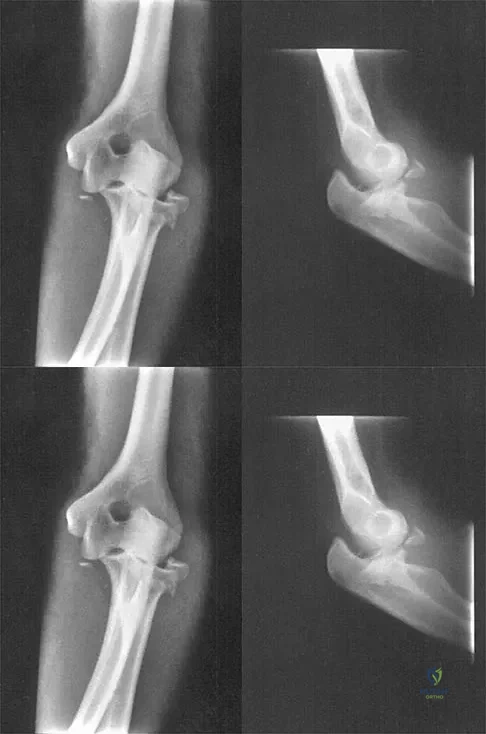
Figure for Shoulder 2002 MCQs - Part 1 - Question 1

Key Takeaway

Discover the latest medical recommendations for Orthopedic Shoulder 2026 MCQs: Board Review Questions & Answers (Part 1). Top-rated Orthopedic Shoulder 2026 MCQs bank. Practice with clinical case questions, orthopedic surgery board review, and evidence-based answers updated for 2026.

Orthopedic Shoulder 2026 MCQs: Board Review Questions & Answers (Part 1)

Comprehensive 100-Question Exam


00:00

Start Quiz

Question 1

Which of the following statements best describes why the ulnar nerve is most prone to neuropathy at the elbow?


Explanation

The ulnar nerve is more prone to neuropathy than the radial or median nerves for many reasons. It has the greatest longitudinal excursion required to accommodate elbow range of motion, subjecting it to potential traction forces. The dimensions of the entrance of the cubital tunnel change with elbow motion, potentially causing compression in flexion. For these two reasons, the ulnar nerve is subjected to both compression and traction during elbow motion. Although it passes between two muscle heads as it enters the forearm, so do the median and radial nerves. Finally, the vascular supply is adequate because of the anastamoses between the superior ulnar collateral artery, the posterior ulnar recurrent artery, and the inferior ulnar collateral artery. Norris TR (ed): Orthopaedic Knowledge Update: Shoulder and Elbow. Rosemont, IL, American Academy of Orthopaedic Surgeons, 1997, pp 369-378. Prevel CD, Matloub HS, Ye Z, Sanger JR, Yousif NJ: The extrinsic blood supply of the ulnar nerve at the elbow: An anatomic study. J Hand Surg Am 1993;18:433-438.

Question 2

Figure 1 shows the radiograph of a 71-year-old man who has had increasing pain and weakness in his shoulder for the past 3 years. Nonsurgical management has failed to provide relief. Examination shows 130 degrees of active forward flexion and intact external rotation strength. During surgery, a 1- x 1-cm rotator cuff tear involving the supraspinatus is encountered. Treatment should include


Explanation

Given the size of the rotator cuff tear, it is likely to be repaired; therefore, the treatment of choice is a total shoulder replacement with rotator cuff repair. Severe rotator cuff insufficiency can lead to early glenoid failure because of superior instability, and glenoid resurfacing should be avoided in those instances. Boyd AD Jr, Thomas WH, Scott RD, Sledge CB, Thornhill TS: Total shoulder arthroplasty versus hemiarthroplasty: Indications for glenoid resurfacing. J Arthroplasty 1990;5:329-336.

Question 3

Which of the following is considered the cause of Milwaukee shoulder, a joint disease similar to rotator cuff arthropathy?


Explanation

Neer and associates focused on mechanical and nutritional factors as the etiology of rotator cuff arthropathy. McCarty and associates, in describing a similar syndrome known as Milwaukee shoulder, focused on an inflammatory cause in proposing the pathogenic role of hydroxyapatite, a basic calcium phosphate. Neer CS II, Craig EV, Fukuda H: Cuff-tear arthropathy. J Bone Joint Surg Am 1983;65:1232-1244.

Question 4

The MRI scan of the shoulder shown in Figure 2 was performed with the arm in abduction and external rotation. The image reveals what condition?


Explanation

Internal impingement of the shoulder is now a well-recognized cause of shoulder pain in the throwing athlete. First described by Walch and associates, it involves contact of the rotator cuff and labrum in the maximally externally rotated and abducted shoulder, such as in the late cocking phase of the throwing motion. Schickendantz and associates have shown this contact to be physiologic in most patients and becoming pathologic with repetitive overhead activity. Schickendantz MS, Ho CP, Keppler L, Shaw BD: MR imaging of the thrower's shoulder: Internal impingement, latissimus dorsi/subscapularis strains, and related injuries. Magn Reson Imaging Clin N Am 1999;7:39-49. Walch G, Boileau P, Noel E, et al: Impingement of the deep surface of the supraspinatus tendon on the posterosuperior glenoid rim: An arthroscopic study. J Shoulder Elbow Surg 1992;1:238-245.

Question 5

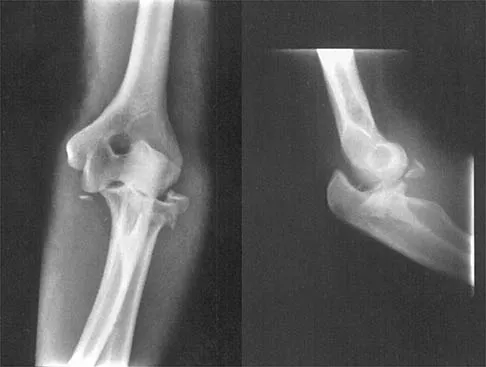
Figure 3 shows the radiographs of a 32-year-old man who fell 12 feet onto his outstretched arm and sustained a fracture-dislocation of the elbow. Initial management consisted of closed reduction of the dislocation. Surgical treatment should now include repair or reduction and fixation of the


Explanation

The radiographs show fractures of the coronoid and radial head. The medial collateral ligament has been avulsed from the ulnar insertion, and there is a valgus opening on the medial side. The lateral collateral ligament is always disrupted in elbow dislocations and fracture-dislocations that occur secondary to falls. This is known as the terrible triad injury (dislocation and fractures of the coronoid and radial head); it has a very poor prognosis because of its propensity for recurrent or persistent instability and late arthritis. The principle in treating this injury is to repair all of the injured parts or protect them with a hinged external fixator until they heal. Norris TR (ed): Orthopaedic Knowledge Update: Shoulder and Elbow. Rosemont, IL, American Academy of Orthopaedic Surgeons, 1997, pp 345-354. Kasser JR (ed): Orthopaedic Knowledge Update 5. Rosemont, IL, American Academy of Orthopaedic Surgeons, 1996, pp 283-294.

Question 6

It is important to avoid which of the following exercises in the immediate postoperative period after humeral head replacement for an acute four-part fracture?


Explanation

It is critical to withhold active range of motion of the shoulder within the first 6 weeks after arthroplasty for acute fracture to prevent tuberosity avulsion. When radiographic and clinical findings show that the tuberosities are healed, active motion may be instituted, usually at 6 to 8 weeks. Immediate passive range-of-motion exercises, including external rotation with a stick, pendulum, and passive elevation, should begin within the limits of the repair on the day of surgery to prevent stiffness. Hartstock LA, Estes WJ, Murray CA, et al: Shoulder hemiarthroplasty for proximal humerus fractures. Orthop Clin North Am 1998;29:467-475.

Question 7

A 38-year-old man has winging of the ipsilateral scapula after undergoing a transaxillary resection of the first rib 3 weeks ago. What is the most likely cause of this finding?


Explanation

During transaxillary resection of the first rib, the long thoracic nerve is at risk as it passes either through or posterior to the middle scalene muscle. Injury to this nerve may occur as the result of overly aggressive retraction of the middle scalene during the procedure. Leffert RD: Thoracic outlet syndrome. J Am Acad Orthop Surg 1994;2:317-325.

Question 8

A 73-year-old man who underwent repair of the left rotator cuff 6 years ago reports good pain relief but notes residual weakness of the left shoulder, especially with overhead tasks. He denies having pain at night and has minimal discomfort with activities of daily living but is dissatisfied with his shoulder strength. Radiographs show an acromiohumeral interval of 2 mm. Appropriate management should consist of


Explanation

An exercise program to strengthen the deltoid and remaining rotator cuff will most likely offer the best results. Revision rotator cuff surgery yields better results in decreasing pain than improving strength and function, and this patient has only minimal pain. Tendon transfers, involving the use of the latissimus dorsi or teres major, have been used when the rotator cuff is deemed irreparable but are not indicated in elderly patients with minimal symptoms. Bigliani LU, Cordasco FA, McIlveen SJ, Musso ES: Operative treatment of failed repairs of the rotator cuff. J Bone Joint Surg Am 1992;74:1505-1515. DeOrio JK, Cofield RH: Results of a second attempt at surgical repair of a failed initial rotator-cuff repair. J Bone Joint Surg Am 1984;66:563-567.

Question 9

A 45-year-old woman has had progressive right shoulder pain for the past 6 months. She notes that the pain disrupts her sleep, she has pain at rest that requires the use of narcotic analgesics, and she has limited use of her left shoulder for most activities of daily living. History reveals the use of corticosteroids for systemic lupus erythematosus. Examination shows diminished range of motion. Radiographs of the right shoulder are shown in Figures 4a and 4b. Treatment should consist of


Explanation

4b Humeral arthroplasty provides excellent pain relief and function for stage IV osteonecrosis with humeral collapse. In late disease with glenoid involvement (stage V), total shoulder arthroplasty is preferred. Some authors have reported satisfactory results with core decompression of the humeral head for early stages of osteonecrosis, but results for stage IV osteonecrosis are less satisfactory when compared with those for humeral arthroplasty. Cruess RL: Steroid-induced avascular necrosis of the head of the humerus: Natural history and management. J Bone Joint Surg Br 1976;58:313-317. LePorte DM, Mont MA, Mohan V, Pierre-Jacques H, Jones LC, Hungerford DS: Osteonecrosis of the humeral head treated by core decompression. Clin Orthop 1998;355:254-260.

Question 10

The relocation test is most reliable for diagnosing anterior subluxation of the glenohumeral joint when


Explanation

The relocation test is most accurate when true apprehension is produced with the arm in combined abduction and external rotation and then relieved when posterior pressure is placed on the humeral head. Pain with this test is a less specific response and may occur with other shoulder disorders such as impingement.

Question 11

A 16-year-old high school pitcher notes acute pain on the medial side of his elbow during a pitch. Examination that day reveals medial elbow tenderness, pain with valgus stress, mild swelling, and loss of extension. Plain radiographs show closed physes and no fracture. Which of the following diagnostic studies will best reveal his injury?


Explanation

The history and findings are consistent with a diagnosis of a sprain of the medial collateral ligament (MCL) of the elbow; therefore, contrast-enhanced MRI is considered the most sensitive and specific study for accurately showing this injury. Arthroscopic visualization of the MCL is limited to the most anterior portion of the anterior bundle only; complete inspection of the MCL using the arthroscope is not possible. CT without the addition of contrast is of no value in this situation. Use of a technetium Tc 99m bone scan is limited to aiding in the diagnosis of occult fracture, a highly unlikely injury in this patient. There are no clinical indications for electromyography. Timmerman LA, Andrews JR: Undersurface tear of the ulnar collateral ligament in baseball players: A newly recognized lesion. Am J Sports Med 1994;22:33-36. Timmerman LA, Schwartz ML, Andrews JR: Preoperative evaluation of the ulnar collateral ligament by magnetic resonance imaging and computed tomography arthrography: Evaluation of 25 baseball players with surgical confirmation. Am J Sports Med 1994;22:26-32.

Question 12

Figures 5a and 5b show the radiographs of a 45-year-old patient. What is the most likely diagnosis?


Explanation

5b Glenoid dysplasia is an uncommon anomaly that usually has a benign course but may result in shoulder pain, arthritis, or multidirectional instability. Shoulder pain and instability often improve with shoulder strengthening exercises. Wirth MA, Lyons FR, Rockwood CA Jr: Hypoplasia of the glenoid: A review of sixteen patients. J Bone Joint Surg Am 1993;75:1175-1184.

Question 13

A 14-year-old boy sustains a twisting injury to his right shoulder and recalls feeling a snap during a wrestling match. Examination shows hesitancy to raise the arm away from the side, diffuse tenderness and swelling of the upper arm, and no evidence of neurovascular compromise. Figures 6a and 6b show an AP radiograph and MRI scan. What is the most likely diagnosis?


Explanation

6b While difficult to appreciate on the AP radiograph of the shoulder, the increased physeal signal demonstrated on the axial MRI scan is consistent with a nondisplaced growth plate fracture. A comparison radiograph of the left shoulder also could be considered and the injured shoulder evaluated for physeal widening. Proximal humeral fractures in children are somewhat unusual, representing less than 1% of all fractures seen in children and only 3% to 6% of all epiphyseal fractures. Physeal injuries are classified according to the Salter-Harris classification scheme. Salter-Harris type I fractures represent approximately 25% of physeal injuries to the proximal humerus in adolescents. The proximal humeral physis is responsible for 80% of the longitudinal growth of the humerus; therefore, there is tremendous potential for remodeling of fractures in this region. Management for nondisplaced Salter-Harris type I fractures is limited to a short period of immobilization followed by a gradual return to activities as clinical symptoms resolve. Curtis RJ, Rockwood CA Jr: Fractures and dislocations of the shoulder in children, in Rockwood CA Jr, Matsen FA III (eds): The Shoulder. Philadelphia, PA, WB Saunders, 1990, pp 991-1007.

Question 14

Figure 7 shows the radiograph of an otherwise healthy 65-year-old man who injured his right dominant shoulder while skiing 18 months ago. He did not seek treatment at the time of the injury. He now reports intermittent soreness when playing golf but has no other limitations. Examination reveals full range of motion and no tenderness, but he has slight pain with a crossed arm adduction stress test. He is neurologically intact. Initial management should consist of


Explanation

The radiograph shows a displaced type II distal clavicle fracture with nonunion. Because the patient's symptoms are minimal, the injury can be treated like a grade III acromioclavicular separation. Present management should consist of ice, anti-inflammatory drugs, activity modification, and perhaps physical therapy. If nonsurgical management fails to provide relief, the surgical options are varied with no uniformity in the literature regarding surgical treatment of this injury. Beaty JH (ed): Orthopaedic Knowledge Update 6. Rosemont, IL, American Academy of Orthopaedic Surgeons, 1999, pp 271-286.

Question 15

Figure 8 shows the AP radiograph of a 33-year-old woman who sustained a midshaft clavicle fracture from a motorcycle accident 15 months ago. She continues to have significant pain with activities of daily living. Management should consist of


Explanation

The patient has a symptomatic painful atrophic midclavicular nonunion, and the treatment of choice is rigid internal fixation with a dynamic compression plate and autogenous bone grafting. A tension band effect is desired and achieved by placing the plate superiorly. Excellent success rates of 90% to 100% have been reported using this technique. Intramedullary screw fixation without bone grafting has a decreased success rate. Partial claviculectomy is not a preferred option. Jupiter JB, Leffert RD: Non-union of the clavicle: Associated complications and surgical management. J Bone Joint Surg Am 1987;69:753-760.

Question 16

A 62-year-old patient with rheumatoid arthritis has had pain and instability of the elbow following total elbow replacement 2 years ago. A complete work-up, including aspiration and cultures, is negative. Figures 9a and 9b show the AP and lateral radiographs. Treatment should consist of


Explanation

9b The patient has aseptic loosening of the original semiconstrained prosthesis and significant proximal ulnar bone destruction; therefore, the treatment of choice is revision arthroplasty using a semiconstrained design. Although orthotic stabilization could be used, it will not provide long-term pain relief. Resection arthroplasty after removal of the components may lead to painful instability. Elbow arthrodesis would be difficult with the bone stock loss and is not considered the best option. Two main contraindications to the use of an unconstrained prosthesis are significant bone loss and previous use of a hinged or semiconstrained prosthesis. An ulnar allograft could be combined with the use of a semiconstrained long-stemmed ulnar prosthesis as a treatment modification. Ewald FC, Simmons ED Jr, Sullivan JA, et al: Capitellocondylar total elbow replacement in rheumatoid arthritis: Long-term results. J Bone Joint Surg Am 1993;75:498-507.

Question 17

A 21-year-old football player reports increasing pain and a deformity involving his chest after colliding with another player during a scrimmage. Imaging studies confirm an anterior sternoclavicular dislocation. Management should consist of


Explanation

For the patient with an anterior sternoclavicular dislocation, the most appropriate initial treatment should be symptomatic. Surgical options are usually contraindicated because the incidence of intraoperative and postoperative complications is high. A deformity from an anterior sternoclavicular dislocation is usually well tolerated. Return to play is allowed when symptoms resolve. Rockwood CA Jr: Disorders of the sternoclavicular joint, in Rockwood CA Jr, Matsen FA III (eds): The Shoulder. Philadelphia, PA, WB Saunders, 1998, vol 1, pp 477-525.

Question 18

During total shoulder replacement for rheumatoid arthritis, fracture of the humeral shaft occurs. An intraoperative radiograph shows a displaced short oblique fracture at the tip of the prosthesis. At this point, the surgeon should


Explanation

The risk of intraoperative fracture in osteopenic rheumatoid bone is significant. Fractures may occur with dislocation of the head and canal reaming, especially while extending and externally rotating the shoulder. If the fracture occurs at the distal tip of the prosthesis, the use of a long-stemmed prosthesis to bypass the fracture site and supplementation with wire cables has been reported with good results. Wright TW, Cofield RH: Humeral fractures after shoulder arthroplasty. J Bone Joint Surg Am 1995;77:1340-1346. Boyd AD Jr, Thornhill TS, Barnes CL: Fractures adjacent to humeral protheses. J Bone Joint Surg Am 1992;74:1498-1504.

Question 19

What is the most common contracture deformity of the spastic shoulder secondary to a cerebrovascular accident?


Explanation

The resultant spasticity and weakness (paresis) following a cerebrovascular accident leads to muscle imbalance that commonly results in contracture of the shoulder in adduction, internal rotation, and varying degrees of forward flexion. In addition, the elbow is usually flexed and the forearm pronated. Braun RM, Botte MJ: Treatment of shoulder deformity in acquired spasticity. Clin Orthop 1999;368:54-65.

Question 20

A 21-year-old collegiate pitcher has had pain in his dominant shoulder for the past 3 months despite management consisting of rest, rehabilitation, and an analysis of throwing mechanics. An arthroscopic photograph from the posterior portal is shown in Figure 10. The biceps anchor to the bone was not detached to probing. Treatment of the lesion to the left of the cannula should consist of arthroscopic


Explanation

The lesion is a variation of a type I superior labrum anterior and posterior lesion; therefore, appropriate treatment is simple debridement. Biceps tenodesis or release is not indicated because the biceps tendon and anchor are intact. There is no indication for labral repair or capsulorraphy. Beaty JH (ed): Orthopaedic Knowledge Update 6. Rosemont, IL, American Academy of Orthopaedic Surgeons, 1999, pp 261-270.

Question 21

After humeral head replacement for four-part fractures, what is the most commonly reported difficulty?


Explanation

Results show that patients who underwent humeral head replacement for fracture almost routinely report pain relief, but functional reports vary. The most commonly reported difficulty is the use of weight in the overhead position with wide variation in active elevation. Factors found to affect active elevation include age, humeral offset, greater tuberosity positioning, and four-part (as compared with three-part) fractures. Goldman RT, Koval KJ, Cuomo F, Gallagher MA, Zuckerman JD: Functional outcome after humeral head replacement for acute three- and fourth-part proximal humeral fractures. J Shoulder Elbow Surg 1995;4:81-86.

Question 22

Figures 11a and 11b show the AP and lateral radiographs of a 32-year-old patient on hemodialysis who has increasing elbow pain and a visibly growing mass over the extensor surface. Figure 11c shows the photomicrograph of the biopsy specimen. What is the most likely diagnosis?


Explanation

11b 11c The radiographic findings are classic for tumoral calcinosis; they are not consistent with myositis ossificans, fungal granuloma, or hemochromatosis. The condition typically appears as large aggregations of dense calcified lobules confined to the surrounding soft tissues. Hyperphosphatemia is a fundamental factor in many patients with this condition. Tumoral calcinosis also occurs in the setting of chronic renal failure when mineral homeostasis is not controlled. The histologic appearance is essentially a foreign body granuloma reaction. Multilocular cysts with purplish amorphous material are surrounded by thick connective tissue capsules. The fibrous walls contain numerous foreign body giant cells. Surgical excision is indicated if the tumor causes discomfort or interferes with function. Sisson HA, Murray RO, Kemp HBS (eds): Orthopaedic Diagnosis: Clinical, Radiological and Pathological Coordinates. New York, NY, Springer-Verlag, 1984.

Question 23

A 52-year-old man who was a former high school pitcher now reports loss of elbow flexion and extension with pain at the extremes of motion. Nonsurgical management has failed to provide relief. Examination reveals movement from 50 degrees to 110 degrees and is painful only at the limits of motion. A radiograph is shown in Figure 12. Treatment should consist of


Explanation

Based on the history, examination, and radiograph, the patient has typical degenerative arthritis of the elbow. This condition is found almost exclusively in men, and there is almost universally a history of repetitive heavy use or overuse of the elbow. Patients report pain at terminal extension and usually have a flexion contracture. Radiographs reveal osteophytes on the coronoid and olecranon and in the coronoid and olecranon fossae. The osteophytes are often associated with loose bodies that sometimes are attached to the soft tissues. Treatment should consist of removal of all loose bodies and impinging osteophytes using open technique or by arthroscopy. The capsular contractures should be released at the same time. Kasser JR (ed): Orthopaedic Knowledge Update 5. Rosemont, IL, American Academy of Orthopaedic Surgeons, 1996, pp 283-294. Morrey BF: Primary degenerative arthritis of the elbow: Treatment by ulnohumeral arthroplasty. J Bone Joint Surg Br 1992;74:409-413. Redden JF, Stanley D: Arthroscopic fenestration of the olecranon fossa in the treatment of osteoarthritis of the elbow. Arthroscopy 1993;9:14-16.

Question 24

A 79-year-old woman with polyarticular rheumatoid arthritis has had progressively increasing right shoulder pain for the past year, and nonsurgical management has failed to provide relief. Her neurologic examination is entirely normal, but she is unable to elevate her arm against gravity. An AP radiograph is shown in Figure 13. Treatment should consist of


Explanation

Because the patient has end-stage rheumatoid arthritis with glenoid and rotator cuff deficiency, humeral arthroplasty is the treatment of choice. When a patient has an intact rotator cuff and there is sufficient glenoid bone stock to implant a glenoid component, total shoulder arthroplasty is the preferred method because it appears to provide more predictable pain relief. Glenohumeral arthrodesis is generally avoided when there is a functional deltoid or rotator cuff. Open synovectomy is appropriate in early rheumatoid disease before articular changes are present. Anterior acromioplasty with coracoacromial ligament resection is avoided in patients with rheumatoid arthritis because this procedure compromises the coracoacromial arch and may result in anterosuperior instability. Neer CS II, Watson KC, Stanton FJ: Recent experience in total shoulder replacement. J Bone Joint Surg Am 1982;64:319-337. Neer CS II: Glenohumeral arthroplasty, in Neer CS II (ed): Shoulder Reconstruction. Philadelphia, PA, WB Saunders, 1990, pp 143-271. Pollock RG, Deliz ED, McIlveen ST, et al: Prosthetic replacement in rotator cuff deficient shoulders. J Shoulder Elbow Surg 1992;1:173-186.

Question 25

A 22-year-old woman has had progressive upper extremity weakness for the past several years. History reveals no pain in her neck or shoulders. Examination reveals scapular winging of both shoulders and weakness in external rotation. She can abduct to only 120 degrees bilaterally, and there is mild supraspinatus weakness. She is otherwise neurologically intact with normal sensation and reflexes; however, she has difficulty whistling. A clinical photograph is shown in Figure 14. What is the most likely diagnosis?


Explanation

Progressive weakness is a common sign with a large differential diagnosis. Nerve, muscle, and joint problems should be excluded when a patient has diffuse weakness and atrophy. Fascioscapulohumeral dystrophy is a rare disease characterized by facial muscle weakness and proximal shoulder muscle weakness. The weakness is usually bilateral, and scapular winging is common. If the scapular winging becomes pronounced, elevation of the shoulder can be affected. In severe cases, scapulothoracic fusion or pectoralis muscle transfer to the scapula may be indicated. Duchenne muscular dystrophy is typically severe and progressive. The other diagnoses are not compatible with the history or the physical findings. Shapiro F, Specht L: The diagnosis and orthopaedic treatment of inherited muscular diseases of childhood. J Bone Joint Surg Am 1993;75:439-454.

Question 26

A 65-year-old man with primary glenohumeral osteoarthritis is indicated for an anatomic total shoulder arthroplasty. Preoperative CT imaging reveals a biconcave glenoid with 20 degrees of retroversion and asymmetric posterior wear. According to the Walch classification, which type of glenoid morphology is present?


Explanation

A Walch B2 glenoid is characterized by a biconcave surface with posterior wear and retroversion. It often requires asymmetric reaming or bone grafting during anatomic total shoulder arthroplasty to correct the version.

Question 27

A 22-year-old rugby player undergoes an open Latarjet procedure for recurrent anterior shoulder instability with 25% glenoid bone loss. Postoperatively, he presents with profound weakness in elbow flexion and decreased sensation over the lateral forearm. Which nerve is most likely injured?


Explanation

The musculocutaneous nerve is at highest risk during a Latarjet procedure due to its proximity to the conjoint tendon, which is mobilized and retracted during the approach. It typically enters the coracobrachialis 3 to 8 cm distal to the coracoid process.

Question 28

A 70-year-old man presents with mild, progressive shoulder pain and stiffness 14 months after a reverse total shoulder arthroplasty. His serum ESR and CRP are within normal limits. Joint aspiration is negative for acute inflammation, but tissue cultures taken during revision surgery grow a slow-growing, anaerobic gram-positive bacillus on day 10. What is the most likely causative organism?


Explanation

Cutibacterium (formerly Propionibacterium) acnes is a common cause of indolent shoulder periprosthetic joint infections. It frequently presents with normal inflammatory markers and requires extended culture holds (up to 14 days) for detection.

Question 29

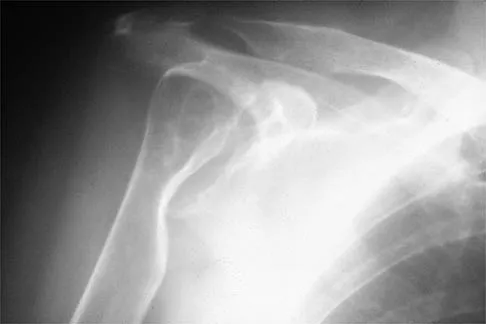
A 68-year-old woman sustains a displaced proximal humerus fracture after a fall. According to the Hertel criteria, which of the following radiographic findings is the most significant predictor of humeral head ischemia and subsequent avascular necrosis?


Explanation

Hertel's criteria for high risk of humeral head ischemia include a short metaphyseal head extension (calcar length <8 mm), disrupted medial hinge, and an anatomic neck fracture pattern.

Question 30

A 25-year-old male presents with inability to elevate his right arm past 90 degrees and prominent medial winging of his right scapula, which is exacerbated when he pushes against a wall. He recalls a severe viral illness 3 weeks prior. Which nerve is most likely affected?


Explanation

Medial scapular winging is caused by paralysis of the serratus anterior muscle, which is innervated by the long thoracic nerve. Viral illness or acute brachial neuritis (Parsonage-Turner syndrome) is a common non-traumatic etiology.

Question 31

A 45-year-old manual laborer presents with an irreparable, massive posterosuperior rotator cuff tear. He has an intact subscapularis but profoundly weak external rotation and a positive hornblower's sign. What is the most appropriate tendon transfer to restore external rotation?


Explanation

Latissimus dorsi or lower trapezius tendon transfers are indicated for irreparable posterosuperior rotator cuff tears to restore active external rotation and elevation in younger patients with intact subscapularis function.

Question 32

Which of the following best describes the biomechanical alteration achieved by a Grammont-style reverse total shoulder arthroplasty compared to the native shoulder joint?


Explanation

A reverse total shoulder arthroplasty medializes and inferiorizes the center of rotation. This dramatically increases the deltoid moment arm and tension, allowing it to elevate the arm in the absence of a functional rotator cuff.

Question 33

During the 'freezing' phase of adhesive capsulitis, which of the following is the predominant histologic finding in the glenohumeral joint capsule?


Explanation

Adhesive capsulitis is characterized by dense fibroblastic proliferation and increased expression of cytokines leading to capsular fibrosis, particularly involving the coracohumeral ligament and rotator interval.

Question 34

A 28-year-old cyclist falls directly onto his shoulder. Radiographs demonstrate an acromioclavicular (AC) joint injury with 50% superior displacement of the clavicle relative to the acromion. How is this injury classified according to Rockwood?


Explanation

A Rockwood Type III injury involves complete disruption of both the AC and coracoclavicular (CC) ligaments, resulting in 25% to 100% superior displacement of the distal clavicle compared to the contralateral side.

Question 35

A 40-year-old female presents to the ER with excruciating, acute-onset right shoulder pain with no history of trauma. Radiographs reveal a fluffy, ill-defined calcific deposit in the supraspinatus tendon. The patient's intense pain is most characteristic of which phase of calcific tendinitis?


Explanation

The resorptive phase of calcific tendinitis is intensely painful due to aggressive vascular infiltration, edema, and macrophage-mediated resorption of the calcium deposit under pressure.

Question 36

A 32-year-old male weightlifter felt a 'pop' in his anterior axilla while performing a heavy bench press. Examination reveals an asymmetric axillary fold and weakness in internal rotation. MRI confirms a pectoralis major rupture. Which portion of the muscle is most commonly torn in this scenario?


Explanation

Pectoralis major ruptures almost exclusively occur during eccentric loading (e.g., bench press). The sternal head at or near its humeral insertion is the most frequently injured segment.

Question 37

A 21-year-old collegiate baseball pitcher reports posterior shoulder pain during the late cocking phase of throwing. Exam reveals a Glenohumeral Internal Rotation Deficit (GIRD). Which of the following is the primary pathologic mechanism of internal impingement in this athlete?


Explanation

Internal impingement in overhead athletes occurs when the articular surface of the supraspinatus and infraspinatus tendons abuts the posterosuperior glenoid labrum during maximum abduction and external rotation.

Question 38

A 35-year-old volleyball player presents with painless weakness in external rotation of the dominant shoulder. Examination shows isolated atrophy of the infraspinatus fossa with normal supraspinatus bulk. A paralabral cyst compressing a nerve is suspected. What is the most likely location of the cyst?


Explanation

A paralabral cyst at the spinoglenoid notch selectively compresses the distal suprascapular nerve, causing isolated infraspinatus weakness and atrophy. Compression at the suprascapular notch would affect both the supraspinatus and infraspinatus.

Question 39

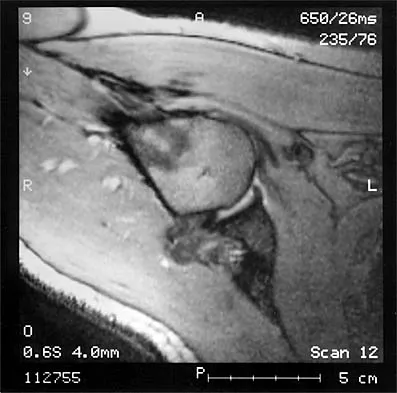
A 42-year-old man presents with a locked shoulder in internal rotation following a generalized seizure. An axillary lateral radiograph reveals a posterior dislocation with a reverse Hill-Sachs lesion involving 35% of the humeral head articular surface. What is the most appropriate surgical management?


Explanation

For posterior dislocations with a reverse Hill-Sachs lesion involving 20% to 40% of the articular surface, a McLaughlin procedure (or modified McLaughlin transferring the lesser tuberosity) is indicated to fill the defect and prevent recurrent engagement.

Question 40

A 13-year-old Little League pitcher presents with gradually worsening lateral shoulder pain. Radiographs demonstrate widening and irregularity of the proximal humeral physis. What is the most appropriate initial management?


Explanation

Little League Shoulder is a stress fracture of the proximal humeral physis. The definitive initial treatment is strict cessation of throwing for typically 3 months, followed by a gradual return-to-throw program once asymptomatic.

Question 41

A 50-year-old active construction worker is undergoing surgery for a symptomatic SLAP II tear and degenerative long head of the biceps tendon. He wishes to avoid any cosmetic asymmetry of his arm. Which procedure carries the highest risk of postoperative 'Popeye' deformity?


Explanation

Biceps tenotomy carries a significantly higher risk of cosmetic 'Popeye' deformity and subjective muscle cramping compared to biceps tenodesis. Tenodesis is often preferred in younger, active, or cosmetically concerned patients.

Question 42

A 75-year-old woman presents with severe shoulder pain and inability to actively elevate her arm past 40 degrees (pseudoparalysis). Radiographs reveal severe glenohumeral osteoarthritis, superior migration of the humeral head (Hamada Grade 3), and acetabularization of the coracoacromial arch. What is the gold standard surgical treatment?


Explanation

Reverse total shoulder arthroplasty (RTSA) is the treatment of choice for rotator cuff tear arthropathy with pseudoparalysis, as it relies on the deltoid muscle to restore active elevation.

Question 43

A 21-year-old military recruit has a history of multiple recurrent anterior shoulder dislocations. Preoperative CT imaging shows 26% anterior glenoid bone loss. Which surgical procedure is most indicated to prevent further instability?


Explanation

Critical anterior glenoid bone loss (typically >20-25%) in a young, high-demand patient is a primary indication for bony augmentation, most commonly the Latarjet procedure (coracoid transfer), to restore stability.

Question 44

An 18-year-old football player presents to the trauma bay after landing forcefully on his lateral shoulder. He complains of severe chest pain, dyspnea, and dysphagia. On exam, the medial clavicle is not palpable anteriorly. What is the most appropriate next step in management?


Explanation

Posterior sternoclavicular dislocations are orthopedic emergencies due to potential compression of the trachea, esophagus, and great vessels. They require a CT scan to confirm the diagnosis and must be reduced in the OR with cardiothoracic surgery available.

Question 45

A 45-year-old man develops severe, spontaneous right shoulder pain that lasts continuously for 2 weeks. As the pain finally begins to subside, he notices profound, painless weakness in his shoulder, specifically unable to abduct or externally rotate the arm. Examination reveals deltoid and periscapular atrophy. What is the most likely diagnosis?


Explanation

Parsonage-Turner syndrome (acute brachial neuritis) classically presents with severe, unprovoked shoulder pain lasting weeks, followed by painless muscle weakness and atrophy as the pain resolves.

Question 46

What is the primary biomechanical advantage of the baseplate and glenosphere design in a standard reverse total shoulder arthroplasty?


Explanation

Reverse total shoulder arthroplasty typically medializes and distalizes the center of rotation. This increases the moment arm and tension of the deltoid, allowing it to efficiently elevate the arm in the presence of a deficient rotator cuff.

Question 47

A 68-year-old man presents with severe shoulder pain and restricted motion due to primary osteoarthritis. Axial CT imaging reveals a biconcave glenoid with 22 degrees of retroversion and asymmetric posterior wear. The humeral head is subluxated posteriorly. According to the Walch classification, which type of glenoid morphology does this represent?


Explanation

The Walch B2 classification characterizes a glenoid with a biconcave surface, asymmetric posterior wear, and posterior subluxation of the humeral head. It is a critical finding that dictates specific glenoid management during shoulder arthroplasty.

Question 48

Recent quantitative anatomical studies indicate that the primary blood supply to the humeral head, which is highly relevant in determining the risk of avascular necrosis following a 4-part proximal humerus fracture, is derived from which of the following vessels?


Explanation

While older literature emphasized the arcuate branch of the anterior humeral circumflex artery, recent studies demonstrate that the posterior humeral circumflex artery provides the vast majority (roughly 64%) of the blood supply to the humeral head.

Question 49

During a Latarjet procedure for anterior shoulder instability, the coracoid process is transferred to the anterior glenoid neck. The dynamic "sling effect" that stabilizes the shoulder during abduction and external rotation is provided primarily by which anatomical structure?


Explanation

The conjoined tendon provides a dynamic "sling effect" across the inferior subscapularis and anterior-inferior capsule when the arm is placed in an abducted and externally rotated position, contributing significantly to the stability conferred by the Latarjet procedure.

Question 50

A 24-year-old elite volleyball attacker complains of persistent posterior shoulder pain. Physical examination reveals isolated weakness in external rotation with intact forward elevation strength. At which anatomical location is the involved nerve most likely being compressed?


Explanation

Compression of the suprascapular nerve at the spinoglenoid notch affects only the terminal motor branch to the infraspinatus, causing isolated external rotation weakness. Compression at the suprascapular notch would also involve the supraspinatus, leading to elevation weakness.

Question 51

A 32-year-old competitive weightlifter feels a sudden "pop" in his anterior shoulder while performing a heavy bench press. Examination demonstrates an asymmetric chest wall with loss of the anterior axillary fold. If surgical repair is performed to restore function, to which anatomic footprint should the torn tendon be reattached?


Explanation

The patient has ruptured the pectoralis major tendon. The anatomic insertion of the pectoralis major is on the lateral lip of the bicipital groove. Surgical repair to this footprint is indicated in young, active patients.

Question 52

A 28-year-old man sustains a blunt trauma to the posterior triangle of the neck. He presents with an inability to comfortably abduct his arm above 90 degrees and a drooping shoulder. Examination shows prominent lateral scapular winging. Injury to which of the following nerves is the most likely cause?


Explanation

The spinal accessory nerve innervates the trapezius muscle. Injury to this nerve leads to a drooping shoulder and lateral scapular winging. Medial scapular winging is caused by serratus anterior paralysis (long thoracic nerve).

Question 53

A 45-year-old man presents with his shoulder locked in internal rotation following a generalized seizure. Radiographs confirm a posterior shoulder dislocation. A CT scan reveals a reverse Hill-Sachs lesion involving 35% of the anterior articular surface. What is the most appropriate surgical management?


Explanation

For a reverse Hill-Sachs lesion involving 20% to 40% of the articular surface, transferring the lesser tuberosity or subscapularis tendon into the defect (the McLaughlin or modified McLaughlin procedure) is indicated to prevent the defect from engaging the posterior glenoid rim.

Question 54

A 26-year-old cyclist sustains an injury to his shoulder. Radiographs demonstrate an acromioclavicular (AC) joint separation where the distal clavicle is displaced superiorly by 150% relative to the acromion. The coracoclavicular distance is more than doubled compared to the contralateral side. What is the Rockwood classification of this injury?


Explanation

Rockwood Type V AC joint injuries are characterized by 100% to 300% superior displacement of the distal clavicle with severe disruption of the coracoclavicular ligaments and the deltotrapezial fascia.

Question 55

During the physical examination of a patient with insidious onset of shoulder pain, which of the following findings is the most reliable clinical indicator to differentiate early "freezing" stage adhesive capsulitis from rotator cuff impingement syndrome?


Explanation

A hallmark of adhesive capsulitis is a global restriction of both active and passive range of motion. A significant loss of passive external rotation with the arm at the side is the most consistent and defining early physical exam finding compared to impingement syndrome.

Question 56

A 38-year-old overhead athlete presents with vague posterior shoulder pain and paresthesias over the lateral deltoid. MRI of the shoulder reveals isolated fatty atrophy of the teres minor muscle. Which vascular structure passes through the exact same anatomical space as the compromised nerve?


Explanation

The patient has quadrilateral space syndrome, which involves compression of the axillary nerve and the posterior humeral circumflex artery. It typically presents with teres minor atrophy and lateral shoulder sensory changes.

Question 57

In the surgical technique of reverse total shoulder arthroplasty, which of the following glenoid baseplate configurations has been most strongly associated with a decreased incidence of inferior scapular notching?


Explanation

Scapular notching is a well-known complication of reverse total shoulder arthroplasty. Placing the baseplate with an inferior tilt and lateralizing the glenosphere helps clear the inferior scapular neck and significantly reduces mechanical impingement.

Question 58

A 70-year-old female presents with severe shoulder pain and pseudoparalysis. Radiographs show superior migration of the humeral head and glenohumeral osteoarthritis. She undergoes a reverse total shoulder arthroplasty (RTSA). Postoperatively, she has persistent external rotation weakness and a positive hornblower's sign. Which of the following preoperative factors most likely predicts this specific postoperative deficit?


Explanation

In reverse total shoulder arthroplasty, the deltoid compensates for elevation, but external rotation heavily depends on the teres minor. Severe teres minor fatty infiltration (grade 3 or 4) preoperatively predicts poor external rotation recovery and persistent hornblower's sign postoperatively.

Question 59

A 75-year-old female sustains a comminuted 4-part proximal humerus fracture. Due to her age, poor bone quality, and comminution, she is treated with a reverse total shoulder arthroplasty (RTSA) rather than open reduction and internal fixation. Compared to hemiarthroplasty for this indication, RTSA is associated with:


Explanation

RTSA provides more predictable pain relief and active forward elevation compared to hemiarthroplasty for complex proximal humerus fractures in the elderly, as its function does not strictly rely on tuberosity healing. However, hemiarthroplasty may offer better rotation if the tuberosities heal anatomically.

Question 60

A 22-year-old male rugby player presents with recurrent anterior shoulder instability. An MRI shows an anterior glenoid bone loss of 18% and a large Hill-Sachs lesion. Based on the glenoid track concept, if the Hill-Sachs lesion extends medial to the glenoid track, it is considered "off-track." Which of the following is the most appropriate surgical management for an off-track lesion in this high-demand athlete?


Explanation

In high-demand collision athletes with subcritical glenoid bone loss (15-20%) but an "off-track" Hill-Sachs lesion, a Latarjet procedure is often recommended. Latarjet restores the glenoid arc and stabilizes the joint through the sling effect, rendering the lesion "on-track."

Question 61

A 28-year-old male weightlifter feels a "pop" in his anterior axilla while bench pressing. Examination reveals ecchymosis, a loss of the anterior axillary fold, and weakness in internal rotation. MRI confirms an acute avulsion of the pectoralis major tendon from its humeral insertion. Which of the following best describes the anatomical arrangement of the native pectoralis major tendon insertion?


Explanation

At the humeral insertion, the pectoralis major tendon twists 180 degrees. The sternal head crosses deep to the clavicular head and inserts superiorly, while the clavicular head inserts superficially and inferiorly on the humerus.

Question 62

A 68-year-old man presents with insidious onset of shoulder stiffness and mild pain two years after an anatomic total shoulder arthroplasty. Inflammatory markers (ESR, CRP) are normal. Aspiration yields no growth at 3 days. What is the most appropriate next step in diagnosing a potential Cutibacterium acnes infection?


Explanation

Cutibacterium acnes is a slow-growing, indolent, anaerobic organism commonly responsible for late periprosthetic shoulder infections. Cultures must be held for 14 to 21 days to reliably detect and isolate this organism.

Question 63

A 35-year-old elite volleyball player presents with vague posterior shoulder pain and weakness with external rotation. Examination reveals isolated atrophy of the infraspinatus with preserved supraspinatus bulk. Where is the most likely location of nerve compression?


Explanation

Entrapment of the suprascapular nerve at the spinoglenoid notch affects only the infraspinatus, causing isolated external rotation weakness and atrophy. Compression at the suprascapular notch would affect both the supraspinatus and infraspinatus muscles.

Question 64

A 55-year-old manual laborer presents with an irreparable posterosuperior rotator cuff tear. He has significant external rotation weakness and a positive hornblower's sign, but intact forward elevation (pseudoparesis of external rotation). The subscapularis is intact. Which of the following is the most appropriate tendon transfer for this patient?


Explanation

The lower trapezius transfer has a line of pull that closely replicates the native infraspinatus vector. This makes it an excellent surgical option to restore external rotation in isolated, irreparable posterosuperior cuff tears.

Question 65

A 25-year-old cyclist falls directly onto his shoulder. Clinical exam shows severe prominence of the distal clavicle. Radiographs reveal a Type V acromioclavicular (AC) joint injury with >100% superior displacement. Surgical reconstruction of the coracoclavicular (CC) ligaments is planned. What are the names and typical medial-to-lateral orientation of the native CC ligaments?


Explanation

The coracoclavicular (CC) ligament complex consists of the conoid (medial) and trapezoid (lateral) ligaments. The conoid primarily prevents superior translation, while the trapezoid resists axial compression of the AC joint.

Question 66

A 52-year-old female with type 1 diabetes presents with progressive shoulder stiffness and pain over 5 months. She has lost significant active and passive range of motion, particularly in external rotation. She is diagnosed with adhesive capsulitis in the "freezing" phase. What is the characteristic histologic finding in the joint capsule of this condition?


Explanation

Adhesive capsulitis is characterized by synovial inflammation followed by dense capsular fibrosis. Histologically, it demonstrates fibroblastic proliferation and an accumulation of type III collagen, sharing similarities with Dupuytren's disease.

Question 67

A 40-year-old male presents with acute, severe, unremitting right shoulder pain lasting for 3 weeks, which has recently begun to subside. However, he now notices profound weakness in lifting his arm. Exam shows atrophy of the deltoid and supraspinatus. MRI of the shoulder is unremarkable. EMG shows denervation in the axillary and suprascapular nerve distributions. What is the most likely diagnosis?


Explanation

Parsonage-Turner syndrome (brachial neuritis) classically presents with severe, acute shoulder pain lasting weeks, followed by patchy muscle weakness and atrophy as the pain subsides. It frequently involves multiple upper trunk nerves, notably the suprascapular and axillary nerves.

Question 68

A 30-year-old man sustains a midshaft clavicle fracture with 100% displacement and 2.5 cm of shortening. He undergoes open reduction and internal fixation with a superior plate. Which of the following is the most common complication associated with this specific surgical approach?


Explanation

The supraclavicular nerves cross directly over the superior aspect of the clavicle. The superior surgical approach frequently results in injury to these nerve branches, leading to postoperative numbness over the anterior chest wall as the most common complication.

Question 69

A 45-year-old man falls onto his outstretched hand and presents with anterior shoulder pain. He has increased passive external rotation compared to the contralateral side. The surgeon suspects an acute subscapularis tendon rupture. Which of the following physical examination tests is considered the most sensitive for detecting a partial tear of the upper subscapularis?


Explanation

The bear-hug test is highly sensitive for subscapularis tears, particularly isolating the upper portion of the subscapularis tendon. The lift-off test is very specific but requires sufficient internal rotation, which many patients cannot achieve.

Question 70

A 19-year-old rugby player sustains a lateral compression injury to his left shoulder. He presents with severe chest pain, shortness of breath, and dysphagia. Examination shows a depression at the left sternoclavicular (SC) joint. Which of the following imaging modalities is the gold standard for diagnosing and assessing the direction of this dislocation?


Explanation

Posterior sternoclavicular joint dislocations are orthopedic emergencies due to the proximity of the great vessels and trachea. A CT scan of the chest is the gold standard for confirming the dislocation and evaluating the compression of critical mediastinal structures.

Question 71

A 40-year-old male is involved in a high-speed motorcycle accident and sustains an intra-articular glenoid fracture. Operative intervention is typically indicated for an intra-articular step-off greater than:


Explanation

Surgical fixation for intra-articular glenoid fractures is generally indicated if there is a step-off of 4 mm or greater to prevent post-traumatic glenohumeral arthritis. Other indications include significant instability or greater than 25% anterior bone loss.

Question 72

A 48-year-old female presents with sudden, agonizing right shoulder pain over the past 24 hours. She has no history of trauma. Radiographs reveal a large, fluffy, amorphous calcific deposit in the supraspinatus tendon. She is in the resorptive phase of calcific tendinitis. Which of the following biologic environments is responsible for the intense pain during this phase?


Explanation

The resorptive phase of calcific tendinitis is extremely painful due to intense inflammatory cascades, neovascularization, and macrophage-mediated phagocytosis. During this phase, the body attempts to break down and resorb the calcium deposit, which appears fluffy on radiographs.

Question 73

A 72-year-old woman undergoes a reverse total shoulder arthroplasty. At her 2-year follow-up, radiographs show grade 2 scapular notching. Which of the following implant configurations or surgical techniques is most closely associated with a decreased incidence of scapular notching?


Explanation

Inferior placement and inferior tilt of the glenosphere in reverse total shoulder arthroplasty decrease the risk of scapular notching. Lateralization of the glenosphere and a decreased humeral neck-shaft angle also help reduce impingement.

Question 74

A 24-year-old rugby player presents with recurrent anterior shoulder instability. CT scan reveals 25% anterior glenoid bone loss and an engaging Hill-Sachs lesion. Which of the following procedures is most appropriate?


Explanation

In a young collision athlete with recurrent instability, significant glenoid bone loss (>20-25%), and an off-track/engaging Hill-Sachs lesion, a bony augmentation procedure such as the Latarjet is indicated. Arthroscopic soft tissue repair has unacceptably high failure rates in this setting.

Question 75

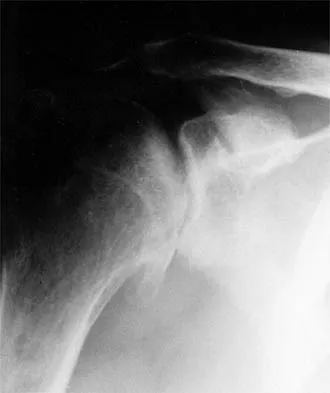
A 28-year-old volleyball player presents with insidious onset of posterior shoulder pain and isolated weakness in external rotation. An MRI is obtained, demonstrating a paralabral cyst.

Based on the clinical presentation, where is the cyst most likely located and what labral pathology is associated with it?


Explanation

Isolated weakness of the infraspinatus (external rotation) with normal supraspinatus function (abduction) suggests compression of the suprascapular nerve at the spinoglenoid notch. Paralabral cysts in this location are strongly associated with posterior labral tears.

Question 76

A 65-year-old woman sustains a displaced 3-part proximal humerus fracture. According to Hertel's criteria, which of the following radiographic findings is the strongest predictor for the development of humeral head avascular necrosis?


Explanation

Hertel's criteria for predicting ischemia of the humeral head following proximal humerus fractures include a metaphyseal head extension (calcar length) of <8 mm, disrupted medial hinge, and an anatomic neck fracture pattern. A short calcar length strongly predicts AVN.

Question 77

A 32-year-old male weightlifter feels a pop in his anterior axilla while performing a heavy bench press. Examination reveals loss of the anterior axillary fold and weakness in internal rotation. Surgical repair is planned. Where does the sternocostal head of the pectoralis major insert in relation to the clavicular head?


Explanation

The pectoralis major tendon twists 90 degrees before inserting onto the lateral lip of the bicipital groove. The sternocostal head inserts proximal and deep to the clavicular head insertion.

Question 78

A 21-year-old collegiate pitcher complains of vague posterior shoulder pain. Physical examination shows a 25-degree loss of internal rotation and a 15-degree gain of external rotation compared to the contralateral side. Total arc of motion is decreased by 10 degrees. What is the most appropriate initial management?


Explanation

Glenohumeral internal rotation deficit (GIRD) involves a loss of internal rotation with a contracted posterior inferior capsule. Initial management is always nonoperative, emphasizing posteroinferior capsular stretching.

Question 79

A 45-year-old woman presents with right shoulder weakness following a lymph node biopsy in the posterior triangle of the neck. On examination, the affected scapula is laterally translated and there is a droop of the shoulder. She has difficulty abducting her arm past 90 degrees. Which nerve is injured?


Explanation

Spinal accessory nerve (CN XI) injury, often iatrogenic from posterior triangle neck surgery, denervates the trapezius, leading to lateral scapular winging. Long thoracic nerve injury causes medial winging.

Question 80

A 27-year-old cyclist falls directly onto his shoulder. Radiographs demonstrate a displaced acromioclavicular joint injury with 150% superior displacement of the clavicle relative to the acromion. What is the classification of this injury and the standard recommended treatment?


Explanation

A Type V AC joint injury involves 100% to 300% superior displacement of the clavicle with severe disruption of the deltotrapezial fascia. Treatment for Type V injuries is generally operative reconstruction of the coracoclavicular ligaments.

Question 81

Which of the following cell types and cytokines are most directly responsible for the capsular fibrosis seen in the proliferative stage of adhesive capsulitis?


Explanation

The pathophysiology of adhesive capsulitis is characterized by synovial inflammation followed by capsular fibrosis. Fibroblasts and myofibroblasts proliferate in response to cytokines like TGF-beta, PDGF, and basic FGF, leading to a thickened, contracted capsule.

Question 82

A 55-year-old construction worker presents with insidious onset anterior shoulder pain, positive O'Brien's test, and MRI demonstrating a Type II SLAP tear. There is no significant rotator cuff tearing. What is the most reliable surgical intervention for this patient if conservative management fails?


Explanation

In older patients (typically >40-45 years), arthroscopic SLAP repair has higher failure rates, increased stiffness, and lower return to work rates compared to biceps tenodesis. Biceps tenodesis is the preferred surgical treatment for Type II SLAP tears in this demographic.

Question 83

A 19-year-old male sustains a severe blow to the medial clavicle during a football game. He presents to the ED with a posterior sternoclavicular dislocation, dyspnea, and dysphagia.

A closed reduction is attempted in the OR. If closed reduction fails, which specialist is most critical to have available during the open reduction?


Explanation

Posterior sternoclavicular dislocations represent a true emergency due to the proximity of the great vessels, trachea, and esophagus. If closed reduction fails or if surgical intervention is planned, a cardiothoracic surgeon should be available in case of catastrophic vascular injury during reduction.

Question 84

A 23-year-old professional baseball pitcher presents with pain in the late cocking phase of throwing. MRI arthrogram reveals a partial articular-sided tear of the supraspinatus and fraying of the posterior superior labrum. What is the underlying pathophysiologic mechanism of this injury?


Explanation

Internal impingement occurs in overhead athletes during the late cocking phase (abduction and maximal external rotation). It involves pathologic contact between the articular surface of the rotator cuff and the posterosuperior glenoid labrum.

Question 85

A 62-year-old woman with severe rheumatoid arthritis is undergoing total shoulder arthroplasty. Preoperative radiographs and CT show central glenoid wear with medialization of the joint line. The rotator cuff is intact. Which of the following components of the surgical technique is most important to optimize outcomes and component longevity?


Explanation

In patients with RA and central glenoid wear, restoring the anatomic joint line and correcting version is critical for TSA longevity. This may require bone grafting or augmented glenoid components to prevent altered rotator cuff mechanics and early loosening.

Question 86

A 70-year-old man undergoes open reduction and internal fixation of a 3-part proximal humerus fracture with a locking plate. Postoperatively, he has profound weakness in shoulder abduction but intact external rotation and normal distal pulses. Radiographs show anatomic reduction.

What is the most likely cause of his deficit?


Explanation

The axillary nerve courses circumferentially around the surgical neck of the humerus and is at high risk during lateral approaches and plate placement for proximal humerus fractures. Injury leads to deltoid weakness (abduction).

Question 87

A 38-year-old laborer presents with an irreparable subscapularis tendon tear after a massive anterior shoulder injury. He has persistent pain and weakness in internal rotation. To restore internal rotation strength and dynamic anterior stability, a pectoralis major transfer is planned. To optimize the vector of pull, the transfer is typically routed:


Explanation

For an irreparable subscapularis tear, a pectoralis major tendon transfer routed deep (under) to the conjoined tendon most closely replicates the anatomic force vector of the native subscapularis. Routing over the conjoined tendon has a less optimal biomechanical angle.

Question 88

Figure 15 shows the radiograph of a 72-year-old woman with an acute 4-part proximal humerus fracture and significant osteoporosis. She has a history of pseudoparalysis prior to the injury. Which of the following is the most appropriate definitive management?


Explanation

In elderly patients with poor bone quality and a 4-part proximal humerus fracture (especially with pre-existing pseudoparalysis), reverse total shoulder arthroplasty yields more predictable functional outcomes. It relies on deltoid function rather than rotator cuff tuberosity healing, which frequently fails in hemiarthroplasty.

Question 89

A 22-year-old collegiate baseball pitcher presents with posterior shoulder pain during the late cocking phase of throwing. MRI arthrogram reveals a peel-back lesion of the superior labrum. Which physical exam finding is most closely associated with this specific pathology?


Explanation

Peel-back SLAP tears in overhead athletes are heavily associated with Glenohumeral Internal Rotation Deficit (GIRD). The repetitive throwing motion causes posteroinferior capsular contracture, shifting the glenohumeral contact point posterosuperiorly and increasing stress on the superior labrum.

Question 90

Figure 9 shows the AP radiograph of a 74-year-old male with chronic right shoulder pain, pseudoparalysis, and limited active forward elevation to 45 degrees. The radiograph reveals superior migration of the humeral head and acetabularization of the acromion. What is the most appropriate surgical intervention?


Explanation

The radiograph and clinical presentation describe rotator cuff tear arthropathy. Reverse total shoulder arthroplasty is the gold standard for this condition, using the deltoid to restore elevation and stability by medializing the center of rotation.

Question 91

A 26-year-old male sustains an acute, traumatic anterior shoulder dislocation. After successful closed reduction in the emergency department, he notes persistent numbness over the lateral aspect of his shoulder. Which muscle's function is most likely to be impaired?


Explanation

Numbness over the lateral shoulder indicates an axillary nerve injury, the most common neurologic complication of an anterior shoulder dislocation. The axillary nerve innervates both the deltoid and the teres minor muscles.

Question 92

A 35-year-old female presents with aching shoulder pain and fatigue when working overhead. Physical examination demonstrates medial winging of the scapula that is accentuated when she pushes against a wall. Which nerve and corresponding muscle are primarily affected?


Explanation

Medial winging of the scapula, accentuated by wall push-ups, indicates serratus anterior dysfunction caused by a long thoracic nerve palsy. In contrast, lateral winging is typically associated with spinal accessory nerve and trapezius palsy.

Question 93

A 28-year-old cyclist falls directly onto his shoulder point. Clinical exam shows a highly prominent clavicle. Radiographs reveal 150% superior displacement of the distal clavicle relative to the acromion. Which type of acromioclavicular (AC) joint separation has occurred and what is the standard primary recommendation?


Explanation

A Type V AC joint injury involves 100-300% superior displacement of the clavicle due to disruption of the AC ligaments, coracoclavicular ligaments, and the deltotrapezial fascia. Operative reconstruction is generally recommended for Type V injuries to restore mechanics.

Question 94

A 30-year-old male volleyball player presents with isolated weakness in external rotation of his dominant shoulder. Forward elevation and internal rotation strength are normal. MRI reveals a paralabral cyst. At what anatomical location is this cyst most likely compressing the affected nerve?


Explanation

Isolated infraspinatus weakness (external rotation) with normal supraspinatus function (forward elevation) indicates distal suprascapular nerve compression. This typically occurs at the spinoglenoid notch, often due to a paralabral cyst from a posterior labral tear.

Question 95

A 19-year-old male is brought to the trauma bay after a rugby tackle. He complains of severe pain over the medial clavicle, dysphagia, and a sensation of choking. Which of the following is the most appropriate immediate diagnostic imaging step to guide management?


Explanation

The patient's dysphagia and choking suggest a posterior sternoclavicular dislocation, a medical emergency due to proximity to the trachea, esophagus, and great vessels. A CT scan is the gold standard to evaluate the dislocation direction and great vessel compromise.

Question 96

Latissimus dorsi tendon transfer is occasionally considered for patients with massive, irreparable posterosuperior rotator cuff tears. Which of the following is generally considered an absolute contraindication for this procedure?


Explanation

Latissimus dorsi transfer requires an intact, functioning subscapularis to provide an anterior counterforce for glenohumeral stability. Subscapularis insufficiency, advanced glenohumeral arthritis, and deltoid paralysis are primary contraindications.

Question 97

Figure 51 demonstrates a physical exam finding in a 55-year-old male laborer complaining of acute, sharp anterior shoulder pain and bruising after lifting heavy equipment. A noticeable 'Popeye' deformity is present. He is highly active and reports severe persistent cramping in the arm. What is the most appropriate definitive management?


Explanation

The clinical scenario and deformity describe a long head of the biceps tendon rupture. While nonoperative management is suitable for many, subpectoral biceps tenodesis is indicated for active laborers experiencing persistent cramping and fatigue.

Question 98

A 52-year-old female presents with progressive, severe shoulder stiffness and diffuse pain over the past 4 months. Examination shows significant loss of both active and passive range of motion, particularly external rotation. Which of the following systemic conditions is most strongly associated with the development of this pathology?


Explanation

Adhesive capsulitis (frozen shoulder) is heavily associated with diabetes mellitus, affecting up to 20% of diabetic patients. These patients typically experience a longer clinical course and higher rates of recurrence compared to the general population.

Question 99

Figure 10 shows the axillary radiograph of a 68-year-old male 7 years post-anatomic total shoulder arthroplasty, who presents with increasing pain. The radiograph demonstrates radiolucent lines >2 mm around the entirely of the glenoid component. Which underlying factor is most predictive of early glenoid component loosening?


Explanation

Failure to correct posterior glenoid retroversion (such as in a Walch B2 glenoid) during anatomic total shoulder arthroplasty results in eccentric posterior loading. This eccentric loading, or "rocking horse" effect, is a leading cause of early glenoid component loosening.

Question 100

A 21-year-old collegiate linebacker undergoes arthroscopic stabilization for recurrent anterior shoulder instability. During diagnostic arthroscopy, the surgeon notes an avulsion of the anteroinferior capsulolabral complex from the glenoid rim. What is the classic eponym for this lesion?


Explanation

A Bankart lesion is defined as the avulsion of the anteroinferior capsulolabral complex from the glenoid rim. It is the essential soft-tissue lesion seen in traumatic, unidirectional anterior shoulder instability.

None

Clinic OS
Medically Verified Content by
Prof. Clinic OS
Consultant Orthopedic & Spine Surgeon
Chapter Index
