Part of the Master Guide

Revision THA Acetabulum: Overcoming Paprosky IIIA & Metallosis

Revision THA: Unlocking Stability with Porous Tantalum Cups
17 Apr 2026 11 min read 129 Views
Illustration of porous tantalum cups - Dr. Mohammed Hutaif

Key Takeaway

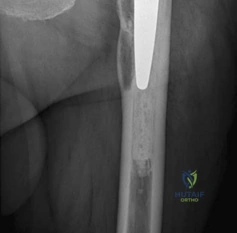
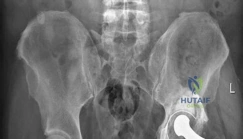
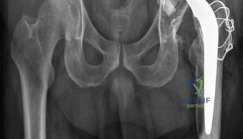
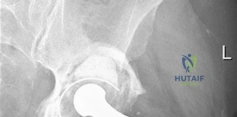
This topic focuses on Revision THA: Unlocking Stability with Porous Tantalum Cups, Porous tantalum cups and augments are vital for revision total hip arthroplasty, especially when managing significant acetabular bony defects due to implant wear and aseptic loosening. These implants provide robust structural support and promote biological fixation, effectively restoring acetabular integrity and stability in complex reconstructive cases, such as those with extensive osteolysis.

Introduction and Epidemiology

Revision total hip arthroplasty represents a growing proportion of the arthroplasty burden worldwide, driven by the increasing volume of primary procedures, younger age at index arthroplasty, and increased patient longevity. The most formidable challenge in revision total hip arthroplasty is the management of severe acetabular bone loss. Historically, massive acetabular defects were managed with structural allografts, impaction bone grafting, or anti-protrusio cages. While these techniques provided initial mechanical stability, they were frequently plagued by long-term failure due to graft resorption, mechanical fatigue of the cages, and lack of biologic fixation.

Image

The introduction of highly porous metals, specifically porous tantalum (trabecular metal), revolutionized the approach to acetabular reconstruction. Tantalum is a transition metal that, when manufactured into a highly porous construct, mimics the trabecular architecture of cancellous bone. This innovation has significantly shifted the treatment paradigm, allowing surgeons to achieve durable biologic fixation even in the setting of severe bone loss, reducing the reliance on structural allografts and complex cage constructs. Understanding the epidemiology of acetabular failure—predominantly aseptic loosening, periprosthetic joint infection, and osteolysis—is critical for anticipating the osseous defects encountered during revision surgery.

Surgical Anatomy and Biomechanics

A profound understanding of acetabular anatomy and the biomechanical properties of porous tantalum is essential for successful reconstruction. The acetabulum is formed by the confluence of the ilium, ischium, and pubis, creating an anterior column and a posterior column that distribute weight-bearing forces from the axial skeleton to the lower extremity. In revision scenarios, the normal anatomical landmarks are often distorted or absent due to osteolysis, component migration, or iatrogenic bone loss during explantation.

Image

The biomechanical superiority of porous tantalum lies in three critical properties: high volumetric porosity, low modulus of elasticity, and a high coefficient of friction. Porous tantalum constructs typically feature a volumetric porosity of 75% to 80%, which is substantially higher than traditional sintered titanium or cobalt-chromium surfaces. This interconnected porosity provides an expansive surface area for osteoconduction, allowing host bone to grow deeply into the implant.

Furthermore, the modulus of elasticity of porous tantalum is approximately 3 GPa. This closely approximates the elasticity of subchondral bone, minimizing stress shielding and promoting physiologic load transfer to the surrounding host bone. In contrast, solid titanium alloys have a modulus of approximately 110 GPa, and cobalt-chromium alloys exceed 200 GPa. Finally, the high coefficient of friction (approximately 0.98 against cancellous bone) provides an exceptional "scratch fit." This initial primary mechanical stability is the absolute prerequisite for subsequent secondary biologic ingrowth.

Image

Indications and Contraindications

The decision to utilize a porous tantalum acetabular component is heavily guided by the degree of acetabular bone loss, most commonly classified using the Paprosky classification system. Porous tantalum cups, often used as "jumbo cups" (typically defined as >62 mm in males and >58 mm in females), are highly effective in achieving stability in Paprosky Type II and Type III defects. In cases of uncontained segmental defects, porous tantalum augments can be utilized in conjunction with the hemispherical shell to restore the center of rotation and provide structural support without the need for bulk allograft.

Image

Contraindications to isolated porous tantalum cup reconstruction include active periprosthetic joint infection (which requires a staged approach) and massive bone loss where less than 50% of the host bone is available for contact with the hemispherical shell. In cases of severe pelvic discontinuity where the superior and inferior hemipelves are completely dissociated, an isolated porous tantalum cup may fail. Such scenarios often require advanced constructs, such as a cup-cage construct, custom triflange acetabular components, or distraction techniques using highly porous metal.

Clinical Scenario Operative Management with Porous Tantalum Alternative or Non Operative Management
Paprosky Type I and II Standard or jumbo porous tantalum cup; primary press-fit fixation. Standard titanium hemispherical cup if bone quality is excellent.
Paprosky Type IIIA Jumbo porous tantalum cup; adjunctive multi-hole screw fixation; potential superior augment. Impaction bone grafting with mesh (historically); anti-protrusio cage.
Paprosky Type IIIB Porous tantalum cup with augments; possible cup-cage construct if initial stability is inadequate. Custom triflange acetabular component; massive structural allograft (rarely favored now).
Pelvic Discontinuity Cup-cage construct; distraction technique with custom porous implants. Custom triflange; conservative management if medically unfit for major reconstruction.
Active PJI Contraindicated in single stage. Requires explantation and antibiotic spacer. Resection arthroplasty (Girdlestone); chronic suppressive antibiotics if surgical risk is prohibitive.

Pre Operative Planning and Patient Positioning

Meticulous preoperative planning is the cornerstone of successful revision total hip arthroplasty. Standard radiographic evaluation must include an anteroposterior pelvis radiograph, an anteroposterior radiograph of the affected hip, and Judet views (iliac and obturator oblique) to assess the integrity of the anterior and posterior columns. Additionally, a cross-table lateral view is necessary to evaluate the existing femoral component if it is being retained.

Image

Advanced imaging with computed tomography utilizing metal artifact reduction sequence is highly recommended for complex revisions. Computed tomography provides a three-dimensional understanding of the bone loss, the presence of contained versus uncontained defects, and the exact location of osteolytic lesions. In cases of anticipated pelvic discontinuity or massive Paprosky IIIB defects, 3D-printed pelvic models can be fabricated to allow for tactile preoperative templating and trial of augments.

Templating aims to estimate the size of the required jumbo cup and the necessary augments to restore the anatomical center of rotation. The normal center of rotation is typically located approximately 15 to 20 mm superior to the teardrop and at the level of the true acetabular floor. Restoring this center is vital for optimizing abductor mechanics and minimizing joint reactive forces.

Image

Patient positioning is typically in the lateral decubitus position. Rigid pelvic fixation using peg boards or specialized pelvic positioners is mandatory to ensure accurate intraoperative assessment of component version and inclination. The surgeon must account for any fixed spinal deformity or pelvic tilt, which can significantly alter the functional orientation of the acetabular component.

Detailed Surgical Approach and Technique

Surgical Exposure and Component Explantation

The posterior approach is the workhorse for revision total hip arthroplasty, providing extensile access to the acetabulum and proximal femur. If the femoral component requires concurrent revision, or if exposure is severely compromised by proximal femoral deformity or heterotopic ossification, an extended trochanteric osteotomy should be strongly considered. The extended trochanteric osteotomy provides unparalleled en face visualization of the acetabulum while protecting the abductor mechanism.

Image

Upon exposing the joint, a thorough capsulectomy and debridement of the pseudocapsule and periprosthetic fibrous tissue are performed. Explantation of the failed acetabular component must be executed with extreme care to preserve all remaining host bone. Specialized explant systems, which utilize curved blades matching the outer diameter of the existing shell, are deployed to sever the bone-implant interface with minimal collateral osseous damage.

Defect Assessment and Preparation

Once the component is removed, the acetabular defect is meticulously debrided of all fibrous tissue, granuloma, and particulate debris until bleeding host bone is encountered. This biologic bed is essential for the osteoconduction of the porous tantalum. The defect is then classified intraoperatively.

Reaming in revision arthroplasty differs fundamentally from primary arthroplasty. The goal is not to create a perfect hemisphere, but rather to identify the remaining supportive rims of host bone (typically the superior rim, the ischium, and the pubis). Reaming is often performed in a reverse fashion (using the reamer in reverse to act as a burr) or very gently to avoid medializing the trial component or destroying the anterior and posterior columns.

Image

Trialing and Implantation of the Porous Tantalum Cup

Trialing is performed to assess the size required to achieve rim fit. A jumbo cup is frequently necessary to span cavitary defects and achieve peripheral stability. Due to the high coefficient of friction of porous tantalum, the true implant will feel significantly tighter than the smooth trial. Generally, the acetabulum is under-reamed by 1 to 2 mm relative to the definitive porous tantalum shell, though in profoundly osteoporotic bone, line-to-line reaming may be preferred to prevent intraoperative column fracture during impaction.

The porous tantalum shell is impacted into the prepared bed, aiming for an anatomic center of rotation, with approximately 40 to 45 degrees of inclination and 15 to 20 degrees of anteversion. The "scratch fit" should provide immediate, rigid stability. To supplement this primary stability, multiple screws are placed through the shell into the host bone. The safe zones for screw placement, as described by Wasielewski, remain the posterior-superior and posterior-inferior quadrants to avoid injury to the external iliac vessels and the obturator nerve.

Utilization of Augments and Liner Cementation

If a superior or superolateral segmental defect precludes adequate coverage of the shell, a porous tantalum augment is utilized. The augment is trialed and the host bone is prepared with a burr to create a congruent surface. The augment is then secured to the host bone using screws. The interface between the porous tantalum shell and the augment is bonded using polymethylmethacrylate bone cement.

Image

Because porous tantalum shells often lack the proprietary locking mechanisms for specific polyethylene liners—or because the shell orientation required for bone fit does not perfectly match the desired articular orientation—the polyethylene liner is frequently cemented into the porous shell. The inner surface of the tantalum shell is thoroughly dried. Highly cross-linked polyethylene is typically utilized; if the liner is not pre-scored by the manufacturer, the surgeon must score the convex surface of the liner to enhance the cement-liner interlock. Doughy cement is applied, and the liner is pressurized into the shell in the optimal biomechanical orientation, independent of the shell's anatomical position.

Complications and Management

Despite the excellent survivorship associated with porous tantalum implants, revision total hip arthroplasty remains a complex procedure with a distinct complication profile. The high-friction nature of the metal, while beneficial for stability, can make intraoperative repositioning exceedingly difficult and increases the risk of iatrogenic fractures during impaction.

Image

Instability and dislocation remain the most common complications following revision total hip arthroplasty. This is multifactorial, stemming from compromised abductor musculature, altered joint biomechanics, and soft tissue laxity. Surgeons must meticulously restore leg length and offset, and consider the use of dual-mobility articulations or constrained liners in patients with profound abductor deficiency or a history of recurrent instability.

Complication Estimated Incidence Prevention and Salvage Strategies
Dislocation and Instability 5% to 15% Restore offset and center of rotation; utilize dual-mobility constructs; optimize soft tissue tension; use constrained liners for severe abductor deficiency.
Aseptic Loosening 2% to 6% Ensure rigid initial "scratch fit"; maximize host bone contact (>50%); use adjunctive screw fixation; utilize augments for uncontained defects.
Periprosthetic Joint Infection 2% to 5% Strict aseptic technique; prophylactic antibiotics; minimize operative time; aggressive debridement of necrotic tissue. Management requires two-stage exchange.
Intraoperative Pelvic Fracture 1% to 3% Avoid excessive under-reaming in osteoporotic bone; direct impaction forces anatomically; recognize and fixate fractures immediately with column plates if unstable.
Sciatic Nerve Palsy 1% to 2% Identify and protect the nerve during posterior exposure; avoid excessive lengthening (>4 cm); careful retractor placement in the sciatic notch.

Infection is another devastating complication. The highly porous nature of tantalum, while excellent for osseointegration, can also harbor biofilm if contaminated. Management of an infected porous tantalum cup with solid osseointegration is technically demanding, often requiring specialized explant tools and resulting in significant collateral bone loss during removal.

Post Operative Rehabilitation Protocols

Rehabilitation following revision total hip arthroplasty with a porous tantalum cup is highly individualized, depending on the initial mechanical stability achieved intraoperatively, the extent of bone grafting, and the use of structural augments or extended trochanteric osteotomies.

In cases where robust primary stability is achieved with a jumbo cup and multiple screws in Paprosky I or II defects, patients may be allowed weight-bearing as tolerated with an assistive device. The mechanical properties of porous tantalum facilitate rapid early osseointegration, supporting early mobilization.

Conversely, in complex reconstructions involving Paprosky III defects, massive augments, or cup-cage constructs, restricted weight-bearing (toe-touch or partial weight-bearing) is typically mandated for 6 to 12 weeks. This protected phase prevents micromotion at the bone-implant interface, which must be kept below 150 micrometers to allow for osteoblastic bone formation rather than fibrous tissue interposition. Standard posterior hip precautions are enforced to mitigate the high risk of early postoperative dislocation, particularly before the pseudocapsule has matured.

Summary of Key Literature and Guidelines

The academic consensus strongly supports the use of highly porous metals in revision acetabular surgery. Foundational studies by Sporer and Paprosky demonstrated that porous tantalum components provide excellent mid-to-long-term survivorship, even in the setting of severe bone loss, effectively replacing structural allografts in most algorithms.

Long-term follow-up studies have reported survivorship free from aseptic loosening exceeding 90% at 10 to 15 years for porous tantalum cups used in revision scenarios. The ability to cement polyethylene liners into these shells has also been validated biomechanically and clinically, providing surgeons with the modularity needed to independently address bone fixation and articular biomechanics.

Current guidelines from major orthopedic societies emphasize that while porous tantalum has broadened the scope of reconstructive possibilities, strict adherence to biomechanical principles—namely, restoring the center of rotation, achieving rigid initial stability, and ensuring adequate host bone contact—remains paramount. In the setting of pelvic discontinuity, the literature indicates that isolated porous tantalum cups have unacceptably high failure rates, and thus, distraction techniques or cup-cage constructs utilizing porous metal are the recommended standards of care.


Dr. Mohammed Hutaif
Medically Verified Content by
Prof. Dr. Mohammed Hutaif
Consultant Orthopedic & Spine Surgeon
Chapter Index