العربية
Part of the Master Guide

AAOS & ABOS Basic Science MCQs (Set 3): Bone Biology, Biomechanics & Anatomy Review

Orthopedic Basic Science 2026 MCQs: Board Review Questions & Answers (Part 3)

23 Apr 2026 78 min read 100 Views
Figure for Basic Science 2006 MCQs - Part 3 - Question 52

Key Takeaway

Your ultimate guide to Orthopedic Basic Science 2026 MCQs: Board Review Questions & Answers (Part 3) starts here. Top-rated Orthopedic Basic Science 2026 MCQs bank. Practice with clinical case questions, orthopedic surgery board review, and evidence-based answers updated for 2026.

Orthopedic Basic Science 2026 MCQs: Board Review Questions & Answers (Part 3)

Comprehensive 100-Question Exam


00:00

Start Quiz

Question 1

What region of the thoracic curve is most dangerous for pedicle screw insertion while performing a posterior fusion for adolescent idiopathic scoliosis?


Explanation

Morphologic and anatomic studies confirm the pedicle is smaller on the concave side of thoracic curves. The dura is also closer to the pedicle on the concave side of the curves. Liljenqvist U, Allkemper T, Hackenberg L, et al: Analysis of vertebral morphology in idiopathic scoliosis with use of magnetic resonance imaging and multiplanar reconstruction. J Bone Joint Surg Am 2002;84:359-368.

Question 2

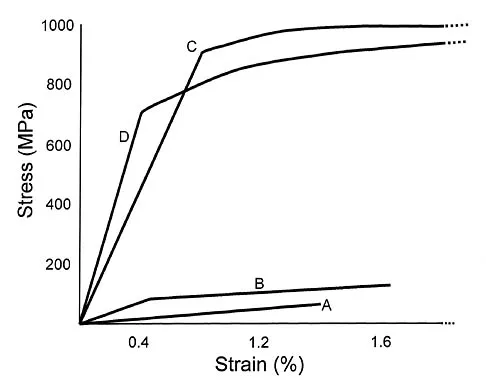
Plots of stress versus strain for four orthopaedic biomaterials are shown in Figure 3. Referring to the figure, what is the correct identification of the curves?


Explanation

Stress-strain plots allow easy comparison of a number of important mechanical properties, including elastic modulus (the slope of the initial straight line portion of the curve) and yield stress (the stress at the break in the curves for bone, steel, and titanium alloy). Important considerations here are much lower modulus and ultimate stress of bone and cement compared to the two metallic alloys, the fact that titanium is lower modulus but higher strength than stainless steel, and the identification of cement as the only brittle material among the four. Burstein AH, Wright TM: Fundamentals of Orthopaedic Biomechanics. Baltimore, MD, Williams and Wilkins, 1994, pp 97-129.

Question 3

A 54-year-old woman underwent prophylactic intramedullary fixation for an impending fracture of her right femur secondary to metastatic breast cancer. A bone scan revealed a second lesion in her inferior pubic ramus. Her oncologist has recommended that she receive the intravenous bisphosphonate, zoledronic acid, because the medication would


Explanation

Bisphosphonates have been reported to reduce the incidence of new osseous lesions and prevent an increase in size of existing lesions. Zoledronic acid has been reported in clinical trials to decrease the skeletal complications of patients with multiple myeloma and with bone metastases from solid tumors. Results also have demonstrated that zoledronic acid delays the initial onset of bone complications by more than 2 months in patients with non-small-cell lung cancer and other solid tumors. In two placebo-controlled clinical studies of zoledronic acid conducted in patients with bone metastases from prostate cancer or other solid tumors, there was a decrease in the number of patients with skeletal-related events compared to placebo, and the time to the first skeletal-related event was delayed. Mundy GR, Yoneda T: Bisphosphonates as anticancer drugs. N Engl J Med 1998;339:398-400.

Question 4

What is the known manner in which the growth hormone-insulin-like growth factor-I (GH-IGF-I) system functions to stimulate bone growth?


Explanation

IGF-I, formerly known as somatomedin-C, possibly acts by both paracrine and endocrine hormone pathways. The products of the GH-IGF-I system induce proliferation without maturation of the growth plate and thus induce linear skeletal growth. The action of the thyroid hormone axis is via an active metabolite that enters target cells and signals a nuclear receptor to stimulate both proliferation and maturation of the growth plate. Increased amounts of the active steroid hormone metabolite promote proliferation and maturation of the growth plate. Calcitonin inhibits bone resorption. Binder G, Grauer ML, Wehner AV, et al: Outcome in tall stature: Final height and psychological aspects in 220 patients with and without treatment. Eur J Pediatr 1997;156:905-910. Wang J, Zhou J, Cheng CM, et al: Evidence supporting dual, IGF-I-independent and IGF-I-dependent, roles for GH in promoting longitudinal bone growth. Endocrinol 2004;180:247-255.

Question 5

During particle-induced osteolysis around implants, what cell secretes most of the interleukin-6 (IL-6)?


Explanation

During osteolysis, IL-6 is secreted by fibroblasts in the membrane surrounding the prosthesis. IL-6 also can be secreted by osteoblasts in other settings, but they are not the predominant source of IL-6 in particle-induced osteolysis. The remaining cells are not major sources of IL-6.

Question 6

What mechanism is associated with the spontaneous resorption of herniated nucleus pulposus?


Explanation

Nonsurgical modalities remain the mainstay for treatment of herniated disks. Spontaneous resorption of herniated disks frequently is detected by MRI. Marked infiltration by macrophages and neovascularization are observed on histologic examination of herniated disks, and the resorption is believed to be related to this process. Many cytokines such as vascular endothelial growth factor, tumor necrosis factor-alpha, and metalloproteinases have been implicated in this process, but none has been found to be singularly responsible. Haro H, Kato T, Kamori H, et al: Vascular endothelial growth factor (VEGF)-induced angiogenesis in herniated disc resorption. J Orthop Res 2002;20:409-415.

Question 7

A 68-year-old woman with metastatic breast carcinoma is seen in the emergency department. She appears lethargic, and she reports abdominal pain, nausea, and constipation. An EKG reveals a shortened QT interval. The only physical finding on examination is diffuse hyporeflexia. What is the most appropriate step in management?


Explanation

Intravenous fluid administration is the best first step to treat the hypercalcemia of malignancy. Many of these patients are dehydrated, and the increased serum calcium impairs the ability of the kidney to concentrate the urine. The decreased glomerular filtration rate secondary to the hypovolemia also leads to increased tubular resorption of calcium. The establishment of normovolemia will help promote increased urinary excretion of calcium. Lasix can also be used to help promote calciuria. Mithramycin is an antibiotic derived from Streptomyces plicatus. It is part of a group of drugs referred to as chromomycin antibiotics and is the only one of this group used clinically in the United States. It is rarely used in cancer chemotherapy because of its toxicity. A number of drug-related deaths have occurred from the use of mithramycin. Its use is now limited to the treatment of hypercalcemia associated with malignancy where it is used in lower dosage than that used for the treatment of tumors. Methotrexate has no role in the treatment of hypercalcemia of malignancy. While intravenous bisphosphonates are helpful in slowing progression of metastases and may help lower cerum calcium, they are not appropriate in the emergent treatment of hypercalcemia in the metastatic cancer patient.

Question 8

What is the primary role of superficial zone protein (SZP) in articular cartilage?


Explanation

Lubricin and SZP share a similar primary structure but may differ in posttranslational modifications with O-linked oligosaccharides. The primary physiologic function of SZP appears to be boundary lubrication. SZP does not influence interleukin-1, collagenase, or TIMP directly because these proteins are associated with articular cartilage turnover. Hlavacek M: The influence of the acetabular labrum seal, intact articular superficial zone and synovial fluid thixotropy on squeeze-film lubrication of a spherical synovial joint. J Biomech 2002;35:1325-1335.

Question 9

Clinical evidence suggests that grafts for replacing a torn anterior cruciate ligament often stretch after surgery. What is the most probable mechanism for this behavior?


Explanation

The stretching of the graft occurs over time as the graft is loaded. Time-dependent deformation under load is called creep and is common in viscoelastic materials such as ligament tissue. Creep can occur under both static and cyclic load conditions; time-dependent deformation will occur as long as load is applied to the tissue. Similarly, when a graft is initially tensioned to a given deformation at surgery, the load generated in the graft will decrease over time; this behavior is called stress relaxation and also is indicative of a viscoelastic material. Water content may affect the viscoelastic properties by changing the friction between collagen fibers, but studies have shown little difference in water content between grafts and normal ligaments. Fatigue failures may manifest themselves through damage to the ligament tissue, but this would require higher loads than are routinely experienced by grafts. Elastic stretch is recoverable and, therefore, does not contribute to a permanent stretch. Similarly, gross failure at the attachment would not cause a stretch, but rather a catastrophic instantaneous instability. Boorman RS, Thornton GM, Shrive NG, et al: Ligament grafts become more susceptible to creep within days after surgery. Acta Orthop Scand 2002;73:568-574. Buckwalter JA, Einhorn TA, Simon SR (eds): Orthopaedic Basic Science: Biology and Biomechanics of the Musculoskeletal System, ed 2. Rosemont, IL, American Academy of Orthopaedic Surgeons, 2000, pp 596-609.

Question 10

A 60-year-old man with diabetes mellitus is referred for evaluation of nonhealing ulcers of his left foot. Nonsurgical management has failed to provide relief, and a below-the-knee amputation is being considered. Which of the following studies best predicts successful amputation wound healing?


Explanation

The TcPO2 measures the O2 delivering capacity of the local vasculature. Values above 40 mm Hg have been shown to correlate with positive healing potential. The hemoglobin A1c is a good indicator of long-term glucose levels; however, it has no direct correlation with wound healing potential. Serum albumin is an indirect measure of nutritional status, and deficiencies in nutrition must be addressed before any surgery. Adequate hemoglobin levels are also necessary to promote adequate oxygenation to the amputation site. The ankle-brachial index may be falsely elevated as a result of calcified vessels in patients with diabetes mellitus. Wyss CR, Harrington RM, Burgess EM, et al: Transcutaneous oxygen tension as a predictor of success after amputation. J Bone Joint Surg Am 1988;70:203-207.

Question 11

The wear resistance of ultra-high molecular weight polyethylene can be improved by exposing the polymer to high-energy radiation (eg, gamma or electron beam), followed by a thermal treatment. What is one detrimental side effect of this process?


Explanation

Highly cross-linked polyethylene has gained widespread acceptance for joint arthroplasty components because of reported experimental and early clinical accounts of significant reductions in wear. Cross-linking is increased by imparting additional energy into the polymer (above that conventionally used for sterilization). The thermal treatments after cross-linking stabilize the material against oxidative degradation by quenching free radicals and also reduce the elastic modulus. One disadvantage of the increased cross-linking is a reduction in toughness that makes the polyethylene more susceptible to crack initiation and propagation. The reduced toughness raises concerns for gross component fracture and fracture at stress concentrations that can arise with the locking mechanisms used to secure polyethylene inserts into metallic backings. Nonconsolidated polyethylene particles have been associated with increased subsurface density secondary to oxidative degradation in conventional polyethylene implants. The quenching of free radicals by thermal treatment in highly cross-linked polyethylene should prevent this problem. Collier JP, Currier BH, Kennedy FE, et al: Comparison of cross-linked polyethylene materials for orthopaedic applications. Clin Orthop 2003;414:289-304. Buckwalter JA, Einhorn TA, Simon SR (eds): Orthopaedic Basic Science: Biology and Biomechanics of the Musculoskeletal System, ed 2. Rosemont, IL, American Academy of Orthopaedic Surgeons, 2000, pp 203-208.

Question 12

Which of the following best characterizes the antigenicity of allograft bone?


Explanation

Cell surface glycoproteins present in the heterogeneous population of the cells within the graft are primarily responsible for the antigenicity. Macromolocules of the matrix have also been implicated. Cryopreserved grafts have less antigenicity than fresh. Freezing, freeze-drying, or chemical sterilization and antigen extraction of the bone allograft have all been shown to reduce the antigenicity of the graft. Freeze-drying of retroviral-infected cortical bone and tendon does not inactivate retrovirus. Immunosuppression has been shown to decrease response. Hematopoietic elements along with osteogenic, chondrogenic, fibrous, and vascular cells have been shown to be antigenic. Crawford MJ, Swenson CL, Arnoczky SP, et al: Lyophilization does not inactivate infectious retrovirus in systemically infected bone and tendon allografts. Am J Sports Med 2004;32:580-586. Stevenson S, Li XQ, Davy DT, et al: Critical biological determinants of incorporation of non-vascularized cortical bone grafts: Quantification of a complex process and structure. J Bone Joint Surg Am 1997;79:1-16.

Question 13

Which of the following clinical disorders is the result of a mutation in fibroblast growth factor recepter 3 (FGFR3)?


Explanation

Camptomelic dysplasia is caused by a heterozygous loss of function of the Sox9 gene. The alternatives have genetic causes, but are not linked to Sox9. Cleidocranial dysplasia is related to a defect in Cbfa-1 (Osf-2, Runx2). Schmid metaphyseal chondrodysplasia is related to Type X collagen. Fibrous dysplasia is related to a defect in the alpha subunit of stimulatory guanine-nucleotide-binding protein (Gs). Achondroplasia is related to a defect in fibroblast growth factor receptor 3. Wagner T, Wirth J, Meyer J, et al: Autosomal sex reversal and camptomelic dysplasia are caused by mutations in and around the SRY-related gene SOX9. Cell 1994;79:1111-1120. Buckwalter JA, Einhorn TA, Simon SR (eds): Orthopaedic Basic Science: Biology and Biomechanics of the Musculoskeletal System, ed 2. Rosemont, IL, American Academy of Orthopaedic Surgeons, 2000, pp 111-131.

Question 14

Which of the following best characterizes bone mineralization?


Explanation

Mineralization occurs at the site of hole zones between the collagen fibrils. Crystals begin from the necessary ions of the lattice that come together with the correct orientation to form the first stable crystal. Formation of this critical nucleus is the most energy-demanding step of crystallization. Enzymes within the extracellular matrix vesicles degrade inhibitors such as adenosine triphosphate, pyrophosphate, and proteoglycans found in the surrounding extracellular matrix. Bone mineral consists of numerous impurities (carbonate, magnesium) that are more soluble, allowing the bone to act as a reservoir for calcium, phosphate, and magnesium ions. Crystals may form by addition of ions or ion clusters to the critical nucleus in many directions, with 'kink' sites forming to branch and exponentially proliferate the crystals. Macromolecules facilitate formation of the critical nucleus and increasing local concentrations of necessary ions. Once the crystals are formed and proliferating, macromolecules bind to the surface and block the growth of the crystal, regulating size, shape, and number of crystals. Lian JB, Stein GS, Canalis E, et al: Bone formation: Osteoblast lineage cells, growth factors, matrix proteins, and the mineralization process, in Favus MJ (ed): Primer on Metabolic Bone Diseases and Disorders of Mineral Metabolism, ed 4. Philadelphia, PA, Lippincott Williams & Wilkins, 1999, pp 14-29.

Question 15

What is the main mechanism for nutrition of the adult disk?


Explanation

Disk nutrition occurs via diffusion through pores in the end plates. The disk has no direct blood supply, and the anulus is not porous to allow diffusion. The dorsal root ganglion does not provide blood supply to the disc. Biyani A, Andersson GB: Low back pain: Pathophysiology and management. J Am Acad Orthop Surg 2004;12:106-115. Urban JG, Holm S, Maroudas A, et al: Nutrition of the intervertebral disc: Effect of fluid flow on solute transport. Clin Orthop 1982;170:296-302.

Question 16

A study is conducted to measure the difference in bone mineral density between postmenopausal women taking a drug treatment versus those taking a placebo. What is the most important result to be reported from this study?


Explanation

A complete answer necessarily includes the means and standard deviations of bone mineral density in both groups. Given these, which are the basic results of the study, the P-value can be calculated if desired. All of the other options preclude assessment of the actual data, that is, the information collected by the study. P-values and confidence intervals should be perceived as additional information, which help to assess the certainty of relating the study's findings to the general population, but they should not be reported instead of the results (ie, the means and standard deviations).

Question 17

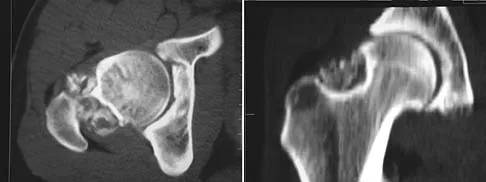
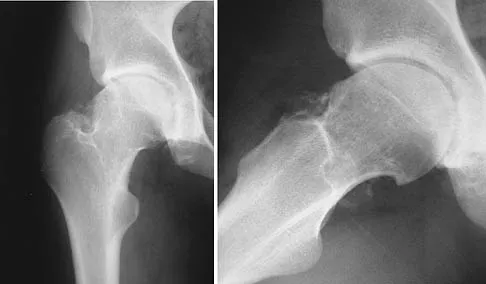
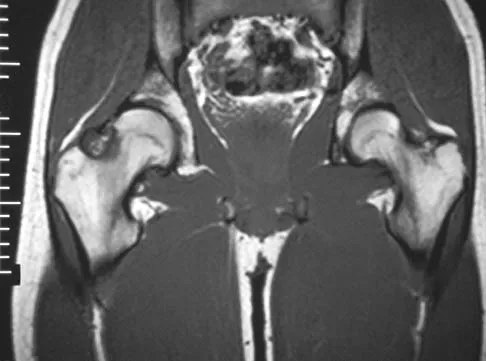
Figures 4a through 4c show the radiographs, CT scans, and T1-weighted MRI scan of a 19-year old man who has had increasing right hip pain and decreasing range of motion for the past several years. He also reports intermittent "locking" of the hip. What is the most likely diagnosis?


Explanation

4b 4c The radiographs reveal small ossified masses around the femoral neck. The CT scans also show these masses and suggest that they are separate from the underlying cortex of the femoral neck, although they abut it. The MRI scan does not reveal significant marrow changes in the proximal femur apart from some mild reactive changes immediately adjacent to the nodules. These findings suggest a synovial or joint-based disorder as opposed to a primary bone tumor. The most likely diagnosis is synovial osteochondromatosis, which is consistent with the patient's mechanical symptoms. Crotty JM, Monu JU, Pope TL Jr: Synovial osteochondromatosis. Radiol Clin North Am 1996;34:327-342.

Question 18

The presence of S100B tumor marker typically corresponds with which of the following as being the most likely source of the metastasis?


Explanation

Advances in development of new tumor markers and techniques of antigen retrieval have enhanced the sensitivity and reliability of identifying the primary source of metastasis. New markers such as CK7, CK20, CA125, and thyroid transcription factor-1 (TTF-1) can help to determine the origin of an adenocarcinoma or aid in the recognition of other tumors. In patients who do not have an obvious primary site of disease or screening radiographs, these new markers can help focus the search for and guide the treatment of the underlying lesion. CA125 is positive in patients with ovarian cancer, CK7 is positive in patients with breast and lung carcinoma, and CK20 is indicative of colon carcinoma if the CK7 marker is negative. Gastrointestinal stromal tumor (GIST) is positive for CD117 (c-kit) and CD34, whereas 75% of bronchogenic carcinomas are positive for TTF-1. Histochemical staining of the S100 protein family has been used for many years in the diagnosis of malignant melanoma. Recent markers HMB-45, MART-1, and Melan-A have proved to be useful in diagnosis of melanoma. S100B protein has been implicated in downregulation of p53 (oncosuppressor gene). Harpio R, Einarsson R: S100 proteins as cancer biomarkers with focus on S100B in malignant melanoma. Clin Biochem 2004;37:512-518.

Question 19

Which of the following accurately describes the biosynthetic materials tricalcium phosphate (TCP) and hydroxyapatite?


Explanation

TCP is resorbed more rapidly, at a rate of 10 to 20 times faster than hydroxyapatite, partially because its larger pore size makes it a weaker substance. It provides significantly less compressive strength than hydroxyapatite. It does partially convert to hydroxyapatite, thus slowing its resorption rate. The absorbing cell of hydroxyapatite is the foreign body giant cell, not the osteoclast. Optimum pore size appears to be between 150 and 500 um. Lane JM, Bostrom MP: Bone grafting and new composite biosynthetic graft materials. Instr Course Lect 1998;47:525-534.

Question 20

A patient undergoes cartilage implantation requiring amplification of donor cells. Which of the following statements best describes the transplants?


Explanation

Chondrocytes are obtained from cartilage harvested from non-weight-bearing areas of the knee. The extracellular matrix is digested, and the chondrocytes are expanded for later transplantation. Cells implanted into a defect are secured with a flap of periosteum. Cells are expanded to obtain 20 to 50 times the original number of cells to transplant at a cell density of 3x10⁻⁷ cells/mL. There is a direct relationship between cell number and biosynthetic activity. Osteochondral lesions of up to 8 mm may be treated with autologous transplant alone; larger depth lesions should be bone grafted at the time of harvest. Mesenchymal stem cells differentiate easily into fibrous tissue, bone, and fat; conversion of mesenchymal stem cells into cartilage in vitro currently is difficult to accomplish. Goldberg and Caplan, however, were able to obtain cartilage repair using mesenchymal stem cells transplanted into defects in rabbits in vivo. In animal studies, fluorescent-labeled cells persist for at least 14 weeks, integrate with the surrounding normal margins, and become part of the repaired tissue replete with sulfated proteoglycans and type II collagen. Brittberg M, Peterson L, Sjogren-Jansson E, et al: Articular cartilage engineering with autologous chondrocyte transplantation. J Bone Joint Surg Am 2003;85:109-115.

Question 21

The load versus deformation curve of the functional spinal unit (FSU) is made up of the neutral zone, the elastic zone, and the plastic zone. What is the plastic zone of the curve believed to represent?


Explanation

Plastic deformation of viscoelastic tissues represents deformation of the soft tissues to the point of failure. The lining up of collagen fibers would be in the "toe region" of the curve, which, in the case of the FSU, would be mainly in the neutral zone. Elastin is a minor contributor to the composition of the ligaments and would be protected by the stiffer collagen fibers. The transition between flexion and extension occurs in the neutral zone, and reversible elongation occurs in the elastic zone. Fardon DF, Garfin SR, Abitbol J, et al (eds): Orthopaedic Knowledge Update: Spine 2. Rosemont, IL, American Academy of Orthopaedic Surgeons, 2002, pp 15-23.

Question 22

A knock-out mouse for the Vitamin D receptor has which of the following phenotypes?


Explanation

A knock-out mouse to the Vitamin D receptor would cause loss of vitamin D function, resulting in rickets. Renal failure would not occur; although Vitamin D is converted from 25 (OH) D to 1,25 (OH) D in the kidney, the active hormone acts on the gut and bone. Osteopetrosis can be seen as the phenotype for the c fos knock-out mouse; the Jansen-type metaphyseal dysplasia phenotype results from overactivation of the PTH/PTHrp receptor. Although compensatory hyperparathyroidism would occur, excessive PTH would not be able to rescue the skeletal loss and instead phosphoturia and phosphotasia would result. Glowacki J, Hurwitz S, Thornhill TS, et al: Osteoporosis and vitamin-D deficiency among postmenopausal women with osteoarthritis undergoing total hip arthroplasty. J Bone Joint Surg Am 2003;85:2371-2377.

Question 23

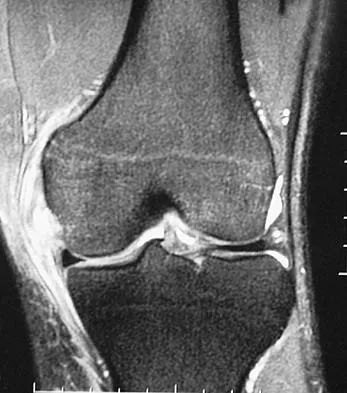
A 30-year-old woman injures her knee while skiing. Based on the MRI scan shown in Figure 5, treatment should consist of


Explanation

The MRI scan demonstrates a grade III MCL tear. Basic science and clinical studies have shown that nonsurgical management is preferred for MCL tears. Functional rehabilitation and early motion have led to consistently better results than has surgical repair.

Question 24

Intramembranous ossification during fracture repair is characterized by absence of which of the following elements?


Explanation

Intramembranous ossification occurs through the direct formation of bone without the formation of a cartilaginous intermediate. Clinically, both intramembranous and endochondral ossification occur simultaneously during fracture healing; however, the latter is characterized by the differentiation and maturation of chondrocytes, vascular invasion of a hypertrophic cartilage matrix, and bone formation. Collagens type II and X are cartilage specific and would be characteristic of endochondral ossification, not intramembranous ossification. Li J, Sandell LJ: Transcriptional regulation of cartilage-specific genes, in Rosier RN, Evans C (eds): Molecular Biology in Orthoapedics, Rosemont, IL, American Academy of Orthopaedic Surgeons, 2002, pp 21-24.

Question 25

Patients with rheumatoid arthritis may exhibit an increase in viral load for which of the following viruses?


Explanation

Rheumatoid arthritis (RA) is a complex multisystem disorder. It has been suggested that patients with RA have an impaired capacity to control infection with Epstein-Barr virus. Epstein-Barr virus has oncogenic potential and is implicated in the development of some lymphomas. Recent publications provide evidence for an altered Epstein-Barr virus-host balance in patients with RA who have a relatively high Epstein-Barr virus load. Large epidemiologic studies confirm that lymphoma is more likely to develop in patients with RA than in the general population. The overall risk of development of lymphoma has not risen with the increased use of methotrexate or biologic agents. Histologic analysis reveals that most lymphomas in patients with RA are diffuse large B cell lymphomas, a form of non-Hodgkin lymphoma. Epstein-Barr virus is detected in a proportion of these. Patients with RA do not have prevalence for infection with any of the other mentioned viruses. Callan MF: Epstein-Barr virus, arthritis, and the development of lymphoma in arthritis patients. Curr Opin Rheumatol 2004;16:399-405.

Question 26

A 65-year-old patient undergoes revision total hip arthroplasty for aseptic loosening. Intraoperative tissue samples are obtained. The histologic analysis demonstrates a predominantly macrophage-driven inflammatory response. Which of the following cytokines is most directly responsible for the subsequent osteoclast activation and periprosthetic osteolysis seen in this condition?


Explanation

The biologic response to particulate wear debris (such as polyethylene) is mediated primarily by macrophages. Upon phagocytosis of wear debris, macrophages release pro-inflammatory cytokines, including TNF-alpha, IL-1, and IL-6. These cytokines directly stimulate osteoclastogenesis via the RANK/RANKL pathway, ultimately leading to periprosthetic osteolysis. IL-4, IL-10, and IFN-gamma typically exert inhibitory effects on osteoclastogenesis.

Question 27

A surgeon is revising a nonunion of a femoral shaft fracture initially treated with a stainless steel dynamic compression plate. The surgeon plans to retain a broken stainless steel screw embedded in the far cortex but will place a new titanium intramedullary nail. What specific mode of corrosion is at greatest risk of occurring if these two distinct metals are in direct contact within the biologic environment?


Explanation

Galvanic corrosion occurs when two dissimilar metals with different electrochemical potentials are placed in direct physical contact within a conductive fluid medium (e.g., serum or body fluids). An electrochemical potential difference is established, which drives the accelerated corrosion of the less noble metal (anodic dissolution). For this reason, combining stainless steel and titanium implants in direct contact is generally contraindicated.

Question 28

A 4-year-old child presents with disproportionate short stature, frontal bossing, and rhizomelic shortening of the limbs. Radiographs reveal narrowing of the interpedicular distances in the lumbar spine. This condition is caused by a mutation resulting in the altered function of a specific receptor. What is the molecular consequence of this mutation?


Explanation

Achondroplasia is the most common form of disproportionate dwarfism and is inherited in an autosomal dominant pattern. It is caused by a gain-of-function mutation in the Fibroblast Growth Factor Receptor 3 (FGFR3) gene. Paradoxically, the overactive FGFR3 receptor inhibits normal chondrocyte proliferation and differentiation in the proliferative zone of the physis, leading to impaired endochondral ossification.

Question 29

Articular cartilage is a highly specialized connective tissue designed for load-bearing and low-friction articulation. Under high-load physiological conditions, boundary lubrication prevents direct contact between the cartilage surfaces. Which of the following components is primarily responsible for boundary lubrication of the articular surface?


Explanation

Lubricin (Proteoglycan 4, or PRG4) is a water-soluble glycoprotein synthesized by superficial zone chondrocytes and synoviocytes. It binds specifically to the articular surface, providing boundary lubrication, which drastically reduces friction under high compressive loads and prevents cell-cell adhesion. Hyaluronic acid contributes more to fluid-film lubrication and synovial fluid viscosity.

Question 30

According to Perren's strain theory regarding secondary fracture healing, the differentiation of tissues within a fracture gap is dictated by the amount of local strain. What is the maximum local tissue strain that allows for the formation and persistence of lamellar (compact) bone without resulting in microfracture?


Explanation

Perren's strain theory dictates that a specific tissue can only form if the strain in the fracture gap is less than the tissue's tolerance before rupture. Granulation tissue can tolerate up to 100% strain; fibrous connective tissue and cartilage up to 10-15%; and woven bone up to 10%. Lamellar (compact) bone is highly brittle and requires a rigid mechanical environment with less than 2% strain to form and persist without microfracturing.

Question 31

Tranexamic acid (TXA) is widely utilized in orthopedic surgery to mitigate perioperative blood loss. Which of the following best describes the precise mechanism of action of systemic tranexamic acid?


Explanation

Tranexamic acid is a synthetic analog of the amino acid lysine. It acts as an antifibrinolytic agent by reversibly binding to the lysine-binding sites on plasminogen molecules. This competitively inhibits the activation of plasminogen into plasmin, thereby preventing the premature enzymatic degradation of established fibrin clots.

Question 32

A 45-year-old patient with an upper trunk brachial plexus injury is scheduled for a nerve transfer. During the prolonged recovery phase, electromyography (EMG) is utilized to monitor reinnervation. Which of the following EMG findings represents the earliest reliable sign of muscle reinnervation?


Explanation

Fibrillation potentials and positive sharp waves are classic signs of active denervation, typically appearing 2-4 weeks after nerve injury. The earliest electromyographic indication of reinnervation is the appearance of nascent motor unit action potentials (MUAPs), which are characteristically low-amplitude, long-duration, highly polyphasic potentials. As reinnervation matures, collateral sprouting eventually organizes these into giant MUAPs.

Question 33

The success of surgical implant retention in acute periprosthetic joint infection strongly relies on early intervention before the establishment of a mature bacterial biofilm. The structural integrity, architecture, and antibiotic resistance of a mature Staphylococcus aureus biofilm are predominantly mediated by which of the following extracellular matrix components?


Explanation

The extracellular polymeric substance (EPS) or 'slime layer' that forms the mature structural matrix of a staphylococcal biofilm is composed primarily of Polysaccharide Intercellular Adhesin (PIA) (also known as poly-N-acetylglucosamine) and extracellular DNA (eDNA), along with various proteins. This EPS matrix physically shields the resident bacteria from host immune surveillance (phagocytes, antibodies) and prevents the penetration of systemic antibiotics.

Question 34

Osteopetrosis is a rare genetic disorder characterized by dense, poorly remodeled bones. The infantile malignant form is most commonly caused by a mutation in the TCIRG1 gene, which encodes the a3 subunit of the vacuolar H+-ATPase. Dysfunction of this pump directly impairs which critical step in osteoclast-mediated bone resorption?


Explanation

The vacuolar H+-ATPase resides on the ruffled border of an actively resorbing osteoclast and actively pumps protons (H+) into the sealed microenvironment known as the Howship's lacuna. This acidification (achieving a pH of ~4.5) is absolutely necessary to dissolve the inorganic hydroxyapatite mineral component of bone. Mutations in the TCIRG1 gene impair this pump, causing osteoclast-rich osteopetrosis, where osteoclasts are abundant but functionally defective.

Question 35


A load-deformation (stress-strain) curve for a standard orthopedic structural construct is evaluated. The specific point on the curve where the construct permanently transitions from elastic deformation to plastic deformation is known as the:


Explanation

The yield point marks the precise transition between the elastic region (where removal of the load results in full recovery of the material's original shape) and the plastic region (where microscopic structural changes occur, and permanent deformation remains after load removal). The proportional limit is slightly earlier on the curve, representing the true end of the linear elastic relationship (Hooke's Law), though the two points are typically located very close together.

Question 36

Osteopetrosis is a genetic disease characterized by dense, brittle bones due to defective osteoclastic bone resorption. A mutation in the gene encoding for which of the following enzymes is most commonly associated with the failure of osteoclasts to create the necessary acidic microenvironment?


Explanation

Carbonic anhydrase II (CA II) is essential for producing the protons needed to acidify the resorption lacuna beneath the osteoclast's ruffled border. Mutations in CA II cause a subtype of autosomal recessive osteopetrosis that is characteristically associated with renal tubular acidosis and cerebral calcification. Cathepsin K degrades the organic matrix (type I collagen) but does not acidify the environment.

Question 37

A 68-year-old man presents with aseptic loosening of his total hip arthroplasty 15 years after the index procedure. Radiographs show significant periprosthetic osteolysis.

Which of the following particulate sizes and characteristics is most effectively phagocytosed by macrophages, subsequently triggering the greatest release of tumor necrosis factor-alpha (TNF-alpha) and RANKL?


Explanation

Macrophages are most efficiently activated by ultra-high molecular weight polyethylene (UHMWPE) wear particles in the submicron size range of 0.1 to 1.0 micrometers. Particles larger than 10 micrometers are typically not phagocytosed by single macrophages and instead become surrounded by foreign body giant cells. The macrophage activation by submicron particles leads to the release of TNF-alpha, IL-1, IL-6, and PGE2, upregulating RANKL and driving osteoclastic bone resorption (osteolysis).

Question 38

Articular cartilage relies on its highly organized structure for biomechanical function. Reviewing the histological zones of articular cartilage, which of the following best describes the structural and biochemical characteristics of the deep (calcified and uncalcified) zone compared to the superficial (tangential) zone?


Explanation

Articular cartilage varies significantly by zone. The superficial zone has the highest water content (approx. 80%), collagen fibers parallel to the joint surface (to resist shear forces), and the lowest proteoglycan content. The deep zone has the lowest water content (approx. 65%), the highest proteoglycan concentration, and collagen fibers oriented perpendicular to the joint surface to resist compressive loads.

Question 39

Tendons and ligaments exhibit distinct viscoelastic properties, meaning their biomechanical response depends heavily on the rate and duration of loading. Which of the following best describes the phenomenon of 'creep' in an orthopaedic viscoelastic tissue?


Explanation

Creep is a fundamental viscoelastic property defined as the progressive deformation of a material over time when subjected to a constant load. Option B describes stress relaxation. Option C describes hysteresis. Option D describes fatigue failure. Option E describes the 'toe region' of the load-deformation curve.

Question 40

According to Perren's strain theory of fracture healing, the type of tissue that forms in a fracture gap is dictated by the amount of mechanical strain at the local cellular level. What is the maximum strain environment that permits the formation of primary lamellar bone?


Explanation

Perren's strain theory postulates that a specific tissue can only form under conditions where the local mechanical strain does not exceed its failure strain. Lamellar bone is highly intolerant of strain and requires an environment with less than 2% strain to form (primary bone healing). Cartilage can tolerate up to 10% strain (allowing secondary callus formation), while granulation tissue can tolerate up to 100% strain.

Question 41

A 45-year-old patient requires a revision of a previously placed plate and screw construct for a nonunion. Intraoperatively, black metallosis debris is noted specifically at the screw-plate interface.

Assuming both the plate and the screws are composed of the exact same 316L stainless steel alloy, which of the following represents the primary mechanism for this localized corrosion?


Explanation

Fretting corrosion occurs when there is micromotion between two closely apposed surfaces of the same material, such as the interface between a screw head and a plate hole. This mechanical micromotion repeatedly destroys the self-passivating oxide layer, leading to localized corrosion and black debris. Galvanic corrosion requires dissimilar metals. Crevice corrosion occurs in oxygen-depleted zones but is not primarily driven by the mechanical micromotion described.

Question 42

Following a severe crush injury to the sciatic nerve, the distal nerve segment undergoes Wallerian degeneration. Which of the following cell types is primarily responsible for the phagocytosis of myelin debris and the subsequent formation of the bands of Büngner to guide regenerating axonal sprouts in the peripheral nervous system?


Explanation

In the peripheral nervous system, Schwann cells are the primary glia responsible for coordinating Wallerian degeneration and regeneration. Alongside infiltrating macrophages, Schwann cells phagocytose myelin debris, proliferate, and align to form longitudinal tubes known as the bands of Büngner. They also secrete essential neurotrophic factors to guide regenerating axons. Oligodendrocytes and microglia perform similar functions in the CNS, but oligodendrocytes typically inhibit axonal regeneration.

Question 43

Teriparatide is utilized in the management of severe osteoporosis. Which of the following best describes its mechanism of action when administered via daily subcutaneous injections?


Explanation

Teriparatide is a recombinant form of human parathyroid hormone (PTH 1-34). While continuous elevation of endogenous PTH (as seen in hyperparathyroidism) leads to increased osteoclast activity and bone resorption, the intermittent administration (daily subcutaneous injection) of Teriparatide has a net anabolic effect on bone by predominantly stimulating osteoblast proliferation, differentiation, and activity. Bisphosphonates inhibit the mevalonate pathway, and Denosumab binds to RANKL.

Question 44

A marathon runner sustains a partial gastrocnemius tear. The predominant muscle fibers in this athlete's gastrocnemius are optimized for sustained endurance. Which of the following biochemical and physiological profiles best characterizes Type I muscle fibers compared to Type II fibers?


Explanation

Type I muscle fibers are 'slow-twitch' fibers optimized for endurance and postural control. They rely primarily on oxidative (aerobic) metabolism, possess a high density of mitochondria and myoglobin (giving them a red appearance), have an extensive capillary network, and are highly resistant to fatigue. Conversely, Type II fibers ('fast-twitch') rely heavily on glycolytic (anaerobic) metabolism, have lower mitochondrial density, and fatigue much more rapidly but generate higher peak tension.

Question 45

An orthopedic surgeon is evaluating the biomechanical stability of pedicle screws for a complex lumbar fusion.

According to established biomechanical principles, the pullout strength of a cortical screw is most directly proportional to which of the following variables?


Explanation

The pullout strength of a screw depends directly on the volume of bone engaged between the threads. It is mathematically proportional to the outer (major) thread diameter, the length of thread engagement, and the shear strength of the surrounding bone. It is inversely proportional to the pitch. The inner (root) diameter is the primary determinant of the screw's torsional and bending strength, but not its pullout strength.

Question 46

A patient undergoes a total hip arthroplasty using a highly cross-linked ultra-high molecular weight polyethylene (UHMWPE) liner. Evaluation of the liner mechanics in a laboratory model shows dimensional changes over time when subjected to a constant physiological load, without the generation of particulate debris. Which of the following biomechanical phenomena best describes this finding?


Explanation

Creep, or cold flow, is the progressive deformation of a viscoelastic material under a constant load over time. In UHMWPE components, this dimensional change occurs without the generation of wear debris. This is distinct from abrasive or adhesive wear, which involve the physical removal of material and generation of particulate debris that can lead to osteolysis.

Question 47

A novel pharmacological agent designed to accelerate fracture healing is found to act by directly inhibiting sclerostin. Which of the following best describes the downstream cellular effect of this medication?


Explanation

Sclerostin is a glycoprotein secreted primarily by osteocytes that acts as an antagonist to the Wnt/beta-catenin signaling pathway. By binding to LRP5/6 receptors, it prevents Wnt signaling, thereby inhibiting bone formation. Medications that inhibit sclerostin (e.g., romosozumab) allow Wnt to bind to its receptors, leading to intracellular stabilization and accumulation of beta-catenin, which then translocates to the nucleus to upregulate target genes that drive osteoblastogenesis and bone formation.

Question 48

When comparing a solid titanium alloy (Ti-6Al-4V) intramedullary nail to a solid stainless steel (316L) intramedullary nail of the identical diameter and cross-sectional design, which of the following biomechanical statements is most accurate?


Explanation

Titanium alloys have a lower modulus of elasticity (closer to that of cortical bone) compared to stainless steel. This property makes titanium more flexible and reduces stress shielding at the fracture site. Stainless steel has a much higher modulus of elasticity, making it significantly stiffer. Both materials are highly biocompatible, though titanium generally exhibits superior osteointegration.

Question 49

During an osteochondral allograft transplantation, the surgeon notes the complex multi-layered architecture of articular cartilage.

Which specific zone of articular cartilage is characterized by containing the highest concentration of proteoglycans, the lowest water content, and chondrocytes arranged in vertical columns?


Explanation

Articular cartilage is divided into four structural zones. The deep (radial) zone contains the highest concentration of proteoglycans and the lowest water content. The collagen fibers are oriented perpendicularly to the joint surface, and the chondrocytes are arranged in vertical columns. In contrast, the superficial zone has the highest water content, the lowest proteoglycan content, and chondrocytes are flattened parallel to the joint surface.

Question 50

A 65-year-old man presents with a chronic periprosthetic joint infection (PJI) 2 years after a total knee arthroplasty. Intraoperative cultures eventually grow Staphylococcus epidermidis. The pathogenesis of this infection involves the formation of a biofilm. Which phase of biofilm formation is characterized primarily by van der Waals forces and hydrophobic interactions without the production of an extracellular polymeric substance?


Explanation

Biofilm formation occurs in several distinct phases: 1) Primary (reversible) attachment, mediated by weak non-specific forces such as van der Waals forces and hydrophobic interactions. 2) Irreversible adhesion, mediated by specific cell surface adhesins (e.g., MSCRAMMs). 3) Maturation, involving the production of the extracellular polymeric substance (EPS) matrix and cellular multiplication. 4) Dispersion/Detachment, where planktonic bacteria are released to spread the infection.

Question 51

A surgeon decides to upsize a solid titanium intramedullary nail for a tibial shaft fracture to achieve greater stability.

According to the principles of biomechanics, the bending rigidity (area moment of inertia) of a solid cylinder is proportional to the radius raised to which power?


Explanation

For a solid cylinder, both the area moment of inertia (resistance to bending) and the polar moment of inertia (resistance to torsion) are proportional to the radius to the fourth power (r^4). Therefore, even small increases in the diameter (and thus radius) of a solid intramedullary nail result in dramatic increases in its bending and torsional rigidity.

Question 52

During a regional block for a complex distal radius fracture, a patient inadvertently receives an intravascular injection of bupivacaine. She rapidly develops perioral numbness, metallic taste, tinnitus, and subsequent tonic-clonic seizures. What is the fundamental cellular mechanism of action of this medication that leads to both its anesthetic effect and toxicity?


Explanation

Local anesthetics like bupivacaine work by reversibly binding to the intracellular portion of voltage-gated sodium channels, preventing the influx of sodium necessary for action potential generation and propagation. Systemic toxicity (LAST - Local Anesthetic Systemic Toxicity) occurs when high blood concentrations result in excessive blockade of these sodium channels in the central nervous system and cardiovascular system, leading to seizures, arrhythmias, and cardiovascular collapse.

Question 53

A patient sustains a closed midshaft humerus fracture and presents immediately with a secondary complete radial nerve palsy. Electromyography (EMG) is performed at 4 weeks post-injury and reveals abundant fibrillation potentials and positive sharp waves in the brachioradialis. What is the clinical significance of this EMG finding?


Explanation

Fibrillation potentials and positive sharp waves on an EMG are classic indicators of active muscle denervation. They arise spontaneously from individual denervated muscle fibers. These findings typically appear 3 to 4 weeks after a nerve injury severe enough to cause axonal loss and distal Wallerian degeneration (axonotmesis or neurotmesis). In contrast, neuropraxia (conduction block) involves an intact axon and does not produce fibrillation potentials.

Question 54

A novel therapeutic agent is being studied for the treatment of Paget's disease. The drug targets the sealing zone of osteoclasts, preventing the creation of the isolated acidic microenvironment necessary for bone resorption. Which cell surface receptor is primarily targeted by this medication to disrupt osteoclast attachment to the bone matrix?


Explanation

Osteoclasts attach firmly to the bone matrix to form a 'sealing zone,' isolating the resorption pit (Howship's lacuna). This attachment is primarily mediated by the transmembrane receptor integrin alpha-v beta-3 (αvβ3), which recognizes and binds to RGD (Arginine-Glycine-Aspartic acid) amino acid sequences present on bone matrix proteins such as osteopontin and bone sialoprotein.

Question 55

A 25-year-old male presents with a deep, slow-growing, painful mass in his popliteal fossa.

A core needle biopsy is performed. Cytogenetic and molecular analyses reveal a characteristic t(X;18)(p11;q11) chromosomal translocation. Which of the following fusion genes is diagnostic for this patient's condition?


Explanation

The patient has a synovial sarcoma, which frequently presents in young adults as a deep, sometimes painful mass near a joint (often the knee). It is cytogenetically characterized by the t(X;18)(p11;q11) translocation, which results in the fusion of the SYT gene on chromosome 18 with one of the SSX genes on the X chromosome (most commonly SSX1 or SSX2), forming the SYT-SSX fusion gene. EWS-FLI1 is seen in Ewing sarcoma, TLS-CHOP in myxoid liposarcoma, and PAX3-FOXO1 in alveolar rhabdomyosarcoma.

Question 56

Which of the following accurately describes the mechanism of action of osteoprotegerin (OPG) in bone metabolism?


Explanation

Osteoprotegerin (OPG) is a soluble decoy receptor produced primarily by osteoblasts. By binding to Receptor Activator of Nuclear factor Kappa-B Ligand (RANKL), OPG prevents RANKL from interacting with its physiologic receptor, RANK, located on the surface of osteoclast precursors and mature osteoclasts. This effectively inhibits osteoclast differentiation, activation, and survival, leading to decreased bone resorption.

Question 57

Figure 1 shows a histological section of normal articular cartilage. Which of the following biochemical changes is characteristic of the normal aging process in articular cartilage, distinguishing it from early osteoarthritis?


Explanation

Normal aging of articular cartilage is characterized by a decrease in total water content, a decrease in cellularity, and a decrease in the ratio of chondroitin sulfate to keratin sulfate (as keratin sulfate concentrations remain stable or increase relative to the declining chondroitin sulfate). In contrast, early osteoarthritis is characterized by an increase in water content, increased hydraulic permeability, and a fragmented collagen network.

Question 58

A surgeon is revising a failed subtrochanteric femur fracture fixation. The original construct consisted of a titanium intramedullary nail and a stainless steel cerclage wire. Upon removal, significant dark tissue staining and localized metal degradation are noted precisely at the contact point between the wire and the nail. Which of the following principles best explains this phenomenon?


Explanation

Galvanic corrosion occurs when two electrochemically dissimilar metals (e.g., titanium and stainless steel) are in direct physical contact within an electrolytic medium (such as human body fluids). This creates a galvanic cell, leading to accelerated corrosion of the less noble (more anodic) metal. Fretting corrosion is a mechanically induced process caused by micromotion, while crevice corrosion occurs in oxygen-depleted micro-environments like the interface between a screw head and a plate of the same material.

Question 59

A 4-year-old boy presents with disproportionate short stature, rhizomelic shortening of the limbs, frontal bossing, and midface hypoplasia. Radiographs show narrowing of the interpedicular distances in the lumbar spine. Figure 2 demonstrates the characteristic appearance of his long bones. The genetic mutation responsible for this condition primarily affects which histologic zone of the physis?


Explanation

The patient has achondroplasia, the most common form of short-limbed dwarfism. It is caused by an autosomal dominant gain-of-function mutation in the Fibroblast Growth Factor Receptor 3 (FGFR3) gene. FGFR3 normally acts as a negative regulator of bone growth. Its overactivity primarily suppresses chondrocyte proliferation, leading to profound defects in the proliferative zone of the growth plate and resulting in impaired endochondral ossification.

Question 60

Stress-shielding around a rigid femoral stem is a well-known cause of aseptic loosening and proximal femoral bone resorption. To minimize stress shielding based on material properties, an implant should theoretically possess a modulus of elasticity that closely mimics that of cortical bone. Which of the following structural implant biomaterials has a modulus of elasticity closest to that of human cortical bone?


Explanation

Cortical bone has a modulus of elasticity of roughly 15-20 GPa. Titanium alloys (e.g., Ti-6Al-4V) have a modulus of elasticity of approximately 110 GPa. While still stiffer than bone, titanium is much closer to cortical bone's modulus than other structural metals such as 316L stainless steel (~200 GPa) or cobalt-chromium alloys (~220 GPa). Ceramics like alumina have even higher stiffness (~380-400 GPa). Thus, titanium alloy is widely used for cementless femoral stems to help decrease stress shielding.

Question 61

During skeletal muscle excitation-contraction coupling, the release of calcium ions from the sarcoplasmic reticulum initiates the power stroke cycle. To uncover the active myosin-binding sites on the actin filament, calcium must directly bind to which of the following regulatory proteins?


Explanation

In skeletal muscle contraction, an action potential triggers the release of calcium ions from the sarcoplasmic reticulum. These calcium ions bind directly to Troponin C. This binding causes a conformational change in the troponin complex, moving tropomyosin away from the myosin-binding sites on the actin filament. This permits the myosin head to attach to actin and undergo the power stroke cycle. Troponin I inhibits the actin-myosin interaction, and Troponin T binds the troponin complex to tropomyosin.

Question 62

Figure 3 demonstrates the molecular pathway targeted by a newer class of osteoporosis medications. A 70-year-old woman is prescribed romosozumab for severe osteoporosis after suffering a fragility fracture. This medication primarily exerts an anabolic effect on bone by binding to and inhibiting which of the following proteins?


Explanation

Romosozumab is a monoclonal antibody that binds to and inhibits sclerostin. Sclerostin is a glycoprotein secreted predominantly by osteocytes that serves as a negative regulator of bone formation by inhibiting the Wnt/beta-catenin signaling pathway in osteoblasts. By blocking sclerostin, romosozumab disinhibits Wnt signaling, leading to a dual effect of promoting osteoblastic bone formation and concurrently decreasing bone resorption.

Question 63

An orthopedic research team conducts a randomized controlled trial comparing a novel synthetic bone graft to autograft for posterolateral lumbar fusion. The study fails to find a statistically significant difference in fusion rates between the two groups (p = 0.12). However, a subsequent massive multi-center trial unequivocally demonstrates that the novel graft has a significantly lower fusion rate than autograft. What statistical concept best describes the initial trial's failure to detect this actual difference?


Explanation

A Type II error (beta error) occurs when a statistical test fails to reject a false null hypothesis—in clinical terms, failing to detect a true difference that actually exists between two groups. This is typically due to an inadequate sample size, resulting in insufficient statistical power (Power = 1 - beta). A Type I error (alpha error) occurs when a true null hypothesis is incorrectly rejected (a "false positive").

Question 64

Figure 4 outlines the theoretical lubrication mechanisms of a diarthrodial joint. At extremely high physiological loads and very low sliding speeds, the synovial fluid film breaks down, and the joint surface must rely on boundary lubrication to prevent solid-to-solid contact wear. Which of the following molecules is primarily responsible for mediating boundary lubrication at the extreme surface of articular cartilage?


Explanation

Lubricin (encoded by the PRG4 gene) is a mucinous glycoprotein synthesized by superficial zone chondrocytes and synovial fibroblasts. It coats the articular cartilage surface and provides boundary lubrication, which is essential to reduce friction and wear during conditions of high load and low shear speed, where elastohydrodynamic fluid-film lubrication is no longer adequate. While hyaluronic acid contributes heavily to the viscosity of synovial fluid (essential for fluid-film lubrication), lubricin is the principal boundary lubricant.

Question 65

A 28-year-old man presents with a slow-growing, deep, painless mass in the popliteal fossa. MRI reveals a well-circumscribed soft tissue tumor near the knee joint, though it does not communicate with the joint space itself. Figure 5 shows the biopsy results, which demonstrate a biphasic pattern consisting of both epithelial-like glands and surrounding spindle cells. Cytogenetic analysis of this tumor is most likely to reveal which of the following chromosomal translocations?


Explanation

The clinical scenario and classic biphasic histology (featuring both epithelial and spindle cell components) describe synovial sarcoma. This aggressive soft tissue sarcoma commonly occurs in periarticular regions of young adults. It is characterized almost exclusively by the cytogenetic translocation t(X;18)(p11;q11), which fuses the SYT gene on chromosome 18 to the SSX1, SSX2, or SSX4 genes on the X chromosome. Ewing sarcoma is associated with t(11;22); myxoid liposarcoma with t(12;16); alveolar rhabdomyosarcoma with t(2;13) or t(1;13); and extraskeletal myxoid chondrosarcoma with t(9;22).

Question 66

Which of the following intracellular signaling molecules is directly phosphorylated following the binding of Bone Morphogenetic Protein-2 (BMP-2) to its serine/threonine kinase receptor on osteoprogenitor cells?


Explanation

BMP-2 binds to transmembrane serine/threonine kinase receptors, leading to the phosphorylation of receptor-regulated Smads (Smad 1, 5, and 8). These then form a complex with the co-Smad (Smad 4) and translocate to the nucleus to regulate the transcription of osteogenic genes, including RUNX2. Beta-catenin is the primary intracellular effector of the canonical Wnt signaling pathway. NF-kappaB is utilized by the RANKL pathway in osteoclastogenesis.

Question 67

Consider the biomechanical principles of orthopedic screw design, often evaluated in fixation failure models (e.g.,

). Which of the following design modifications will most effectively increase the pull-out strength of a cortical screw in diaphyseal bone?


Explanation

Screw pullout strength is directly proportional to the outer thread diameter, the length of thread engagement in the bone, and the shear strength of the bone. It is inversely proportional to the thread pitch. Therefore, decreasing the thread pitch (creating finer threads) means more threads are engaged per unit length of bone, which increases pull-out strength. Increasing the inner (root) diameter increases the torsional strength (resistance to breakage) of the screw but does not increase pullout strength, and may decrease it if thread depth is compromised.

Question 68

In the microscopic and biochemical evaluation of healthy articular cartilage, which zone is characterized by the highest concentration of proteoglycans, the lowest concentration of water, and thick collagen fibrils oriented perpendicular to the joint surface?


Explanation

The deep (radial) zone of articular cartilage contains the highest concentration of proteoglycans and the lowest water content, providing significant resistance to compressive loads. The type II collagen fibrils in this zone are thickest and oriented perpendicular to the joint surface, crossing the tidemark to anchor the cartilage to the calcified zone. The superficial zone has the highest water content, the lowest proteoglycan content, and collagen fibers oriented parallel to the joint surface.

Question 69

A histological slide from a revised total hip arthroplasty shows sheets of macrophages surrounding the implant interface. Polyethylene wear debris leads to aseptic loosening primarily through macrophage activation. Which of the following particulate sizes is most readily phagocytosed by macrophages, eliciting the strongest biological response for osteolysis?


Explanation

Macrophages preferentially phagocytose particles in the submicron range, typically 0.1 to 1.0 micrometers. Particles of this specific size elicit the most robust inflammatory response, causing macrophages to release pro-inflammatory cytokines such as TNF-alpha, IL-1, and IL-6. These cytokines stimulate osteoclastogenesis via the RANK/RANKL pathway, ultimately leading to periprosthetic osteolysis and aseptic loosening. Larger particles are typically surrounded by foreign body giant cells rather than individually phagocytosed by macrophages.

Question 70

A 16-year-old male presents with a deep, painful soft-tissue mass in his distal thigh. Core needle biopsy reveals a high-grade spindle cell sarcoma. Molecular and cytogenetic analysis demonstrates a t(X;18)(p11;q11) chromosomal translocation. Which of the following is the most likely diagnosis?


Explanation

Synovial sarcoma is characterized cytogenetically by the t(X;18)(p11;q11) translocation, which results in the fusion of the SYT gene on chromosome 18 with one of the SSX genes on the X chromosome (most commonly SSX1 or SSX2). Ewing sarcoma is characterized by the t(11;22) translocation (EWS-FLI1). Clear cell sarcoma features t(12;22) (EWS-ATF1). Myxoid liposarcoma features t(12;16) (FUS-DDIT3). Alveolar rhabdomyosarcoma typically has t(2;13) or t(1;13).

Question 71

According to Perren's strain theory of fracture healing, primary bone healing (direct osteonal remodeling via cutting cones without callus formation) occurs exclusively when interfragmentary strain is below what critical threshold?


Explanation

Perren's strain theory dictates that primary (direct) bone healing requires absolute stability, which corresponds to an interfragmentary strain of less than 2%. At strains between 2% and 10%, secondary bone healing (endochondral ossification with callus formation) occurs. If the strain exceeds 10%, the granulation tissue cannot differentiate into cartilage or bone, ultimately resulting in a nonunion.

Question 72

A 68-year-old patient undergoing a total knee arthroplasty is prescribed oral rivaroxaban postoperatively for deep vein thrombosis prophylaxis. What is the specific pharmacological mechanism of action of this medication?


Explanation

Rivaroxaban, apixaban, and edoxaban are direct, competitive inhibitors of Factor Xa (DOACs), effectively blocking the common pathway of the coagulation cascade. Dabigatran is a direct thrombin (Factor IIa) inhibitor. Low molecular weight heparins (e.g., enoxaparin) inhibit Factor Xa indirectly by binding to and potentiating antithrombin III. Warfarin inhibits vitamin K epoxide reductase. Clopidogrel acts by irreversibly binding to the ADP P2Y12 receptor on platelets.

Question 73

Following a traumatic complete transection of the ulnar nerve at the wrist, Wallerian degeneration occurs in the distal nerve stump. During this process, which of the following cell types is primarily responsible for clearing myelin debris, proliferating, and forming the bands of Büngner to guide the regenerating axon?


Explanation

In the peripheral nervous system, Schwann cells are the critical mediators of Wallerian degeneration and subsequent nerve regeneration. Following injury, Schwann cells dedifferentiate, proliferate, and work alongside recruited macrophages to clear myelin and axonal debris. They then align to form longitudinal columns called bands of Büngner, secreting neurotrophic factors (like NGF and BDNF) to guide the sprouting axons from the proximal stump. Astrocytes, oligodendrocytes, and microglia are support cells of the central nervous system.

Question 74

An orthopedic resident proposes using a titanium alloy plate fixed with 316L stainless steel screws for a complex forearm fracture. The attending surgeon correctly rejects this plan due to the risk of accelerated degradation. The primary reason for avoiding this mixture of metals in vivo is:


Explanation

Galvanic corrosion occurs when two dissimilar metals are placed in physical contact within an electrolytic solution, such as bodily fluids. The metals have different resting electrochemical potentials, establishing a galvanic cell. The metal that is more anodic (less noble)—in this case, stainless steel compared to titanium—will act as the anode and undergo accelerated corrosion. This can lead to implant failure, loosening, and adverse local tissue reactions to the metallic ions released.

Question 75

During the clinical management of a severe clubfoot, a pediatric orthopedist applies a serial corrective cast. The constant, fixed deformation (stretch) applied to the medial soft tissues and Achilles tendon over several days results in a gradual decrease in the internal load (tension) required to maintain that specific stretch. Which viscoelastic property does this describe?


Explanation

Stress relaxation is the viscoelastic phenomenon where a material experiences a decrease in stress (internal load or tension) over time when subjected to a constant strain (a fixed deformation or length, as in a cast). Creep, conversely, is the progressive increase in strain (deformation) over time under a constant stress (load, such as constant traction). Hysteresis refers to the energy lost as heat during a loading and unloading cycle. Anisotropy refers to mechanical properties varying depending on the direction of loading.

Question 76

A surgeon performs an open reduction and internal fixation of a distal femur fracture. Due to a shortage of matching inventory, a stainless steel plate is secured using titanium alloy screws. Six months later, the patient experiences pain, and radiographs reveal localized osteolysis and loosening around the screws. What type of biomaterial corrosion is most likely responsible for this failure?


Explanation

Galvanic corrosion occurs when two dissimilar metals (such as stainless steel and titanium) are placed in direct physical contact within a conducting fluid medium (e.g., serum or extracellular fluid). This creates an electrochemical cell where the less noble metal acts as an anode and corrodes rapidly. To prevent this, orthopedic implants of different metallurgical compositions should generally not be mixed in a single construct.

Question 77

A 65-year-old female with severe osteoporosis is treated with romosozumab, a monoclonal antibody that promotes bone formation and decreases bone resorption. The target of this specific drug naturally exerts its biological effect by inhibiting which of the following signaling pathways?


Explanation

Romosozumab is a monoclonal antibody that binds to and inhibits sclerostin. Sclerostin is a glycoprotein secreted primarily by osteocytes that naturally inhibits the Wnt/beta-catenin signaling pathway. The Wnt pathway is crucial for osteoblast differentiation and survival; therefore, blocking sclerostin leads to an upregulation of the Wnt pathway, resulting in increased bone formation.

Question 78

Microscopic and biochemical analysis of articular cartilage from an 80-year-old individual without clinical osteoarthritis is compared to that of a healthy 20-year-old. Which of the following biochemical changes is most characteristic of normal aging in articular cartilage?


Explanation

With normal aging (distinct from osteoarthritis), articular cartilage undergoes several predictable biochemical changes. These include a decrease in total water content, a decrease in the size and aggregation of proteoglycans (aggrecan), and a decrease in the ratio of chondroitin sulfate to keratan sulfate (keratan sulfate increases relative to chondroitin sulfate). The absolute number of chondrocytes decreases, although their size may increase. Elasticity and compliance of the cartilage also decrease.

Question 79

To reduce wear and improve longevity in total joint arthroplasty, ultra-high molecular weight polyethylene (UHMWPE) is subjected to irradiation to induce cross-linking. In newer generations of highly cross-linked polyethylene, Vitamin E (alpha-tocopherol) is often blended into the polymer. The primary function of Vitamin E in this context is to:


Explanation

Gamma irradiation of UHMWPE creates cross-links that improve wear resistance, but it also generates free radicals that can react with oxygen over time, leading to oxidative degradation and embrittlement. Historically, post-irradiation melting was used to eliminate free radicals, but this reduced crystallinity and mechanical strength. Vitamin E is a biologic antioxidant that is added to quench these free radicals, preventing oxidation without the need for melting, thereby preserving the mechanical properties of the highly cross-linked polyethylene.

Question 80

Recombinant human bone morphogenetic protein-2 (rhBMP-2) is utilized off-label in various nonunion and spine fusion applications. Following the binding of BMP to its target cell surface receptor, which of the following best describes the immediate intracellular signaling event?


Explanation

Bone morphogenetic proteins (BMPs) belong to the transforming growth factor-beta (TGF-β) superfamily. They bind to heterodimeric transmembrane serine/threonine kinase receptors. Upon binding, the type II receptor phosphorylates the type I receptor, which subsequently phosphorylates intracellular R-Smad proteins (typically Smads 1, 5, and 8). These activated Smads form a complex with the co-Smad (Smad 4) and translocate to the nucleus to regulate the transcription of osteogenic genes.

Question 81

During an anterior cruciate ligament (ACL) reconstruction, a surgeon pre-tensions a quadrupled hamstring graft on a back table. The graft is held at a constant stretched length for 10 minutes. The surgical assistant notes that the force required to hold the graft at this length gradually decreases over time. This viscoelastic property is best termed:


Explanation

Stress relaxation is a fundamental viscoelastic property of ligaments and tendons where the stress (force) within the material decreases over time when it is held at a constant strain (deformation or length). In contrast, creep is the progressive increase in deformation (strain) over time when a constant load (stress) is applied. Hysteresis refers to the energy lost as heat during the loading and unloading cycle of a viscoelastic material.

Question 82

A rigid compression plate is applied to a transverse radial shaft fracture, achieving absolute stability and anatomic reduction with a gap of less than 0.1 mm. By which of the following biological mechanisms will this fracture primarily heal?


Explanation

When absolute stability and anatomic reduction are achieved (e.g., using a dynamic compression plate), interfragmentary strain is virtually eliminated (<2%). This environment dictates primary (direct) bone healing, which occurs without the formation of a fracture callus. It relies on Haversian remodeling, where 'cutting cones' composed of leading osteoclasts cross the fracture site, followed closely by osteoblasts laying down new osteons to bridge the gap.

Question 83

During a neurological examination, tapping the patellar tendon causes a rapid elongation of the quadriceps muscle fibers, which elicits an immediate, involuntary contraction of the muscle. Which of the following neurosensory structures is primarily responsible for detecting this rapid change in muscle length?


Explanation

The muscle spindle is a specialized sensory receptor located within the muscle belly that detects both the absolute length of the muscle and the rate of change in length. It is the afferent limb of the myotatic (stretch) reflex. In contrast, the Golgi tendon organ is located at the myotendinous junction and acts to sense muscle tension, mediating autogenic inhibition to relax the muscle and prevent injury from excessive force. Pacinian and Ruffini corpuscles detect vibration/pressure and joint position, respectively.

Question 84

A 5-year-old boy presents with multiple low-energy fractures. Radiographs reveal generalized, diffusely dense 'bone within bone' appearance. Genetic testing confirms a mutation resulting in the failure of osteoclasts to adequately acidify the Howship's lacuna. Which of the following enzymes is most likely defective in this patient?


Explanation

The clinical picture describes osteopetrosis, a genetic disorder characterized by dense but brittle bones due to defective osteoclast function. Osteoclasts resorb bone by secreting protons (H+) to create an acidic environment that dissolves hydroxyapatite. Carbonic anhydrase II is the intracellular enzyme that converts CO2 and H2O into protons and bicarbonate. A mutation in Carbonic Anhydrase II (CAII) leads to osteopetrosis combined with renal tubular acidosis because the osteoclast cannot generate the necessary protons.

Question 85

A 68-year-old patient is prescribed oral rivaroxaban for 35 days for deep vein thrombosis prophylaxis following a primary total hip arthroplasty. At which specific step in the coagulation cascade does this pharmacologic agent exert its primary therapeutic effect?


Explanation

Rivaroxaban and apixaban are Direct Oral Anticoagulants (DOACs) that function by directly and reversibly inhibiting Factor Xa, blocking the intersection of the intrinsic and extrinsic coagulation pathways and preventing the conversion of prothrombin to thrombin. Dabigatran directly inhibits Factor IIa (thrombin). Heparins work by activating antithrombin III. Warfarin inhibits Vitamin K epoxide reductase. Clopidogrel is an antiplatelet agent that blocks the P2Y12 ADP receptor.

Question 86

A 65-year-old man undergoes revision total hip arthroplasty for a painful, failing implant. Intraoperatively, black debris and significant tissue necrosis are noted around the modular head-neck junction of the femoral component, which consists of a cobalt-chromium head on a titanium alloy stem. What is the primary mechanism of this localized corrosion?


Explanation

Trunnionosis at the modular head-neck junction of a total hip arthroplasty is primarily due to mechanically assisted crevice corrosion (MACC). Fretting (micro-motion) between the two metal surfaces disrupts the protective passive titanium dioxide oxide layer, allowing crevice corrosion to rapidly occur in the localized, confined space of the taper where oxygen depletion changes the local chemical environment.

Question 87

Recombinant human bone morphogenetic protein-2 (rhBMP-2) is heavily utilized in anterior lumbar interbody fusions. Upon binding to its serine/threonine kinase receptor on the cell membrane of an osteoprogenitor cell, which intracellular signaling molecules are directly phosphorylated to translocate to the nucleus and initiate transcription of osteogenic genes?


Explanation

Bone morphogenetic proteins (BMPs) signal primarily through the canonical Smad pathway. Binding of the BMP ligand to the receptor complex causes phosphorylation of receptor-regulated Smads (R-Smads 1, 5, and 8). These phosphorylated Smads form a complex with the common-partner Smad (co-Smad 4), which then translocates to the nucleus to regulate the transcription of osteoblast-specific genes like Runx2.

Question 88


Figure 4 illustrates the histologic zones of normal articular cartilage. In the superficial (tangential) zone (zone 1), how are the collagen fibrils primarily oriented relative to the articular surface, and what is the predominant collagen type within the matrix?


Explanation

Hyaline articular cartilage is primarily composed of Type II collagen. In the superficial (tangential) zone, the collagen fibrils are closely packed and oriented parallel to the joint surface to maximally resist shear forces. In contrast, the deep zone features collagen fibers oriented perpendicularly to the subchondral bone to resist compressive forces.

Question 89

A 2-year-old boy presents with multiple fractures after minimal trauma, blue sclerae, and dentinogenesis imperfecta. Genetic testing reveals a point mutation resulting in the substitution of glycine by a bulkier amino acid within the triple helix domain of type I collagen. Which of the following best describes this specific genetic mechanism and its associated disease severity?


Explanation

Osteogenesis imperfecta (OI) is caused by mutations in the COL1A1 or COL1A2 genes. The substitution of glycine (the smallest amino acid, strictly required at every third position of the alpha chain to allow triple helix coiling) with a bulkier amino acid disrupts the triple helix formation. This causes a 'dominant negative' (qualitative) defect, meaning abnormal collagen is incorporated into the matrix, which typically results in more severe, structurally compromised forms of OI (e.g., Types II, III, IV). Mild OI (Type I) is generally caused by a premature stop codon (null allele), resulting in a decreased amount of structurally normal collagen (quantitative defect).

Question 90


When evaluating the biomechanical properties of a solid titanium intramedullary nail designed for femoral shaft fractures, how is the torsional rigidity of the implant mathematically affected if the radius of the solid nail is doubled?


Explanation

For a solid cylinder, torsional rigidity is directly proportional to the polar area moment of inertia (J). The formula for the polar area moment of inertia of a solid circular cross-section is J = (π * r^4) / 2. Because torsional rigidity relies on the radius to the fourth power (r^4), doubling the radius (2^4) increases the torsional rigidity by a factor of 16.

Question 91

Aseptic loosening in total joint arthroplasty is largely driven by a biologic reaction to wear debris. Which of the following is the most critical primary effector cell responsible for phagocytosing submicron polyethylene particles and subsequently releasing osteolytic cytokines such as TNF-alpha and IL-1?


Explanation

Macrophages are the primary cellular drivers of particle-induced osteolysis in aseptic loosening. They phagocytose wear debris particles (most reactively between 0.1 to 1.0 micrometers in size). Unable to digest the polyethylene, they become activated and secrete pro-inflammatory cytokines (TNF-alpha, IL-1, IL-6, PGE2), which upregulate RANKL expression and subsequently stimulate osteoclast-mediated periprosthetic bone resorption.

Question 92

Tranexamic acid (TXA) is widely integrated into orthopedic surgery protocols to reduce perioperative blood loss and transfusion requirements. What is the specific mechanism of action of this pharmacological agent?


Explanation

Tranexamic acid (TXA) is a synthetic derivative of the amino acid lysine. It acts as an antifibrinolytic agent by reversibly and competitively binding to the lysine binding sites on plasminogen. This prevents plasminogen from interacting with fibrin and converting into active plasmin, effectively halting the enzymatic degradation of fibrin clots.

Question 93

A comminuted midshaft femur fracture is treated with a bridge plate technique using a locking compression plate. To promote secondary bone healing by maximizing interfragmentary motion (strain) while mitigating the risk of implant failure, which of the following mechanical configurations is most appropriate?


Explanation

In bridge plating for comminuted fractures, the goal is relative stability to induce secondary bone healing (callus formation). Increasing the plate working length (the span of the plate left empty of screws over the fracture zone) decreases the overall construct stiffness. This accommodates controlled, resilient interfragmentary micro-motion (strain) necessary for callus induction, while distributing bending stresses over a longer segment of the plate to prevent fatigue failure.

Question 94

During rehabilitation after a prolonged lower extremity immobilization, a physical therapist aims to specifically recruit and rebuild Type I skeletal muscle fibers. Which of the following physiologic characteristics correctly defines Type I muscle fibers?


Explanation

Type I muscle fibers (slow-twitch, 'red' muscle) are characterized by their reliance on aerobic oxidative metabolism, extensive capillary supply, high mitochondrial density, and abundant myoglobin. They are highly fatigue-resistant and utilized for endurance and posture. Conversely, Type II fibers (fast-twitch) rely more on anaerobic glycolysis, produce rapid and powerful contractions, and are preferentially affected (atrophy first) during states of prolonged immobilization.

Question 95

A 35-year-old patient sustains a closed midshaft humerus fracture and presents with an immediate, complete radial nerve palsy. Electromyography (EMG) is performed at 3 weeks and reveals abundant fibrillation potentials in the brachioradialis and extensor carpi radialis longus. Based on Sunderland's classification, what is the minimum grade of nerve injury sustained?


Explanation

Fibrillation potentials on EMG indicate active muscle denervation secondary to Wallerian degeneration, which takes about 2 to 3 weeks to become electrically evident. First-degree injuries (neurapraxia) represent a focal conduction block without axonal disruption; therefore, Wallerian degeneration does not occur and fibrillations are absent. The presence of fibrillations implies axonal death distal to the injury, making the injury at least a second-degree (axonotmesis), where the axon is disrupted but the endoneurium remains intact.

Question 96

A surgeon performs an open reduction and internal fixation of a comminuted femur fracture using a 316L stainless steel plate and titanium alloy screws due to a shortage of matching stainless steel screws. Two years later, the patient presents with thigh pain and radiographic evidence of hardware failure and localized osteolysis.

What specific type of biomaterial degradation is predominantly driven by the electrochemical potential difference between these two intimately mixed metals in a physiological fluid medium?


Explanation

Galvanic corrosion occurs when two dissimilar metals are in direct electrical contact within a conductive fluid medium (such as human serum or interstitial fluid). The metal with the lower electrochemical potential (less noble) acts as an anode and preferentially corrodes, while the more noble metal acts as the cathode. Mixing stainless steel (less noble) with titanium (more noble) can lead to accelerated galvanic corrosion of the stainless steel. Crevice corrosion occurs in restricted spaces (like under a screw head) due to oxygen depletion. Fretting corrosion is mechanically driven by micromotion disrupting the passivation layer. Pitting is localized corrosion forming small holes, and intergranular corrosion occurs at grain boundaries, often related to manufacturing impurities.

Question 97

A 68-year-old woman with a T-score of -3.2 at the femoral neck and a history of a distal radius fracture is prescribed romosozumab. This medication is a humanized monoclonal antibody designed to increase bone mineral density. What is the primary molecular mechanism of action of this pharmacological agent?


Explanation

Romosozumab is a monoclonal antibody that binds to and neutralizes sclerostin. Sclerostin is a glycoprotein secreted primarily by osteocytes that naturally inhibits osteoblastogenesis by binding to LRP5/6 receptors, thereby blocking the Wnt/beta-catenin signaling pathway. By neutralizing sclerostin, romosozumab disinhibits (activates) the Wnt/beta-catenin pathway, leading to a profound anabolic effect (increased bone formation) and a secondary antiresorptive effect. Denosumab binds to RANKL (Option A). Cinacalcet modulates the calcium-sensing receptor (Option B).

Question 98

During the pathogenesis of osteoarthritis, the degradation of the articular cartilage extracellular matrix is driven by a cascade of proteolytic enzymes. While aggrecanases (such as ADAMTS-4 and ADAMTS-5) are responsible for early proteoglycan loss, which of the following enzymes is considered the primary mediator responsible for the irreversible cleavage and destruction of Type II collagen?


Explanation

Matrix metalloproteinase-13 (MMP-13), also known as collagenase-3, is the primary enzyme responsible for the degradation of Type II collagen in osteoarthritic articular cartilage. Although MMP-1 (collagenase-1) also degrades collagen, MMP-13 is significantly more efficient at cleaving Type II collagen and is highly overexpressed in osteoarthritic cartilage. MMP-3 (stromelysin-1) degrades non-collagenous matrix proteins and activates other MMPs. Cathepsin K is the primary enzyme used by osteoclasts to degrade Type I collagen in bone. TIMPs are inhibitors of MMPs, and their relative deficiency contributes to OA progression.

Question 99

To improve the wear characteristics of total hip arthroplasty bearing surfaces, ultra-high-molecular-weight polyethylene (UHMWPE) is often subjected to gamma irradiation to induce cross-linking.

While highly cross-linked polyethylene (HXLPE) demonstrates significantly reduced adhesive and abrasive wear, which of the following is an expected mechanical trade-off when compared to conventional UHMWPE?


Explanation

Highly cross-linked polyethylene (HXLPE) is manufactured by exposing UHMWPE to gamma or electron beam irradiation, which breaks carbon-hydrogen bonds and allows adjacent polymer chains to cross-link. This dramatically reduces adhesive and abrasive wear. However, the cross-linking process decreases the polymer's ductility, yield strength, ultimate tensile strength, fatigue strength, and fracture toughness. Additionally, irradiation creates free radicals that can lead to oxidative degradation over time; thus, thermal treatments (melting or annealing) or the addition of antioxidants (like Vitamin E) are required to quench these free radicals. Melting further reduces the mechanical properties.

Question 100

Following a severe traction injury to the brachial plexus resulting in axonotmesis, the nerve segment distal to the zone of injury undergoes Wallerian degeneration. Which of the following cellular events is most critical for the successful clearance of myelin debris and the creation of an environment permissive to axonal regeneration in the peripheral nervous system?


Explanation

In the peripheral nervous system (PNS), Wallerian degeneration involves the breakdown of the axon and myelin sheath distal to the site of injury. Schwann cells initially dedifferentiate, proliferate, and begin phagocytosing myelin debris. They also secrete chemokines that recruit hematogenous macrophages to assist in the rapid and efficient clearance of myelin. Once cleared, Schwann cells form the bands of Büngner to guide the regenerating axon. In contrast, in the central nervous system (CNS), myelin clearance is carried out slowly by microglia, and astrocytes form a glial scar (often secreting inhibitory chondroitin sulfate proteoglycans), which creates a non-permissive environment for regeneration. Oligodendrocytes are the myelin-producing cells of the CNS, not the PNS.

None

Clinic OS
Medically Verified Content by
Prof. Clinic OS
Consultant Orthopedic & Spine Surgeon
Chapter Index
