AAOS Basic Science MCQs (Set 4): Bone Physiology, Biomechanics, & Biomaterials
Key Takeaway
This high-yield Basic Science MCQ set (Set 4) for AAOS and ABOS board exams meticulously covers essential topics in orthopedic basic science. Questions focus on bone physiology, bone metabolism, musculoskeletal biomechanics, and the properties and applications of various orthopedic biomaterials. Ideal for robust board review preparation.
AAOS Basic Science MCQs (Set 4): Bone Physiology, Biomechanics, & Biomaterials
Comprehensive 100-Question Exam
00:00
Start Quiz
Question 1
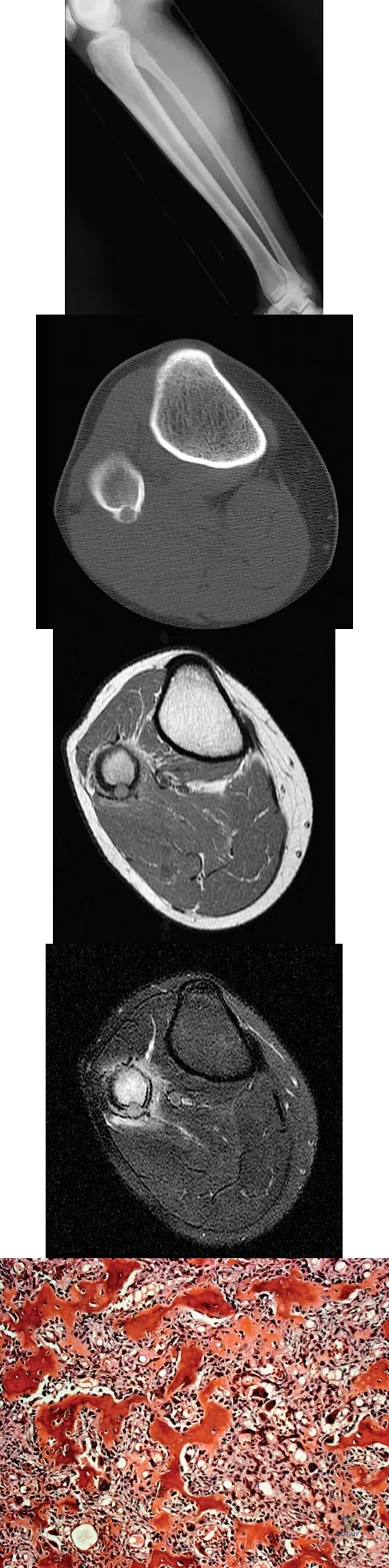
A 23-year-old man has had right posterolateral knee pain and occasional lateral calf dysesthesias for the past 8 months. A radiograph, CT scan, MRI scans, and a biopsy specimen are shown in Figures 62a through 62e. What is the most likely diagnosis?
Explanation
Question 2
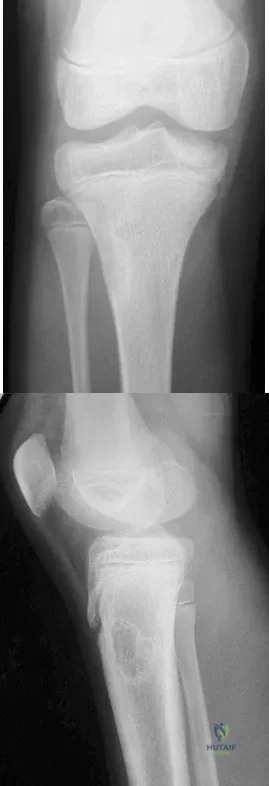
Figures 63a and 63b show the radiographs of an 11-year-old girl who sustained a twisting injury of the knee playing soccer. She is now asymptomatic. What is the appropriate treatment of the lesion?
Explanation
Question 3
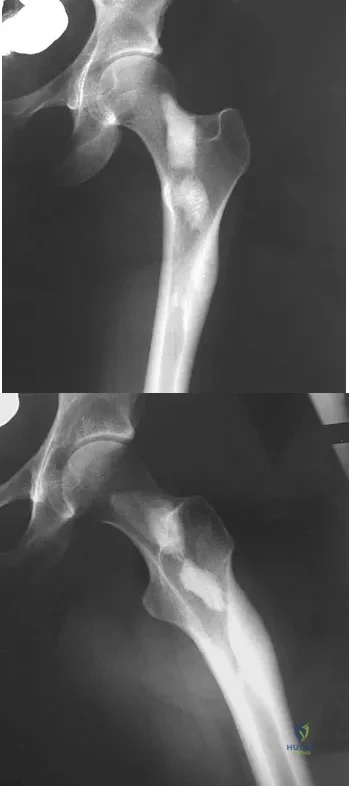
A 21-year-old man is referred for evaluation of a lesion in the left proximal femur that was discovered when he was undergoing an upper gastrointestinal series. He reports no hip or thigh pain. Radiographs are shown in Figures 64a and 64b. What is the best course of action?
Explanation
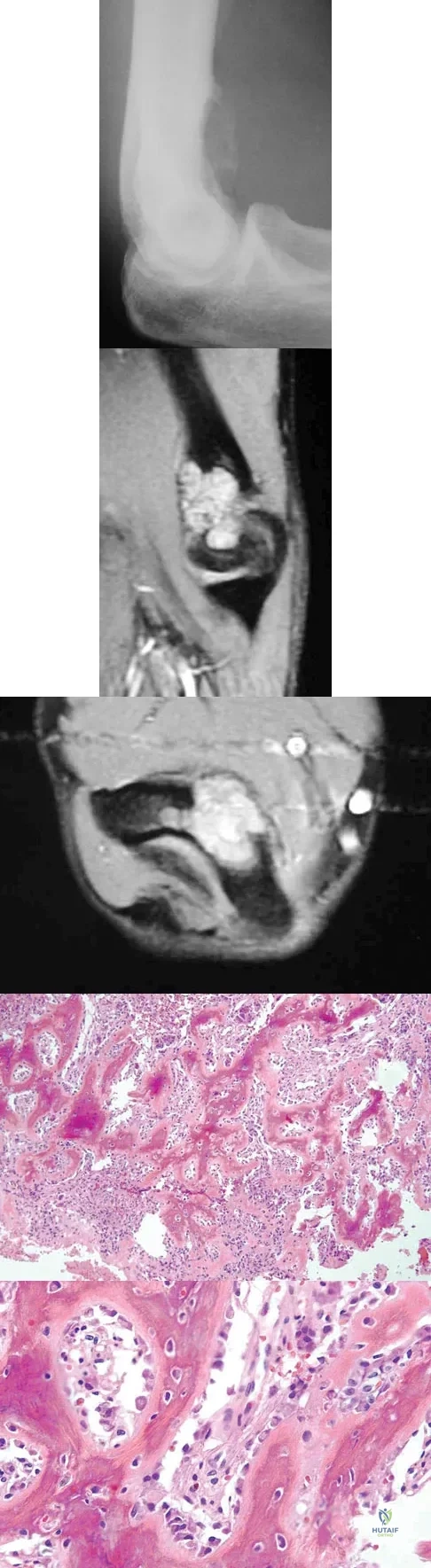
Question 4
A 17-year-old boy has had elbow pain for the past 6 weeks. A radiograph, MRI scans, and biopsy specimens are shown in Figures 65a through 65e. What is the most likely diagnosis?
Explanation
Question 5
What is the most common site of metastases from a soft-tissue sarcoma?
Explanation
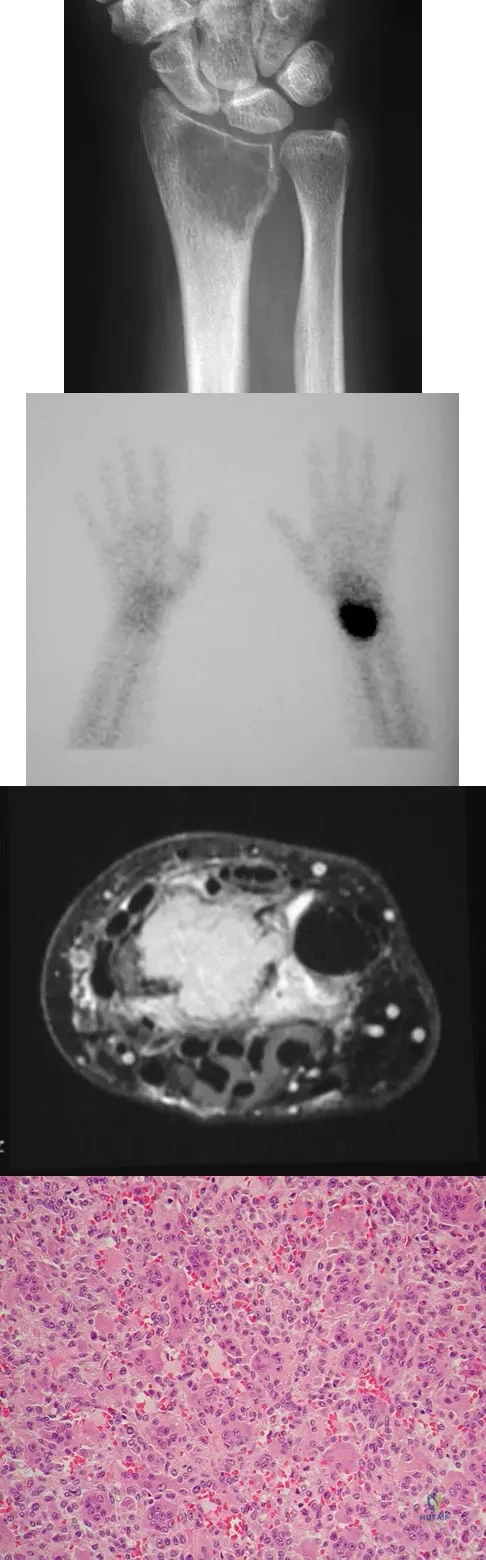
Question 6
A 45-year-old woman has had right wrist pain for the past 2 months. A radiograph, bone scan, and MRI scan are shown in Figures 66a through 66c, and a photomicrograph is shown in Figure 66d. What is the most likely diagnosis?
Explanation
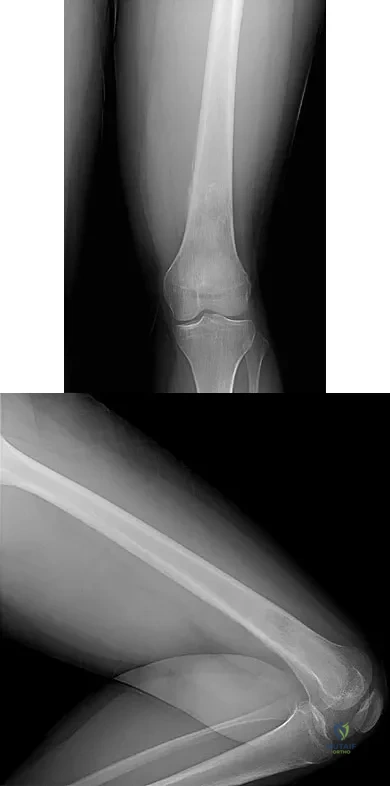
Question 7
An otherwise healthy 16-year-old dancer reports a 1-month history of leg pain. AP and lateral radiographs of the distal femur are shown in Figures 67a and 67b. What is the next most appropriate step in management?
Explanation
Question 8
Acral metastases are most commonly seen in what type of carcinoma?
Explanation
Question 9
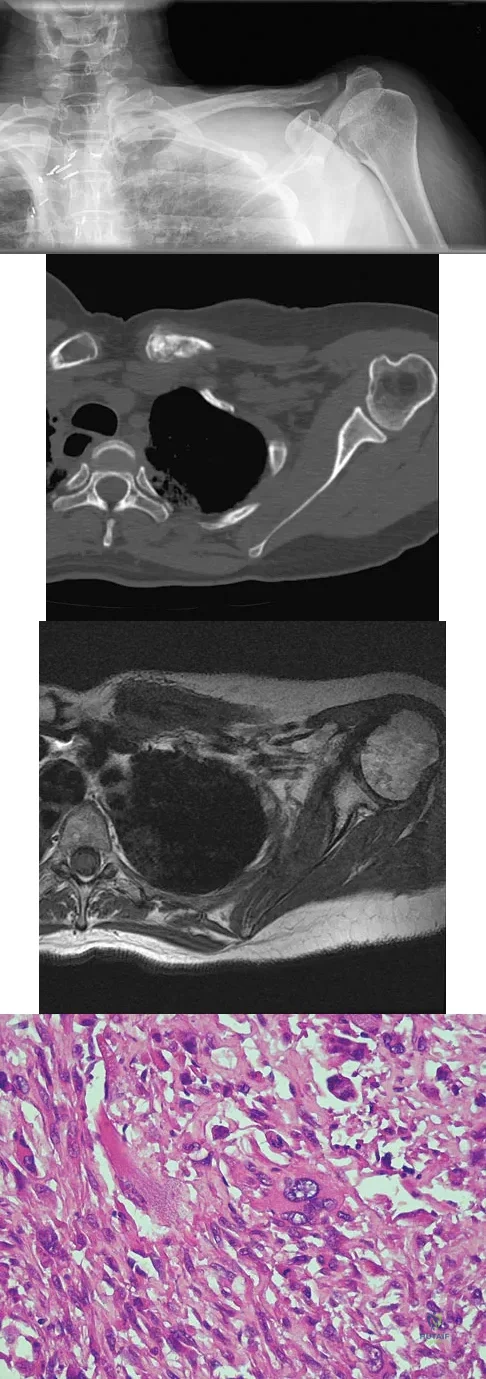
A 47-year-old woman has had left medial clavicle pain for the past 6 months. History is remarkable for mediastinal non-Hodgkin's lymphoma, treated with mantel radiation 22 years ago. A radiograph, CT scan, MRI scan, and a biopsy specimen are shown in Figures 68a through 68d. What is the most likely diagnosis?
Explanation
Question 10
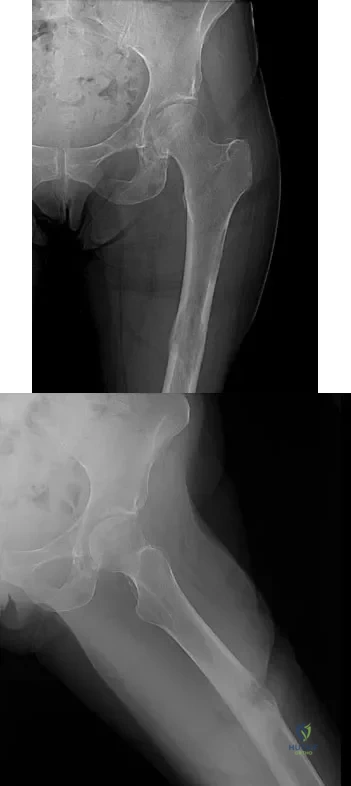
In 1980, a 32-year-old woman was found to have right breast mass, and a biopsy revealed adenocarcinoma. She underwent a mastectomy at that time, with no other treatment. Five years later, she noticed a lump in the left breast and underwent a left mastectomy. Seven lymph nodes were positive. In 2006, she now reports hip and thigh pain for the past 3 months. Figures 69a and 69b show AP and lateral radiographs of the femur. A bone scan shows a solitary lesion. Following radiographic staging, what is the next most appropriate step in management?
Explanation
Question 11
What is the mechanism of action of bisphosphonates?
Explanation
Question 12
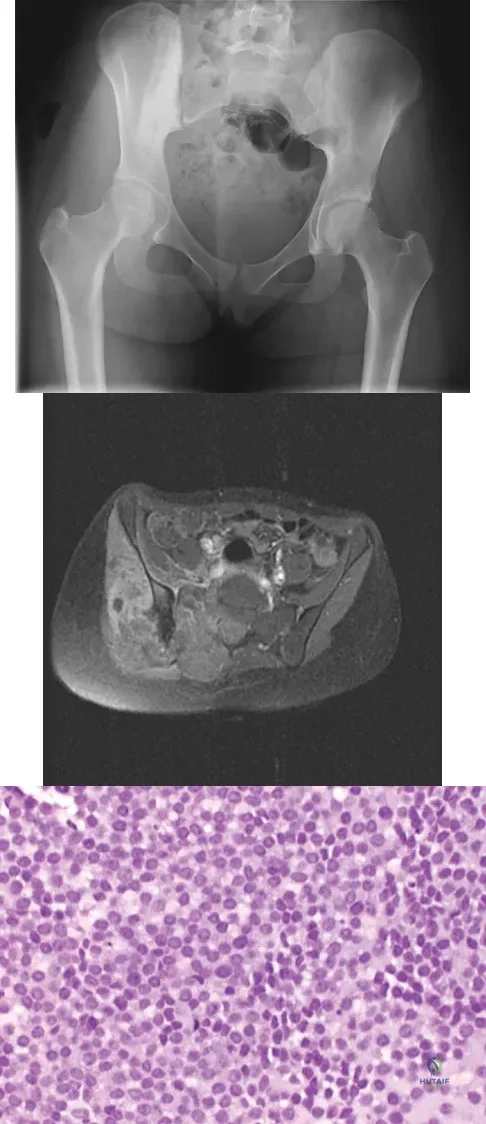
A 16-year-old girl has had hip pain for 1 year. Approximately 2 months ago she noted the development of a hard mass in the right buttock that has steadily increased in size. She now reports severe pain in the right buttock, with radiation down the leg and numbness involving the right foot and toes. A radiograph is shown in Figure 70a and an axial postcontrast T1-weighted MRI scan is shown in Figure 70b. A biopsy specimen is shown in Figure 70c. The chest CT shows multiple lung metastases. Treatment of this lesion should consist of
Explanation
Question 13
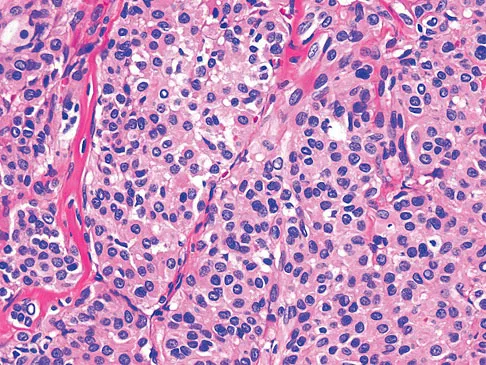
A 55-year-old woman has slowly increasing pain at the distal end of her little finger that is exacerbated by cold temperatures. She denies any history of trauma to her hands and is employed as a school teacher. The histology of the resected specimen is shown in Figure 71. What is the most likely diagnosis?
Explanation
Question 14
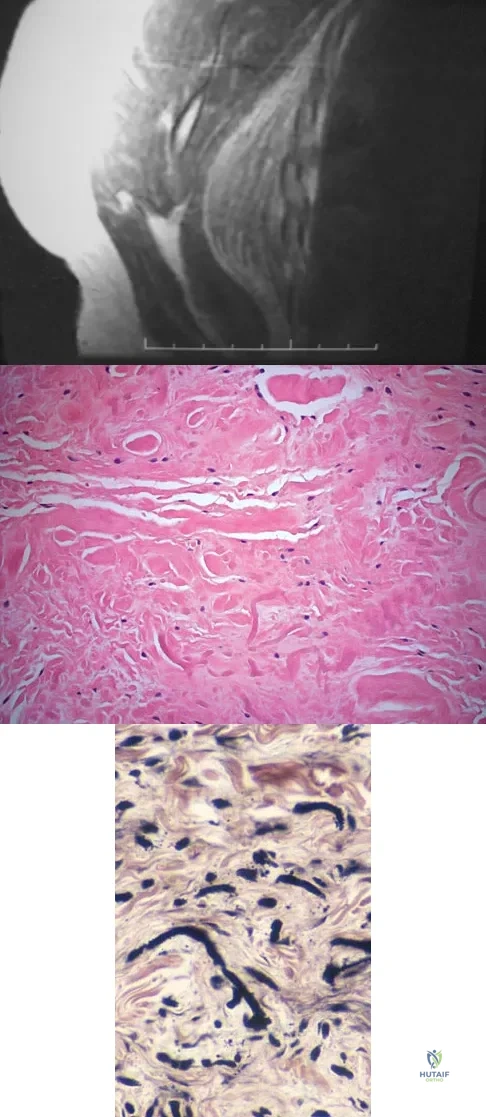
A 69-year-old woman reports a painful clicking in her right shoulder. A soft-tissue mass is palpated at the lower portion of the scapula. Based on the MRI scan and biopsy specimens shown in Figures 72a through 72c, what is the most likely diagnosis?
Explanation
Question 15
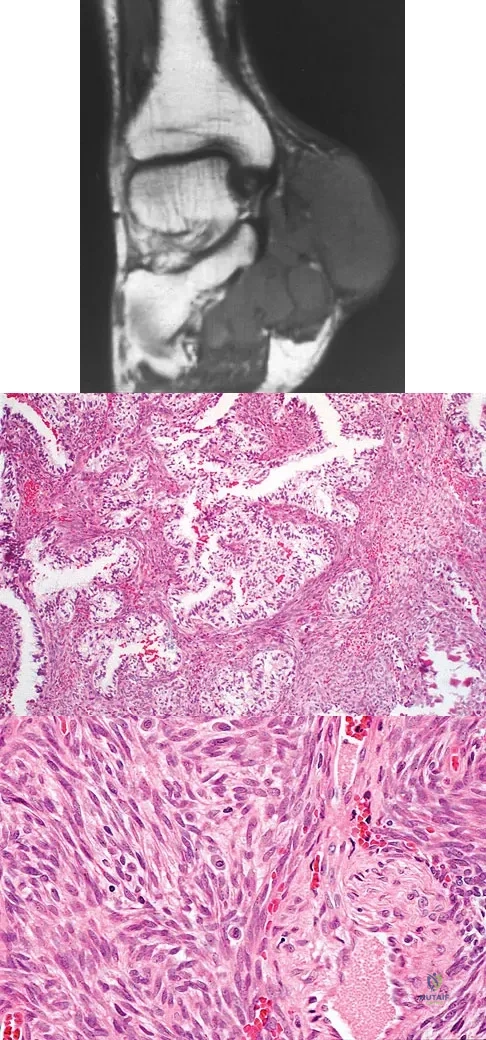
A 40-year-old man has a painless mass around his left ankle. He notes minimal growth over the past year. An MRI scan is shown in Figure 73a, and biopsy specimens are shown in Figures 73b and 73c. What is the most likely diagnosis?
Explanation
Question 16
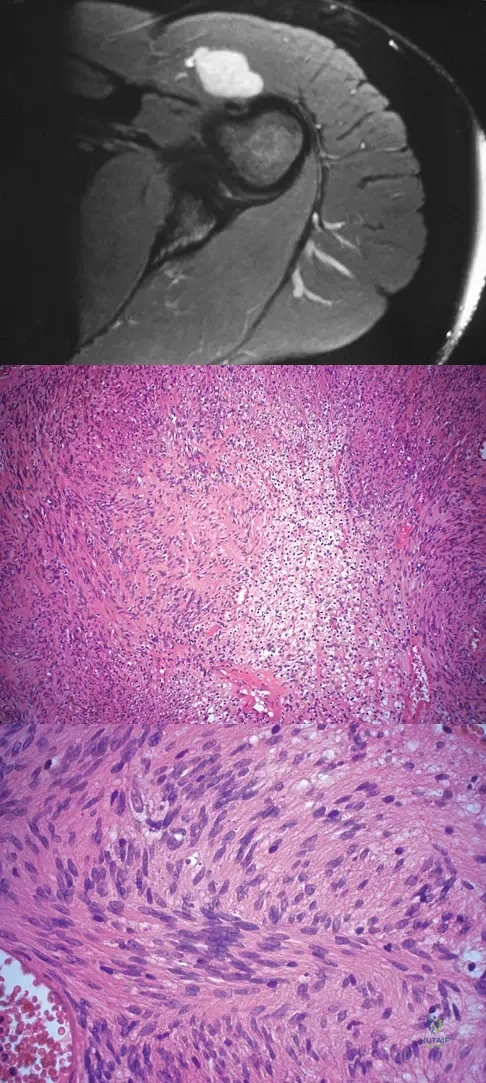
A 28-year-old woman has left shoulder pain and a tender soft-tissue mass. Based on the MRI scan and biopsy specimens shown in Figures 74a through 74c, what is the most likely diagnosis?
Explanation
Question 17
Which of the following prognostic indicators is associated with the least favorable outcome for patients newly diagnosed with osteosarcoma?
Explanation
Question 18
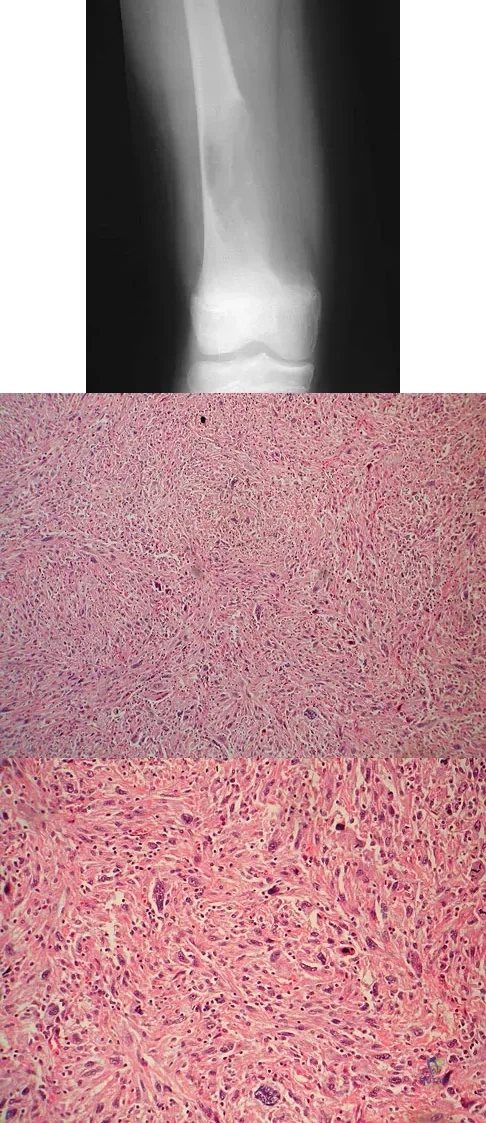
A 12-year-old girl has had increasing left knee pain for the past 3 months. A radiograph is shown in Figure 75a, and low- and high-power photomicrographs are shown in Figures 75b and 75c. What is the most appropriate treatment?
Explanation
Question 19
A 58-year-old woman has had a slowly progressing mass over the distal interphalangeal (DIP) joint of her dominant hand with a worsening deformity of her nail. She has no significant medical history but underwent bilateral knee arthroplasties 1 year ago. Radiographs reveal a small osteophyte at the DIP joint dorsally. A clinical photograph and a biopsy specimen are shown in Figures 76a and 76b. What is the most likely diagnosis?
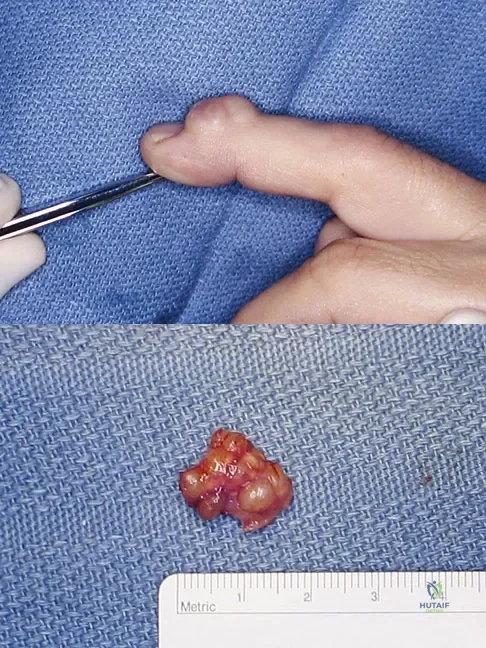
Explanation
Question 20
A 13-year-old boy has had pain and swelling in his ankle for the past several months. Based on the radiograph, MRI scan, and biopsy specimen shown in Figures 77a through 77c, what is the best course of action?
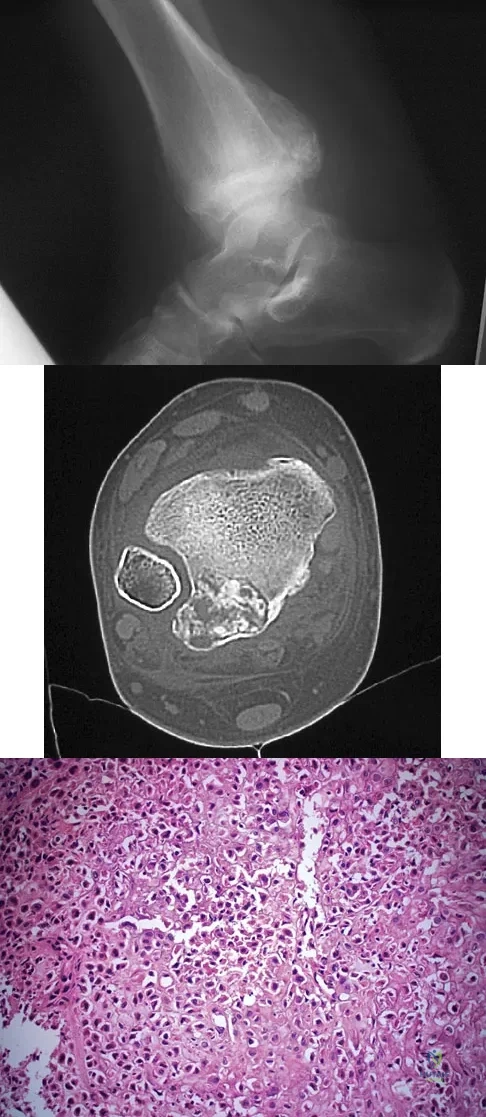
Explanation
Question 21
A 39-year-old man has had a foot mass for the past several months. MRI scans are shown in Figures 78a through 78c. A core biopsy specimen reveals synovial sarcoma, and a staging chest CT scan is normal. Which of the following treatments offers the best local tumor control and expedites the patient's return to normal function?
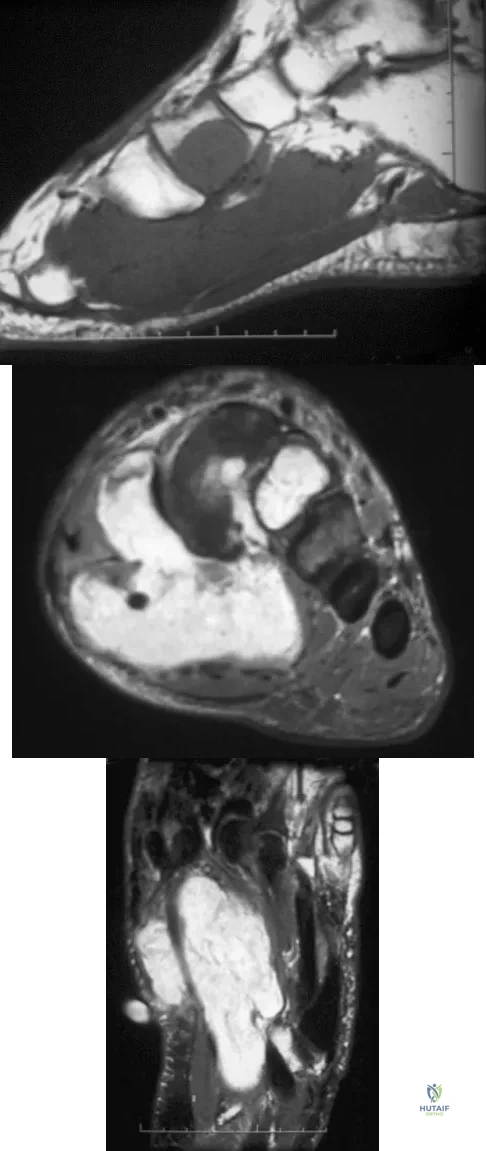
Explanation
Question 22
A 10-month-old boy has multiple skeletal lesions and a skin rash that he has had since he was a newborn. Based on the radiographs and biopsy specimens shown in Figures 79a through 79d, what is the most likely diagnosis?
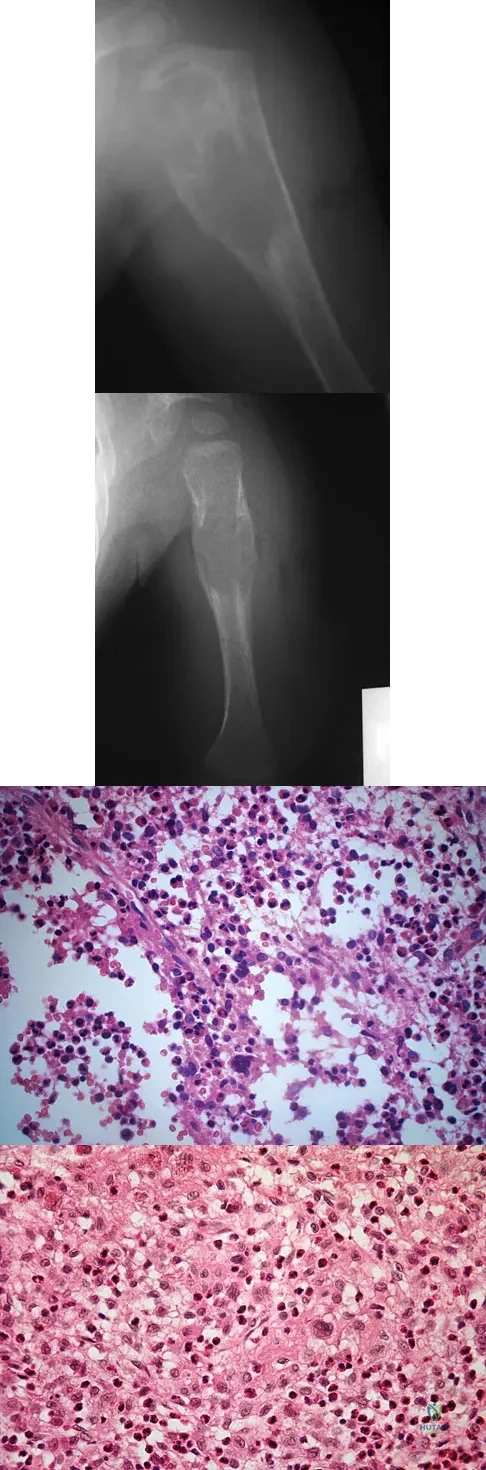
Explanation
Question 23
Which of the following is not a characteristic of synovial sarcomas?
Explanation
Question 24
Mutations of what gene are associated with the subsequent development of osteosarcoma?
Explanation
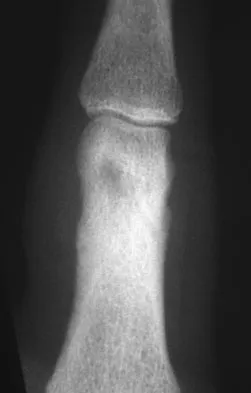
Question 25
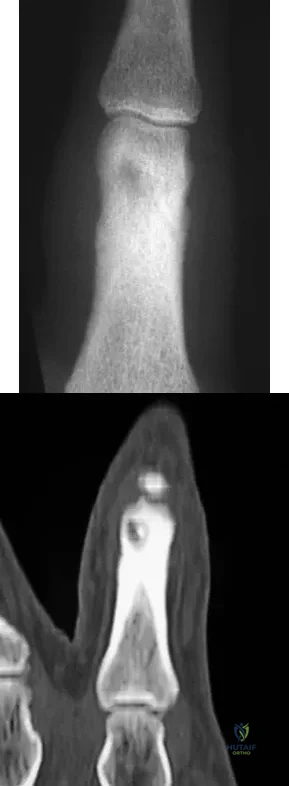
A 27-year-old man has had pain in the right index finger for the past 9 months. The pain is completely relieved with ibuprofen. An AP radiograph and CT scan are shown in Figures 80a and 80b. What is the most likely diagnosis?
Explanation
Question 26
Highly cross-linked ultra-high molecular weight polyethylene (UHMWPE) is widely used in total joint arthroplasty to reduce wear rates. However, the process of extensive cross-linking significantly decreases which of the following mechanical properties?
Explanation
Question 27
Romosozumab has recently been approved for the treatment of severe osteoporosis. What is the precise molecular target of this monoclonal antibody?
Explanation
Question 28
When analyzing the stress-strain curve of an orthopedic biomaterial, the total area under the curve prior to the point of material failure represents which biomechanical property?
Explanation
Question 29
An intramedullary nail is being selected for the fixation of a diaphyseal femur fracture. Biomechanically, the torsional stiffness of a solid cylindrical intramedullary nail is directly proportional to the radius raised to what power?
Explanation
Question 30
A patient with a modular uncemented total hip arthroplasty presents with unexplained hip pain and rising serum cobalt levels. Radiographs show no loosening. Fretting and mechanically assisted crevice corrosion are most likely occurring at which of the following interfaces?
Explanation
Question 31
During bone resorption, osteoclasts create an acidic microenvironment in Howship's lacunae by secreting protons via a vacuolar H+-ATPase. Which enzyme is then primarily responsible for the degradation of the organic type I collagen matrix?
Explanation
Question 32
In an experiment, a cadaveric anterior cruciate ligament is rapidly stretched to a constant, fixed length. Over the next several minutes, the force required to maintain this specific length gradually decreases. This viscoelastic phenomenon is known as:
Explanation
Question 33
Titanium alloy (Ti-6Al-4V) is frequently chosen over Cobalt-Chromium for the manufacturing of diaphyseal-engaging femoral stems in uncemented total hip arthroplasty. What is the primary biomechanical advantage of Titanium in this application?
Explanation
Question 34
Ceramic-on-ceramic bearings in total hip arthroplasty provide the lowest volumetric wear rates of all modern bearing surfaces. However, their use is specifically associated with which of the following unique complications?
Explanation
Question 35
An adult sustains a transverse radius fracture and undergoes open reduction and internal fixation with a dynamic compression plate. If absolute stability and rigid compression are achieved, the fracture will heal via which mechanism?
Explanation
Question 36
Polymethylmethacrylate (PMMA) bone cement is supplied as a powder and a liquid monomer. What is the specific function of Barium sulfate or Zirconium dioxide, which are added to the powder component?
Explanation
Question 37
Parathyroid hormone (PTH) plays a critical role in calcium homeostasis. At the cellular level within bone tissue, what is the primary direct action of PTH?
Explanation
Question 38
In orthopedic biomechanics, materials are often compared by their stiffness. Which of the following sequences correctly ranks the materials in order of DECREASING modulus of elasticity (stiffest to most flexible)?
Explanation
Question 39
A nonunion of the tibia requires bone grafting. The surgeon desires a graft material that possesses osteoconductive, osteoinductive, and osteogenic properties simultaneously. Which of the following materials is the only one to fulfill all three criteria?
Explanation
Question 40
Articular cartilage is a highly specialized connective tissue adapted to withstand compressive loads. Which structural component of the extracellular matrix is primarily responsible for generating the tissue's swelling pressure and compressive stiffness?
Explanation
Question 41
Orthopedic stainless steel implants are commonly manufactured from 316L alloy. In this designation, the "L" indicates an important compositional alteration designed to prevent intergranular corrosion. What does the "L" stand for?
Explanation
Question 42
When two dissimilar metals are placed in physical contact within the electrolytic environment of the human body, galvanic corrosion may occur. Which of the following implant combinations represents the greatest risk for severe galvanic corrosion?
Explanation
Question 43
A ligament subjected to a constant, prolonged tensile load demonstrates a gradual increase in length over time. Which of the following terms best describes this biomechanical property?
Explanation
Question 44
A 45-year-old patient receives a cementless total hip arthroplasty. To minimize stress shielding of the proximal femur, the femoral stem should be manufactured from a material with a modulus of elasticity closest to that of cortical bone. Which of the following materials has the lowest modulus of elasticity?
Explanation
Question 45
In total joint arthroplasty, highly cross-linked ultra-high molecular weight polyethylene (UHMWPE) is commonly used. What is the primary intended effect of increasing the cross-linking of UHMWPE, and what is a known negative biomechanical consequence?
Explanation
Question 46
A 68-year-old woman is prescribed alendronate for the treatment of severe osteoporosis. Nitrogen-containing bisphosphonates inhibit bone resorption primarily by blocking which of the following enzymes in the osteoclast?
Explanation
Question 47
During the incorporation of a massive structural cortical bone allograft, the process of creeping substitution is initiated. Which of the following biological events must occur first to allow creeping substitution to proceed?
Explanation
Question 48
When inserting a cortical screw for fracture fixation, the ultimate pull-out strength of the screw is directly proportional to which of the following design parameters?
Explanation
Question 49
Sclerostin is a key regulatory protein in bone metabolism and is the target of the monoclonal antibody romosozumab. Sclerostin exerts its primary osteo-regulatory effect by inhibiting which of the following intracellular signaling pathways?
Explanation
Question 50
Recombinant human bone morphogenetic protein-2 (rhBMP-2) is utilized to enhance bone healing in specific fusion environments. BMPs transmit their osteoinductive intracellular signals primarily through which of the following secondary messengers?
Explanation
Question 51
On a stress-strain curve representing a typical human tendon, a non-linear "toe region" is observed at very low strains. This specific region primarily represents which of the following microscopic events?
Explanation
Question 52
According to Perren's strain theory of fracture healing, the mechanical environment dictates the type of tissue that forms in a fracture gap. Which type of tissue will predominantly form if the interfragmentary strain is between 2% and 10%?
Explanation
Question 53
Polymethylmethacrylate (PMMA) bone cement is widely used in arthroplasty for implant fixation. The primary mechanism by which PMMA provides stability to the implant is best described as:
Explanation
Question 54
A 55-year-old patient with end-stage chronic kidney disease presents with hypocalcemia, osteomalacia, and secondary hyperparathyroidism. This metabolic bone disease is primarily driven by a deficiency in which of the following steps of vitamin D metabolism?
Explanation
Question 55
During a complex revision trauma surgery, a surgeon considers using a stainless steel screw to secure a cobalt-chromium plate. This practice is contraindicated due to the risk of accelerated degradation of the less noble metal when bathed in host body fluids. This phenomenon is termed:
Explanation
Question 56
Cortical bone exhibits distinct mechanical properties depending on the direction of the applied load. For instance, it is significantly stronger in longitudinal compression than in transverse tension. This structural biomechanical property is known as:
Explanation
Question 57
During the reparative phase of secondary fracture healing, the soft fibrocartilaginous callus is gradually replaced by a hard, bony callus. This specific tissue transition occurs primarily via which of the following biological mechanisms?
Explanation
Question 58
Osteoprotegerin (OPG) plays a critical role in maintaining bone mass and preventing excessive resorption. What is the primary molecular function of OPG within the bone remodeling microenvironment?
Explanation
Question 59
Which of the following noncollagenous proteins is the most abundant in the mature extracellular bone matrix, is highly dependent on vitamin K for its synthesis, and regulates mineralization by binding directly to calcium?
Explanation
Question 60
A 72-year-old woman with severe osteoporosis and a recent vertebral compression fracture is being evaluated for teriparatide therapy. Which of the following elements of her medical history represents an absolute contraindication to the use of this medication?
Explanation
Question 61
The remarkable compressive stiffness and load-bearing capacity of articular cartilage are primarily generated by which of the following molecular interactions within its extracellular matrix?
Explanation
Question 62
Under high-load, low-velocity conditions (such as sustained standing), boundary lubrication is the predominant mode of tribological protection in a healthy synovial joint. Which of the following molecules is primarily responsible for mediating boundary lubrication at the articular surface?
Explanation
Question 63
An orthopaedic surgeon decides to use a thicker plate to stabilize a comminuted fracture. According to the biomechanical principles of rectangular plates, if the thickness of the plate is doubled, how does its bending stiffness change?
Explanation
Question 64
Highly cross-linked ultra-high molecular weight polyethylene (UHMWPE) is frequently used in total joint arthroplasty to reduce wear debris. What mechanical property is most significantly decreased as a direct result of increasing the cross-linking in UHMWPE?
Explanation
Question 65
A 65-year-old woman is prescribed denosumab for osteoporosis. This medication works by inhibiting bone resorption through a mechanism that most closely mimics which of the following endogenous molecules?
Explanation
Question 66
A massive structural cortical allograft is used for reconstruction after tumor resection. During the process of creeping substitution, at what postoperative time frame does the graft typically experience its maximum mechanical weakness?
Explanation
Question 67
Stress shielding in cementless femoral stems leads to proximal bone loss. Which of the following implant materials has a Young's modulus closest to that of cortical bone, thereby theoretically minimizing stress shielding?
Explanation
Question 68
When evaluating the pullout strength of a cortical screw, which of the following design modifications will yield the greatest increase in pullout strength?
Explanation
Question 69
A 55-year-old patient receives a recombinant human Bone Morphogenetic Protein (rhBMP-2) graft during a spinal fusion. Which intracellular signaling molecules are directly phosphorylated after BMP-2 binds to its cell surface receptors?
Explanation
Question 70
A 70-year-old woman is treated with intermittent low-dose teriparatide. The anabolic effect of this drug on bone is primarily mediated by the stimulation of which of the following?
Explanation
Question 71
Which of the following forms of corrosion is most likely to occur at the modular junction between a titanium femoral stem and a cobalt-chromium femoral head due to variations in local oxygen tension?
Explanation
Question 72
When testing the viscoelastic properties of cortical bone, how does an increased rate of loading (strain rate) affect the biomechanical behavior of the bone?
Explanation
Question 73
Polymethylmethacrylate (PMMA) bone cement is primarily utilized in arthroplasty for implant fixation. Which of the following best describes its mechanical characteristics?
Explanation
Question 74
During the soft callus phase of secondary fracture healing, the initial cartilaginous matrix is predominantly composed of which type of collagen?
Explanation
Question 75
A surgeon decides to treat a nonunion with distraction osteogenesis. The process of bone formation during distraction osteogenesis occurs primarily through which mechanism?
Explanation
Question 76
In the stress-strain curve of a normal human ligament, the initial 'toe region' is characterized by low stiffness. What microscopic structural change corresponds to this region?
Explanation
Question 77
Romosozumab is a bone-building medication recently approved for severe osteoporosis. It exerts its dual effect of increasing bone formation and decreasing bone resorption by binding to and inhibiting:
Explanation
Question 78
Ceramic-on-ceramic bearings in total hip arthroplasty are chosen for their excellent wear properties. However, a specific complication unique to ceramic bearings is:
Explanation
Question 79
In designing an intramedullary nail, if the solid cross-sectional radius of the nail is increased by 10%, how is its torsional rigidity affected?
Explanation
Question 80
Passivation is a manufacturing process used to increase the corrosion resistance of orthopedic metal implants. For stainless steel implants, this process creates a protective surface layer primarily composed of:
Explanation
Question 81
Vitamin D plays a critical role in calcium homeostasis and bone health. The final step in the formation of the most active form of Vitamin D (1,25-dihydroxyvitamin D3) occurs in the kidney and is catalyzed by which enzyme?
Explanation
Question 82
A fracture is rigidly fixed with a compression plate, achieving absolute stability and a gap of less than 0.01 mm. Under these conditions, the fracture will heal via primary bone healing, which is microscopically characterized by:
Explanation
Question 83
A 65-year-old woman is treated with a monoclonal antibody for osteoporosis that mimics the physiological role of osteoprotegerin (OPG). What is the primary mechanism of action of this medication?
Explanation
Question 84
When selecting an intramedullary nail for a tibial shaft fracture, the surgeon considers the material properties. Which of the following orthopedic biomaterials has a Young's modulus closest to that of cortical bone?
Explanation
Question 85
Highly cross-linked ultra-high-molecular-weight polyethylene (UHMWPE) is widely used in total hip arthroplasty to reduce wear. What is the primary trade-off regarding the mechanical properties of UHMWPE when the degree of cross-linking is increased?
Explanation
Question 86
A 35-year-old man undergoes closed intramedullary nailing for a transverse midshaft femur fracture. Callus formation is noted at 6 weeks. Which of the following mechanical environments optimally promotes this type of secondary bone healing?
Explanation
Question 87
A ligament graft used for anterior cruciate ligament (ACL) reconstruction elongates over time when subjected to a constant physiological load. This time-dependent biomechanical property is best described as:
Explanation
Question 88
A 50-year-old active man receives a ceramic-on-ceramic total hip arthroplasty. Which of the following is a recognized complication specific to this bearing surface compared to metal-on-polyethylene?
Explanation
Question 89
A surgeon decides to use a solid intramedullary nail instead of a hollow nail of the same outer diameter. According to the polar moment of inertia, how does increasing the inner diameter (hollowing the nail) affect its torsional rigidity?
Explanation
Question 90
Demineralized bone matrix (DBM) is used during a spinal fusion. Which of the following components is primarily responsible for the osteoinductive properties of this graft material?
Explanation
Question 91
A patient requires revision of a femoral shaft fracture nonunion. The original stainless steel plate is left in place, and a titanium screw is used for supplementary fixation. Which of the following processes is most likely to occur at the interface of these two metals?
Explanation
Question 92
During the inflammatory phase of fracture healing, which of the following cell types is primarily responsible for the initial clearing of necrotic tissue and secretion of cytokines to recruit mesenchymal stem cells?
Explanation
Question 93
Calcium phosphate cements are often used to fill metaphyseal bone defects. Which of the following statements best describes their primary biomechanical advantage and clinical limitation?
Explanation
Question 94
A novel therapeutic agent for osteoporosis works by binding to sclerostin. What is the downstream effect of this medication on bone metabolism?
Explanation
Question 95
A patient presents with hypophosphatemic rickets. Laboratory evaluation reveals elevated levels of Fibroblast Growth Factor 23 (FGF23). What is the primary physiological effect of FGF23 on the kidneys?
Explanation
Question 96
Polymethylmethacrylate (PMMA) is utilized for implant fixation in a cemented total knee arthroplasty. Which of the following statements regarding the properties of PMMA is accurate?
Explanation
Question 97
A patient with a cementless total hip arthroplasty shows significant proximal femoral bone loss at 5-year follow-up. The femoral stem is fully porous-coated and well-fixed distally. This phenomenon is a clinical manifestation of:
Explanation
None
