العربية
Part of the Master Guide

Hand And Wrist: And Emq Questio Review | Dr Hutaif Hand -...

Orthopedic Hand & Wrist MCQs: Online Exam & Study Questions

27 Apr 2026 51 min read 122 Views
Orthopedic MCQs: Can You Master the Branch of the Radial?

Key Takeaway

This interactive board review contains 100 randomly selected orthopedic surgery questions with clinical images, immediate feedback, and detailed references.

Orthopedic Hand & Wrist MCQs: Online Exam & Study Questions

Comprehensive 100-Question Exam


00:00

Start Quiz

Question 1

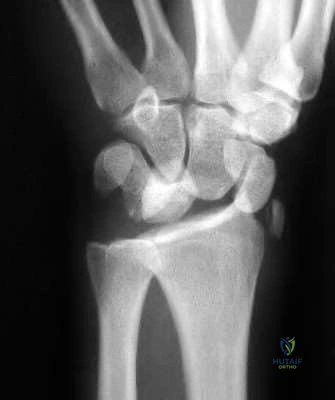
A 24-year-old male falls on an outstretched hand and sustains a fracture of the scaphoid waist. He is evaluated for surgical fixation due to displacement.

Regarding the vascular anatomy of the scaphoid, which of the following is true?


Explanation

The scaphoid receives its primary blood supply from branches of the radial artery. The major dorsal supply (dorsal carpal branch of the radial artery) enters the scaphoid at the dorsal ridge and supplies the proximal 70-80% of the bone via intraosseous retrograde flow. Thus, waist and proximal pole fractures carry a high risk of avascular necrosis of the proximal pole. The volar branch supplies the distal 20-30% of the bone.

Question 2

A 35-year-old skier injures his thumb after catching his pole in the snow. Physical examination reveals laxity of the thumb metacarpophalangeal (MCP) joint when stressed in radial deviation with the joint in 30 degrees of flexion. Which of the following anatomic structures prevents spontaneous healing of the injured ligament in a Stener lesion?


Explanation

A Stener lesion occurs when the completely avulsed ulnar collateral ligament (UCL) of the thumb MCP joint becomes displaced superficial to the adductor pollicis aponeurosis. This aponeurosis becomes interposed between the ruptured ends of the UCL, preventing spontaneous healing and necessitating surgical repair.

Question 3

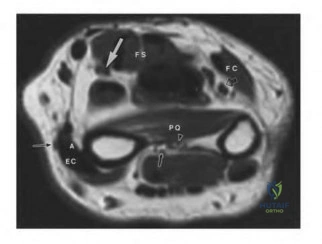
A 55-year-old manual laborer presents with chronic wrist pain. Radiographs reveal advanced scaphoid nonunion advanced collapse (SNAC).

In the expected progression of SNAC wrist arthritis, which of the following articulations is classically spared?


Explanation

The SNAC and SLAC (scapholunate advanced collapse) wrists follow a predictable pattern of progressive arthritis. The radiolunate joint is characteristically spared due to the concentric shape of the lunate fossa and lunate, which prevents abnormal joint loading even in the presence of carpal instability. The progression generally involves the radioscaphoid joint, followed by the scaphocapitate and capitolunate joints.

Question 4

During a surgical repair of a Zone II flexor tendon laceration in the index finger, the surgeon must carefully repair both the flexor digitorum superficialis (FDS) and flexor digitorum profundus (FDP). At Camper's chiasm, what is the anatomical relationship of the FDS and FDP tendons?


Explanation

At Camper's chiasm in Zone II, the flexor digitorum superficialis (FDS) tendon splits (bifurcates) to allow the flexor digitorum profundus (FDP) tendon to pass through and become superficial. The FDS then reconvenes dorsal to the FDP before inserting into the base of the middle phalanx, while the FDP continues to its insertion at the base of the distal phalanx.

Question 5

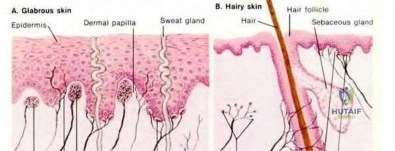
A 42-year-old diabetic male presents with severe swelling, erythema, and pain in his right middle finger after a minor puncture wound. You suspect pyogenic flexor tenosynovitis.

According to Kanavel's criteria, which of the following signs is typically the earliest and most sensitive finding?


Explanation

Kanavel's four cardinal signs of pyogenic flexor tenosynovitis are: (1) exquisite pain with passive extension, (2) symmetric (fusiform) swelling of the digit, (3) exquisite tenderness along the course of the flexor sheath, and (4) a flexed resting posture of the digit. Pain with passive extension is widely considered the earliest and most sensitive sign of the condition.

Question 6

A 28-year-old male sustained a midshaft humerus fracture 6 months ago resulting in a complete radial nerve palsy with no signs of recovery on recent EMG. For surgical reconstruction, a tendon transfer is planned. The pronator teres (PT) is most commonly transferred to which structure to restore wrist extension?


Explanation

In the management of high radial nerve palsy, the pronator teres (PT) is classically transferred to the extensor carpi radialis brevis (ECRB) to restore wrist extension. Transferring to the ECRB is preferred over the ECRL because the ECRB inserts at the base of the third metacarpal, providing central wrist extension, whereas ECRL insertion on the second metacarpal tends to produce unwanted radial deviation.

Question 7

A 50-year-old female presents with triggering and pain at the base of her right ring finger. She complains that her finger locks in flexion. The primary site of pathology in typical primary stenosing tenosynovitis (trigger finger) is stenosis at the level of which pulley?


Explanation

Trigger finger (stenosing tenosynovitis) is characterized by catching or locking of the flexor tendon. The pathology primarily involves nodular thickening of the tendon and hypertrophy/stenosis of the first annular (A1) pulley at the level of the metacarpophalangeal (MCP) joint. Surgical release or corticosteroid injection typically targets the A1 pulley.

Question 8

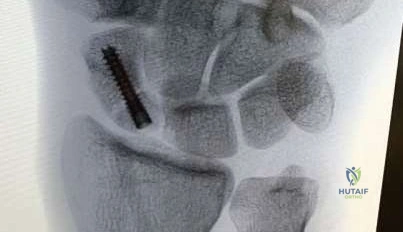
A 30-year-old male presents with dorsal wrist pain and decreased grip strength. Radiographs show sclerosis and partial collapse of the lunate.

According to the Lichtman classification for Kienböck disease, what distinguishes stage IIIA from stage IIIB?


Explanation

The Lichtman classification for Kienböck disease is based on radiographic findings. Stage III involves lunate collapse. It is divided into IIIA (lunate collapse but normal carpal alignment) and IIIB (lunate collapse with fixed scaphoid rotation/flexion, signifying carpal instability). Stage IV involves secondary radiocarpal or midcarpal arthritic changes.

Question 9

A 25-year-old patient suffers a severe crush injury to the hand. Clinical evaluation raises suspicion for compartment syndrome of the hand. How many distinct fascial compartments are recognized in the hand that may require release during fasciotomy?


Explanation

There are 10 recognized distinct fascial compartments in the hand that must be evaluated and potentially released during a hand fasciotomy for compartment syndrome. These are: 4 dorsal interosseous compartments, 3 volar interosseous compartments, the hypothenar compartment, the thenar compartment, and the adductor pollicis compartment.

Question 10

During embryonic development, the limb bud grows in three different axes. Which signaling center and its corresponding molecule are primarily responsible for the anteroposterior (radioulnar) patterning of the limb, dictating the development of the thumb to the small finger?


Explanation

The Zone of Polarizing Activity (ZPA), located at the posterior margin of the limb bud, directs anteroposterior (radioulnar) development via Sonic Hedgehog (Shh). The Apical Ectodermal Ridge (AER) regulates proximodistal outgrowth via FGF. The dorsal ectoderm regulates dorsal-ventral patterning via Wnt-7a.

Question 11

A 60-year-old female presents with base of thumb pain. Radiographs demonstrate severe joint space narrowing, sclerosis, and osteophytes at the trapeziometacarpal joint, as well as narrowing of the scaphotrapezial (ST) joint. According to the Eaton-Littler classification for thumb carpometacarpal (CMC) arthritis, what stage is this?


Explanation

The Eaton-Littler classification stages thumb CMC arthritis: Stage I shows widening (synovitis) but no joint space narrowing; Stage II shows mild narrowing and osteophytes <2mm; Stage III shows significant narrowing, sclerosis, and osteophytes >2mm but a normal ST joint; Stage IV involves the same changes at the CMC joint but also includes pantrapezial arthritis (specifically involving the scaphotrapezial joint).

Question 12

A 65-year-old man of Northern European descent is scheduled for fasciectomy for severe Dupuytren contracture of the ring and small fingers. Which of the following pathological cords is responsible for displacing the neurovascular bundle centrally and placing it at highest risk for iatrogenic injury during surgical excision?


Explanation

In Dupuytren's disease, the spiral cord is notorious for displacing the neurovascular bundle centrally and superficially as it contracts. The spiral cord is formed by the coalescence of the pretendinous band, spiral band, lateral digital sheet, and Grayson's ligament. This distorted anatomy places the digital nerve at high risk for transection during surgical fasciectomy.

Question 13

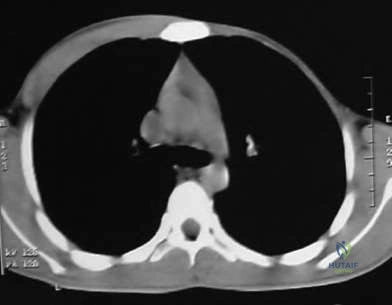
A 22-year-old male fell onto his extended, ulnarly deviated wrist. A lateral radiograph reveals a perilunate dislocation.

According to Mayfield's stages of perilunate instability, a Stage III injury indicates a complete disruption of which specific ligamentous interval?


Explanation

Mayfield's stages of perilunate instability follow a sequential pattern of ligamentous failure from radial to ulnar around the lunate: Stage I: Scapholunate dissociation. Stage II: Capitate dislocation (space of Poirier disruption). Stage III: Lunotriquetral disruption (resulting in perilunate dislocation). Stage IV: Lunate dislocation (dorsal radiocarpal ligament disruption, lunate falls volarly into the carpal tunnel).

Question 14

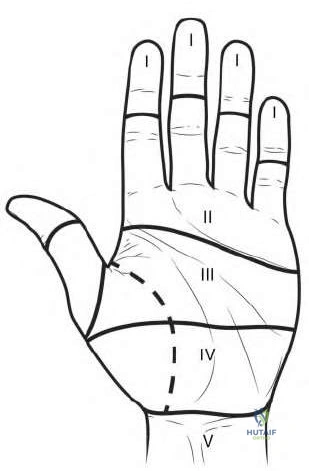
A 45-year-old female sustains a comminuted intra-articular distal radius fracture.

The presence of a separate volar marginal fragment of the lunate facet (volar Barton's variant) is highly important to identify because:


Explanation

The volar marginal fragment of the lunate facet is critical for the stability of the radiocarpal joint. The short radiolunate ligament originates from this fragment, and if it remains displaced, the entire carpus may subluxate volarly. Standard volar locking plates may not adequately capture small, very distal volar ulnar corner fragments, sometimes necessitating fragment-specific fixation.

Question 15

A 30-year-old male presents with a deformity of his index finger 4 weeks after a jamming injury while playing basketball. Examination reveals the proximal interphalangeal (PIP) joint in fixed flexion and the distal interphalangeal (DIP) joint in hyperextension. This deformity is due to rupture of which structure?


Explanation

The patient has a Boutonniere deformity. It is caused by an injury/rupture to the central slip of the extensor tendon at its insertion on the base of the middle phalanx. The lateral bands subsequently subluxate volarly below the axis of rotation of the PIP joint, acting as flexors of the PIP and causing hyperextension at the DIP joint.

Question 16

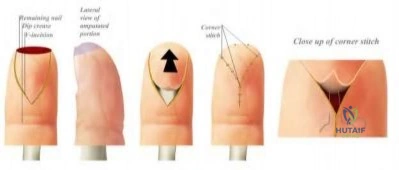
A 40-year-old cyclist complains of numbness and tingling in the small and ulnar half of the ring finger. He also has weakness in finger abduction and adduction. Examination reveals normal sensation on the dorsum of the ulnar hand.

This clinical presentation is most consistent with compression of the ulnar nerve in Guyon's canal at which specific zone?


Explanation

Compression in Guyon's canal Zone 1 involves the main ulnar nerve before it bifurcates, causing both motor (intrinsic weakness) and sensory (volar small/ring finger) deficits. Importantly, the dorsal ulnar cutaneous nerve branches off approximately 5 cm proximal to the wrist, so dorsal sensation is spared in Guyon's canal lesions. If it were Zone 2 (deep motor branch), there would be no sensory deficit. If Zone 3 (superficial sensory), there would be no motor deficit.

Question 17

A 27-year-old male presents with an isolated closed rupture of the extensor pollicis longus (EPL) tendon. Which of the following conditions or prior injuries is classically associated with this specific delayed tendon rupture?


Explanation

EPL rupture is a well-known complication of distal radius fractures, classically associated with nondisplaced or minimally displaced distal radius fractures. The rupture is thought to be secondary to relative ischemia in the tightly enclosed third dorsal extensor compartment due to hematoma and localized increased pressure, or mechanical attrition from fracture callus/hardware.

Question 18

Which of the following intrinsic hand muscles is typically innervated by the median nerve?


Explanation

The median nerve typically innervates the "LOAF" muscles in the hand: First and second Lumbricals, Opponens pollicis, Abductor pollicis brevis, and the superficial head of the Flexor pollicis brevis. The adductor pollicis, interossei, 3rd/4th lumbricals, and hypothenar muscles are innervated by the ulnar nerve.

Question 19

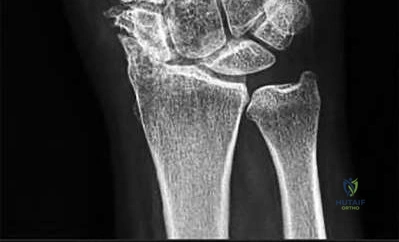
A 14-month-old child presents with an extra digit on the radial side of the thumb (preaxial polydactyly). Radiographs demonstrate that both the proximal and distal phalanges are duplicated, but they articulate with a single, normally formed first metacarpal.

According to the Wassel classification, which type is this?


Explanation

The Wassel classification is used for thumb duplication (preaxial polydactyly). Type IV is the most common (accounting for roughly 50% of cases) and involves complete duplication of both the proximal and distal phalanges, articulating with a single, common first metacarpal. Type I = bifid distal phalanx. Type II = duplicated distal phalanx. Type III = bifid proximal phalanx. Type IV = duplicated proximal and distal phalanges. Type V = bifid metacarpal. Type VI = duplicated metacarpal.

Question 20

A hand surgeon is evaluating a patient with a suspected triangular fibrocartilage complex (TFCC) tear. When considering potential for spontaneous healing or surgical repair of a TFCC tear, the surgeon must account for its vascular supply. Which portion of the TFCC is considered vascularized and capable of healing?


Explanation

The blood supply to the triangular fibrocartilage complex (TFCC) originates from branches of the ulnar artery and anterior interosseous artery, penetrating only the peripheral 10% to 25% (the capsular attachments). The central portion and the radial insertion (sigmoid notch) are avascular and receive nutrition via synovial fluid diffusion. Therefore, only peripheral tears (e.g., Palmer Class 1B) are amenable to direct surgical repair, whereas central tears (Palmer Class 1A) typically require debridement due to poor healing potential.

Question 21

A 30-year-old manual laborer presents with chronic dorsal wrist pain. Radiographs reveal sclerosis and collapse of the lunate, but the overall carpal height is maintained, and there is no fixed scaphoid rotation. The patient's radiographic evaluation also demonstrates an ulnar negative variance of 3 mm. Which of the following is the most appropriate surgical management?


Explanation

The patient has Kienböck's disease, Lichtman Stage IIIA (lunate collapse without fixed scaphoid rotation or carpal collapse). Given the significant ulnar negative variance, a joint-leveling procedure such as a radial shortening osteotomy is the most appropriate treatment to decrease load across the radiolunate joint and halt disease progression.

Question 22

A 45-year-old male presents with the inability to actively extend his middle finger at the metacarpophalangeal (MCP) joint after a traumatic 'flicking' injury. On examination, he is able to maintain full MCP extension if the digit is passively extended by the examiner. There is focal swelling dorsally over the MCP joint. What is the primary anatomic structure injured?


Explanation

This clinical presentation describes a traumatic extensor tendon subluxation resulting from a sagittal band rupture. The long finger is the most commonly affected digit, and the radial sagittal band is injured significantly more frequently than the ulnar sagittal band, leading to an ulnar subluxation of the extensor tendon.

Question 23

A 60-year-old woman with a long-standing history of rheumatoid arthritis presents with a progressive inability to actively extend her ring and small fingers at the MCP joints. Passive extension is full and intact, but the tenodesis effect is absent. What is the underlying pathophysiology of her condition?


Explanation

This is Vaughan-Jackson syndrome, which is characterized by the progressive attritional rupture of the digital extensor tendons in rheumatoid arthritis patients. It typically starts with the extensor digiti minimi and progresses radially to involve the EDC of the ring, long, and index fingers. It is most often caused by a dorsally prominent and subluxated distal ulna (caput ulnae syndrome) acting as a sharp fulcrum.

Question 24

A 55-year-old female with poorly controlled rheumatoid arthritis presents to the clinic having acutely lost the ability to actively flex the interphalangeal joint of her thumb. Passive flexion remains intact. Which of the following bony prominences is most likely responsible for this spontaneous tendon rupture?


Explanation

Mannerfelt syndrome (or Mannerfelt-Norman lesion) refers to an attritional rupture of the flexor pollicis longus (FPL) tendon in patients with rheumatoid arthritis. This rupture is classically caused by friction over a sharp volar osteophyte of the scaphoid that pierces through the volar wrist capsule.

Question 25

When evaluating the biomechanical principles of flexor tendon repair to allow for early active mobilization protocols, which of the following factors contributes most to the immediate mechanical strength of the repair site?


Explanation

The number of core suture strands crossing the repair site is the most significant determinant of immediate tensile strength. Increasing from a 2-strand to a 4-strand or 6-strand core repair significantly increases the load to failure, which is a prerequisite for safely initiating early active motion rehabilitation.

Question 26

A newborn is diagnosed with a unilateral radial longitudinal deficiency (radial club hand) characterized by an absent radius (Type IV). Before proceeding with any orthopedic interventions, which of the following screening tests is most critical for determining the patient's immediate survival risk?


Explanation

Radial longitudinal deficiency is highly associated with systemic conditions such as VACTERL, Holt-Oram, TAR syndrome, and Fanconi anemia. Fanconi anemia, an autosomal recessive disorder leading to fatal aplastic anemia, carries the highest mortality risk if undetected. Screening is performed using a chromosomal breakage test (diepoxybutane test).

Question 27

A 9-year-old boy presents to the emergency department after his long finger was crushed in a door. Examination reveals a clinically deformed distal phalanx with the nail plate avulsed proximally, resting dorsal to the eponychial fold. Radiographs show a displaced Salter-Harris I fracture of the distal phalanx. What is the most appropriate management?


Explanation

This presentation describes a Seymour fracture, which is an open juxta-epiphyseal fracture of the distal phalanx with a concurrent nail bed injury and soft tissue interposition (typically the germinal matrix). Standard of care to prevent severe infection (osteomyelitis) and growth arrest requires nail plate removal, irrigation, fracture reduction, repair of the nail bed, and antibiotic administration.

Question 28

A 35-year-old carpenter presents with a sudden inability to perform a tip-to-tip pinch with his thumb and index finger. When attempting an 'OK' sign, he forms a flat pinch due to an inability to flex the interphalangeal joint of the thumb and the distal interphalangeal joint of the index finger. Sensation over the hand is completely normal. Which muscle group is affected, and what nerve is implicated?


Explanation

The patient exhibits a classic anterior interosseous nerve (AIN) palsy. The AIN is a pure motor branch of the median nerve that innervates the flexor pollicis longus (FPL), the flexor digitorum profundus (FDP) to the index and long fingers, and the pronator quadratus. Weakness of the FPL and index FDP leads to the characteristic flat pinch, with no sensory deficit.

Question 29

A 40-year-old male with a chronic low ulnar nerve palsy demonstrates severe clawing of his ring and small fingers. During the physical exam, the examiner stabilizes his MCP joints in flexion, and the patient is subsequently able to actively extend the proximal interphalangeal (PIP) joints of those digits. What is this clinical test, and what does a positive result indicate regarding surgical planning?


Explanation

The Bouvier test evaluates a claw hand deformity by passively blocking the MCP joints in flexion. If the patient can actively extend the PIP joints, the test is positive, indicating that the extrinsic extensor mechanism (central slip) is competent. This suggests that a simple MCP stabilization procedure (e.g., Zancolli lasso) will successfully correct the claw deformity without the need for a complex PIP extension transfer.

Question 30

During an electrodiagnostic evaluation for suspected carpal tunnel syndrome, the neurologist notes an anomalous innervation pattern where motor axons cross from the median nerve to the ulnar nerve in the forearm. This anomaly most commonly innervates which of the following muscles?


Explanation

The Martin-Gruber anastomosis is an anomalous neural connection in the forearm where motor fibers cross from the median nerve (or AIN) to the ulnar nerve. These fibers typically innervate intrinsic hand muscles normally supplied by the ulnar nerve, with the first dorsal interosseous (FDI) being the most commonly involved muscle.

Question 31

A 22-year-old gymnast presents with persistent ulnar-sided wrist pain after a fall. An MRI arthrogram reveals a tear of the triangular fibrocartilage complex (TFCC) directly at its insertion into the fovea at the base of the ulnar styloid. According to the Palmer classification, what type of tear is this, and what is the typical treatment approach?


Explanation

A Palmer 1B tear is a traumatic avulsion of the TFCC from its peripheral ulnar insertion (the fovea or base of the ulnar styloid). Because this peripheral zone is well-vascularized, these tears are typically amenable to direct surgical repair, unlike central 1A tears which are avascular and generally treated with debridement.

Question 32

A patient presents with an abducted posture of the small finger at rest and is unable to actively adduct it to the ring finger. This condition (Wartenberg's sign) is caused by the unopposed action of which muscle, due to weakness of which other muscle?


Explanation

Wartenberg's sign is an abducted resting posture of the small finger typically seen in ulnar neuropathy. It results from weakness of the ulnar-innervated third palmar interosseous muscle, which normally adducts the finger, leaving the radial-innervated extensor digiti minimi (EDM) unopposed to exert an abducting force.

Question 33

A 34-year-old female presents with severe pain in her thumb pulp, which is highly sensitive to cold, and excruciating point tenderness over the nail bed. There is a faint bluish discoloration under the nail plate. Radiographs show a small, smooth, scalloped radiolucency in the dorsal aspect of the distal phalanx. What is the most likely diagnosis?


Explanation

This is the classic presentation of a glomus tumor, a benign vascular hamartoma of the glomus body. The classic triad includes temperature sensitivity (cold intolerance), severe paroxysmal pain, and localized point tenderness. Radiographs may reveal a well-circumscribed, lytic, scalloped defect due to pressure erosion.

Question 34

A 28-year-old industrial painter presents to the emergency room 2 hours after accidentally injecting his non-dominant index finger with a high-pressure paint gun. The entry wound is a tiny 2 mm puncture on the volar tip of the digit. The finger is swollen, pale, and mildly painful. What is the most appropriate next step in management?


Explanation

High-pressure injection injuries are acute surgical emergencies. The injected material (such as solvents or oil-based paint) causes severe chemical irritation, tissue necrosis, and acute compartment syndrome. The entry wound is deceptive; extensive spread often occurs along flexor tendon sheaths. Prompt surgical decompression and extensive wide debridement in the OR are required to maximize the chance of digit salvage.

Question 35

A patient develops a purulent infection spreading from the flexor tendon sheath of the small finger into the palm, which subsequently travels up into the flexor tendon sheath of the thumb. This specific pattern, known as a 'horseshoe abscess,' occurs through an anatomical connection between which two spaces?


Explanation

A horseshoe abscess occurs when an infection spreads from the ulnar bursa (the flexor tendon sheath of the small finger) to the radial bursa (the flexor tendon sheath of the thumb). In a large percentage of individuals, these two bursae communicate in the proximal palm/wrist region within the Space of Parona, allowing for rapid spread of pyogenic flexor tenosynovitis.

Question 36

A 1-year-old child presents with congenital webbing between two fingers of both hands. Radiographs demonstrate soft tissue connections only, with no bony fusion between the affected digits. Which of the following describes the most common classification and location of this deformity?


Explanation

Syndactyly is most commonly found between the long and ring fingers (the third web space). 'Simple' indicates only skin and soft tissue are involved (no bone fusion), while 'complex' involves bony fusion. 'Incomplete' means the webbing does not reach the fingertips. Simple incomplete syndactyly between the long and ring fingers is the most common presentation overall.

Question 37

A 5-year-old boy presents with an enlarged index finger. His parents note the finger has grown proportionally faster than the rest of his digits since birth. On exam, the finger is significantly larger in girth and length, with a palpable volar mass and radial deviation. Which of the following pathological findings is most characteristic of this condition?


Explanation

Macrodactyly of the hand is characterized by congenital overgrowth of all mesenchymal elements. It is most commonly associated with lipofibromatous hamartoma of the digital nerves (frequently within the median nerve distribution). The nerve becomes grossly enlarged due to extensive fibrofatty infiltration.

Question 38

A 60-year-old woman presents with severe, chronic base-of-thumb pain. Radiographs demonstrate advanced destruction and sclerosis of the trapeziometacarpal joint. There is also significant narrowing and arthritic change in the scaphotrapezial (STT) joint space. According to the Eaton-Littler classification, what stage of thumb carpometacarpal arthritis does this represent?


Explanation

According to the Eaton-Littler classification for CMC arthritis: Stage I has a normal joint space, Stage II has slight narrowing and osteophytes <2 mm, Stage III has significant joint destruction/sclerosis with osteophytes >2 mm, and Stage IV is defined by pantrapezial arthritis, specifically involving the scaphotrapezial (STT) joint.

Question 39

A 45-year-old man presents with chronic wrist pain years after a remote, untreated scaphoid fracture. Radiographs demonstrate a scaphoid nonunion with advanced carpal collapse. There are degenerative changes at the radioscaphoid joint and the scaphocapitate joint, but the radiolunate joint is distinctly preserved. What stage of SNAC (Scaphoid Nonunion Advanced Collapse) wrist is this?


Explanation

SNAC staging progresses systematically: Stage I involves arthritis isolated to the radial styloid and distal scaphoid pole. Stage II involves arthritis progressing to the scaphocapitate joint. Stage III involves the capitolunate joint. The preservation of the radiolunate joint is a hallmark of SNAC/SLAC pathophysiology, allowing for motion-preserving salvage operations like a four-corner fusion.

Question 40

During digital replantation following an acute traumatic amputation, successful revascularization and functional outcomes depend on a systematic surgical approach. Which anatomical structure should ideally be repaired or stabilized first to provide a foundation for the remainder of the microsurgical reconstruction?


Explanation

The standard and universally accepted sequence for digital replantation starts with Bone (skeletal fixation). Stabilizing the bone first provides a rigid framework necessary to accurately repair and tension the remaining soft tissue structures. The typical sequence follows: Bone, Extensor tendons, Flexor tendons, Arteries, Nerves, and Veins.

Question 41

A 55-year-old female presents with the inability to actively flex her thumb interphalangeal joint 6 months after open reduction and internal fixation of a distal radius fracture with a volar locking plate. Radiographs show the plate is positioned distally, slightly over the watershed line. Which complication is most likely responsible for her current presentation?


Explanation

Placement of a volar locking plate distal to the watershed line of the distal radius places the flexor tendons, most notably the flexor pollicis longus (FPL) tendon, at high risk for attritional wear and subsequent rupture. Extensor pollicis longus (EPL) ruptures are more commonly associated with prominent dorsal screws or un-displaced distal radius fractures managed nonoperatively.

Question 42

A 32-year-old construction worker presents with central dorsal wrist pain. Radiographs reveal sclerosis and fragmentation of the lunate with a negative ulnar variance of 3 mm, but no carpal collapse.

According to Lichtman's classification of Kienbock's disease, what is the most appropriate surgical intervention?


Explanation

This patient has Lichtman Stage IIIA Kienbock's disease (lunate sclerosis/fragmentation without fixed carpal collapse) in the setting of ulnar negative variance. A joint-leveling procedure, such as a radial shortening osteotomy, unloads the lunate and is the treatment of choice. Proximal row carpectomy or intercarpal fusions are reserved for later stages (IIIB or IV) where carpal collapse or osteoarthritis has occurred.

Question 43

A 45-year-old male presents with chronic wrist pain. Radiographs show a scaphoid nonunion with advanced collapse (SNAC). There is significant osteoarthritis at the radioscaphoid and capitolunate joints, but the radiolunate joint space is well preserved. Which of the following is the most appropriate surgical treatment?


Explanation

This is a SNAC stage III wrist, defined by radioscaphoid and capitolunate arthritis. The radiolunate joint is characteristically spared. Because the capitate head is arthritic, a proximal row carpectomy (which articulates the capitate in the lunate fossa) is contraindicated. Scaphoid excision with four-corner fusion is the procedure of choice as it relies on the preserved radiolunate articulation.

Question 44

In optimizing a zone II flexor digitorum profundus (FDP) tendon repair to allow for early active motion protocols, which of the following technical modifications provides the greatest increase in the tensile strength of the repair?


Explanation

The most significant factor determining the tensile strength of a flexor tendon repair is the number of core suture strands crossing the repair site (e.g., a 4-strand or 6-strand repair is significantly stronger than a 2-strand repair). While adding an epitendinous suture and using thicker suture material also increase strength, multiplying the core strands provides the greatest structural integrity, permitting early active motion.

Question 45

A 28-year-old basketball player jams his finger and presents with a swollen proximal interphalangeal (PIP) joint. Over the next 3 weeks, he develops a characteristic Boutonniere deformity. What is the primary pathoanatomy leading to the progressive hyperextension of the distal interphalangeal (DIP) joint in this deformity?


Explanation

A Boutonniere deformity is initiated by a disruption of the central slip. As the central slip fails, the triangular ligament stretches, allowing the lateral bands to subluxate volar to the axis of rotation of the PIP joint. They then act as flexors of the PIP joint, and their increased proximal pull on the terminal tendon causes secondary hyperextension of the DIP joint.

Question 46

During the surgical release of a trigger thumb, the A1 pulley is divided to relieve triggering. Which adjacent structure is at greatest risk of iatrogenic injury if the surgical approach and dissection are placed too far radially?


Explanation

The radial proper digital nerve of the thumb crosses obliquely over the flexor tendon sheath at the level of the metacarpophalangeal flexion crease near the A1 pulley. It is highly susceptible to iatrogenic injury if the incision or deep dissection for a trigger thumb release extends too far radially.

Question 47

A patient with severe carpal tunnel syndrome exhibits profound thenar atrophy but normal sensation over the dorsum of the hand. Electromyography reveals normal motor function of the first dorsal interosseous muscle, but paradoxically normal thenar function on proximal nerve stimulation due to a Martin-Gruber anastomosis. Where does this specific neural connection occur anatomically?


Explanation

The Martin-Gruber anastomosis is an anomalous crossing of nerve fibers from the median nerve (or its anterior interosseous branch) to the ulnar nerve in the proximal forearm. It typically carries motor fibers. In contrast, the Riche-Cannieu anastomosis occurs in the palm between the recurrent branch of the median nerve and the deep motor branch of the ulnar nerve.

Question 48

A cyclist presents with isolated weakness in finger abduction and adduction. Sensation is perfectly intact in the ring and small fingers, and over the hypothenar eminence. Compression of the ulnar nerve in Guyon's canal is diagnosed. In which anatomical zone of Guyon's canal is the compression located?


Explanation

Guyon's canal is divided into three zones. Zone 1 is proximal to the nerve bifurcation and contains mixed motor and sensory fibers. Zone 2 contains only the deep motor branch, which innervates the interossei and lumbricals (abduction/adduction). Zone 3 contains the superficial sensory branch. Isolated motor deficit indicates Zone 2 compression.

Question 49

A 60-year-old female presents with pain at the base of her thumb. Radiographs demonstrate advanced trapeziometacarpal joint destruction, subchondral sclerosis, and greater than 1/3 radial subluxation of the first metacarpal base. The scaphotrapezial (ST) joint is perfectly preserved. According to the Eaton-Littler classification, what stage is this disease?


Explanation

Eaton-Littler Stage III is characterized by significant joint space narrowing, osteophytes >2 mm, and prominent subluxation of the trapeziometacarpal joint, but with a normal scaphotrapezial (ST) joint. Stage IV involves pantrapezial arthritis (specifically progression to involve the ST joint).

Question 50


In the progressive sequence of perilunate instability described by Mayfield, what specific anatomical disruption defines Stage II?


Explanation

Mayfield's stages of perilunate instability follow a progressive pattern around the lunate: Stage I involves scapholunate dissociation. Stage II involves disruption of the capitolunate articulation as force propagates through the space of Poirier, leading to dorsal capitate dislocation. Stage III is lunotriquetral dissociation, and Stage IV is complete lunate dislocation.

Question 51

A 25-year-old elite gymnast presents with ulnar-sided wrist pain and instability of the distal radioulnar joint (DRUJ). An MRI reveals a traumatic avulsion of the triangular fibrocartilage complex (TFCC) from its bony insertion at the ulnar fovea. What is the correct Palmer classification for this specific injury?


Explanation

The Palmer classification divides TFCC tears into traumatic (Class 1) and degenerative (Class 2). Class 1A is a central slit/perforation. Class 1B is an ulnar-sided avulsion from the fovea or base of the ulnar styloid (often causing DRUJ instability). Class 1C is a distal avulsion from the carpus, and Class 1D is a radial-sided avulsion from the sigmoid notch.

Question 52

In the surgical treatment of Dupuytren's contracture, release of the spiral cord is often necessary to correct proximal interphalangeal (PIP) joint flexion deformities. Which of the following normal fascial structures collectively form the pathological spiral cord?


Explanation

The spiral cord is formed by the pathological thickening of four normal structures: the pretendinous band, the spiral band, the lateral digital sheet, and Grayson's ligament. Cleland's ligaments, which are located dorsal to the neurovascular bundle, do not become involved in Dupuytren's disease. The spiral cord is notorious for displacing the neurovascular bundle centrally and proximally.

Question 53

A 40-year-old female complains of severe, excruciatingly localized pain under her thumbnail, which is exacerbated by cold weather. On physical examination, inflating a blood pressure cuff on her proximal arm temporarily relieves the pain in the digit. What is the name of this clinical sign?


Explanation

This patient has a classic presentation for a glomus tumor. The triad includes pinpoint tenderness, cold sensitivity, and severe pain. Hildreth's sign is the relief of pain upon inducing ischemia with a proximal tourniquet. Love's pin test is used to identify the exact point of pinpoint tenderness.

Question 54

A patient presents with a swollen, painful index finger 3 days after a minor puncture wound to the volar crease. Which of the following is NOT one of Kanavel's four cardinal signs of suppurative flexor tenosynovitis?


Explanation

Kanavel's four cardinal signs are: 1) fusiform swelling (sausage digit), 2) digit held in slightly flexed posture, 3) tenderness along the flexor tendon sheath, and 4) severe pain with passive extension. Pain on passive extension stretches the inflamed sheath and is typically the earliest and most reliable sign. Active flexion pain is not a formal Kanavel sign.

Question 55


A newborn is evaluated for bilateral absence of the radius and hypoplastic thumbs (radial longitudinal deficiency). The pediatrician diagnoses Holt-Oram syndrome. Which associated systemic abnormality must be aggressively ruled out or treated in this child?


Explanation

Holt-Oram syndrome is classically known as 'heart-hand syndrome' and is dominantly inherited (TBX5 mutation). It features radial longitudinal deficiency (such as absent radius or thumb anomalies) strongly associated with congenital heart defects, most commonly an atrial septal defect (ASD) or ventricular septal defect (VSD). TAR syndrome is associated with thrombocytopenia, and Fanconi anemia with pancytopenia.

Question 56

The most common form of congenital syndactyly in the upper extremity typically involves which specific web space, and what is its most common inheritance pattern when familial?


Explanation

The most common anatomical location for congenital syndactyly is the third web space, located between the middle and ring fingers. When it occurs as a familial trait, it most frequently follows an autosomal dominant inheritance pattern with variable penetrance.

Question 57

A 30-year-old mechanic sustains a high-pressure injection injury to his non-dominant index finger while using an industrial sprayer. He presents to the emergency department 2 hours later. Which of the following factors is most strongly associated with an increased ultimate risk of amputation?


Explanation

In high-pressure injection injuries, the chemical nature of the injected substance is the single most critical prognostic factor for amputation. Organic solvents, oil-based paints, and paint thinners cause severe, rapid tissue necrosis and systemic toxicity, carrying an amputation rate up to 60-80%. Grease and water-based paints generally have significantly lower amputation rates.

Question 58

In the setting of traumatic amputations, ischemia time dictates the viability of the replantation. What is the generally accepted maximum cold ischemia time for replantation of an isolated completely amputated digit, compared to a major proximal limb amputation (e.g., at the proximal forearm)?


Explanation

Digits lack significant muscle tissue, which is highly sensitive to warm and cold ischemia. Because of this, digits can tolerate cold ischemia times up to 24 hours and still be successfully replanted. In contrast, major limb amputations (containing bulk skeletal muscle) undergo irreversible necrosis and risk lethal reperfusion injury if ischemia time exceeds 6 hours.

Question 59

A 65-year-old patient with long-standing rheumatoid arthritis presents with a new inability to actively extend the small and ring fingers at the metacarpophalangeal (MCP) joints. Extension at the PIP joints is preserved, and passive MCP extension is full. This clinical picture (Vaughan-Jackson syndrome) is most often caused by attrition and rupture of the extensor tendons over which specific bony prominence?


Explanation

Vaughan-Jackson syndrome is the sequential, ulnar-to-radial rupture of the extensor digitorum communis (EDC) tendons in rheumatoid arthritis. It is caused by mechanical attrition over a prominent, dorsally subluxated distal ulna head (Caput ulnae syndrome) secondary to destruction of the distal radioulnar joint (DRUJ).

Question 60


A newborn infant presents with the right upper extremity held rigidly in internal rotation, adduction, elbow extension, and wrist flexion (the classic 'waiter's tip' posture). The hand grasp reflex is remarkably preserved. Which brachial plexus nerve roots are primarily injured?
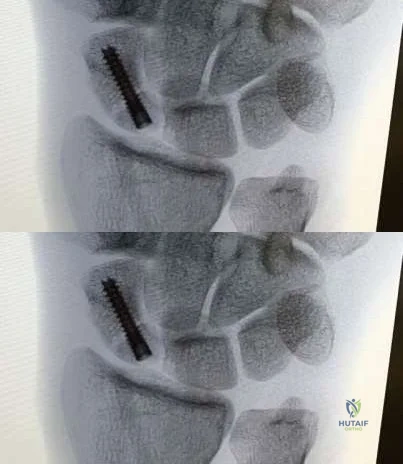


Explanation

This classic presentation describes Erb's palsy, an upper trunk brachial plexus injury typically resulting from shoulder dystocia. It involves the C5 and C6 nerve roots. The deficits include loss of shoulder abduction/external rotation (axillary/suprascapular nerves) and elbow flexion (musculocutaneous nerve). The preserved hand grasp confirms that the lower roots (C8, T1 - Klumpke distribution) are intact.

Question 61

A 45-year-old male presents with chronic wrist pain and a history of remote trauma. Radiographs reveal advanced scapholunate advanced collapse (SLAC). In the progression to Stage III SLAC wrist, which of the following articulations is newly involved?


Explanation

SLAC wrist progresses predictably: Stage I involves the radial styloid, Stage II involves the entire radioscaphoid facet, and Stage III involves the capitolunate joint. The radiolunate joint is classically spared due to its concentric spherical articulation.

Question 62

A 30-year-old chef sustains a volar laceration to the index finger. Surgical exploration reveals a 40% partial laceration of the flexor digitorum profundus (FDP) tendon in Zone II, with an intact flexor digitorum superficialis (FDS). What is the most appropriate management?


Explanation

Partial flexor tendon lacerations involving less than 60% of the tendon cross-sectional area do not require structural repair. Trimming the loose flaps and instituting early active motion prevents bulky scarring and tethering.

Question 63

A 60-year-old female with long-standing rheumatoid arthritis is unable to actively extend her small and ring fingers at the metacarpophalangeal (MCP) joints. Passive extension is intact. The tenodesis effect does not produce active extension of these digits. What is the primary pathophysiology?


Explanation

Caput ulnae syndrome (Vaughan-Jackson lesion) occurs in rheumatoid arthritis due to dorsal subluxation of the distal ulna. This prominent bony edge causes sequential attritional ruptures of the extensor tendons, typically starting with the extensor digiti minimi and progressing radially.

Question 64

Lichtman Stage IIIB Kienbock's disease is distinguished from Stage IIIA by the presence of which of the following radiographic findings?


Explanation

Lichtman Stage III Kienbock's disease denotes lunate collapse. Stage IIIA has normal carpal alignment, whereas Stage IIIB is characterized by fixed scaphoid flexion and a decrease in the carpal height ratio, indicating progressive carpal instability.

Question 65

A 22-year-old boxer sustains a Bennett fracture. The small volar-ulnar fragment of the thumb metacarpal base is held anatomically in place by which of the following structures?


Explanation

In a Bennett fracture, the shaft is pulled proximally and dorsally by the abductor pollicis longus. The volar-ulnar beak fragment remains stabilized in its anatomic position by the strong anterior oblique ligament.

Question 66

A patient presents with atrophy of the dorsal interossei and weakness of finger abduction. Sensation over the volar ulnar aspect of the small finger and the hypothenar eminence is completely preserved. The flexor digitorum profundus to the small finger has normal strength. Where is the most likely site of ulnar nerve compression?


Explanation

Zone 2 of Guyon's canal contains only the deep motor branch of the ulnar nerve. Compression here (e.g., from a hook of hamate fracture) causes isolated intrinsic muscle weakness with preserved sensation.

Question 67

During surgical release for Dupuytren's contracture, the neurovascular bundle is noted to be displaced centrally and superficially. Which of the following pathological structures is primarily responsible for this displacement?


Explanation

The spiral cord contributes to proximal interphalangeal (PIP) joint contracture and characteristically wraps around the neurovascular bundle. As the cord contracts, it pulls the nerve and vessels centrally and superficially, placing them at high risk during surgical dissection.

Question 68

In a patient with an irreversible high radial nerve palsy, multiple tendon transfers are planned. What is the standard transfer utilized to restore active wrist extension?


Explanation

The most widely accepted tendon transfer for restoring wrist extension in radial nerve palsy is the pronator teres to the ECRB. The ECRB is chosen over the ECRL because its central insertion provides a more balanced wrist extension without excessive radial deviation.

Question 69

To minimize the recurrence rate when surgically treating a digital mucous cyst located at the distal interphalangeal (DIP) joint, which step is most essential?


Explanation

Digital mucous cysts are ganglions that communicate with the DIP joint and are driven by underlying osteoarthritis. Failure to excise the associated marginal osteophyte during cyst removal results in a high rate of recurrence.

Question 70

A rugby player sustains a flexor digitorum profundus (FDP) avulsion from the ring finger (Jersey finger). MRI confirms the tendon has retracted completely into the palm (Leddy-Packer Type 1). What is the optimal timeframe for surgical repair?


Explanation

Type 1 Jersey fingers involve retraction of the FDP into the palm, which ruptures the vincular blood supply. Repair must be performed within 7-10 days before the tendon undergoes necrosis and irreversible contracture.

Question 71

According to the Eaton-Littler classification for thumb carpometacarpal (CMC) joint osteoarthritis, what defines a Stage III radiographic presentation?


Explanation

Eaton Stage III CMC arthritis is characterized by marked joint space narrowing, cystic changes, and osteophytes greater than 2 mm, often with dorsal subluxation. Stage IV is distinguished by the additional involvement of the scaphotrapezial (STT) joint.

Question 72

At what age should a complete, simple syndactyly involving the thumb and index finger be surgically released to prevent angular growth deformities?


Explanation

Syndactyly of the border digits (thumb-index and ring-small) should be released early, typically at 3-6 months of age. Because these adjacent digits have significant length discrepancies, delayed release leads to progressive tethering and angular deformities.

Question 73

A patient cannot fully flex their normal middle, ring, and small fingers after undergoing an index finger flexor digitorum profundus (FDP) tendon repair. What is the primary cause of this phenomenon?


Explanation

This describes the Quadrigia effect, which occurs when an FDP tendon is repaired too tightly (over-tensioned). Because the FDP tendons share a common muscle belly in the forearm, a shortened tendon restricts the proximal excursion of the remaining normal FDP tendons.

Question 74

A 45-year-old female assembly line worker presents with worsening numbness in her thumb, index, and middle fingers. She notes the symptoms are particularly severe when she repetitively makes a prolonged full fist at work. What anatomic phenomenon most likely contributes to her work-related exacerbation of carpal tunnel syndrome?


Explanation

During full finger flexion, the lumbrical muscles can incur proximally into the carpal tunnel. This proximal excursion increases the volume and pressure within the canal, directly exacerbating carpal tunnel syndrome in workers performing repetitive gripping.

Question 75

During primary repair of a Zone II flexor digitorum profundus (FDP) laceration, preservation of the vincula is emphasized to optimize primary tendon healing. The vincula brevia to the FDP is primarily supplied by branches directly originating from which of the following?


Explanation

The vincula are supplied by transverse communicating branches of the proper palmar digital arteries. Preserving this intricate blood supply is crucial to prevent tendon necrosis and promote intrinsic healing following Zone II flexor tendon repair.

Question 76

A 62-year-old man presents with chronic wrist pain and limited range of motion. Radiographs demonstrate scapholunate advanced collapse (SLAC) with arthritic changes involving the radioscaphoid and capitolunate joints, while the radiolunate joint remains widely spaced and pristine.

According to the Watson classification, what is the stage of this patient's SLAC wrist, and what is the primary biomechanical reason the radiolunate joint is spared?


Explanation

Stage III SLAC arthritis involves the capitolunate joint in addition to the radioscaphoid joint. The radiolunate joint is classically spared because its concentric, spherical articulation avoids the sheer forces that rapidly degrade the elliptical scaphoid fossa.

Question 77

In a patient with advanced trapeziometacarpal (CMC) joint arthritis of the thumb, progressive attenuation of a specific primary stabilizing ligament leads to the characteristic dorsoradial subluxation of the metacarpal base. Which of the following ligaments is historically referred to as the 'beak' ligament and is directly implicated in this subluxation?


Explanation

The anterior oblique ligament (AOL), also known as the volar beak ligament, is historically considered the primary stabilizer against dorsoradial subluxation of the thumb CMC joint. Attenuation of the AOL leads to classical basal joint arthritis patterns.

Question 78

A 32-year-old carpenter presents with persistent dorsal wrist pain. Imaging confirms avascular necrosis of the lunate (Kienbock disease). Radiographs show complete lunate collapse and a fixed flexed posture of the scaphoid (cortical ring sign), but no degenerative carpal arthritic changes are noted. Which of the following is the most appropriate surgical management?


Explanation

This patient has Lichtman Stage IIIB Kienbock disease, characterized by lunate collapse with fixed scaphoid rotation and no carpal arthritis. Scaphocapitate or STT fusion addresses the fixed scaphoid instability and mechanically unloads the collapsed lunate.

Question 79

A 22-year-old rugby player grabs an opponent's jersey and sustains an isolated hyperextension injury to his ring finger distal interphalangeal (DIP) joint. Imaging demonstrates an avulsed bony fragment located at the level of the proximal interphalangeal (PIP) joint. What Leddy-Packer type is this injury, and what is its vincular status?


Explanation

This is a Type II jersey finger, where the FDP tendon retracts to the level of the PIP joint and is arrested by the intact vincula longa. Because some blood supply is preserved, repair can often be safely delayed for up to a few weeks, unlike Type I injuries.

Question 80

A 45-year-old woman presents with a chronic, untreated mallet finger of the middle digit. She has progressively developed a severe swan neck deformity. What is the primary pathomechanical cause of this secondary deformity?


Explanation

Chronic disruption of the terminal tendon allows the entire extensor mechanism to migrate proximally. This migration concentrates the extensor forces entirely onto the central slip, causing secondary hyperextension of the PIP joint and a swan neck deformity.

None

Clinic OS
Medically Verified Content by
Prof. Clinic OS
Consultant Orthopedic & Spine Surgeon
Chapter Index
