العربية
Part of the Master Guide

Hand And Wrist: And Emq Questio Review | Dr Hutaif Hand -...

Hand And Wrist: Answers Emqs Review | Dr Hutaif Hand & - ...
17 Apr 2026 56 min read 162 Views
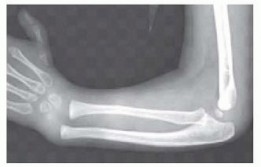
Illustration of lunate andor ulnar - Dr. Mohammed Hutaif

Key Takeaway

Here are the crucial details you must know about Hand and wrist: Answers MCQS EMQS. Wrist pain often stems from injuries like a Triangular Fibrocartilage Complex (TFCC) tear, critical for stabilizing the distal radioulnar joint and ulnar carpus. Such injuries can lead to ulnar laxity, as seen in Stener lesions. Understanding the mechanism of injury and mechanics is key for diagnosing issues affecting the lunate andor ulnar side of the wrist, guiding appropriate treatment.

Hand And Wrist: Answers Emqs Review | Dr Hutaif Hand & - ...

Comprehensive 100-Question Exam


00:00

Start Quiz

Question 1

A 45-year-old man presents with chronic wrist pain years after an untreated scaphoid fracture. Radiographs reveal advanced arthritis at the radioscaphoid and capitolunate joints, while the radiolunate joint is well-preserved. Which of the following is the most appropriate surgical treatment?


Explanation

This clinical scenario describes Scaphoid Nonunion Advanced Collapse (SNAC) Stage III, characterized by arthritis of the radioscaphoid and capitolunate joints with preservation of the radiolunate joint. Proximal row carpectomy is contraindicated because the capitate head is arthritic and would articulate poorly with the lunate fossa. Scaphoid excision and four-corner arthrodesis (capitate, lunate, triquetrum, and hamate) is the gold standard reconstructive option for SNAC III.

Question 2

During a Zone II flexor tendon repair, which of the following factors has been shown biomechanically to have the greatest influence on the ultimate tensile strength of the repair?


Explanation

Extensive biomechanical studies on flexor tendon repairs, notably by Tang and others, have demonstrated that the ultimate tensile strength of a flexor tendon repair is directly proportional to the number of core suture strands crossing the repair site. A 4-strand or 6-strand repair provides significantly greater strength than a 2-strand repair, allowing for safe early active motion protocols.

Question 3

A 32-year-old avid cyclist presents with numbness in the volar aspect of his right ring and small fingers, accompanied by weakness of finger abduction. Sensation over the dorsoulnar aspect of his hand is entirely normal. Compression of the ulnar nerve is most likely occurring at which of the following anatomical locations?


Explanation

The dorsal ulnar sensory branch branches off the ulnar nerve approximately 5-8 cm proximal to the wrist. Because dorsoulnar sensation is spared, the lesion must be at or distal to the wrist (Guyon's canal). The ulnar nerve in Guyon's canal is divided into three zones: Zone 1 is proximal to the bifurcation (contains both motor and sensory fibers), Zone 2 is the deep motor branch, and Zone 3 is the superficial sensory branch. Since both motor (weak finger abduction) and volar sensory (numbness in ring/small fingers) deficits are present, the compression is in Zone 1 of Guyon's canal.

Question 4

A 30-year-old carpenter presents with worsening central dorsal wrist pain. MRI demonstrates avascular necrosis of the lunate. Radiographs reveal ulnar minus variance and lunate collapse, but no fixed carpal instability or scaphoid rotation (Lichtman Stage IIIA). What is the most appropriate surgical management?


Explanation

In Lichtman Stage IIIA Kienböck's disease with ulnar minus variance, joint leveling procedures are indicated to mechanically unload the radiolunate joint and redistribute forces to the radioscaphoid joint. Radial shortening osteotomy is the gold standard in this scenario. Ulnar lengthening is theoretically possible but is associated with a significantly higher nonunion rate. Proximal row carpectomy is reserved for later stages (Stage IV) with secondary carpal osteoarthritis.

Question 5

A patient with a chronic high radial nerve palsy is scheduled for a standard Boyes tendon transfer procedure to restore hand function. In a classic Boyes transfer, which of the following muscles is transferred to restore thumb extension?


Explanation

In the Boyes tendon transfer for radial nerve palsy, the FDS of the middle finger is transferred to the Extensor Digitorum Communis (EDC) to restore finger extension, and the FDS of the ring finger is transferred to the Extensor Pollicis Longus (EPL) and Extensor Indicis Proprius (EIP) to restore thumb and index extension. The Pronator Teres (PT) is transferred to the Extensor Carpi Radialis Brevis (ECRB) for wrist extension. Note that in a standard FCR or FCU transfer (not Boyes), the Palmaris longus is typically transferred to the EPL.

Question 6

A 60-year-old woman undergoes a ligament reconstruction and tendon interposition (LRTI) procedure for Eaton-Littler Stage III thumb carpometacarpal (CMC) arthritis via a dorsal approach. Which nerve is most at risk of injury during the surgical dissection down to the CMC joint capsule?


Explanation

The dorsal surgical approach to the thumb CMC joint typically exploits the interval between the first extensor compartment (APL, EPB) and the third extensor compartment (EPL). The superficial branch of the radial nerve runs directly over this region to supply sensation to the dorsal-radial aspect of the hand and thumb, making it highly susceptible to iatrogenic injury or traction neuritis during CMC arthroplasty.

Question 7

A 55-year-old woman with advanced Rheumatoid Arthritis suddenly loses the ability to actively extend her small and ring fingers at the metacarpophalangeal joints. The tenodesis effect is absent for these digits. Radiographs demonstrate dorsal prominence of the distal ulna. The rupture of these tendons most likely occurred due to attrition over which of the following structures?


Explanation

This patient has Vaughan-Jackson syndrome, which is the sequential rupture of the extensor tendons in a rheumatoid hand, typically starting from ulnar to radial (first the Extensor Digiti Minimi, followed by the Extensor Digitorum Communis to the small and ring fingers). This attrition occurs due to a dorsally prominent and eroded distal ulna secondary to distal radioulnar joint (DRUJ) destruction, clinically known as the caput ulnae syndrome.

Question 8

A newborn is evaluated for congenital bilateral radial longitudinal deficiency (radial clubhand). On physical examination, the child has well-developed, functioning thumbs bilaterally. Echocardiogram is normal. Blood work reveals profound thrombocytopenia. What is the most likely diagnosis?


Explanation

Thrombocytopenia-Absent Radius (TAR) syndrome is unique among the syndromes associated with radial longitudinal deficiency because the thumbs are classically present and functional, despite the total absence of the radius. In Holt-Oram and Fanconi anemia, the thumbs are typically hypoplastic or absent. VACTERL association involves varying degrees of radial dysplasia but is characterized by vertebral, anorectal, cardiac, tracheoesophageal, renal, and limb anomalies.

Question 9

A 45-year-old construction worker complains of progressive cold intolerance, pain, and a bluish discoloration in his right ring and small fingers. The Allen test demonstrates sluggish blood return to the hand when the ulnar artery is released. Angiography shows 'corkscrew' tortuosity and an occlusion of the ulnar artery at the level of the wrist. This pathology is most strongly associated with repetitive trauma against which of the following carpal structures?


Explanation

The clinical presentation is classic for Hypothenar Hammer Syndrome (HHS). HHS is caused by repetitive blunt trauma to the hypothenar eminence (such as using the heel of the hand as a hammer). The ulnar artery is specifically vulnerable as it passes superficially over the hook of the hamate before forming the superficial palmar arch. The trauma leads to intimal damage, aneurysm formation, vasospasm, and/or thrombosis of the ulnar artery.

Question 10

A 28-year-old chef sustains a volar oblique amputation of his left index fingertip, resulting in a 1.5 cm soft tissue defect with exposed distal phalanx bone. The dorsal nail bed is largely intact. Which of the following local flap options is best suited to provide durable, sensate coverage for this specific defect?


Explanation

A cross-finger flap is the ideal choice for a volar oblique fingertip amputation with exposed bone. It provides durable palmar skin from the dorsum of the adjacent finger. A volar V-Y advancement flap (Atasoy) is best suited for transverse or dorsal oblique amputations. The Moberg volar advancement flap is reliable only for the thumb due to its independent dorsal blood supply, which prevents dorsal skin necrosis when the volar tissues are advanced.

Question 11

A 22-year-old male sustains a comminuted, Y-shaped intra-articular fracture of the base of his right thumb metacarpal after a fist fight. There are three large osseous fragments. What is the most widely accepted surgical management to restore joint congruity and stability in this classic Rolando fracture?


Explanation

A Rolando fracture is a 3-part (Y- or T-shaped) intra-articular fracture at the base of the first metacarpal. If the fragments are of sufficient size, Open Reduction and Internal Fixation (ORIF) with small plates and/or screws is the treatment of choice to restore the articular surface. If the fracture is highly comminuted into multiple small fragments, external fixation with limited internal fixation might be preferred. LRTI, arthrodesis, and trapeziectomy are treatments for advanced CMC arthritis, not acute fractures.

Question 12

A patient suffers a severe laceration of the median nerve at the antecubital fossa. During physical examination 3 months later, the patient unexpectedly demonstrates preserved function of several intrinsic hand muscles normally innervated by the ulnar nerve. This phenomenon is best explained by a Martin-Gruber anastomosis, which consists of motor nerve fibers crossing in which specific pattern?


Explanation

A Martin-Gruber anastomosis is a common anatomical variant (present in about 15% of limbs) where motor nerve branches cross from the median nerve (most commonly from the anterior interosseous nerve branch) to the ulnar nerve in the proximal forearm. These crossing fibers typically innervate intrinsic hand muscles (like the first dorsal interosseous). Riche-Cannieu anastomosis describes a connection between the deep branch of the ulnar nerve and the recurrent motor branch of the median nerve in the hand.

Question 13

A 24-year-old male presents with wrist pain 3 weeks after a fall onto an outstretched hand. Radiographs demonstrate a scapholunate angle of 75 degrees. The scaphoid appears volarly flexed (signet ring sign), and the lunate is dorsally angulated. Which of the following is the most accurate diagnosis?


Explanation

The clinical and radiographic presentation describes a scapholunate ligament tear leading to Dorsal Intercalated Segment Instability (DISI). In DISI, the uncoupled lunate extends dorsally (scapholunate angle > 60 degrees is abnormal, > 70 is definitive for DISI), while the scaphoid flexes volarly, creating a 'signet ring' appearance on the PA view due to its flexed posture. VISI occurs with lunotriquetral ligament injuries where the lunate abnormally flexes volarly.

Question 14

A 40-year-old diabetic patient presents to the emergency department with a swollen, painful index finger 3 days after sustaining a puncture wound. You suspect pyogenic flexor tenosynovitis. Of Kanavel's four cardinal signs, which is generally considered the earliest and most sensitive indicator of this infection?


Explanation

Kanavel's four cardinal signs for pyogenic flexor tenosynovitis are: 1) flexed resting posture, 2) symmetric fusiform swelling, 3) tenderness along the flexor tendon sheath, and 4) exquisite pain with passive extension. Pain with passive extension is widely regarded as the most sensitive and often the earliest clinical sign of flexor tendon sheath infection, as it actively stretches the inflamed synovial sheath.

Question 15

A 35-year-old woman complains of excruciating, sharp pain in her right ring fingertip, which is markedly exacerbated by cold weather. On exam, there is exquisite point tenderness over the nail matrix and a faint bluish hue beneath the nail plate. Application of a proximal tourniquet to the arm significantly relieves the patient's fingertip pain. What is the name of this diagnostic test?


Explanation

The patient's symptoms are classic for a glomus tumor, a benign hamartoma of the neuromyoarterial glomus body. The classic triad includes cold hypersensitivity, paroxysmal severe pain, and pinpoint tenderness. Hildreth's test involves inflating a tourniquet proximally to induce ischemia; a positive test occurs when the ischemia temporarily relieves the severe pain of the glomus tumor. Love's pin test utilizes a paperclip or pin to localize the exquisite point tenderness.

Question 16

A 50-year-old patient sustains a volar Barton's fracture, which is an intra-articular fracture-subluxation involving the volar rim of the distal radius. The carpus displaces volarly with the fracture fragment. The carpus remains securely tethered to this volar distal radius fragment primarily due to the intact attachment of which of the following ligaments?


Explanation

A volar Barton's fracture occurs when the volar rim of the distal radius shears off. The carpus invariably subluxates volarly with this fragment because the stout volar radiocarpal ligaments—primarily the radioscaphocapitate ligament and the long radiolunate ligament—remain securely attached to the avulsed volar marginal fragment. This critical ligamentous tethering necessitates anatomic reduction and buttress plating of the volar fragment to restore radiocarpal stability.

Question 17

A neonate is born following a difficult shoulder dystocia delivery requiring hyperabduction of the arm. The infant demonstrates a claw hand deformity, absent grasp reflex, and unilateral miosis, ptosis, and anhidrosis. This presentation (Klumpke's palsy) is primarily caused by an injury to which nerve roots of the brachial plexus?


Explanation

Klumpke's palsy is a lower brachial plexus injury typically caused by an excessive hyperabduction force. It primarily involves the C8 and T1 nerve roots. Clinically, it presents with a loss of intrinsic hand muscle function (claw hand), absent grasp reflex, and, importantly, Horner's syndrome (ptosis, miosis, anhidrosis) if the sympathetic fibers traveling with the T1 root are disrupted. Erb's palsy (C5-C6) presents with the 'waiter's tip' posture.

Question 18

During a primary repair of a lacerated flexor tendon in Zone II, the surgeon visualizes the intricate relationship between the Flexor Digitorum Superficialis (FDS) and the Flexor Digitorum Profundus (FDP). The anatomic region where the FDS tendon splits and its slips decussate to allow the FDP tendon to pass superficially is known as:


Explanation

Camper's chiasm is the anatomic structure located in Zone II of the flexor tendon sheath where the Flexor Digitorum Superficialis (FDS) tendon splits into two slips. These slips pass dorsally around the Flexor Digitorum Profundus (FDP) tendon and decussate (cross over) before inserting into the volar base of the middle phalanx. This allows the FDP to emerge superficially to insert on the distal phalanx.

Question 19

In the pathoanatomy of Dupuytren's disease, the pathologic central cord is primarily responsible for causing flexion contractures at the metacarpophalangeal (MCP) joint. This cord develops from the disease-induced thickening and shortening of which normal fascial structure?


Explanation

In Dupuytren's disease, normal fascial bands become pathologic cords. The pretendinous band of the palmar aponeurosis thickens to become the pretendinous (central) cord, which is the primary structure responsible for metacarpophalangeal (MCP) joint contractures. The spiral cord (derived from the pretendinous band, spiral band, lateral digital sheet, and Grayson's ligament) is primarily responsible for proximal interphalangeal (PIP) joint contractures. The natatory ligament causes web space contractures.

Question 20

A 25-year-old elite tennis player complains of chronic, ulnar-sided wrist pain and clicking, notably during forearm pronation. Physical exam reveals a positive fovea sign and palpable instability of the distal radioulnar joint (DRUJ). MRI arthrogram demonstrates a Palmer Class 1B tear of the Triangular Fibrocartilage Complex (TFCC). Following a failed 3-month course of conservative management, what is the most appropriate surgical intervention?


Explanation

A Palmer Class 1B tear is an acute, traumatic avulsion of the TFCC from its ulnar attachment (the fovea and/or base of the ulnar styloid). Because this peripheral region of the TFCC is highly vascularized (unlike the avascular central portion, which is Palmer 1A), it possesses excellent healing potential. When associated with DRUJ instability and refractory to conservative treatment, the gold standard is anatomic repair (arthroscopic or open) of the TFCC back to the ulnar fovea. Ulnar shortening is indicated for ulnar impaction syndrome, and salvage procedures (Darrach/Sauvé-Kapandji) are for end-stage DRUJ arthritis.

Question 21

In a patient undergoing tendon transfers for an irreparable high radial nerve palsy, the Pronator Teres (PT) is typically transferred to the Extensor Carpi Radialis Brevis (ECRB) rather than the Extensor Carpi Radialis Longus (ECRL). What is the primary biomechanical advantage of selecting the ECRB?


Explanation

The ECRB inserts centrally at the base of the third metacarpal, whereas the ECRL inserts more radially at the base of the second metacarpal. Transferring the PT to the ECRB provides balanced, centralized wrist extension, thereby preventing the unwanted radial deviation that would occur if the ECRL were used.

Question 22

A 55-year-old male presents with advanced Scapholunate Advanced Collapse (SLAC) wrist arthritis. Radiographs demonstrate severe degenerative changes throughout the carpus. Which of the following articulations is classically spared from osteoarthritis in a SLAC wrist, even in late stages?


Explanation

In a SLAC wrist, the radiolunate joint is classically spared because the spherical shape of the lunate maintains concentric articulation with the lunate fossa of the distal radius, distributing forces evenly despite carpal collapse. In contrast, the elliptical scaphoid fossa undergoes degenerative changes due to the abnormally flexed and subluxated scaphoid.

Question 23

A newborn is diagnosed with a bilateral radial longitudinal deficiency (radial club hand). Which of the following clinical or genetic findings reliably differentiates Thrombocytopenia Absent Radius (TAR) syndrome from Fanconi anemia in this presentation?


Explanation

A key distinguishing feature between these syndromes is that in TAR syndrome, the thumb is always present (though the radius is absent), whereas in Fanconi anemia and Holt-Oram syndrome, the thumb is typically absent or severely hypoplastic.

Question 24

When performing open reduction and internal fixation of a distal radius fracture using a volar locking plate, placing the plate distal to the 'watershed line' significantly increases the risk of which of the following complications?


Explanation

The watershed line is a transverse ridge that marks the distal volar margin of the pronator fossa. Placing a volar plate distal to this ridge causes hardware prominence, which can lead to attrition and subsequent rupture of the adjacent flexor tendons, most commonly the Flexor Pollicis Longus (FPL).

Question 25

A 40-year-old carpenter presents with volar forearm and hand pain, along with paresthesia in the thumb, index, and middle fingers. Which of the following physical examination findings is most specific for differentiating Pronator Syndrome from Carpal Tunnel Syndrome?


Explanation

The palmar cutaneous branch of the median nerve arises approximately 5 cm proximal to the wrist crease and travels superficial to the transverse carpal ligament to supply sensation to the thenar eminence. Sensation in this area is spared in Carpal Tunnel Syndrome but diminished in more proximal median nerve compressions like Pronator Syndrome.

Question 26

A 12-year-old patient presents with multiple enchondromas of the hands. On examination, several soft, bluish subcutaneous nodules are noted on the digits and forearm. Which of the following is true regarding this patient's syndrome compared to Ollier disease?


Explanation

The presence of multiple enchondromas combined with soft tissue hemangiomas characterizes Maffucci syndrome. Ollier disease involves multiple enchondromas without hemangiomas. Maffucci syndrome carries a higher risk of malignant transformation (e.g., to chondrosarcoma) than Ollier disease.

Question 27

A 22-year-old rugby player sustains an avulsion of the flexor digitorum profundus (FDP) tendon of the ring finger. Imaging and physical exam suggest a Leddy-Packer Type I injury. What is the defining anatomical characteristic and recommended timeframe for management of this specific injury type?


Explanation

Leddy-Packer Type I injuries involve FDP retraction into the palm. Both the vincula longa and brevia are ruptured, completely compromising the tendon's blood supply. To prevent necrosis and severe contracture, primary repair must be performed within 7-10 days.

Question 28

A 60-year-old female presents with severe pain at the base of the thumb. Radiographs are obtained to stage her basal joint arthritis using the Eaton-Littler classification. Which of the following radiographic findings specifically defines progression to Stage IV disease?


Explanation

The Eaton-Littler classification stages thumb carpometacarpal (CMC) osteoarthritis. Stage IV (pantrapezial arthritis) is defined by the progressive involvement of adjacent joints, specifically the scaphotrapezial joint (STT arthritis), distinguishing it from Stage III.

Question 29

A 35-year-old mechanic sustains a puncture wound to the volar index finger. Two days later, he presents with a suspected pyogenic flexor tenosynovitis. Which of Kanavel's four cardinal signs is generally considered the most sensitive and earliest indicator of this infection?


Explanation

Of Kanavel's four cardinal signs, severe pain on passive extension is considered the most sensitive and earliest clinical finding of pyogenic flexor tenosynovitis, occurring before frank fusiform swelling or marked resting flexion are fully established.

Question 30

A patient with a ganglion cyst in Guyon's canal complains of hand weakness and paresthesias. Which of the following clinical findings indicates that the ulnar nerve compression is occurring at the wrist (Guyon's canal) rather than at the elbow (Cubital Tunnel)?


Explanation

The dorsal ulnar cutaneous nerve (DUCN) branches off the main ulnar nerve approximately 5-8 cm proximal to the wrist crease. Therefore, compression at Guyon's canal spares the DUCN, leaving sensation intact over the dorsal ulnar hand, which differentiates it from cubital tunnel syndrome.

Question 31

In a complete tear of the ulnar collateral ligament (UCL) of the thumb metacarpophalangeal joint, a Stener lesion may prevent non-operative healing. Which structure is interposed between the ruptured UCL and its insertion site on the proximal phalanx?


Explanation

A Stener lesion occurs when the distal end of the ruptured UCL slips superficial to the adductor pollicis aponeurosis. The interposition of the adductor aponeurosis mechanically blocks the UCL from healing back to its anatomic insertion on the proximal phalanx, necessitating surgical repair.

Question 32

A patient presents with a jammed finger. To evaluate the integrity of the central slip of the extensor mechanism, Elson's test is performed. If the central slip is completely ruptured, what is the expected clinical finding when the patient attempts to extend the PIP joint against resistance from a 90-degree flexed position?


Explanation

In Elson's test, the PIP is bent to 90 degrees over a table edge. If the central slip is intact, extending against resistance directs force to the PIP, leaving the DIP floppy. If the central slip is torn, the force bypasses the PIP and is transmitted entirely through the lateral bands, which pulls the DIP into rigid extension.

Question 33

Madelung deformity is a developmental abnormality of the wrist caused by premature closure of the volar-ulnar aspect of the distal radial physis. It is strongly associated with Léri-Weill dyschondrosteosis, which is linked to a mutation in which of the following genes?


Explanation

Léri-Weill dyschondrosteosis is a pseudoautosomal dominant condition caused by mutations or deletions of the SHOX (Short Stature Homeobox) gene. It is characterized by short stature and mesomelic limb shortening, with Madelung deformity being a classic feature.

Question 34

Transverse fractures of the proximal phalanx shaft characteristically angulate with a volar apex (dorsal angulation). Which specific muscle forces are primarily responsible for this consistent deformity pattern?


Explanation

In proximal phalanx fractures, the intrinsic interossei insert on the base of the proximal phalanx and pull the proximal fragment into flexion. The central slip of the extensor mechanism attaches to the base of the middle phalanx, extending the distal fragment, collectively causing an apex volar (dorsal) angulation.

Question 35

A 45-year-old mechanic presents with cold intolerance, pain, and a pulsatile mass in the hypothenar eminence. An Allen's test indicates delayed capillary refill in the ulnar digits. Ulnar Hammer Syndrome is suspected. This condition involves thrombosis or aneurysm of the ulnar artery resulting from repetitive microtrauma against which bony structure?


Explanation

Ulnar Hammer Syndrome occurs due to repetitive compressive trauma to the ulnar artery within Guyon's canal. The artery is mechanically crushed against the underlying hook of the hamate, which acts as an anvil, leading to thrombosis, intimal damage, or pseudoaneurysm formation.

Question 36

In severe, long-standing Carpal Tunnel Syndrome with profound thenar atrophy, an opponensplasty may be performed concurrently with carpal tunnel release. The Camitz transfer is frequently selected for this purpose. Which tendon is utilized as the donor in a classic Camitz transfer?


Explanation

The Camitz transfer uses the Palmaris longus tendon, extended with a strip of palmar fascia, and routes it subcutaneously to the insertion of the Abductor Pollicis Brevis (APB). It provides excellent thumb abduction but is less optimal for true opposition compared to an FDS transfer.

Question 37

A patient with advanced rheumatoid arthritis presents with an inability to actively extend the fingers of the right hand. The surgeon suspects Vaughan-Jackson syndrome. Which of the following best describes the typical sequence of tendon ruptures in this condition?


Explanation

Vaughan-Jackson syndrome refers to closed extensor tendon ruptures in rheumatoid arthritis, caused by mechanical attrition over a dorsally subluxated ulnar head (caput ulnae). The ruptures predictably start on the ulnar side (extensor digiti minimi/EDQ) and progress radially toward the index finger.

Question 38

A 30-year-old manual laborer presents with chronic wrist pain and is diagnosed with Stage IIIB Kienböck's disease. According to the Lichtman classification, which of the following best describes the morphologic findings of Stage IIIB?


Explanation

Lichtman Stage IIIB Kienböck's disease is characterized by lunate fragmentation and collapse along with fixed carpal instability (typically scaphoid flexion/rotary subluxation) and a resultant decrease in carpal height. Stage IIIA has lunate collapse but maintains normal carpal alignment.

Question 39

During surgical reduction of a Galeazzi fracture (distal radius shaft fracture with distal radioulnar joint (DRUJ) dislocation), the DRUJ remains irreducible despite anatomic fixation of the radius. Which anatomical structure is the most common cause of an irreducible DRUJ block in this scenario?


Explanation

In a Galeazzi fracture-dislocation, if the DRUJ cannot be reduced after the radius is fixed, the most common soft-tissue block is the interposition of the Extensor Carpi Ulnaris (ECU) tendon into the DRUJ, necessitating open reduction to extract the tendon.

Question 40

A 24-year-old rock climber presents with a flexor tendon injury to the middle finger. Radiographs reveal a large bony avulsion fragment from the volar base of the distal phalanx resting over the middle phalanx. This characterizes a Leddy-Packer Type III injury. At which pulley is the proximal retraction of this tendon-bone unit classically blocked?


Explanation

In a Leddy-Packer Type III flexor digitorum profundus (FDP) avulsion, a large bony fragment is avulsed with the tendon. Because of its size, this bony fragment cannot pass through the A4 pulley. It becomes incarcerated at the A4 pulley, located at the level of the middle phalanx.

Question 41

A 35-year-old man presents with chronic wrist pain years after an unrecognized fall. Radiographs demonstrate a scaphoid nonunion with radioscaphoid arthritis, but the capitolunate joint remains completely spared. What is the correct classification and most appropriate surgical option?


Explanation

Scaphoid Nonunion Advanced Collapse (SNAC) is staged by arthritis location: Stage 1 involves the radial styloid; Stage 2 involves the entire scaphoid fossa; Stage 3 involves the capitolunate joint; Stage 4 involves the entire carpus. Because the capitolunate joint is spared, this is Stage 2. Proximal row carpectomy (PRC) or four-corner fusion (4CF) are standard treatments for Stage 2 SNAC wrists. PRC requires a preserved proximal capitate articular surface.

Question 42

A patient with an isolated low radial nerve palsy undergoes tendon transfer surgery. To restore thumb extension, which of the following is the most classic and widely utilized donor tendon transfer?


Explanation

In a standard set of tendon transfers for low radial nerve palsy, the Palmaris Longus (PL) is rerouted to the Extensor Pollicis Longus (EPL) to restore thumb extension. The standard Boyes or FCR transfer sets both utilize PL to EPL. Other components typically include PT to ECRB (for wrist extension) and FCR or FDS to EDC (for finger extension).

Question 43

A 45-year-old cyclist presents with weakness in thumb adduction and finger abduction/adduction. Sensation over the entire small finger is completely normal, and hypothenar muscle bulk and strength are intact. Which zone of Guyon's canal is the most likely site of ulnar nerve compression?


Explanation

Guyon's canal is divided into 3 zones. Zone 1 contains the mixed motor/sensory nerve. Zone 2 contains the deep motor branch. Zone 3 contains the superficial sensory branch. A lesion in Zone 2 causes isolated motor weakness. Because the hypothenar muscles are spared, the lesion must be in Zone 2 distal to the takeoff of the hypothenar motor branches, affecting only the interossei and adductor pollicis.

Question 44

A newborn is evaluated for a congenital hand anomaly. The right thumb is present but highly hypoplastic, lacks any proximal bony support (absent metacarpal base), has no carpometacarpal joint, and is attached to the hand only by a soft tissue skin pedicle. According to the Blauth classification, what type of thumb hypoplasia is this?


Explanation

This describes a 'pouce flottant' or floating thumb, which is Blauth Type IV. Type II has a hypoplastic metacarpal and intrinsic absence but a stable CMC. Type III has a severely hypoplastic metacarpal (IIIA has a stable CMC; IIIB has an absent proximal metacarpal and unstable CMC). Type V is complete absence of the thumb.

Question 45

Which of the following pathologic anatomic structures is considered the primary tethering force responsible for the characteristic deformity seen in Madelung deformity?


Explanation

Madelung deformity is characterized by premature closure of the volar-ulnar distal radial physis. This is associated with a thick, tethering ligament known as Vickers ligament, which runs from the distal radius to the lunate, restricting growth and causing the classic volar and ulnar tilt of the distal radius articular surface.

Question 46

A 28-year-old manual laborer presents with wrist pain. Radiographs demonstrate ulnar minus variance and sclerosis of the lunate with fragmentation. However, the scaphoid is not flexed, and carpal height is maintained. What is the Lichtman stage and most appropriate surgical treatment?


Explanation

The patient has Kienböck's disease. Sclerosis with fragmentation but no carpal collapse (maintained carpal height, scaphoid not flexed) is Lichtman Stage IIIA. In a patient with ulnar negative variance, a joint-leveling procedure such as a radial shortening osteotomy is the most highly recommended treatment to unload the lunate.

Question 47

A 40-year-old carpenter presents with a painful, cold, and pale right index and middle finger. Allen's test indicates ulnar artery occlusion. Angiography reveals a corkscrew appearance and occlusion of the ulnar artery. In Hypothenar Hammer Syndrome, the ulnar artery is most commonly traumatized against which bony prominence?


Explanation

Hypothenar Hammer Syndrome results from repetitive blunt trauma to the hypothenar eminence (e.g., using the palm as a hammer). The ulnar artery is injured as it passes superficially over the hook of the hamate, leading to thrombosis or aneurysm formation and subsequent distal embolization.

Question 48

During flexor tendon repair in the hand, preserving the pulley system is critical to prevent tendon bowstringing. Which two annular pulleys are considered the most mechanically essential to preserve?


Explanation

The A2 (located over the proximal phalanx) and A4 (located over the middle phalanx) pulleys are the most biomechanically critical for preventing bowstringing of the flexor tendons and maintaining the moment arm for normal finger flexion.

Question 49

During a fasciectomy for Dupuytren's contracture of the ring finger, the surgeon notes that the digital neurovascular bundle is displaced centrally and superficially. Which pathologic cord is responsible for this dangerous displacement?


Explanation

The spiral cord is formed by the amalgamation of the pretendinous band, spiral band, lateral digital sheet, and Grayson's ligament. As it contracts, it pulls the neurovascular bundle toward the midline (central) and superficially, placing it at high risk of iatrogenic injury during surgical excision.

Question 50

A 60-year-old woman with a 20-year history of rheumatoid arthritis presents with a sudden inability to flex the interphalangeal joint of her thumb. She denies acute trauma. This presentation (Mannerfelt syndrome) is most classically caused by attrition of the flexor pollicis longus (FPL) tendon over which bony prominence?


Explanation

Mannerfelt syndrome in rheumatoid arthritis refers to the spontaneous rupture of the flexor pollicis longus (FPL) tendon. It is most commonly caused by attrition of the tendon as it glides over a sharp, volar osteophyte originating from the scaphoid (often at the STT joint).

Question 51

The scapholunate interosseous ligament (SLIL) is the primary stabilizer of the scapholunate joint. It is divided into three anatomic regions. Which region is the thickest, strongest, and most critical for preventing scapholunate dissociation?


Explanation

The dorsal region of the scapholunate interosseous ligament (SLIL) is the thickest and strongest component. It is the primary restraint to translation and diastasis of the scapholunate interval. In contrast, the volar portion is the thickest and strongest part of the lunotriquetral (LT) ligament.

Question 52

A 32-year-old basketball player jammed his finger and presents 4 weeks later with PIP joint flexion and DIP joint extension. Which of the following best describes the underlying anatomic pathophysiology of this Boutonniere deformity?


Explanation

A Boutonniere deformity is caused by rupture or attenuation of the central slip of the extensor tendon at its insertion on the middle phalanx. This allows the lateral bands to subluxate volarly (palmar) to the axis of rotation of the PIP joint, turning them into PIP flexors while continuing to extend the DIP joint.

Question 53

A 35-year-old woman presents with exquisite, sharp pain in her right index fingertip that is severely exacerbated by cold weather. On examination, there is a faint bluish discoloration beneath the nail plate. Love's pin test and the Hildreth test are positive. What is the most likely diagnosis?


Explanation

A glomus tumor is a benign hamartoma of the glomus body (involved in thermoregulation). The classic triad is severe paroxysmal pain, point tenderness (Love's test), and cold intolerance. Hildreth's test (relief of pain with a tourniquet) is highly specific.

Question 54

When planning surgical release for a child with congenital simple syndactyly of the middle and ring fingers, which of the following surgical principles is correct?


Explanation

In syndactyly release, zigzag incisions are mandatory to prevent longitudinal linear scar contracture, which can lead to severe flexion deformities as the child grows. Full-thickness skin grafts are almost always required to cover the defects left by the separated digits. Surgery is typically delayed until 12-18 months, except for border digits (thumb/index or ring/small) which may be done earlier.

Question 55

A patient sustained a forearm crush injury and presents with inability to extend the fingers at the MCP joints and inability to extend the thumb. However, wrist extension is preserved, though the wrist deviates radially during the effort. Sensation in the hand is completely normal. Which nerve is injured?


Explanation

The Posterior Interosseous Nerve (PIN) is a pure motor branch of the radial nerve. Injury causes loss of finger extension (EDC) and thumb extension (EPL). Wrist extension is preserved because the extensor carpi radialis longus (ECRL) is innervated by the radial nerve proper proximal to the PIN bifurcation. Radially deviated wrist extension occurs due to loss of the extensor carpi ulnaris (ECU), which is PIN innervated.

Question 56

A 40-year-old man cannot make an 'OK' sign, instead forming a flat pinch between his thumb and index finger pads. His sensation is normal. Which of the following muscles is strictly spared in this specific nerve compression syndrome?


Explanation

The patient has Anterior Interosseous Nerve (AIN) syndrome, evidenced by the positive 'OK' sign (loss of FPL and FDP to the index finger). The AIN supplies the FPL, the FDP to the index and middle fingers, and the pronator quadratus. The Flexor Digitorum Superficialis (FDS) is innervated by the main branch of the median nerve in the proximal forearm, before the AIN branches off, and is therefore spared.

Question 57

Historically, primary repair of flexor tendon lacerations in a specific anatomic zone of the hand was avoided due to high rates of adhesions and stiffness, earning it the moniker 'No Man's Land'. Which zone does this describe?


Explanation

Bunnell famously termed Zone II 'No Man's Land'. It extends from the A1 pulley (distal palmar crease) to the FDS insertion (middle of the middle phalanx). Because both the FDS and FDP tendons run tightly together within the fibro-osseous sheath here, early attempts at primary repair often resulted in dense adhesions. Today, primary repair with early active protocols is the standard of care.

Question 58

Replantation surgery of amputated digits involves complex microsurgery and careful patient selection. Which of the following is considered a universally accepted absolute contraindication to replantation?


Explanation

Severe crush injuries with multilevel segmental damage are absolute contraindications for replantation because the extensive vascular intimal damage precludes reliable anastomosis and leads to an unacceptably high failure rate. Thumb amputations, multiple digits, and amputations in children are prime indications for replantation. Cold ischemia up to 24 hours can be tolerated in digits because they contain no muscle tissue.

Question 59

A 24-year-old gymnast presents with ulnar-sided wrist pain and distal radioulnar joint (DRUJ) instability following a forced wrist extension and pronation injury. Wrist arthroscopy reveals an avulsion of the triangular fibrocartilage complex (TFCC) from its ulnar insertion at the fovea. Under the Palmer classification, this is a:


Explanation

The Palmer classification divides TFCC tears into traumatic (Type 1) and degenerative (Type 2). 1A is a central articular disk tear; 1B is an ulnar avulsion (with or without ulnar styloid fracture) leading to DRUJ instability; 1C is a distal avulsion (volar ulnocarpal ligaments); and 1D is a radial avulsion.

Question 60

A 50-year-old woman presents with volar forearm aching and numbness in the radial 3.5 digits. Which of the following physical examination findings most reliably differentiates Pronator Syndrome from Carpal Tunnel Syndrome?


Explanation

The palmar cutaneous branch of the median nerve arises approximately 5 cm proximal to the carpal tunnel and passes superficial to the flexor retinaculum to supply sensation to the thenar eminence. In Carpal Tunnel Syndrome, this branch is spared, so thenar sensation is normal. In Pronator Syndrome (proximal median nerve compression), thenar sensation is decreased.

Question 61

A 28-year-old manual laborer presents with dorsal wrist pain and decreased grip strength. Radiographs show sclerosis of the lunate with a coronal fracture line, but carpal height is preserved and there is no evidence of radiocarpal arthritis. Ulnar variance is negative 2 mm. What is the most appropriate surgical treatment?


Explanation

This patient has Lichtman stage IIIA Kienbock's disease with ulnar negative variance. Radial shortening osteotomy unloads the lunate and is the procedure of choice to halt progression and prevent carpal collapse.

Question 62

During early active mobilization rehabilitation following a zone II flexor tendon repair, the risk of gap formation and tendon rupture is greatest during which postoperative period?


Explanation

The tensile strength of a repaired tendon drops significantly during the fibroblastic phase (days 10-21) due to collagen degradation before new collagen synthesis predominates. This is the period of maximum vulnerability to elongation and rupture.

Question 63

In a patient presenting with advanced Dupuytren's contracture of the ring finger, which of the following fascial structures is responsible for displacing the neurovascular bundle centrally and superficially?


Explanation

The spiral cord is formed by the pretendinous band, spiral band, lateral digital sheet, and Grayson's ligament. Its contraction displaces the neurovascular bundle medially and palmarly, putting it at high risk of transection during surgical excision.

Question 64

A 55-year-old female with long-standing rheumatoid arthritis suddenly loses the ability to actively flex the interphalangeal joint of her thumb. This attritional tendon rupture (Mannerfelt syndrome) most commonly occurs secondary to friction over which bony structure?


Explanation

Mannerfelt syndrome refers to the attritional rupture of the flexor pollicis longus (FPL) tendon. It classically occurs due to friction over a prominent volar scaphoid osteophyte penetrating the capsule in rheumatoid arthritis.

Question 65

A 25-year-old skier falls while holding a pole, forcibly hyperabducting his thumb. MRI confirms a complete tear of the ulnar collateral ligament (UCL) of the thumb MCP joint with a Stener lesion. Which structure is interposed between the torn UCL and its anatomic insertion?


Explanation

A Stener lesion occurs when the distally torn UCL of the thumb flips and rests superficial to the adductor pollicis aponeurosis. This interposition prevents anatomic healing and necessitates surgical repair.

Question 66

A 30-year-old male presents with dorsal wrist pain and a clunking sensation. Radiographs demonstrate a scapholunate gap of 4 mm and a radiolunate angle indicating 25 degrees of dorsal tilt. Which ligament complex must be injured to allow this specific deformity?


Explanation

A DISI (Dorsal Intercalated Segment Instability) deformity requires rupture of the scapholunate interosseous ligament as well as secondary stabilizers, particularly the dorsal intercarpal ligament. This uncouples the scaphoid and lunate, allowing the lunate to fall into extension.

Question 67

In order to prevent bowstringing after a complex flexor tendon injury in zone II, which combination of annular pulleys is considered biomechanically critical to preserve or reconstruct?


Explanation

The A2 and A4 pulleys arise from the periosteum of the proximal and middle phalanges, respectively. They are the most critical pulleys for preventing tendon bowstringing and maintaining the mechanical advantage of flexor excursion.

Question 68

A newborn is evaluated for bilateral radial club hands. Which of the following associated syndromes is characterized by thrombocytopenia and absent radii, but classically features anatomically present thumbs?


Explanation

Thrombocytopenia Absent Radius (TAR) syndrome typically features bilaterally absent radii but present thumbs. In contrast, syndromes like Holt-Oram and Fanconi anemia generally present with hypoplastic or absent thumbs along with their radial deficiency.

Question 69

The primary blood supply to the proximal pole of the scaphoid enters the bone via which of the following anatomical regions?


Explanation

The major blood supply to the scaphoid enters through the dorsal ridge (accounting for 70-80% of perfusion) and courses in a retrograde fashion to the proximal pole. This retrograde blood flow is why proximal pole fractures have a notoriously high risk of avascular necrosis.

Question 70

A 40-year-old diabetic patient presents with a swollen, painful index finger. Which of the following is NOT one of Kanavel's cardinal signs of pyogenic flexor tenosynovitis?


Explanation

Kanavel's four cardinal signs of flexor tenosynovitis include fusiform swelling, the digit resting in flexion, tenderness along the tendon sheath, and severe pain on passive (not active) extension. Pain on passive extension is usually the earliest and most reliable sign.

Question 71

A patient with an untreated zone I extensor tendon laceration develops a secondary deformity characterized by PIP joint hyperextension and DIP joint flexion. What is the primary pathoanatomical cause of the PIP hyperextension?


Explanation

An untreated mallet finger can lead to a swan neck deformity. The disrupted terminal extensor tendon allows the entire extensor mechanism to retract proximally, concentrating unchecked extension forces on the central slip, which hyperextends the PIP joint.

Question 72

A 45-year-old carpenter complains of aching pain in his proximal forearm and numbness in his thumb, index, and middle fingers. Which physical examination finding most reliably differentiates pronator syndrome from carpal tunnel syndrome?


Explanation

The palmar cutaneous branch of the median nerve innervates the skin over the thenar eminence and branches off proximal to the carpal tunnel. Therefore, sensation here is preserved in carpal tunnel syndrome but may be decreased in higher compression like pronator syndrome.

Question 73

Which Palmer classification of triangular fibrocartilage complex (TFCC) tears has the best potential for healing with direct surgical repair due to its regional vascularity?


Explanation

Palmer 1B tears involve an avulsion of the TFCC from the distal ulna. The ulnar periphery of the TFCC is well-vascularized (the 'red zone'), providing excellent healing potential following direct capsular or osseous repair.

Question 74

A patient sustains a high ulnar nerve transection at the elbow. During recovery, the claw deformity of the ring and small fingers becomes paradoxically more pronounced. What phenomenon is responsible for this worsening deformity?


Explanation

The 'ulnar paradox' occurs because a high ulnar nerve injury paralyzes both the intrinsic hand muscles and the FDP to the ring/small fingers, resulting in a mild claw. As the nerve regenerates distally, FDP function returns first, strongly flexing the DIP joints against paralyzed intrinsics, worsening the claw.

Question 75

A 60-year-old female presents with stage IV Eaton-Littler basal joint arthritis of the thumb, demonstrating pan-trapezial arthritis (CMC and STT joints). Which of the following procedures is absolutely contraindicated?


Explanation

Volar beak ligament reconstruction is indicated for early pre-arthritic hyperlaxity or Stage I disease. It is contraindicated in Stage IV pan-trapezial arthritis, where joint resection or salvage procedures (like LRTI or complete trapeziectomy) are required.

Question 76

During a volar Henry approach to fix a distal radius fracture, the surgeon develops the interval between the flexor carpi radialis (FCR) and the radial artery. Which muscle must be elevated from the radius to directly expose the volar fracture fragments?


Explanation

The pronator quadratus natively covers the volar aspect of the distal radius. In the volar Henry approach, an L-shaped incision is made to release the pronator quadratus from its radial and distal borders, reflecting it ulnarly to expose the bone.

Question 77

In a standard Boyes tendon transfer for a high radial nerve palsy, which muscle is transferred to restore wrist extension?


Explanation

In virtually all classic radial nerve palsy tendon transfers (including Boyes, Jones, and Smith), the pronator teres (PT) is transferred to the extensor carpi radialis brevis (ECRB) to predictably restore wrist extension.

Question 78

De Quervain's tenosynovitis involves the first dorsal compartment of the wrist. Multiple slips of which tendon are most commonly found within a separate subsheath in this compartment, frequently contributing to nonoperative treatment failure?


Explanation

The first dorsal compartment contains the APL and EPB. The APL commonly has multiple tendon slips (up to 7), and the EPB often lies within a separate anatomical subsheath, which blocks the flow of corticosteroid injections if not recognized.

Question 79

A 30-year-old male manual laborer presents with chronic, centralized dorsal wrist pain. Radiographs reveal sclerosis of the lunate without collapse or fragmentation, and a negative ulnar variance of 3 mm. MRI confirms diffuse T1 hypointensity throughout the lunate. Which of the following is the most appropriate primary surgical intervention?


Explanation

This patient has Lichtman Stage II Kienbock's disease with ulnar negative variance. A joint-leveling procedure such as a radial shortening osteotomy unloads the lunate and is the treatment of choice.

Question 80

A 25-year-old man falls on an outstretched hand and presents with severe acute wrist pain. Radiographs demonstrate a perilunate dislocation. According to the Mayfield progressive perilunar instability classification, a Stage III injury is defined by disruption of which of the following structures?


Explanation

Mayfield Stage III instability involves disruption of the lunotriquetral articulation, allowing the entire carpus to dislocate dorsal to the lunate. Stage I is scapholunate, Stage II involves the space of Poirier, and Stage IV is volar lunate extrusion.

Question 81

A 62-year-old female presents with severe base of thumb pain. Radiographs reveal Eaton-Littler Stage IV carpometacarpal (CMC) joint arthritis. By definition, Stage IV disease involves advanced osteoarthritic changes at the trapeziometacarpal joint and which other articulation?


Explanation

Eaton-Littler Stage IV thumb CMC arthritis is characterized by pantrapezial arthritis, which involves both the trapeziometacarpal joint and the scaphotrapezialtrapezoid (STT) joint. This makes isolated CMC arthrodesis or replacement less favorable.

Question 82

In a Bennett fracture-dislocation of the thumb base, the distinct volar-ulnar beak fragment of the first metacarpal base remains anatomically reduced relative to the trapezium. Which ligament is primarily responsible for holding this fragment in place?


Explanation

The anterior oblique ligament (often called the volar beak ligament) securely tethers the volar-ulnar fragment of the first metacarpal to the trapezium. The distal shaft fragment is displaced proximally, dorsally, and radially by the APL, EPL, and adductor pollicis.

Question 83

A 22-year-old rugby player is unable to actively flex the distal interphalangeal (DIP) joint of his right ring finger after grabbing an opponent's jersey. MRI demonstrates the flexor digitorum profundus (FDP) tendon retracted completely into the palm. According to the Leddy-Packer classification, what is the expected status of the vincula and the recommended timeframe for surgical repair?


Explanation

Retraction of the FDP tendon into the palm defines a Type I Jersey finger, meaning the vincula longus and brevis are ruptured. Due to the compromised blood supply, surgical repair must be performed within 7-10 days to prevent tendon necrosis and myostatic contracture.

Question 84

In the surgical management of Dupuytren's disease, dissecting the spiral cord is notorious for causing iatrogenic digital nerve injury. The spiral cord is formed by the pathological contraction of multiple normal fascial bands, EXCEPT:


Explanation

Cleland's ligaments are located dorsal to the neurovascular bundles and are classically spared in Dupuytren's disease. The spiral cord consists of the pretendinous band, spiral band, lateral digital sheet, and Grayson's ligament.

Question 85

A 58-year-old female with long-standing rheumatoid arthritis presents with an inability to actively extend her small and ring fingers. A tenodesis test demonstrates passive extension of these digits upon wrist flexion, but active extension is absent. This presentation is highly characteristic of Vaughan-Jackson syndrome, where tendon ruptures typically begin with which of the following?


Explanation

Vaughan-Jackson syndrome involves attritional ruptures of the extensor tendons moving in an ulnar-to-radial direction, typically caused by a dorsally prominent distal ulna (caput ulnae). The extensor digiti minimi (EDM) is the first tendon to rupture.

Question 86

A 34-year-old tennis player reports persistent ulnar-sided wrist pain and clicking during forearm supination. MRI reveals an avulsion of the triangular fibrocartilage complex (TFCC) from its insertion at the fovea of the ulnar head, without distal radioulnar joint instability. This describes which Palmer classification type?


Explanation

A Palmer Type 1B tear is an acute, traumatic avulsion of the TFCC from its ulnar insertion (fovea or base of the ulnar styloid). Type 1A is central, 1C is volar, and 1D is radial.

Question 87

During a traumatic laceration repair of the volar thumb, careful preservation or reconstruction of the flexor pulley system is essential. Biomechanically, which pulley in the thumb is the most critical to prevent bowstringing of the flexor pollicis longus (FPL) tendon?


Explanation

The oblique pulley is the most critical biomechanical pulley in the thumb to prevent bowstringing of the FPL tendon. It originates proximally on the ulnar aspect of the proximal phalanx and inserts distally on the radial aspect.

Question 88

A 50-year-old man presents with advanced Scapholunate Advanced Collapse (SLAC) wrist. When considering a Proximal Row Carpectomy (PRC) as a surgical option, which of the following radiographic findings serves as an absolute contraindication to this procedure?


Explanation

Proximal Row Carpectomy (PRC) relies on a preserved articulation between the head of the capitate and the lunate fossa of the distal radius. Therefore, significant osteoarthritis of the capitolunate joint or the capitate head is a contraindication.

Question 89

A 28-year-old industrial worker accidentally injects his non-dominant index finger with a high-pressure paint gun. There is a pinpoint puncture wound over the volar proximal phalanx with minimal swelling. Which factor is the most important prognostic indicator regarding the risk of subsequent digital amputation?


Explanation

The type of material injected is the most critical prognostic factor in high-pressure injection injuries. Organic solvents, paint, and oil-based compounds cause severe chemical necrosis with a very high rate of amputation compared to water or air.

Question 90

A 26-year-old elite rower presents with pain, swelling, and distinct crepitus approximately 4 cm proximal to Lister's tubercle on the dorsal forearm. The pain is exacerbated by repetitive wrist flexion and extension. This condition represents an inflammatory friction syndrome between which of the following extensor compartments?


Explanation

Intersection syndrome is characterized by tenosynovitis at the crossing point of the first dorsal compartment muscles (APL and EPB) over the second dorsal compartment muscles (ECRL and ECRB) in the distal forearm.

Question 91

A 24-year-old man presents with a symptomatic nonunion of a proximal pole scaphoid fracture. Which surgical approach is generally most appropriate, and what is its primary anatomic advantage?


Explanation

A dorsal approach provides excellent, direct visualization of the intra-articular proximal pole of the scaphoid. Crucially, it avoids cutting the stout volar radioscaphocapitate ligament, which is a key secondary stabilizer.

None

Clinic OS
Medically Verified Content by
Prof. Clinic OS
Consultant Orthopedic & Spine Surgeon
Chapter Index
